20 Best Day Trips From Cancún, Mexico (2026 Guide)
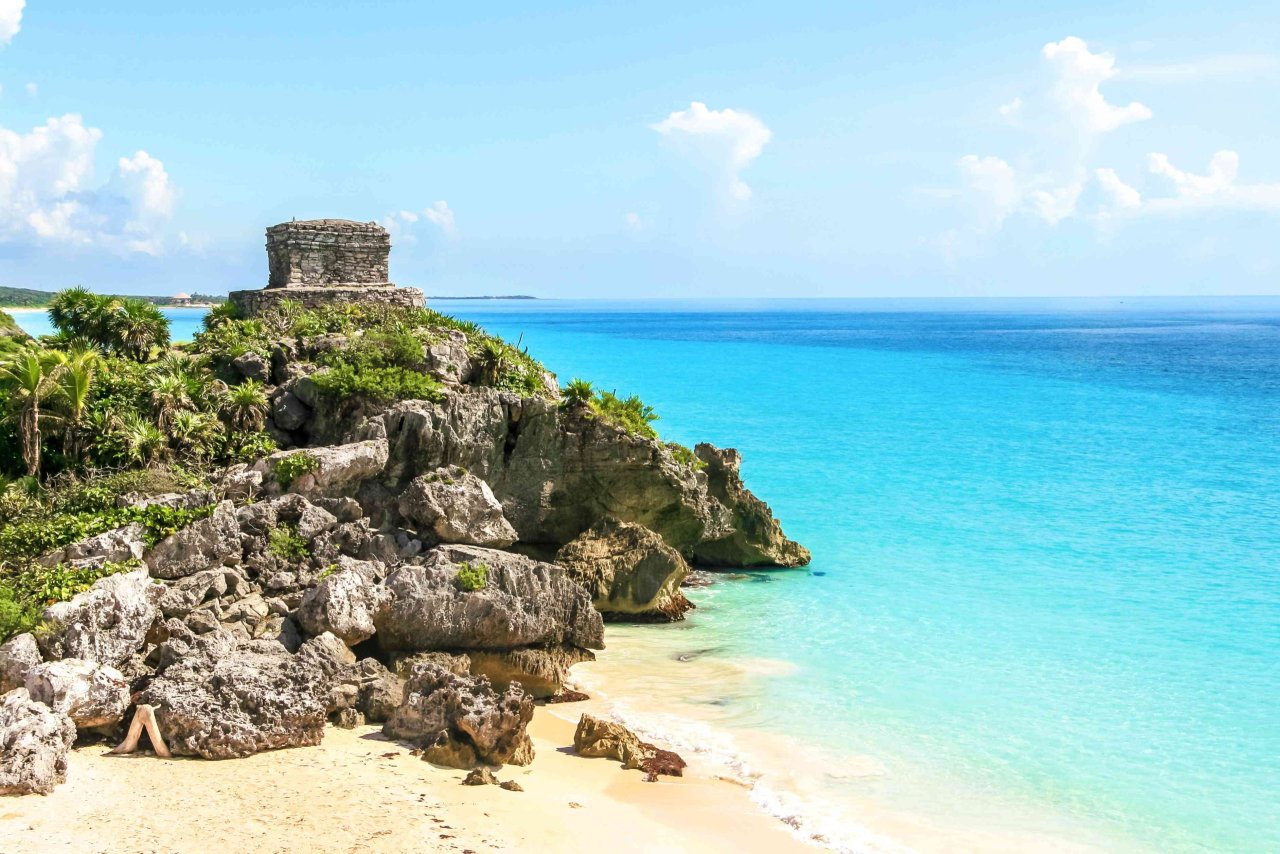



Best Day Trips From Cancún, Mexico – Cancún is one of the most strategically located resort cities in the Americas, placing travellers within reach of UNESCO World Heritage Sites, pristine Caribbean islands, sacred cenotes, and colonial cities — all within a single day.
- Ancient Mayan Ruins and Archaeological Sites
- Cenotes and Underground Water Systems
- Island Day Trips From Cancún
- Colonial Cities and Cultural Heritage
- Adventure Parks and Eco-Tourism
- Wildlife Encounters and Marine Life
- Coastal Towns and Beach Communities
- Adventure Sports and Extreme Activities
- Cultural Workshops and Traditional Experiences
- How Do You Get Around on Day Trips From Cancún?
- Seasonal Planning for Cancún Day Trips
- Budget-Friendly Day Trips From Cancún
- Family-Friendly Day Trips From Cancún
- Photography Guide for Cancún Day Trips
Whether you’re planning Cancun excursions to ancient Mayan ruins, island-hopping adventures, or eco-park experiences, this guide covers every major option with distances, costs, and practical logistics.
For families planning the full Cancún experience, our guide to travelling to Cancún with kids and family covers accommodation, safety, and child-friendly activities across the destination.
Key Takeaways
Hide- Chichen Itza is approximately 200 km (2.5 hours) from Cancún and ranks among the New Seven Wonders of the World.
- Tulum's cliff-top ruins sit 12 metres above the Caribbean Sea and are reachable in roughly 2 hours by bus or car.
- Cenote Ik Kil, Dos Ojos, and Gran Cenote are the most visited natural swimming sites near Cancún.
- Isla Mujeres is a 20-minute ferry ride from Puerto Juárez; Cozumel requires a ferry from Playa del Carmen.
- Whale shark season runs from June to September; turtle nesting season spans May to October.
- ADO buses offer the most affordable public transport links to Tulum ($10–$12 USD), and Valladolid (~$12–$15 USD).
Ancient Mayan Ruins and Archaeological Sites
The Yucatán Peninsula contains some of the best-preserved Mayan archaeological sites in the world, all accessible as day trips from Cancún.
The four most visited — Chichen Itza, Tulum, Coba, and Ek Balam — each offer a distinct historical character, physical setting, and visitor experience.
These sites vary significantly in crowd levels, climbing access, and proximity to cenotes, so choosing the right one depends on your priorities.
Chichen Itza
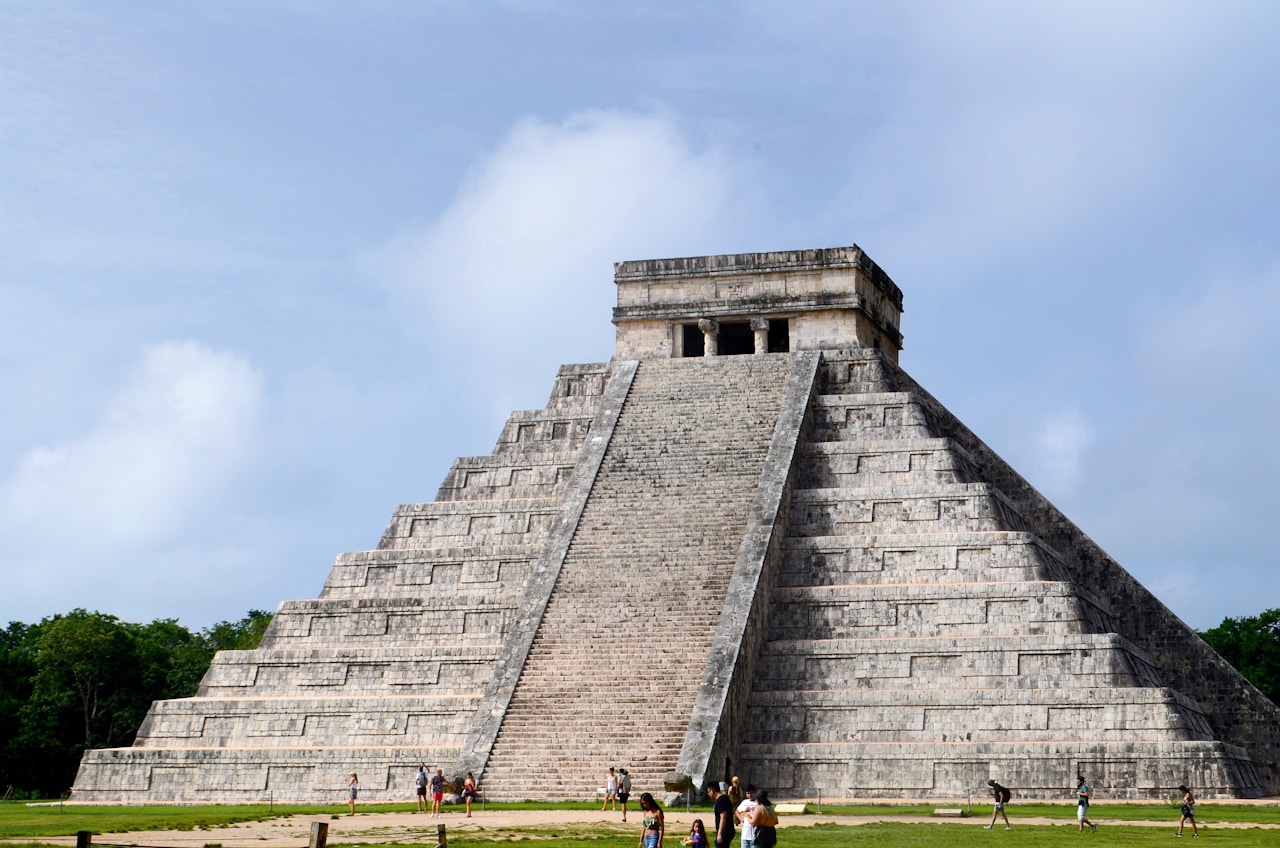
Chichen Itza is a UNESCO World Heritage Site located approximately 200 km west of Cancún, reachable in around 2.5 hours by ADO bus or organised tour.
It is one of the New Seven Wonders of the World and the most visited archaeological site in Mexico.
The centrepiece is El Castillo (Temple of Kukulcán), a 30-metre pyramid engineered to cast a shadow resembling a descending serpent during the spring and autumn equinoxes.
The site also contains the Great Ball Court, the Temple of Warriors, and the Sacred Cenote — a natural sinkhole historically used for ceremonial offerings.
Admission is 697 MXN (~$40 USD) for international adult visitors, combining a federal INAH fee and a Yucatán state fee.
Mexican citizens and foreign residents with valid ID enter free on Sundays.
The site opens at 8:00 AM and closes at 5:00 PM.
Arriving before 10:00 is strongly recommended to avoid peak heat and crowds.
Guided tours from Cancún typically depart between 07:00 and 08:00 and include round-trip transport, a guide, and entry.
Tulum Coastal Ruins
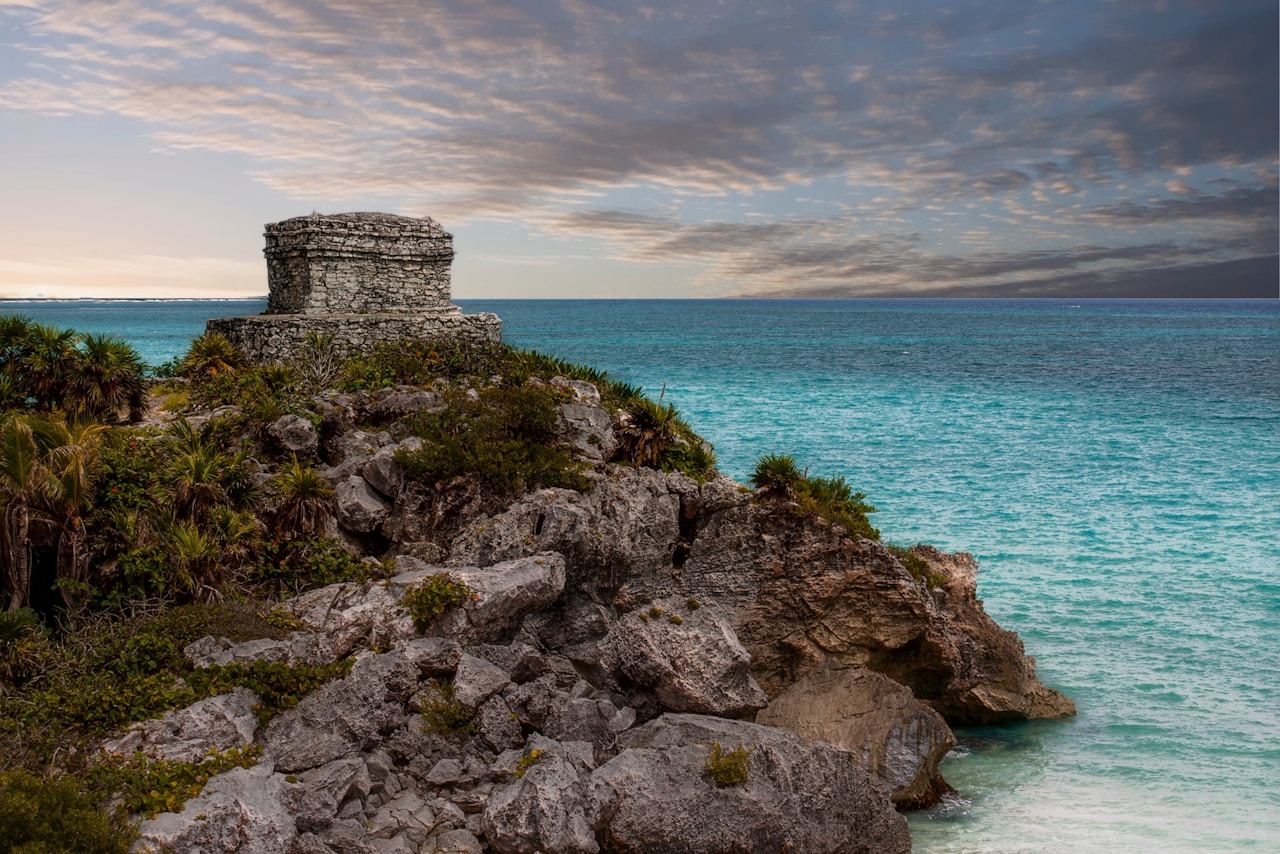
Tulum’s archaeological zone sits on a limestone cliff 12 metres above the Caribbean Sea, approximately 130 km south of Cancún (roughly 2 hours by road).
It is the only major Mayan site built directly on the coast, making it one of the most photographed in the region.
Key structures include El Castillo, the Temple of the Frescoes, and the Temple of the Descending God.
After the ruins, visitors can access a small beach directly below the site for swimming.
Entry totals approximately 515 MXN (~$28 USD) per adult foreign visitor, comprising three mandatory fees: the INAH archaeological ticket (100 MXN), the CONANP conservation bracelet (120 MXN), and the Jaguar National Park fee (295 MXN).
The site opens at 8:00 AM and closes at 5:00 PM.
Tulum town, located 1 km from the ruins, offers cenote access, restaurants, and the Tulum Hotel Zone.
Combining the ruins with a nearby cenote visit is a popular full-day itinerary from Cancún.
Coba Ancient City
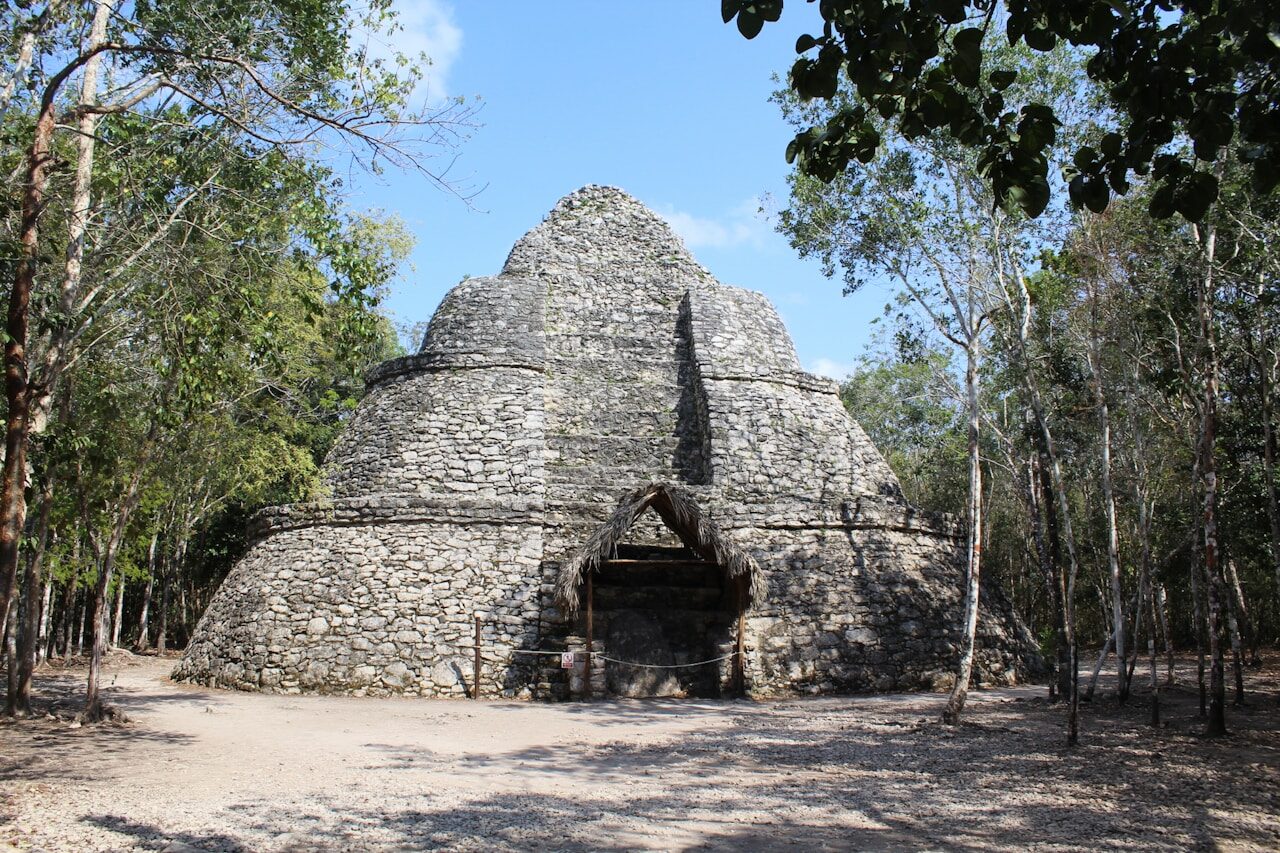
Coba is a large Mayan city set within dense jungle, approximately 170 km southwest of Cancún (around 2.5 hours by road).
Its defining feature is the Nohoch Mul pyramid — at 42 metres, it is the tallest climbable pyramid in the Yucatán Peninsula and one of the few where climbing remains permitted.
The site covers roughly 80 square kilometres, and the most practical way to navigate it is by renting a bicycle (80 MXN) or hiring a tricycle taxi (180–300 MXN) at the entrance.
The Sacbe road network — ancient raised causeways connecting structures — runs throughout the jungle interior.
Several cenotes are located within or adjacent to the Coba zone.
Entry is 330 MXN (~$19 USD) per adult, combining the INAH fee (210 MXN) and the ejido community fee (120 MXN).
The site opens at 8:00 AM and closes at 5:00 PM, with last admission at 4:00 PM.
Is Ek Balam Worth Visiting on a Day Trip From Cancún?
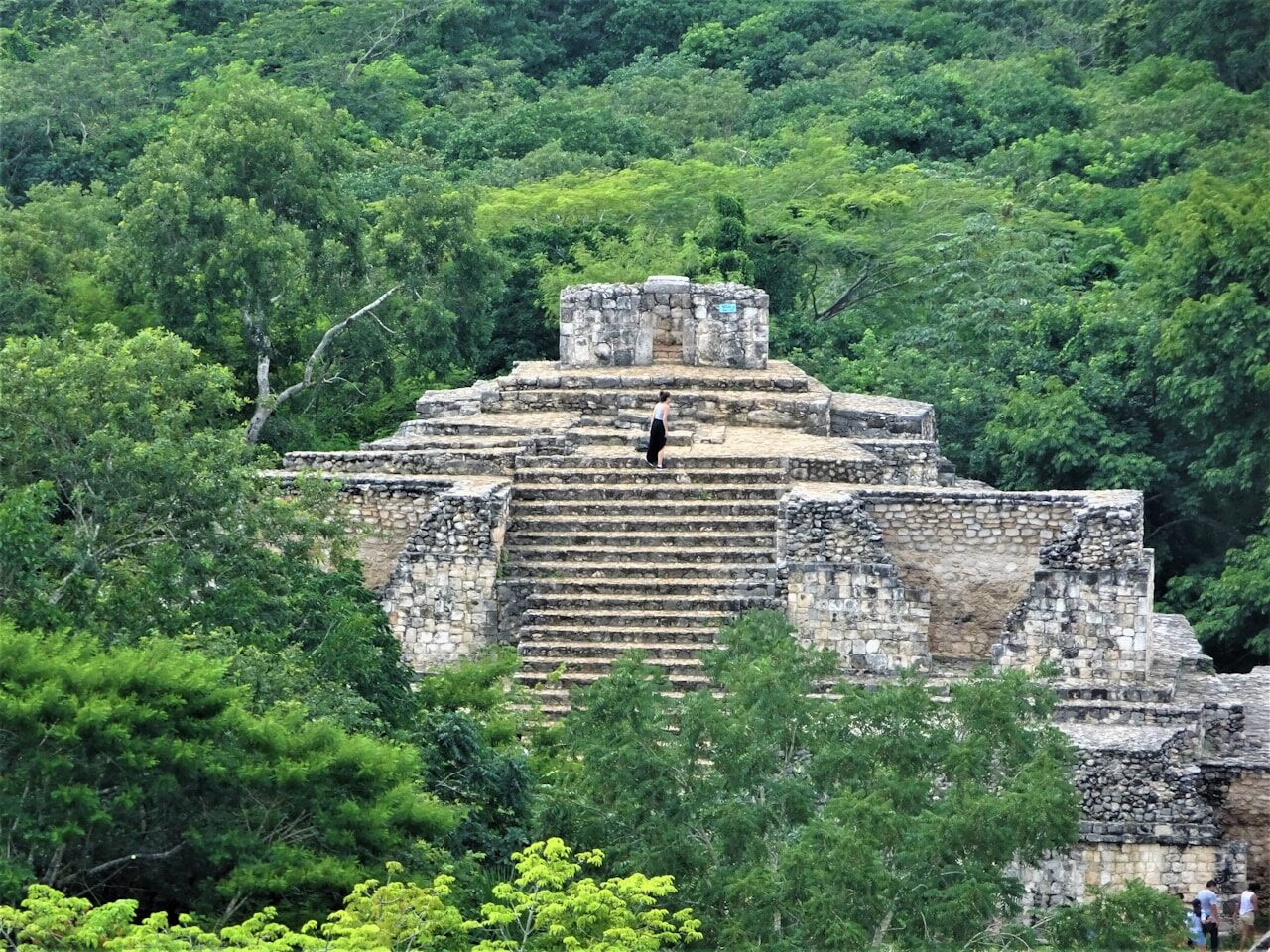
Ek Balam is worth visiting for travellers who want a less-crowded Mayan site with exceptional stucco carvings and a swimmable cenote on-site.
It sits approximately 190 km from Cancún (around 2.5 hours) and is typically combined with a Valladolid stop.
The Acropolis pyramid at Ek Balam rises 32 metres and features some of the finest preserved stucco sculpture in the Mayan world, including the Mouth of the Monster — a doorway framed by a giant mask.
Climbing is permitted.
Entry is approximately 530 MXN (~$29 USD) for international adult visitors, combining the INAH fee (100 MXN) and the Yucatán state fee (430 MXN), with free entry on Sundays for Mexican nationals and foreign residents holding valid Mexican ID.
Cenote X’Canché, a 15-minute bike ride from the main site, offers swimming in a circular sinkhole surrounded by jungle.
This combination of archaeology and cenote access in a quieter setting makes Ek Balam a strong alternative to the busier sites.
Cenotes and Underground Water Systems
The Yucatán Peninsula sits atop a vast limestone shelf riddled with underground rivers and sinkholes known as cenotes.
There are an estimated 6,000 cenotes across the peninsula, with dozens accessible as day trips from Cancún.
The four most visited are Dos Ojos, Gran Cenote, Cenote Suytun, and Ik Kil.
Cenotes are classified as open (sky-visible), semi-open, or cave cenotes.
Each type offers a different swimming and photography experience.
Dos Ojos Cenote System
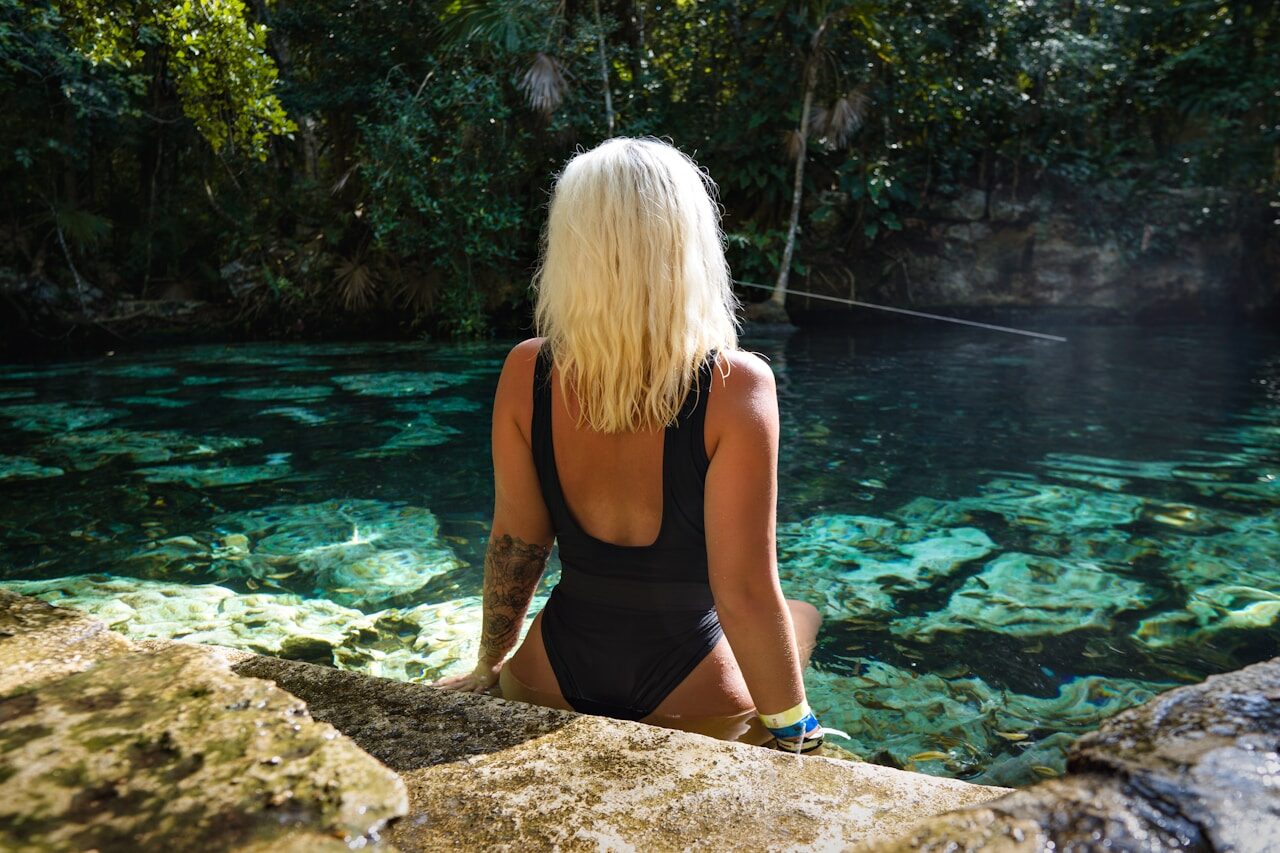
Dos Ojos (“Two Eyes”) is a twin-cavern cenote system located near Tulum, approximately 170 km from Cancún.
It is one of the longest explored underwater cave systems in the world, with over 82 km of mapped passages.
The two main cenotes — connected by an underwater tunnel — offer snorkelling in crystal-clear water with visibility exceeding 100 metres in places.
Guided cave diving tours are available for certified divers.
Entry is 350–400 MXN (~$18–22 USD) for swimmers and snorkellers; guided snorkel tours through the cave system and Bat Cave cost approximately $30 USD including equipment.
The site opens at 8:00 AM and closes at 5:00 PM.
Only cash is accepted at the entrance.
Dos Ojos is frequently combined with a Tulum ruins visit as part of a full-day excursion from Cancún.
Gran Cenote
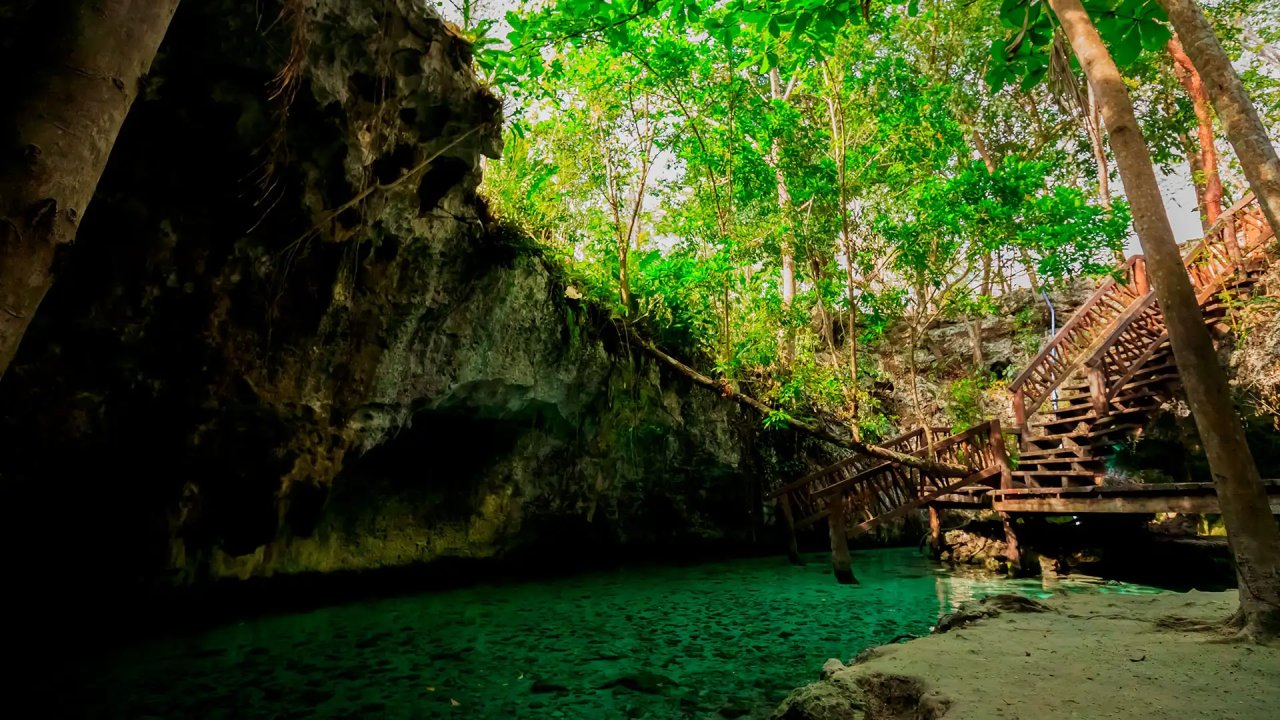
Gran Cenote is a semi-open cenote located 4 km west of Tulum town, making it one of the most accessible cenotes from the Tulum ruins.
The cenote features a large open chamber with stalactites, stalagmites, and an underwater cave passage.
Snorkelling is the primary activity.
Freshwater turtles, small fish, and occasional bats are commonly observed.
Water visibility is consistently high.
Entry is approximately 150–350 MXN (~$8–19 USD) depending on the current pricing tier; confirm at the ticket window as fees have been subject to revision.
The site opens at 8:00 AM and last entry is at 4:15 PM, with the cenote closing at 4:30 PM.
Snorkel gear rental is available on-site for approximately 50 MXN.
Cenote Suytun
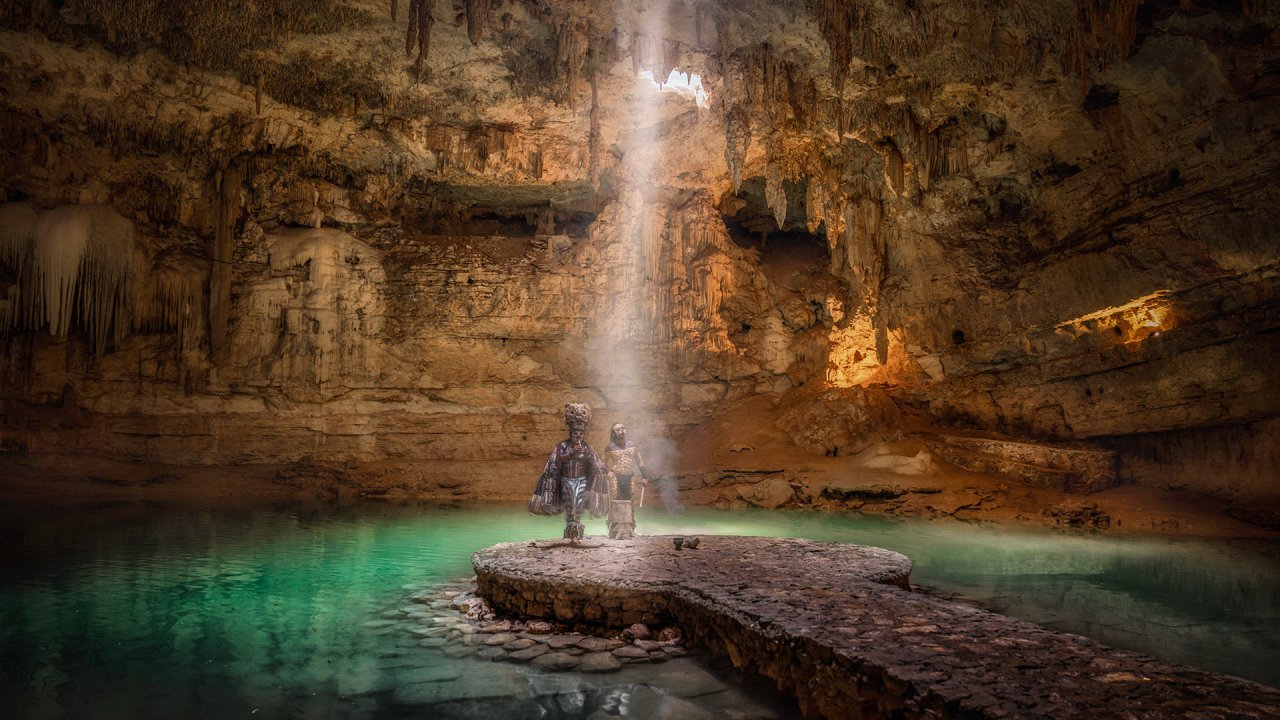
Cenote Suytun is a cave cenote located near Valladolid, approximately 160 km from Cancún.
It is one of the most photographed cenotes in Mexico due to a circular stone platform extending into the centre of the water, illuminated by a single shaft of natural light from the cave ceiling.
The light beam effect is strongest between 11:00 and 13:00.
Entry is approximately 200–220 MXN (~$11–12 USD), including photography access to the main chamber.
The site opens at approximately 9:00 AM and closes at 5:00 PM.
Photography is the primary draw, though swimming is permitted.
Cenote Suytun is typically visited alongside Chichen Itza or Ek Balam as part of a Valladolid day trip.
Ik Kil Sacred Cenote
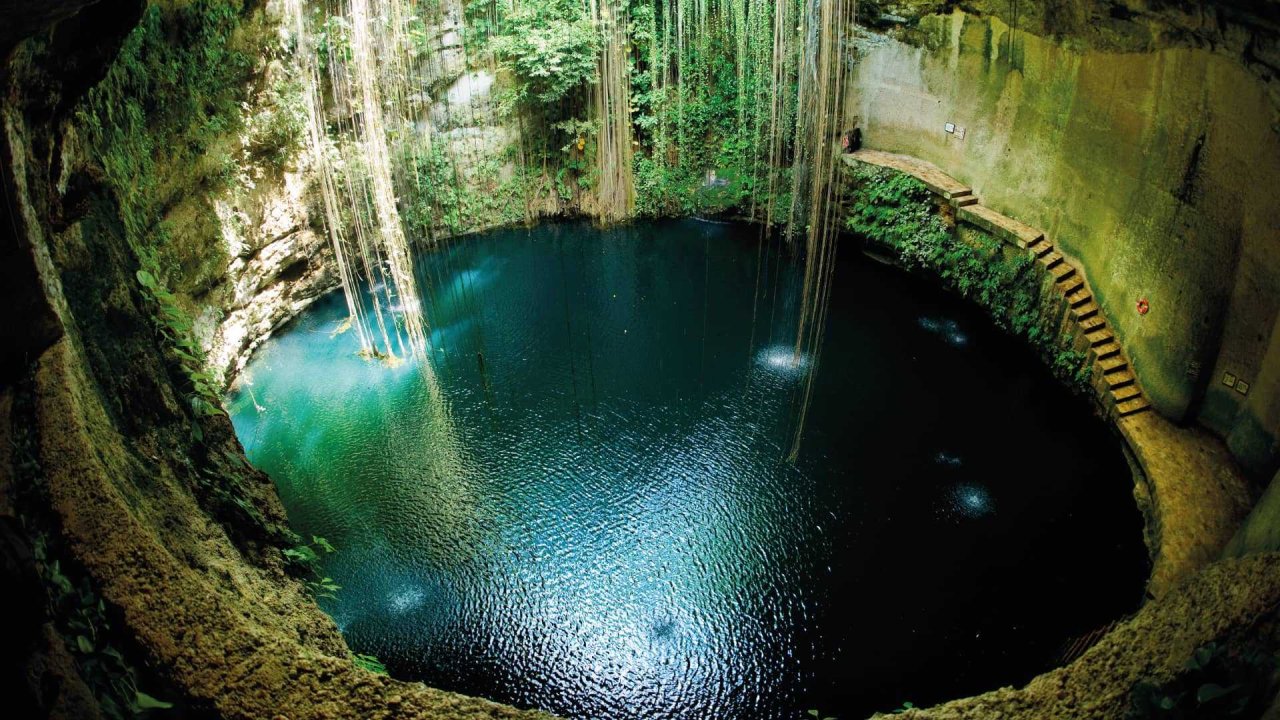
Ik Kil is an open cenote located 3 km from Chichen Itza, making it the most convenient cenote stop on the Chichen Itza day trip route.
The cenote is 60 metres wide and 40 metres deep, with hanging vines cascading from the rim to the water surface.
It was considered sacred by the ancient Maya and used for ceremonial purposes.
Today it is a popular swimming site.
Entry is 240 MXN (~$13 USD) per adult (ages 12+); children aged 5–11 pay 150 MXN.
The site opens at 8:00 AM and closes at 6:00 PM.
Platforms at two depths allow swimmers of different comfort levels to enter the water.
Island Day Trips From Cancún
Three main islands are accessible as day trips from Cancún: Isla Mujeres, Cozumel, and Holbox.
A fourth, Contoy, is a protected wildlife reserve accessible only via licensed tour operators.
Each island has a distinct character — from golf-cart beach towns to world-class dive sites to flamingo-dotted lagoons.
Isla Mujeres
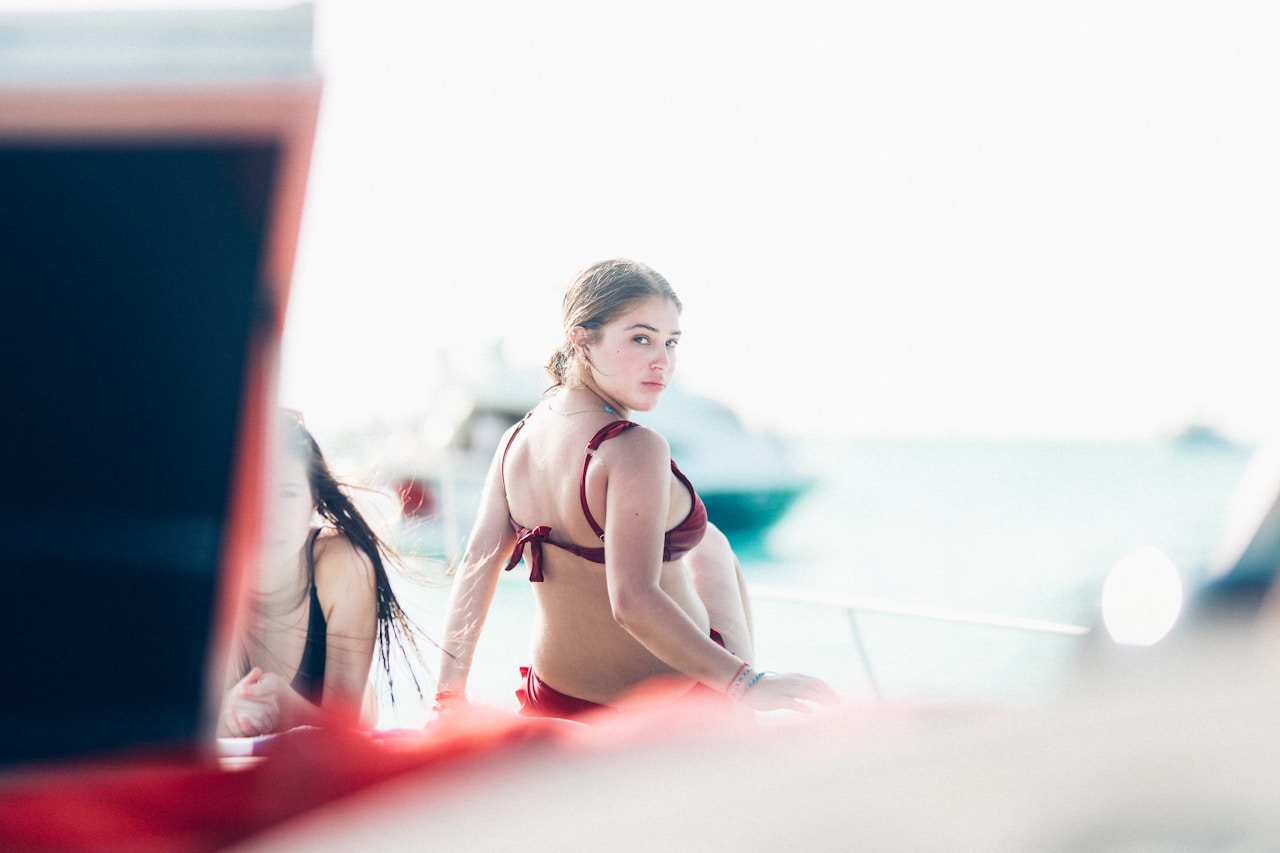
Isla Mujeres is a 7-km-long island located 13 km northeast of Cancún, reachable by ferry from Puerto Juárez in approximately 20 minutes.
The ferry costs approximately 250–280 MXN (~$13–15 USD) each way, making the roundtrip approximately $26–$30 USD.
Ferries depart frequently throughout the day from approximately 5:30 AM, with the last return ferry departing Isla Mujeres around midnight.
The island’s main beach, Playa Norte, consistently ranks among the best beaches in Mexico — shallow, calm, and lined with palms.
Golf cart rental (approximately $26 USD per hour, or $65 USD for an all-day 3–9 hour rental) is the standard way to explore the island.
Key stops include the Temple of Ixchel ruins at the southern tip, the sea turtle conservation centre (Tortugranja), and the town’s central market.
Is Cozumel Worth a Day Trip From Cancún?
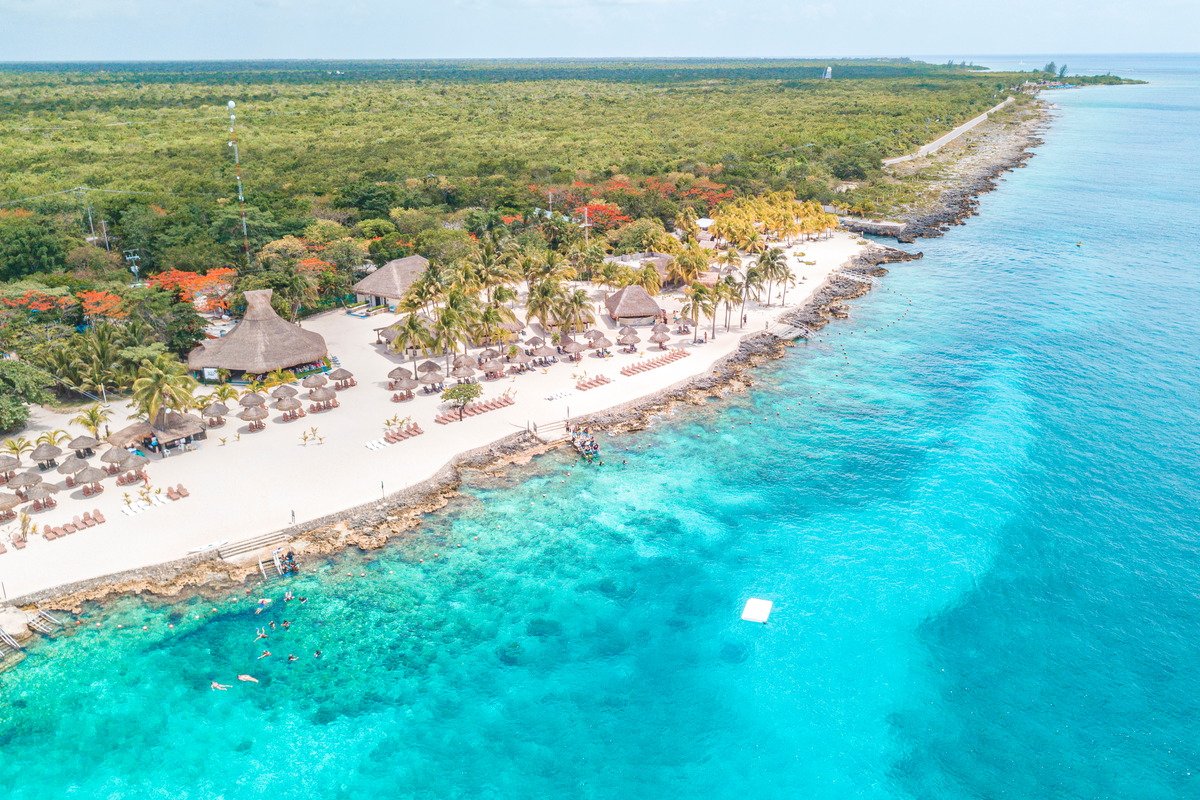
Cozumel is worth a day trip for divers and snorkellers — it sits within the Mesoamerican Reef, the second-largest coral reef system in the world, and offers over 30 named dive sites.
Water visibility regularly exceeds 30 metres.
Cozumel is reached by ferry from Playa del Carmen (45 minutes south of Cancún), not directly from Cancún itself.
The ferry crossing takes approximately 40–45 minutes and costs 260–300 MXN (~$13–15 USD) each way, making the roundtrip approximately $26–$30 USD.
The island’s Palancar Reef is home to over 500 fish species, sea turtles, eagle rays, and nurse sharks.
Dive operators on the island offer single-tank dives from approximately $50–$80 USD.
Holbox Island
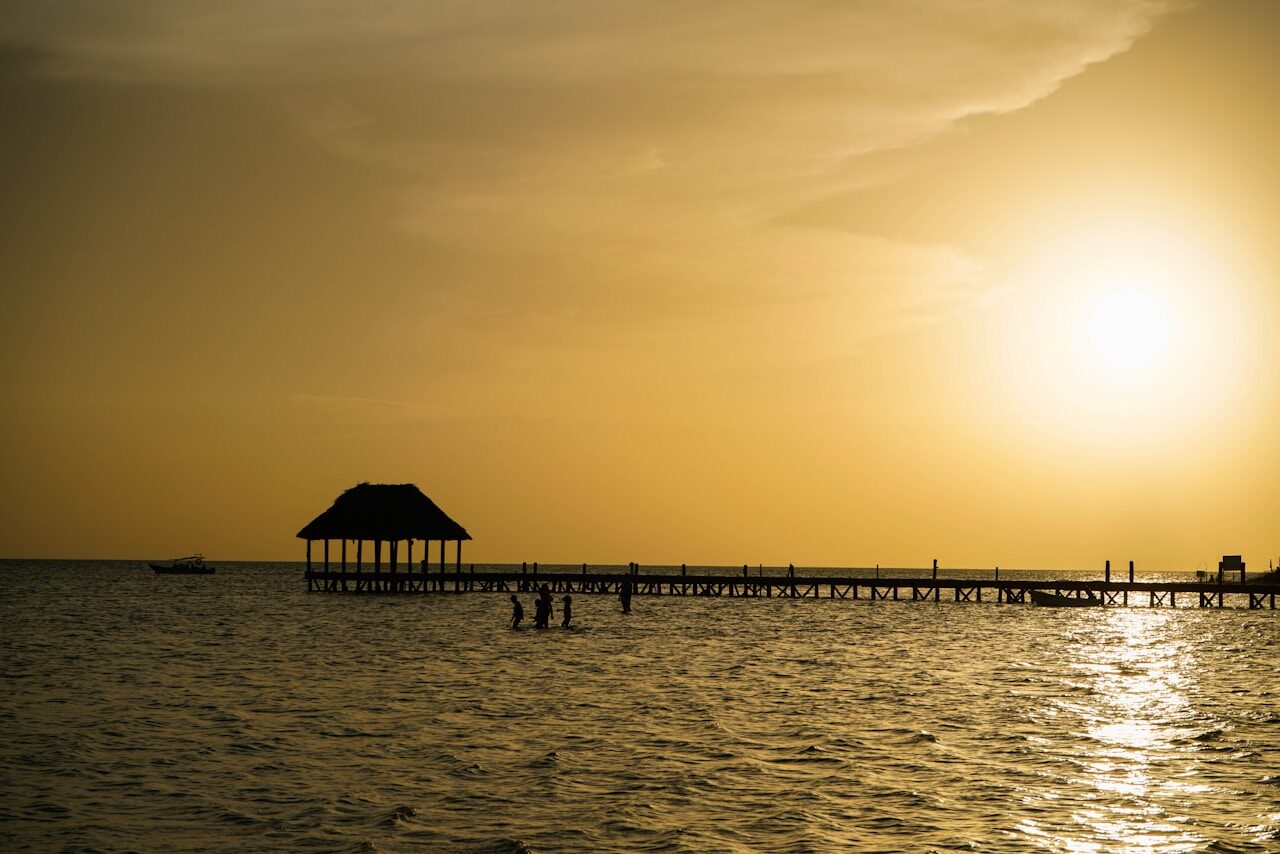
Holbox is a car-free island located approximately 180 km northwest of Cancún (around 2.5 hours by road plus a 20-minute ferry from Chiquilá).
The island has no paved roads — transport is by golf cart, bicycle, or on foot.
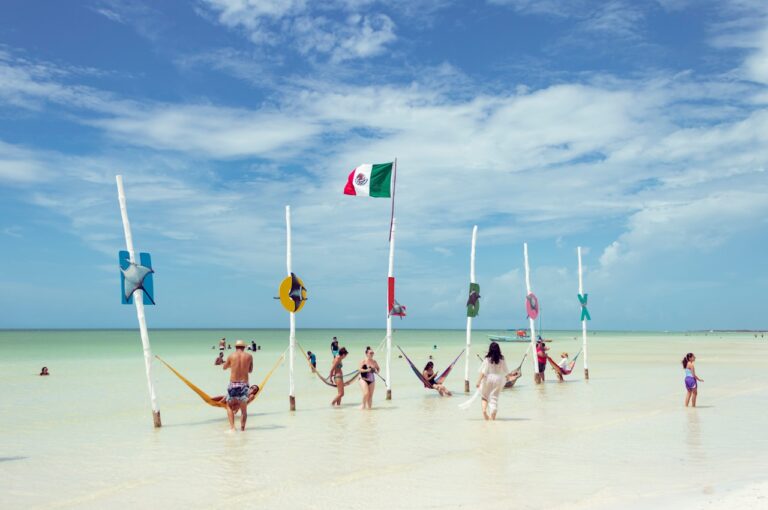
Holbox is best known for whale shark encounters (June to September), bioluminescent plankton (June to September, peaking on moonless nights), and flamingo sightings at Punta Mosquito lagoon.
The beach stretches approximately 35 km.
Accommodation and restaurants are concentrated in the small town centre.
The ferry from Chiquilá costs approximately 150–200 MXN (~$8–11 USD) each way, making the roundtrip approximately $16–$22 USD.
Contoy Island Bird Sanctuary
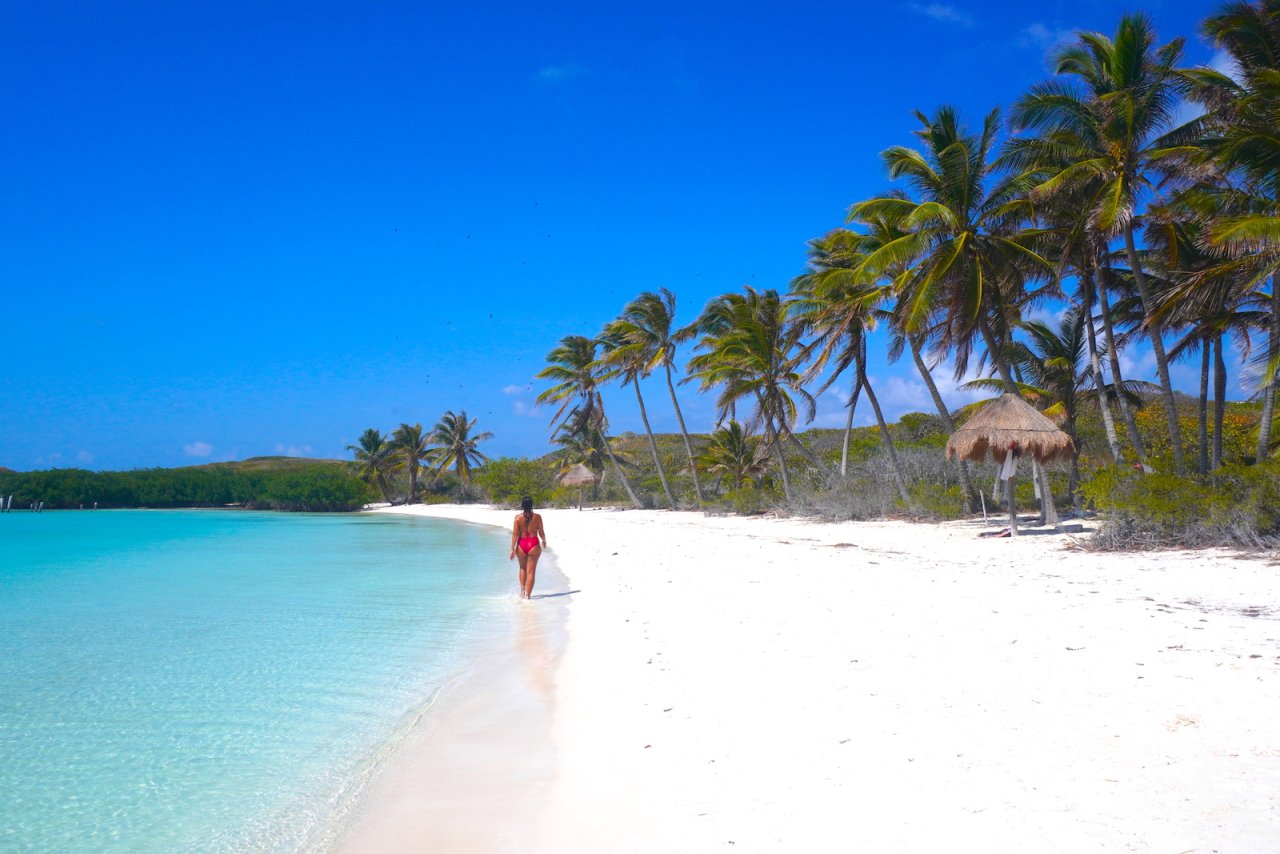
Contoy is a protected national park island located 30 km north of Isla Mujeres.
Access is strictly controlled — only licensed tour operators are permitted, and visitor numbers are capped daily.
Tours depart from Isla Mujeres or Cancún and typically include snorkelling at Ixlache Reef.
The island hosts over 150 bird species, including frigatebirds, brown boobies, and double-crested cormorants.
Pink flamingos are present seasonally.
Tours cost approximately $80–$120 USD per person and include a guide, snorkel equipment, and lunch.
Colonial Cities and Cultural Heritage
Three colonial towns make compelling day trips from Cancún: Valladolid (the closest and most visited), Izamal (the “Yellow City”), and Mérida (the Yucatán state capital, best suited to a multi-day visit).
Each offers Spanish colonial architecture, local markets, and proximity to additional archaeological or natural sites.
Valladolid
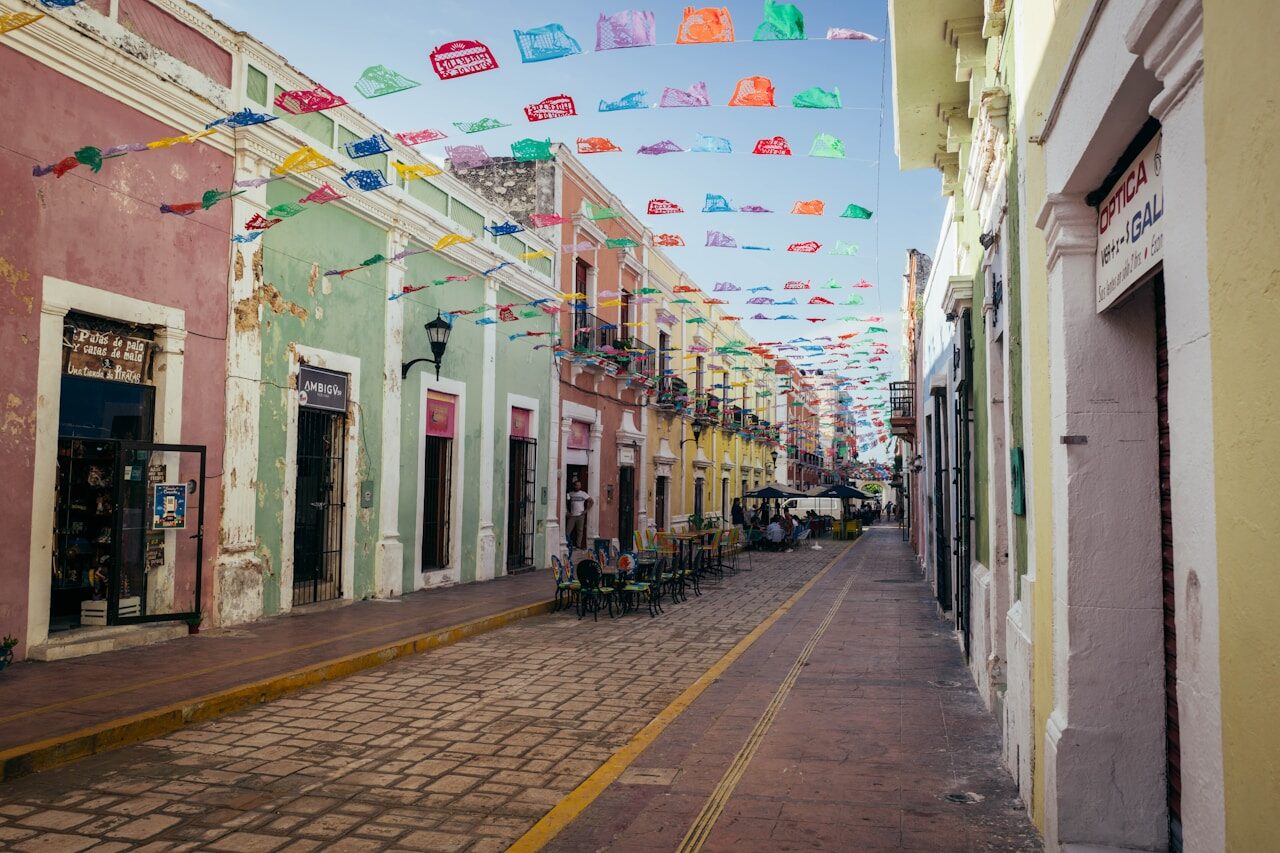
Valladolid is a colonial city located approximately 160 km west of Cancún (around 2 hours by road or ADO bus).
It is the most practical colonial town day trip from Cancún and is frequently combined with Chichen Itza or Ek Balam.
The city’s central square, Parque Francisco Cantón Rosado, is flanked by the 16th-century San Servacio Cathedral and the Palacio Municipal.
Cenote Zaci — a large open cenote located within the town itself — offers swimming for approximately 60–80 MXN (~$3–4 USD).
The Convent of San Bernardino de Siena, built in 1552, is one of the oldest convents in the Americas.
Casa de los Venados houses a private collection of over 3,000 pieces of Mexican folk art.
Izamal — The Yellow City
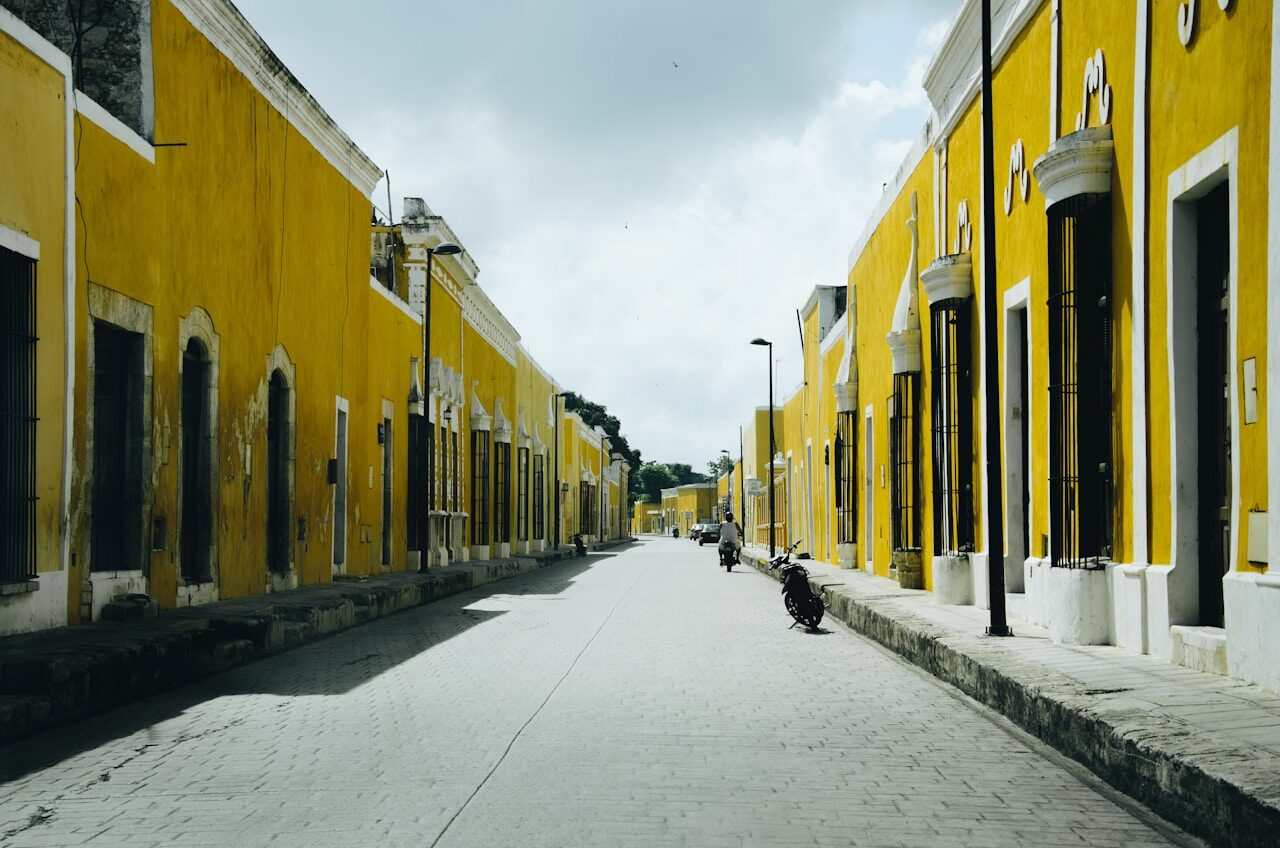
Izamal is known as the “Yellow City” because virtually all of its colonial buildings are painted ochre yellow, a tradition dating to a 1993 papal visit.
It sits approximately 250 km from Cancún (around 3 hours by road).
The Convent of San Antonio de Padua, built in 1561 on top of a Mayan pyramid platform, dominates the town centre.
The atrium is one of the largest in the world.
Mayan pyramid structures — including Kinich Kakmó, one of the largest by volume in Mexico — are accessible within walking distance of the convent.
Horse-drawn carriage tours of the town cost approximately $10–$15 USD for a guided circuit of the main sites.
Mérida — Yucatán Capital
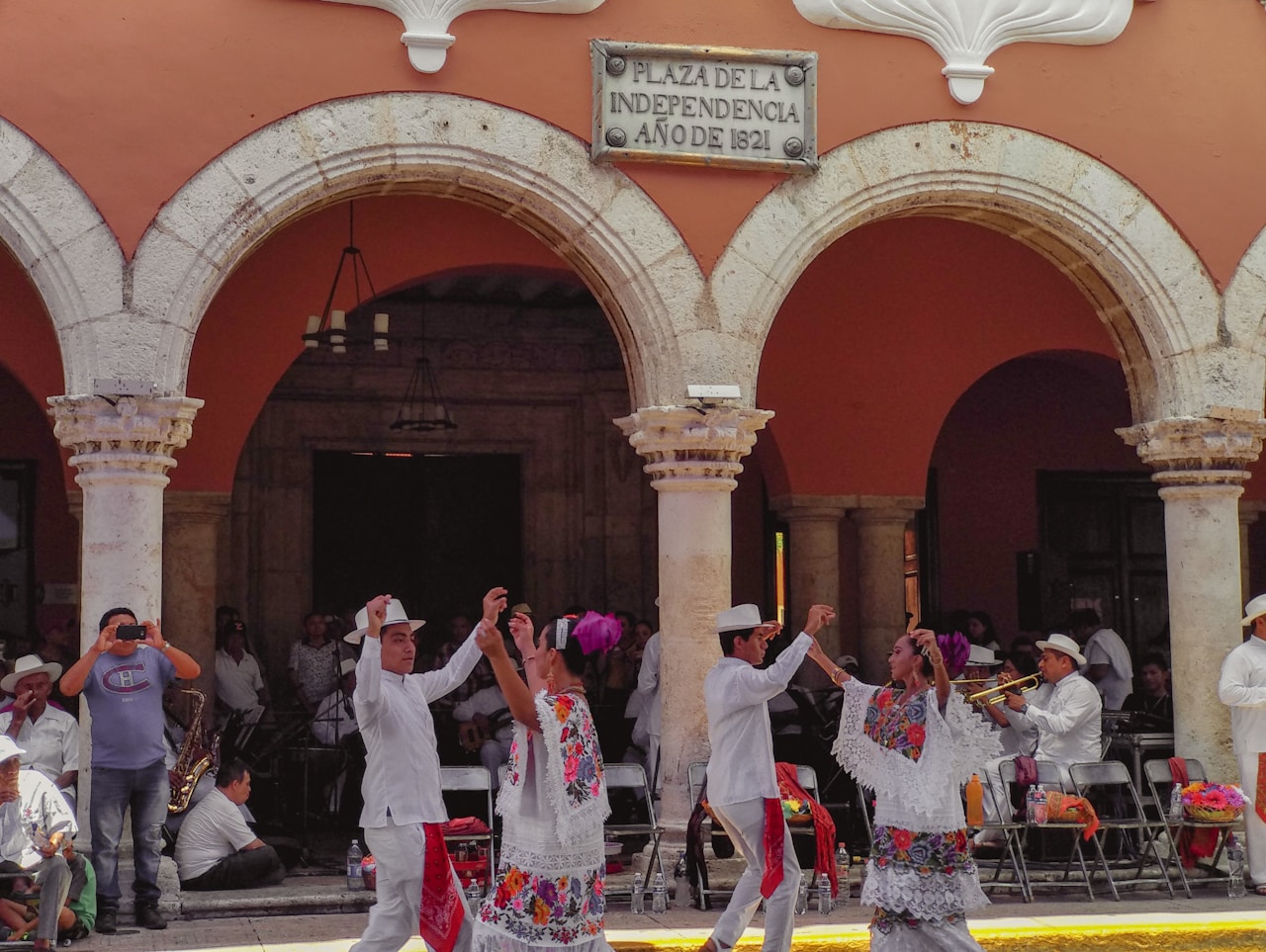
Mérida is the capital of Yucatán state, located approximately 320 km from Cancún (around 3.5 to 4 hours by road or ADO bus).
Due to the travel time, it is better suited to an overnight or multi-day visit than a standard day trip.
The city’s historic centre contains the Cathedral of Mérida (completed in 1598, one of the oldest cathedrals in the Americas), the Museo Casa de Montejo (a 16th-century colonial mansion), and the Gran Museo del Mundo Maya, which houses over 1,100 Mayan artefacts.
The Sunday market on Plaza Grande is one of the largest traditional markets in the Yucatán.
ADO buses connect Cancún to Mérida with departures throughout the day; tickets cost approximately $25–$35 USD one way.
Adventure Parks and Eco-Tourism
The Riviera Maya corridor between Cancún and Tulum hosts several large-scale eco-adventure parks that combine natural environments with organised activities.
The three most established are Xcaret, Xel-Há, and Xplor — all operated by Experiencias Xcaret and located within 75 km of Cancún.
Xcaret Eco-Archaeological Park
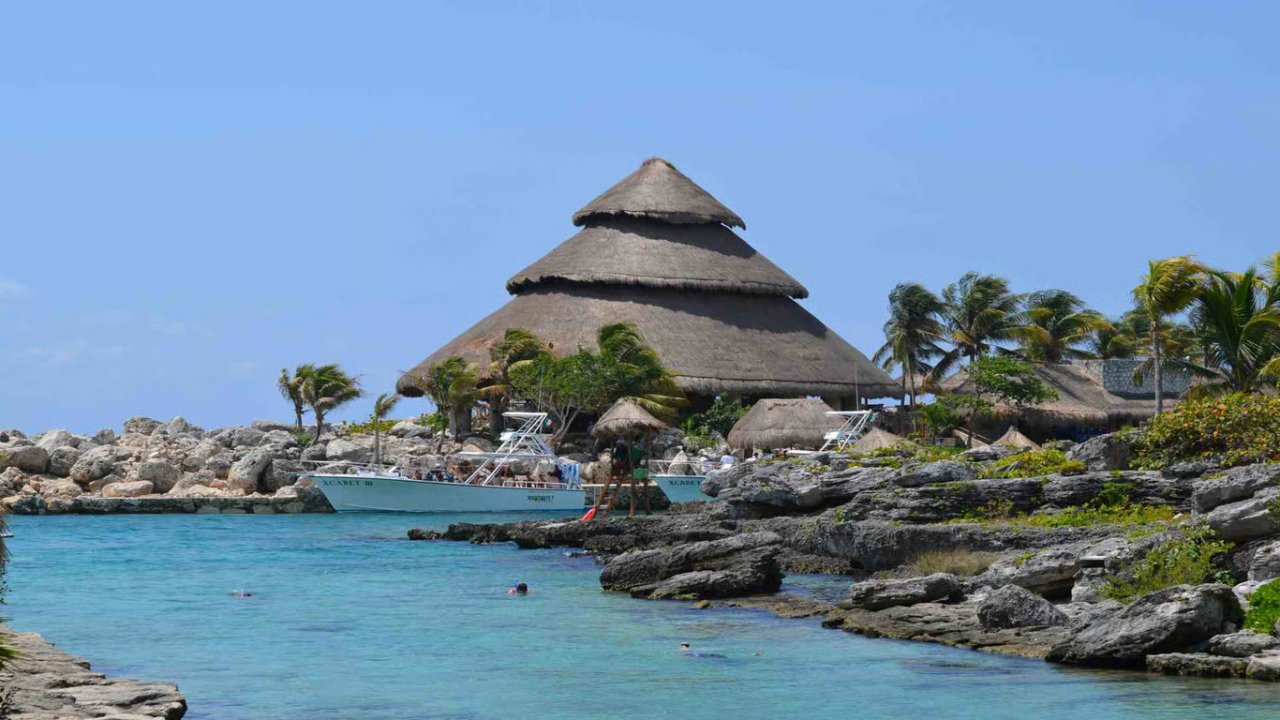
Xcaret is located approximately 75 km south of Cancún (around 1 hour by road) near Playa del Carmen.
It is the largest eco-archaeological park in the Riviera Maya, covering over 40 hectares.
The park combines natural features — underground rivers, a coral reef snorkel area, a beach — with cultural programming including a nightly folkloric show featuring over 300 performers.
Wildlife areas include a jaguar enclosure, flamingo lagoon, and butterfly pavilion.
Standard entry (Xcaret Full Day) is approximately $130–$133 USD per adult; the Xcaret Plus package, which adds a buffet meal, snorkel gear, and locker access, costs approximately $160 USD.
The park opens at 8:30 AM.
For more free and low-cost activities in the Cancún area, see our guide to free things to do in Cancún, Mexico as well as best things to do in Cancún.
Xel-Há Natural Aquarium
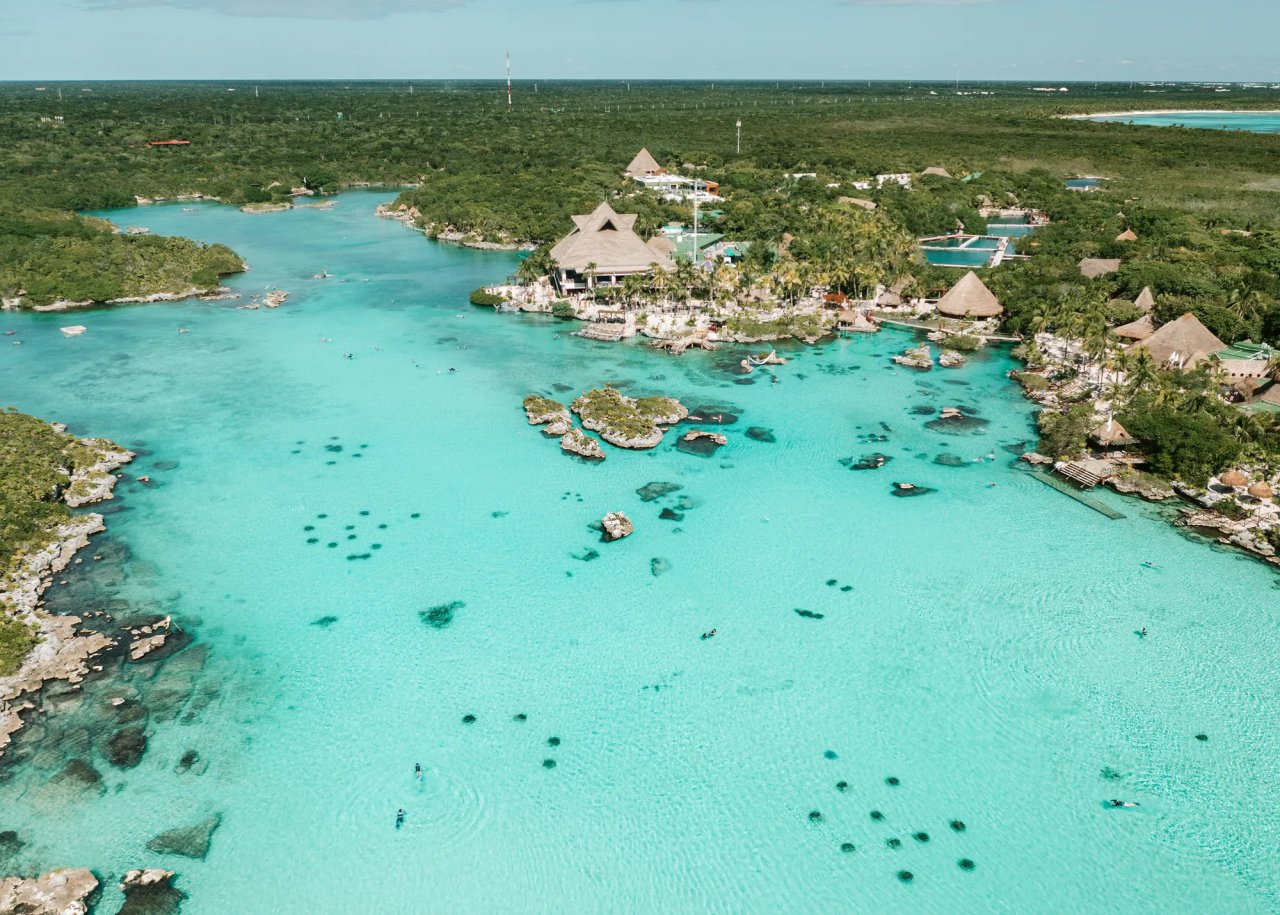
Xel-Há is a natural inlet (cala) located approximately 120 km south of Cancún, near Tulum.
The park operates on an all-inclusive model — entry includes snorkelling equipment, food, drinks, and access to all activities.
The inlet connects to the Caribbean Sea, creating a natural aquarium with high fish diversity.
Activities include snorkelling, a lazy river, cliff jumping, bicycle trails, and a Mayan cave.
Entry is approximately $145–$190 USD per adult, all-inclusive.
The park opens at 8:30 AM and closes at 6:00 PM.
Xel-Há is best visited on a weekday to avoid weekend crowds.
Xplor Adventure Park
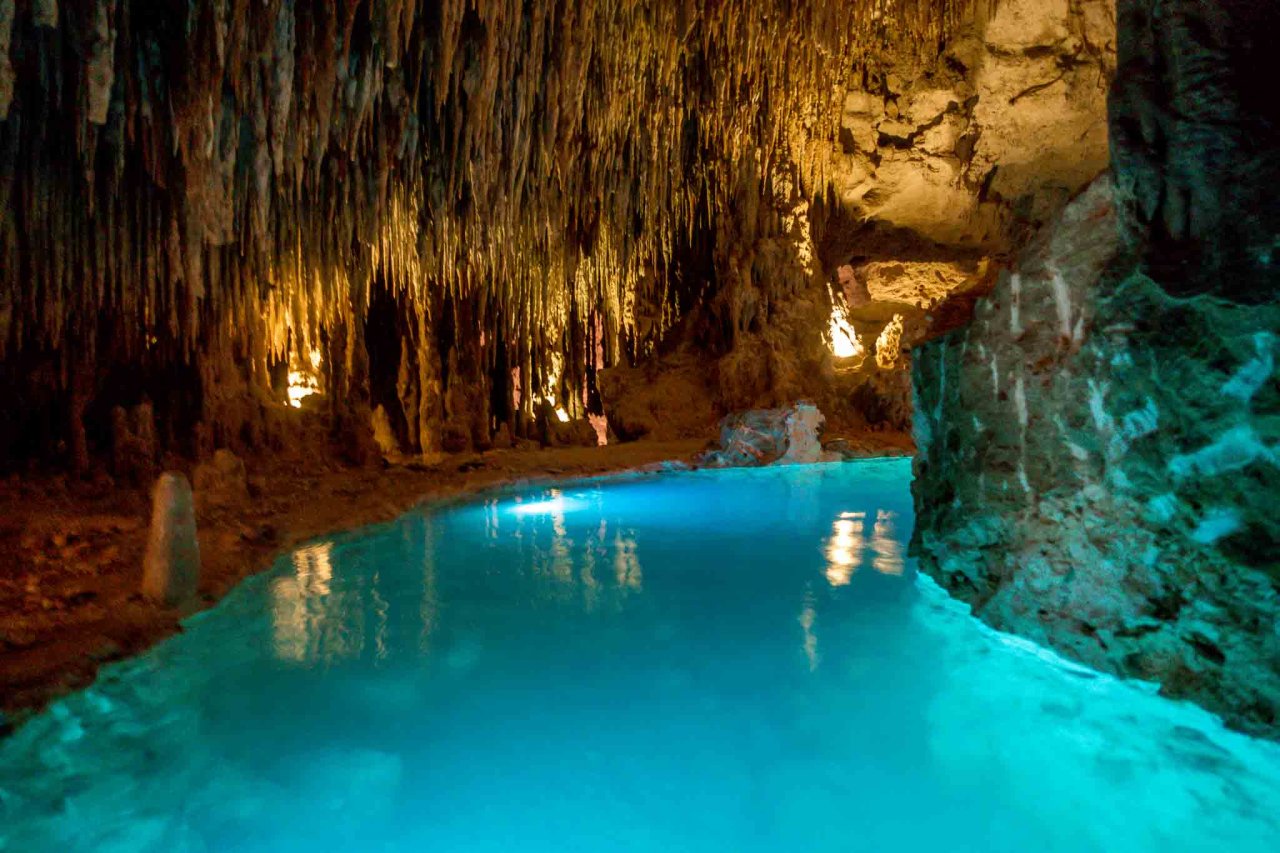
Xplor is an adventure-focused park located adjacent to Xcaret, approximately 75 km south of Cancún.
It specialises in high-adrenaline activities within a jungle and cave environment.
Activities include 14 zip-lines (including cave zip-lines over underground rivers), amphibious vehicle circuits through jungle and cave passages, stalactite river rafting, and underground swimming.
Entry with buffet is approximately $150–$176 USD per adult.
The park opens at 9:00 AM.
Xplor Fuego, a night version of the park, operates on select evenings from 5:30 PM to 11:30 PM for approximately $127–$155 USD per adult.
Wildlife Encounters and Marine Life
The waters and protected reserves around Cancún support some of the most significant wildlife tourism in the Caribbean.
Key experiences include whale shark swimming, sea turtle observation, dolphin encounters, and manatee spotting in the Sian Ka’an Biosphere Reserve.
How Much Does a Whale Shark Tour From Cancún Cost?
Whale shark tours from Cancún typically cost between $130 USD and $190 USD per person, including boat transport, snorkel equipment, a guide, and lunch.
Tours depart from Cancún’s main marina or from Isla Mujeres.
Whale sharks congregate in the waters north of Holbox and around Isla Contoy from June to September, with July and August representing peak season.
These are the largest fish in the ocean, reaching up to 12 metres in length.
Regulations require swimmers to maintain a minimum distance of 2 metres from the animals and prohibit touching.
Responsible operators follow CONANP guidelines.
Swimming with Dolphins Near Cancún
Dolphin interaction programmes are available at several dolphinarium facilities in the Cancún Hotel Zone and along the Riviera Maya.
Programmes range from shallow-water encounters to full swim experiences with dorsal-fin tows and acrobatic shows.
Prices vary by programme: basic interaction starts at approximately $60–$80 USD; full swim programmes cost approximately $120–$150 USD.
Advance booking is recommended, particularly during December to April peak season.
Travellers concerned about animal welfare should research operator practices before booking.
Sian Ka’an Biosphere Reserve
Sian Ka’an is a UNESCO World Heritage Site and Mexico’s largest protected area on the Caribbean coast, covering approximately 528,000 hectares south of Tulum.
It encompasses tropical forests, wetlands, mangroves, and a section of the Mesoamerican Reef.
Day tours from Cancún (approximately 2.5 to 3 hours each way) typically include boat tours through the lagoon system, manatee observation, bird watching, and snorkelling on the reef.
Manatees, crocodiles, jaguars, and over 330 bird species inhabit the reserve.
Guided tours cost approximately $80–$120 USD per person.
Independent access is limited — a licensed guide is required for most interior areas.
Coastal Towns and Beach Communities
Several coastal towns between Cancún and Tulum offer authentic local culture, reef snorkelling, and sea turtle encounters as alternatives to the resort strip.
The most visited are Playa del Carmen, Puerto Morelos, and Akumal.
Playa del Carmen and Quinta Avenida
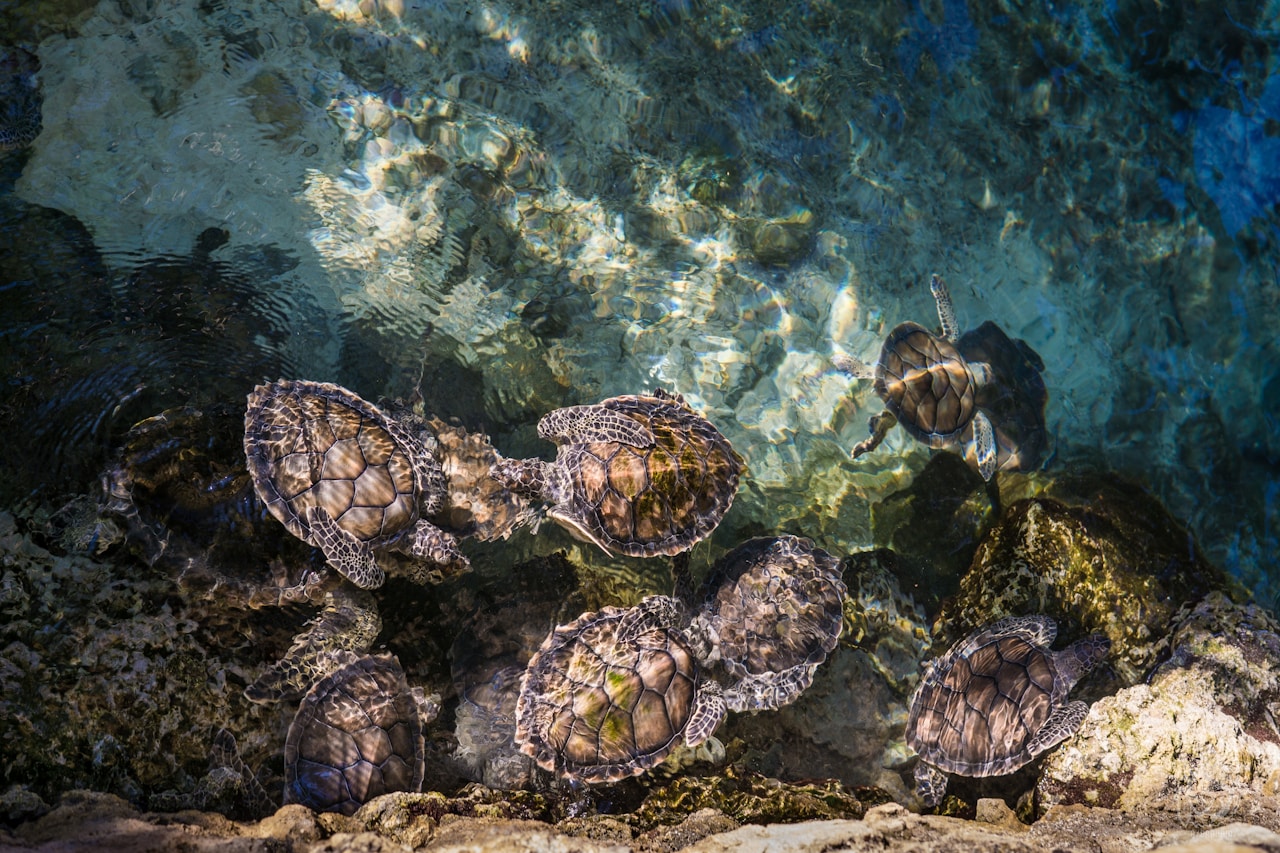
Playa del Carmen is located approximately 68 km south of Cancún (around 1 hour by ADO bus or colectivo).
It is the largest town on the Riviera Maya and the main ferry departure point for Cozumel.
Quinta Avenida (Fifth Avenue) is a 5-km pedestrian street running parallel to the beach through the town centre.
It contains restaurants, boutiques, artisan markets, and live music venues.
The beach at Playa del Carmen is public and free to access.
ADO buses depart Cancún for Playa del Carmen approximately every 30 minutes; tickets cost approximately $10–$12 USD one way.
Puerto Morelos Fishing Village
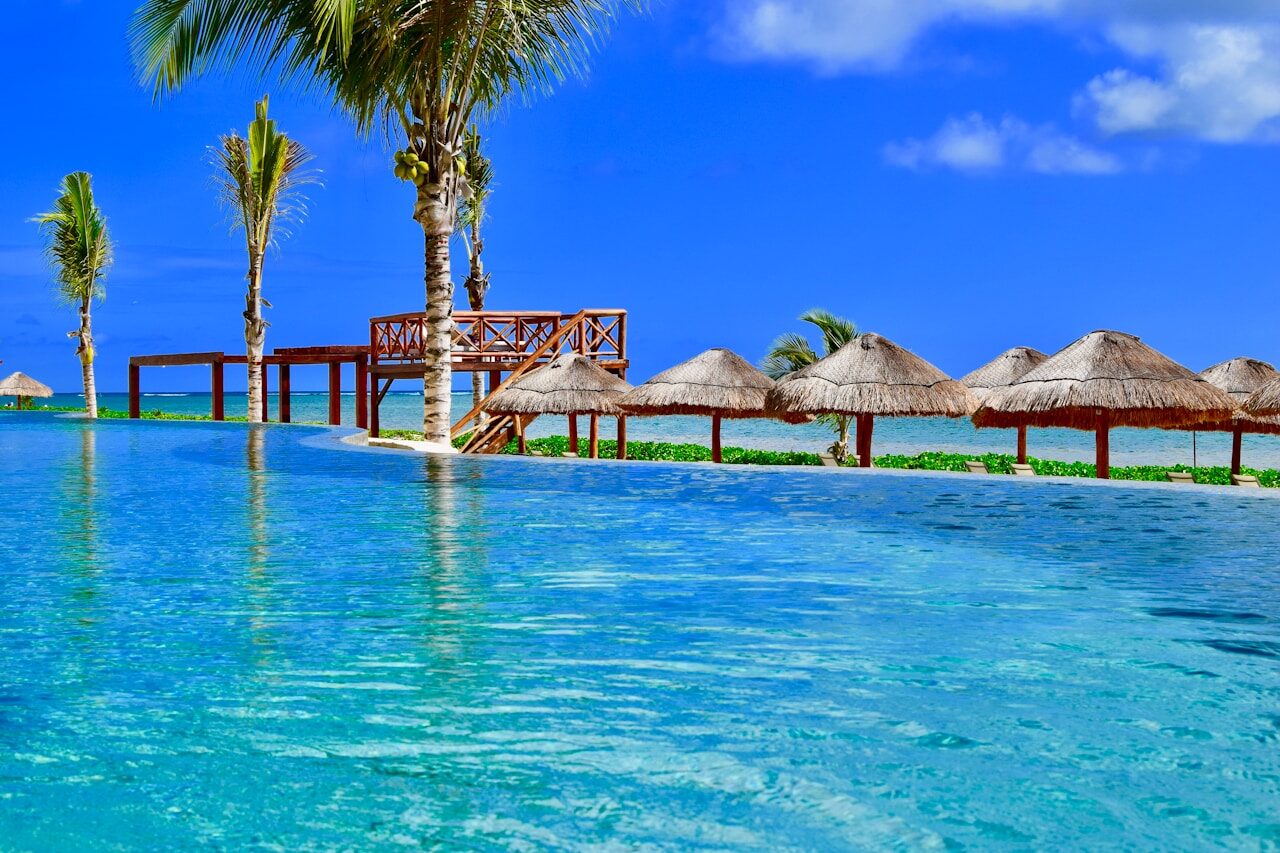
Puerto Morelos is a small fishing village located 36 km south of Cancún — the closest authentic coastal community to the resort zone.
It retains a low-key character compared to Playa del Carmen, with a central square, local seafood restaurants, and a leaning lighthouse.
The Puerto Morelos Reef National Park sits 500 metres offshore and is one of the best-preserved reef sections in the Riviera Maya.
Snorkel tours depart from the beach and cost approximately $25–$35 USD per person.
The reef is a protected national park — anchoring and fishing are prohibited.
Colectivos from Cancún to Puerto Morelos cost approximately 35–50 MXN (~$2–3 USD) and take around 40 minutes.
Akumal Turtle Bay
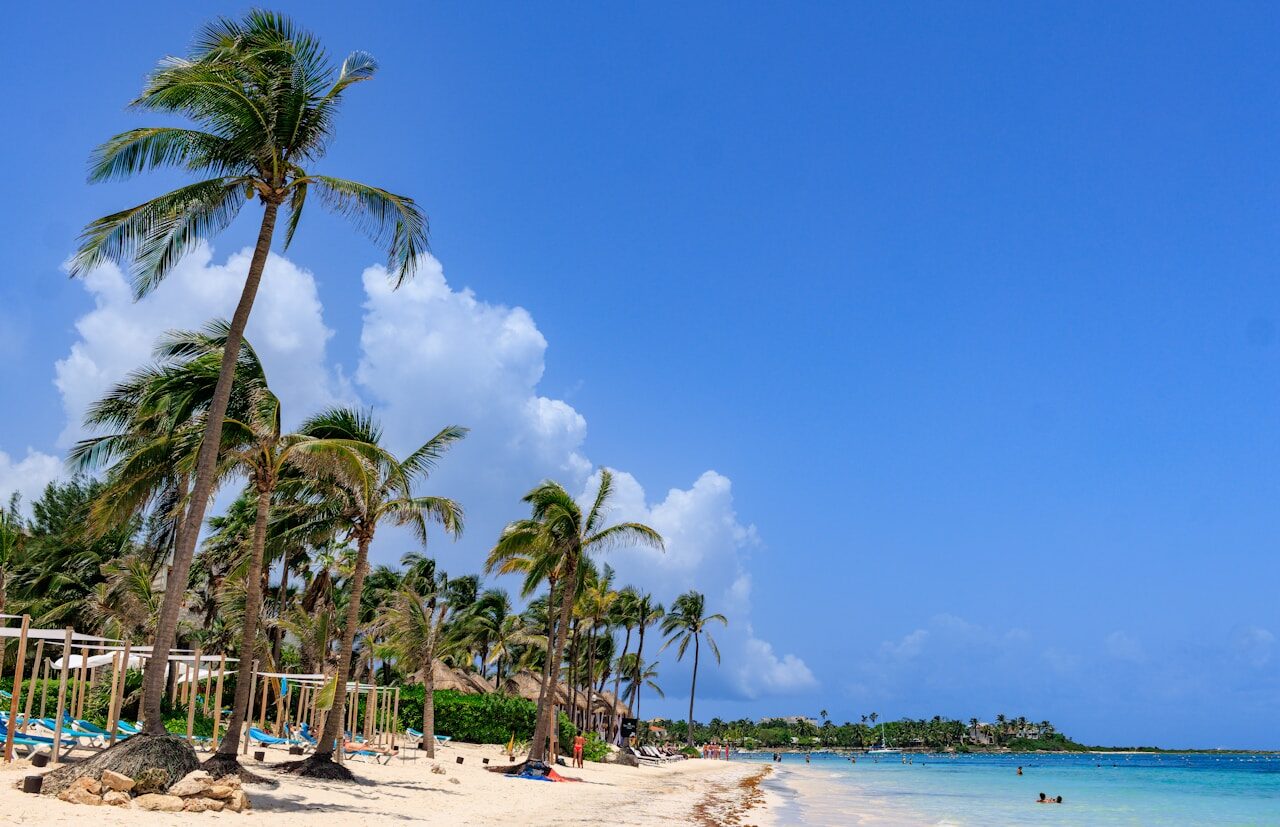
Akumal (“Place of the Turtles” in Mayan) is a small bay located approximately 100 km south of Cancún.
Green sea turtles feed on seagrass in the shallow bay year-round, making it one of the most reliable locations in Mexico for snorkelling with wild turtles.
Entry to the bay is managed to protect the turtles — a permit system and guide requirement are in place.
Snorkelling with a certified guide costs approximately $25–$40 USD per person.
Visitors must use biodegradable sunscreen and maintain a minimum distance of 3 metres from turtles.
The bay is accessible by ADO bus to Akumal or by colectivo from Playa del Carmen.
Adventure Sports and Extreme Activities
Beyond the eco-parks, the Cancún region offers independent adventure sports including jungle ATV tours, zip-line canopy experiences, and deep-sea fishing charters.
These can be booked as standalone excursions or combined with cenote visits.
Jungle ATV Tours
Jungle ATV tours operate from several bases along the Riviera Maya, typically 30 to 60 minutes south of Cancún.
Tours follow off-road jungle trails and usually include a cenote swimming stop.
Half-day tours cost approximately $60–$80 USD per ATV (single or double occupancy).
Full-day options are available.
Minimum age and weight requirements apply.
Most operators provide helmets, goggles, and basic instruction.
Booking in advance is recommended during peak season (December to April).
Zip-Line Canopy Tours
Zip-line experiences are available both within the eco-parks (Xcaret, Xplor) and as standalone canopy tours from operators near Cancún and Playa del Carmen.
Standalone canopy tours typically include 8 to 12 lines at varying heights and speeds.
Prices for standalone zip-line tours start at approximately $45–$65 USD per person.
Most tours include safety briefings, professional guides, and all equipment.
Minimum age is typically 5 years; weight limits apply.
The experience lasts approximately 2 to 3 hours.
Deep-Sea Fishing Charters From Cancún
Cancún’s location on the Caribbean Sea provides access to blue water fishing year-round.
Target species vary by season: sailfish (February to June), mahi-mahi (March to June), blue marlin (May to August), wahoo (November to January), and yellowfin tuna (April to August).
Charters depart from Puerto Juárez or the Cancún marina.
Half-day charters (4 hours) cost approximately $90–$120 USD per person on a shared boat; full-day private charters cost approximately $400–$600 USD for the entire vessel.
Prices typically include tackle, bait, and a fishing licence.
Catch-and-release is standard practice for billfish.
Cultural Workshops and Traditional Experiences
Several operators in the Cancún and Riviera Maya area offer hands-on cultural workshops covering traditional Mexican cuisine, Mayan chocolate preparation, and Yucatecan craft techniques.
These are available as standalone half-day experiences or as add-ons to archaeological site tours.
Traditional Mexican Cooking Classes
Cooking classes in the Cancún area typically cover core Yucatecan dishes: cochinita pibil (slow-roasted pork), sopa de lima (lime soup), and mole — a complex sauce incorporating over 20 ingredients including dried chillies, spices, and chocolate.
Classes last approximately 3 to 4 hours and cost $45–$65 USD per person, usually including ingredients, instruction, and a shared meal.
Several operators offer market visits as part of the experience, sourcing ingredients from local tianguis (traditional markets).
Mayan Chocolate Workshop
Mayan chocolate workshops trace the full bean-to-bar process: cacao pod harvesting, fermentation, roasting, grinding, and preparation of traditional xocolatl (unsweetened cacao drink).
The workshop contextualises cacao’s role in Mayan ritual and trade.
Workshops are available in Cancún, Playa del Carmen, and near several archaeological sites.
Duration is approximately 2 hours.
Cost is approximately $25–$40 USD per person.
Participants take home a small quantity of handmade chocolate.
Traditional Craft Workshops — Hammock Weaving and Textile Arts
Yucatán is the primary producing region for traditional Mexican hammocks (hamacas), woven from cotton or nylon using techniques passed down through generations.
Hammock weaving workshops are available in Valladolid and Mérida, where artisans demonstrate and teach the process.
Textile weaving, pottery, and traditional embroidery (bordado) workshops are also available in the Valladolid and Izamal areas.
Workshop costs range from approximately $20 USD to $60 USD depending on the craft and duration.
Participants typically produce a small take-home piece.
How Do You Get Around on Day Trips From Cancún?
The most common transport options for day trips from Cancún are organised group tours, ADO long-distance buses, colectivos (shared minivans), and private car hire.
Each suits a different budget and itinerary style.
Organised tours handle all logistics — transport, entry fees, and a guide — but follow fixed itineraries and departure times.
ADO buses are the most affordable option for independent travellers, with direct services to Playa del Carmen, Tulum, Valladolid, and Mérida.
Colectivos are cheaper than ADO for shorter routes (e.g., Cancún to Puerto Morelos or Playa del Carmen) but have no fixed schedules.
Renting a car provides maximum flexibility, particularly for sites like Coba or Ek Balam that have limited public transport links.
For a full breakdown of local and regional transport options, see our guide to getting around Cancún, Mexico.
Group Tours vs Independent Travel — Cost and Convenience
Group tours from Cancún to Chichen Itza typically cost $80–$120 USD per person, including transport, guide, and entry.
Booking the same trip independently via ADO bus plus entry fee costs approximately $55–$75 USD total — a meaningful saving, but with less guidance and more logistical management.
Independent travel suits travellers who want to control pace, linger at specific sites, or combine stops not covered by standard tour itineraries.
Group tours are better suited to first-time visitors, solo travellers, or those who prefer a structured experience with expert commentary.
ADO Bus Routes and Fares for Cancún Day Trips
ADO (Autobuses de Oriente) operates the main long-distance bus network across the Yucatán Peninsula.
Buses are air-conditioned, punctual, and the most reliable public transport option for day trips from Cancún.
Key routes and approximate fares from Cancún ADO terminal: Playa del Carmen ($10–$12 USD, ~1 hour), Tulum ($14–$19 USD, 2 hours), Valladolid ($12–$15 USD, 2 hours), Chichen Itza ($15–$18 USD, 2.5 hours), Mérida ($25–$35 USD, ~4 hours).
Tickets can be purchased at the terminal or online at ado.com.mx.
The Cancún ADO terminal is located in downtown Cancún.
Seasonal Planning for Cancún Day Trips
The timing of a visit to Cancún significantly affects which day trips are available, how crowded sites are, and what weather conditions to expect.
The two most important seasonal factors are whale shark season and hurricane season.
When Is the Best Time for Day Trips From Cancún?
The best time for day trips from Cancún is November to April — the dry season — when rainfall is minimal, temperatures are moderate (24–30°C), and all major sites and activities are fully operational.
This period also coincides with peak tourist season, so popular sites like Chichen Itza and Isla Mujeres are busiest.
May to October is the wet season, with higher humidity and the risk of tropical storms from June to November.
However, this period offers whale shark encounters (June to September), turtle nesting observation (May to October), and lower prices across tours and accommodation.
Bioluminescence at Holbox peaks during summer months.
The equinox events at Chichen Itza (around 20–21 March and 22–23 September) draw very large crowds — plan well in advance if visiting during these dates.
Also read our guide on best time to visit Cancun for more comprehensive factors to determine your time to visit.
Hurricane Season Tour Planning
Hurricane season in the Yucatán runs from June to November, with peak risk in September and October.
Most day trips operate normally during this period, as storms are typically tracked several days in advance.
Reputable tour operators offer rebooking or refund policies for weather cancellations — confirm this before booking.
Indoor alternatives during rainy days include the Museo Maya de Cancún (over 400 Mayan artefacts, free on Sundays), the Choco-Story chocolate museum in Playa del Carmen, and the Planetario Ka’Yok’ in Cancún.
Cenote visits are largely unaffected by rain and can be a good wet-weather option.
Budget-Friendly Day Trips From Cancún
Day trips from Cancún range from free (public beach access at Puerto Morelos) to over $130 USD per person for all-inclusive eco-park packages.
Budget-conscious travellers can significantly reduce costs by using public transport, visiting on free-entry days, and travelling in groups. You can also read our guide on how to travel to Cancun on a budget.
Is It Possible to Do Day Trips From Cancún on a Budget?
Yes — several major day trip destinations from Cancún are accessible for under $30 USD per person using public transport.
ADO buses to Playa del Carmen cost approximately $10–$12 USD; colectivos to Puerto Morelos cost approximately 35–50 MXN (~$2–3 USD).
Tulum ruins entry is approximately $28 USD, and the adjacent beach is free.
Mexican government museums and some archaeological sites offer free entry on Sundays for Mexican nationals; international visitors may still pay a fee, but prices are often reduced.
Travelling in a group of four or more unlocks discounts at many tour operators — typically 10 to 15% off standard rates.
Booking ADO tickets online in advance avoids queues and occasionally offers promotional fares.
For more ideas on experiencing Cancún without spending heavily, see our guide to free things to do in Cancún, Mexico.
Family-Friendly Day Trips From Cancún
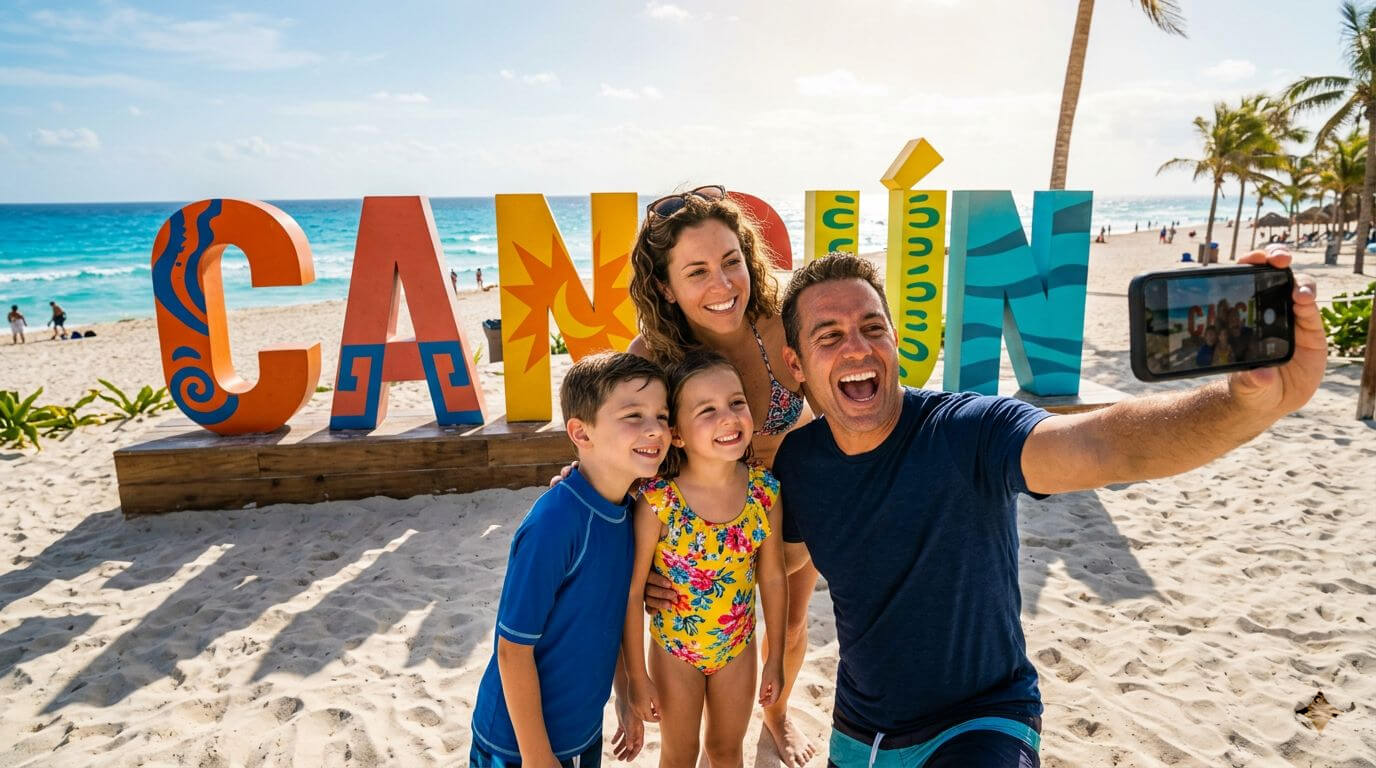
Cancún’s surrounding region offers a strong range of child-appropriate excursions.
The most family-friendly options combine physical activity with educational content and manageable travel distances.
For a broader look at family travel in the destination, our Cancún with kids and family guide covers accommodation, safety, and age-appropriate activities.
Best Family Day Trips From Cancún
The top family day trips from Cancún are Isla Mujeres (short ferry, calm beach, turtle sanctuary), Xcaret (wildlife, cultural shows, underground river swimming), Xel-Há (all-inclusive snorkelling, lazy river, cliff jumping), and cenote visits near Tulum (child-safe swimming in shallow sections).
Chichen Itza is suitable for older children (8+) who can handle the heat and walking distance.
Coba’s pyramid climb is popular with older children and teenagers.
Ek Balam is a quieter option with a swimmable cenote that suits families wanting to avoid large crowds.
Cancún Interactive Aquarium
The Cancún Interactive Aquarium (Aquario Interactivo) is located in the La Isla Shopping Village in the Hotel Zone.
It is one of the most accessible family attractions in Cancún itself, requiring no day-trip travel.
Exhibits include touch tanks with stingrays and starfish, a shark observation tank, and dolphin encounter programmes.
Educational workshops on marine conservation are available for children.
Entry is approximately $22–$25 USD for adults and approximately $15–$18 USD for children.
The aquarium opens at 9:00 AM.
Child-Safe Cenote Swimming Near Cancún
Not all cenotes are suitable for young children — cave cenotes with deep water and limited lighting require swimming confidence.
The most family-friendly cenotes near Cancún are those with shallow entry areas, clear water, and lifeguard presence.
Cenote Azul (near Playa del Carmen) and Cenote Cristalino are both open cenotes with shallow sections suitable for young children.
Ik Kil has a platform system allowing entry at different depths.
Always check age and swimming ability requirements with the operator before booking.
Biodegradable sunscreen is mandatory at most cenotes.
Photography Guide for Cancún Day Trips
The Cancún region offers exceptional photography opportunities across multiple environments: archaeological sites, cenotes, reef systems, and wildlife.
Timing and technique vary significantly by location.
Best Photography Spots on Cancún Day Trips
The most photographed locations on Cancún day trips are: Tulum ruins at sunrise (golden light, no crowds before 08:00), Cenote Suytun between 11:00 and 13:00 (peak light beam effect), Chichen Itza’s El Castillo during equinox events, and Holbox Island at dusk during bioluminescence season.
For underwater photography at cenotes, a wide-angle lens and housing rated to at least 10 metres depth are recommended.
Natural light is sufficient in open cenotes; cave cenotes require a dive torch or video light.
At archaeological sites, a polarising filter reduces glare from limestone surfaces.
Wildlife photography at Sian Ka’an and Contoy requires a telephoto lens of at least 300mm for bird species.
Frequently Asked Questions (FAQs)
Do You Need a Tour Guide to Visit Chichen Itza From Cancún?
A tour guide is not legally required to visit Chichen Itza, but independent visitors must arrange their own transport and purchase entry tickets separately.
Licensed guides at the site entrance offer tours in multiple languages for approximately $25–$50 USD depending on group size.
Organised tours from Cancún include transport, a guide, and entry in a single package, which simplifies logistics considerably.
Independent travellers can reach the site via ADO bus from Cancún for approximately $15–$18 USD each way.
What Should You Pack for a Day Trip From Cancún?
For archaeological site visits, pack sunscreen (SPF 50+), a wide-brimmed hat, lightweight clothing, at least 2 litres of water, and comfortable closed-toe shoes.
For cenote visits, add a swimsuit, water shoes, and biodegradable sunscreen (conventional sunscreen is prohibited at most cenotes).
For island day trips, include a dry bag for electronics, reef-safe sunscreen, and a light layer for the ferry crossing.
Cash in Mexican pesos is useful at smaller sites and local markets where card payment is not accepted.
How Far in Advance Should You Book Cancún Day Trip Tours?
For peak season (December to April) and high-demand experiences such as whale shark tours, Chichen Itza group tours, and dolphin programmes, booking at least 4 to 6 weeks in advance is recommended.
Whale shark tours in particular have limited daily capacity due to wildlife protection regulations and sell out quickly in July and August.
For low season travel (May to November, excluding Mexican public holidays), 1 to 2 weeks’ advance booking is generally sufficient. ADO bus tickets can be purchased on the day but booking online avoids queues at busy periods.