Best Neighborhoods in Cancun: Areas to Stay and Explore in Cancun, Mexico (2026 Guide)
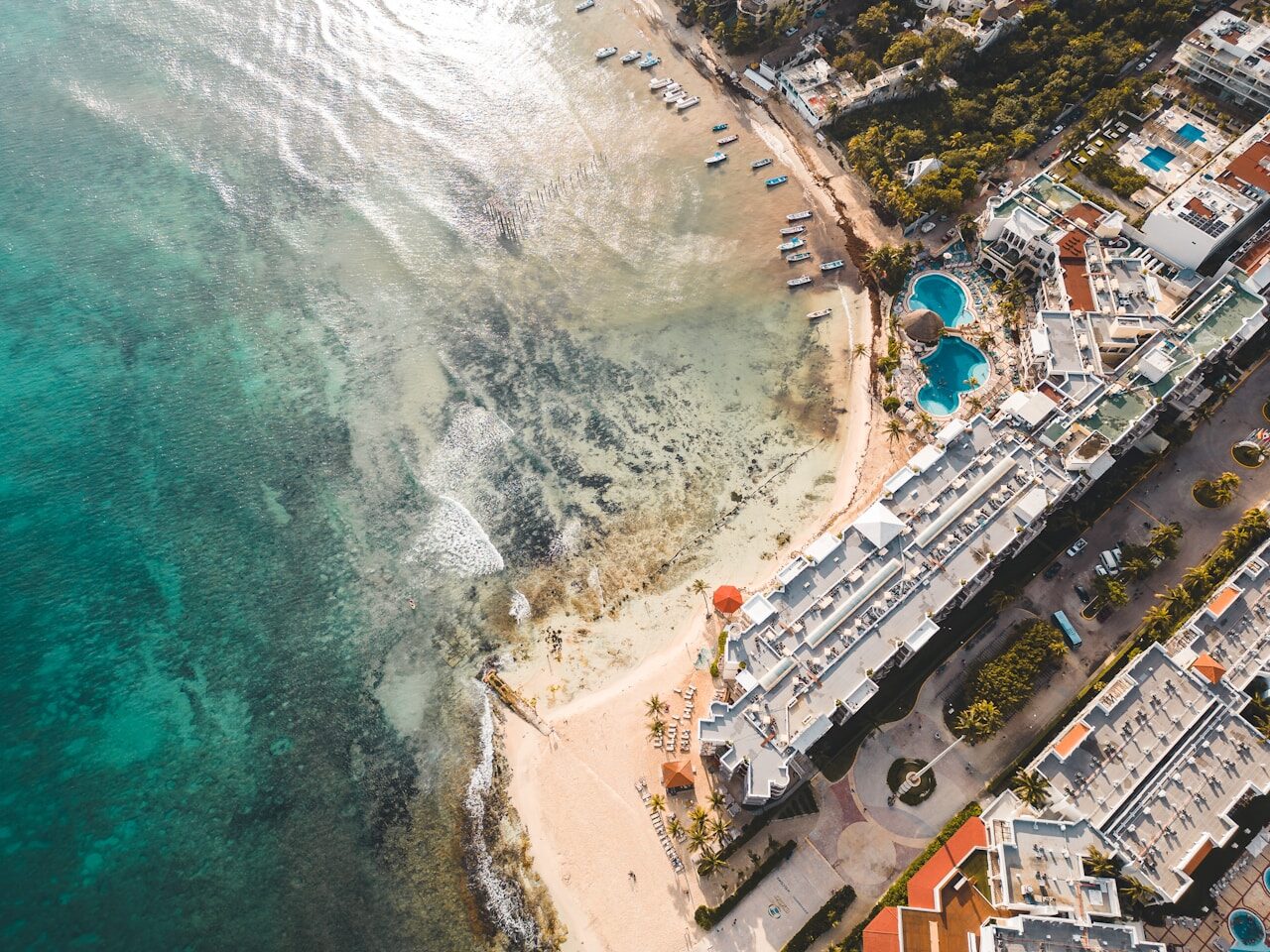



Best Neighborhoods in Cancun: Where to Stay and Explore in 2026 – Cancun divides into two distinct zones that shape every traveller’s experience: the Hotel Zone (Zona Hotelera), a 22-kilometre beachfront strip of all-inclusive resorts, and Downtown Cancun (El Centro), a residential urban grid alive with local markets and authentic Mexican culture.
- Cancun's Layout: City Structure and Geographic Overview
- Hotel Zone (Zona Hotelera): Best Area to Stay in Cancun for Tourists
- Punta Cancún: Best Place to Stay in Cancun with Family
- Downtown El Centro: Where to Stay in Cancun for Authentic Culture
- Costa Mujeres: Best Place in Cancun for Luxury and Tranquility
- Puerto Juárez: Gateway Neighbourhood for Isla Mujeres Ferry Access
- Playa Mujeres: Best Places to Stay in Cancun for Golf and Exclusive Luxury
- Is Cancun Safe for Tourists? Safety by Neighbourhood
- Cancún Centro: Budget-Friendly Areas to Stay in Cancun
- Shopping and Entertainment: Cancun Hotel Zone Shopping Districts
- All-Inclusive Resort Areas: Cancun Best Hotels All-Inclusive Location Guide
- Transportation Hub Areas: Where to Stay in Cancun for Connectivity
- Conclusion
Beyond these two anchors, neighbourhoods such as Punta Cancún, Costa Mujeres, Puerto Juárez, and Playa Mujeres each offer a different character — from family-friendly resort clusters to secluded luxury retreats.
This guide covers the best areas to stay in Cancun, with specific details on safety, cost, transport, and what each neighbourhood does best.
Key Takeaways
Hide- The Hotel Zone is the best area to stay in Cancun for first-time visitors, beach access, and nightlife.
- Downtown El Centro offers budget accommodation from around $15–$40 USD per night and authentic local culture.
- Punta Cancún is the top choice for families, with resort kids' clubs, water parks, and calm swimming beaches.
- Costa Mujeres and Playa Mujeres are the best places to stay in Cancun for luxury, golf, and seclusion.
- Puerto Juárez is the gateway to Isla Mujeres, with ferry departures every 30 minutes for approximately $14–$15 USD one way.
- Public buses (R1/R2 routes) connect the Hotel Zone and Downtown for around 12 pesos ($0.70 USD) per ride.
Cancun’s Layout: City Structure and Geographic Overview
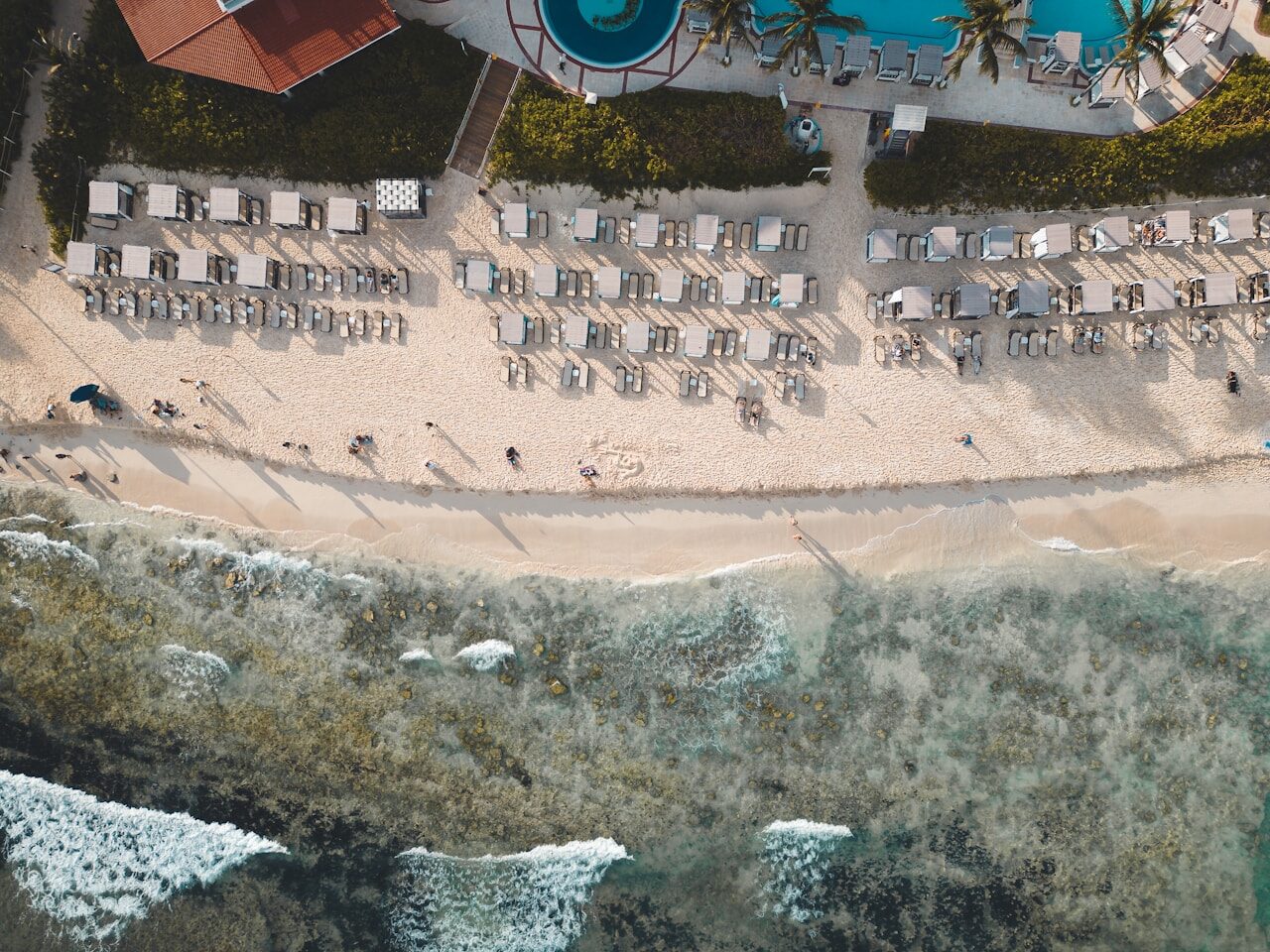
Cancun is a planned city on Mexico’s Yucatán Peninsula, established in 1970 as a government-designed resort destination.
It sits in the state of Quintana Roo and functions as both a municipality and a major international tourism hub, with Cancun International Airport receiving approximately 30 million passengers annually (2024 data).
The city splits into two primary areas.
The Hotel Zone is a narrow peninsula shaped like the number 7, stretching 22 kilometres along the Caribbean Sea and Nichupté Lagoon. Downtown Cancun (El Centro)
lies approximately 5 kilometres inland and operates as the residential and commercial heart of the city.
- Best Time To Visit Cancún: Month-by-Month Guide
- Cancún Travel Guide: Essential Things to Know Before You Go
- 25 Best Things To Do In Cancún, Mexico (2026 Guide)
- 20 Best Day Trips From Cancún, Mexico (2026 Guide)
- Travel to Cancún on a Budget: The Complete Mexico Guide
- Travel to Cancun With Kids and Family, Mexico
Hotel Zone vs. Downtown: Understanding the Two-Area Division
The Hotel Zone and Downtown Cancun serve fundamentally different traveller profiles.
The Hotel Zone concentrates resorts, international restaurants, nightclubs, and beach access along a single coastal corridor, while Downtown offers local markets, budget hotels, and neighbourhood life at significantly lower prices.
Transport between the two areas is straightforward.
The R1 and R2 public buses run the full length of the Hotel Zone and connect to Downtown, with fares of 12 pesos ($0.70 USD) per ride.
Taxis between the zones cost approximately $10–$15 USD.
For a full breakdown of transport options, see our guide to getting around Cancun by bus and taxi.
Where Is Downtown Cancun: El Centro Location and Layout
Downtown Cancun (El Centro) is located approximately 5 kilometres west of the Hotel Zone, centred on Avenida Tulum and the surrounding street grid.
The neighbourhood’s main public square, Parque Las Palapas, serves as a community hub with street food stalls, live music, and local events most evenings.
Mercado 28 is the primary craft and souvenir market, offering handmade goods, textiles, and traditional food at local prices. Avenida Tulum
is the main commercial artery, lined with pharmacies, banks, local restaurants, and bus stops.
El Centro is where the majority of Cancun’s 900,000+ residents live and work.
Getting to Cancun: Airport Access and Transfer Options
Cancun International Airport (CUN) is located approximately 20 kilometres south of the Hotel Zone.
Transfer times and costs vary by mode:
| Mode | Journey Time | Approximate Cost |
|---|---|---|
| Private taxi | 20 minutes | $30–$50 USD |
| Shared shuttle | 30 minutes | $18–$25 USD per person |
| ADO bus | 40 minutes | $7–$8 USD |
| Rental car | 25–35 minutes | $20–$50 USD/day |
The ADO bus stop is located inside the airport terminal and drops passengers at the ADO bus station in Downtown Cancun or at Plaza La Fiesta in the Hotel Zone (a dedicated Hotel Zone route launched in March 2025).
From there, R1/R2 buses continue along the Hotel Zone corridor.
Hotel Zone (Zona Hotelera): Best Area to Stay in Cancun for Tourists
The Hotel Zone is the most popular area to stay in Cancun, concentrating the majority of the city’s international resorts, beach clubs, restaurants, and nightlife venues along a 22-kilometre coastal strip.
It is the default choice for first-time visitors and travellers prioritising beach access and convenience.
Accommodation ranges from large all-inclusive resorts charging $200–$600+ USD per night to mid-range hotels closer to $80–$200 USD.
The zone’s beaches face the Caribbean Sea to the east and the calmer Nichupté Lagoon to the west.
Is the Hotel Zone in Cancun Safe?
The Hotel Zone is considered the safest area in Cancun for tourists.
The strip is heavily patrolled by local police and a dedicated tourist police force (Policía Turística), and most resorts operate 24-hour security with keycard access and in-room safes.
Petty theft can occur in crowded areas, particularly around shopping centres and nightclubs.
Travellers should use hotel safes for passports and valuables, avoid displaying expensive jewellery, and use licensed taxis or recognised ride-share apps rather than unmarked vehicles.
The Hotel Zone’s concentrated tourist infrastructure makes it significantly safer than many other areas of the city.
Cancun Hotel Zone Shopping: La Isla, Kukulcán Plaza, and Luxury Avenue
The Hotel Zone contains Cancun’s main shopping destinations, all within easy walking distance or a short bus ride of major resorts.
La Isla Shopping Village is an open-air mall on the lagoon side of Boulevard Kukulcán, with over 150 stores including international fashion brands, a cinema, and waterfront restaurants. Kukulcán Plaza
offers a mix of boutique shops, jewellery stores, and dining. Luxury Avenue
houses high-end brands including Louis Vuitton, Cartier, and Salvatore Ferragamo.
All three malls are open daily, typically from 10 AM to 10 PM.
Best Place to Stay in Cancun for First-Time Visitors
First-time visitors to Cancun are best served by the Hotel Zone, specifically the stretch between Kilometre 9 and Kilometre 14 on Boulevard Kukulcán.
This section offers the densest concentration of resorts, the widest beach access, and the shortest walking distances to restaurants, clubs, and shopping.
Key advantages include direct Caribbean beachfront access, all-inclusive dining options that simplify budgeting, and a walkable nightlife district centred on Punta Cancún.
Resorts in this corridor also provide organised water sports — jet skiing, snorkelling, parasailing, and paddleboarding — directly from their beach sections.
For families travelling with children, our dedicated guide to travelling to Cancun with kids and family covers resort selection, child-friendly beaches, and age-appropriate activities in detail.
Top dining options in the Hotel Zone:
- Puerto Madero — Argentine steakhouse with lagoon views; known for premium beef cuts.
- Lorenzillo’s — Established seafood restaurant famous for live lobster; located over the lagoon.
- Rosa Negra — Latin fusion restaurant with a lively atmosphere; popular for weekend evenings.
Punta Cancún: Best Place to Stay in Cancun with Family
Punta Cancún occupies the northern tip of the Hotel Zone peninsula and is the most family-oriented section of the resort strip.
The area clusters large all-inclusive resorts with dedicated kids’ clubs, water park facilities, and calm lagoon-side beaches suitable for young swimmers.
The concentration of family entertainment — including the Interactive Aquarium Cancun, La Isla Shopping Village, and Plaza Caracol — within walking distance makes Punta Cancún the most convenient base for families who want activities without relying on taxis.
Family Resort Facilities and Kids’ Club Programming
Resorts in Punta Cancún typically include supervised kids’ clubs operating daily, typically from 9 AM to 5 PM, for children aged 4–12, with structured activities including arts and crafts, nature discovery sessions, treasure hunts, and themed days.
Splash zones, shallow pools, and dedicated children’s pool areas are standard at most properties.
Family suites and interconnecting rooms are widely available, with many resorts offering crib rental and babysitting services widely available across most properties; rates typically range from $15–$25 USD per hour with advance booking recommended.
All-inclusive packages at family resorts in this area typically start from $250–$450 USD per night for a family of four.
Interactive Aquarium Cancun and Family Educational Attractions
The Interactive Aquarium Cancun is located inside La Isla Shopping Village and offers hands-on marine exhibits, touch tanks, jellyfish displays, and dolphin encounter programmes.
It is open daily from 9:30 AM to 8:00 PM; admission is approximately $22 USD for adults and $10 USD for children aged 4–17; children under 3 enter free.
It is one of the most visited family attractions in the Hotel Zone.
Ventura Park and Xcaret Park are larger theme and eco-parks accessible by day trip from Punta Cancún.
Xcaret combines cultural performances, underground rivers, and wildlife encounters in an eco-friendly setting approximately 62 kilometres south of Cancun.
Tickets cost approximately $119 USD for adults and $89 USD for children (ages 5–11); children under 4 enter free.
Family Beach Access and Safe Swimming Areas
The beaches along Punta Cancún’s lagoon side offer calmer, shallower water than the open Caribbean beaches, making them more suitable for young children.
Lifeguards are on duty at most resort beaches during daylight hours, typically from 9 AM to 6 PM, and swim zones are marked with buoys.
Parents should note that the open Caribbean-facing beaches in the Hotel Zone can have strong currents and significant wave action, particularly between November and March.
The lagoon-side beaches and resort pool areas are consistently calmer year-round.
Downtown El Centro: Where to Stay in Cancun for Authentic Culture
Downtown Cancun (El Centro) is the residential heart of the city and the best area to stay for travellers seeking authentic Mexican culture, local dining, and budget-friendly accommodation.
It sits approximately 5 kilometres from the Hotel Zone and is well connected by public bus.
Accommodation in El Centro ranges from hostels at $10–$20 USD per night to budget hotels at $30–$60 USD per night, making it the most affordable base in Cancun.
The neighbourhood’s street life, markets, and community events offer a fundamentally different experience from the resort corridor.
Budget Accommodation Options in Downtown Cancun
El Centro has the highest concentration of budget accommodation in Cancun.
Key options include:
- Hostel Ka’beh — Social hostel with dorm beds and private rooms; known for its welcoming atmosphere and central location.
- Hotel Soberanis — Simple, clean budget hotel steps from Parque Las Palapas; good value for solo and couple travellers.
- Selina Cancun Downtown — Co-working-friendly hostel with private rooms and communal spaces; popular with digital nomads.
- Mayan Monkey Hotel & Hostel — Social hub with dorm and private options; regular events and a lively common area.
All of the above are within walking distance of Parque Las Palapas and the main bus routes to the Hotel Zone.
Authentic Restaurant Scene and Traditional Mexican Cuisine
El Centro’s restaurant scene offers some of the most authentic and affordable dining in Cancun.
Prices are significantly lower than the Hotel Zone, with main courses typically costing $3–$10 USD.
- La Habichuela — Iconic Cancun restaurant serving cochinita pibil (slow-roasted pork) and Mayan-influenced dishes in a garden setting.
- El Pocito — Local favourite for pozole (hearty hominy soup) and traditional Yucatecan recipes.
- Taquería Los Chachalacos — High-volume taco spot known for al pastor; freshly made tortillas and house salsas.
- El Rinconcito de Puebla — Specialises in mole poblano; a reliable choice for regional Mexican cooking.
Local Market Access and Cultural Immersion in El Centro
The two main markets in El Centro are Mercado 28 and Mercado 23.
Mercado 28 is the larger of the two, with stalls selling handmade crafts, silver jewellery, textiles, and traditional clothing alongside food vendors.
Mercado 23 is primarily a produce and everyday goods market used by local residents, offering a less tourist-oriented experience than Mercado 28.
Parque Las Palapas hosts free community events most evenings, including live music, dance performances, and seasonal festivals.
The Fiesta del Caribe and Día de los Muertos celebrations are among the most significant annual events held in the park.
Public buses from El Centro to the Hotel Zone depart frequently from Avenida Tulum, with fares of 12 pesos ($0.70 USD) and journey times of approximately 20–30 minutes depending on traffic.
Costa Mujeres: Best Place in Cancun for Luxury and Tranquility
Costa Mujeres is a purpose-built luxury resort enclave located approximately 35 kilometres north of Cancun’s Hotel Zone, on a narrow peninsula facing the Caribbean Sea.
It is the newest major resort development in the Cancun region, with a cluster of large all-inclusive properties that opened primarily between 2018 and 2024.
The area is significantly less crowded than the Hotel Zone, with wider beaches, newer facilities, and a quieter atmosphere.
It is best suited to travellers prioritising seclusion, premium service, and golf.
New Resort Development and Premium Accommodation
Costa Mujeres’ resorts are among the newest in the Cancun region, with properties including large all-inclusive hotels offering oceanfront suites, multiple speciality restaurants, swim-up bars, and dedicated spa facilities.
Nightly rates at premium all-inclusive resorts in Costa Mujeres typically range from $300–$700+ USD per night.
The area’s infrastructure is designed for self-contained resort stays.
Most guests arrive by private transfer from Cancun airport (approximately 45–60 minutes) and remain within the resort corridor for the duration of their stay.
Secluded Beach Access and Less Crowded Coastal Experience
| Feature | Detail |
|---|---|
| Beach character | Wide, uncrowded, fine white sand |
| Water conditions | Calm, clear Caribbean Sea |
| Nearest town | Puerto Morelos (approx. 20 km south) |
| Eco credentials | Several resorts hold sustainability certifications |
| Nearby attractions | Isla Mujeres (accessible by ferry) |
Golf Course Access and Recreational Facilities
Costa Mujeres is home to a championship golf course designed for competitive play, with fairways running alongside the Caribbean Sea.
The course is open to resort guests and outside visitors; green fees and tee times can be booked directly through resort reception, with rates varying by season.
Additional recreational facilities in the area include private beach clubs, spa and wellness centres, fitness facilities, and water sports concessions.
Several resorts offer yoga programmes, hydrotherapy pools, and thalassotherapy treatments as part of their wellness offering.
Puerto Juárez: Gateway Neighbourhood for Isla Mujeres Ferry Access
Puerto Juárez is a small working neighbourhood located approximately 3 kilometres north of Downtown Cancun.
It functions primarily as the departure point for ferries to Isla Mujeres and retains the character of a traditional Mexican fishing village, distinct from both the Hotel Zone and El Centro.
For travellers planning day trips or extended stays on Isla Mujeres, Puerto Juárez offers the most convenient and affordable base in the Cancun area.
Isla Mujeres Ferry Terminal and Island Transportation
The Ultramar ferry terminal in Puerto Juárez operates frequent departures to Isla Mujeres throughout the day.
Ferries depart every 30 minutes starting from 5:30 AM, with a crossing time of approximately 20 minutes.
One-way tickets cost approximately $14–$15 USD per adult ($28–$30 USD return).
The terminal has basic amenities including a waiting area, ticket booths, and nearby food stalls.
Taxis from Downtown Cancun to Puerto Juárez cost approximately $5–$8 USD, and public buses also serve the route.
Budget Accommodation and Authentic Mexican Experience
Puerto Juárez has a small selection of budget guesthouses and locally run hotels, typically priced at $25–$60 USD per night.
The neighbourhood’s restaurants focus on fresh seafood — ceviche, grilled snapper, and fish tacos — at prices significantly below the Hotel Zone.
The local marina offers fishing charter bookings for half-day and full-day trips; half-day charters typically start from $150–$300 USD depending on group size and target species.
Puerto Juárez is not a nightlife destination and is best suited to travellers who prioritise authenticity and ferry convenience over resort amenities.
Playa Mujeres: Best Places to Stay in Cancun for Golf and Exclusive Luxury
Playa Mujeres is an exclusive resort enclave located approximately 30 kilometres north of Cancun’s Hotel Zone, adjacent to Puerto Juárez.
It is one of the most upscale destinations in the Cancun region, built around a Greg Norman-designed championship golf course and a private marina.
The area is characterised by large luxury villa rentals, boutique all-inclusive resorts, and a private beach club, making it the best place to stay in Cancun for travellers seeking maximum privacy and premium facilities.
Championship Golf Resort and Greg Norman Course Access
The Greg Norman Golf Course at Playa Mujeres is an 18-hole championship layout with fairways running alongside the Caribbean Sea and mangrove lagoons.
The course is open to resort guests and outside visitors; green fees are available on inquiry and tee times can be booked through the resort pro shop or directly online.
A pro shop, golf academy, and club rental are available on site.
Luxury Villa Rental and Private Accommodation
Playa Mujeres offers some of the largest private villa rentals in the Cancun region, with properties featuring private infinity pools, gourmet kitchens, butler service, and direct beach access.
Villa sizes range from three to seven bedrooms, with nightly rates starting from $800 USD for larger properties.
For travellers comparing luxury options across the region, our overview of the best places to visit in Mexico provides useful context on how Cancun’s luxury offer compares to other Mexican destinations.
Exclusive Beach Access and Premium Coastal Experience
Playa Mujeres’ private beach is significantly less crowded than the Hotel Zone beaches, with a calmer sea environment and a higher ratio of beach space per guest.
The private marina offers yacht charter bookings, deep-sea fishing trips, and boat excursions to Isla Mujeres; current rates and availability are best confirmed directly with the resort marina, as these require advance booking.
Spa resorts in Playa Mujeres offer premium wellness programmes including thalassotherapy, seaweed wraps, and personalised treatment plans.
Several properties position themselves explicitly as wellness tourism destinations.
Is Cancun Safe for Tourists? Safety by Neighbourhood
Cancun is generally safe for tourists within the main visitor areas, but safety levels vary significantly by neighbourhood.
The Hotel Zone and Punta Cancún are the safest areas, with high police visibility and dedicated tourist protection infrastructure.
Downtown El Centro is safe for daytime exploration but requires more caution after dark in areas away from the main squares.
The Mexican government’s tourist assistance line (078) and emergency services (911) operate 24 hours.
The tourist police (Policía Turística) can be reached at +52 998 881 2900.
Dangerous Areas in Cancun: What Tourists Should Avoid
Travellers should exercise caution in the peripheral residential areas of Downtown Cancun beyond the main tourist streets, particularly after dark.
The neighbourhoods north and west of Avenida Tulum, away from Parque Las Palapas and Mercado 28, see higher rates of petty crime and are not recommended for late-night walking.
The Hotel Zone itself has a very low rate of serious crime against tourists.
The most common incidents involve petty theft in crowded nightlife areas and overcharging by unlicensed taxi drivers.
Using official green-stripe taxis or verified ride-share apps (Uber operates in Cancun) eliminates most transport-related risks.
Late-Night Safety and Recommended Precautions
For safe nightlife in Cancun, follow these evidence-based precautions:
- Travel in groups — groups are significantly less likely to be targeted for petty crime.
- Use licensed transport — official taxis have a green stripe and a visible driver ID; Uber is available and trackable.
- Stay on main streets — Avenida Tulum in El Centro and Boulevard Kukulcán in the Hotel Zone are well-lit and regularly patrolled.
- Secure valuables — use hotel room safes for passports, extra cash, and electronics.
- Limit alcohol consumption — most incidents involving tourists occur when individuals are heavily intoxicated.
Tourist Police and Emergency Contact Information
| Service | Contact |
|---|---|
| Tourist Assistance | 078 |
| Emergency Services | 911 |
| Tourist Police | +52 998 881 2900 |
Cancún Centro: Budget-Friendly Areas to Stay in Cancun
Cancún Centro overlaps significantly with El Centro/Downtown but refers more specifically to the budget accommodation and local dining district around Avenida Uxmal and the university area.
It is the most affordable part of Cancun for accommodation and food, and is well connected to both the Hotel Zone and the bus terminal.
Affordable Hotel Selection and Budget Accommodation
Key budget accommodation options in Cancún Centro include:
- Hotel Xbalamqué Resort & Spa — Mayan-themed mid-range hotel with a pool; good value for the facilities offered.
- Selina Cancun Downtown — Co-working-friendly hostel with dorm beds and private rooms.
- Mayan Monkey Hotel & Hostel — Social hostel with regular events; popular with backpackers and solo travellers.
Budget dorm beds start from approximately $10–$15 USD per night, and private rooms from $30–$60 USD.
Local Restaurant Scene and Affordable Dining
Cancún Centro’s restaurant prices are the lowest in the city for sit-down dining.
A full meal at a local restaurant typically costs $4–$10 USD, compared to $20–$50+ USD in the Hotel Zone.
Public bus fares within the city are 12 pesos ($0.70 USD) per ride, making it cost-effective to base yourself in Centro and day-trip to the Hotel Zone beaches.
For more ideas on exploring Cancun without overspending, see our guide to free things to do in Cancún, Mexico.
Community Events and Cultural Life in Cancún Centro
Cancún Centro hosts several significant annual cultural events. Fiesta del Caribe
is an international Caribbean music and culture festival held annually, typically in July. Día de los Muertos
celebrations in late October and early November centre on Parque Las Palapas, with altars, costumes, and community gatherings.
The university area around UADY (Universidad Autónoma de Yucatán) brings a younger demographic to the neighbourhood, with affordable cafés, student-oriented restaurants, and a lively street atmosphere during term time.
Shopping and Entertainment: Cancun Hotel Zone Shopping Districts
Cancun’s main shopping and entertainment districts are concentrated in the Hotel Zone, with additional local market options in Downtown El Centro.
The Hotel Zone’s malls are modern, air-conditioned, and oriented toward international visitors, while El Centro’s markets offer handmade crafts and local goods at lower prices.
La Isla Shopping Village and Hotel Zone Retail
La Isla Shopping Village is the Hotel Zone’s flagship shopping destination, an open-air mall built over the Nichupté Lagoon with over 150 stores, an interactive aquarium, a cinema, and multiple restaurants.
It is open daily, typically from 10 AM to 10 PM, and is accessible by bus or on foot from most Hotel Zone resorts.
Kukulcán Plaza and Plaza Las Américas offer additional retail options, with a mix of international brands and local boutiques. Luxury Avenue
within the Hotel Zone houses the highest concentration of designer brands in Cancun.
Mercado 28 and Authentic Craft Shopping in El Centro
Mercado 28 is the primary destination for handmade crafts, souvenirs, and traditional Mexican goods in Cancun.
Stalls sell hand-painted pottery, silver jewellery, embroidered textiles, hammocks, and regional food products.
Prices are negotiable, and bargaining is expected.
Mercado 23 is a smaller, more locally oriented market primarily serving residents, with fresh produce, household goods, and a small number of craft stalls.
It offers a less tourist-oriented shopping experience than Mercado 28.
All-Inclusive Resort Areas: Cancun Best Hotels All-Inclusive Location Guide
Cancun’s all-inclusive resorts are concentrated in three main areas: the central Hotel Zone (Km 9–14 on Boulevard Kukulcán), Punta Cancún at the northern tip of the peninsula, and the newer enclaves of Costa Mujeres and Playa Mujeres to the north.
Each cluster offers a different price point and atmosphere.
Is an All-Inclusive Resort in Cancun Worth It?
For most first-time visitors and families, all-inclusive resorts in Cancun offer strong value.
The all-inclusive model eliminates per-meal budgeting, includes unlimited drinks, and typically covers non-motorised water sports and entertainment.
For a family of four staying seven nights, the all-inclusive premium over a room-only rate is often offset by food and drink savings.
However, all-inclusive stays can limit exposure to Cancun’s local culture and restaurant scene.
Travellers who want to explore Downtown El Centro, local markets, and authentic restaurants may find a room-only or bed-and-breakfast arrangement more flexible.
Our guide to the best things to do in Mexico includes context on how Cancun’s resort experience fits within a broader Mexico itinerary.
Adult-Only vs. Family All-Inclusive Resorts
Cancun’s Hotel Zone has a clear split between adult-only and family-oriented all-inclusive resorts.
Adult-only properties are concentrated in the quieter southern section of the Hotel Zone (Km 15–20) and in Costa Mujeres, offering a more serene atmosphere with quieter pools and upscale dining.
Family resorts cluster in Punta Cancún and the central Hotel Zone, with larger pool complexes, kids’ clubs, and multi-generational entertainment programmes.
Rates at family all-inclusive resorts typically start from approximately $200 USD per night for two adults and two children during off-peak periods.
Budget All-Inclusive Options and Value Resorts
Budget all-inclusive resorts in Cancun’s Hotel Zone offer oceanfront access and standard all-inclusive amenities at rates starting from approximately $100–$160 USD per person per night.
These properties typically have fewer speciality restaurants and smaller pool areas than premium resorts but maintain the core all-inclusive model.
For travellers comparing accommodation costs across different Mexican destinations, our guide to the best places to visit in Mexico provides useful price benchmarks.
Transportation Hub Areas: Where to Stay in Cancun for Connectivity
Travellers prioritising transport connectivity should consider accommodation near the ADO bus terminal in Downtown Cancun or within the Hotel Zone’s main bus corridor.
Both locations offer easy access to inter-city buses, airport transfers, and local public transport.
ADO Bus Terminal and Regional Transport Access
The ADO bus terminal in Downtown Cancun is the main hub for long-distance bus travel in the region.
Services connect Cancun to Playa del Carmen (approximately 1 hour, $10–$15 USD), Tulum (approximately 2 hours, $15–$23 USD), Mérida (approximately 4 hours, $50–$55 USD), and other destinations across the Yucatán Peninsula.
ADO buses are air-conditioned, punctual, and considered safe.
Tickets can be purchased at the terminal or online in advance.
Public Bus Network and Local Connectivity
The R1 and R2 bus routes are the primary local transport options in Cancun.
R1 buses run the full length of the Hotel Zone from Punta Cancún to the southern end, continuing to Downtown.
R2 buses follow a similar route with minor variations.
Both routes operate from approximately 5:30 AM to midnight, with buses every 5–10 minutes during peak hours.
Colectivo vans supplement the bus network in Downtown and connect to some residential areas not served by the main routes.
For a comprehensive breakdown of all transport options, our guide to getting around Cancun by bus and taxi covers routes, fares, and practical tips in full detail.
Conclusion
Cancun’s neighbourhoods serve genuinely different traveller needs, and choosing the right area to stay is the single most important planning decision for a Cancun trip.
The Hotel Zone suits first-time visitors, beach-focused travellers, and those wanting all-inclusive convenience. Downtown El Centro
is the best base for budget travellers and anyone wanting authentic local culture. Punta Cancún
is the top family choice. Costa Mujeres
and Playa Mujeres deliver the highest levels of luxury and seclusion. Puerto Juárez
is the practical choice for Isla Mujeres day-trippers.
For families planning their trip in detail, our guide to travelling to Cancun with kids and family covers resort selection, child-friendly activities, and practical logistics.
For travellers on a tight budget, the free things to do in Cancún guide identifies the best no-cost experiences across all neighbourhoods.
Frequently Asked Questions (FAQs)
What Is the Best Time to Visit Cancun?
The best time to visit Cancun is from December to April, when rainfall is lowest and temperatures average 25–28°C (77–82°F).
This dry season coincides with peak tourist season, so hotel rates are higher and resorts are busier.
May and June offer a balance of good weather and lower prices before the rainy season intensifies.
Hurricane season runs from June to November, with the highest risk period between August and October.
How Much Does a Trip to Cancun Cost Per Day?
Daily costs in Cancun vary significantly by area and travel style.
Budget travellers staying in Downtown El Centro hostels and eating at local restaurants can manage on $40–$70 USD per day.
Mid-range travellers in Hotel Zone hotels with a mix of dining options typically spend $150–$250 USD per day.
All-inclusive resort guests pay a fixed nightly rate (from $100–$600+ USD per person) that covers most daily expenses.
Transport within the city adds $1–$15 USD per day depending on whether you use public buses or taxis.
Do You Need a Visa to Visit Cancun, Mexico?
Most international tourists do not need a visa to visit Mexico for stays of up to 180 days.
Citizens of the United States, Canada, the United Kingdom, the European Union, and Australia can enter Mexico as tourists without a visa.
All visitors must complete a tourist card (Forma Migratoria Múltiple, FMM), which is now processed digitally at the point of entry.
Travellers should verify current entry requirements with the Mexican consulate or embassy in their country before departure, as requirements can change.