25 Best Things To Do In Cancún, Mexico (2026 Guide)
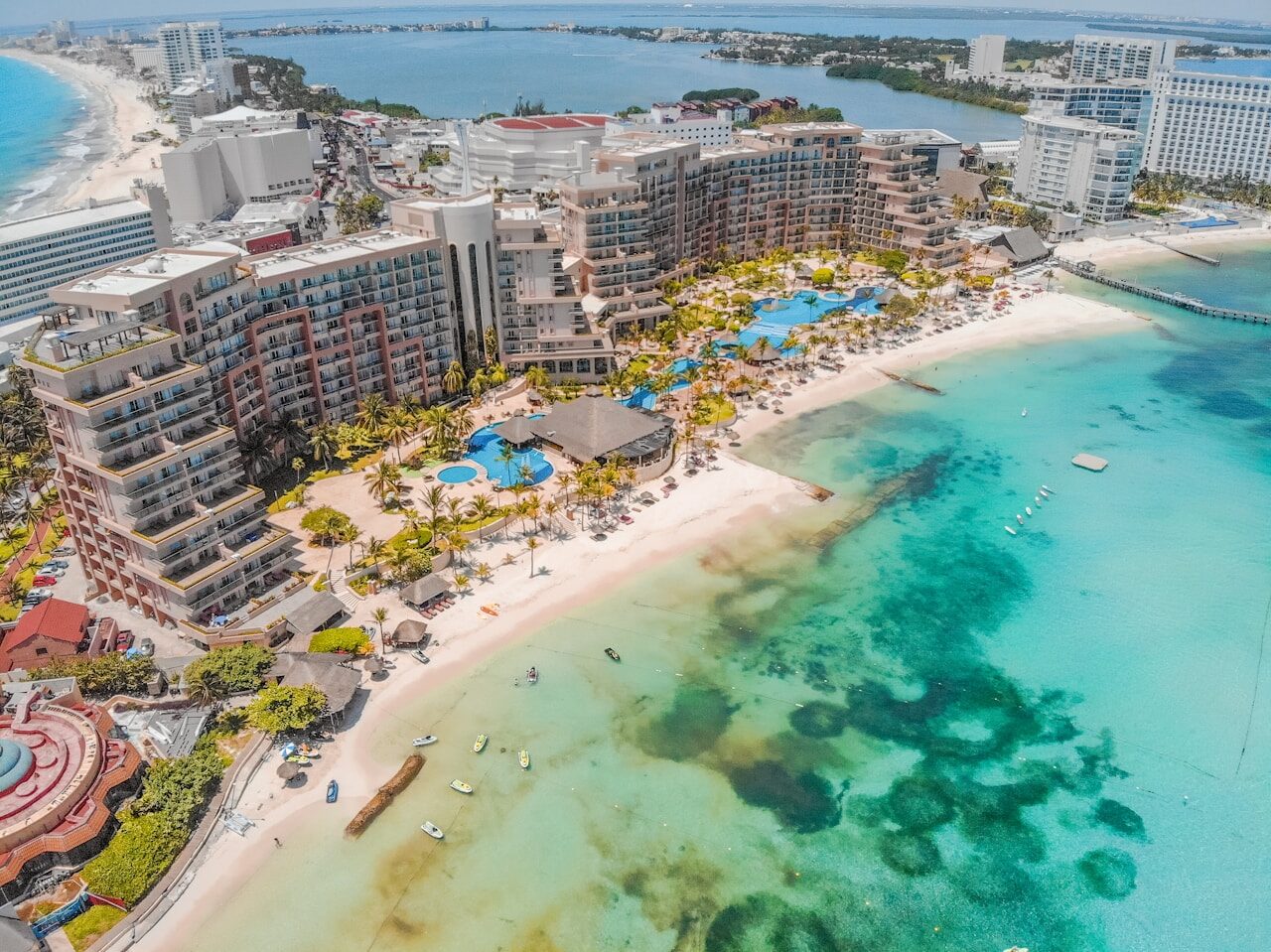



Best Things To Do In Cancún: Top Activities & Excursions – Cancún delivers one of the most diverse travel experiences in the Americas.
- Beaches and Coastal Water Activities
- Ancient Mayan Archaeological Sites Near Cancún
- Cenotes and Underground Swimming
- Eco-Parks and Family-Friendly Attractions
- Nightlife and Evening Entertainment
- Culinary Experiences and Food Culture
- Adventure and Extreme Sports
- Day Trips and Excursions from Cancún
- Shopping and Local Markets In Cancún, Mexico
- Wellness and Spa Experiences
- Cultural Experiences and Local Life
- Photography Spots and Scenic Viewpoints
- Practical Travel Information for Cancún
- Conclusion
From powdery Caribbean beaches and ancient Mayan ruins to underground cenotes and world-class nightlife, the city offers activities for every type of traveller.
This guide covers the best things to do in Cancún, Mexico — with practical details on costs, locations, and logistics to help you plan confidently.
Cancún is a treasure trove of excitement and wonder!
From its pristine beaches and azure waters perfect for water sports, to the ancient Mayan ruins like Chichen Itza, every corner offers a new thrill.
Plunge into cenotes, natural sinkholes, or soak up the nightlife with lively clubs and live music.
Families can enjoy educational adventures, while spa enthusiasts unwind in luxury.
Want to capture it all?
Don’t forget your camera for those Instagram-worthy shots!
What’s next on your Cancún bucket list?
Key Takeaways
Hide- Playa Delfines and Playa Norte on Isla Mujeres are Cancún's top beach destinations.
- Chichen Itza, Tulum, and Coba are the most visited Mayan archaeological sites near Cancún.
- Cenotes Dos Ojos, Gran Cenote, and Ik Kil offer world-class cave swimming and diving.
- Xcaret and Xel-Há are the leading eco-parks for family-friendly activities in Cancún.
- Day trips to Isla Mujeres, Cozumel, Holbox, and Playa del Carmen extend your Cancún itinerary.
Beaches and Coastal Water Activities
Cancún’s coastline stretches along two distinct bodies of water — the Caribbean Sea and Laguna Nichupté — giving visitors a wide range of beach environments and water-based activities.
The Hotel Zone (Zona Hotelera) concentrates most beach access points, while ferry routes connect the mainland to nearby islands.
Playa Delfines
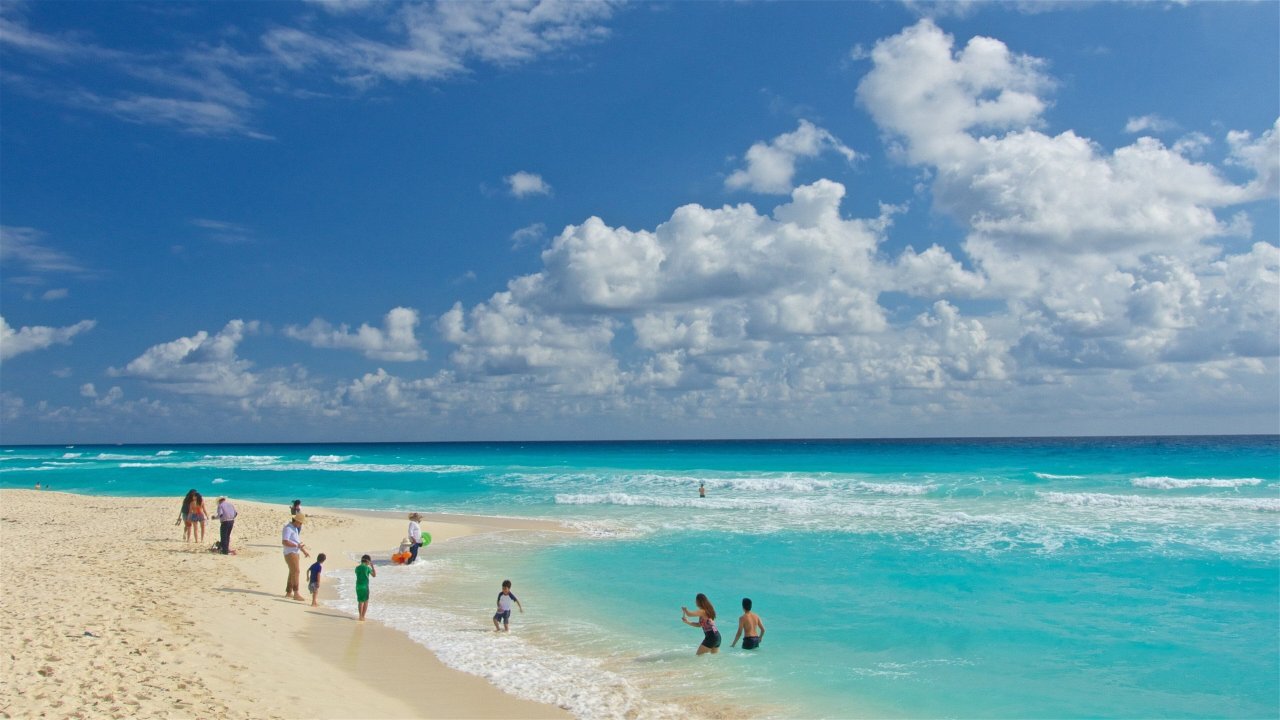
Playa Delfines is one of the few public beaches in Cancún’s Hotel Zone with free access and ample open sand.
Located at the southern end of Boulevard Kukulcán near km 18, it faces the open Caribbean and produces stronger waves than calmer northern beaches — making it the best spot in the Hotel Zone for bodyboarding and beginner surfing.
The beach is also home to the iconic “CANCÚN” sign, one of the most photographed landmarks in the city.
Parking is free, and the beach has public restrooms and lifeguards on duty during daytime hours, typically 9:00 AM to 5:00 PM.
No entrance fee applies.
Playa Norte, Isla Mujeres
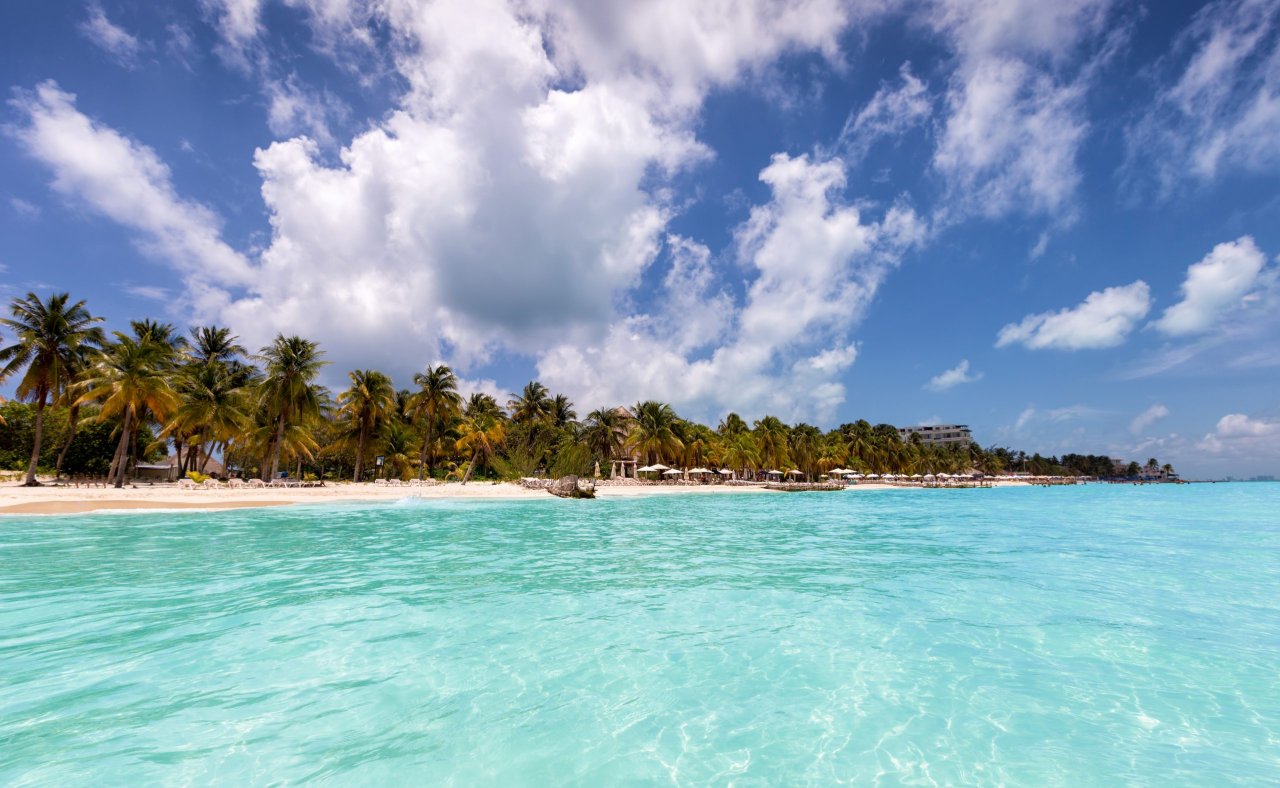
Playa Norte on Isla Mujeres consistently ranks among the best beaches in Mexico.
The water is shallow, calm, and a vivid turquoise colour, making it safe for swimming and ideal for snorkelling directly from shore.
Isla Mujeres is reachable by ferry from Puerto Juárez in approximately 15–20 minutes.
Ferries depart approximately every 30 minutes from around 5:30 AM to midnight, with tickets priced at approximately 250–280 MXN (~$13–15 USD) each way.
Golf cart rental on the island costs approximately $26 USD per hour or $65 USD for an all-day rental (3–9 hours), and the island’s 8 km length makes it easy to explore in a single day.
Beachside restaurants serve fresh seafood and cold drinks directly on the sand.
Is Snorkelling or Scuba Diving in Cancún Worth It?
Yes — Cancún and its surrounding waters offer some of the best snorkelling and scuba diving in the Caribbean, with visibility frequently exceeding 30 metres.
The Mesoamerican Barrier Reef, the second-largest coral reef system in the world, runs along the coast and provides habitat for sea turtles, eagle rays, nurse sharks, and hundreds of reef fish species.
Popular dive sites include the MUSA Underwater Museum (Museo Subacuático de Arte), where over 500 life-size sculptures have been submerged to form artificial reefs.
Snorkel tours from Cancún’s Hotel Zone typically cost $35–$60 USD per person and include equipment.
PADI open-water dive courses are available from multiple operators in the Hotel Zone, typically priced at approximately $475–$500 USD for the full certification course (e-learning study materials are an additional ~$105 USD).
Water Sports: Jet Skiing, Parasailing, and Catamaran Tours
Cancún’s Hotel Zone lagoon side offers calmer conditions for motorised water sports, while the Caribbean side provides stronger winds for sailing and parasailing.
Jet ski rentals are available at multiple beach clubs along Boulevard Kukulcán, priced at approximately $70–$80 USD for 30 minutes on the Hotel Zone beach side.
Parasailing operators launch from the beach and reach altitudes of up to 90 metres, offering panoramic views of the Hotel Zone and lagoon.
Catamaran sunset tours depart daily at approximately 5:30 PM and typically include snorkelling stops, open bar, and a 2–3 hour sailing experience, priced at approximately $60–$115 USD per person.
Deep-Sea Fishing Charters
Cancún is a productive sportfishing destination, with marlin, sailfish, mahi-mahi, and wahoo among the most commonly targeted species.
Charter boats depart from Marina Aquatours and Marina El Embarcadero in the Hotel Zone.
Half-day charters (4 hours) typically cost $350–$500 USD for a private boat accommodating up to 4 anglers.
Full-day charters extend to 8 hours and reach deeper offshore waters.
Most operators include fishing equipment, bait, and a licensed captain in the price.
Ancient Mayan Archaeological Sites Near Cancún
Cancún sits within the Yucatán Peninsula, one of the most archaeologically rich regions in the Americas.
Several major Mayan sites are accessible as day trips, while one — El Rey — sits directly inside the Hotel Zone.
For a broader look at Mexico’s heritage destinations, see our guide to the best places to visit in Mexico.
Is Chichen Itza Worth Visiting from Cancún?
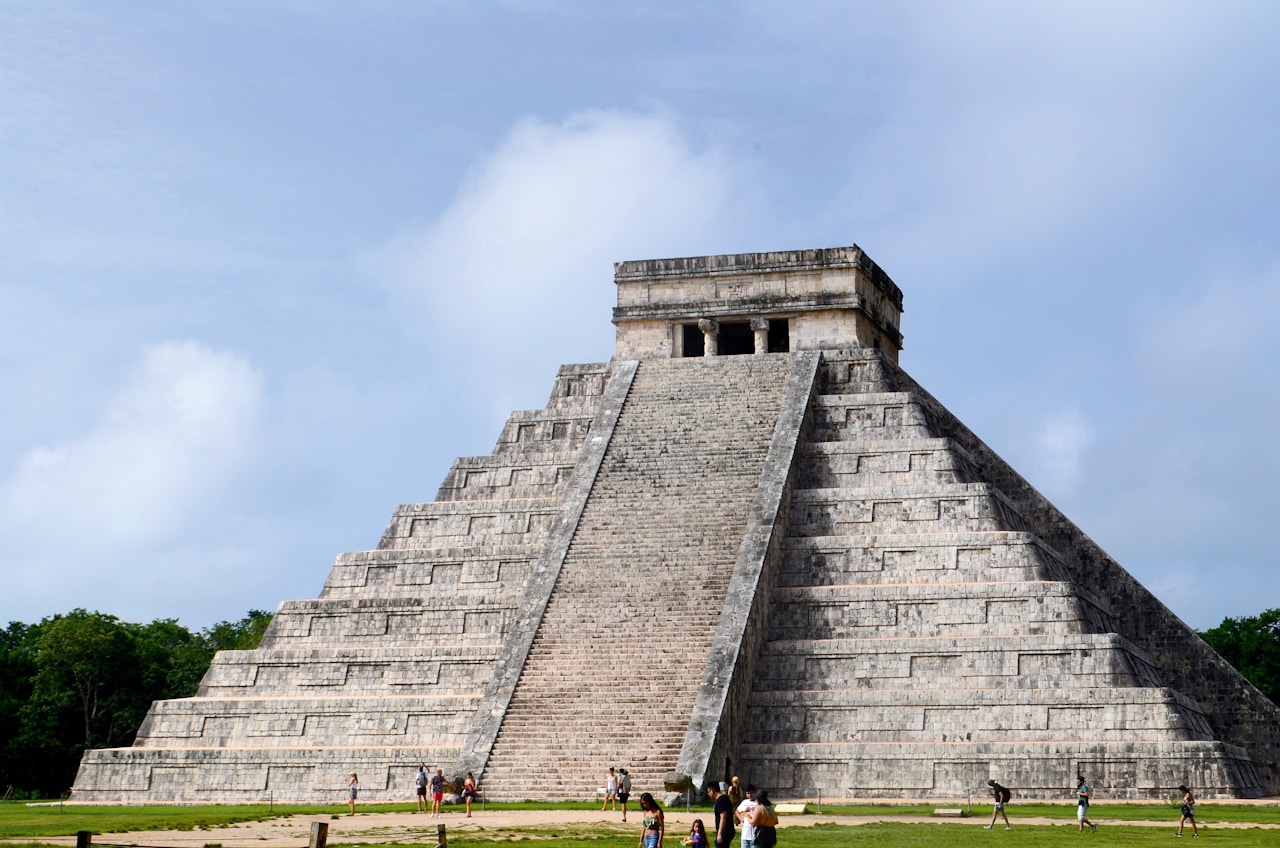
Yes — Chichen Itza is a UNESCO World Heritage Site and one of the New Seven Wonders of the World, making it the most significant cultural excursion available from Cancún.
The site is located approximately 200 km west of Cancún, reachable in about 2.5–3 hours by bus or organised tour.
The centrepiece is El Castillo (Temple of Kukulkan), a 30-metre pyramid engineered with astronomical precision.
During the spring and autumn equinoxes (around 20–21 March and 22–23 September), sunlight creates a shadow effect on the pyramid’s staircase that resembles a descending serpent.
Other key structures include the Great Ball Court — the largest in Mesoamerica at 168 metres long — the Temple of the Warriors, and the Sacred Cenote.
Entrance fees total 697 MXN (~$40 USD) per adult international visitor, combining the federal INAH zone fee and the Yucatán state fee.
Mexican nationals and foreign residents with valid Mexican ID enter free on Sundays.
The site opens daily at 8:00 AM and closes at 5:00 PM.
Guided tours from Cancún typically cost $80–$120 USD per person including round-trip transport, a guide, and entry.
Tulum Coastal Ruins
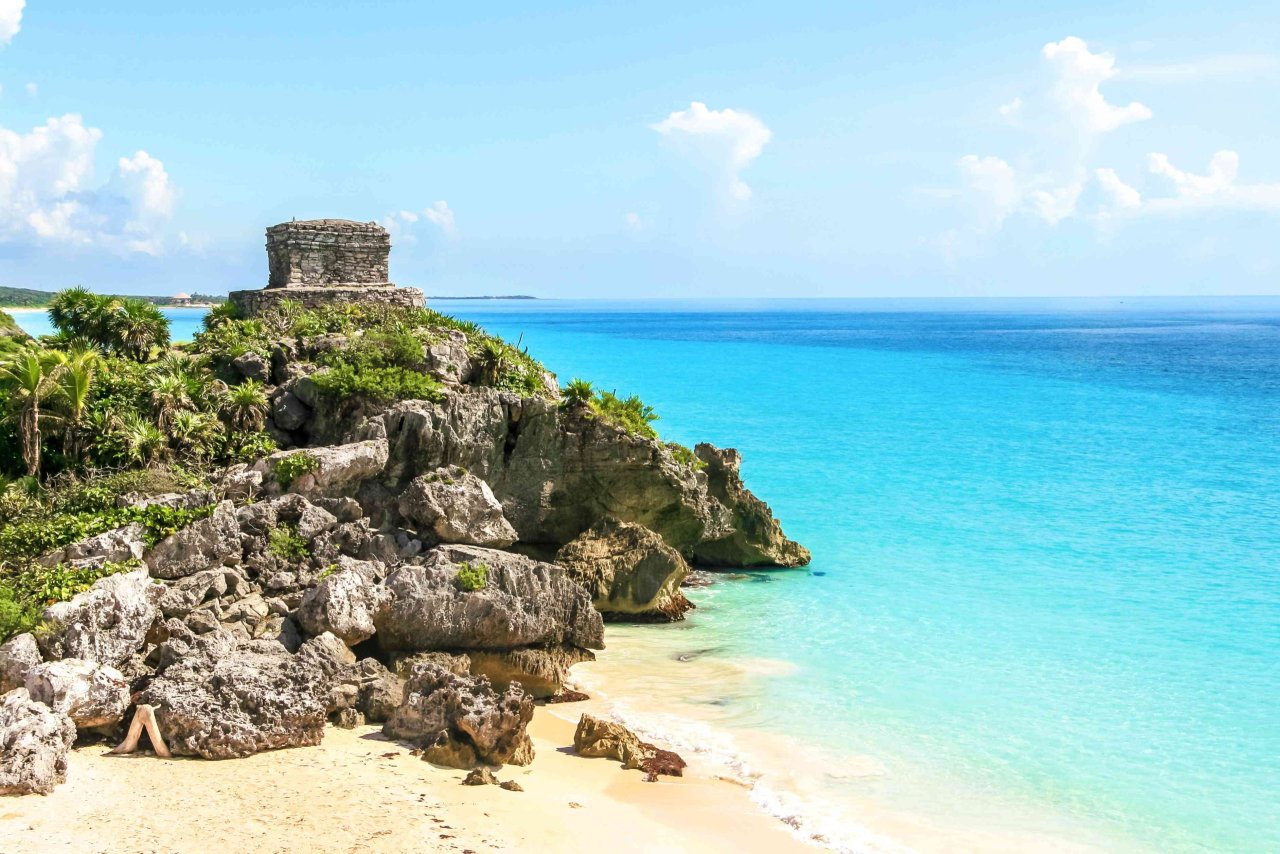
Tulum is the only major Mayan archaeological site built directly on a cliff overlooking the Caribbean Sea, located approximately 130 km south of Cancún.
The walled city dates primarily to the 13th–15th centuries CE and served as an important trading port.
The most photographed structure is El Castillo, a temple perched at the cliff’s edge with the turquoise sea as a backdrop.
A small beach below the ruins is accessible to visitors and is one of the most scenic swimming spots in the Yucatán.
Entry totals approximately 515 MXN (~$28 USD) per adult foreign visitor, comprising three mandatory fees: the INAH archaeological ticket (100 MXN), the CONANP conservation bracelet (120 MXN), and the Jaguar National Park fee (295 MXN).
The site is open daily from 8:00 AM to 5:00 PM.
Organised day trips from Cancún take approximately 2 hours each way.
El Rey Ruins
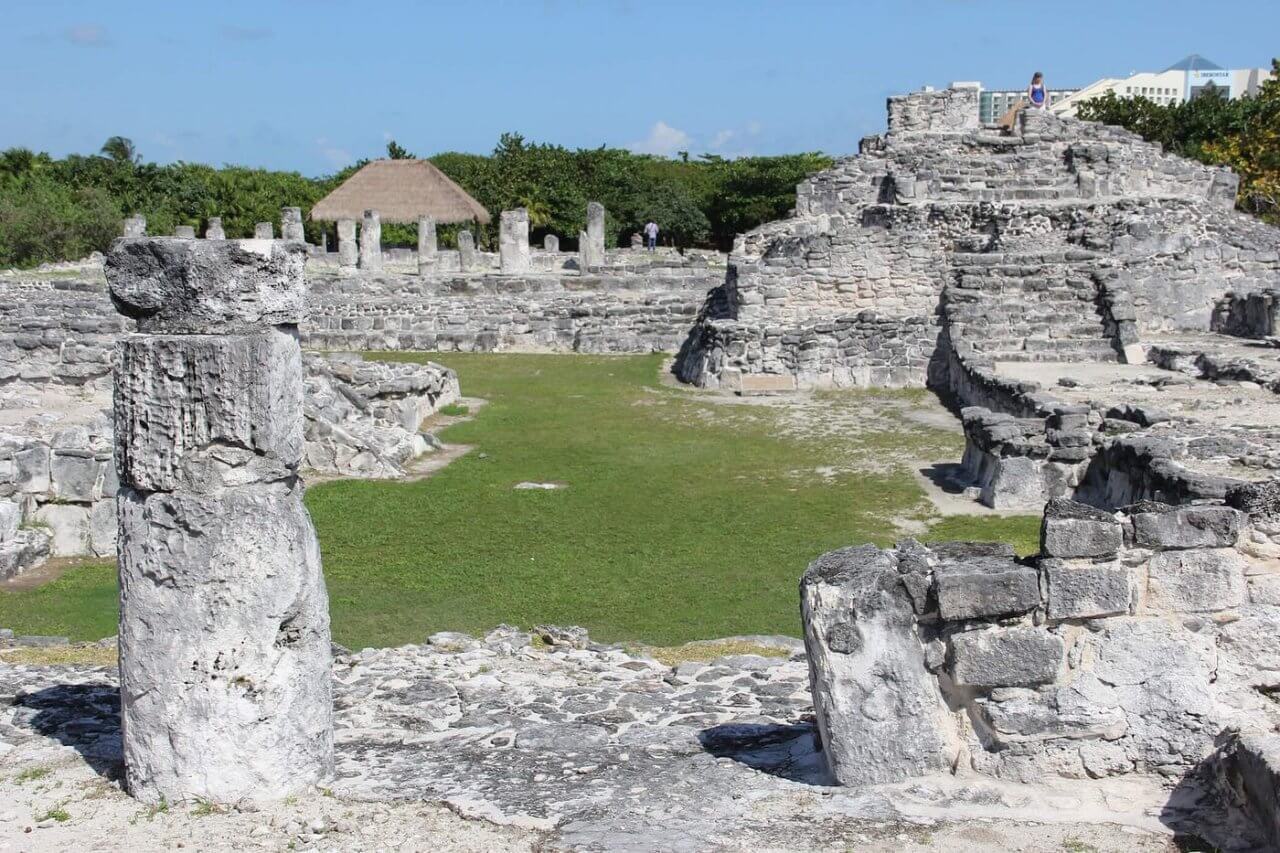
El Rey is a small Mayan archaeological site located within Cancún’s Hotel Zone at km 18, making it the most convenient ruin to visit without leaving the city.
The site contains over 47 structures, including two small pyramids and several platforms, dating to the Post-Classic period (900–1521 CE).
Entrance costs 75 MXN (~$4 USD) per adult.
The ruins are particularly known for their resident iguana population — dozens of large iguanas bask on the stone structures throughout the day.
The site is open daily from 8:00 AM to 5:00 PM and can be explored in 1–2 hours.
Coba Ancient City
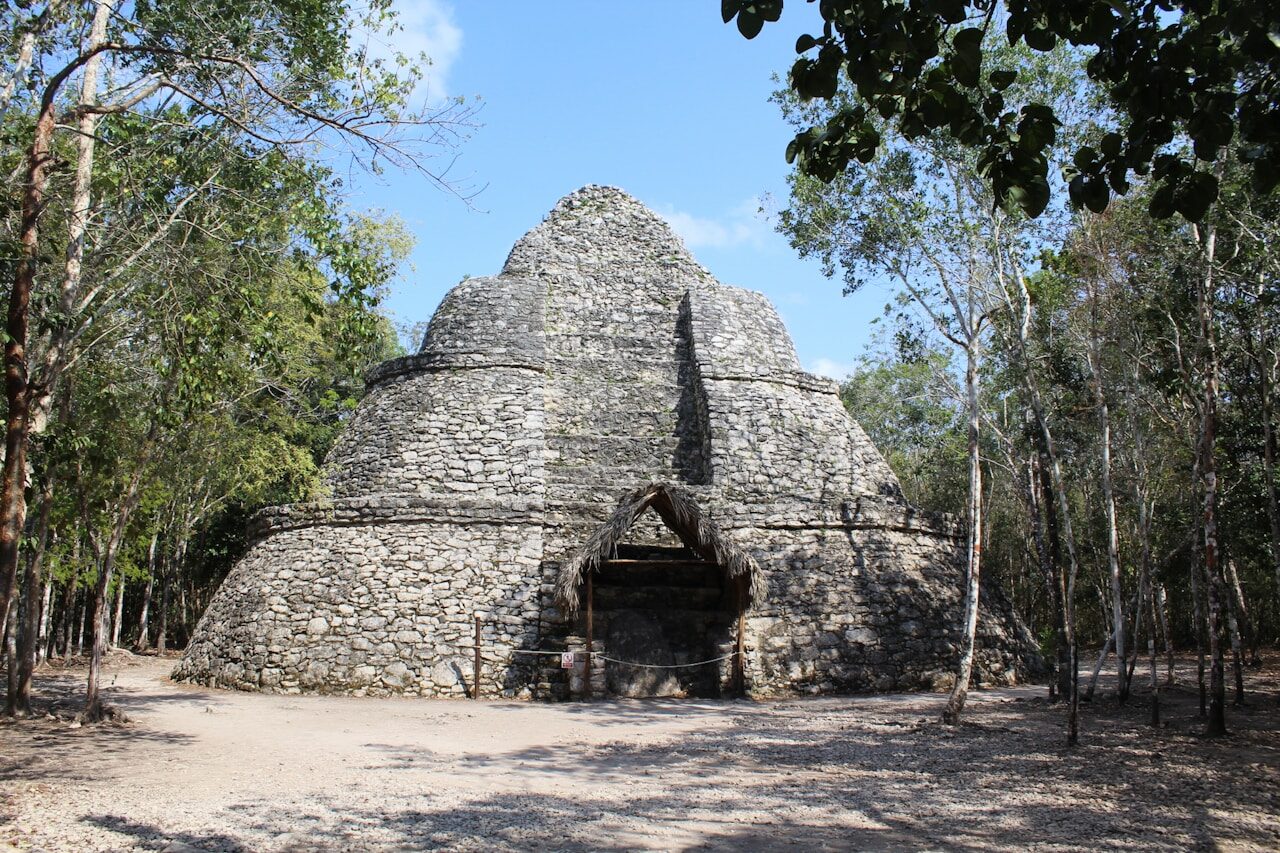
Coba is a large Mayan city set within dense jungle approximately 170 km southwest of Cancún.
The site’s most distinctive feature is Nohoch Mul pyramid, which at 42 metres is the tallest climbable pyramid in the Yucatán Peninsula.
Climbing remains permitted as of 2026, though a rope guide is in place to assist the steep ascent and descent.
The site covers a large area connected by ancient stone causeways (sacbés).
Bicycle rentals and tricycle taxis are available at the entrance to navigate between structures.
Entrance costs 330 MXN (~$19 USD) per adult, combining the federal INAH fee (210 MXN) and the ejido community access fee (120 MXN).
Guided tours from Cancún combining Coba with a cenote visit typically cost $60–$80 USD per person including transport.
Cenotes and Underground Swimming
The Yucatán Peninsula sits atop a vast limestone shelf riddled with underground rivers and sinkholes called cenotes.
These natural pools were sacred to the ancient Maya and today offer some of the world’s most unique swimming and diving environments.
Water temperatures in cenotes remain around 24°C year-round.
Cenote Dos Ojos
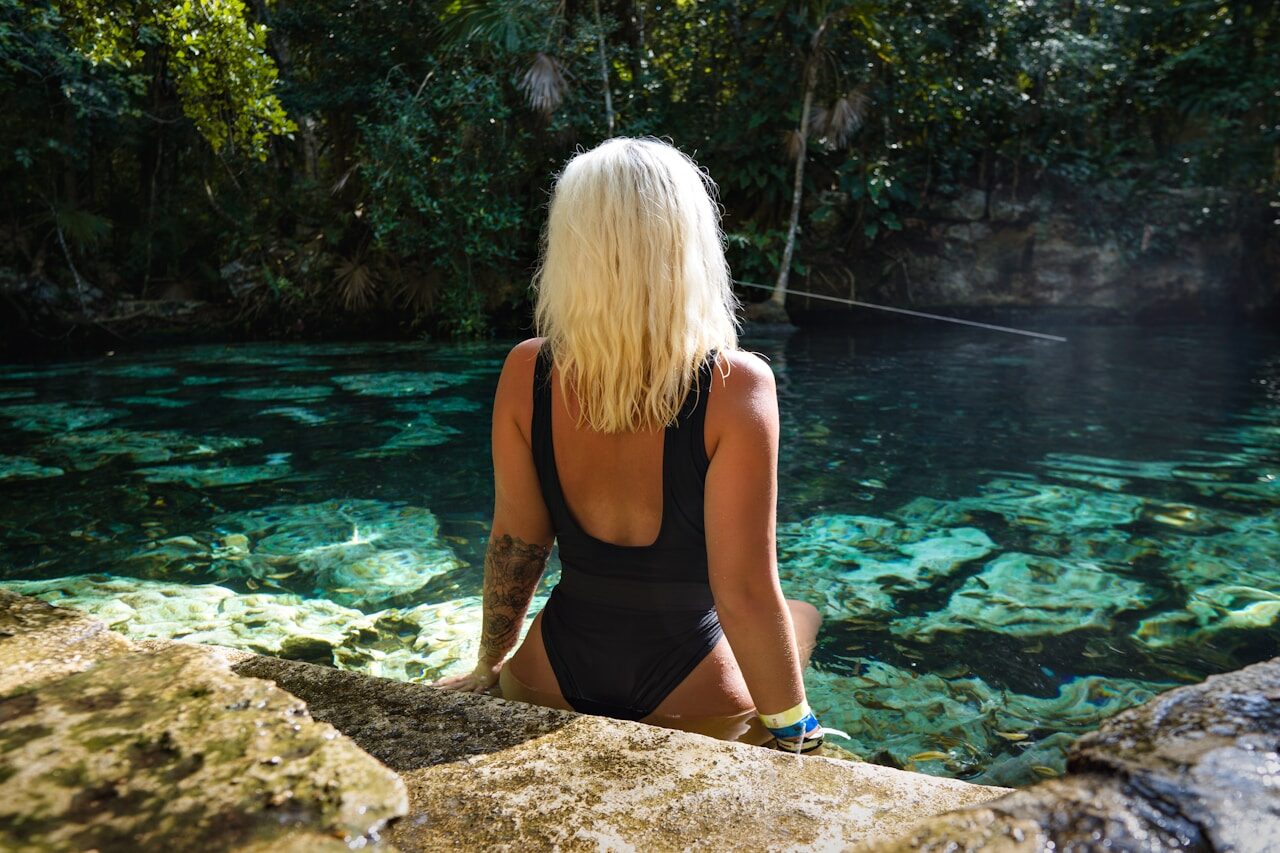
Cenote Dos Ojos (“Two Eyes”) is one of the most famous cave diving and snorkelling sites in Mexico, located near Tulum approximately 170 km from Cancún.
The name refers to two adjacent sinkholes connected by an underwater passage.
Visibility in the crystal-clear freshwater exceeds 100 metres in many sections.
Snorkelling tours are available for non-divers, while certified cave divers can explore an extensive underwater cave system.
Entry for swimmers and snorkellers costs approximately 350–400 MXN (~$18–22 USD); guided snorkel tours through the cave system and Bat Cave cost approximately $30 USD including equipment.
The cenote is open daily from 8:00 AM to 5:00 PM.
Only cash is accepted at the entrance.
Gran Cenote
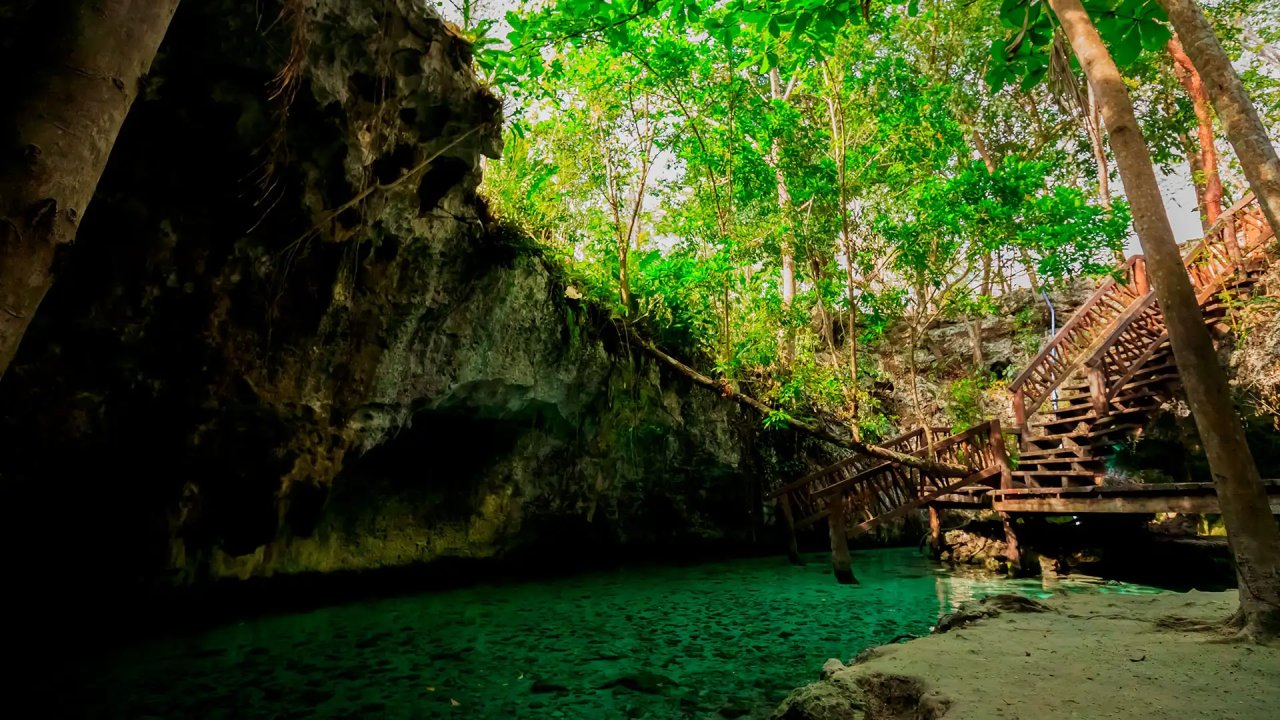
Gran Cenote is located 4 km west of Tulum town and is considered one of the most beautiful open cenotes in the region.
The site features a large open chamber with stalactite and stalagmite formations visible both above and below the waterline.
Freshwater turtles are frequently spotted swimming alongside visitors.
The cenote is suitable for snorkelling and beginner cave diving.
Entrance costs approximately 150–350 MXN (~$8–19 USD), with snorkel gear rental available on-site for approximately 50 MXN.
The site opens at 8:00 AM with last entry at 4:15 PM and closes at 4:30 PM.
Confirm current pricing at the ticket window, as fees have been subject to revision.
Cenote Suytun
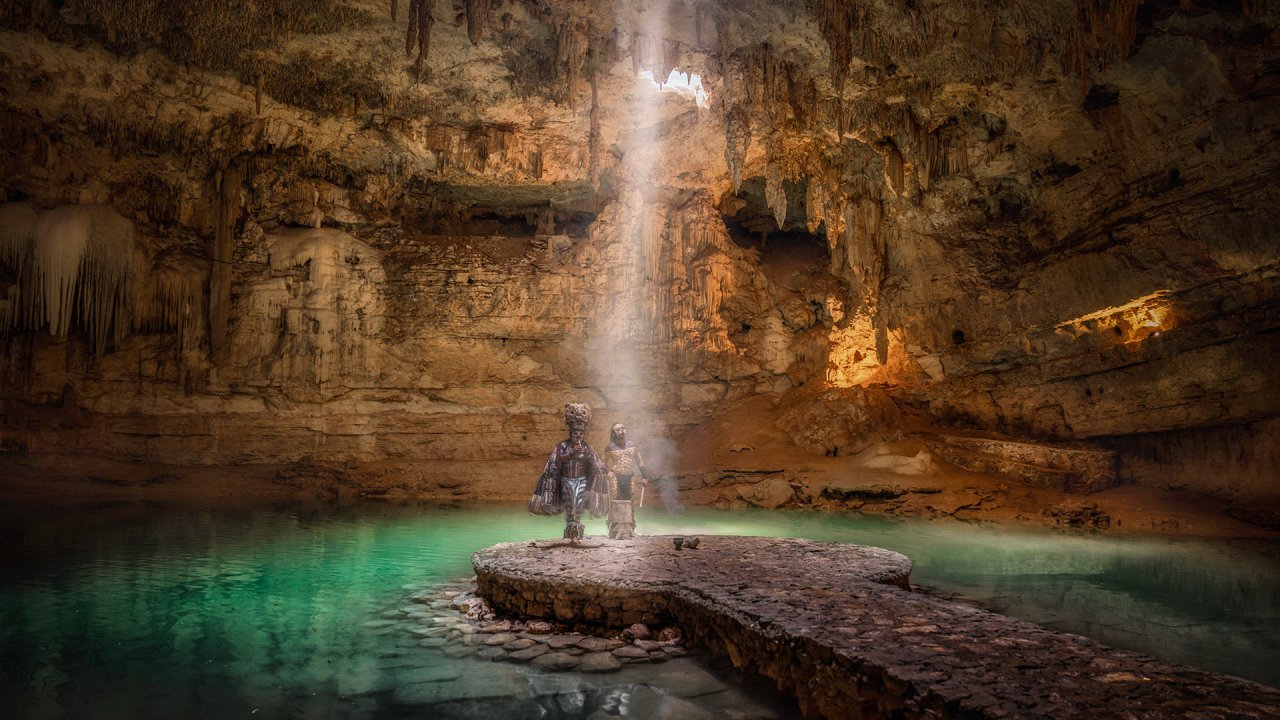
Cenote Suytun, located near Valladolid approximately 160 km from Cancún, is one of the most photographed cenotes in Mexico.
A stone walkway leads to a circular platform at the centre of the cenote, and when sunlight enters through the opening above, it creates a dramatic beam of light illuminating the platform and the surrounding turquoise water.
The best time to visit for the light effect is between 11:00 and 13:00.
Entrance costs approximately 200–220 MXN (~$11–12 USD), including photography access to the main chamber.
The cenote is often combined with a visit to Chichen Itza or Valladolid on organised day tours.
Ik Kil Cenote
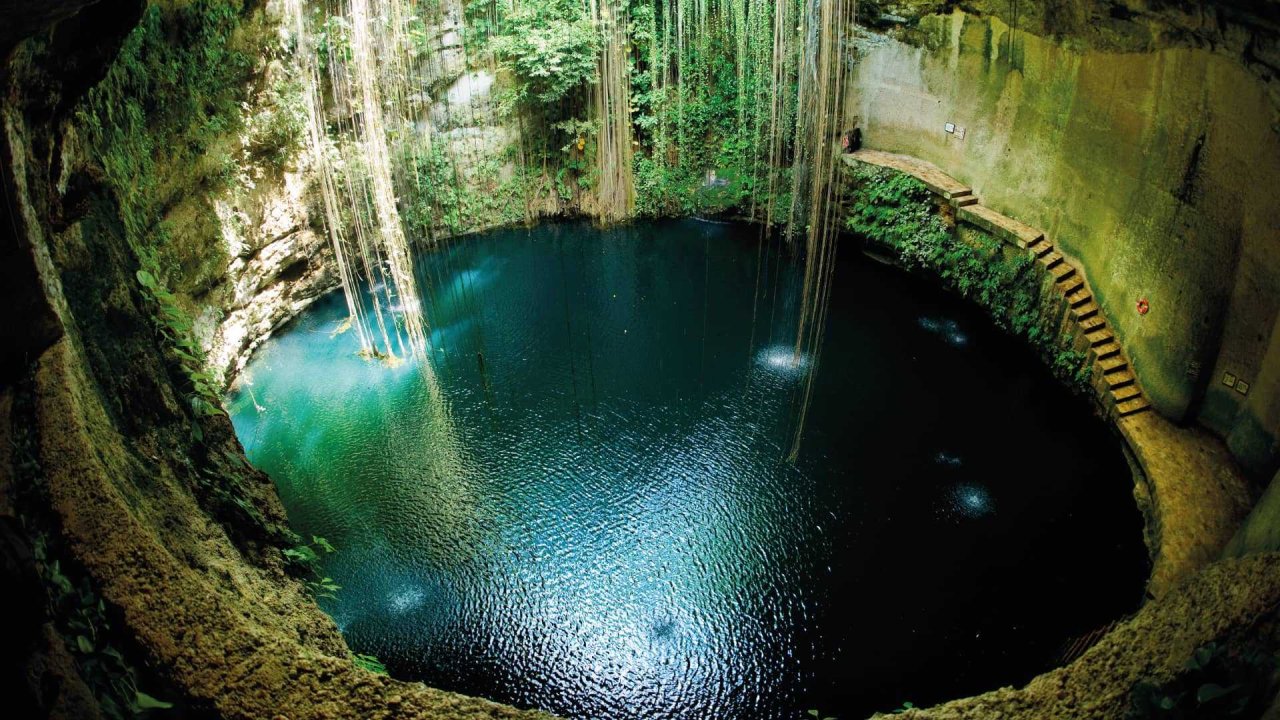
Ik Kil is a large open cenote located 3 km from Chichen Itza, making it a natural addition to any Chichen Itza day trip.
The cenote is approximately 60 metres wide and 40 metres deep, with hanging vines and small waterfalls cascading from the rim.
Swimming is permitted in the main pool.
Entrance costs 240 MXN (~$13 USD) for adults aged 12 and above; children aged 5–11 pay 150 MXN.
The site includes changing rooms, lockers, and a restaurant.
Ik Kil is open daily from 8:00 AM to 6:00 PM and is frequently included in organised Chichen Itza tour packages.
Eco-Parks and Family-Friendly Attractions
Cancún and the Riviera Maya are home to several large eco-archaeological parks that combine natural environments, cultural exhibits, and adventure activities.
These parks are among the best things to do in Cancún with kids.
For more family travel planning, see our dedicated guide to travelling to Cancún with kids and family.
Xcaret Eco-Archaeological Park
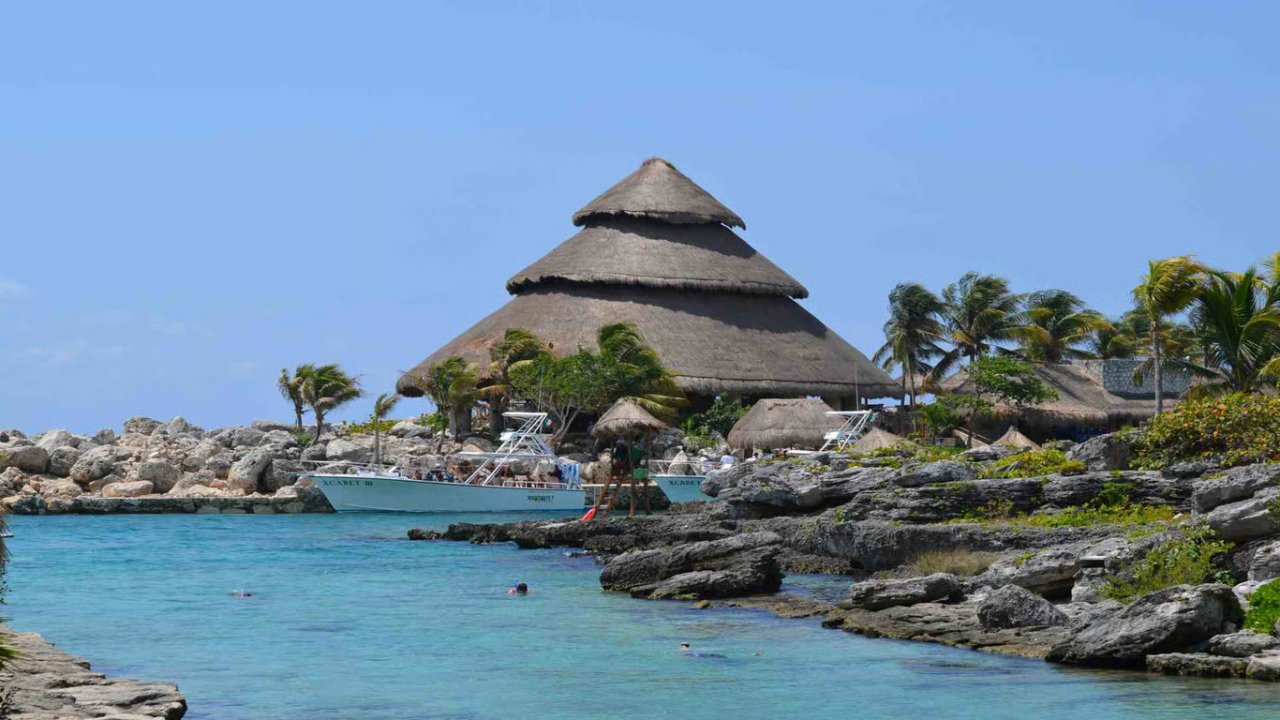
Xcaret is the largest eco-archaeological park in the Riviera Maya, located 75 km south of Cancún near Playa del Carmen.
The park contains over 50 attractions, including underground river swimming, a coral reef aquarium, a Mayan village, a butterfly pavilion, a sea turtle conservation programme, and a jaguar island.
The nightly show “Xcaret México Espectacular” is a 2-hour theatrical performance covering 3,000 years of Mexican history through dance, music, and acrobatics.
Standard all-inclusive entry (Xcaret Full Day) costs approximately $130–$160 USD per adult and $65–$80 USD per child (ages 5–12).
The park is open daily from 8:30 AM.
Round-trip transport from Cancún hotels is available through Xcaret’s official service for approximately $20–$30 USD per person.
Xel-Há Natural Aquarium
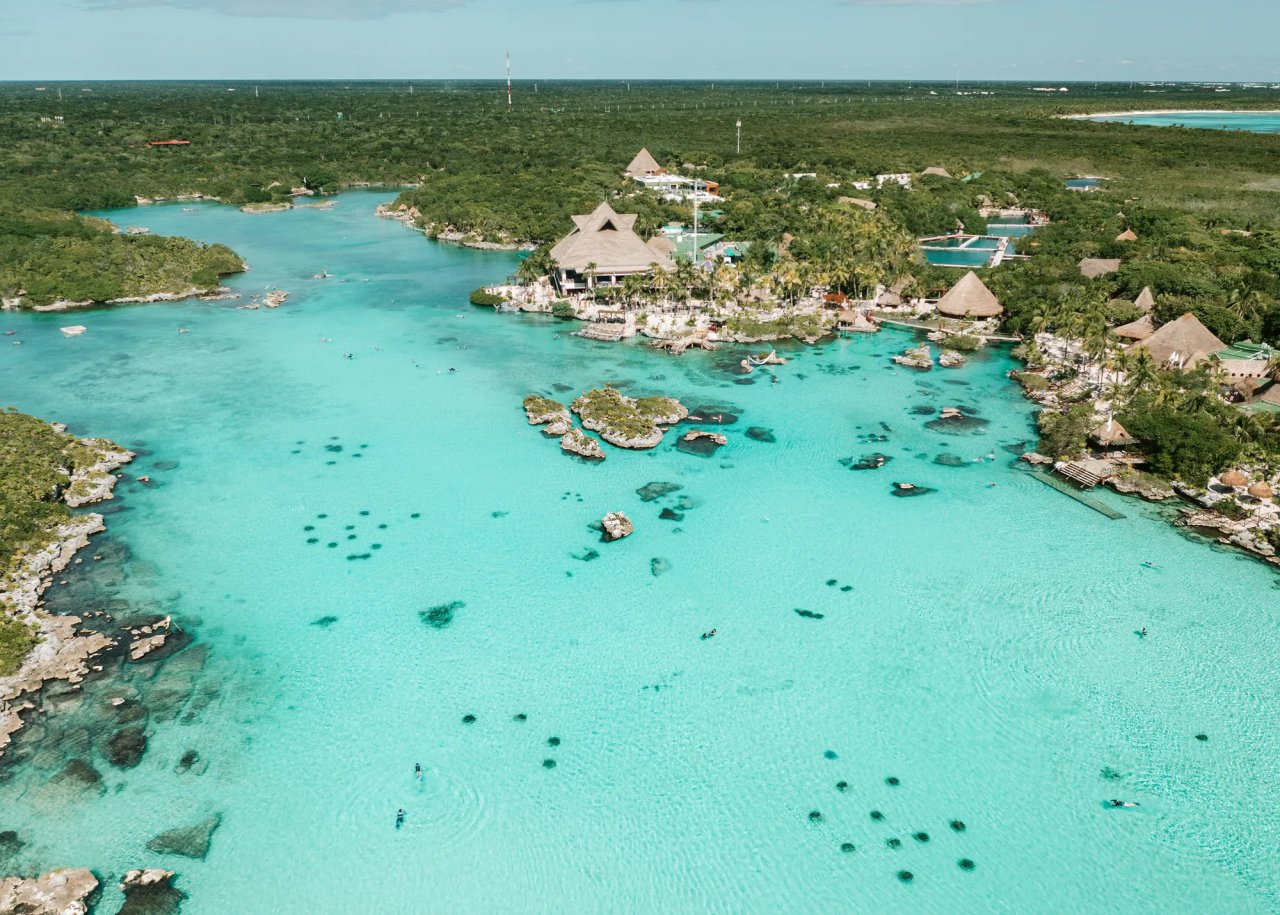
Xel-Há is an all-inclusive natural aquarium and adventure park located approximately 120 km south of Cancún.
The park is centred on a large natural inlet where freshwater and saltwater mix, creating a rich ecosystem for snorkelling.
Activities include snorkelling with tropical fish, cliff jumping, zip-lining over the water, river floating, and cycling.
All-inclusive tickets cover food, drinks, equipment, and activities, priced at approximately $145–$190 USD per adult.
The park is open daily from 8:30 AM to 6:00 PM.
Is Xcaret or Xel-Há Better for Families?
Xcaret is better for families seeking a full-day cultural and wildlife experience with diverse attractions, while Xel-Há suits families who prioritise water-based activities in a natural setting.
Both parks are all-inclusive and located along the same highway south of Cancún.
Xcaret’s breadth of attractions — from Mayan ruins to live animal exhibits — makes it the stronger choice for children with varied interests.
Xel-Há’s natural snorkelling environment and simpler activity menu work well for younger children or those who prefer a more relaxed pace.
Budget approximately a full day for either park.
Interactive Aquarium Cancún
The Interactive Aquarium (Acuario Interactivo) is located inside La Isla Shopping Village in the Hotel Zone.
It offers touch tanks, shark feeding experiences, dolphin encounters, and educational presentations on marine ecosystems.
General admission tickets start at approximately $15–$22 USD per person; children aged 4–17 pay approximately $9–$12 USD, and children under 3 enter free.
Dolphin interaction and swim programmes are priced separately, ranging from approximately $60–$150 USD depending on the programme selected.
The aquarium is open daily from 9:30 AM to 8:00 PM and is a practical option for families on rainy days or those who want a shorter, in-city activity.
Nightlife and Evening Entertainment
Cancún’s Hotel Zone is one of Latin America’s most active nightlife destinations, with a concentration of large clubs, beach clubs, rooftop bars, and live entertainment venues along Boulevard Kukulcán.
Most venues open at 10:00 PM and operate until 3:00 AM or later, with after-party venues running until 5:00–6:00 AM.
Coco Bongo
Coco Bongo is Cancún’s most famous entertainment venue, operating as a hybrid nightclub and live show rather than a traditional club.
Performances include acrobatics, live music, theatrical acts, and celebrity impersonators, with the show running continuously throughout the night.
The venue holds approximately 3,000 guests.
Tickets include open bar and show access, priced at approximately $85–$135 USD per person depending on the package and booking channel.
Coco Bongo is located in the Forum by the Sea complex at km 9.5 on Boulevard Kukulcán.
Advance booking is strongly recommended, particularly during peak season (December–April).
Hotel Zone Nightclubs
The Hotel Zone contains several large-format nightclubs catering to international visitors.
The City Nightclub, located at km 9.5, is one of the largest clubs in Latin America with a capacity of approximately 5,000 people and multiple themed rooms.
Mandala Beach Club combines an open-air beach setting with a full nightclub experience.
Dady’O, at km 9.5, is one of the longest-running clubs in Cancún and is known for its laser shows and themed nights.
Presale cover charges range from $25 USD at most major venues; open bar packages (cover + unlimited drinks for 5–6 hours) typically cost $60–$80 USD per person.
Most venues require advance reservation to guarantee entry, particularly on Friday and Saturday nights.
Rooftop Bars and Cocktail Lounges
For a more relaxed evening, Cancún’s rooftop bars offer panoramic views of the Caribbean and lagoon.
The Rooftop at W Cancún and Sky Lounge are among the most popular options in the Hotel Zone, offering craft cocktails, live DJ sets, and sunset views.
Cocktail prices at rooftop venues typically range from MXN 180–350 (~$10–19 USD).
Reservations are recommended for weekend evenings.
These venues provide a quieter alternative to the large nightclubs while still offering a sophisticated evening atmosphere.
Culinary Experiences and Food Culture
Cancún’s food scene ranges from street-side taco stands in downtown (El Centro) to upscale seafood restaurants in the Hotel Zone.
The city’s culinary identity draws on Yucatecan, Mexican, and Caribbean influences, with fresh seafood, slow-cooked meats, and complex chilli-based sauces forming the backbone of local cuisine.
Street Food Tours and Local Markets
Downtown Cancún (El Centro) is the best area for authentic street food, centred around Mercado 28 and the surrounding streets.
Key dishes to try include tacos al pastor (marinated pork cooked on a vertical spit), cochinita pibil (slow-roasted pork in achiote), marquesitas (crispy rolled crepes filled with cheese or Nutella), and elotes (grilled corn with mayonnaise, cheese, and chilli powder).
Organised street food tours depart from the Hotel Zone and typically cost $40–$70 USD per person, covering 6–8 food stops over 3 hours.
Self-guided visits to Mercado 28 are free to enter, with individual dishes priced at MXN 30–80 (~$1.50–4.50 USD).
Tequila and Mezcal Tasting Tours
Tequila is produced exclusively from blue agave in designated regions of Mexico, while mezcal can be made from over 30 agave varieties and is produced across a wider geographic area.
Cancún offers guided tasting experiences that explain the production process and allow visitors to compare blanco, reposado, and añejo expressions.
Tasting tours typically cost $30–$60 USD per person and include 5–8 pours with food pairings.
Some operators combine tasting sessions with visits to a local distillery or agave farm.
These tours are among the most popular cultural activities in Cancún for adult travellers.
Cooking Classes and Traditional Mexican Recipes
Cooking classes in Cancún and the Riviera Maya focus on Yucatecan and broader Mexican cuisine, with common sessions covering mole sauce preparation, ceviche technique, tamale making, and salsa varieties.
Classes are typically held in small groups of 8–12 participants and last 3–4 hours.
Prices range from $45–$80 USD per person, usually including a market visit to source ingredients, hands-on cooking instruction, and a sit-down meal of the dishes prepared.
Classes are available in English and are suitable for all skill levels.
Adventure and Extreme Sports
The jungle, coastline, and cenote systems surrounding Cancún provide a natural setting for a wide range of adventure activities.
Most operators are based in the Hotel Zone or along the Riviera Maya highway and offer transport from Cancún hotels.
Zip-lining and Jungle Canopy Tours
Several eco-parks and standalone adventure centres offer zip-line circuits through the jungle canopy within 30–90 minutes of Cancún.
Courses typically include 8–15 lines at varying heights, with the longest lines reaching speeds of up to 80 km/h and heights of 15–30 metres above the jungle floor.
Standalone zip-line experiences cost approximately $40–$65 USD per person.
Zip-lining is also included in the activity packages at Xcaret, Xel-Há, and several cenote eco-parks.
Typical operator requirements include a minimum age of 5–7 years and a maximum weight of 100–120 kg (220–265 lbs); confirm specific requirements with the operator before booking.
ATV Tours and Off-Road Exploration
ATV tours depart from multiple operators along the Riviera Maya and take riders through jungle trails, coastal paths, and occasionally through small Mayan villages.
Tours are typically 2–3 hours long and are guided by experienced local drivers.
Prices range from $60–$90 USD per ATV, with single and double-rider options available.
No prior ATV experience is required.
Some tours combine ATV riding with a cenote swim or zip-lining as part of a multi-activity package.
Kitesurfing and Windsurfing
Cancún’s consistent trade winds and flat lagoon waters make it a practical location for kitesurfing and windsurfing.
Laguna Nichupté, which runs parallel to the Hotel Zone, provides sheltered conditions suitable for beginners, while the open Caribbean side offers stronger winds for experienced riders.
Beginner kitesurfing lessons typically cost $150–$250 USD for a 3-hour introductory session.
Equipment rental for experienced riders is available separately.
The best wind conditions in Cancún occur between November and March.
Day Trips and Excursions from Cancún
Cancún’s location on the northeastern tip of the Yucatán Peninsula places it within day-trip distance of several major destinations.
Organised excursions are widely available from the Hotel Zone, or travellers can arrange independent transport.
For more inspiration on extending your Mexico trip, explore our guide to the best things to do in Mexico.
Isla Mujeres Day Trip
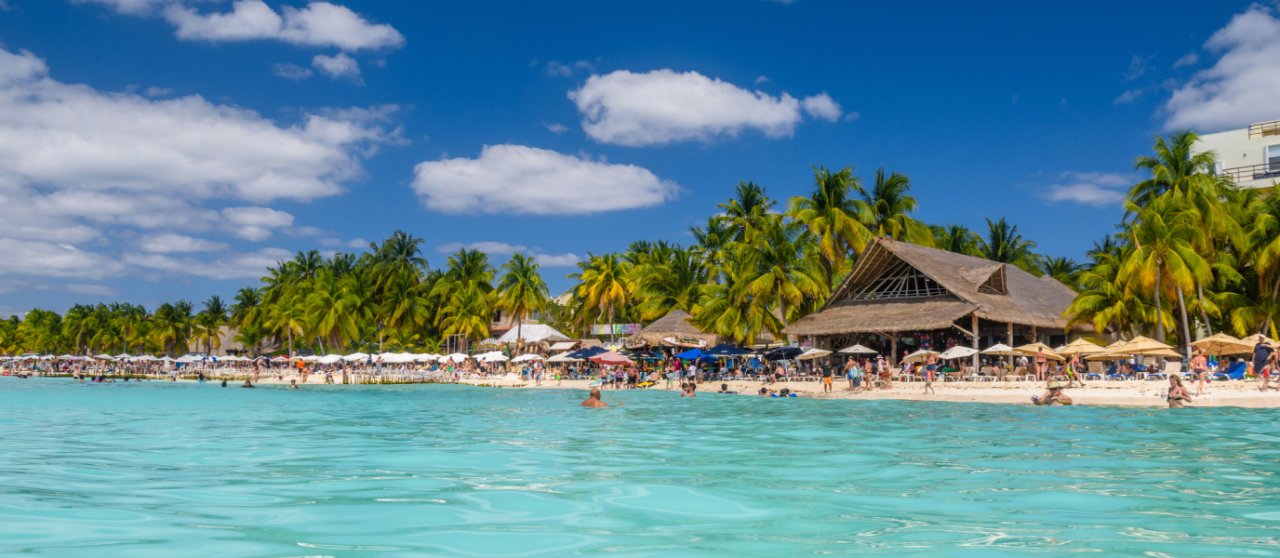
Isla Mujeres is an 8 km-long island located 13 km northeast of Cancún, reachable by ferry from Puerto Juárez in approximately 15–20 minutes.
Ferries depart approximately every 30 minutes from around 5:30 AM to midnight, with tickets priced at approximately 250–280 MXN (~$13–15 USD) each way.
The island is one of the most popular day trips from Cancún due to its calm beaches, relaxed atmosphere, and walkable town centre.
Golf cart rental (approximately $26 USD per hour or $65 USD for all-day) is the most popular way to explore the island.
Key stops include Playa Norte, Punta Sur (the southernmost point of Mexico), the turtle farm (Tortugranja), and the town’s colourful main street.
The island can be comfortably explored in a full day.
Cozumel Diving and Snorkelling Excursion
Cozumel is a large island located 70 km south of Cancún, reachable by ferry from Playa del Carmen (approximately 40–45 minutes, 260–300 MXN / ~$13–15 USD each way).
The island is internationally recognised as one of the world’s top scuba diving destinations, with visibility regularly exceeding 30 metres.
Palancar Reef is the most famous dive site, featuring towering coral formations, tunnels, and abundant marine life including eagle rays, sea turtles, and reef sharks.
Day-trip dive packages from Cancún typically cost $100–$160 USD per person including transport and two dives.
Playa del Carmen and Quinta Avenida
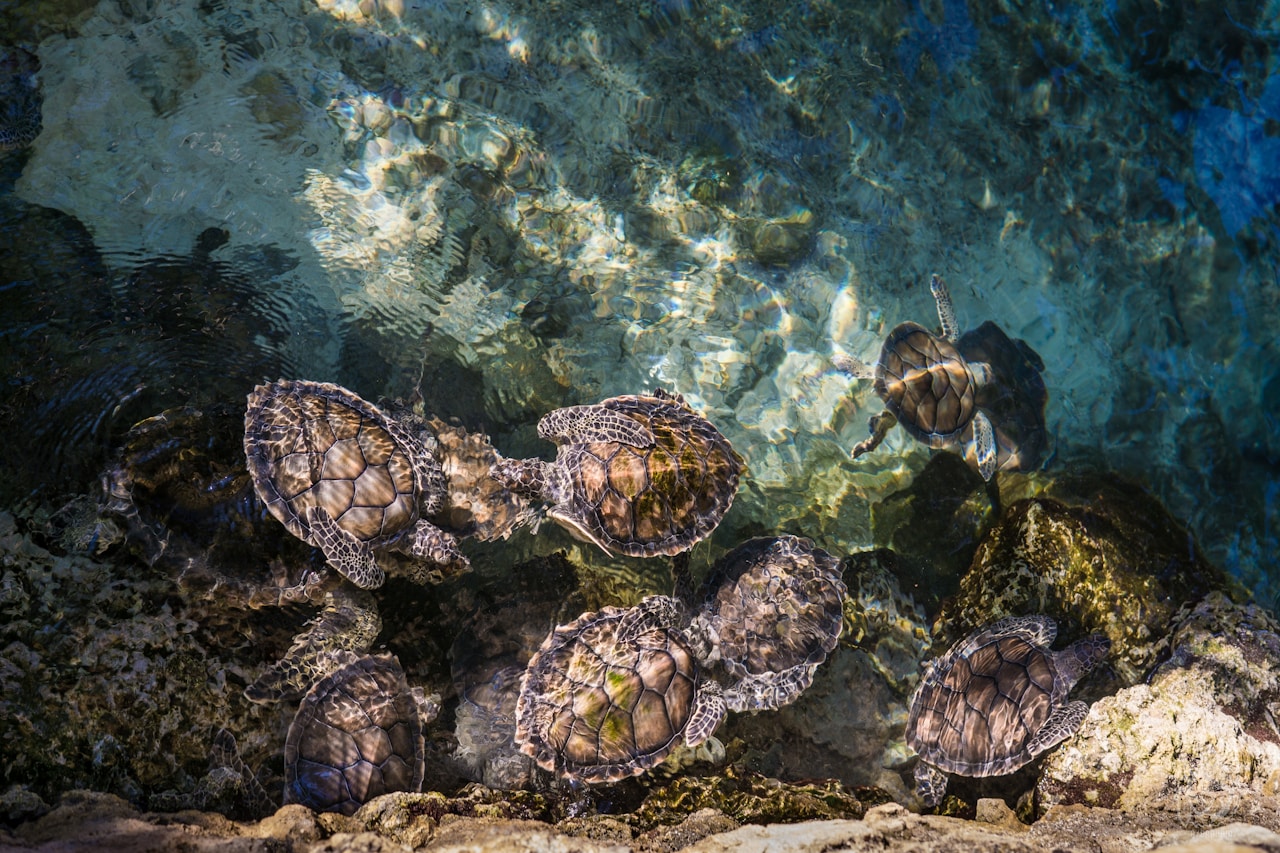
Playa del Carmen is a coastal town located 68 km south of Cancún, reachable by ADO bus in approximately 1 hour (approximately MXN 150–200 / ~$8–11 USD each way).
The town’s main pedestrian street, Quinta Avenida (5th Avenue), runs parallel to the beach for several kilometres and is lined with restaurants, boutiques, bars, and street performers.
Playa del Carmen serves as the ferry departure point for Cozumel and is also the gateway to several cenotes, Xcaret, and Xel-Há.
The town has a more local, walkable character than Cancún’s Hotel Zone and is popular for an overnight extension or a full-day visit.
Holbox Island
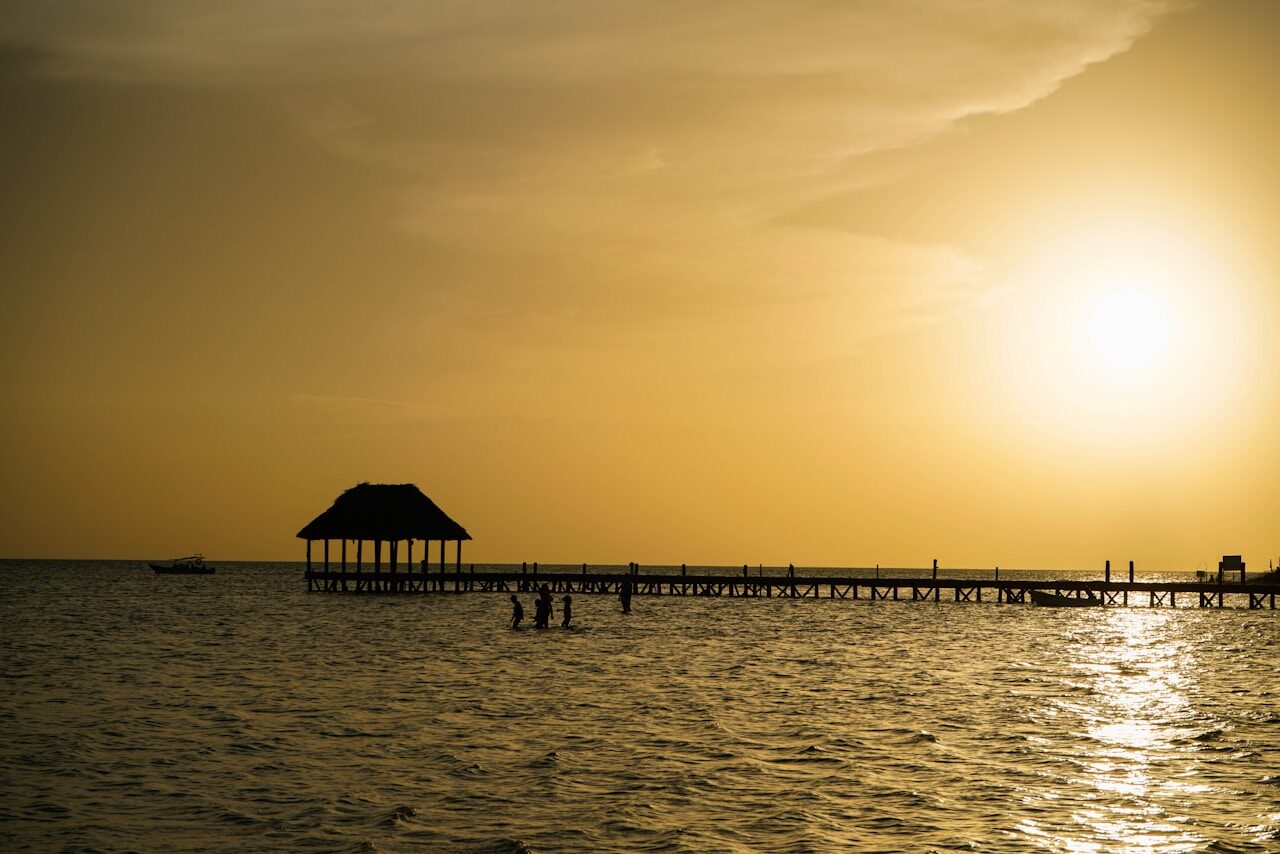
Holbox (pronounced “Hol-bosh”) is a car-free island located approximately 180 km northwest of Cancún, reachable by ADO bus from Cancún to Chiquilá (approximately 2.5 hours; ~$14–17 USD) followed by a 20-minute ferry crossing from Chiquilá to Holbox (approximately 150–200 MXN / ~$8–11 USD each way).
The island is known for its shallow, calm waters, white sand streets, and relaxed atmosphere.
Between June and September, whale sharks congregate in the waters north of Holbox, and licensed tour operators offer swimming experiences with these animals, typically priced at $130–$190 USD per person including boat transport, guide, and snorkel gear.
The island is also a habitat for flamingos, which can be observed at the nearby Yalahau lagoon.
Bioluminescent plankton tours are available on dark nights from June to September, typically priced at $50–$80 USD per person.
Shopping and Local Markets In Cancún, Mexico
Cancún offers shopping environments ranging from traditional craft markets to modern open-air malls.
The most authentic shopping experience is found in downtown El Centro, while the Hotel Zone caters to visitors seeking international brands and convenience.
Mercado 28
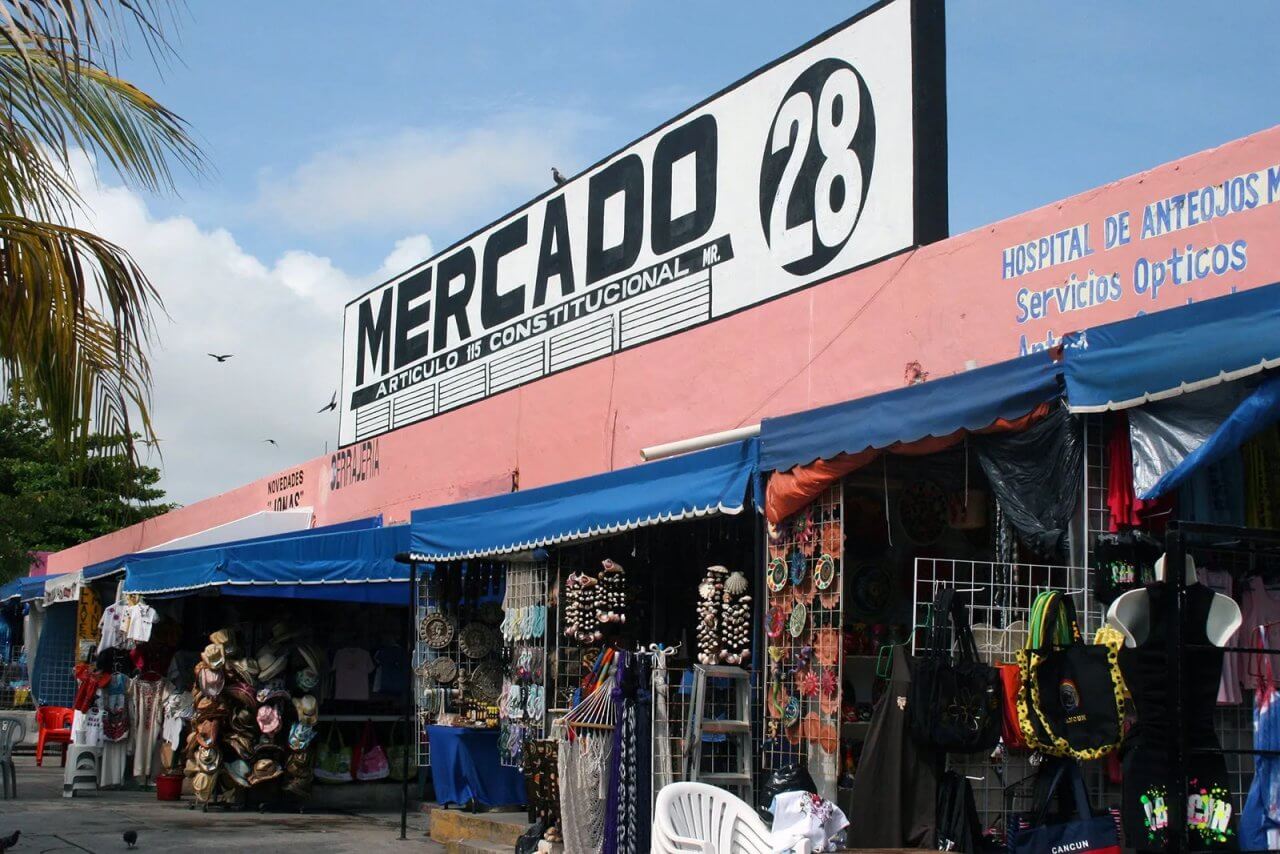
Mercado 28 is Cancún’s main traditional market, located in the El Centro neighbourhood approximately 15 minutes by bus from the Hotel Zone.
The market is a large covered complex with hundreds of stalls selling handcrafted goods, textiles, ceramics, leather goods, silver jewellery, and souvenirs.
Prices at Mercado 28 are significantly lower than Hotel Zone shops, and bargaining is expected and accepted.
Food vendors inside the market serve traditional Yucatecan dishes at local prices.
The market is open daily from approximately 9:00 AM to 8:00 PM and is free to enter.
La Isla Shopping Village
La Isla Shopping Village is an open-air mall located at km 12.5 on Boulevard Kukulcán in the Hotel Zone.
The complex covers over 15,000 square metres and combines international retail brands, local boutiques, restaurants, and entertainment including the Interactive Aquarium.
The mall’s waterfront setting along a lagoon channel makes it a pleasant place to walk even without shopping.
Dining options range from casual Mexican restaurants to international chains.
La Isla is open daily from approximately 10:00 AM to 10:00 PM and is free to enter.
Wellness and Spa Experiences
Cancún’s resort infrastructure supports a well-developed wellness sector, with spa facilities available at most major hotels and several standalone wellness centres offering treatments rooted in Mayan healing traditions.
Traditional Mayan Spa Treatments
Several spas in Cancún and the Riviera Maya offer treatments derived from ancient Mayan practices, including the temazcal ceremony, Mayan clay wraps, herbal baths, and chocolate-based body treatments.
The temazcal is a traditional steam lodge ceremony led by a shaman or guide, combining heat, medicinal herbs, and guided meditation.
Temazcal ceremonies typically last 1.5–2 hours and cost approximately $50–$100 USD per person.
Many resort spas offer temazcal as part of a broader wellness package.
Standalone wellness centres in the Riviera Maya, such as those near Tulum, offer more immersive multi-day programmes.
Beachfront Massage and Yoga
Beachfront massage services are available at most Hotel Zone beach clubs and resorts, with 60-minute sessions typically priced at $60–$100 USD.
Services include Swedish massage, hot stone therapy, aromatherapy, and foot reflexology.
Sunrise yoga classes on the beach are offered by several Hotel Zone resorts and independent instructors, typically priced at $15–$30 USD per session.
Guided meditation sessions and aerial yoga studios are also available in the Hotel Zone and in Playa del Carmen.
Cultural Experiences and Local Life
Beyond its resort infrastructure, Cancún offers access to authentic Mexican cultural experiences through its downtown neighbourhoods, local festivals, and proximity to living Mayan communities.
Traditional Dance Performances and Folkloric Shows
Traditional Mexican dance performances are staged at several venues in Cancún, including hotel theatres, cultural centres, and the Xcaret park’s nightly show.
Ballet Folklórico performances showcase regional dances from across Mexico, including Jalisco’s jarabe tapatío, Veracruz’s son jarocho, and Yucatán’s jarana.
Fiesta Mexicana dinner shows, offered at several Hotel Zone resorts, combine folkloric dance with mariachi music and a buffet of traditional dishes.
Ticket prices for standalone shows range from $40–$80 USD per person.
The Xcaret México Espectacular show is included in the park’s all-inclusive ticket.
Museo Maya de Cancún
The Museo Maya de Cancún is the most important archaeological museum in the Mexican Caribbean, located in the Hotel Zone at km 16.5.
The museum houses over 400 Mayan artefacts across two permanent exhibition halls, covering the history and culture of the Maya civilisation from the Pre-Classic period to the Spanish conquest.
Adjacent to the museum is the San Miguelito archaeological zone, a Mayan site that can be visited as part of the same ticket.
Entrance costs 210 MXN (~$11–12 USD) for foreign visitors and 105 MXN for Mexican nationals; entry is free on Sundays for Mexican nationals and residents, and always free for visitors over 60 or under 13.
The museum is open Tuesday to Sunday from 9:00 AM to 6:00 PM (last admission to galleries at 5:00 PM; last entry to the archaeological zone at 4:30 PM).
Day of the Dead Celebrations
The Day of the Dead (Día de los Muertos), observed on 1–2 November, is one of Mexico’s most significant cultural events.
In Cancún, celebrations take place in El Centro’s public squares and cemeteries, with elaborately decorated altars (ofrendas), marigold displays, traditional food, and live music.
The event is a public celebration rather than a tourist attraction, and visitors are welcome to observe respectfully.
No entrance fee applies to public celebrations.
Several hotels and cultural centres organise guided Day of the Dead experiences for international visitors, typically priced at $30–$70 USD per person; check with your hotel concierge or local tour operators in El Centro for current availability during the October–November period.
Photography Spots and Scenic Viewpoints
Cancún offers a range of photogenic locations across its beaches, ruins, cenotes, and urban areas.
The best natural light for outdoor photography occurs during the golden hour — approximately 30–60 minutes after sunrise and before sunset.
Top Photography Locations in Cancún
Playa Delfines provides the widest unobstructed view of the Caribbean from the Hotel Zone and is the location of the “CANCÚN” sign.
El Mirador, a small lookout point near the southern end of the Hotel Zone, offers elevated views of the coastline.
Isla Mujeres’ Punta Sur provides panoramic views of the open Caribbean from the island’s southernmost cliffs.
For underwater photography, cenotes offer exceptional conditions due to the clarity of the freshwater and the dramatic light shafts that penetrate the cave openings.
Cenote Suytun’s central platform is one of the most photographed underwater photography locations in Mexico.
A waterproof camera or housing is essential for cenote photography.
Street Art and Mural Tours in El Centro
Downtown Cancún’s El Centro neighbourhood contains a growing collection of large-scale murals and street art, primarily concentrated around Avenida Yaxchilán and the streets surrounding Parque de las Palapas.
The murals range from traditional Mexican iconography to contemporary abstract work by local and international artists.
Self-guided walking tours of the mural district take approximately 1–2 hours and are free.
Organised street art tours are available through local operators and typically cost $20–$40 USD per person, providing context on the artists and themes.
The area is best visited during daylight hours.
Practical Travel Information for Cancún
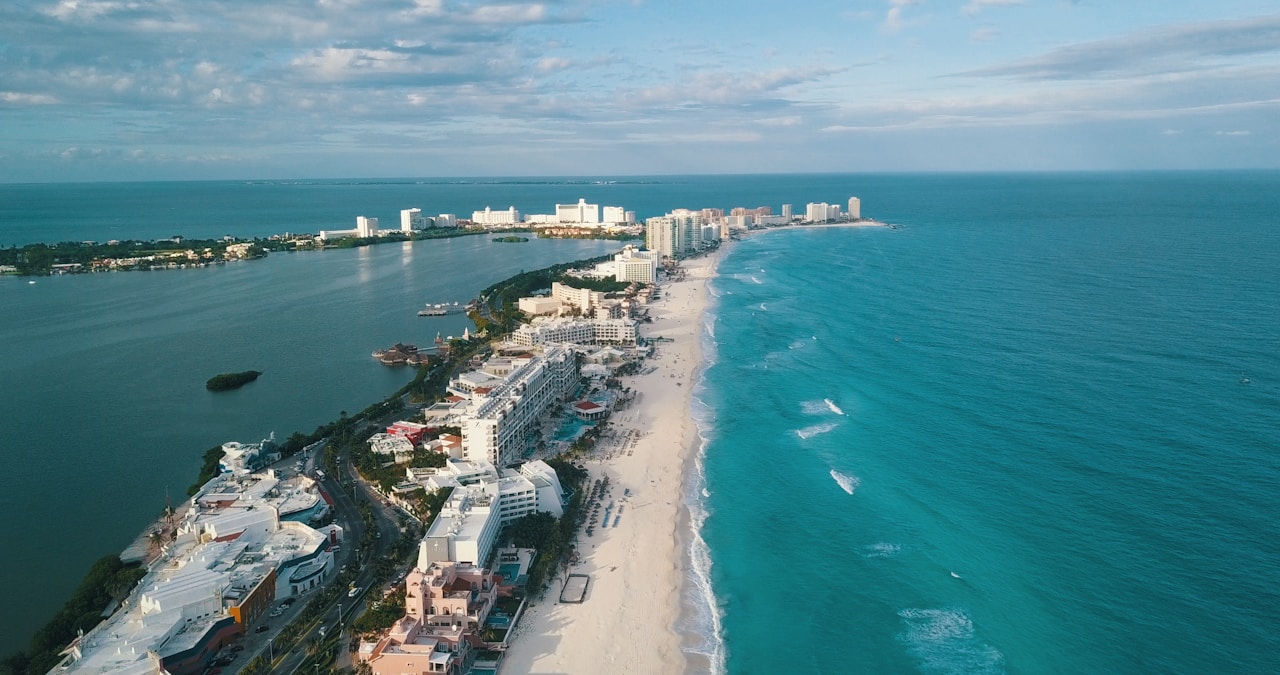
Cancún is served by Cancún International Airport (CUN), located approximately 20 km south of the Hotel Zone.
The airport receives direct flights from major cities across North America, Europe, and Latin America.
For getting around once you arrive, our guide to getting around Cancún covers all transport options in detail.
Currency: Mexican Peso (MXN).
USD is widely accepted in the Hotel Zone, though exchange rates at tourist-facing businesses are typically less favourable than at ATMs or exchange offices.
Average daily budget: $80–$150 USD per person for mid-range travel (Hotel Zone accommodation, meals, and 1–2 activities).
Visa requirements : Citizens of the USA, Canada, UK, EU, and Australia do not require a visa for tourist stays of up to 180 days.
A tourist card (FMM) is now issued digitally and is typically included in the cost of international airline tickets to Mexico; no separate form or payment is required at the airport.
Best time to visit Cancún: December to April offers the driest weather and calmest seas.
The peak hurricane season runs from June to November, with September being the highest-risk month.
For a full seasonal breakdown, see our guide to the best things to do in Mexico.
Safety: The Hotel Zone and major tourist areas are considered safe for international visitors.
Standard urban precautions apply in El Centro.
The US State Department currently rates Quintana Roo at Level 2 (Exercise Increased Caution).
For tourist assistance anywhere in Mexico, dial 078 from any local phone (free, 24-hour service covering tourist information, emergencies, and referrals); international callers can reach the SECTUR tourist helpline via [email protected] or toll-free from the US at 1-800-44-MEXICO (1-800-446-3942).
For travellers interested in exploring Cancún without spending heavily, our guide to free things to do in Cancún covers the best no-cost activities across the city.
Conclusion
Cancún offers a genuinely diverse travel experience that extends well beyond its famous beaches.
The combination of world-class archaeological sites, extraordinary natural environments, active water sports, and a thriving food and nightlife scene makes it one of the most complete destinations in the Americas.
Whether you are planning a week-long resort stay or using Cancún as a base for Yucatán exploration, the activities covered in this guide provide a strong foundation for building your itinerary.
Frequently Asked Questions (FAQs)
How Many Days Do You Need in Cancún?
Most travellers need 5–7 days to experience Cancún’s main attractions without feeling rushed. Three days covers the Hotel Zone beaches, one major Mayan site, and a cenote visit. Adding 2–3 days allows for day trips to Isla Mujeres, Cozumel, or Tulum, plus time for the Hotel Zone’s nightlife and dining scene. A full week is sufficient to include a trip to Chichen Itza, Holbox, and Xcaret.
Is Cancún Safe for Solo Travellers?
Cancún’s Hotel Zone is considered safe for solo travellers, including solo women, when standard precautions are followed. The zone is well-patrolled, heavily touristed, and has a visible security presence.
Solo travellers should avoid walking alone late at night in less-trafficked areas of El Centro, use registered taxis or app-based transport rather than unmarked vehicles, and keep valuables secured.
The US State Department rates Quintana Roo at Level 2 (Exercise Increased Caution), with the Hotel Zone and tourist areas classified as lower risk than many other parts of Mexico.
What Is the Best Way to Get Around Cancún?
The R-1 public bus runs the length of Boulevard Kukulcán in the Hotel Zone and costs 12 MXN (~$0.60 USD) per journey, making it the most economical way to travel between Hotel Zone attractions.
Taxis are widely available but should be negotiated before boarding as meters are not standard.
Uber operates in Cancún’s Hotel Zone and Downtown, and can also be used at the airport — however, exercise caution at the airport pickup zone due to ongoing tensions between ride-share drivers and local taxi unions; use the app’s designated rideshare area and confirm the plate number before entering the vehicle.
For day trips to Chichen Itza, Tulum, and other sites, ADO buses offer comfortable direct services from Hotel Zone bus stops and the downtown terminal, with fares ranging from ~$8 USD (Playa del Carmen) to ~$35 USD (Mérida). Our full guide to getting around Cancún covers all options in detail.