Travel to Barcelona on a Budget: How to Visit Without Overspending in 2026
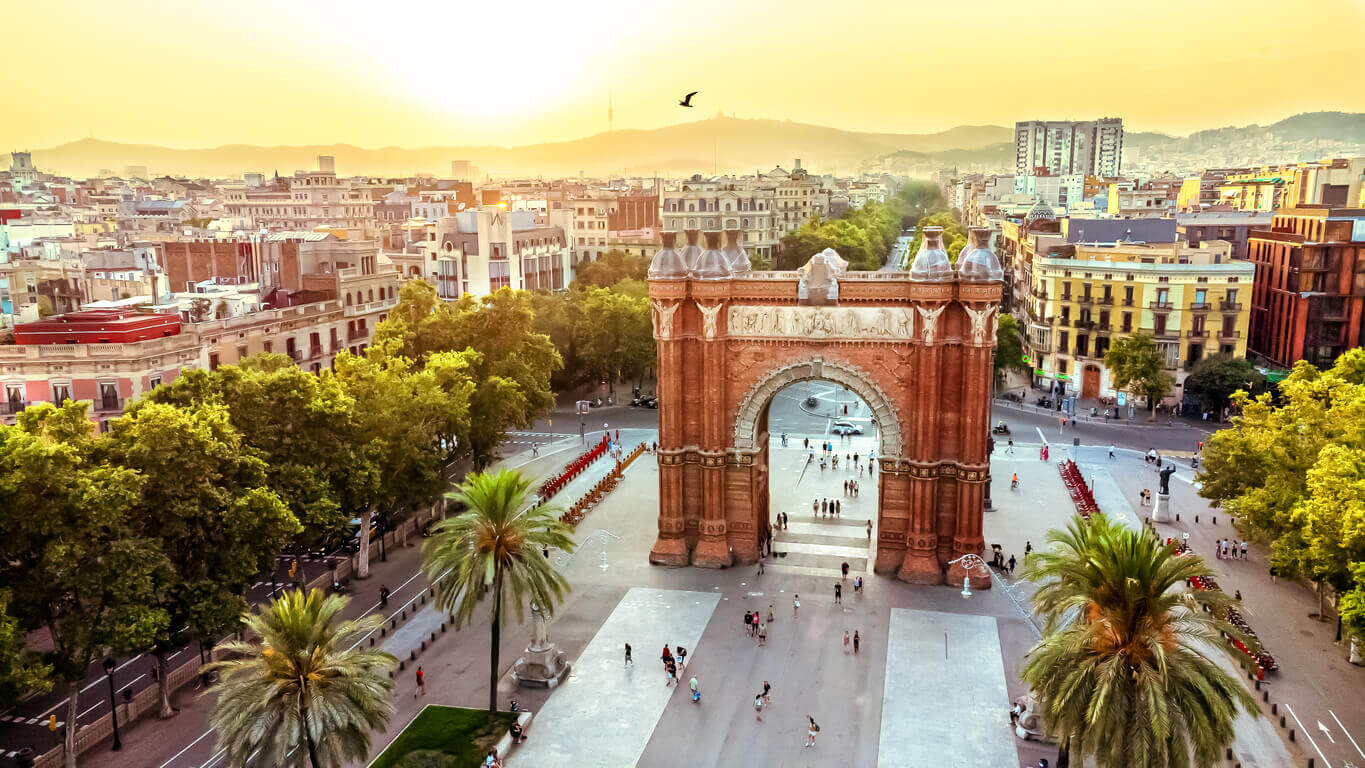



Travel to Barcelona on a Budget: Your Complete 2026 Guide – Barcelona on a budget is absolutely doable.
- Is Barcelona Expensive to Visit?
- When to Go for the Best Cheap Barcelona Holidays
- Where to Stay: Budget Hotels Barcelona and Cheaper Alternatives
- Money-Saving Tips for Visiting Barcelona
- Cheap Things to Do in Barcelona
- Eating on a Budget in Barcelona
- Getting Around Barcelona Without Overspending
- Barcelona Nightlife on a Budget
- Packing Smart for a Budget Barcelona Trip
- Day Trips Worth the Spend
Smart travelers can experience Gaudí masterpieces, sun-drenched beaches, and world-class food for as little as €50–70 per day — if they know the right moves.
This guide covers everything: where to sleep cheap, what to eat, which attractions are free, and how to get around without spending a fortune.
Whether you’re planning your first visit or looking to stretch a return trip further, these money-saving tips for visiting Barcelona will change how you see the city.
Barcelona Key Facts at a Glance
Hide- Currency: Euro (€)
- Best budget months: May, September–October
- Daily budget (no frills): €50–70 per person
- Single metro ticket: €2.20
- T-Casual card (10 journeys): €11.35
- Hostel dorm bed: from €20–25/night
- Budget hotel: from €55–70/night
- Menu del día (3-course lunch): €10–15
- Sagrada Família standard adult ticket: from €26
- Picasso Museum free days: Thursday evenings + first Sunday monthly (advance booking required)
Is Barcelona Expensive to Visit?
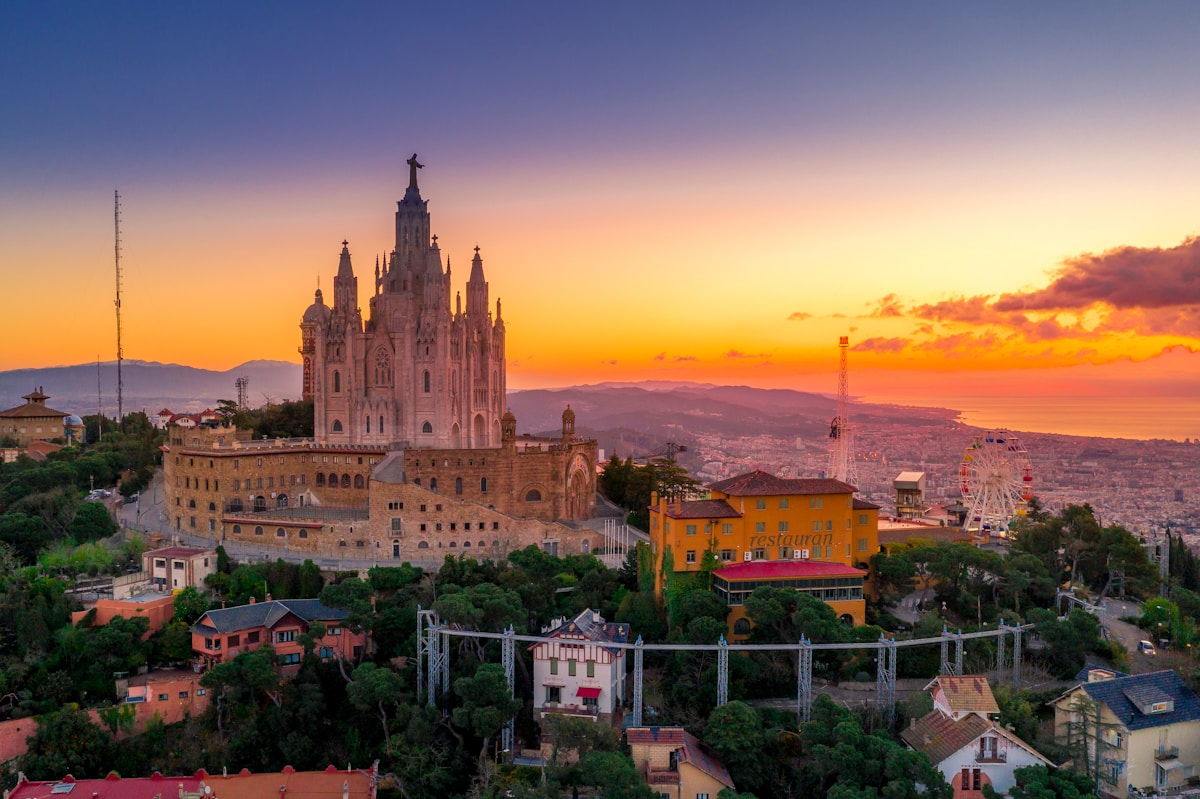
Barcelona is moderately priced for a major European city, and far cheaper than Paris or Amsterdam.
Budget travelers who stay in hostels, eat at local restaurants, and use public transport can manage on €50–70 per day as of 2026.
Mid-range travelers spending on a private hotel room and occasional dinners out typically spend €120–180 per day.
The city earns its reputation for being pricey mainly because of tourist traps near Las Ramblas and premium-season hotel rates.
Step one block off the main drag and prices drop noticeably.
Breaking Down Daily Costs in Barcelona
Here is a realistic daily spend for a budget traveler in 2026:
- Accommodation: €20–25 (hostel dorm) or €55–70 (basic private room)
- Breakfast: €3–4 (coffee + pastry at a local bakery)
- Lunch: €10–15 (menu del día at a neighborhood restaurant)
- Dinner: €8–12 (tapas or a simple sit-down meal)
- Transport: €2–4 (T-Casual card, roughly 2 journeys per day)
- Attractions: €0–15 (mix of free and paid)
- Total: approximately €50–75 per day on a tight budget
These numbers assume you cook some meals in a hostel kitchen, take the metro instead of taxis, and plan visits around free entry days.
Knowing when to visit also matters — check out our guide to the best time to visit Barcelona for a full seasonal breakdown.
Is Barcelona Cheap Compared to Other European Cities?
Barcelona sits in the middle tier of European city costs.
It is cheaper than London, Paris, and Zurich, roughly on par with Madrid and Lisbon, and more expensive than Krakow or Budapest.
For most travelers arriving from North America, Australia, or Southeast Asia, daily costs feel very manageable.
The honest caveat: accommodation during July and August peaks can push even hostel beds to €35–40 per night.
Visiting in shoulder season (May or September) typically saves 20–30% on accommodation alone.
When to Go for the Best Cheap Barcelona Holidays
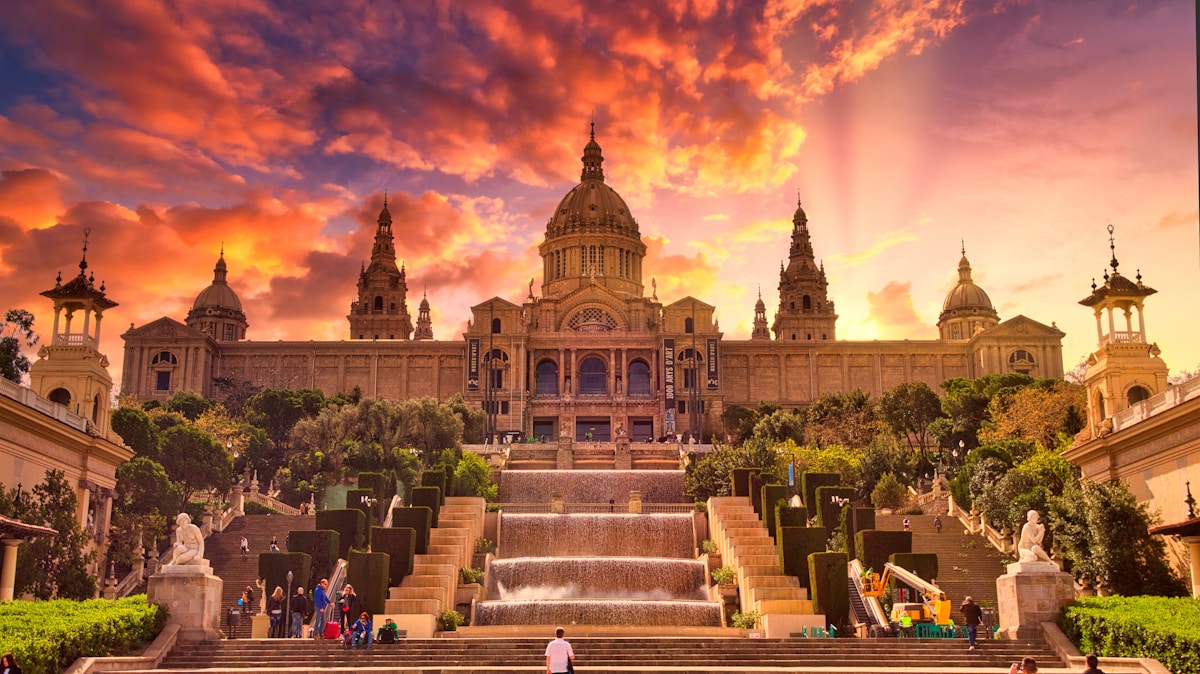
The best time for budget travel to Barcelona is May or September to mid-October.
Weather is warm and reliable (22–26°C), crowds are noticeably thinner than summer, and hotel rates are meaningfully lower.
April is also good value, though it can be slightly cooler. November through February offers the lowest prices of all — hostel beds can drop to €15–18 — but some beach-related activities are off the table. July and August are peak season: hot, crowded, expensive.
Shoulder season is when cheap Barcelona holidays feel genuinely luxurious.
You get the same beaches, the same Gaudí, but fewer selfie sticks in the frame.
Where to Stay: Budget Hotels Barcelona and Cheaper Alternatives
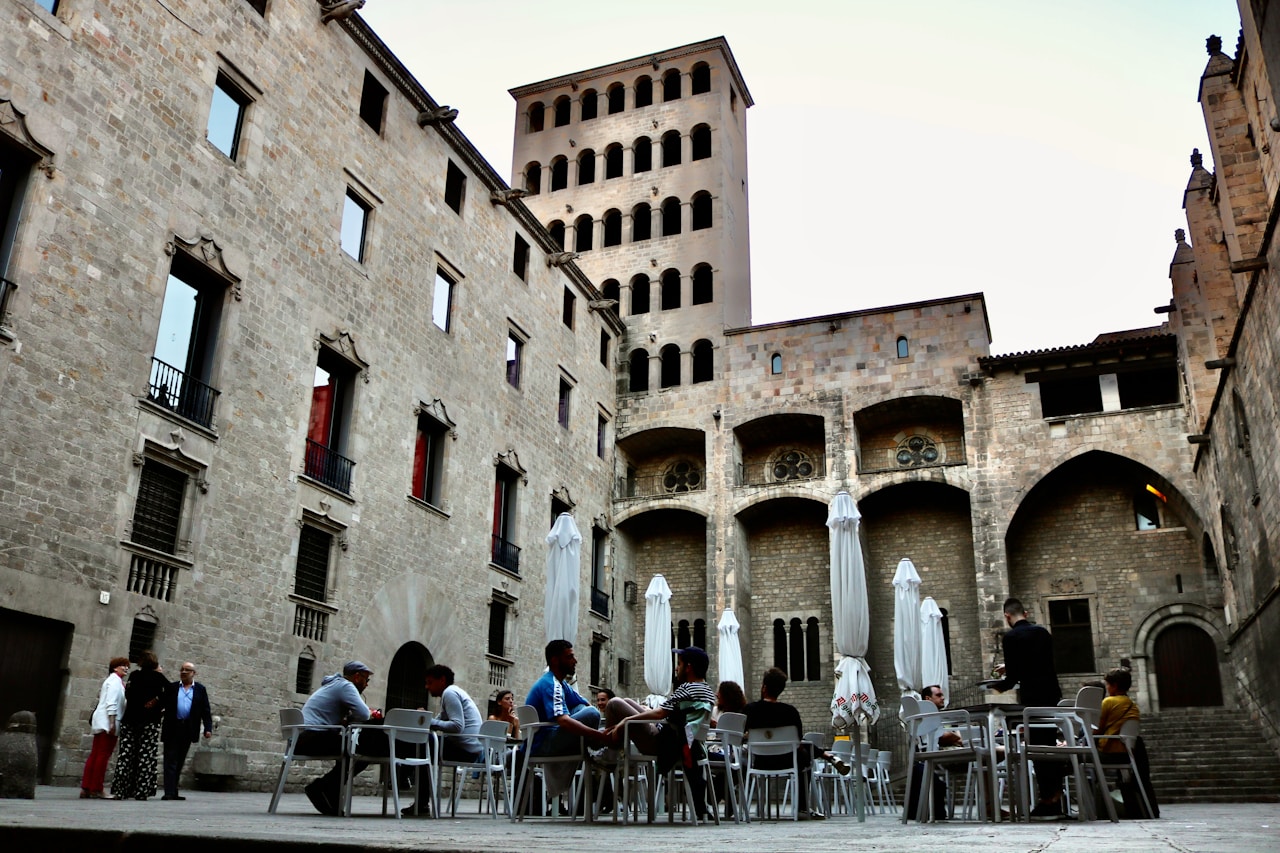
Finding a budget hotel in Barcelona is straightforward if you book early and target the right neighborhoods.
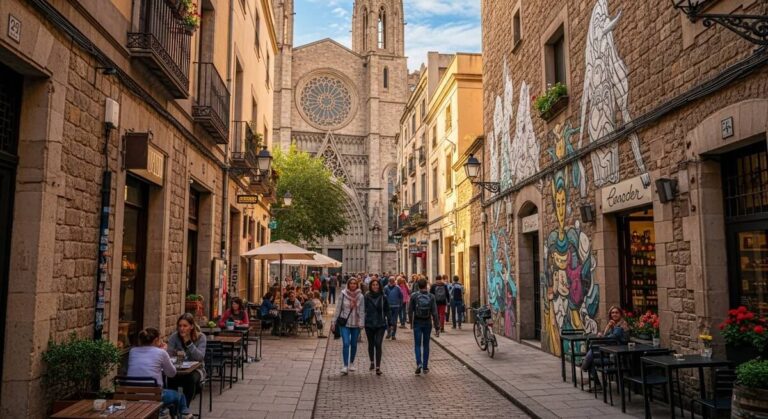
El Raval, Poble Sec, Sant Antoni, and Gràcia offer the best value — all walkable to major sights but away from the tourist-price bubble of the Gothic Quarter and Las Ramblas.
Budget Hotel Barcelona: What to Expect
A basic private room in a budget hotel in Barcelona costs €55–80 per night in shoulder season, rising to €80–120 in July and August.
For that price, expect a clean, functional room — often with air conditioning but rarely with an ensuite bathroom at the lower end.
Top tips for booking:
- Book directly on the hotel website — many offer a best-rate guarantee
- Use Booking.com or Hostelworld to compare, but check if the hotel offers a better price direct
- Book mid-week: rates on Tuesday–Thursday are typically 15–25% lower than weekends
- Read reviews from the last 3 months only — standards can slip fast at budget properties
For neighborhood guidance, our breakdown of the best neighborhoods in Barcelona will help you pick the right area for your priorities.
Hostels and Apartment Rentals
Hostel dorm beds in Barcelona start at €20–25 per night at well-reviewed properties like Generator Barcelona, Kabul, or Equity Point Gothic.
Private rooms in hostels run €45–65 — often better value than budget hotels once you factor in free breakfasts and communal kitchens.
Apartment rentals through Airbnb or similar platforms make sense for groups of three or more.
Split between friends, a two-bedroom apartment often works out cheaper per person than a hostel, and you get a private kitchen to cut food costs.
Look in Eixample, Gràcia, or Poblenou for residential-feel areas with good transport links.
Other budget-friendly options:
- Couchsurfing (free, with the social tradeoff)
- House-sitting via TrustedHousesitters
- Family-run pensiones in residential neighborhoods — cheaper and more characterful than chain hotels
Money-Saving Tips for Visiting Barcelona
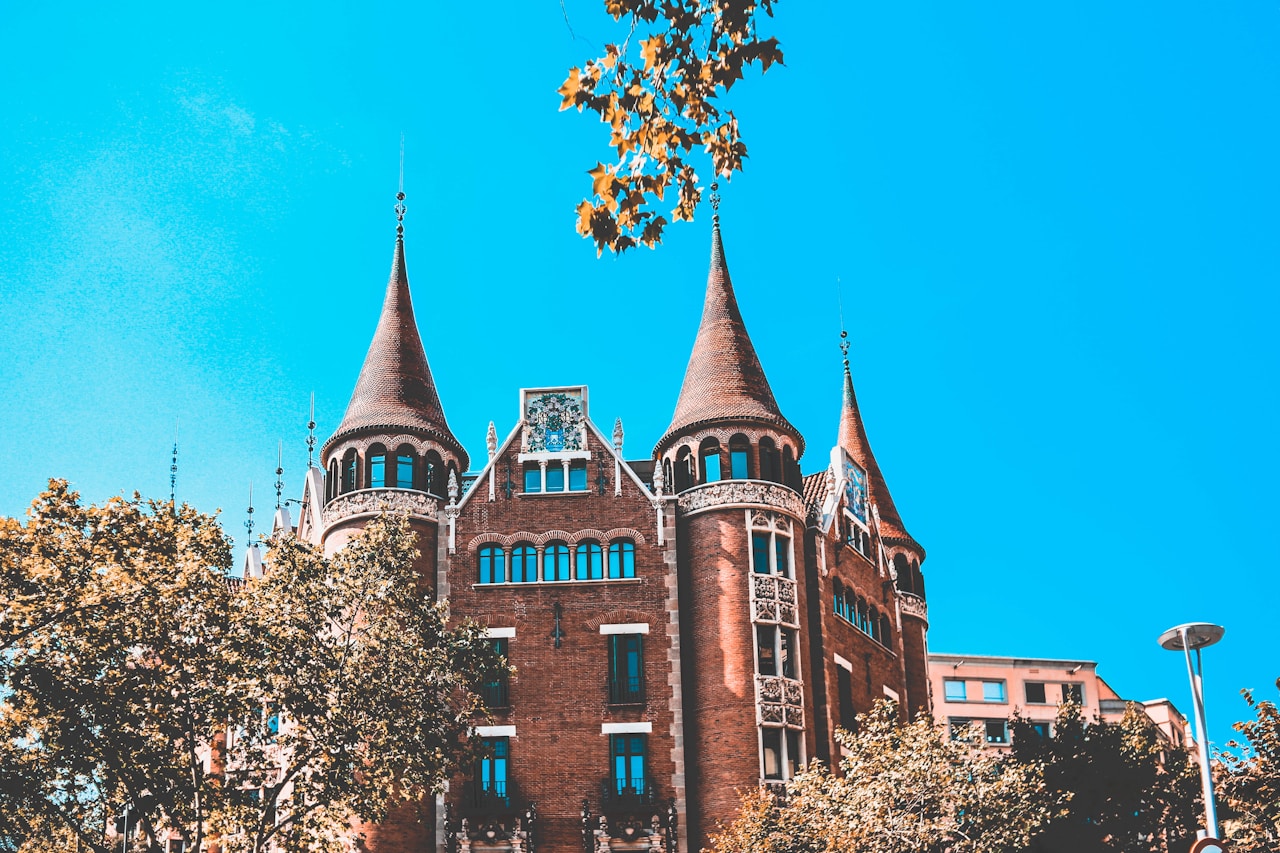
These are the moves that actually make a difference — not vague advice, but specific habits that keep euros in your pocket.
Use the T-Casual Transport Card
A T-Casual card costs €11.35 for 10 journeys and works on the metro, buses, trams, and local trains.
That works out to €1.13 per journey, compared to €2.20 for a single ticket.
Buy it from any metro station ticket machine.
If you’re staying 3+ days and expect to make 4–5 journeys per day, the Hola Barcelona Travel Card (€18.10 for 2 days, €40.80 for 5 days) covers unlimited transport and can save money on longer stays.
For walking routes and getting around the Gothic Quarter, Els Born, and La Barceloneta on foot, check our guide to getting around Barcelona.
Plan Around Free Museum Days
Several major Barcelona museums offer free admission on specific days:
- Picasso Museum: Free every Thursday evening (Oct–Mar: 4–7 PM; Apr–Sep: 7–9 PM) and the first Sunday of every month (9 AM–7 PM). Free tickets must be booked online at tickets.museupicassobcn.cat exactly 4 days in advance — they sell out within hours.
- MNAC (National Art Museum of Catalonia): Free every Saturday from 3 PM and the first Sunday of each month.
- Fundació Joan Miró: Check the official website for current free-entry dates in 2026.
Expect bigger crowds on free days.
Book the moment the slot opens, or pay the standard entry (Picasso Museum: €14 online, €15 at the door) for a more relaxed visit.
Get Sagrada Família Tickets in Advance
The Sagrada Família is not free — and that’s fine, because it’s worth paying for.
Standard adult admission starts at €26, which includes basilica access and the audioguide app.
Add €10–15 more if you want tower access.
Children under 11 enter free.
Book tickets on the official website well in advance, especially for summer.
Walk-up tickets are often unavailable.
The outside of the basilica is free to admire from the surrounding streets and Plaça de Gaudí.
Eat the Menu del Día
The menu del día is Spain’s greatest gift to budget travelers.
Most restaurants outside the tourist belt serve a three-course lunch with bread and a drink for €10–15, Monday through Friday.
That’s starter, main, dessert, and a glass of wine or water — a proper meal for the price of a tourist-area sandwich.
Look for it in Eixample, Gràcia, Poble Sec, and Sant Antoni.
Avoid restaurants where menus are plastered in multiple languages on the door — those are tourist-priced.
Shop at the Right Markets
La Boqueria on Las Ramblas is photogenic but overpriced.
Vendors there know their audience.
For the same quality at a fraction of the price, go to:
- Mercat de Sant Antoni — recently renovated, popular with locals, excellent prices
- Mercat de Santa Caterina — stunning wave-shaped roof, great cheese and produce counters
- Mercat de la Llibertat — in Gràcia, relaxed neighborhood feel
For cheap things to buy in Barcelona that aren’t fridge magnets: local vermouth, saffron, artisanal turró (nougat), and espadrilles from small workshops in El Raval cost far less at these markets than at souvenir shops.
Cheap Things to Do in Barcelona
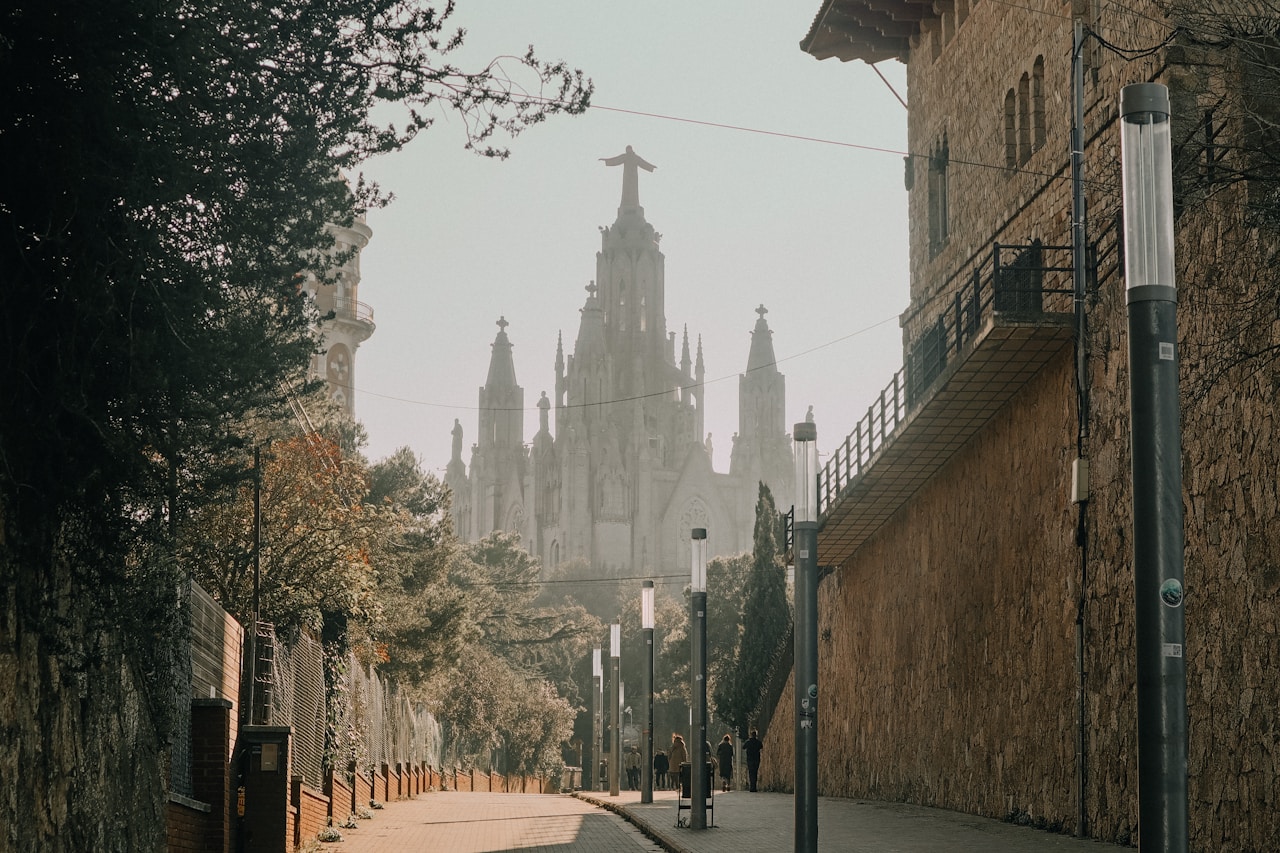
The good news: some of Barcelona’s best experiences cost nothing.
The city’s architecture, beaches, parks, and street life are free to enjoy.
Planning your days around free and low-cost activities makes Barcelona on a budget feel genuinely rich.
For families, many of these free options work brilliantly — see our guide to things to do in Barcelona with kids for age-friendly additions.
Free and Low-Cost Attractions
Completely free:
- Barceloneta Beach and all city beaches — Barcelona has 10 urban beaches, all free and well-maintained
- Gothic Quarter (Barri Gòtic) — wander medieval streets, find hidden plazas, spot Roman ruins for free
- El Born neighborhood — one of the most atmospheric areas in the city, free to explore on foot
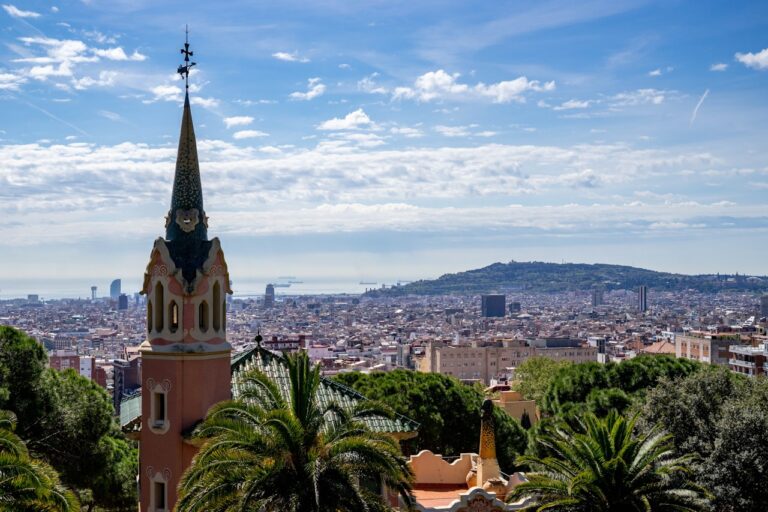
- Park Güell perimeter — the outer areas, including the viaducts and forested paths, are free. Only the Monumental Zone requires a ticket (€10 adult)
- Bunkers del Carmel — the best free panoramic view in Barcelona, an old Civil War anti-aircraft bunker on a hill above Gràcia
- Magic Fountain of Montjuïc — free light and water shows on Thursday–Sunday evenings (April–October)
- Montjuïc — the entire hillside, including gardens and castle exterior, is walkable for free
- Gràcia neighborhood and its plazas — Plaça del Sol, Plaça de la Vila de Gràcia, and smaller squares are full of locals and atmosphere
Under €15:
- Park Güell Monumental Zone: €10 (book online to save time)
- MNAC day ticket: €12 (free on first Sunday monthly)
- Fundació Joan Miró: €16 (check for discount days)
- Palau de la Música Catalana guided tour: €22 (cheaper than a concert)
For more outdoor options, our list of the best parks and gardens in Barcelona has several free entries worth your time.
Free Walking Tours
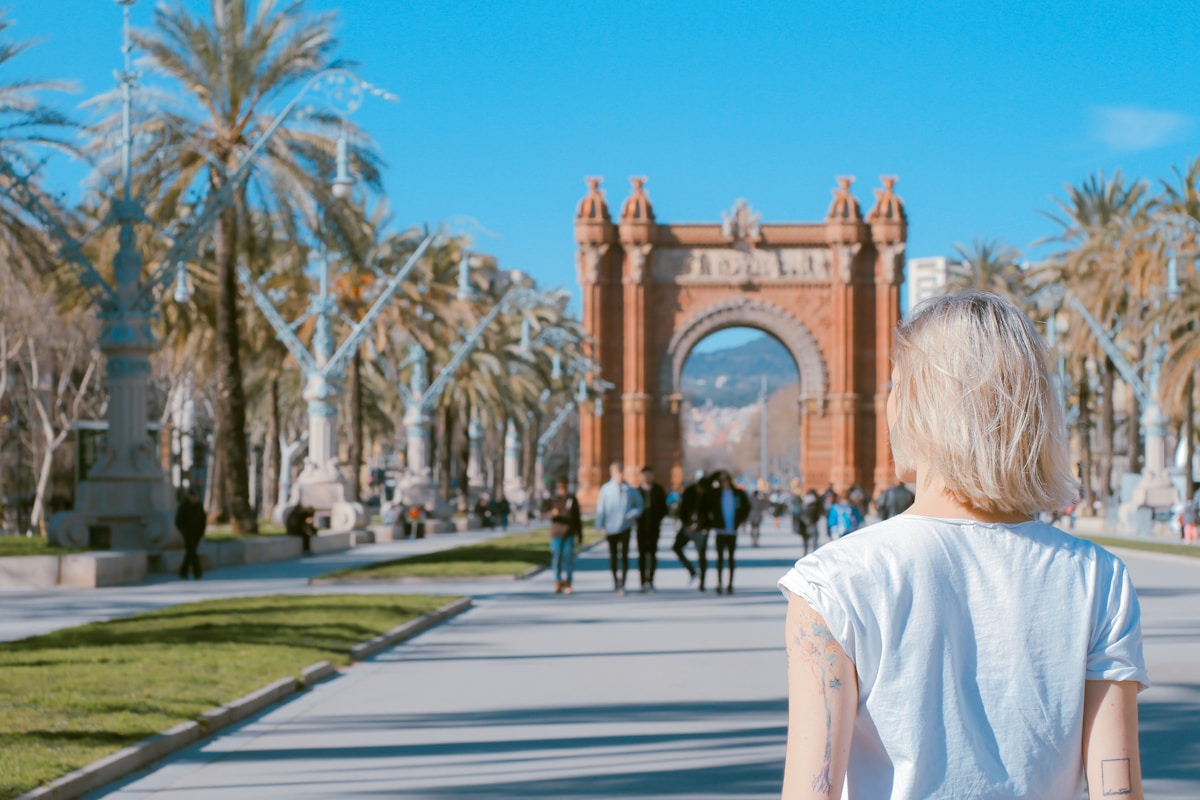
Barcelona has a solid network of free walking tours (tip-based) covering the Gothic Quarter, El Born, and other neighborhoods.
Tours run daily from Plaça de Catalunya.
Bring €10–15 in cash as a tip for a good guide.
These tours give you context that three hours of solo wandering won’t.
For a self-guided option, our weekend in Barcelona guide has a ready-made itinerary that mixes free and paid experiences across 2–3 days.
Barcelona on Foot
The best neighborhoods for walking — Gothic Quarter, El Born, Eixample, Gràcia, Poblenou — are all compact and fascinating at street level.
You can spend a full morning in El Born without spending a cent, browsing independent bookshops, peeking into courtyards, and finding the Basílica de Santa Maria del Mar, one of the finest Gothic churches in Europe.
Our guide to Barcelona’s best neighborhoods maps these areas by character and distance if you want to plan a walking route.
Eating on a Budget in Barcelona
Barcelona’s food scene has two modes: tourist-priced and local-priced.
The gap between them is large.
Here’s how to stay on the right side of it.
Best Budget Food Options
- Menu del día (€10–15): Already mentioned, but worth repeating — this is the single best value eating option in the city. Available for lunch (1–4 PM) at most neighborhood restaurants.
- Tapas at standing bars (€2–3 per plate): El Born and Sant Antoni have excellent standing tapas bars where you can eat well for €10–12 total with a drink.
- Bakeries and pastelerías (€2–4): Pick up breakfast — a croissant, pa amb tomàquet (bread with tomato), or napolitana — at a neighborhood bakery for a third of the price of a café near Las Ramblas.
- Supermarkets: Mercadona and Lidl are both affordable and well-stocked. A good option for hostel kitchen cooking or beach picnics.
- House vermouth (vermut): A pre-lunch glass of vermouth with olives costs €2–3 at a local bodega. A Barcelona ritual, and very cheap.
What to Avoid
- Restaurants with menus in six languages on Las Ramblas
- “Sangria by the jug” offers near tourist sights — overpriced and poor quality
- Cafés directly adjacent to major attractions (Sagrada Família, Parc Güell)
Self-Catering
If your accommodation has a kitchen — most hostels and many apartments do — buying fresh produce at Sant Antoni or Santa Caterina market and cooking a couple of meals per day cuts food costs dramatically.
A full market shop for two people for dinner costs €8–12.
Getting Around Barcelona Without Overspending
Barcelona’s public transport is good, cheap, and covers almost everything a tourist needs.
Public Transport Options and Prices (2026)
| Ticket Type | Price | Best For |
|---|---|---|
| Single metro/bus ticket | €2.20 | One-off trips |
| T-Casual (10 journeys) | €11.35 | Stays of 3–5 days |
| T-Usual (unlimited, 30 days) | €35.20 | Long stays |
| Hola Barcelona 2-day card | €18.10 | Short stays with lots of movement |
| Hola Barcelona 5-day card | €40.80 | Longer stays, frequent travelers |
| Airport train (L9 Sud) | €5.15 | Airport transfer budget option |
| Aerobús (airport bus) | €6.75 one-way | Airport transfer |
The metro runs until midnight Sunday–Thursday and 2 AM Friday–Saturday.
Night buses (Nitbus) cover the gaps.
Taxis start at €2.20 and add €1.20/km — fine for emergencies or airport runs in a group, but not budget-friendly for sightseeing.
Walking vs. Transport
The Gothic Quarter, El Born, La Barceloneta, and parts of Eixample are all walkable from each other.
If your accommodation is in any of these neighborhoods, you can easily limit yourself to 2–3 metro trips per day and walk the rest.
That’s roughly €2–3 in transport daily using the T-Casual.
Barcelona Nightlife on a Budget
Barcelona’s nightlife starts late and goes long — clubs don’t fill until 1–2 AM and close at dawn.
That’s relevant to your budget because cover charges (€10–20) often kick in after midnight at larger venues.
How to Do Barcelona Nights Without Blowing the Budget
- Pre-drinks at a neighborhood bar: Cerveza (draft beer) costs €2–4 at local bars in El Raval or Gràcia, compared to €8–12 inside a club.
- Arrive early: Many clubs offer free entry before midnight with a drink included. Check the venue’s Instagram the day before.
- Stick to smaller venues: Bars in El Born, Gràcia, and Poble Sec have live music nights, DJs, and cultural events at low or no cost.
- Drink like a local: Order clara (lager with lemon), house vermouth, or canya (small draft beer) — all cheaper than cocktails.
- Check Timeout Barcelona or Resident Advisor for free events and discounted entries.
Bigger clubs like Pacha, Opium, and Shoko are fun once — but at €20+ entry and €12 drinks, budget travelers shouldn’t make them a habit.
Packing Smart for a Budget Barcelona Trip
Packing right saves money on the ground.
These are the items that genuinely make a difference:
- Reusable water bottle: Barcelona tap water is safe to drink and refill stations are everywhere. Avoid buying €2 bottles all day.
- Comfortable walking shoes: You will walk 15,000–20,000 steps daily. Sore feet = taxi money.
- Sunscreen: Tourist-area pharmacies charge a premium. Bring your own.
- A small day pack: Keeps your hands free and avoids paid luggage storage.
- Download offline maps (Maps.me or Google Maps offline): Saves roaming data costs.
- A light jacket: Even in summer, evenings near the sea get cool.
Day Trips Worth the Spend
Barcelona is a great base for cheap day trips that feel like a full extra destination.
The Montserrat mountain monastery is reachable by train + rack railway for around €25–30 return including the cogwheel train and costs nothing to walk the mountain trails once you’re there.
Sitges, the charming beach town 35 minutes south by train, costs under €5 return by regional train.
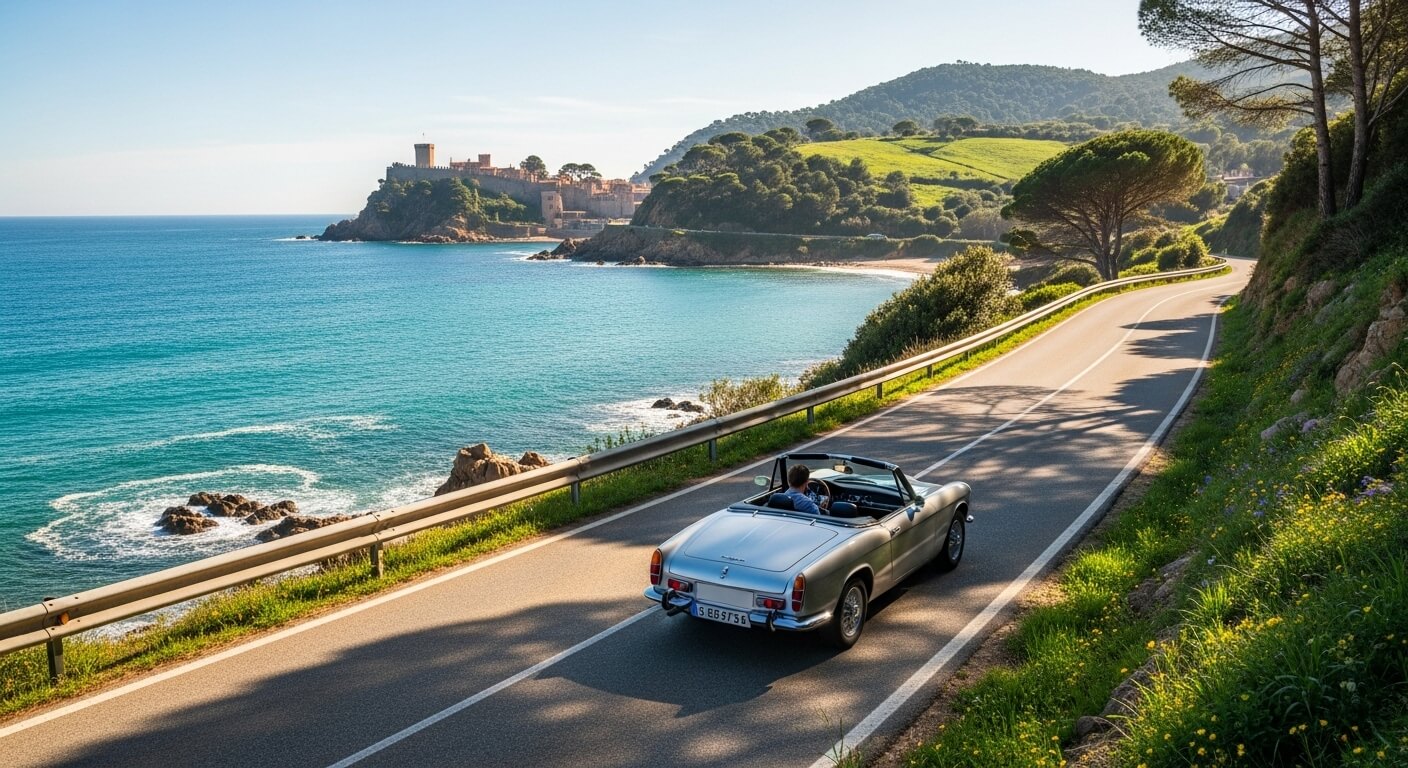
For driving options beyond the city, our guide to Barcelona road trips covers the best routes and what each costs.
Planning a full trip? Read our Barcelona travel tips guide for everything you need to know before you fly.
Frequently Asked Questions (FAQs)
How much cash should I bring to Barcelona per day?
Budget travelers in Barcelona typically spend €50–70 per day covering accommodation (if pre-paid), food, transport, and one or two activities.
Bring enough cash for markets and smaller tapas bars, but most restaurants, hotels, and shops accept card payments.
Is it safe to use ATMs in Barcelona?
Yes, ATMs are widely available and safe to use.
Use machines attached to banks rather than standalone street ATMs.
Avoid currency exchange kiosks at the airport or on Las Ramblas — rates are poor.
Your home bank’s debit card at a Spanish bank ATM will give you the best exchange rate.
Do I need to tip in Barcelona restaurants?
Tipping is not mandatory in Spain.
Leaving €1–2 on a tapas bill or rounding up to the nearest euro is standard practice and appreciated, but no one will chase you down if you don’t.
Can I visit Barcelona for free in a weekend?
Yes, realistically.
The beaches, Gothic Quarter, El Born, Gràcia, Montjuïc, and the Magic Fountain are all free.
Add a free museum day (first Sunday monthly) and a tip-based walking tour, and you have a full weekend of culture with almost no entry costs.
You’ll still need to budget for food, transport, and accommodation.
What are the cheapest souvenirs to buy in Barcelona?
Skip the Las Ramblas shops.
The best value souvenirs are at Mercat de Sant Antoni and Encants Vells (flea market): handmade ceramics, vintage prints, local saffron, turró, and artisan espadrilles from El Raval workshops.
Most cost €5–15 and are genuinely local products, not mass-produced imports.