Travel to Venice on a Budget: Complete 2026 Money-Saving Guide
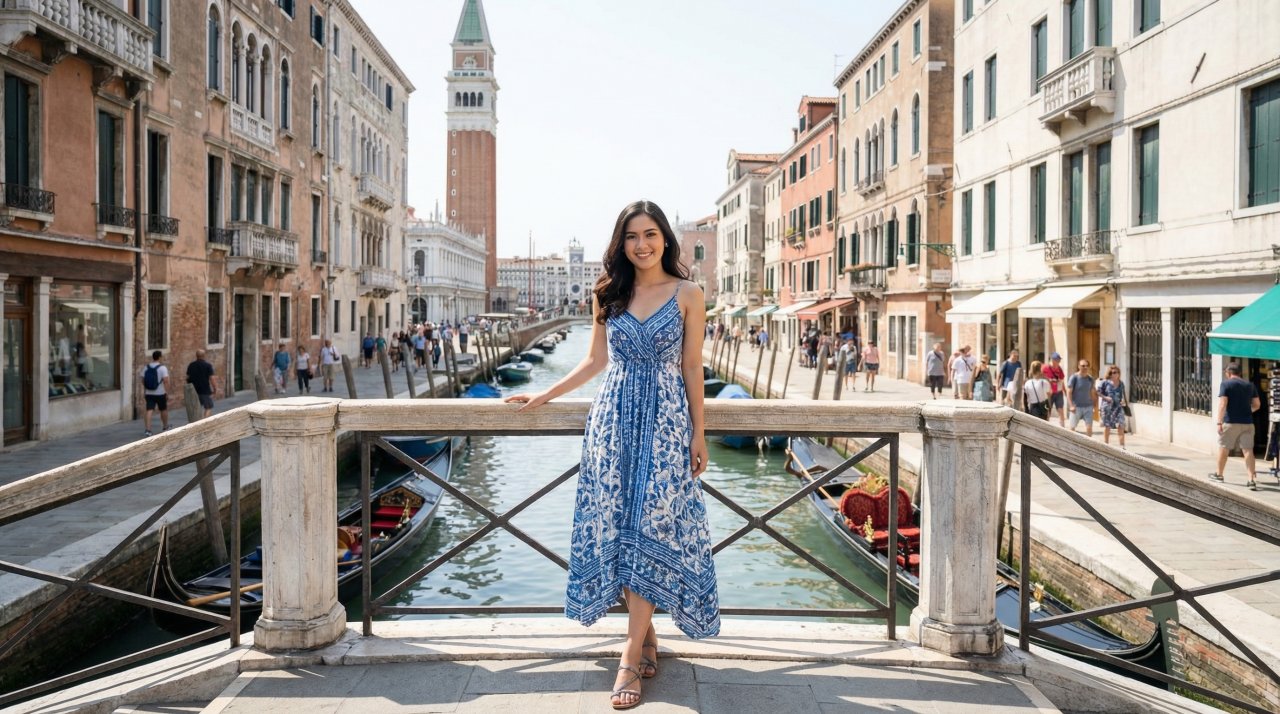



Travel To Venice On A Budget: Complete 2026 Money-Saving Guide – Can you explore Venice without overspending?
- How Much Does It Cost To Visit Venice?
- Is Venice Expensive Compared to Other Italian Cities?
- Where To Stay In Venice On A Budget?
- What Is the Cheapest Way To Get To Venice?
- How Do You Get Around Venice On A Budget?
- What Free Things Can You Do In Venice?
- How Can You Eat Cheaply In Venice?
- When Is the Cheapest Time To Visit Venice?
- What Budget Day Trips Can You Take From Venice?
- How Can You Save Money Shopping In Venice?
- What Budget Apps Help Save Money In Venice?
- How Do You Handle Emergency Expenses In Venice?
- How Can Families Travel Venice On A Budget?
- How Do Groups Save Money In Venice?
- What Money-Saving Strategies Work Best In Venice?
Venice’s reputation as an expensive destination often discourages budget travelers, but the floating city offers numerous ways to experience its magic affordably.
Budget accommodation starts at €20-30/night for hostel dorms in Cannaregio or Castello, while staying in mainland Mestre reduces costs by 30-40% with 10-minute train access (€1.35 per ride).
Cicchetti (Venetian tapas) at bacari bars cost €1-4 per piece, providing authentic meals for €10-15.
The vaporetto 24-hour pass (€25) breaks even after three rides, though walking covers most of compact Venice for free.
This guide provides verified 2026 pricing and practical strategies for accommodation, dining, transportation, and activities that make Venice accessible on any budget.
How Much Does It Cost To Visit Venice?
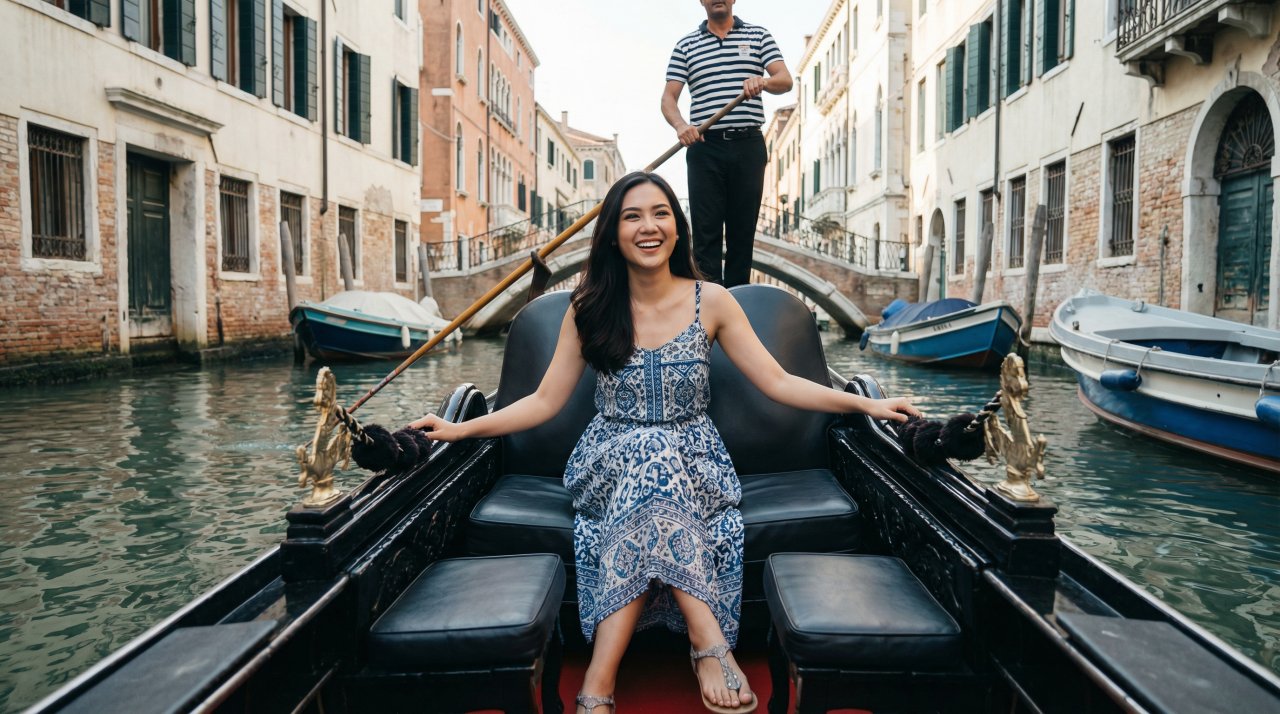
A budget Venice trip costs €50-80 per day including accommodation (€20-40), food (€15-25), and transportation (€5-15).
Daily expenses in Venice vary significantly based on choices.
Budget travelers spending €50-80 daily can stay in hostels (€20-30), eat cicchetti and market food (€15-25), and use walking plus occasional vaporetto rides (€5-15).
Mid-range travelers spending €100-150 daily choose budget hotels (€60-80), mix restaurants with casual dining (€30-50), and use unlimited vaporetto passes (€25).
Peak season (June-August) increases accommodation costs by 40-60% compared to off-season (November-March, excluding Christmas).
A hostel dorm costing €25 in November may cost €40-50 in July.
Budget hotels ranging €50-70 in winter jump to €90-130 in summer.
Venice’s compact size (7.6 square kilometers) makes walking the primary transportation method.
The historic center spans roughly 3 kilometers end-to-end, walkable in 45-60 minutes.
This geographic advantage significantly reduces transportation costs compared to larger Italian cities.
Reserve Your Venice Tours & Activities
Most popular Venice tours sold out quickly, so grab your tickets early to save your spot! Feel free to browse through our skip-the-line passes, guided tours, and special experiences to find the perfect fit for your Venice trip.
 Trip.com
 Booking.com
 Expedia
 Traveloka
 GetYourGuide
 Klook
Klook WeGoTrip
 Go City
Is Venice Expensive Compared to Other Italian Cities?
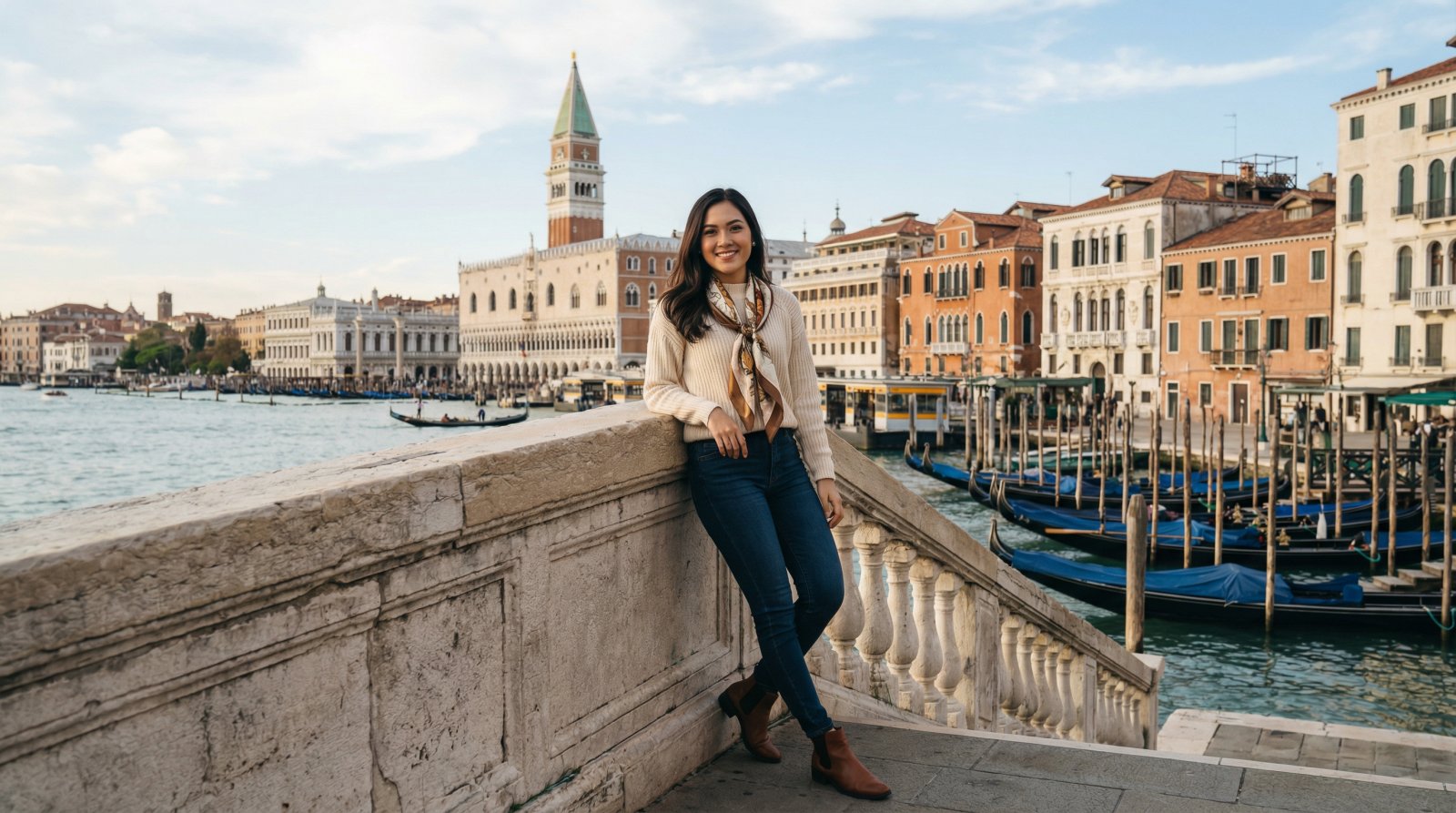
Venice costs 20-30% more than Rome or Florence for accommodation and dining, but free attractions and walkability offset some expenses.
Accommodation in Venice averages €80-120 per night for budget hotels, compared to €60-90 in Rome or €65-95 in Florence.
Hostels in Venice cost €25-40 per dorm bed versus €20-30 in other major Italian cities.
The premium reflects limited space on the islands and high tourism demand.
Restaurant meals in Venice average €15-25 for lunch and €25-40 for dinner at tourist-area establishments.
Rome and Florence offer similar meals for €12-20 (lunch) and €20-30 (dinner).
However, Venice’s bacari culture provides cicchetti at €1-4 per piece, comparable to Roman street food pricing.
Transportation costs favor Venice.
The compact, car-free historic center eliminates taxi and rideshare expenses.
Rome’s metro system costs €1.50 per ride (€7 for 24 hours), while Florence’s buses cost €1.50 per ride (€5 for 24 hours).
Venice’s vaporetto costs more per ride (€9.50) but walking covers most destinations free.
Major attractions in Venice include numerous free options: Piazza San Marco, Rialto Bridge, church exteriors, and neighborhood exploration.
Rome charges €16-20 for the Colosseum and €17 for Vatican Museums.
Florence charges €20 for the Uffizi and €12 for the Accademia.
Venice’s St.
Mark’s Basilica is free (€5 for museum areas), and the Doge’s Palace costs €30 but isn’t essential for budget travelers.
For comprehensive guidance on Venice’s top attractions and how to prioritize your sightseeing budget, the best things to do in Venice covers both paid and free experiences worth your time.
Where To Stay In Venice On A Budget?
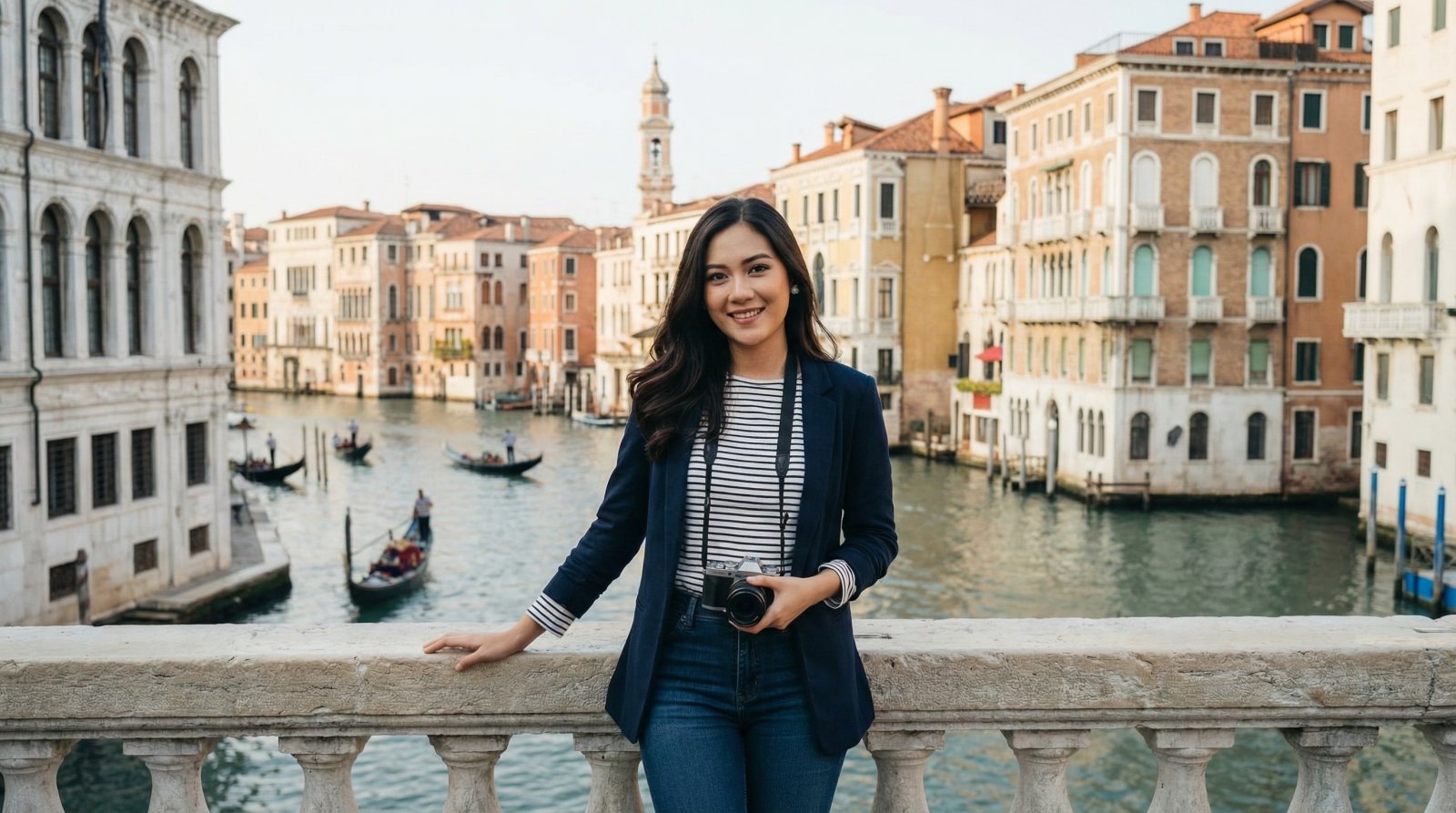
Budget accommodation in Venice centers on Cannaregio, Castello, and mainland Mestre, offering €20-80 per night options.
Cannaregio, Venice’s largest sestiere (district), provides the best balance of affordability and authentic atmosphere.
Budget hotels cost €50-80 per night, hostels €25-35 for dorm beds.
The neighborhood sits 10-15 minutes walk from major attractions while maintaining local character.
The Jewish Ghetto area offers particularly good value with family-run guesthouses and fewer tourists.
Castello, stretching east from San Marco, offers quiet residential areas with budget options.
Hotels near the Arsenale or Sant’Elena cost €55-85 per night, significantly less than San Marco’s €120-200 rates.
The neighborhood provides authentic Venetian life with local markets, neighborhood bars, and residential squares.
Dorsoduro, home to Ca’ Foscari University, features student-oriented budget accommodations.
Guesthouses near Campo Santa Margherita cost €45-75 per night.
The university presence creates affordable dining options and a younger, energetic atmosphere.
Mestre, on the mainland, offers the most significant savings.
Budget hotels cost €35-60 per night, 30-40% less than Venice proper.
Trains run every 10-15 minutes from Mestre station to Venice Santa Lucia (10 minutes, €1.35).
Buses also connect Mestre to Piazzale Roma (20 minutes, €1.35).
The trade-off involves commuting time and missing evening/early morning Venice atmosphere.
Hostel options in Venice include Generator Venice on Giudecca Island (dorms from €28), Combo Venezia in Cannaregio (dorms from €25), and Anda Venice Hostel near the station (dorms from €30).
These hostels provide kitchens for self-catering, common areas for meeting travelers, and often organize group activities.
Booking strategies significantly impact costs.
Booking 2-3 months in advance saves 20-40% compared to last-minute reservations.
Flexible dates allow choosing cheaper weekdays over weekends.
Staying Sunday-Thursday typically costs 15-25% less than Friday-Saturday nights.
For detailed neighborhood comparisons including transportation access, local amenities, and specific accommodation recommendations, where to stay in Venice provides comprehensive coverage of all six sestieri plus Mestre and the islands.
What Is the Cheapest Way To Get To Venice?

Regional trains and budget buses offer the cheapest access to Venice, with advance-booked tickets from nearby cities costing €5-15.
Marco Polo Airport sits 12 kilometers from Venice.
The ACTV bus 5 (Aerobus) connects the airport to Piazzale Roma in 25 minutes for €8 (€15 round-trip).
This represents the most economical airport transfer.
The Alilaguna water bus costs €15 (€27 round-trip) and takes 60-90 minutes depending on the route, offering scenic canal arrival but at higher cost and longer duration.
Private water taxis charge €110-130 for airport transfers, suitable only for groups of 4-6 splitting costs.
Shared shuttle services cost €25-35 per person.
Land taxis to Piazzale Roma cost €40-50.
These options exceed budget traveler needs.
Train travel from Italian cities provides excellent value.
Regional trains from Padua cost €4-8 (25-30 minutes), Verona €8-15 (1-1.5 hours), Bologna €15-25 (2 hours), and Milan €20-35 (2.5 hours).
High-speed trains cost more but save minimal time on shorter routes.
Book regional trains through Trenitalia’s website; tickets don’t require advance purchase but buying online avoids station queues.
FlixBus and other budget bus companies serve Venice from major European cities.
Buses from Munich cost €25-45 (7-8 hours), Vienna €30-50 (8-9 hours), and Ljubljana €15-25 (3-4 hours).
Overnight buses save accommodation costs while traveling.
Arriving at Venice Santa Lucia station places travelers directly in the historic center.
Arriving at Piazzale Roma (bus terminal) requires a 5-minute walk to the vaporetto stops or 15-20 minutes walking to central areas.
Both locations provide immediate access without additional transfer costs.
How Do You Get Around Venice On A Budget?
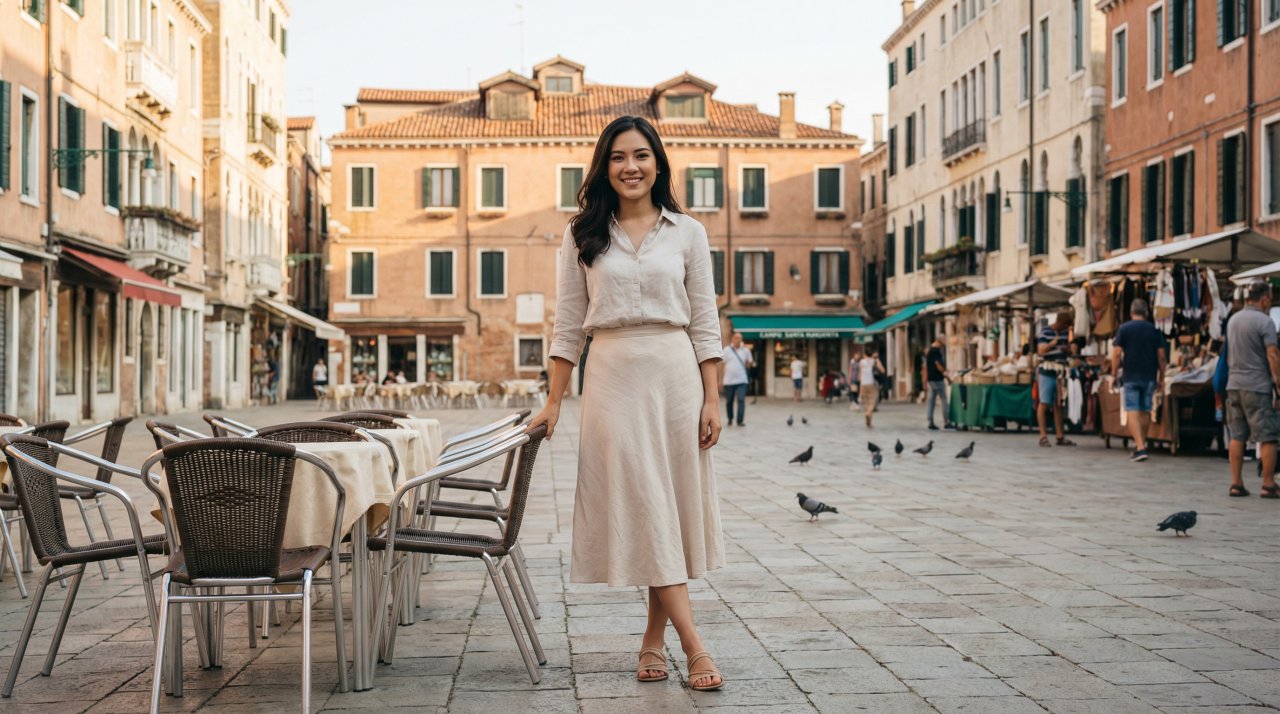
Walking covers most of Venice for free; vaporetto passes (€25 for 24 hours) suit travelers visiting islands or making 3+ water bus trips daily.
Venice’s car-free historic center makes walking the primary transportation method.
The city’s compact size allows reaching most major attractions on foot.
San Marco to Rialto takes 10 minutes walking.
Rialto to the train station takes 15 minutes.
The train station to the Accademia Bridge takes 20 minutes.
These walks cost nothing and provide the most authentic Venice experience.
The vaporetto (water bus) system serves the Grand Canal, outer canals, and lagoon islands.
A single ticket costs €9.50 and remains valid for 75 minutes, allowing one journey with transfers.
This pricing makes single tickets impractical for multiple trips.
The 24-hour pass costs €25, breaking even after three rides.
The 48-hour pass (€35), 72-hour pass (€45), and 7-day pass (€65) offer additional value for longer stays.
Calculate vaporetto pass value based on planned trips.
Visiting Murano, Burano, and Torcello in one day requires 6-8 vaporetto rides (€57-76 in single tickets), making the 24-hour pass (€25) essential.
Staying in central Venice and walking to attractions needs no pass.
One or two island visits justify the 24-hour pass; purely central Venice exploration doesn’t.
Traghetti (gondola ferries) cross the Grand Canal at seven points for €2 per crossing.
These standing-only gondola rides provide authentic experiences and practical shortcuts.
The traghetto near the Rialto Market connects to the fish market.
The San Tomà traghetto connects to Ca’ Rezzonico.
Operating hours vary (typically 9 AM-6 PM) and some close during lunch.
For comprehensive coverage of Venice’s transportation system including detailed vaporetto routes, traghetto locations, and walking strategies, getting around Venice provides maps and practical navigation tips.
Gondola rides represent Venice’s most expensive tourist activity at €80-100 for 30-40 minutes (official rates).
Budget travelers can skip gondolas entirely or opt for the €2 traghetto experience.
The romantic gondola experience doesn’t justify the cost for most budget-conscious visitors, as vaporetto rides and walking provide equally scenic canal views.
What Free Things Can You Do In Venice?
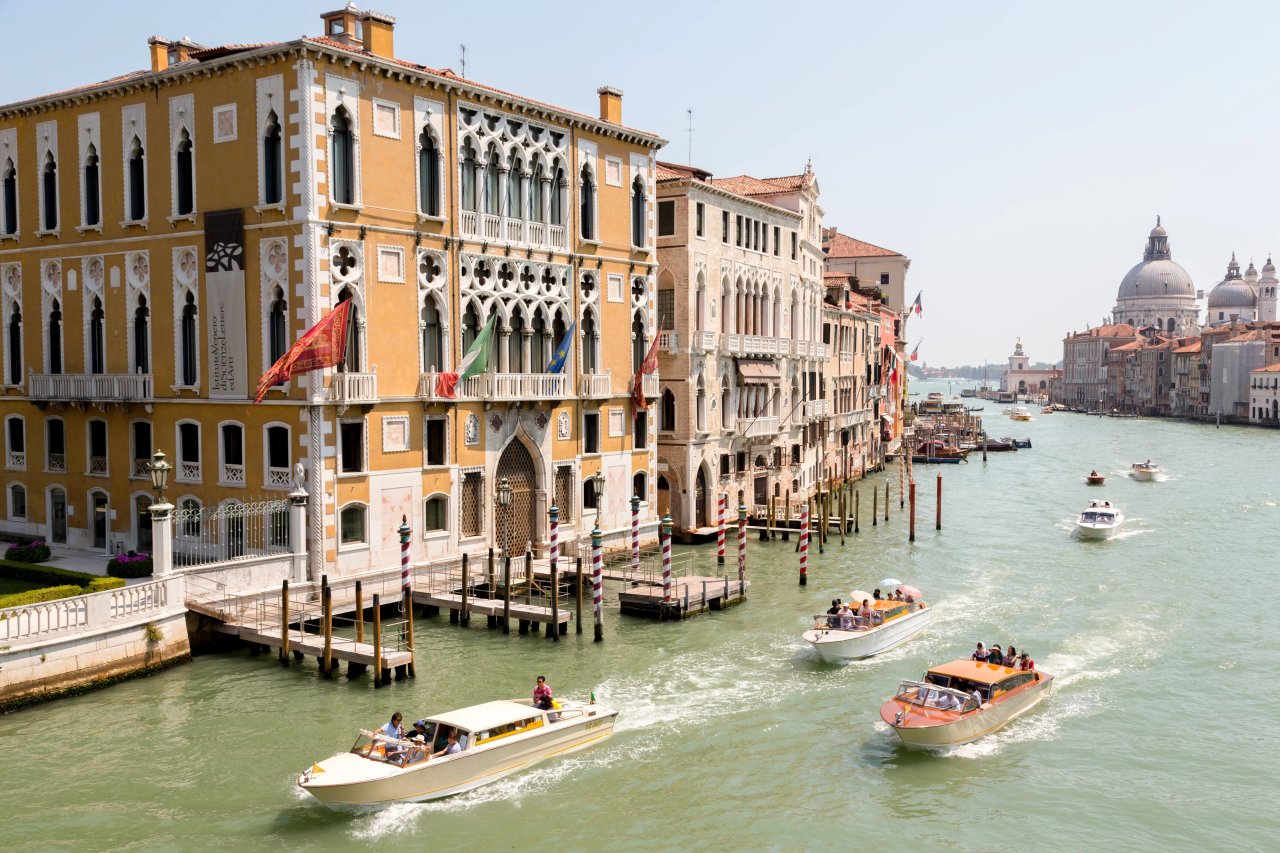
Venice offers numerous free attractions including Piazza San Marco, Rialto Bridge, church interiors, neighborhood exploration, and canal-side walks.
Piazza San Marco, Venice’s main square, provides free access 24 hours daily.
The square’s architecture, including St.
Mark’s Basilica’s exterior, the Campanile tower exterior, and the Doge’s Palace facade, creates an impressive setting without admission fees.
The basilica interior is free (€5 for museum areas, €7 for Pala d’Oro altarpiece).
Visiting during early morning (7-8 AM) or evening (after 6 PM) avoids peak crowds.
The Rialto Bridge offers iconic Grand Canal views without cost.
The bridge area includes the Rialto Market (mornings, closed Sundays), where watching vendors and locals provides cultural immersion.
The fish market (Tuesday-Saturday mornings) displays fresh seafood catches.
The produce market sells fruits, vegetables, and local products.
Browsing costs nothing and offers photography opportunities.
Church interiors throughout Venice provide free entry.
Santa Maria Gloriosa dei Frari contains Titian masterpieces (€3 admission).
San Zaccaria features Bellini’s altarpiece (free).
Madonna dell’Orto in Cannaregio displays Tintoretto works (€3).
San Sebastiano showcases Veronese frescoes (€3).
Many smaller neighborhood churches offer free entry with significant artworks.
Walking tours create free exploration opportunities.
The walk from San Marco to the Accademia Bridge passes through narrow calli (streets), over small bridges, and along quiet canals.
The Dorsoduro neighborhood walk from the Accademia to the Zattere waterfront provides local atmosphere.
The Cannaregio walk from the train station to the Jewish Ghetto reveals residential Venice.
The Giardini della Biennale (Biennale Gardens) in Castello offers free park access outside exhibition periods.
The gardens contain pavilions from various countries and provide green space for picnics.
The nearby Sant’Elena neighborhood features a large park with playgrounds and waterfront promenades.
Sunset viewing locations include the Zattere waterfront in Dorsoduro, the Fondamenta Nuove facing the lagoon, and any Grand Canal bridge.
These spots cost nothing and provide memorable experiences.
For a comprehensive list of free activities including seasonal events, festivals, and hidden gems, the best free things to do in Venice covers year-round options for budget travelers.
How Can You Eat Cheaply In Venice?
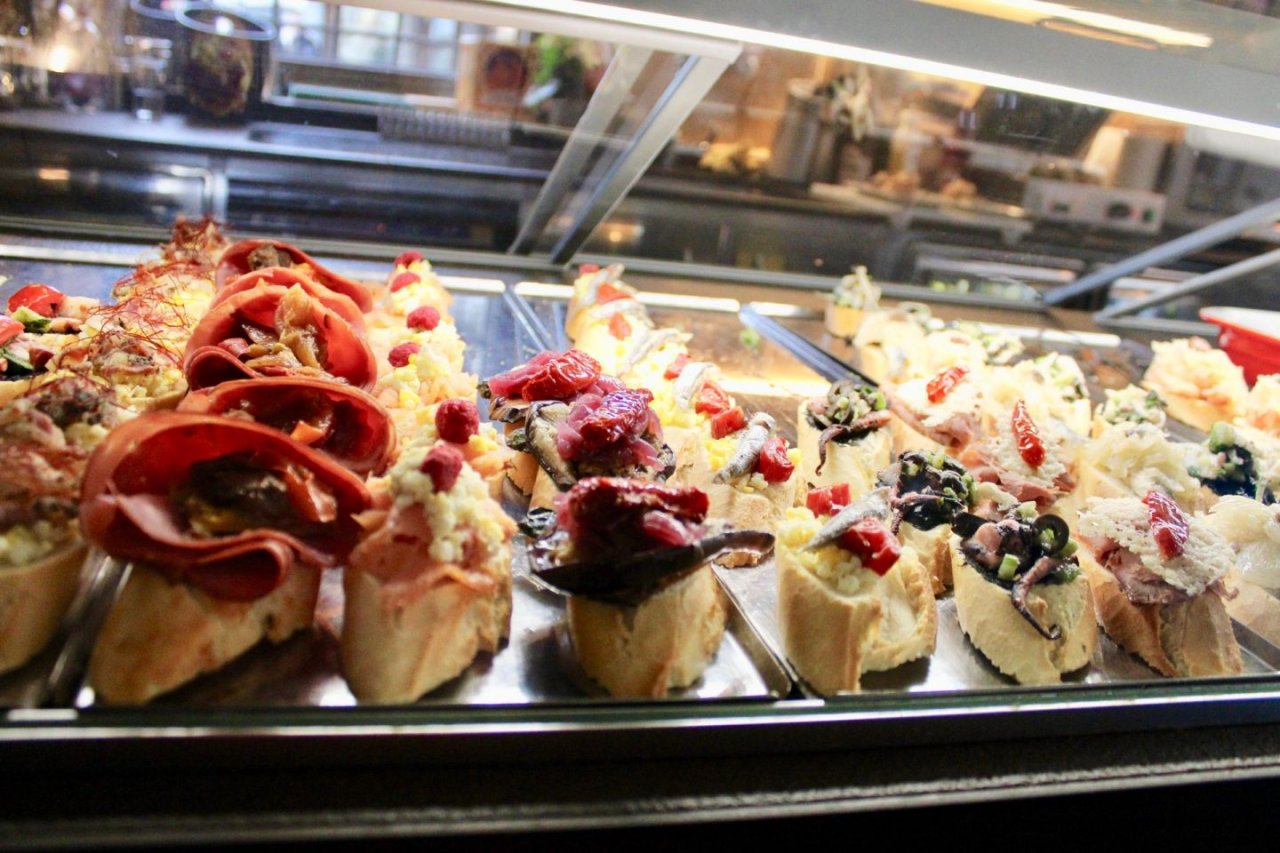
Eating cheaply in Venice requires using bacari for cicchetti (€1-4 per piece), shopping at Rialto Market for self-catering (€5-10 per meal), and avoiding tourist-area restaurants.
Cicchetti, Venetian tapas served at bacari (wine bars), provide authentic, affordable dining.
Each cicchetto costs €1-4 depending on ingredients and location.
A meal of 4-6 cicchetti plus a glass of wine (€2-4) totals €8-15.
Popular cicchetti include baccalà mantecato (creamed cod), sarde in saor (sweet-sour sardines), polpette (meatballs), and crostini with various toppings.
Recommended bacari include All’Arco near Rialto Market (€1.50-3 per cicchetto), Cantina Do Mori (€2-3.50), Osteria Al Portego in Castello (€2-4), and Bacareto Da Lele near the train station (€1-2, cash only).
These establishments fill with locals during aperitivo hours (6-8 PM), indicating authentic quality and pricing.
Bacaro etiquette involves standing at the bar, ordering directly from staff, and eating quickly to allow space for other customers.
Some bacari offer limited seating with higher prices for seated service.
Standing saves money and provides the traditional experience.
The Rialto Market (Tuesday-Saturday mornings, closed Sundays and Mondays) sells fresh produce, cheese, bread, and prepared foods.
A market lunch of fresh bread (€2-3), cheese (€3-5), prosciutto (€4-6), and fruit (€2-3) costs €11-17 for two people.
Supermarkets like Conad, Coop, and Despar offer lower prices than tourist shops.
A supermarket meal of pasta, sauce, and vegetables costs €5-8 per person.
Accommodations with kitchens enable self-catering.
Hostels and some guesthouses provide shared kitchens.
Cooking breakfast (€2-3 per person) and occasional dinners (€5-8 per person) significantly reduces daily food costs compared to restaurants (€15-25 for lunch, €25-40 for dinner).
University area restaurants near Ca’ Foscari in Dorsoduro offer student-oriented pricing.
Trattorias around Campo Santa Margherita serve pasta dishes for €8-12 and pizza for €7-10.
These prices undercut tourist-area restaurants by 30-40%.
Lunch menus (menu del giorno) at traditional restaurants provide fixed-price meals for €12-18, including a first course, second course, side dish, and sometimes wine or water.
Lunch menus offer better value than à la carte dinner ordering.
Restaurants near residential areas (Cannaregio, Castello, Dorsoduro) offer better lunch menu value than San Marco establishments.
Avoiding restaurants within 200 meters of major tourist sites (San Marco, Rialto Bridge, train station) saves 40-60% on meal costs.
A pizza costing €12-15 near San Marco costs €7-9 in Cannaregio.
A pasta dish costing €18-22 near tourist sites costs €10-14 in residential neighborhoods.
Water fountains throughout Venice provide free drinking water.
Carrying a refillable bottle saves €2-3 per purchased bottle.
Tap water in Venice is safe to drink.
Fountains marked “acqua non potabile” should be avoided, but most public fountains provide potable water.
Breakfast at accommodations or from supermarkets costs €2-4 per person (bread, jam, coffee, fruit).
Bar breakfast (espresso and cornetto) costs €3-5.
Hotel breakfast buffets cost €8-15 and rarely justify the expense for budget travelers.
When Is the Cheapest Time To Visit Venice?
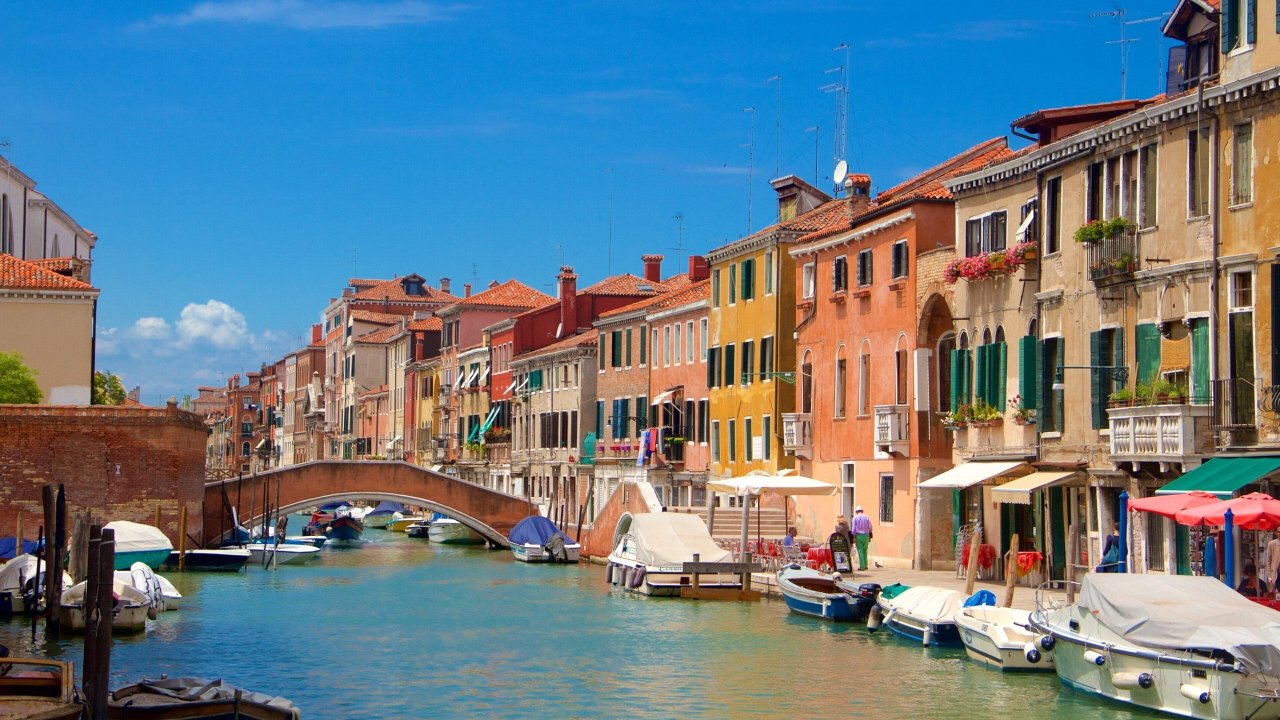
November through March (excluding Christmas/New Year) offers the cheapest Venice visit, with accommodation costs 40-50% lower than summer and fewer crowds.
Off-season travel (November-March) provides significant savings.
Budget hotels costing €90-130 in summer drop to €50-80 in winter.
Hostels charging €35-45 in peak season cost €20-30 in winter.
The trade-offs include colder weather (5-12°C / 41-54°F), shorter daylight hours (sunset around 4:30-5 PM), and potential acqua alta (high water) flooding.
Acqua alta occurs primarily October-January when high tides flood low-lying areas including parts of Piazza San Marco.
The city provides elevated walkways (passerelle) during flooding.
Waterproof boots help navigate flooded areas.
Acqua alta typically lasts 2-4 hours around high tide.
The phenomenon creates unique photography opportunities and doesn’t significantly disrupt budget travel plans.
Shoulder seasons (April-May, September-October) balance weather and costs.
Spring temperatures range 12-20°C (54-68°F) with occasional rain.
Fall temperatures range 14-21°C (57-70°F) with clearer skies.
Accommodation costs fall between peak and off-season rates.
Budget hotels cost €70-100 in shoulder seasons versus €50-80 (winter) and €90-130 (summer).
Easter week (March-April) brings increased crowds and higher prices despite being outside peak summer season.
Accommodation rates jump 30-50% during Easter week.
The Venice Carnival (February) also increases prices and crowds, though less dramatically than summer or Easter.
Summer (June-August) represents peak season with highest costs and maximum crowds.
Temperatures reach 25-32°C (77-90°F) with high humidity.
Budget hotels cost €90-130, hostels €35-45.
Booking 3-4 months in advance secures better rates.
Summer offers longest daylight hours (sunset around 8:30-9 PM) and warmest weather for outdoor activities.
For detailed month-by-month analysis of weather, crowds, events, and pricing to optimize your visit timing, the best time to visit Venice provides comprehensive seasonal planning guidance.
August sees many Italians on vacation, creating crowded conditions at popular sites.
Some local restaurants close for vacation (ferragosto, August 15).
However, August also offers numerous free outdoor events and festivals.
Weekday visits (Monday-Thursday) cost 15-25% less than weekends for accommodation.
Friday-Saturday nights command premium rates.
Arriving Sunday and departing Friday maximizes weekday savings.
What Budget Day Trips Can You Take From Venice?
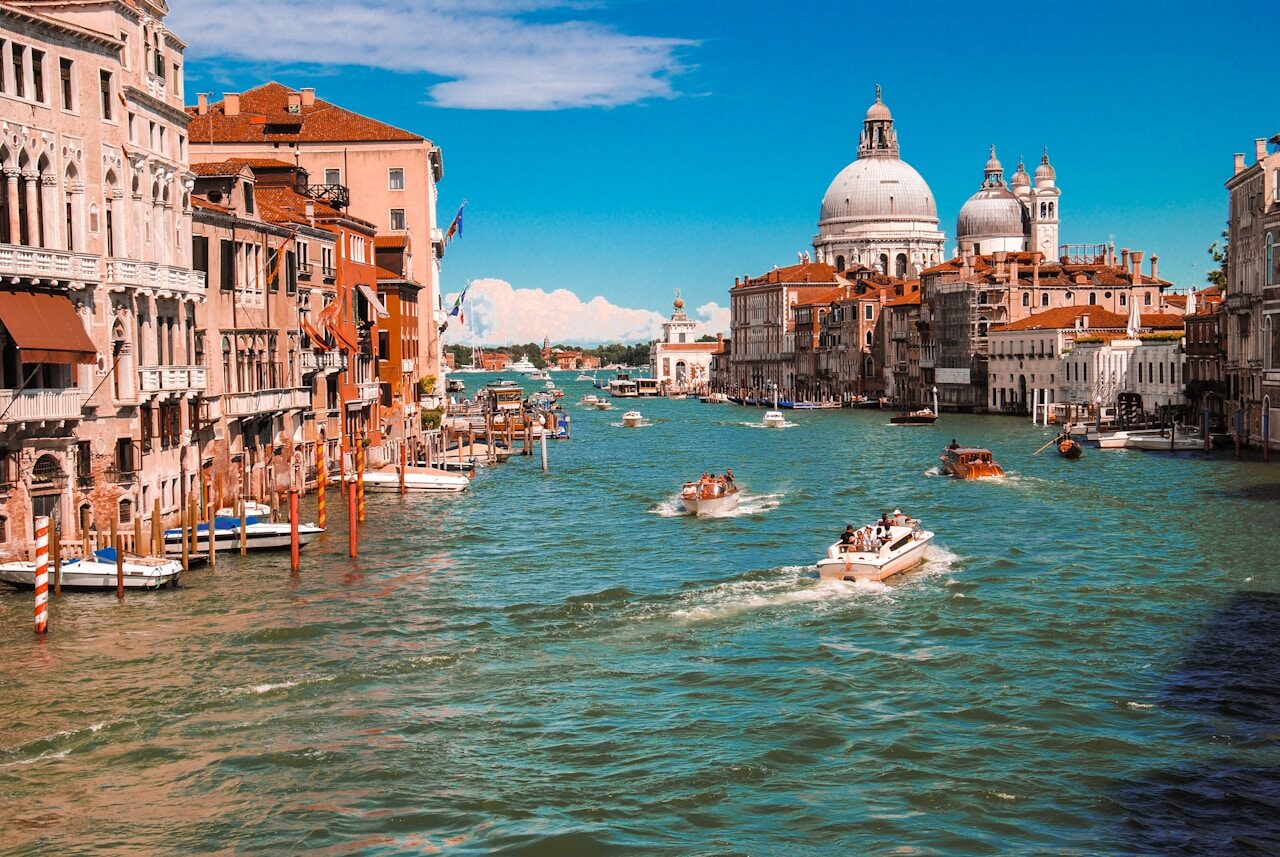
Budget day trips from Venice include Padua (€4-8 train, 25 minutes), Verona (€8-15 train, 1.5 hours), and lagoon islands via vaporetto pass (€25 for unlimited travel).
Padua sits 25-30 minutes from Venice by regional train (€4-8 round-trip).
The city offers the Scrovegni Chapel with Giotto frescoes (€14, advance booking required), the free Basilica of Saint Anthony, Prato della Valle square, and the university area.
A Padua day trip costs €18-30 including train fare, chapel admission, and lunch.
Verona lies 1-1.5 hours from Venice by regional train (€8-15 round-trip).
Attractions include Juliet’s House (€6, courtyard free), the Roman Arena (€10), Piazza delle Erbe, and Castelvecchio (€6).
A Verona day trip costs €24-40 including train fare, one or two attraction admissions, and lunch.
Murano, Burano, and Torcello islands are accessible via vaporetto Line 12.
The 24-hour pass (€25) covers unlimited island hopping.
Murano offers free glassblowing demonstrations and the Glass Museum (€10).
Burano features colorful houses (free to photograph) and the Lace Museum (€5).
Torcello contains the Cathedral of Santa Maria Assunta (€5).
An island day trip costs €25-35 including vaporetto pass and optional museum admissions.
Treviso, 30-40 minutes by regional train (€3-8 round-trip), provides medieval architecture, canals, and city walls without admission fees.
The city sees few tourists compared to Venice, offering authentic Veneto atmosphere.
A Treviso day trip costs €10-20 including train fare and lunch.
For comprehensive day trip planning including transportation details, attraction recommendations, and budget strategies for destinations throughout the Veneto region, the best day trips from Venice covers both nearby and distant options.
Bologna (2 hours, €15-25 train) and Florence (2-2.5 hours, €12-35 high-speed train) work as day trips but require early departure (7-8 AM) and late return (8-9 PM).
These longer trips suit travelers with multi-day Venice stays wanting variety.
How Can You Save Money Shopping In Venice?
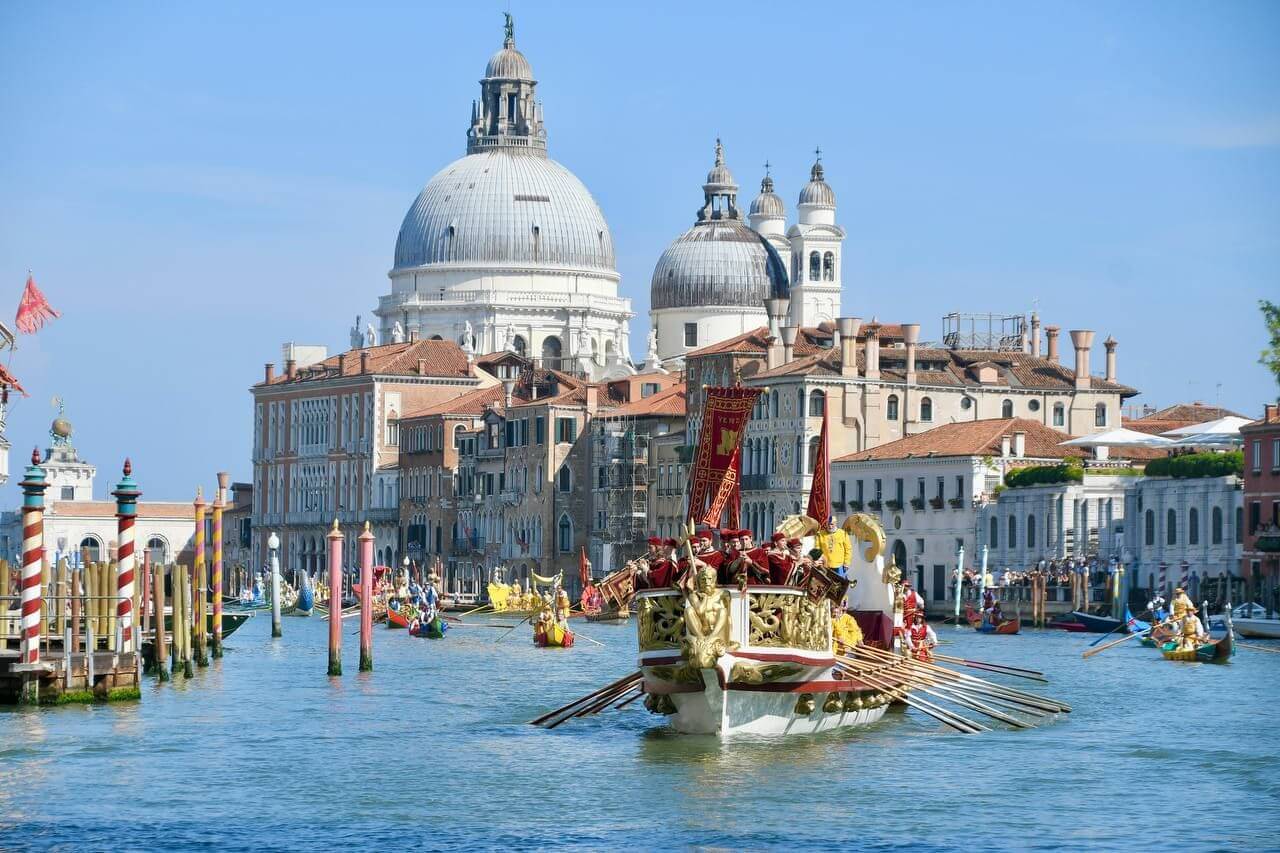
Save money shopping in Venice by visiting Rialto Market for authentic products, avoiding tourist-trap shops near major sites, and negotiating at smaller artisan workshops.
Murano glass prices vary dramatically.
Authentic Murano glass from island workshops costs €20-50 for small items, €100-300 for medium pieces, and €500+ for large artworks.
Tourist shops in Venice sell imported glass labeled “Murano style” for €10-30.
Genuine Murano glass carries the “Vetro Artistico Murano” trademark.
Visiting Murano Island and buying directly from workshops ensures authenticity and often provides better prices than Venice shops.
Venetian masks range from €5 (mass-produced imports) to €50-200 (handmade by local artisans).
Authentic papier-mâché masks from workshops near Campo Santa Margherita or in Dorsodoro cost €30-80.
Tourist shops near San Marco sell imported masks for €10-25.
The quality difference is immediately apparent in weight, detail, and finish.
Lace from Burano costs €50-150 for small pieces, €200-500 for tablecloths or elaborate items.
Much “Burano lace” sold in Venice is machine-made or imported.
The Consorzio Merletti di Burano certifies authentic local production.
Buying directly from Burano artisans ensures authenticity.
Rialto Market vendors sell local products including spices, dried pasta, olive oil, and wine at reasonable prices.
A bottle of decent Prosecco costs €8-15 at the market versus €15-25 at tourist shops.
Dried porcini mushrooms cost €15-25 per 100g at the market versus €25-40 at tourist shops.
Bookstores like Libreria Acqua Alta in Castello offer unique shopping experiences.
The store’s books-in-bathtubs displays and canal-side location create memorable visits.
Prices match standard bookstore rates (€10-25 for most books).
Avoiding shops within 100 meters of San Marco, Rialto Bridge, and the train station saves 40-60% on souvenirs and gifts.
A €15 item near San Marco costs €8-10 in Cannaregio or Castello.
What Budget Apps Help Save Money In Venice?
Budget apps for Venice include currency converters (XE, Revolut), transportation planners (ACTV Venezia Official), and expense trackers (Trail Wallet, Splitwise).
Currency exchange apps like XE Currency and Revolut provide real-time euro exchange rates.
Revolut offers a debit card with no foreign transaction fees and interbank exchange rates, saving 2-3% compared to traditional bank cards.
The app tracks spending in your home currency, helping maintain budget awareness.
The ACTV Venezia Official app shows vaporetto routes, schedules, and allows mobile ticket purchases.
The app displays real-time arrival information and route planning.
Buying tickets through the app avoids ticket office queues and provides the same prices as physical tickets.
Trail Wallet and similar expense tracking apps help monitor daily spending.
Setting a daily budget (€50-80) and logging expenses prevents overspending.
The apps categorize expenses (accommodation, food, transportation, activities) showing where money goes.
Google Maps provides walking directions through Venice’s maze of streets and bridges.
The app works offline if maps are downloaded in advance.
Offline maps eliminate data roaming charges while navigating.
Splitwise helps groups track shared expenses.
When traveling with friends or family, the app records who paid for what and calculates fair splits.
This prevents money disputes and ensures accurate cost sharing.
Restaurant discount apps like The Fork (La Fourchette) offer 20-50% discounts at participating Venice restaurants.
The app requires advance booking but provides genuine savings at quality establishments.
Availability varies by season and restaurant.
How Do You Handle Emergency Expenses In Venice?
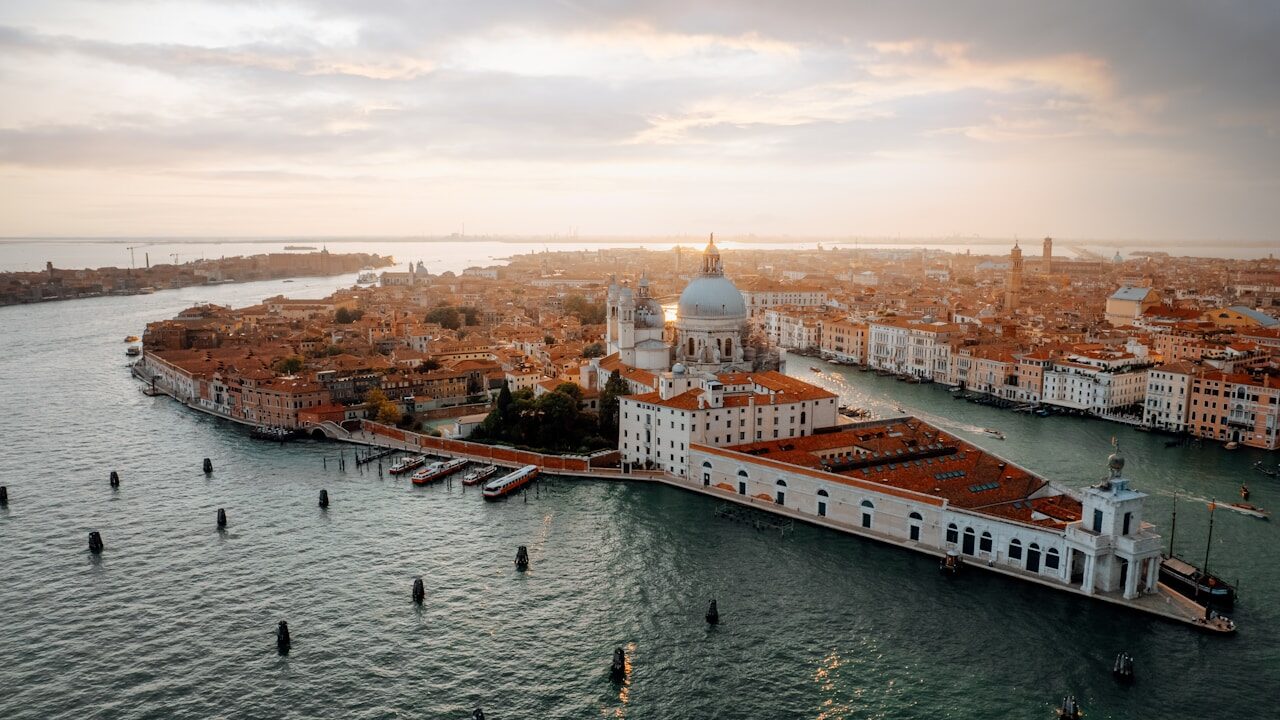
Handle emergency expenses in Venice by maintaining a €100-200 cash reserve, carrying backup payment cards, and knowing embassy locations for lost passport situations.
Medical emergencies in Venice are handled through the public health system.
EU citizens with European Health Insurance Cards (EHIC) receive free or reduced-cost emergency care.
Non-EU visitors should carry travel insurance covering medical expenses.
The Ospedale dell’Angelo in Mestre provides emergency services.
Pharmacies (farmacie) handle minor health issues and stay open late on rotating schedules (posted on pharmacy doors).
Lost or stolen wallets require immediate action.
Contact your bank to freeze cards (save bank phone numbers separately from wallet).
File a police report at the nearest Carabinieri station for insurance claims.
The main police station sits near Piazzale Roma.
Keep photocopies of passport, credit cards, and important documents separate from originals.
Emergency cash reserves of €100-200 stored separately from your main wallet provide backup funds.
Keep this reserve in accommodation safes or hidden in luggage.
This cash covers immediate needs (food, accommodation, transportation) while resolving card issues.
ATMs throughout Venice dispense euros.
Withdrawal fees vary by bank (€3-6 per transaction typical).
Using ATMs affiliated with your home bank reduces fees.
Withdrawing larger amounts less frequently minimizes total fees compared to multiple small withdrawals.
Transportation strikes occasionally disrupt vaporetto service.
During strikes, essential services maintain reduced schedules.
Walking becomes the primary option during strikes.
Budget an extra €20-30 for potential water taxi use if strikes coincide with airport departure times.
Weather-related issues like acqua alta rarely create emergencies but may require waterproof boots (€10-20 at local shops) or elevated walkway navigation.
The city provides real-time acqua alta alerts via sirens and mobile apps.
How Can Families Travel Venice On A Budget?
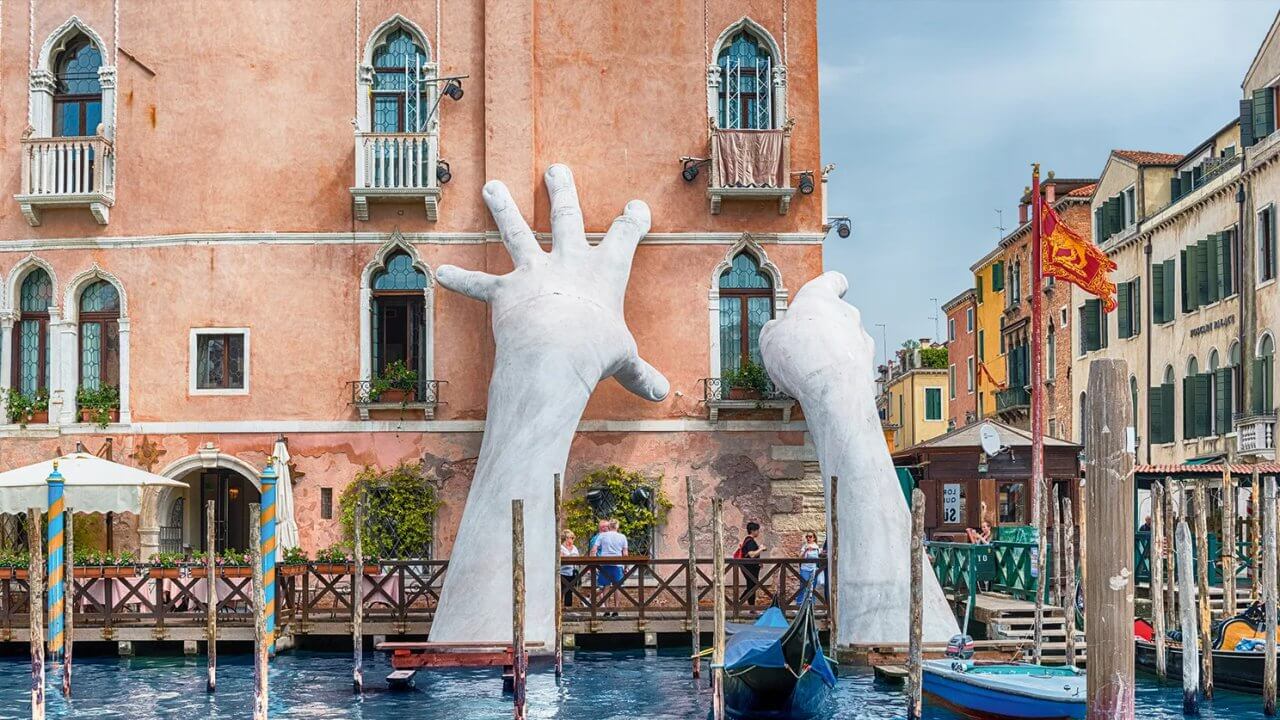
Families travel Venice on a budget by booking apartments with kitchens (€80-120/night for 4 people), using family vaporetto discounts, and focusing on free activities.
Family accommodation in apartments or vacation rentals costs €80-150 per night for spaces sleeping 4-6 people.
This averages €20-30 per person, comparable to hostel dorms but with privacy and kitchen facilities.
Airbnb, Booking.com, and VRBO list family apartments in Cannaregio, Castello, and Mestre.
Children under 6 travel free on vaporettos.
Children 6-29 with valid ID qualify for reduced fares (approximately 30% discount).
Family groups benefit from multi-day passes (€25 for 24 hours, €35 for 48 hours) allowing unlimited travel for all family members.
Free family activities include feeding pigeons in Piazza San Marco (bring your own bread), exploring playgrounds in Giardini della Biennale and Sant’Elena, and walking across bridges counting gondolas.
The Rialto Market provides sensory experiences for children with colorful produce and fresh fish displays.
Child-friendly restaurants in residential neighborhoods (Cannaregio, Castello) offer simpler menus and lower prices than tourist areas.
Pasta with tomato sauce costs €7-10 at family trattorias.
Pizza margherita costs €6-9.
Sharing larger portions family-style reduces per-person costs.
Gelato represents an affordable treat at €2-4 per cone.
Authentic gelaterias display gelato in covered metal containers (not piled high in colorful mounds).
Quality gelato shops include Gelateria Nico on the Zattere, Suso in Cannaregio, and Alaska near Campo Santa Margherita.
Museums offering family interest include the Natural History Museum (€8 adults, €5.50 children), featuring dinosaur skeletons and aquarium displays.
The Naval History Museum (€5 adults, €3.50 children) showcases ship models and maritime artifacts.
These museums cost significantly less than the Doge’s Palace (€30) while providing child-appropriate content.
Picnics in parks or along waterfronts provide budget meals with entertainment.
The Giardini della Biennale, Sant’Elena park, and Zattere waterfront offer picnic-friendly spaces.
Supermarket picnic supplies cost €10-15 for a family of four.
How Do Groups Save Money In Venice?
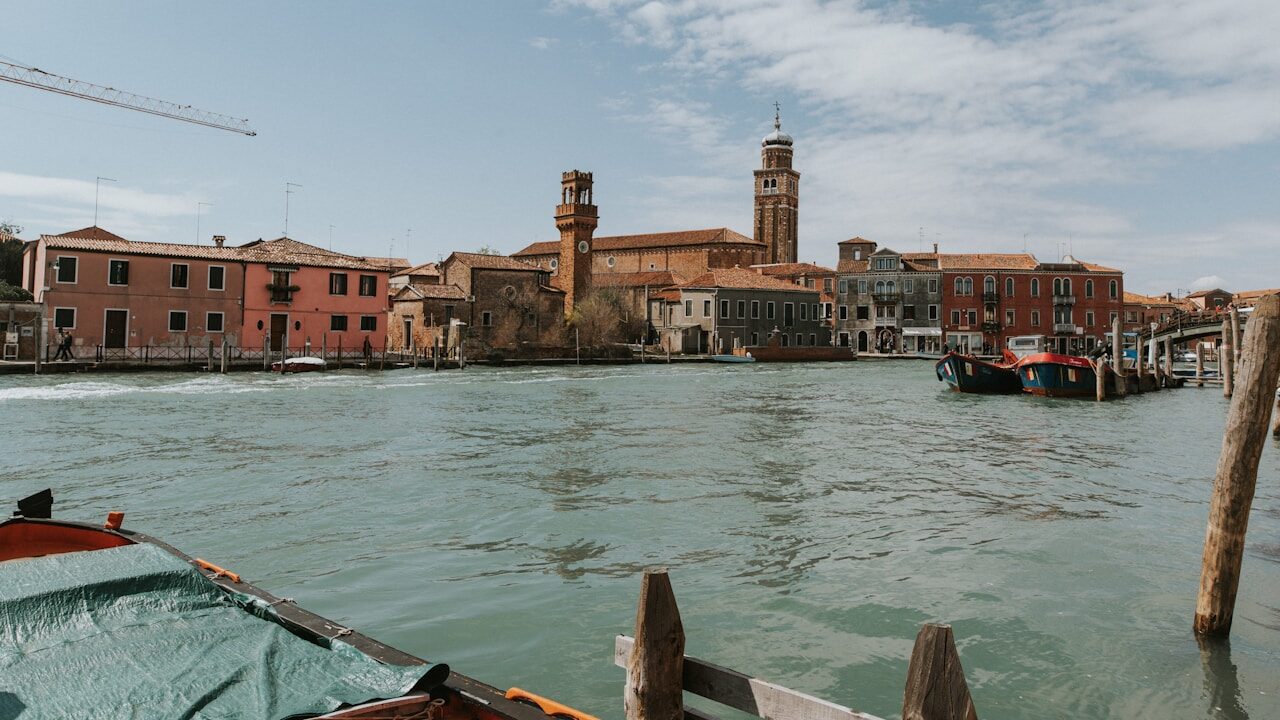
Groups save money in Venice by sharing apartment accommodations (€25-35 per person), splitting meal costs at restaurants, and booking group tours with discounts.
Group accommodation in apartments or vacation rentals costs €100-200 per night for spaces sleeping 6-8 people.
This averages €15-30 per person, significantly less than individual hotel rooms (€60-100 per person).
Apartments provide common spaces for socializing and kitchens for group meal preparation.
Restaurant meals split among groups reduce per-person costs.
Ordering multiple dishes family-style and sharing allows tasting variety while controlling portions.
A group of four ordering three pasta dishes (€10-14 each), two main courses (€15-20 each), and sharing costs €12-18 per person versus €20-30 ordering individually.
Group tours often provide per-person discounts for parties of 6+.
Walking tours, food tours, and boat tours offer group rates 10-20% below individual pricing.
Booking directly with tour operators rather than through third-party sites sometimes yields additional discounts.
Vaporetto passes make sense for groups planning multiple water bus trips.
A family of four buying 24-hour passes (€100 total) saves money compared to single tickets if making 3+ trips each (€114+ in single tickets).
Grocery shopping and cooking group meals in apartment kitchens dramatically reduces food costs.
A group dinner of pasta, sauce, salad, bread, and wine costs €6-10 per person when cooked versus €20-30 per person at restaurants.
Breakfast prepared in apartments costs €2-3 per person versus €8-15 at cafes.
Splitting transportation costs makes some options viable.
A water taxi from the airport (€110-130) split among 6 people costs €18-22 per person, competitive with the Alilaguna water bus (€15) while providing direct service and luggage assistance.
What Money-Saving Strategies Work Best In Venice?
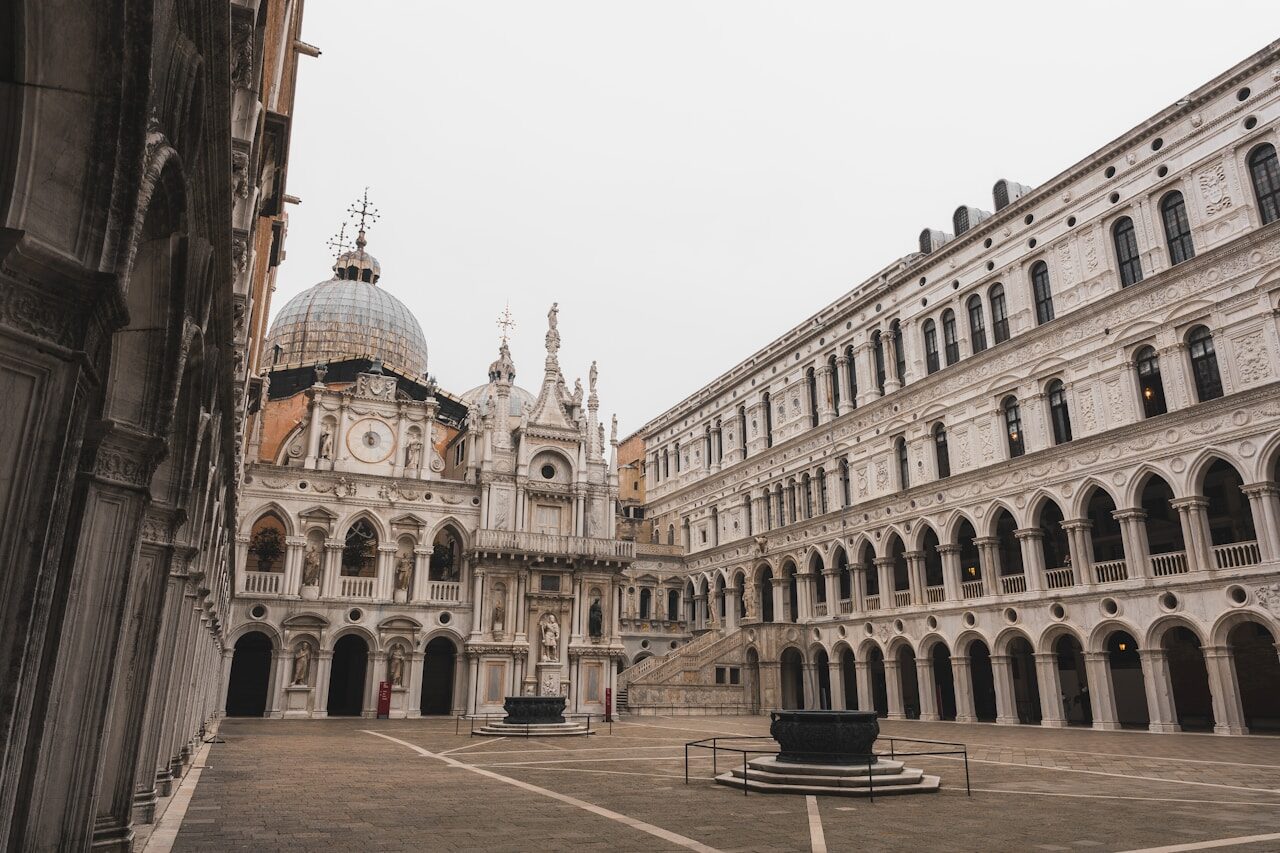
The best money-saving strategies in Venice combine off-season travel, self-catering, walking instead of vaporetto use, and focusing on free attractions.
Combining multiple strategies maximizes savings.
Visiting in November (off-season) saves 40-50% on accommodation.
Staying in Mestre saves an additional 30-40%.
Shopping at Rialto Market and cooking in hostel kitchens reduces food costs by 60-70% compared to restaurants.
Walking instead of using vaporettos saves €25 per day.
These combined strategies reduce daily costs from €100-150 to €50-80.
Advance planning enables better deals.
Booking accommodation 2-3 months ahead saves 20-40%.
Researching free activities and budget dining options before arrival prevents expensive last-minute decisions.
Creating a daily budget and tracking expenses maintains financial discipline.
Avoiding tourist traps saves significant money.
Restaurants within 200 meters of San Marco, Rialto Bridge, or the train station charge 40-60% premiums.
Shops in these areas sell imported souvenirs at inflated prices.
Walking 10 minutes into residential neighborhoods provides authentic experiences at local prices.
Prioritizing experiences over purchases creates memorable trips without excessive spending.
Free activities (walking tours, church visits, neighborhood exploration) often provide more authentic Venice experiences than expensive gondola rides or tourist attractions.
A €2 traghetto ride offers similar canal perspectives to an €80 gondola ride.
Flexibility with travel dates allows choosing cheaper periods.
Weekday visits cost less than weekends.
Shoulder seasons balance weather and costs.
Avoiding major holidays (Easter, Christmas, Carnival) reduces accommodation costs by 30-50%.
Frequently Asked Questions (FAQs)
Should I exchange currency before arriving in Venice?
Exchange small amounts (€50-100) before arrival for immediate expenses like airport buses or snacks, but use ATMs in Venice for better exchange rates.
Airport and train station exchange bureaus charge 5-8% commissions plus poor exchange rates.
ATMs provide interbank rates with only your bank’s withdrawal fee (typically €3-6 per transaction). Withdraw larger amounts (€200-300) less frequently to minimize total fees.
Credit cards with no foreign transaction fees (like Revolve, Charles Schwab) offer the best rates for purchases.
Can I drink tap water in Venice to save money?
Yes, Venice’s tap water is safe to drink and tastes good, saving €2-3 per purchased bottle.
Public fountains throughout the city provide free drinking water. Carry a refillable bottle and fill it at fountains or in restaurant bathrooms.
Fountains marked “acqua non potabile” (non-potable water) should be avoided, but most public fountains provide safe drinking water.
Hotels, hostels, and restaurants serve tap water upon request, though some restaurants prefer selling bottled water.
Is Venice more expensive than other European cities?
Venice costs 20-30% more than most European cities for accommodation and dining but offers more free attractions than Paris, London, or Amsterdam.
Budget hotels in Venice (€60-90) cost more than Berlin (€40-60) or Prague (€35-55) but less than London (€80-120) or Paris (€70-110). Restaurant meals cost similarly to other major tourist cities.
Venice’s compact size eliminates transportation costs that add up in larger cities. Overall, Venice requires careful budgeting but remains accessible to budget travelers.
How much cash should I carry daily in Venice?
Carry €40-60 cash daily for small purchases at markets, bacari, and shops that don’t accept cards.
Many small establishments, particularly traditional bacari and market vendors, operate cash-only.
Larger restaurants, hotels, and shops accept credit cards. Keep the bulk of your money in cards and withdraw cash as needed from ATMs.
Carrying excessive cash risks loss or theft. Split cash between your wallet and a secure location in your accommodation.
Are there student or senior discounts in Venice?
Students under 26 with valid student ID or ISIC cards receive 20-50% discounts at most museums and attractions.
The Doge’s Palace offers student rates (€18 versus €30 full price). Vaporetto passes provide youth discounts for ages 6-29.
Seniors over 65 receive discounts at some museums but not all attractions offer senior rates.
Always ask about available discounts when purchasing tickets. EU citizens often receive better discount rates than non-EU visitors.