Best Day Trips From Venice, Italy: Complete 2026 Guide to Nearby Destinations
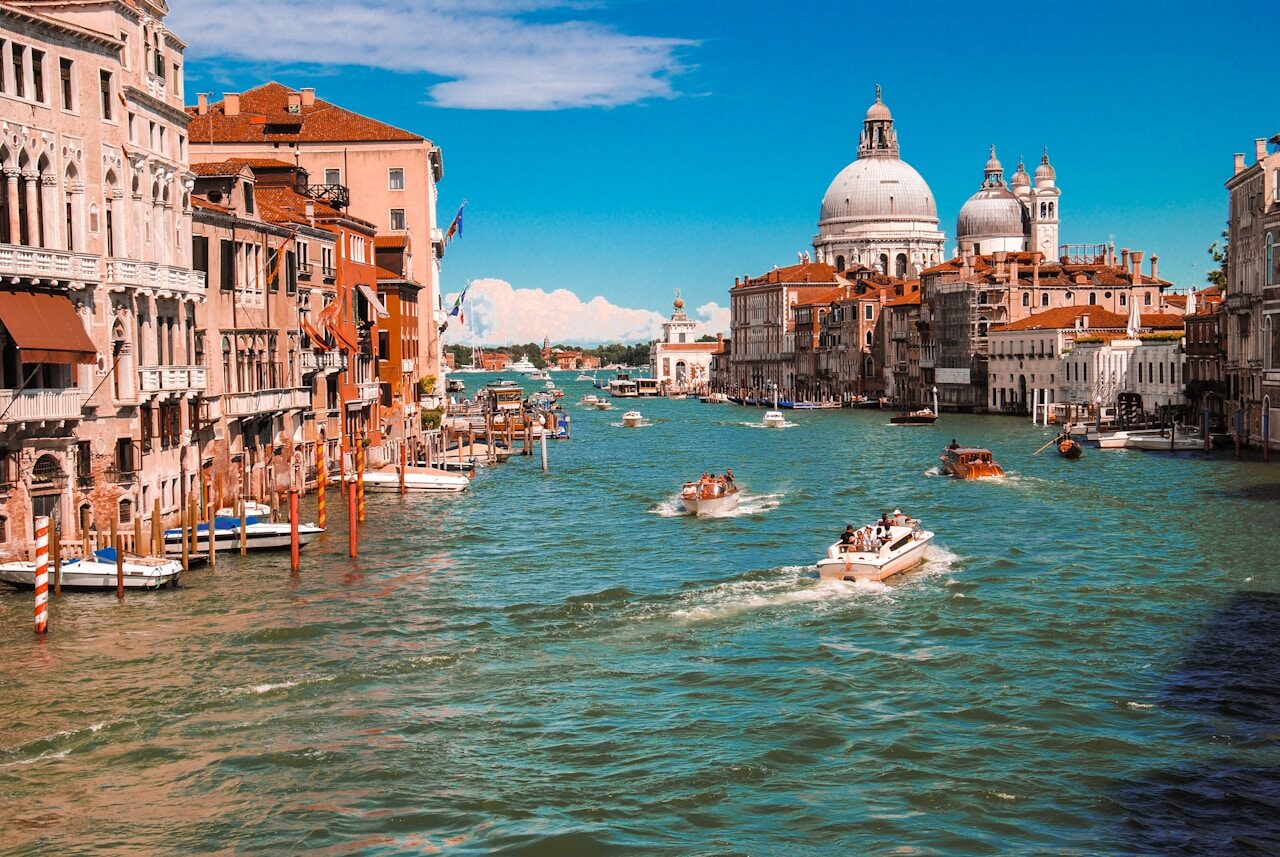



Complete Guide on Best Day Trips From Venice, Italy 2026 – Venice’s canals captivate, but the surrounding region offers equally stunning destinations just a short journey away.
- What Are the Best Day Trips From Venice by Train?
- Verona: Romeo and Juliet's City
- Padua: University Town and Giotto's Chapel
- Bologna: Culinary Capital and Medieval Architecture
- Florence: Renaissance Art and Tuscan Culture
- Which Venetian Lagoon Islands Make the Best Day Trips?
- Murano: Glass Island and Glassblowing Workshops
- Burano: Colorful Houses and Lace-Making Heritage
- Torcello: Historic Island and Ancient Cathedral
- What Alpine Day Trips Are Accessible From Venice?
- Cortina d'Ampezzo and Mountain Scenery
- Lake Garda: Lakeside Beauty and Mountain Views
- Are There Good Day Trips From Venice to Other Countries?
- Trieste: Habsburg Architecture and Coffee Culture
- Ljubljana, Slovenia: Dragon Bridge and Castle Views
- How Do You Plan Transportation for Day Trips From Venice?
- Italian Rail System and Trenitalia Booking
- Vaporetto Routes for Island Day Trips
- Organized Tours vs Independent Travel
- What Are Budget-Friendly Day Trip Options From Venice?
- When Is the Best Time for Day Trips From Venice?
Verona sits 1-1.5 hours by train (€4-15), where Romeo and Juliet’s balcony and the ancient Arena await.
Murano and Burano islands lie 15-45 minutes by vaporetto (€9.50 single ticket), showcasing glassblowing workshops and colorful houses.
The Dolomites provide alpine scenery 2-3 hours north, while Florence’s Renaissance masterpieces are accessible in 2-2.5 hours by high-speed train (€12-35).
This guide covers train destinations, lagoon islands, mountain escapes, and international options with verified 2026 pricing and practical travel tips.
Key Highlights
Hide- Verona sits just 1-1.5 hours from Venice by regional train (€4-15), offering Romeo and Juliet's balcony and the ancient Arena
- Padua lies only 25-30 minutes away by train (€2-5), featuring Giotto's Scrovegni Chapel frescoes
- Murano and Burano islands are accessible via vaporetto Line 12 (€9.50 single, €25 day pass)
- Florence requires 2-2.5 hours by high-speed train (€12-35) for Renaissance art masterpieces
- The Dolomites offer alpine scenery 2-3 hours from Venice via train to Calalzo-Pieve di Cadore
- Bologna sits 1-1.5 hours away (€10-25), famous for authentic Bolognese cuisine
- Regional train passes provide unlimited travel; book tickets in advance for best prices
What Are the Best Day Trips From Venice by Train?
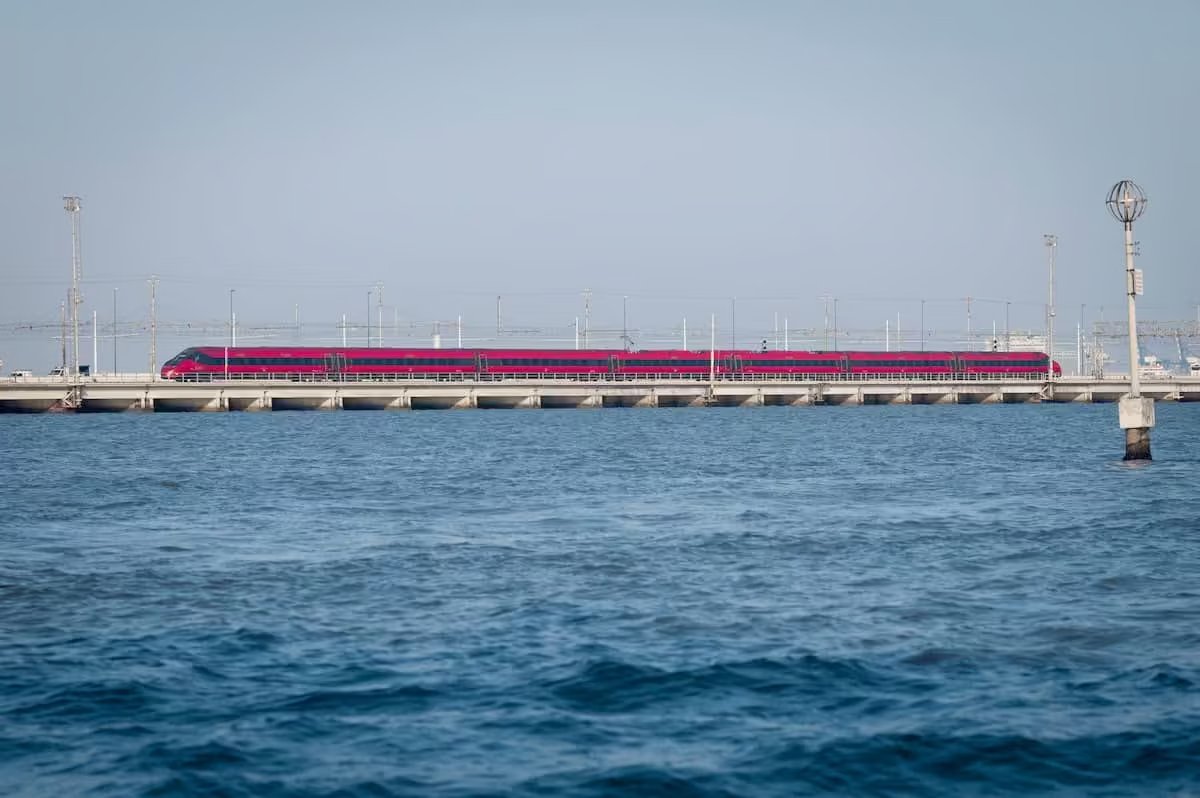
The best day trips from Venice by train include Verona (1-1.5 hours, €4-15), Padua (25-30 minutes, €2-5), Bologna (1-1.5 hours, €10-25), and Florence (2-2.5 hours, €12-35).
Italy’s rail network connects Venice to historic cities across the Veneto and beyond.
Regional trains offer affordable access to nearby destinations, while high-speed Frecciarossa and Italo trains reach distant cities like Florence in under three hours.
All trains depart from Venezia Santa Lucia station, located at the edge of the Grand Canal.
Booking tickets in advance through Trenitalia or Italo websites typically saves 30-50% compared to same-day purchases.
Regional trains don’t require advance reservations, but high-speed trains sell out during peak season (June-September).
Reserve Your Venice Tours & Activities
Most popular Venice tours sold out quickly, so grab your tickets early to save your spot! Feel free to browse through our skip-the-line passes, guided tours, and special experiences to find the perfect fit for your Venice trip.
 Trip.com
 Booking.com
 Expedia
 Traveloka
 GetYourGuide
 Klook
Klook WeGoTrip
 Go City
Verona: Romeo and Juliet’s City
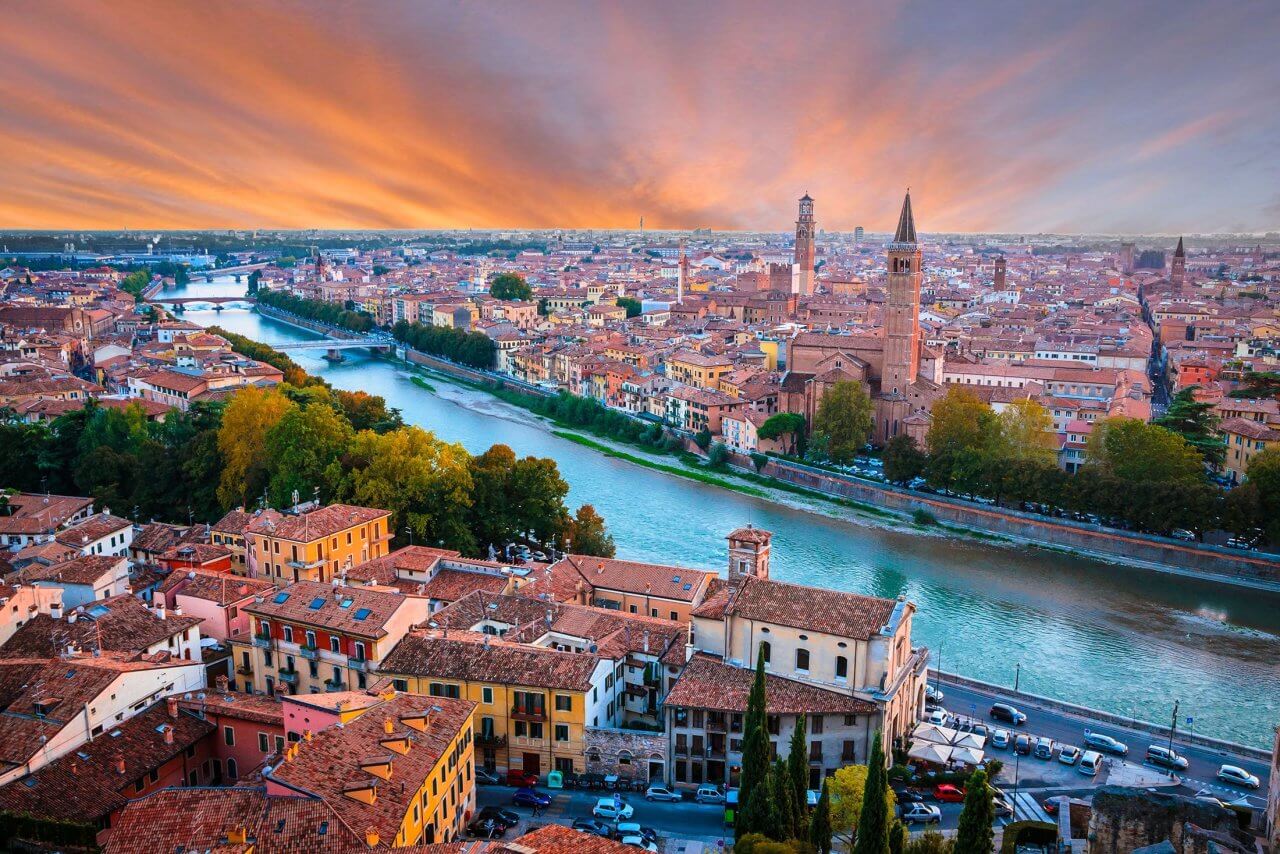
Verona sits 1-1.5 hours west of Venice by train, offering Roman ruins, medieval architecture, and Shakespearean landmarks.
Regional trains depart Venice Santa Lucia every 30-60 minutes, costing €4-15 depending on time and train type.
High-speed trains complete the journey in one hour for €15-25.
The city center lies 15 minutes on foot from Verona Porta Nuova station.
Juliet’s House (Casa di Giulietta) draws crowds to its famous balcony, though the courtyard is free to enter.
The €6 ticket grants access to the interior rooms and balcony itself.
The Verona Arena, a first-century Roman amphitheater, hosts opera performances during summer months (June-August).
Tickets cost €10 for arena access, €7.50 with reductions.
Piazza delle Erbe, the former Roman forum, features market stalls and outdoor cafes surrounded by frescoed buildings.
The adjacent Piazza dei Signori showcases medieval government palaces and the Lamberti Tower, offering panoramic views for €8.
Castelvecchio, a 14th-century fortress spanning the Adige River, houses an art museum with works by Pisanello, Mantegna, and Veronese.
The castle’s crenellated walls and bridge provide striking photo opportunities.
Admission costs €6.
The Basilica of San Zeno Maggiore, considered one of Italy’s finest Romanesque churches, features bronze doors depicting biblical scenes and Mantegna’s altarpiece.
Entry is free, though donations support maintenance.
For visitors planning to explore major Venice attractions before venturing to nearby cities, the best things to do in Venice covers the city’s essential sights from St. Mark’s Basilica to the Rialto Bridge.
Padua: University Town and Giotto’s Chapel
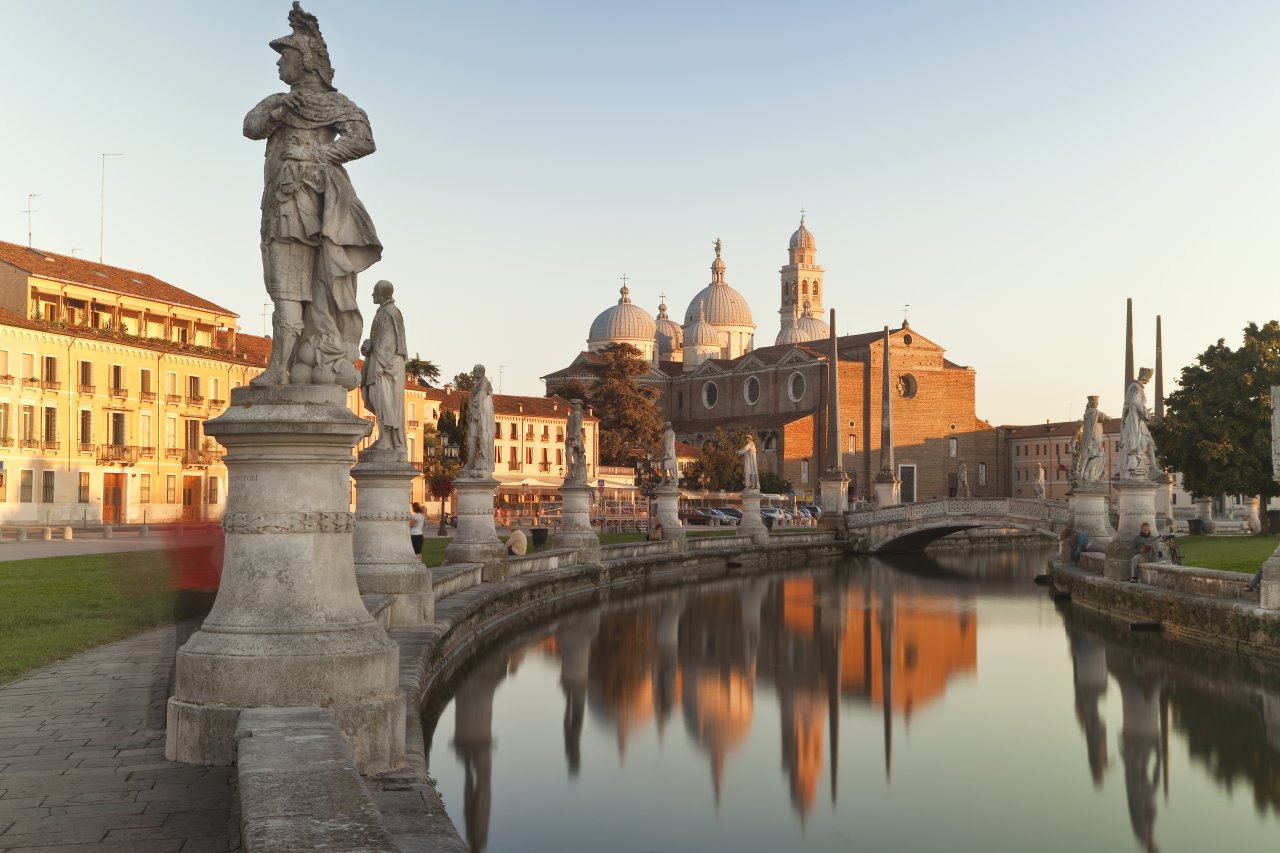
Padua lies 25-30 minutes west of Venice by regional train, making it the closest major city for day trips.
Trains depart Venice Santa Lucia every 15-30 minutes throughout the day, costing €2-5 for regional service.
The journey takes 25-30 minutes, arriving at Padua station 10 minutes walk from the historic center.
The Scrovegni Chapel contains Giotto’s 14th-century fresco cycle, considered a masterpiece of Western art.
The frescoes depict the life of the Virgin Mary and Christ across 38 panels, revolutionizing painting with their emotional depth and spatial perspective.
Tickets cost €14 and must be booked weeks in advance during peak season due to limited daily visitors (25 people every 15 minutes).
The adjacent Eremitani Museums are included in the ticket price.
The University of Padua, founded in 1222, ranks among Europe’s oldest universities.
Galileo taught here from 1592 to 1610.
The Palazzo Bo houses the world’s first permanent anatomical theater (1594), a wooden structure where medical students observed dissections.
Guided tours (€7) run several times daily in multiple languages.
Prato della Valle, one of Europe’s largest squares at 90,000 square meters, features a central island surrounded by 78 statues and a canal.
The elliptical space hosts markets on Saturdays and provides a gathering spot for locals.
The square’s perimeter offers cafes and gelaterias.
The Basilica of Saint Anthony attracts pilgrims to the tomb of Padua’s patron saint, who died in 1231.
The basilica’s Byzantine domes and Romanesque-Gothic architecture blend multiple styles.
Donatello’s bronze sculptures adorn the high altar.
Entry is free, though donations are encouraged.
Visitors should dress modestly (covered shoulders and knees).
The Orto Botanico, established in 1545, is the world’s oldest academic botanical garden still in its original location.
The UNESCO World Heritage Site contains over 6,000 plant species, including Goethe’s Palm, planted in 1585.
The modern greenhouse complex showcases plants from five climate zones.
Admission costs €10.
Padua’s covered markets near Palazzo della Ragione sell fresh produce, meats, cheeses, and prepared foods.
The medieval Palazzo della Ragione, with its massive unsupported roof, once served as the city’s law courts.
The interior frescoes and wooden horse sculpture are accessible for €7.
Bologna: Culinary Capital and Medieval Architecture
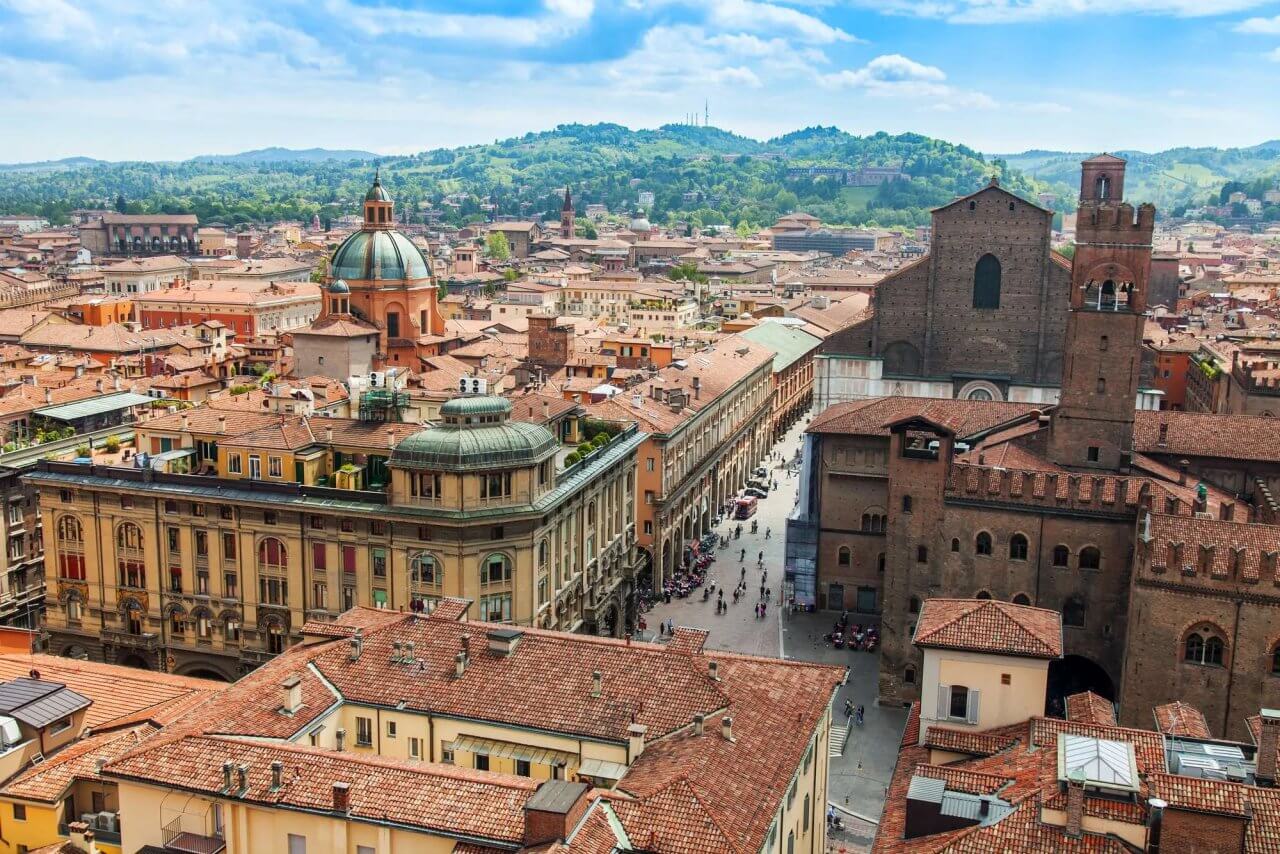
Bologna sits 1-1.5 hours southwest of Venice, famous for its medieval towers, porticoed streets, and authentic Bolognese cuisine.
Regional trains depart Venice Santa Lucia hourly, taking approximately 2 hours and costing €10-25.
High-speed Frecciarossa trains complete the journey in 1-1.5 hours for €20-35.
Bologna Centrale station lies 20 minutes walk from Piazza Maggiore, or take local bus lines 25 or 27 (€1.50).
Piazza Maggiore forms the heart of Bologna’s historic center, surrounded by the Basilica di San Petronio, Palazzo d’Accursio, and medieval palaces.
The unfinished basilica facade tells the story of Bologna’s ambitious 16th-century plans to surpass St. Peter’s in Rome.
The interior contains the world’s longest sundial, designed by astronomer Cassini in 1655.
The Two Towers (Due Torri) – Asinelli and Garisenda – lean at precarious angles above the city.
Medieval Bologna once had over 100 towers, built by wealthy families as status symbols and defensive structures.
Climbing the 498 steps of Torre degli Asinelli (€5) rewards visitors with rooftop views across Bologna’s terracotta landscape.
The adjacent Garisenda tower leans more dramatically than Pisa’s famous tower but is closed to visitors.
Bologna’s food markets, particularly Mercato di Mezzo and Mercato delle Erbe, showcase regional products from Parmigiano-Reggiano to mortadella.
The Mercato di Mezzo has been renovated into a modern food hall while maintaining its historic character.
Vendors offer tastings of balsamic vinegar, cured meats, and local wines.
Traditional trattorias serve tagliatelle al ragù (the authentic Bolognese sauce, never served with spaghetti in Bologna), tortellini in brodo (meat-filled pasta in broth), and lasagna verde (made with spinach pasta).
Osteria dell’Orsa and Trattoria Anna Maria are local favorites, though expect queues during lunch hours (12:30-2 PM).
The city’s 38 kilometers of porticoes provide covered walkways throughout the historic center, recently designated a UNESCO World Heritage Site.
The longest portico stretches 3.5 kilometers from the city center to the Sanctuary of Madonna di San Luca, climbing the hillside through 666 arches.
The sanctuary offers panoramic views of Bologna and the surrounding plains.
The Archiginnasio, Bologna’s historic university building (1563-1803), contains the ornate Anatomical Theater, a tiered wooden amphitheater where medical students observed dissections.
The theater was destroyed in WWII bombing and meticulously reconstructed.
The building’s walls display thousands of student coat-of-arms.
Admission costs €3.
Santo Stefano, a complex of seven interconnected churches (though only four remain), dates to the 5th century.
The atmospheric courtyards and Romanesque architecture create a peaceful retreat from the busy city center.
Entry is free.
Florence: Renaissance Art and Tuscan Culture
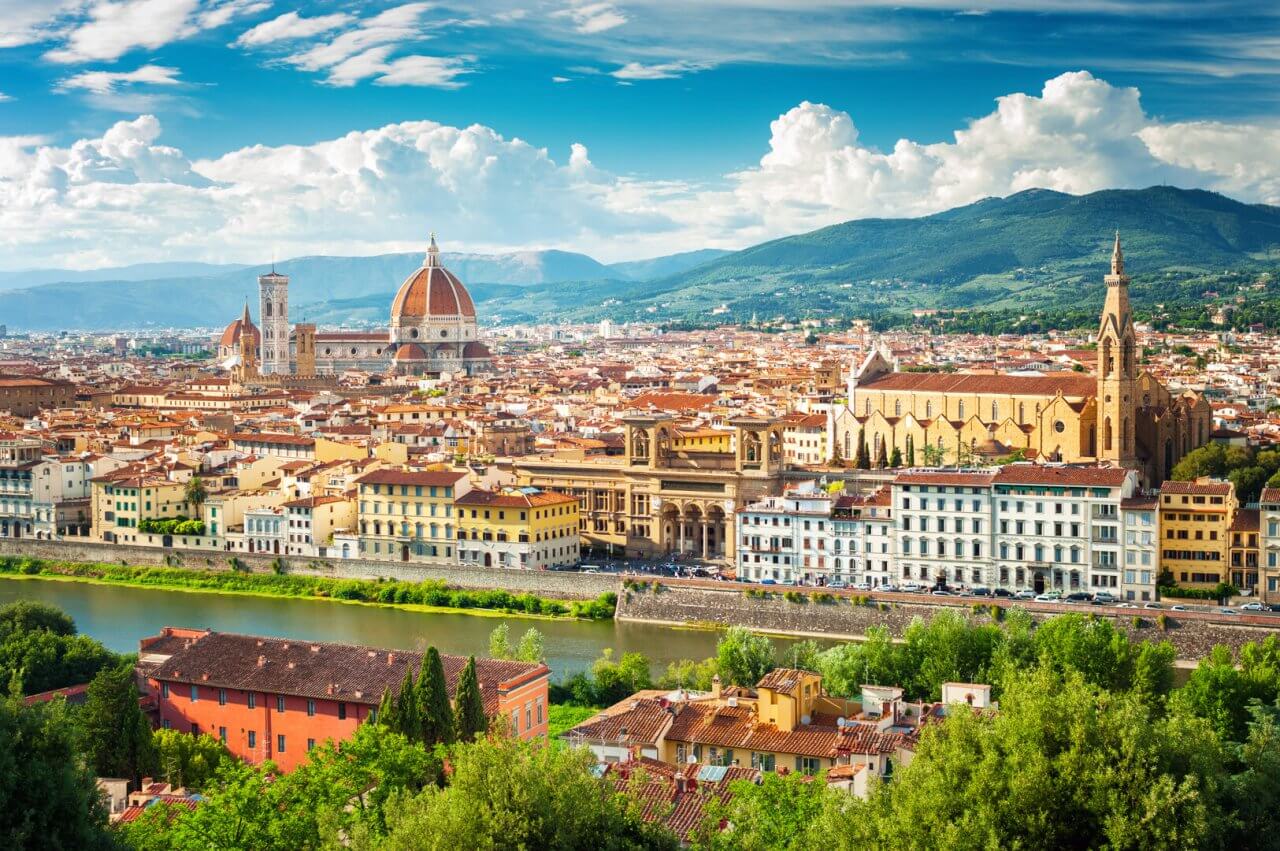
Florence lies 2-2.5 hours south of Venice by high-speed train, offering unparalleled Renaissance art and architecture.
Frecciarossa and Italo high-speed trains depart Venice Santa Lucia 6-8 times daily, taking 2-2.5 hours and costing €12-35 depending on booking time and class.
Florence Santa Maria Novella station sits at the edge of the historic center, 10 minutes walk from the Duomo.
The Uffizi Gallery houses the world’s finest collection of Renaissance art, including Botticelli’s “Birth of Venus” and “Primavera,” Leonardo da Vinci’s “Annunciation,” Michelangelo’s “Doni Tondo,” and works by Raphael, Caravaggio, and Titian.
The U-shaped building, designed by Vasari in 1560, originally served as administrative offices (uffizi) for the Medici family.
Tickets cost €20 (€12 off-season, November-February) and should be booked weeks in advance through the official website.
The gallery requires 2-3 hours minimum for a thorough visit, though art enthusiasts could spend an entire day.
Audio guides (€6) provide context for major works.
Michelangelo’s David stands in the Accademia Gallery, a 17-foot marble masterpiece completed in 1504 when the artist was 29.
The sculpture’s anatomical precision and psychological intensity revolutionized Renaissance art.
The gallery also contains Michelangelo’s unfinished “Prisoners” sculptures, appearing to emerge from raw marble blocks.
Tickets cost €12 and also require advance booking during peak season.
The museum is smaller than the Uffizi, requiring 1-1.5 hours for a complete visit.
The Duomo (Cathedral of Santa Maria del Fiore) dominates Florence’s skyline with Brunelleschi’s iconic dome, an engineering marvel completed in 1436.
The dome’s double-shell construction, built without scaffolding, remained the world’s largest until modern times.
Climbing the 463 steps to the dome’s top (€18, advance booking required) provides breathtaking city views and close-up views of Vasari’s Last Judgment frescoes.
The cathedral’s exterior features white, green, and pink marble in geometric patterns.
Giotto’s Campanile (bell tower) stands adjacent, offering an alternative climb (414 steps, €18) with different perspectives.
The Baptistery’s bronze doors, particularly Ghiberti’s “Gates of Paradise,” showcase Renaissance sculptural achievement.
Ponte Vecchio, Florence’s medieval bridge lined with jewelry shops, spans the Arno River.
The bridge survived WWII bombing, making it Florence’s oldest bridge (1345).
The Vasari Corridor runs above the shops, connecting Palazzo Vecchio to Palazzo Pitti.
The Oltrarno neighborhood beyond Ponte Vecchio offers artisan workshops, leather craftsmen, and authentic trattorias away from tourist crowds.
The Pitti Palace, the Medici’s grand residence, contains multiple museums including the Palatine Gallery with works by Raphael and Titian.
The adjacent Boboli Gardens provide 45,000 square meters of Renaissance landscaping, sculptures, and fountains (€10 combined ticket).
Piazzale Michelangelo, reached by a 20-minute uphill walk or bus 12/13 from the station, provides panoramic views of Florence’s Renaissance skyline.
The square features a bronze copy of David and offers the city’s best sunset views.
Arrive before sunset to secure a spot along the wall.
Florence’s day trip requires early departure (7-8 AM train) to maximize time, as the 2-2.5 hour journey each way leaves approximately 6-7 hours for exploration.
Focus on 2-3 major sites rather than attempting comprehensive coverage.
The Uffizi and Accademia alone require 3-4 hours combined.
Central Market (Mercato Centrale) offers affordable lunch options on the ground floor (fresh produce, meats, cheeses) and a modern food court upstairs.
Panini shops near the Duomo provide quick, budget-friendly meals (€5-8).
Which Venetian Lagoon Islands Make the Best Day Trips?
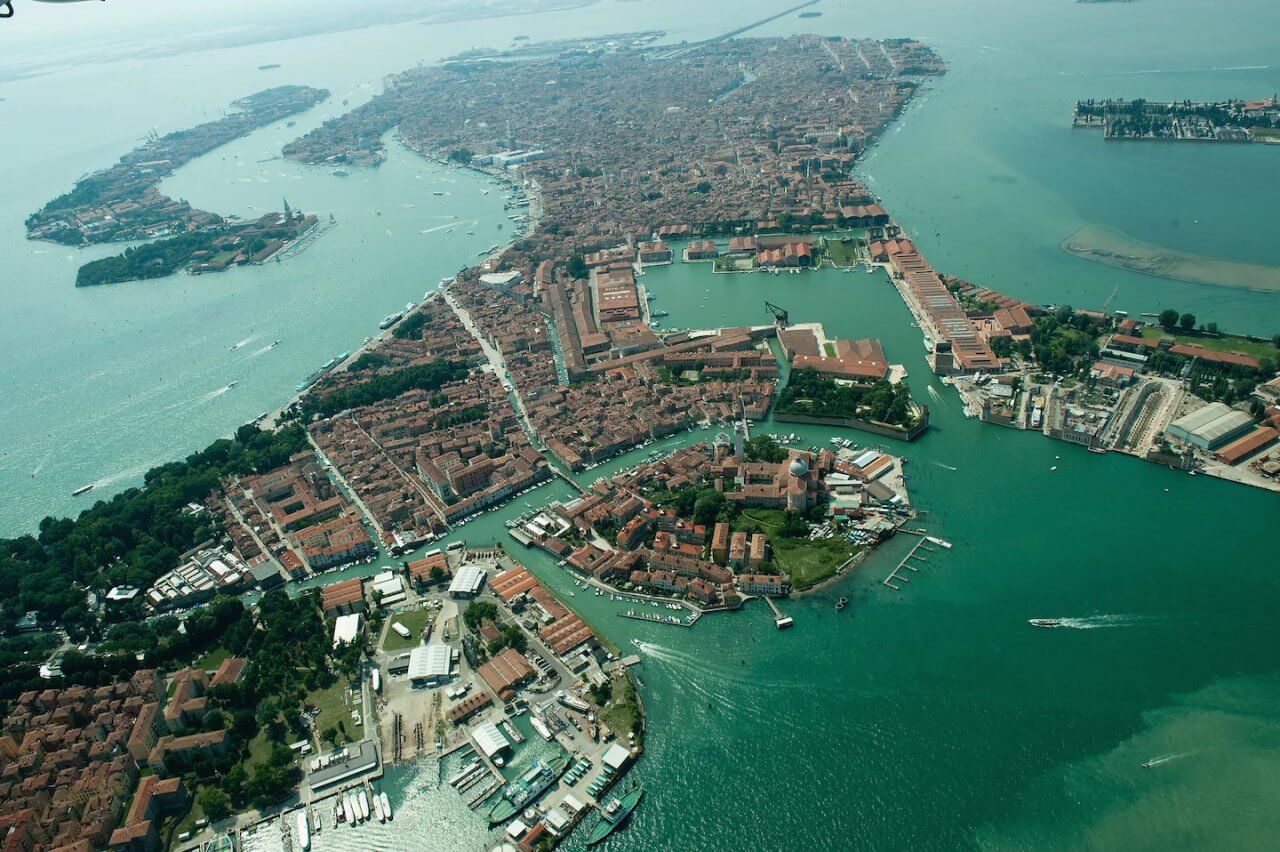
Murano, Burano, and Torcello offer the best lagoon island day trips, accessible via vaporetto Line 12 from Fondamente Nove.
The Venetian Lagoon contains over 100 islands, though only a handful welcome visitors.
Vaporetto (water bus) Line 12 connects Venice to the three main islands: Murano (15 minutes), Burano (45 minutes from Venice, 30 minutes from Murano), and Torcello (5 minutes from Burano).
A single vaporetto ticket costs €9.50 and remains valid for 75 minutes, insufficient for island hopping.
The 24-hour pass (€25) provides unlimited vaporetto travel, making it the most economical option for visiting multiple islands.
The 48-hour (€35), 72-hour (€45), and 7-day (€65) passes offer additional value for extended stays.
Vaporetto tickets must be validated at yellow readers before boarding.
Inspectors frequently check tickets, imposing €60+ fines for invalid tickets or failure to validate.
The 24-hour pass activates upon first validation, not purchase time.
For comprehensive information about Venice’s vaporetto system, routes, and navigation strategies, getting around Venice provides detailed coverage of water transportation options and money-saving tips.
Murano: Glass Island and Glassblowing Workshops
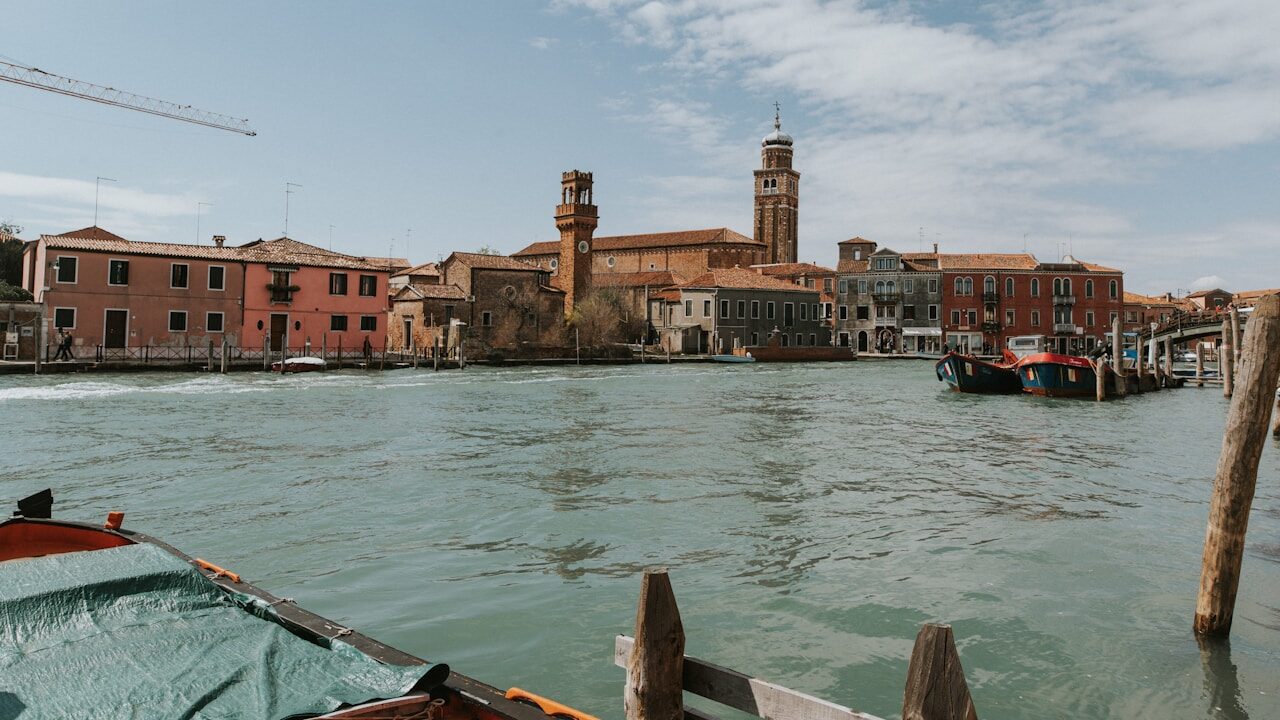
Murano sits 1.5 kilometers north of Venice, famous for centuries of glassmaking tradition dating to 1291.
Vaporetto lines 4.1, 4.2, and 12 connect Venice to Murano in 15-20 minutes from Fondamente Nove.
Line 3 also reaches Murano from Piazzale Roma and the train station, though the journey takes 30-40 minutes.
Boats arrive at multiple Murano stops: Colonna, Faro, Museo, and Venier.
Glassblowing demonstrations occur throughout the day at various furnaces and workshops across the island.
Artisans heat glass to 1,000°C (1,832°F), shaping molten material with metal tools and breath.
The process transforms solid glass rods into delicate vases, sculptures, and jewelry within minutes.
Most demonstrations are free, though workshops expect visitors to browse their showrooms afterward.
High-pressure sales tactics occur at some locations, particularly those offering free water taxi transfers from Venice.
Independent exploration of the island’s workshops provides more authentic experiences without obligation.
The Museo del Vetro (Glass Museum) in Palazzo Giustinian displays Murano glass history from Roman times to contemporary works.
The collection includes ancient Roman glass, medieval pieces, Renaissance masterworks, and modern art glass.
Admission costs €10 (€8 reduced).
The museum provides context for understanding Murano’s glassmaking evolution and identifying quality pieces.
The Basilica dei Santi Maria e Donato, founded in the 7th century, features a stunning 12th-century mosaic floor with geometric patterns and animal figures.
The Byzantine-Romanesque architecture includes an ornate apse with brick decoration.
The interior houses the bones of a dragon (likely a prehistoric mammal) killed by Saint Donatus.
Entry is free, though modest dress is required.
Murano’s canals and bridges offer quieter alternatives to Venice’s crowded thoroughfares.
The island spans approximately 1.5 kilometers, easily walkable in 30-45 minutes.
Fondamenta dei Vetrai, the main canal-side walkway, connects the major stops and workshops.
Murano glass prices vary dramatically based on quality and artisan reputation.
Small pieces start at €20-30, while museum-quality works cost thousands.
Authentic Murano glass carries a trademark certification (Vetro Artistico Murano).
Beware of mass-produced imports from China sold as genuine Murano glass in some shops.
Reputable workshops provide certificates of authenticity.
Restaurants on Murano serve seafood and Venetian specialties at slightly lower prices than Venice proper.
Busa alla Torre, near the lighthouse, offers canal-side dining with local fish dishes.
Burano: Colorful Houses and Lace-Making Heritage
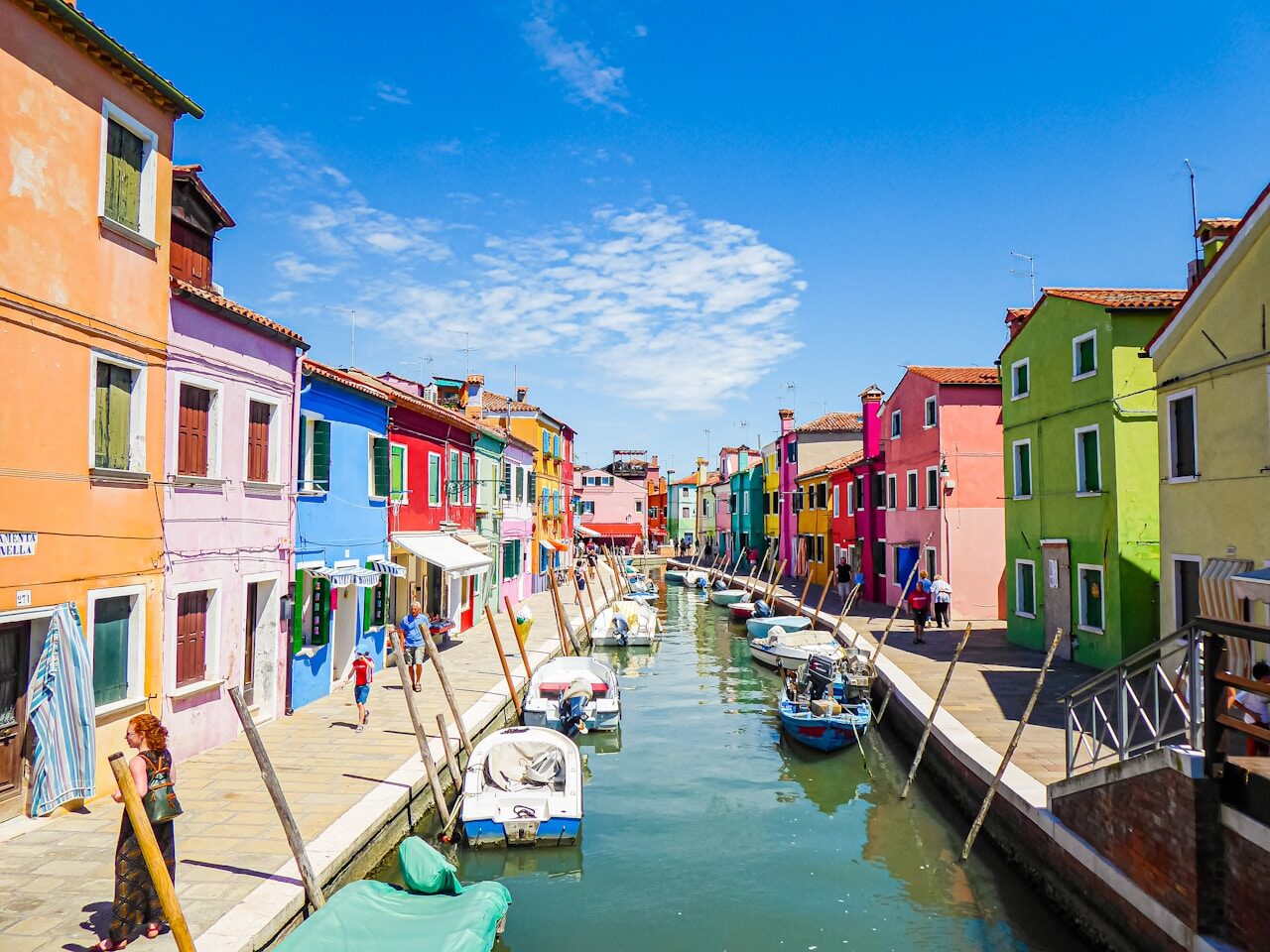
Burano lies 7 kilometers northeast of Venice, known for brightly painted houses and traditional lace-making.
Vaporetto Line 12 reaches Burano in approximately 45 minutes from Fondamente Nove (30 minutes from Murano).
Boats arrive at Burano’s single stop, from which the island is easily explored on foot in 1-2 hours.
The island measures roughly 500 meters across.
The island’s houses display vibrant colors – cerulean blue, crimson red, canary yellow, lime green, and fuchsia pink – creating a photographer’s paradise.
Each house is painted a different color from its neighbors, following a system dating to the island’s fishing heritage.
Local legend claims fishermen painted houses in bright colors to identify them through fog when returning from sea.
The tradition likely stems from property boundary markers, as houses share walls.
The Burano government regulates colors, requiring residents to request permission before repainting and choose from approved color schemes for their specific location.
The Museo del Merletto (Lace Museum) occupies the former lace-making school (1872-1970), showcasing intricate lace pieces and demonstrating traditional techniques.
Burano lace reached its peak in the 16th-18th centuries, adorning European nobility’s clothing.
The museum displays wedding veils, tablecloths, and garments requiring thousands of hours of handwork.
Admission costs €5 (€3.50 reduced).
Demonstrations show the punto in aria (stitch in air) technique, where lace is created with needle and thread without a backing fabric.
The museum shop sells authentic Burano lace, though prices reflect the labor-intensive process (€50 for small pieces, €500+ for elaborate works).
Authentic Burano lace requires hundreds of hours of handwork by skilled artisans.
Much “Burano lace” sold in shops is machine-made or imported from Asia.
Genuine pieces come with certificates and significantly higher prices.
The Consorzio Merletti di Burano certifies authentic local production.
San Martino Church contains Giambattista Tiepolo’s “Crucifixion” (1725), a dramatic Baroque painting.
The church’s bell tower leans at a noticeable angle, earning it the nickname “Burano’s leaning tower.” The tilt results from the island’s soft lagoon foundations.
Entry to the church is free.
Burano’s restaurants specialize in seafood, particularly risotto de gò (goby fish risotto), a local delicacy.
The small goby fish from the lagoon create a creamy, flavorful risotto.
Trattoria al Gatto Nero, a Michelin-recommended restaurant, serves traditional Burano cuisine.
More casual options line the main canal.
Bussolai, S-shaped butter cookies, are Burano’s traditional pastry.
Bakeries sell them plain or dipped in chocolate.
The cookies pair well with sweet wine or coffee.
Photography opportunities abound throughout Burano.
The colorful houses reflect in the canals, creating mirror images.
Early morning (before 10 AM) or late afternoon (after 4 PM) provide the best light and fewer crowds.
Midday summer crowds can make photography challenging.
Torcello: Historic Island and Ancient Cathedral
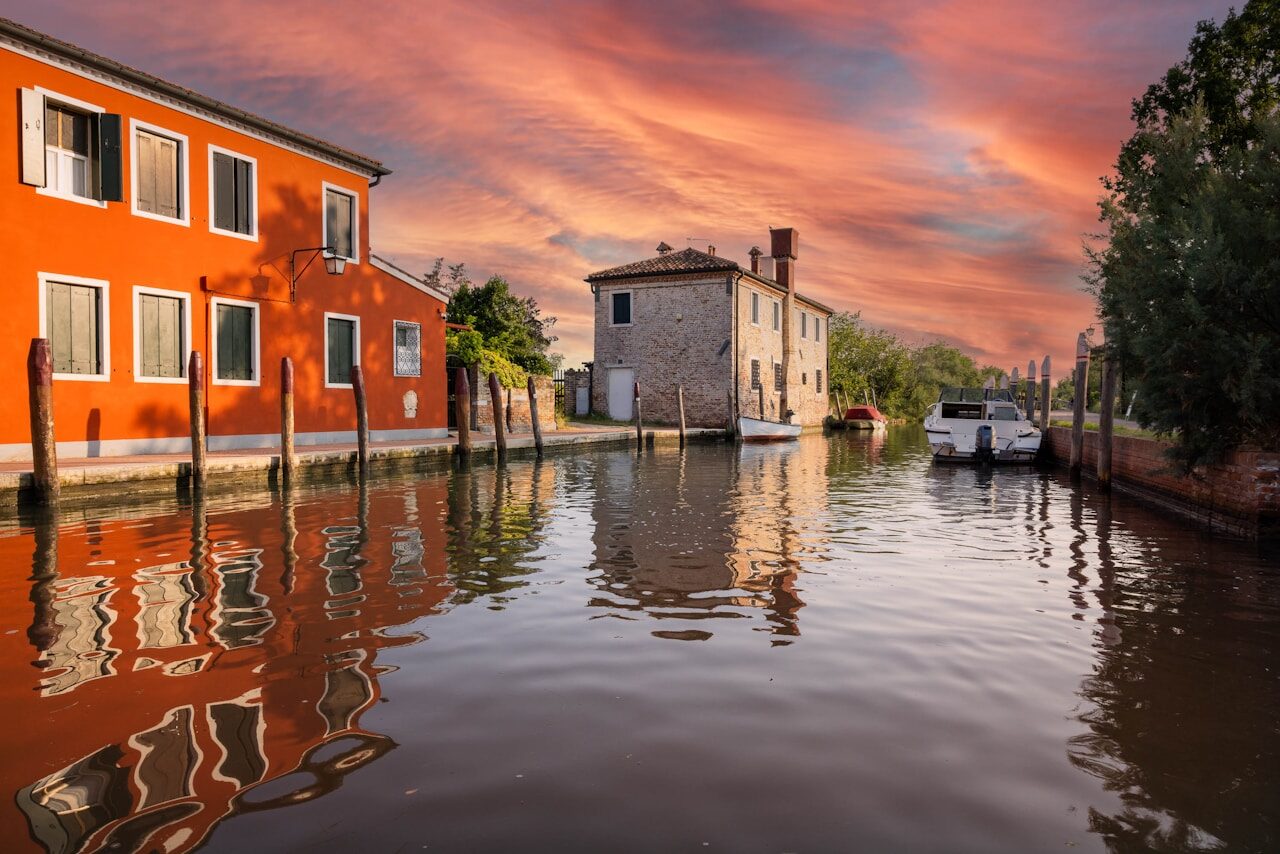
Torcello, once the lagoon’s most populous island (20,000 residents in the 10th century), now hosts fewer than 20 permanent residents.
Vaporetto Line 12 continues from Burano to Torcello in 5 minutes.
Boats arrive every 30-60 minutes depending on season.
The island requires 1-2 hours to explore, making it an easy addition to a Burano visit.
Most visitors combine Burano and Torcello in a single trip.
The Cathedral of Santa Maria Assunta, founded in 639 AD, ranks among Venice’s oldest buildings.
The cathedral predates St. Mark’s Basilica by over 300 years.
The interior contains spectacular Byzantine mosaics, including a massive “Last Judgment” covering the west wall and a golden “Madonna and Child” in the apse.
The Last Judgment mosaic depicts heaven and hell in vivid detail, with souls being weighed and demons tormenting the damned.
The Madonna mosaic, set against a gold background, shows Byzantine artistic influence from Constantinople.
The mosaics date to the 11th-12th centuries.
Admission costs €5 (€9 combined ticket with the adjacent Santa Fosca church and museum).
The cathedral’s bell tower can be climbed for lagoon views (included in ticket).
The stark interior, with its marble columns and mosaic floor, creates a powerful atmosphere.
Santa Fosca, an 11th-century Byzantine church adjacent to the cathedral, features a Greek cross plan and an exterior portico with marble columns.
The church served as a martyrium (shrine for relics).
The simple interior contrasts with the cathedral’s elaborate mosaics.
The Museo di Torcello, housed in two medieval buildings, displays archaeological finds from the island’s history, including Roman artifacts, medieval sculptures, and documents.
The collection illustrates Torcello’s transformation from major settlement to near-abandonment.
The Devil’s Bridge (Ponte del Diavolo), a small stone bridge without railings, features in local legends.
One tale claims the devil built the bridge in exchange for the soul of the first to cross it.
A dog was sent across first, outwitting the devil.
The bridge’s simple arch design represents early Venetian bridge construction.
The Throne of Attila, a stone chair in the cathedral square, supposedly belonged to the Hun leader, though it likely served as the bishop’s seat or a magistrate’s chair.
Visitors can sit on the throne for photos.
Torcello’s marshland paths and quiet atmosphere provide a stark contrast to Venice’s crowds.
The island contains only a handful of buildings: the cathedral complex, a museum, and the Locanda Cipriani restaurant (expensive but historic, frequented by Hemingway).
The walk from the vaporetto stop to the cathedral (10 minutes) passes through vegetable gardens and marshes.
Torcello’s decline began in the 12th century due to malaria and silting of the lagoon channels.
Residents gradually moved to Venice and other islands.
The abandoned buildings were dismantled for materials, leaving only the cathedral complex and a few structures.
What Alpine Day Trips Are Accessible From Venice?
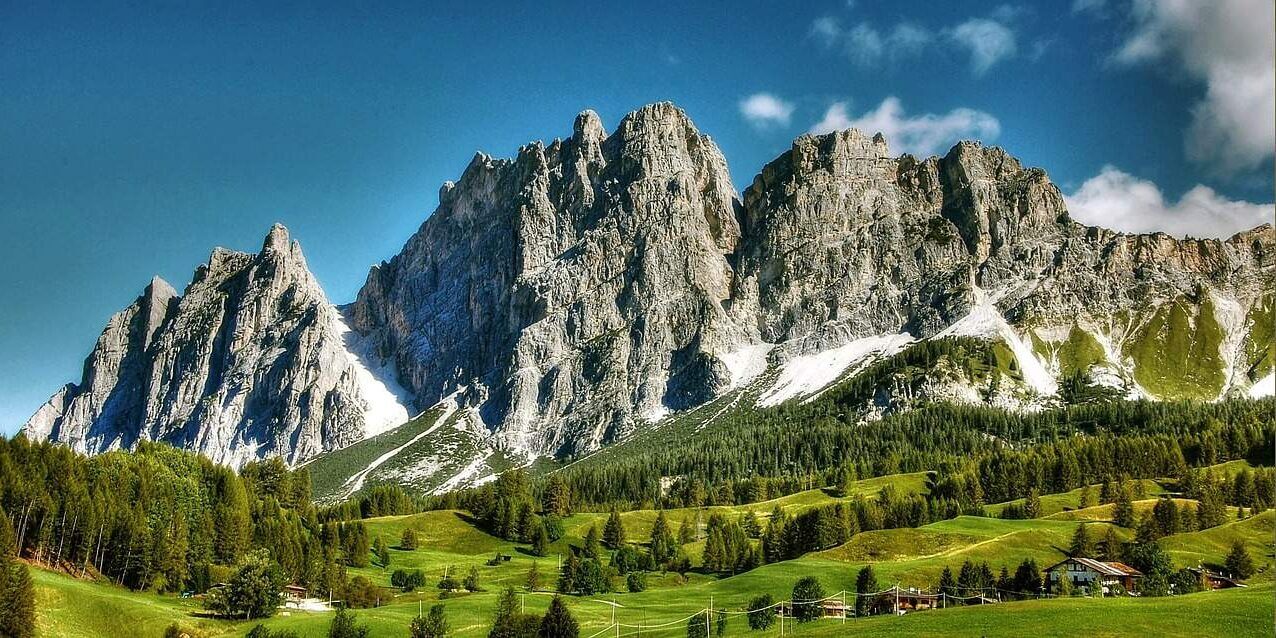
The Dolomites and Lake Garda offer alpine scenery 2-3 hours from Venice by train and bus.
The Dolomites, a UNESCO World Heritage mountain range, rise dramatically north of Venice.
The distinctive pale limestone peaks, formed from ancient coral reefs, create a unique alpine landscape.
While the high mountains themselves require longer journeys, several gateway towns provide access to alpine landscapes suitable for day trips.
Trains from Venice Santa Lucia to Calalzo-Pieve di Cadore (2.5-3 hours, €10-20) reach the southern Dolomites.
From Calalzo, local buses continue to mountain villages and hiking trailheads.
The journey requires early departure (6-7 AM) and late return (8-9 PM) to maximize mountain time.
Lake Garda’s eastern shore lies 2-2.5 hours from Venice by train.
Peschiera del Garda and Desenzano del Garda serve as main stations, with local buses connecting to lakeside towns like Sirmione, Malcesine, and Limone sul Garda.
The lake combines Mediterranean climate with alpine backdrop.
Cortina d’Ampezzo and Mountain Scenery
Cortina d’Ampezzo, the Dolomites’ premier resort town, hosted the 1956 Winter Olympics and offers year-round mountain access.
Reaching Cortina from Venice requires a train to Calalzo-Pieve di Cadore (2.5-3 hours, €10-20) followed by a bus to Cortina (45 minutes, €5-8).
The total journey takes 3.5-4 hours each way, making Cortina challenging as a day trip.
Departing Venice at 6-7 AM and returning at 8-9 PM provides approximately 4-5 hours in Cortina.
The journey itself offers scenic views as the train climbs from the Venetian plain into the pre-Alps and Dolomites.
The landscape transitions from flat farmland to rolling hills to dramatic mountain peaks.
Summer visitors access hiking trails ranging from easy valley walks to challenging mountain ascents.
The Cinque Torri (Five Towers) area offers dramatic rock formations and World War I trenches, reachable by chairlift from the Passo Falzarego road.
The open-air museum preserves Italian and Austro-Hungarian positions from the mountain warfare of 1915-1918.
Cable cars ascend to Tofana di Mezzo (3,244 meters) for panoramic Dolomite views.
The Freccia nel Cielo (Arrow in the Sky) cable car operates May-October, weather permitting.
The summit provides views across the Dolomites to Austria.
Round-trip tickets cost approximately €30.
Cortina’s pedestrian center features upscale boutiques, mountain gear shops, and cafes.
The Corso Italia, the main street, offers window shopping and people-watching.
The town serves as a base for serious hikers rather than casual day-trippers from Venice.
Overnight stays allow proper exploration of the surrounding mountains.
The Dolomites’ distinctive pale rock glows pink and orange during sunrise and sunset, a phenomenon called enrosadira (turning rose-colored).
The effect results from the limestone’s mineral composition.
Photographers prize these golden hour moments.
Lake Garda: Lakeside Beauty and Mountain Views
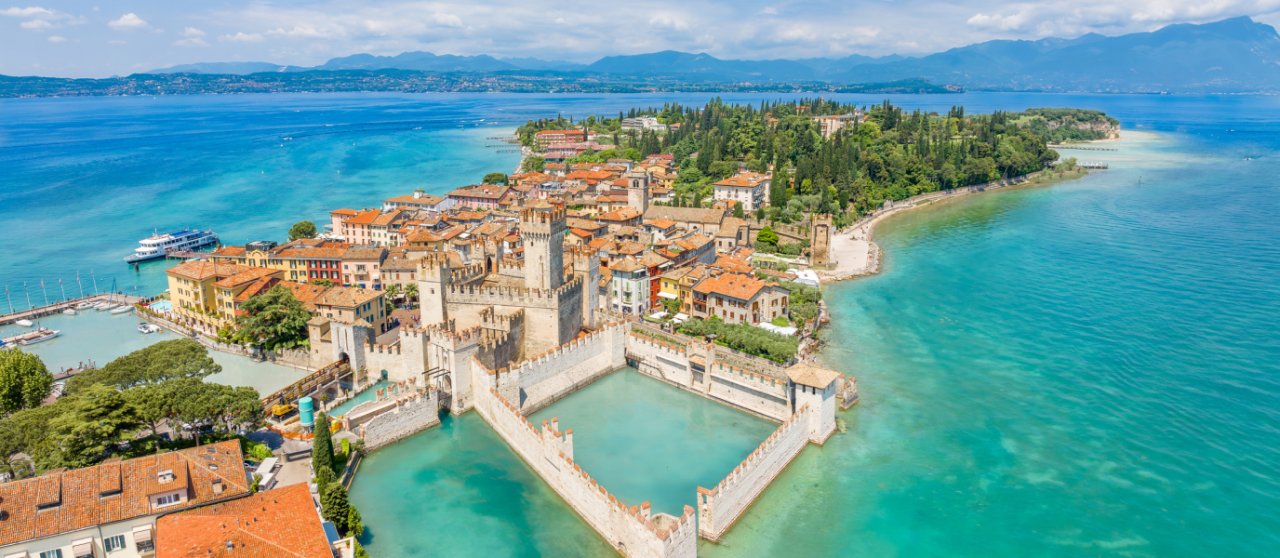
Lake Garda, Italy’s largest lake, combines Mediterranean climate with alpine backdrop 2-2.5 hours west of Venice.
Trains from Venice Santa Lucia to Peschiera del Garda take 1.5-2 hours (€8-15 regional, €15-25 high-speed).
Desenzano del Garda, the lake’s largest town, sits one stop further (10 minutes, similar pricing).
Both stations provide access to the southern shore.
Local buses connect stations to lakeside towns, though service frequency varies (hourly to every 2 hours depending on route and season).
Sirmione, a peninsula town jutting into the lake’s southern shore, features the Scaliger Castle, a 13th-century fortress with drawbridge, towers, and a small harbor for the Scaliger fleet.
The castle’s crenellated walls and moat create a fairytale appearance.
Admission costs €6 (€4 reduced).
The castle provides access to the ramparts and tower for lake views.
The Grotte di Catullo, Roman villa ruins at the peninsula’s tip, offer lake views and archaeological remains.
The villa, dating to the 1st century BC-1st century AD, once covered 2 hectares with elaborate rooms, baths, and gardens.
The name references the Roman poet Catullus, though no evidence confirms he owned the villa.
Admission costs €8 (€4 reduced).
The site requires 1-1.5 hours to explore.
Sirmione’s thermal springs feed the Aquaria spa complex and natural hot springs at the peninsula’s tip.
The Boiola spring produces water at 69°C (156°F), rich in sulfur and minerals.
The thermal waters have been used since Roman times for therapeutic purposes.
The town’s narrow streets fill with tourists during summer, particularly July-August.
Arriving early (before 10 AM) or visiting in shoulder season (April-May, September-October) provides a more pleasant experience.
The peninsula is largely pedestrianized, with limited vehicle access.
The Monte Baldo cable car, departing from Malcesine on the lake’s eastern shore, rotates 360 degrees during its ascent to 1,760 meters.
The rotating cabins provide panoramic views during the 10-minute journey.
The summit provides hiking trails ranging from easy walks to challenging mountain routes.
Clear days offer views across the lake to the Dolomites and Swiss Alps.
Cable car tickets cost €25 round-trip (€13 one-way).
The cable car operates year-round, weather permitting, though summer (June-September) provides the most reliable service.
Winter operations serve skiers.
The summit station includes a restaurant and viewing platforms.
Malcesine’s medieval castle, perched above the lake, houses a museum and provides views from its towers.
The town’s narrow streets and lakeside promenade offer cafes and gelaterias.
Ferries connect Malcesine to other lake towns, though ferry schedules and train connections make same-day return to Venice challenging.
Lake Garda’s day trip works best focusing on one area – either Sirmione and the southern shore, or the eastern shore towns of Malcesine and Limone sul Garda.
Attempting to circle the lake (160 kilometers) exceeds day trip feasibility.
The lake’s size and limited public transportation between towns require focused itineraries.
Limone sul Garda, on the western shore, features lemon terraces and a picturesque waterfront.
The town’s name likely derives from “limen” (border) rather than lemons, though citrus cultivation has occurred here for centuries.
The town is accessible by bus from Riva del Garda (northern shore) but difficult to reach from Venice in a day trip.
Are There Good Day Trips From Venice to Other Countries?
Trieste, Italy (2-2.5 hours) and Ljubljana, Slovenia (3-3.5 hours) offer international day trip options from Venice.
Venice’s location in northeastern Italy provides access to neighboring countries.
Slovenia’s capital Ljubljana sits 3-3.5 hours away by direct bus or train-bus combination.
Trieste, while technically in Italy, reflects strong Austro-Hungarian and Slovenian influences from its border location.
International day trips require valid passports.
Slovenia uses the euro, simplifying currency concerns.
Both destinations offer English-speaking tourism infrastructure.
Border crossings between Italy and Slovenia are seamless within the Schengen Area, with no passport checks under normal circumstances.
Trieste: Habsburg Architecture and Coffee Culture
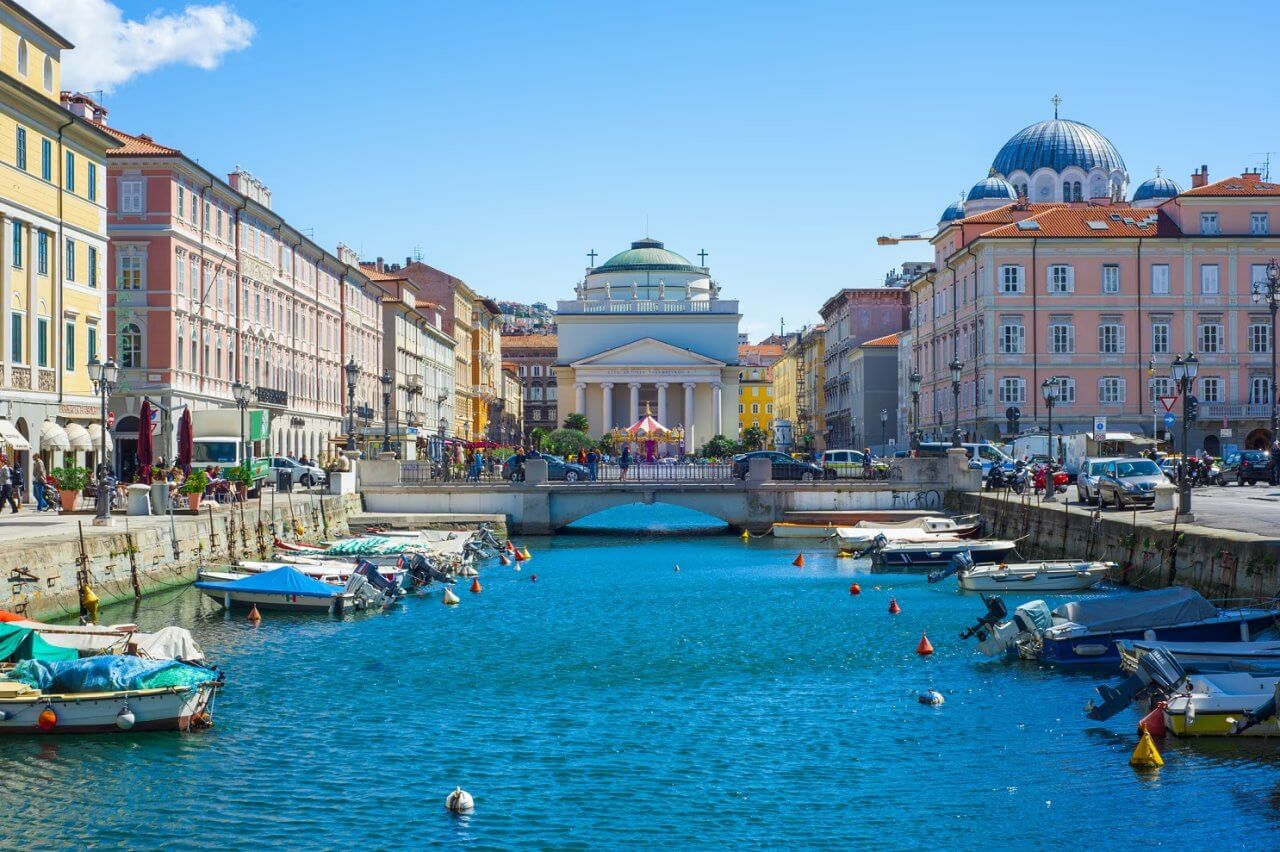
Trieste sits on the Adriatic coast 2-2.5 hours northeast of Venice, blending Italian, Austrian, and Slovenian cultures.
Regional trains depart Venice Santa Lucia every 1-2 hours, taking 2-2.5 hours and costing €10-20.
The journey follows the Adriatic coastline through Monfalcone and Sistiana, offering sea views.
Trieste Centrale station lies 10 minutes walk from Piazza Unità d’Italia, or take local bus 8 or 20 (€1.35).
Piazza Unità d’Italia, Europe’s largest sea-facing square, showcases Habsburg-era palaces and the Fountain of the Four Continents.
The square opens directly onto the Adriatic, with cafes lining the perimeter.
The Palazzo del Governo, Palazzo del Lloyd Triestino, and Palazzo Pitteri display neoclassical and Art Nouveau architecture from Trieste’s period as Austria-Hungary’s main port (1382-1918).
Miramare Castle, 8 kilometers north of the city center, perches on a cliff above the sea.
The 19th-century castle was built for Archduke Ferdinand Maximilian of Austria, who later became Emperor of Mexico.
The interior preserves original furnishings and decorations.
The surrounding park features botanical gardens with plants from around the world.
Bus line 6 connects the city center to Miramare (20 minutes, €1.35).
The castle and gardens cost €10 to enter (€5 reduced).
The park is free to visit.
Allow 1.5-2 hours for the castle and grounds.
Trieste’s coffee culture rivals Vienna’s, with historic cafes like Caffè San Marco (1914) and Caffè Tommaseo (1830) serving espresso and pastries.
The city’s position as Austria-Hungary’s main port established its coffee roasting tradition, continuing today with brands like Illy headquartered in Trieste.
Caffè San Marco, with its Art Nouveau interior and literary history, served as a meeting place for intellectuals and writers.
The cafe was destroyed in WWI (suspected of being an irredentist meeting place) and rebuilt in 1920.
James Joyce frequented Trieste’s cafes during his years in the city (1904-1915).
The Carso plateau above Trieste offers hiking trails and traditional osmize (wine farms) serving local Terrano wine and prosciutto.
The karst landscape features limestone formations, sinkholes, and caves.
The Grotta Gigante, one of the world’s largest show caves, lies 15 kilometers from Trieste (accessible by bus).
The Roman Theater, dating to the 1st century AD, sits partially excavated at the old city’s edge.
The theater once held 6,000 spectators.
Free to view from the street, though the interior is occasionally open for events.
The nearby Arco di Riccardo, a Roman arch, dates to 33 BC.
San Giusto Cathedral, crowning the hill above the city, combines two 5th-6th century churches joined in the 14th century.
The interior features Byzantine mosaics and Romanesque frescoes.
The adjacent castle provides views across Trieste to the Adriatic.
Cathedral entry is free; castle admission costs €4.
Trieste’s Serbian Orthodox Church of San Spiridione features distinctive blue domes and ornate interior decorations.
The church serves Trieste’s Serbian community, established during the Habsburg period.
Free entry during open hours.
Ljubljana, Slovenia: Dragon Bridge and Castle Views
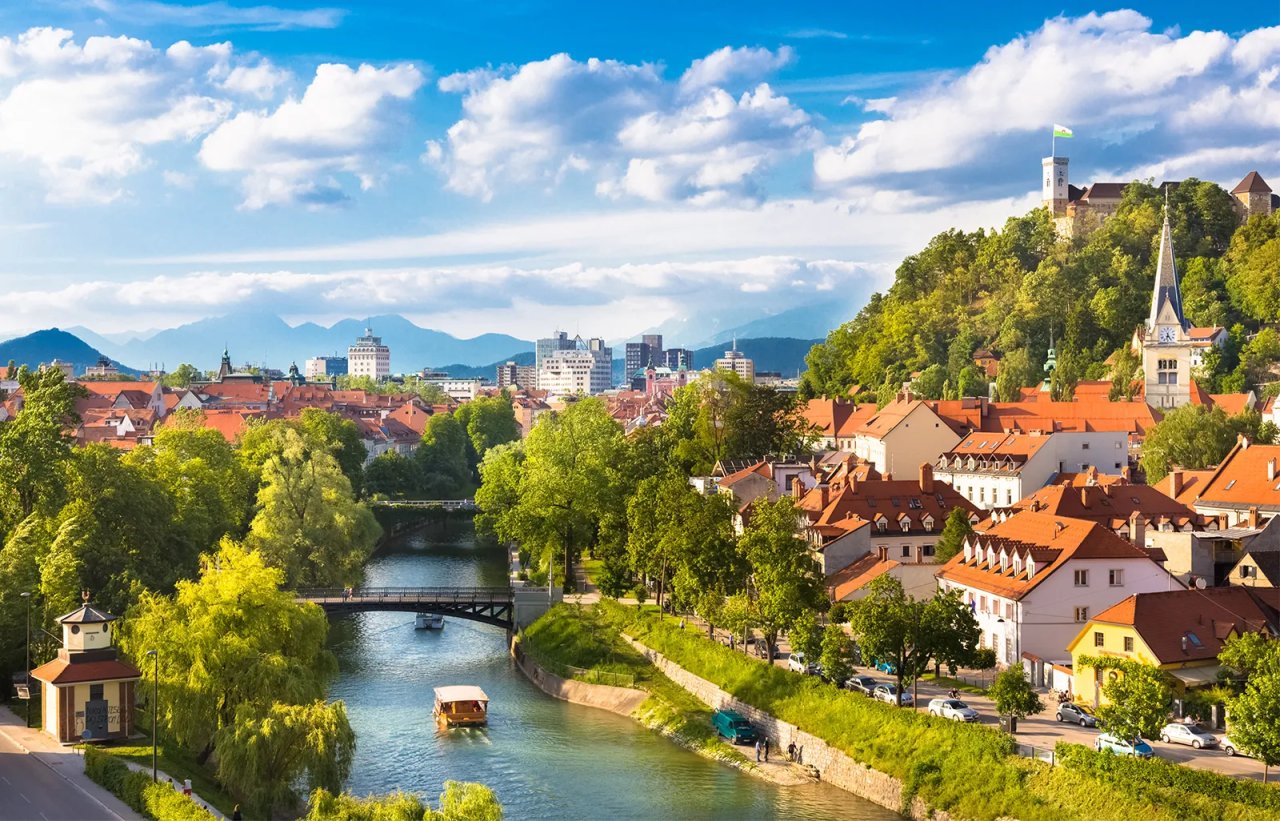
Ljubljana, Slovenia’s capital, lies 3-3.5 hours northeast of Venice by bus or train-bus combination.
FlixBus operates direct service from Venice Mestre station to Ljubljana (3-3.5 hours, €10-25 depending on booking time).
Buses depart 2-3 times daily.
Alternatively, trains run from Venice to Trieste (2-2.5 hours), connecting to buses to Ljubljana (2 hours).
The direct bus option provides simpler logistics and similar total travel time.
Book bus tickets in advance through the FlixBus website or app.
Buses feature WiFi and power outlets.
The journey crosses the Italian-Slovenian border near Trieste, continuing through the Karst region to Ljubljana.
Ljubljana Castle crowns the hill above the old town, accessible by funicular (€10 round-trip including castle admission) or a 20-minute uphill walk.
The castle’s origins date to the 11th century, though most current structures are 15th-17th century.
The castle offers panoramic views across Ljubljana’s terracotta roofs to the Julian Alps.
The tower climb provides 360-degree vistas.
The castle houses a museum covering Ljubljana’s history, a puppet museum, and a virtual reality experience.
The castle courtyard hosts events and concerts during summer.
A restaurant and cafe operate within the castle walls.
The Dragon Bridge, Ljubljana’s most iconic landmark, features four dragon statues at its corners.
The Art Nouveau bridge, completed in 1901, was one of Europe’s first reinforced concrete bridges.
Local legend claims the dragons wag their tails when a virgin crosses the bridge.
The dragon is Ljubljana’s symbol, appearing on the city’s coat of arms.
The Triple Bridge and Butchers’ Bridge connect the old town’s pedestrian streets.
The Triple Bridge, designed by architect Jože Plečnik, consists of three parallel bridges creating a unique architectural ensemble.
The Butchers’ Bridge features love locks attached by couples, similar to Paris’s Pont des Arts.
Prešeren Square forms Ljubljana’s central meeting point, surrounded by Baroque and Art Nouveau buildings.
The Franciscan Church of the Annunciation’s pink facade dominates the square.
The square is named for France Prešeren, Slovenia’s greatest poet, whose statue stands in the square’s center.
The Ljubljana Central Market, designed by architect Jože Plečnik, runs along the Ljubljanica River, selling local produce, cheeses, and crafts.
The covered colonnade and open-air market operate Monday-Saturday.
The market provides insight into Slovenian food culture and offers affordable lunch options.
Ljubljana’s compact old town is entirely walkable.
The city’s green initiatives have pedestrianized the center, creating a relaxed atmosphere.
The Ljubljanica River flows through the city, lined with cafes and restaurants.
River cruises (€10, 1 hour) provide alternative perspectives.
Slovenian cuisine features influences from Italian, Austrian, and Balkan traditions.
Štruklji (rolled dumplings) come in sweet and savory varieties.
Kranjska klobasa (Carniolan sausage) is the national dish.
Potica, a rolled cake with various fillings, is a traditional dessert.
Metelkova, an autonomous cultural center in a former military barracks, features street art, alternative clubs, and bars.
The colorful buildings and graffiti create an artistic atmosphere.
The area comes alive at night but is interesting to visit during the day for the art.
Ljubljana’s day trip from Venice requires early departure (7-8 AM bus) and late return (7-8 PM bus) to allow 6-7 hours of exploration.
The compact old town makes efficient use of limited time possible.
Focus on the castle, old town, and market area rather than attempting comprehensive coverage.
How Do You Plan Transportation for Day Trips From Venice?
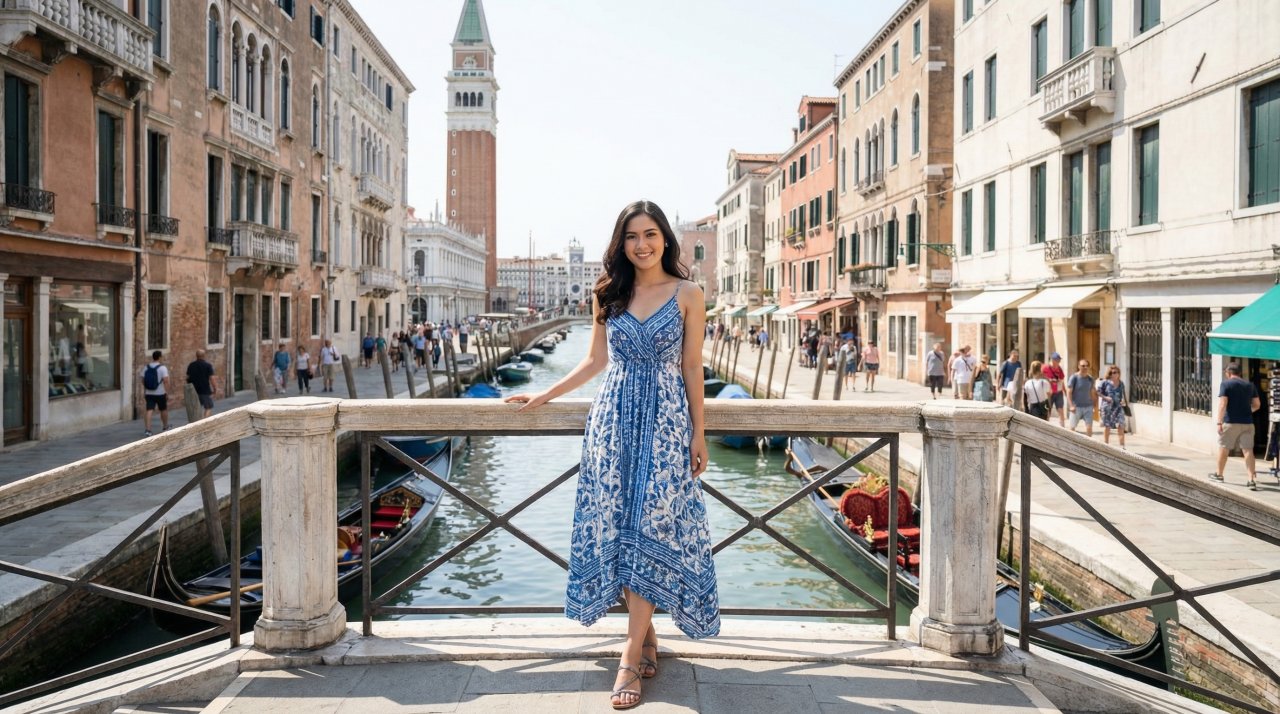
Book train tickets in advance through Trenitalia or Italo websites for 30-50% savings compared to same-day purchases.
Venice’s transportation planning requires understanding the difference between regional and high-speed trains, vaporetto routes for island destinations, and advance booking strategies for popular routes.
Proper planning saves money and ensures smooth day trip experiences.
Italian Rail System and Trenitalia Booking
Trenitalia operates Italy’s national rail network, offering regional (Regionale), intercity (Intercity), and high-speed (Frecciarossa, Frecciargento, Frecciabianca) services.
Regional trains don’t require reservations and allow flexible travel on any train the same day.
Tickets must be validated in yellow machines on platforms before boarding.
Failure to validate results in fines (€50+).
Regional fares remain fixed regardless of booking time: Venice to Verona costs €4-15, Venice to Padua €2-5, Venice to Bologna €10-25.
High-speed trains require advance seat reservations and specific train selection.
Fares vary dramatically based on booking time, with advance purchases (2-4 weeks) costing 40-60% less than same-day tickets.
Venice to Florence ranges from €12 (advance Economy) to €35+ (same-day or premium classes).
Venice to Bologna ranges from €10 (advance) to €30+ (same-day).
The Trenitalia website (trenitalia.com) and app (available in English) allow ticket purchases with credit cards.
E-tickets display on smartphones, eliminating paper ticket needs.
The app provides real-time train status updates and platform information.
Create an account for faster booking and to track past purchases.
Italo, a private high-speed operator, competes on major routes (Venice-Florence, Venice-Bologna, Venice-Rome) with similar pricing and service.
The Italo website (italotreno.it) and app function similarly to Trenitalia’s.
Compare prices between operators, as promotional fares vary.
Regional train passes (Regionale Pass) offer unlimited travel within specific regions for 1-5 days.
The Veneto pass costs approximately €30 for one day of unlimited regional train travel, worthwhile for visiting multiple cities (e.g., Padua, Verona, and Vicenza in one day).
The pass doesn’t cover high-speed trains or seat reservations.
Train strikes (scioperi) occur periodically in Italy, typically announced 5-10 days in advance.
Essential services operate during strikes, but schedules are reduced.
Check Trenitalia’s website for strike announcements before travel.
Strikes usually last 24 hours and affect specific time periods (e.g., 9 AM-5 PM).
Vaporetto Routes for Island Day Trips
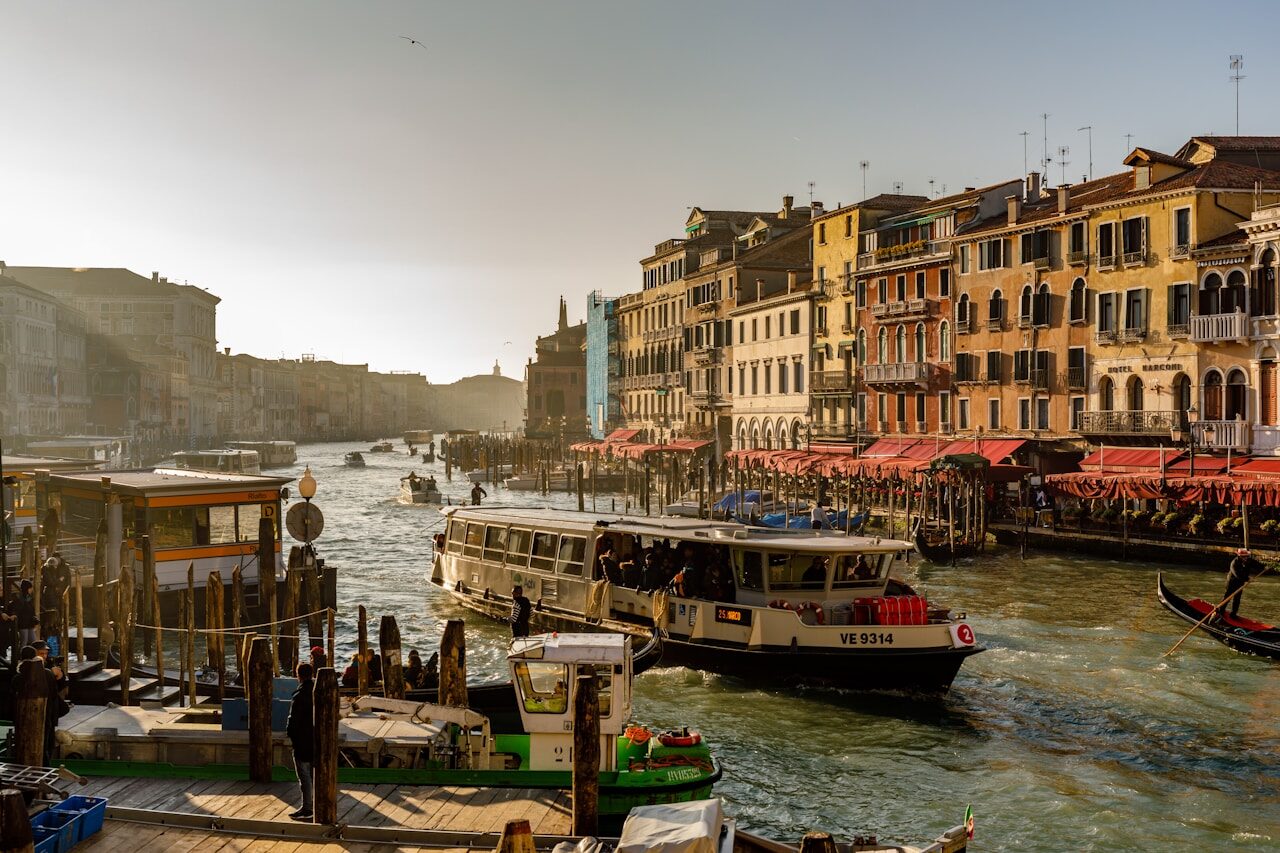
ACTV operates Venice’s vaporetto (water bus) system, including routes to lagoon islands.
Line 12 provides the primary island-hopping route: Fondamente Nove → Murano Faro (15 min) → Murano Museo (2 min) → Burano (30 min) → Torcello (5 min).
Boats depart every 30-60 minutes depending on time of day and season.
Summer service (June-September) runs more frequently than winter.
The complete circuit from Venice to Torcello takes approximately 50 minutes.
Lines 4.1 and 4.2 circle Venice’s perimeter, stopping at Murano Faro and Murano Museo.
These lines provide alternative routes to Murano from various Venice locations.
Line 3 connects Piazzale Roma and the train station to Murano via the Grand Canal.
These alternatives take longer but provide scenic routes through Venice.
Single vaporetto tickets (€9.50, 75 minutes validity) don’t provide sufficient time for island visits.
The ticket allows one journey with unlimited transfers within 75 minutes, but island visits require several hours.
The 24-hour pass (€25) offers the best value for island day trips, allowing unlimited travel on all ACTV vaporetto and bus lines.
The 48-hour (€35), 72-hour (€45), and 7-day (€65) passes offer additional value for extended stays.
Passes activate upon first validation, not purchase time.
Validate passes at yellow readers before boarding.
Keep passes for the entire validity period, as inspectors check tickets throughout journeys.
ACTV tickets are available at vaporetto stops, tobacco shops (tabacchi), and the ACTV Venezia Official app.
The app allows mobile ticket purchases and displays tickets on smartphones.
Tickets purchased through the app must be validated at readers before boarding.
Children under 6 travel free.
Youth (6-29) and seniors (60+) qualify for reduced fares with proper ID.
Venice residents receive significant discounts but tourists pay standard rates.
Vaporetto schedules vary by season.
Summer (June-September) offers the most frequent service.
Winter (November-March) has reduced schedules, particularly to outer islands.
Check ACTV’s website or app for current schedules.
Night service (after 11 PM) is limited, with some lines stopping entirely.
Organized Tours vs Independent Travel
Organized day tours from Venice provide transportation, guides, and structured itineraries, while independent travel offers flexibility and lower costs.
Organized tours to destinations like Verona, Florence, or the Dolomites typically cost €80-150 per person, including round-trip transportation, guide services, and sometimes admission fees.
Tours eliminate planning logistics and provide historical context through expert guides.
Multilingual guides accommodate international visitors.
Tour companies like Viator, GetYourGuide, and local operators offer various options.
Full-day tours typically depart 8-9 AM and return 6-7 PM.
Group sizes range from 8-50 people depending on the tour type.
Small group tours (8-15 people) cost more but provide more personalized experiences.
Independent travel costs significantly less: Venice to Verona by regional train (€4-15) plus attraction admissions (€10-20) totals €15-35 versus €80-100 for organized tours.
Venice to Florence by high-speed train (€12-35 advance booking) plus Uffizi admission (€20) totals €32-55 versus €120-150 for organized tours.
The savings increase for groups, as train tickets cost the same per person while tour prices remain fixed.
Tours follow fixed schedules with limited free time, while independent travel allows flexible timing and spontaneous exploration.
Tours typically allocate 1-2 hours per major site, which may feel rushed for some visitors.
Independent travelers can spend more time at preferred locations and skip others.
Language barriers rarely pose problems at major tourist sites, as ticket offices and information desks provide English service.
Train stations display information in Italian and English.
Translation apps bridge communication gaps at restaurants and smaller establishments.
Tours provide convenience for visitors uncomfortable with independent travel or those wanting expert commentary.
First-time visitors to Italy may prefer tours for initial orientation.
Experienced travelers typically find independent travel more rewarding and economical.
Some destinations, particularly the Dolomites, benefit from organized tours due to complex transportation logistics.
Tours to Cortina or the Tre Cime di Lavaredo eliminate multiple transfers and provide access to locations difficult to reach by public transportation.
What Are Budget-Friendly Day Trip Options From Venice?
Padua (€2-5 train fare), Murano/Burano (€25 day pass), and Treviso (€3-8 train fare) offer the most budget-friendly day trips from Venice.
Budget day trips prioritize nearby destinations with low transportation costs and free or inexpensive attractions.
Regional trains to Padua, Treviso, and Chioggia cost under €10 round-trip.
The vaporetto day pass (€25) provides unlimited island access, allowing visits to multiple islands for one fixed price.
Padua’s main attractions include the free Basilica of Saint Anthony, Prato della Valle square, and the university area.
The Scrovegni Chapel (€14) represents the main paid attraction, though the city offers substantial free exploration.
The botanical garden costs €10 but the surrounding university quarter is free to wander.
Treviso’s medieval center, canals, and city walls require no admission fees.
The city, 30 minutes from Venice by regional train (€3-8), offers an authentic Venetian atmosphere without tourist crowds.
The Piazza dei Signori, Palazzo dei Trecento, and canal-side streets provide free exploration.
The Duomo and San Nicolò church are free to enter.
Chioggia, a fishing port at the southern lagoon edge, is accessible by ACTV bus 11 from Piazzale Roma (€8, 1 hour) or by vaporetto and bus combination.
The town features canals, bridges, and a fish market without entrance fees.
Chioggia offers authentic lagoon life without Burano’s tourist crowds.
Picnic lunches from supermarkets or markets (€5-10) cost significantly less than restaurant meals (€15-30).
Conad, Coop, and Despar supermarkets are found in most Italian cities.
Markets sell fresh bread, cheese, prosciutto, and fruit for assembling meals.
Many cities have public parks or waterfront areas suitable for picnics.
Many cities offer free walking tour options (tip-based) providing historical context without fixed costs.
Free tours typically last 2-3 hours and cover major sights.
Guides work for tips, with €5-10 per person considered appropriate.
These tours provide orientation and historical information while allowing budget flexibility.
Free attractions near Venice include Sant’Erasmo and Vignole islands, accessible by vaporetto.
Sant’Erasmo, the lagoon’s garden island, produces vegetables for Venice’s markets.
The island offers cycling paths, beaches, and agricultural landscapes.
Vignole features vineyards and quiet paths.
Both islands see few tourists, providing authentic lagoon experiences.
For comprehensive budget strategies covering accommodation, dining, and activities, travel to Venice on a budget offers detailed money-saving tips for the entire Venice experience.
Water bottles can be refilled at public fountains throughout Italian cities, saving €2-3 per bottle.
Italian tap water is safe to drink.
Fountains marked “acqua non potabile” should be avoided, but most public fountains provide potable water.
Student discounts (under 26 or with valid student ID) apply to many museums and attractions, typically reducing admission by 30-50%.
Senior discounts (over 65) are also common.
Always ask about available discounts when purchasing tickets.
When Is the Best Time for Day Trips From Venice?
Spring (April-May) and fall (September-October) offer the best conditions for day trips from Venice, with mild weather and fewer crowds.
Seasonal considerations affect day trip experiences through weather, crowd levels, and attraction availability.
Summer (June-August) brings peak tourism, higher prices, and intense heat.
Winter (November-March) offers low prices but cold, damp weather and reduced attraction hours.
Spring temperatures range from 15-22°C (59-72°F), ideal for walking and outdoor exploration.
Vineyards and countryside destinations display fresh greenery and blooming flowers.
Easter week (March-April) brings increased crowds to major cities like Verona and Florence.
Book accommodations and train tickets well in advance for Easter weekend.
Fall provides similar temperatures (14-21°C / 57-70°F) with autumn colors in mountain and countryside destinations.
September remains busy with tourists, while October sees declining crowds.
Harvest season (September-October) enhances wine country visits to Prosecco regions and Lake Garda vineyards.
For comprehensive seasonal planning including weather patterns, festivals, and crowd levels throughout the year, the best time to visit Venice provides detailed month-by-month analysis for planning your entire Venice trip.
Summer day trips require early departures to avoid midday heat.
Temperatures reach 28-35°C (82-95°F) in July-August, making afternoon exploration uncomfortable.
Many Italians vacation in August (Ferragosto, August 15, is a major holiday), creating crowded conditions at popular destinations.
Air-conditioned trains provide relief, but outdoor attractions become uncomfortable during afternoon hours (1-4 PM).
Coastal destinations like Lake Garda and the Adriatic beaches are most appealing in summer, when swimming is possible.
Mountain destinations provide cooler temperatures than Venice during summer heat.
The Dolomites offer hiking and alpine scenery without oppressive heat.
Winter day trips work best for museum-focused destinations like Padua (Scrovegni Chapel) or Florence (Uffizi, Accademia).
Shorter daylight hours (sunset around 4:30-5 PM in December-January) limit exploration time.
Mountain destinations may be inaccessible due to snow, though ski resorts operate December-March.
Cortina d’Ampezzo transforms into a winter sports destination.
Rain occurs throughout the year in northern Italy, with November being the wettest month.
Pack a compact umbrella or rain jacket regardless of season.
Venice’s acqua alta (high water) typically occurs October-January, though it doesn’t significantly affect day trips to other destinations.
Holiday periods (Christmas-New Year, Easter, Italian Liberation Day April 25, Republic Day June 2, Ferragosto August 15) bring increased domestic tourism and reduced train availability.
Book tickets well in advance for these periods.
Some shops and restaurants close during August as owners take vacation.
Shoulder seasons (April-May, September-October) provide the best balance of weather, crowds, and prices.
Attractions maintain full hours, transportation runs on regular schedules, and accommodation prices are moderate.
These periods offer optimal day trip conditions.
Frequently Asked Questions (FAQs)
How far in advance should I book day trip train tickets from Venice?
Book high-speed train tickets 2-4 weeks in advance for the best prices, saving 40-60% compared to same-day purchases.
Regional trains don’t require advance booking, as fares remain fixed regardless of purchase time.
During peak season (June-September), book high-speed trains to Florence or Bologna at least 2 weeks ahead to ensure seat availability.
Last-minute bookings often cost €30-40 for routes that cost €12-15 with advance purchase.
The Trenitalia and Italo websites release tickets approximately 4 months in advance. Super Economy fares offer the lowest prices but are non-refundable and non-changeable.
Can I visit multiple cities in one day trip from Venice?
Visiting multiple cities in one day trip is feasible only for nearby destinations.
Padua and Verona can be combined (30 minutes apart by train), allowing 2-3 hours in each city with an early start (7 AM departure) and late return (9-10 PM).
The three lagoon islands (Murano, Burano, Torcello) work well together using vaporetto Line 12, with 1-2 hours on each island.
Attempting distant combinations like Florence and Bologna creates excessive travel time (4-5 hours total) with insufficient exploration time in either city.
Focus on one major destination or 2-3 nearby locations rather than overambitious itineraries.
Are day trips from Venice suitable for families with young children?
Padua, Murano, and Burano work well for families with young children due to short travel times (25-45 minutes) and manageable walking distances.
Verona offers family-friendly attractions like Juliet’s House, gelato shops, and the Arena.
The lagoon islands provide boat rides that children enjoy.
Longer trips to Florence (2-2.5 hours each way) or the Dolomites (3+ hours) challenge young children’s patience and attention spans.
Bring snacks, entertainment (tablets, books, games), and plan for shorter exploration times with children.
Vaporetto rides to islands often excite children more than train journeys. Consider children’s nap schedules and meal times when planning departure and return times.
Do I need to speak Italian for day trips from Venice?
Basic English works at major tourist destinations, train stations, and ticket offices.
Learning simple Italian phrases (greetings, numbers, “please” and “thank you”) enhances interactions but isn’t essential for successful day trips.
Train station signs display information in Italian and English.
Trenitalia and ACTV websites offer English versions. Smaller towns and local restaurants may have limited English, but pointing, gestures, and translation apps (Google Translate, DeepL) bridge communication gaps effectively.
Italians generally appreciate attempts to speak Italian, even if imperfect. Key phrases: “Buongiorno” (good morning), “Grazie” (thank you), “Per favore” (please), “Quanto costa?” (how much?), “Dov’è…?” (where is…?).
What should I pack for a day trip from Venice?
Pack comfortable walking shoes, as day trips involve 5-10 kilometers of walking on cobblestone streets and uneven surfaces.
Bring a refillable water bottle (Italian tap water is safe), sunscreen (SPF 30+), and a hat for summer trips.
A light jacket works for spring and fall, as morning and evening temperatures drop 5-10°C from midday highs.
Carry a small backpack for purchases, layers, and personal items. Include phone chargers or power banks, as navigation apps and e-tickets drain batteries quickly.
Bring cash (€20-40) for small purchases, though credit cards work at most establishments.
Don’t overpack – you’ll be carrying everything all day.
A compact umbrella fits easily in bags for unexpected rain. Modest clothing (covered shoulders and knees) is required for churches.