Best Free Things to Do in Venice, Italy: Complete 2026 Guide



Free Things to Do in Venice: Complete Guide to Budget Travel – Comprehensive guide to experiencing Venice without spending money, featuring 50+ free attractions, activities, and experiences including iconic landmarks, hidden churches, scenic walks, and cultural events.
Venice ranks among Europe’s most expensive cities, with high costs for accommodation, dining, and attractions.
However, the city offers numerous free experiences that allow budget-conscious travelers to enjoy Venice’s extraordinary beauty, rich history, and unique culture without spending money.
From world-famous landmarks to hidden neighborhood gems, free churches filled with masterpiece art to scenic canal walks, Venice rewards visitors who know where to look.
This comprehensive guide covers over 50 free things to do in Venice, proving that experiencing this remarkable city doesn’t require a large budget.
Key Takeaways
Hide- St. Mark's Square, Rialto Bridge, and Bridge of Sighs are completely free to visit and photograph from the exterior
- Many Venice churches offer free entry including Santa Maria della Salute, San Zaccaria, and Madonna dell'Orto with world-class art
- Walking the Grand Canal waterfront and exploring canal-side neighborhoods costs nothing and provides authentic Venice experiences
- Public gardens like Giardini della Biennale and Parco delle Rimembranze offer free green spaces with lagoon views
- Traghetto gondola ferries cost only €2 for authentic gondola crossings of the Grand Canal
- Venice's 400+ bridges and narrow alleys create endless free photography opportunities, especially at sunrise and sunset
- Free cultural events include street performances, local festivals, and community markets throughout the year
Iconic Landmarks and Squares
Venice’s most famous landmarks remain accessible to all visitors regardless of budget.
While interior access to some buildings requires paid tickets, the exteriors, squares, and surrounding areas provide free experiences that capture Venice’s essence.
Reserve Your Venice Tours & Activities
Most popular Venice tours sold out quickly, so grab your tickets early to save your spot! Feel free to browse through our skip-the-line passes, guided tours, and special experiences to find the perfect fit for your Venice trip.
 Trip.com
 Booking.com
 Expedia
 Traveloka
 GetYourGuide
 Klook
Klook WeGoTrip
 Go City
St. Mark’s Square (Piazza San Marco)
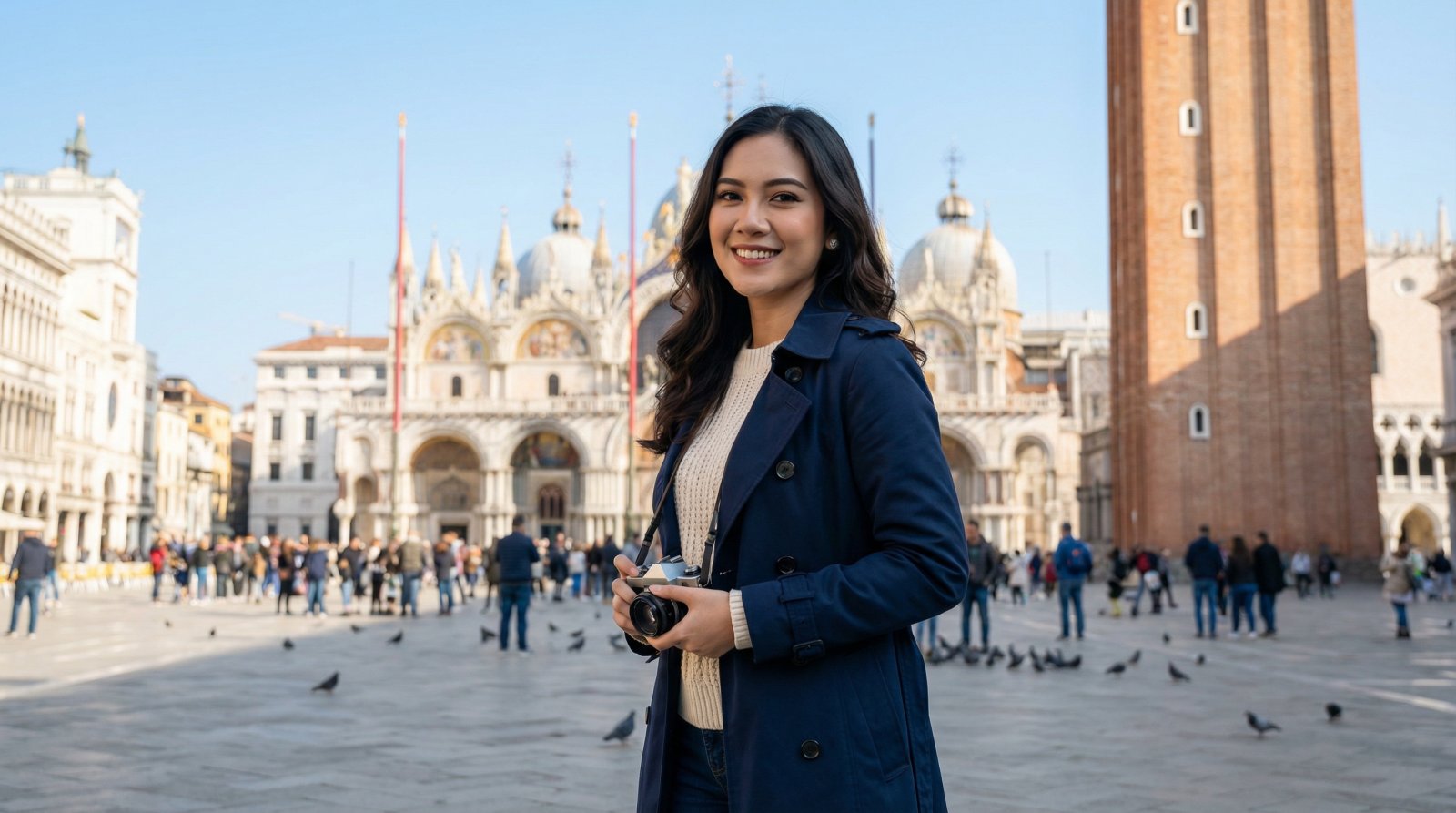
St. Mark’s Square serves as Venice’s main public square and social center, offering free access 24 hours daily.
This vast open space, measuring approximately 590 feet (180 meters) long and 230 feet (70 meters) wide, provides unobstructed views of some of Venice’s most important buildings including St. Mark’s Basilica, the Doge’s Palace, and the Campanile bell tower.
The square’s architectural grandeur creates an outdoor museum experience without entry fees. The Byzantine-Gothic facade of St. Mark’s Basilica, covered in golden mosaics and intricate carvings, can be admired from the square. The Doge’s Palace’s pink-and-white Gothic exterior features delicate arcades and ornate details visible from multiple angles around the square.
Early morning visits (before 8 AM) provide the best experience, with fewer crowds and softer light for photography. The square fills with tourists by mid-morning, particularly during peak season (June-August).
Evening visits after 7 PM offer another quieter period, with beautiful lighting as the sun sets and building lights illuminate.
The square hosts free cultural events throughout the year, including occasional concerts, festivals, and ceremonies. Check local event calendars for specific dates.
The Caffè Florian and other historic cafes surrounding the square charge premium prices for table service, but standing at the bar reduces costs significantly if you want to experience these historic establishments.
Rialto Bridge
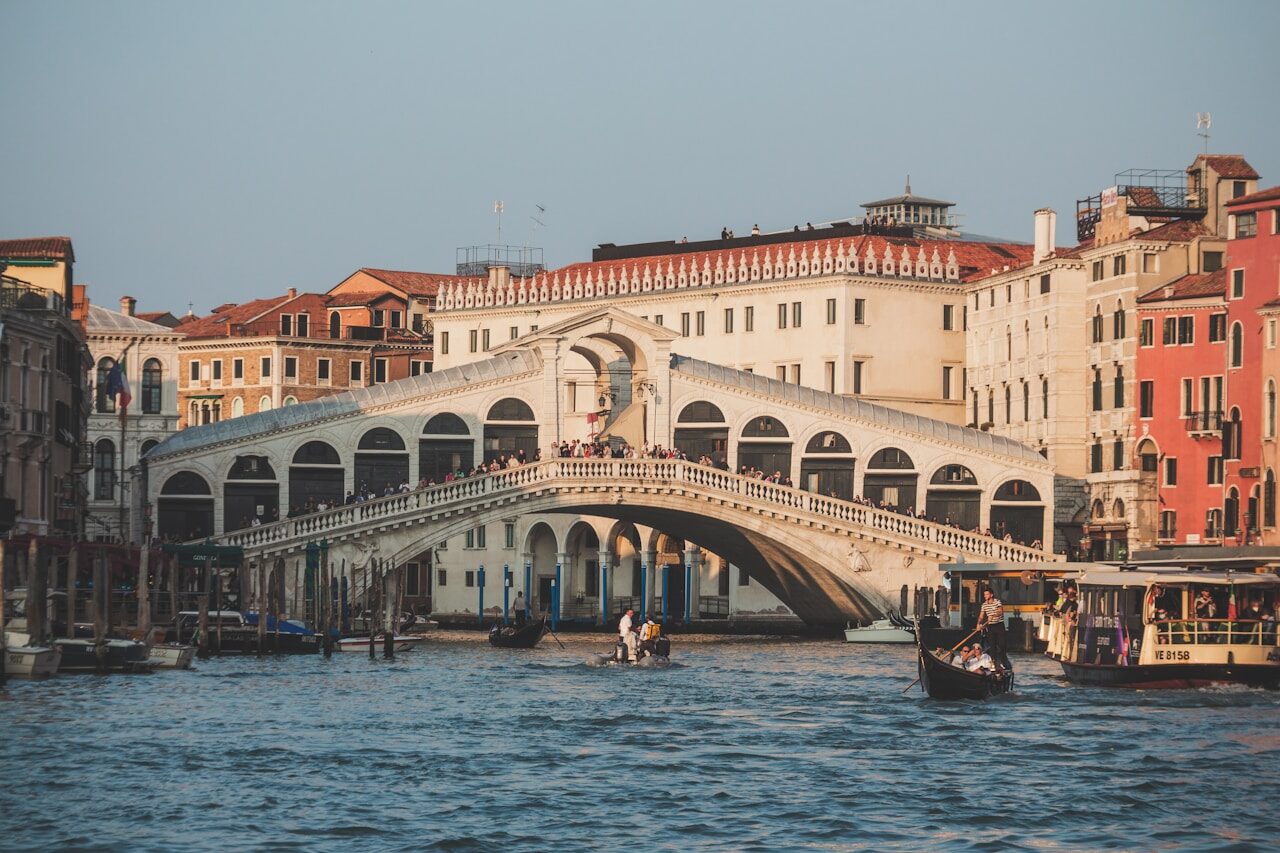
The Rialto Bridge, Venice’s oldest and most famous Grand Canal crossing, provides free access for pedestrians 24 hours daily.
This iconic white stone bridge, completed in 1591, rises 24 feet (7.3 meters) above the Grand Canal with a single stone arch spanning 92 feet (28 meters).
The bridge’s central portico and side walkways offer panoramic Grand Canal views in both directions.
The bridge area bustles with activity throughout the day, with gondolas, vaporetti, and private boats passing beneath while pedestrians cross above.
The Rialto Market operates nearby (Tuesday-Saturday mornings), adding to the area’s authentic Venetian atmosphere.
Market vendors sell fresh produce, seafood, and local products, providing free cultural observation opportunities.
Photography from the bridge works best early morning (6-8 AM) or late evening (after 7 PM) when crowds thin and lighting improves.
The bridge becomes extremely crowded midday during peak season, making photography and enjoyment difficult.
Alternative viewpoints from the Grand Canal waterfront on either side of the bridge provide excellent perspectives without bridge crowds.
Bridge of Sighs (Ponte dei Sospiri)
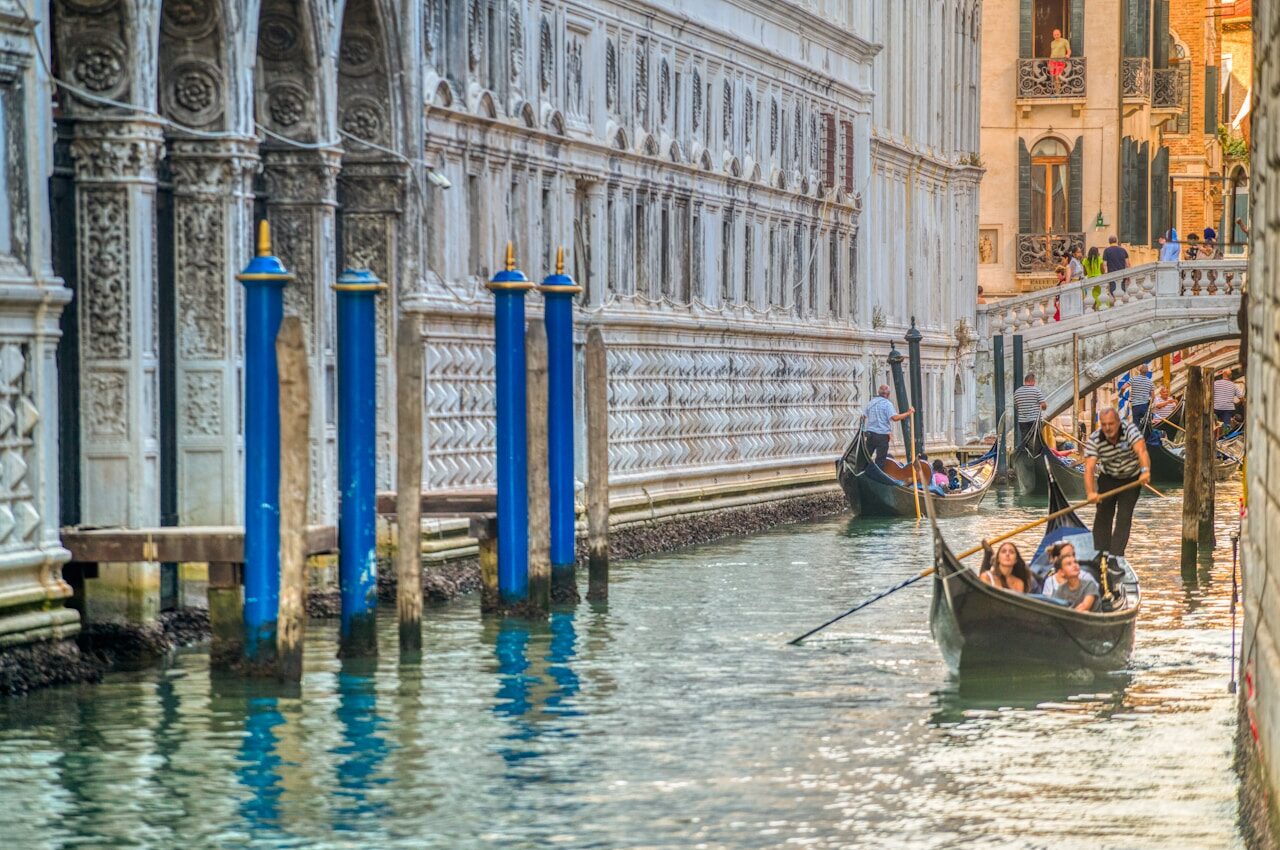
The Bridge of Sighs, connecting the Doge’s Palace to the historic prisons, can be viewed and photographed for free from two locations: the Ponte della Paglia (Straw Bridge) near St. Mark’s Square and from the waterfront Riva degli Schiavoni.
This enclosed limestone bridge, built in 1600, features ornate Baroque styling with two small windows facing the lagoon.
The bridge’s romantic legend suggests that prisoners sighed as they crossed, catching their last view of Venice before imprisonment.
This story, though historically questionable, adds to the bridge’s appeal.
The best free viewing point is Ponte della Paglia, which provides straight-on views of the Bridge of Sighs with the lagoon in the background.
Early morning or late evening visits avoid the worst crowds that gather at this popular photo spot.
The bridge area becomes packed with tour groups and selfie-takers during midday hours.
Sunset provides particularly beautiful lighting, with golden hour illuminating the white limestone.
Campo Santa Margherita

Campo Santa Margherita in the Dorsoduro district offers an authentic Venetian square experience away from major tourist crowds.
This large, irregularly shaped campo serves as a neighborhood gathering place, with local residents, university students, and visitors mixing freely.
The square contains no major monuments or paid attractions, making it entirely free to experience.
The campo features several cafes and bars with outdoor seating, though sitting at tables requires purchases.
Standing at bars or bringing your own refreshments allows enjoying the square’s atmosphere without spending money.
The square hosts a small daily market (mornings) selling produce, fish, and household goods, providing free cultural observation.
Evening hours (after 6 PM) bring the square to life, with locals gathering for aperitivo (pre-dinner drinks) and socializing.
This represents one of Venice’s best free people-watching locations, offering glimpses of authentic Venetian daily life.
The square’s casual, unpretentious atmosphere contrasts sharply with tourist-heavy areas like St. Mark’s Square.
For more information about Venice’s top attractions and how to plan your visit, see our comprehensive guide on the best things to do in Venice.
Canal Walks and Waterfront Promenades
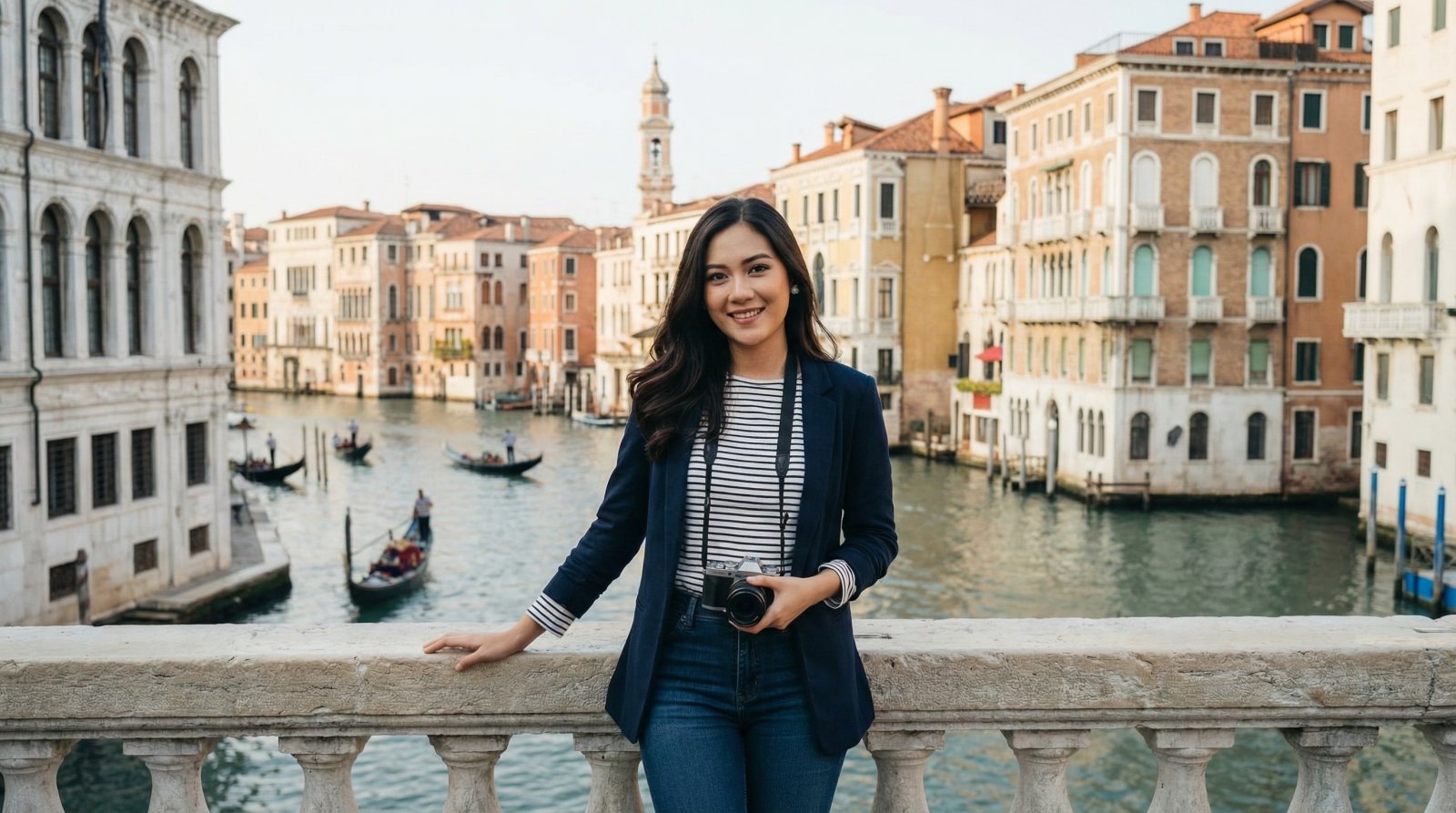
Walking along Venice’s canals and waterfronts provides free access to the city’s most distinctive feature—its relationship with water.
These routes offer constantly changing views, architectural appreciation, and authentic neighborhood experiences.
Grand Canal Waterfront Walking
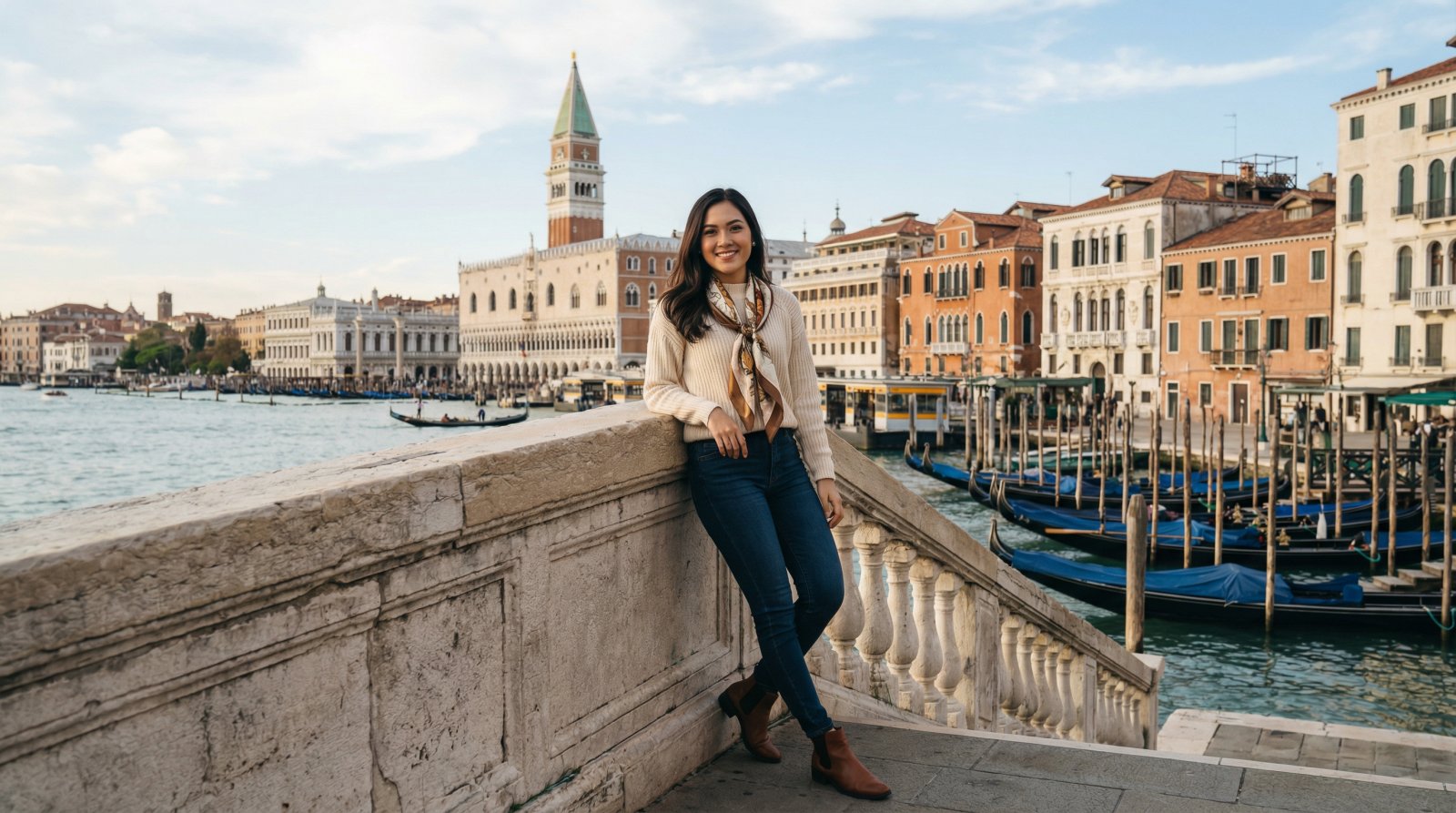
The Grand Canal, Venice’s main waterway, can be experienced for free by walking along its banks rather than riding vaporetti. Several waterfront promenades (fondamenta) run alongside portions of the Grand Canal, providing excellent views of the palazzos, boats, and daily Venetian life.
The Fondamenta delle Zattere in Dorsoduro offers the longest continuous Grand Canal waterfront walk, stretching approximately 0.6 miles (1 kilometer) along the southern edge. This wide, sunny promenade provides unobstructed lagoon views, with the Giudecca island visible across the water.
Benches along the route allow resting while watching boat traffic.
The Riva del Vin near Rialto Bridge provides another excellent Grand Canal viewing point, with outdoor seating areas (free if you don’t occupy cafe tables) and close-up views of gondolas and water taxis navigating the busy waterway. This area captures the Grand Canal’s commercial energy, with constant boat traffic and market activity nearby.
Walking the Grand Canal’s full length requires crossing multiple bridges and navigating through neighborhoods, as no continuous waterfront path exists. However, combining several fondamenta sections with bridge crossings creates a comprehensive Grand Canal walking tour taking 2-3 hours.
This free alternative to vaporetto rides provides more intimate canal views and opportunities to explore adjacent neighborhoods.
Castello District Canal Walks
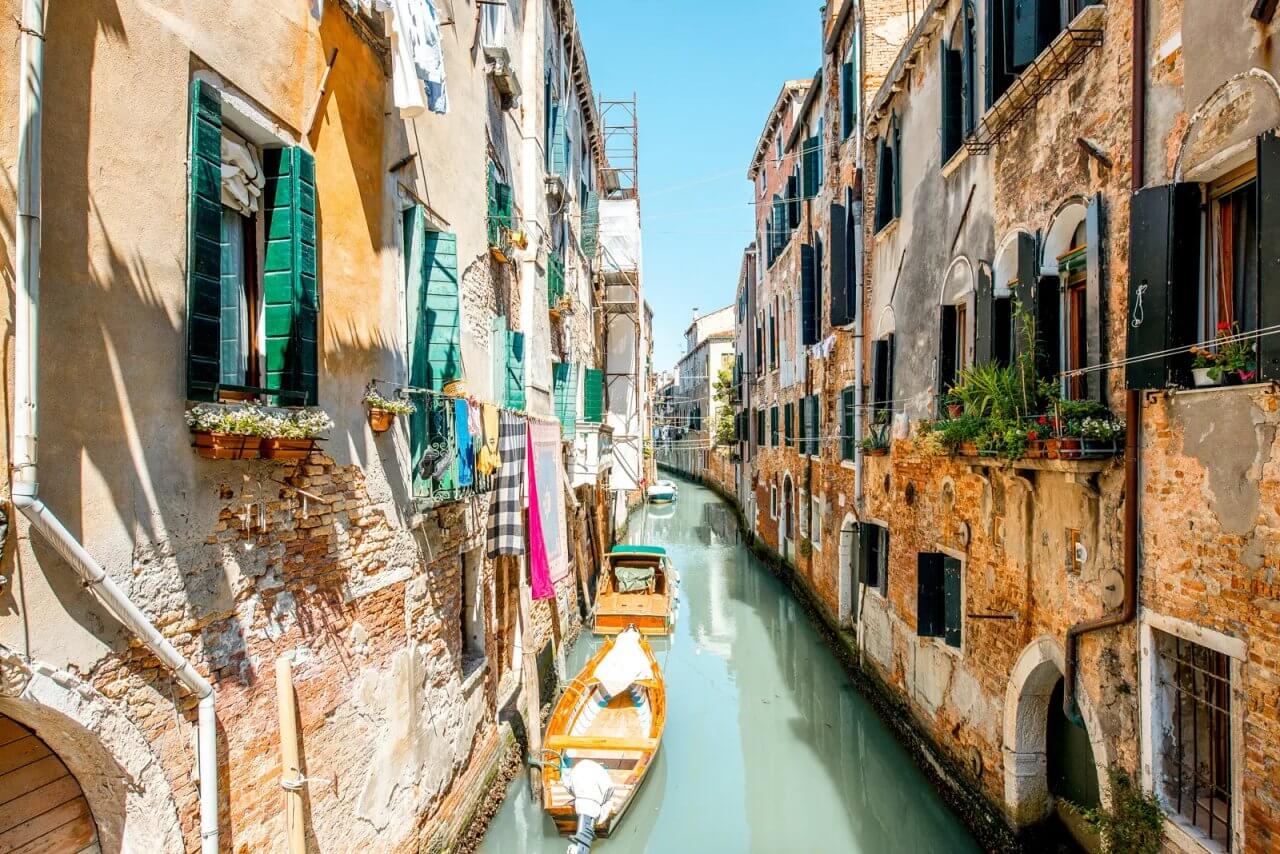
The Castello district, Venice’s largest sestiere, contains numerous quiet canal-side paths away from major tourist routes.
These fondamenta provide authentic neighborhood experiences, with local residents going about daily activities, children playing, and laundry hanging from windows—scenes increasingly rare in tourist-heavy areas.
The Fondamenta Sant’Anna and Fondamenta Nuove on Castello’s northern edge offer particularly scenic walks with lagoon views toward the cemetery island of San Michele and Murano beyond.
These wide promenades see relatively few tourists, creating peaceful walking conditions even during peak season.
The area around the Arsenale, Venice’s historic shipyard, features interesting industrial architecture and waterfront paths.
While the Arsenale itself requires paid entry during the Venice Biennale, the surrounding streets and canals can be explored freely.
The nearby Via Garibaldi, one of Venice’s few straight, wide streets, provides a different urban experience with local shops and cafes.
Dorsoduro Waterfront
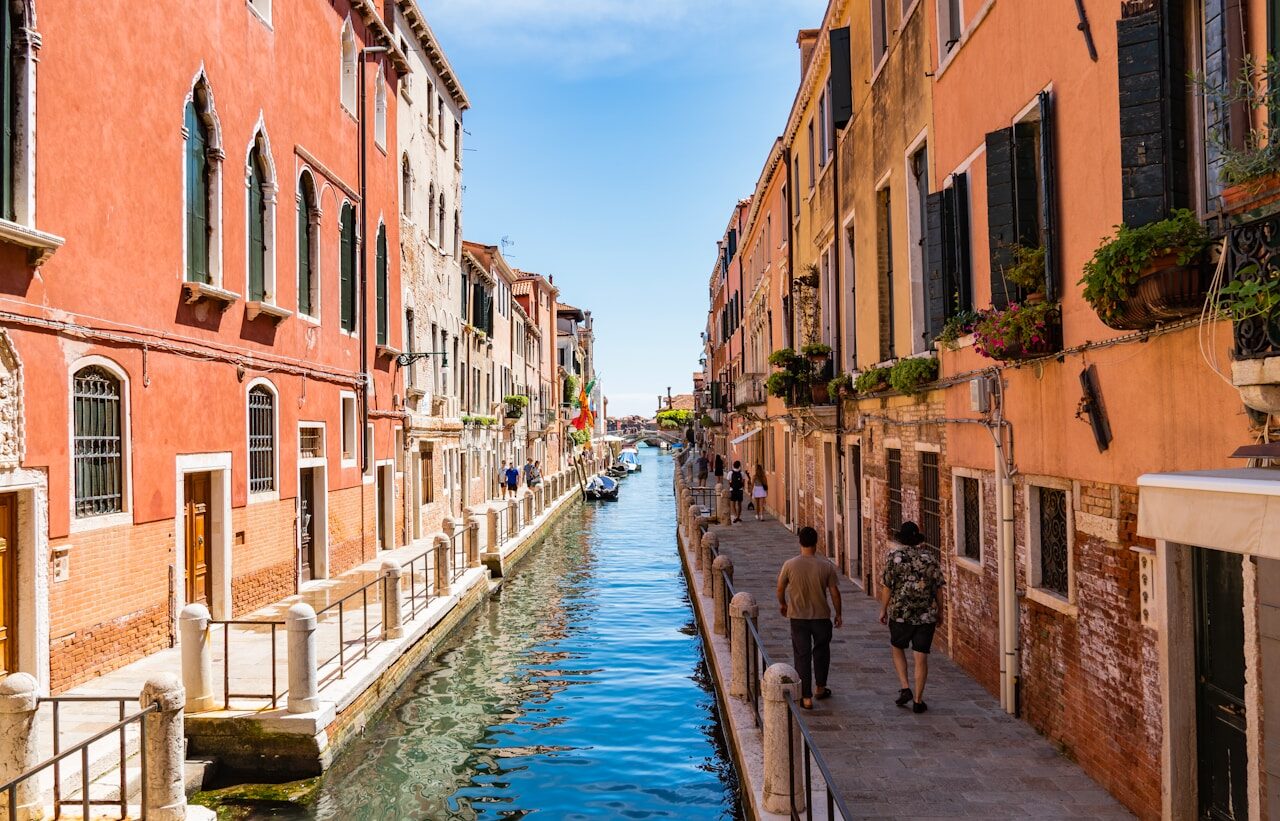
The Dorsoduro district’s southern waterfront, facing the Giudecca Canal, offers some of Venice’s most pleasant free walking routes.
The Zattere promenade stretches approximately 0.9 miles (1.5 kilometers) from Punta della Dogana to the western edge of the district, providing continuous waterfront access with minimal interruptions.
This sunny, south-facing promenade attracts locals and visitors for passeggiata (evening strolls), jogging, and simply sitting on the wide fondamenta watching boats pass.
The views across to Giudecca island and the Church of the Redentore create picturesque scenes, particularly at sunset when golden light illuminates the water and buildings.
The Punta della Dogana area at Dorsoduro’s eastern tip provides panoramic views where the Grand Canal meets the Giudecca Canal and opens to the lagoon.
This triangular point offers 270-degree water views, with St. Mark’s Basin, San Giorgio Maggiore island, and the Giudecca Canal all visible.
The contemporary art museum in the former customs house requires paid entry, but the outdoor areas and views remain free.
Cannaregio Canal Paths
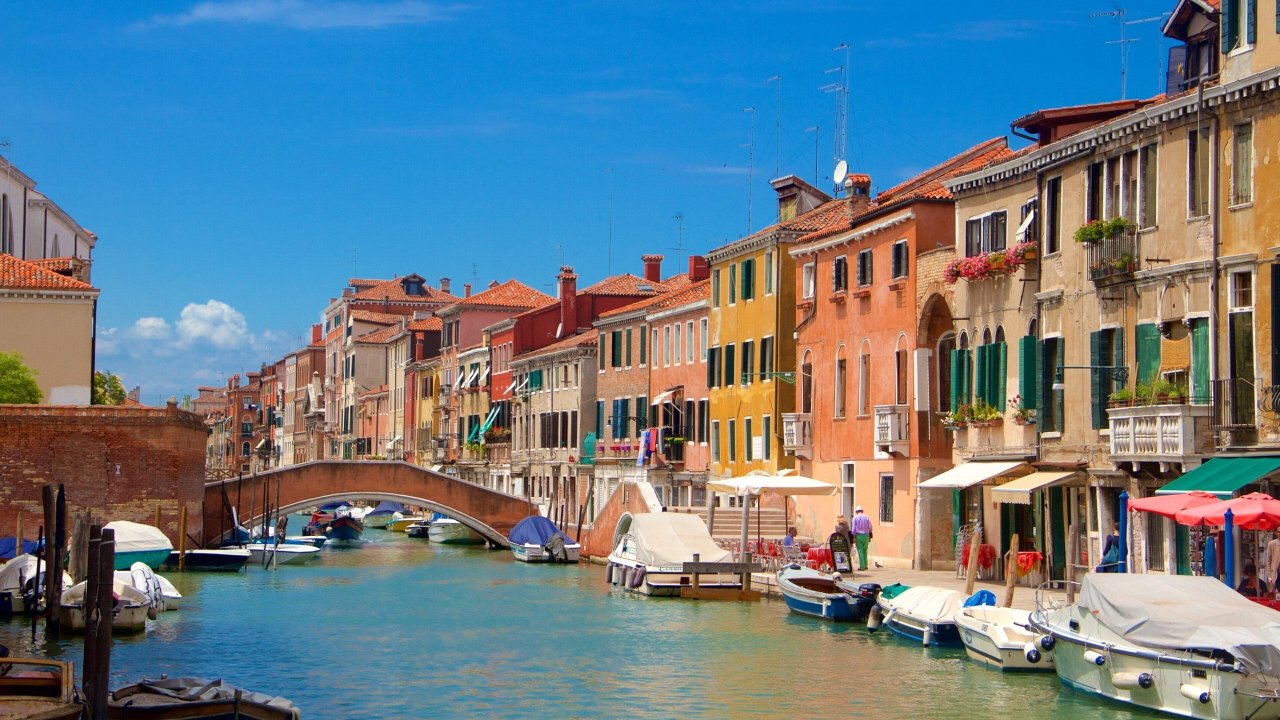
The Cannaregio district contains the Cannaregio Canal, Venice’s second-widest waterway after the Grand Canal.
Walking along the Fondamenta della Misericordia and Fondamenta degli Ormesini provides a local neighborhood experience with bars, restaurants, and shops catering primarily to Venetians rather than tourists.
This area, particularly lively in evenings, represents one of Venice’s most authentic remaining neighborhoods. The canal-side bars and eateries create a social atmosphere, though sitting at tables requires purchases.
Walking the fondamenta and observing the scene costs nothing and provides valuable cultural immersion.
The Jewish Ghetto area in Cannaregio offers historic significance and architectural interest. The ghetto’s tall buildings, built upward due to space constraints when Jews were confined to this area (1516-1797), create a distinctive urban landscape.
The main squares and streets can be explored freely, though museum entry requires tickets.
Free Churches and Religious Sites
Venice contains over 100 churches, many offering free entry with world-class art, architecture, and cultural significance.
These churches provide air-conditioned respite from summer heat, quiet contemplation spaces, and access to masterpiece paintings and sculptures without admission fees.
Santa Maria della Salute
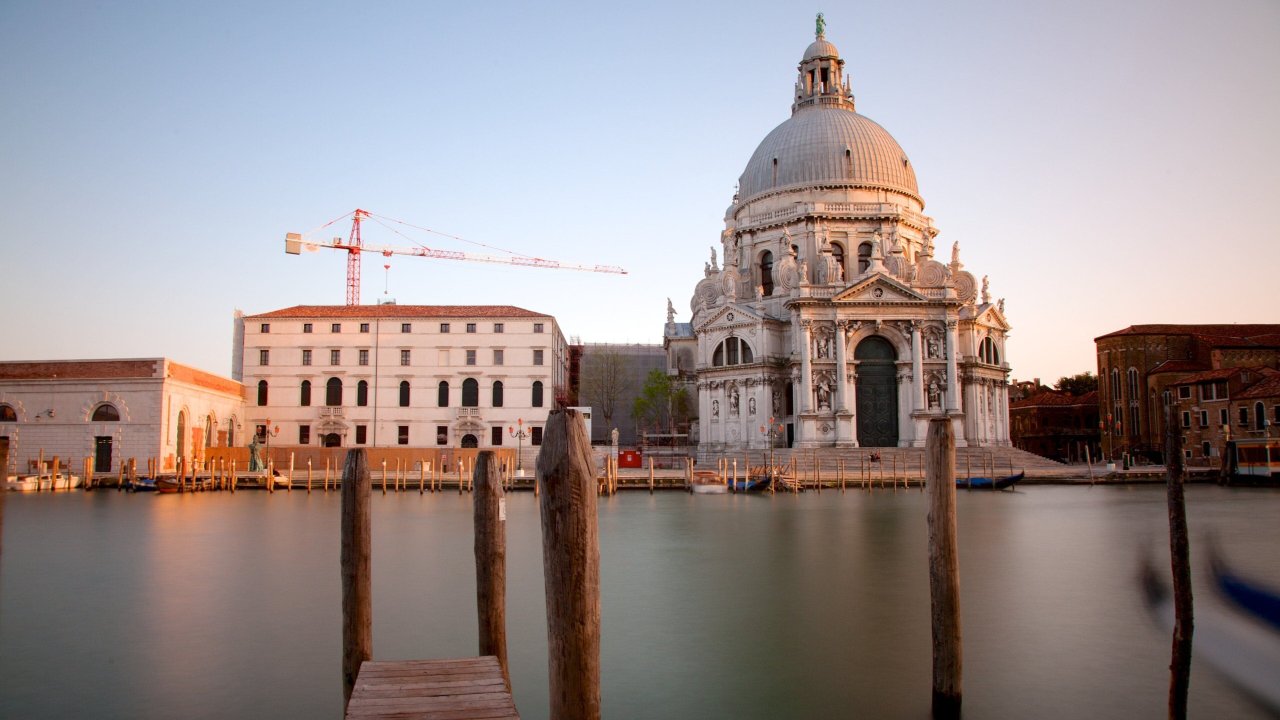
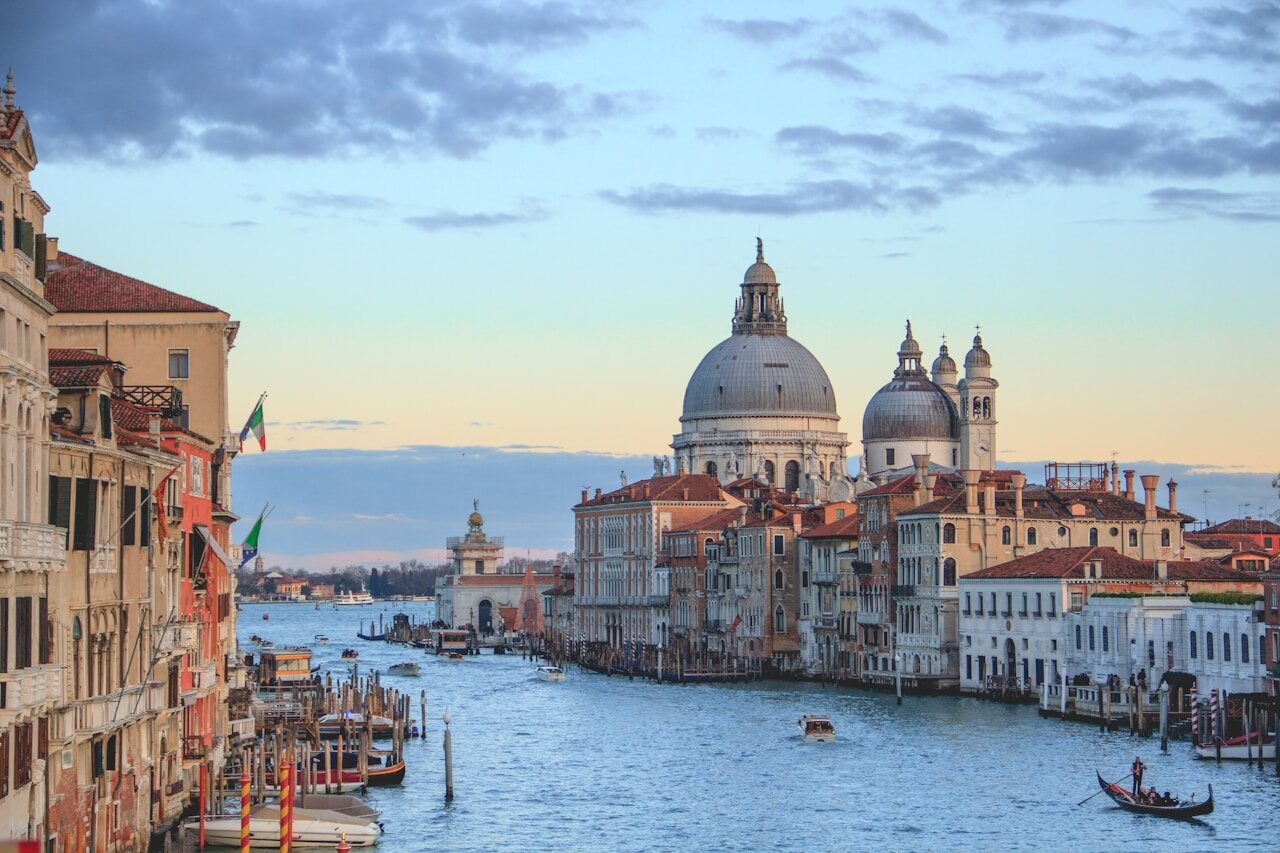
The Basilica di Santa Maria della Salute, one of Venice’s most photographed churches, offers free entry to the main nave.
This massive Baroque church, completed in 1687, dominates the entrance to the Grand Canal with its distinctive white dome visible throughout Venice.
The church was built to thank the Virgin Mary for delivering Venice from a devastating plague that killed one-third of the population.
The interior features a circular design with an octagonal floor plan, creating an unusual spatial experience.
The main altar and several side chapels contain important artworks, though the sacristy (containing additional Titian paintings) requires a small admission fee.
The free main church provides sufficient artistic and architectural interest for most visitors.
The church’s location at Punta della Dogana makes it easily accessible via vaporetto (Salute stop) or on foot from St. Mark’s Square (15-20 minute walk).
The exterior steps provide excellent Grand Canal views and popular photo opportunities. Visit early morning or late afternoon to avoid tour groups that crowd the interior during midday hours.
San Zaccaria Church
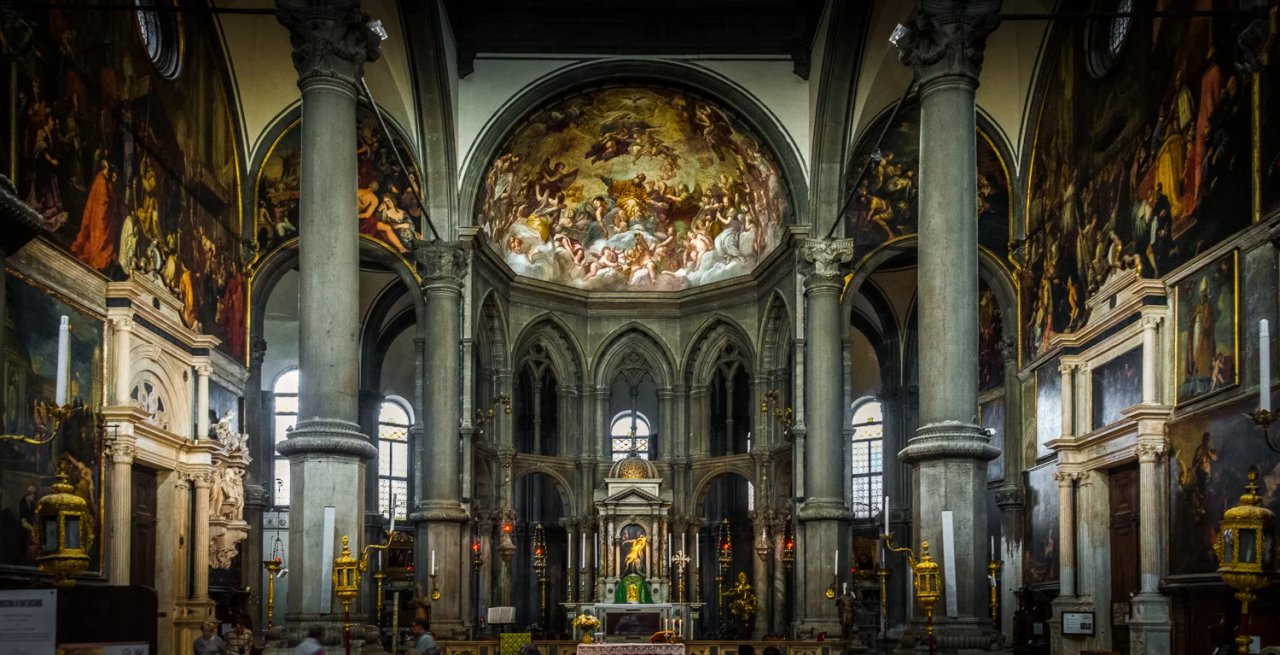
San Zaccaria, located just behind St. Mark’s Square, offers free entry to a church containing significant Renaissance art.
The church’s facade combines Gothic and Renaissance elements, while the interior houses Giovanni Bellini’s masterpiece altarpiece “Madonna and Child with Saints” (1505), considered one of Venice’s finest paintings.
The church’s flooded crypt, visible through grates in the floor, provides an unusual feature showing Venice’s relationship with water.
The crypt floods during high tides (acqua alta), with water covering the floor and creating eerie reflections.
This natural phenomenon can be observed for free, though the crypt itself requires paid entry for closer access.
The church maintains quiet, contemplative atmosphere despite its proximity to St. Mark’s Square.
Few tourists venture inside, making it an excellent escape from nearby crowds. The church opens daily with free admission to the main nave, though opening hours vary seasonally.
Madonna dell’Orto
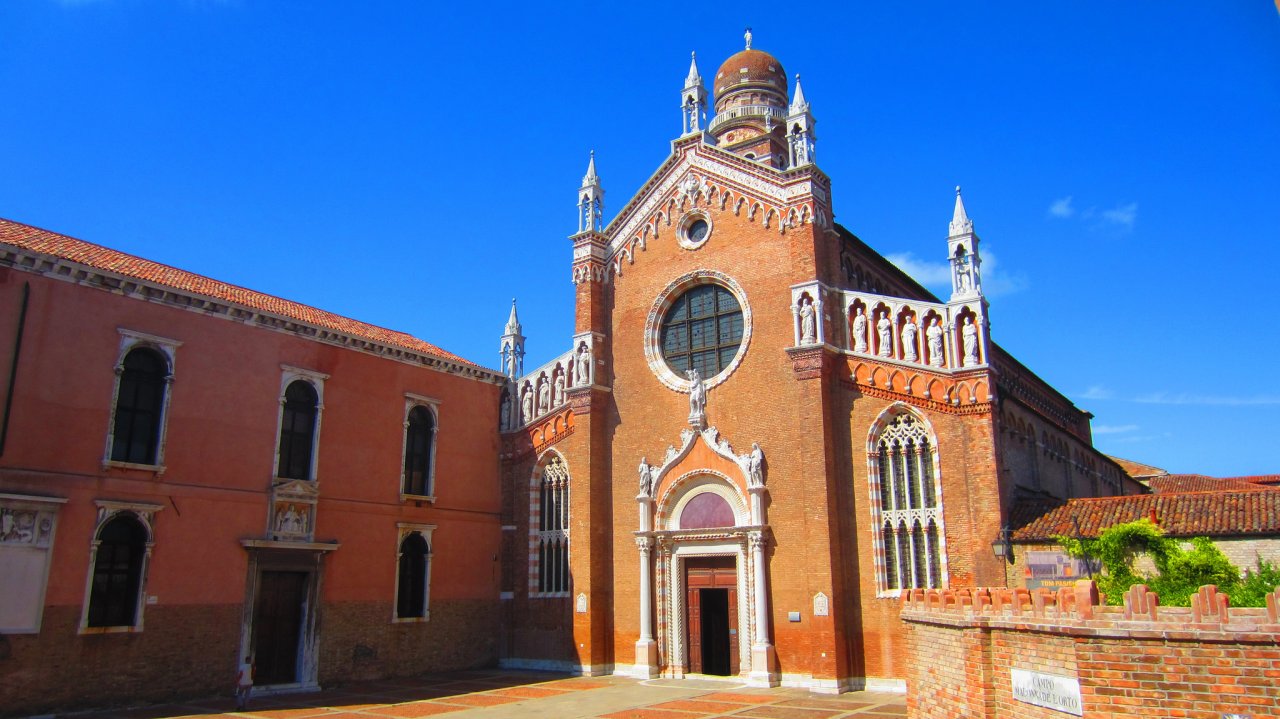
Madonna dell’Orto in the Cannaregio district contains some of Tintoretto’s most important works, with free church entry allowing access to these masterpieces.
Tintoretto served as the church’s parish artist and is buried here, making it a pilgrimage site for art enthusiasts.
The church contains ten Tintoretto paintings, including massive canvases covering entire walls.
The church’s Gothic brick facade and peaceful campo create an authentic neighborhood atmosphere far from tourist crowds.
The surrounding Cannaregio area offers excellent walking routes along quiet canals, making Madonna dell’Orto part of a larger free exploration of this district.
The church requests voluntary donations (€3 suggested) to support maintenance, though entry remains free.
This honor system allows budget travelers to visit while contributing what they can afford.
The church opens daily with varying hours, so check before visiting to avoid finding it closed.
San Giorgio Maggiore
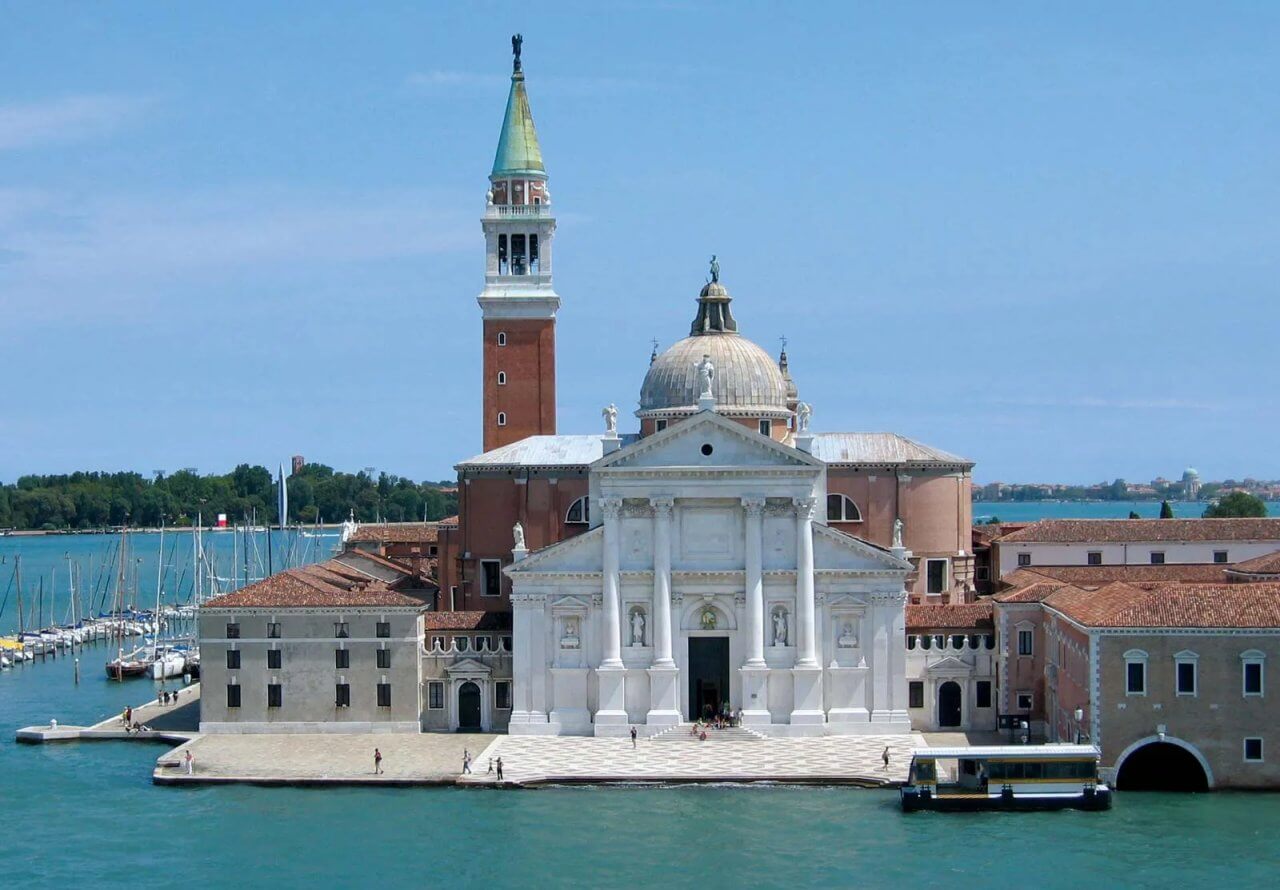
The Church of San Giorgio Maggiore, located on its own island facing St. Mark’s Basin, offers free entry to the main church.
This Palladian masterpiece, designed by Andrea Palladio and completed in 1610, represents one of Venice’s finest Renaissance churches.
The white Istrian stone facade gleams across the water, creating one of Venice’s most recognizable views.
The church interior features Tintoretto paintings including “The Last Supper” and “The Gathering of Manna,” both large-scale works demonstrating the artist’s dramatic style.
The church’s classical proportions and harmonious design exemplify Palladian architecture at its finest.
Reaching San Giorgio Maggiore requires a vaporetto ride (Line 2 to San Giorgio stop), which costs the standard fare unless you have a multi-day pass.
However, the church entry itself is free.
The bell tower (campanile) requires a paid ticket but offers spectacular 360-degree views of Venice and the lagoon.
The free church visit provides sufficient reason to make the short boat trip to this peaceful island.
Public Gardens and Green Spaces
Venice’s limited green spaces make its public gardens particularly valuable for visitors seeking respite from stone streets and canal-side walking.
These gardens offer free entry, shaded paths, and peaceful atmospheres.
Giardini della Biennale
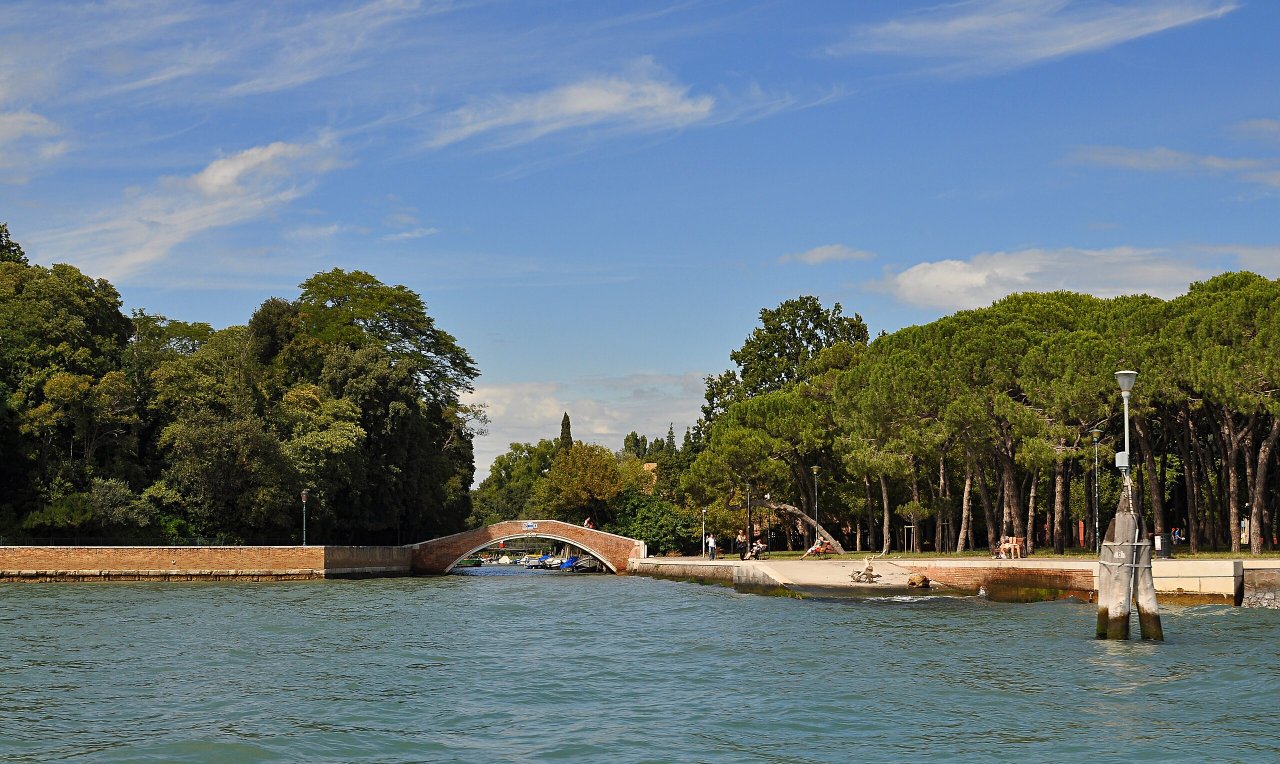
The Giardini della Biennale (Biennale Gardens) in the Castello district provides Venice’s largest public park, covering approximately 75 acres (30 hectares).
These gardens, created by Napoleon in 1807 by filling in canals and demolishing buildings, now contain mature trees, walking paths, and permanent pavilions from the Venice Biennale art exhibition.
The gardens remain open year-round with free entry, though the pavilions themselves open only during Biennale exhibitions (requiring paid tickets).
Between exhibitions, the gardens function as a peaceful park where locals walk dogs, children play, and visitors rest on benches under shade trees.
The gardens provide welcome green space in a city dominated by stone and water.
The gardens’ eastern location in Castello means fewer tourists venture here compared to central Venice.
The walk from St. Mark’s Square takes approximately 20 minutes, passing through interesting neighborhoods.
Vaporetto Line 1 stops at Giardini, providing direct water bus access.
Parco delle Rimembranze
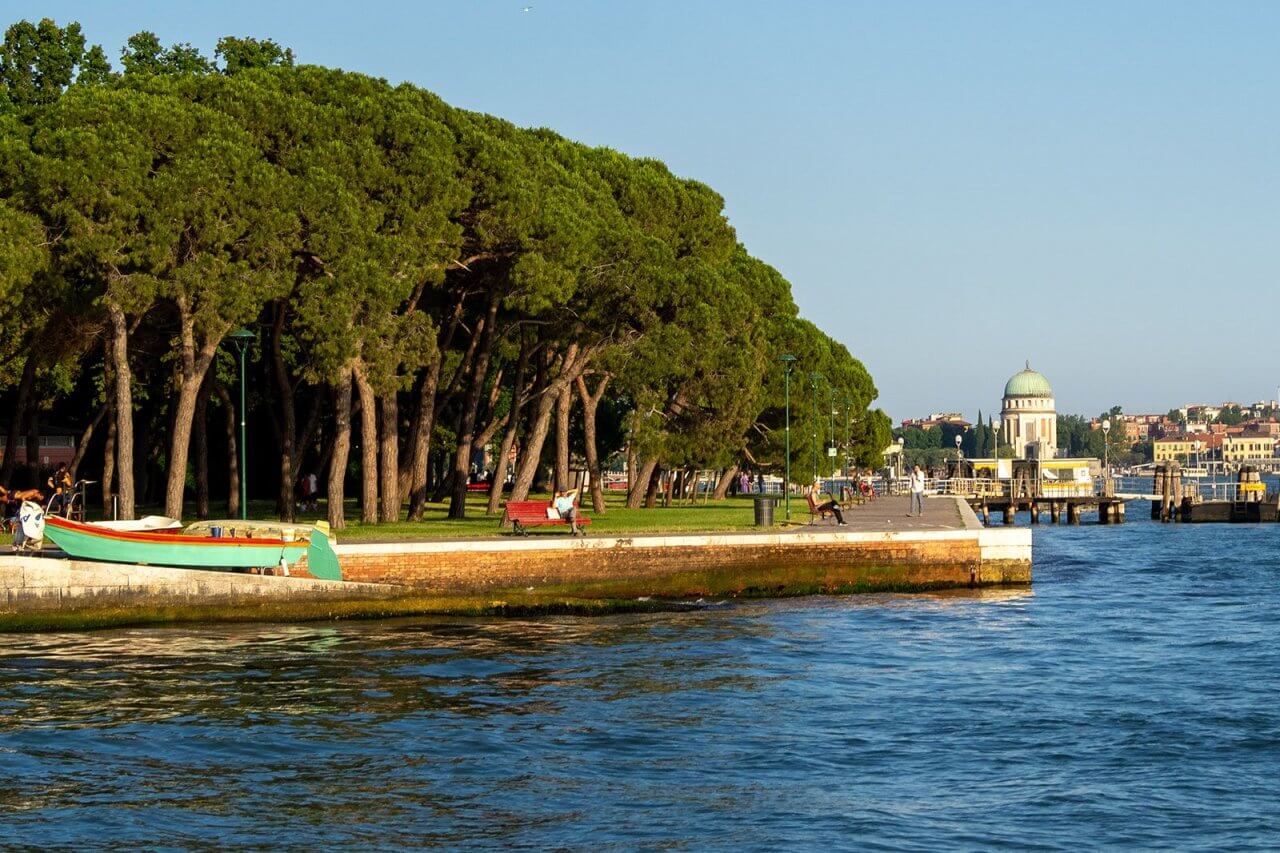
Parco delle Rimembranze (Remembrance Park) on Sant’Elena island offers another substantial green space with lagoon views.
This memorial park, dedicated to fallen soldiers, features pine trees, open lawns, and waterfront paths.
The park’s location at Venice’s eastern edge means it sees few tourists, creating a local neighborhood atmosphere.
The park provides excellent sunset viewing points, with unobstructed western views across the lagoon. Families use the park for picnics and children’s play, while joggers appreciate the flat, traffic-free paths.
The park’s peaceful character contrasts sharply with crowded tourist areas, offering authentic glimpses of residential Venice.
Sant’Elena island connects to the main historic center via bridges, making the park accessible on foot (30-40 minutes from St. Mark’s Square) or via vaporetto (Line 1 to Sant’Elena stop).
The walk through Castello to reach the park passes through interesting residential neighborhoods worth exploring.
Hidden Courtyards and Small Gardens
Venice contains numerous small gardens and courtyards tucked behind buildings and accessible through open gates or visible from streets.
These hidden green spaces, often maintained by residents, provide unexpected oases of vegetation in the dense urban environment.
While technically private, many can be glimpsed from public streets or through open gates.
The Palazzo Contarini del Bovolo’s courtyard (visible from the street) features a famous spiral staircase and small garden.
The courtyard itself can be viewed for free, though climbing the staircase requires a paid ticket.
Similar glimpses of private gardens occur throughout Venice, particularly in the Dorsoduro and Cannaregio districts where residential character remains strong.
Respecting private property while appreciating these spaces from public areas allows enjoying Venice’s hidden greenery without trespassing.
Many courtyards have open gates during daytime hours, with views visible from the street.
These discoveries add to the pleasure of wandering Venice’s maze-like streets.
Photography and Scenic Viewpoints
Venice provides unlimited free photography opportunities, from iconic landmarks to hidden corners.
Understanding the best locations and timing enhances photographic results without requiring expensive equipment or tours.
Sunrise and Sunset Locations
Golden hour photography (the hour after sunrise and before sunset) produces Venice’s most dramatic images, with warm light illuminating buildings and reflecting off water.
Several locations provide excellent free vantage points for sunrise and sunset photography.
The Rialto Bridge offers classic sunrise views looking east along the Grand Canal, with early morning light illuminating palazzos and creating reflections in calm water.
Arrive 30 minutes before sunrise to secure position, as this popular spot fills quickly with photographers.
The bridge’s elevation provides unobstructed views over boat traffic.
Punta della Dogana at Dorsoduro’s eastern tip provides spectacular sunset views, with western light illuminating the Grand Canal entrance, St. Mark’s Basin, and San Giorgio Maggiore island.
This triangular point offers 270-degree views, allowing photographers to capture multiple compositions as light changes.
The location remains accessible after dark, with illuminated buildings creating night photography opportunities.
The Zattere waterfront in Dorsoduro faces south and west, providing excellent sunset views across the Giudecca Canal.
The long, straight promenade allows walking to find optimal compositions, with the Redentore church on Giudecca island providing a focal point.
Sunset timing varies seasonally, from approximately 4:30 PM in winter to 8:30 PM in summer.
Bridge Photography
Venice’s 400+ bridges create endless photography subjects, from famous crossings like Rialto to tiny neighborhood bridges known only to locals.
Each bridge offers unique perspectives, architectural details, and compositional opportunities.
The Accademia Bridge provides excellent Grand Canal views in both directions, with the bridge’s wooden structure adding foreground interest.
This bridge sees heavy foot traffic, so early morning or evening visits work best for photography without crowds.
The bridge’s central position on the Grand Canal makes it ideal for capturing the waterway’s curve and palazzo-lined banks.
Smaller bridges throughout Venice offer intimate scenes of canal life, with boats moored below, laundry hanging from windows, and local residents crossing.
The Castello and Cannaregio districts contain numerous photogenic small bridges away from tourist routes.
Exploring these neighborhoods with a camera reveals Venice’s authentic character beyond famous landmarks.
Hidden Alley Photography
Venice’s narrow alleys (calli) create dramatic photographic compositions with strong vertical lines, interesting light and shadow patterns, and glimpses of canal views at the end of passages.
These alleys, some barely wide enough for two people to pass, provide quintessentially Venetian scenes.
The narrowest calle, Calletta Varisco in Cannaregio, measures only 53 centimeters (21 inches) wide at its tightest point.
While this extreme narrowness makes photography challenging, it represents an interesting Venice curiosity.
Slightly wider calli throughout the city provide better photographic opportunities while maintaining the characteristic narrow, enclosed feeling.
Early morning light creates the best conditions for alley photography, with low-angle sun penetrating narrow passages and creating dramatic shadows. Midday overhead sun produces harsh, unflattering light in these confined spaces.
Overcast days provide soft, even light that works well for architectural detail photography.
For comprehensive information about planning your Venice visit, including budget strategies and money-saving tips, see our guide on traveling to Venice on a budget.
Cultural Events and Street Life
Venice’s streets, squares, and canals host free cultural events, performances, and daily life observations that provide entertainment and cultural immersion without admission fees.
Street Performers and Musicians
Street performers and musicians operate throughout Venice, particularly in high-traffic areas like St. Mark’s Square, Rialto Bridge, and along major pedestrian routes.
These performers range from classical musicians playing violin or accordion to living statues, jugglers, and artists creating sidewalk chalk drawings.
The quality varies significantly, with some performers demonstrating genuine talent while others provide basic entertainment.
Classical musicians near St. Mark’s Square often play at high levels, having studied at conservatories.
These free concerts, while intended to generate tips, can be enjoyed without payment, though contributing small amounts supports the performers.
Campo Santa Margherita and other neighborhood squares host more informal performances, with local musicians gathering for impromptu sessions.
These authentic moments of Venetian musical culture occur spontaneously, particularly on warm evenings when residents socialize outdoors.
Observing these gatherings provides cultural insights unavailable in formal, paid performances.
Local Markets
Venice’s markets offer free cultural experiences, with vendors selling fresh produce, seafood, and local products while maintaining traditional commerce practices.
The Rialto Market, operating Tuesday through Saturday mornings, represents Venice’s most famous market, with fish and produce sections near the Rialto Bridge.
The fish market (Pescheria) displays the day’s catch from the Adriatic Sea and lagoon, with vendors arranging seafood in artistic displays.
The adjacent produce market features seasonal fruits and vegetables, many from nearby islands in the lagoon.
Walking through these markets, observing transactions, and experiencing the atmosphere costs nothing, though purchasing items obviously requires payment.
The market operates early morning through early afternoon, with the best selection and most active period occurring 8-10 AM.
Arriving early provides the most authentic experience, with local residents shopping for daily meals and vendors at their most energetic.
The market area becomes quiet by 2 PM as vendors close for the day.
Public Festivals and Celebrations
Venice hosts numerous public festivals and celebrations throughout the year, many offering free observation opportunities.
While some events require tickets for specific activities, the general atmosphere, street celebrations, and public portions remain accessible to all.
Carnevale (Carnival), held in February, transforms Venice into a city-wide celebration with elaborate costumes, masks, and street performances.
While official balls and events require expensive tickets, the streets fill with costumed participants who can be observed and photographed freely.
St. Mark’s Square becomes a gathering point for costume displays, with participants posing for photos and creating a festive atmosphere.
The Festa del Redentore in July celebrates Venice’s deliverance from a 16th-century plague with a spectacular fireworks display over the Giudecca Canal.
The fireworks can be viewed for free from numerous locations along the Zattere waterfront and other vantage points.
Venetians traditionally watch from boats in the canal, creating a unique scene of illuminated watercraft.
The Regata Storica in September features historic boat races on the Grand Canal, with elaborately decorated boats and rowers in period costumes.
The races can be viewed for free from any Grand Canal vantage point, with the best views from bridges or waterfront fondamenta.
This event showcases Venice’s maritime heritage and competitive rowing tradition.
Island Exploration
Venice’s lagoon contains numerous islands accessible via public vaporetto, with some offering free exploration opportunities beyond the boat fare.
While reaching these islands requires vaporetto tickets, the islands themselves can be explored without additional costs.
San Giorgio Maggiore
San Giorgio Maggiore island, directly across from St. Mark’s Square, offers free church access (as mentioned earlier) plus peaceful monastery grounds and waterfront paths.
The island sees relatively few visitors compared to the main historic center, creating a quiet atmosphere for walking and reflection.
The island’s waterfront provides excellent views back toward Venice, with St. Mark’s Basin, the Doge’s Palace, and the Campanile visible across the water.
These views, particularly at sunset, rival any paid observation deck.
The island’s compact size allows complete exploration in 30-45 minutes, making it an easy addition to a Venice itinerary.
Cemetery Island (San Michele)
San Michele, Venice’s cemetery island, offers free entry to the public cemetery grounds.
This walled island, located between Venice and Murano, contains the graves of notable figures including composer Igor Stravinsky and poet Ezra Pound.
The cemetery’s cypress trees, organized pathways, and peaceful atmosphere create a contemplative environment.
The cemetery functions as an active burial ground for Venetians, requiring respectful behavior from visitors.
The island provides an unusual perspective on Venice’s relationship with death and limited space, as bodies are typically exhumed after 10-12 years due to space constraints.
The cemetery’s architecture, including the Renaissance church of San Michele in Isola, adds historical interest.
Lido Island Beaches
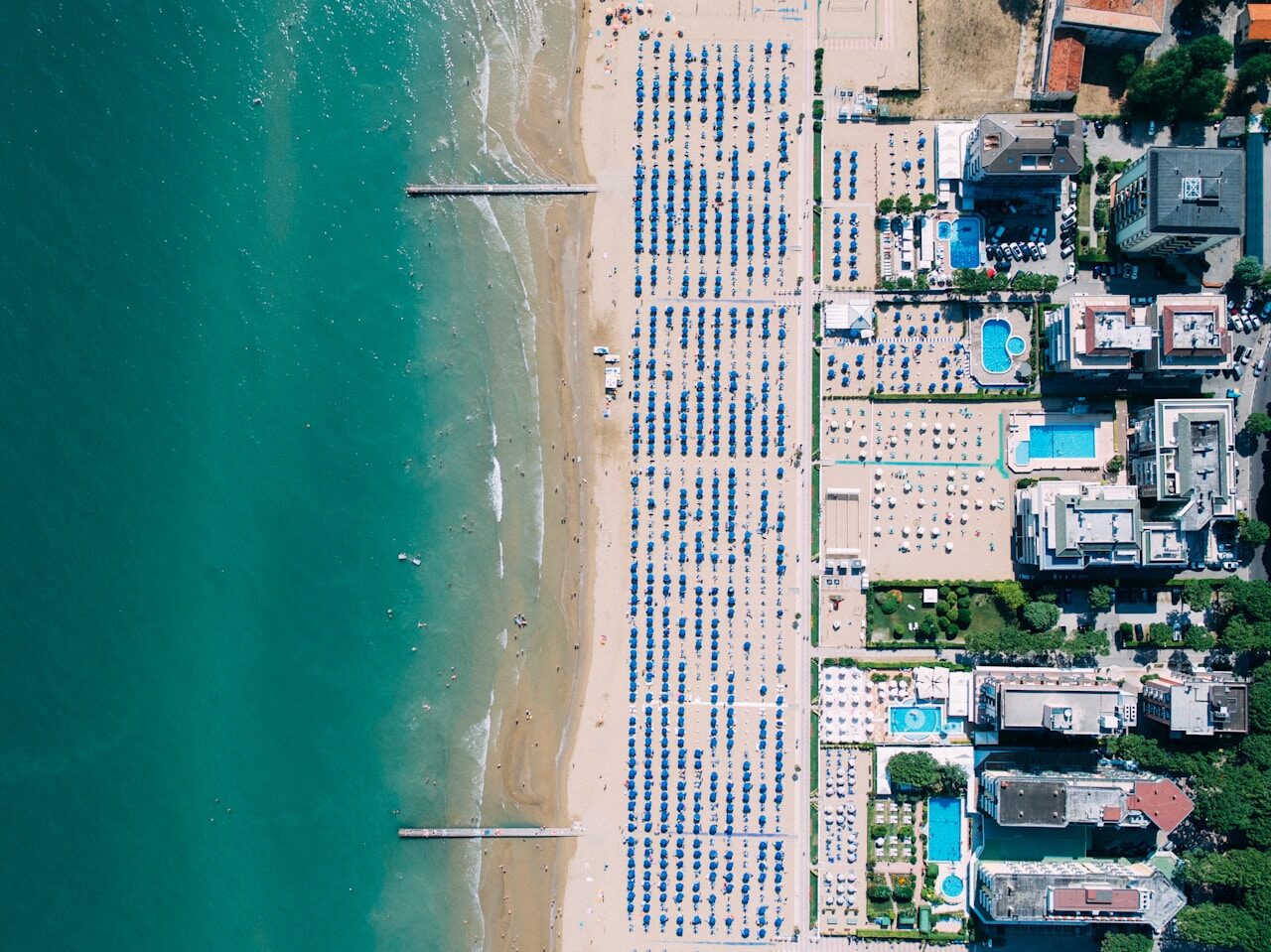
Lido island, Venice’s barrier island separating the lagoon from the Adriatic Sea, contains public beaches accessible without fees.
While many Lido beaches operate as private beach clubs (stabilimenti) requiring payment for chairs and umbrellas, public beach areas allow free access to sand and water.
The public beaches, located at the island’s northern and southern ends, provide basic facilities without the amenities of private beaches.
Visitors can swim, sunbathe, and enjoy seaside atmosphere without payment.
The beaches offer a completely different Venice experience, with open horizons and sea breezes contrasting sharply with the enclosed canals and narrow streets of the historic center.
Reaching Lido requires a vaporetto ride (Lines 1, 2, 5.1, 5.2, or 6), which costs the standard fare unless you have a multi-day pass.
The island itself can be explored by foot or bicycle, with bike rentals available for those wanting to cover more distance.
The main beach areas lie within walking distance of the vaporetto stops.
Budget-Friendly Tips for Free Venice Experiences
Maximizing free experiences in Venice requires strategic planning, timing, and knowledge of local customs.
These tips help budget travelers experience Venice fully without unnecessary expenses.
Timing Your Visits
Early morning visits (before 9 AM) to popular locations provide the best free experiences, with fewer crowds, better light for photography, and more authentic atmosphere.
St. Mark’s Square, Rialto Bridge, and other major sites transform from peaceful spaces to crowded tourist zones as the day progresses.
Experiencing these locations early reveals their architectural beauty without human congestion.
Late evening visits (after 7 PM) offer another window of reduced crowds, particularly in summer when extended daylight allows exploration until 8-9 PM.
Many tourists return to hotels or restaurants during evening hours, leaving streets and squares quieter.
Evening light creates beautiful photography conditions, with golden hour illuminating buildings and reflecting off water.
Off-season visits (November-March, excluding Christmas/New Year) dramatically reduce crowds at all free attractions while maintaining access to churches, squares, and walking routes.
Cold, damp weather and potential flooding (acqua alta) represent trade-offs, but budget travelers willing to accept these conditions find a much quieter, more affordable Venice.
Bringing Your Own Food and Drinks
Venice’s restaurants and cafes charge premium prices, particularly in tourist areas. Bringing your own food and drinks for picnics in public squares or gardens saves significant money while allowing extended time enjoying free locations.
Supermarkets like Coop and Despar offer reasonable prices for bread, cheese, fruit, and drinks.
Eating in public squares is acceptable in Venice, though littering is not. Dispose of trash properly in public bins or carry it until finding appropriate disposal.
Campo Santa Margherita, the Zattere waterfront, and public gardens provide pleasant picnic locations with benches or waterfront seating.
Venice has public drinking fountains throughout the city providing free, safe drinking water. Bringing a reusable water bottle and refilling at these fountains eliminates the need to purchase expensive bottled water.
The fountains, marked with dragon-head spouts, provide the same water that flows to Venetian homes.
Using Traghetti Instead of Gondolas
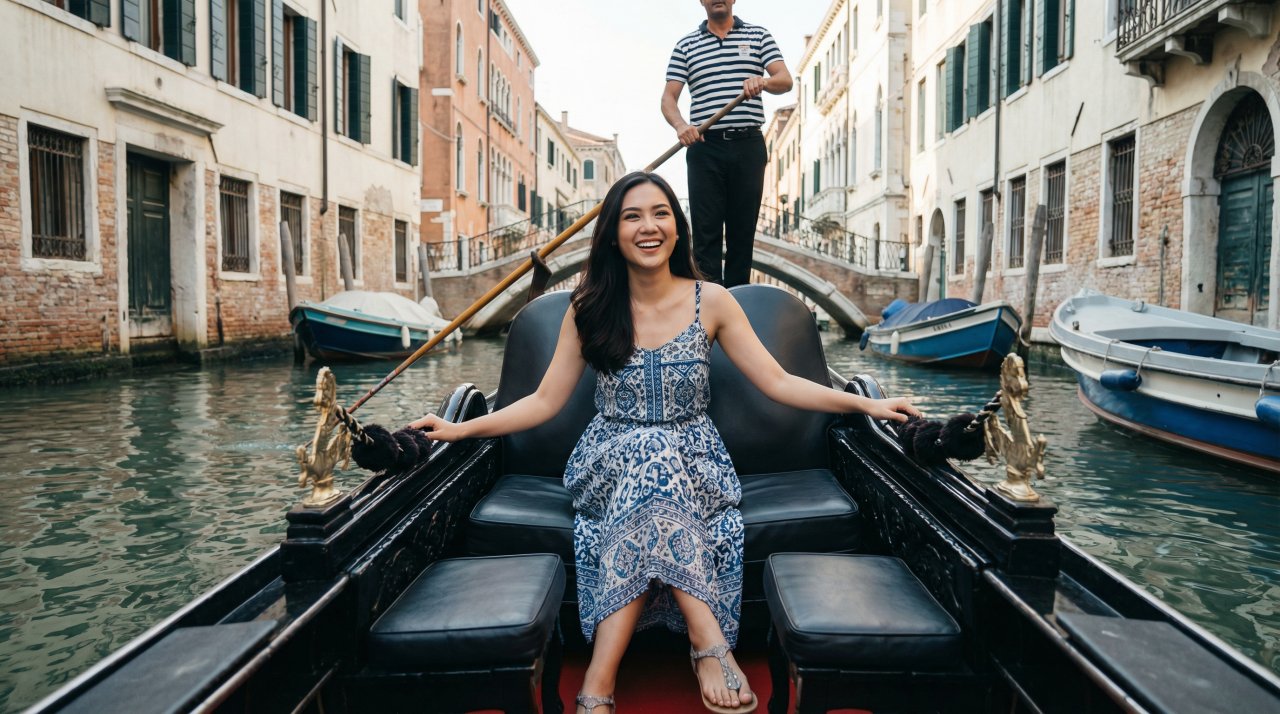
Traghetti gondola ferries provide authentic gondola experiences for €2 per crossing instead of €90+ for tourist gondola rides.
These working gondolas cross the Grand Canal at seven points where bridges don’t exist, transporting standing passengers in 2-3 minutes.
While brief compared to tourist gondola rides, traghetti offer genuine gondola travel at 1/45th the cost.
The experience differs from tourist gondolas—passengers stand rather than sit, crossings last only minutes, and gondoliers focus on transportation rather than entertainment. However, the boats are authentic gondolas operated by licensed gondoliers, providing a taste of this iconic Venetian transportation method within budget constraints.
Walking Instead of Using Vaporetti
Walking saves vaporetto fares (€9.50 per ride) while providing more intimate experiences of Venice’s streets and neighborhoods.
Most destinations in the historic center lie within 20-30 minutes’ walk of each other, making walking practical for budget travelers.
The maze-like streets create navigation challenges, but getting lost often leads to interesting discoveries.
Combining walking with strategic vaporetto use for longer distances or when tired provides a balanced approach.
A single vaporetto ride from the train station to St. Mark’s Square saves 30-40 minutes of walking with luggage, while walking between nearby attractions like Rialto and St. Mark’s Square costs nothing and takes only 10-15 minutes.
Final Thoughts
Venice proves that extraordinary travel experiences don’t require unlimited budgets. The city’s most iconic landmarks, from St. Mark’s Square to the Rialto Bridge, remain freely accessible to all visitors. World-class art fills churches that charge no admission fees.
Scenic canal walks and waterfront promenades provide constantly changing views without cost. Public gardens offer peaceful respite from urban density.
Cultural events, street performances, and daily Venetian life create entertainment that money can’t buy.
The key to experiencing Venice for free lies in understanding what the city offers beyond paid attractions. While museums, palace interiors, and gondola rides require payment, Venice’s essential character—its unique relationship with water, its architectural beauty, its living culture—can be experienced without spending money beyond basic transportation and sustenance.
Budget travelers who focus on free experiences often gain deeper appreciation for Venice than those who rush between expensive attractions.
Strategic planning enhances free Venice experiences. Early morning and evening visits avoid crowds while providing better light and atmosphere.
Off-season travel reduces accommodation costs while maintaining access to free attractions. Walking instead of using vaporetti saves money while revealing hidden neighborhoods.
Bringing your own food allows extended time in beautiful locations without restaurant expenses.
Venice rewards curious explorers who venture beyond obvious tourist routes. The Castello and Cannaregio districts contain authentic neighborhoods, quiet canals, and local life rarely seen by visitors who stay in the San Marco area.
Small churches throughout the city house artistic treasures without admission fees. Hidden courtyards and unexpected views appear around corners for those willing to get lost in the maze-like streets.
Approaching Venice with a budget-conscious mindset doesn’t mean sacrificing quality experiences. The city’s free offerings include some of its most memorable aspects—sunrise over the Grand Canal, the play of light on water, the sound of church bells echoing through narrow streets, the sight of laundry hanging between buildings, the taste of fresh air off the lagoon.
These experiences, available to all regardless of budget, capture Venice’s essence more authentically than many paid attractions.
Frequently Asked Questions About Free Things to Do in Venice
What are the best free things to do in Venice?
The best free things to do in Venice include visiting St. Mark’s Square and admiring the exterior of St. Mark’s Basilica and Doge’s Palace, walking across the Rialto Bridge for Grand Canal views, exploring free churches like Santa Maria della Salute and San Zaccaria, strolling along canal-side promenades in Dorsoduro and Castello, visiting public gardens like Giardini della Biennale, and photographing the Bridge of Sighs.
These activities provide comprehensive Venice experiences without admission fees, covering iconic landmarks, authentic neighborhoods, religious art, and scenic waterfront walks.
Are Venice churches free to enter?
Many Venice churches offer free entry, including Santa Maria della Salute, San Zaccaria, Madonna dell’Orto, and San Giorgio Maggiore.
These churches contain significant artworks by masters like Tintoretto, Bellini, and Titian, providing access to world-class art without admission fees.
However, some churches charge entry fees, including St. Mark’s Basilica (though the main nave may be free with long waits) and churches that are part of the Chorus Pass system.
Always check current policies before visiting, as some churches request voluntary donations while maintaining free entry.
Can you walk around Venice for free?
Yes, walking around Venice is completely free and represents one of the best ways to experience the city. Venice’s compact historic center (1.7 square miles) is entirely pedestrian, with no vehicle traffic.
All streets, bridges, squares, and waterfront promenades are public and free to access 24 hours daily.
Walking provides opportunities to discover hidden corners, observe daily Venetian life, and appreciate architecture without spending money.
The only costs associated with walking are potential vaporetto fares if you need to cross to islands or want to rest your feet with a water bus ride.
What free activities are available in Venice at night?
Free nighttime activities in Venice include evening walks along illuminated canals and squares, particularly St. Mark’s Square and the Rialto Bridge area where building lights create beautiful scenes.
The Zattere waterfront in Dorsoduro provides excellent sunset and evening views across the Giudecca Canal. Many churches remain open for evening services, offering free entry and the chance to experience religious ceremonies.
Campo Santa Margherita and other neighborhood squares come alive in evenings with locals socializing, providing free people-watching and cultural observation.
Photography opportunities improve in evening hours with dramatic lighting and fewer crowds.
How can I experience Venice on a tight budget?
Experience Venice on a tight budget by focusing on free attractions including St. Mark’s Square, Rialto Bridge, free churches, canal walks, and public gardens.
Walk instead of using vaporetti when practical, saving €9.50 per ride.
Bring your own food and drinks for picnics rather than eating at expensive restaurants.
Use traghetti (€2) instead of tourist gondolas (€90+) for authentic gondola experiences. Visit during off-season (November-March) for lower accommodation costs and fewer crowds.
Time visits to popular locations for early morning or late evening when atmosphere improves and crowds decrease.
These strategies allow experiencing Venice’s essential character without large expenses.