Best Things To Do In Venice With Kids and Family: Complete 2026 Guide



Family Guide to Venice: Kid-Friendly Things To Do and See in 2026 – Complete guide to visiting Venice with children, including family-friendly attractions, kid-appropriate activities, practical transportation tips, and age-specific recommendations—with verified 2026 prices and insider advice for stress-free family travel.
- Is Venice Good for Families With Kids?
- What Are the Best Family-Friendly Attractions in Venice?
- Which Venice Islands Work Best for Family Visits?
- What Hands-On Activities Engage Kids in Venice?
- How Do You Navigate Venice Transportation With Kids?
- Where Can Families Find Child-Friendly Facilities in Venice?
- What Should Families Know About Venice Safety and Logistics?
Venice’s unique character—car-free streets, water-based transportation, and maze-like layout—creates both challenges and opportunities for families traveling with children.
While the city lacks traditional playgrounds and green spaces, its distinctive atmosphere, interactive experiences, and cultural richness provide memorable family adventures.
Understanding which attractions engage children, how to navigate logistics with kids, and where to find child-friendly facilities transforms Venice from a potentially difficult destination into an exciting family experience.
This comprehensive guide covers age-appropriate activities, practical considerations, and strategies for successful Venice family travel. You can also read our guide to determine the best time to visit Venice with your family.
Key Highlights
Hide- Gondola rides cost €80-100 for 30-40 minutes and accommodate up to 6 people, making them economical for families when cost is split
- Murano and Burano islands offer free glassblowing demonstrations and colorful photo opportunities accessible via vaporetto Line 12
- Doge's Palace provides family tours with child-appropriate storytelling; children under 6 enter free, ages 6-14 receive reduced admission
- St. Mark's Square allows free pigeon feeding and people-watching; climbing the Campanile (€10) offers panoramic views kids enjoy
- Giardini della Biennale and Sant'Elena Park provide rare green spaces with playgrounds for outdoor play and picnicking
- Vaporetto water buses function as affordable sightseeing for families; children under 6 ride free with paying adults
- Hands-on workshops including mask-making (€10-15), gondola model building, and cooking classes engage children with Venetian culture
Is Venice Good for Families With Kids?
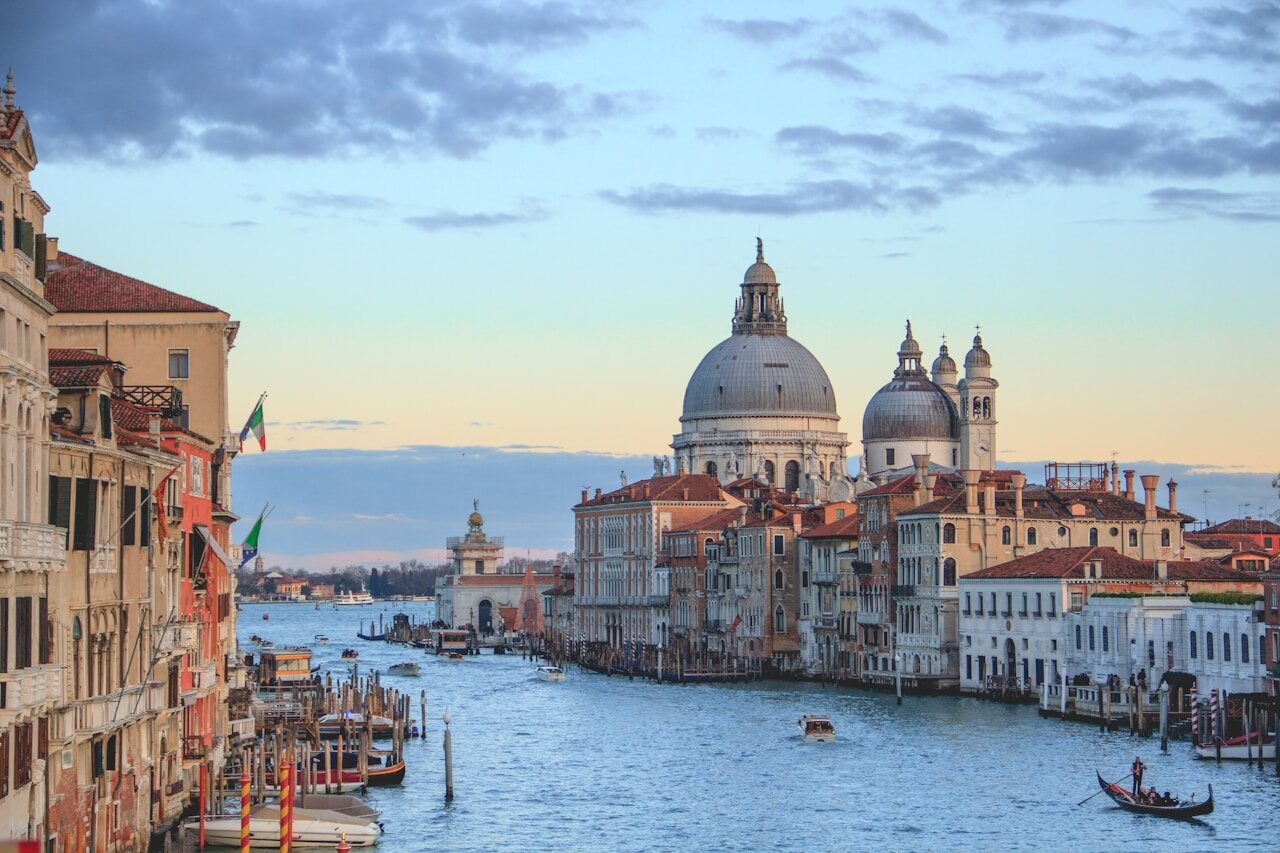
Venice presents a mixed proposition for families, offering unique experiences that captivate children while posing logistical challenges that require planning and patience.
The city’s car-free environment eliminates traffic dangers, allowing children to explore safely without constant vehicle awareness.
Water-based transportation fascinates most kids, turning necessary travel into entertainment.
The compact historic center means attractions cluster within walking distance, though the walking itself involves constant bridge climbing and navigation through crowds.
The absence of cars creates a pedestrian paradise where children can wander more freely than in typical cities.
Parents don’t worry about kids darting into streets or navigating busy intersections.
However, canal edges lack consistent barriers, requiring supervision near water.
The numerous bridges with steps challenge families with strollers, though many parents find baby carriers more practical than wheeled options in Venice’s stepped terrain.
Venice’s visual drama—colorful buildings, gondolas gliding past, masked carnival figures, and atmospheric squares—creates a storybook setting that sparks children’s imaginations.
The city feels like a giant outdoor museum where history comes alive through architecture and daily life.
However, traditional kid-focused attractions (playgrounds, theme parks, interactive science centers) are limited, requiring parents to frame Venice’s offerings in ways that engage children.
The city’s compact size means families can return to accommodations for midday breaks, crucial for young children needing naps or downtime.
Unlike sprawling cities requiring extensive travel between hotel and attractions, Venice allows flexible scheduling with quick returns to home base.
This flexibility helps manage tired, overstimulated children and prevents meltdowns that ruin family travel experiences.
Reserve Your Venice Tours & Activities
Most popular Venice tours sold out quickly, so grab your tickets early to save your spot! Feel free to browse through our skip-the-line passes, guided tours, and special experiences to find the perfect fit for your Venice trip.
 Trip.com
 Booking.com
 Expedia
 Traveloka
 GetYourGuide
 Klook
Klook WeGoTrip
 Go City
What Ages Work Best for Venice Family Travel?
Children aged 6-12 typically enjoy Venice most, possessing sufficient attention spans for cultural experiences while maintaining enthusiasm for the city’s unique features.
This age group appreciates gondola rides, finds island exploration exciting, engages with hands-on workshops, and tolerates walking between attractions.
They’re old enough to remember the trip and young enough to find magic in Venice’s distinctive character.
Teenagers (13+) may resist Venice’s cultural focus unless they have specific interests in art, history, or photography.
However, teens interested in these subjects find Venice fascinating, with opportunities for independent exploration (with parental boundaries) adding appeal.
Involving teenagers in trip planning, allowing photography projects, or scheduling specific teen-focused activities (gelato tastings, mask-making workshops) increases engagement.
Young children (3-5) experience Venice differently, finding excitement in simple pleasures like boat rides, pigeon feeding, and colorful buildings rather than cultural attractions.
This age group requires frequent breaks, shorter walking distances, and flexibility when interest wanes.
Parents must adjust expectations, focusing on experiences that naturally engage young children rather than forcing cultural site visits.
Toddlers (1-2) and infants present the greatest challenges, requiring strollers or carriers for transportation, frequent feeding and changing facilities, and constant supervision near water.
However, Venice’s pedestrian environment and compact size make it more manageable than car-dependent destinations.
Parents with very young children should prioritize logistics over sightseeing, accepting that the trip serves more as family bonding than cultural education.
For comprehensive information about Venice’s main attractions before planning family visits, see our guide to the best things to do in Venice, which covers top sites and experiences suitable for various interests.
What Are the Best Family-Friendly Attractions in Venice?
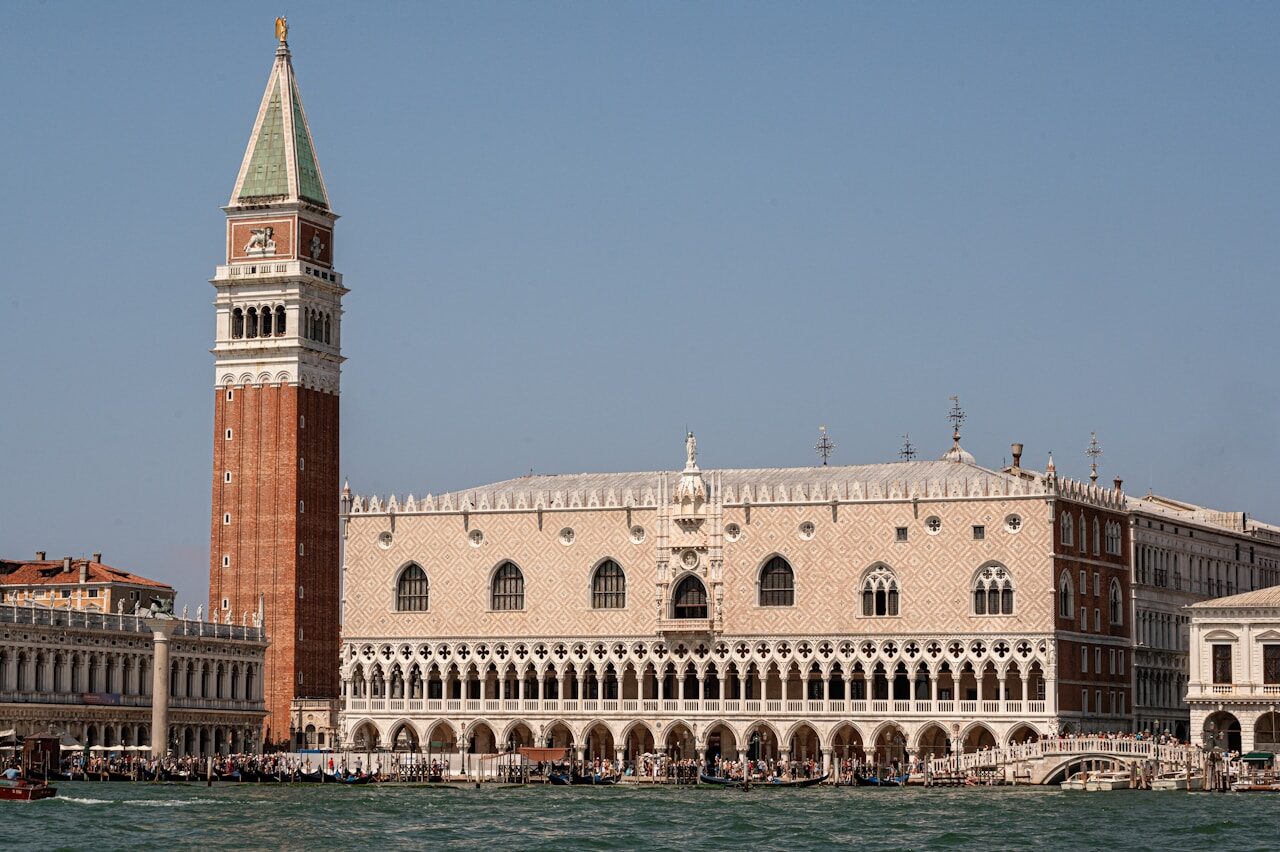
Venice’s attractions vary in child-friendliness, with some naturally engaging kids while others require parental framing to maintain interest.
Understanding which sites work well for families, how to present them to children, and when to skip attractions helps create positive experiences.
The following attractions consistently succeed with families across age ranges.
St. Mark’s Square and Piazza Activities
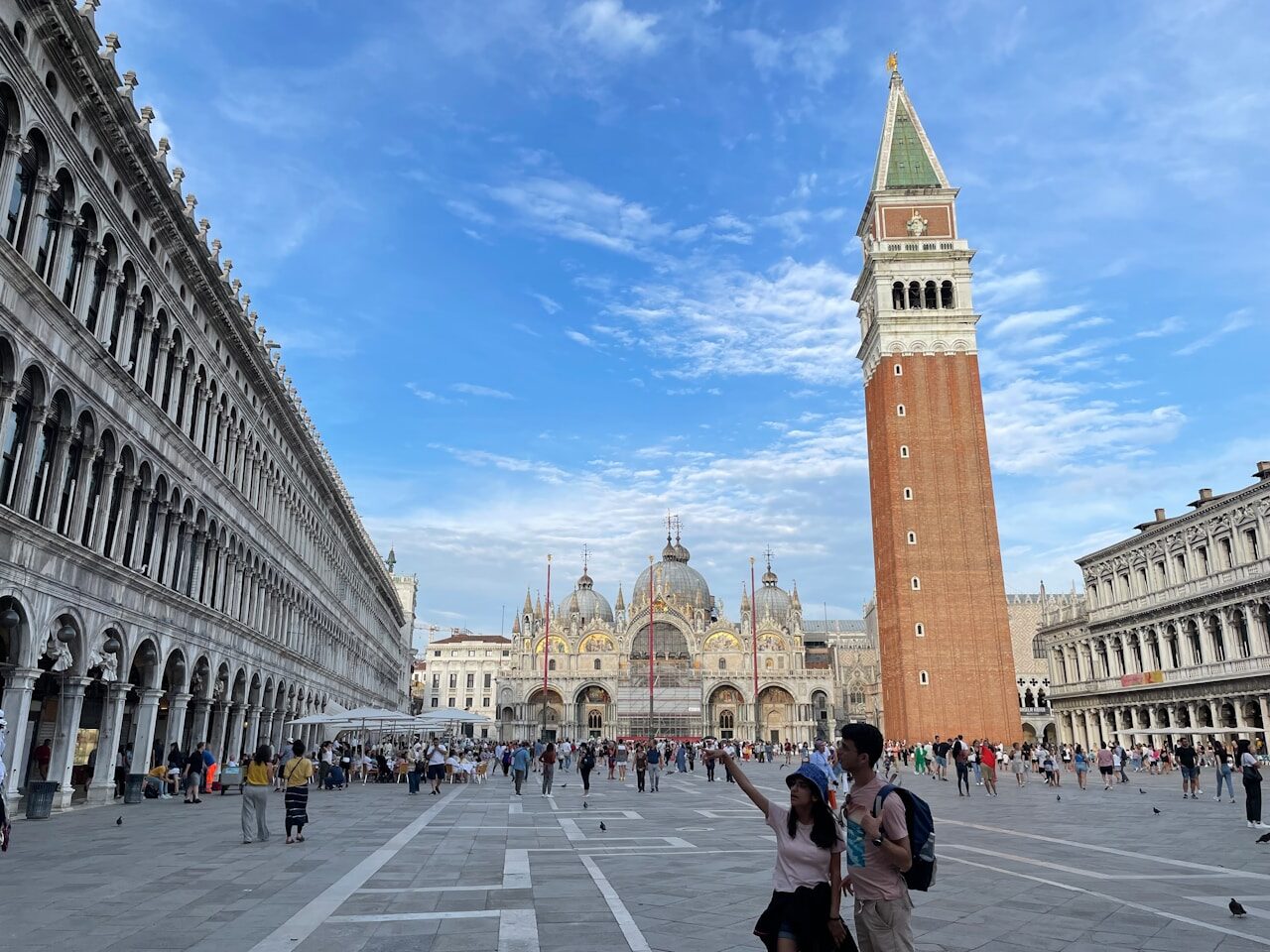
St. Mark’s Square provides free, open space where children can run (within reason), feed pigeons, and people-watch without admission fees or structured activities.
The square’s grand scale and architectural drama impress even young children, while the constant activity—tourists, musicians, pigeons, costumed figures—creates entertainment.
Parents can sit at square edges while children explore safely within sight, providing rest breaks while kids burn energy.
Pigeon feeding, while discouraged by authorities, remains a traditional St. Mark’s Square activity that delights young children.
Vendors sell bird seed for €2-3, though bringing bread from breakfast works equally well.
The experience of dozens of pigeons landing on outstretched arms creates memorable photos and excitement for kids under 8.
However, pigeons carry diseases, so hand washing immediately after feeding is essential.
The Campanile tower climb (€10 adults, €5 children 6-18, free under 6) provides panoramic Venice views that help children understand the city’s layout and island geography.
The elevator ride to the 98-meter summit takes 1 minute, eliminating stair-climbing challenges.
The 360-degree viewing platform allows kids to spot landmarks visited earlier, creating connections between ground-level experiences and aerial perspectives.
The brief visit (15-20 minutes) suits children’s attention spans.
St. Mark’s Basilica’s exterior mosaics and Byzantine architecture create visual interest, though the interior’s religious focus and required modest dress (covered shoulders and knees) may challenge family visits.
The basilica now charges €5 entry (previously free), with children under 6 free and reduced rates for ages 6-18.
The Pala d’Oro altarpiece (€5 additional) features gold and jewels that fascinate some children, though the extra cost and crowds may not justify the visit for families.
The Clock Tower (Torre dell’Orologio) features mechanical figures that strike bells on the hour, creating brief entertainment for children.
The tower’s astronomical clock face, showing zodiac signs and moon phases, provides teaching opportunities for older children interested in science or astronomy.
However, the tower interior requires advance-booked tours (€12 adults, €7 children) that may not engage young kids sufficiently to justify the cost and time.
Doge’s Palace: History Made Kid-Friendly
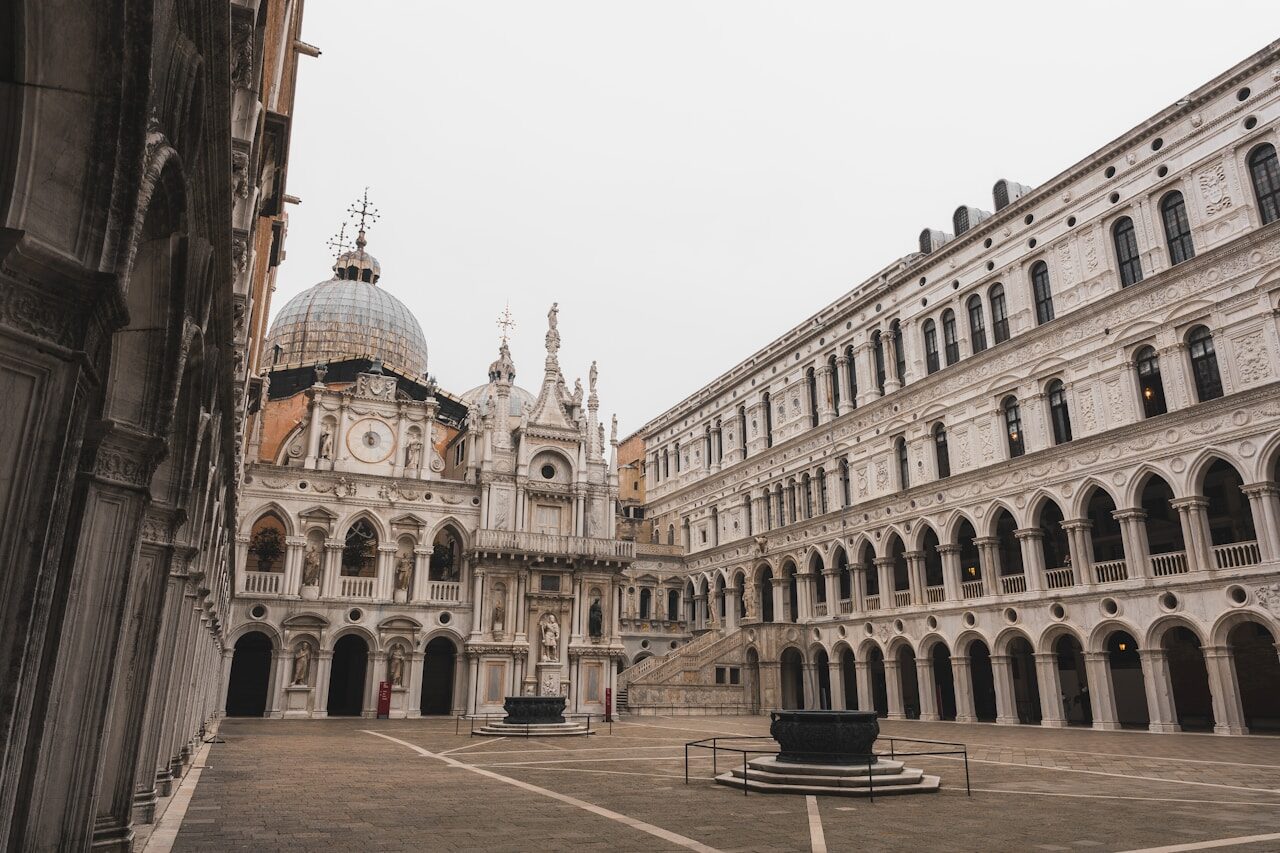
Doge’s Palace, Venice’s former government center and doge residence, offers family-friendly tours that present history through storytelling rather than dry facts.
The palace’s grand halls, ornate decorations, and secret passages naturally intrigue children, while guides trained in family engagement maintain kids’ attention through interactive elements and age-appropriate narratives.
Standard admission costs €30 adults, with children under 6 free and ages 6-14 receiving reduced rates (€15).
The Secret Itineraries tour (€35 adults, €20 children 6-14, advance booking required) explores hidden areas including torture chambers, prison cells, and the route prisoners took across the Bridge of Sighs.
The tour’s mysterious atmosphere and dramatic stories engage children aged 8+, though younger kids may find some content frightening.
The 75-minute tour requires sustained attention, making it suitable for older children and teenagers rather than young kids.
The palace’s armory collection displays medieval weapons and armor that fascinate many children, particularly boys interested in knights and battles.
The Great Council Chamber’s massive size (54 meters long) and Tintoretto’s enormous Paradise painting (7×22 meters) impress through sheer scale.
The Bridge of Sighs passage, while brief, creates a memorable moment as children imagine prisoners’ final views of Venice before imprisonment.
Family-focused audio guides (included in admission) provide child-appropriate information at a pace families control.
The guides allow parents to skip sections when children lose interest while providing context for engaged moments.
The palace’s layout—a series of connected rooms rather than a single path—allows flexible routing, with families able to backtrack or skip areas based on children’s energy levels.
The palace visit typically requires 1.5-2 hours, pushing the limits of young children’s attention spans.
Planning the visit for morning hours when kids are fresh, bringing snacks for energy maintenance, and promising a treat afterward (gelato, playground time) helps complete the experience successfully.
Families with children under 6 should consider whether the palace justifies the time and effort, as much of the content exceeds very young children’s comprehension.
Gondola Rides: The Quintessential Venice Experience
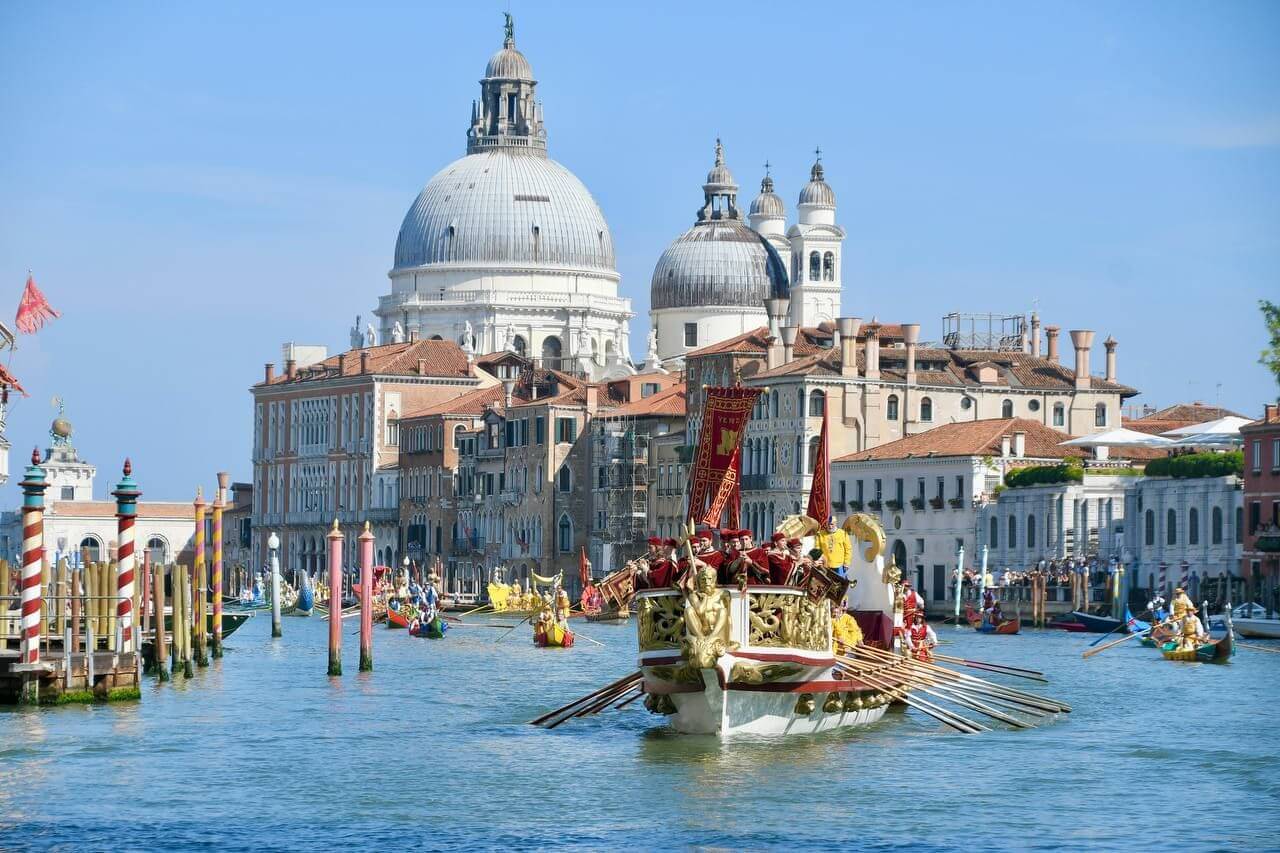
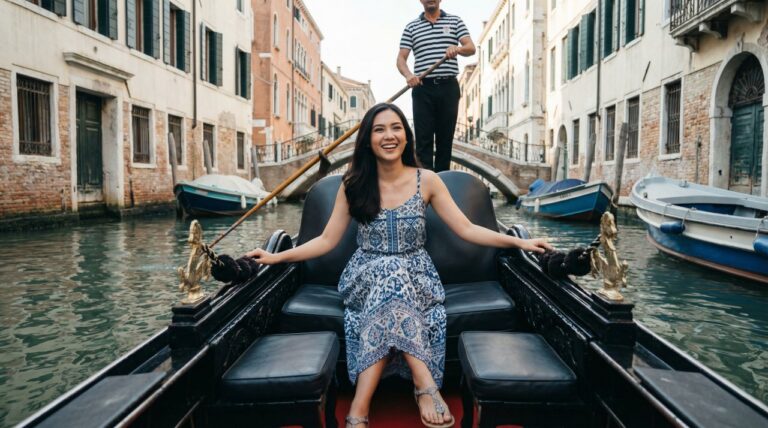
Gondola rides represent Venice’s most iconic experience, and most children find them exciting despite the high cost (€80-100 for 30-40 minutes, €100-120 after 7:00 PM).
Gondolas accommodate up to 6 passengers, making them economical for families when the cost is split.
A family of four pays €20-25 per person for a 30-minute ride—expensive but not outrageous when framed as a special experience rather than routine transportation.
The gondola’s gentle gliding motion, narrow canal passages, and unique perspective create memorable experiences for children.
Gondoliers often engage with kids, pointing out interesting buildings or allowing brief steering attempts (under supervision).
The ride’s novelty—traveling by boat through city streets—fascinates children accustomed to car-based transportation.
Parents should manage expectations about singing gondoliers, as most rides occur in silence unless specifically arranged (and paid for) in advance.
Booking gondola rides away from major tourist areas (San Marco, Rialto Bridge) sometimes yields lower prices and less crowded canals.
Gondola stations near Santa Maria Formosa, San Tomà, or in Dorsoduro offer similar experiences with potentially better value.
However, official rates are fixed, so significant price variations suggest unofficial operators who may not maintain safety standards or insurance.
The ride’s duration (30-40 minutes) suits most children’s attention spans, though very young kids may become restless.
Bringing small toys or snacks helps occupy toddlers during the ride.
Life jackets are not typically provided, so parents must supervise children carefully and ensure they remain seated.
The gondola’s low sides and open design require constant vigilance with young children prone to leaning or reaching toward water.
Families must decide whether gondola rides justify their costs based on budgets and priorities.
Some families find the experience essential to Venice visits, while others prefer spending money on multiple smaller experiences.
Traghetto ferries (€2) provide brief gondola-style rides across the Grand Canal, offering a budget alternative that satisfies younger children without the full gondola expense.
Which Venice Islands Work Best for Family Visits?
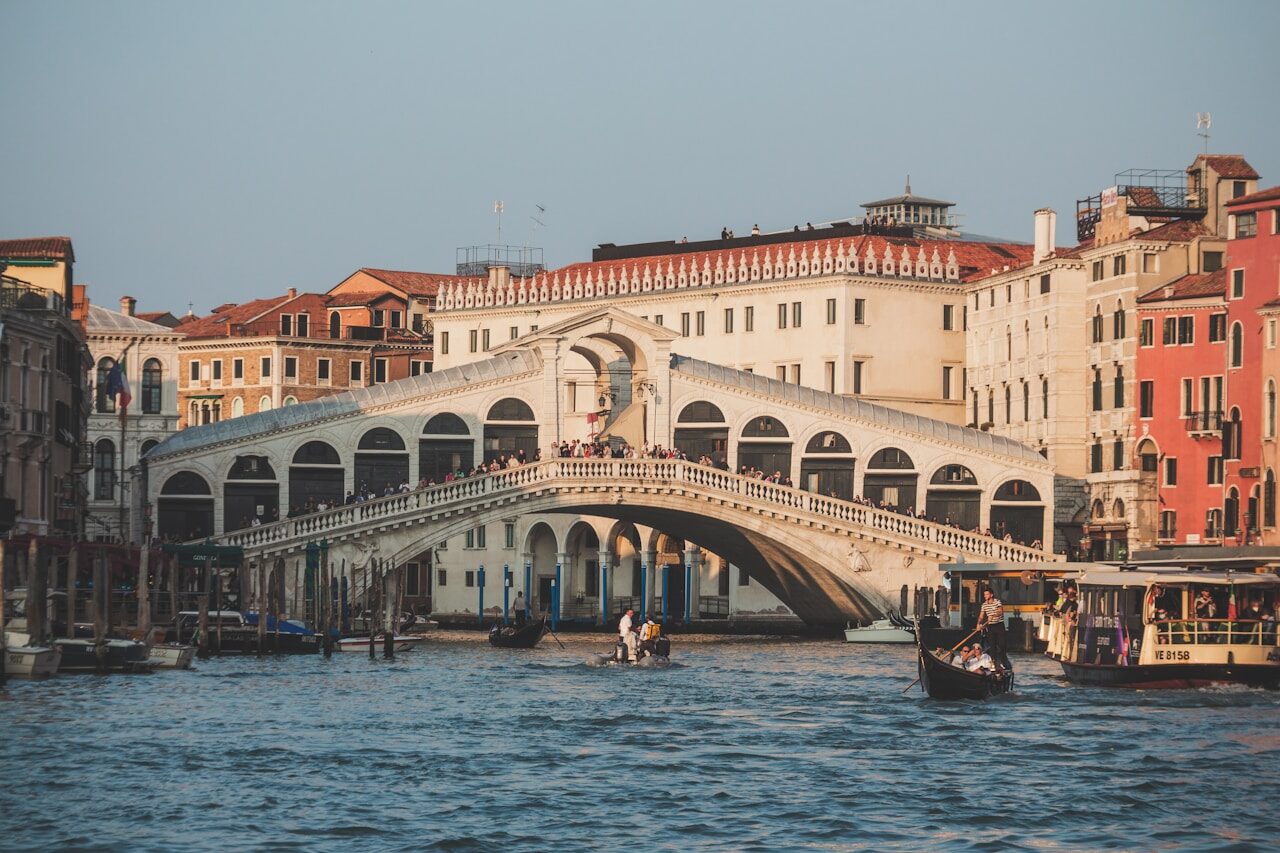
Venice’s lagoon islands provide escapes from the historic center’s crowds while offering distinct experiences that engage children.
Island visits combine vaporetto rides (exciting for kids) with specific attractions, creating full or half-day family adventures.
Understanding each island’s family appeal helps prioritize visits based on children’s ages and interests.
Murano: Glassblowing Magic
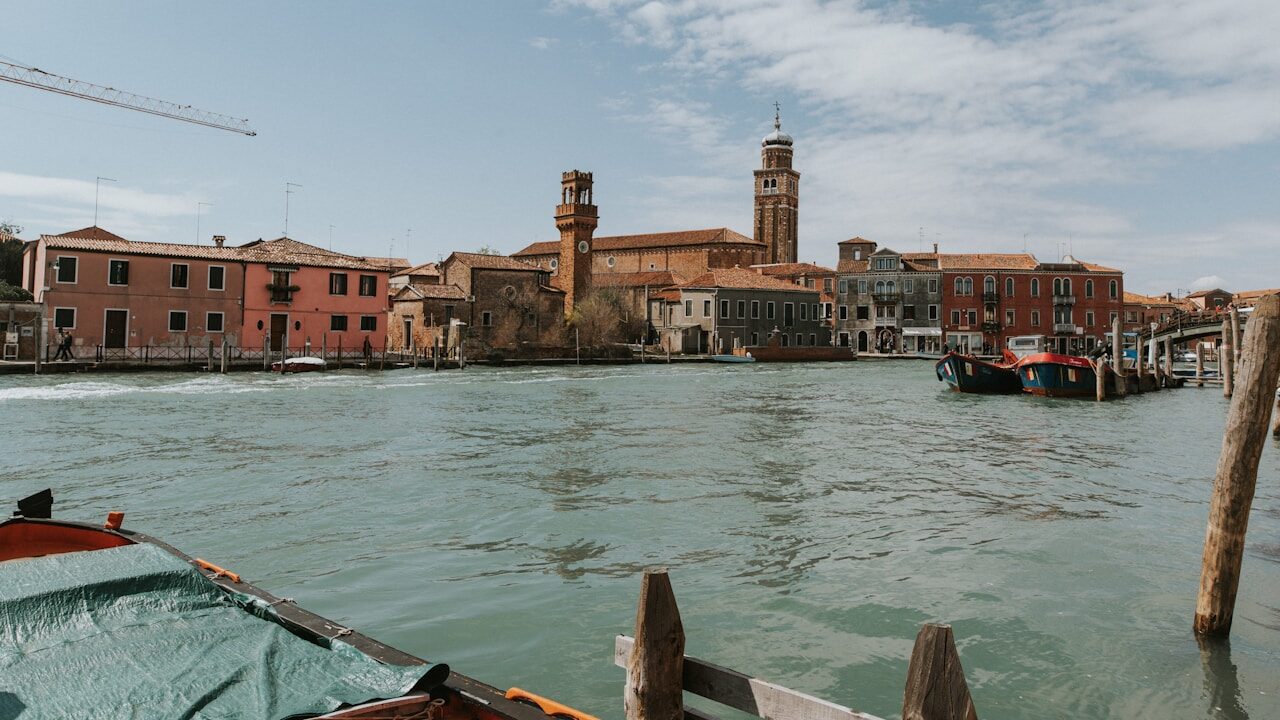
Murano, famous for glassmaking, offers free glassblowing demonstrations that fascinate children with fire, molten glass, and skilled artisans shaping glowing material into recognizable objects.
The demonstrations, lasting 10-15 minutes, occur at numerous furnaces throughout the island, with most offering free admission in hopes of subsequent purchases.
The process—gathering molten glass on pipes, blowing and shaping it, adding colored elements—creates visual drama that holds children’s attention.
The Glass Museum (Museo del Vetro) displays historical and contemporary glass art, though the collection’s static nature may not engage young children as effectively as live demonstrations.
Museum admission costs €12 adults (€10 reduced), with children under 6 free.
Families interested in glass art history find the museum worthwhile, while those primarily seeking entertainment should focus on furnace demonstrations.
Murano’s compact size allows easy exploration on foot, with the main glass shops and furnaces clustering near vaporetto stops.
The island’s canals, bridges, and architecture mirror Venice on a smaller, less crowded scale, providing authentic Venetian atmosphere without overwhelming tourist masses.
Several playgrounds and small parks offer spaces for children to run and play, rare amenities in Venice proper.
Vaporetto Lines 4.1, 4.2, 12, and 13 serve Murano from various Venice stops, with journeys taking 15-40 minutes depending on departure points.
Line 12 from Fondamente Nove reaches Murano in 15 minutes, continuing to Burano and Torcello for combined island visits.
The vaporetto ride itself entertains children, with boat travel and water views creating excitement before reaching the island.
Murano visits typically require 2-3 hours including travel time, making them suitable for morning or afternoon excursions.
Combining Murano with Burano creates full-day island adventures, though families with young children may find two islands in one day exhausting.
Bringing snacks and water helps manage children’s energy, as Murano’s restaurant options are limited and prices run high.
Burano: Colorful Houses and Photo Opportunities
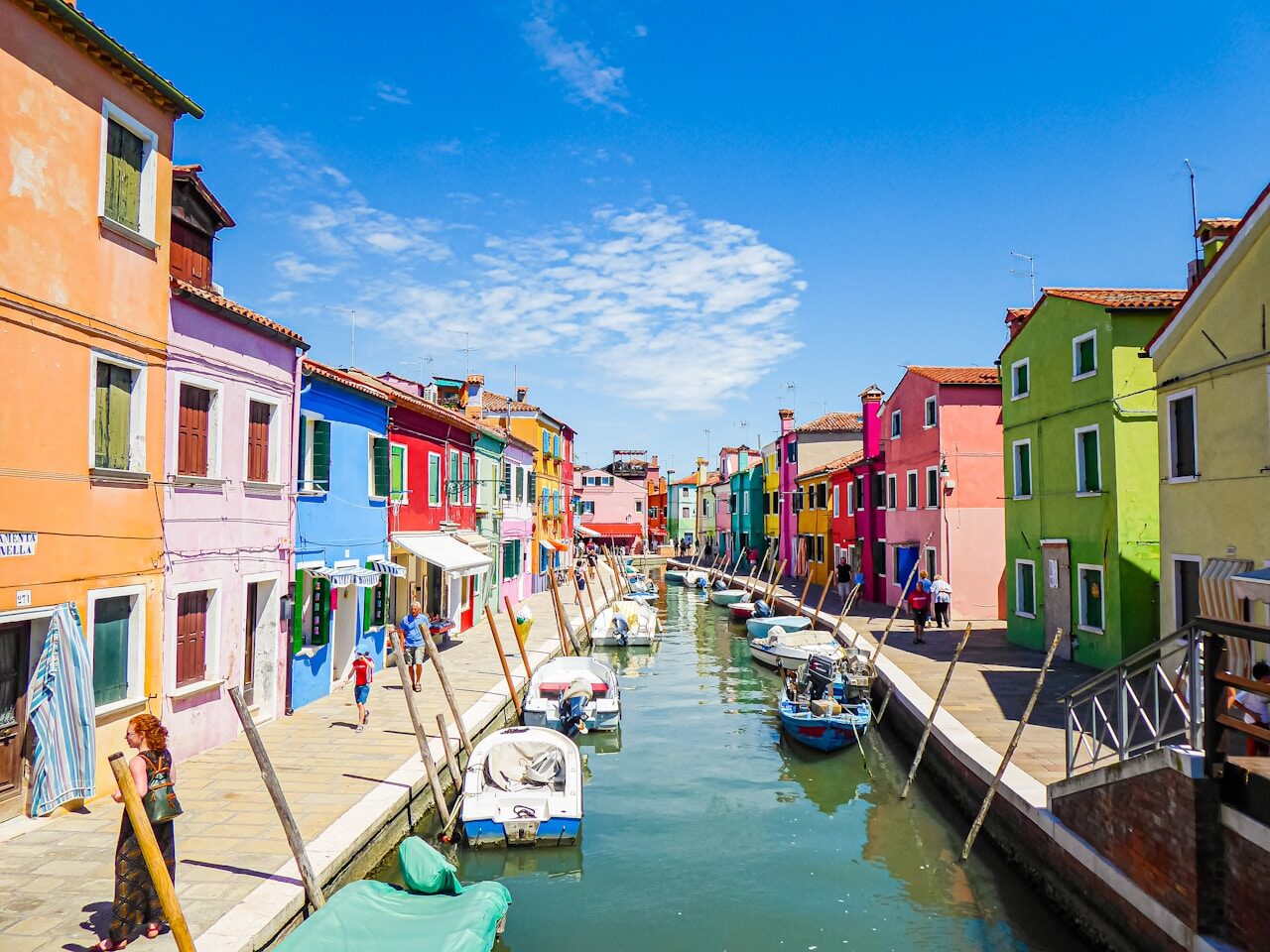
Burano’s brightly painted houses—vivid blues, yellows, reds, and greens—create a visual wonderland that delights children and adults alike.
The island functions as a giant outdoor art installation, with every street offering photo opportunities and color combinations that spark children’s imaginations.
Kids enjoy identifying favorite colors, counting houses of specific shades, or creating games around the colorful environment.
The island’s small size (21 hectares) and flat terrain make it easy to explore with children, requiring only 1-2 hours to walk the main streets and canals.
The absence of major attractions beyond the colorful houses means visits focus on wandering, photographing, and soaking in the atmosphere—activities that suit children’s natural curiosity and energy.
The island’s residential character provides authentic glimpses of lagoon life beyond tourism.
The Lace Museum (Museo del Merletto) displays traditional Burano lace-making, though the delicate, static exhibits may not engage young children.
Museum admission costs €5, with the collection appealing primarily to adults interested in textile arts.
Families can skip the museum without missing essential Burano experiences, as the island’s main appeal lies in its exterior beauty and atmosphere.
Burano’s restaurants specialize in seafood, with prices higher than mainland Venice due to tourist demand and island location.
However, the island’s photogenic setting makes outdoor dining appealing for families, with children entertained by canal views and colorful surroundings.
Bringing picnic lunches provides budget-friendly alternatives, with numerous waterfront spots suitable for outdoor eating.
Vaporetto Line 12 from Fondamente Nove reaches Burano in 40-45 minutes, with boats departing every 30-60 minutes.
The journey passes through Murano, making combined visits practical.
The last boats from Burano to Venice typically depart around 8:00-9:00 PM, with schedules varying by season.
Families should check return times before departing to avoid being stranded on the island.
Lido Beach: Sand and Sea
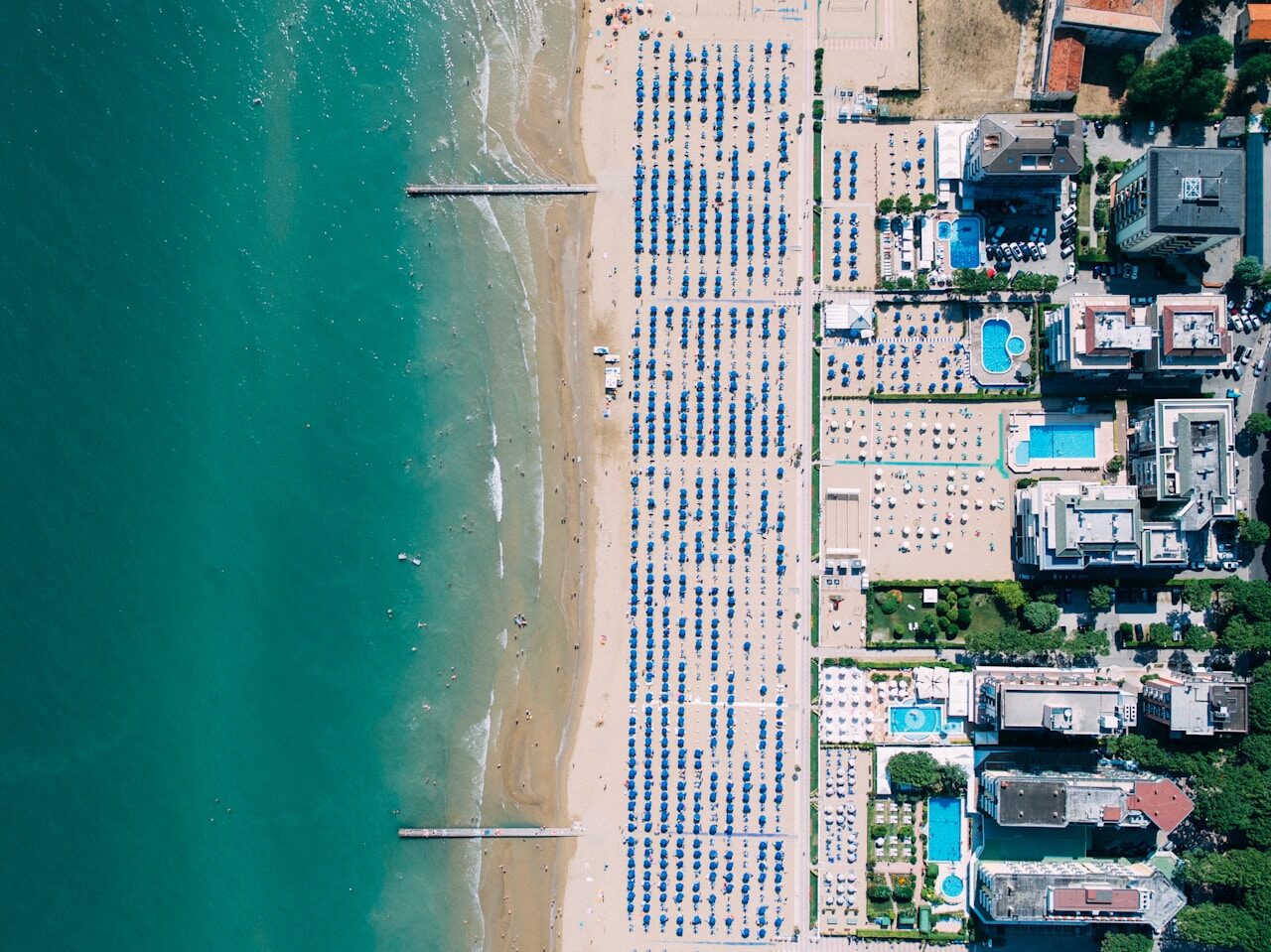
Lido, a long barrier island separating the Venetian Lagoon from the Adriatic Sea, offers beaches, playgrounds, and open spaces rare in Venice proper.
The island’s Adriatic-facing beaches provide traditional seaside experiences—sand, swimming, beach games—that appeal to children tired of urban sightseeing.
Public beaches offer free access, while private beach clubs (€15-30 per person) provide loungers, umbrellas, and facilities.
The island’s car-accessible streets, tree-lined avenues, and suburban character create a completely different atmosphere from Venice’s medieval density.
Children can ride bikes (rentals available), play in parks, and experience normal outdoor activities impossible in Venice proper.
The contrast between Venice’s unique character and Lido’s conventional beach town atmosphere provides variety for multi-day family visits.
Vaporetto Lines 1, 2, 5.1, 5.2, and 6 serve Lido from various Venice stops, with journeys taking 15-30 minutes.
The island’s size requires additional transportation (buses, bikes, or walking) to reach beaches from vaporetto stops, adding complexity to visits.
Families planning beach days should allocate 4-6 hours including travel time, making Lido visits full-day commitments.
Lido works best for families with children who need beach time and outdoor play after several days of Venice sightseeing.
The island provides physical activity outlets and familiar beach experiences that help children decompress from Venice’s intensity.
However, families with limited Venice time may prefer focusing on Venice-specific experiences rather than generic beach activities available elsewhere.
For information about other Venice neighborhoods and their family-friendliness, see our guide to where to stay in Venice, which covers accommodation options and neighborhood characteristics for families.
What Hands-On Activities Engage Kids in Venice?
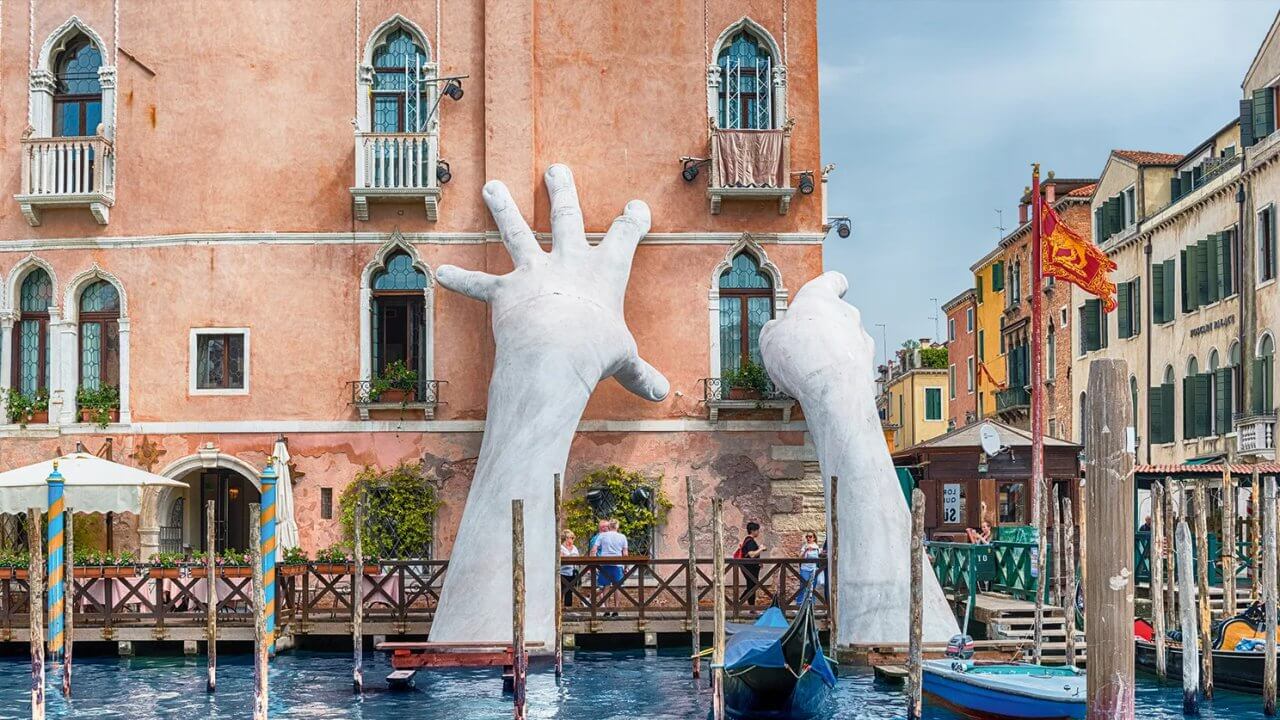
Interactive experiences engage children more effectively than passive sightseeing, with hands-on workshops and activities creating memorable learning moments.
Venice offers several family-friendly workshops that teach traditional crafts while entertaining children.
These activities work particularly well during afternoon hours when children tire of walking and need different stimulation.
Venetian Mask-Making Workshops
Mask-making workshops allow children to create traditional Venetian carnival masks while learning about Venice’s famous Carnival celebration.
These 1-2 hour sessions, costing €10-20 per person, provide all materials (blank masks, paints, feathers, glitter, decorations) and instruction from local artisans.
Children aged 5+ can participate successfully, with younger kids requiring parental assistance.
Workshops typically begin with brief Carnival history explanations, then move to hands-on decoration.
Children choose mask styles (full face, half face, animal shapes), select colors, and apply decorations according to their creativity.
The process engages children’s artistic interests while teaching cultural traditions, creating educational entertainment.
Completed masks become souvenirs that remind children of their Venice experiences.
Several shops near San Marco and Rialto Bridge offer mask-making workshops, with Ca’ Macana in Dorsoduro particularly well-regarded for family sessions.
Advance booking is recommended during peak season, though walk-in availability often exists during off-season periods.
The workshops provide air-conditioned indoor activities during hot summer days or rainy weather, offering flexibility when outdoor plans become impractical.
The mask-making experience works well for mixed-age groups, as both young children and teenagers find the activity engaging at different levels.
Younger kids enjoy the painting and decorating process, while older children appreciate the cultural context and create more sophisticated designs.
Parents can participate alongside children, creating family bonding opportunities through shared creative activities.
Gondola Model Building
Gondola model-building workshops teach children about Venice’s iconic boats while creating take-home souvenirs.
These sessions, lasting 1.5-2 hours and costing €15-25 per person, provide pre-cut wood pieces, assembly instructions, and guidance from craftsmen familiar with traditional boat-building techniques.
Children aged 8+ can complete models with minimal assistance, while younger children require parental help.
The workshops typically occur in traditional boatyards (squeri) near the Arsenale or in craft shops throughout Venice.
Participants learn about gondola construction, the boats’ unique asymmetric design, and the years of training required to become gondoliers.
This cultural education occurs naturally through the building process, making learning feel like play rather than instruction.
Completed models, while simple compared to actual gondolas, provide tangible connections to Venice experiences.
Children who’ve taken gondola rides particularly appreciate building their own boats, creating links between different Venice activities.
The models’ small size makes them practical souvenirs that fit in luggage without excessive space or weight.
The workshop format suits rainy days or hot afternoons when outdoor activities become uncomfortable.
The indoor, seated activity provides rest for tired legs while maintaining engagement through hands-on work.
Families can schedule workshops strategically to break up walking-intensive days and provide variety in activity types.
Cooking Classes: Making Pasta and Tiramisu
Family cooking classes teach children to prepare Italian dishes while learning about Venetian food culture.
These 2-3 hour sessions, costing €40-80 per person (often with family discounts), typically focus on pasta-making and desserts like tiramisu.
Children aged 6+ can participate fully, with younger children helping with simple tasks like stirring or decorating.
Classes begin with ingredient introductions and technique demonstrations, then move to hands-on preparation.
Children roll pasta dough, cut shapes, and assemble dishes under instructor guidance.
The tactile, messy nature of cooking appeals to children who enjoy sensory experiences, while the promise of eating their creations provides motivation.
Classes conclude with family meals featuring the prepared dishes, creating shared dining experiences.
Several cooking schools in Venice offer family-friendly classes, with advance booking essential during peak season.
Some classes occur in traditional Venetian homes, providing authentic cultural immersion, while others use professional cooking school facilities.
The home-based classes offer more intimate experiences but may have limited availability, while cooking schools accommodate larger groups with more flexible scheduling.
The cooking class experience provides multiple benefits: cultural education, hands-on activity, family bonding, and a meal that eliminates one restaurant expense.
Children gain appreciation for Italian cuisine beyond pizza and pasta, learning about ingredient quality and traditional preparation methods.
The skills learned—basic pasta-making, simple sauce preparation—can be recreated at home, extending the Venice experience beyond the trip.
How Do You Navigate Venice Transportation With Kids?
Venice’s unique transportation system requires specific strategies when traveling with children.
Understanding vaporetto logistics, managing strollers, and planning routes that accommodate children’s needs transforms potentially stressful transportation into manageable, even enjoyable, family experiences.
Vaporetto Travel With Children
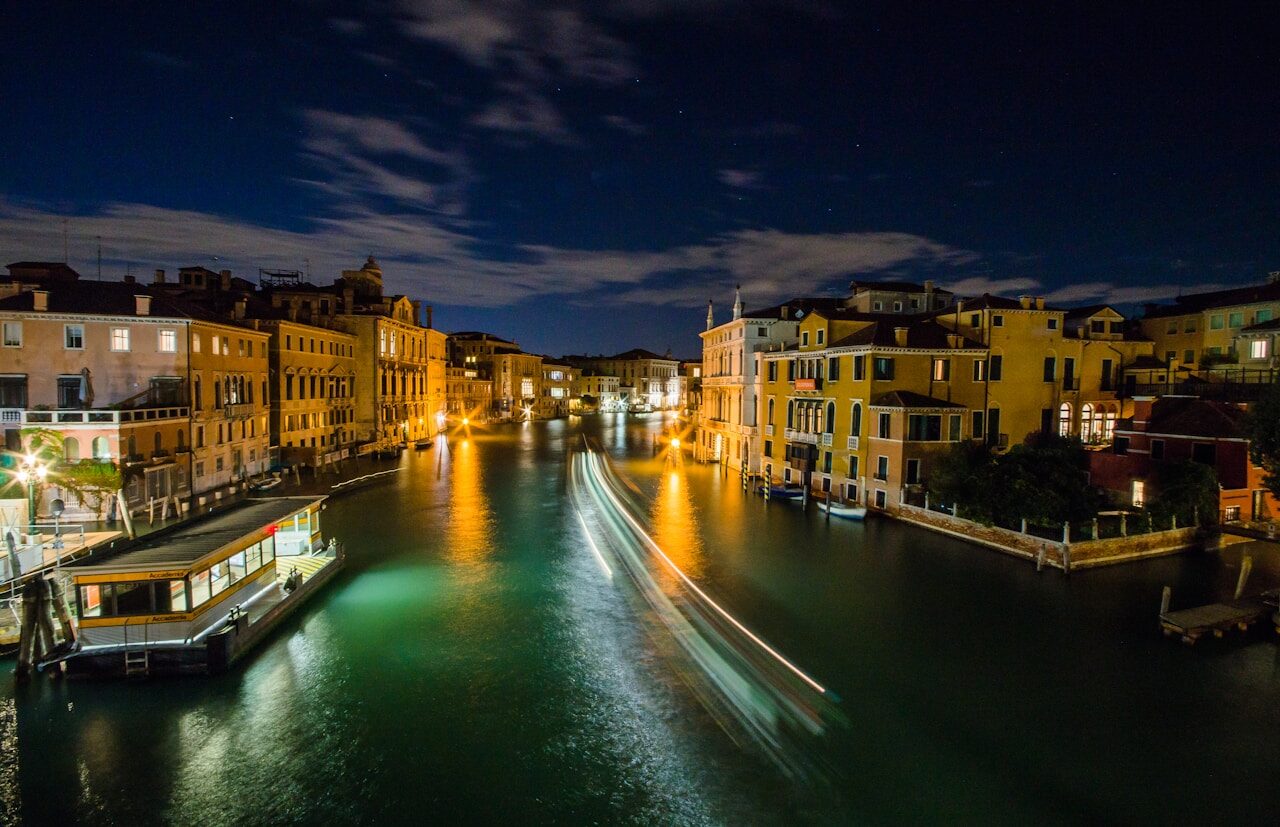
Vaporetti (water buses) fascinate most children, turning necessary transportation into entertainment.
The boat rides, water views, and novelty of water-based public transit create excitement that makes travel time pass quickly.
However, crowded boats, lack of seating, and safety considerations require parental vigilance and planning.
Children under 6 ride vaporetti free when accompanied by paying adults, providing significant savings for families.
Children aged 6-14 do not receive discounted tickets, paying full adult fares (€9.50 single ride or included in multi-day passes).
Families making multiple vaporetto trips should purchase multi-day passes (€25 for 24 hours, €35 for 48 hours, €45 for 72 hours) for better value than single tickets.
Boarding vaporetti with children requires strategy, particularly during crowded periods.
Families should board early to secure seating, as standing with young children on moving boats creates safety concerns.
The outdoor deck areas provide better views and fresh air but require careful supervision near railings.
Indoor seating areas offer more security but less exciting views for children.
Life jackets are not provided on vaporetti, and children must remain seated or held securely while boats are moving.
The boats’ low sides and open design create fall risks for unsupervised children.
Parents should maintain physical contact with young children (holding hands or keeping them on laps) and establish clear rules about staying seated and away from edges.
Vaporetto routes that work well for families include Line 1’s slow Grand Canal journey (providing extended sightseeing), Line 12 to Murano and Burano (island adventures), and circular routes 4.1/4.2 (lagoon views).
These routes offer interesting views that maintain children’s attention, while shorter routes may not provide sufficient entertainment value to justify the effort of boarding with kids.
Stroller Considerations and Alternatives
Venice’s 400+ bridges with steps make strollers impractical for extensive use, though some families successfully navigate with lightweight, foldable models.
The constant lifting of strollers up and down bridge steps exhausts parents and slows travel significantly.
Many bridges lack ramps, and those with ramps often feature steep inclines that challenge stroller pushing.
Baby carriers (front packs for infants, back carriers for toddlers) provide more practical solutions for Venice navigation.
Carriers allow hands-free bridge climbing, easier crowd navigation, and flexibility in narrow streets where strollers don’t fit.
However, carriers become uncomfortable during extended wear, particularly in hot weather, and don’t accommodate children over approximately 40 pounds.
Families committed to strollers should plan routes using bridges with ramps or minimal steps, though this significantly limits navigation options.
The Ponte della Costituzione near Piazzale Roma features a gentle slope without steps, providing one of the few wheelchair and stroller-accessible Grand Canal crossings.
However, most Venice areas require accepting stair climbing or abandoning strollers for carriers.
Stroller-friendly routes exist along wider fondamentas (waterfront walkways) and main thoroughfares like Strada Nova in Cannaregio.
These flatter, wider paths allow stroller use, though they represent only small portions of Venice’s street network.
Families can combine stroller use on these routes with carriers for bridge-heavy areas, though the logistics of carrying both strollers and carriers add complexity.
The decision between strollers and carriers depends on children’s ages, weights, and temperaments, as well as parents’ physical capabilities and tolerance for logistical challenges.
Many families find that accepting Venice’s pedestrian nature and using carriers exclusively simplifies travel and reduces stress, even though carriers have their own limitations.
Walking Distances and Child Fatigue Management
Venice’s compact size means major attractions cluster within 20-40 minutes’ walk, though the actual distances feel longer due to bridge climbing, crowd navigation, and maze-like routes.
Children’s walking capabilities vary by age, with young children (3-5) managing 1-2 kilometers before tiring, school-age children (6-12) handling 3-5 kilometers, and teenagers matching adult walking distances.
Planning routes that accommodate children’s limitations prevents meltdowns and maintains positive family dynamics.
Breaking days into morning and afternoon segments with midday hotel returns allows rest, naps, and recharging.
This approach works well in Venice’s compact geography, where returning to accommodations takes 15-30 minutes from most locations.
Incorporating breaks at playgrounds, parks, or waterfront areas provides rest while maintaining outdoor time.
The Giardini della Biennale in Castello and Sant’Elena Park offer green spaces with playgrounds where children can run and play.
These breaks, lasting 30-60 minutes, help children burn energy and reset attention spans for continued sightseeing.
Promising rewards (gelato, toy purchases, playground time) after completing walking segments motivates children through challenging periods.
However, overusing rewards creates expectations that undermine intrinsic motivation, so parents should balance incentives with natural consequences and age-appropriate expectations about family travel requirements.
Realistic daily planning prevents over-scheduling that exhausts children and parents.
Attempting to visit 5-6 attractions daily with young children creates stress and reduces enjoyment, while planning 2-3 major activities with flexible timing allows spontaneous discoveries and accommodates children’s varying energy levels and interests.
For comprehensive information about Venice transportation options and strategies, see our guide to getting around Venice, which covers vaporetto routes, walking strategies, and navigation tips.
Where Can Families Find Child-Friendly Facilities in Venice?
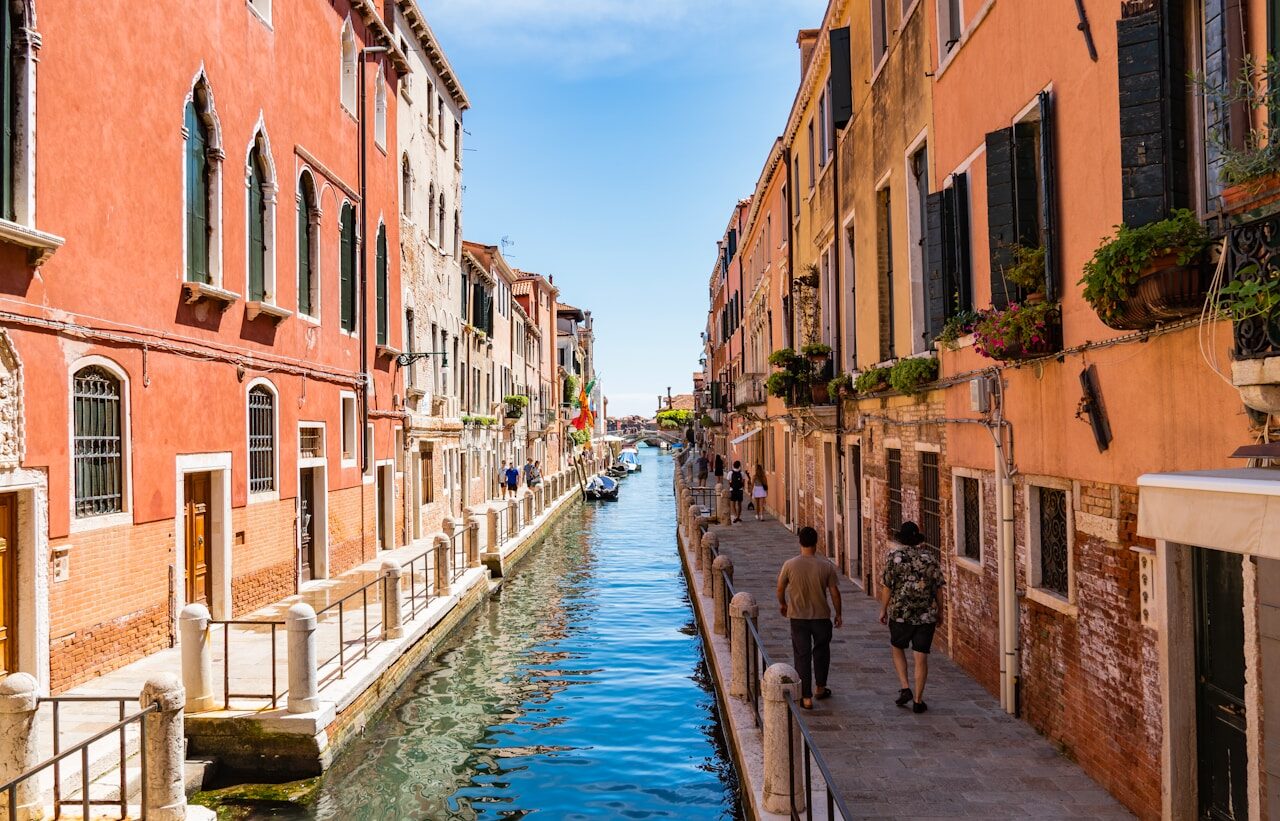
Venice’s historic character and tourism focus mean child-specific facilities (changing tables, nursing rooms, playgrounds) are less common than in modern cities.
However, understanding where to find these amenities and planning accordingly helps families manage practical needs without constant stress.
Restrooms and Changing Facilities
Public restrooms in Venice are scarce and typically charge €1.50 per use, with facilities located at major vaporetto stops (Piazzale Roma, Ferrovia, Rialto, San Marco) and some squares.
These restrooms usually include changing tables, though cleanliness and maintenance vary.
Carrying €1-2 coins ensures access when needed, as facilities don’t accept cards or larger bills.
Museums, churches, and major attractions typically provide free restrooms for visitors, making attraction visits strategic opportunities for bathroom breaks.
However, some churches lack facilities, and museum restrooms may be located inconveniently far from entrances.
Planning bathroom stops around attraction visits reduces the need for paid public facilities.
Restaurants and cafes allow restroom use for customers, with the expectation of purchasing something (even just coffee or water).
This approach costs more than public facilities but provides cleaner, more private options.
Families can time cafe stops to coincide with bathroom needs, combining rest breaks with facility access.
Carrying portable changing pads allows diaper changes in restaurant restrooms or other locations lacking dedicated changing tables.
However, Venice’s limited restroom availability means families with babies should plan carefully and change diapers opportunistically whenever facilities are available, rather than waiting for ideal timing.
Playgrounds and Green Spaces
Venice’s dense urban character means playgrounds and parks are rare, with most located in peripheral neighborhoods rather than central tourist areas.
The Giardini della Biennale in eastern Castello provides the largest green space, with playgrounds, open lawns, and tree-shaded paths.
The gardens, covering 27 hectares, offer rare opportunities for children to run freely and play on equipment.
Sant’Elena Park, at Venice’s eastern tip, features additional playground equipment and waterfront promenades where children can ride bikes or scooters.
The park’s distance from central Venice (30-40 minute walk from San Marco) limits its practicality for quick breaks, but families staying in eastern Castello or planning full afternoons in the area find it valuable.
Smaller neighborhood squares (campi) throughout Venice provide open spaces where children can play, though most lack playground equipment.
Campo Santa Margherita in Dorsoduro, Campo San Polo in San Polo, and various Castello campi offer flat, car-free areas where children can run, play ball games, or ride scooters.
Local children use these spaces regularly, providing opportunities for interaction with Venetian families.
Lido island offers the most extensive playground and park facilities, with multiple equipped play areas and beach access.
However, reaching Lido requires 15-30 minute vaporetto rides, making it impractical for quick playground visits.
Families planning beach days or extended outdoor time find Lido’s facilities worth the travel time.
Nursing and Baby Care
Venice lacks dedicated nursing rooms or baby care facilities in most locations, requiring mothers to nurse in public spaces, restaurants, or hotel rooms.
Italian culture generally accepts public breastfeeding, though some mothers prefer privacy.
Carrying nursing covers provides options for discreet feeding in public areas.
Baby food, diapers, and supplies are available at pharmacies (farmacie) and some supermarkets throughout Venice, though selection may be limited compared to specialized baby stores.
Prices run higher than mainland Italy due to Venice’s island location and tourism focus.
Families should bring sufficient supplies from home or purchase in Mestre, where larger stores offer better selection and prices.
Warming bottles or baby food requires asking restaurants or cafes for assistance, as public facilities for this purpose don’t exist.
Most establishments accommodate these requests for customers, though families should purchase something in exchange for the service.
Carrying portable bottle warmers provides independence from restaurant assistance.
High chairs (seggioloni) are available at most family-friendly restaurants, though availability isn’t guaranteed at all establishments.
Calling ahead or asking upon arrival ensures seating arrangements accommodate young children.
Some restaurants lack high chairs entirely, requiring parents to hold children during meals or bring portable booster seats.
What Should Families Know About Venice Safety and Logistics?
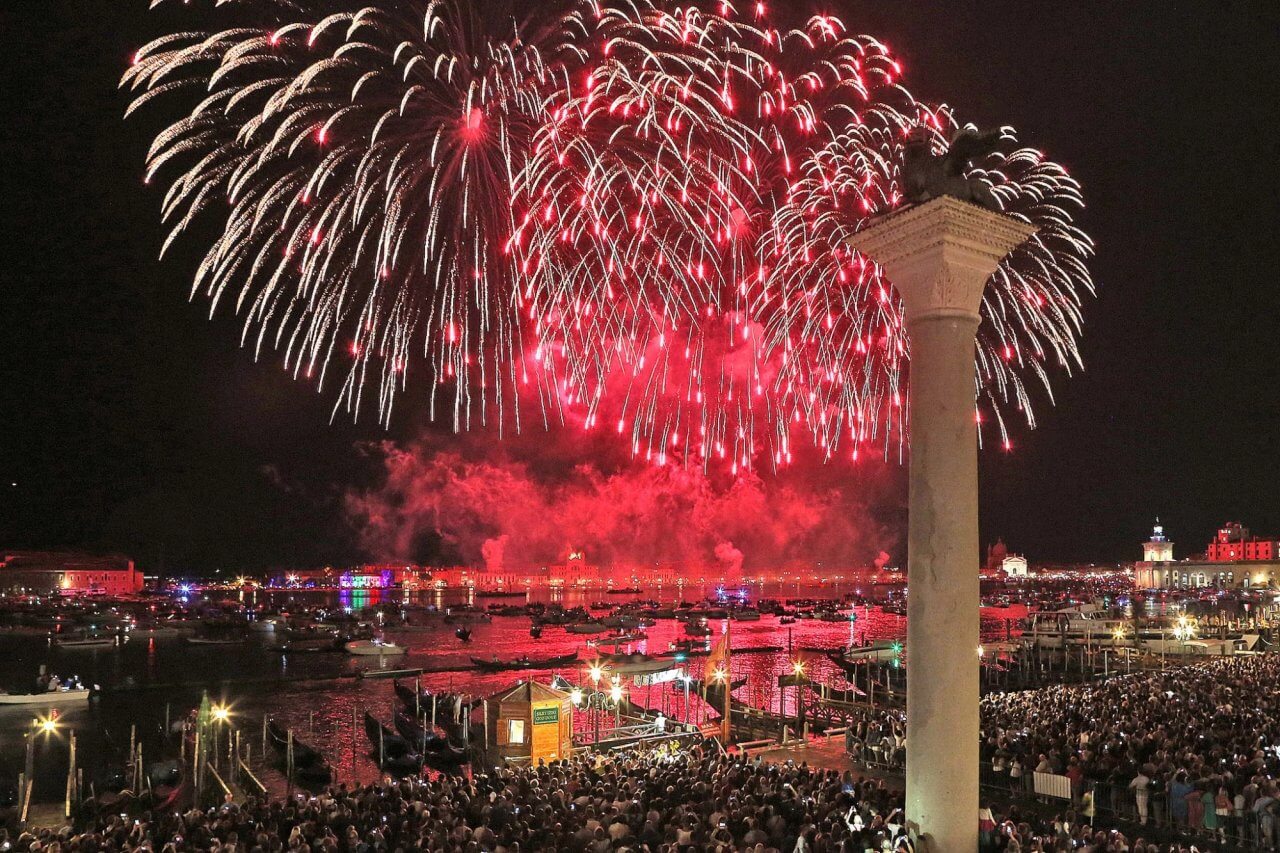
Venice’s unique environment creates specific safety considerations for families, from water hazards to crowd management.
Understanding these factors and planning accordingly prevents accidents and reduces stress during family visits.
Water Safety and Canal Awareness
Venice’s canals lack consistent barriers, with many canal edges featuring only low walls or no barriers at all.
Children must understand that canals are not swimming pools and that falling in creates serious dangers including cold water, boat traffic, and difficulty exiting due to high walls.
Parents should establish clear rules about staying away from canal edges and maintain physical contact (holding hands) with young children near water.
Canal water quality is poor, with pollution from boats, sewage, and general urban runoff making it unsuitable for contact.
Children who fall in require immediate medical attention due to infection risks, even if they don’t ingest water.
The canals’ depth (typically 3-6 feet in smaller rii, 10-16 feet in the Grand Canal) means children cannot stand, and the high walls make self-rescue difficult.
Bridges with low or no railings require extra caution, particularly with young children prone to leaning or climbing.
Parents should maintain close supervision on bridges and establish rules about staying in the center of walkways away from edges.
Some historic bridges feature worn, uneven steps that create tripping hazards, requiring careful footing.
Life jackets are not provided on vaporetti or other water transportation, and children must remain seated or held securely during boat travel.
The boats’ low sides and open design create fall risks for unsupervised children.
Parents should maintain physical contact with young children and establish clear rules about staying seated and away from edges during boat rides.
Crowd Management and Getting Lost
Venice’s narrow streets and overwhelming tourist crowds create situations where children can become separated from parents.
Establishing meeting points, teaching children to identify landmarks, and ensuring older children know hotel names and addresses helps reunite separated family members.
Young children should wear identification (wristbands with parent phone numbers) in case they become lost.
The maze-like street layout means even adults get lost regularly, so children wandering alone face significant challenges finding their way back.
Teaching children to ask shopkeepers or police for help, rather than following strangers, provides safety strategies if separation occurs.
However, prevention through close supervision and physical contact (holding hands) in crowded areas remains the best approach.
Pickpockets target tourists in crowded areas, particularly around San Marco, Rialto Bridge, and on packed vaporetti.
Families should use anti-theft bags, keep valuables in front pockets or secured bags, and maintain awareness in crowds.
Teaching children not to display expensive items (phones, cameras, jewelry) reduces theft risks.
The constant crowds and sensory stimulation can overwhelm children, leading to meltdowns or behavioral issues.
Planning quiet breaks, returning to hotels for downtime, and maintaining realistic schedules prevents overstimulation.
Parents should watch for signs of child fatigue or stress and adjust plans accordingly rather than pushing through to complete ambitious itineraries.
Frequently Asked Questions About Venice With Kids
What is the best age to take kids to Venice?
Children aged 6-12 typically enjoy Venice most, possessing sufficient attention spans for cultural experiences while maintaining enthusiasm for the city’s unique features.
This age group appreciates gondola rides, finds island exploration exciting, engages with hands-on workshops, and tolerates walking between attractions.
However, Venice works for all ages with appropriate planning—young children (3-5) enjoy simple pleasures like boat rides and colorful buildings, while teenagers appreciate cultural depth and independent exploration opportunities.
Families with infants and toddlers face the greatest logistical challenges but can still visit successfully with realistic expectations and flexible planning.
Are strollers practical in Venice?
Strollers face significant challenges in Venice due to 400+ bridges with steps, narrow streets, and crowded conditions. Lightweight, foldable strollers work better than full-size models, but parents must lift them up and down bridge steps constantly.
Many families find baby carriers (front packs for infants, back carriers for toddlers) more practical, allowing hands-free bridge climbing and easier crowd navigation. However, carriers become uncomfortable during extended wear.
The decision depends on children’s ages and weights, parents’ physical capabilities, and tolerance for logistical challenges.
Some families successfully use strollers on wider, flatter routes while carrying children over bridges.
What are the best family-friendly restaurants in Venice?
Family-friendly restaurants in Venice typically feature high chairs, children’s menus or willingness to modify dishes, and tolerant atmospheres where children’s noise doesn’t disturb other diners.
Pizzerias and trattorias generally accommodate families better than upscale restaurants.
Restaurants in neighborhood areas (Cannaregio, Castello, Dorsoduro) tend to be more family-friendly than tourist-focused establishments near San Marco.
Outdoor seating provides space for active children and reduces concerns about noise. Calling ahead to confirm high chair availability and asking about children’s portions helps ensure positive dining experiences.
Early dinner times (6:00-7:00 PM) often find restaurants less crowded and more accommodating to families.
How much does it cost for a family to visit Venice?
Family Venice costs vary dramatically based on accommodation choices, dining strategies, and activity selections.
A family of four (2 adults, 2 children) can visit for €200-300 daily with budget accommodation in Mestre (€60-100), self-catered breakfasts and some meals (€60-80), vaporetto passes (€50 for two 24-hour adult passes, children under 6 free), and selective paid attractions (€40-80).
Mid-range families typically spend €400-600 daily with Venice proper accommodation (€150-250), restaurant meals (€120-180), transportation (€50-70), and more paid attractions (€80-120).
Costs increase 30-50% during peak season (June-August) compared to off-season periods.
Is Venice safe for children?
Venice is generally safe for children, with low crime rates and car-free streets eliminating traffic dangers.
However, specific hazards require attention: canal edges lack consistent barriers, requiring supervision near water; crowded areas create pickpocketing risks and separation possibilities; bridges with steps pose tripping hazards; and overwhelming sensory stimulation can stress children.
Parents should establish clear safety rules, maintain physical contact with young children in crowded areas and near water, teach older children what to do if separated, and watch for signs of child fatigue or overstimulation.
With appropriate precautions and realistic planning, Venice provides safe, memorable family experiences.