Best Time to Visit Venice, Italy: Complete 2026 Weather Guide



Best Time To Go To Venice Italy: Month-by-Month Travel Planning – Discover the best time to visit Venice, Italy, with our complete guide to weather patterns, tourist seasons, and special events for planning your perfect trip.
- When To Visit Venice: Seasonal Guide to Weather, Crowds, and Events
- Spring Season (March-May): Ideal Weather and Moderate Crowds
- Summer Season (June-August): Peak Tourism and Warm Weather
- Autumn Season (September-November): Comfortable Weather and Fewer Crowds
- Winter Season (December-February): Low Prices and Festive Atmosphere
- When Is The Best Time To Visit Venice? Balancing Factors
- Budget-Conscious Travel: Cheapest Time To Visit Venice
- Venice Carnival: Special Event Timing
- Weather-Based Activity Planning
Venice stands as one of Italy’s most captivating destinations, built across 118 islands in the Venetian Lagoon of northeastern Italy.
The city’s unique geography and Mediterranean climate create distinct seasonal experiences, from warm summer days perfect for canal exploration to misty winter mornings offering serene, crowd-free wandering.
Understanding Venice’s seasonal patterns, weather conditions, tourist flows, and special events helps travelers choose the ideal time for their visit based on personal preferences and travel goals.
Key Takeaways
Hide- Spring (April-June) offers mild weather (50-70°F), blooming gardens, and moderate crowds ideal for sightseeing
- Summer (July-August) brings peak heat (above 85°F) and maximum tourist crowds but extended daylight hours
- Fall (September-October) provides comfortable temperatures (55-75°F), fewer tourists, and stunning autumn photography
- Winter (November-March) features the lowest prices, minimal crowds, and festive atmosphere despite cool weather (35-50°F)
- Avoid peak season (July-August) for better prices and smaller crowds; choose shoulder seasons for optimal balance
- Venice Carnival (February) and major festivals significantly impact accommodation availability and pricing
- Acqua Alta flooding occurs primarily October-January; pack waterproof boots and check tide forecasts
When To Visit Venice: Seasonal Guide to Weather, Crowds, and Events
Venice experiences a humid subtropical climate influenced by its lagoon location and proximity to the Adriatic Sea.
The city’s weather patterns differ significantly from inland Italian cities due to maritime influences, creating unique seasonal characteristics that affect travel experiences throughout the year.
Mediterranean Climate Characteristics
Venice’s climate features four distinct seasons with notable temperature variations throughout the year. Summer temperatures average 77-86°F (25-30°C), while winter temperatures typically range from 35-46°F (2-8°C).
The city experiences approximately 30 inches (750mm) of annual rainfall, distributed relatively evenly across months, though autumn sees slightly higher precipitation.
The lagoon’s presence moderates temperature extremes compared to mainland areas, keeping summers slightly cooler and winters marginally warmer than inland Veneto region cities.
However, humidity levels remain consistently high year-round, averaging 70-80%, which can make summer heat feel more oppressive and winter cold more penetrating.
Sea breezes from the Adriatic provide natural cooling during summer afternoons, particularly in areas facing the lagoon.
These winds, known locally as the Sirocco (from the south) and Bora (from the northeast), significantly influence daily weather patterns and visitor comfort levels.
Seasonal Temperature and Rainfall Patterns
Spring (March-May) brings gradually warming temperatures from 50°F (10°C) in early March to 70°F (21°C) by late May.
Rainfall occurs on approximately 8-10 days per month, typically as brief showers rather than prolonged storms.
April and May offer the most stable weather with increasing sunshine hours.
Summer (June-August) delivers the warmest and driest conditions, with July and August averaging 8-9 hours of daily sunshine.
Temperatures peak in July and August, frequently exceeding 85°F (29°C).
Brief afternoon thunderstorms occur occasionally, providing temporary relief from heat and humidity.
Autumn (September-November) sees temperatures declining from 75°F (24°C) in September to 50°F (10°C) by November.
Rainfall increases during this period, particularly in October and November, with 10-12 rainy days per month.
The season also marks the beginning of acqua alta (high water) flooding events.
Winter (December-February) brings the coldest and dampest conditions, with temperatures ranging from 35-46°F (2-8°C).
December and January average 8-10 rainy days per month.
Fog frequently blankets the lagoon during winter mornings, creating atmospheric but sometimes challenging visibility conditions.
Snow occurs rarely, perhaps once or twice per winter, and rarely accumulates.
Acqua Alta and Tidal Influences
Acqua alta (high water) represents Venice’s most distinctive weather phenomenon, occurring when astronomical tides, strong Sirocco winds, and low atmospheric pressure combine to push Adriatic seawater into the lagoon.
These flooding events primarily affect the period from October through January, with November experiencing the highest frequency.
During acqua alta events, water levels can rise 3-5 feet (1-1.5 meters) above normal, flooding approximately 12% of the city including St. Mark’s Square, the lowest point in Venice.
The city operates a warning system with sirens sounding 3-4 hours before expected flooding, giving residents and visitors time to prepare.
Temporary elevated walkways (passerelle) are installed in major tourist areas during flooding, allowing pedestrians to navigate flooded zones. Most Venetians and businesses adapt seamlessly to these events, which typically last 2-4 hours before waters recede with the tide.
The MOSE flood barrier system, completed in 2020, can be raised to prevent severe flooding events. However, it’s not activated for minor acqua alta occurrences, as these are considered part of Venice’s natural rhythm.
Travelers visiting during autumn and winter should pack waterproof boots and check tide forecasts via apps like “Hi! Tide Venice.”
For comprehensive information about navigating Venice during your visit, including transportation options and practical tips, see our guide on getting around Venice.
Spring Season (March-May): Ideal Weather and Moderate Crowds
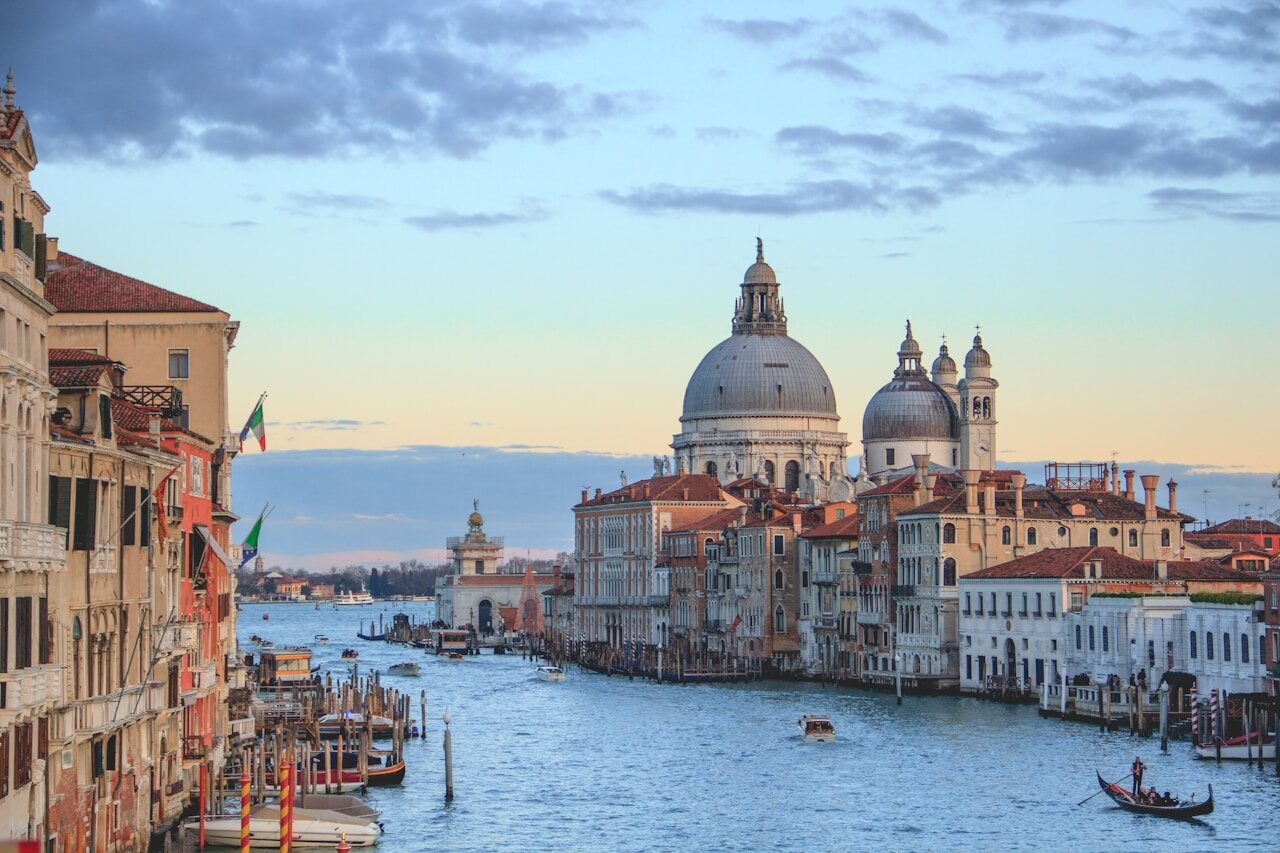
Spring represents one of Venice’s most appealing seasons for visitors, offering a favorable combination of pleasant weather, manageable tourist numbers, and blooming natural beauty.
The season bridges winter’s quiet period and summer’s peak crowds, providing an optimal balance for many travelers.
March Through May Weather Conditions
March marks the transition from winter to spring, with average temperatures ranging from 45-57°F (7-14°C). Early March can still feel quite cool, particularly during morning and evening hours, requiring layers and a light jacket.
Rainfall occurs on approximately 8 days during the month, typically as brief showers. Daylight hours increase noticeably, with sunset moving from 6:00 PM in early March to 8:00 PM by month’s end.
April delivers genuinely spring-like conditions, with temperatures climbing to 50-65°F (10-18°C). This month offers some of the year’s most pleasant weather for walking tours and outdoor exploration.
Rainfall decreases slightly compared to March, averaging 7-8 rainy days. Gardens and window boxes throughout the city burst into bloom, adding color to Venice’s stone and water palette.
May provides the warmest spring weather, with temperatures reaching 60-73°F (16-23°C). The month sees approximately 8 hours of daily sunshine and only 7-8 rainy days.
Late May weather often feels summer-like, though without the intense heat and humidity of July and August. This makes May particularly popular with visitors seeking warm weather without extreme temperatures.
Easter Season and Spring Festivals
Easter celebrations transform Venice into a hub of religious and cultural activity, typically occurring in late March or April depending on the lunar calendar. Holy Week features special masses at St.
Mark’s Basilica, with the Easter Sunday service attracting both pilgrims and tourists. The Patriarch of Venice leads processions through St.
Mark’s Square, creating memorable photo opportunities.
The period surrounding Easter sees significantly increased tourist numbers, with hotel prices rising 30-50% above normal spring rates. In 2026, Easter Sunday falls on April 5, with Holy Week running from Palm Sunday (March 29) through Good Friday (April 3) — book well in advance if visiting during this window.
Advance reservations become essential for this period, particularly for hotels near St. Mark’s Square and the Rialto Bridge.
The Festa di San Marco on April 25 celebrates Venice’s patron saint with a traditional gondola race across St. Mark’s Basin and special masses at the basilica.
Local men traditionally give women a red rose (bocolo) on this day, creating a romantic atmosphere throughout the city. Restaurants offer special menus featuring traditional Venetian dishes like risi e bisi (rice and peas).
The Vogalonga rowing race, held in mid-May, attracts thousands of rowers in traditional Venetian boats for a non-competitive 30-kilometer route through the lagoon. The event celebrates Venice’s rowing heritage and provides spectacular viewing opportunities along the Grand Canal and lagoon shores.
Spring Gardens and Photography Opportunities
Venice’s hidden gardens reach peak bloom during April and May, offering photographers and nature enthusiasts rare green spaces within the stone city. The Giardini della Biennale, public gardens created by Napoleon in 1810, showcase spring flowers, blooming trees, and waterfront views.
These gardens provide peaceful retreats from crowded tourist areas.
Private palazzo gardens occasionally open for special tours during spring, revealing centuries-old plantings and Renaissance garden designs hidden behind high walls. The gardens of Palazzo Soranzo Cappello and Ca’ Zenobio offer particularly stunning spring displays when accessible.
Sant’Erasmo island, Venice’s “garden island” in the northern lagoon, produces the vegetables and flowers sold at Rialto Market. Spring visits to Sant’Erasmo reveal fields of artichokes, the island’s famous crop, alongside blooming fruit trees and early vegetables.
The island offers a rural contrast to Venice’s urban density, accessible via vaporetto line 13.
Spring’s soft, diffused light creates ideal photography conditions, particularly during the golden hours after sunrise and before sunset. The combination of blooming flowers, clear skies, and moderate tourist numbers allows photographers to capture Venice’s beauty without the harsh shadows of summer or the crowds blocking iconic views.
Summer Season (June-August): Peak Tourism and Warm Weather
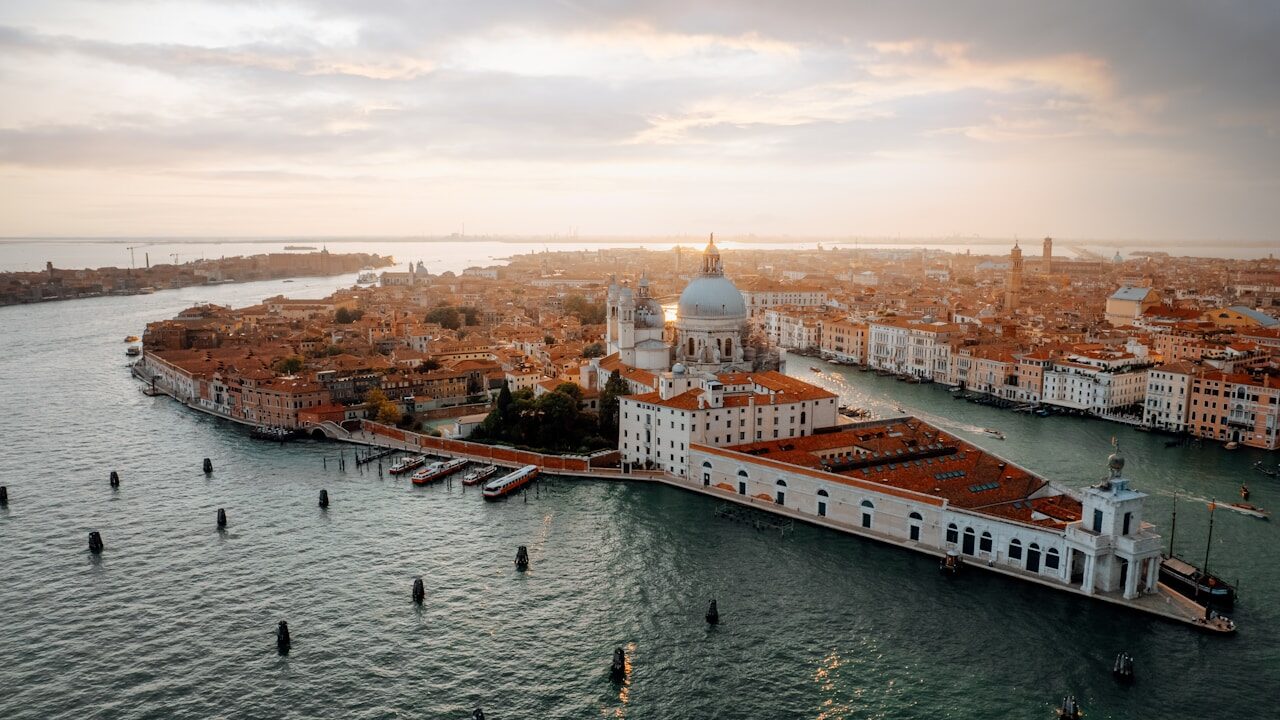
Summer brings Venice’s warmest weather, longest days, and highest tourist numbers. The season offers extended hours for sightseeing and outdoor activities but requires strategies for managing heat, humidity, and crowds that can significantly impact the visitor experience.
June Weather and Early Summer Conditions
June marks the beginning of summer with temperatures averaging 68-79°F (20-26°C), providing warm but not oppressive conditions for exploration.
The month receives approximately 7-8 rainy days, typically as brief afternoon thunderstorms that provide temporary cooling.
Humidity levels increase compared to spring, averaging 70-75%.
Daylight extends to approximately 15 hours, with sunrise around 5:30 AM and sunset near 8:45 PM.
These long days allow visitors to maximize sightseeing time and enjoy evening strolls along canals after the day’s heat subsides.
Early morning hours (before 9 AM) offer the most comfortable temperatures for walking tours.
Tourist numbers increase significantly in June compared to May, though crowds remain more manageable than July and August.
Hotel prices rise to high-season rates, with mid-range 3-star hotels in Venice averaging €150–240 per night in June, typically 40-60% above off-season pricing.
Popular restaurants require reservations, particularly for dinner service and waterfront seating.
The Venice Biennale Art Exhibition, held in odd-numbered years from May through November, reaches full operation in June.
The contemporary art showcase attracts international visitors and creates additional demand for accommodations.
Exhibition venues at the Giardini and Arsenale offer air-conditioned respite from summer heat.
July and August Peak Season Challenges
July and August deliver Venice’s hottest weather, with temperatures frequently exceeding 85°F (30°C) and occasionally reaching 95°F (35°C) during heat waves. High humidity levels (75-80%) make the heat feel more intense, particularly in narrow alleys where air circulation is limited.
These conditions can cause heat exhaustion for unprepared visitors.
Tourist crowds reach maximum density during these months, with an estimated 80,000-100,000 daily visitors in peak periods. Major attractions like St.
Mark’s Basilica and Doge’s Palace experience queues of 1-2 hours without advance tickets. Narrow streets and bridges become congested, making navigation slow and sometimes frustrating.
Hotel prices peak during July and August, with mid-range 3-star hotels averaging €250–400 per night and luxury properties reaching €500–800, representing 60-80% above off-season levels. Many hotels require minimum stays of 2-3 nights.
Budget accommodations sell out months in advance, forcing late bookers toward expensive options or mainland alternatives in Mestre.
The Venice Film Festival (Mostra Internazionale d’Arte Cinematografica) occurs in late August and early September on Lido island. This prestigious event, the world’s oldest film festival, attracts celebrities, industry professionals, and film enthusiasts.
The festival creates additional accommodation pressure and raises prices on Lido, though it has minimal impact on Venice’s historic center.
Summer Heat Management Strategies
Successful summer visits require proactive heat management strategies. Start sightseeing early, ideally by 8:00 AM, to visit major attractions before peak heat and crowds.
Many churches and museums open by 9:00 AM, offering cool, air-conditioned environments during midday hours.
Take a midday break between 12:00 PM and 4:00 PM, the hottest part of the day. Return to your hotel for rest, or find a shaded café for a leisurely lunch.
Venetians traditionally observe this pattern, with many shops closing for several hours in early afternoon.
Carry a refillable water bottle and use Venice’s numerous public drinking fountains (fontanelle) to stay hydrated. Dehydration occurs quickly in summer heat and humidity.
Aim to drink at least 2-3 liters of water daily, more if walking extensively.
Seek water-based activities during peak heat. Vaporetto rides along the Grand Canal provide cooling breezes and scenic views while escaping street-level heat.
Gondola rides in shaded side canals offer romantic experiences with some relief from direct sun. Visits to lagoon islands like Murano, Burano, or Lido provide sea breezes and less oppressive heat than the historic center.
Dress in lightweight, breathable fabrics like cotton or linen. Wear a wide-brimmed hat and sunglasses for sun protection.
Apply sunscreen regularly, as reflection from water and stone intensifies UV exposure. Many visitors underestimate Venice’s sun intensity due to sea breezes that mask the heat.
Autumn Season (September-November): Comfortable Weather and Fewer Crowds
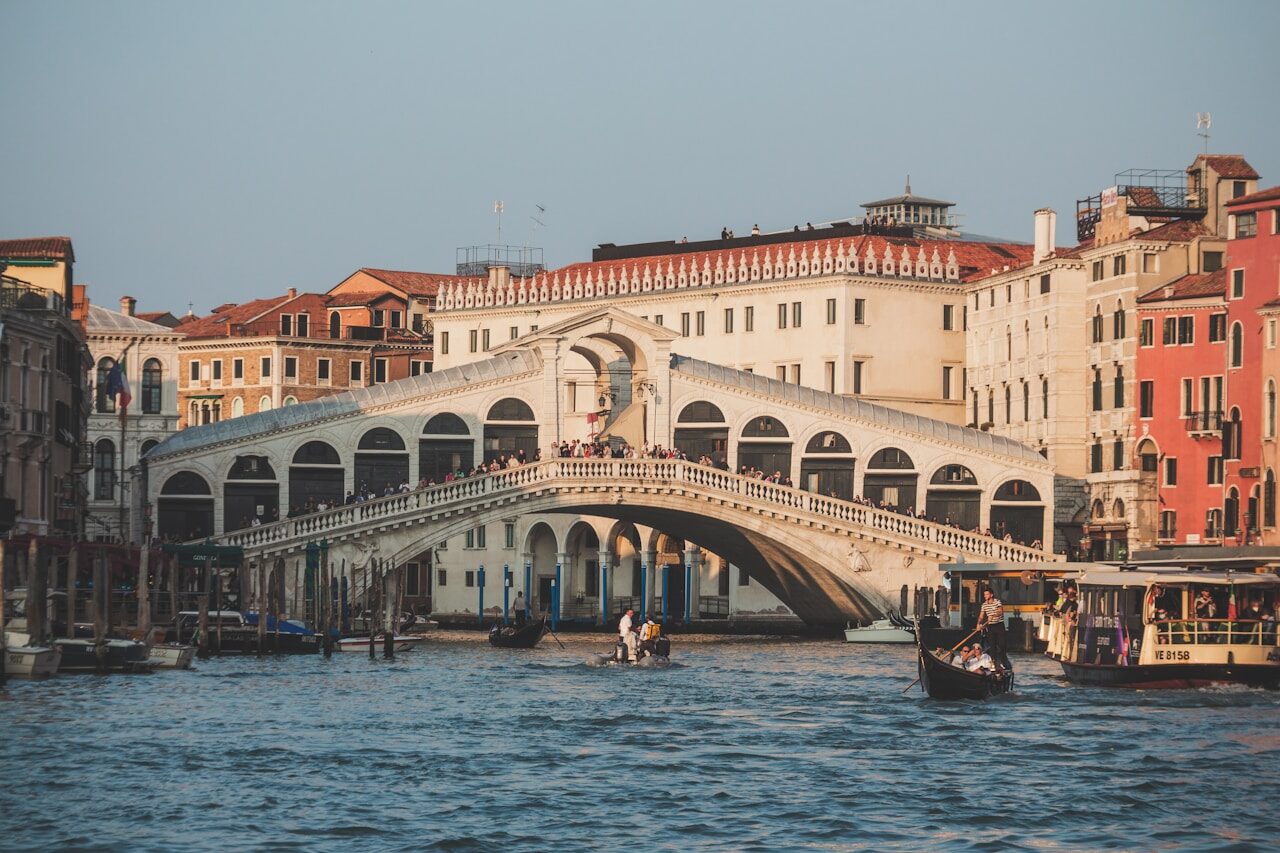
Autumn represents many travelers’ favorite season for visiting Venice, offering a compelling combination of pleasant weather, reduced tourist numbers, beautiful light for photography, and authentic local atmosphere as Venetians reclaim their city after summer’s tourist invasion.
September Weather and Post-Summer Conditions
September delivers some of Venice’s most pleasant weather, with temperatures ranging from 64-77°F (18-25°C). The month retains summer’s warmth without the oppressive heat and humidity of July and August.
Rainfall increases slightly compared to summer, averaging 7-8 rainy days, typically as brief showers rather than prolonged storms.
Tourist crowds decrease noticeably after the first week of September as families return home for the school year. This reduction creates a more relaxed atmosphere at major attractions, with shorter queues and less congestion in narrow streets.
Hotel prices drop 20-30% compared to peak summer rates, offering better value for accommodations.
Daylight hours remain generous in September, with approximately 12-13 hours of light. Sunset occurs around 7:30 PM in early September, moving to 6:30 PM by month’s end.
These extended hours still allow full days of sightseeing with comfortable evening strolls.
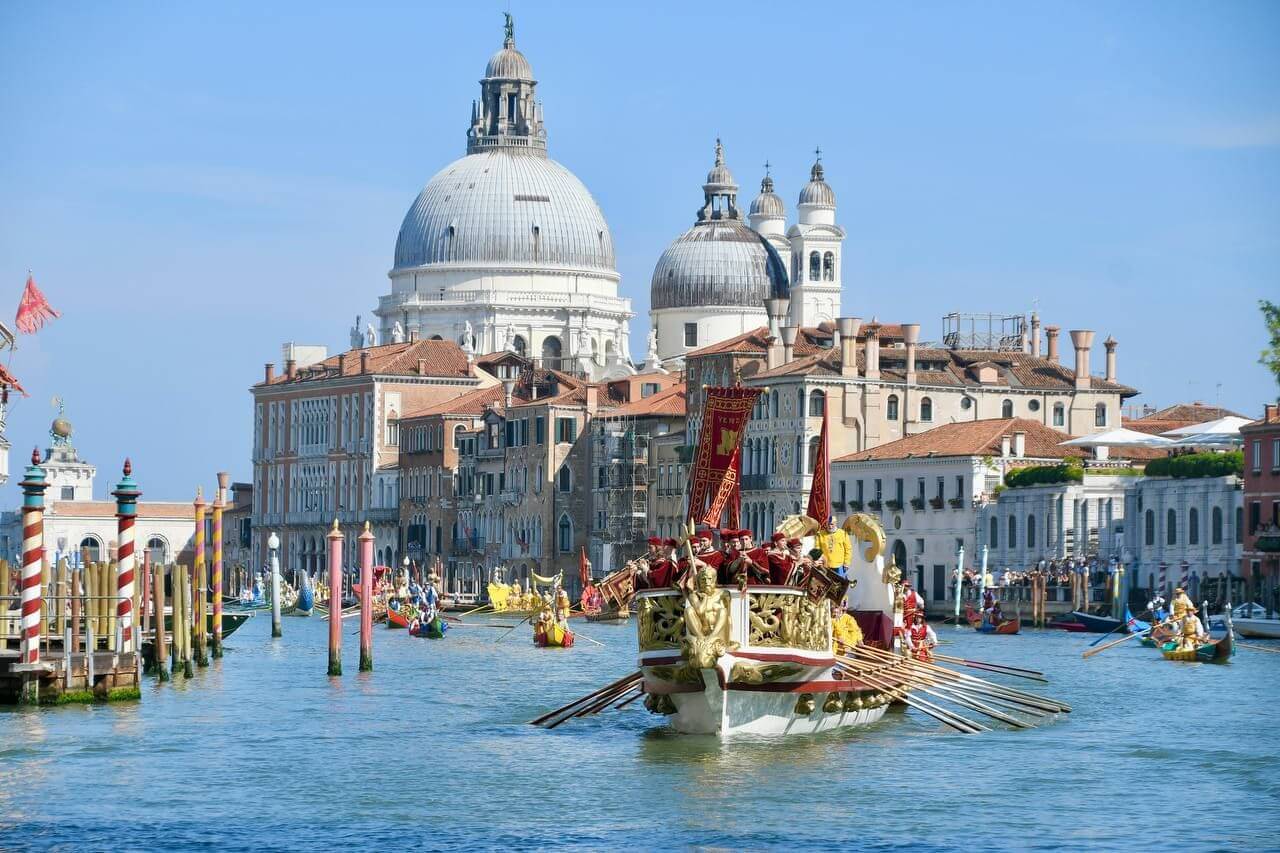
The Venice Film Festival continues into early September, maintaining some celebrity presence and cultural buzz on Lido island. The Regata Storica, held on the first Sunday of September, showcases Venice’s maritime heritage with historical boat parades and competitive rowing races along the Grand Canal.
October Color Changes and Autumn Atmosphere
October brings autumn’s full arrival, with temperatures cooling to 55-66°F (13-19°C). The weather remains generally pleasant for walking and outdoor activities, though a light jacket becomes necessary for morning and evening hours.
Rainfall increases to 8-9 days per month, with occasional longer periods of drizzle.
The city’s limited vegetation takes on autumn colors, particularly visible in public gardens and on lagoon islands. The changing light creates a golden quality that photographers prize, with softer shadows and warm tones enhancing Venice’s architecture.
Morning fog occasionally blankets the lagoon, creating atmospheric conditions for photography.
Tourist numbers continue declining through October, with weekdays particularly quiet. This reduction allows visitors to experience Venice’s authentic character as locals go about daily routines without summer’s tourist disruption.
Restaurants and shops catering primarily to tourists begin reducing hours or closing for annual maintenance.
The Venice Marathon, typically held in late October, brings thousands of runners through the city and across a temporary bridge spanning the Grand Canal. The event creates a festive atmosphere and showcases Venice from a unique perspective, though it causes temporary street closures and crowding along the race route.
November and Early Winter Transition
November marks the transition to winter, with temperatures dropping to 46-55°F (8-13°C). The month experiences Venice’s highest rainfall, averaging 10-12 rainy days with occasional prolonged periods of wet weather.
Fog becomes more frequent, particularly during morning hours, creating moody atmospheric conditions.
Acqua alta flooding events begin occurring with increasing frequency in November, typically 2-4 times during the month. These high-water events, while inconvenient, offer unique photographic opportunities and authentic Venetian experiences.
The city adapts seamlessly, with elevated walkways installed in major tourist areas.
Tourist numbers reach their lowest levels of the year in November, with many hotels, restaurants, and shops closing for annual renovations or winter breaks. This creates a quiet, almost melancholic atmosphere that appeals to visitors seeking authentic, uncrowded Venice.
Hotel prices drop to off-season rates, often 50-60% below peak summer pricing.
The Festa della Madonna della Salute on November 21 celebrates the end of the 1630 plague with a pilgrimage across a temporary pontoon bridge to the Salute church. This local religious festival provides insight into Venetian traditions, with residents far outnumbering tourists at the celebration.
For budget-conscious travelers interested in visiting during the quieter, more affordable autumn and winter months, our guide on traveling to Venice on a budget offers money-saving strategies.
Winter Season (December-February): Low Prices and Festive Atmosphere
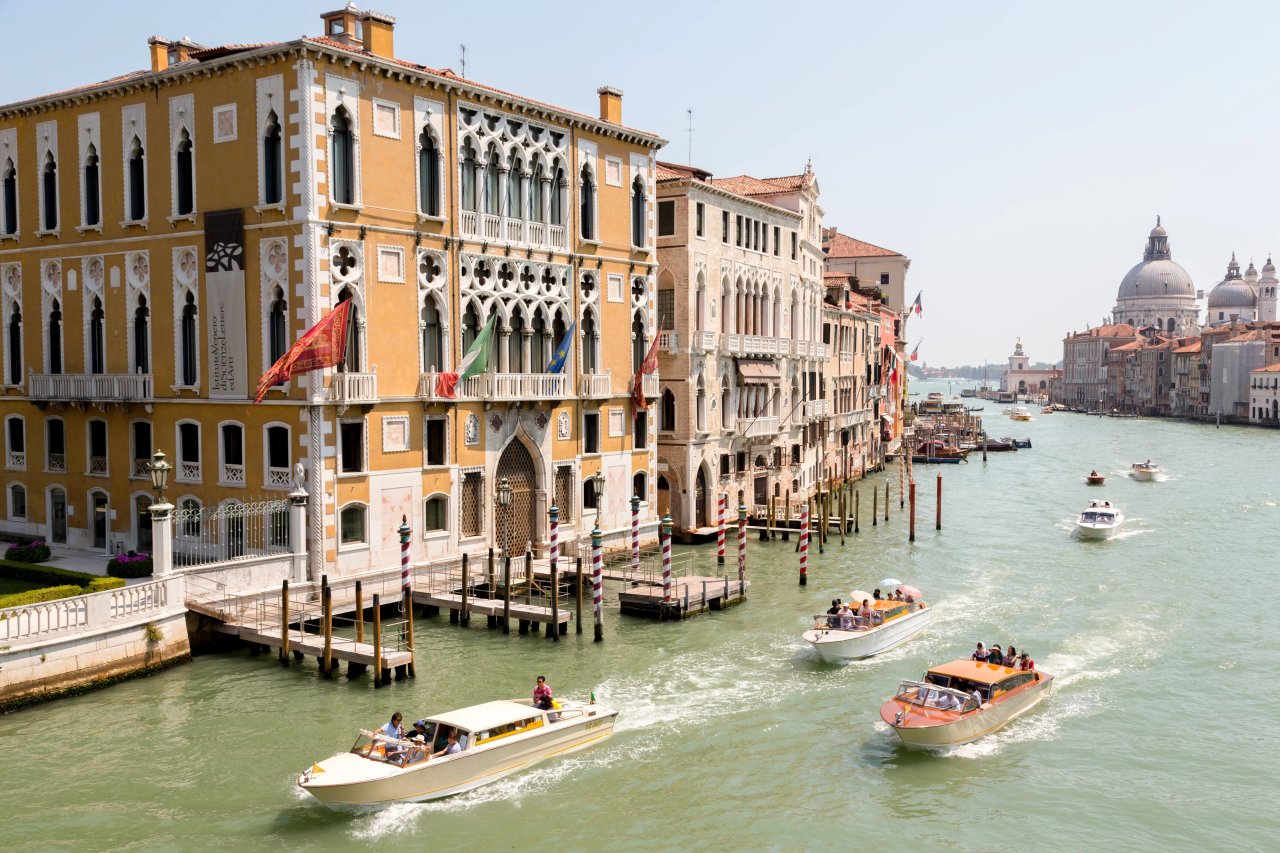
Winter transforms Venice into a quiet, atmospheric destination with the year’s lowest tourist numbers and most affordable prices.
The season offers authentic local experiences and festive celebrations, though visitors must prepare for cold, damp weather and occasional flooding.
December Holiday Season and Christmas Atmosphere
December brings cool temperatures ranging from 37-46°F (3-8°C), with high humidity making the cold feel more penetrating than the thermometer suggests.
Rainfall occurs on approximately 8-9 days during the month, sometimes as prolonged drizzle.
Fog frequently blankets the lagoon during morning hours, creating mysterious, photogenic conditions.
The Christmas season transforms Venice with festive decorations, particularly in St. Mark’s Square where a large Christmas tree and nativity scene create holiday atmosphere.
Shop windows display elaborate decorations, and Christmas markets appear in Campo Santo Stefano and other squares, selling crafts, seasonal foods, and mulled wine.
Tourist numbers remain relatively low through mid-December, then increase during the final week as European visitors arrive for Christmas holidays.
Hotel prices rise during the Christmas week (December 23-26) and New Year’s period (December 29-January 2), commanding 40-60% premiums above normal December rates, though they still remain below peak summer levels.
Churches throughout Venice host special Christmas masses and concerts featuring sacred music. St.
Mark’s Basilica offers midnight mass on Christmas Eve, attracting both worshippers and visitors interested in experiencing Venetian religious traditions. Advance arrival is necessary to secure seating for popular services.
Many restaurants offer special Christmas menus featuring traditional Venetian holiday dishes. However, numerous establishments close for several days around Christmas and New Year’s as owners celebrate with family.
Advance research and reservations become essential during the holiday period.
January Cold Weather and Quiet Season
January delivers Venice’s coldest weather, with temperatures averaging 35-45°F (2-7°C). The combination of cold temperatures, high humidity, and frequent wind creates conditions that feel colder than the actual temperature.
Fog occurs frequently, particularly during morning hours, sometimes persisting throughout the day.
Tourist numbers reach their annual minimum in January, with the city feeling almost deserted compared to summer’s crowds. This creates opportunities to experience Venice’s authentic character, with locals reclaiming public spaces and going about daily routines without tourist disruption.
Major attractions have minimal queues, allowing leisurely visits without advance tickets.
Hotel prices drop to their lowest levels of the year, often 60-70% below peak summer rates. Many hotels offer special packages and promotions to attract visitors during this quiet period.
Budget travelers can access accommodations that would be prohibitively expensive during high season.
Carnival preparations begin in late January, with mask-making workshops opening and costume shops displaying elaborate designs. Visitors interested in Carnival can attend workshops to create their own masks or observe artisans crafting traditional Venetian masks using centuries-old techniques.
Many restaurants, shops, and some hotels close for annual maintenance and staff vacations during January, particularly in the first two weeks. This can limit dining and shopping options, though sufficient establishments remain open to serve visitors.
The reduced commercial activity contributes to January’s quiet, almost melancholic atmosphere.
February Carnival Season
Venice Carnival (Carnevale di Venezia) transforms the city during the two weeks leading up to Shrove Tuesday (Martedì Grasso), typically occurring in late January through mid-February. The festival dates vary annually based on Easter’s timing.
In 2026, Venice Carnival officially spans January 31 through February 17, with pre-carnival events from January 31–February 6 and the main festival events from February 7–17. Shrove Tuesday (Martedì Grasso) falls on February 17.
The festival fills Venice with masked revelers, elaborate costumes, and street performances. St. Mark’s Square hosts official events including the Flight of the Angel (Volo dell’Angelo), when an acrobat descends from the Campanile bell tower on a cable, and costume competitions judging the most elaborate historical costumes.
Masked balls (balli in maschera) take place in historic palaces like Ca’ Vendramin Calergi and Palazzo Pisani Moretta. These exclusive events feature period costumes, classical music, and formal dancing.
Tickets typically start at €300 per person for official balls at venues like Ca’ Vendramin Calergi, rising to €700 or more for more elaborate events, while premium galas such as the Ballo del Doge can command €2,000–€5,000 per person. These events sell out months in advance.
Tourist numbers surge during Carnival, with the city experiencing some of the year’s highest visitor counts. Hotel prices increase 50-100% above normal winter rates, and many properties require minimum stays of 3-4 nights.
Advance bookings 6-12 months ahead become essential for securing accommodations at reasonable prices.
Restaurants require reservations weeks in advance during Carnival, particularly for dinner service. Popular bacari (wine bars) and cicchetti spots become extremely crowded.
Visitors should plan dining times carefully and consider early or late meals to avoid peak crowds.
Despite the crowds and higher prices, Carnival offers a unique cultural experience unavailable at other times. The festival’s atmosphere of mystery, creativity, and celebration provides memorable experiences for visitors willing to navigate the challenges of peak-season Venice.
For families planning to visit Venice during school holidays or seeking child-friendly seasonal activities, our guide on the best things to do in Venice with kids and family offers age-appropriate recommendations.
When Is The Best Time To Visit Venice? Balancing Factors
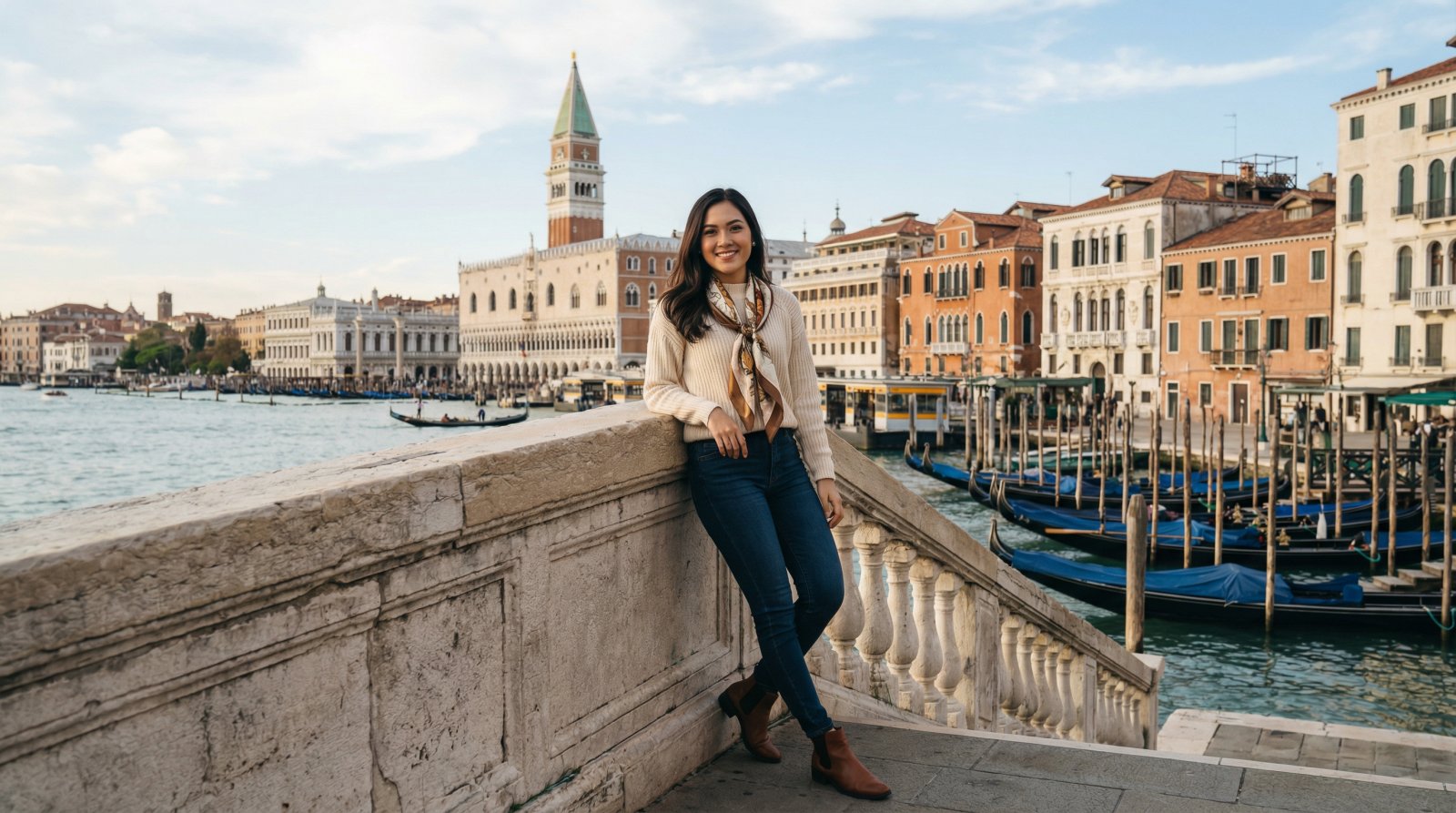
Determining the optimal time to visit Venice requires balancing multiple factors including weather preferences, tolerance for crowds, budget constraints, and interest in specific events or activities. No single “best time” exists for all travelers, as individual priorities vary significantly.
Weather vs. Crowds Trade-Off
The fundamental trade-off in timing a Venice visit involves weather quality versus tourist density. The best weather occurs during peak tourist season (June-August), when warm temperatures and long daylight hours coincide with maximum crowds and highest prices.
Conversely, the quietest periods (November-January) feature the least favorable weather with cold, damp conditions and frequent rain.
Shoulder seasons (April-May and September-October) offer the most balanced combination of pleasant weather and manageable crowds. April and May provide spring blooms and warming temperatures with moderate tourist numbers.
September and October deliver comfortable temperatures and autumn colors with post-summer crowd reductions.
May and September represent the sweet spots for many travelers, offering warm weather (65-75°F/18-24°C), extended daylight hours, and tourist numbers 30-40% below peak summer levels. These months command premium pricing compared to winter but remain 20-30% cheaper than July-August rates.
Budget Considerations and Seasonal Pricing
Budget-conscious travelers should target November through early March (excluding Christmas/New Year and Carnival periods) for the lowest accommodation prices.
Mid-range 3-star hotels average €80–150 per night in winter (January–February), rising to €150–240 during shoulder seasons (April–May, September–October) and peaking at €250–400 in July–August — a variation of 100–150% between low and peak season, with additional savings on flights and packages available during winter months.
Shoulder season months (April-May, September-October) offer moderate pricing, typically 20-30% below peak summer rates while providing significantly better weather than winter. These periods represent good value for travelers seeking a balance between cost and comfort.
Peak summer months (July-August) and Carnival week command the highest prices across accommodations, dining, and activities. However, these periods also offer unique experiences—extended daylight hours in summer, and Carnival’s cultural spectacle—that may justify the premium for some travelers.
Early booking provides the best rates regardless of season. Booking 3-6 months in advance for shoulder seasons and 6-12 months ahead for peak periods secures better prices and wider accommodation choices.
Last-minute bookings during high season often face limited availability and inflated prices.
Activity-Based Season Selection
Travelers prioritizing specific activities should time visits accordingly. Art enthusiasts should target Venice Biennale years (odd-numbered years) from May through November, when the contemporary art exhibition operates.
The opening week in May offers the most vibrant atmosphere with international art world presence.
Photography enthusiasts benefit from autumn’s golden light (September-October) or winter’s atmospheric fog (December-January). Spring (April-May) provides blooming gardens and clear skies.
Summer’s harsh midday light creates challenging photography conditions, though golden hour shots remain spectacular.
Festival enthusiasts should plan around major events: Carnival (February), Regata Storica (first Sunday of September), Festa del Redentore (third weekend of July), or Venice Film Festival (late August-early September). Each festival creates unique atmosphere and photo opportunities but also increases crowds and prices.
Beach and outdoor activity enthusiasts should visit June through September when Lido beaches operate and weather supports extended outdoor time. Water-based activities like gondola rides and vaporetto tours are most pleasant during warm months, though they operate year-round.
Personal Preference Priorities
Travelers seeking authentic local atmosphere should visit during off-season months (November-March, excluding holidays) when Venetians reclaim their city and daily life proceeds without tourist disruption. Winter visits offer opportunities to observe genuine Venetian culture, though at the cost of less favorable weather.
Crowd-averse travelers should avoid July-August, Carnival week, Easter week, and major Italian holidays (April 25, May 1, June 2, August 15). Weekdays consistently see fewer tourists than weekends throughout the year.
Early morning hours (before 9 AM) and late evening hours (after 6 PM) offer the quietest experiences even during peak season.
Weather-sensitive travelers should target May-June or September for the most reliable pleasant conditions. These months minimize the risk of extreme heat (July-August), cold and damp (December-February), or flooding (October-January) while maximizing comfortable sightseeing weather.
First-time visitors benefit from shoulder season visits (April-May or September-October) that balance favorable weather, manageable crowds, and reasonable prices. These periods allow comfortable exploration of major attractions without the challenges of peak season or the limitations of winter.
Budget-Conscious Travel: Cheapest Time To Visit Venice
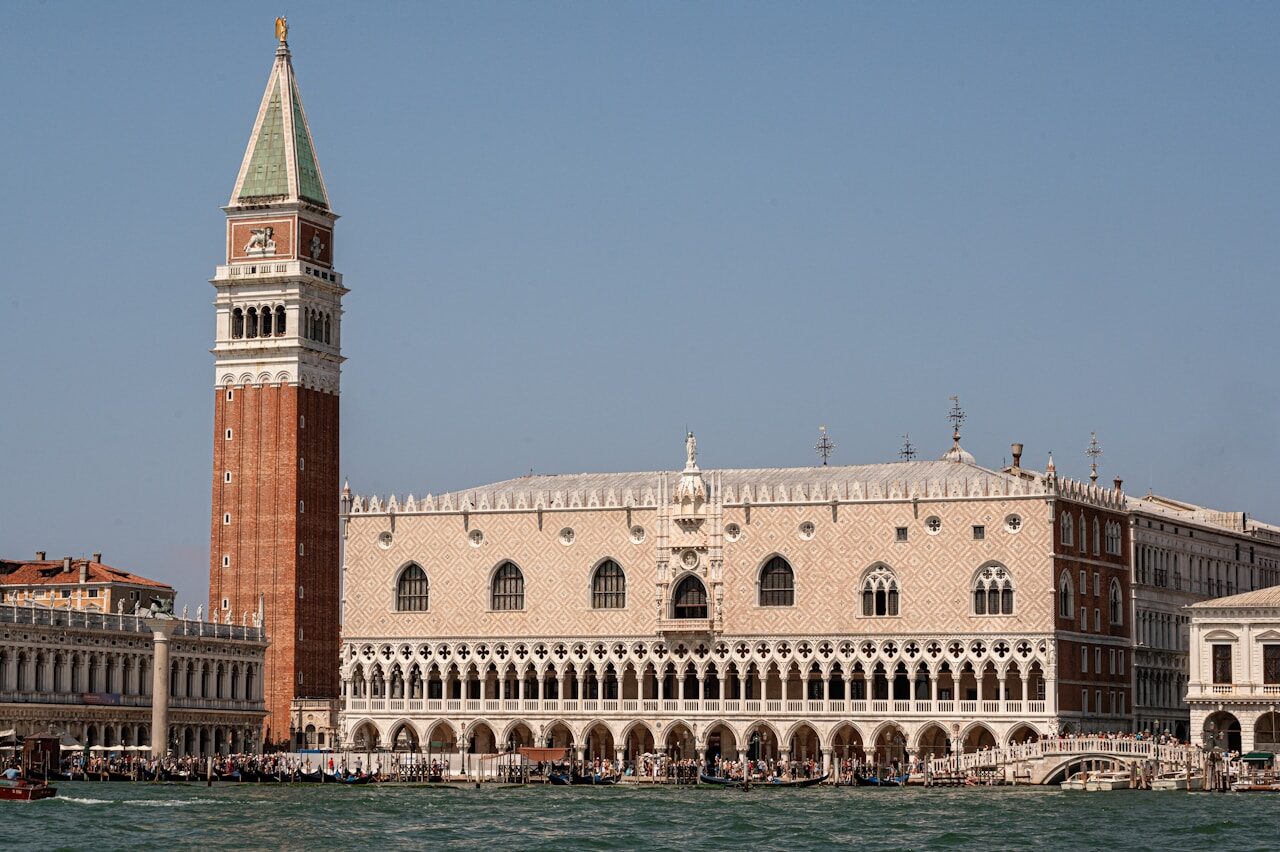
Venice ranks among Italy’s most expensive cities for tourists, but strategic timing can significantly reduce costs. Understanding seasonal price variations and booking strategies helps budget-conscious travelers experience Venice without excessive spending.
Off-Season Price Reductions
November through early March (excluding Christmas/New Year and Carnival) offers the most significant savings on accommodations, with hotel rates 50-70% below peak summer pricing.
A mid-range hotel room averaging €250–400 per night in July–August can drop to €80–150 per night in January, representing savings of 50–70% at the same properties.
Flights to Venice also decrease during off-season months, with January and February typically offering the lowest airfares.
Budget airlines increase frequency and reduce prices during quiet periods to stimulate demand.
Booking flights 2-3 months in advance during off-season can yield savings of 40-50% compared to peak summer fares.
Restaurant prices remain relatively stable year-round, though some establishments offer special menus or discounts during quiet periods to attract customers.
The reduced tourist presence during winter means less competition for tables at popular restaurants, eliminating the need for expensive reservations services.
Vaporetto water bus tickets maintain consistent pricing throughout the year, but the value of multi-day passes increases during off-season when visitors can explore without battling summer crowds.
A 72-hour pass provides better value when you can board boats immediately rather than waiting in long queues.
Shoulder Season Value
April-May and September-October provide excellent value for budget-conscious travelers seeking a balance between cost and experience quality.
Accommodation prices during these months typically run 20-30% below peak summer rates while offering significantly better weather than winter.
Early April and late October represent the best value within shoulder seasons, as prices haven’t yet peaked (April) or have already declined (October). Mid-April through May sees gradual price increases as weather improves and tourist numbers grow.
September maintains relatively high prices due to continued good weather, with noticeable decreases appearing in October.
Package deals combining flights and hotels often provide the best value during shoulder seasons. Tour operators offer competitive pricing to fill capacity during these moderate-demand periods.
Booking complete packages 3-4 months in advance typically yields better rates than booking components separately.
Early Booking Advantages
Regardless of season, early booking provides significant advantages for budget travelers. Hotels offer their best rates for advance bookings, with prices increasing as availability decreases.
Booking 6-12 months ahead for peak season or 3-6 months ahead for shoulder season secures lower rates and better room selection.
Many hotels offer non-refundable rates at 10-20% discounts compared to flexible rates. Budget travelers with firm plans can save significantly by accepting cancellation restrictions.
However, this strategy requires confidence in travel dates, as changes or cancellations forfeit the entire payment.
Flight prices follow similar patterns, with the lowest fares available 2-4 months before departure for most routes. Budget airlines occasionally offer flash sales with deeper discounts, but these require flexibility in travel dates and quick booking decisions.
Free and Low-Cost Activities
Venice offers numerous free activities that allow budget travelers to experience the city without constant spending. Walking through neighborhoods like Castello, Cannaregio, and Dorsoduro costs nothing and provides authentic glimpses of Venetian life.
The city itself serves as an open-air museum, with stunning architecture visible from public streets and bridges.
St. Mark’s Square, Rialto Bridge, and other iconic locations can be enjoyed without entrance fees.
While entering St. Mark’s Basilica is free (though donations are encouraged), visitors can appreciate the exterior’s Byzantine architecture and the square’s atmosphere without spending money.
Public beaches on Lido island offer free access, though private beach clubs charge for umbrella and lounger rentals. The Zattere waterfront promenade in Dorsoduro provides free lagoon views and people-watching opportunities.
The Giardini della Biennale public gardens offer green space and waterfront access without charge outside Biennale exhibition periods.
Many churches throughout Venice offer free entry, showcasing Renaissance and Baroque art within their walls.
The Church of San Sebastiano contains Veronese’s masterpiece frescoes, while Santa Maria Gloriosa dei Frari houses works by Titian and Bellini, both accessible for small donations rather than formal entrance fees.
For comprehensive money-saving strategies beyond seasonal timing, including accommodation tips and dining recommendations, see our complete guide on traveling to Venice on a budget.
Venice Carnival: Special Event Timing
Venice Carnival represents the city’s most famous festival, attracting hundreds of thousands of visitors for two weeks of masked celebrations, elaborate costumes, and cultural events.
Understanding Carnival’s timing, atmosphere, and logistics helps travelers decide whether to visit during this unique but challenging period.
Carnival Dates and Duration
Venice Carnival typically runs for 10-14 days leading up to Shrove Tuesday (Martedì Grasso), the day before Ash Wednesday and the beginning of Lent.
The festival’s dates vary annually based on Easter’s timing, which follows the lunar calendar.
In 2026, Carnival officially runs from January 31 to February 17, with pre-carnival events from January 31–February 6 and the peak festival period concentrated from February 7–17, culminating on Shrove Tuesday (Martedì Grasso), February 17.
The festival officially begins with the opening ceremony in St. Mark’s Square, though celebrations and events start building several days earlier.
The final weekend before Shrove Tuesday sees the most intense activity, with maximum crowds and the most elaborate costumes appearing.
Shrove Tuesday itself marks the festival’s climax, with the Flight of the Lion (Volo del Leon) ceremony in St. Mark’s Square and celebrations continuing late into the night.
Ash Wednesday brings an abrupt end to festivities, with the city returning to normal operations and many costumed participants departing.
Carnival Atmosphere and Events
Carnival transforms Venice into a living theater, with masked and costumed participants creating surreal scenes throughout the city.
Elaborate 18th-century costumes, some costing thousands of euros to rent or purchase, appear alongside simpler masks and modern interpretations of Carnival themes.
St. Mark’s Square serves as the festival’s epicenter, hosting official events including costume competitions, the Flight of the Angel ceremony, and evening concerts.
The square becomes extremely crowded during peak hours, with thousands of people gathering to watch events and photograph costumed participants.
Masked balls (balli in maschera) take place in historic palaces throughout the city, offering the most authentic Carnival experience.
These formal events feature period costumes, classical music, and elaborate decorations recreating 18th-century Venetian society.
Tickets typically start at €300 per person, with most private masked balls ranging from €300 to €700, while premium galas can cost €2,000–€5,000 per person, all typically including dinner, drinks, and entertainment.
Street performances, impromptu parades, and spontaneous gatherings occur throughout the city, particularly in campos (squares) away from St. Mark’s.
These free events provide accessible Carnival experiences without the cost of formal balls or ticketed events.
Carnival Logistics and Challenges
Accommodation during Carnival requires advance booking 6-12 months ahead, as hotels fill quickly and prices increase 50-100% above normal winter rates.
Many properties require minimum stays of 3-4 nights during the festival period.
Budget accommodations sell out first, forcing late bookers toward expensive options or mainland alternatives.
Restaurants become extremely crowded during Carnival, with reservations essential for dinner service. Popular establishments book weeks in advance.
Visitors should plan dining times carefully, considering early (6:30-7:00 PM) or late (9:30-10:00 PM) reservations to avoid peak crowds.
Navigation becomes challenging during Carnival as crowds fill narrow streets and bridges. Popular routes between St.
Mark’s Square and Rialto Bridge can become nearly impassable during peak hours. Allowing extra time for movement and using less-traveled routes through Castello or Cannaregio helps avoid the worst congestion.
Weather during Carnival can be cold, damp, and unpredictable, with temperatures ranging from 35-50°F (2-10°C). Rain or acqua alta flooding can occur, though these events rarely dampen Carnival spirit.
Visitors should pack warm, waterproof clothing and comfortable walking shoes suitable for potentially wet conditions.
Carnival Alternatives
Travelers interested in Carnival atmosphere without peak-period challenges can visit during the week immediately before or after the official festival dates.
Mask shops, costume rentals, and workshops operate for several weeks surrounding Carnival, allowing visitors to experience preparation or aftermath without maximum crowds.
The final weekend of Carnival (typically the Saturday and Sunday before Shrove Tuesday) offers the most intense atmosphere and elaborate costumes.
Visitors with limited time should target these days for the quintessential Carnival experience, though they also face the highest crowds and prices.
Weekday visits during Carnival see somewhat reduced crowds compared to weekends, as many Italian visitors arrive only for Saturday and Sunday.
Tuesday through Thursday during the festival period provide slightly more manageable conditions while maintaining Carnival atmosphere.
Weather-Based Activity Planning
Venice’s seasonal weather patterns significantly impact the comfort and feasibility of various activities.
Understanding how weather affects different experiences helps travelers plan itineraries that maximize enjoyment while minimizing weather-related challenges.
Gondola Rides and Canal Tours
Gondola rides and canal tours operate year-round but offer vastly different experiences depending on season and weather.
Spring (April-May) and autumn (September-October) provide ideal conditions, with comfortable temperatures (60-70°F/16-21°C), moderate humidity, and stable weather.
These seasons allow leisurely rides without extreme heat or cold.
Summer gondola rides face challenges from intense heat and humidity, particularly during midday hours (11 AM-4 PM).
Morning rides (8-10 AM) or evening rides (after 6 PM) provide more comfortable experiences with softer light for photography.
The lack of shade in open canals means sun exposure throughout the ride.
Winter gondola rides require warm clothing, as wind chill on the water makes temperatures feel colder than on land. However, winter offers unique atmospheric conditions with fog and mist creating romantic, mysterious ambiance.
Gondoliers provide blankets during cold months, and the experience of gliding through misty canals appeals to some visitors despite the chill.
Rain doesn’t necessarily cancel gondola rides, as gondoliers provide umbrellas and the covered felze (cabin) on some gondolas offers protection.
However, heavy rain or thunderstorms may lead to cancellations for safety reasons.
Checking weather forecasts and maintaining flexibility in scheduling helps ensure successful rides.
Walking Tours and Outdoor Exploration
Venice requires extensive walking regardless of season, as the car-free city offers no alternative for reaching most destinations.
Spring and autumn provide the most comfortable walking conditions, with moderate temperatures and manageable rainfall.
These seasons allow full-day exploration without weather-related interruptions.
Summer walking tours require careful planning to avoid midday heat. Early morning tours (8-11 AM) take advantage of cooler temperatures and softer light.
Late afternoon and evening tours (after 5 PM) offer comfortable conditions as temperatures moderate. Midday breaks in air-conditioned museums or shaded cafés help manage summer heat.
Winter walking demands warm, waterproof clothing and comfortable, water-resistant footwear. The combination of cold temperatures, high humidity, and potential rain or flooding creates challenging conditions.
However, winter’s quiet streets and atmospheric fog appeal to photographers and visitors seeking authentic, uncrowded Venice.
Acqua alta flooding (October-January) can disrupt walking routes, as water covers low-lying areas including St. Mark’s Square.
Elevated walkways (passerelle) allow navigation through flooded zones, though they create bottlenecks and slow movement. Waterproof boots become essential during flooding events, which typically last 2-4 hours before waters recede.
Photography and Sightseeing
Photography conditions vary dramatically by season, with each period offering distinct advantages. Spring (April-May) provides clear skies, blooming flowers, and soft light ideal for architectural photography.
The combination of good weather and moderate crowds allows photographers to capture iconic views without excessive people in frames.
Summer’s intense sunlight creates harsh shadows and blown-out highlights during midday hours, challenging for photography. However, summer’s extended golden hours (the hour after sunrise and before sunset) offer spectacular light for canal and architecture shots.
The long days allow multiple golden hour sessions in different locations.
Autumn (September-October) delivers photographers’ favorite conditions, with golden light, autumn colors, and atmospheric morning fog. The softer, more diffused light enhances Venice’s warm stone tones and creates ideal conditions for both color and black-and-white photography.
Fewer tourists in frames improve composition opportunities.
Winter offers dramatic, moody conditions with fog, mist, and low-angle sunlight creating atmospheric images. The season’s challenges—cold temperatures, short days, and frequent rain—require weather-sealed camera equipment and photographer dedication.
However, winter’s unique light and empty streets reward those willing to brave the conditions.
Island Hopping and Lagoon Exploration
Visits to lagoon islands like Murano, Burano, and Torcello are most pleasant during warm months (May-September) when comfortable temperatures and calm waters make vaporetto rides enjoyable.
Summer’s extended daylight hours allow visits to multiple islands in a single day without feeling rushed.
Spring and autumn provide excellent island-hopping conditions with comfortable temperatures and fewer tourists than summer.
These seasons offer the best balance of weather quality and crowd levels for island exploration.
Restaurants and shops on smaller islands maintain full operations during these periods.
Winter island visits face challenges from reduced vaporetto schedules, cold temperatures on open-air boat decks, and limited restaurant/shop hours as some establishments close for the season.
However, winter offers authentic experiences with minimal tourists and opportunities to observe island life without summer’s commercial bustle.
Rough seas occasionally disrupt vaporetto service during winter storms, potentially canceling or delaying island trips.
Checking weather forecasts and maintaining schedule flexibility helps avoid disappointment.
Summer rarely sees service disruptions due to weather, though extreme heat can make open-air boat rides uncomfortable during midday hours.
Frequently Asked Questions (FAQs)
What is the best month to visit Venice?
May and September represent the best months for most visitors, offering an optimal balance of pleasant weather, manageable crowds, and reasonable prices.
May provides spring blooms, warming temperatures (60-70°F/16-21°C), and increasing daylight hours. September delivers comfortable temperatures (65-75°F/18-24°C), autumn colors, and post-summer crowd reductions.
Both months see tourist numbers 30-40% below peak summer levels while maintaining favorable weather conditions for sightseeing and outdoor activities.
When is the cheapest time to visit Venice?
January and November offer the lowest prices for accommodations and flights, with hotel rates 50-70% below peak summer pricing. January sees the absolute lowest tourist numbers and prices, though weather conditions are cold (35-45°F/2-7°C) and damp.
November provides slightly better weather than January while maintaining low prices, though acqua alta flooding occurs more frequently.
Both months require tolerance for cold, wet conditions and reduced restaurant/shop hours as some establishments close for annual maintenance.
Should I visit Venice during Carnival?
Venice Carnival offers a unique cultural experience with elaborate costumes, masked balls, and festive atmosphere unavailable at other times.
However, the festival brings significant challenges including crowds comparable to peak summer, hotel prices 50-100% above normal winter rates, and difficult navigation through congested streets.
Visitors should attend Carnival only if specifically interested in the festival experience and willing to accept higher costs and crowds. Those seeking quiet, authentic Venice should avoid Carnival week entirely.
How many days should I spend in Venice?
Three to four days allows sufficient time to see major attractions, explore different neighborhoods, visit at least one lagoon island, and experience Venetian dining culture without feeling rushed.
Two days covers only highlights, while five to seven days permits a more relaxed pace with day trips to nearby cities.
First-time visitors should plan a minimum of three full days to appreciate Venice’s unique character and avoid the rushed feeling of trying to see everything in 48 hours.
What should I pack for Venice weather?
Packing requirements vary significantly by season. Spring and autumn require layers including light jacket, long pants, comfortable walking shoes, and compact umbrella for occasional rain.
Summer demands lightweight, breathable clothing, sun hat, sunglasses, and sunscreen, with a light sweater for air-conditioned interiors. Winter necessitates warm coat, waterproof boots (essential for acqua alta flooding), gloves, scarf, and umbrella.
All seasons require comfortable walking shoes, as Venice involves extensive walking on uneven surfaces. A refillable water bottle proves useful year-round for staying hydrated while exploring.