



Best Things To Do In Osaka: The Ultimate Travel Guide – Osaka pulses with an irresistible energy that blends 1,400-year-old temples, sizzling street food, and neon-drenched entertainment districts into one unforgettable experience.
Visitors can devour takoyaki in Dotonbori, marvel at Osaka Castle’s panoramic views, or lose themselves in the retro charm of Shinsekai’s kushikatsu restaurants.
Thrill-seekers, culture lovers, foodies, and families all find their perfect Osaka adventure here.
Key Highlights
- Explore iconic Osaka attractions like Osaka Castle, Dotonbori, and Tsutenkaku Tower.
- Indulge in Osaka's legendary street food — takoyaki, okonomiyaki, and kushikatsu — and embrace the local motto kuidaore (eat until you drop).
- Visit Kuromon Ichiba Market, Osaka's 200-year-old kitchen, with over 170 vendors selling fresh seafood and local delicacies.
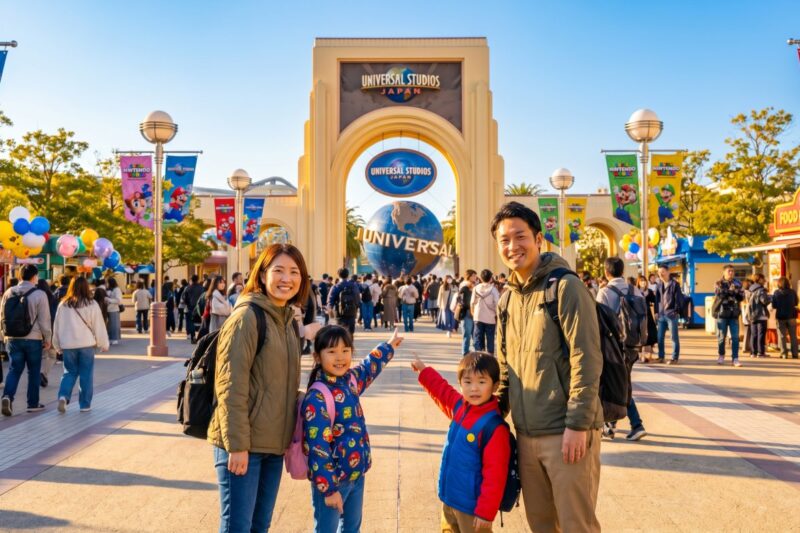
- Enjoy family-friendly attractions including Universal Studios Japan and Osaka Aquarium Kaiyukan.
- Experience Osaka's nightlife in Amerika-Mura and Namba, and discover hidden gems like Namba Yasaka Shrine.
Why Osaka Should Be Your Next Japan Destination
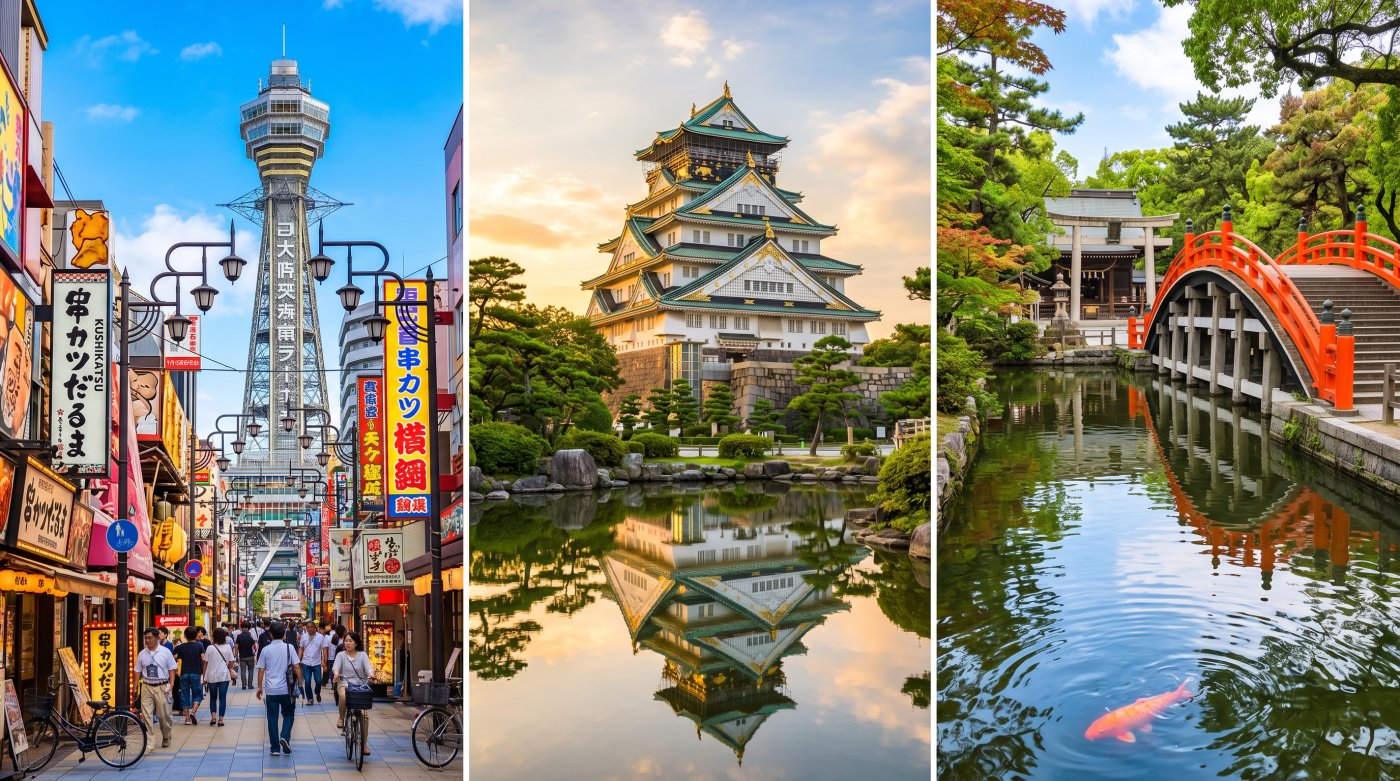
Osaka is the beating heart of Japanese culture, food, and unapologetic fun.
While Tokyo dazzles with polish and Kyoto whispers ancient elegance, Osaka roars with personality, street energy, and zero pretension.
Every corner delivers an unmissable moment; a hidden izakaya crackling with laughter, a 16th-century castle standing defiantly against a modern skyline, or a market stall pressing fresh takoyaki into your hands.
This city rewards the curious, the hungry, and the adventurous in equal measure.
Top Things To Do In Osaka for Every Type of Traveller
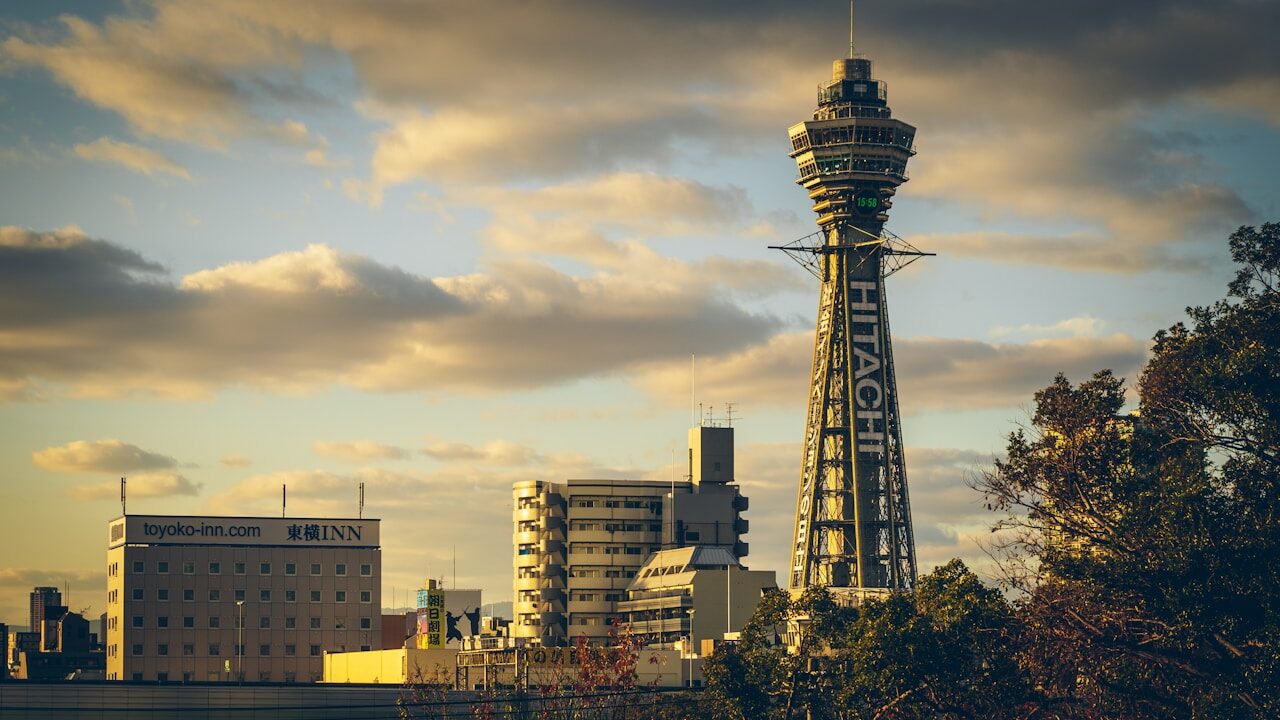
Osaka is a city that genuinely has something for everyone.
Families find it surprisingly playful, packed with interactive attractions that keep children buzzing for days.
First-timers are floored by the iconic landmarks.
Thrill-seekers, foodies, and culture hunters all leave satisfied.
Whether you are exploring centuries-old fortresses, chasing heart-pounding theme park rides, or hunting for the city’s best bowl of ramen, Osaka delivers on every front.
Osaka Must-See Spots for First-Time Visitors
Osaka’s essential landmarks blend centuries of history with vibrant modern energy that leaves first-time visitors breathless.
Osaka Castle anchors the city’s samurai past, Dotonbori ignites the senses with neon and street food, and Shinsekai transports visitors straight back to postwar Japan.
These three neighbourhoods alone justify the flight.
Osaka Castle: Japan’s Most Iconic Fortress
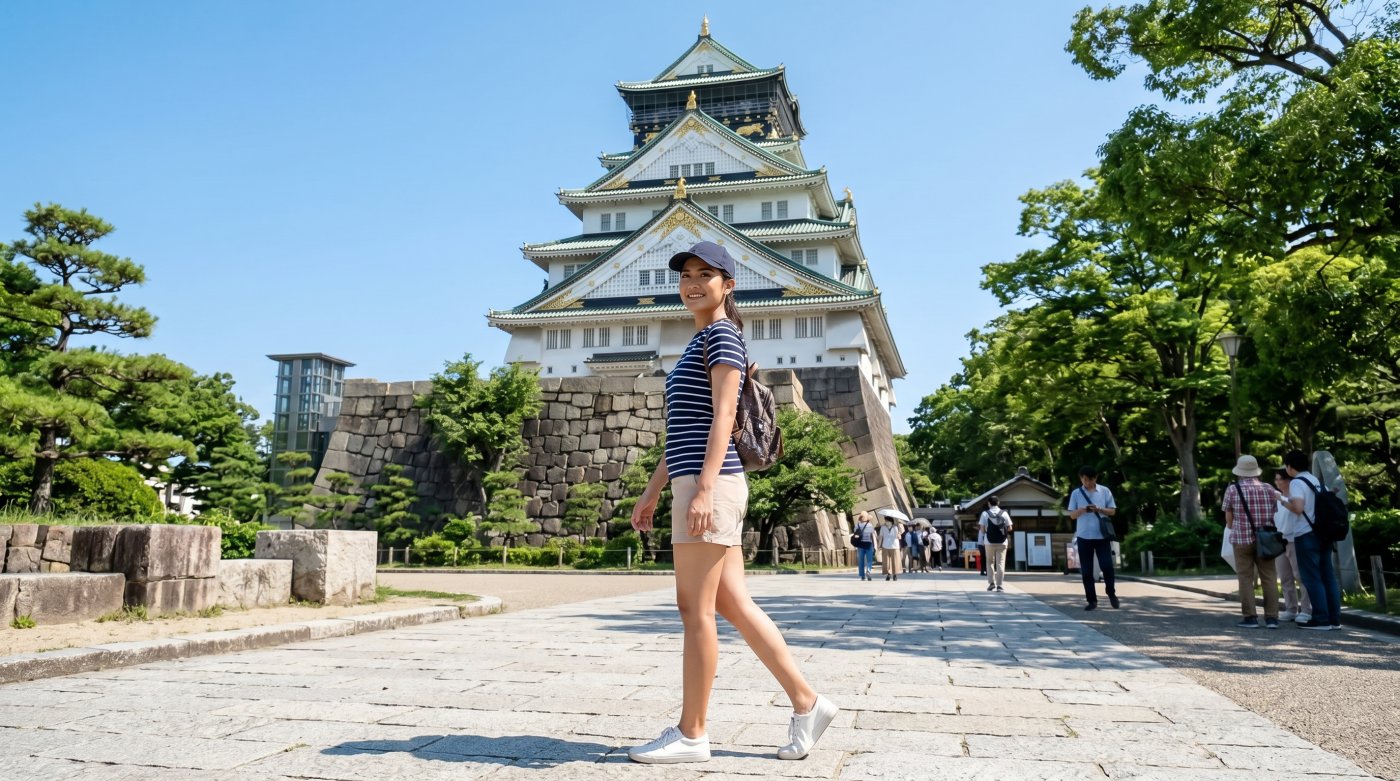
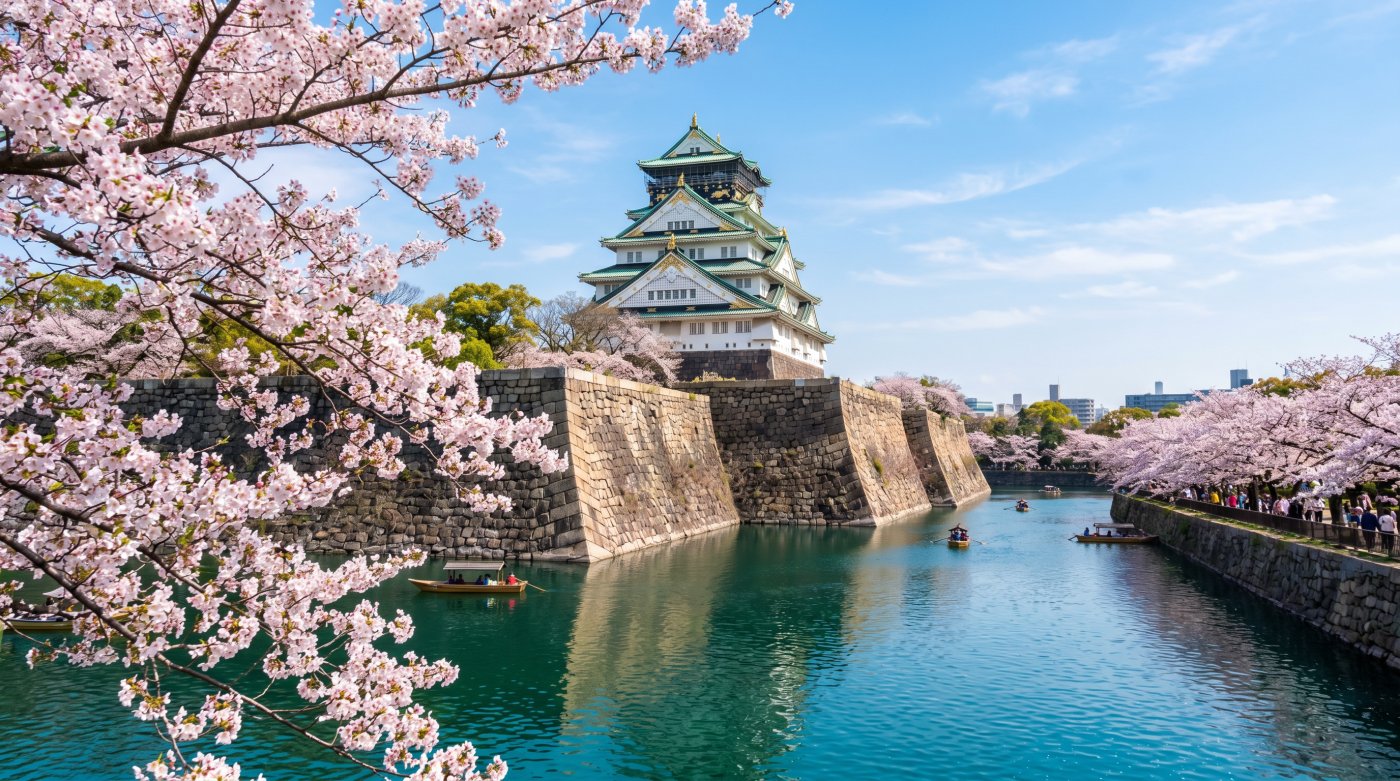
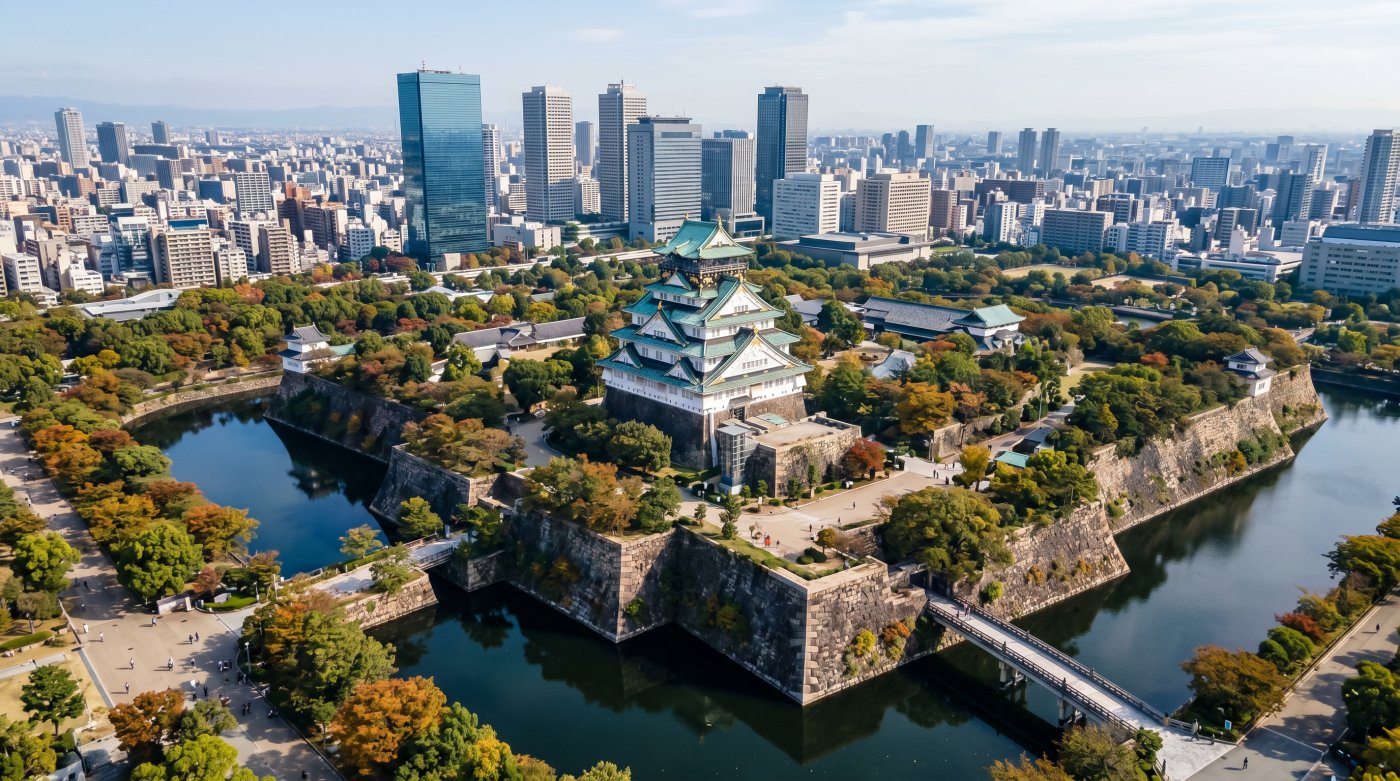
Osaka Castle has dominated the city’s skyline since 1583, making it one of Japan’s most recognisable and historically significant landmarks.
The golden-trimmed fortress rises dramatically above manicured gardens and a sparkling moat.
The eighth-floor observatory delivers breathtaking 360-degree panoramic views over the city.
The surrounding park is one of Osaka’s finest cherry blossom spots in spring.
Admission to the castle tower is ¥1,200 for adults (¥600 for university and high school students with valid ID; free for junior high school students and younger); the surrounding park is free to enter.
Opening hours: 9:00 AM to 5:00 PM daily (last admission 4:30 PM), with extended hours until 6:00 PM during peak seasons such as spring and summer; closed December 28 to January 1.
Allow at least two hours to explore the grounds and interior museum fully.
Dotonbori: The Neon-Lit Heart of the City
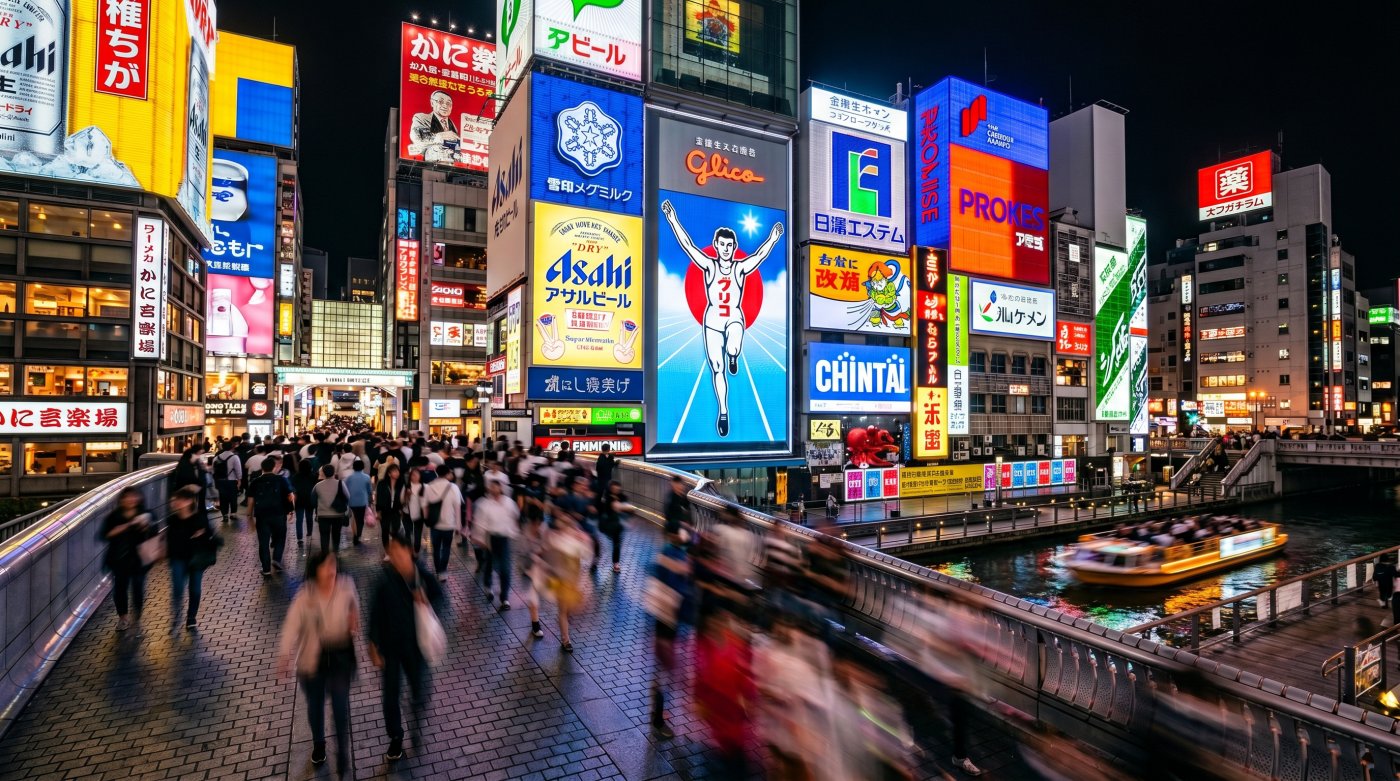
Dotonbori is Osaka’s legendary entertainment district, where towering neon signs, mechanical crabs, and the intoxicating aroma of takoyaki collide into something gloriously chaotic.
It is the single most visited area in the city and earns every bit of that reputation.
Must-do activities here include snapping the iconic Glico Running Man sign, devouring street food along the canal, and ducking into hidden izakayas in Osaka for cold draft beer.
Canal boat cruises depart regularly and offer a unique low-angle perspective of the illuminated signage at night.
Shinsekai: Osaka’s Nostalgic Downtown District
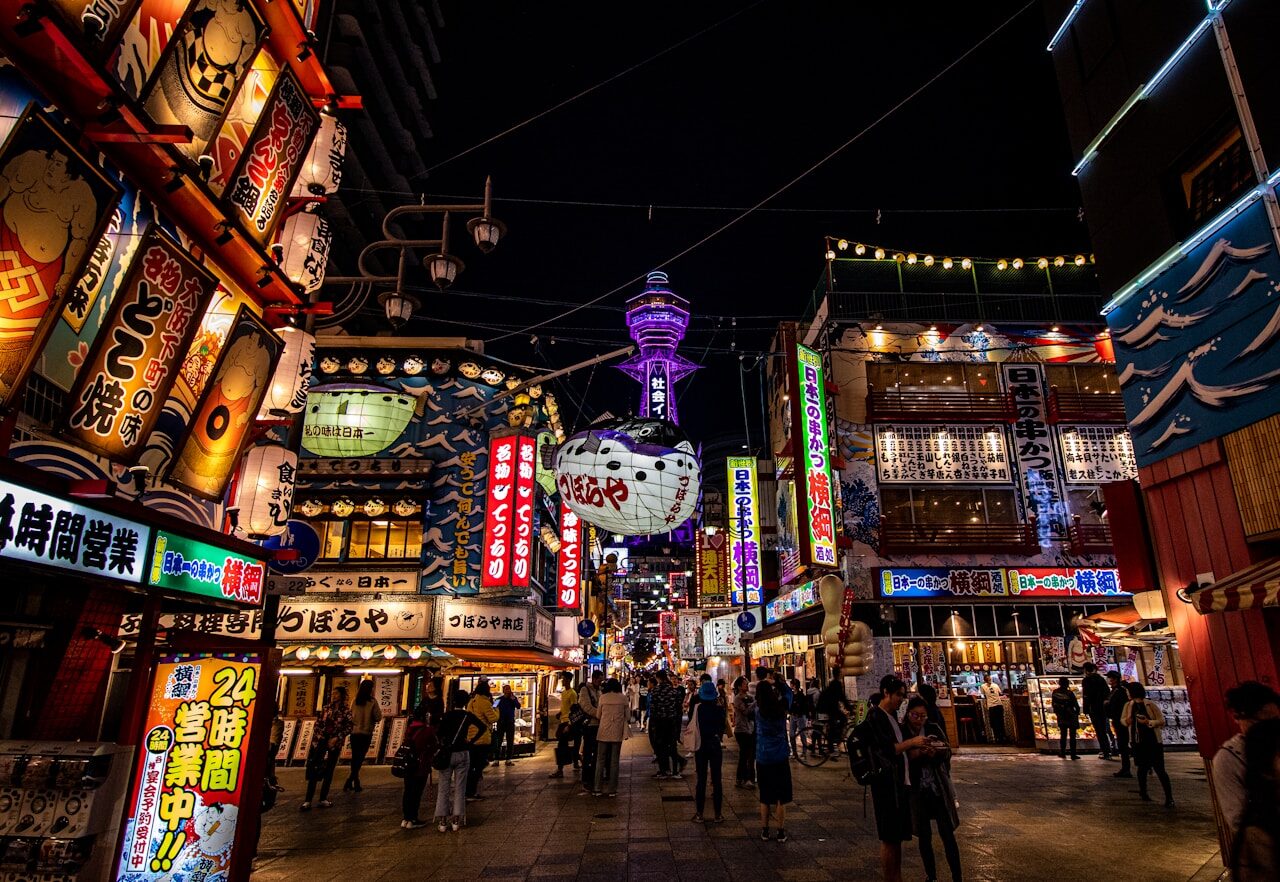
Shinsekai is a genuine time capsule of old Osaka, where retro signage, smoky kushikatsu joints, and the looming silhouette of Tsutenkaku Tower transport visitors straight back to the 1950s.
It sits just south of Tennoji and is easily walkable from the subway.
Kushikatsu — deep-fried skewers of meat, seafood, and vegetables — is the neighbourhood’s signature dish.
The golden rule: never double-dip your skewer in the communal sauce.
Locals will notice, and they will tell you.
Best Things To Do In Osaka for Thrill Seekers
Osaka is a full-blown playground for adrenaline hunters.
Universal Studios Japan delivers heart-pounding roller coasters and immersive themed worlds that turn even reserved travellers into screaming converts.
Tempozan Harbor Village offers a different kind of thrill — sweeping panoramic views over Osaka Bay from one of Japan’s tallest Ferris wheels.
Universal Studios Japan: Rides, Wizards, and Pure Chaos
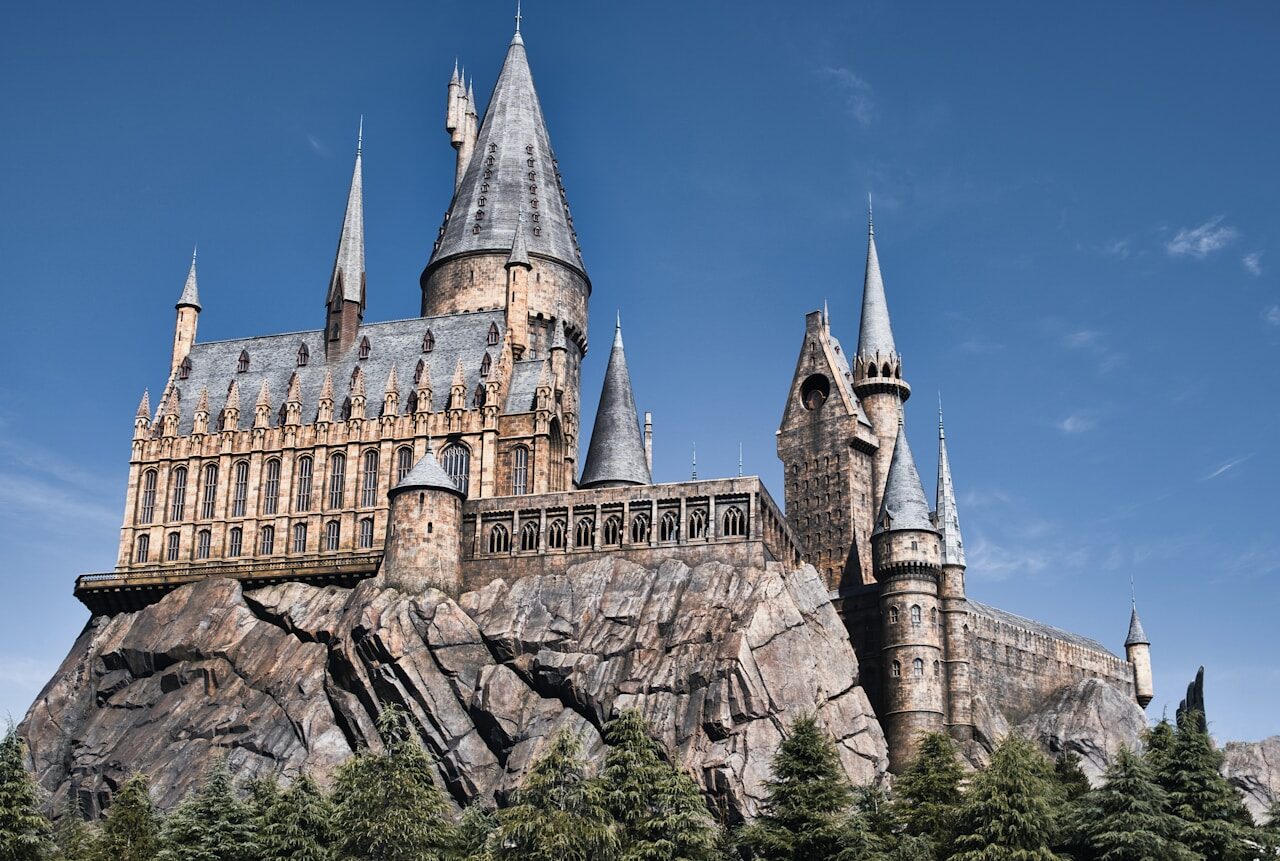
Universal Studios Japan (USJ) is one of the most-visited theme parks in Asia, drawing over 14 million guests annually.
It sits in the Sakurajima area of Osaka, roughly 15 minutes by direct train from Osaka Station.
Top attractions include the Flying Dinosaur roller coaster, Hogwarts Castle inside The Wizarding World of Harry Potter, Hollywood Dream: The Ride, and Super Nintendo World.
Admission starts from ¥8,400 for a standard one-day pass (adult), with prices varying by date and rising as high as ¥11,900 on peak days.
Book tickets in advance — queues for Express Passes sell out weeks ahead during peak season.
Opening hours: typically 9:00 AM to 9:00 PM, though hours vary by day and season, with the park sometimes opening as early as 8:30 AM.
The park operates extended evening hours during Halloween and Christmas events.
Tempozan Harbor Village: Ferris Wheels and Ocean Views
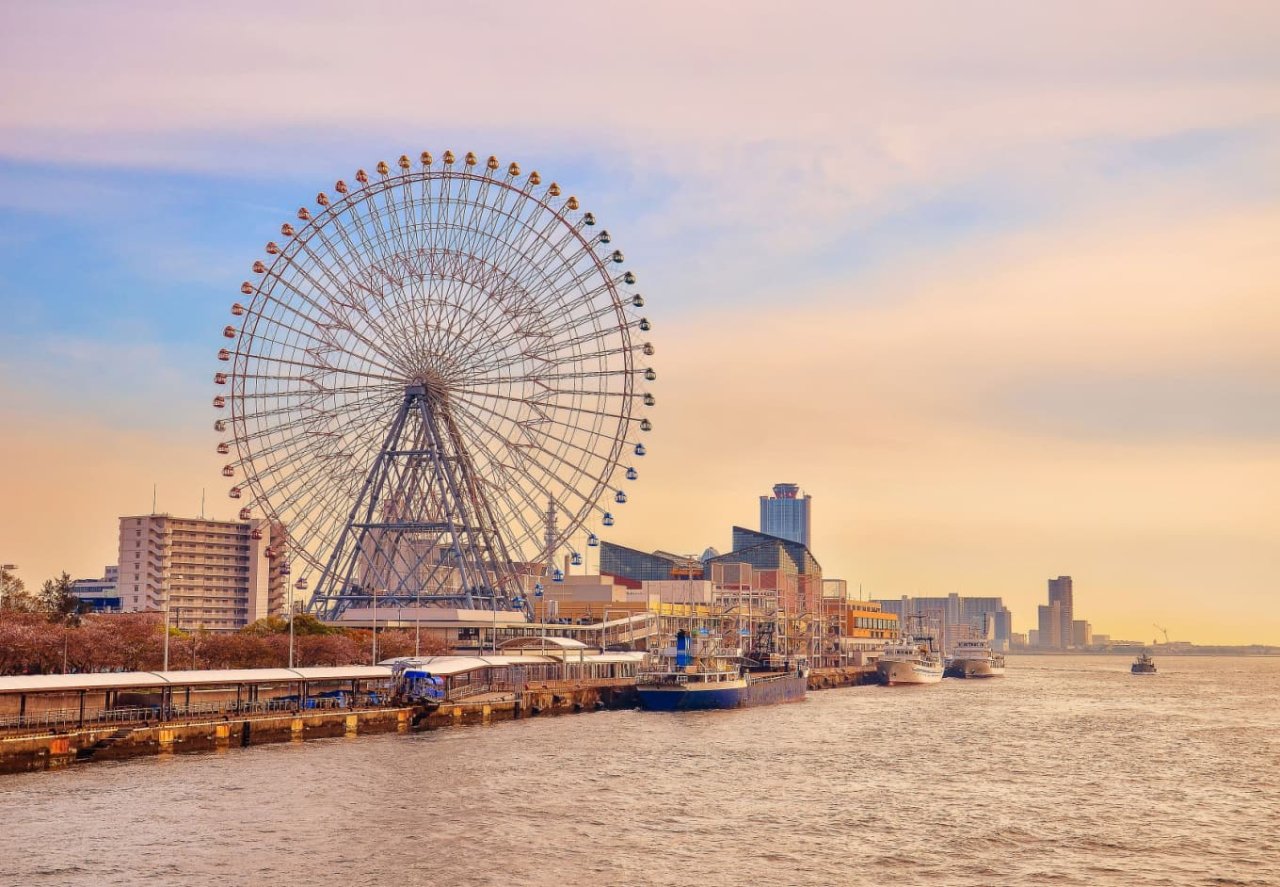
Tempozan Harbor Village is a waterfront complex along the shimmering Osaka Bay, combining one of Japan’s largest Ferris wheels with world-class aquarium access.
The Giant Ferris Wheel soars 112.5 metres above sea level, offering panoramic views across the bay and city.
One full rotation takes approximately 15 minutes.
Admission is ¥800 per adult (free for children under 3; ¥800 for ages 3 and up).
The Osaka Aquarium Kaiyukan sits directly adjacent, making this an efficient half-day destination for families and thrill-seekers alike.
Is Osaka Good for Families With Kids?
Osaka is one of Japan’s most family-friendly cities, with dedicated children’s attractions, interactive museums, and marine experiences that appeal to all ages.
Kids Plaza Osaka and Osaka Aquarium Kaiyukan are the two standout family destinations, both easily accessible by subway.
Beyond these anchors, Universal Studios Japan, Tempozan Giant Ferris Wheel, and Namba’s pedestrian-friendly streets all make Osaka a genuinely comfortable city to navigate with children in tow.
Kids Plaza Osaka: Play Hard, Learn Harder
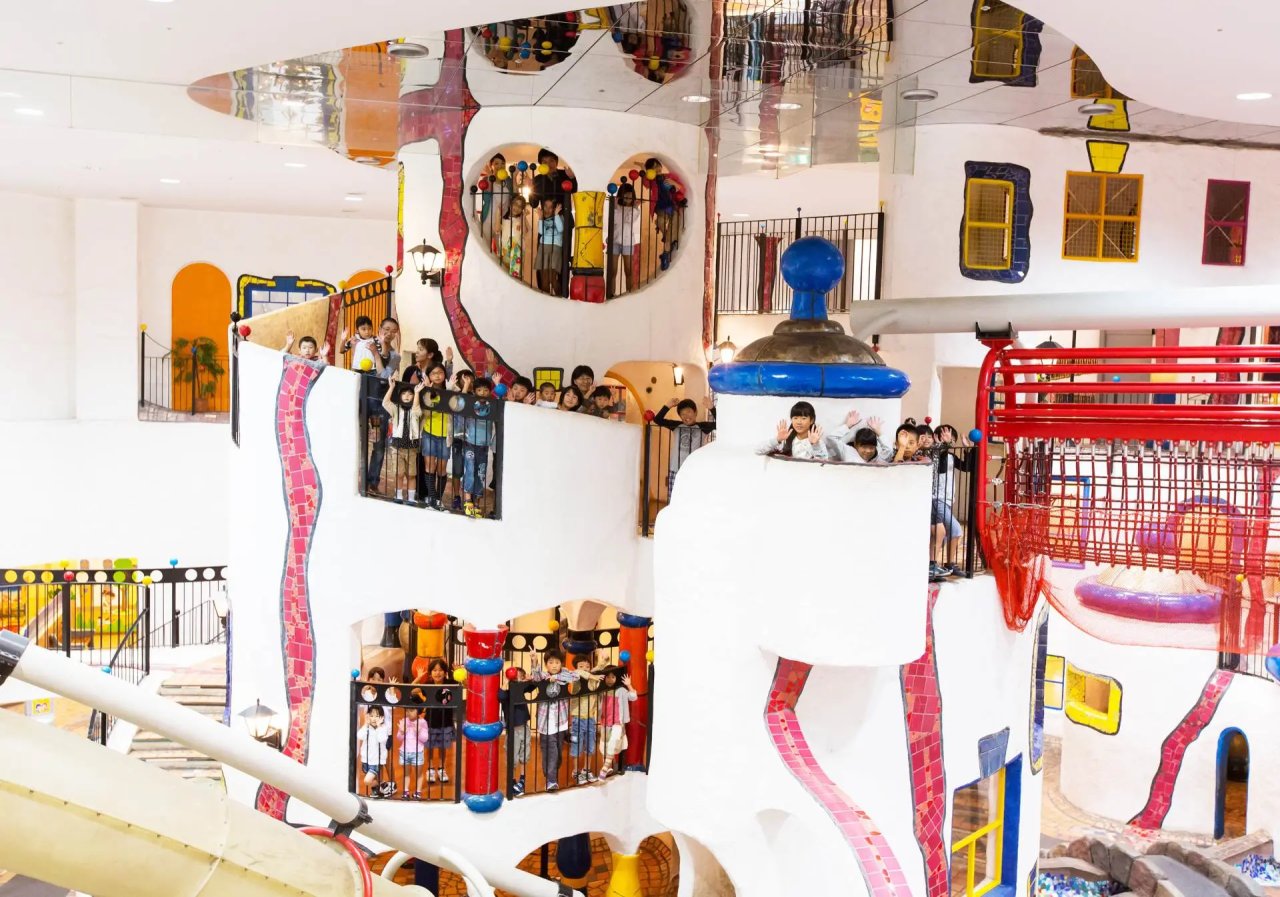
Kids Plaza Osaka is a three-storey interactive museum where children can tinker, experiment, and explore across science, art, and role-play zones.
It is one of the top-rated family attractions in the Kansai region.
Highlights include water play exhibits, a rooftop playground, art workshops, and role-play areas where children can dress as doctors, chefs, or shopkeepers.
Admission is ¥500 for infants (ages 3–6) and ¥800 for children (ages 7–15) and ¥1,500 for adults (ages 16 and over); children under 3 enter free.
Opening hours: 9:30 AM to 5:00 PM (last admission 4:15 PM); closed on the second and third Monday of each month (or the following Tuesday when Monday falls on a public holiday), and from December 28 to January 2.
Located in Tenjinbashi, it is a short walk from Ogimachi subway station.
Osaka Aquarium Kaiyukan: Face-to-Face With a Whale Shark
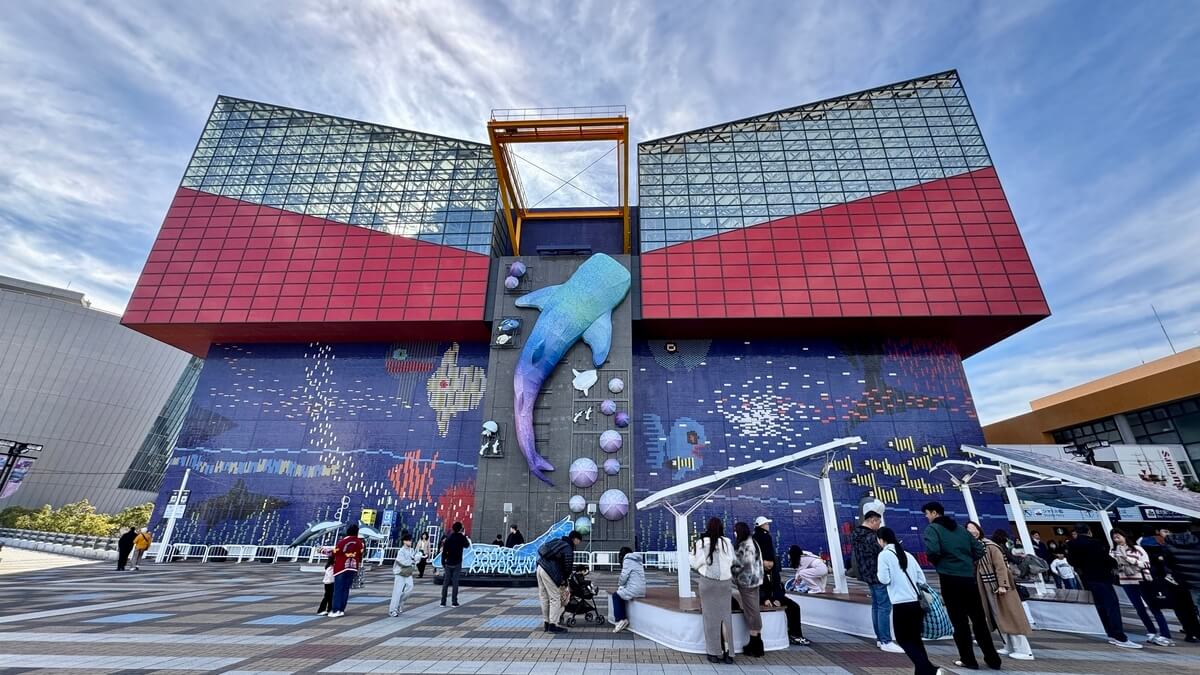
Osaka Aquarium Kaiyukan is one of the world’s largest aquariums, housing a whale shark inside a jaw-dropping eight-storey central tank.
It consistently ranks among the top things to do in Osaka Japan for families.
Visitors roam through 15 themed zones, encountering manta rays, sea otters, penguins, and jellyfish.
The central Pacific Ocean tank holds approximately 5,400 cubic metres of water.
Admission starts from ¥2,700 per adult (ages 16 and over) and ¥1,400 per child (elementary and junior high school students ages 7–15), with toddlers aged 3 and over paying ¥700 and children under 2 entering free; note that the aquarium uses dynamic pricing, so rates may be higher on peak days.
Opening hours: 10:00 AM to 8:00 PM (last admission 7:00 PM); hours vary by season, so check the official website before visiting.
Where To Go In Osaka for Food That Will Change Your Life
Osaka is widely regarded as Japan’s undisputed food capital — a city where every alleyway, market stall, and bustling street corner tells a delicious story.
The local motto kuidaore (eat until you drop) is not a suggestion; it is a civic obligation.
Street food crawls through Dotonbori and Shinsekai deliver takoyaki, kushikatsu, and okonomiyaki at every turn.
For a more elevated experience, the city’s sit-down restaurant scene ranges from intimate izakayas to sophisticated kaiseki establishments.
Street Food Crawl Through Osaka’s Most Legendary Neighbourhoods
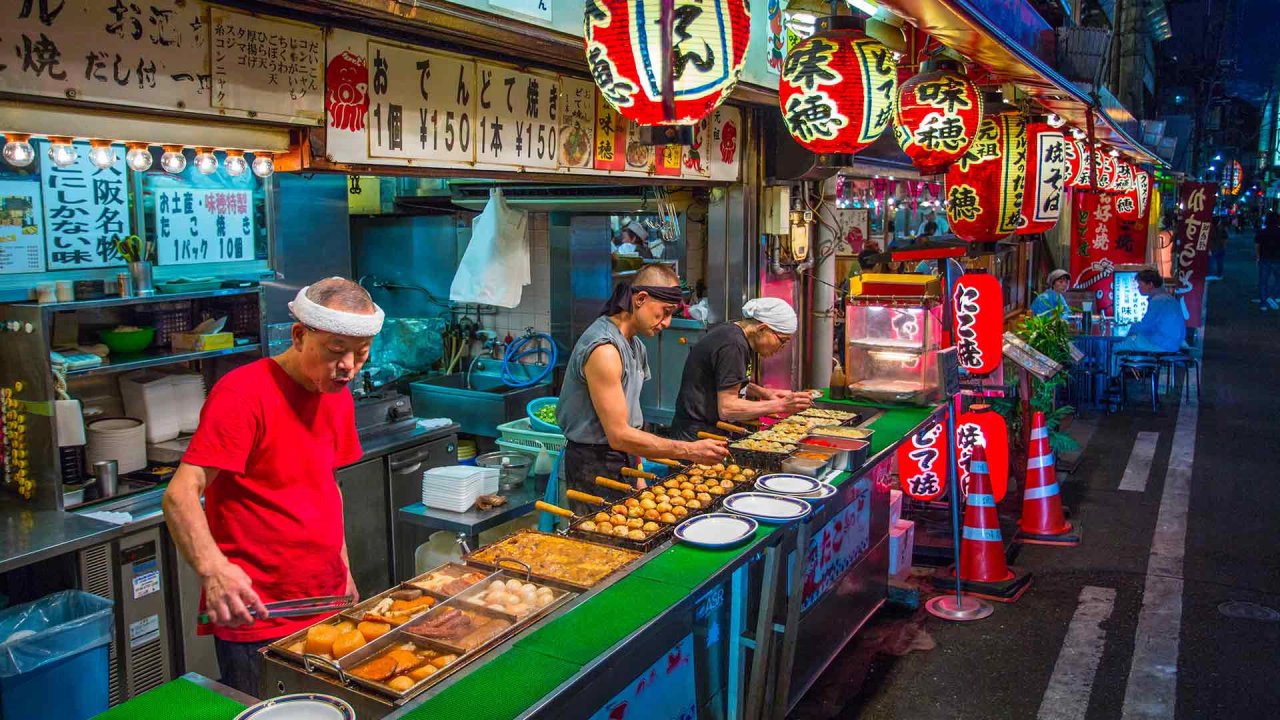
Osaka’s street food neighbourhoods are where the city’s culinary devotion becomes visceral.
The smells of sizzling batter, smoky skewers, and caramelised sauces hit visitors like a delicious wall of flavour the moment they step onto Dotonbori’s main strip.
Dotonbori serves as ground zero for Osaka’s greatest culinary hits — crispy takoyaki balls stuffed with octopus, savoury okonomiyaki pancakes layered with toppings, and golden kushikatsu skewers meant to be dunked exactly once.
Kuromon Ichiba Market, just a short walk away, has supplied the city’s chefs and hungry wanderers for nearly 200 years.
Dotonbori’s Greatest Hits: Takoyaki, Okonomiyaki, and Kushikatsu
Dotonbori delivers a full sensory assault that food lovers dream about long after leaving Osaka.
The sizzle of batter hitting a scorching iron mould, the rich aroma of dashi-soaked cabbage caramelising on a griddle, the satisfying crunch of a golden-fried skewer — it is all here, steps apart.
Key dishes to try: takoyaki (octopus balls, approximately ¥400–¥800 for six to eight pieces at street stalls), okonomiyaki (savoury pancake, approximately ¥800–¥1,500 at most sit-down spots), and kushikatsu (fried skewers from around ¥130–¥300 each).
Osaka’s motto — kuidaore, eat until you drop — lives and breathes on this street.
Kuromon Ichiba Market: The Kitchen of Osaka
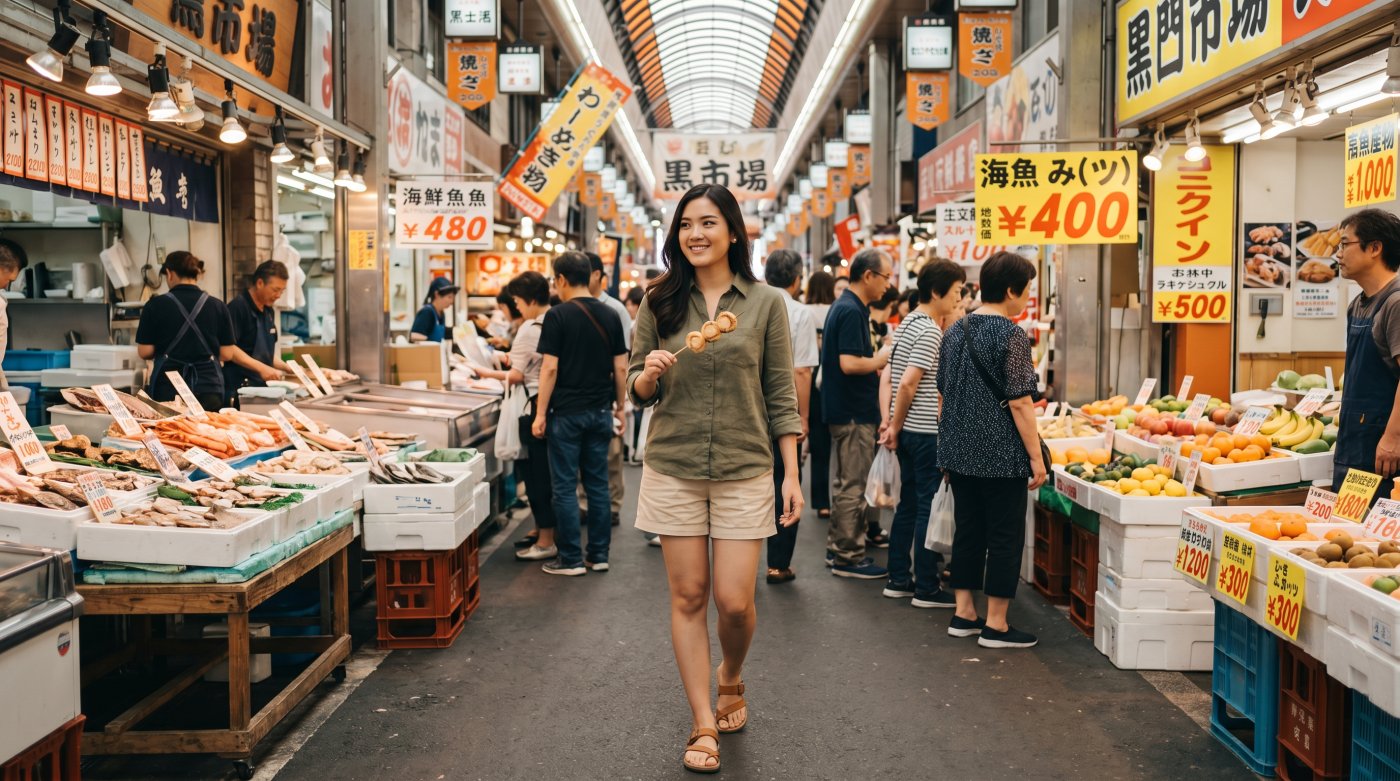
Kuromon Ichiba Market has fed Osaka’s chefs, home cooks, and hungry wanderers for nearly 200 years, earning its legendary nickname “Osaka’s Kitchen.” Over 170 vendors pack this covered arcade, selling fresh seafood, wagyu beef skewers, tropical fruit, and ready-to-eat bites.
The market runs approximately 580 metres in length and is located a short walk from Namba Station.
Most stalls open from around 8:00 AM to 6:00 PM, with the market at its most lively between 9:00 AM and 4:00 PM; restaurants and cafes tend to open around 11:00 AM and may stay open until 8:00 PM or later.
Arrive hungry, wander slowly, and accept everything vendors hand directly across their counters.
Best Osaka Restaurants for a Sit-Down Feast
Hozenji Yokocho is Osaka’s most enchanting dining alley — a narrow, lantern-lit passage where moss-covered stone statues and the sizzle of kushikatsu create an atmosphere pulled straight from old Japan.
It sits just steps behind the neon chaos of Dotonbori.
For a more refined experience, the city’s kaiseki and omakase restaurants deliver meticulously crafted multi-course meals pairing hyper-seasonal ingredients with jaw-dropping presentation.
Restaurants such as Hajime (two Michelin stars) and Koryu push culinary boundaries with breathtaking precision.
These experiences cost serious yen — expect to pay from ¥10,000 to ¥20,000 per person at mid-range kaiseki venues, with top-tier restaurants reaching ¥30,000 or more — but every course earns it.
Hozenji Yokocho: Atmospheric Alleyway Dining at Its Finest
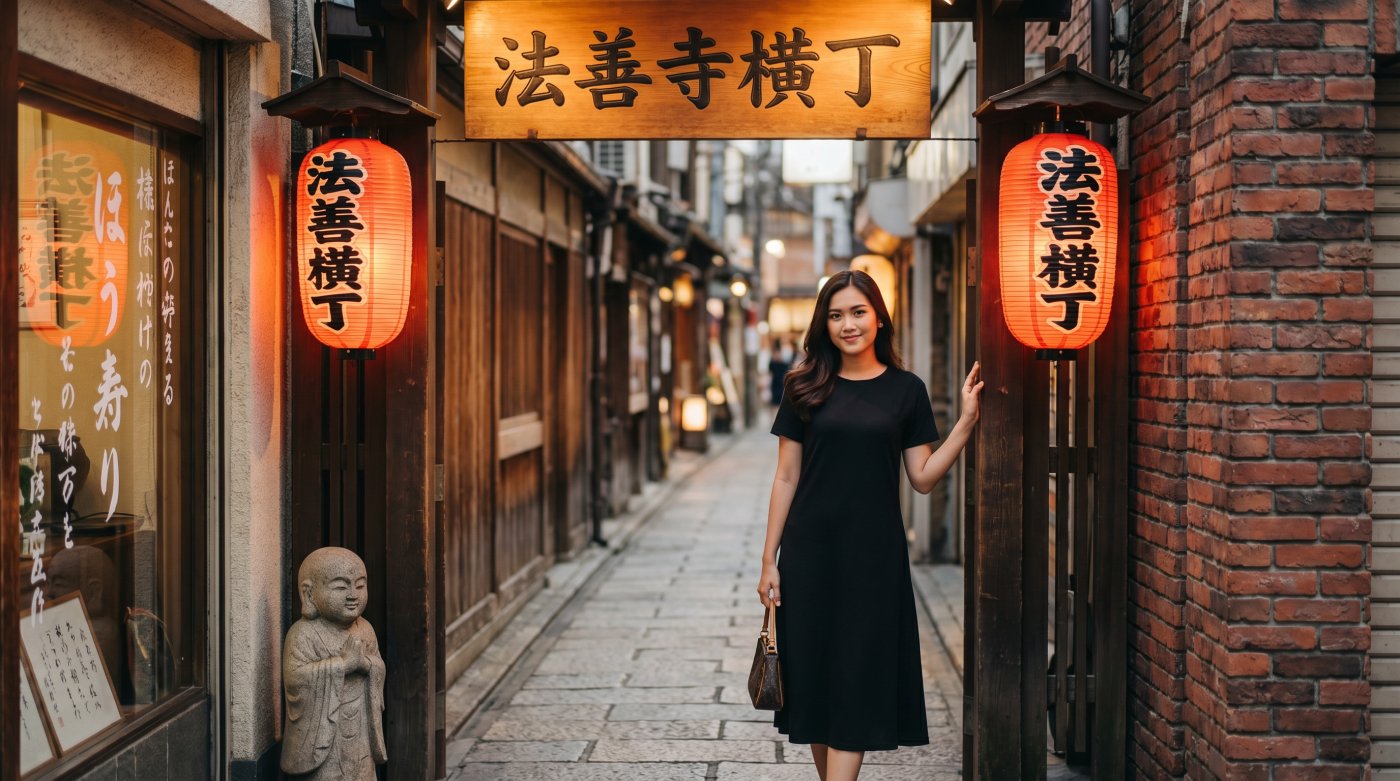
Hozenji Yokocho is a narrow, moss-covered stone alley tucked behind Dotonbori that feels like stepping into an Osaka that time forgot.
The alley runs just 80 metres long but packs in some of the city’s most atmospheric dining experiences.
Highlights include intimate izakayas serving cold sake, candlelit udon counters, kushikatsu joints with sizzling open kitchens, and hidden kappo restaurants offering omakase menus.
No reservations are required for most spots — simply wander in and let the atmosphere do the rest.
Top Things To Do In Osaka After Dark
Osaka truly comes alive after sunset, transforming into a glittering, electric playground where neon-lit streets pulse with energy and laughter spills from every doorway.
Bar-hopping through Amerika-Mura and the Namba District is practically a rite of passage for any visitor.
Rooftop observatories at the Umeda Sky Building and Tsutenkaku Tower offer jaw-dropping nighttime city views that no daytime sightseeing can replicate.
Osaka after dark is not a bonus — it is a core part of the experience.
Bar Hopping in Amerika-Mura and the Namba District
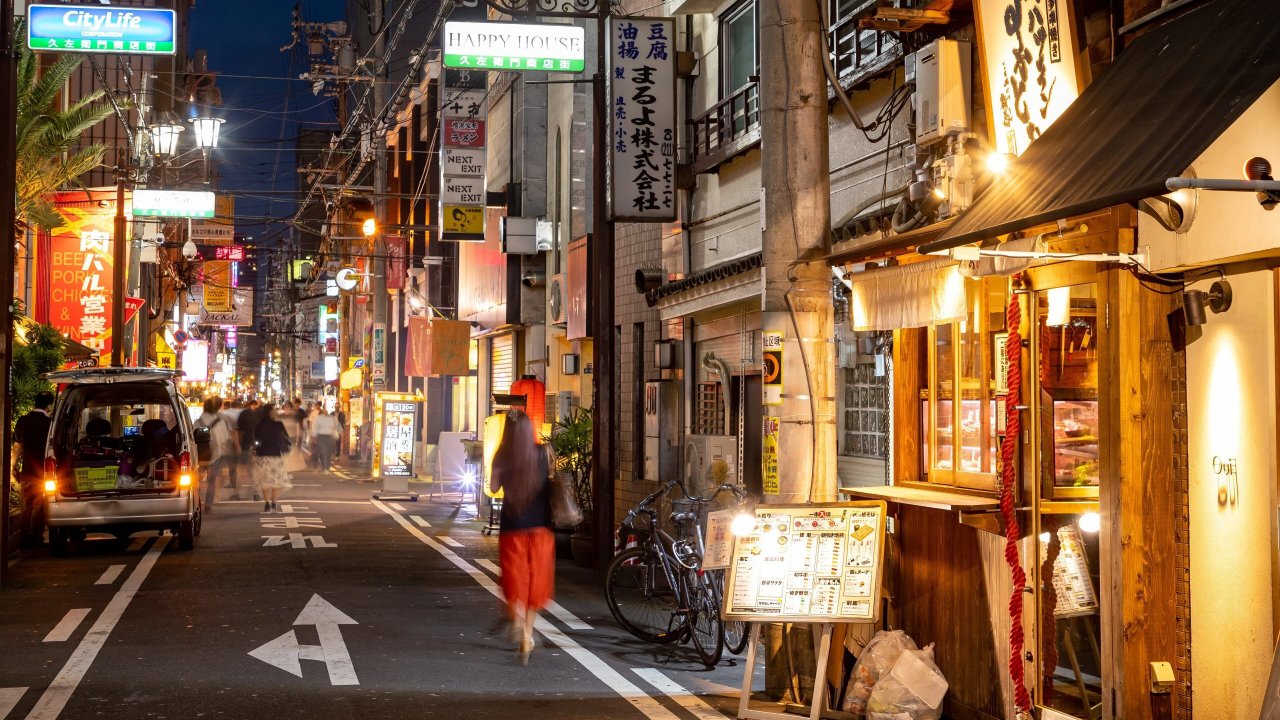
Nightlife in Osaka centres on two neighbourhoods — Amerika-Mura and the Namba District — which serve as the beating heart of the city’s after-dark scene.
These are not tourist traps; they are living, breathing playgrounds where locals actually unwind.
Key stops include Triangle Park in Amerika-Mura (the undisputed gathering spot before bar-hopping begins), neon-soaked cocktail lounges lining the Dotonbori canal, tachinomi standing bars where strangers become friends fast, and underground izakayas serving cold draft beer alongside grilled skewers.
Amerika-Mura runs younger and edgier; Namba delivers polished, high-energy sophistication.
Both are easily walkable from Shinsaibashi and Namba subway stations.
Rooftop Views and Nighttime Osaka Highlights
Two skyline staples deliver the kind of views that make visitors immediately reach for their cameras.
The Umeda Sky Building’s open-air Floating Garden Observatory frames breathtaking 360-degree sunset panoramas that bleed from burnt orange into deep purple as city lights flicker on below.
Tsutenkaku Tower pulses with colourful neon over the retro Shinsekai district, casting a warm, nostalgic glow that beams Osaka’s unapologetic personality straight into the night sky.
Admission to the Umeda Sky Building’s Floating Garden Observatory is ¥2,000 for adults (ages 13 and over) and ¥500 for children (ages 4–12); Tsutenkaku Tower charges ¥1,200 for adults and ¥600 for children (with free entry for children aged 4 and under).
Both observatories operate until 10:00 PM.
Umeda Sky Building: Osaka’s Most Dramatic Sunset Spot
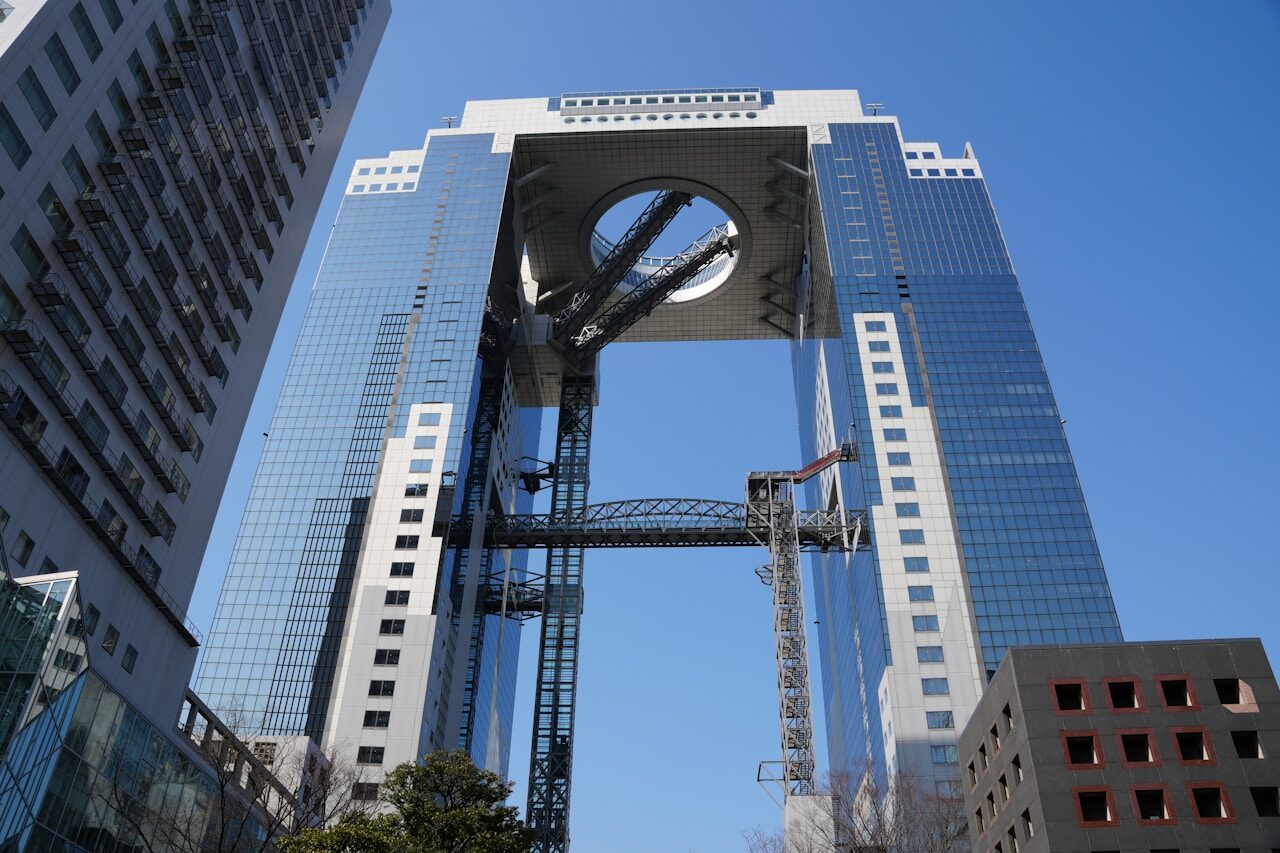
The Umeda Sky Building rises 173 metres above the city and houses the Floating Garden Observatory — an open-air rooftop deck that delivers some of the most dramatic sunset views in Japan.
It is one of Osaka’s most architecturally striking landmarks.
Arrive 30 minutes before sunset for the best light.
The escalator tunnel connecting the two towers is itself a memorable experience.
Admission is ¥2,000 per adult (¥500 for children aged 4–12; free for children under 4).
Opening hours: 9:30 AM to 10:30 PM (last admission 10:00 PM), open daily year-round.
Tsutenkaku Tower: Glowing Over Shinsekai at Night
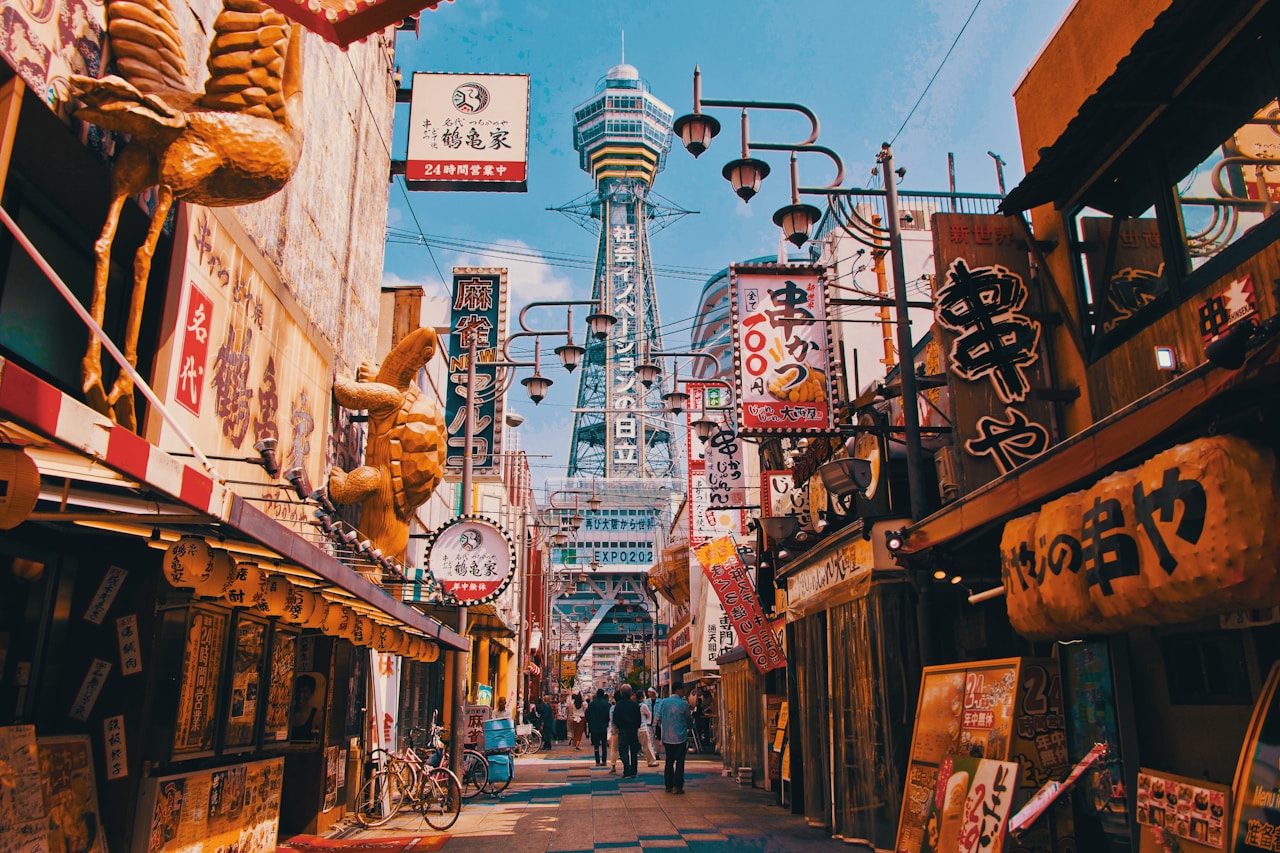
Tsutenkaku Tower owns the Osaka night with a scrappy, neon-drenched swagger that feels entirely its own.
Rising above Shinsekai’s retro streets, it blazes with colour against the dark sky and has been the neighbourhood’s defining landmark since 1956.
The observation deck sits at 91 metres and offers views across southern Osaka.
Admission is ¥1,200 per adult (¥600 for children; free for children aged 4 and under).
Operating hours: 9:00 AM to 10:00 PM daily (ticket sales until 9:30 PM), updated from March 2026.
The surrounding Shinsekai streets — packed with cheap kushikatsu joints, carnival energy, and zero pretension — are best explored on foot after dark.
Things To See In Osaka Beyond the Tourist Trail
Osaka’s magic extends far beyond Dotonbori and Osaka Castle.
The city’s quieter corners hold hidden temples, moss-draped shrines, and spiritual sanctuaries that most tourists never discover.
Spots like Namba Yasaka Shrine, with its jaw-dropping lion-head stage, and the serene Isshinji Temple offer experiences that are genuinely unforgettable.
Locals know that wandering beyond the guidebook leads to vibrant shotengai shopping streets, tucked-away neighbourhood festivals, and authentic izakayas where the real Osaka spirit lives.
Osaka’s Hidden Temples, Shrines, and Spiritual Corners
Osaka’s spiritual side stretches far beyond polished tourist brochures.
Sumiyoshi Taisha, one of Japan’s oldest shrines, offers a striking glimpse into a distinctly indigenous Shinto aesthetic — all cypress wood, curved rooftops, and hushed ceremonial energy.
Shitennoji Temple, founded in 593 CE by Prince Shotoku, marks the very birthplace of organised Buddhism in Japan.
Visiting it feels less like sightseeing and more like walking through the country’s spiritual DNA.
Sumiyoshi Taisha: One of Japan’s Oldest Shinto Shrines
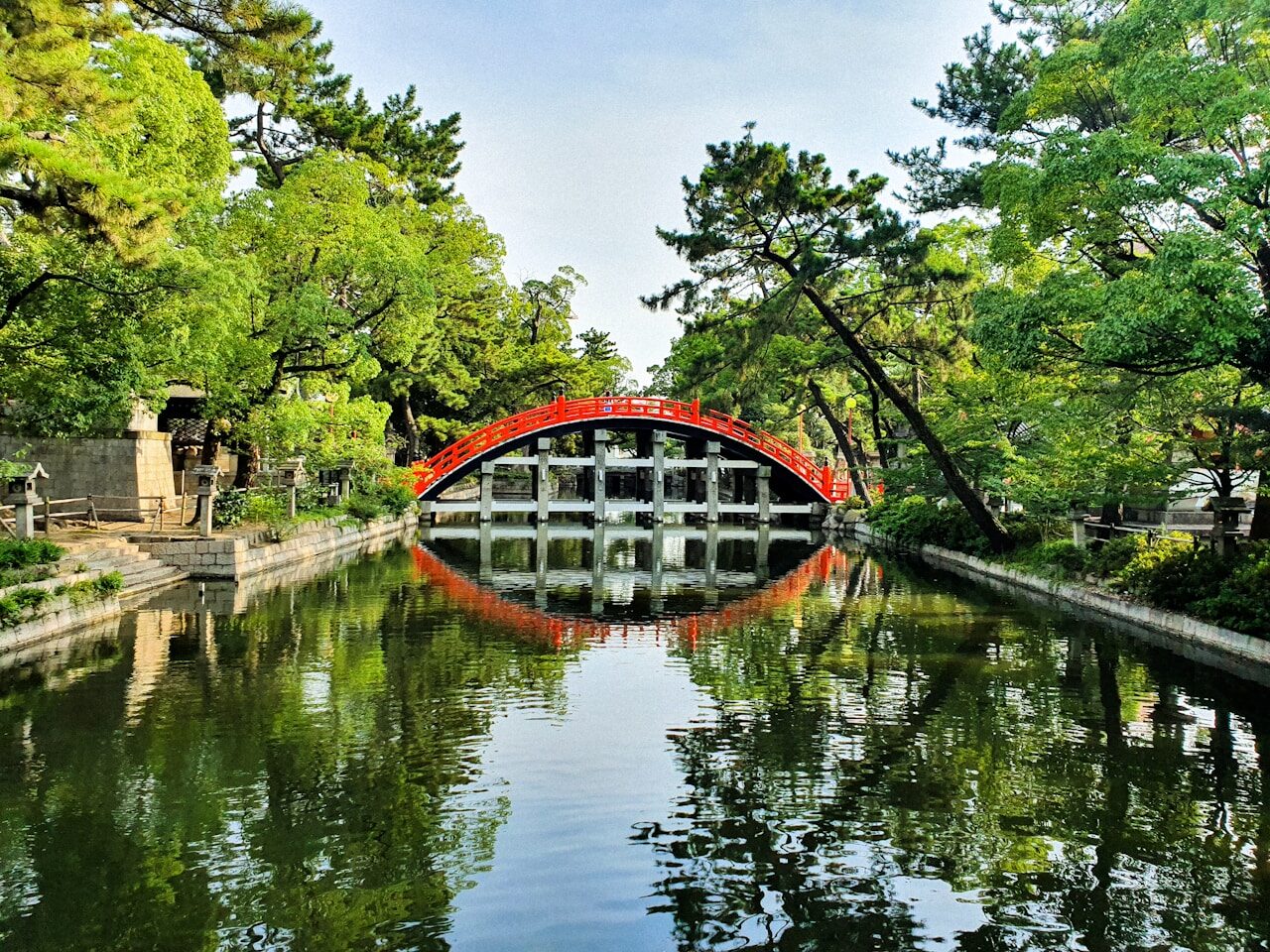
Sumiyoshi Taisha stands as one of Japan’s oldest and most architecturally distinct Shinto shrines, predating the introduction of Chinese and Buddhist influences on Japanese design.
It is located in the southern reaches of Osaka, roughly 20 minutes by Nankai train from Namba.
The shrine complex features four sacred main halls, an iconic arched bridge over a central pond, and traditional festivals held throughout the year.
Admission is free.
Opening hours: 6:00 AM to 5:00 PM (April to September) and 6:30 AM to 5:00 PM (October to March), open daily with no closures.
Crowds here are a fraction of those at Kyoto’s famous shrines — for travellers already exploring temples and shrines in Kyoto, Sumiyoshi Taisha offers a refreshingly uncrowded contrast.
Shitennoji Temple: Where Osaka’s History Actually Begins
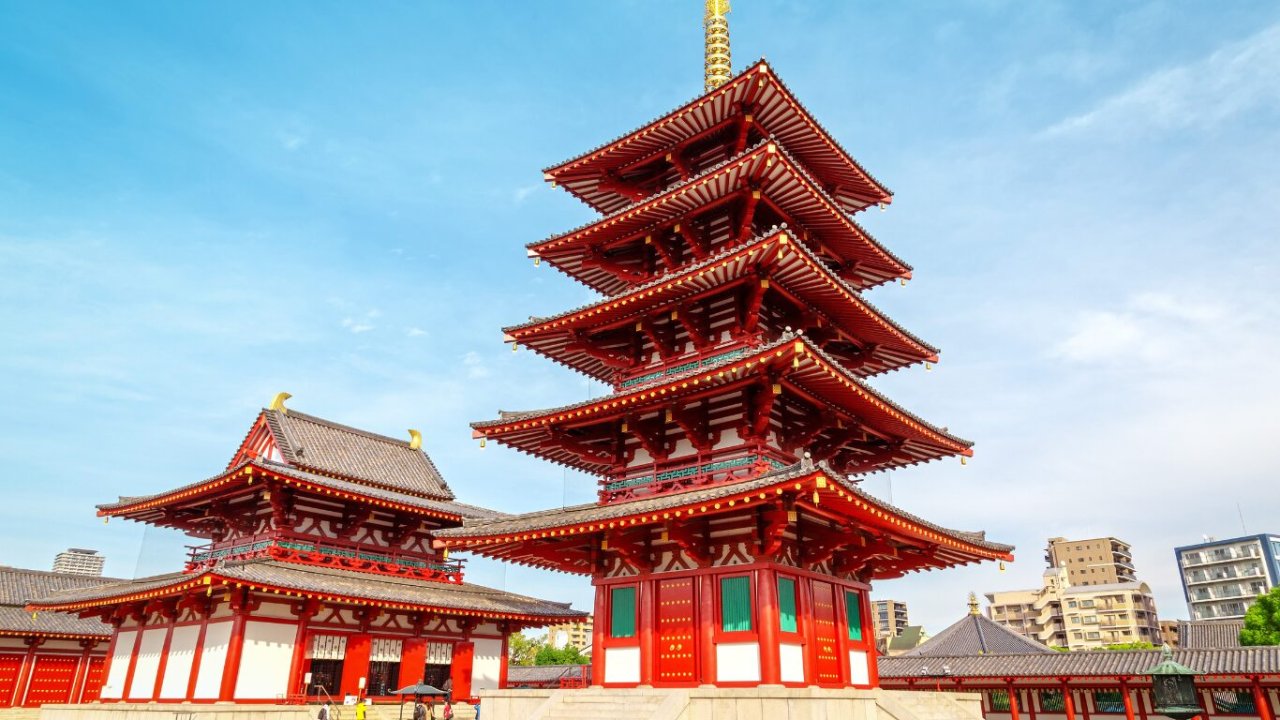
Shitennoji Temple was founded in 593 CE by Prince Shotoku and is Japan’s first officially administered Buddhist temple.
It predates the city of Osaka itself by centuries, making it the single most historically significant site in the region.
The vermillion pagoda and central precinct are open to visitors daily.
Admission to the inner precinct (Central Temple) is ¥300 for adults and ¥200 for high school and junior high school students (elementary school students and younger enter free); the outer grounds are free.
Opening hours: 8:30 AM to 4:30 PM (April to September) and 8:30 AM to 4:00 PM (October to March), with outer grounds accessible 24 hours.
Allow at least 90 minutes to explore the full complex.
Off-the-Beaten-Path Osaka Attractions Locals Actually Visit
Osaka’s most authentic neighbourhoods rarely appear on typical tourist itineraries, but that is exactly what makes them worth seeking out.
Nakazakicho charms visitors with labyrinthine alleyways packed with indie coffee shops, retro vintage boutiques, and an artsy, unhurried atmosphere that feels worlds away from Dotonbori’s neon chaos.
Tenjinbashisuji Shopping Street stretches nearly 2.6 kilometres of covered arcade, where locals browse shops that have served the community for generations.
Neither neighbourhood requires a plan — simply arrive and wander.
Nakazakicho: Coffee Shops, Vintage Stores, and Zero Crowds
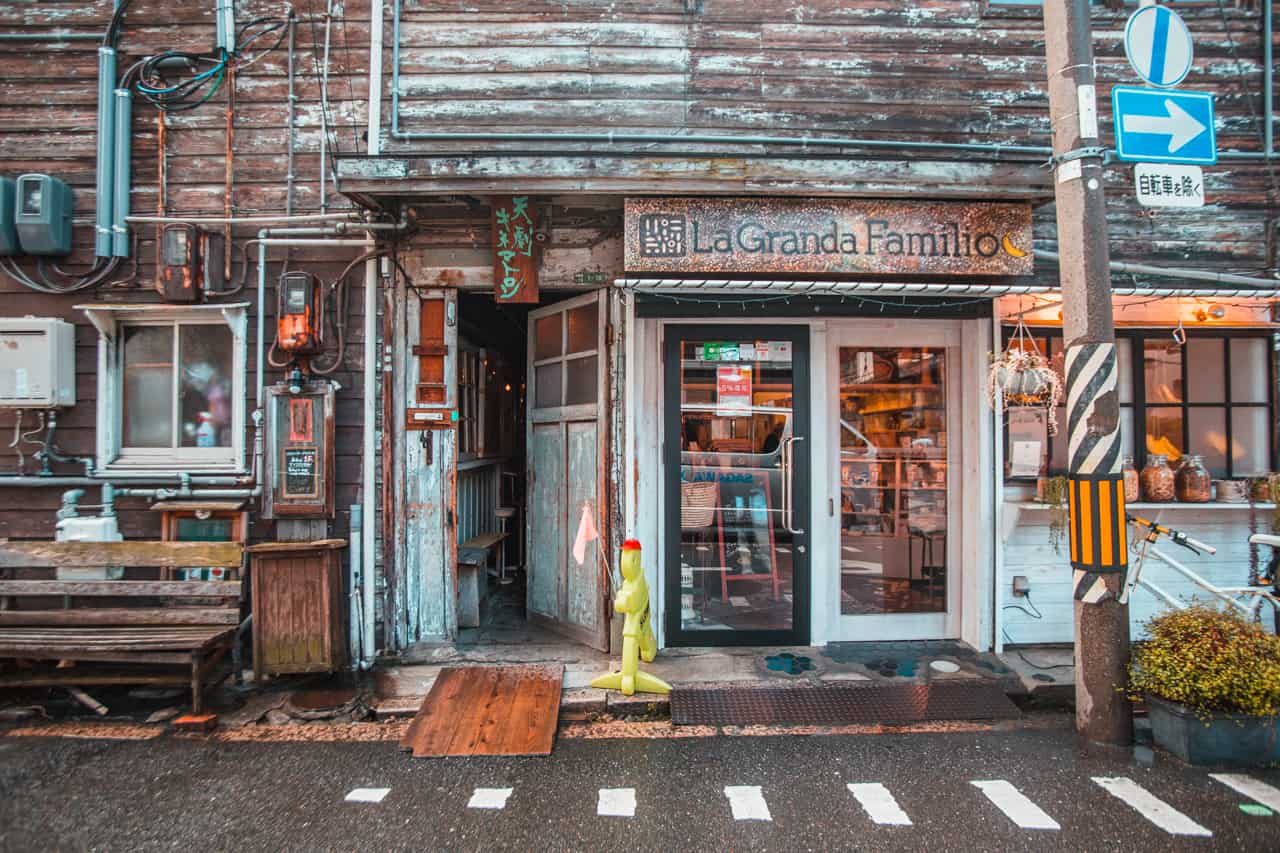
Nakazakicho sits just a short subway ride from the chaos of Dotonbori but feels like a completely different city.
Century-old machiya townhouses now house specialty coffee roasters, independent bookshops stocking curated Japanese art, and vintage clothing stores selling rare denim at surprisingly reasonable prices.
The neighbourhood is best explored on foot with no fixed agenda.
There are no major ticketed attractions here — the reward is the atmosphere itself.
Nakazakicho is the kind of place locals fiercely protect from over-tourism, so visit respectfully and spend locally.
Tenjinbashisuji Shopping Street: Japan’s Longest Shotengai
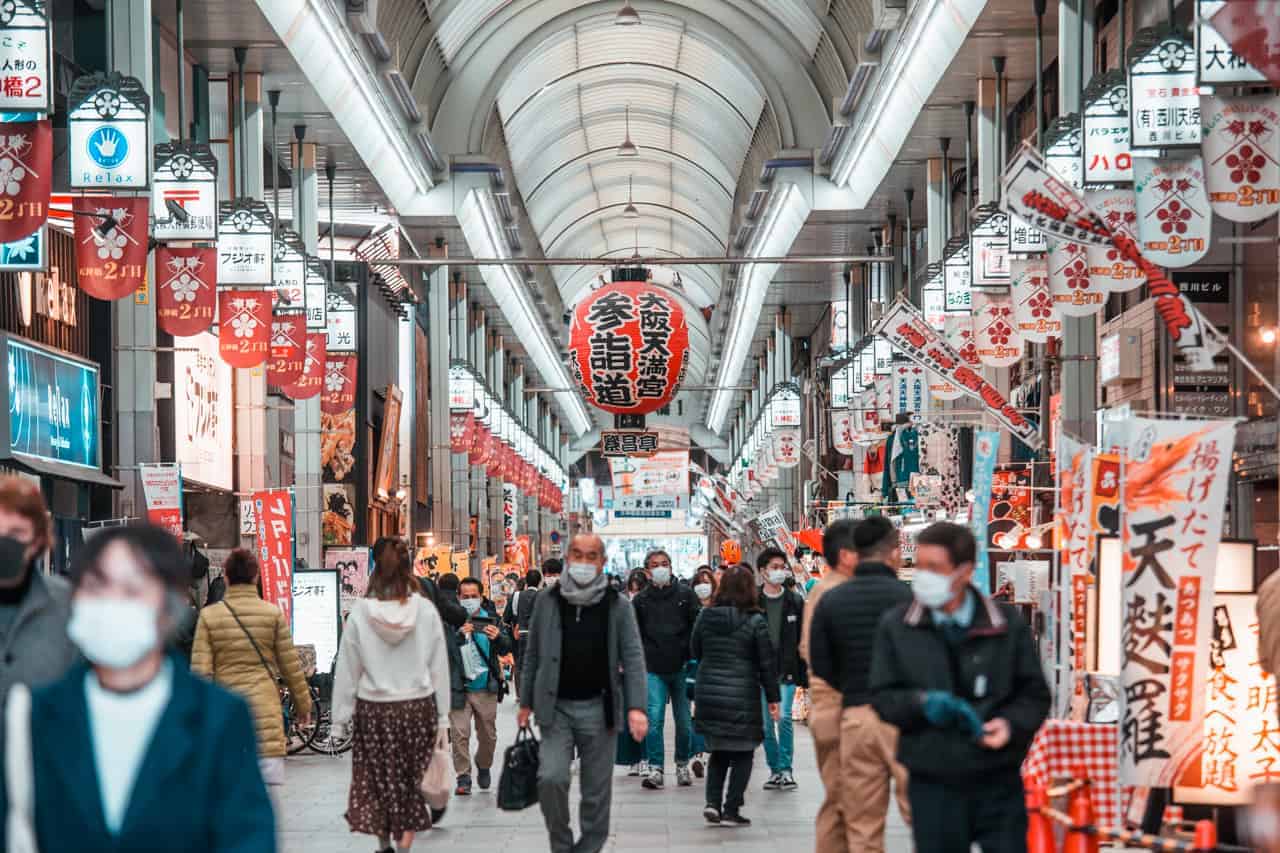
Tenjinbashisuji Shopping Street stretches an almost unbelievable 2.6 kilometres through northern Osaka, making it the longest covered shopping arcade in Japan.
A casual stroll somehow devours two to three hours without apology.
Vendors sell everything from fresh takoyaki to century-old confectioneries, while independent clothing boutiques and izakayas crowd cheerfully beneath covered arcades.
The street runs between Tenjinbashi-suji 1-chome and 6-chome, easily accessible from Tenjimbashisuji Rokuchome subway station.
What To Do In Osaka When It Rains
Osaka’s rainy days are no reason to retreat to a hotel room.
The city has an arsenal of incredible indoor experiences, from labyrinthine underground shopping corridors to world-class museums and covered market arcades.
The Osaka Museum of History, Namba Parks, and Grand Front Osaka are three standout wet-weather destinations.
Foodies, culture seekers, and shoppers alike will find that a drizzly Osaka day can be one of the most rewarding on the entire itinerary.
Indoor Osaka Things To Do on a Drizzly Day
The Osaka Museum of History whisks visitors through 1,400 years of the city’s past across ten fascinating floors, with floor-to-ceiling windows dramatically framing Osaka Castle as a bonus backdrop.
It is one of the best-value indoor attractions in the city.
When history-hunting wraps up, Namba Parks and Grand Front Osaka deliver guilt-free retail therapy under one roof, blending upscale boutiques, local eateries, and lush greenery in spaces so beautifully designed they feel like destinations in themselves.
Osaka Museum of History: Walk Through 1,400 Years in One Building
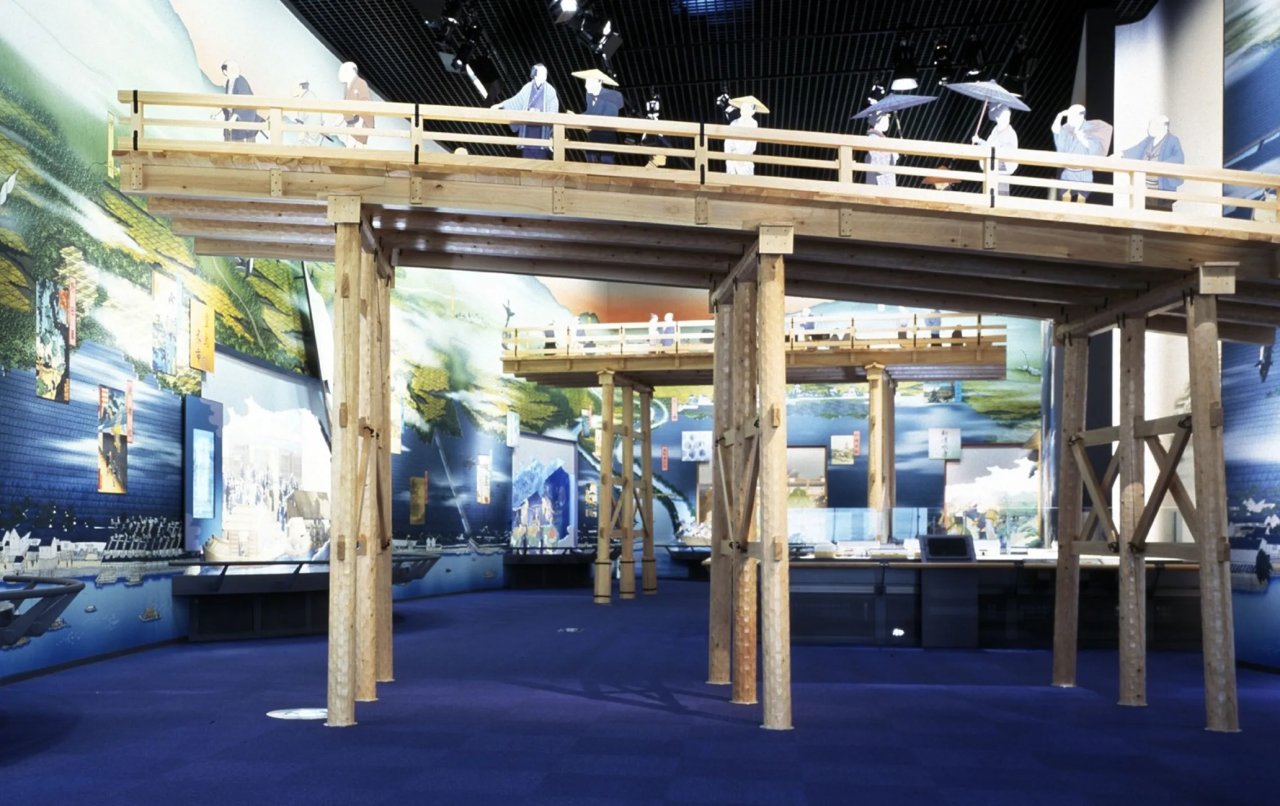
The Osaka Museum of History covers 1,400 years of the city’s past across ten floors, with exhibits ranging from Ancient Naniwa Palace ruins to full-scale Nara Period reconstructions and interactive archaeological displays.
Floor-to-ceiling windows on the upper floors frame a direct view of Osaka Castle.
Admission is ¥600 per adult (¥400 for students; free for high school students and younger).
Opening hours: 9:30 AM to 5:00 PM (last admission 4:30 PM); open until 8:00 PM on Fridays (last admission 7:30 PM); closed on Tuesdays (or Wednesday if Tuesday falls on a public holiday) and from December 28 to January 4.
The museum is located directly above Tanimachi 4-chome subway station, making it one of the easiest indoor attractions to reach on a rainy day.
Namba Parks and Grand Front Osaka for Guilt-Free Shopping
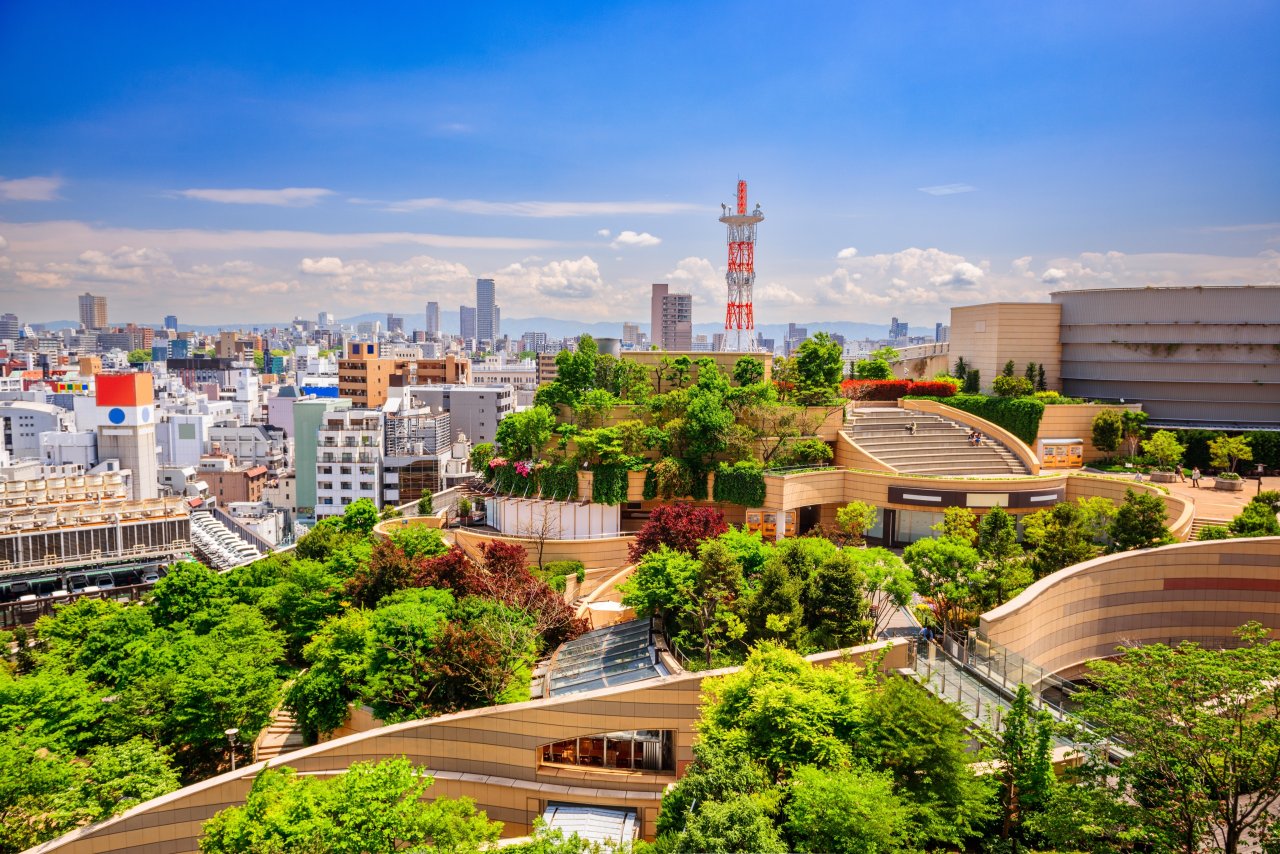
Namba Parks blends rooftop gardens with hundreds of shops across eight floors, creating a surprisingly lush indoor-meets-outdoor retail experience in the heart of the city.
Grand Front Osaka near Umeda Station combines boutiques, restaurants, and knowledge galleries under one sleek roof.
Both complexes are free to enter and open daily; most shops operate from 11:00 AM to 9:00 PM, with restaurants typically staying open until 11:00 PM (individual store hours may vary slightly).
They transform a soggy afternoon into a genuinely rewarding few hours — and the food courts alone are worth the visit.
Day Trips and Things To Do Around Osaka
Osaka’s prime location makes it an unbeatable base for exploring the Kansai region.
Legendary destinations like Nara and Kyoto sit just a short train ride away, and both are easily done as day trips without the need to change accommodation.
For travellers planning a broader Japan itinerary, Osaka also serves as a convenient gateway to Hiroshima (under 90 minutes by shinkansen) and Kobe (roughly 30 minutes by local train).
The top day trips from Kyoto overlap significantly with Osaka-based excursions, making the two cities natural companions.
Nara: Bowing Deer and a Giant Buddha an Hour Away
Nara sits approximately one hour from Osaka by direct train on the Kintetsu Nara Line and is one of the most rewarding half-day trips in the Kansai region.
Ancient temples, free-roaming deer, and centuries of Japanese history await in a compact, walkable city centre.
Key highlights include Nara Park (free to enter), where hundreds of sika deer bow politely for shika senbei crackers (sold at stalls for approximately ¥200 per bundle); Todai-ji Temple, housing Japan’s largest bronze Buddha statue at 15 metres tall (admission ¥600 per adult); Kasuga Taisha Shrine, where thousands of stone and bronze lanterns line mossy forest paths; and Naramachi, a preserved merchant district of traditional machiya townhouses.
Nara demands no rigid itinerary.
Simply drift where curiosity leads — the deer essentially run the place, and nobody is complaining.
Is It Better to Stay in Osaka or Kyoto?
Osaka is the smarter base for most travellers exploring the Kansai region, offering lower hotel prices, a livelier food and nightlife scene, and identical day-trip access to Kyoto, Nara, and beyond.
Kyoto sits just 15 minutes away by shinkansen and 75 minutes by local train.
Osaka hotels cost significantly less than equivalent Kyoto options, freeing up serious spending money for street food and experiences.
The city buzzes with an infectious, working-class energy that Kyoto — beautiful as it is — simply cannot replicate.
For travellers who want to explore Kyoto’s temples and neighbourhoods in depth, the best neighbourhoods to visit in Kyoto guide is an essential companion.
Those watching their budget will also find the Kyoto budget travel guide invaluable for planning affordable day trips from Osaka.
Osaka is not the consolation prize.
It is the smarter choice.
Practical Tips for Getting the Most Out of Your Osaka Visit
Navigating Osaka like a seasoned local starts with grabbing an IC card — either an ICOCA or Suica — which lets travellers tap in and out of subways, buses, and even convenience stores without fumbling for cash.
The city’s colour-coded subway network is remarkably intuitive, connecting major districts like Namba, Umeda, and Shinsaibashi with clockwork efficiency.
Many popular attractions sit within surprisingly pleasant walking distance of each other.
Choosing the right neighbourhood to stay in makes a significant difference to the overall experience.
Getting Around Osaka: IC Cards, Subway Lines, and Walking
Osaka’s public transit system is efficient, affordable, and easy to master within a single day.
Four moves unlock the entire city:
- Grab an IC Card (ICOCA or Suica): Tap on, tap off, zero hassle at every subway gate. Available at all major JR stations and Kansai International Airport from ¥2,000 (includes a ¥500 refundable deposit and ¥1,500 of preloaded credit); a minimum top-up card is available from ¥1,000 (¥500 deposit, ¥500 credit).
- Master the Midosuji Line: Osaka’s red-coded subway spine connects Umeda, Shinsaibashi, and Namba seamlessly. Most visitors use this line daily.
- Download the Navitime Japan app: Real-time routing in English that thinks like a local, not a tourist.
- Walk Dotonbori and Shinsaibashi: These neighbourhoods reward foot traffic with unexpected discoveries around every lantern-lit corner.
Skip taxis whenever possible.
The subway is cheaper, faster, and far more interesting.
Best Neighbourhoods To Stay in Osaka for Different Travel Styles
Choosing the right neighbourhood can make or break an Osaka trip.
Night owls and street food fanatics belong in Dotonbori and Namba, where neon lights pulse endlessly and takoyaki sizzles at every corner.
Culture seekers should base themselves in Tennoji, close to ancient temples, world-class museums, and surprisingly serene gardens.
Budget travellers thrive in Shin-Osaka, a practical, well-connected hub near the shinkansen terminal.
Families gravitate toward Umeda, Osaka’s polished commercial heart, offering wide pavements, department stores, and easy access to the entire city.
Solo adventure-hunters should consider Shimanouchi for its indie bars and creative underground energy.
Each neighbourhood functions as its own city.
Choose based on personality, not just price.
Is Osaka Safe for Tourists?
Osaka is one of the safest cities in the world for tourists.
Japan consistently ranks among the lowest-crime nations globally, and Osaka reflects that reputation with well-lit streets, a highly efficient public transit system, and locals known for their genuine helpfulness.
Solo female travellers navigate the city confidently at all hours.
Late-night ramen runs through Dotonbori are entirely safe and commonplace.
Standard travel awareness applies — keep an eye on belongings in crowded areas like Dotonbori and Kuromon Market — but Osaka presents no significant safety concerns for international visitors.
When Is the Best Time To Visit Osaka?
The best times to visit Osaka are spring (late March to mid-April) and autumn (October to November), when temperatures are mild and the city is at its most visually spectacular.
Cherry blossoms explode across Osaka Castle Park in spring, while autumn paints the city in fiery reds and golds.
Summer (June to August) brings intense heat and humidity, with temperatures regularly exceeding 35°C, plus the rainy season in June.
Winter (December to February) is cold but manageable, with significantly thinner crowds and lower hotel prices.
For a detailed seasonal breakdown of the wider Kansai region, the Kyoto seasonal guide offers directly applicable advice for Osaka visitors too.
For more detailed, all in one Osaka travel guide, we recommend to visit Explore Osaka as it’s a dedicated online travel magazined for Osaka, Japan.
Frequently Asked Questions (FAQs)
Osaka suits a wide range of budgets. Budget travellers can get by on approximately ¥5,000–¥8,000 per day (around USD 32–51) by eating street food, using the subway, and visiting free attractions like Osaka Castle Park and Sumiyoshi Taisha.
Mid-range travellers spending on museum admissions, sit-down meals, and a comfortable hotel should budget approximately ¥15,000–¥25,000 per day (USD 95–158).
A day at Universal Studios Japan, including Express Pass and meals, can add ¥15,000–¥20,000 on top of base daily costs.
All yen-to-USD conversions are based on an approximate rate of ¥158–¥160 per USD as of April 2026.
Visa requirements for Japan depend on your nationality. Citizens of 74 countries and regions — including the United States, United Kingdom, Australia, Canada, and most EU nations — can enter Japan visa-free for stays of up to 90 days under the tourist exemption programme.
As of December 2025, Japan also expanded its eVisa system, making it easier for travellers from additional countries (including Saudi Arabia, South Africa, Cambodia, and Brazil) to obtain pre-arrival electronic visas online.
Travellers from countries not covered by the exemption must apply for a tourist visa through their nearest Japanese embassy or consulate before departure.
For more detailed visa requirements, use our AI Visa Requirements Checker tool.
Always verify current entry requirements with the Japanese Ministry of Foreign Affairs or your country’s embassy before booking.
Osaka is absolutely worth visiting even after Tokyo — the two cities offer fundamentally different experiences.
Tokyo impresses with scale, precision, and global sophistication. Osaka counters with raw street energy, a far more approachable local culture, and a food scene many travellers consider superior.
The Kansai region’s historical depth — Kyoto, Nara, and Himeji all within day-trip distance — adds a cultural dimension that Tokyo’s surroundings cannot match.
Most repeat Japan visitors rank Osaka among their favourite cities in the country.
Three to five days is the ideal length for an Osaka visit.
Three days covers the essential highlights — Osaka Castle, Dotonbori, Shinsekai, Universal Studios Japan, and a day trip to Nara — without feeling rushed.
Five days allows deeper exploration of off-the-beaten-path neighbourhoods like Nakazakicho and Tenjinbashisuji, plus additional day trips to Kyoto or Kobe.
Japan uses the yen (¥) as its currency. Travellers can exchange currency at Kansai International Airport, major post offices, and 7-Eleven or Japan Post ATMs, which reliably accept foreign debit and credit cards.
The Dotonbori and Shinsaibashi areas also host convenient exchange counters.
City ATMs generally offer better rates than airport exchange desks — withdraw yen after arriving in the city centre for maximum value.
Most locals in tourist-heavy areas like Dotonbori and Namba have basic English skills sufficient for simple transactions and directions.
Staff at major hotels, department stores, and popular attractions typically handle English confidently.
Venturing into neighbourhood izakayas or local markets means embracing gesture-filled exchanges — carry Google Translate (with Japanese downloaded for offline use) to bridge any communication gaps smoothly.

A lifestyle and OOTD blogger, Kannaya Nareswari enjoys the small pleasures of cooking, traveling, and documenting ordinary events. She uses genuine storytelling to communicate her love of fashion, culinary explorations, and wanderlust. She is based between Bali and Bandung. She enjoys enjoying coffee at a secret café or experimenting with recipes in the kitchen when she's not traveling to new places or styling her most recent ensemble.