

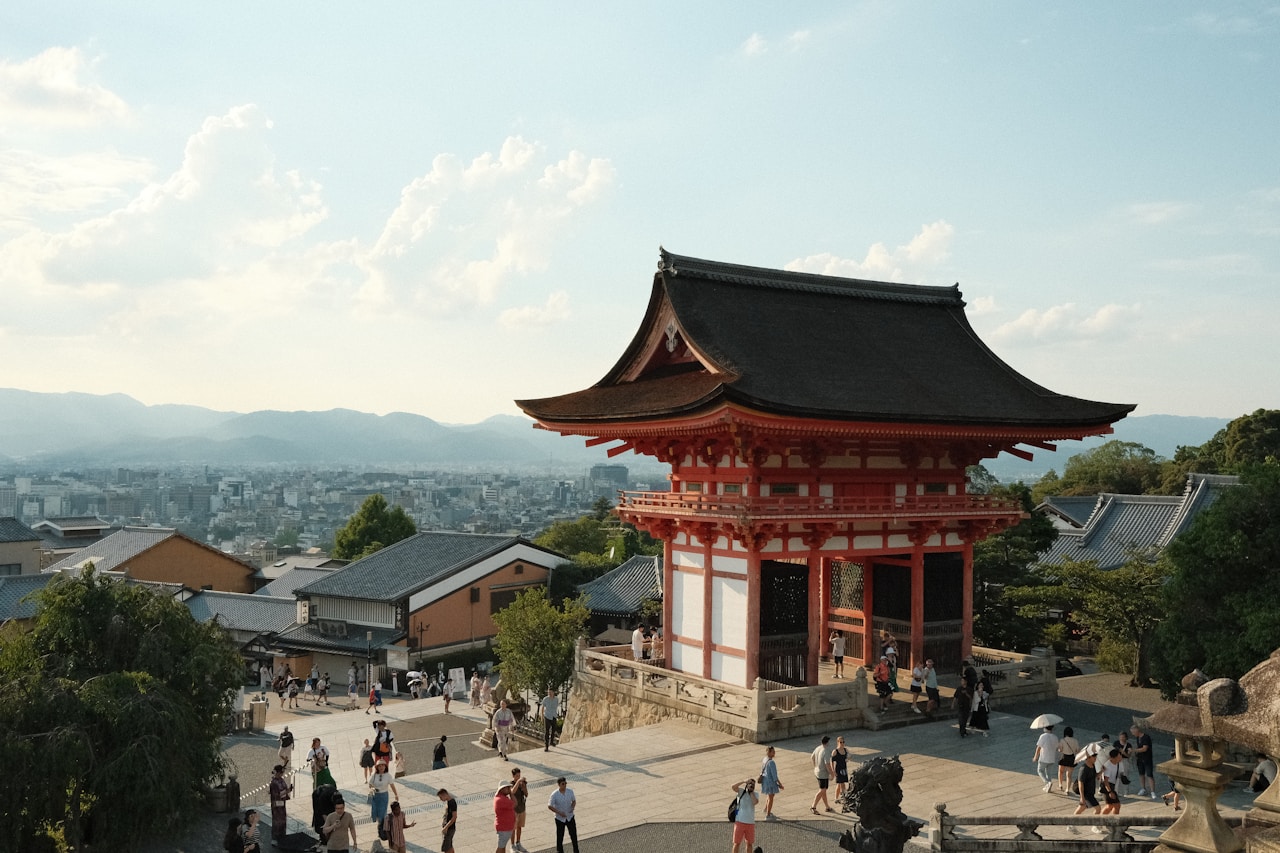



Visiting Kyoto, Japan: Everything You Need To Know – Kyoto is Japan’s cultural heartland — home to over 1,600 Buddhist temples, 17 UNESCO World Heritage Sites, and centuries of preserved tradition.
Before you arrive, understanding local etiquette, transportation systems, currency customs, and seasonal timing will make your visit significantly more rewarding.
This guide covers every essential thing to know before traveling to Kyoto, from safety and accommodation to food culture and must-see attractions.
Key Takeaways:
- Kyoto is Japan’s ancient capital, rich in UNESCO sites and traditional architecture, blending history with modern vibrancy.
- Explore iconic attractions like Kinkaku-ji and Fushimi Inari, and enjoy seasonal beauty during cherry blossom and autumn foliage seasons.
- Respect cultural etiquette by removing shoes indoors, maintaining silence in sacred spaces, and asking permission before photographing geisha.
- Navigate easily with Kyoto Station’s Shinkansen access, JR Pass, subway lines, and bike rentals for scenic exploration.
- Prepare for safety with local transit passes, emergency awareness, and convenient IC cards like Suica for cashless payments.
What Is Kyoto? History, Location, and Cultural Significance
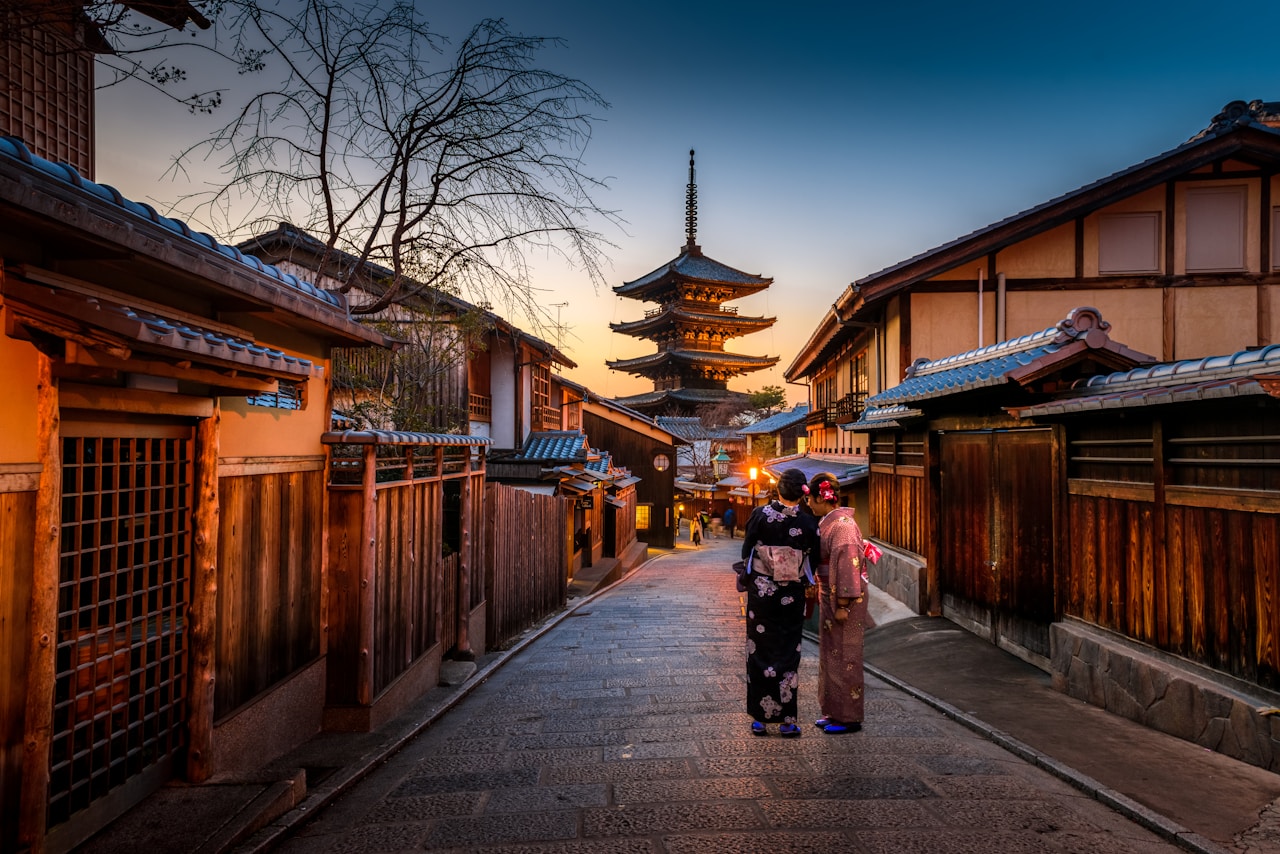
Kyoto served as Japan’s imperial capital for over a millennium, from 794 to 1868, and remains the country’s foremost center of traditional culture.
Located in the Kansai region of Honshu island, Kyoto Prefecture governs a city of approximately 1.46 million residents spread across 827 square kilometres (319 square miles).
The city anchors a densely connected urban corridor alongside Osaka and Nara, making it an ideal base for regional exploration.
Kyoto is internationally recognised for its concentration of UNESCO World Heritage Sites, traditional wooden machiya townhouses, Zen rock gardens, geisha districts, and living cultural practices such as the tea ceremony and ikebana flower arranging.
It is consistently ranked among the world’s top travel destinations by international publications including Condé Nast Traveler and Travel + Leisure.
What Is Kyoto Known For: Temples, Geisha Culture, and Heritage
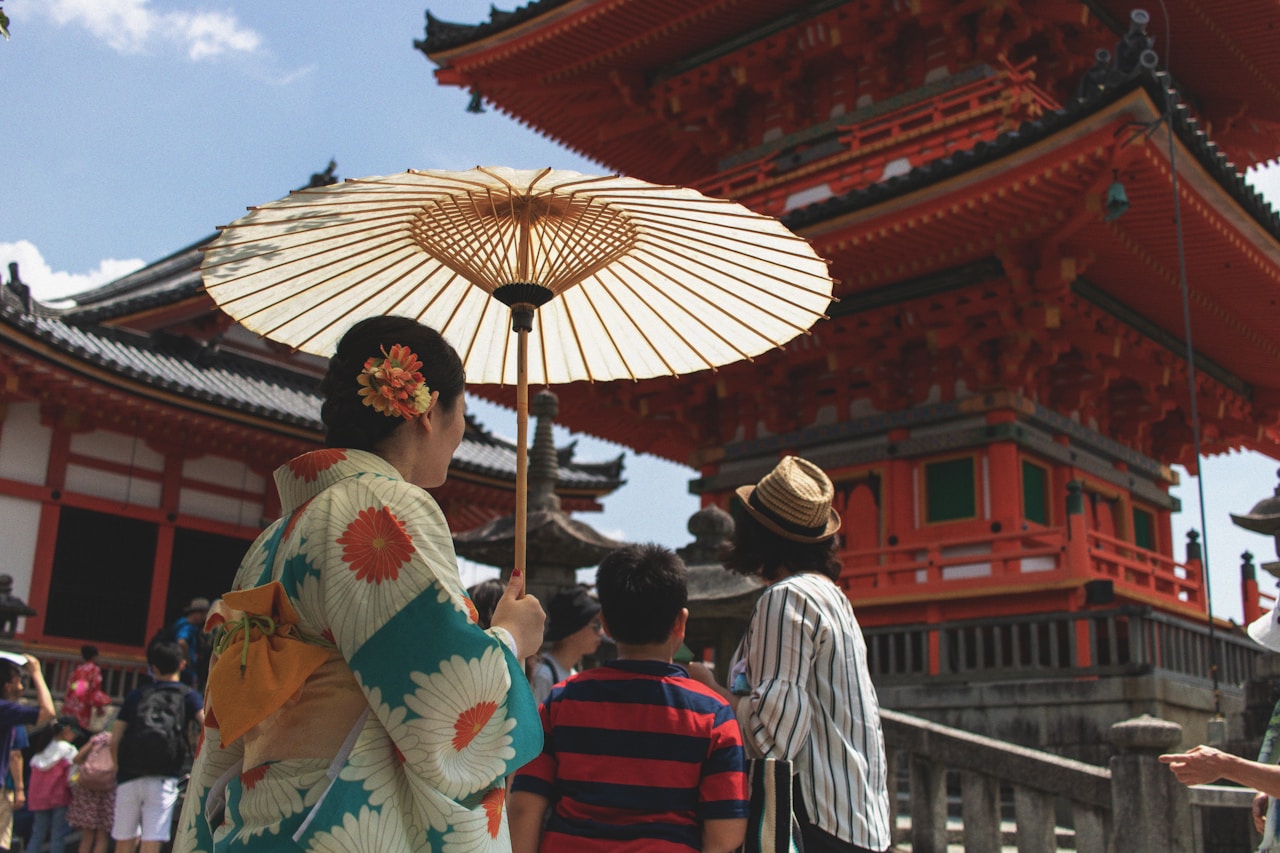
Kyoto is best known for its ancient temples, geisha culture, and role as Japan’s former imperial capital.
The city contains 17 UNESCO World Heritage Sites, more than 1,600 Buddhist temples, and over 400 Shinto shrines — a density of cultural heritage unmatched anywhere in Japan.
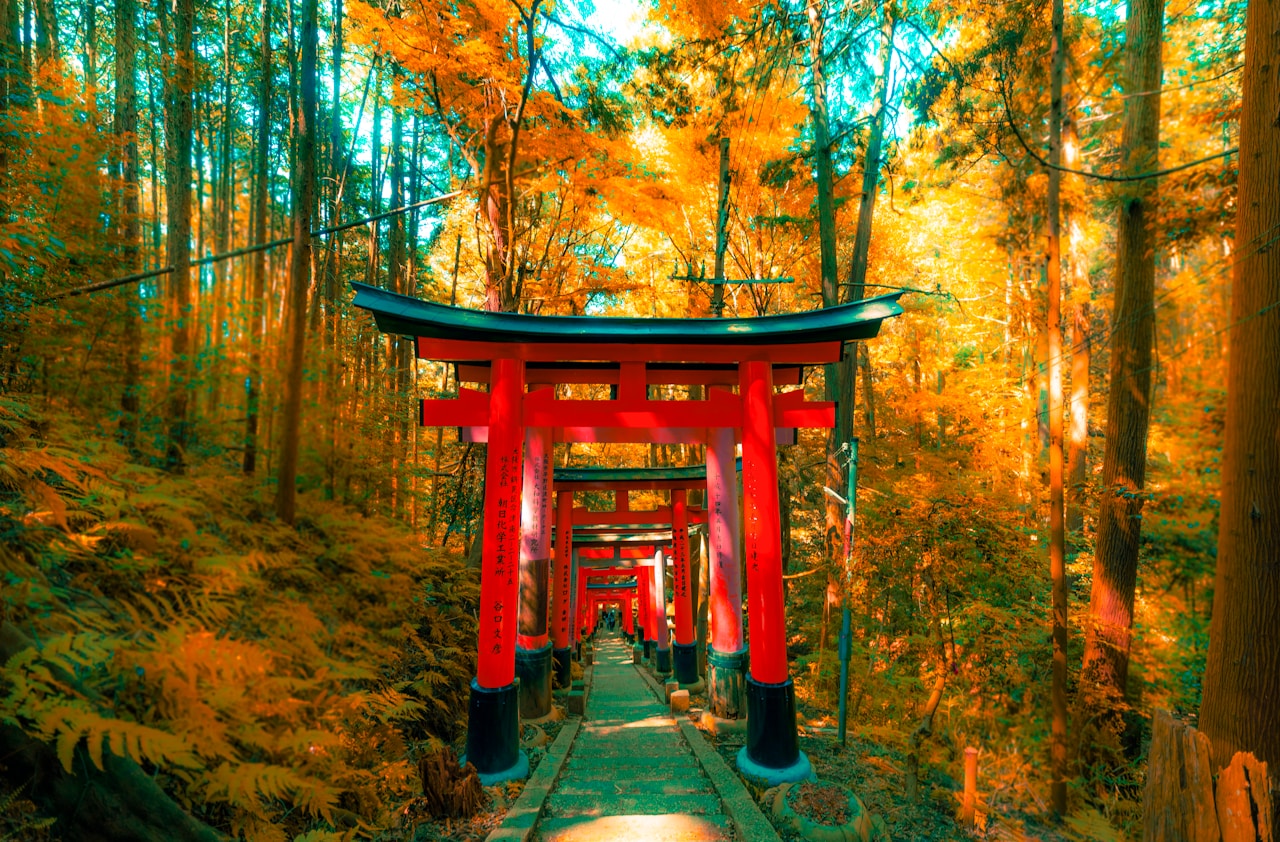
Iconic landmarks include Kinkaku-ji (the Golden Pavilion), Fushimi Inari Taisha with its thousands of vermilion torii gates, and Kiyomizu-dera Temple perched on a forested hillside.
The Gion district preserves Japan’s most famous geisha culture, where maiko (apprentice geisha) and geiko (full geisha) can occasionally be spotted in the lantern-lit alleys of Hanamikoji Street.
For a comprehensive overview of Kyoto’s sacred sites, see our guide to the best temples and shrines to visit in Kyoto.
What Region Is Kyoto In: Geographic and Administrative Position
Kyoto is located in the Kansai region of central Honshu, Japan’s main island.
Administratively, it is the capital city of Kyoto Prefecture.
The city sits approximately 75 kilometres northeast of Osaka and 110 kilometres west of Nagoya, placing it at the geographic heart of Japan’s cultural corridor.
The Kansai region — which also includes Osaka, Nara, Kobe, and Nara — is Japan’s second-largest metropolitan area and its historical and cultural core.
Kyoto’s central position makes it an excellent hub for day trips throughout the region.
Explore our guide to top day trips from Kyoto for itinerary ideas.
Key Facts About Kyoto: Population, Size, and City Statistics
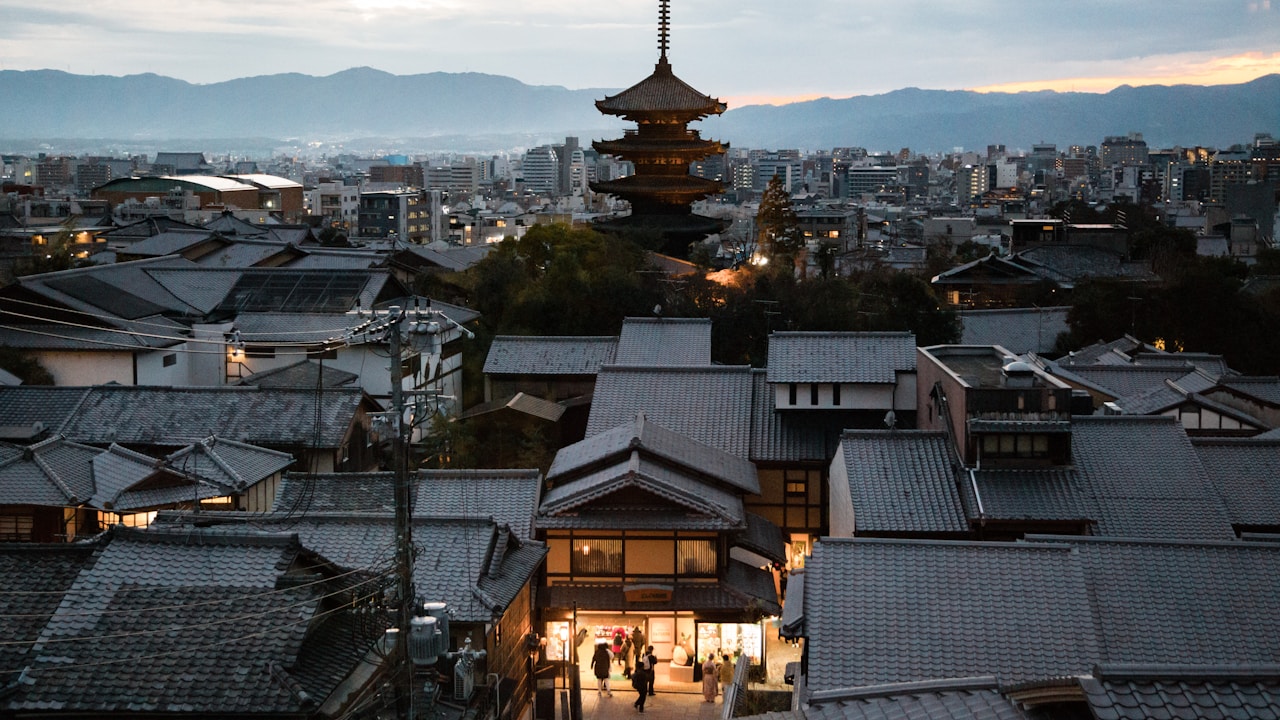
Kyoto has a population of approximately 1.46 million people (2023 estimate) and covers an area of 827.9 square kilometres.
The city is divided into 11 administrative wards (ku), with the most visited areas concentrated in the central and eastern wards of Higashiyama, Fushimi, and Ukyo.
Kyoto Station, the city’s main transport hub, is one of Japan’s largest railway stations and serves as the gateway for most international visitors.
The city recorded approximately 53 million visitors annually before the COVID-19 pandemic, with international tourism recovering strongly from 2023 onward.
Is Kyoto Worth Visiting?
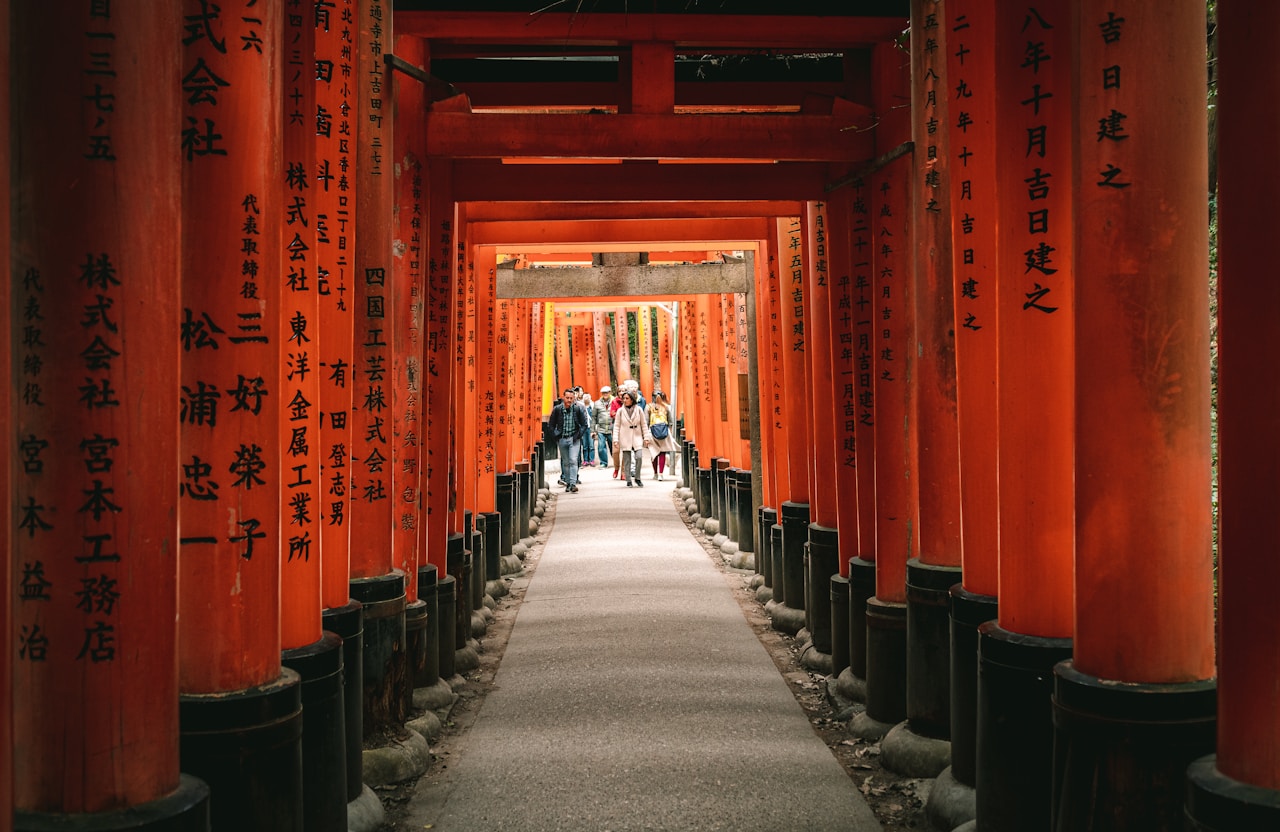
Yes — Kyoto is widely considered one of the most rewarding travel destinations in Asia.
The city offers an unparalleled concentration of cultural heritage, from UNESCO World Heritage temples and traditional performing arts to seasonal natural beauty and world-class cuisine, all within a compact, well-connected urban area.
First-time visitors to Japan consistently rank Kyoto as a highlight of their trip. If this would be your first Japan trip, read our guide on Japan’s trip cost.
The city’s walkable historic districts, efficient public transport, and high standard of tourist infrastructure make it accessible for independent travellers of all experience levels.
Three to five days is the recommended minimum stay to experience the city’s main attractions without feeling rushed.
For families planning a visit, our guide to things to do in Kyoto with kids and family covers age-appropriate attractions and practical tips.
Or if you’re traveling solo on a budget, you can find our list of best free things to do in Kyoto.
Is Kyoto Safe for International Travelers?
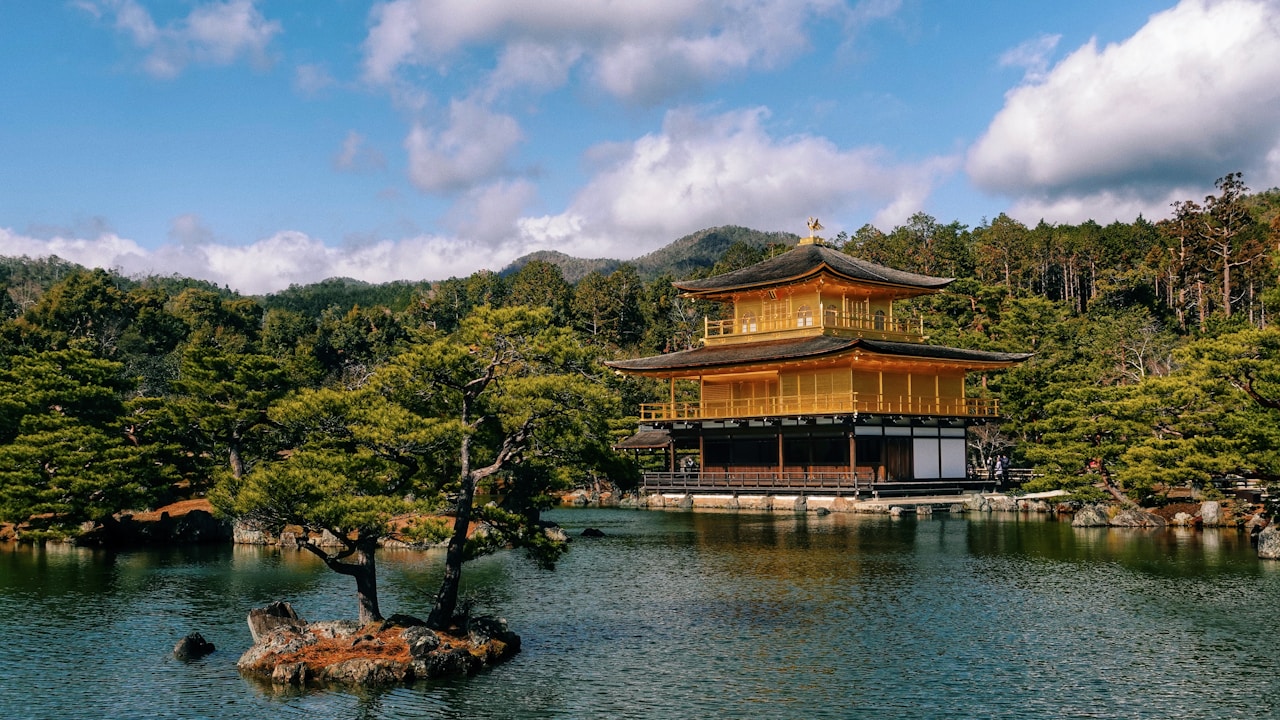
Yes — Kyoto is one of the safest cities in Japan and among the safest urban destinations in the world.
Japan’s overall crime rate is exceptionally low, and Kyoto’s tourist areas present minimal risk for international visitors.
Petty theft such as pickpocketing is rare but not impossible in crowded areas like Nishiki Market or Kyoto Station.
Violent crime against tourists is extremely uncommon.
Travellers should exercise standard precautions: keep valuables secure, stay aware in crowded spaces, and avoid poorly lit areas late at night.
Emergency Contacts and Medical Facilities in Kyoto
For police emergencies, dial 110.
For medical or fire emergencies, dial 119.
Both services operate 24 hours a day.
Kyoto University Hospital (Kyoto Daigaku Byoin), located near Higashiyama Ward, is the city’s leading medical facility and maintains English-speaking staff.
Kyoto City Hospital in Nakagyo Ward also provides emergency care.
The Kyoto Tourist Information Center, located on the second floor of Kyoto Station, offers multilingual assistance and can help connect visitors with emergency services.
Their contact number is 075-343-0548.
Earthquake Safety and Natural Disaster Preparedness
Japan is a seismically active country, and Kyoto sits within a zone that experiences occasional earthquakes.
Most tremors are minor, but travellers should be prepared.
The standard earthquake response is Drop, Cover, and Hold On — get under a sturdy table or desk and protect your head.
Download the Yurekuru Call app (free, available in English) for real-time earthquake alerts.
Hotels and ryokans are required to post evacuation routes; familiarise yourself with these upon check-in.
Nearby parks and open spaces serve as designated evacuation assembly points.
Police Boxes (Koban) and Tourist Assistance Services
Kyoto operates a network of small neighbourhood police stations called koban, located throughout the city near major landmarks, train stations, and tourist districts.
Officers at koban near Kyoto Station, Gion, and Fushimi Inari typically have basic English proficiency and can assist with directions, lost property, and minor incidents.
Japan’s lost-and-found system is highly reliable.
Items turned in to koban or station lost-and-found offices are carefully catalogued and held for several months.
If you lose a wallet, phone, or passport, report it to the nearest koban immediately.
Cultural Etiquette: Things To Know Before Traveling To Kyoto
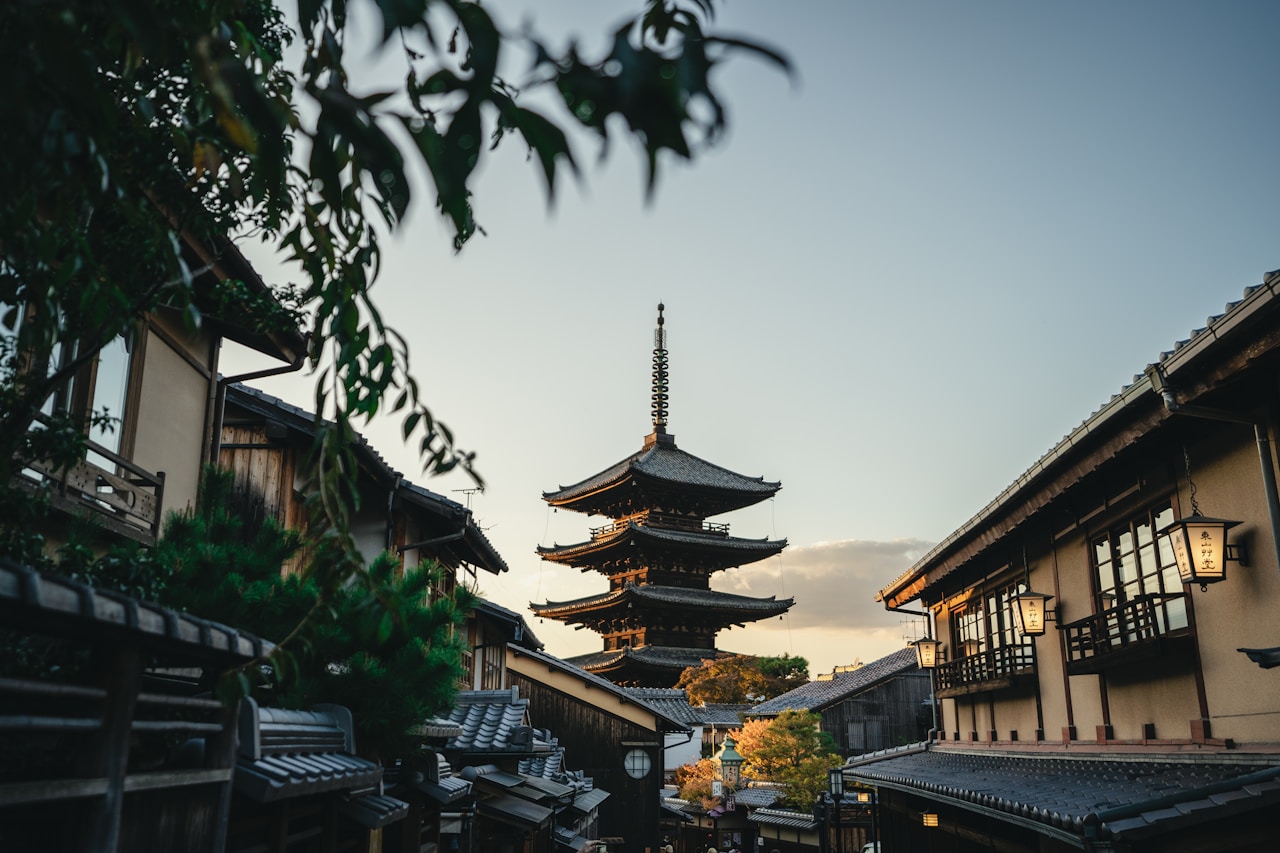
Kyoto holds a higher standard of cultural formality than most Japanese cities, reflecting its status as the historic imperial capital.
Visitors who understand and respect local customs will have a significantly more positive experience — and will be welcomed more warmly by residents.
Temple and Shrine Visiting Protocols
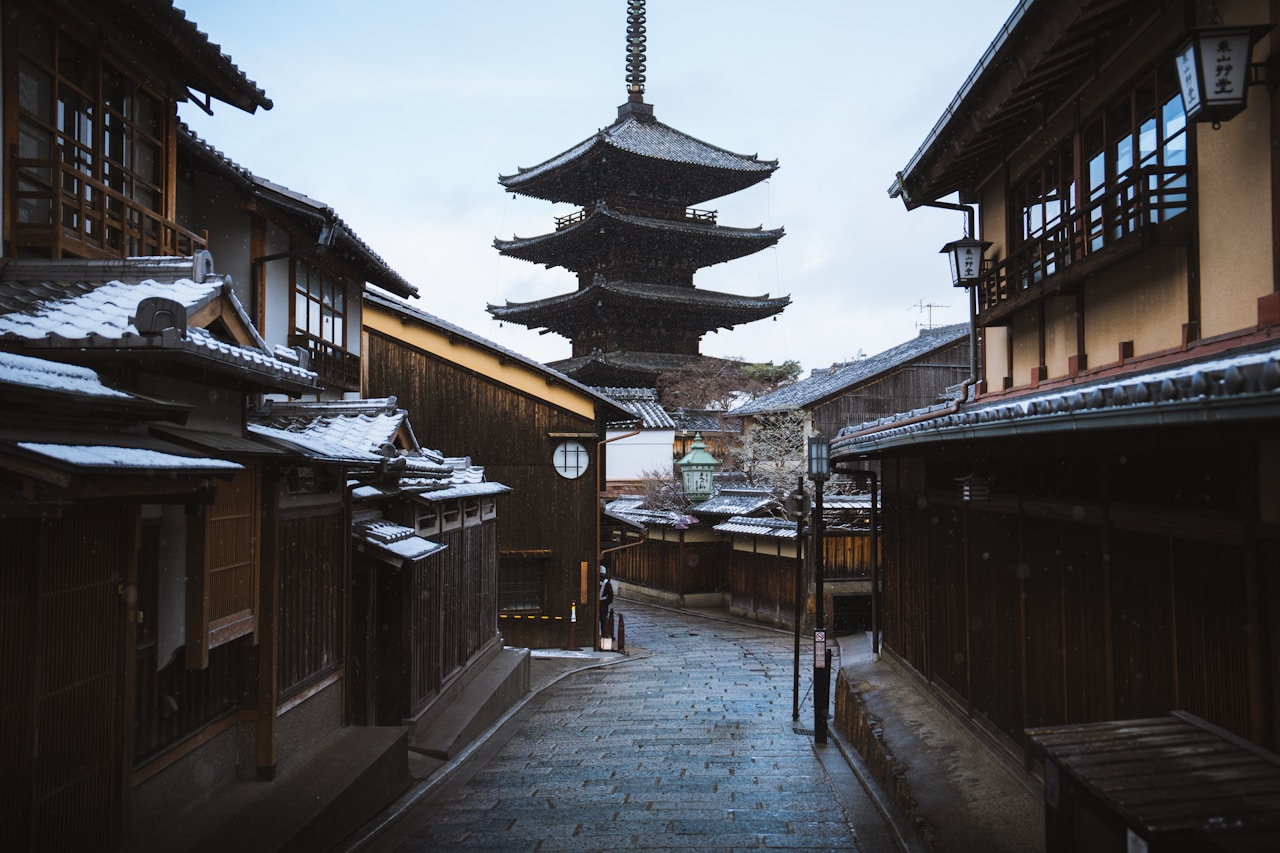
Remove shoes before entering temple interiors and traditional buildings.
Shoe racks or shelves are provided at the entrance.
Speak quietly inside sacred spaces — loud conversation is considered disrespectful.
Avoid pointing at altars, statues, or sacred objects.
At Shinto shrines, follow the purification ritual at the temizuya (water basin) before approaching the main hall: rinse the left hand, then the right, then the mouth.
Bow twice, clap twice, make your prayer, then bow once more.
This sequence is not mandatory for tourists but is appreciated as a sign of respect.
Photography Restrictions and Respectful Tourist Behaviour
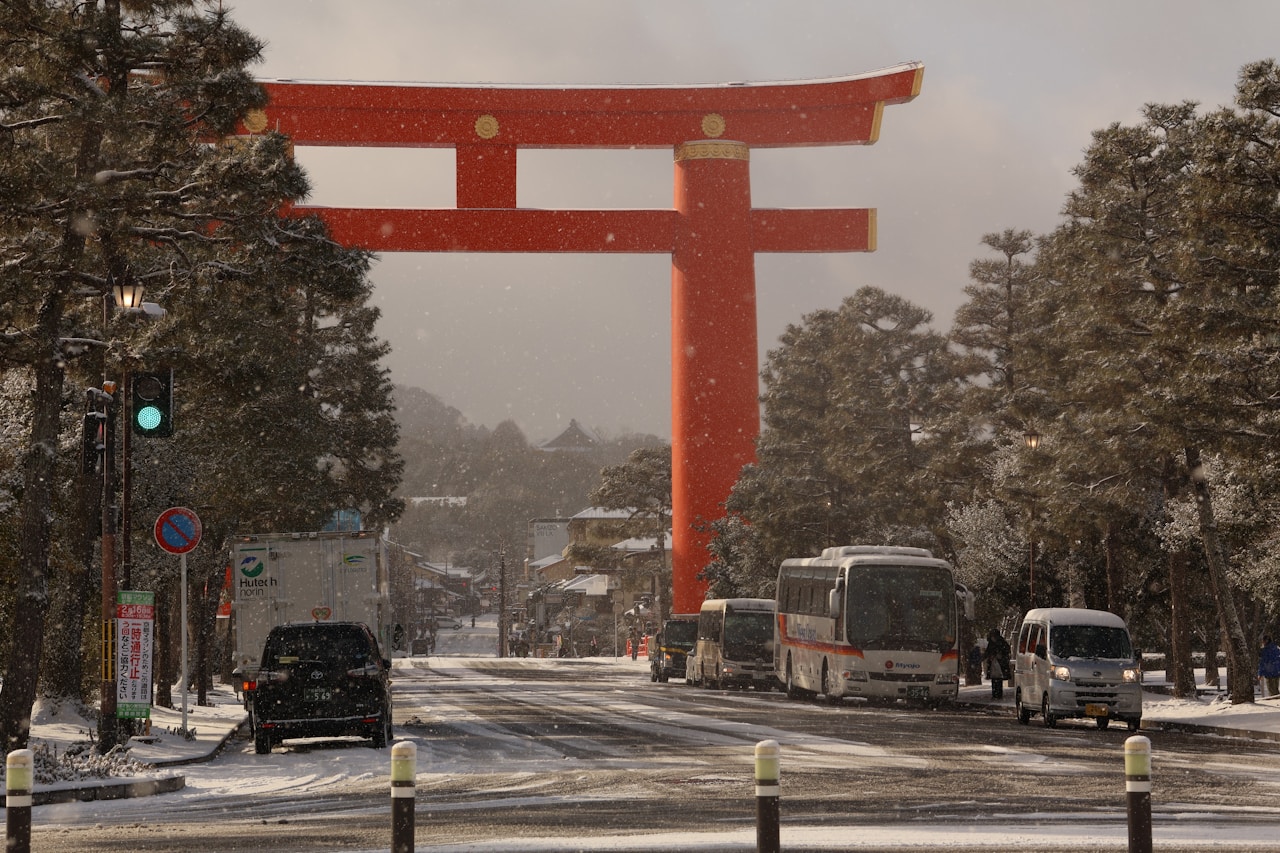
Photography rules vary by site.
Many temples permit outdoor photography but prohibit cameras inside main halls.
Kinkaku-ji (Golden Pavilion) allows exterior photography; interior photography is restricted at most temple buildings.
Always check posted signage before shooting.
In the Gion district, photographing geisha and maiko without consent is strongly discouraged and increasingly regulated by local ordinance.
Blocking narrow streets or alleyways to photograph passersby is considered intrusive.
Observe from a respectful distance and ask permission before taking portraits of individuals.
Dining Etiquette and Restaurant Behaviour
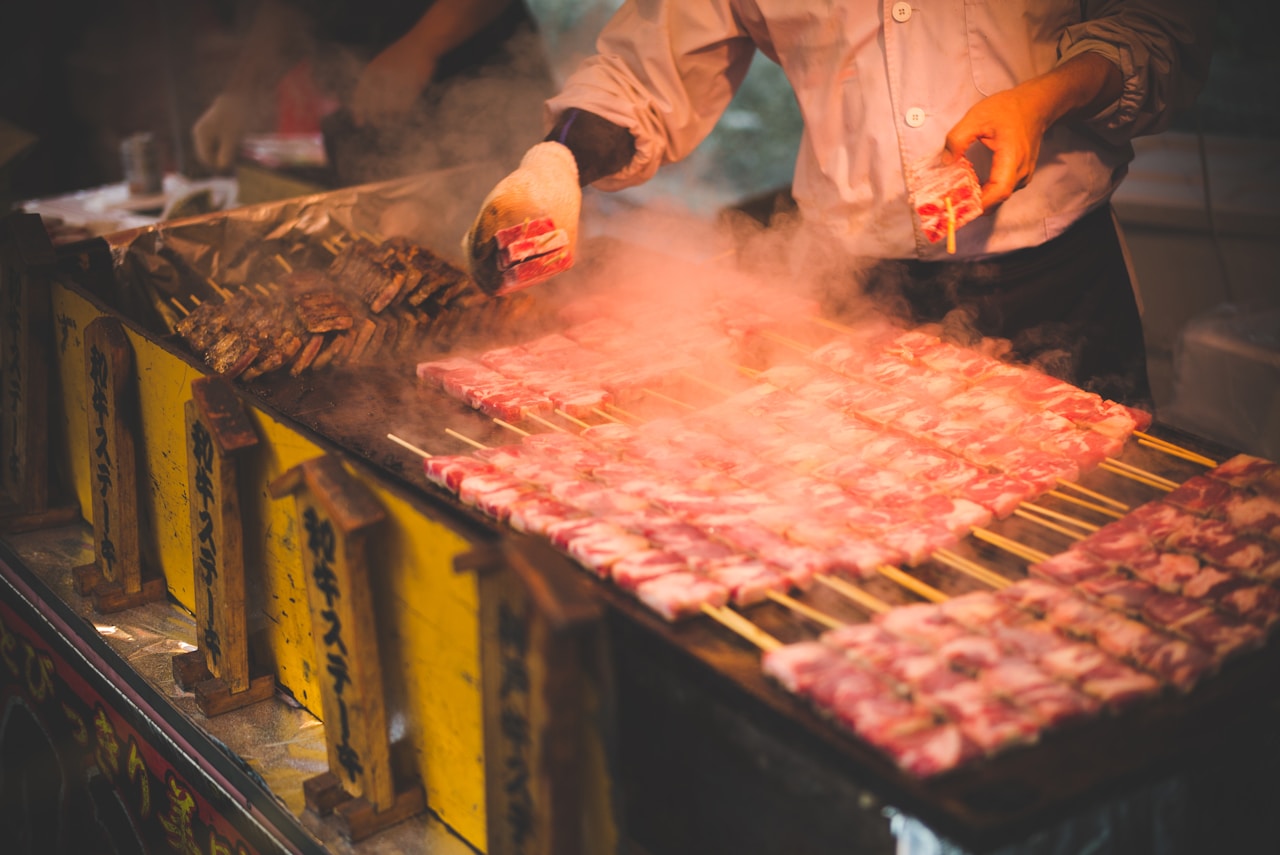
Remove shoes when entering restaurants with tatami seating areas.
Wait to be seated rather than choosing your own table.
When eating, do not pass food chopstick-to-chopstick (associated with funeral rites) and avoid sticking chopsticks upright in rice.
Slurping noodles is acceptable and even complimentary.
Bowing is the standard greeting — a 15-degree nod is appropriate for casual interactions, while a 30-degree bow conveys greater respect or apology.
Maintain a moderate speaking volume in restaurants; Kyoto dining culture tends toward quieter, more refined atmospheres than Osaka or Tokyo.
Gift-Giving and Business Card Customs
Gift-giving is a meaningful social practice in Japan.
When presenting a gift, use both hands and offer it at the beginning of a visit.
Presentation matters — neat wrapping signals care and sincerity.
Avoid gifts in sets of four (the number four is associated with death in Japanese culture).
When exchanging business cards (meishi), receive and present cards with both hands and a slight bow.
Examine the card carefully before setting it down respectfully — never write on it or stuff it in a pocket immediately.
Getting Around Kyoto: Transportation Guide
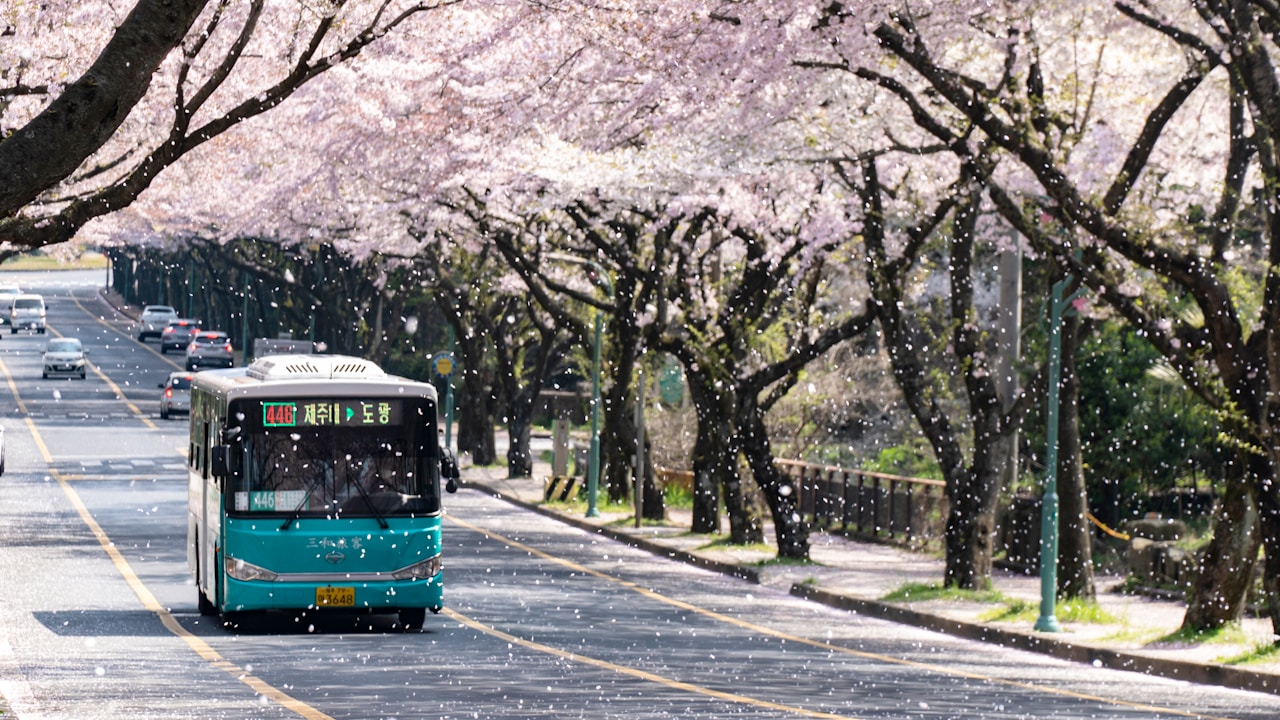
The city is also highly walkable and cycle-friendly, making it easy to navigate without a car.
Public Transport: Subway, JR Lines, and IC Cards
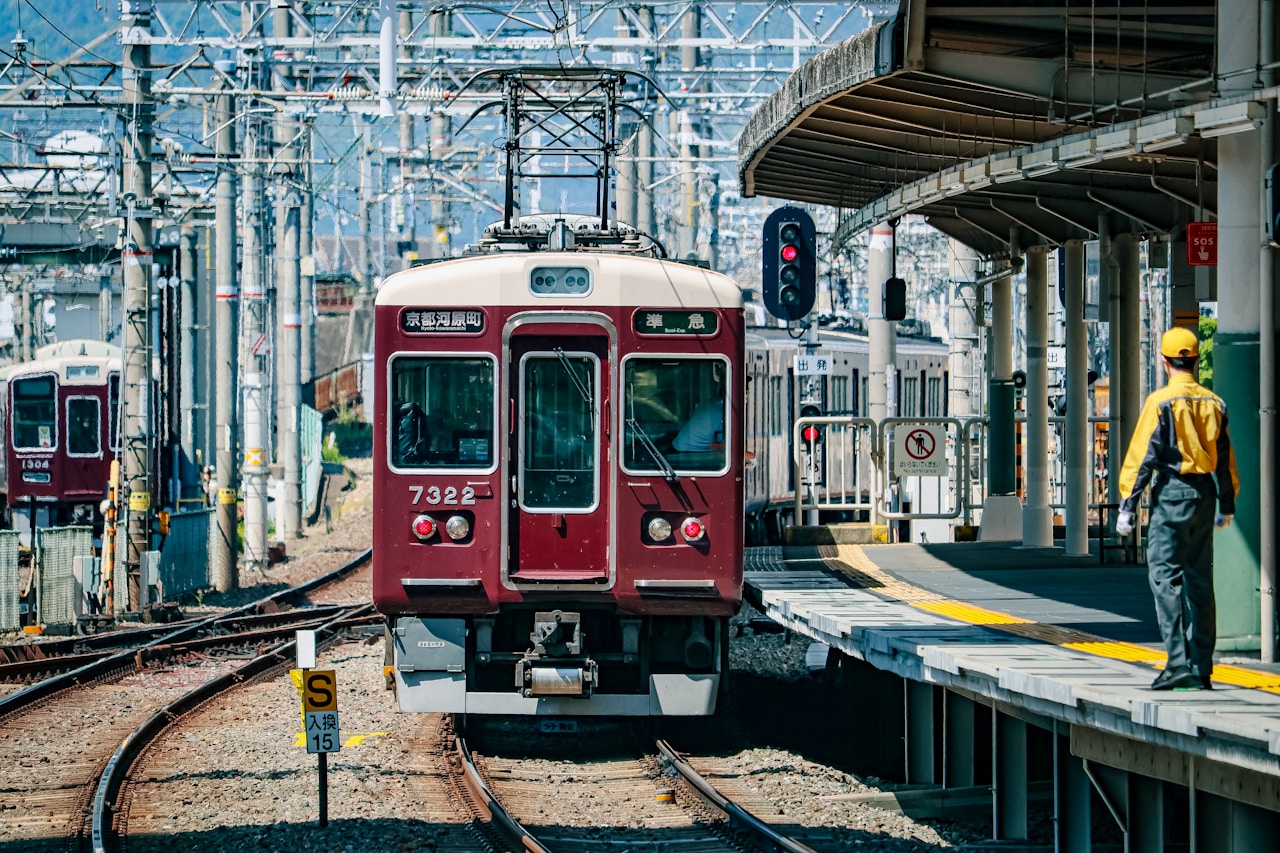
Kyoto’s subway system operates two lines: the Karasuma Line (north–south) and the Tozai Line (east–west).
These connect major hubs including Kyoto Station, Shijo, Karasuma Oike, and Sanjo Keihan.
Single fares start at ¥220 (remains current as of 2026).
JR lines serve destinations within and beyond the city, including rapid connections to Osaka (approximately 15 minutes by JR Biwako Line) and Nara (approximately 45 minutes).
The JR Pass covers unlimited travel on JR-operated lines and is cost-effective for visitors making multiple intercity journeys.
IC cards — including Suica, ICOCA, and Pasmo — are accepted on all subway lines, most buses, and JR trains.
They can be loaded at station machines and eliminate the need for exact change.
Kyoto City Bus Network and Day Pass Options
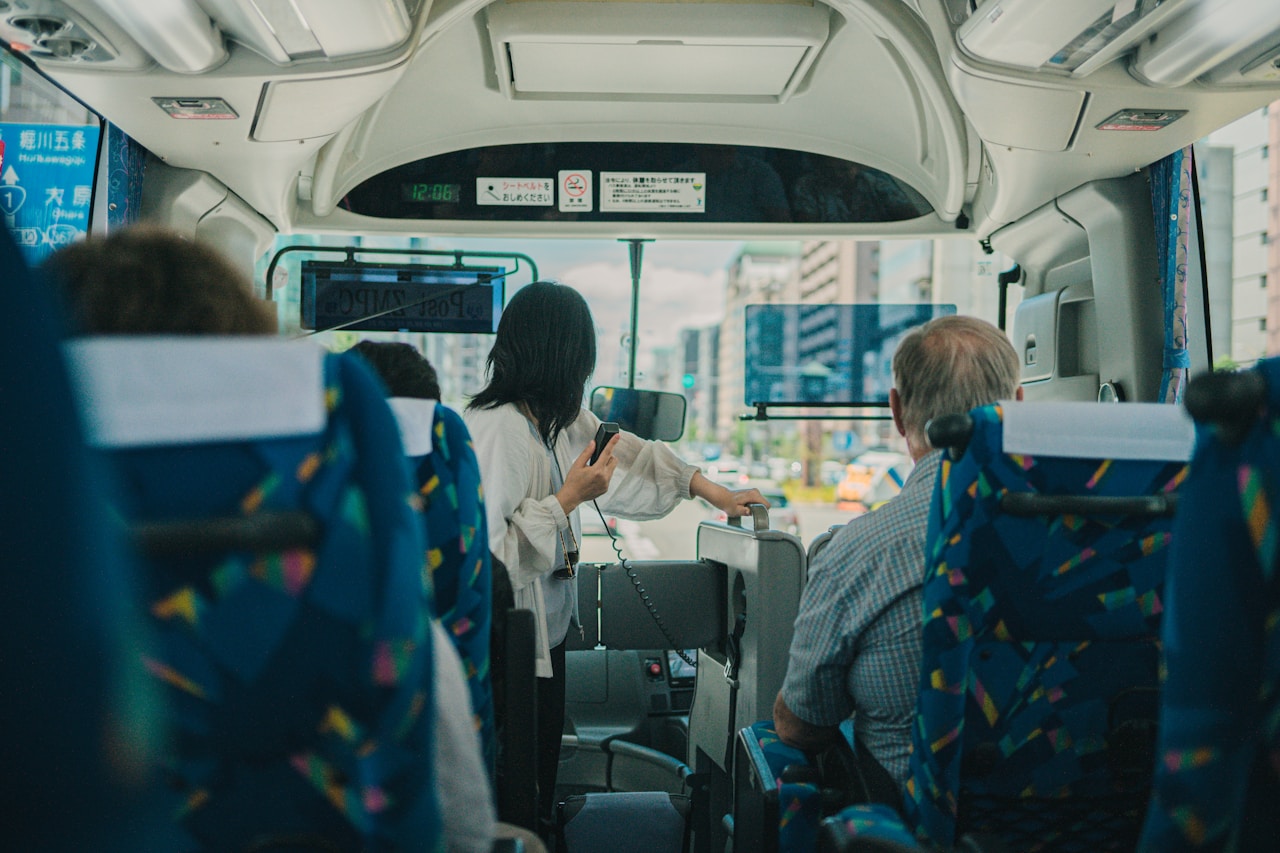
Kyoto City Bus operates an extensive network connecting most major tourist sites.
The Kyoto Subway & Bus One-Day Pass costs ¥1,100 and provides unlimited rides on both city buses and subways — the City Bus One-Day Pass (¥700) was discontinued in 2023 to reduce congestion.
The Kyoto Subway & Bus One-Day Pass costs ¥1,100.
Route maps and English timetables are available free at Kyoto Station’s tourist information desk and at major bus stops.
The most useful routes for tourists are the standard City Bus lines and the Kyoto Loop Bus, as the specialized “Raku Bus” (100, 101, 102) services have been suspended/discontinued in favor of general route integration.
Cycling and Walking in Kyoto
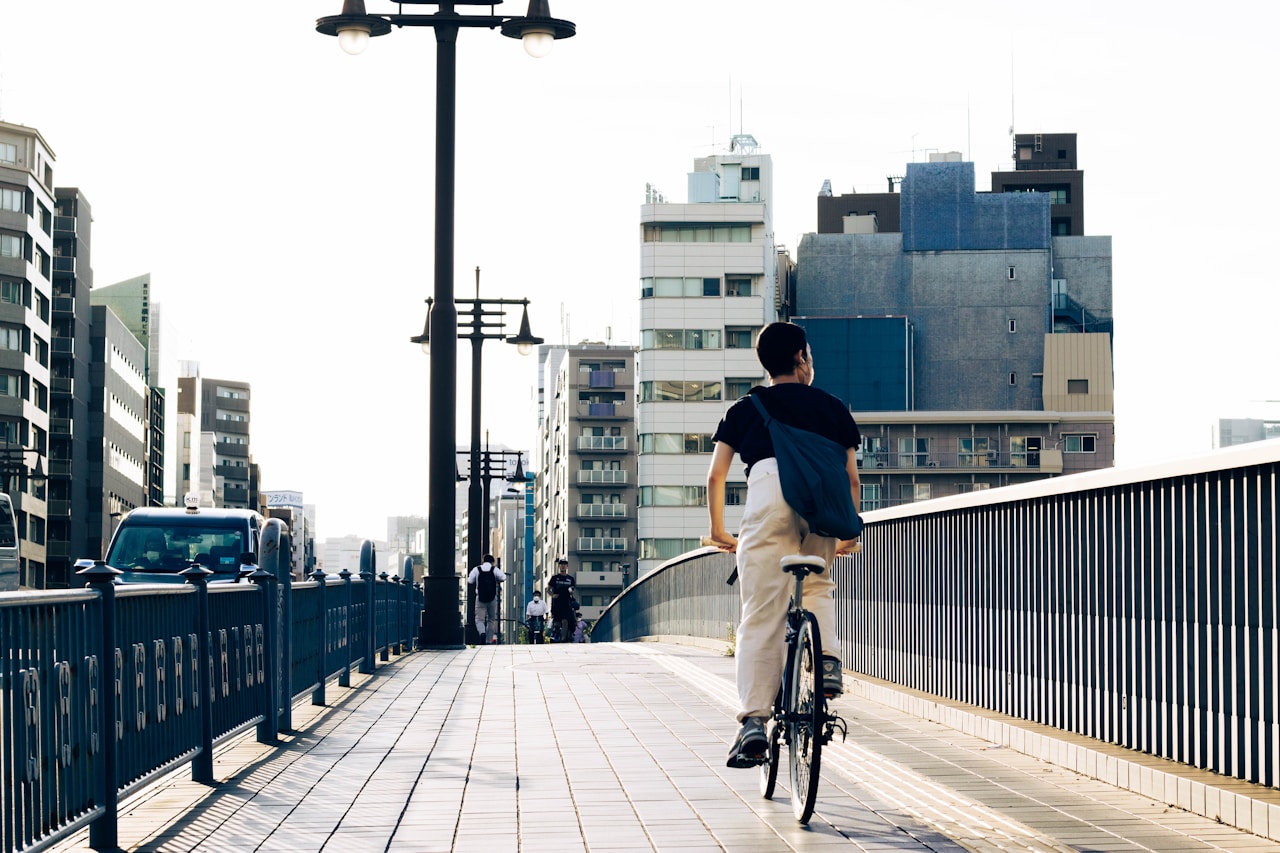
Kyoto is one of Japan’s most cycle-friendly cities.
Rental bikes are available from operators including the Kyoto Cycling Project, with daily rates typically starting at ¥1,000–¥1,500 for standard bicycles and around ¥2,000–¥2,500 for electric-assist models.
Many hotels and guesthouses also offer bike hire.
Dedicated cycling lanes run along several major roads, and riverside paths along the Kamo River provide scenic, traffic-free routes.
The city’s relatively flat central area makes cycling practical for most visitors.
Walking is ideal for exploring compact historic districts such as Higashiyama, Gion, and Pontocho, where narrow lanes are inaccessible by vehicle.
Airport Transfers: Getting to Kyoto from Kansai International Airport
Most international flights arrive at Kansai International Airport (KIX), located approximately 75 kilometres south of Kyoto.
The Haruka Limited Express train (operated by JR West) runs directly from KIX to Kyoto Station in approximately 80 minutes and costs ¥3,170 for a reserved seat (covered by the JR Pass).
Airport limousine buses also connect KIX to Kyoto Station in approximately 90–100 minutes, with fares around ¥2,600.
Luggage forwarding services (takuhaibin) are available at the airport and major hotels, allowing travellers to send bags ahead to their accommodation and travel hands-free.
Language and Communication in Kyoto
Japanese is the official language of Kyoto, and English proficiency among the general population is limited outside tourist-facing businesses.
However, Kyoto’s status as a major international destination means that English signage, menus, and assistance are widely available at key tourist sites, major stations, and hotels.
Essential Japanese Phrases for Visitors
A small vocabulary of Japanese phrases significantly improves interactions with locals and demonstrates cultural respect.
Key phrases include:
- Sumimasen (excuse me / sorry) — use to get attention politely
- Arigatou gozaimasu (thank you very much) — standard formal thanks
- Kore wa nan desu ka? (What is this?) — useful at markets and temples
- Toire wa doko desu ka? (Where is the restroom?) — essential practical phrase
- Eigo ga hanasemasu ka? (Do you speak English?) — helpful when seeking assistance
At temples and shrines, greeting staff with Konnichiwa (good afternoon/hello) and thanking them with Arigatou gozaimasu is always appreciated.
Translation Apps and English Signage
Google Translate’s camera function can translate Japanese text in real time — invaluable for reading menus, signs, and temple information boards.
Download the Japanese language pack for offline use before your trip.
Papago (by Naver) is a strong alternative with accurate Japanese-to-English voice translation.
English signage is reliable at Kyoto Station, major temples, subway stations, and tourist information points.
Smaller neighbourhood restaurants and local shops may have Japanese-only menus; plastic food display cases outside many restaurants allow you to point at your order when language fails.
Navigating Restaurants: Menus and Ordering
Many tourist-oriented restaurants in Kyoto offer picture menus or English translations.
For establishments without English menus, pointing at plastic food models displayed outside is a universally understood ordering method.
The word osusume (recommendation) prompts staff to suggest their best dishes.
For dietary restrictions, carry a printed or saved card in Japanese explaining your requirements.
Apps such as HappyCow identify vegetarian and vegan-friendly restaurants.
Allergy communication can be challenging in smaller establishments — prepare translated allergy cards in advance for serious dietary needs.
Currency and Money: Financial Planning for Your Kyoto Trip
Japan’s currency is the Japanese Yen (JPY / ¥).
As of April 2026, the exchange rate has trended higher, approximately ¥155–¥160 per US dollar.
Kyoto operates as a hybrid economy; while major retailers and hotels accept credit cards and mobile payments, physical cash remains essential for temple entrance fees, traditional markets like Nishiki, and many independent restaurants.
Where to Exchange Currency and Access ATMs
The most reliable ATMs for international cards are located at 7-Eleven convenience stores, Japan Post Bank branches, and major banks including MUFG and Mizuho.
7-Eleven ATMs operate 24 hours and accept Visa, Mastercard, Maestro, and Cirrus cards with English-language menus.
Currency exchange counters are available at Kyoto Station (multiple operators), Kansai International Airport (convenient on arrival, though rates are slightly less competitive), and post offices throughout the city.
Downtown banks near Shijo Street offer competitive rates.
Avoid airport kiosks for large exchanges due to higher fees.
Credit Cards and Cash Usage in Kyoto
Credit card acceptance is growing in Kyoto but remains inconsistent.
Major hotels, department stores, and larger restaurants typically accept Visa and Mastercard.
Smaller izakayas, local eateries, temple admission counters, and traditional craft shops frequently operate cash-only.
Carry a minimum of ¥5,000–¥10,000 in cash at all times to cover transport, meals, and admission fees.
Vending machines, local buses, and market stalls are cash-only.
Tipping is not practised in Japan — leaving money on the table or handing it to staff can cause confusion or offence.
Excellent service is standard and does not require additional gratuity.
Typical Costs and Daily Budget in Kyoto
Kyoto suits a range of budgets.
Budget travellers staying in hostels and eating at convenience stores or ramen shops can manage on approximately ¥6,000–¥9,000 per day.
Mid-range travellers — staying in business hotels, eating at sit-down restaurants, and paying temple admissions — should budget ¥18,000–¥30,000 per day.
Temple admission fees typically range from ¥500 to ¥1,000 per site.
Fushimi Inari Taisha remains free to enter.
A kaiseki dinner at a mid-range restaurant costs ¥10,000–¥25,000 per person.
For a detailed breakdown, see our Kyoto budget travel guide.
Accommodation in Kyoto: Where to Stay
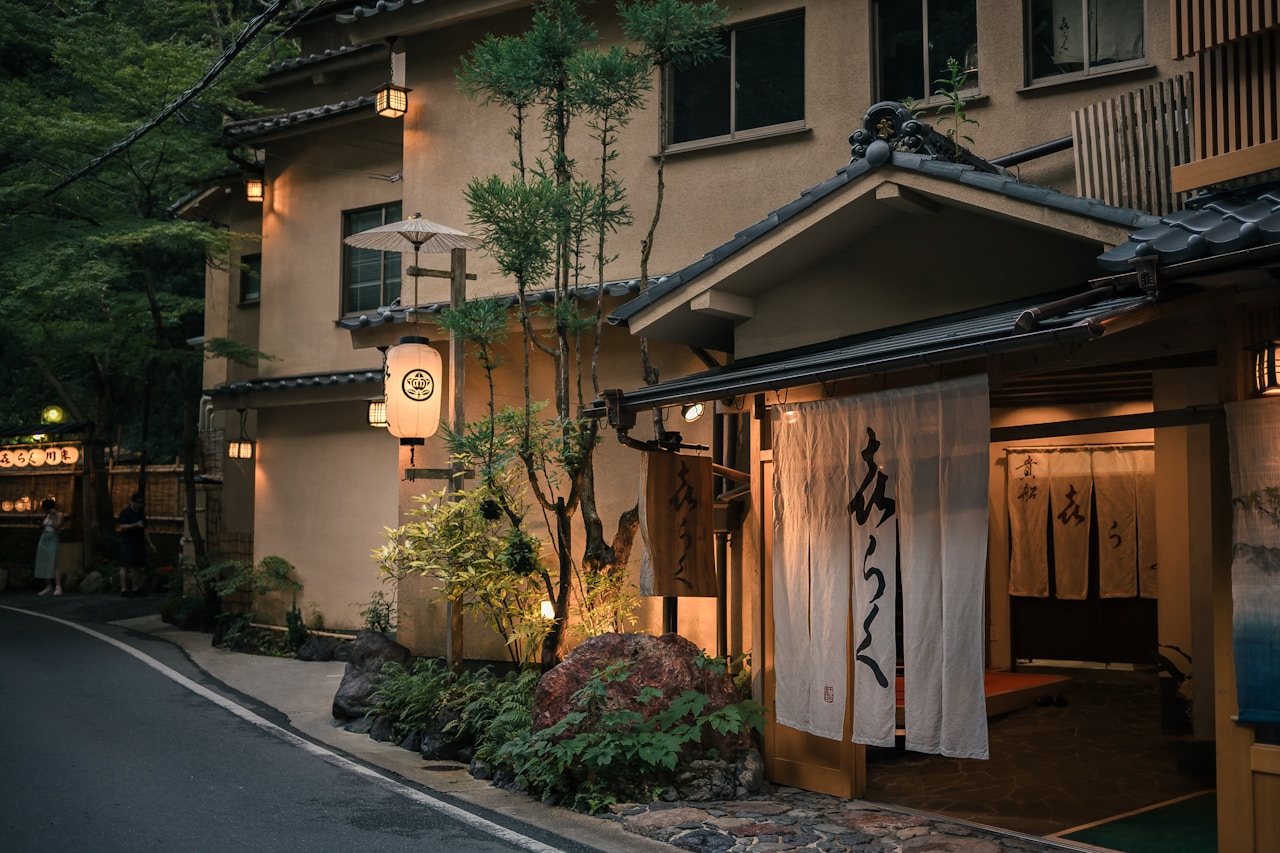
Kyoto offers accommodation across all price ranges, from traditional ryokan inns and boutique guesthouses to international chain hotels and budget hostels.
Location significantly affects the experience — each district has a distinct character and proximity to different attractions.
Traditional Ryokan vs. Western Hotels
A ryokan is a traditional Japanese inn featuring tatami-mat rooms, futon bedding, communal or private onsen (hot spring) baths, and multi-course kaiseki dinners.
Staying in a ryokan is one of the most immersive cultural experiences available in Kyoto.
Rates typically start at ¥25,000–¥40,000 per person per night for a full experience including dinner and breakfast, though simpler options without meals may be found for ¥12,000–¥18,000.
Western-style hotels offer familiar amenities including beds, en-suite bathrooms, and room service.
Business hotels near Kyoto Station (such as APA Hotel or Dormy Inn) typically range from ¥10,000–¥22,000 per night, though rates fluctuate significantly during peak seasons like cherry blossoms.
Luxury international brands including The Ritz-Carlton and Four Seasons operate in Kyoto at significantly higher rates, often exceeding ¥150,000 per night.
Best Districts to Stay in Kyoto
Gion is the most atmospheric district for accommodation, placing guests within walking distance of Hanamikoji Street, Yasaka Shrine, and Higashiyama’s historic lanes.
Traditional ryokans and boutique machiya guesthouses are concentrated here.
Expect premium pricing, particularly during cherry blossom and autumn foliage seasons.
Central Kyoto (around Kawaramachi and Shijo) offers the best transport connectivity and the widest range of dining and shopping.
Arashiyama suits travellers prioritising natural scenery — the bamboo grove and Tenryu-ji Temple are within walking distance of accommodation here.
For a full neighbourhood breakdown, see our guide to the best neighborhoods to visit in Kyoto.
Booking Strategies and Seasonal Price Variations
Kyoto’s accommodation prices peak sharply during cherry blossom season (late March to mid-April) and autumn foliage season (mid-November to early December).
Book at least three to six months in advance for these periods.
Golden Week (late April to early May) is Japan’s busiest domestic travel period — prices spike and availability is extremely limited.
Shoulder seasons — late May to June and September to early October — offer lower prices and smaller crowds.
Mid-week stays (Tuesday to Thursday) are generally cheaper than weekends.
Use price alert tools on Booking.com or Hotels.com to monitor rate drops for your target dates.
Best Time To Go To Kyoto
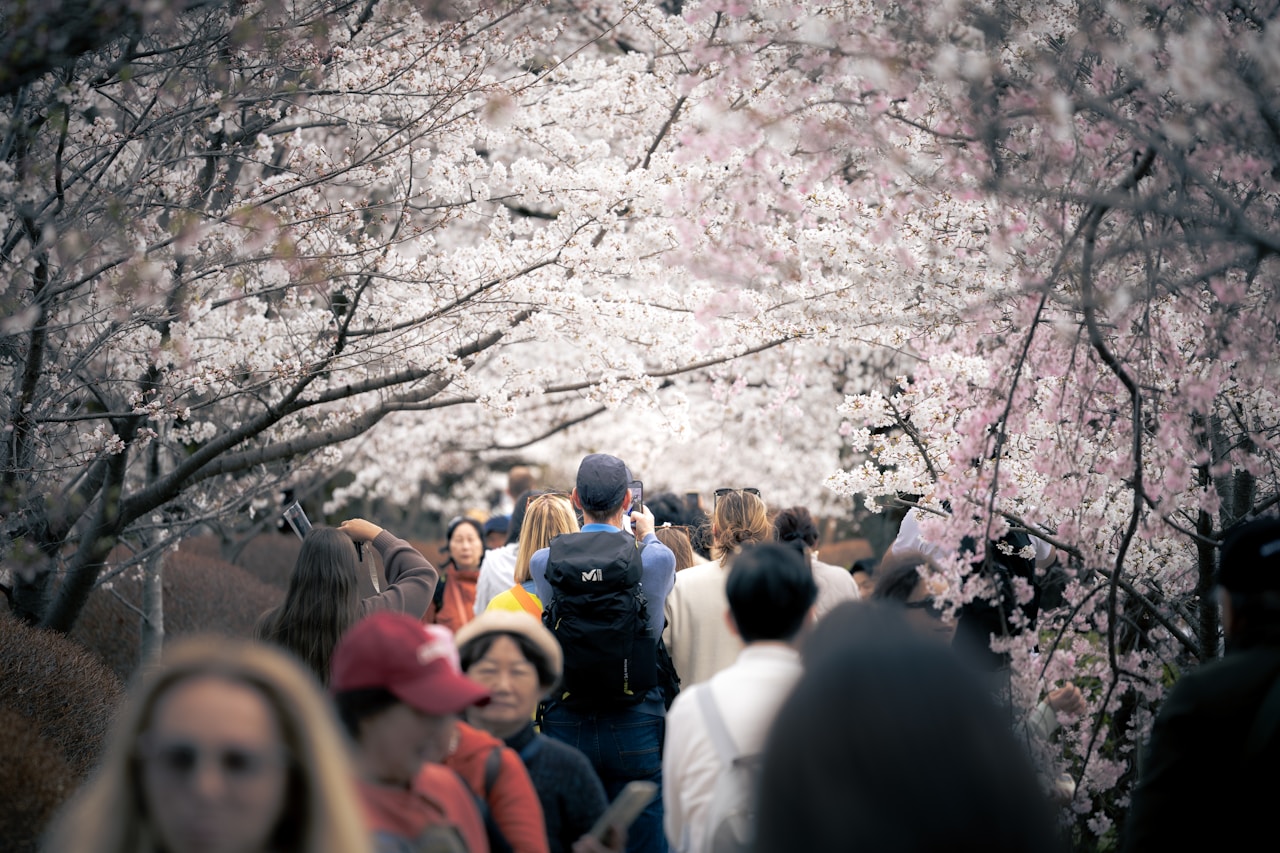
Kyoto’s best seasons for visiting are spring (late March to mid-April) for cherry blossoms and autumn (mid-November to early December) for fall foliage.
Both periods offer spectacular scenery but attract the largest crowds and highest prices.
For a full seasonal breakdown, see our Kyoto seasonal guide.
Cherry Blossom Season: Timing and Crowd Management
Kyoto’s cherry blossom (sakura) season typically peaks between late March and early April, though exact timing varies by year and is influenced by winter temperatures.
The Japan Meteorological Corporation publishes annual bloom forecasts from January onward — monitor these to plan your visit around peak bloom.
Top cherry blossom viewing spots include Maruyama Park (home to Kyoto’s most famous weeping cherry tree), the Philosopher’s Path (Tetsugaku-no-Michi), Daigo-ji Temple, and the Kamo River banks.
Visit at dawn for the quietest experience.
Weekday mornings offer significantly fewer crowds than weekend afternoons.
Autumn Foliage Season and Photography Planning
Autumn foliage in Kyoto peaks from mid-November to early December, transforming temple gardens into vivid displays of crimson, amber, and gold.
Tofuku-ji Temple is renowned for its maple grove, which draws large crowds during peak colour.
Arashiyama, Eikan-do Temple, and Kiyomizu-dera also offer outstanding autumn scenery.
For photography, early morning light (7–9am) provides the best conditions and the fewest visitors.
Many temples extend their opening hours during autumn foliage season and offer special evening illumination events.
For 2026, peak foliage is forecasted for late November, with major night illuminations at Kiyomizu-dera (Nov 21–30), Eikan-do (Nov 11–Dec 1), and Kodai-ji (late Oct–mid Dec) — check individual temple websites for final confirmed schedules.
Summer and Winter Visiting Considerations
Summer in Kyoto (June to August) is hot and humid, with temperatures regularly exceeding 35°C (95°F).
The Gion Matsuri festival in July is one of Japan’s most celebrated events, featuring elaborate float processions through central Kyoto.
Book accommodation many months in advance for Gion Matsuri.
Winter (December to February) brings cold temperatures and occasional snow, which creates stunning scenery at Kinkaku-ji and other temple gardens.
Crowds are significantly smaller, accommodation is cheaper, and the atmosphere in historic districts is serene.
Pack warm layers and waterproof footwear for winter visits.
Things To Do in Kyoto: Must-Visit Attractions
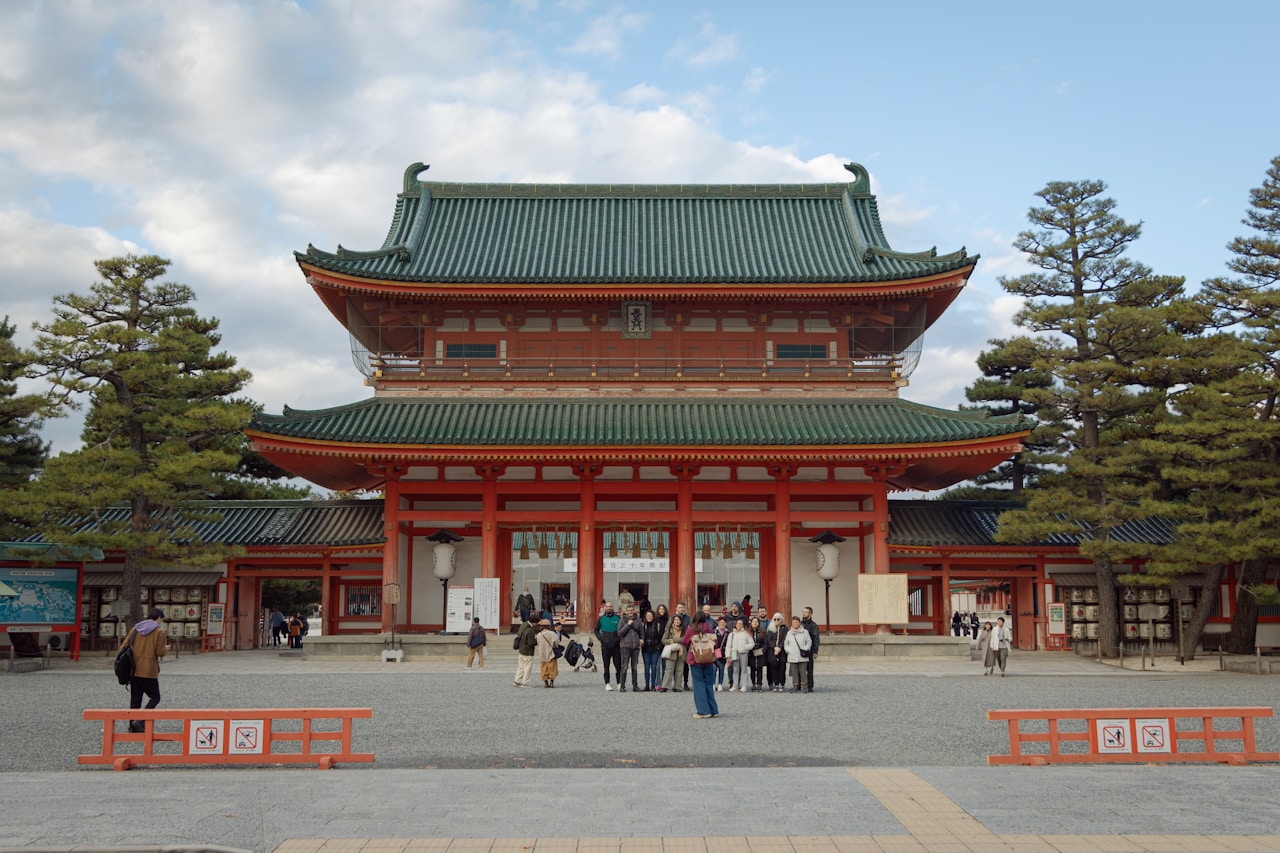
Kyoto’s attractions range from UNESCO World Heritage temples and traditional craft workshops to geisha district walking tours and seasonal garden experiences.
The city rewards slow, exploratory travel — many of its best moments are found in quiet lanes and lesser-visited temple gardens rather than at the most famous landmarks.
UNESCO World Heritage Temple Circuit
Kyoto’s 17 UNESCO World Heritage Sites form the backbone of any visit.
The most visited include:
- Kinkaku-ji (Golden Pavilion): A Zen temple covered in gold leaf, reflected in the Kyoko-chi pond. Admission: ¥500. Open daily 9:00 AM – 5:00 PM.
- Fushimi Inari Taisha: A Shinto shrine famous for thousands of vermilion torii gates ascending Mount Inari. Free entry. Open 24 hours.
- Kiyomizu-dera: An 8th-century temple with a dramatic wooden stage offering panoramic city views. Admission: ¥500. Open daily 6:00 AM – 6:00 PM (with extended hours during seasonal illuminations).
- Ryoan-ji: Home to Japan’s most famous Zen rock garden — 15 stones arranged in raked gravel. Admission: ¥600.
- To-ji Temple: Features Japan’s tallest pagoda (57 metres) and hosts a monthly flea market on the 21st of each month. Admission: ¥500 (increases to ¥800 during special pagoda interior openings).
Geisha District: Walking Gion and Pontocho
Gion is Kyoto’s most famous geisha district, centred on Hanamikoji Street and the surrounding lanes of Shinbashi and Shimbashi.
Evening strolls between 5pm and 7pm offer the best chance of glimpsing geiko or maiko travelling between appointments.
Respect local regulations — do not block streets or attempt to photograph individuals without consent.
Pontocho is a narrow alley running parallel to the Kamo River, lined with traditional restaurants and bars.
Many establishments open their riverside terraces (kawayuka) during summer, offering a memorable dining experience above the water.
Both districts are best explored on foot.
Traditional Craft Workshops and Cultural Experiences
Kyoto offers hands-on cultural workshops covering tea ceremony, calligraphy, kimono dressing, pottery, and ikebana (flower arranging).
The Kyoto Handicraft Center near Heian Shrine hosts multiple craft demonstrations and workshops with English instruction.
Smaller studios in the Higashiyama district offer more intimate sessions.
A traditional tea ceremony experience typically costs ¥3,000–¥5,000 and lasts 45–60 minutes.
Kimono rental with dressing assistance is available throughout the city from approximately ¥3,500–¥8,000 for a full day, depending on the garment’s quality and included hairstyling.
Book workshops in advance during peak seasons.
Arashiyama: Bamboo Grove, Tenryu-ji, and River Activities
Arashiyama, located in western Kyoto, is one of the city’s most scenic districts.
The Bamboo Grove — a dense stand of towering bamboo stalks along a short walking path — is best visited before 8am to avoid crowds.
Tenryu-ji Temple, a UNESCO World Heritage Site, features one of Kyoto’s finest traditional gardens with views of the Arashiyama mountains.
The Oi River (Hozu River) at Arashiyama offers traditional cormorant fishing (ukai) demonstrations in summer and scenic boat rides year-round.
The Iwatayama Monkey Park, a short hike above the district, houses a colony of Japanese macaques with panoramic views over Kyoto.
Arashiyama is accessible by the JR Sagano/San-in Line from Kyoto Station to Saga-Arashiyama (approximately 15–20 minutes).
What To Pack for Kyoto
Packing for Kyoto requires consideration of the city’s seasonal weather extremes, temple visiting requirements, and the practical demands of a walking-intensive itinerary.
To determine faster, use our AI Travel Packing List generator to use AI to help you find out what to pack depending on the duration of your visit.
Clothing by Season
Spring (March–May): Light layers, a compact umbrella, and a mid-weight jacket for cool mornings.
Cherry blossom season brings unpredictable rain.
Summer (June–August): Lightweight, breathable fabrics are essential.
Temperatures exceed 35°C with high humidity — moisture-wicking materials are strongly recommended.
A compact fan and cooling towel are useful additions.
Autumn (September–November): Layer with a fleece or light jacket for crisp evenings.
October is generally mild and comfortable.
Winter (December–February): A heavy coat, thermal underlayers, and waterproof boots are necessary.
Snow is possible, particularly in January and February.
Footwear and Temple Visit Essentials
Comfortable walking shoes with good arch support are essential — Kyoto’s cobblestone streets and temple staircases are demanding on feet.
Slip-on shoes (loafers, mules, or slip-on trainers) are strongly recommended, as shoes must be removed frequently at temple interiors, traditional restaurants, and ryokans.
Always wear clean socks without holes — you will be removing your shoes multiple times per day.
Modest clothing covering shoulders and knees is required or strongly preferred at many sacred sites.
A lightweight scarf or shawl serves as a versatile cover-up.
Electronics and Photography Gear
Japan uses Type A plugs (two flat parallel pins) at 100V/50–60Hz.
Most modern electronics (phones, cameras, laptops) are dual-voltage and require only a plug adapter, not a voltage converter.
A universal travel adapter is recommended.
A portable power bank is essential for full-day sightseeing.
Extra camera memory cards and a spare battery are advisable — Kyoto’s photographic opportunities are abundant.
A lightweight tripod or gorilla pod enables sharp low-light shots at illuminated evening events.
Kyoto Food Culture: Cuisine, Restaurants, and Dining Etiquette
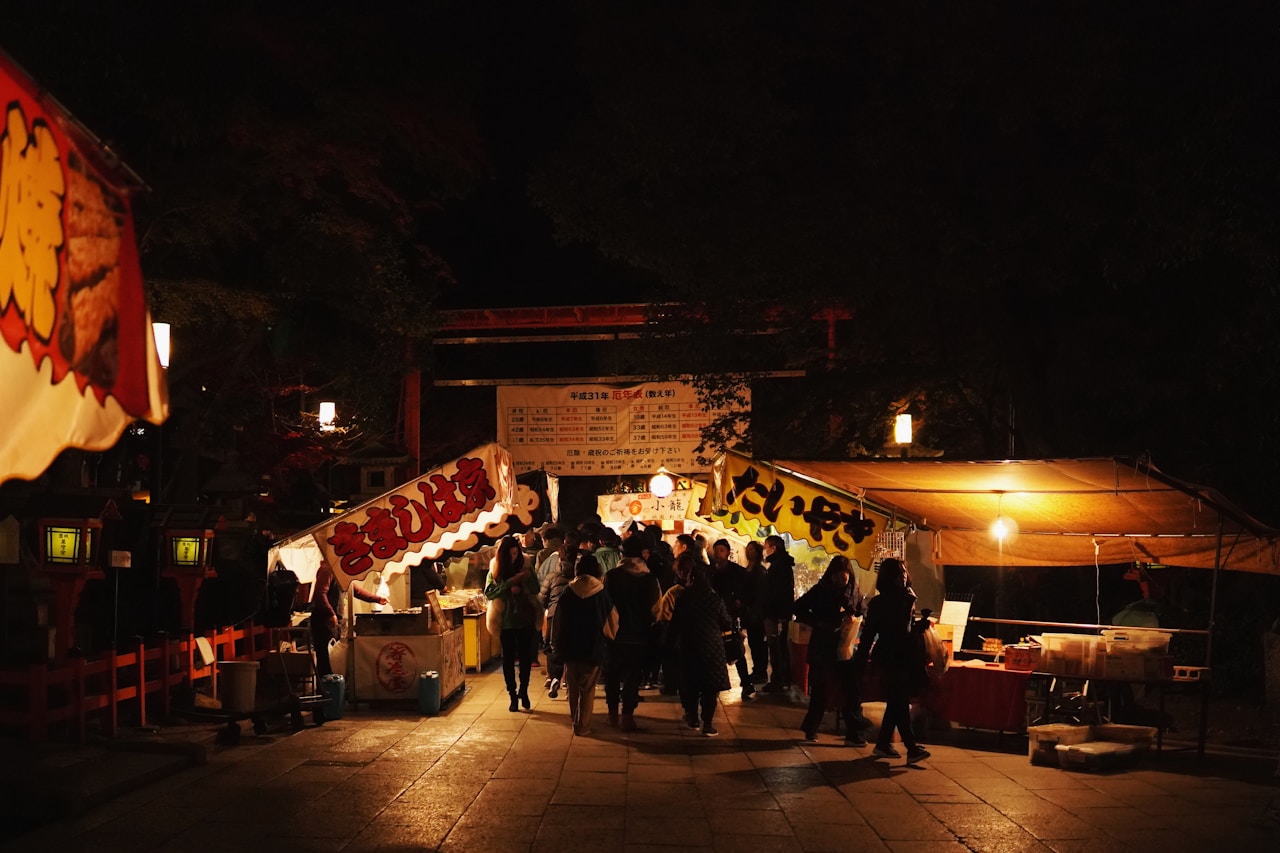
Kyoto’s cuisine — known as Kyo-ryori — is characterised by delicate flavours, seasonal ingredients, and refined presentation.
The city’s Buddhist heritage has produced a strong tradition of vegetarian cooking, while its imperial history elevated multi-course kaiseki dining to an art form.
Traditional Kyoto Cuisine: What to Eat
Kyoto’s signature dishes include:
- Kaiseki: A multi-course meal featuring seasonal ingredients prepared with meticulous technique. The pinnacle of Japanese haute cuisine.
- Yudofu: Silken tofu simmered in kombu (kelp) broth — a Kyoto speciality, particularly associated with the Nanzen-ji temple area.
- Obanzai: Traditional Kyoto home-style cooking featuring small dishes of seasonal vegetables, tofu, and fish.
- Matcha: Kyoto’s Uji district is Japan’s premier matcha-producing region. Matcha tea, sweets (wagashi), and ice cream are ubiquitous.
- Nishin Soba: Buckwheat noodles topped with simmered herring — a Kyoto comfort food classic.
Restaurant Types and Dining Experiences
Kyoto’s dining scene spans elegant kaiseki restaurants (some Michelin-starred), casual izakayas (Japanese pubs), ramen shops, conveyor-belt sushi (kaiten-zushi), and street food markets.
Nishiki Market — a narrow covered arcade near Shijo Street — is Kyoto’s most famous food market, offering tastings of pickled vegetables, tamagoyaki (sweet egg roll), fresh tofu, and seasonal snacks.
Shojin ryori (Buddhist vegetarian cuisine) is available at several temple restaurants, including Daitoku-ji and Tenryu-ji.
These meals are prepared without meat, fish, or pungent vegetables (onion, garlic) and offer a meditative dining experience.
Reservations are recommended.
Dietary Restrictions and Vegetarian Options
Kyoto is more accommodating of vegetarian and vegan diets than most Japanese cities, thanks to its Buddhist culinary tradition.
However, dashi (stock) made from fish or bonito flakes is used as a base in many dishes that appear vegetarian.
Communicate dietary restrictions clearly using a translated allergy card.
The HappyCow app lists vegetarian and vegan restaurants in Kyoto.
Dedicated vegetarian restaurants are concentrated near Kyoto University and in the Kawaramachi area.
Many tourist-oriented restaurants offer English menus with allergen information on request.
Modern Kyoto: Contemporary Culture Alongside Tradition
Kyoto is not solely a museum city — it sustains a dynamic contemporary culture that coexists with its historic identity.
The city is home to 37 universities and colleges, a thriving design and craft industry, and a growing technology sector.
Shopping Districts: Traditional Crafts and Modern Retail
Shijo-Kawaramachi is Kyoto’s main modern shopping district, featuring department stores (Takashimaya, Daimaru), international brands, and independent boutiques.
The adjacent Teramachi and Shinkyogoku covered arcades offer a mix of traditional craft shops, souvenir stores, and contemporary fashion.
Nishiki Market and the Higashiyama shopping street (Ninenzaka and Sannenzaka) specialise in traditional Kyoto crafts: Kiyomizu-yaki pottery, Nishijin-ori woven textiles, lacquerware, and handmade paper (washi).
Prices in tourist-facing craft shops are fixed — bargaining is not customary in Japan.
Kyoto’s Cultural Institutions and Contemporary Arts
The Kyoto International Manga Museum, housed in a repurposed elementary school near Karasuma Oike, holds a collection of approximately 300,000 manga volumes.
It is open from 10:30 AM to 5:30 PM (last entry 5:00 PM) and is generally closed on Wednesdays; admission is ¥900 for adults.
The Kyoto Art Center (Kyoto Geijutsu Center) occupies a historic former school building and hosts contemporary art exhibitions, performances, and cultural workshops.
Toei Kyoto Studio Park (Eigamura) is a working film studio and theme park where visitors can observe the production of period dramas and interact with costumed performers.
It offers a unique window into Japan’s samurai and geisha film culture.
Youth Culture and University Life
Kyoto’s large student population — centred around Kyoto University (one of Japan’s top-ranked institutions) and Doshisha University — sustains a lively café culture, independent music scene, and contemporary arts community.
The area around Kyoto University in Sakyo Ward features independent bookshops, specialty coffee roasters, and student-oriented restaurants.
Cultural education programs in traditional arts — tea ceremony, calligraphy, Noh theatre, and ikebana — are offered through community centres and private studios throughout the city, many of which welcome international participants.
Frequently Asked Questions (FAQs)
Three to four days is sufficient to visit Kyoto’s main attractions, including Kinkaku-ji, Fushimi Inari, Arashiyama, and the Gion district.
Visitors who want to explore lesser-known temples, take day trips to Nara or Osaka, or attend cultural workshops should plan for five to seven days.
Kyoto rewards slower travel — additional days allow for a more relaxed and immersive experience.
Entry requirements for Japan depend on your nationality. Citizens of approximately 70 countries and regions — including the United States, United Kingdom, Canada, Australia, and most EU nations — can enter Japan visa-free for stays of up to 90 days for tourism purposes.
While Japanese immigration officially requires your passport to be valid for the duration of your stay, many airlines and transit countries enforce a six-month validity rule, so it is highly recommended to ensure your passport has at least six months remaining.
Check the Japanese Ministry of Foreign Affairs website for the current list of visa-exempt countries before travel.
The fastest and most convenient connection between Tokyo and Kyoto is the Tokaido Shinkansen (bullet train).
The Nozomi service covers the approximately 450-kilometre journey in around 2 hours 10 minutes, with fares starting at approximately ¥13,320 for a non-reserved seat and ¥14,170 for a reserved seat (prices may vary slightly by season).
While the Nozomi is not fully covered by the standard JR Pass, pass holders can now ride it by purchasing a special “Nozomi Mizuho” supplement ticket for ¥4,960.
Alternatively, the Hikari and Kodama services remain fully covered by the pass; the Hikari takes approximately 2 hours 40 minutes, while the all-stops Kodama takes approximately 3 hours 40 minutes.

A lifestyle and OOTD blogger, Kannaya Nareswari enjoys the small pleasures of cooking, traveling, and documenting ordinary events. She uses genuine storytelling to communicate her love of fashion, culinary explorations, and wanderlust. She is based between Bali and Bandung. She enjoys enjoying coffee at a secret café or experimenting with recipes in the kitchen when she's not traveling to new places or styling her most recent ensemble.