
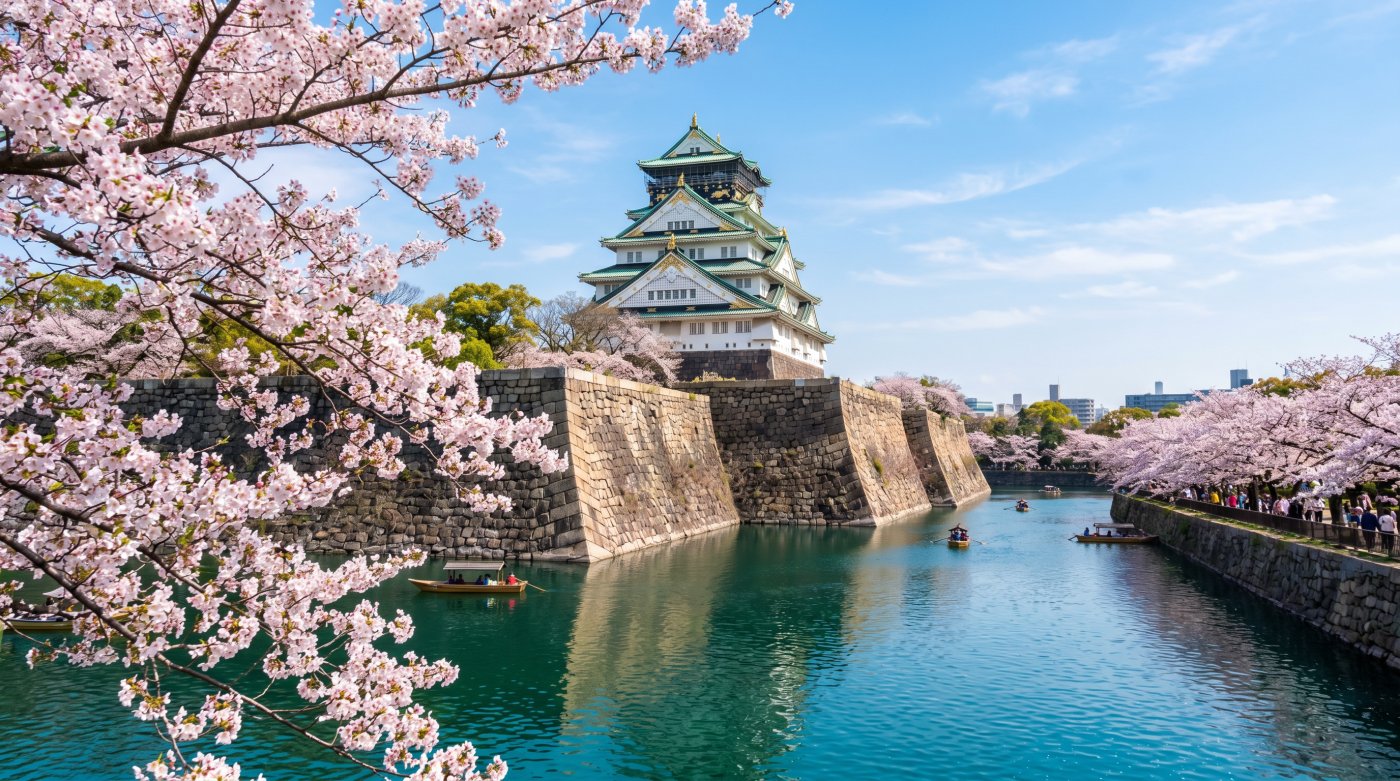



Best Time to Visit Osaka: Month-by-Month Weather Guide – Spring and autumn are Osaka’s most celebrated seasons — cherry blossoms paint Osaka Castle Park pink from late March through April, while golden foliage transforms Minoo Park every November.
Budget-conscious travellers should target January through February, when hotel rates drop 30–40% and crowds thin dramatically.
Summer delivers spectacular fireworks festivals, though humidity is intense.
Every season offers something genuinely memorable, and this guide pinpoints the ideal window for every travel style.
Key Highlights
- Spring (March–April) is Osaka's most celebrated season, featuring cherry blossoms at Osaka Castle Park — expect crowds and higher hotel prices.
- Summer brings vibrant festivals like Tenjin Matsuri alongside intense heat, humidity, and a rainy season starting in June.
- Autumn (October–November) offers comfortable temperatures, stunning fall foliage, and fewer crowds, making it another ideal visiting period.
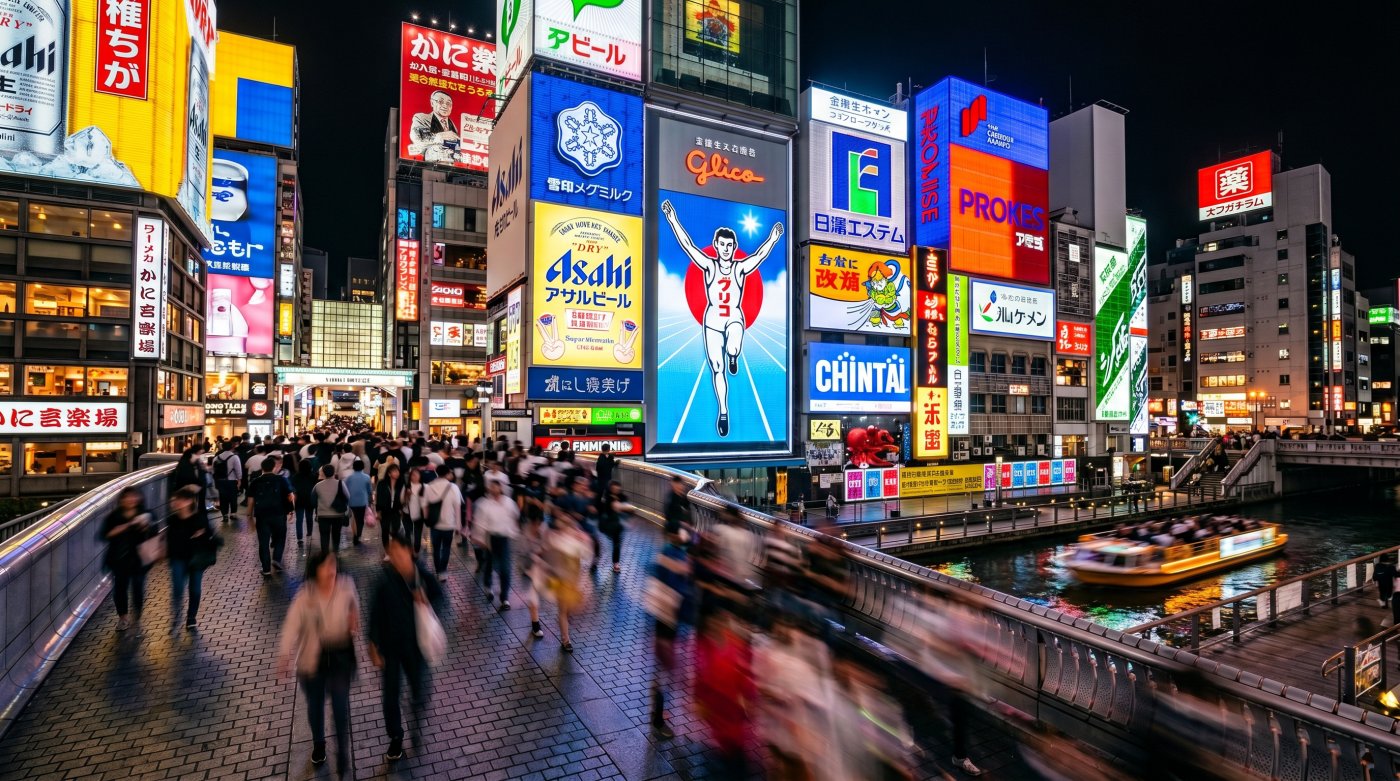
- Winter is budget-friendly, with hotel prices 30–40% lower, thinner crowds, and festive illuminations throughout Dotonbori.
- Avoid Golden Week and cherry blossom season for lower costs; book accommodations 3–6 months ahead during peak periods.
Why Timing Your Osaka Trip Matters
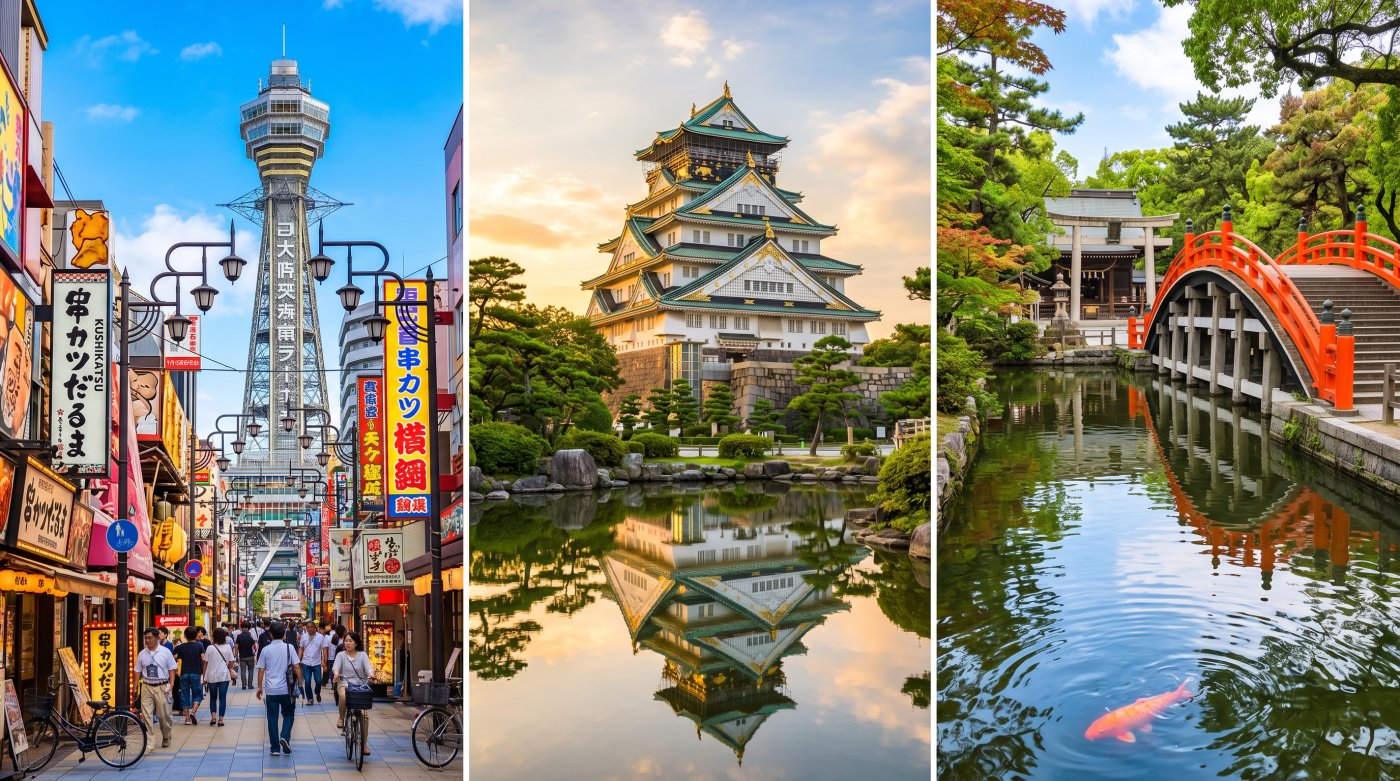
Osaka rewards smart timing. Arriving during the wrong season means sweating through crowds at a sweltering summer festival or shivering past shuttered food stalls in midwinter.
Osaka’s seasonal extremes are significant, and understanding temperature by month can transform a trip from frustrating to exceptional.
The best time to visit Osaka depends entirely on personal priorities — whether a traveller craves cherry blossoms, autumn foliage, budget hotel rates, or uncrowded ramen shops.
Each season delivers a genuinely different version of the city.
Osaka Temperature by Month: What the Weather Really Feels Like
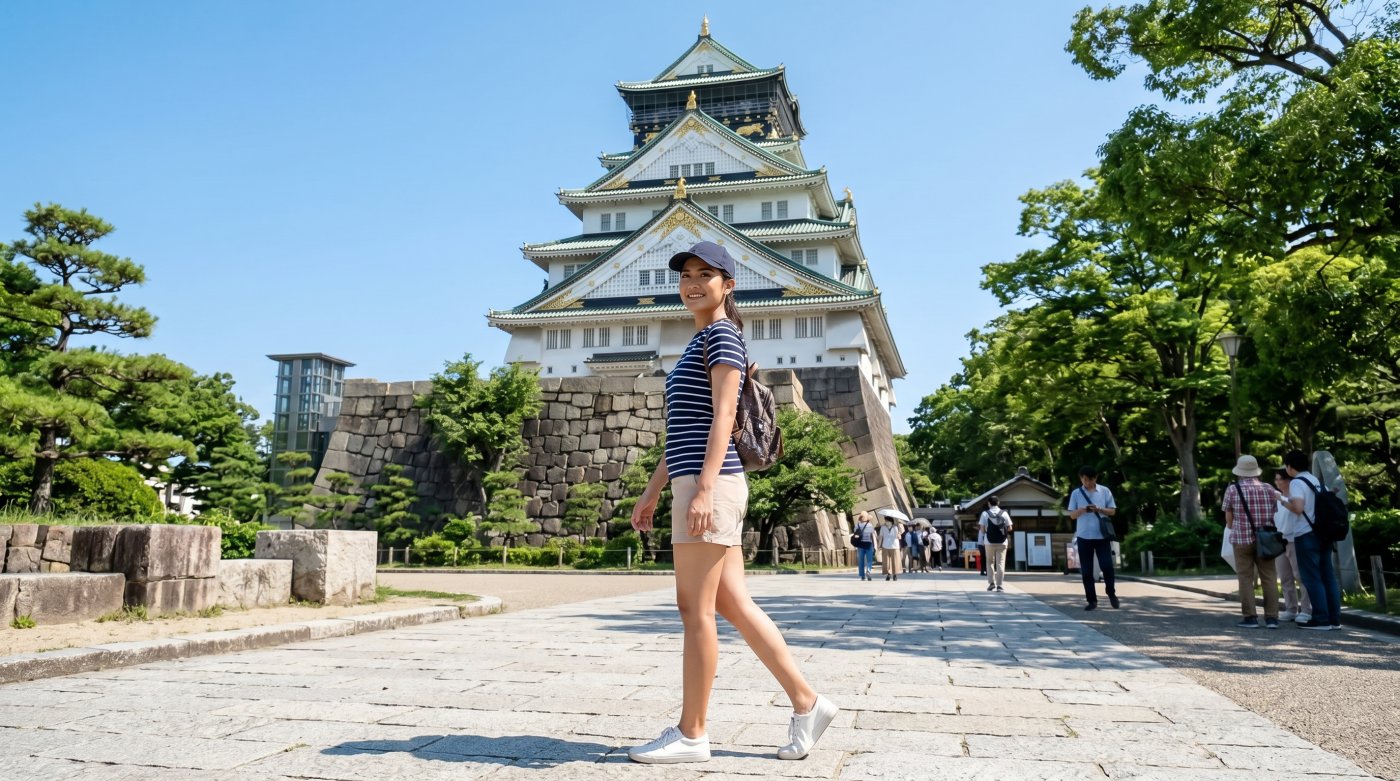
Osaka’s climate swings from cherry-blossom perfection in spring to suffocating summer humidity, then crisp autumn glory before settling into a cold, surprisingly charming winter.
Each season brings different crowds, different foods, and a completely different atmosphere.
Knowing what to expect month by month is the difference between a trip that feels effortless and one that leaves visitors sweaty, underdressed, or caught in a tourist stampede.
The breakdown below covers every season honestly.
| Month | Avg. Temp (°C) | Conditions | Crowd Level |
|---|---|---|---|
| January | 4–9 | Cold, dry | Low |
| February | 4–10 | Cold, plum blossoms | Low |
| March | 8–15 | Cool, cherry blossoms begin | High |
| April | 13–20 | Warm, peak cherry blossoms | Very High |
| May | 18–25 | Warm, comfortable | Moderate |
| June | 22–28 | Rainy season begins | Low–Moderate |
| July | 26–34 | Hot, humid, festivals | Moderate |
| August | 27–35 | Peak heat, fireworks | Moderate |
| September | 22–30 | Hot, typhoon risk | Moderate |
| October | 15–22 | Crisp, fall colours begin | Moderate–High |
| November | 10–18 | Cool, peak foliage | Moderate |
| December | 6–12 | Cold, illuminations | Low–Moderate |
Spring in Osaka (March, April, May)
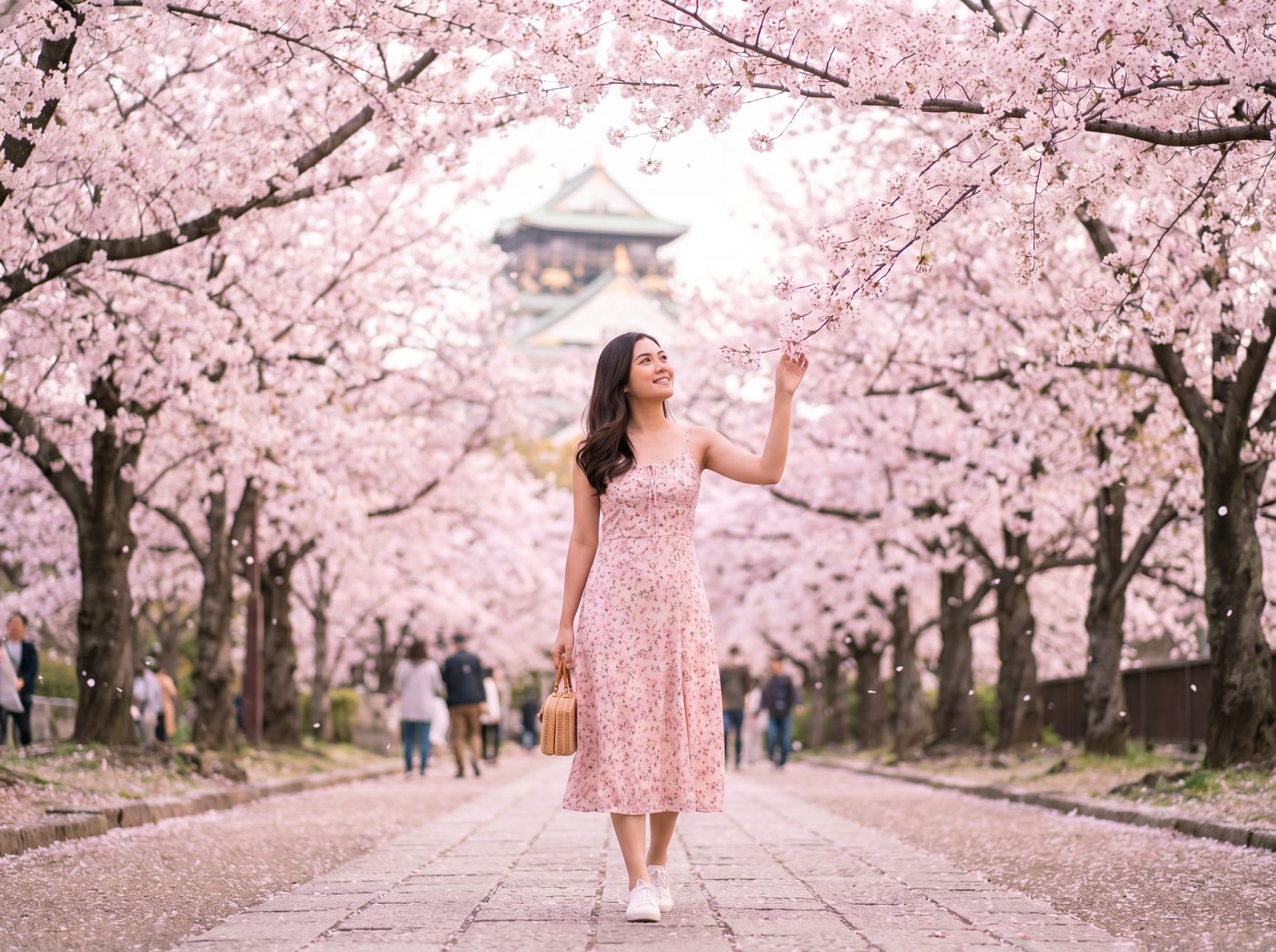
Spring is Osaka’s most celebrated season, and the reasons are immediately obvious.
Cherry blossoms erupt across parks like Osaka Castle grounds in late March, drawing crowds that turn riverside paths into slow-moving rivers of visitors and locals.
April hits peak bloom with warm, golden light, while May eases into comfortable, breezy days before summer humidity arrives.
For travellers comparing destinations, the Kyoto Seasonal Guide: Best Time to Visit Kyoto, Japan offers a useful parallel — both cities peak simultaneously in spring, so combining them in one itinerary is highly efficient.
Osaka in March: Cherry Blossoms and Cool Temperatures
March transforms Osaka into something almost surreal.
Cherry blossom trees explode in pale pink clouds above the Okawa River, and temperatures hover around 8–15°C — crisp enough to require layers.
Osaka Castle Park and Kema Sakuranomiya Park are the premier viewing spots.
Crowds are significant throughout March, particularly during the final two weeks when bloom peaks.
Book accommodations at least three months in advance.
Hotel rates are elevated but not yet at their April maximum.
Weather in Osaka in April: Peak Bloom and Festival Energy
April is Osaka’s busiest and most visually spectacular month.
Temperatures climb into the 13–20°C range, cherry blossom canopies reach full bloom along the Okawa River and at Osaka Castle, and the city buzzes with hanami gatherings.
- Sakura petals drifting across riverside promenades
- Lanterns glowing at twilight hanami parties
- Temperatures warm enough for outdoor dining
- Golden afternoon light ideal for photography
Golden Week begins in late April, pushing hotel prices to their annual peak.
Book accommodations four to six months ahead for this window.
Osaka in May: Warm Days and the Sweet Spot Before Summer
Once cherry blossoms drop their final petals and April’s festival energy fades, May delivers something arguably better — warm, settled days hovering between 18–25°C, lush green parks, and a city that has exhaled into its most comfortable, livable season.
Crowds thin noticeably after Golden Week ends in early May.
Hotel rates drop back to moderate levels, making mid-to-late May an excellent value window for travellers who want pleasant weather without peak-season pricing.
Summer in Osaka (June, July, August)
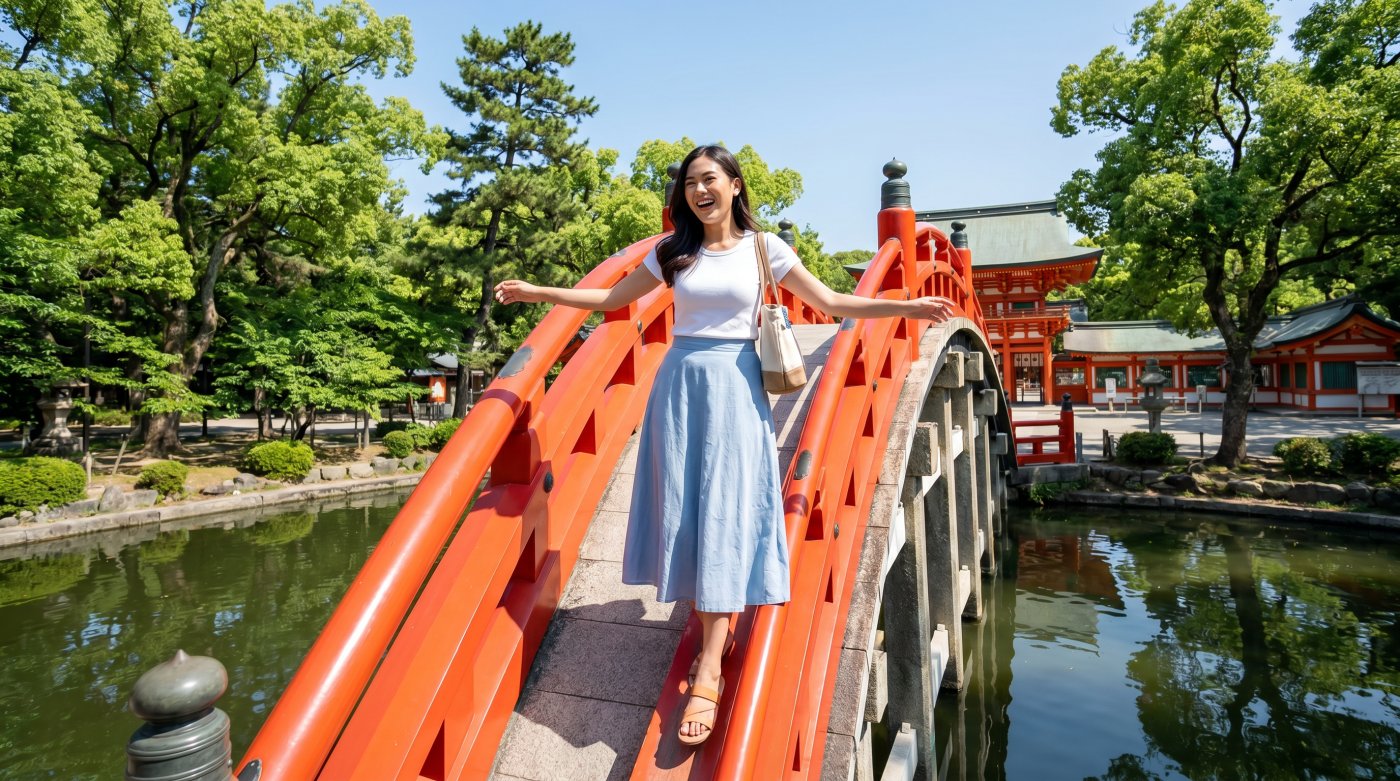
Summer in Osaka runs hot and sticky, with temperatures regularly reaching 34–35°C and humidity that makes the air feel oppressive.
June opens with the tsuyu rainy season, bringing frequent afternoon downpours that locals navigate with compact umbrellas and practiced calm.
July and August compensate with some of Japan’s most electrifying festivals, dazzling fireworks displays, and street food scenes that make enduring the heat worthwhile for the right traveller.
Osaka’s Rainy Season in June: What to Expect
June in Osaka arrives wrapped in a grey, drizzly atmosphere.
The tsuyu rainy season typically runs from early June through mid-July, bringing warm, sticky air around 22–28°C and sudden heavy downpours that clear quickly.
The upside: crowds thin considerably, temple gardens glow emerald in the rain, and accommodation prices drop from their spring peaks.
Pack a compact umbrella and embrace the moody, unhurried atmosphere that reveals a more authentic side of the city.
July and August in Osaka: Festivals and Fireworks
As the tsuyu rains bow out in mid-July, Osaka ignites.
Festivals erupt, fireworks shatter the night sky, and locals reclaim every outdoor space with infectious energy.
| Month | Key Event | Best Strategy |
|---|---|---|
| July | Tenjin Matsuri (24–25 July) | Arrive early; secure riverside spots |
| July | PL Fireworks Festival | Book hotels several weeks ahead |
| August | Naniwa Yodogawa Fireworks | Join locals along the riverbank |
Tenjin Matsuri is one of Japan’s three great festivals, featuring torchlit boat processions and taiko drums along the Okawa River.
Temperatures during these events regularly exceed 30°C — carry water, wear breathable fabrics, and plan outdoor time for early morning or evening.
Autumn in Osaka (September, October, November)
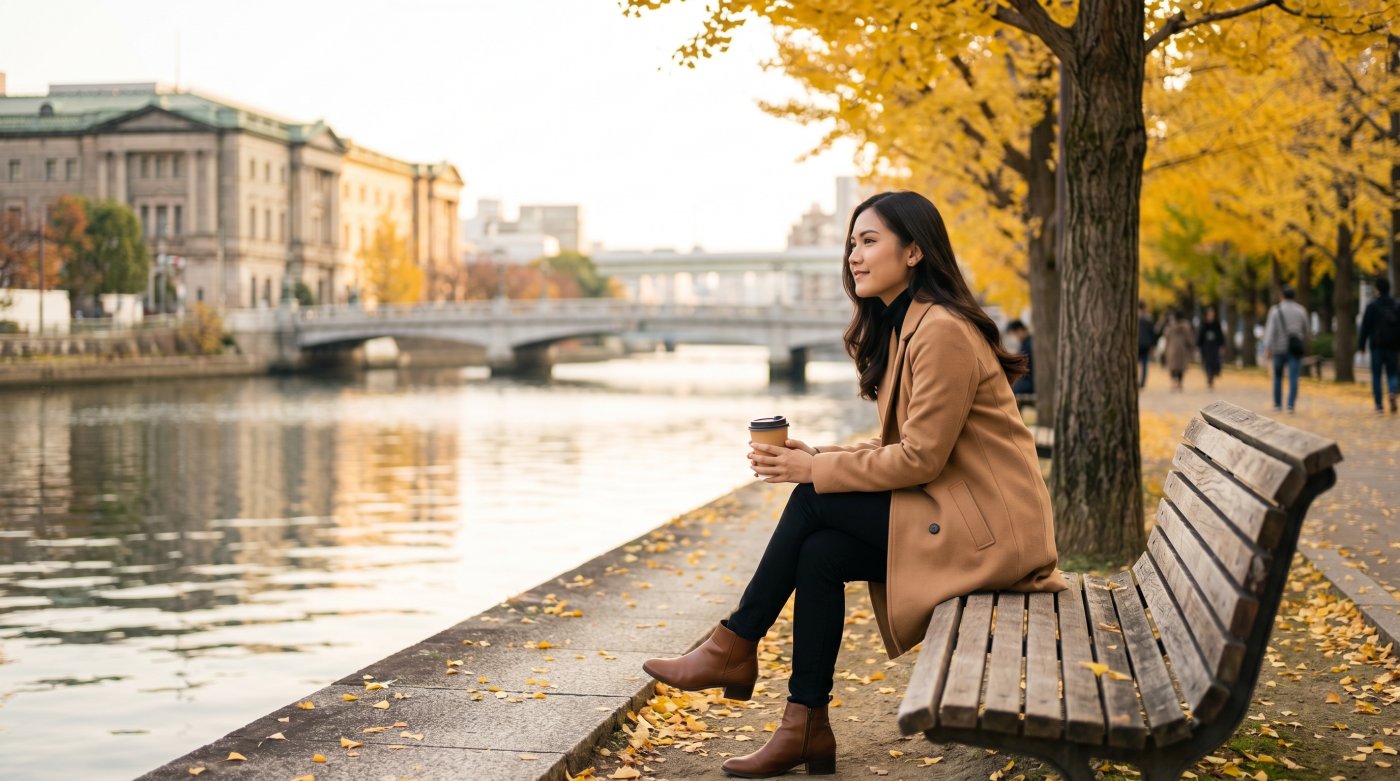
Autumn sweeps into Osaka with a long-awaited sense of relief.
Temperatures drop to a blissful 15–22°C range in October, skies clear, and the city feels made for exploring on foot.
Parks like Expo ’70 Commemorative Park and Minoo explode in fiery reds and burnt oranges.
By November, crowds thin, foliage hits peak drama, and sightseeing spots like Osaka Castle become genuinely photogenic — all without summer’s heat or spring’s cherry blossom stampede.
Autumn rivals spring as Osaka’s finest season.
Osaka in October: Fall Colors and Ideal Sightseeing Conditions
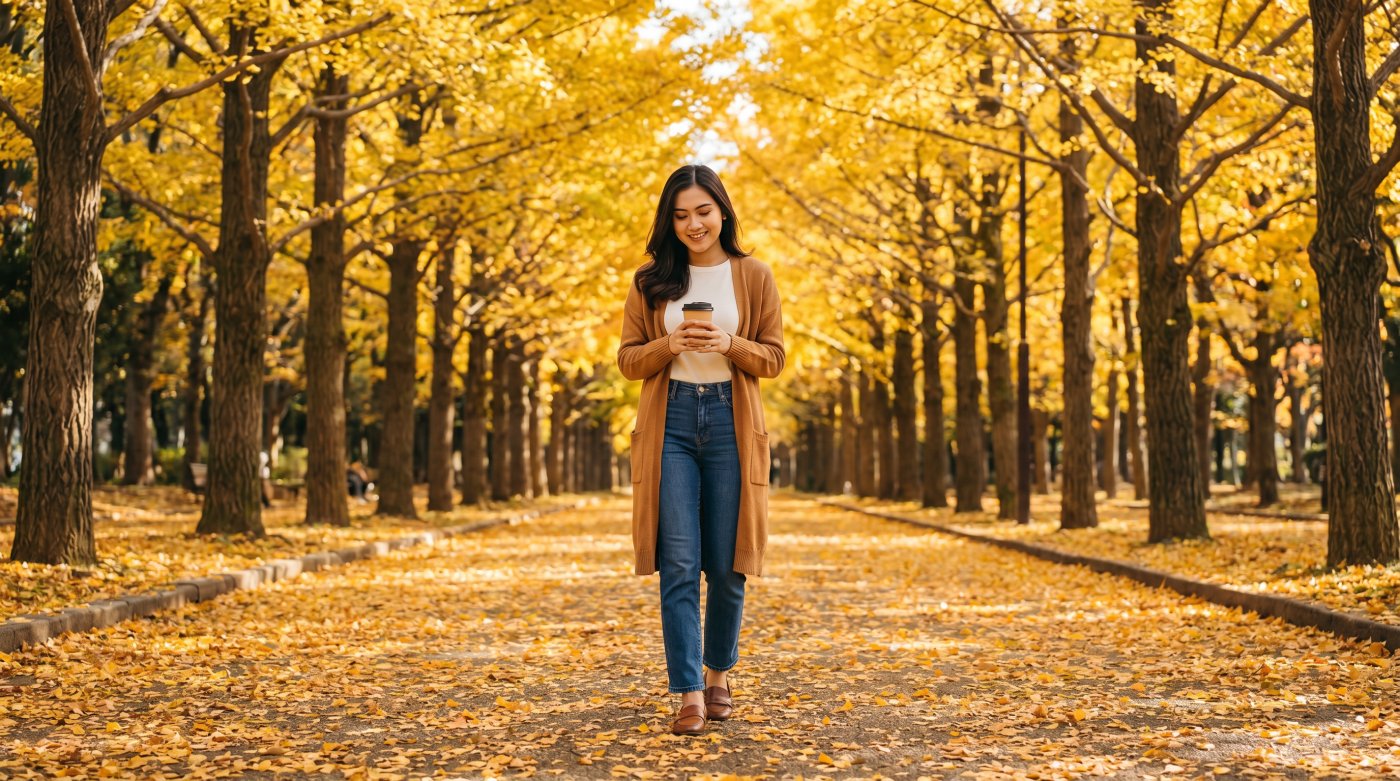
October is arguably Osaka’s finest month.
The brutal summer heat surrenders to crisp, comfortable temperatures between 15–22°C, and the city’s parks and temple grounds erupt in fiery shades of red, orange, and gold.
- Minoo Park’s blazing maple canopy peaks mid-to-late November
- Osaka Castle’s golden ginkgo carpets appear from late October
- Cool evenings perfect for Dotonbori strolling and street food
- Harvest festivals energising neighbourhood streets
Crowd levels are moderate — higher than winter but far below spring peak.
Hotel rates are reasonable, making October an excellent balance of good weather, manageable crowds, and fair pricing.
Osaka in November: Fiery Foliage and Fewer Crowds
November picks up where October leaves off — and improves on it.
Crowds thin noticeably while foliage blazes even harder, painting Osaka’s parks and temple grounds in rich crimson and molten gold.
Temperatures hover comfortably between 10–18°C.
Minoo Park reaches peak autumn colour in mid-November, drawing day-trippers from across the Kansai region.
Arriving on weekday mornings avoids the weekend rush.
Hotel rates remain moderate, and the combination of comfortable temperatures and dramatic scenery makes November one of the most rewarding months to visit.
Is Winter a Good Time to Visit Osaka?
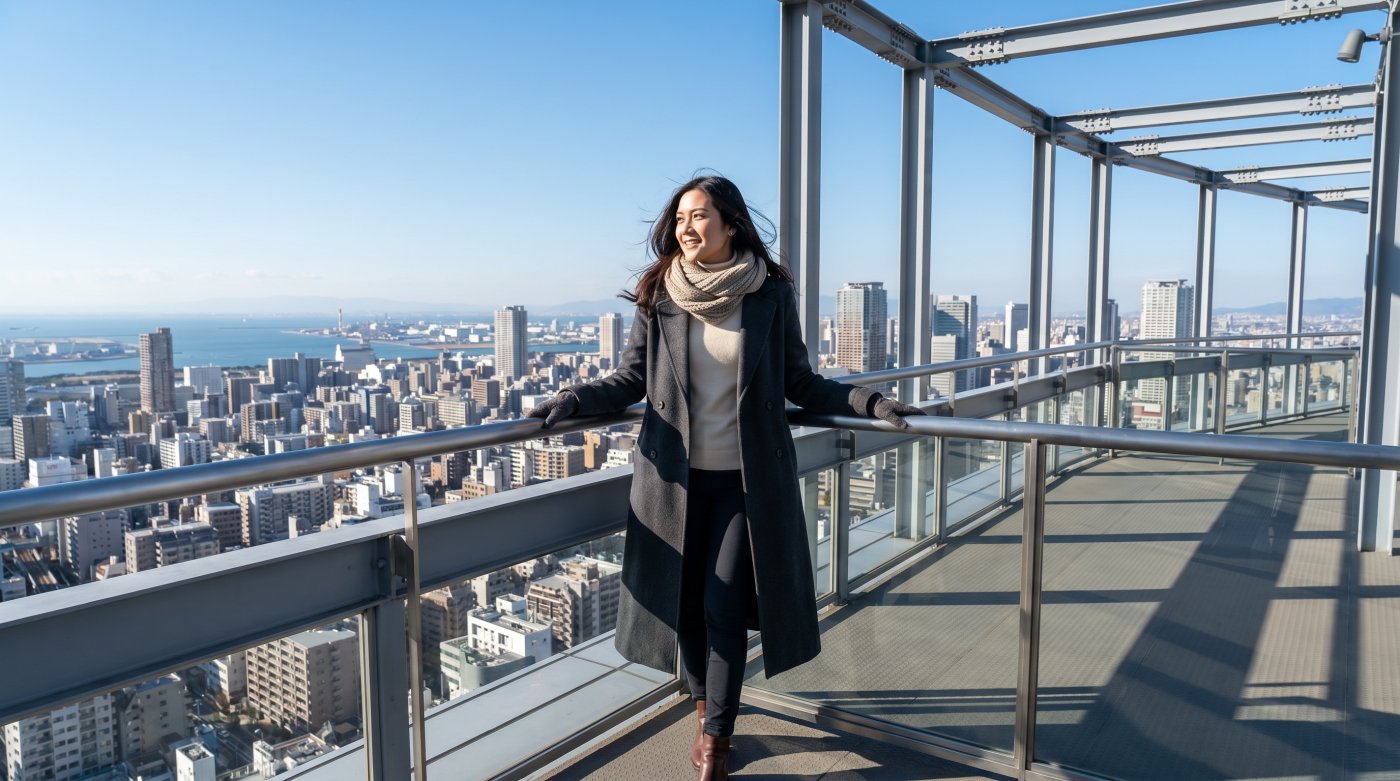
Yes — Osaka in winter (December through February) is genuinely underrated, offering fewer crowds, lower hotel prices, and a city that feels more authentically itself when the tourist rush fades.
December dazzles with spectacular holiday illuminations lighting up Namba and Umeda.
January settles into a calm, budget-friendly rhythm ideal for travellers who want the real Osaka without the chaos.
By February, delicate plum blossoms begin dotting Osaka Castle’s grounds, pairing beautifully with winter hotel deals that make this shoulder season a quiet goldmine.
Osaka in December: Holiday Illuminations and Winter Weather
December transforms Osaka into a glittering spectacle.
Towering Christmas illuminations cast warm, golden light across shopping arcades and riverside promenades, and temperatures hover around 6–12°C — crisp and invigorating.
- Namba Parks’ cascading light displays
- Midosuji Avenue’s illuminated ginkgo trees
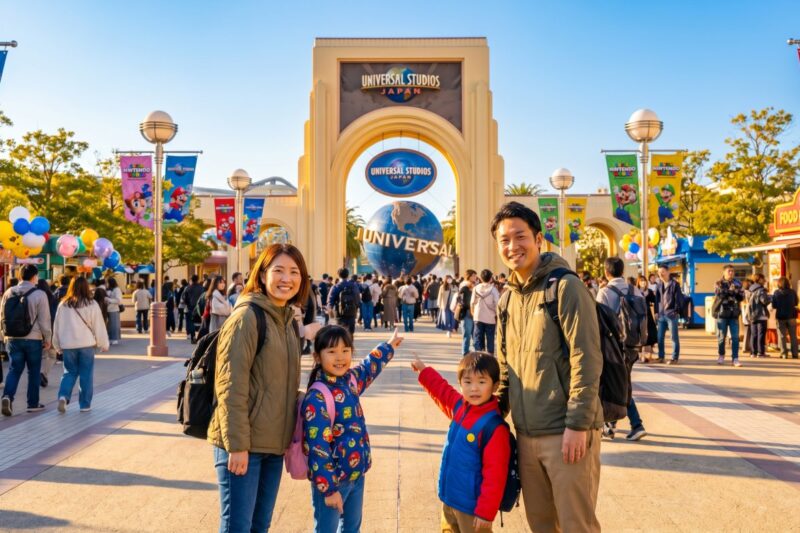
- Universal Studios Japan’s Christmas spectacular, “Universal Christmas Joy” — typically running from mid-to-late November through early January (the 2025–2026 edition ran November 19, 2025 to January 4, 2026); check the official USJ website for the 2026–2027 dates closer to the season
- Osaka Hikari Renaissance waterfront light installations
Crowds are moderate in early December and thin after Christmas.
Hotel rates are lower than spring and autumn peaks, making December a strong value option for travellers who enjoy festive atmospheres.
Osaka in January: Budget-Friendly and Uncrowded
Once the December crowds dissolve and holiday lights come down, Osaka exhales.
January is one of the city’s most rewarding months for budget-conscious travellers — hotels slash prices by 30–40%, temples are peaceful, and Dotonbori finally belongs to wanderers again.
Temperatures average 4–9°C, so layered jackets and steaming bowls of ramen are essential companions.
The cold air makes every discovery feel earned, and the absence of tourist crowds reveals a genuinely local version of the city.
Osaka in February: Plum Blossoms and Winter Deals
February brings a quiet kind of magic to Osaka.
Plum blossoms push through the cold air, perfuming gardens at Osaka Castle Park and Osaka Temmangu Shrine weeks before cherry blossom crowds arrive.
- Temperatures hover around 4–10°C
- Hotel rates remain 30–40% below spring peaks
- Plum blossom festivals bloom city-wide from early February
- Crowds remain blissfully thin throughout the month
February is the ideal month for travellers who want natural beauty, cultural authenticity, and genuine value — without competing with half of Japan for a decent photo.
Does It Snow in Osaka?
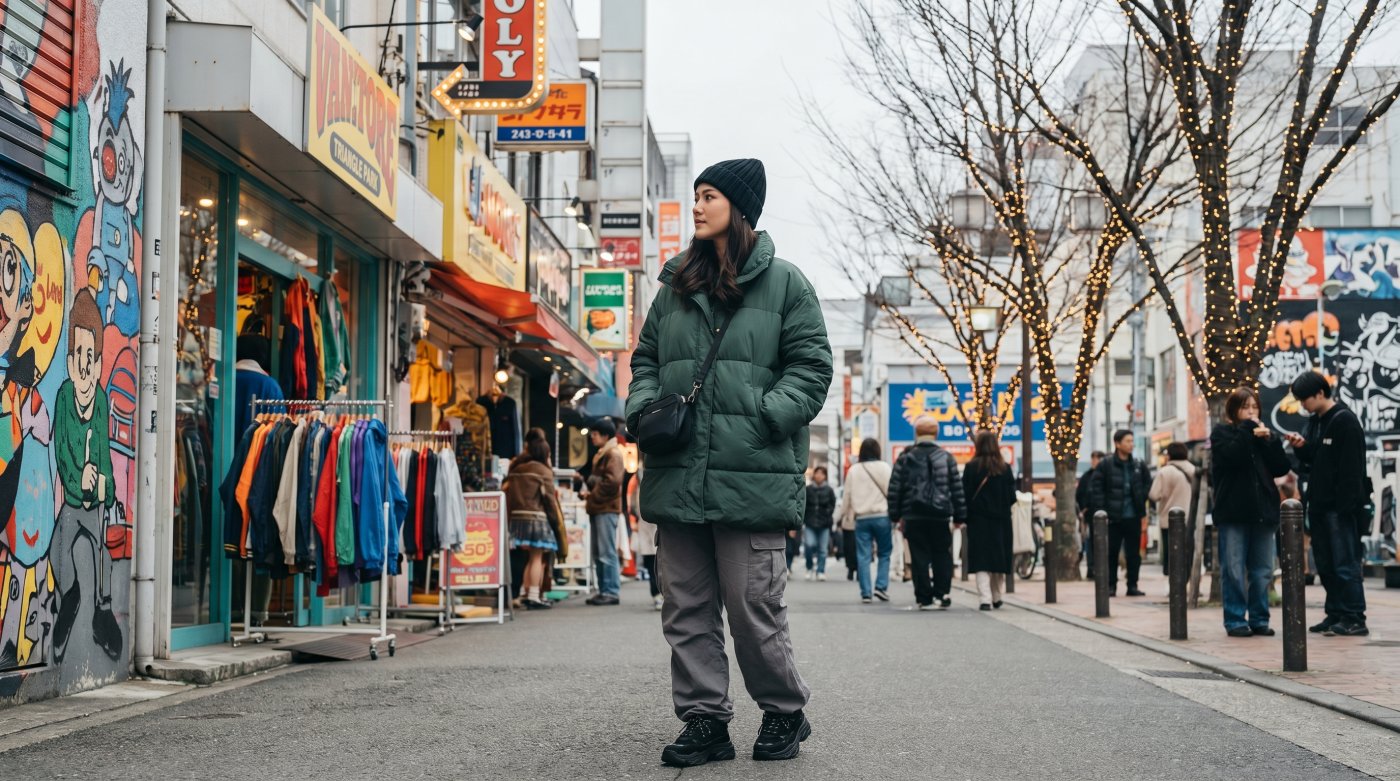
Osaka receives occasional snowfall between December and February, but measurable accumulation is rare.
The city typically sees only a handful of light dustings each winter — roughly 6–7 snowy days annually — with January being the snowiest month on average.
When snow does fall, it rarely sticks for long, transforming temple rooftops and lantern-lit streets into fleeting, postcard-perfect scenes before melting by midday.
Osaka’s infrastructure handles snow poorly, so even modest accumulations of 2–5 cm can temporarily disrupt train services and create memorable, slightly chaotic street scenes.
What To Do in Osaka in Winter When Temperatures Drop
Chilly temperatures and occasional snow make Osaka one of Japan’s most atmospheric winter destinations.
Dotonbori’s neon reflections shimmer against frost-kissed streets, creating an electric energy that only winter delivers.
Warm up inside Kuromon Ichiba Market, sampling steaming takoyaki and miso-glazed skewers while browsing stalls packed with seasonal produce.
Osaka Castle, dusted white against grey winter skies, is one of the city’s most photogenic winter sights.
Winter illumination festivals energise the city throughout December.
The Osaka Hikari Renaissance floods the waterfront of Nakanoshima with dazzling light installations and large-scale projection mapping shows; the 2025 edition ran December 14–25, 2025 (17:00–21:30), with admission free across all outdoor displays.
The broader Osaka Light Festival (Hikari no Kyoen) umbrella event spans from early November through late January, encompassing Midosuji Avenue illuminations, Namba Parks lighting, and dozens of neighbourhood programmes citywide.
Cold weather strips away tourist crowds, rewarding visitors with shorter queues, better restaurant availability, and an authentically local atmosphere.
For more ideas, check our latest post about best things to do in Osaka.
When Is the Best Time to Visit Osaka for Sightseeing?
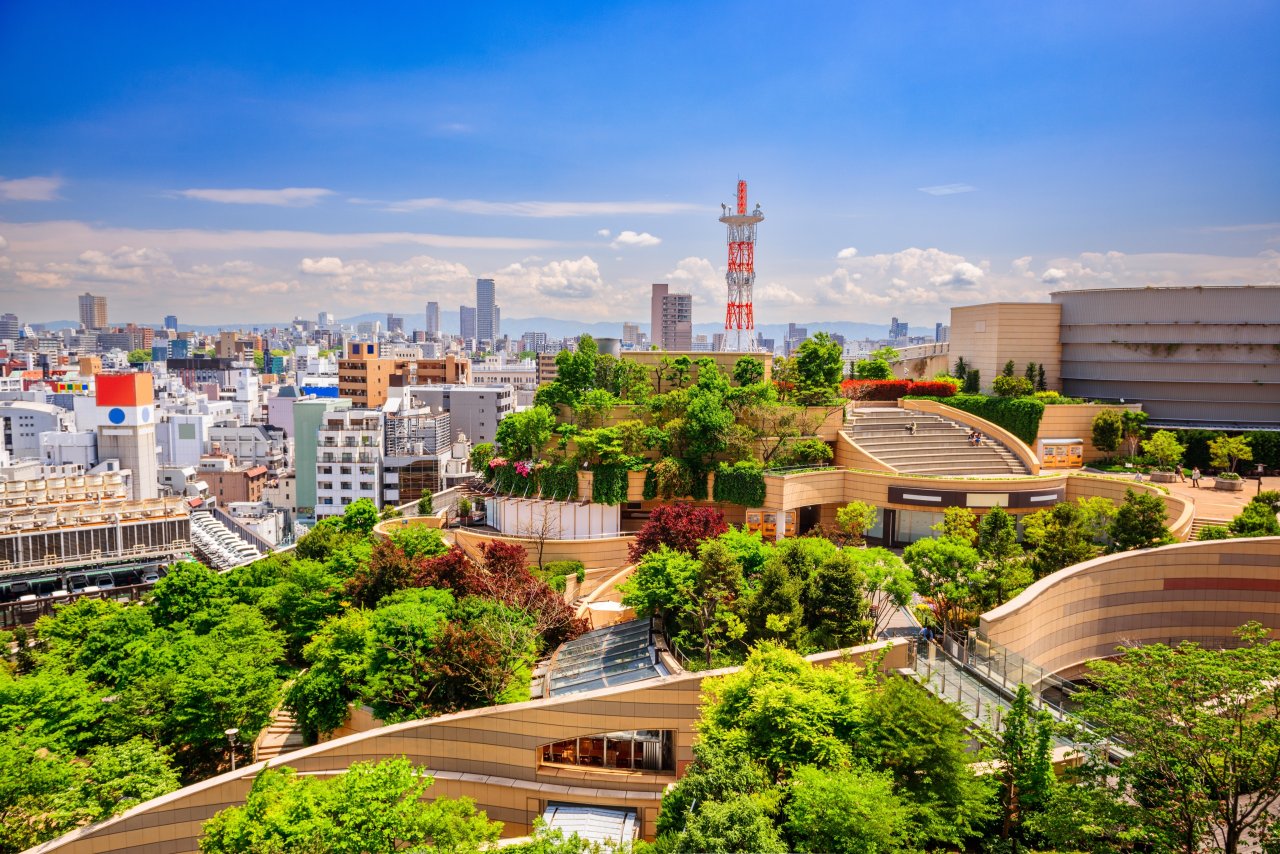
The best months for sightseeing and outdoor exploration in Osaka are March–April for cherry blossoms, October for fall colours and comfortable temperatures, and November for peak foliage with thinner crowds.
May also offers excellent conditions with warm weather and post-Golden Week calm.
Each of these windows delivers comfortable walking temperatures, photogenic scenery, and access to Osaka’s major outdoor attractions without the extreme heat of summer or the cold of midwinter.
- March–April: Cherry blossoms at Osaka Castle Park and Kema Sakuranomiya Park; peak crowds and prices
- May: Clear skies, 18–25°C temperatures, ideal for Shinsekai and Tennoji Park exploration
- October: Crisp 15–22°C air, fall colours beginning, excellent for Nakanoshima Island walks
- November: Peak maple and ginkgo foliage at Minoo Park; moderate crowds and fair hotel rates
Best Time To Visit Osaka for Food Festivals and Cultural Events
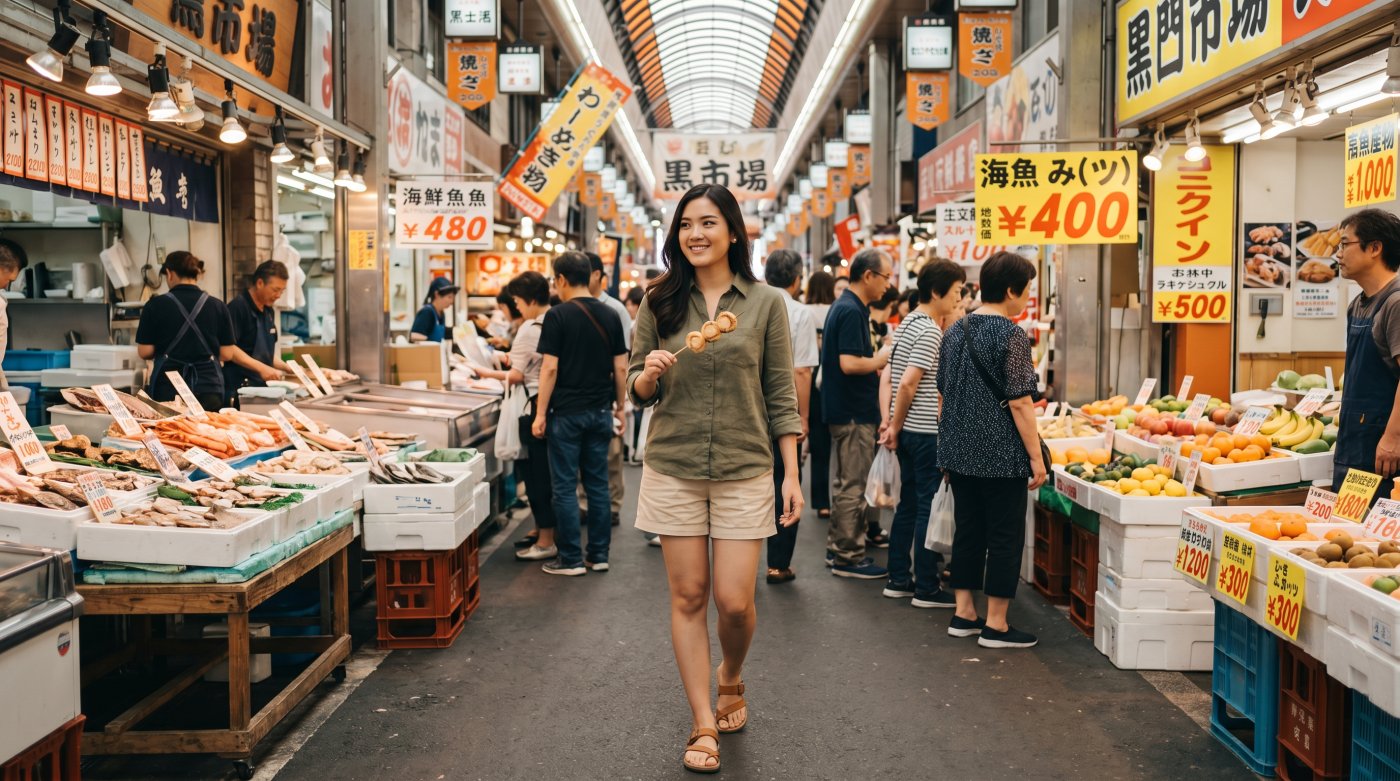
Osaka’s food festivals and cultural events calendar rewards travellers who plan around specific dates.
October brings the Osaka Gourmet Festival, where street stalls overflow with takoyaki, kushikatsu, and regional delicacies.
July ignites with Tenjin Matsuri (24–25 July), Japan’s most celebrated summer festival, featuring torchlit boat processions and taiko drums along the Okawa River.
Spring cherry blossom season doubles as hanami party season — thousands gather beneath flowering trees sharing bento boxes and cold drinks in parks across the city.
Travellers planning a broader Kansai itinerary will find that many of these festivals align with events in nearby Kyoto.
The guide to top day trips from Kyoto, Japan covers Osaka as a day-trip option and helps with regional timing.
How Much Does It Cost to Visit Osaka by Season?
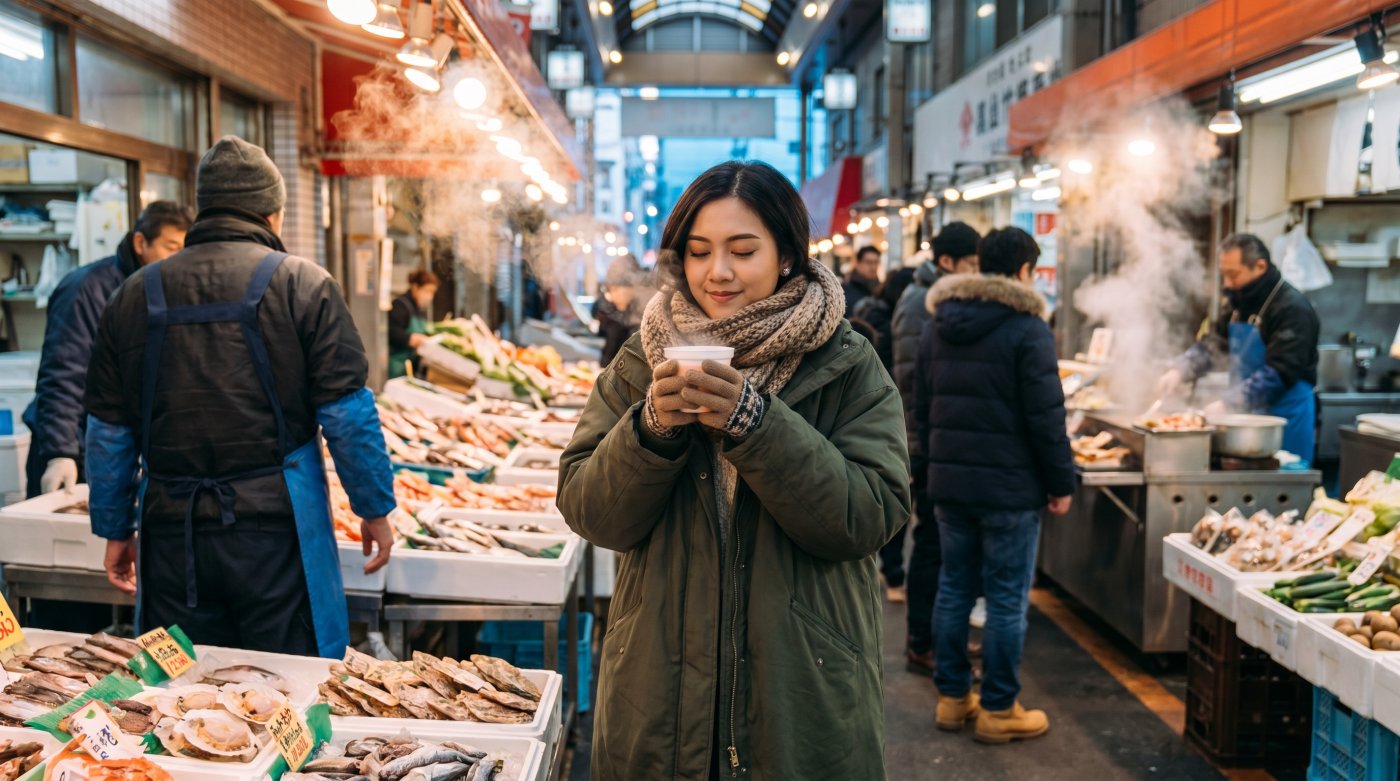
Osaka’s costs vary significantly by season.
Budget-conscious travellers who time their visit strategically can reduce accommodation costs by 30–40% compared to peak spring prices.
January through February delivers the best value: hotel rates drop sharply, crowds are minimal, and the city’s core experiences — street food, temples, markets — remain fully accessible.
Dotonbori’s takoyaki and kushikatsu cost the same year-round, typically ¥500–¥800 per serving.
Museum entry fees are consistent across seasons.
Note: Osaka introduced a lodging tax in April 2025, which has contributed to higher accommodation prices across all categories.
Mid-range hotel rooms that previously listed around ¥15,000–¥18,000 per night now frequently exceed ¥22,000–¥28,000 in 2026.
| Season | Avg. Hotel Rate (per night) | Crowd Level | Value Rating |
|---|---|---|---|
| Spring (Mar–Apr) | ¥25,000–¥40,000+ (mid-range to upscale) | Very High | Low |
| Golden Week (late Apr–early May) | ¥30,000–¥50,000+ (rates up 35%+ vs. prior year) | Extreme | Very Low |
| Summer (Jun–Aug) | ¥15,000–¥22,000 | Moderate | Moderate |
| Autumn (Oct–Nov) | ¥20,000–¥35,000 | Moderate–High | Moderate |
| Winter (Dec–Feb) | ¥10,000–¥18,000 | Low | High |
Avoid Golden Week and cherry blossom season if budget is a priority — hotels can triple in price and popular attractions become severely overcrowded.
The Kyoto budget travel guide offers complementary cost-saving strategies applicable to the wider Kansai region.
Osaka in Winter vs. Spring: Which Season Is Better?
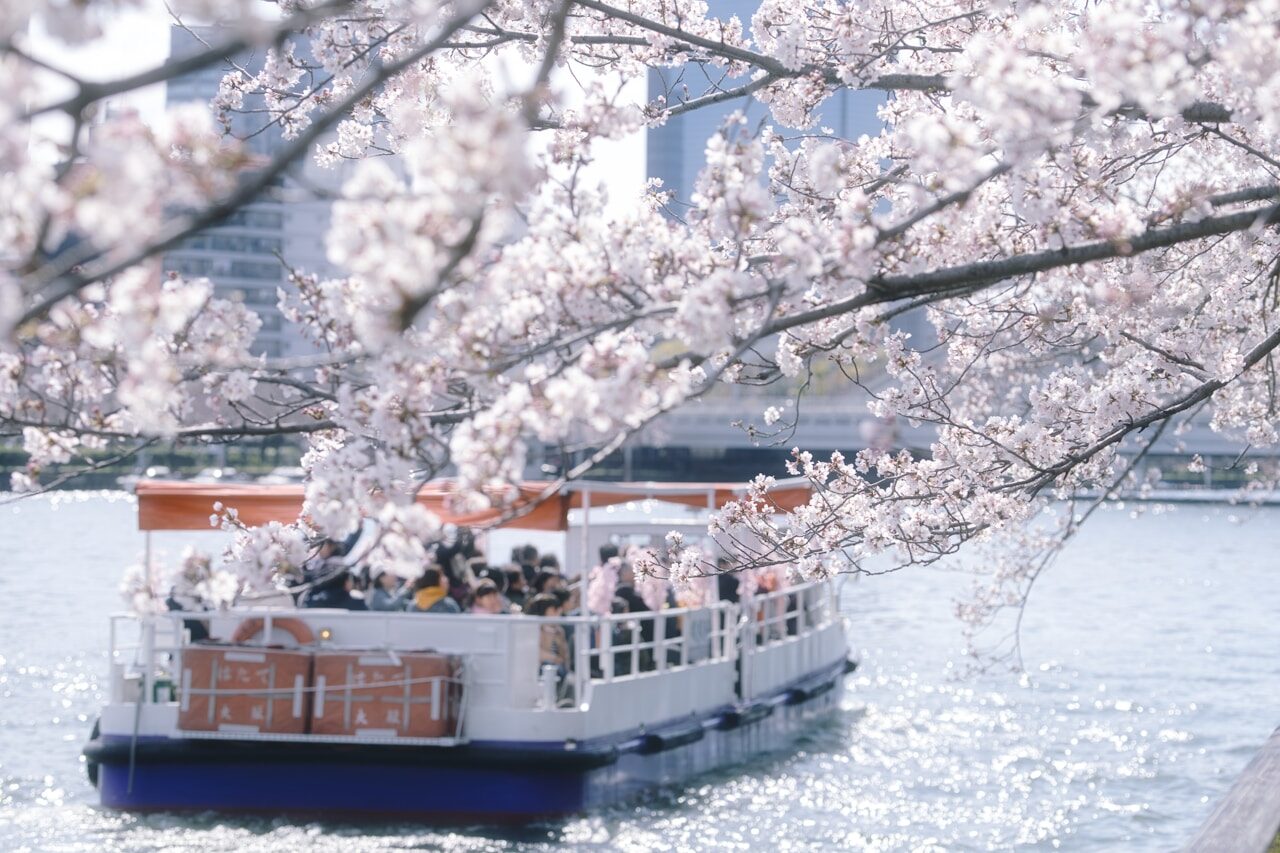
Both winter and spring offer compelling reasons to visit Osaka, and the right choice depends entirely on personal travel priorities.
Neither season is objectively superior — they simply deliver different experiences.
- Winter: Glittering illuminations in Dotonbori, 30–40% lower hotel rates, minimal crowds, plum blossoms in February
- Spring: Cherry blossoms at Osaka Castle Park, vibrant hanami festivals, warm temperatures, infectious city energy
- Winter advantage: Shorter queues, breathing room at popular attractions, authentic local atmosphere
- Spring advantage: Osaka’s most visually spectacular season; ideal for outdoor photography and festival culture
Solitude-seekers and budget-conscious travellers thrive in winter’s quiet streets.
Travellers chasing colour-saturated, festival-driven memories belong firmly in spring.
Crowds, Costs, and Booking Tips for Every Season
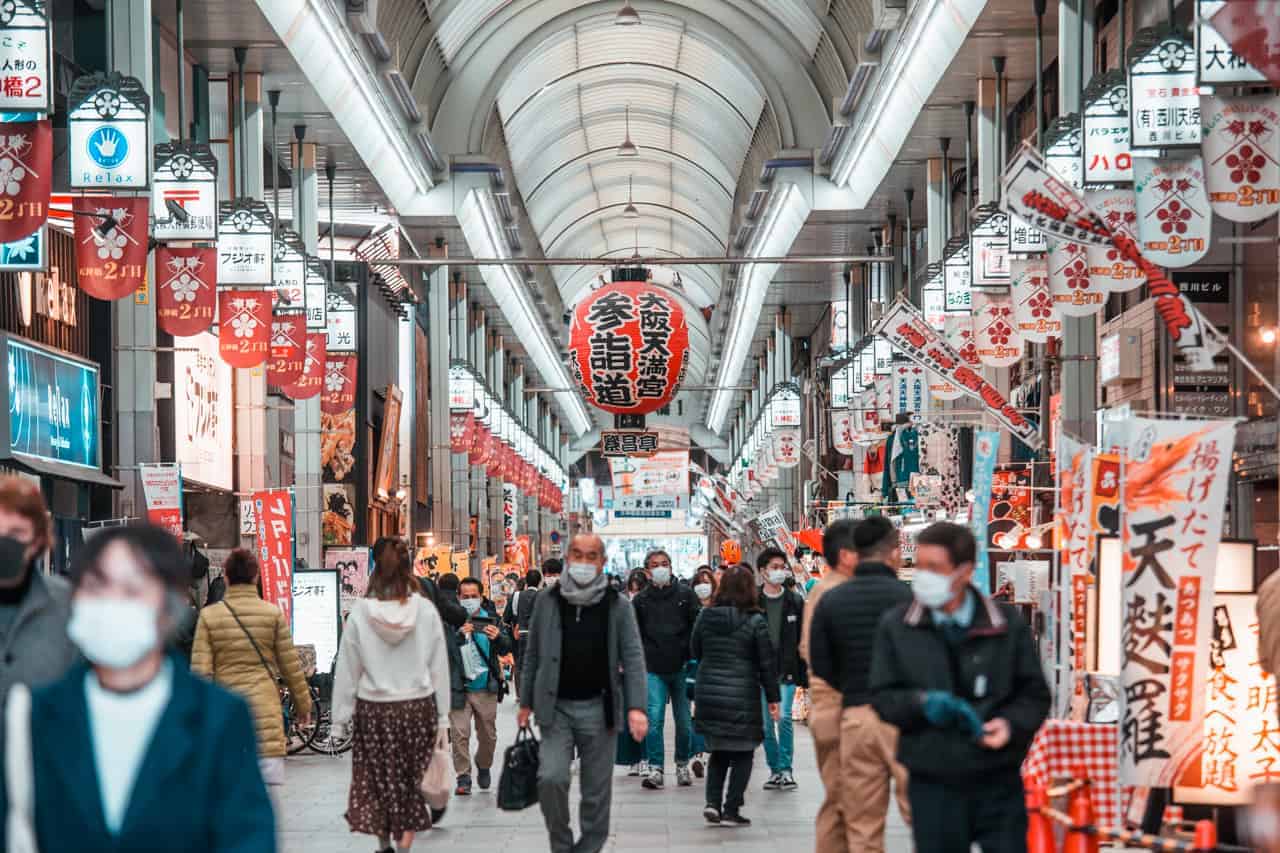
Osaka hits absolute gridlock during cherry blossom season (late March to early April) and Golden Week (late April to early May), when hotels surge in price and popular spots like Dotonbori feel like rush-hour subway cars.
Smart travellers sidestep the chaos by targeting shoulder seasons — early June before summer heat, or mid-November when autumn foliage peaks without the spring frenzy.
Booking accommodations three to six months in advance for peak periods is essential.
Flexible, last-minute windows work well for shoulder season deals.
When Osaka Is at Peak Capacity
Knowing when Osaka hits its busiest periods — and how to work around them — can make or break an entire trip.
Golden Week (late April–early May), cherry blossom season, and New Year’s are the three most congested windows.
- Book accommodations 3–6 months ahead — prime properties sell out frighteningly fast during peak windows
- Arrive at major attractions before 9 AM — Dotonbori and Osaka Castle are uncrowded at dawn
- Shift sightseeing to weekday mornings — crowds thin dramatically, revealing Osaka’s authentic rhythm
- Explore neighbourhood alternatives — Tanimachi and Fukushima offer breathing room when Namba is overwhelmed
Shoulder Season Strategies for a Smarter Visit
Travellers who time their Osaka visit during shoulder season — mid-January through February, or October through mid-November — unlock a dramatically different city: fewer crowds, hotel rates slashed by 20–40%, and restaurant queues that don’t stretch around the block.
| Period | Avg. Hotel Savings | Crowd Level |
|---|---|---|
| Mid-January–February | 35–40% | Low |
| October | 20–25% | Moderate |
| Mid-November | 25–30% | Low–Moderate |
Flight deals materialise frequently during these windows — set price alerts well in advance.
Dotonbori feels breathable, Osaka Castle grounds become genuinely strollable, and Kuromon Market vendors have time to engage.
Shoulder season delivers Osaka’s soul without the tourist surcharge.
What To Pack for Osaka by Season
Packing smart for Osaka means dressing for a city where weather swings dramatically from blistering summers to chilly winters.
Every season demands a different strategy.
- Spring: Lightweight layers, a compact umbrella, and comfortable walking shoes for cherry blossom wandering
- Summer: Breathable linen, a portable fan, high-SPF sunscreen, and sweat-wicking fabrics for humid heat
- Autumn: A medium-weight jacket, scarves, and versatile mix-and-match pieces for cool, colourful foliage days
- Winter: Thermal underlayers, a quality coat, waterproof boots, and gloves for crisp, occasionally frosty streets
For travellers combining Osaka with a Kyoto visit — which most do — the guide to best neighbourhoods to visit in Kyoto provides useful context for planning a multi-city packing list across similar seasonal conditions.
Have AI to help you with your Osaka trip packing. Use our free AI Travel Packing List advisor to help you pack.
Final Thoughts: Choosing the Best Time to Visit Osaka
Osaka rewards every season differently.
Cherry blossoms electrify spring, summer festivals ignite the streets, autumn paints Minoo Park in gold and crimson, and winter illuminations transform the city into something genuinely dreamlike.
No single “perfect” season exists.
The ideal visit aligns personal priorities — budget, crowd tolerance, weather preferences, and event interests — with what each season genuinely delivers.
Osaka doesn’t disappoint; it simply requires knowing which version of itself a traveller wants to experience.
For travellers planning a broader Japan itinerary, the Kyoto Seasonal Guide is an essential companion — Kyoto and Osaka share nearly identical seasonal rhythms and are just 15 minutes apart by shinkansen.
Frequently Asked Questions (FAQs)
Most travellers find three to four days sufficient to experience Osaka’s major highlights — Dotonbori, Osaka Castle, Shinsekai, Kuromon Ichiba Market, and Namba.
Extending to five or six days allows for day trips to Nara or Kyoto and deeper exploration of neighbourhood districts like Tanimachi and Fukushima.
Visa requirements for Japan depend on nationality.
Citizens of 74 countries and regions — including the United States, United Kingdom, Australia, Canada, and most EU nations — can enter Japan visa-free for stays of up to 90 days under Japan’s reciprocal visa exemption programme.
All visitors must hold a valid passport with at least six months’ validity.
Check the Japanese Ministry of Foreign Affairs website for the most current entry requirements before travel.
Japan’s currency is the Japanese Yen (JPY).
Osaka remains a predominantly cash-based city, particularly at smaller restaurants, street food stalls, and local markets like Kuromon Ichiba.
Major hotels, department stores, and tourist attractions increasingly accept credit cards, but carrying sufficient cash — especially for Dotonbori street food and neighbourhood eateries — is strongly recommended.
ATMs at 7-Eleven (Seven Bank, 28,000+ locations nationwide, open 24/7) and Japan Post Bank (24,000+ locations) reliably accept international Visa, Mastercard, Cirrus, Plus, and UnionPay cards; transaction fees run ¥110–¥220 per withdrawal.
Note that most standard Japanese bank ATMs (MUFG, Mizuho, Sumitomo Mitsui) do not accept foreign cards — stick to 7-Eleven, Japan Post, Lawson Bank, or AEON Bank ATMs.

A lifestyle and OOTD blogger, Kannaya Nareswari enjoys the small pleasures of cooking, traveling, and documenting ordinary events. She uses genuine storytelling to communicate her love of fashion, culinary explorations, and wanderlust. She is based between Bali and Bandung. She enjoys enjoying coffee at a secret café or experimenting with recipes in the kitchen when she's not traveling to new places or styling her most recent ensemble.