



Osaka Travel Guide: Everything to Know Before You Go – Osaka rewards the prepared traveler with its vibrant street food scene, intuitive metro system, and remarkably low crime rates that make solo exploration genuinely enjoyable.
Iconic spots like Dotonbori and Osaka Castle sit alongside hidden gems, while local customs — removing shoes, skipping tips, and embracing the glorious noodle slurp — shape every authentic encounter.
Spring cherry blossoms and autumn foliage mark the best visiting windows, though every season brings its own distinct magic.
Key highlights before you go:
- Osaka Metro and JR lines cover every major neighborhood; an IC card (ICOCA or Suica) is the smartest way to pay.
- Japan consistently ranks among the world's safest countries, and Osaka is no exception — solo travelers explore freely, even at night.
- Tipping is not practiced in Japan; leaving extra money can make service staff uncomfortable.
- Spring (March–May) and autumn (October–November) offer the best weather and scenery; book accommodation early for these peak windows.
- Core etiquette: remove shoes before entering homes, bow when greeting locals, and avoid eating while walking.
What Is Osaka? City Overview and Why It Belongs on Your Japan Itinerary
Osaka is Japan’s third-largest city, located in the Kansai region of western Japan, with a population of approximately 2.7 million in the city proper and around 19 million in the greater metropolitan area.
It sits roughly 400 km west of Tokyo and 75 km west of Kyoto, making it the natural hub of the Kansai corridor.
Unlike Tokyo’s polished intensity or Kyoto’s temple-heavy solemnity, Osaka operates on a louder, grittier, and more openly welcoming frequency.
Locals are famously warm, conversations with strangers happen naturally, and the city’s centuries-old merchant culture — known as chonindo — has shaped a civic identity built on practicality, humor, and an almost religious devotion to good food.
What is Osaka famous for?
Primarily three things: legendary street food, electric nightlife, and a comedy tradition (manzai) that stretches back centuries.
The phrase kuidaore — “eat until you drop” — is Osaka’s unofficial motto, and visitors understand it completely within hours of arrival.
Osaka tourism continues growing because the city delivers authentic, unfiltered Japan without the overwhelming crowds of Tokyo’s top districts.
Curious, free-spirited travelers who want real experiences over curated Instagram moments will find Osaka consistently over-delivers.
Is Osaka Worth Visiting?
Yes! Osaka is absolutely worth visiting.
It offers world-class street food, a highly efficient transit system, exceptional safety, and easy access to Kyoto, Nara, and Kobe, all at a lower daily cost than Tokyo.
Osaka stands apart because it combines genuine cultural depth with an unpretentious, welcoming atmosphere that few major cities match.
Solo travelers, families, and first-time Japan visitors all find their footing quickly here.
The city’s Dotonbori entertainment district, Osaka Castle, and Kuromon Ichiba Market alone justify the trip.
Add day-trip access to some of Japan’s most iconic destinations, and the value proposition becomes difficult to argue against.
For travelers already planning a Kansai itinerary, Osaka pairs naturally with Kyoto.
Our guide to the best neighborhoods to visit in Kyoto shows how the two cities complement each other perfectly.
What Region Is Osaka In and How That Shapes the Experience
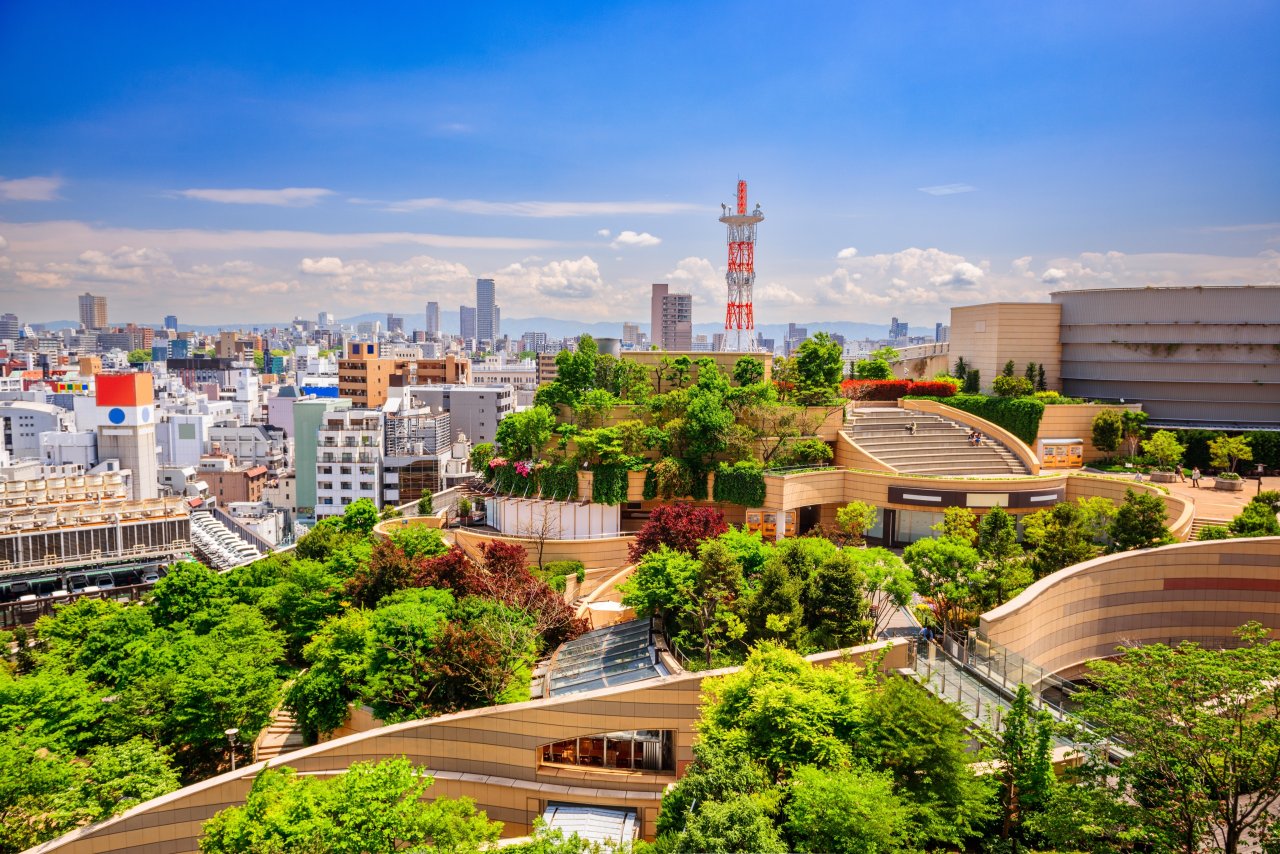
Osaka sits in the Kansai region (also called Kinki) of western Japan — a cultural heartland that operates on a distinctly different frequency from the Tokyo-centric east.
Kansai is home to Osaka, Kyoto, Nara, Kobe, and Hiroshima, making it Japan’s single richest corridor for history, cuisine, and traditional arts.
The regional identity bleeds into everything in Osaka: the dialect (Kansai-ben), the humor, the obsession with food, and the way strangers actually initiate conversations.
Travelers who understand this regional context arrive with a crucial mental framework.
Kansai’s position also makes Osaka an ideal base for regional exploration.
Kyoto is 15 minutes away by Shinkansen, Nara is 45 minutes by express train, and Hiroshima is reachable in under 90 minutes.
The top day trips from Kyoto overlap significantly with Osaka’s own day-trip menu, giving flexible travelers maximum options from a single base.
Osaka’s Key Districts and City Layout at a Glance
Osaka divides broadly into a northern hub (Kita) and a southern hub (Minami), connected by the Midosuji subway line — the city’s main artery.
Kita (North) is anchored by Umeda, Osaka’s commercial and transport center, home to the Osaka Station complex, department stores, and the futuristic Umeda Sky Building.
Minami (South) pulses with Namba and Dotonbori — the neon-lit entertainment and street food district that most visitors picture when they think of Osaka. Shinsaibashi
connects the two with a long covered shopping arcade.
Beyond these cores, Tennoji offers Osaka Castle, the city zoo, and the retro Shinsekai neighborhood. Nakazakicho
in the north surprises visitors with independent vintage shops and artist cafés.
Understanding this layout before arrival transforms Osaka travel from overwhelming to genuinely exhilarating.
What Is Osaka Known For? Food, Culture, and History
Osaka’s identity rests on three interconnected pillars: food, performing arts, and merchant history.
Each shapes the city’s atmosphere in ways that become obvious within the first day.
Food is the dominant cultural force.
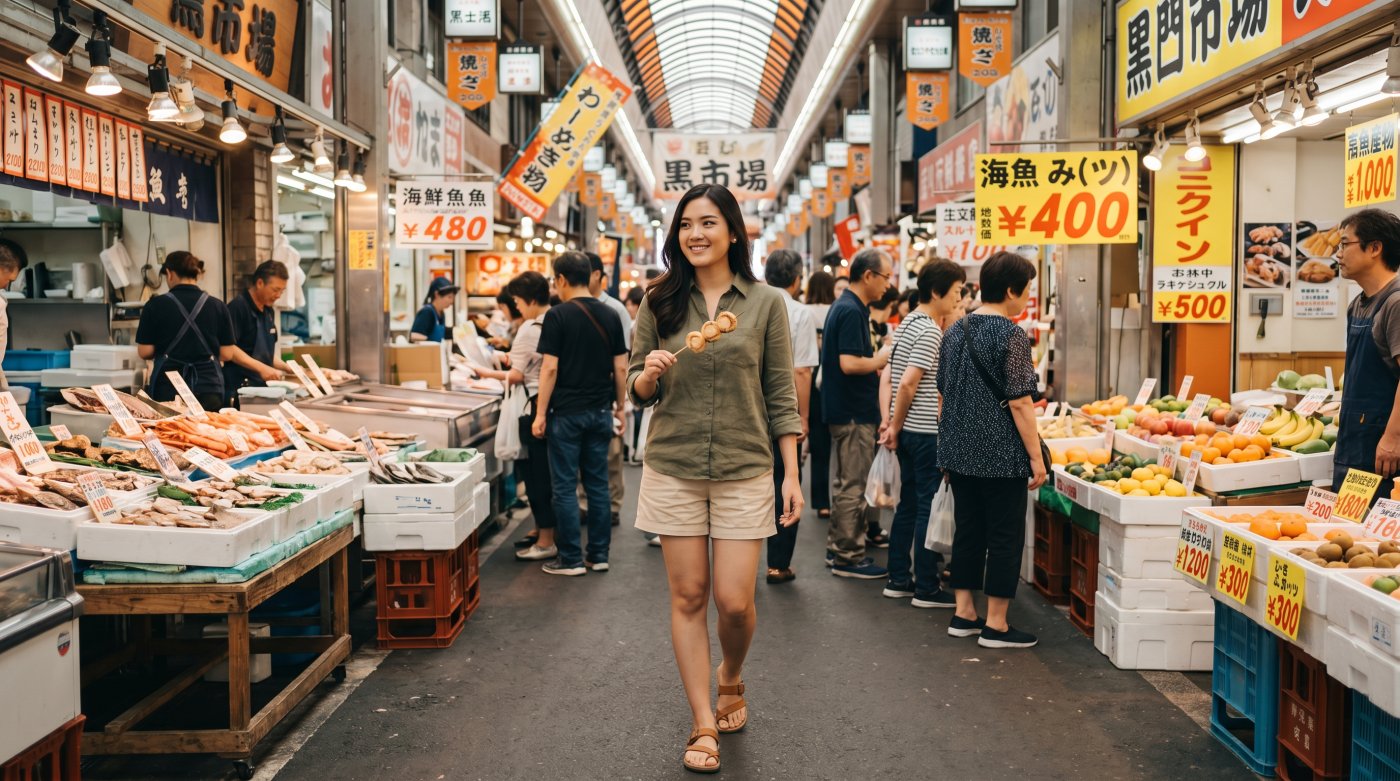
Osaka’s street food scene — centered on takoyaki, okonomiyaki, and kushikatsu — is internationally recognized, and the city’s covered market, Kuromon Ichiba, houses over 170 vendors selling fresh seafood, produce, and prepared foods.
Performing arts run deep.
Osaka is the birthplace of bunraku, the UNESCO-recognized puppet theater tradition dating to the 17th century (designated an Intangible Cultural Heritage by UNESCO in 2003).
The National Bunraku Theatre in Nipponbashi stages regular performances throughout the year across four to five annual seasons; the 2026 schedule includes a Spring Performance (April 4–26, 2026) and further seasons through summer and autumn.
Ticket prices range from approximately ¥4,200 to ¥6,700 per adult depending on the program and seating tier (student discounts available).
Single-act tickets can be purchased at the theatre box office on the day of performance for a lower entry price.
The English-language audio guide (¥700, plus a refundable ¥1,000 deposit) is highly recommended for first-time visitors.
Check the official National Bunraku Theatre website for the latest schedule and online booking.
Merchant history explains the city’s character.
Osaka was Japan’s commercial capital for centuries, and the chonindo merchant ethos — pragmatic, unpretentious, value-conscious — still defines how locals interact, negotiate, and eat.
| Category | Experience | Why It Matters |
|---|---|---|
| History | Osaka Castle (1583) | 16th-century power symbol, rebuilt 1931 |
| Arts | Bunraku puppet theater | UNESCO Intangible Cultural Heritage |
| Commerce | Kuromon Ichiba Market | 170+ vendors, daily fresh market |
| Food | Dotonbori street stalls | Ground zero for Osaka’s food culture |
| Architecture | Umeda Sky Building | Futuristic floating garden observatory |
Is Osaka Safe for Tourists?
Osaka is extremely safe for tourists.
Japan consistently ranks in the top tier of global safety indices, and Osaka reflects that national standard — violent crime is rare, petty theft is uncommon, and lost wallets are frequently returned to police boxes (koban).
- Solo travelers, including women traveling alone, navigate Osaka freely at night without the heightened alertness many other major cities demand. The city’s well-lit streets, orderly public transport, and visible police presence contribute to a genuinely secure environment.
- Families benefit from clean, clearly signposted train stations and locals who readily assist confused tourists. First-timers find the city forgiving and intuitive even without Japanese language skills.
The most significant risk in Osaka is overeating at Dotonbori.
No traveler has ever left hungry — or unsafe.
When Is the Best Time to Visit Osaka?
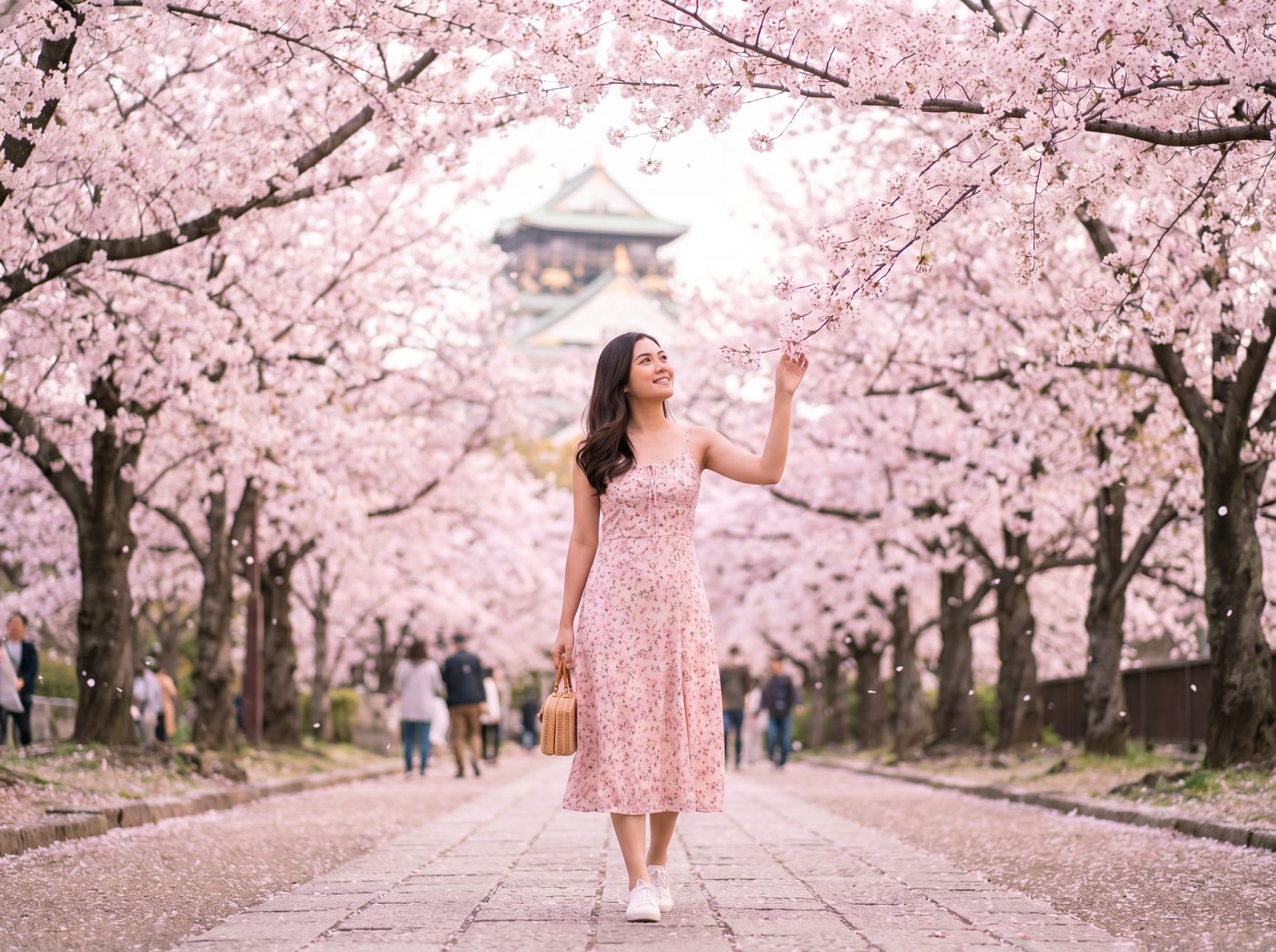
The best time to visit Osaka is spring (late March to early May) or autumn (mid-October to late November), when temperatures range between 15–22°C, crowds are energetic rather than overwhelming, and the city’s parks and gardens reach peak visual beauty.
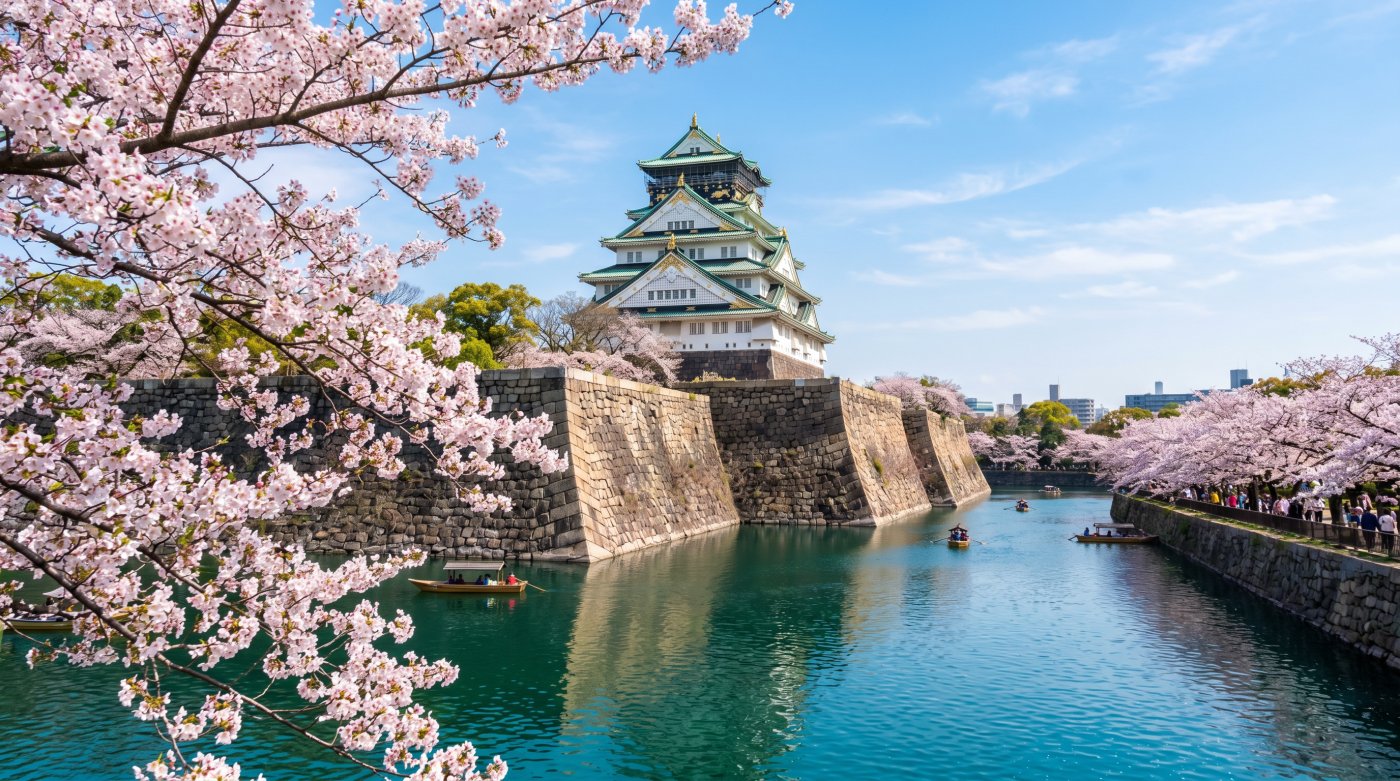
- Spring brings cherry blossoms to Osaka Castle Park, typically peaking in late March to early April. This is the city’s most photographed season and its most popular — book accommodation at least 2–3 months in advance.
- Autumn delivers crimson and gold maple foliage across Minoo Park and the castle grounds, with comfortable walking temperatures and major cultural festivals including Tenjin Matsuri’s autumn celebrations.
- Summer (June–September) is hot and humid, with temperatures regularly exceeding 35°C and a rainy season in June–July. However, summer hosts Tenjin Matsuri (late July), one of Japan’s three grandest festivals, featuring river processions and fireworks. Night markets and rooftop beer gardens keep the city alive after dark.
- Winter (December–February) sees temperatures drop to 5–10°C. Crowds thin significantly, hotel prices fall, and illumination festivals in Namba and Umeda create a different but genuinely beautiful atmosphere. Osaka Castle becomes strikingly uncrowded.
For a detailed seasonal comparison, read our guide on best time to visit Osaka to help improve your month-to-month Osaka trip planning.
Getting to Osaka: Airports and Arrival Options
Osaka is served by two airports: Kansai International Airport (KIX) and Osaka Itami Airport (ITM).
Choosing correctly saves significant time and money.
- Kansai International Airport (KIX) handles all international flights and sits on an artificial island in Osaka Bay, approximately 50 km from the city center. The Haruka Express connects KIX to Osaka Station (Umeda) in approximately 47 minutes and to Shin-Osaka in approximately 50 minutes; the Nankai Rapi:t reaches Namba in approximately 34 minutes. Single fares range from ¥1,490 (Nankai Rapi:t to Namba, ordinary seat) to ¥2,200 (Haruka Express to Osaka Station, non-reserved seat), depending on route and seat class.
- Osaka Itami Airport (ITM) serves domestic routes exclusively and sits approximately 15 km from the city center. Limousine bus services (operated by Hankyu Kanko Bus) connect ITM to Osaka Station (Umeda) and Namba Station in approximately 25–30 minutes, costing ¥650 per adult for most central Osaka destinations (fares revised April 2025).
Travelers arriving from Tokyo by Shinkansen reach Shin-Osaka Station in approximately 2 hours 21 minutes on the Nozomi service, with fares starting at ¥13,870 for a non-reserved seat (reserved seat from ¥14,720; seasonal surcharges apply during peak periods).
Getting Around Osaka: Trains, Subways, and IC Cards
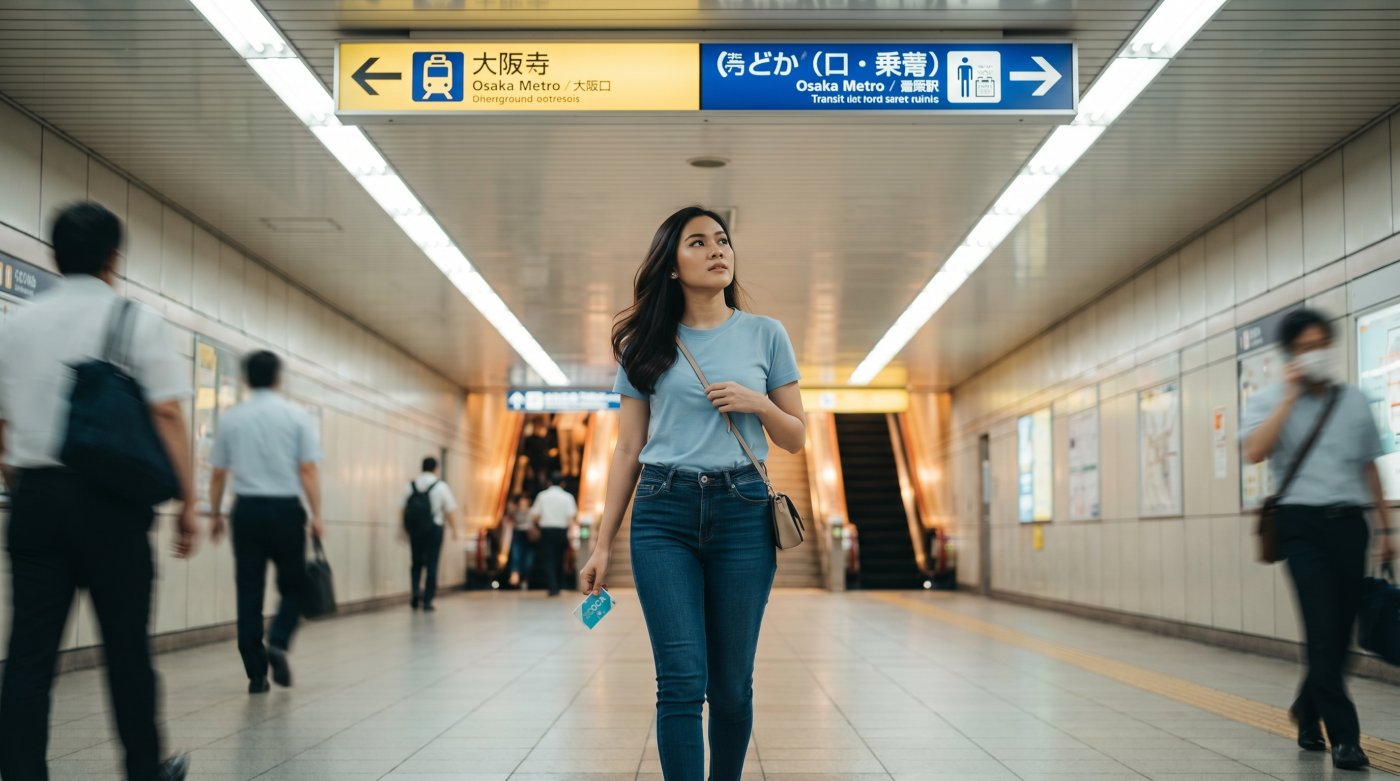
Osaka’s transit network is one of the most efficient in the world.
The Osaka Metro (8 lines) and JR Osaka Loop Line cover every neighborhood worth visiting, making car rental completely unnecessary.
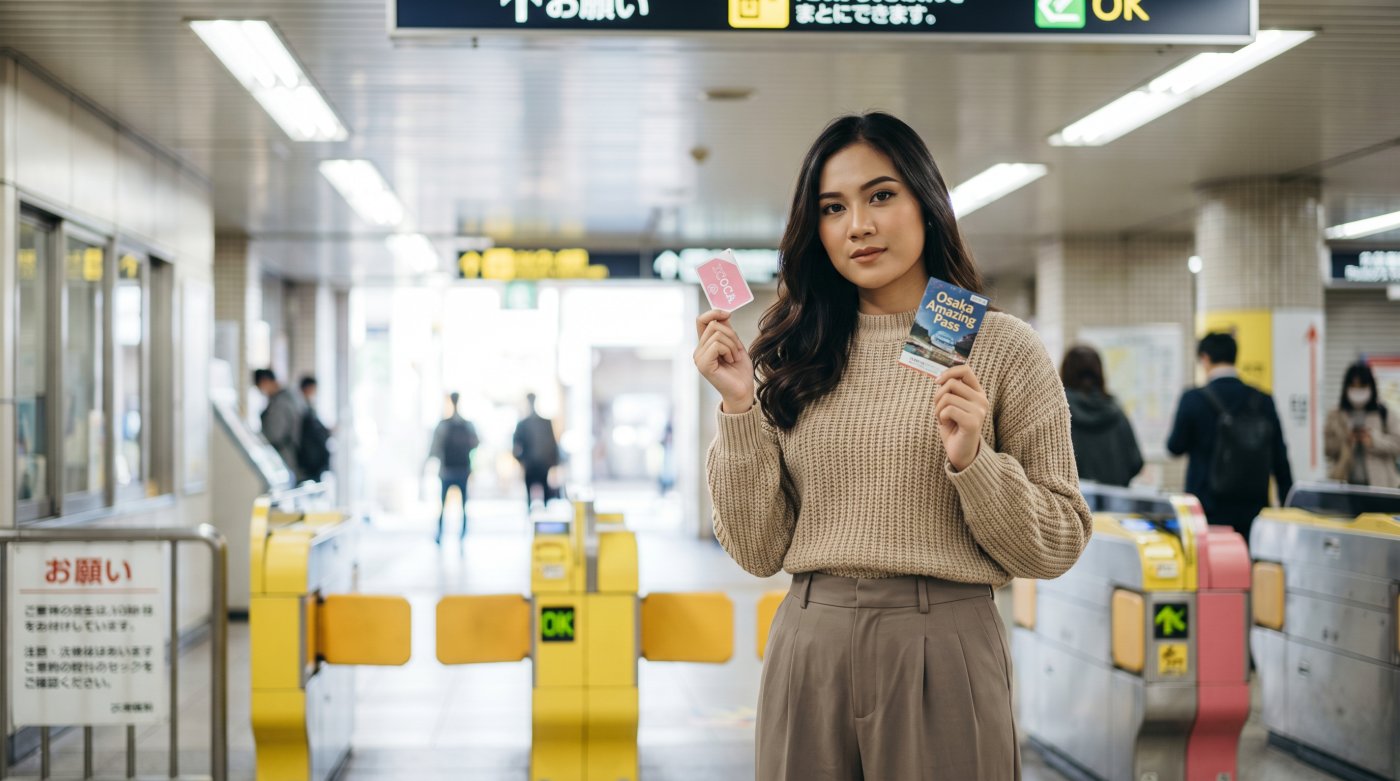
The single smartest move upon arrival is obtaining an IC card — either ICOCA (issued by JR West) or Suica (issued by JR East, usable throughout Japan).
These rechargeable contactless cards work on subways, buses, JR trains, and at most convenience stores and vending machines.
They eliminate the need to purchase individual tickets at every station.
Day passes offer unlimited Metro rides for ¥820 on weekdays and ¥620 on weekends and public holidays (digital 26-hour pass: ¥1,000; 48-hour pass: ¥1,700) — cost-effective for days involving four or more subway journeys.
Stations display clear English signage throughout, and the Metro app provides real-time route planning in English.
Taxis are widely available but significantly more expensive than public transit.
Ride-hailing apps including GO, DiDi, Uber Taxi, S.RIDE, and NearMe all operate in Osaka; GO and DiDi are the most widely used by tourists and both support English-language interfaces.
Day Trips From Osaka Worth Taking
Osaka’s position in the Kansai corridor makes it one of the best-connected bases in Japan for day trips.
Several world-class destinations sit within 15–90 minutes by train.
- Day Trip to Kyoto from Osaka (15 min by Shinkansen, 75 min by Hankyu/Keihan express) — ancient temples, bamboo forests, geisha districts, and traditional gardens.
- Day Trip to Nara from Osaka (45 min by Kintetsu express) — Todai-ji Temple, the Great Buddha, and freely roaming sacred deer in Nara Park.
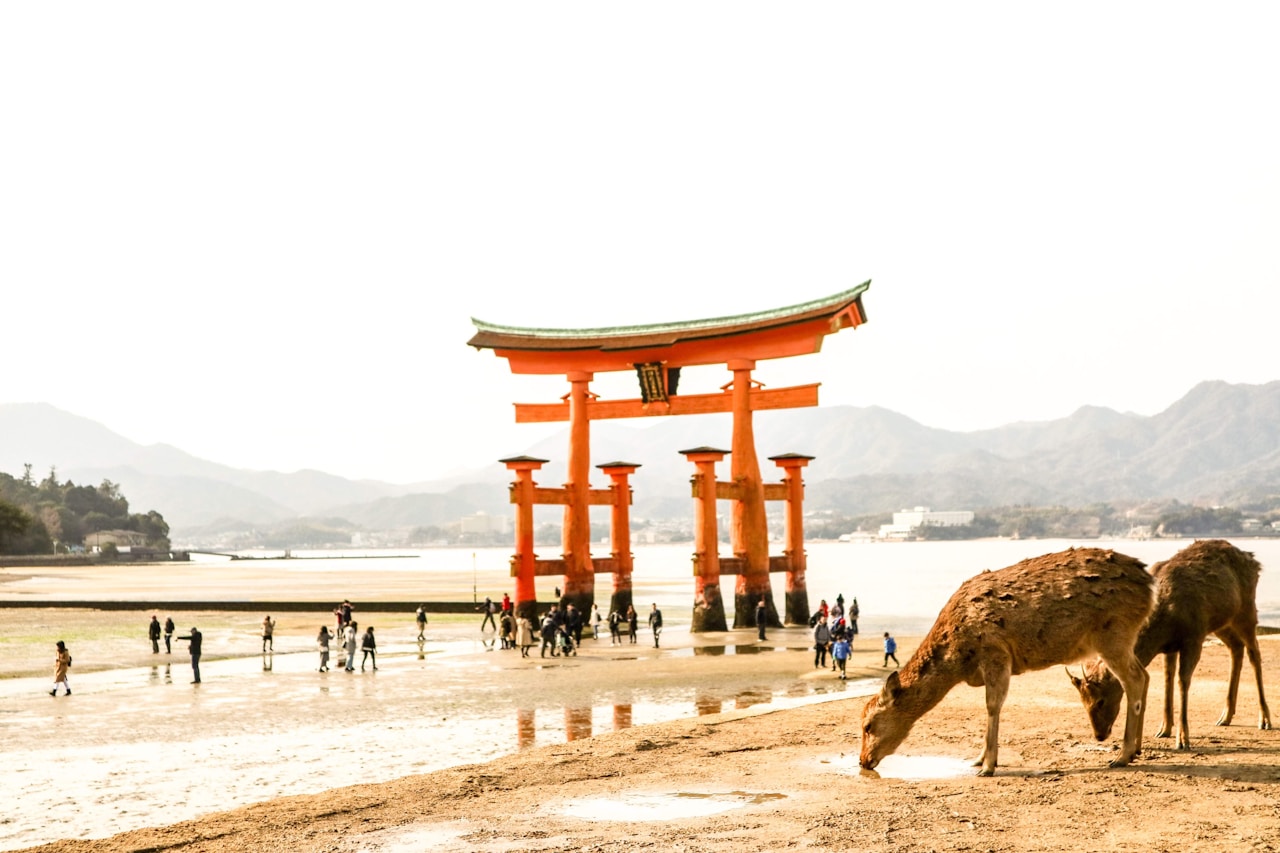
- Day Trip to Hiroshima from Osaka (85 min by Shinkansen) — the Peace Memorial Museum and Miyajima Island’s floating torii gate.
- Day Trip to Kobe from Osaka (30 min by Hankyu or JR) — waterfront dining, Kitano-cho foreign settlement district, and Kobe beef restaurants.
- Day Trip to Himeji from Osaka (60 min by Shinkansen) — Japan’s finest surviving feudal castle, a UNESCO World Heritage Site.
For travelers combining Osaka with a broader Kansai itinerary, our budget travel guide to Kyoto covers affordable ways to extend the trip without overspending.
Essential Things to Know Before Your Osaka Trip
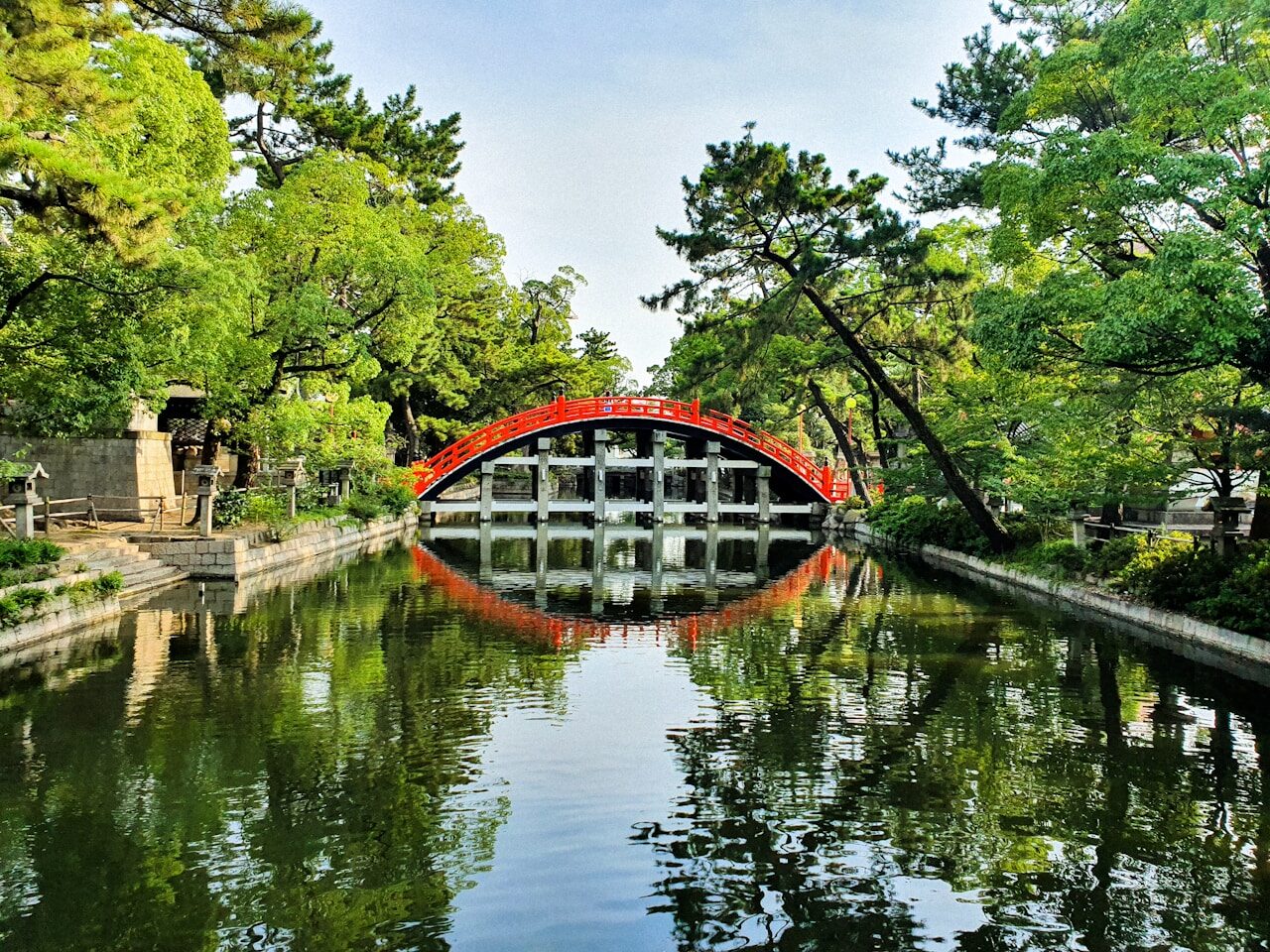
A handful of practical fundamentals separate a smooth Osaka trip from a frustrating one.
Japan’s systems are efficient but specific — knowing the rules in advance prevents avoidable friction.
Cash, Currency, and Tipping in Osaka
Osaka runs heavily on cash.
Many restaurants, temples, smaller shops, and market vendors do not accept credit cards — this is not a developing-world infrastructure gap; it is a deliberate cultural preference for physical currency.
The currency is the Japanese Yen (JPY).
As of late April 2026, approximate exchange rates are ¥158–¥160 per USD and ¥186–¥187 per EUR.
Rates have shifted considerably from 2025 levels, so use a live converter before budgeting your trip.
The most reliable ATMs for foreign cards are at 7-Eleven convenience stores and Japan Post offices, which accept Visa, Mastercard, and Maestro.
Airport currency exchange counters offer poor rates — avoid them.
Tipping is not practiced in Japan. Leaving extra money at a restaurant or for a taxi driver is not customary and can cause genuine discomfort.
The price on the bill is the price paid — no additions expected or welcomed.
Keep small denomination coins (¥10, ¥100, ¥500) for vending machines, coin lockers, and local market stalls.
Japan has one of the world’s highest vending machine densities, and coins are genuinely useful throughout the day.
Language Basics for Osaka Visitors
English signage covers all major train stations, tourist attractions, and most restaurant menus in central Osaka.
Functional navigation requires no Japanese.
However, a small vocabulary of key phrases unlocks noticeably warmer interactions.
Essential Japanese phrases to know and remember are as follows:
- Sumimasen — Excuse me / Sorry (universally useful)
- Arigatou gozaimasu — Thank you (formal)
- Ikura desu ka? — How much is this?
- Eigo no menyu wa arimasu ka? — Do you have an English menu?
- Ookini — Thank you in Kansai dialect (delights local shopkeepers)
Osaka natives speak Kansai-ben, a regional dialect noticeably different from standard Tokyo Japanese.
Travelers should not be alarmed when familiar phrases sound unfamiliar — locals understand standard Japanese perfectly.
Google Translate‘s camera function handles menus and signage in real time.
A downloaded offline Japanese language pack eliminates dependence on Wi-Fi for translation.
Staying Connected: Wi-Fi and SIM Options
Staying connected in Osaka is straightforward.
Three primary options suit different travel styles:
eSIM cards activate before departure via a smartphone app, providing immediate connectivity upon landing. Providers including Airalo and Saily offer Japan data plans from approximately USD 4 for 1 GB (3 days) up to USD 25 for 20 GB (30 days); a 5 GB / 7-day plan runs around USD 10–12 and covers most one-week trips comfortably. This is the lowest-friction option for solo travelers with compatible devices.
Pocket Wi-Fi rentals connect multiple devices simultaneously and can be collected at the airport. Standard 4G LTE daily rental costs run approximately ¥400–¥600 per day; premium 5G/unlimited plans run ¥800–¥1,200 per day, with long-term rentals (14+ days) typically 30–50% cheaper. Ideal for groups or travelers with older devices lacking eSIM capability.
Physical SIM cards are available at convenience stores including 7-Eleven, FamilyMart, and Lawson (particularly in tourist-heavy areas and airports), as well as at electronics retailers like Bic Camera and Yodobashi Camera, which offer a wider selection and occasional setup assistance. Data-only plans run approximately ¥2,000–¥5,500 for 7–31 days depending on data allowance and validity period.
Free Wi-Fi is available at major train stations, shopping districts, and most tourist landmarks, but coverage gaps exist in residential neighborhoods and smaller restaurants.
 Airalo
 Yesim
Yesim Saily
Saily Klook
Klook NordVPN
Etiquette Rules Every Osaka Visitor Should Know
Japanese social etiquette is specific, consistent, and genuinely important to observe.
Violations rarely cause confrontation — but they do create visible discomfort and mark a traveler as inattentive.
- Shoes off before entering private homes and traditional zashiki floor-seating restaurants. Look for a step up at the entrance (genkan) as the signal.
- Bowing when greeting locals communicates respect. A slight nod-bow is sufficient for casual interactions; deeper bows are reserved for formal situations.
- Quiet on public transport. Phones on silent mode, voices kept low, and phone calls avoided on trains and buses. This is observed universally and expected of visitors.
- No eating while walking. Street food is purchased and consumed standing at or near the stall, not carried through the streets. Dotonbori is a partial exception, but the general norm holds.
- Trash bins are rare in public spaces. Carry a small bag for wrappers and packaging until a bin is found — typically at convenience stores or train stations.
- Queue discipline is absolute. Lines form and are respected without exception. Cutting a queue, even accidentally, causes significant social friction.
Top Things to Do in Osaka: Must-Visit Attractions
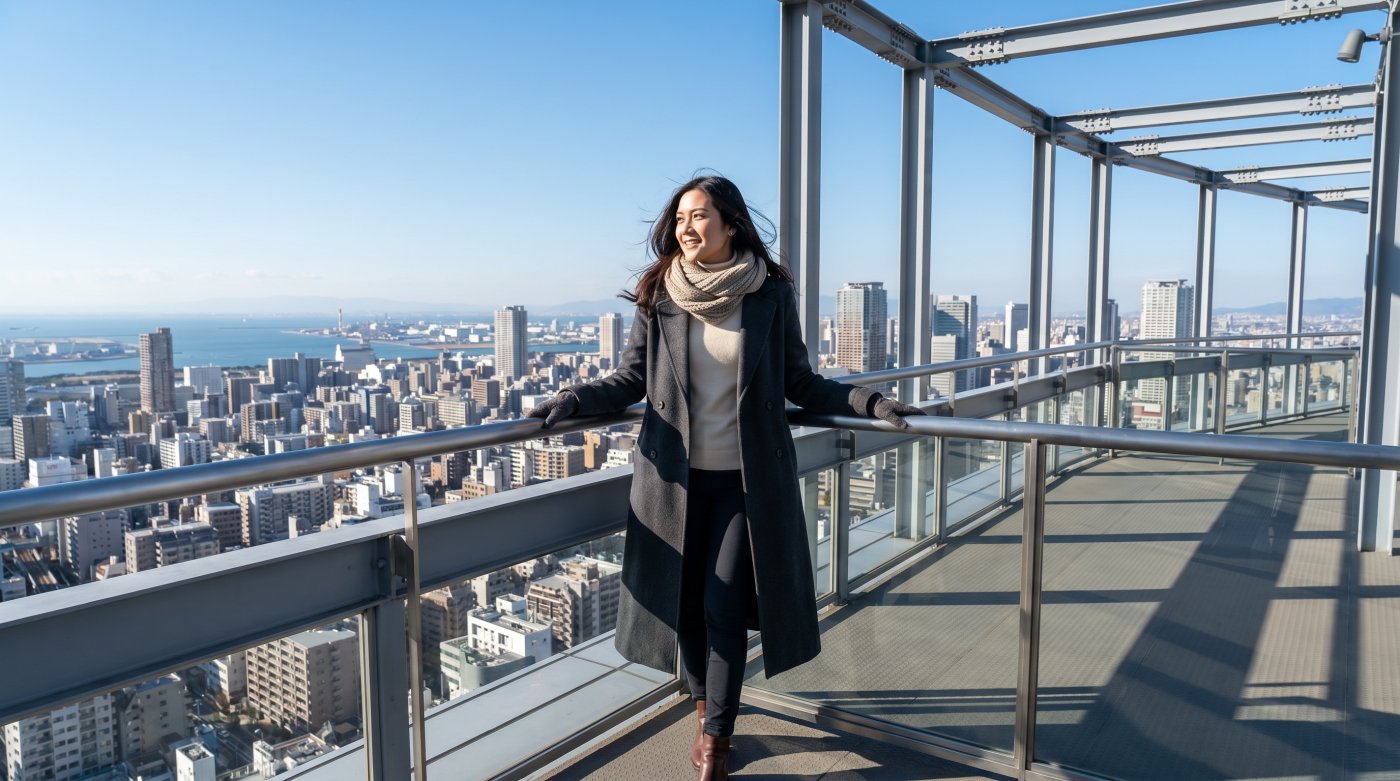
Osaka packs an exceptional density of landmarks, markets, and cultural experiences into a compact, walkable city.
The list below covers the essential stops for first-time visitors, organized by district. For more detailed list, read our latest post about the best things to do and see in Osaka.
Osaka’s Major Landmarks
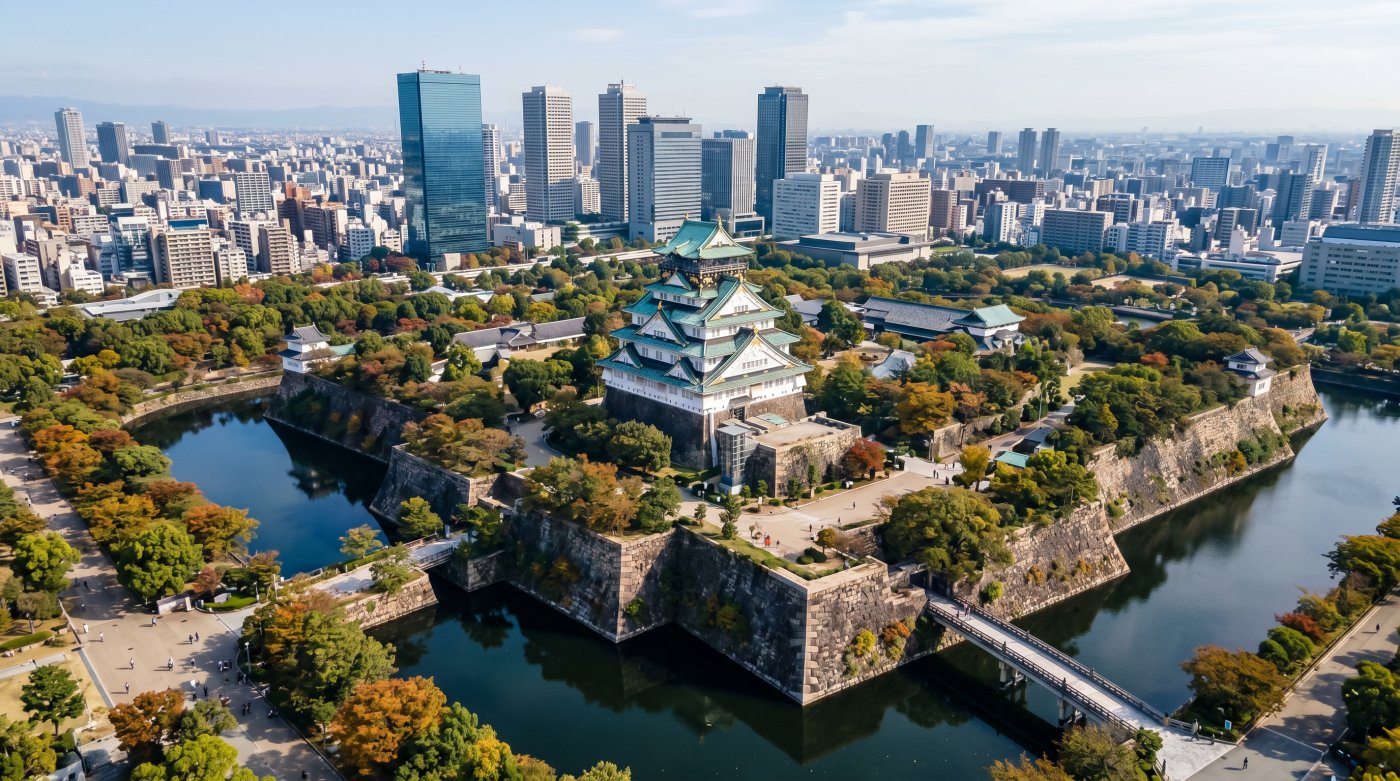
Osaka Castle (Osaka-jo) is the city’s defining landmark — a 16th-century fortress originally built by Toyotomi Hideyoshi in 1583, reconstructed in 1931, and surrounded by a moat and expansive park. The castle museum inside covers Osaka’s feudal history across eight floors. Admission: ¥1,200 for adults (¥600 for university and high school students; free for junior high school students and younger). Open 9:00 AM to 5:00 PM daily (last admission 4:30 PM), with extended hours during peak seasons; closed December 28 to January 1.
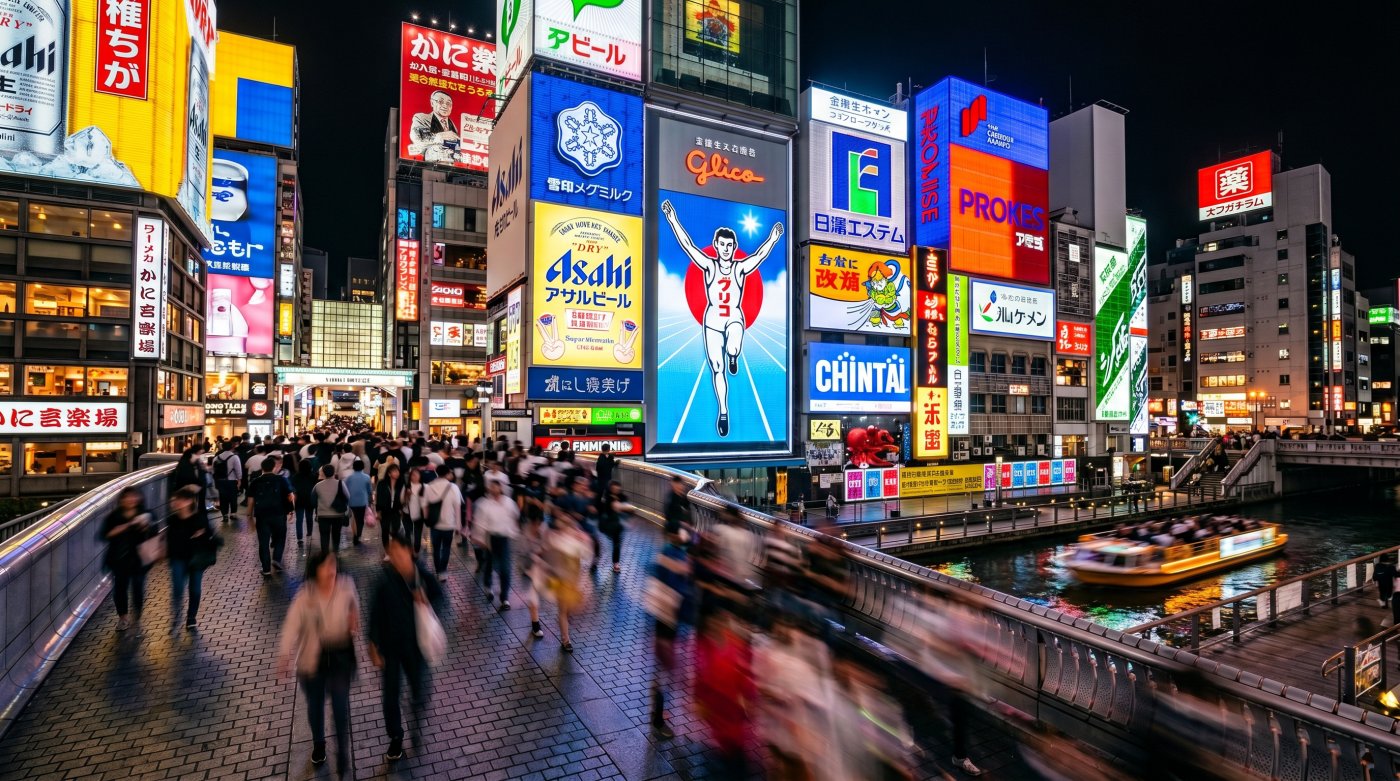
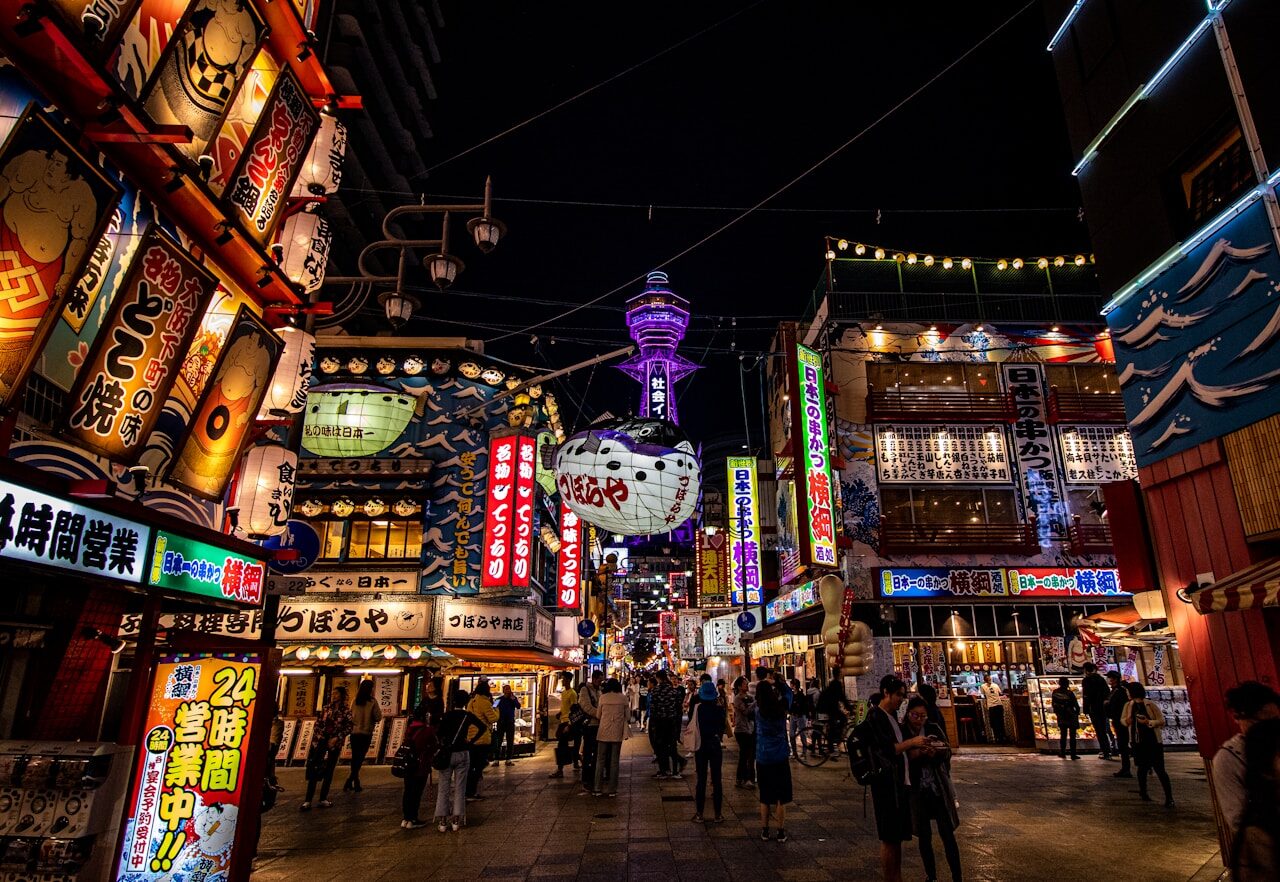
Dotonbori is the entertainment and street food district centered on the Dotonbori canal in Namba. The iconic Glico Running Man sign and the giant mechanical Kani Doraku crab are the district’s most photographed landmarks. Best experienced after dark when the neon reflections hit the canal.
Shinsekai is a retro neighborhood built in 1912 to evoke Paris and New York, now preserving a nostalgic 1950s atmosphere. It is the home of kushikatsu (deep-fried skewered foods) and the Tsutenkaku Tower, which offers city views from 91 metres. Admission: ¥1,200 per adult (¥600 for children; free for children aged 4 and under). Open 9:00 AM to 10:00 PM daily (ticket sales until 9:30 PM).
Umeda Sky Building features a “Floating Garden Observatory” on the 39th floor, offering 360-degree panoramic views of Osaka. Admission: ¥2,000 per adult (¥500 for children aged 4–12; free for children under 4). Open 9:30 AM to 10:30 PM daily (last admission 10:00 PM).
Sumiyoshi Taisha is one of Japan’s oldest Shinto shrines, predating the introduction of Chinese architectural styles. Located in southern Osaka and accessible by Hankai tram, it offers a peaceful, uncrowded alternative to more famous Kansai shrines.
Kuromon Ichiba Market — nicknamed “Osaka’s Kitchen” — is a 580-metre covered market with over 150 stalls selling fresh seafood, produce, and prepared foods. Most stalls open from approximately 8:00 AM to 6:00 PM daily, with the market at its most lively between 9:00 AM and 4:00 PM; restaurants and cafes typically open around 11:00 AM.
Hidden Things to Do in Osaka Beyond the Main Attractions
The Osaka that most guidebooks underserve rewards genuinely curious travelers with experiences that feel entirely personal.
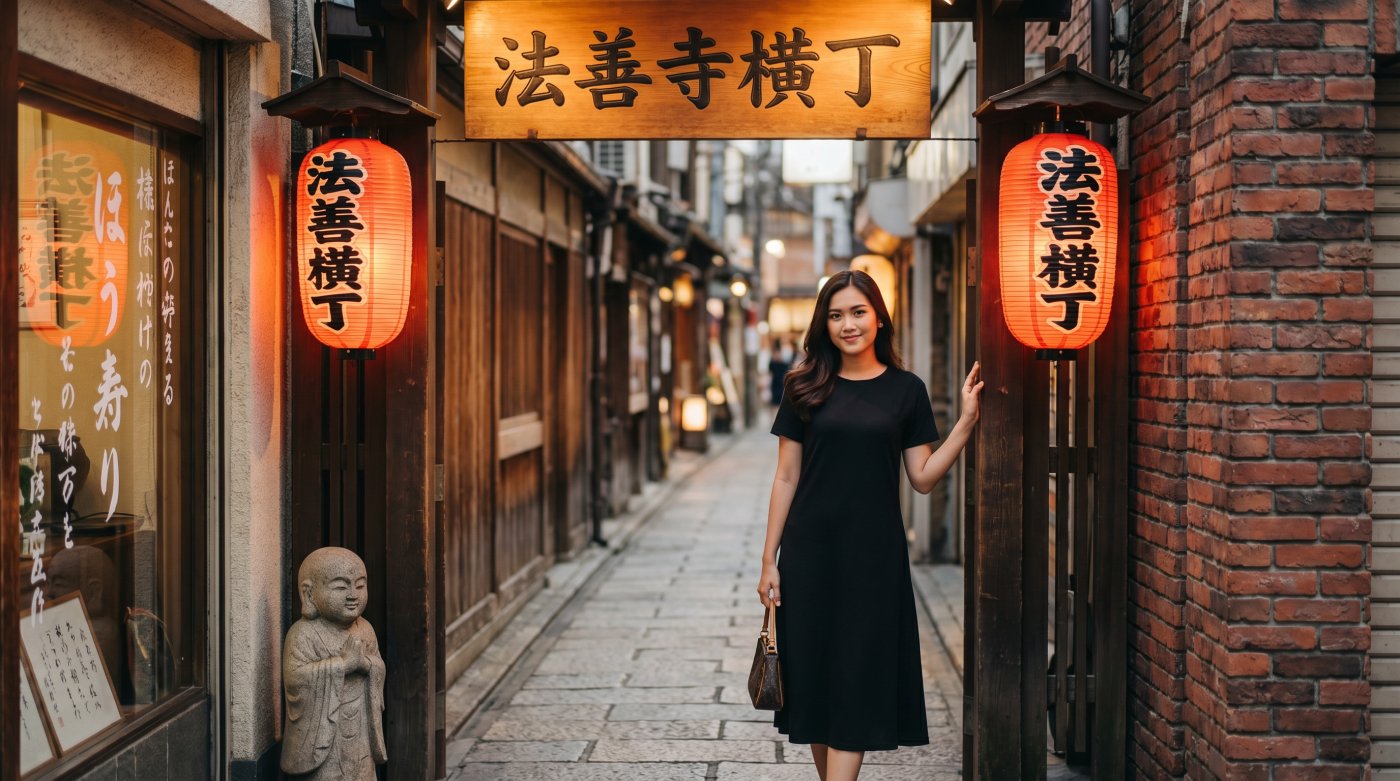
- Hozenji Yokocho is a narrow moss-covered stone lantern alley near Namba, housing traditional restaurants and bars in an atmosphere that feels genuinely feudal. The moss-covered Fudo Myo-o statue at the alley’s center is a local ritual stop.
- Nakazakicho surprises visitors with independent vintage clothing shops, artist studios, and tiny cafés where Osaka’s creative community congregates. It sits a short walk from Tenjinbashisuji, Japan’s longest covered shopping street.
- Tempozan Harbor Village offers harbor views, the Osaka Aquarium Kaiyukan (one of the world’s largest), and a giant Ferris wheel — a full half-day destination that most city-center-focused itineraries miss entirely.
- Minoo Park (Mino Park), 30 minutes north of central Osaka by Hankyu rail, delivers a forested gorge walk to a 33-meter waterfall — spectacular during autumn foliage season and genuinely uncrowded compared to Kyoto’s equivalent spots.
Osaka’s Food Scene: What to Eat and Where
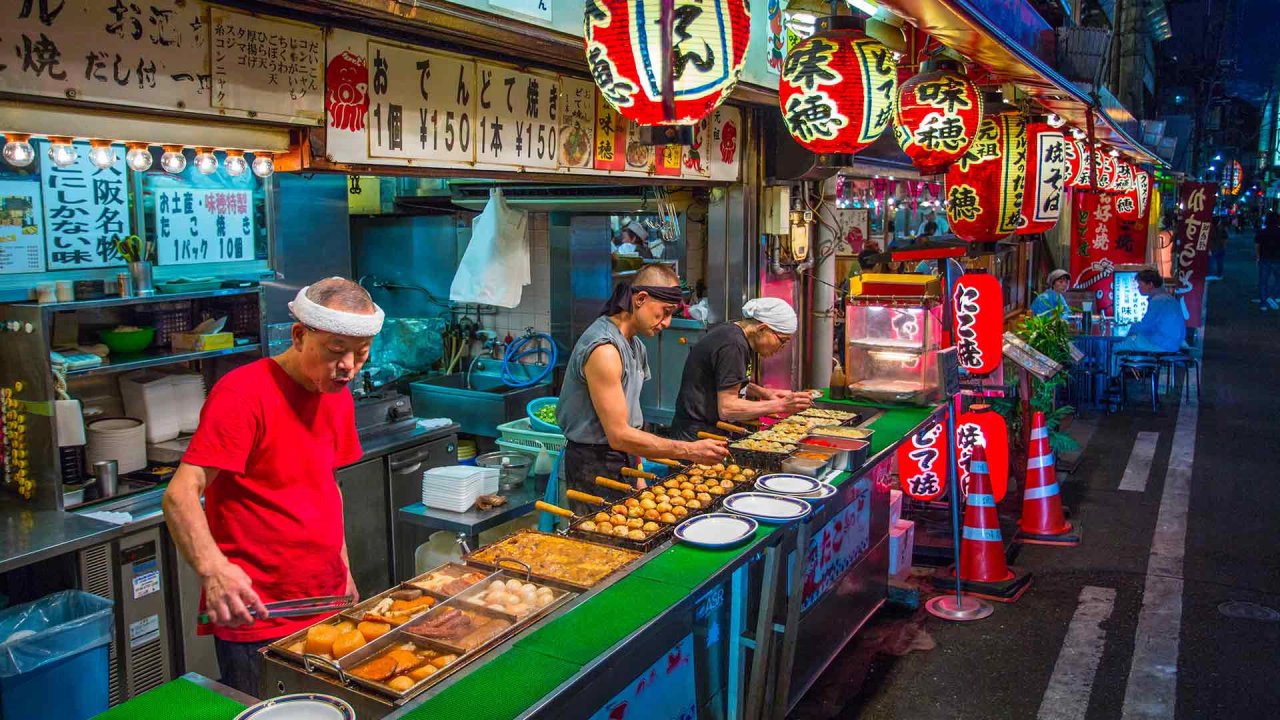
Osaka’s food identity is built on the concept of kuidaore — “eat until you drop” — and the city takes this seriously at every price point, from ¥200 street snacks to multi-course kaiseki dinners.
Street Food Osaka Is Famous For
Dotonbori and Kuromon Ichiba Market are the two primary destinations for Osaka’s legendary street food culture.
Both are walkable from Namba Station.
Must-eat street foods:
- Takoyaki — Crispy-outside, molten-inside octopus balls, drizzled with savory sauce, mayonnaise, and bonito flakes. Typically ¥500–¥800 for 6–8 pieces.
- Okonomiyaki — Savory cabbage-and-batter pancakes loaded with meat or seafood, topped with okonomiyaki sauce and mayo. Osaka-style differs from Hiroshima-style in that ingredients are mixed rather than layered.
- Kushikatsu — Deep-fried skewered meats and vegetables with a communal tangy dipping sauce. The cardinal rule: no double-dipping. Shinsekai is the home district.
- Ikayaki — Grilled whole squid pressed flat on a griddle, served on a stick. Smoky, tender, and deeply savory.
- Negiyaki — A lighter, herbaceous green onion pancake variant, less filling than standard okonomiyaki.
Sit-Down Dining Customs Worth Knowing
Osaka’s sit-down restaurant culture has its own specific conventions that reduce confusion significantly when understood in advance.
Many restaurants display plastic food replicas (sampuru) or picture menus in the window — point-and-order works reliably even without Japanese.
A significant number of casual restaurants use ticket vending machines (shokken): select and pay for your meal at the machine before sitting, then hand the ticket to staff.
Slurping noodles loudly is not rude — it signals enjoyment and is culturally expected.
Traditional zashiki restaurants with floor seating require shoes off at the entrance. Tipping remains unnecessary
in all sit-down contexts.
Most restaurants provide a small wet towel (oshibori) upon seating — use it to clean hands before eating, then set it aside.
How Much Does It Cost to Visit Osaka?
Osaka is significantly more affordable than Tokyo for equivalent travel styles.
Daily budgets vary widely depending on accommodation choices and dining habits, but the city rewards budget-conscious travelers particularly well given the quality and quantity of free and low-cost experiences available.
 Booking.com
 Agoda
Agoda Trip.com
 Expedia
 Traveloka
Realistic daily budget ranges:
| Travel Style | Daily Budget (JPY) | What It Covers |
|---|---|---|
| Budget | ¥5,000–¥8,000 | Hostel dorm, street food, free attractions |
| Mid-range | ¥10,000–¥20,000 | Business hotel, mix of street food and sit-down meals |
| Comfortable | ¥20,000–¥30,000 | 3-star hotel, restaurant meals, paid attractions |
| Luxury | ¥30,000+ | 4–5 star hotel, premium dining, private experiences |
Typical individual costs:
- Street food meal: ¥500–¥1,500
- Sit-down restaurant lunch: ¥800–¥2,000
- Osaka Castle admission: ¥1,200 (adults); free for junior high school students and younger
- Subway single journey: ¥190–¥430 depending on distance
- Mid-range hotel per night: ¥15,000–¥28,000 (prices have risen significantly since 2024 due to strong inbound tourism and a new lodging tax introduced April 2025)
Osaka Tourist Passes That Are Worth Buying
The Osaka Amazing Pass (available in 1-day and 2-day versions) provides unlimited Osaka Metro rides plus free entry to approximately 40 attractions, including Osaka Castle, the Umeda Sky Building, and Tempozan Ferris Wheel.
Osaka Amazing Pass
Free entry to approximately 40 attractions in Osaka as well as other Osaka Metro rides.
Priced at ¥3,500 (1-day) and ¥5,000 (2-day) for the current 2026–2027 edition (valid March 25, 2026 – March 31, 2027), it pays for itself quickly on high-activity sightseeing days.
The Kansai Railway Pass Lite (formerly Kansai Thru Pass, rebranded April 1, 2026) covers unlimited rides on most private railways and buses across Osaka, Kyoto, Nara, Kobe, and Himeji — ideal for travelers planning multiple day trips.
Note that coverage has been slightly reduced from the previous version: Kyoto’s subway lines and Keihan Railway services around Otsu are no longer included.
Priced at ¥5,200 (2-day) and ¥6,500 (3-day); valid for non-consecutive days within a 6-month window (April to September).
The USJ Express Pass for Universal Studios Japan eliminates queue time for major rides and is worth purchasing during peak seasons when standard queues exceed 90 minutes.
The Express Pass 4 starts from ¥9,800 and the Express Pass 7 from ¥17,800 (all ages; prices vary by season and attraction combination).
Passes are available on the official USJ website and sell out well in advance during peak periods.
Pro tip: calculate estimated individual admission costs before purchasing any pass.
On days with only one or two paid attractions, individual tickets may cost less.
Packing for an Osaka Trip: What to Bring
Osaka’s combination of street markets, temples, nightlife districts, and variable weather demands practical, versatile packing.
The city rewards nimble travelers who move freely between neighborhoods.
Essential items:
- Comfortable walking shoes — Osaka’s neighborhoods are best explored on foot; expect 15,000–20,000 steps on active days.
- Light layers — Temperatures shift between districts and seasons; a packable jacket handles most conditions.
- Small cash wallet — Many vendors, temples, and local restaurants are cash-only.
- IC card (ICOCA or Suica) — Obtain at the airport or any major station upon arrival.
- Portable charger — Navigation apps, translation tools, and photography drain batteries quickly.
- Reusable bag — Osaka’s markets generate spontaneous purchases; plastic bag charges apply at most retailers.
Leave behind:
- Formal clothing (Osaka’s culture is refreshingly casual outside business contexts)
- Bulky luggage (coin lockers at major stations handle day bags; large suitcases slow down metro travel)
- Excessive toiletries (convenience stores stock everything needed at low cost)
Wrapping Up: What to Remember Before You Go
Osaka operates as a living city that rewards preparation without punishing spontaneity.
Travelers who arrive knowing the transit system, cash culture, seasonal timing, and basic etiquette move through the city with genuine confidence — accessing the food stalls, hidden alleys, and local interactions that make Osaka one of Japan’s most memorable destinations.
The fundamentals: get an IC card at the airport, carry yen, respect the quiet on trains, eat everything, and book accommodation early for spring and autumn travel.
Everything else Osaka teaches willingly.
For travelers building a broader Japan itinerary, our guide to things to know before traveling to Seoul and our Tokyo neighborhood guide offer the same practical framework for neighboring destinations.
Frequently Asked Questions About Visiting Osaka
Visa requirements for Japan depend on nationality. Citizens of 74 countries and regions — including the United States, United Kingdom, Canada, Australia, and most EU nations — can enter Japan visa-free for stays of up to 90 days for tourism purposes.
Travelers from countries not on the visa-exemption list must apply for a tourist visa through a Japanese embassy or consulate before departure; note that Japan raised visa application fees in 2026 (single-entry now ¥3,000; multiple-entry ¥6,000 — unchanged in decades but increases are under review). Japan’s International Tourist Tax (departure tax) is currently ¥1,000 per person and is automatically embedded in airline ticket prices at the point of purchase.
Important update: from July 1, 2026, this tax triples to ¥3,000 per person (for travelers aged 2 and over departing by air or sea), regardless of cabin class or nationality.
Travelers booking flights departing before July 1, 2026 pay the current ¥1,000 rate; flights departing on or after July 1 pay ¥3,000.
Always verify current entry requirements with the Japanese Ministry of Foreign Affairs or your country’s embassy before travel, as policies can change.
Three to four days is the recommended minimum for a first visit to Osaka.
This allows one full day for Dotonbori, Namba, and Shinsaibashi; one day for Osaka Castle, Tennoji, and Shinsekai; one day for Kuromon Ichiba, Umeda, and the Sky Building; and one flexible day for hidden neighborhoods or a half-day trip to Nara.
Travelers combining Osaka with Kyoto typically allocate 2–3 days per city, using Osaka as a base given its lower accommodation costs and superior transport connections.
A week or more suits travelers who want to explore Minoo Park, Tempozan, and multiple Kansai day trips without rushing.
Japanese is the official language of Osaka, with the local Kansai-ben dialect adding a distinct regional flavor. English proficiency among the general population is limited, but practical navigation requires minimal Japanese.
Major train stations, airports, tourist attractions, and most central-area restaurants display English signage and offer English menus. Hotel staff at mid-range and above properties typically speak functional English.
Google Translate’s camera function handles menus and street signs in real time. Learning five to ten basic Japanese phrases — particularly sumimasen (excuse me) and arigatou gozaimasu (thank you) — significantly improves interactions and is genuinely appreciated by locals.

A lifestyle and OOTD blogger, Kannaya Nareswari enjoys the small pleasures of cooking, traveling, and documenting ordinary events. She uses genuine storytelling to communicate her love of fashion, culinary explorations, and wanderlust. She is based between Bali and Bandung. She enjoys enjoying coffee at a secret café or experimenting with recipes in the kitchen when she's not traveling to new places or styling her most recent ensemble.