Things to Know Before Visiting New York City
Just when you think you're ready for NYC, these essential tips will transform your visit into an unforgettable adventure.

New York City is divided into five boroughs, with Manhattan serving as the central hub for tourism, business, and major landmarks. Each borough operates under the same MTA transit system, which includes the subway, buses, and commuter rails.
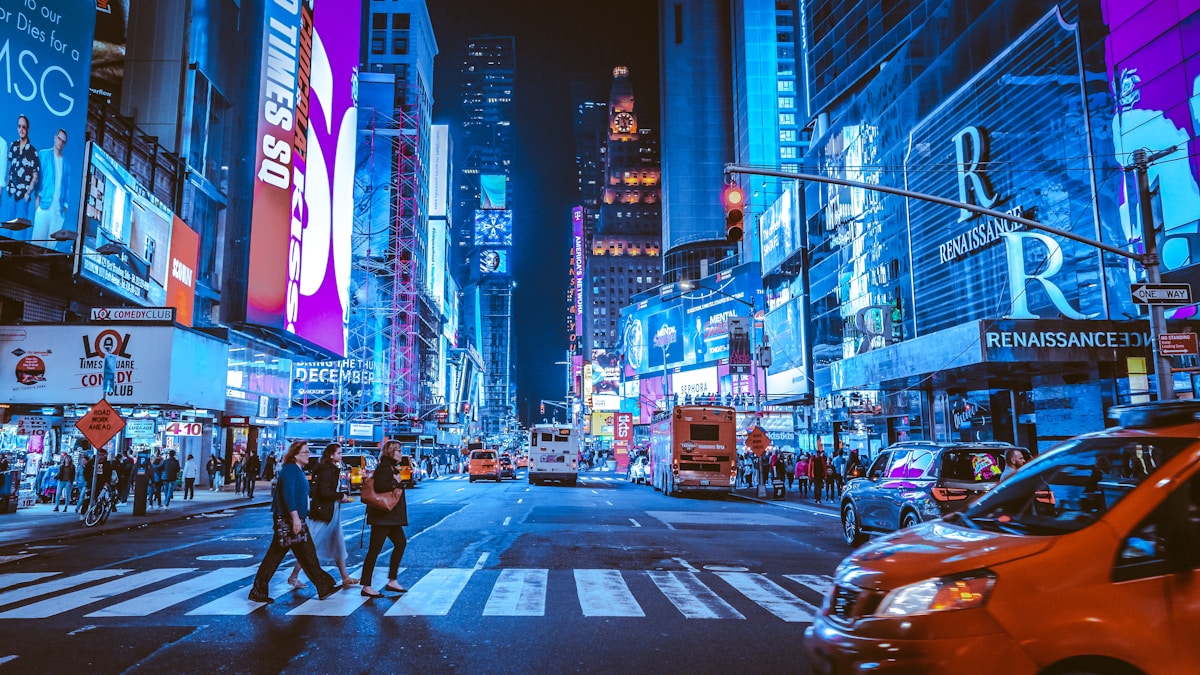
You can typically reach most key attractions in under 30 minutes from Midtown via public transport. For first-time visitors, staying within Manhattan (preferably near Times Square, SoHo, or the Financial District) simplifies access to major sights.
New York City features globally recognized landmarks and cultural institutions. The Statue of Liberty and Ellis Island offer historical context, with combined ferry access departing from Battery Park.
The Empire State Building and Top of the Rock provide observation decks with skyline views at elevations of 320 meters and 260 meters, respectively. Museum Mile, located along Fifth Avenue, includes the Metropolitan Museum of Art, which hosts over 2 million works across 5,000 years (The Met, 2023).
The city supports over 27,000 restaurants (NYC Health Department, 2023), ranging from casual dollar-slice pizzerias to 3-star Michelin dining.
You can find high-quality options across all price ranges in boroughs such as Queens (noted for its diversity), Brooklyn (known for artisanal and fusion cuisine), and Manhattan (home to flagship venues). Street vendors are licensed and regulated, offering accessible options including halal platters, pretzels, and roasted nuts.
Peak seasons include spring (April–June) and autumn (September–early November), when average temperatures range between 12°C and 24°C. Winter (December–February) can drop to -6°C, affecting walking tours and ferry rides.
Summer often exceeds 30°C with high humidity; indoor attractions offer air-conditioned relief. Hotel pricing generally increases during December holidays and decreases during January and February.
The MTA 7-day Unlimited MetroCard allows unlimited subway and local bus rides for $34. Ride-hailing services such as Uber and Lyft are widely available but can become cost-prohibitive during peak hours. For short distances, walking remains efficient due to Manhattan’s grid structure.
Accommodation costs vary: $200–$300 per night for mid-range hotels in Manhattan; lower rates can be found in outer boroughs but may add 40+ minutes to travel times.
Key neighborhoods worth your time include:
To improve your experience:
New York City, USA demands practical planning due to its density, pace, and cost structure.
With accurate timing, localized accommodation, and route-based itineraries, you can experience the city without logistical setbacks or missed opportunities.
Showing 9 of 9 articles tagged #New York City
Just when you think you're ready for NYC, these essential tips will transform your visit into an unforgettable adventure.
Where iconic landmarks meet vibrant neighborhoods, New York City unfolds its treasures for explorers seeking unforgettable urban adventures.
Looking for NYC's most vibrant neighborhoods? From Manhattan's elegance to Brooklyn's charm, discover where locals truly thrive.
Keen travelers can experience NYC's grandeur without spending a dime—discover hidden gems locals cherish.
Perplexed by NYC's transit options? Discover how to navigate subways, buses, and ferries while avoiding tourist traps.
Wondering when to experience the Big Apple at its finest? Fall and spring offer perfect weather, fewer tourists, and spectacular scenery.
Bring your family to explore NYC's endless adventures, from Central Park's carousel to Broadway's magic.
Magical getaways within hours of NYC promise unforgettable adventures without the overnight stay.
Keeping New York City affordable isn't impossible—discover hidden gems and insider tips that transform your dream vacation without breaking the bank.