Where to Stay in Venice: Complete Neighborhood Guide 2026



Best Venice Neighborhoods: Where To Stay Guide by District – Comprehensive neighborhood-by-neighborhood guide to choosing where to stay in Venice, covering all six sestieri with hotel recommendations, pricing, pros and cons, and insider tips for 2026.
- What Are Venice's Six Historic Districts (Sestieri)?
- How Does Venice's Geography Affect Where You Stay?
- San Marco District: Central Location With Premium Prices
- Castello District: Authentic Venice With Better Value
- Dorsoduro District: Art, Culture, and University Energy
- Cannaregio District: Budget-Friendly Authentic Neighborhoods
- San Polo District: Markets, Local Life, and Central Access
- Santa Croce District: Train Station Convenience and Local Character
- Giudecca Island: Quiet Retreat With Lagoon Views
- Lido Island: Beach Resort Atmosphere
- What About Mestre on the Mainland?
- How Much Should You Budget for Venice Accommodation?
- When Should You Book Venice Accommodation?
- What Accommodation Types Work Best in Venice?
- How Do You Navigate Venice's Address System?
- Should You Stay Near a Vaporetto Stop?
- What About Noise Levels in Different Areas?
- How Important Is Air Conditioning?
- What Amenities Should You Expect?
- Conclusion: Choosing Your Venice Neighborhood
Choosing where to stay in Venice significantly impacts your experience of this unique city. Venice divides into six historic districts (sestieri)—San Marco, Castello, Cannaregio, Dorsoduro, San Polo, and Santa Croce—plus several islands including Giudecca and Lido.
Each area offers distinct character, advantages, and disadvantages regarding location, atmosphere, pricing, and access to attractions.
Understanding these differences helps travelers select accommodations matching their priorities, whether seeking luxury and convenience, cultural immersion, budget value, or authentic local atmosphere.
This comprehensive guide examines each Venice neighborhood, providing practical information about hotels, transportation, dining, and what to expect in different areas.
Key Takeaways
Hide- San Marco offers central location near major attractions but comes with premium prices and heavy tourist crowds
- Dorsoduro provides artistic atmosphere, university energy, and canal-side charm with mid-range pricing and authentic local feel
- Castello delivers budget-friendly options, residential character, and peaceful streets while maintaining proximity to major sights
- Cannaregio combines affordability with authenticity, featuring the historic Jewish Ghetto and excellent local restaurants
- Santa Croce and San Polo offer convenient train station access and local markets with fewer tourists than San Marco
- Giudecca island provides quiet retreat with lagoon views and lower prices, requiring short vaporetto rides to reach main attractions
- Choose neighborhoods based on priorities: luxury and convenience (San Marco), culture and art (Dorsoduro), budget and authenticity (Castello/Cannaregio)
What Are Venice’s Six Historic Districts (Sestieri)?
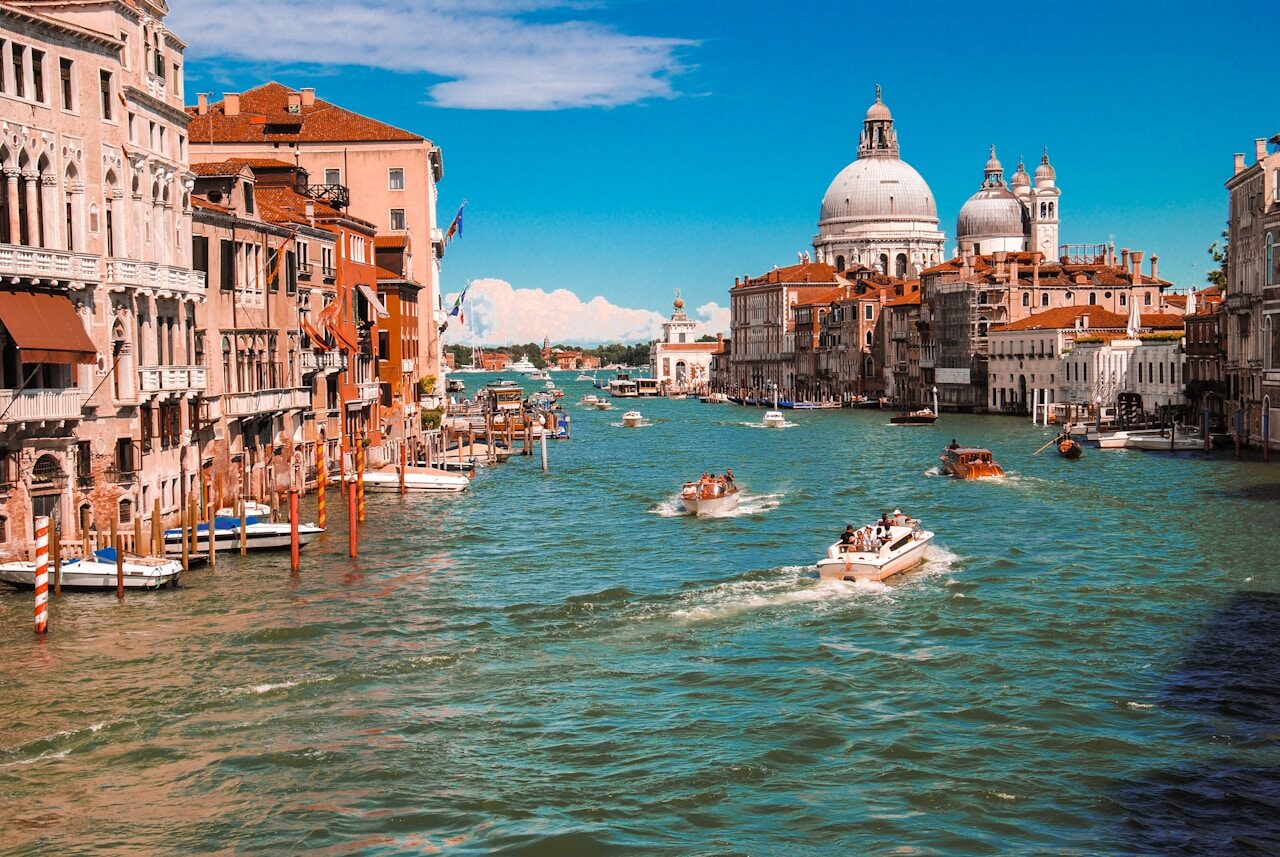
Venice consists of six historic neighborhoods called sestieri: San Marco, Castello, Cannaregio, Dorsoduro, San Polo, and Santa Croce.
Each district developed unique characteristics over centuries, shaped by geography, commerce, and social structure.
San Marco serves as the political and tourist center, Castello extends eastward as the largest district, Cannaregio occupies the northern section, Dorsoduro sits across the Grand Canal to the south, while San Polo and Santa Croce fill the western areas near the train station.
The sestieri system dates to 1171 when Venice reorganized its administrative structure. Unlike modern city planning with grid patterns, these districts follow organic boundaries defined by canals, bridges, and historical development.
Each sestiere contains multiple neighborhoods (contrade) with distinct identities.
Understanding this layout helps travelers navigate Venice’s complex geography and select accommodations matching their preferences for atmosphere, accessibility, and authentic experience.
How Does Venice’s Geography Affect Where You Stay?
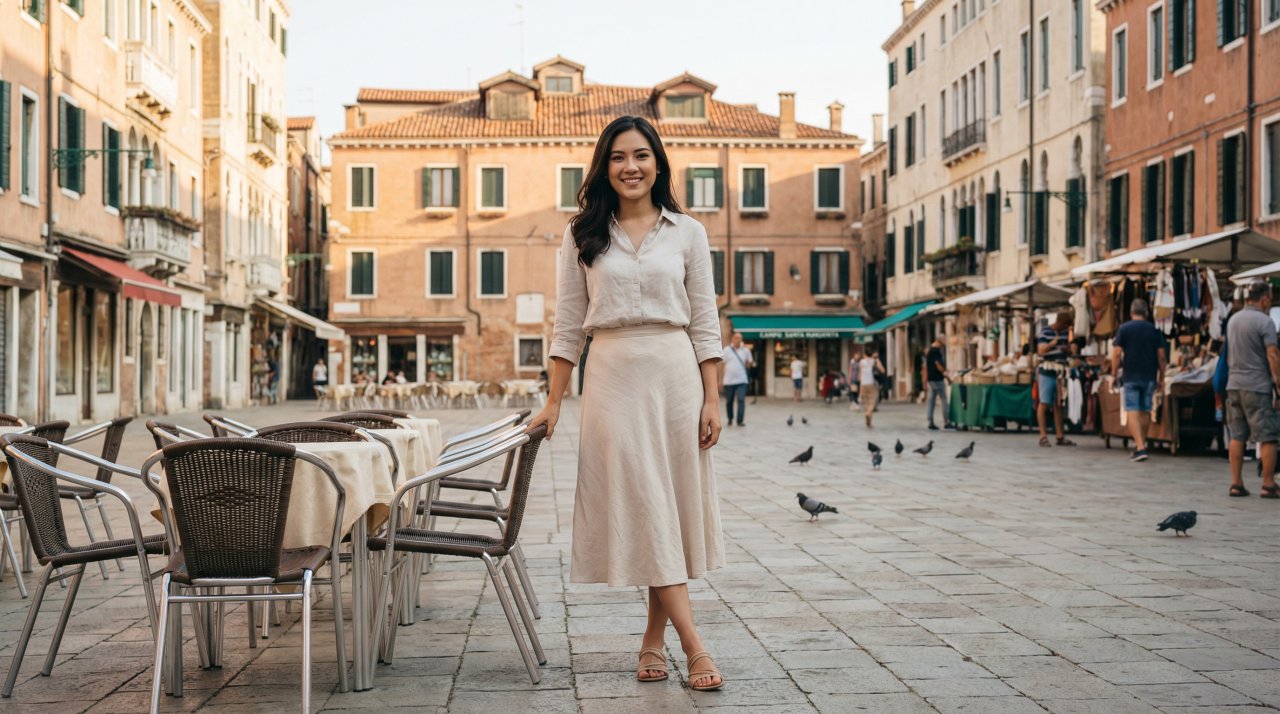
Venice’s unique geography as a car-free pedestrian city built on 118 islands connected by over 400 bridges fundamentally shapes accommodation decisions.
The Grand Canal divides the city, creating natural boundaries between districts.
Water buses (vaporetti) provide primary public transportation, making proximity to vaporetto stops crucial for mobility.
A single vaporetto ticket costs €9.50 in 2026, while multi-day passes offer better value: €25 for 24 hours, €35 for 48 hours, €45 for 72 hours, and €65 for 7 days.
Walking remains the primary way to explore Venice, with most destinations reachable on foot within 20-30 minutes from central locations.
However, the city’s labyrinthine layout, numerous bridges with steps, and lack of wheeled transport make luggage handling challenging.
For detailed information about navigating Venice’s unique transportation system, see our guide on getting around Venice.
Travelers with heavy bags, mobility limitations, or young children should prioritize accommodations near vaporetto stops or water taxi access points.
The absence of cars means quiet streets but also requires realistic expectations about navigating narrow alleys, climbing bridge steps, and potentially getting lost in the maze-like layout.
Reserve Your Venice Tours & Activities
Most popular Venice tours sold out quickly, so grab your tickets early to save your spot! Feel free to browse through our skip-the-line passes, guided tours, and special experiences to find the perfect fit for your Venice trip.
 Trip.com
 Booking.com
 Expedia
 Traveloka
 GetYourGuide
 Klook
Klook WeGoTrip
 Go City
San Marco District: Central Location With Premium Prices
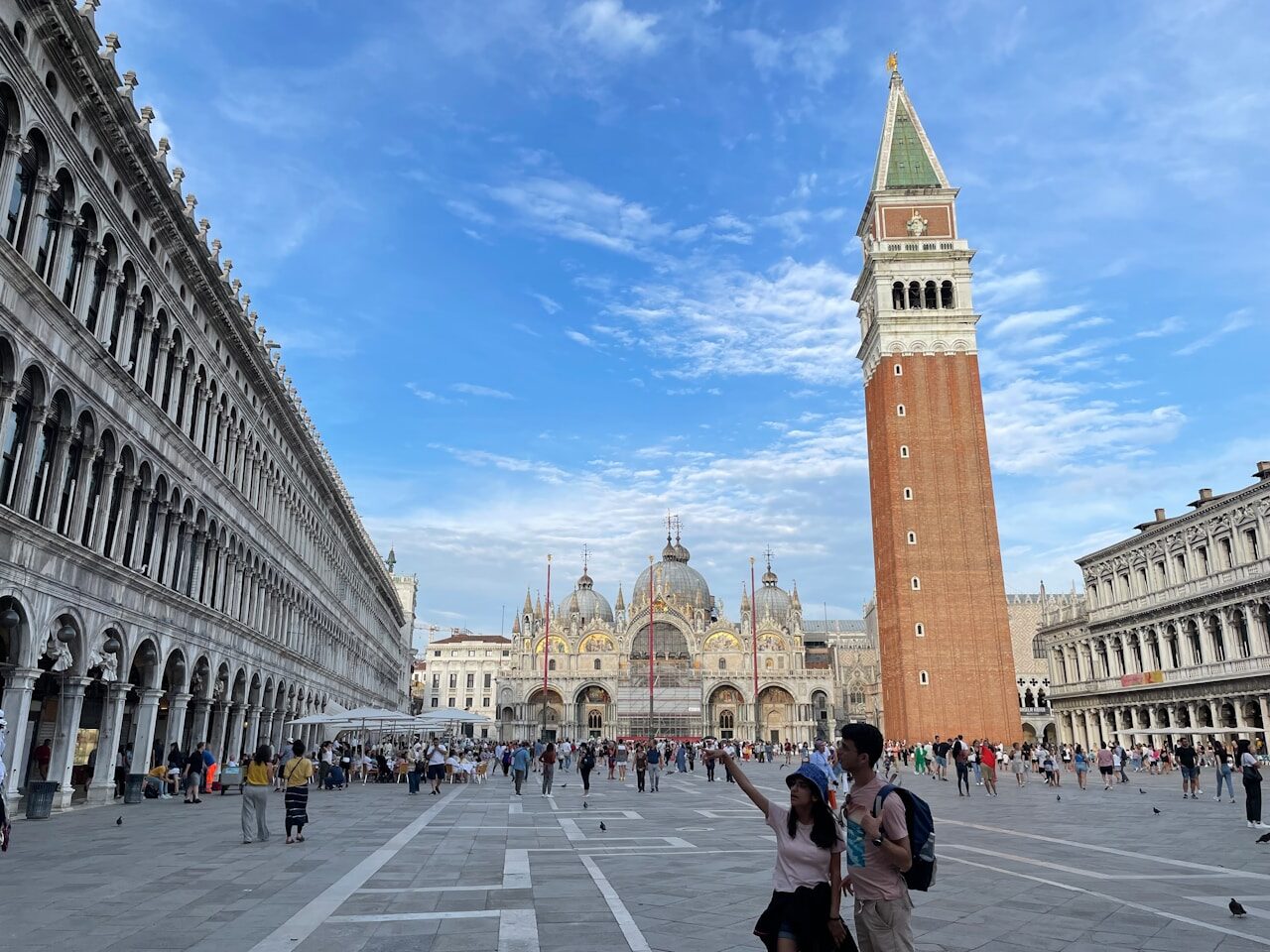
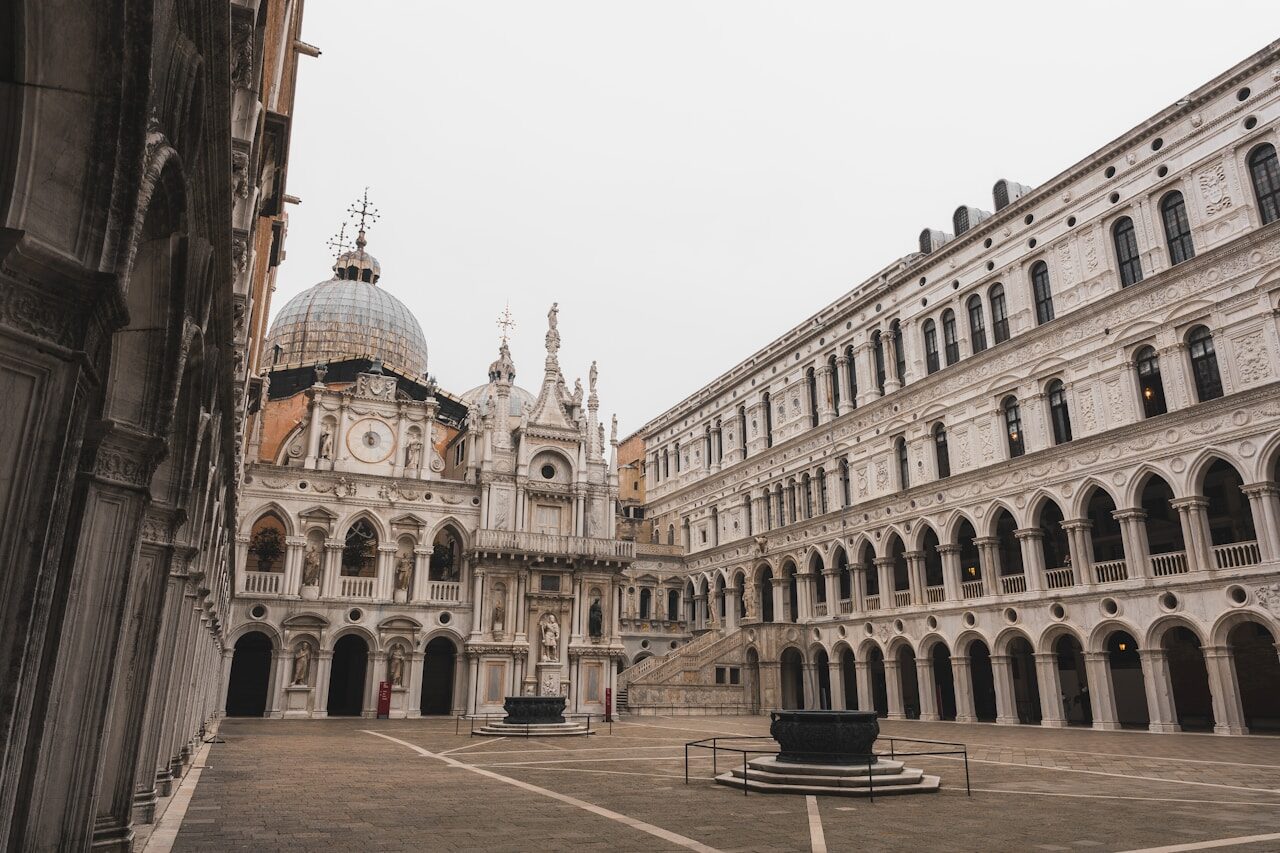
San Marco represents Venice’s historic and tourist heart, containing the city’s most iconic landmarks within a compact area.
St. Mark’s Square (Piazza San Marco), St. Mark’s Basilica, Doge’s Palace, and the Rialto Bridge all sit within this district.
This central location provides unmatched convenience for first-time visitors wanting to maximize sightseeing efficiency and experience Venice’s most famous attractions within walking distance of their accommodation.
The district’s advantages include immediate access to major sights, abundant dining and shopping options, excellent vaporetto connections, and the ability to experience Venice’s historic grandeur.
Hotels range from luxury palazzos overlooking the Grand Canal to smaller boutique properties tucked in quiet corners.
However, San Marco comes with significant drawbacks: premium accommodation prices (typically €180-400+ per night for mid-range to luxury options), overwhelming tourist crowds especially during peak season, higher restaurant prices, and limited authentic local atmosphere.
San Marco suits travelers prioritizing convenience over budget, first-time visitors wanting central access to major attractions, those with limited mobility who benefit from shorter walking distances, and visitors willing to pay premium prices for iconic locations.
For comprehensive coverage of San Marco’s attractions, see our guide to the best things to do in Venice.
The district offers less value for budget-conscious travelers, those seeking authentic Venetian neighborhood life, or visitors wanting to escape tourist crowds.
Castello District: Authentic Venice With Better Value
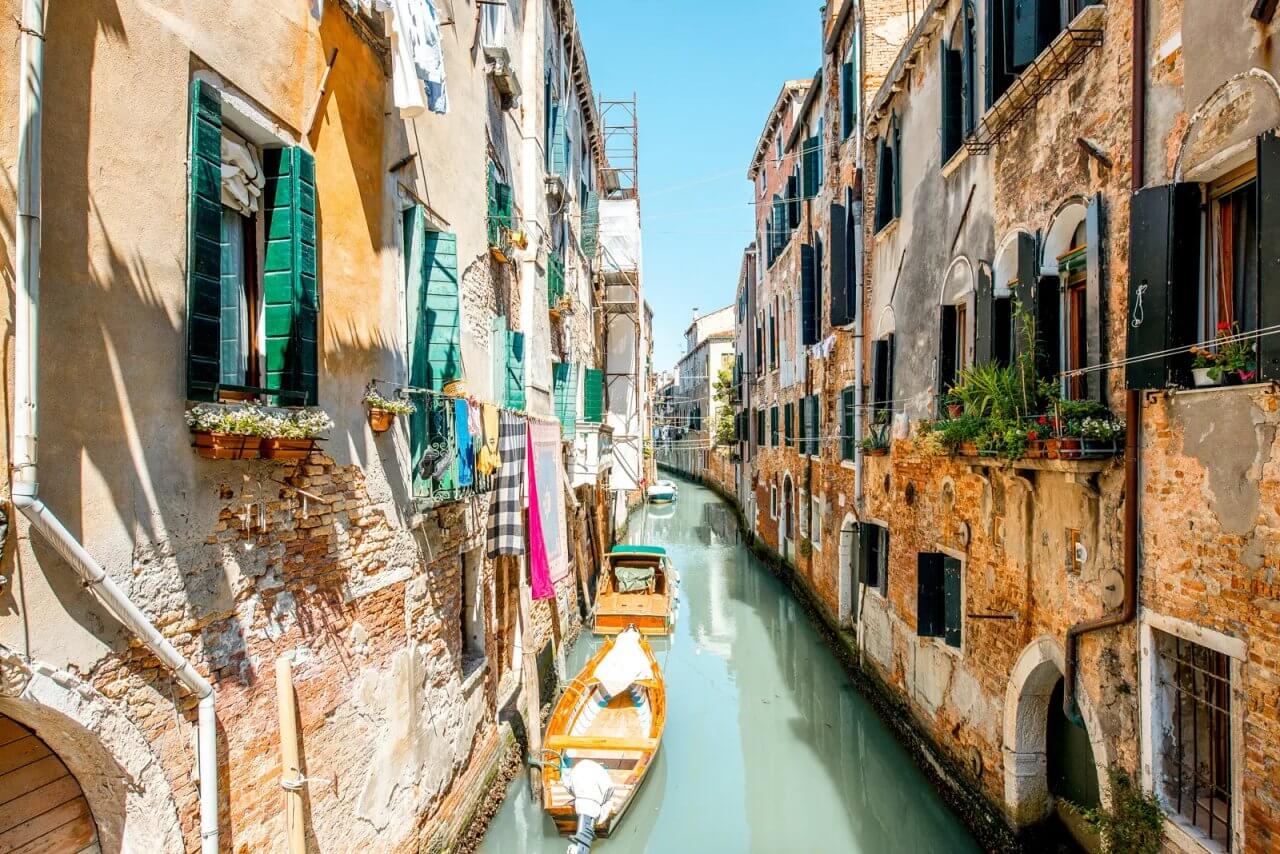
Castello, Venice’s largest sestiere, extends east from San Marco toward the Arsenale and Sant’Elena. This residential district offers authentic Venetian neighborhood character while maintaining reasonable proximity to major attractions.
The area transitions from tourist-heavy zones near San Marco to quiet residential streets, local markets, and neighborhood squares where Venetians conduct daily life.
Key attractions include the Arsenale (Venice’s historic shipyard), Naval History Museum, Biennale Gardens, and Via Garibaldi—one of Venice’s few wide streets lined with local shops and cafes.
Castello provides genuine neighborhood atmosphere with local bakeries, traditional osterias, morning markets, and residential squares where children play and neighbors chat.
Accommodation prices run significantly lower than San Marco, typically €90-180 per night for quality mid-range options, with budget guesthouses available from €55-90 per night.
The district suits travelers seeking authentic Venetian experience, budget-conscious visitors wanting good value, those interested in maritime history and local culture, and travelers comfortable walking 15-20 minutes to reach San Marco’s major attractions.
Before deciding on your Venice itinerary, review our guide on things to know before traveling to Venice for essential planning tips.
Castello offers excellent balance between accessibility, authenticity, and affordability, though it requires more walking than staying in San Marco and has fewer immediate dining options in the eastern sections.
Dorsoduro District: Art, Culture, and University Energy
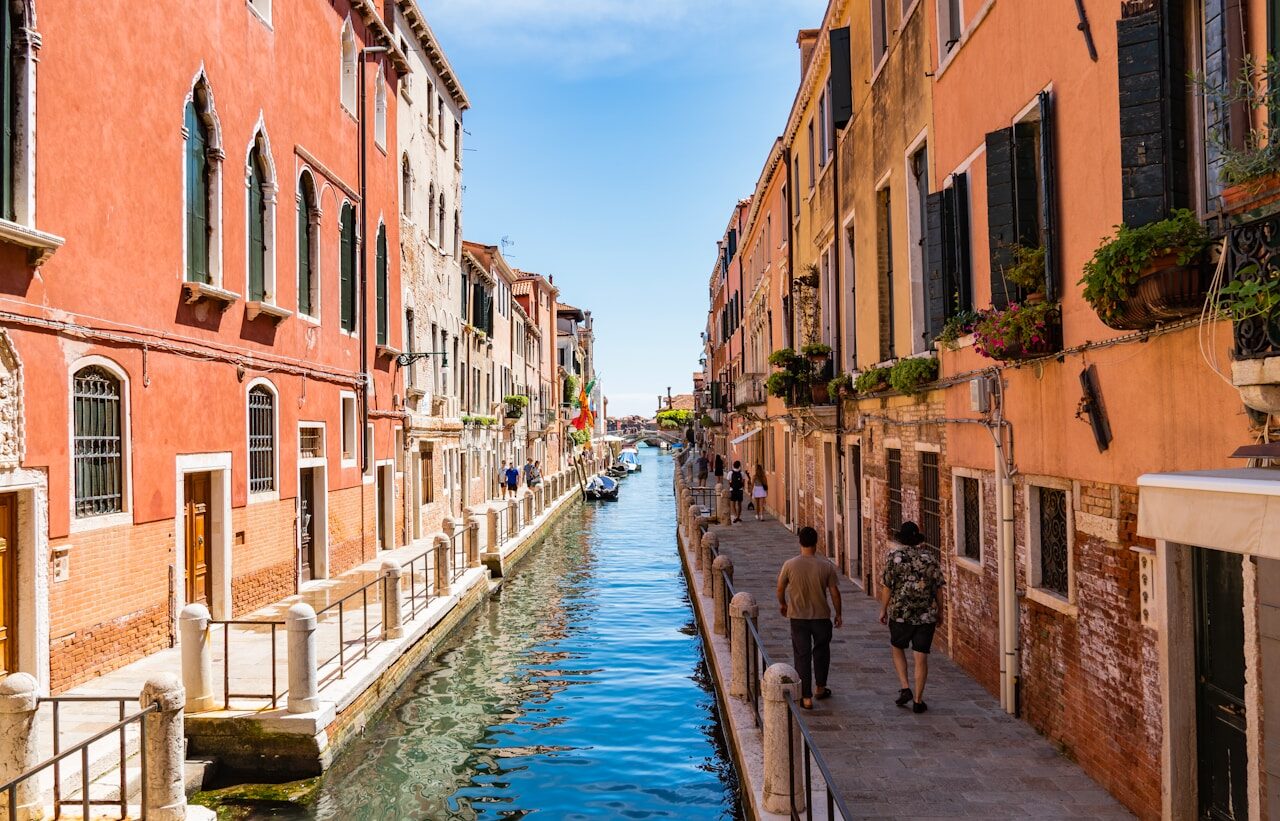
Dorsoduro occupies the southern section of Venice across the Grand Canal from San Marco, characterized by artistic institutions, university presence, and bohemian atmosphere.
The district houses the Peggy Guggenheim Collection, Gallerie dell’Accademia, and Ca’ Rezzonico museum, making it ideal for art enthusiasts.
Campo Santa Margherita serves as the neighborhood’s social hub, filled with students, locals, and outdoor cafes creating lively evening atmosphere.
The Zattere waterfront promenade offers stunning views across the Giudecca Canal, popular for evening strolls and aperitivo.
Dorsoduro blends cultural attractions with residential character—university students from Ca’ Foscari University add youthful energy while local markets and traditional bacari (wine bars) maintain authentic Venetian flavor.
Accommodation prices fall in the mid-range, typically €120-250 per night, with options from budget guesthouses to boutique canal-side hotels.
Dorsoduro appeals to art and culture enthusiasts, travelers seeking authentic atmosphere with good restaurant options, those who enjoy university neighborhood energy, and visitors wanting canal-side charm without San Marco’s crowds.
Many of the district’s museums and cultural sites can be visited at no cost—explore our guide to free things to do in Venice for budget-friendly cultural experiences.
The district provides excellent balance of culture, authenticity, and accessibility, though it sits slightly farther from major tourist attractions than San Marco or eastern Castello.
The Accademia Bridge provides quick access to San Marco, while multiple vaporetto stops ensure good public transport connections.
Cannaregio District: Budget-Friendly Authentic Neighborhoods
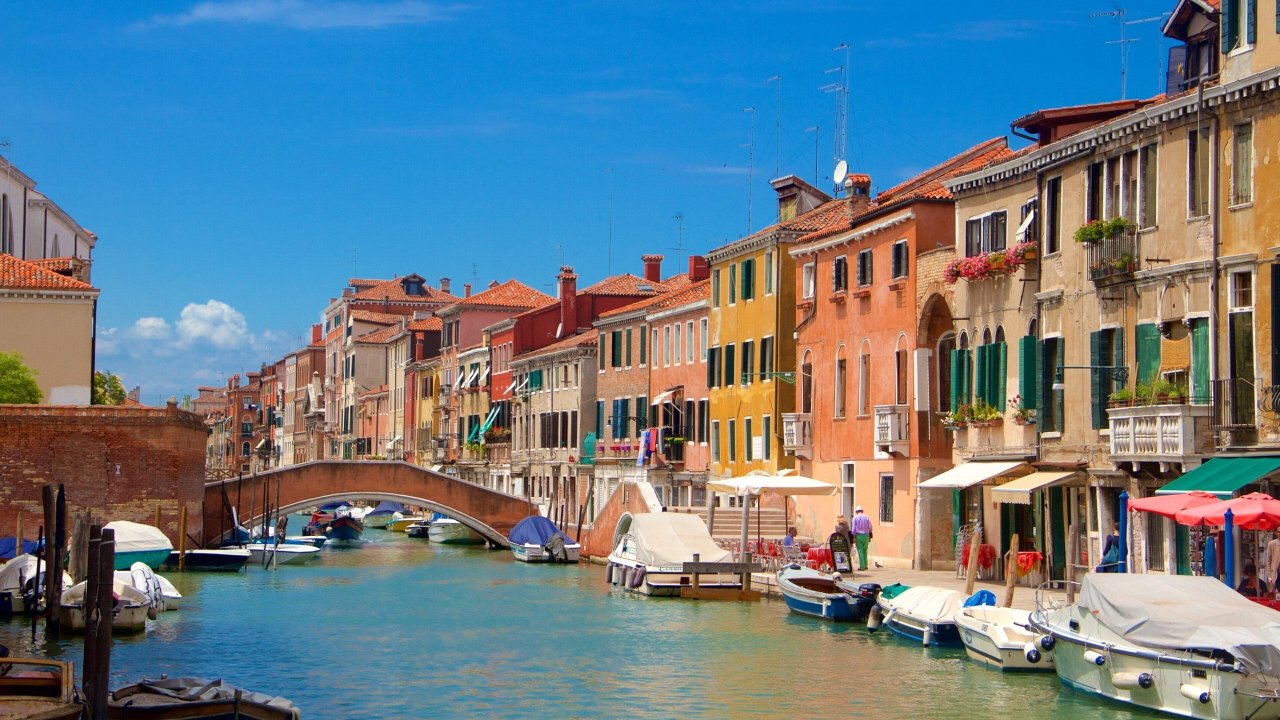
Cannaregio stretches across northern Venice from the train station (Santa Lucia) eastward to the lagoon.
This largely residential district offers the most authentic Venetian neighborhood experience, with local markets, traditional restaurants, and quiet canals far from tourist crowds.
The historic Jewish Ghetto, established in 1516 as the world’s first, provides profound cultural and historical significance with synagogues, museums, and kosher restaurants.
The district divides into distinct zones: the area near Santa Lucia station offers convenience but less charm, the central Cannaregio neighborhoods provide authentic residential atmosphere, and the Strada Nova (main pedestrian thoroughfare) connects the station to Rialto with shops and restaurants.
Accommodation prices rank among Venice’s most affordable, with budget options from €55-90 per night and mid-range hotels €90-150 per night, significantly below San Marco rates.
Cannaregio suits budget-conscious travelers, those seeking authentic local atmosphere, visitors interested in Jewish history and culture, and travelers arriving by train who want nearby accommodations.
For money-saving strategies that complement staying in budget-friendly neighborhoods, see our guide to traveling to Venice on a budget.
The district offers excellent value, genuine neighborhood character, and good local restaurants, though it requires longer walks to reach San Marco’s major attractions (20-30 minutes) and has fewer immediate tourist amenities.
The trade-off between authenticity and convenience makes Cannaregio ideal for travelers prioritizing local experience over central location.
San Polo District: Markets, Local Life, and Central Access
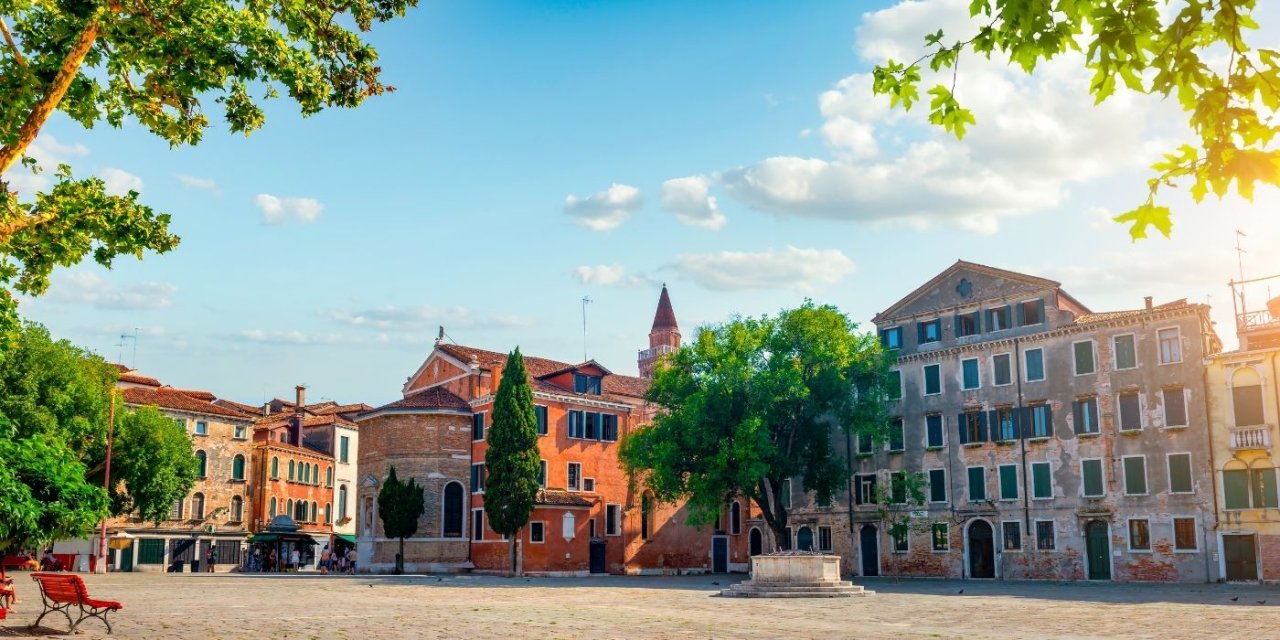
San Polo, the smallest sestiere, occupies the area around the Rialto Bridge and Rialto Market. This district combines central location with authentic market culture and local atmosphere.
The Rialto Market, operating since the 11th century, remains Venice’s primary fish and produce market where locals shop daily.
The area surrounding the market features traditional bacari, artisan shops, and residential neighborhoods maintaining genuine Venetian character despite central location.
Campo San Polo, the district’s largest square, hosts community events and provides open space rare in Venice’s dense urban fabric.
The Frari Church (Basilica di Santa Maria Gloriosa dei Frari) contains masterpieces by Titian and serves as one of Venice’s most important religious sites.
San Polo’s central position provides easy access to both San Marco and the train station, with the Rialto Bridge offering iconic Grand Canal views and quick crossing to the opposite bank.
Accommodation in San Polo ranges from €120-280 per night for mid-range to upscale options, with some budget guesthouses available.
The district suits travelers wanting central location with more authentic atmosphere than San Marco, food enthusiasts interested in market culture, and those seeking balance between tourist convenience and local character.
San Polo offers excellent restaurant options, genuine neighborhood feel, and strategic location, though accommodation availability is more limited than larger districts and morning market activity creates early noise in some areas.
Santa Croce District: Train Station Convenience and Local Character
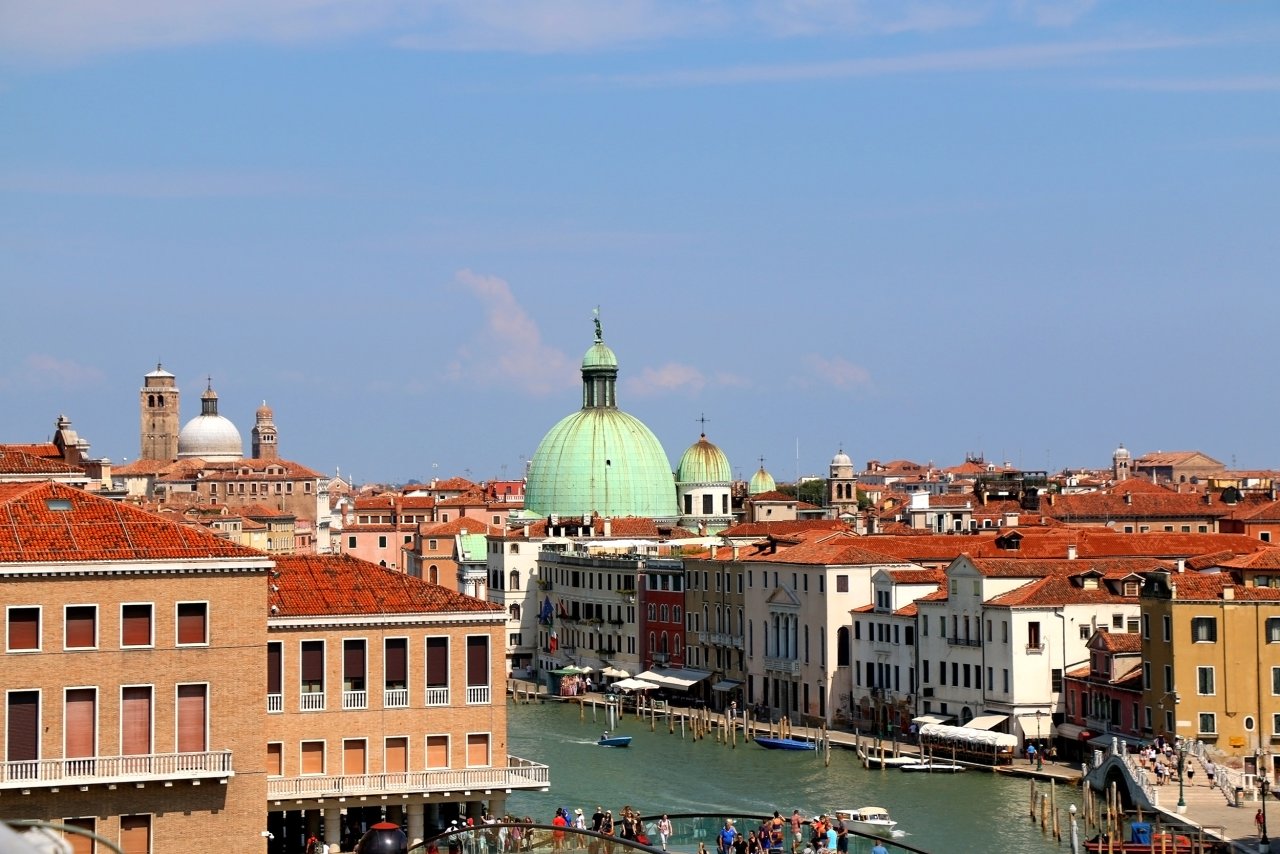
Santa Croce occupies northwestern Venice, including Piazzale Roma (the car park and bus terminal) and areas near Santa Lucia train station.
This district serves as Venice’s primary arrival point for most visitors, making it convenient for travelers with luggage or those planning day trips.
Beyond the busy transportation zones, Santa Croce transitions into quiet residential neighborhoods with authentic local atmosphere, traditional restaurants, and fewer tourists.
The district provides practical advantages: immediate access to train and bus connections, easier luggage transport, and proximity to parking facilities for those arriving by car.
Accommodation prices range from budget-friendly (€65-110 per night) near the station to mid-range (€110-180 per night) in quieter sections.
The area offers good value compared to San Marco while maintaining reasonable access to major attractions via vaporetto or 15-20 minute walks.
Santa Croce suits travelers arriving by train or bus, those planning day trips to mainland destinations, visitors with heavy luggage or mobility concerns, and budget-conscious travelers wanting decent location without premium prices.
If you’re considering exploring beyond Venice, check out our guide to the best day trips from Venice for nearby destinations accessible from Santa Lucia station.
The district offers practical convenience and authentic neighborhoods, though areas immediately around Piazzale Roma and the station lack charm and feel more utilitarian.
Staying slightly deeper into Santa Croce provides better atmosphere while maintaining transportation convenience.
Giudecca Island: Quiet Retreat With Lagoon Views
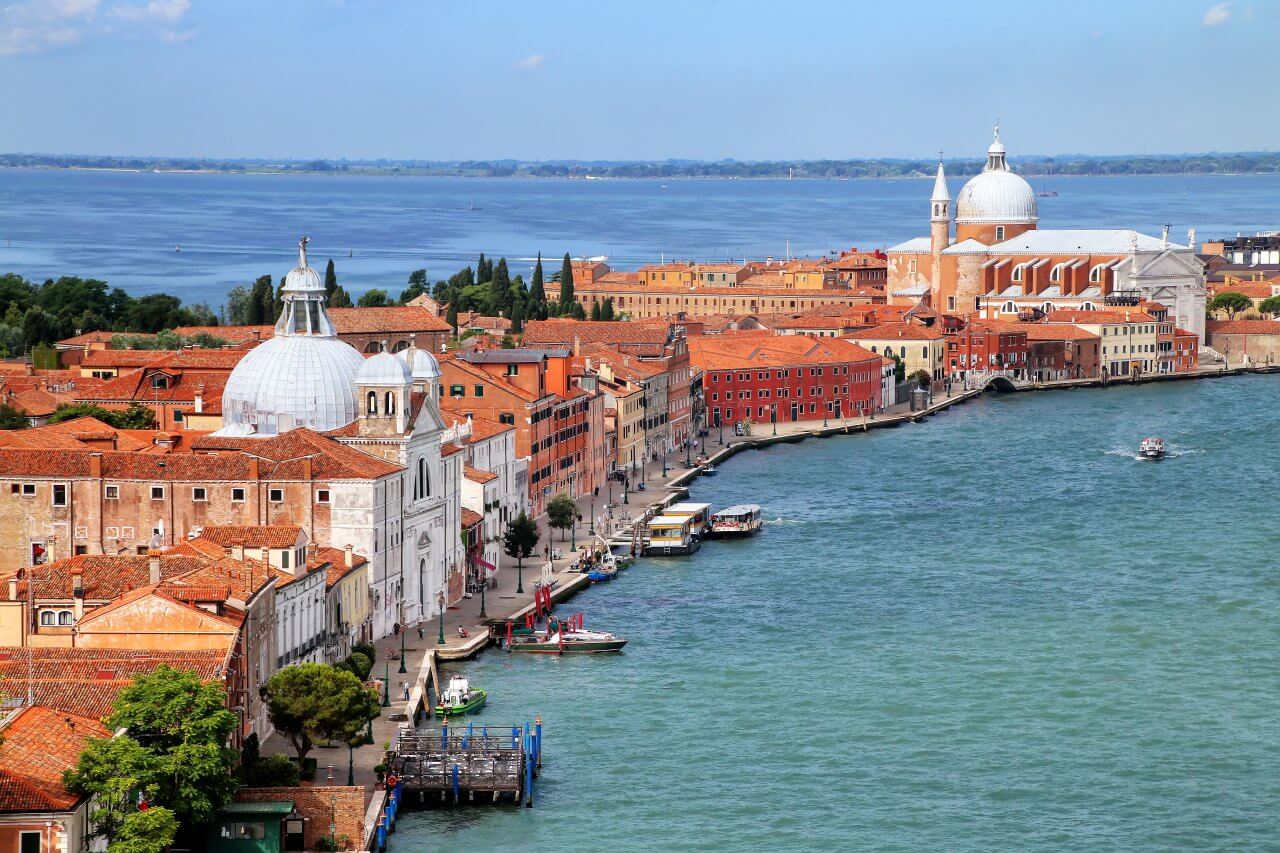
Giudecca, a crescent-shaped island south of Dorsoduro across the Giudecca Canal, offers peaceful retreat from Venice’s crowds while remaining just minutes away by vaporetto.
This residential island features local neighborhoods, waterfront promenades with stunning views toward Venice’s skyline, and several notable hotels including the luxury Cipriani.
The island maintains authentic character with local bakeries, neighborhood restaurants, and community atmosphere largely untouched by mass tourism.
Giudecca provides unique advantages: quiet evenings, spectacular views across the water toward Venice, lower accommodation prices (typically €80-150 per night for mid-range options), and authentic residential atmosphere.
The Redentore Church, designed by Palladio, stands as the island’s architectural highlight.
Vaporetto lines 2, 4.1, and 4.2 connect Giudecca to Venice proper, with crossing times of 5-10 minutes to Zattere or San Marco.
The island suits travelers seeking peaceful atmosphere, those wanting to escape tourist crowds while maintaining easy access, visitors interested in local Venetian life, and travelers comfortable with short vaporetto rides to reach attractions.
Giudecca offers excellent value and tranquility, though it requires water bus transport for all Venice sightseeing, has limited dining options compared to main Venice, and feels isolated for some travelers.
The island works well for longer stays when having a quiet home base becomes valuable.
Lido Island: Beach Resort Atmosphere
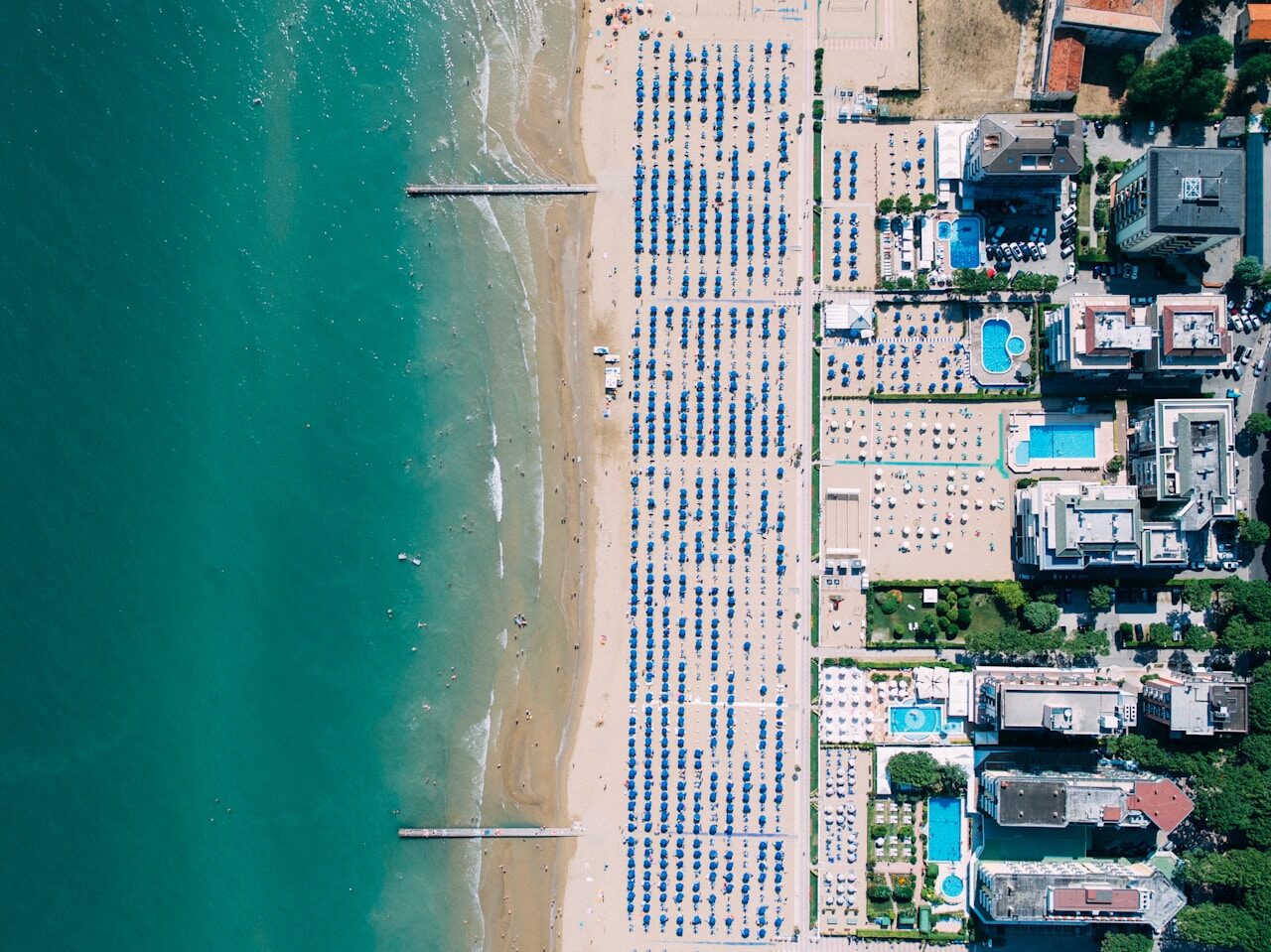
Lido, a long barrier island separating the Venetian Lagoon from the Adriatic Sea, offers completely different character from Venice proper.
This island features beaches, the Venice Film Festival venue, art nouveau architecture, and resort atmosphere.
Lido provides the unusual combination of Venice proximity with beach access, cycling opportunities (bikes allowed unlike Venice), and more spacious, less claustrophobic environment.
Accommodation on Lido ranges from €90-200 per night, with options from beach hotels to residential apartments.
The island suits travelers wanting beach time combined with Venice sightseeing, families with children who benefit from open spaces and beaches, those seeking less intense atmosphere than Venice proper, and visitors attending the Venice Film Festival.
Vaporetto lines 1, 2, 5.1, 5.2, and 6 connect Lido to Venice, with crossing times of 15-25 minutes depending on destination.
Lido works well for longer stays, summer visits when beach access adds value, and travelers who find Venice’s density overwhelming.
Families staying on Lido will find our guide to the best things to do in Venice with kids particularly helpful for planning family-friendly activities.
However, it requires significant commute time for Venice sightseeing, offers limited dining and entertainment options compared to Venice, and feels disconnected from Venice’s unique character.
Lido represents a compromise—gaining space, beaches, and lower prices while sacrificing immediate access to Venice’s attractions and atmosphere.
What About Mestre on the Mainland?
Mestre, Venice’s mainland district, offers significantly cheaper accommodation (€50-100 per night) with modern amenities, parking availability, and standard city infrastructure.
Budget-conscious travelers, those with cars, and visitors planning to explore the Veneto region beyond Venice sometimes choose Mestre as a base.
Frequent trains connect Mestre to Venice in 10 minutes, and buses provide additional options.
However, staying in Mestre means missing Venice’s unique atmosphere entirely. You’ll commute daily to Venice, losing evening and early morning hours when the city reveals its most magical character.
The time and cost of daily transport (train tickets or vaporetto passes) partially offset accommodation savings. Mestre suits travelers on extremely tight budgets, those with cars who want to avoid Venice’s parking fees (€30-50 per day), and visitors spending limited time in Venice while exploring other destinations.
For most travelers, staying in Venice proper provides significantly better experience despite higher costs. The ability to wander Venice’s streets in early morning or late evening, return to your accommodation easily throughout the day, and fully immerse in the city’s unique atmosphere justifies the premium.
Mestre makes sense primarily for budget-constrained travelers willing to sacrifice atmosphere and convenience for cost savings.
How Much Should You Budget for Venice Accommodation?
Venice accommodation costs vary significantly by district, season, and property type. Budget travelers can find hostel beds (€32-55 per night) or basic guesthouses (€55-90 per night) primarily in Cannaregio, Castello, and Santa Croce.
Mid-range hotels (€90-180 per night) offer comfortable accommodations with private bathrooms and basic amenities across most districts except premium San Marco locations.
Upscale hotels (€180-300 per night) provide superior locations, better amenities, and more character, available in all districts with highest concentrations in San Marco and Dorsoduro.
Luxury accommodations (€300-800+ per night) include historic palazzos, boutique hotels with Grand Canal views, and properties offering exceptional service, primarily located in San Marco and along the Grand Canal.
Prices fluctuate dramatically by season. Peak season (April-June, September-October) commands highest rates with advance booking essential.
Summer (July-August) sees slightly lower prices despite crowds due to heat. Low season (November-March, excluding Christmas/New Year and Carnival) offers best values with rates 30-50% below peak season.
For detailed information about seasonal pricing patterns and optimal visiting times, see our guide on the best time to visit Venice.
Booking 3-6 months ahead for peak season and 1-2 months for shoulder season secures better rates and availability.
When Should You Book Venice Accommodation?
Venice’s limited accommodation capacity and high demand require advance planning, especially for peak season visits.
For April-June and September-October travel, book 4-6 months ahead to secure preferred locations and reasonable rates.
Popular properties in desirable neighborhoods sell out early, and prices increase as availability decreases.
Summer travel (July-August) requires 2-3 months advance booking, while low season (November-March) allows more flexibility with 1-2 months typically sufficient.
However, special events dramatically impact availability: Carnival (February), Venice Biennale opening (May), and Film Festival (late August/early September) require booking 6-12 months ahead with significantly elevated prices.
Last-minute bookings (within 2 weeks) rarely find good value in Venice. Available properties tend to be either very expensive or poorly located, with limited selection.
The city’s popularity and limited hotel capacity mean advance planning pays off significantly in both cost and quality of accommodation.
What Accommodation Types Work Best in Venice?
Hotels remain the most common accommodation type, ranging from budget options to luxury palazzos. Mid-range hotels typically offer 15-25 rooms, breakfast, and basic amenities.
Boutique hotels (10-15 rooms) provide more character and personalized service at premium prices. Luxury hotels occupy historic palazzos with period details, canal views, and full-service amenities.
Guesthouses and B&Bs offer more affordable options (€70-130 per night) with personal atmosphere and local hosts providing insider tips.
These smaller properties (3-8 rooms) often occupy upper floors of residential buildings, requiring stair climbing but offering authentic neighborhood experience.
Quality varies significantly, making reviews essential for selection.
Apartment rentals work well for longer stays (4+ nights), families, or groups. Costs range €100-250 per night depending on size, location, and amenities.
Apartments provide kitchen facilities, more space, and local neighborhood experience.
However, they require self-service, may involve key pickup logistics, and lack hotel amenities like daily cleaning or reception assistance.
Venice’s regulations require all rentals to register with authorities, so book through legitimate platforms ensuring proper licensing.
How Do You Navigate Venice’s Address System?
Venice’s unique address system confuses many visitors. Addresses consist of the sestiere name followed by a number (e.g., “Cannaregio 2345”), with numbers running sequentially through each district rather than by street.
This means nearby buildings may have very different numbers, and finding specific addresses requires local knowledge or GPS.
When booking accommodation, request detailed directions including nearby landmarks, vaporetto stops, and campo (square) names.
Most hotels provide maps and meeting point instructions.
GPS works reliably in Venice, though the maze-like layout means the shortest route isn’t always obvious. Allow extra time for first-time navigation to your accommodation, especially with luggage.
Vaporetto stops serve as the most reliable reference points. Knowing your nearest stop helps with directions and transportation planning.
Major campos (squares) provide secondary landmarks. Many hotels offer water taxi pickup from the train station or airport, eliminating navigation challenges for arrivals though at significant cost (€60-120 depending on distance).
Should You Stay Near a Vaporetto Stop?
Proximity to vaporetto stops provides significant practical advantages, especially for travelers with luggage, mobility limitations, or those planning extensive use of water buses.
Properties within 3-5 minutes of stops offer easy access to public transportation, simplified arrivals and departures, and convenient connections to islands like Murano and Burano.
However, vaporetto stops concentrate tourist traffic and activity, potentially creating noise and crowds. Properties on quiet side canals or tucked into residential neighborhoods offer more peaceful atmosphere but require more walking.
The trade-off depends on priorities: convenience and accessibility versus tranquility and authentic neighborhood feel.
For first-time visitors, shorter stays (2-3 nights), or those with mobility concerns, prioritizing vaporetto proximity makes sense.
For longer stays, return visitors familiar with Venice, or those seeking authentic atmosphere, quieter locations away from main routes provide better experience.
Venice’s compact size means most locations remain within 10-15 minutes walk of vaporetto access.
What About Noise Levels in Different Areas?
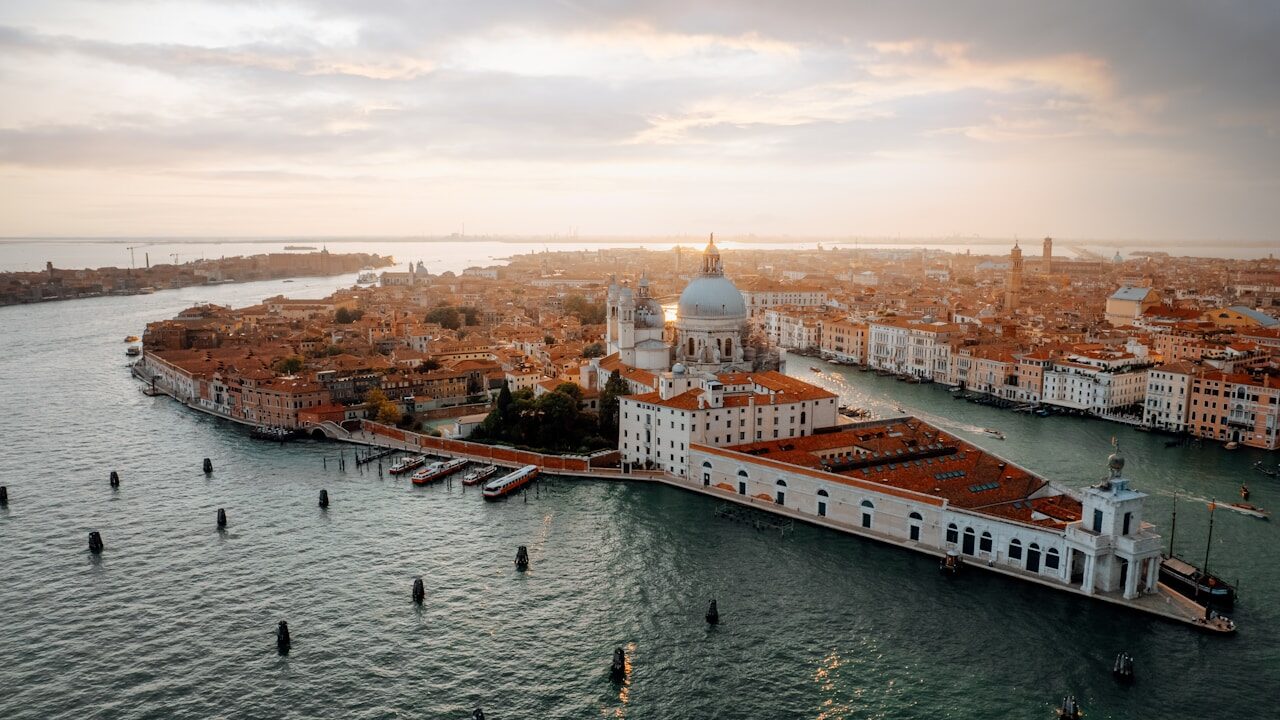
Venice’s car-free environment creates generally quiet atmosphere compared to typical cities, but noise sources differ.
Areas near major vaporetto stops, popular restaurants, and tourist routes experience foot traffic, conversations, and luggage wheels on pavement.
Campo (squares) with bars and restaurants generate evening noise, particularly in university areas like Campo Santa Margherita in Dorsoduro.
Quietest locations include residential side streets in Castello, northern Cannaregio, and parts of Dorsoduro away from main routes.
Properties facing small canals rather than busy pedestrian streets offer more peaceful atmosphere.
However, Venice’s density means sound carries between buildings, and thin walls in older structures transmit noise between rooms.
Church bells ring throughout Venice, including early morning and late evening. Most visitors find this charming rather than disturbing, but light sleepers should consider this factor.
Hotels near major churches like St. Mark’s Basilica or the Frari experience more frequent bell ringing.
Request rooms facing interior courtyards or quiet canals if noise sensitivity is a concern.
How Important Is Air Conditioning?
Venice’s summer heat and humidity make air conditioning valuable for comfortable sleep, though not all properties provide it.
Historic buildings face restrictions on exterior modifications, making AC installation challenging.
Budget accommodations and older guesthouses often lack air conditioning, relying on fans instead.
Summer temperatures (July-August) regularly reach 30-35°C (86-95°F) with high humidity.
Without AC, rooms can become uncomfortably warm, especially upper floors and properties without cross-ventilation.
If visiting June-September, prioritize accommodations with air conditioning unless you tolerate heat well.
Check reviews for comments about AC effectiveness, as some older systems struggle during peak heat.
Spring and fall visits (April-May, September-October) experience milder temperatures where AC becomes less critical, though occasional warm spells occur.
Winter visits (November-March) require heating instead, which most properties provide.
Venice’s humidity year-round makes climate control valuable for comfort regardless of season.
What Amenities Should You Expect?
Venice accommodation amenities vary significantly by price point and property type. Budget options (under €90/night) typically provide basic private rooms with shared or private bathrooms, minimal furnishings, and limited services.
Mid-range properties (€90-180/night) generally include private bathrooms, basic breakfast, WiFi, and simple furnishings with some period character.
Upscale hotels (€180-300/night) offer superior locations, better-appointed rooms with period details, full breakfast, concierge services, and sometimes canal views.
Luxury properties (€300+/night) provide exceptional locations, historic palazzo settings, premium amenities, full-service staff, and distinctive character.
Elevators remain rare in Venice due to historic building constraints and narrow structures. Most properties require stair climbing, sometimes 3-4 floors.
Travelers with mobility limitations or heavy luggage should specifically request ground-floor rooms or confirm elevator availability.
Canal-view rooms command premium prices (€30-100/night surcharge) but provide quintessential Venice experience worth considering for special occasions.
Conclusion: Choosing Your Venice Neighborhood
Selecting where to stay in Venice requires balancing priorities: convenience versus authenticity, budget versus location, tourist amenities versus local atmosphere.
San Marco offers maximum convenience and iconic locations at premium prices with heavy crowds.
Castello and Cannaregio provide authentic neighborhoods with better value, requiring more walking to major attractions. Dorsoduro balances culture, atmosphere, and accessibility with mid-range pricing.
San Polo and Santa Croce offer practical advantages—market culture and train station proximity respectively—with good value and local character.
Giudecca and Lido provide peaceful retreats for travelers wanting to escape Venice’s intensity while maintaining reasonable access.
Mestre serves budget-conscious travelers willing to sacrifice atmosphere for cost savings.
First-time visitors often prefer San Marco or eastern Castello for convenience and proximity to major sights. Return visitors frequently choose Dorsoduro, Cannaregio, or western Castello for authentic atmosphere and better value.
Longer stays benefit from quieter neighborhoods like Giudecca or residential sections of Castello. Budget travelers find best value in Cannaregio and Santa Croce.
Ultimately, Venice’s compact size means no location is truly inconvenient—the city remains walkable end-to-end in 45 minutes.
Prioritize the atmosphere and character matching your travel style, book well in advance for best selection and rates, and prepare for Venice’s unique geography of canals, bridges, and pedestrian-only navigation.
Any neighborhood provides access to Venice’s magic; the right choice depends on your personal priorities for location, budget, and desired experience.
Frequently Asked Questions About Where to Stay in Venice
What is the best neighborhood to stay in Venice for first-time visitors?
San Marco offers the best location for first-time visitors prioritizing convenience and proximity to major attractions.
Staying in or near San Marco places you within walking distance of St. Mark’s Basilica, Doge’s Palace, Rialto Bridge, and other iconic sights.
However, this convenience comes with premium prices (€200-400+ per night for mid-range hotels) and heavy tourist crowds.
First-time visitors on tighter budgets should consider western Castello or Dorsoduro, which provide good access to attractions at lower prices (€120-200 per night) while offering more authentic atmosphere.
Where should I stay in Venice on a budget?
Castello and Cannaregio offer the best budget accommodations in Venice, with numerous options under €100 per night and good mid-range selections (€100-150).
Eastern Castello provides the lowest prices and most authentic local atmosphere, though it requires longer walks or vaporetto rides to major attractions.
Cannaregio near the train station offers budget options with excellent transportation access. Avoid San Marco entirely for budget stays, as even basic accommodations charge premium prices.
Consider staying in Mestre on the mainland for even lower prices (€50-80 per night), though this requires daily commuting to Venice via train or bus.
Is it better to stay near the train station or San Marco?
The choice depends on your priorities. Staying near the train station (in Cannaregio or Santa Croce) benefits travelers arriving by train, planning day trips to other cities, or prioritizing easy luggage management.
These areas offer good value and authentic character but require 30-40 minute walks or vaporetto rides to San Marco.
Staying in or near San Marco provides immediate access to major attractions and eliminates luggage transport challenges but costs significantly more and lacks authentic local atmosphere.
For most visitors, a middle-ground location in Dorsoduro or western Castello balances access, value, and atmosphere better than either extreme.
What areas of Venice should I avoid staying in?
No Venice neighborhoods are unsafe or should be completely avoided. However, some areas offer poor value or inconvenient locations.
The immediate train station area in Cannaregio can feel utilitarian and lacks Venice’s romantic character, though it’s not dangerous.
Far eastern Castello and northern Cannaregio can feel isolated in evenings, requiring long walks or vaporetto rides to restaurants and attractions.
Giudecca island’s vaporetto dependency may frustrate travelers wanting spontaneous flexibility.
The area immediately around Piazzale Roma lacks charm due to its bus terminal character.
These areas aren’t bad per se, but other neighborhoods typically provide better experiences for most travelers.
How far in advance should I book Venice hotels?
Book Venice hotels 3-6 months in advance for peak season (June-August, Carnival in February, Easter week, Christmas/New Year) to secure preferred properties and better rates.
Popular hotels in desirable neighborhoods sell out months ahead during these periods. For shoulder season (April-May, September-October), booking 2-3 months ahead provides good selection.
Off-season (November-March, excluding holidays) allows more flexibility, with 4-6 weeks advance booking typically sufficient.
Last-minute deals occasionally appear, but relying on them risks limited selection or staying in less desirable areas.
Early booking also allows securing lower rates before prices increase as availability decreases.
Which Venice neighborhood is best for first-time visitors?
San Marco offers the best location for first-time visitors, providing immediate access to major attractions like St. Mark’s Basilica, Doge’s Palace, and Rialto Bridge within walking distance.
The central position simplifies navigation and maximizes sightseeing efficiency, though accommodation costs run higher (€180-400+ per night) and tourist crowds are heaviest.
What is the cheapest area to stay in Venice?
Cannaregio provides the most affordable accommodation in Venice, with budget guesthouses from €55-90 per night and mid-range hotels €90-150 per night.
The district offers authentic residential atmosphere and local restaurants while maintaining reasonable access to major attractions via 20-30 minute walks or vaporetto connections.
Should I stay in Venice or Mestre?
Staying in Venice proper provides significantly better experience despite higher costs, allowing you to experience the city’s unique atmosphere during magical early morning and evening hours.
Mestre offers cheaper accommodation (€50-100 per night) but requires daily commuting that partially offsets savings and eliminates the immersive Venice experience most travelers seek.
How far in advance should I book Venice hotels?
Book 4-6 months ahead for peak season (April-June, September-October) to secure preferred locations and reasonable rates.
Summer travel requires 2-3 months advance booking, while low season allows 1-2 months.
Special events like Carnival, Biennale, and Film Festival require 6-12 months advance booking with significantly elevated prices.
Is it better to stay near San Marco or in a quieter neighborhood?
The choice depends on priorities: San Marco offers maximum convenience and iconic locations with premium prices and heavy crowds, while quieter neighborhoods like Castello, Dorsoduro, or Cannaregio provide authentic atmosphere, better value, and local character with slightly longer walks to major attractions.
Venice’s compact size means all locations remain reasonably accessible.