



Getting Around Osaka: The Complete Transportation Guide – Osaka’s transportation network is one of the most efficient, tourist-friendly systems in the world, weaving together colour-coded subways, JR trains, buses, taxis, and bike-share programmes into one seamless experience.
The iconic ICOCA card handles payment across virtually every mode of transit, while walkable districts like Dotonbori and Namba reward those who explore on foot.
From lightning-fast shinkansen day trips to Kyoto and Nara to leisurely riverside cycling routes, getting around Osaka is remarkably straightforward for international travellers.
If this would be your first time to visit Osaka, I recommend you to read our guide on things to know before traveling to Osaka first.
Key Facts at a Glance
- Osaka Metro operates colour-coded lines with multilingual signage across 9 lines and 133 stations (8 subway lines plus the New Tram automated guideway line, serving 124 subway stations and 10 New Tram stations)
- The Osaka Amazing Pass offers unlimited subway rides plus free entry to approximately 40 attractions
- Taxis start at ¥600 for the first 1.3 km for standard-sized cars (up to 4 passengers); jumbo taxis (up to 8 passengers) start at ¥650 for the first 1.3 km, with each additional 260 metres costing ¥100
- Dotonbori, Namba, and Shinsaibashi are all within 10–15 minutes' walk of each other
- Day trips to Kyoto (15 min by shinkansen), Nara (35–45 min), and Kobe (20–30 min) are easily accessible by regional train
Why Osaka Transportation Stands Out
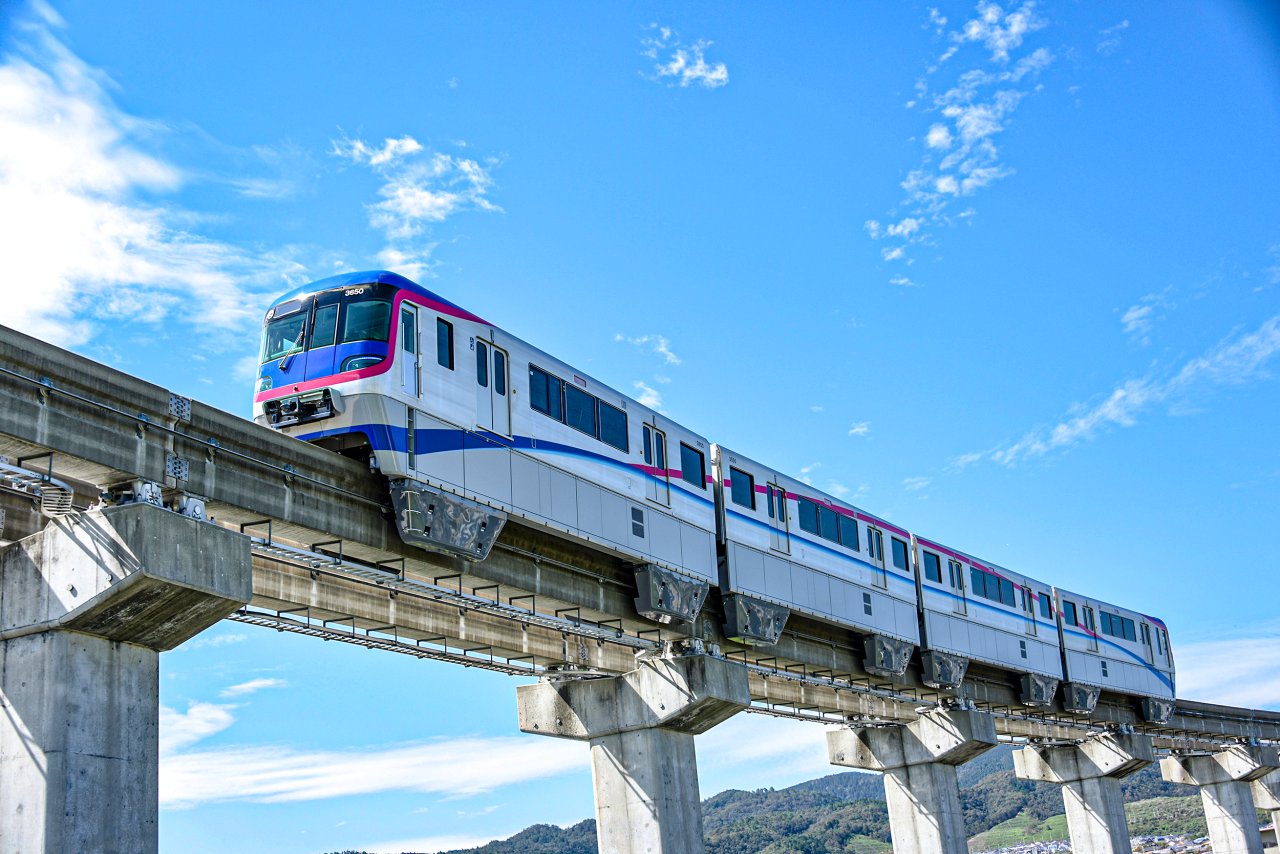
Osaka’s transport network is widely regarded as one of Asia’s finest urban systems.
Every major attraction sits within easy reach of a station, trains run on schedule with near-perfect reliability, and multilingual signage removes the language barrier entirely.
Unlimited day passes reduce costs significantly, and real-time navigation apps display departures in English.
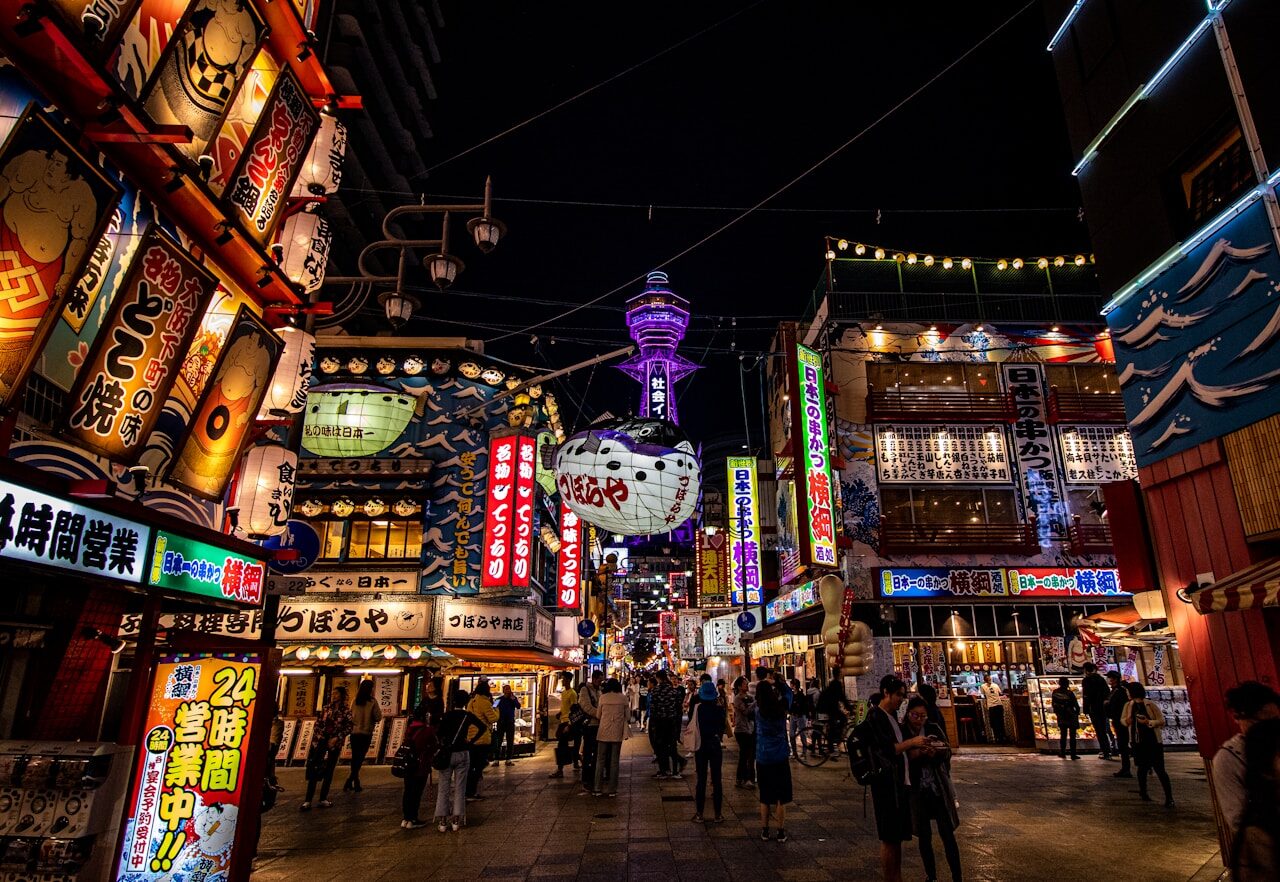
Visitors can move freely between Dotonbori’s neon-lit streets, Shinsekai’s retro lanes, and Umeda’s commercial towers without ever needing a taxi.
For travellers comparing city transport systems globally, Osaka consistently ranks alongside Tokyo and Singapore for ease of use — a genuine competitive advantage for first-time visitors.
Osaka Transportation Options: A Quick Overview
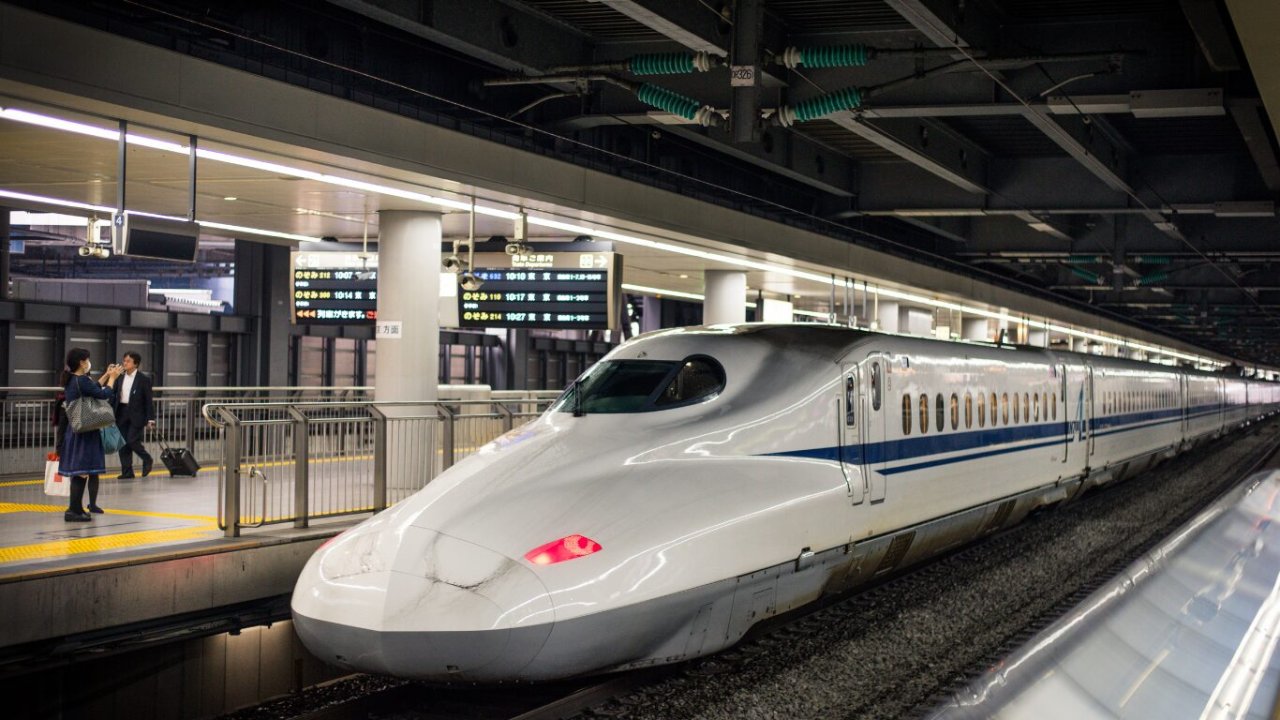
Osaka’s transport ecosystem offers several distinct modes, each suited to different distances, budgets, and travel styles.
Understanding the options before arriving saves both time and money. Also, I recommend you to read our guide on the best time to visit Osaka for better trip planning.
The main ways to get around Osaka are:
- Osaka Metro — The backbone of city movement, connecting major districts quickly and reliably across 9 colour-coded lines
- JR Trains — Best for longer distances, airport connections, and day trips to Kyoto, Nara, and Kobe
- Buses and Trams — Useful for neighbourhoods not served by underground lines
- Taxis and Ride-Hailing Apps — Convenient for late nights, heavy luggage, or off-grid destinations
- Cycling — Ideal for exploring riverside paths and compact neighbourhoods at a relaxed pace
- Walking — The best option for dense tourist districts like Dotonbori and Shinsaibashi
Smart visitors typically combine two or three modes in a single day, switching seamlessly between them using one rechargeable IC card.
Osaka Public Transport: The Subway and Train Network Explained
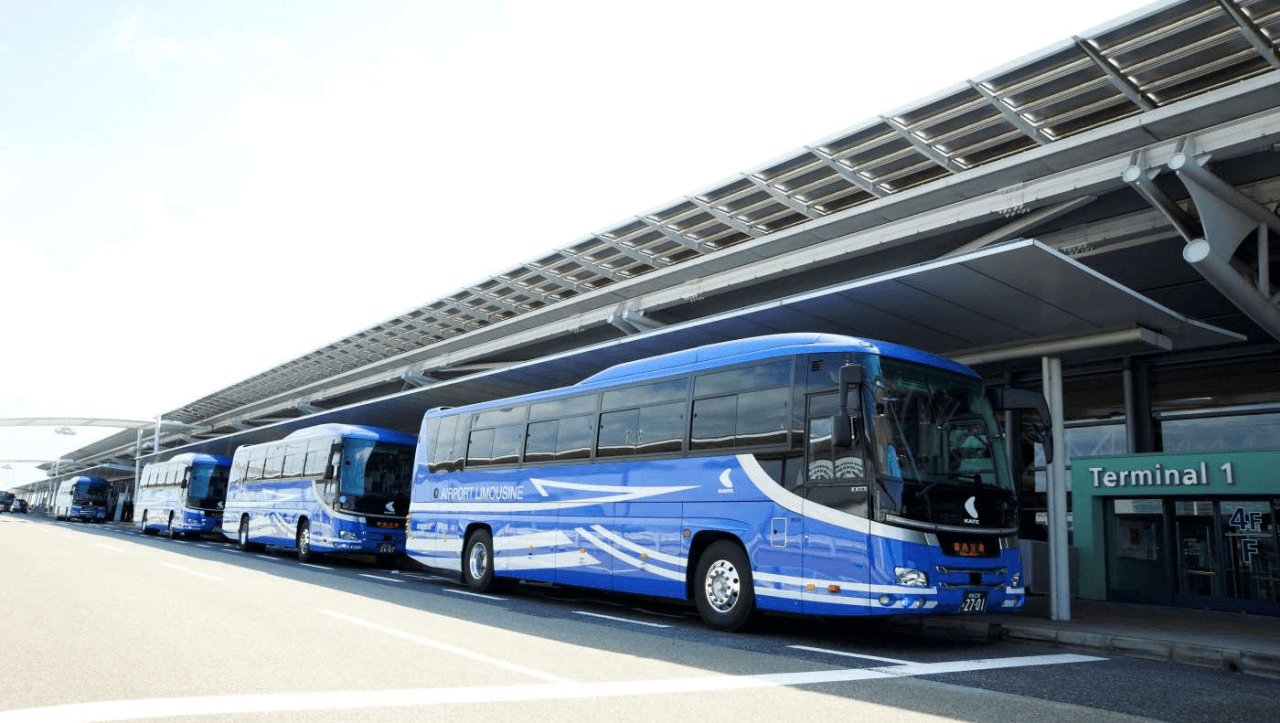
Osaka’s public transport system comprises the Osaka Metro, JR lines, and several private railways that together cover virtually every corner of the city.
The Osaka Metro handles most intra-city journeys, while JR lines extend to the airport and neighbouring cities.
Fares on the Osaka Metro start at ¥190 for short hops (Zone 1: up to 3 km) and increase by distance up to ¥390 for the longest journeys (Zone 5: over 19 km); IC card (ICOCA/PiTaPa) users pay slightly discounted fares from ¥152.
Trains run from approximately 5:00 AM to 12:15–12:30 AM daily (last train times vary by line and terminus), with peak-hour frequency of every 2–5 minutes on major lines such as the Midosuji Line.
The Osaka Metro System
Osaka Metro operates 9 colour-coded lines serving 133 stations across the city.
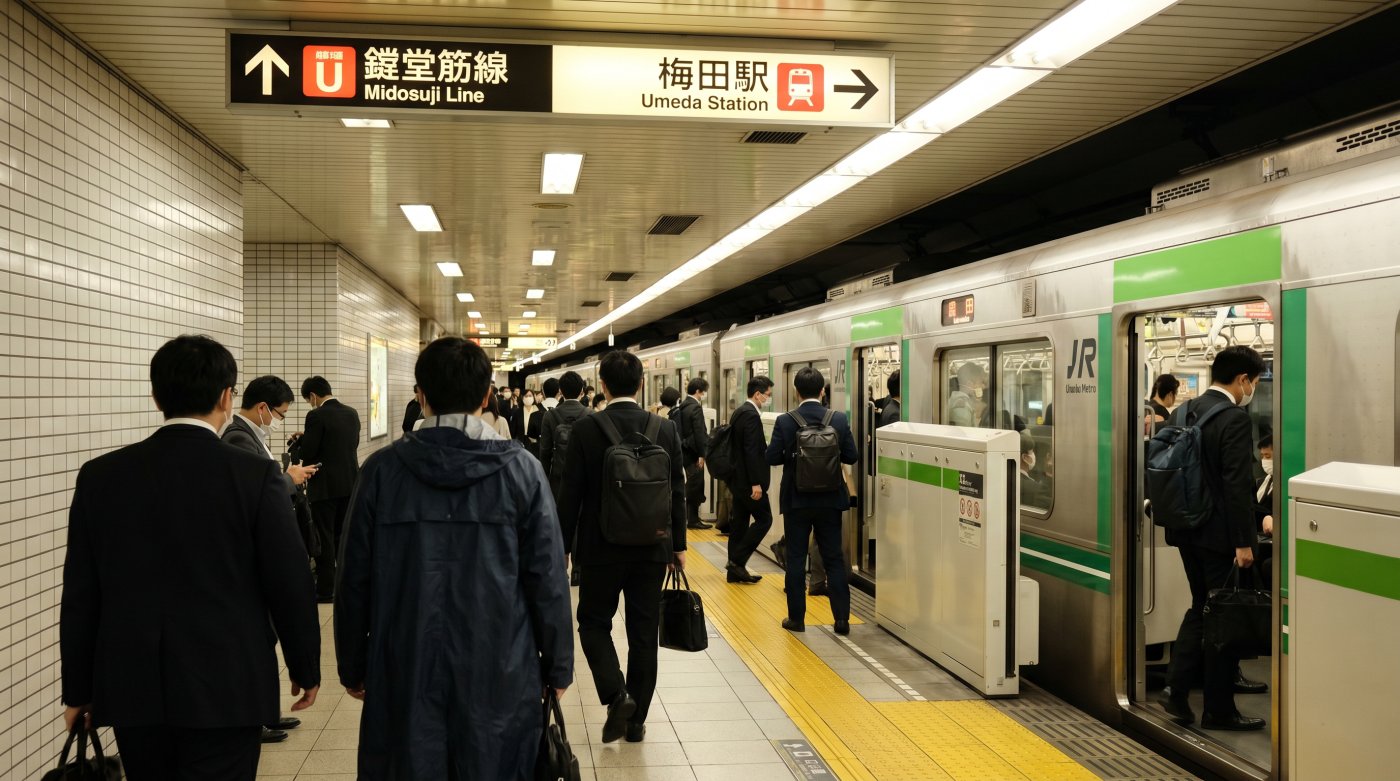
Each line carries a distinct colour and number system, with clear multilingual signage at every platform.
The three lines every visitor should know first:
- Midosuji Line (Red) — The busiest line, connecting Umeda, Shinsaibashi, Namba, and Tennoji
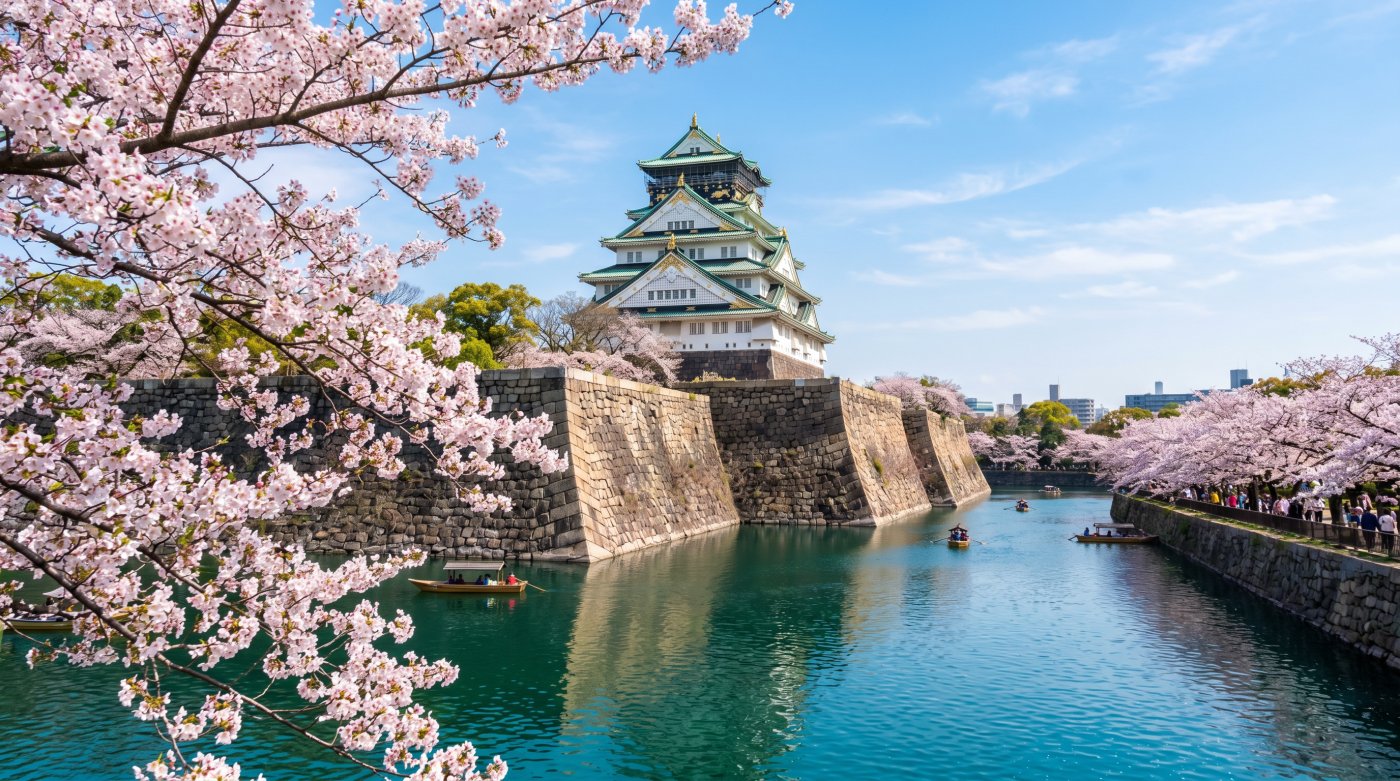
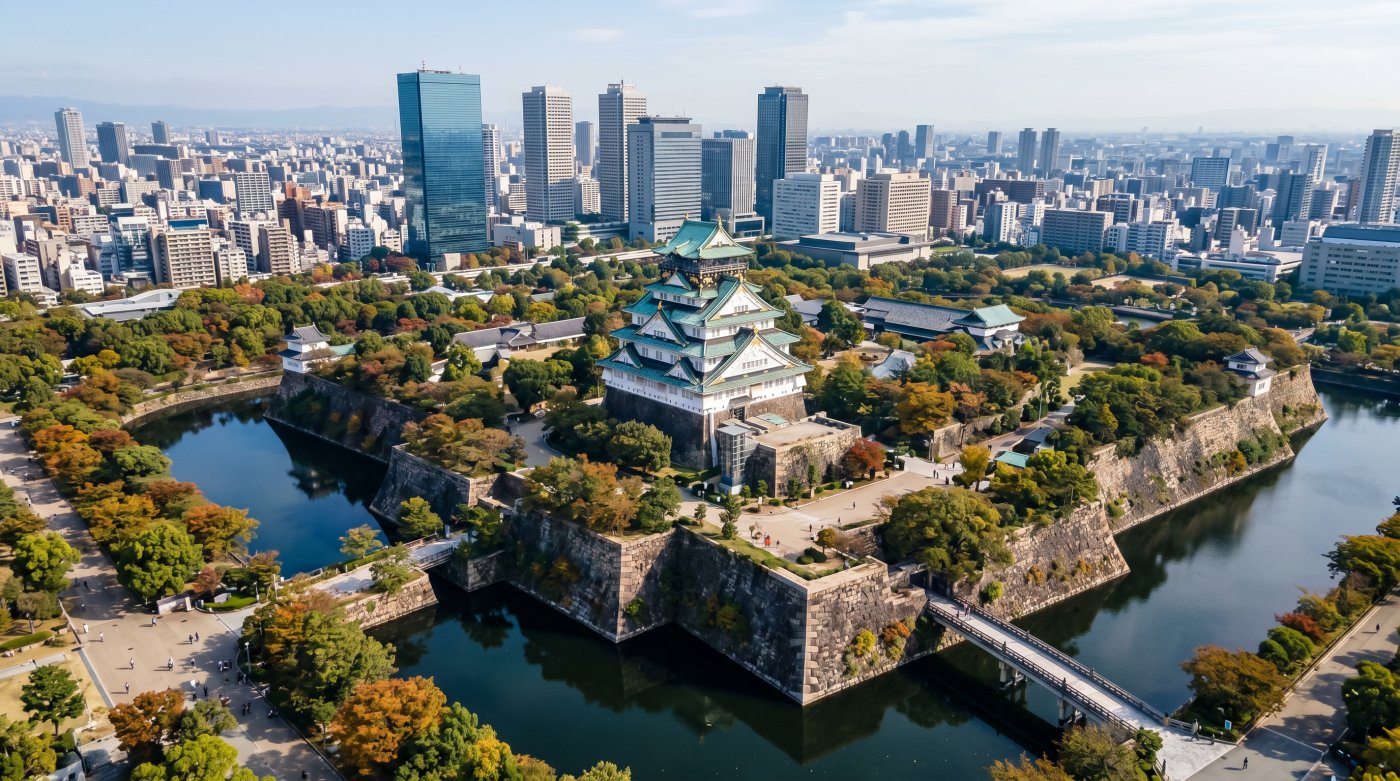
- Tanimachi Line (Purple) — Reaches Osaka Castle and historical districts
- Chuo Line (Green) — Runs west toward Universal Studios Japan
Station names are displayed in Japanese, hiragana, and English on all platforms and inside carriages.
Google Maps and the Osaka Metro app both provide real-time route planning in English.
IC Cards for Osaka Transportation
An IC card is the single most useful item any visitor to Osaka can carry.
ICOCA and Suica cards work across all Osaka Metro lines, JR trains, most buses, and even at convenience stores and vending machines.
To get an ICOCA card, visit any JR West ticket machine at Kansai International Airport or major Osaka stations.
The card costs ¥2,000, which includes a ¥500 refundable deposit and ¥1,500 in preloaded credit.
A minimum top-up card is also available from ¥1,000 (¥500 deposit, ¥500 credit).
Top up at any station ticket machine or at major convenience stores.
Travellers arriving from Tokyo who already hold a Suica card can use it in Osaka without any changes — both cards are fully interoperable across the national IC card network.
JR Lines in Osaka: When To Use Them Over the Metro
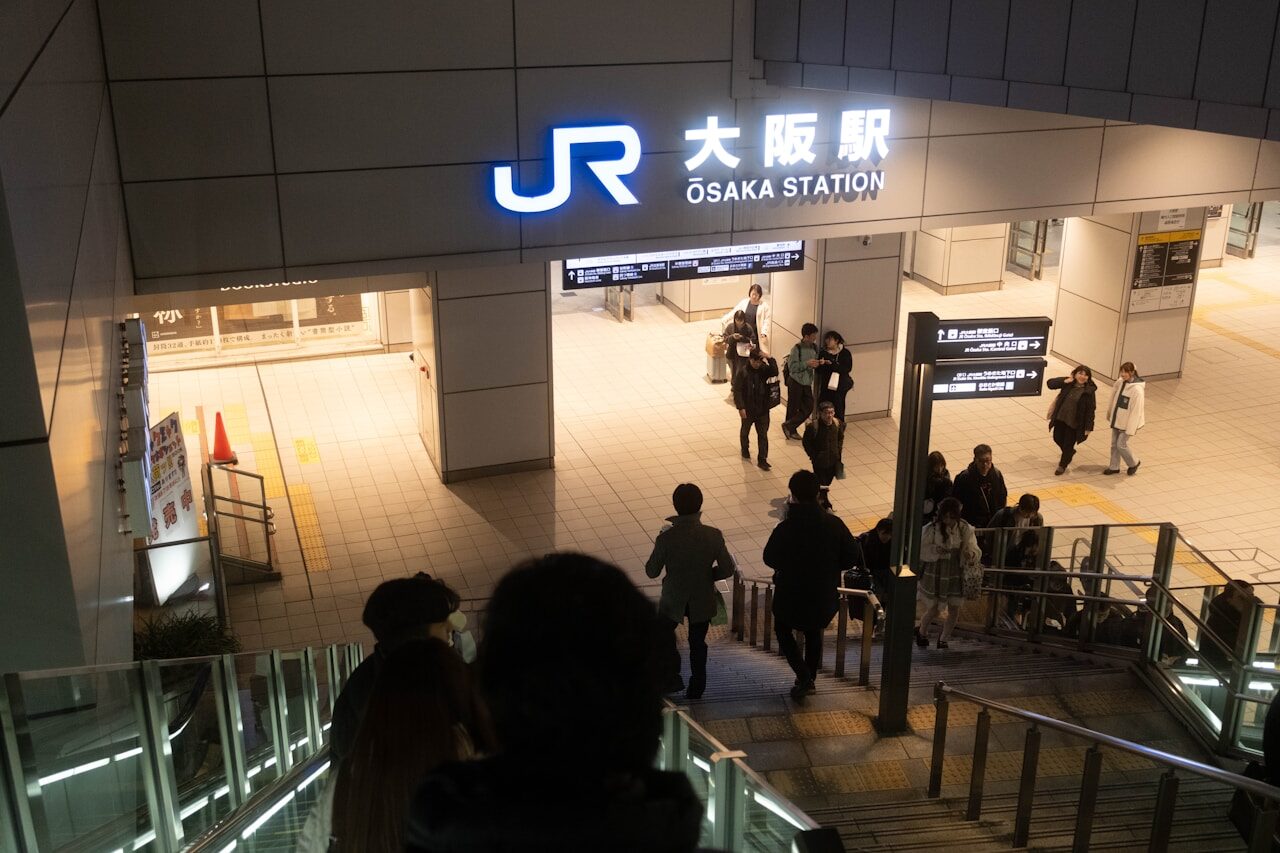
JR lines complement the Metro by covering longer distances and connecting Osaka to the broader Kansai region.
For most intra-city journeys, the Metro is faster and more convenient — but JR becomes the better choice in specific situations.
Choose JR over the Metro when:
- Travelling to Universal Studios Japan — The JR Yumesaki Line terminates directly at the park entrance
- Heading to Kyoto or Kobe — JR intercity services are faster and often cheaper than private railways
- Using the Osaka Loop Line — This circular JR route connects major neighbourhoods including Osaka, Tennoji, and Namba stations efficiently
The JR Osaka Loop Line is particularly useful for travellers staying in residential areas slightly removed from Metro stations.
How To Get To Osaka From Tokyo, Kyoto, and Kansai Airport
Osaka is well connected to the rest of Japan by shinkansen, regional express trains, and airport rail links.
Arrivals from Tokyo, Kyoto, and Kansai International Airport all have fast, direct options into the city centre.
Arriving by Shinkansen
The Tokaido-Sanyo Shinkansen connects Tokyo to Shin-Osaka Station in approximately 2 hours 21 minutes on the Nozomi service.
From Kyoto, the shinkansen reaches Shin-Osaka in just 15 minutes.
Shin-Osaka Station connects directly to the Osaka Metro Midosuji Line, placing the city centre within 10 minutes of arrival.
Reserved seats are strongly recommended during peak travel periods and Golden Week.
The Japan Rail Pass covers shinkansen travel on Hikari and Kodama services but not the faster Nozomi.
Travellers without a pass can purchase tickets at JR ticket offices or online via the JR-WEST website.
Getting From Kansai International Airport Into the City
Kansai International Airport (KIX) sits on an artificial island approximately 50 km south of central Osaka.
Two main rail options connect the airport to the city.
The Haruka Limited Express (JR West) runs directly to Tennoji Station in approximately 30 minutes and Shin-Osaka Station in approximately 50 minutes.
A non-reserved seat costs ¥2,200 from the airport to Osaka Station (Umeda); a reserved seat runs ¥2,540.
JR Pass holders can use the Haruka on Hikari-covered routes with a valid pass and seat reservation.
The Nankai Electric Railway offers a more budget-friendly alternative.
The Limited Express Rapi:t reaches Namba Station in approximately 34 minutes for ¥1,490 (¥970 base fare + ¥520 reserved seat supplement) — the fastest and most comfortable option for travellers staying in the Namba or Shinsaibashi area.
The slower Airport Express takes approximately 45 minutes to Namba for the base fare only (¥970), with no reservation required.
The Airport Limousine Bus (operated by KATE) serves multiple city hotels directly and costs ¥1,800 per adult for most central Osaka destinations including Osaka Station (Umeda), Shinsaibashi, and Universal Studios Japan, making it practical for travellers with heavy luggage who want a no-transfer option.
Journey time is approximately 50–70 minutes depending on traffic.
Is Osaka Walkable?
Yes — Osaka is highly walkable in its central tourist districts.
Dotonbori, Namba, and Shinsaibashi sit within 10–15 minutes’ walk of each other, and most key sights in these areas are clustered tightly enough to explore entirely on foot.
The city’s terrain is flat, pavements are wide and well maintained, and pedestrian signage is clear.
Walking is not just viable — it is often the most rewarding way to experience Osaka’s street food culture, canal-side scenery, and neighbourhood character.
Walking makes the most sense in these districts:
- Dotonbori and Namba — Dense with food stalls, canal promenades, and entertainment venues; every block delivers something worth stopping for
- Shinsaibashi — A compact shopping and dining corridor directly north of Namba, easily combined into a single walking loop
- Shinsekai — A retro neighbourhood with tightly packed kushikatsu restaurants and distinctive Tsutenkaku Tower views
- Nakazakicho — Osaka’s bohemian quarter, where vintage shops and independent cafés cluster within a small, walkable grid
For longer cross-city journeys — say, from Namba to Umeda or from the city centre to Osaka Castle — the Metro is faster and more practical.
Taxis in Osaka: What To Know Before You Hail One
Osaka taxis are clean, metered, and reliable.
Drivers operate under strict licensing regulations, so fare manipulation and scams are not a concern.
Taxis are the right choice for late-night travel, heavy luggage, or destinations not well served by public transport.
Fares start at ¥600 for the first 1.3 km (standard small cars, up to 4 passengers), then increase by ¥100 per 260 metres.
Most urban trips within central Osaka cost between ¥1,500 and ¥3,000 depending on distance and time of day.
Late-night surcharges (typically 20% extra) apply between 22:00 and 05:00.
One important etiquette note: taxi doors in Osaka open and close automatically.
Never touch the door handle — the driver controls it remotely.
Cash is the most widely accepted payment method, though major credit cards are increasingly accepted in newer vehicles.
Confirm card acceptance before boarding if needed.
How To Book a Taxi in Osaka Without Speaking Japanese
Communicating a destination is the most common challenge for non-Japanese-speaking visitors.
Several practical solutions remove this barrier entirely.
The GO Taxi app is the most traveller-friendly option, connecting users with licensed local taxis through an English-language interface.
Destinations are entered digitally, and payment is processed automatically through the app.
Alternatively, screenshot your hotel’s Japanese address before leaving home and show it to the driver on arrival.
Most hotels and tourist offices also provide printed destination cards covering popular attractions and transport hubs.
Google Translate’s camera function can convert Japanese text on street signs or menus into English in real time, which is useful beyond just taxis.
Is There Uber in Osaka?
Uber does operate in Osaka, but it functions differently from the peer-to-peer model familiar to travellers from North America or Europe.
In Japan, Uber partners exclusively with licensed taxi companies, meaning the app dispatches a regulated taxi cab rather than an independent driver.
In practical terms, this means Uber in Osaka offers the same metered fares as street taxis, with the added convenience of an English-language interface, upfront fare estimates, and in-app destination entry that removes the language barrier.
Uber Osaka: How It Works and How It Compares to Street Taxis
Uber in Osaka connects riders with certified taxi fleets through a familiar app interface.
Fares are metered and regulated — the same rates apply whether a taxi is hailed on the street or booked through Uber.
The key advantages of using Uber over hailing a street taxi:
- Upfront fare estimates eliminate currency confusion
- In-app destination entry removes the need to communicate in Japanese
- Cashless payment through the app avoids fumbling for change
The main disadvantage is that Uber can be slower to dispatch than simply flagging down a passing taxi in busy areas like Namba or Umeda, where cabs are plentiful.
Other Ride-Hailing Apps for Getting Around Osaka
Several alternatives to Uber are worth installing before arriving in Osaka.
Each has distinct advantages depending on the situation.
- DiDi — The Chinese-owned platform has expanded aggressively across Japan and frequently offers promotional fares lower than standard taxi rates
- S.RIDE — Connects directly with licensed taxi fleets across the Kansai region; reliable and straightforward
- GO — Aggregates multiple taxi companies into one interface, making last-minute bookings fast and flexible
All three apps accept international credit cards and feature English-language interfaces.
Downloading two or three options before arrival ensures a backup is always available.
Cycling Around Osaka: Bike Rentals and Routes
Cycling is one of the most enjoyable ways to explore Osaka at a relaxed pace.
The city is largely flat, dedicated cycling paths run along major rivers, and bike-share stations are distributed across central neighbourhoods.
The Osaka Bike Share system (operated by Docomo Bike Share) is the city’s primary bike-share network, with red electric-assist bikes and docking stations throughout central Osaka.
Rates are ¥165 per 30-minute trip for casual (one-trip member) use, or ¥1,527 for a 1-day unlimited pass (valid until 23:59 on the day of use).
A 1-day pass with an included IC card costs ¥2,200 for visitors without an existing IC card.
The app handles registration and unlocking, or passes can be purchased at staffed exchange points.
Local rental shops near Osaka Castle and in tourist-heavy areas typically offer full-day rates of ¥1,000–¥1,500 for standard bikes and ¥2,000 for e-bikes, which suits travellers planning extended rides without needing to return to a docking station.
Best Cycling Routes in Osaka
Osaka’s flat terrain and riverside paths make several routes particularly rewarding for cyclists.
- Nakanoshima Island Loop — A scenic riverside circuit connecting the Museum of Oriental Ceramics, Nakanoshima Park, and city hall; mostly flat and traffic-light friendly
- Osaka Castle Circuit — Weaves through the castle park grounds, offering views of the fortress framed by cherry blossoms in spring and foliage in autumn
- Okawa River Path — A long, flat riverside route running north from Nakanoshima toward Sakuranomiya Park
- Shinsekai to Den-Den Town — A short urban ride through retro streets and electronics shops in southern Osaka
Cyclists should note that riding on pavements is technically restricted in Japan, though enforcement is inconsistent.
Designated cycling lanes and riverside paths are the safest and most enjoyable options.
Day Trips From Osaka: Getting Around the Kansai Region
Osaka’s central position in the Kansai region makes it an outstanding base for day trips.
Fast regional trains connect the city to Kyoto, Nara, Kobe, and beyond, with most destinations reachable in under an hour.
For travellers planning to visit Kyoto — whether for its temples, traditional neighbourhoods, or seasonal festivals — our guide to the best neighbourhoods to visit in Kyoto covers where to focus your time once you arrive.
Budget-conscious travellers will also find detailed cost-saving strategies in our affordable Kyoto travel guide.
Reaching Kyoto, Nara, and Kobe From Osaka
All three cities are accessible by direct train from central Osaka, with no transfers required on the most popular routes.
Kyoto is the easiest day trip from Osaka:
- Shinkansen (Nozomi/Hikari): Shin-Osaka to Kyoto in approximately 15 minutes; ¥1,450 (unreserved seat) — fastest option, covered by JR Pass on Hikari and Kodama services
- Hankyu Line: Osaka-Umeda to Kyoto-Kawaramachi in approximately 43–46 minutes; ¥410 — the best-value option, no express surcharge
- JR Special Rapid (Shinkaisoku): Osaka Station to Kyoto Station in approximately 29–30 minutes; ¥580
Also read the guide about day trip to Kyoto from Osaka.
Nara is a 35–55 minute journey depending on the service:
- Kintetsu Nara Line (Rapid Express): Osaka-Namba to Kintetsu Nara in approximately 36 minutes; ¥680 — recommended for direct access to Nara Park
- JR Yamatoji Rapid: JR Osaka Station to JR Nara Station in approximately 55 minutes; ¥820
Also read the guide about day trip to Nara from Osaka.
Kobe sits just 20–30 minutes from Osaka:
- Hankyu Kobe Line (Limited Express): Osaka-Umeda to Kobe-Sannomiya in approximately 25 minutes; ¥330
- Hanshin Line (Rapid Express): Osaka-Umeda to Kobe-Sannomiya in approximately 30 minutes; ¥320
- JR Kobe Line (Special Rapid): Osaka Station to Kobe-Sannomiya in approximately 20 minutes; ¥420 — fastest non-shinkansen option
For a broader look at excursions from the region, our roundup of top day trips from Kyoto includes several destinations also reachable directly from Osaka.
Regional Rail Passes Worth Considering for Kansai Travel
Travellers planning multiple day trips should evaluate whether a regional rail pass offers better value than buying individual tickets.
The JR Kansai Area Pass covers unlimited travel on JR lines across Osaka, Kyoto, Nara, Kobe, Himeji, Wakayama, and Otsu, including the Kansai Airport Haruka Express.
It is available in four durations — 1-day (¥2,800), 2-day (¥4,800), 3-day (¥5,800), and 4-day (¥7,000) — with child passes (ages 6–11) at exactly half price.
Note that this pass does not cover Shinkansen travel or limited express surcharges; for Shinkansen-inclusive coverage across a wider area, consider the JR Kansai Wide Area Pass (5 consecutive days, ¥12,000 adult), which also includes the Haruka Express and travel as far as Okayama and Kinosaki Onsen.
The Kintetsu Rail Pass is the better choice for travellers focusing on Nara and Ise, covering Kintetsu lines that JR passes do not include.
The Japan Rail Pass (national) covers shinkansen travel on Hikari and Kodama services and is cost-effective for travellers combining Osaka with Tokyo or Hiroshima in the same trip.
Osaka Transport Passes Worth Buying for Tourists
Two payment options stand out for tourists: the Osaka Amazing Pass for heavy sightseers, and a rechargeable IC card for everyone else.
Choosing the right one — or combining both — can meaningfully reduce daily transport costs.
Is the Osaka Amazing Pass Worth It?
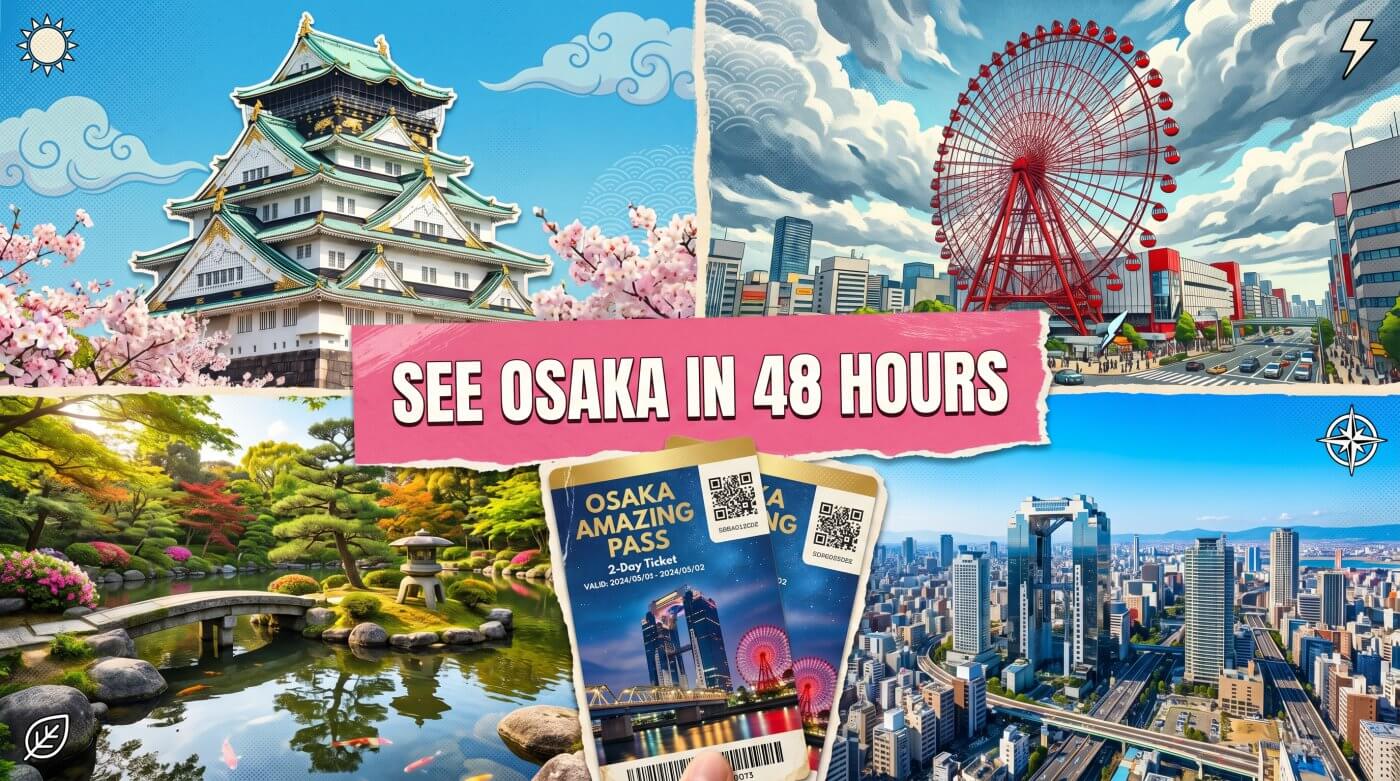
The Osaka Amazing Pass is worth buying for tourists who plan to visit multiple paid attractions in a single day.
The pass bundles unlimited Osaka Metro and city bus rides with free admission to approximately 40 attractions, including Osaka Castle, the Tempozan Giant Ferris Wheel, and the Osaka Museum of History.
The pass is available in one-day (¥3,500) and two-day (¥5,000) options (2026–2027 edition, valid until March 31, 2027).
A single visit to Osaka Castle costs ¥1,200 for adults, so the pass pays for itself quickly when combined with two or three additional attractions and several Metro journeys.
Light explorers who plan to visit only one or two attractions and walk most of the day will likely find a standard IC card more cost-effective.
Osaka Amazing Pass
The Osaka Amazing Pass is worth buying for tourists who plan to visit multiple paid attractions in a single day.
 Buy on Klook
ICOCA vs. Suica: Which Card Works Best for Osaka?
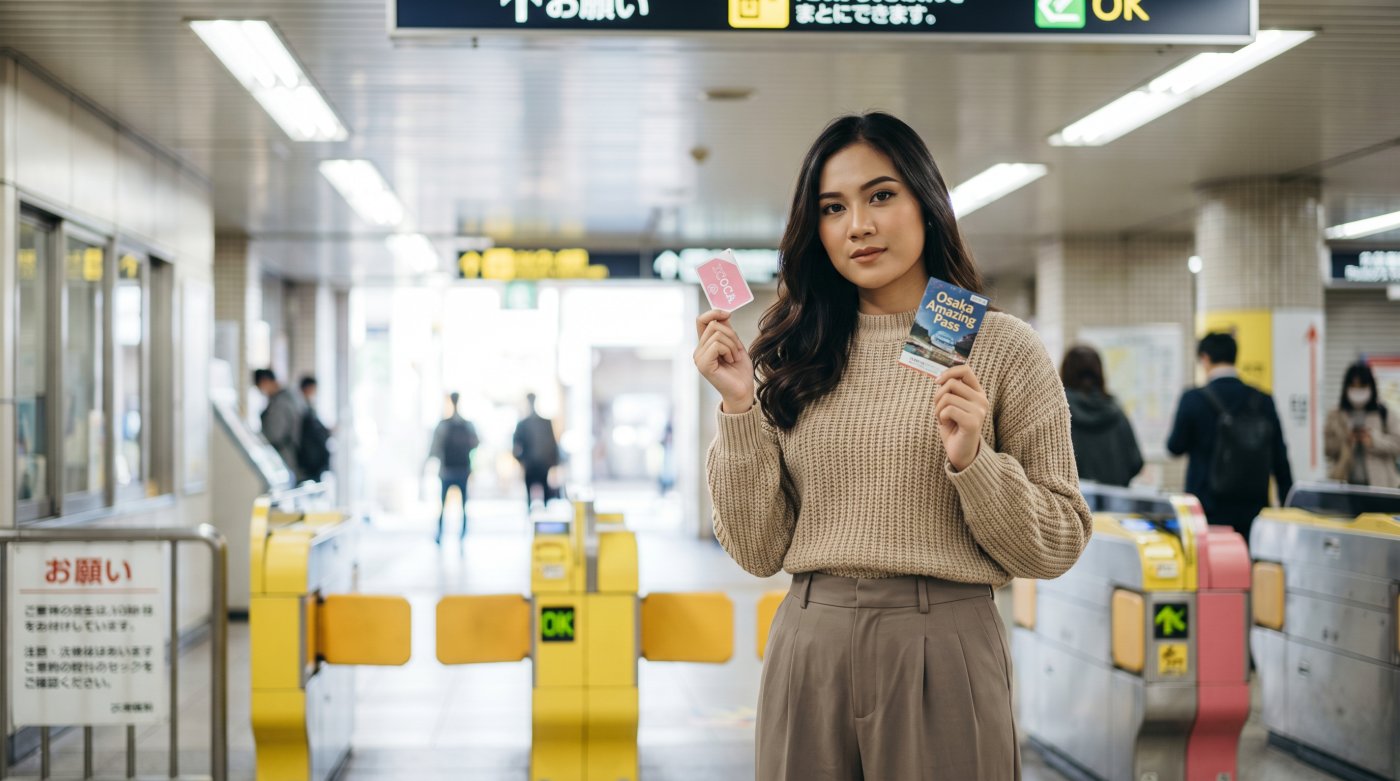
Both ICOCA and Suica are rechargeable IC cards accepted across all Osaka Metro lines, JR trains, most buses, and at convenience stores throughout the city.
For practical purposes, they are interchangeable in Osaka.
| Feature | ICOCA | Suica |
|---|---|---|
| Issuing network | JR West | JR East |
| Works in Osaka | Yes | Yes |
| Purchase location | Osaka / Kansai stations | Tokyo stations |
| Convenience store use | Yes | Yes |
| Airport purchase | Kansai International | Narita / Haneda |
For travellers flying into Kansai International Airport, ICOCA is the logical choice — it is available at the airport and issued by the local JR West network.
Travellers arriving via Tokyo who already hold a Suica card have no reason to switch; both cards work identically in Osaka.
Practical Tips for Getting Around Osaka Without Getting Lost
Navigating Osaka efficiently comes down to a few habits that experienced travellers adopt quickly.
The city’s grid-based layout and excellent English signage make orientation straightforward once a visitor understands the basic structure.
Three essential tips:
- Download the Osaka Metro app before arriving — It provides real-time schedules, route planning, and fare calculations in English, and works offline for basic functions
- Screenshot offline maps — Mobile signal can be weak underground; having a saved map prevents getting stranded between stations
- Memorise three anchor stations — Namba, Umeda, and Shin-Osaka serve as reliable orientation points from which every other destination can be reached
Osaka’s street numbering system differs from Western conventions — addresses reference blocks rather than sequential house numbers.
Using a landmark or station name when navigating is more reliable than a street address alone.
For travellers who find Osaka’s transport system straightforward and want to apply similar strategies elsewhere, our guide to getting around Paris by public transport and our London transport guide cover comparable urban systems in detail.
To make your Osaka travel better, read our guide on best things to do in Osaka.
FAQ: Getting Around Osaka
Osaka Metro operates a barrier-entry system — there is no separate validation step.
Tap your IC card or insert your paper ticket at the entry gate before descending to the platform.
The gate opens automatically on a valid tap.
Exiting works the same way: tap out at the destination station gate, and the correct fare is deducted automatically from your IC card balance.
Yes. ICOCA, Suica, and all other nationally interoperable IC cards work on Osaka City Bus services.
Board through the rear door and tap your card on the reader as you enter.
Tap again on the reader near the driver when exiting.
The correct fare is deducted automatically.
Cash payment is also accepted, but IC cards are faster and avoid the need for exact change.
Cycling in Osaka is generally safe for tourists.
The city is flat, traffic moves in an orderly manner, and riverside cycling paths provide dedicated, car-free routes.
Helmets are recommended but not legally required for adults.
Cyclists should use designated cycling lanes or roads rather than pavements where possible, as pavement cycling is technically prohibited under Japanese traffic law.
Bike-share stations are clearly marked on the PiPPA and Docomo apps, making it easy to locate a dock at the end of a ride.

A lifestyle and OOTD blogger, Kannaya Nareswari enjoys the small pleasures of cooking, traveling, and documenting ordinary events. She uses genuine storytelling to communicate her love of fashion, culinary explorations, and wanderlust. She is based between Bali and Bandung. She enjoys enjoying coffee at a secret café or experimenting with recipes in the kitchen when she's not traveling to new places or styling her most recent ensemble.