



Travel to Osaka on a Budget: Your Complete Guide to Visiting Without Overspending – Osaka is one of Japan’s most rewarding cities to visit on a budget.
Travelers who choose capsule hotels or hostels in Shin-Imamiya or Tennoji, eat convenience-store bentos and cheap street snacks in Dotonbori, and mix walking with an ICOCA card or day pass can keep daily costs impressively low.
Free attractions like Osaka Castle Park and Sumiyoshi Taisha add real value, while shoulder seasons trim hotel prices further.
A few smart choices stretch yen surprisingly far in this food-obsessed, endlessly energetic city.
To make your trip planning to Osaka better, read our guide on things to know before traveling to Osaka.
Key Highlights
- Stay in capsule hotels, hostels, or guesthouses in Shin-Imamiya or Tennoji to keep accommodation costs low.
- Save on food with convenience-store meals, cheap eats, and affordable street snacks in Dotonbori and Kuromon Market.
- Visit during shoulder seasons or winter after New Year for lower airfare and hotel prices.
- Enjoy free or low-cost attractions like Osaka Castle Park, Sumiyoshi Taisha, Shinsekai, and Nakanoshima.
- Use ICOCA cards, day passes, and walk between nearby sights to reduce transportation expenses.
Is Osaka Cheap To Visit?
Osaka is generally cheaper than Tokyo, making it one of Japan’s most accessible major cities for budget-conscious international travelers.
It is not a rock-bottom destination, but smart choices — street food, simple stays, and free attractions — keep daily costs very manageable.
Budget travelers who embrace flexibility, local markets, and capsule hotels will find Osaka genuinely affordable.
Those who chase premium hotels, nonstop nightlife, and paid attractions at every turn will see costs climb quickly.
The overall cost to visit Osaka depends less on the city itself and more on how a visitor chooses to eat, sleep, and move around.
Osaka rewards savvy travelers more than almost any other Japanese city of its size.
How Much Does It Cost To Visit Osaka? A Realistic Daily Breakdown
A realistic daily budget in Osaka ranges from approximately ¥5,000–¥8,000 for budget travelers to ¥15,000–¥25,000 for mid-range visitors.
Splurge travelers spending on luxury hotels and tasting menus can easily exceed ¥50,000 per day.
Daily costs consistently run below Tokyo’s pace, which is exactly why Osaka attracts travelers who want big-city energy without the bigger price tag.
Understanding where the yen actually goes — accommodation, food, transport, and activities — makes it far easier to plan a trip that fits any travel style.
Osaka Trip Cost Breakdown: Budget, Mid-Range, and Splurge
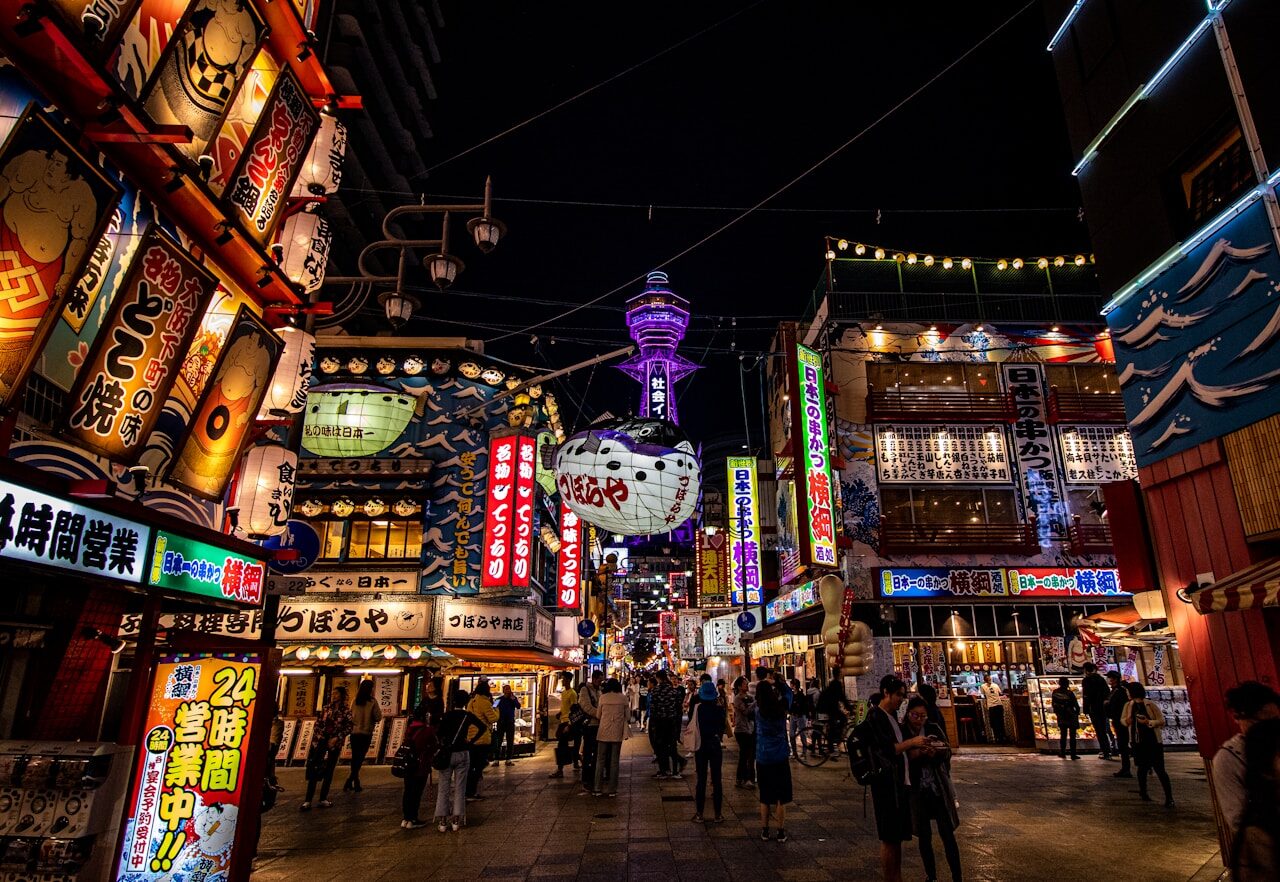
A one-week Osaka trip budget breaks down across four core categories.
Accommodation takes the largest share, food ranges from delightfully cheap street snacks to full restaurant meals, transport stays manageable with smart planning, and activities can be mixed freely to suit almost any wallet.
Budget Traveler (per day):
- Accommodation: ¥3,000–¥6,000 (hostel dorm from ¥3,000 per bed; capsule hotels from ¥4,500)
- Food: ¥1,500–¥2,500 (convenience store meals, street food, standing ramen)
- Transport: ¥500–¥820 (IC card for a few hops, or ¥620 weekend day pass)
- Activities: ¥0–¥1,200 (free parks, shrines, castle park; Osaka Castle tower at ¥1,200)
- Daily Total: approx. ¥5,000–¥10,500
Mid-Range Traveler (per day):
- Accommodation: ¥12,000–¥22,000 (business hotel private room, central location)
- Food: ¥3,000–¥6,000 (mix of sit-down restaurants and casual dining)
- Transport: ¥820–¥1,500 (Metro day pass at ¥820 weekdays / ¥620 weekends, occasional taxi)
- Activities: ¥1,200–¥3,000 (two to three paid attractions, museum entries)
- Daily Total: approx. ¥17,000–¥32,500
Splurge Traveler (per day):
- Accommodation: ¥35,000+ (boutique or luxury hotel; top-tier properties ¥60,000–¥80,000+)
- Food: ¥15,000+ (kaiseki or omakase dinner alone can run ¥20,000–¥40,000 per person)
- Transport: ¥2,000+ (taxis, Shinkansen day trips to Kyoto or Hiroshima)
- Activities: ¥5,000+ (USJ Express Pass from ¥9,800, private tours, premium experiences)
- Daily Total: ¥57,000+
For a full week, budget travelers can realistically plan for ¥35,000–¥73,500 total in-city spending, excluding international flights.
Is Osaka Affordable Compared to Tokyo and Other Japanese Cities?
Osaka is consistently more affordable than Tokyo across accommodation, food, and nightlife.
Budget hotels and hostels in Osaka typically cost 10–20% less than equivalent Tokyo options, and casual restaurant meals often run cheaper in Osaka’s highly competitive food scene — a solid teishoku (set lunch) runs ¥800–¥1,200 in Osaka versus ¥1,000–¥1,500 for comparable quality in central Tokyo.
Compared with Fukuoka, Osaka sits at a similar or slightly higher price point depending on the season.
Kyoto, just 15 minutes away by Shinkansen, tends to run higher on accommodation costs, particularly during cherry blossom and autumn foliage seasons.
For travelers planning a budget trip to Japan, Osaka frequently emerges as the most practical base.
Street food answers the question of daily meal costs in delicious, low-stress bites, and the city’s efficient transit network keeps transport spending predictable.
If you are also considering a side trip, our Kyoto budget travel guide covers how to keep costs low in both cities.
Cheapest Time To Visit Osaka
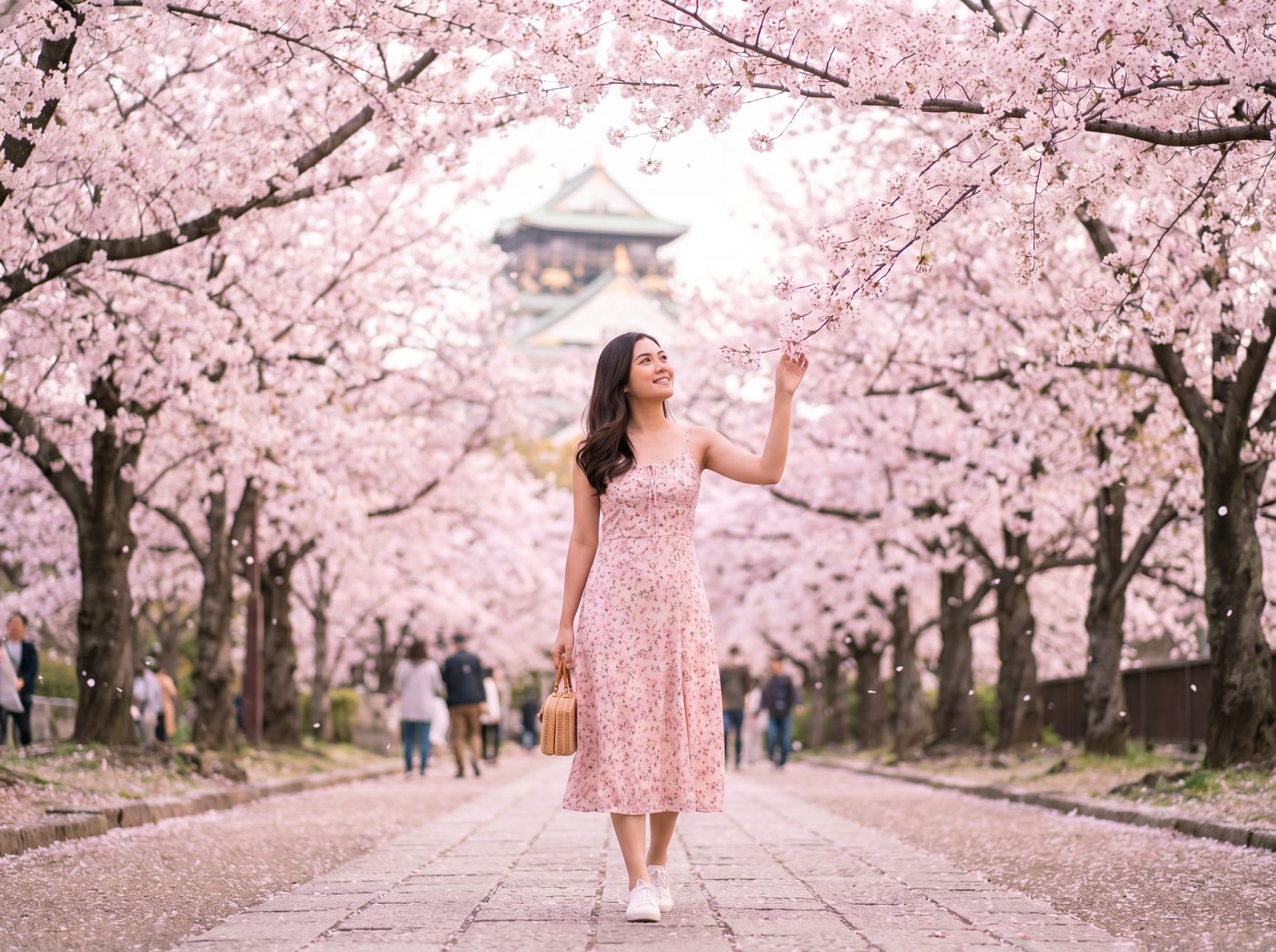
The cheapest time to visit Osaka is late January through February, followed by the rainy weeks of June.
During these periods, hotel rates soften noticeably, international flight deals appear more frequently, and the city remains lively rather than sleepy.
Timing a trip well often saves more money than trimming a food budget or skipping attractions.
Understanding how each season affects prices makes it far easier to plan a genuinely affordable Osaka vacation.
Osaka Travel Costs by Season
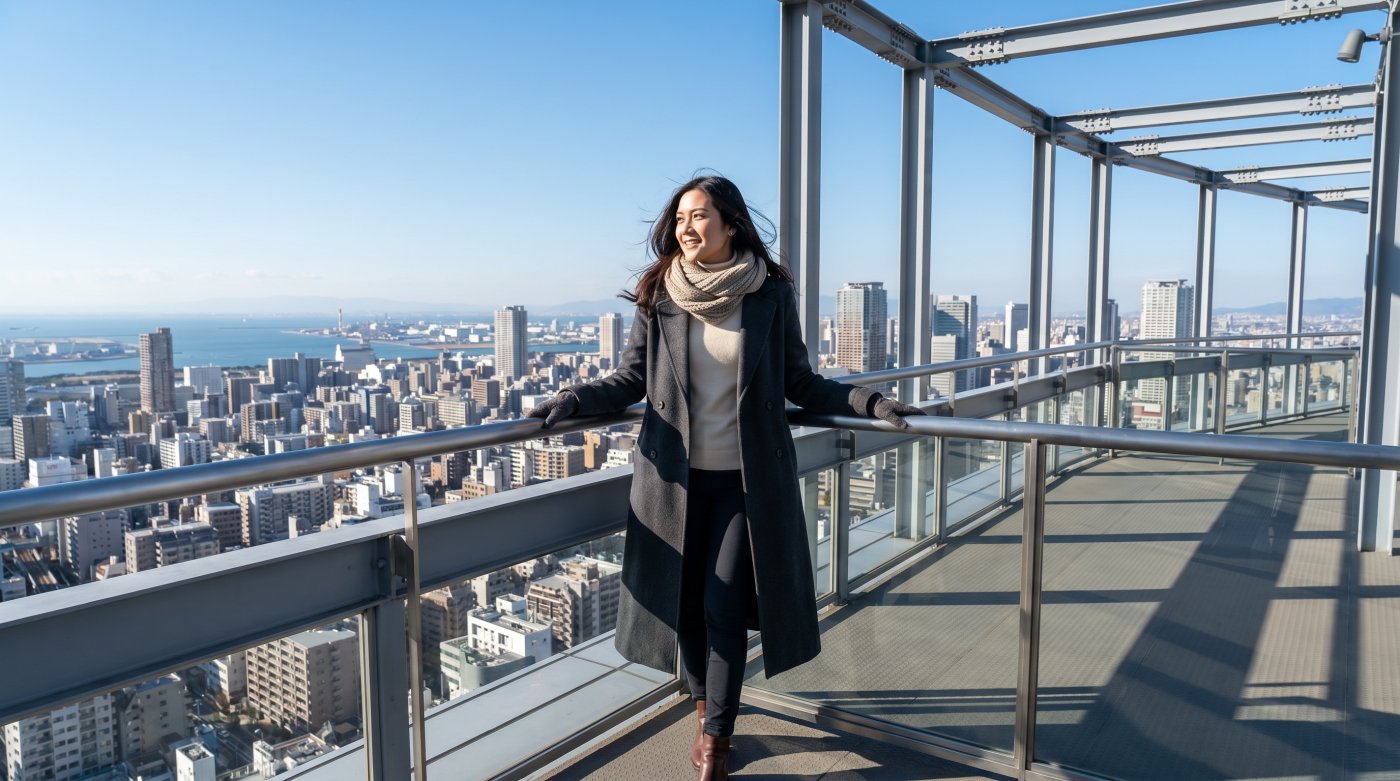
Winter (January–February): The cheapest window overall.
Hotel rates can drop 20–35% compared to cherry blossom peak periods, with mid-range rooms regularly available from ¥10,000–¥18,000 per night in areas that command ¥25,000–¥40,000 in spring.
International airfare frequently dips during this window as well.
Osaka remains fully active, with shorter queues at major sights and a genuinely atmospheric winter streetscape in Dotonbori and Shinsekai.
Spring (March–May): Cherry blossom season (late March to early April) pushes prices sharply upward.
Late April and May offer a partial recovery, with pleasant weather and moderate crowds.
Early Summer (June): The rainy season brings humidity and frequent showers but also lower hotel prices and thinner tourist crowds.
A good shoulder-season option for budget travelers who pack an umbrella.
Summer (July–August): Hot, humid, and expensive.
Family demand spikes around Universal Studios Japan, and accommodation rates rise across the city.
Autumn (September–November): Early autumn offers a strong value window.
Late October and November bring foliage season, which pushes prices upward again, though less dramatically than cherry blossom season.
Late December: The holiday period sends prices soaring.
New Year’s Eve and the first days of January are among the most expensive times to visit.
Planning a Trip to Osaka Around Shoulder Season
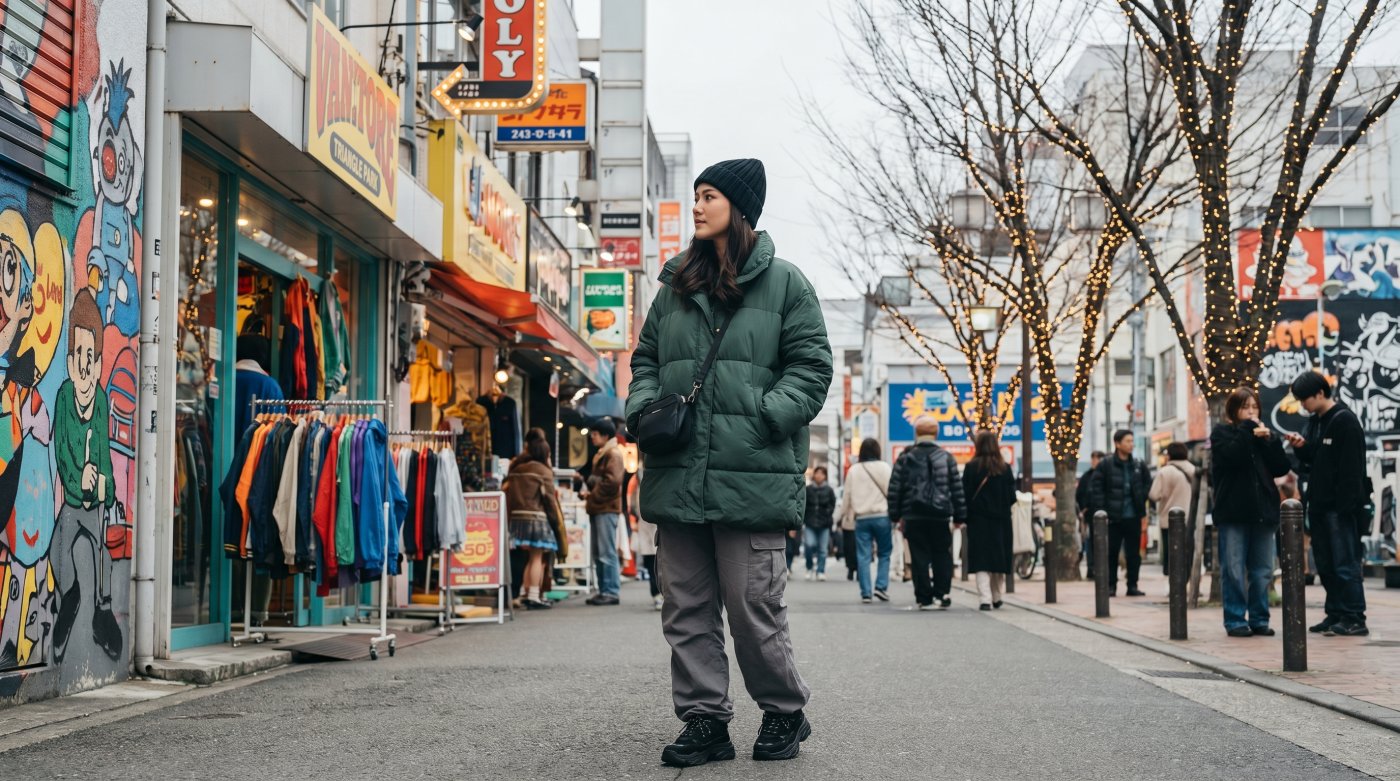
Shoulder season — particularly late May, early June, and the stretch from late September into early November — delivers the best balance of lower prices and enjoyable conditions.
Weekday rates and thinner crowds create more freedom to explore without second-guessing every purchase.
Travelers comparing accommodation options will find better deals on where to stay in Osaka on a budget during these windows, from business hotels in Namba to guesthouses near Tennoji.
Many of the city’s best free and low-cost experiences — temples, markets, riverside walks — also feel calmer and more enjoyable outside peak periods.
Where To Stay in Osaka on a Budget
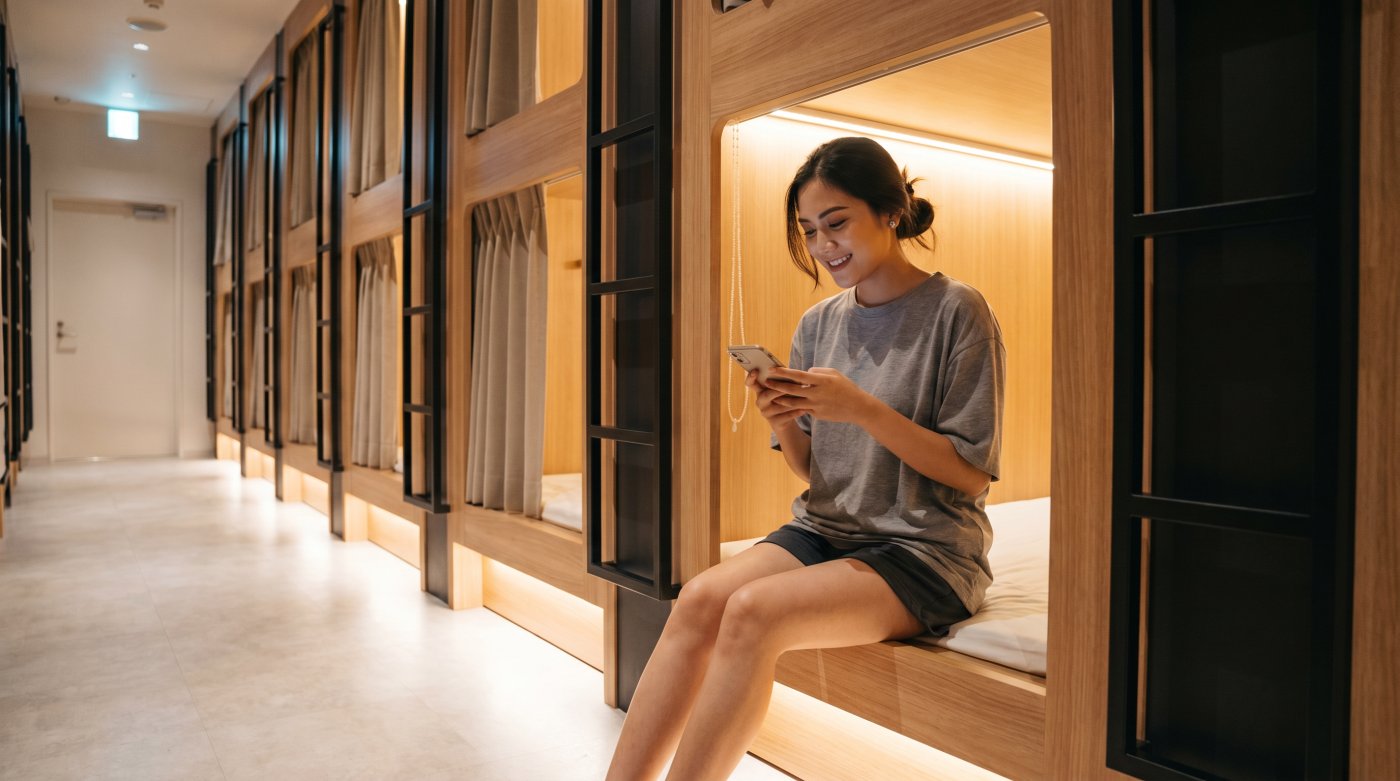
Osaka offers a wide range of budget-friendly accommodation options, from social hostels and capsule hotels to quiet family-run guesthouses.
The city’s efficient rail network means that staying slightly outside the main tourist core rarely adds significant travel time or cost.
Choosing the right neighborhood and accommodation type is one of the fastest ways to reduce overall Osaka trip costs without sacrificing comfort or convenience.
Best Budget Neighborhoods in Osaka
Shin-Imamiya and Shinsekai: Osaka’s most affordable accommodation cluster.
Hostels, guesthouses, and budget hotels here regularly undercut city-wide averages.
The area has a retro, working-class energy and sits close to Tennoji Station for easy rail access.
Tennoji: Slightly more polished than Shin-Imamiya, with a good mix of budget business hotels and guesthouses.
Direct subway and JR connections make it practical for day trips.
Namba edges: Staying one or two blocks from Namba’s main drag cuts prices while keeping Dotonbori, Shinsaibashi, and the subway network within easy walking distance.
Shin-Osaka: Useful for travelers arriving by Shinkansen.
Business hotels here are often cheaper than central Namba equivalents and offer fast connections to the rest of the city.
Average Hotel Price in Osaka and How To Find Deals
The average hotel price in Osaka ranges from approximately ¥5,000–¥8,000 per night for budget private rooms (capsule hotels and hostels from ¥3,000–¥5,000 per bed) to ¥12,000–¥25,000 for mid-range business hotels in central areas.
Luxury properties start around ¥35,000 per night, with top-tier options such as the Ritz-Carlton and Waldorf Astoria running ¥60,000–¥80,000+.
Note that all categories reflect notable price increases since 2024 driven by record inbound tourism and the lodging tax introduced in April 2025.
Smart travelers consistently beat the average by booking midweek, watching flash sales on booking platforms, and choosing properties one subway stop outside the busiest tourist zones.
Capsule Hotels in Osaka: Affordable and Surprisingly Comfortable
Capsule hotels in Osaka have evolved well beyond their quirky-novelty reputation.
Modern capsule hotels in Osaka offer clean private sleeping pods, sleek shared bathrooms, luggage lockers, and lounge areas — all at prices that frequently land between ¥4,000–¥7,000 per night for a well-located pod in a quality facility; bare-bones options in outer areas can still be found from ¥3,000, while premium capsule concepts in Namba and Shinsaibashi push ¥8,000–¥10,000.
They suit solo travelers who want privacy, late-night flexibility, and a genuinely Japanese experience without paying for space they will not use.
Many capsule hotels in Namba and Shinsaibashi are well-maintained, centrally located, and popular with international visitors.
Budget Hostels and Guesthouses Worth Booking
Osaka’s hostel scene caters to a wide range of travel styles.
Social hostels near Dotonbori suit solo travelers looking for instant community.
Quiet family-run guesthouses in residential neighborhoods offer warmth, local tips, and character.
Women-only floors and dormitories add an extra layer of comfort and security for solo female travelers.
Look for properties with luggage lockers, curtained bunks, shared kitchens, and communal lounges — these features significantly extend independence and reduce daily spending on food and storage.
How To Eat Well in Osaka Without Draining Your Budget
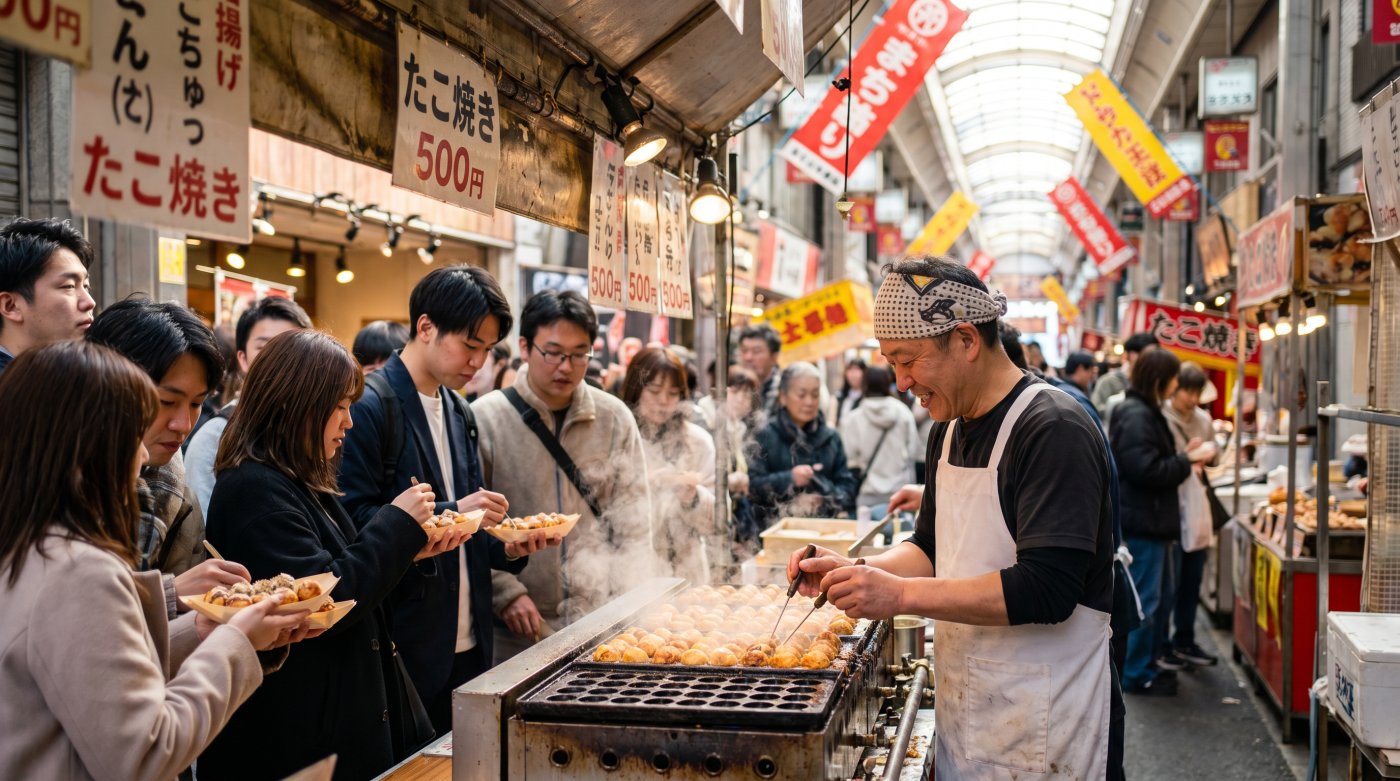
Eating well in Osaka on a budget is not a compromise — it is practically part of the city’s identity.
Osaka has a long-standing reputation as Japan’s kitchen, and that culture of food obsession works strongly in a budget traveler’s favor.
From lively street-food markets to standing ramen counters and 24-hour convenience stores, the city makes it easy to eat satisfying, memorable meals for very little money.
Street Food in Dotonbori and Kuromon Market
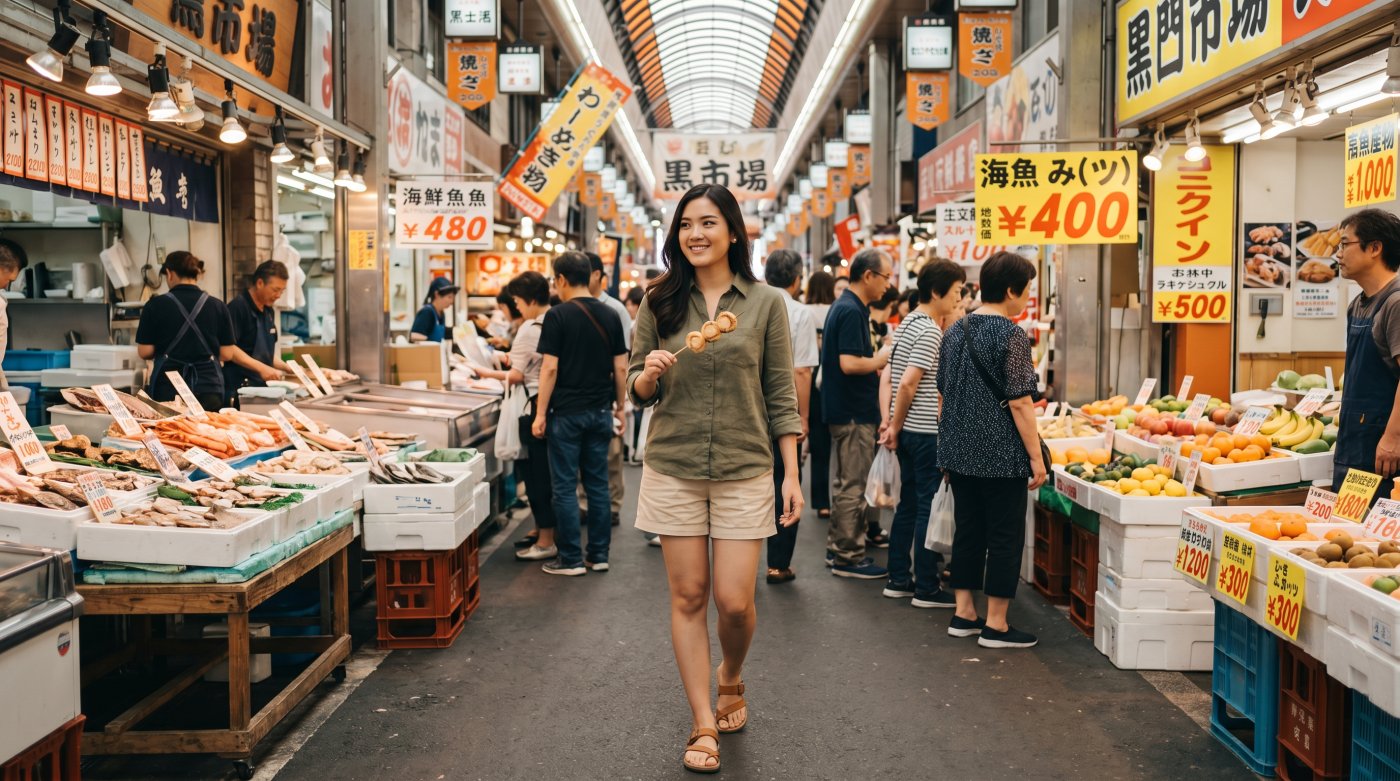
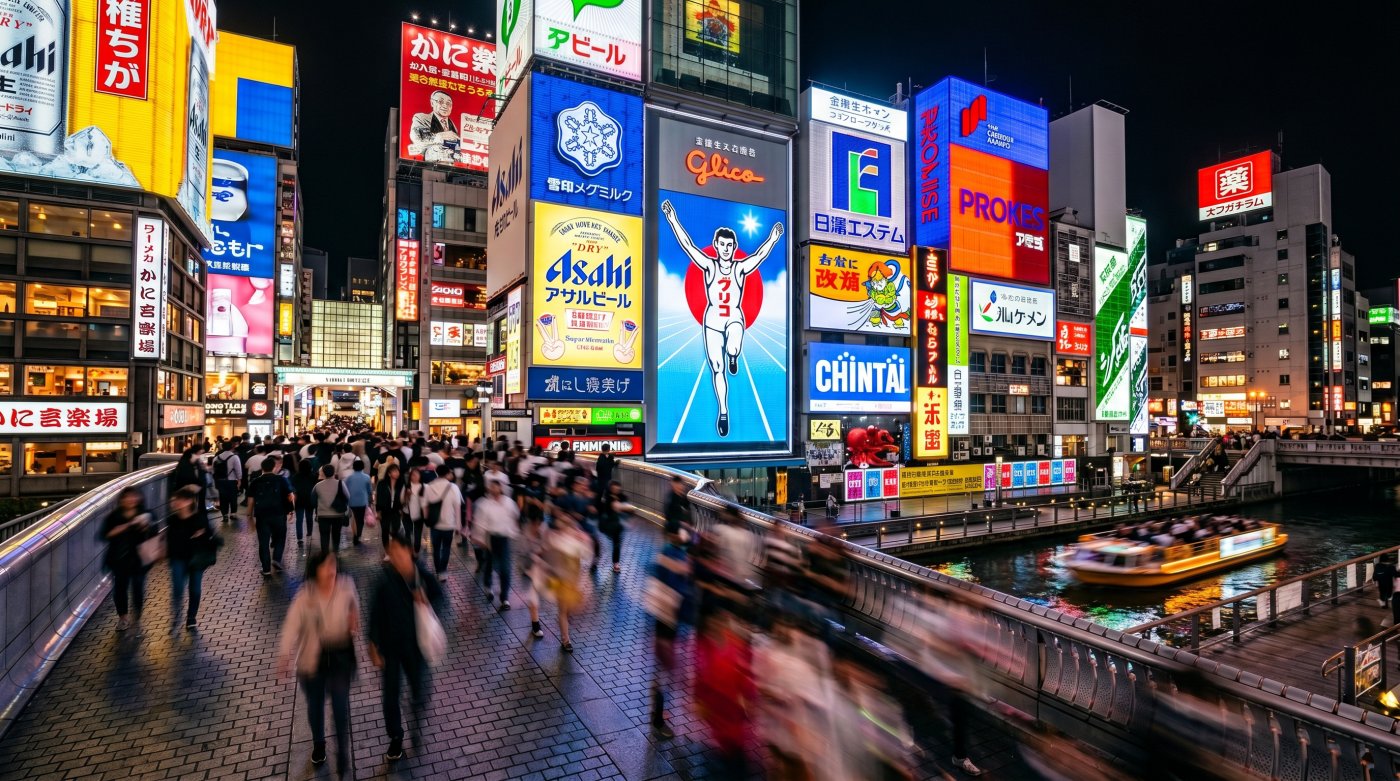
Dotonbori and Kuromon Market are Osaka’s two most famous food destinations, and both are excellent for budget eating.
Takoyaki (octopus balls) typically cost ¥500–¥800 for a portion of six to eight pieces, while skewers, grilled scallops, taiyaki, and crab sticks rarely exceed ¥300–¥700 each depending on the item and vendor.
Kuromon Market, often called Osaka’s kitchen, runs along a covered arcade near Nippombashi Station; most stalls open from around 8:00 AM to 6:00 PM daily, with the market at its most lively between 9:00 AM and 4:00 PM.
It is best visited in the morning or early afternoon when stalls are fully stocked.
Grazing through both markets — choosing one or two standout bites rather than committing to a full sit-down meal — is one of the most enjoyable and cost-effective ways to eat in the city.
Standing Ramen, Conveyor Belt Sushi, and Other Budget Meal Options
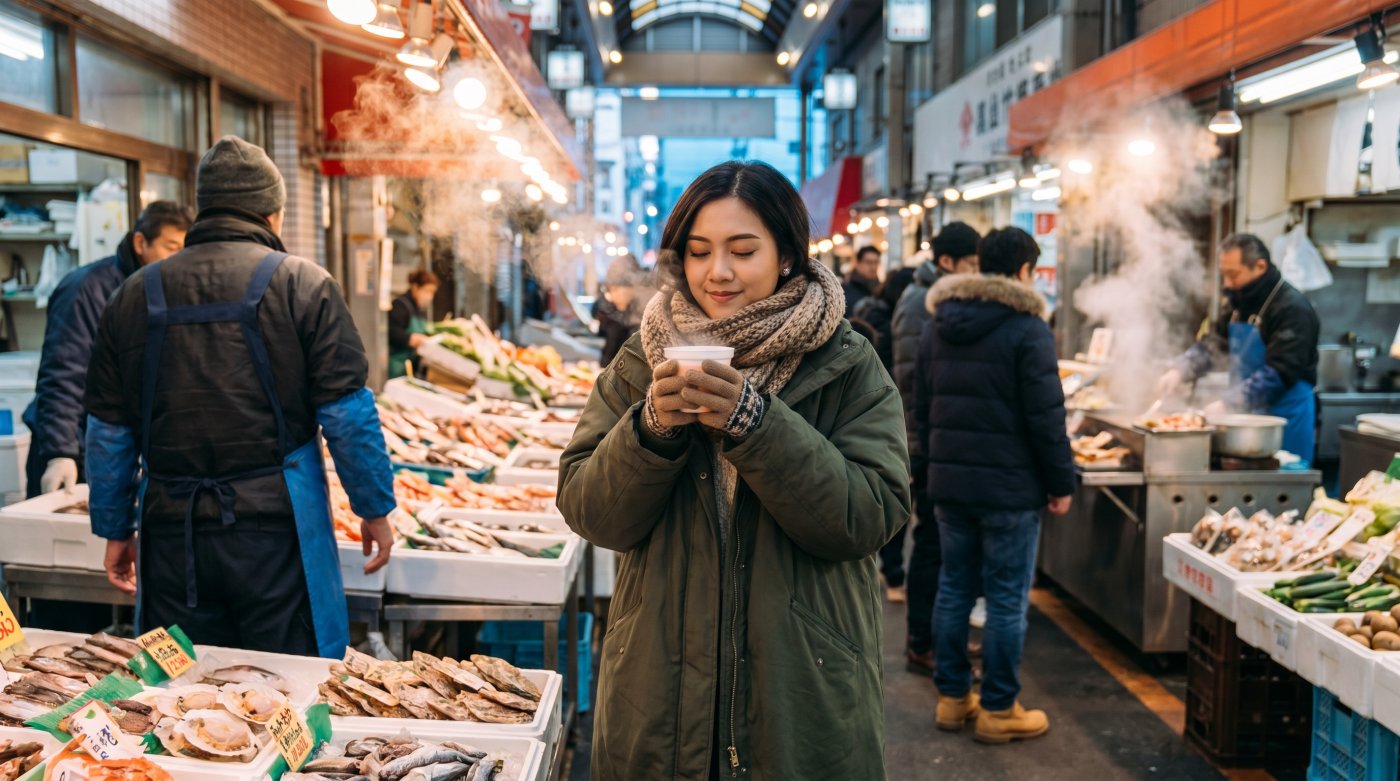
Osaka’s standing ramen counters serve hot, filling bowls for ¥700–¥1,000, making them one of the cheapest hot meals in the city.
Conveyor belt sushi restaurants (kaiten-zushi) around Namba and Umeda offer plates from ¥110–¥165 per plate at budget chains (Kura Sushi, Hamazushi), with premium items running ¥200–¥400; a satisfying meal typically runs ¥900–¥1,800.
Curry chain restaurants, set-meal diners (teishoku), and udon shops round out the budget meal landscape.
Around Namba, Umeda, and Tennoji, quick stops deliver hot broth, crisp karaage, and filling plates that stack cheaply.
Travelers eat fast, wander freely, and save yen for the next adventure.
Convenience Store Meals: The Budget Traveler’s Secret Weapon
Japan’s convenience stores — Lawson, FamilyMart, and 7-Eleven — are a genuine budget travel asset in Osaka, though prices have risen sharply since 2024 due to rice inflation and multiple price revision rounds.
Standard onigiri (rice balls) now cost ¥160–¥220 for most varieties (simple fillings from ¥130; premium versions ¥250–¥360); bento boxes run ¥480–¥800; and hot drinks from the counter typically cost ¥120–¥180.
A full konbini meal still comes in well under ¥1,000, making it one of the most practical budget options in the city.
Convenience stores operate 24 hours, require no reservations, and offer a rotating selection of seasonal items that make them far more interesting than their name suggests.
A smart approach mixes convenience-store breakfasts and lunches with one sit-down restaurant meal per day, keeping food costs low while still enjoying Osaka’s broader dining culture.
Cheap Things To Do in Osaka: Free and Low-Cost Attractions
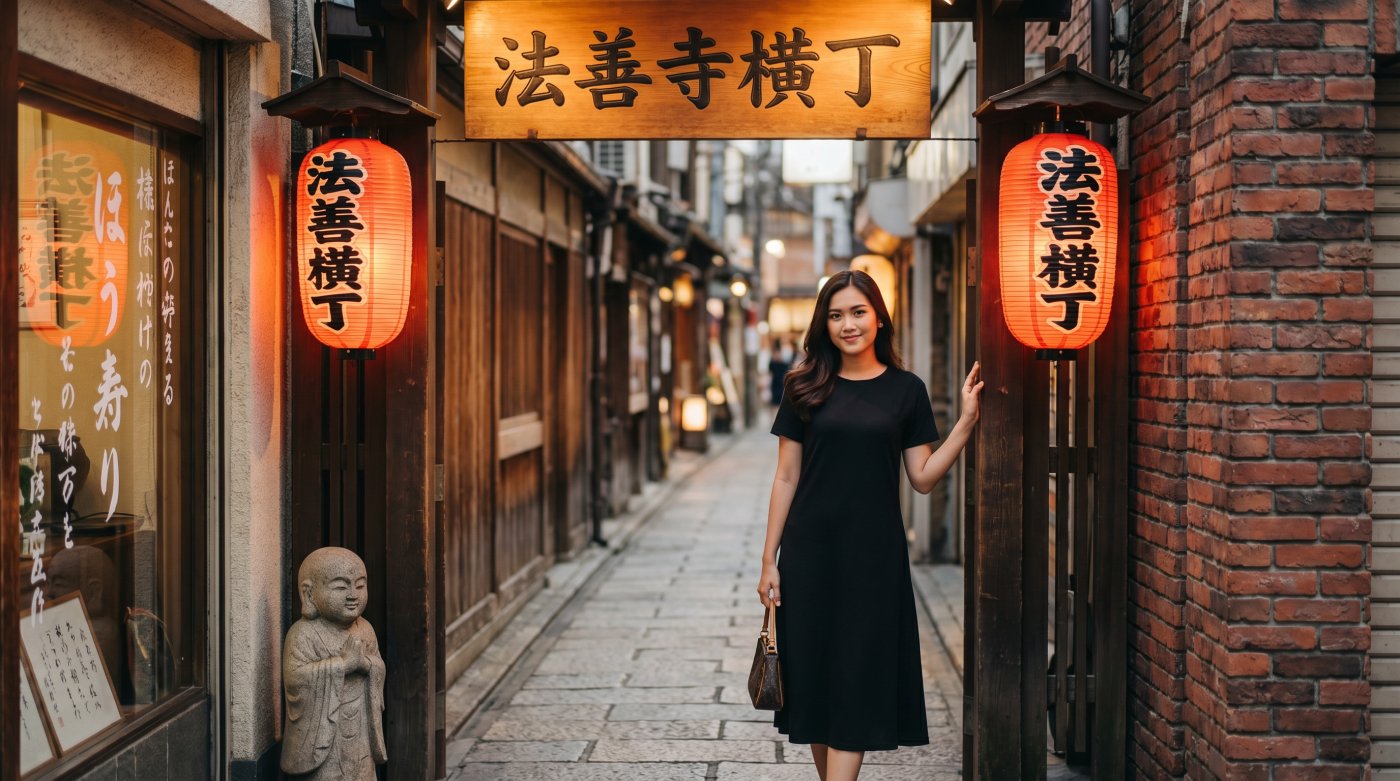
Osaka does not require a large budget to make a strong impression.
Some of the city’s most memorable experiences cost nothing at all, and a surprising number of paid attractions come in well under ¥1,500.
For travelers watching every coin, the good news is simple: Osaka stays fun, flavorful, and full of energy without asking much from the wallet.
Free Osaka Attractions Worth Your Time
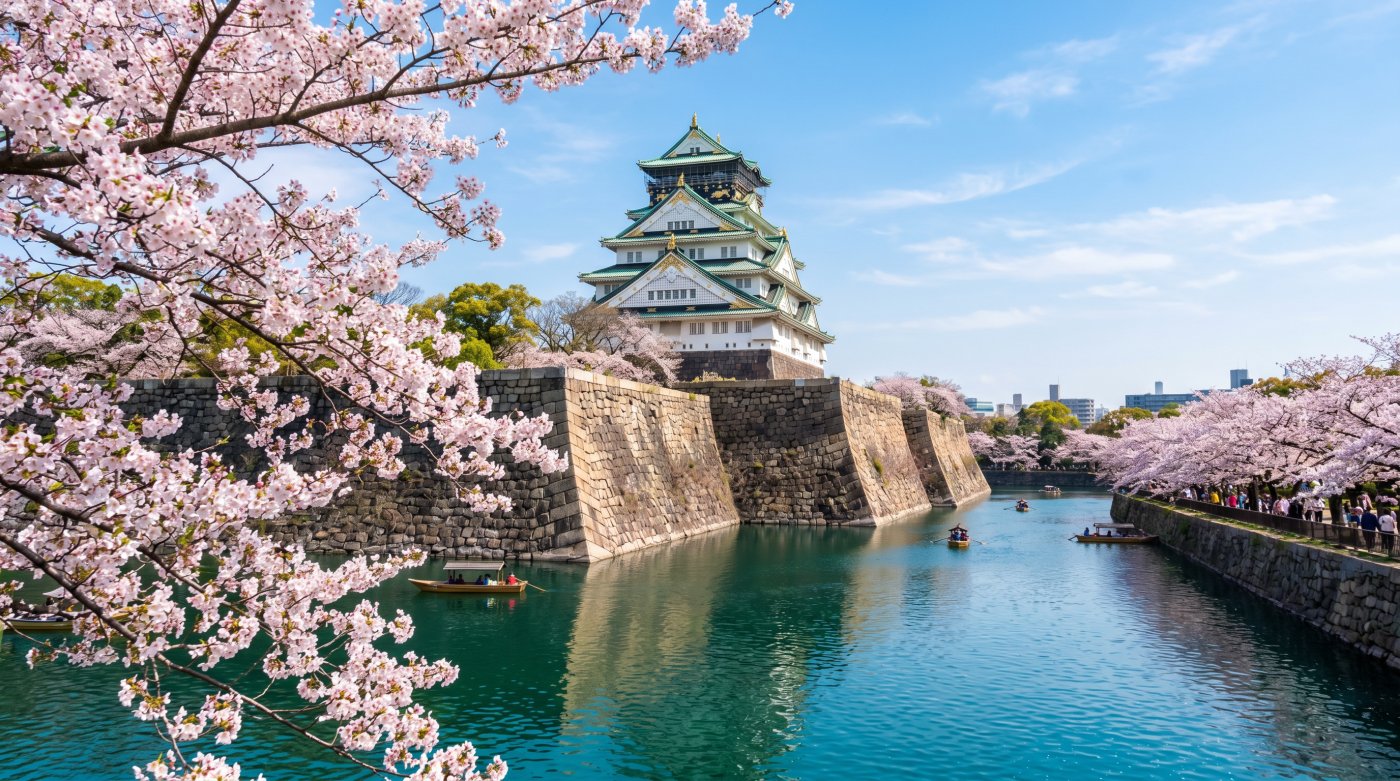
Osaka Castle Park: The park grounds surrounding Osaka Castle are free to enter at all times, 24 hours a day.
Wide lawns, moat views, and skyline backdrops make it one of the city’s most photogenic free spaces.
Entry to the castle tower itself costs ¥1,200 for adults (¥600 for university and high school students; free for junior high school students and younger) and is entirely optional; tower hours are 9:00 AM to 5:00 PM daily (last admission 4:30 PM), closed December 28 to January 1.
Sumiyoshi Taisha: One of Japan’s oldest Shinto shrines, Sumiyoshi Taisha is free to enter and sits in a calm, residential part of southern Osaka.
Open 6:00 AM to 5:00 PM (April to September) and 6:30 AM to 5:00 PM (October to March), daily with no closures.
Its distinctive arched bridge and ancient architecture make it well worth the short train ride from central Namba.
Nakanoshima: This island district between two rivers offers free riverside walks, public rose gardens, and views of Osaka’s historic civic buildings.
It is a pleasant, unhurried contrast to the city’s busier tourist zones.
Shinsekai: The retro entertainment district around Tsutenkaku Tower costs nothing to walk through.
Its neon signs, kushikatsu restaurants, and old-school arcade energy give a vivid sense of working-class Osaka history.
Nakazakicho: A quiet neighborhood of old wooden houses, indie cafes, and narrow backstreets.
Free to explore and genuinely charming — one of Osaka’s best-kept low-key secrets.
For more ideas on free sightseeing in Osaka, the best things to do in Osaka guide offers useful inspiration for a combined itinerary.
Free Walking Routes Through Osaka’s Best Neighborhoods
Some of Osaka’s best budget experiences are simply walking routes through neighborhoods that feel completely different from one another.
Central districts sit closer together than the subway map suggests, and walking between them reveals shrines, covered shopping arcades, neon alleys, and snack stops that a subway ride would skip entirely.
- Namba to Dotonbori: Minutes apart on foot, zero fare, maximum atmosphere.
- Umeda to Nakazakicho: Cafes, side streets, and old wooden houses en route.
- Shinsaibashi to Amerikamura: Best explored slowly, with stops at vintage shops and street art.
- Tennoji to Shinsekai: Sights packed tightly together, easy to combine in a half-day loop.
Things To Do in Osaka for Under ¥1,000
A surprising number of Osaka’s best experiences cost less than ¥1,000, making it easy to fill a full day without watching every coin.
- HEP FIVE Ferris Wheel (Umeda): Skyline views over central Osaka from 106 metres. Admission ¥800 per person (free for children under 6); open 11:00 AM to 10:45 PM (last boarding 10:45 PM). Note: the wheel was closed for renovation from October 2025 and reportedly reopened in late April 2026 — confirm current operating status on the official HEP FIVE website before visiting.
- Osaka Museum of Housing and Living: A full-scale recreation of Edo-period Osaka streets inside a modern museum. Admission ¥600 for adults (¥300 for high school and university students; free for junior high school students and younger, and Osaka residents aged 65 and over); open 10:00 AM to 5:00 PM (last entry 4:30 PM), closed Tuesdays and December 29 to January 3.
- Kuromon Market side stalls: Choose one standout bite — grilled scallop, fresh strawberry, or crab stick — rather than buying everything in sight.
- Nakanoshima Park: Free entry to rose gardens, riverside paths, and open green space in the heart of the city.
- Retro game centers (game centers near Namba): A session costs ¥100–¥200 per play and offers a genuinely local leisure experience.
Getting Around Osaka Without Overspending on Transport
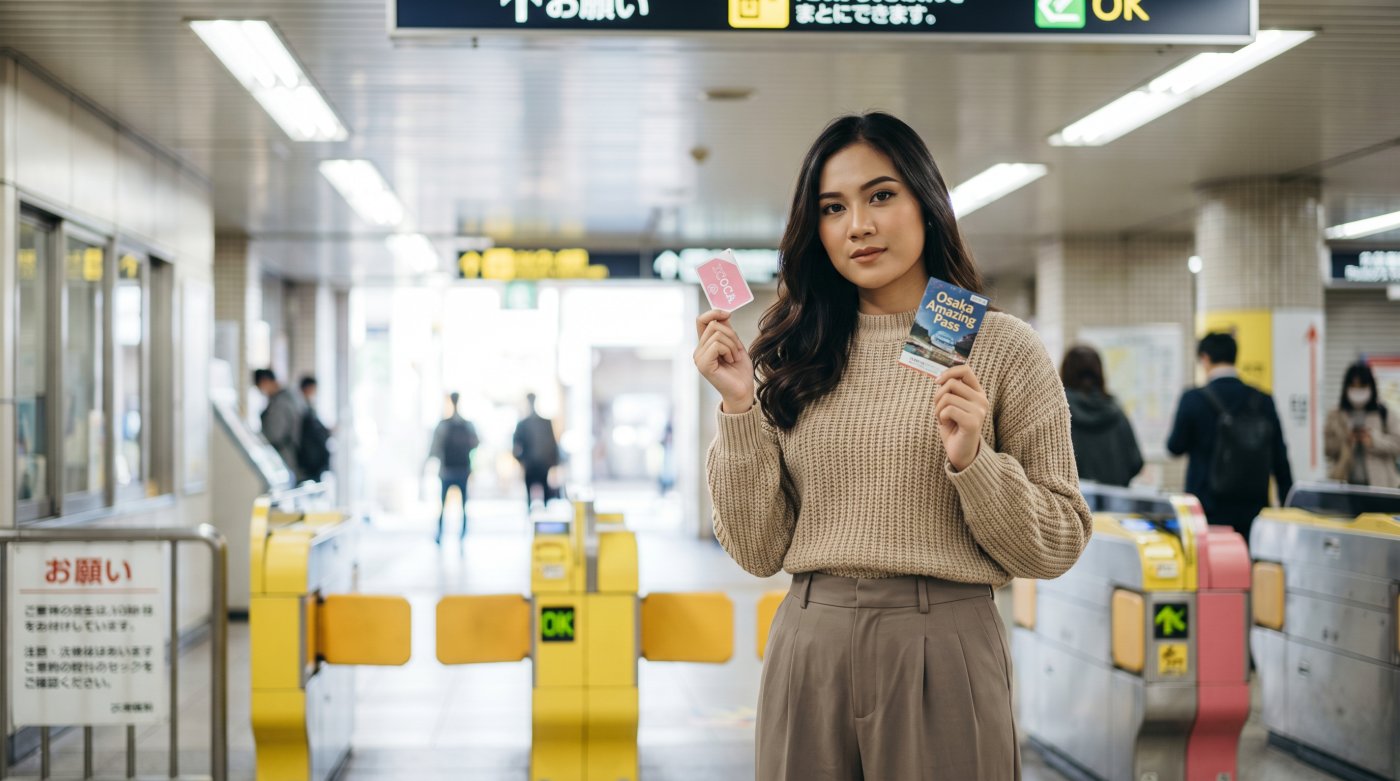
Getting around Osaka cheaply starts with two smart tools: IC cards and day passes.
Both keep transport costs predictable and make station-to-station travel straightforward.
In many central areas, however, the better bargain is simply to walk, since neighborhoods often sit closer together than the subway map suggests.
IC Cards and Day Passes: Keeping Transport Costs Predictable
An ICOCA card is the most practical everyday transit tool in Osaka, available for ¥2,000 at JR West ticket machines (includes a ¥500 refundable deposit and ¥1,500 preloaded credit; minimum top-up card also available from ¥1,000).
It works across JR lines, the Osaka Metro subway, and most buses, with fares deducted automatically — no ticket-machine fumbling, no small budgeting surprises.
For days packed with multiple sightseeing stops, a subway day pass (Enjoy Eco Card: ¥820 on weekdays, ¥620 on weekends and public holidays; digital 26-hour pass: ¥1,000) often beats paying ride by ride.
The Osaka Amazing Pass (¥3,500 for 1 day; ¥5,000 for 2 days) goes further, bundling unlimited transit on participating lines with free entry to approximately 40 major attractions — a strong option for ambitious sightseeing days.
IC cards save time and mental energy.
Day passes reward ambitious itineraries.
Budget limits stay clearer with upfront costs, and flexible transit choices create a freer, less stressful day.
When Walking Beats the Subway in Osaka
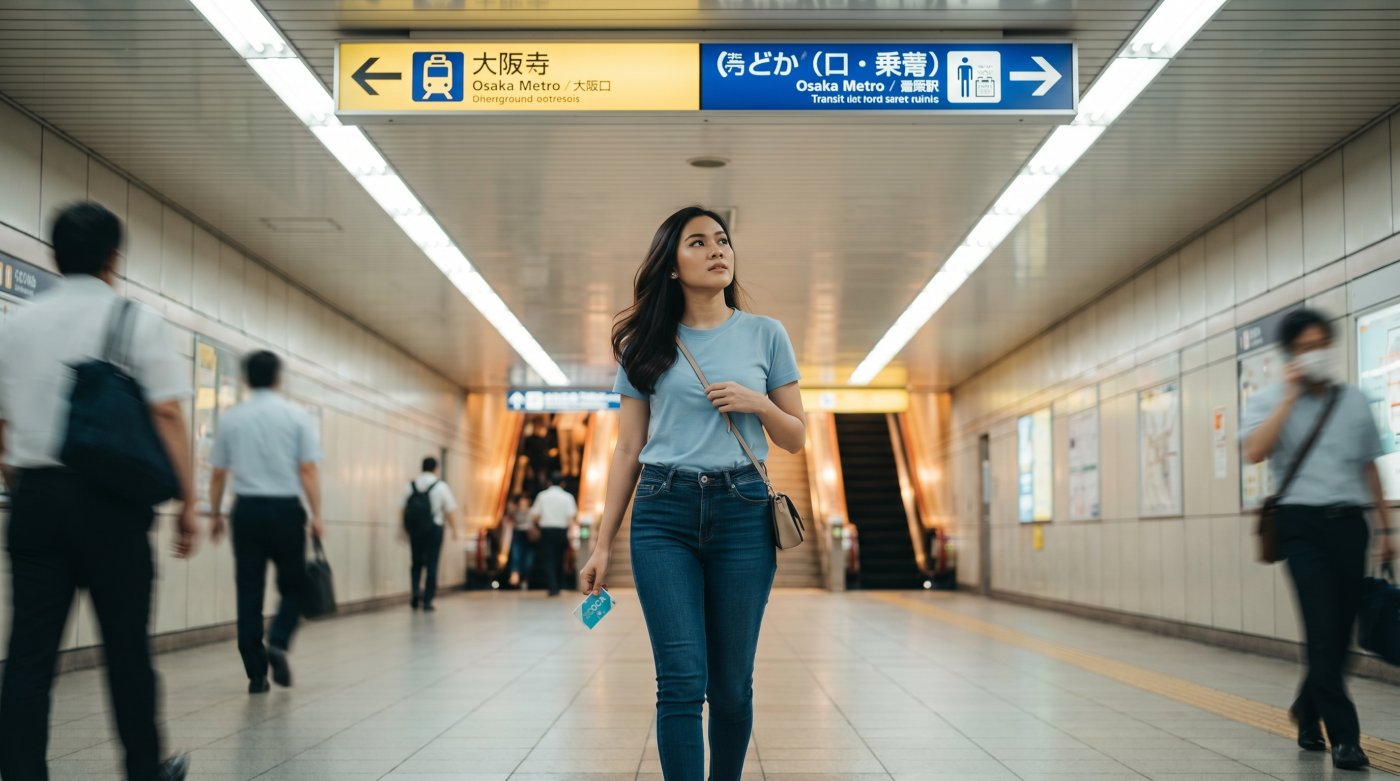
Passes and IC cards handle long hops efficiently, but some of Osaka’s best budget wins happen above ground, on foot.
In central districts, walking often outruns the hassle of stairs, platforms, and transfer mazes, while revealing shrines, covered shotengai arcades, neon alleys, and snack stops that a subway ride would skip entirely.
| Walkable Stretch | Why It Saves |
|---|---|
| Namba to Dotonbori | Minutes apart, zero fare |
| Umeda to Nakazakicho | Cafes and side streets en route |
| Shinsaibashi to Amerikamura | Best explored slowly |
| Tennoji to Shinsekai | Sights packed close together |
For travelers chasing flexibility, walking delivers more spontaneity, fewer tickets, and better photos.
If the weather cooperates, Osaka practically rewards curiosity one budget-friendly block at a time.
Money-Saving Tips for Planning a Trip to Osaka
Planning a cheaper Osaka trip starts well before arrival.
Smart timing on international flights, flexible airport choices, and fare-tracking habits can noticeably cut the cost of getting there.
Once on the ground, knowing which passes and discount cards actually earn their keep — and building a few practical daily habits — keeps the total from creeping upward.
How Much Does It Cost To Fly to Osaka From Abroad?
International airfare to Osaka (Kansai International Airport) typically ranges from approximately $600 to $1,500 round trip from the United States, depending on departure city, season, airline, and booking lead time.
Nonstop flights from Los Angeles (the most common gateway) currently run $725–$1,200 for economy class in off-peak periods, rising to $1,400–$2,000+ during peak summer and cherry blossom season.
Travelers flying from the East Coast or Midwest should budget $900–$1,400 for a well-timed economy booking with one connection.
Shoulder seasons — particularly late January through February and November — frequently unlock the best fares without sacrificing the experience quality that makes a trip worthwhile.
- Fly midweek: Tuesday and Wednesday departures often cost less than weekend flights.
- Check both airports: Kansai International (KIX) serves Osaka directly. Some travelers fly into Tokyo and connect by Shinkansen, which can occasionally be cheaper depending on the route.
- Book 2–5 months ahead: This window generally offers the best balance between availability and price.
- Travel light: Baggage fees on budget airlines can quickly erode savings. A carry-on-only approach keeps costs predictable.
Budget airlines can slash base fares significantly, though seat selection, meals, and luggage fees nibble savings away.
A savvy traveler compares total prices, sets fare alerts, and stays open to early-morning or late-night departures.
Osaka Passes and Discount Cards Worth Using
Once the flight is booked, the smartest savings in Osaka often come from what happens on the ground.
Comparing the Osaka Amazing Pass, ICOCA, and attraction-specific coupons before arrival is time well spent.
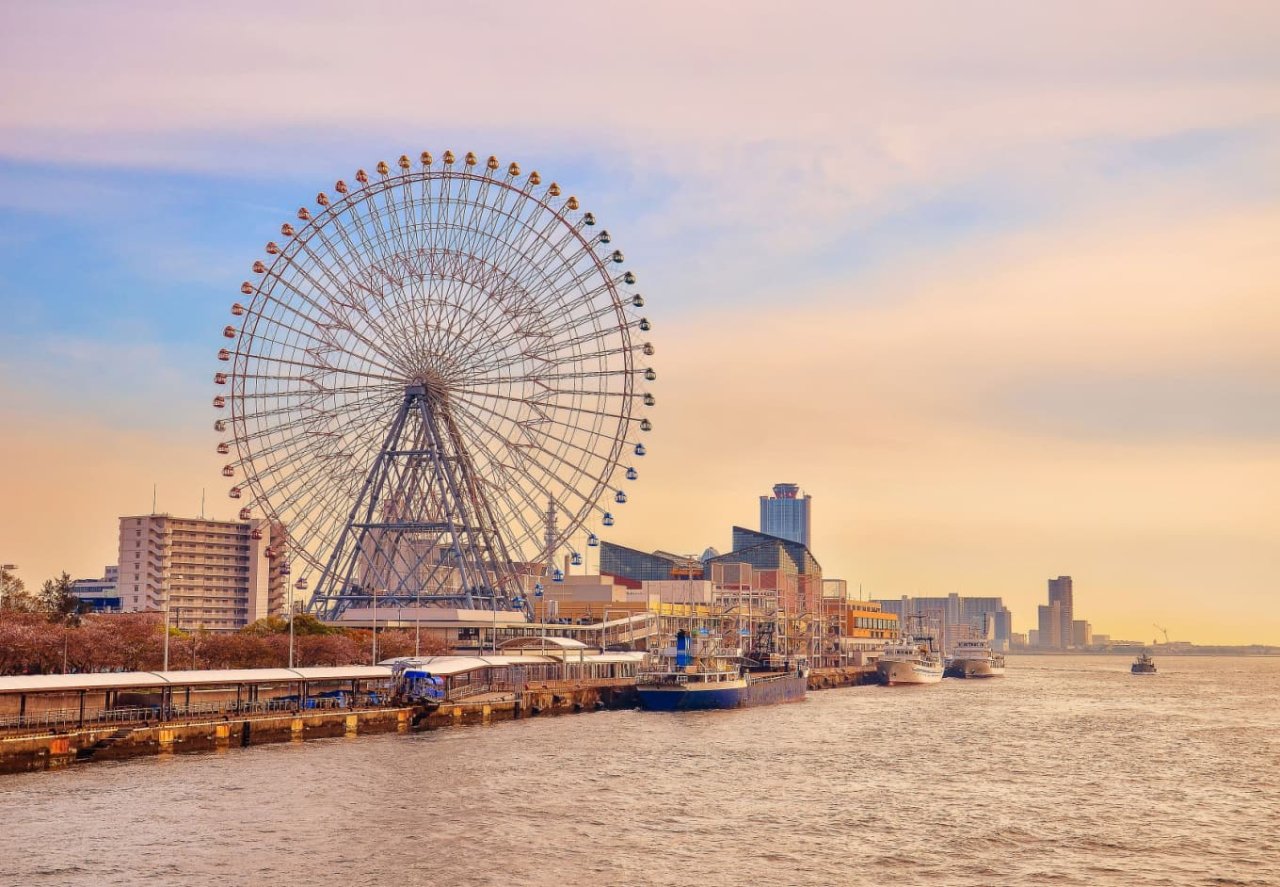
The Osaka Amazing Pass bundles unlimited transit on participating Osaka Metro and city bus lines with free entry to approximately 40 major attractions — including Osaka Castle, the Umeda Sky Building, and the Tempozan Giant Ferris Wheel — making it ideal for ambitious, hop-on-hop-off days.
It is available as a one-day pass (¥3,500) or two-day pass (¥5,000), valid for the 2026–2027 edition through March 31, 2027.
ICOCA is not a discount pass, but its convenience is practical gold: no ticket-machine wrestling, just tap and move across JR and Metro lines.
For visitors heading beyond central Osaka, combo rail tickets from Kansai airports or private railways can shave costs.
Coupon books from tourist information centers, department stores, and booking platforms also deserve attention, especially for observatories, river cruises, and food halls.
Practical Daily Habits That Keep Osaka Trip Costs Down
Even in a city famous for neon, snacks, and late-night temptations, daily spending in Osaka stays manageable when travelers build a few smart habits into the routine.
- Buy breakfast at supermarkets or bakeries before sightseeing begins.
- Use convenience stores for inexpensive coffee and quick lunches.
- Carry coins and a loaded IC card to avoid ATM fees and transit delays.
- Visit free viewpoints, shrines, arcades, and shopping streets between paid attractions.
Locals follow a practical rhythm: heavier lunch specials, lighter dinners, and spontaneous detours through lively neighborhoods like Tennoji or Nakazakicho.
That approach keeps costs low while the city still feels gloriously open and full of surprises.
Travelers combining Osaka with a side trip to Kyoto will find the top day trips from Kyoto guide useful for planning efficient, budget-friendly excursions across the Kansai region.
Conclusion
Osaka does not have to empty a wallet.
With smart timing, budget accommodation, cheap transit, and street-food savvy, travelers can absorb the city’s bright energy for far less than expected.
More than 4.9 million passengers pass through Namba Station every week, yet a visitor can still grab a filling bowl of ramen nearby for under ¥1,000.
That is Osaka’s particular magic: bustling, flavorful, and surprisingly kind to a careful budget.
For travelers planning a broader Osaka itinerary, exploring the best neighborhoods in Osaka makes an excellent next step. Continue with a day trip to Kyoto from Osaka which is just 15 minutes from Osaka by Shinkansen and pairs naturally with a budget-focused Kansai trip.
Frequently Asked Questions (FAQs)
Osaka is considered one of the safest major cities in the world for international travelers, including those on a tight budget.
Petty crime rates are very low, and budget neighborhoods like Shin-Imamiya — sometimes perceived as rough — are generally safe for tourists who exercise normal urban awareness.
Solo travelers, including solo female travelers, widely report feeling comfortable across the city’s budget accommodation zones.
No Japanese language ability is required to travel comfortably in Osaka.
Major subway stations, tourist attractions, and convenience stores display English signage.
IC card machines, ticket kiosks, and many restaurant menus offer English-language options.
Translation apps handle most remaining communication gaps, and staff at budget hotels and hostels in tourist areas typically have basic English skills.
Japan’s currency is the Japanese yen (JPY).
While credit card acceptance is growing in Osaka, cash remains essential for budget travel — many convenience stores, street food stalls, small restaurants, and local shops are cash-only.
Budget travelers should carry sufficient yen for daily expenses.
7-Eleven ATMs (Seven Bank) reliably accept international Visa, Mastercard, Cirrus, Plus, and UnionPay cards at over 28,000 locations nationwide, with transaction fees of ¥110–¥220 per withdrawal.
Japan Post Bank ATMs (24,000+ locations) are equally reliable for foreign cards; standard Japanese bank ATMs (Mizuho, MUFG, Sumitomo Mitsui) typically do not accept foreign-issued cards, so stick to Seven Bank, Japan Post, Lawson Bank, or AEON Bank ATMs to avoid rejected transactions.

A lifestyle and OOTD blogger, Kannaya Nareswari enjoys the small pleasures of cooking, traveling, and documenting ordinary events. She uses genuine storytelling to communicate her love of fashion, culinary explorations, and wanderlust. She is based between Bali and Bandung. She enjoys enjoying coffee at a secret café or experimenting with recipes in the kitchen when she's not traveling to new places or styling her most recent ensemble.