
Bali Travel Itinerary
5-Day Bali Itinerary for Solo Travelers: Temples, Rice Terraces & Total Silence
5 days of temples, rice terraces, and real Balinese calm for solo budget travelers who want substance over selfie spots.
5+ Days
Solo Traveler
Budget
Nature & Relaxation
Estimated Total Cost:
USD $150-200 total



Trip Overview
This itinerary is built for the solo budget traveler who wants Bali to feel real, not staged.
You’re not here to sit by an infinity pool you can’t afford or follow tour buses from one Instagram shrine to the next.
You want the rice paddies, the temple incense, the cold Bintang after a long walk, and the kind of quiet that actually quiets your head.
Bali on a budget is genuinely doable, and this five-day plan proves it.
The route moves logically from south to north and back again.
You start in the Seminyak and Canggu area to get your bearings, then head inland to Ubud for two full days of temples, forests, and rice terraces where the island earns its reputation.
Day four pushes into the Uluwatu cliffs for a sunset Kecak Dance and clifftop views, and the final day gives you a slow Tanah Lot morning before you wind down.
The experiences that will actually stick: walking the Campuhan Ridge at sunrise before anyone else shows up, sitting in Tirta Empul’s holy spring pools while temple bells ring, and watching the Kecak Dance at Uluwatu as the sun drops into the ocean behind the performers.
These are not manufactured moments.
Honest note on budget: you can do this trip comfortably on $30-40 per day if you eat at warungs, rent a scooter, and stay in guesthouses or hostels.
The dry season (April to October) is the best time to visit, but also peak tourist season, so book your accommodation at least a week ahead.
Rainy season is cheaper and surprisingly manageable if you’re flexible.
5-Day Bali Solo Itinerary: Temples, Rice Terraces & Budget Calm from Canggu to Uluwatu

If you’re traveling alone and want Bali to feel calm, affordable, and actually memorable, this five-day route is built for you.
It strings together cliff temples, rice terraces, one genuinely good waterfall stop, easy beach downtime, and enough warung meals to keep your budget from falling apart.
What makes it worth reading over the usual Bali blur is simple: the days flow logically, the costs are grounded in real current prices, and the plan leaves room to breathe instead of treating the island like a checklist.
What to Expect from This 5-Day Bali Itinerary

This itinerary is for solo travelers who want nature and relaxation without spending half the trip trapped in a car or bleeding cash at trend-chasing cafes.
Bali works absurdly well for that mix because low-cost guesthouses, temple entry fees, and local warung meals still keep the island accessible if you travel smart, with many budget travelers managing on under $50 a day and simple local meals often landing in the IDR 15,000 to 40,000 range.
The pace is active in the mornings and softer by late afternoon, which suits Bali better than trying to force full sightseeing days in the heat.
You start on the coast in Canggu, move inland to Ubud for forests, paddies, and temples, then swing south for Uluwatu before ending with Tanah Lot and a final Seminyak beach pause.
If you’re still deciding whether Bali beats somewhere like Phuket or Lombok for this kind of trip, the destination comparison tool is handy for checking cost, crowd levels, and overall trip style side by side.
By the end of these five days, you’ll have watched sunset from Batu Bolong, walked through the Sacred Monkey Forest, stood in the stepped green folds of Tegallalang, joined the flow at Tirta Empul, and caught the Kecak Dance above the ocean at Uluwatu.
You will also have eaten the sort of inexpensive Balinese food that makes budget travel feel less like sacrifice and more like common sense.
What this itinerary does not cover is the whole island.
There is no Nusa Penida sprint, no Mount Batur sunrise hike, and no packed shopping agenda.
That is deliberate, and if you want to reshape the pace for your own dates or energy level, the AI Solo Travel Planner and the AI Itinerary Planner can help you build a version that is looser, longer, or less temple-heavy.
Before You Go: Where to Stay, How to Move, and What to Reserve
A little setup makes this itinerary far easier to live with once you’re on the ground.
Bali looks compact on a map, then traffic shows up and reminds everyone that maps are liars.
Base yourself in the right areas, lock in the few things that really do need booking, and the daily flow stays smooth.
Where to Stay: Split Your Base, Save Your Time
For this exact route, the smartest move is a split stay.
Spend your first night in Canggu or Seminyak, your middle two nights in Ubud, and your final night back in the south if your flight leaves early the next day.
Budget hostels and cheap stays in Bali often start around $10 a night, with many low-cost options in Canggu sitting under $25.
Canggu works best on arrival because it gives you beach access, easy food, and a softer landing after the airport.
Ubud is the practical base for Days 2 and 3 because the Monkey Forest, Campuhan Ridge Walk, Tirta Empul, and Tegallalang all sit within a manageable radius.
If you’re unsure whether five days is enough or whether Bali deserves a full week, the AI Trip Length Guide is useful for testing how much ground you can cover without turning the trip into self-inflicted cardio.
Getting Around: Scooter First, Ride Apps Second
A scooter is the cheapest and most flexible way to run this itinerary.
Rental rates around Bali commonly sit at about $5 to $7 per day, and that one choice keeps transport for the full itinerary around the $25 to $40 range in the research budget.
It also gives you freedom to reach places like Tegallalang early, before the crowds and heat settle in.
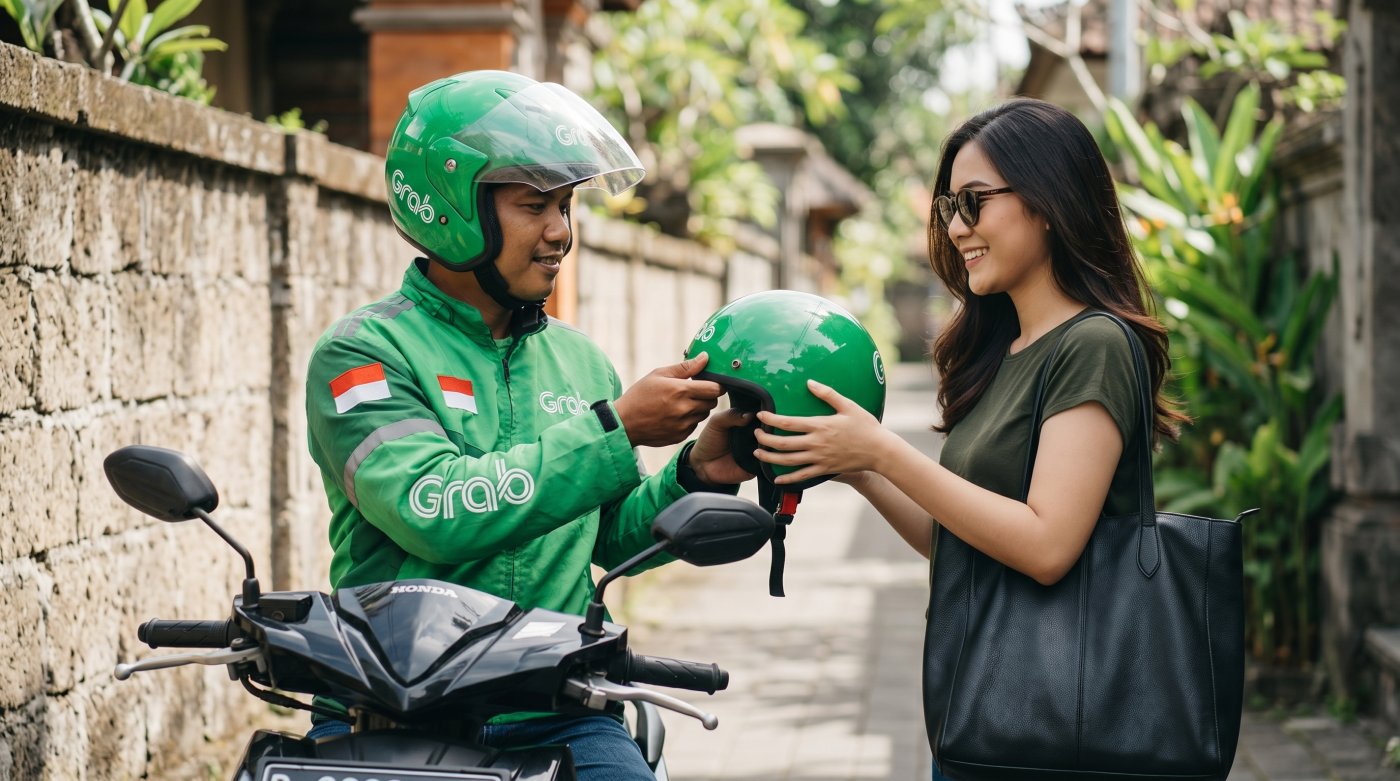
If you do not ride confidently, use Grab or Gojek between major areas and short taxi hops inside town.
For solo travelers, that is safer than pretending Bali traffic is a charming challenge, because it is not, it is just traffic.
Before renting a bike, check the travel safety advisor for current road and local safety notes, and run through the pre-departure checklist tool so you do not realize too late that your license situation is a mess.
What to Book in Advance: The Few Things That Actually Matter
Only a handful of this itinerary’s stops need planning ahead.
Most temple entries and scenic walks are simple walk-up visits, which is one of the better things about Bali.
- Book your first two nights of accommodation before arrival, especially in dry season, because Canggu and Ubud budget beds disappear faster than people expect.
- Reserve your Uluwatu Kecak Dance ticket at least a couple of days early if you want a good seat for sunset, because the 6:00 PM show is popular and the ticket is separate from temple entry.
- Lock in airport transfers only if you arrive very late at night, since regular daytime arrivals have enough taxi and app-based options.
- Save your first scooter rental in advance if you’re landing in peak season and want delivery straight to your guesthouse.
Day 1: Canggu arrival, sea air, and a soft landing into Bali

The first day is intentionally light.
It is less about ticking off landmarks and more about getting your body onto Bali time without wasting the afternoon.
Staying in Canggu keeps the airport transfer manageable, gives you a beach within easy reach, and lets the trip start with salt air instead of road noise.
Morning: Land, check in, and keep your plans loose
Most solo travelers will arrive through Ngurah Rai International Airport and head straight toward Canggu, which usually takes under an hour in normal traffic if the roads are behaving.
This is not the time for ambition.
Check into a budget guesthouse or hostel, drop your bag, and let yourself recalibrate before trying to perform as some hyper-efficient version of a traveler.
Canggu has plenty of low-cost places to stay, and the budget range used for this itinerary assumes a bed or simple private room at roughly $8 to $15 a night on this first stop.
If your arrival is early and you cannot check in yet, stash your bag, get a cold drink, and save your energy for the beach later rather than wandering around with airport-brain.
Afternoon: Batu Bolong and the first real exhale

By mid-afternoon, walk down to Batu Bolong Beach and let the island introduce itself properly.
The beach is free, the surf break is busy without being chaotic, and the whole stretch makes sense for a first afternoon because you can do as much or as little as you want.
Sit on the sand, watch the surfers work through sets, buy a coconut if you feel ceremonial about it, and accept that doing very little counts as a plan here.
Sunset is the real reason to be on this part of the coast.
The west-facing view gives you a long slow color shift rather than a rushed ten-minute performance, and for a solo traveler it feels social without forcing you into anyone else’s schedule.
If your trip style leans toward slower days and lower-impact choices, the sustainable travel planner is useful for mapping out ways to keep transport and spending a bit more grounded.
Evening: A cheap dinner that sets the tone
For dinner, head to Warung Dandelion on Jalan Batu Bolong.
A full meal with a drink usually sits around $2 to $4 on the numbers used for this itinerary, which is exactly why Bali still works for solo travelers on a budget.
There are flashier places all around Canggu trying very hard to separate you from your money, but your first dinner does not need latte art and a concept.
Keep the evening short.
A beach walk, a simple dinner, and an early night set you up far better for the Ubud transfer on Day 2 than trying to make Canggu nightlife part of a nature-focused trip.
Very noble, very restrained.
Day 2: Scooter ride to Ubud, waterfall spray, and central Ubud
This is the day when Bali starts to feel less coastal and more layered.
The route from Canggu to Ubud works best with one scenic stop on the way, then a slow landing into central Ubud rather than an all-day sprint.
You will cover more ground than Day 1, but the stops link together cleanly and none of them feel forced.
Morning: The ride inland, Tegenungan, and the Monkey Forest

Pick up your scooter early and leave Canggu while the roads are still relatively kind.
Rental rates around $5 to $7 per day keep this kind of movement cheap, and having your own wheels saves a surprising amount of time on an island where a short distance can still mean a long wait in traffic.
The ride to Ubud is roughly an hour, with Tegenungan Waterfall making a smart stop on the way.
Tegenungan is one of the easier Bali waterfalls to fit into a half day because it sits close to the main route and the entry fee is low, around IDR 20,000 plus a small parking charge based on the itinerary research.
Go down the steps while the air is still cooler, stay long enough to enjoy the spray and the river pool, then move on before it fills with late-morning visitors.
From there, continue to the Sacred Monkey Forest Sanctuary in Ubud, which opens daily from 9:00 AM to 6:00 PM, with last entry at 5:00 PM.
Adult tickets are commonly listed at IDR 80,000 on weekdays and IDR 100,000 on weekends, and the forest itself is more atmospheric than many first-time visitors expect, with mossy temple structures, thick shade, and monkeys who operate with the confidence of seasoned pickpockets.
Afternoon: Proper Ubud lunch and an easy town center wander
After the forest, lunch at Warung Ibu Oka gives you one of Ubud’s best-known local dishes without wrecking the budget.
A plate of babi guling generally lands around $5 to $6.50 in the itinerary numbers, and it makes a good contrast to the softer scenery of the morning.
If pork is not your thing, there are plenty of nasi campur options nearby, and many warungs in Bali still keep full meals in that IDR 15,000 to 40,000 bracket.
Spend the afternoon around Ubud Art Market and Ubud Palace, both right in the center where walking between them is easy.
Market browsing is free, the palace grounds are simple to visit, and this is a good slot for low-pressure souvenir shopping because you are not trying to squeeze it between longer drives.
If you want more food stops than this itinerary includes, the food travel guide is a good rabbit hole for dishes, markets, and smarter restaurant picks across Bali.
Evening: A calmer dinner and an early Ubud night
Dinner at Warung Sopa keeps the evening easy and a little lighter after the babi guling lunch.
Expect mains around $2.50 to $5, a quieter setting than the center’s busiest strips, and enough variety to make it a solid choice whether you’re craving Indonesian food or a small break from it.
Do not over-plan the night in Ubud.
Walk the central streets, listen to the scooter buzz thin out, and head back early.
The next morning starts before the island fully wakes up, which is exactly how Tegallalang should be done.
Day 3: Rice terraces, holy water, and a slow Ubud reset

Day 3 is the strongest match for the itinerary’s nature and relaxation theme.
You get Bali’s most famous green landscape early, follow it with one of the island’s most meaningful temple visits, and end with a walk and massage that bring the pace back down.
It is busy enough to feel satisfying, but not so packed that you stop noticing where you are.
Morning: Tegallalang before the crowds arrive
Reach Tegallalang Rice Terraces as close to opening as you can manage.
Recent visitor information lists the terraces opening around 6:00 AM, with some local sources giving a closing time of 6:00 PM and others 7:00 PM, which is another way of saying the morning matters far more than the exact end time.
Entry is typically low, around IDR 15,000 to 25,000 depending on the access point you use, while the pricier swings and photo setups are extra.
This is one of those Bali spots where timing changes the entire mood.
Before 8:00 AM, the terraces still feel agricultural first and tourist-famous second.
Mist sits in the folds of the valley, farmers move through the subak irrigation lines, and the path is calm enough that you can actually hear birds rather than other people’s reels being filmed.
Breakfast at a roadside warung nearby works best right after the walk.
A plate of nasi goreng with coffee for roughly $1.60 to $2.60 is exactly the kind of Bali budget math that keeps this trip in the sane category.
Afternoon: Tirta Empul and a more grounded side of Bali
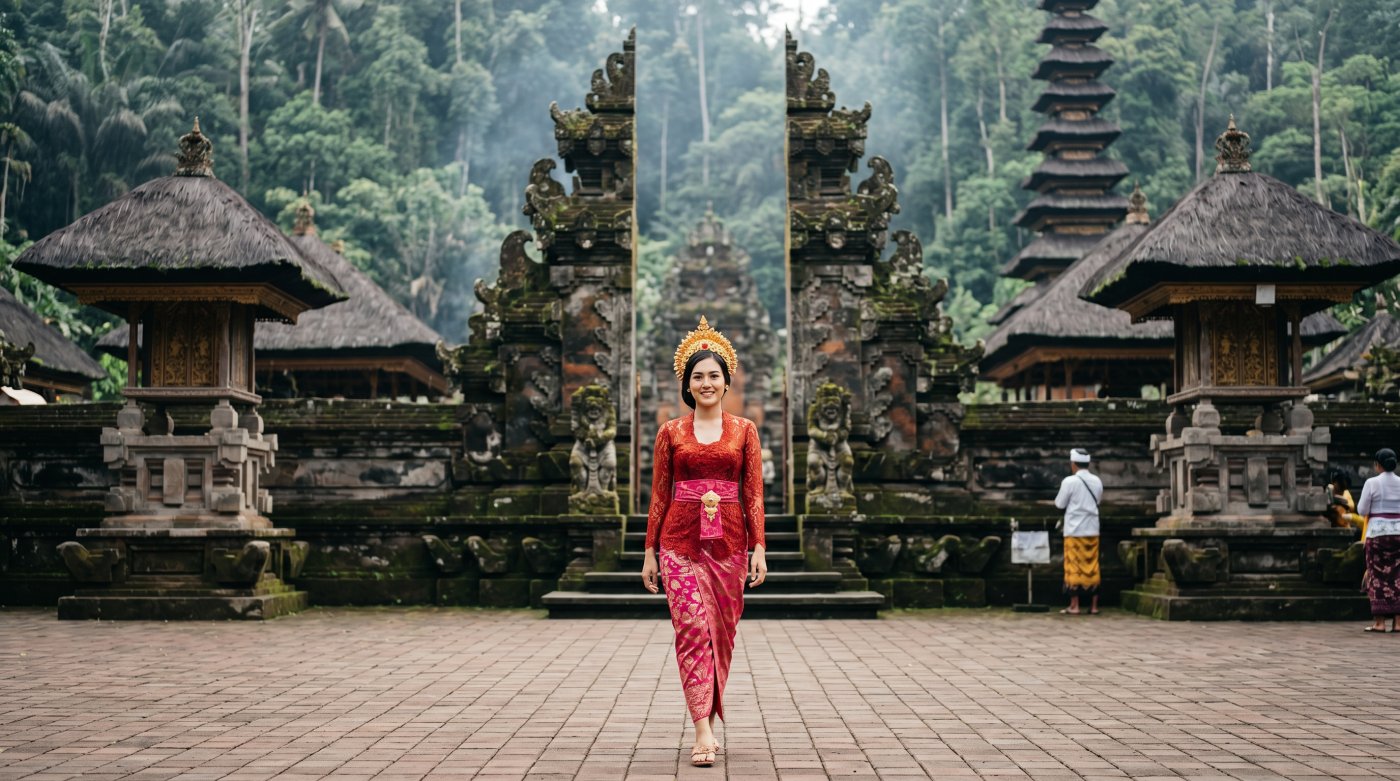
From Tegallalang, continue to Tirta Empul in Tampaksiring.
Current visitor details list the temple open daily from 7:00 AM to 6:00 PM, with adult entry at IDR 75,000.
The site is famous for its holy spring purification pools, but the larger appeal is the way religious practice still feels present rather than staged for visitors.
If you want to join the purification ritual, wear a swimsuit underneath your clothes and follow the local flow through the bathing sequence.
A sarong is required and usually provided, but having your own makes temple visits easier across the whole trip, which is why this itinerary recommends carrying one from day one.
For a better sense of temple etiquette, dress rules, and how to behave without looking clueless, spend a few minutes with the local etiquette guide before the visit.
Back in central Ubud, lunch at Kafe Batan Waru sits in the mid-budget range for this itinerary at around $4 to $6.50.
It is a good reset after the temple, with a shaded setting and enough Indonesian options to keep the meal rooted in place rather than drifting into anonymous cafe food.
Evening: Campuhan Ridge and a budget massage done right
The Campuhan Ridge Walk is free, easy to fit into late afternoon, and one of the simplest scenic walks in central Ubud.
The trail starts near Pura Gunung Lebah and stretches for roughly 2 kilometers across a ridge between river valleys, which gives you open views without the effort level of a proper hike.
Late afternoon is the sweet spot because the light softens and the heat backs off.
After the walk, book a one-hour Balinese massage on Jalan Hanoman or nearby, where smaller places commonly charge around IDR 70,000 to 100,000, or roughly $4.50 to $6.50 for 60 minutes based on the itinerary research.
Ubud has enough massage shops to make the search ridiculous, so stick to places with posted prices and a clean front room.
Cheap is good, mystery is not.
Day 4: Clifftops, a beach cove, and sunset at Uluwatu
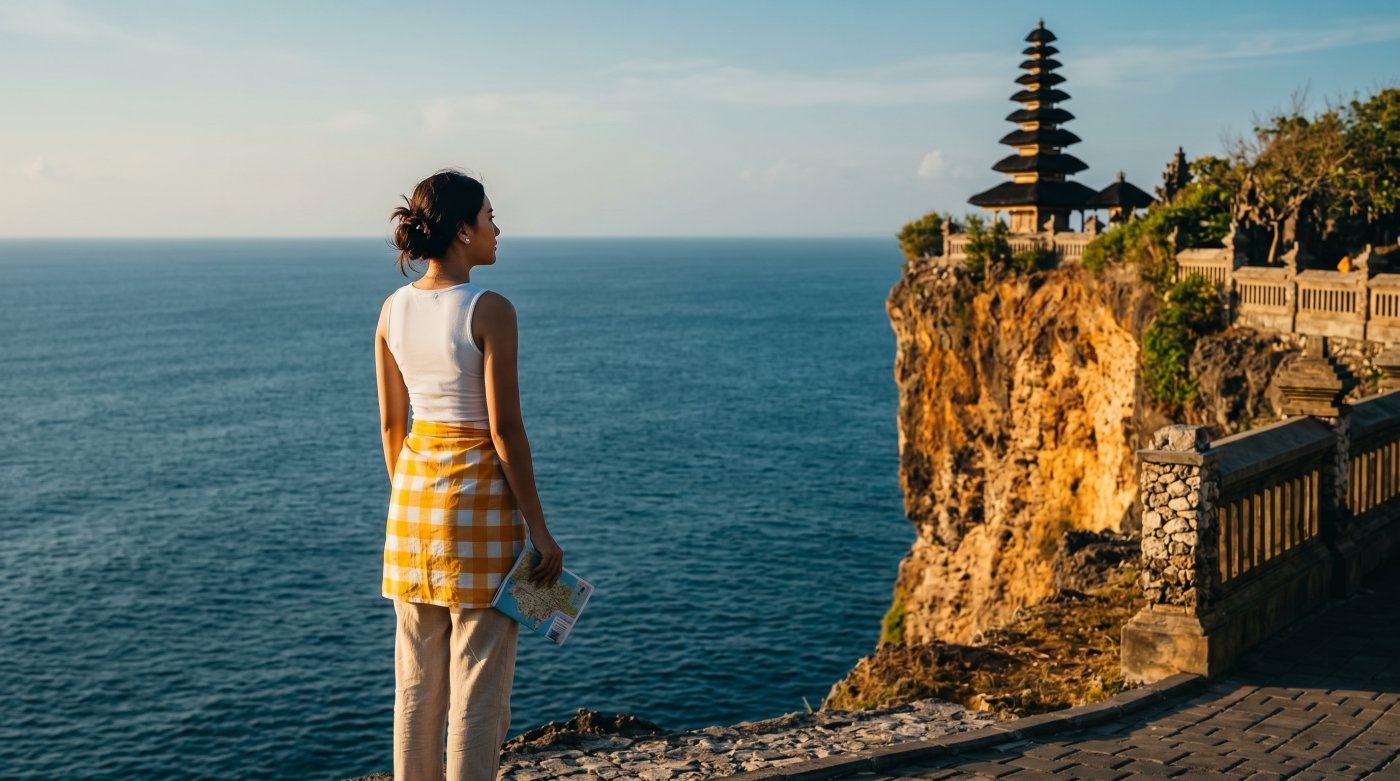
This day pulls you south for the most theatrical stretch of the itinerary.
The geography is clean if you treat it as a slow arc across the Bukit Peninsula: cliff temple first, small beach second, seafood lunch on the way back north, then return to Uluwatu in time for the evening performance.
It is the longest day in motion, but also one of the most memorable.
Morning: The ride south and Uluwatu Temple
Leave Ubud early because the ride to Uluwatu usually takes around 1.5 hours, and Denpasar traffic has no talent for mercy.
Once you reach the peninsula, head straight to Pura Luhur Uluwatu.
Current visitor information lists the temple open daily from 7:00 AM to 7:00 PM, with international adult entry generally listed at IDR 50,000.
The temple itself is dramatic, but the cliff path is what really stays with most people.
You are walking above a drop to the Indian Ocean, with waves hammering the rock below and monkeys eyeing your sunglasses like unpaid customs officers.
Keep valuables zipped away, because Uluwatu’s monkeys have a long-standing business model.
Afternoon: Padang Padang and a seafood stop in Jimbaran
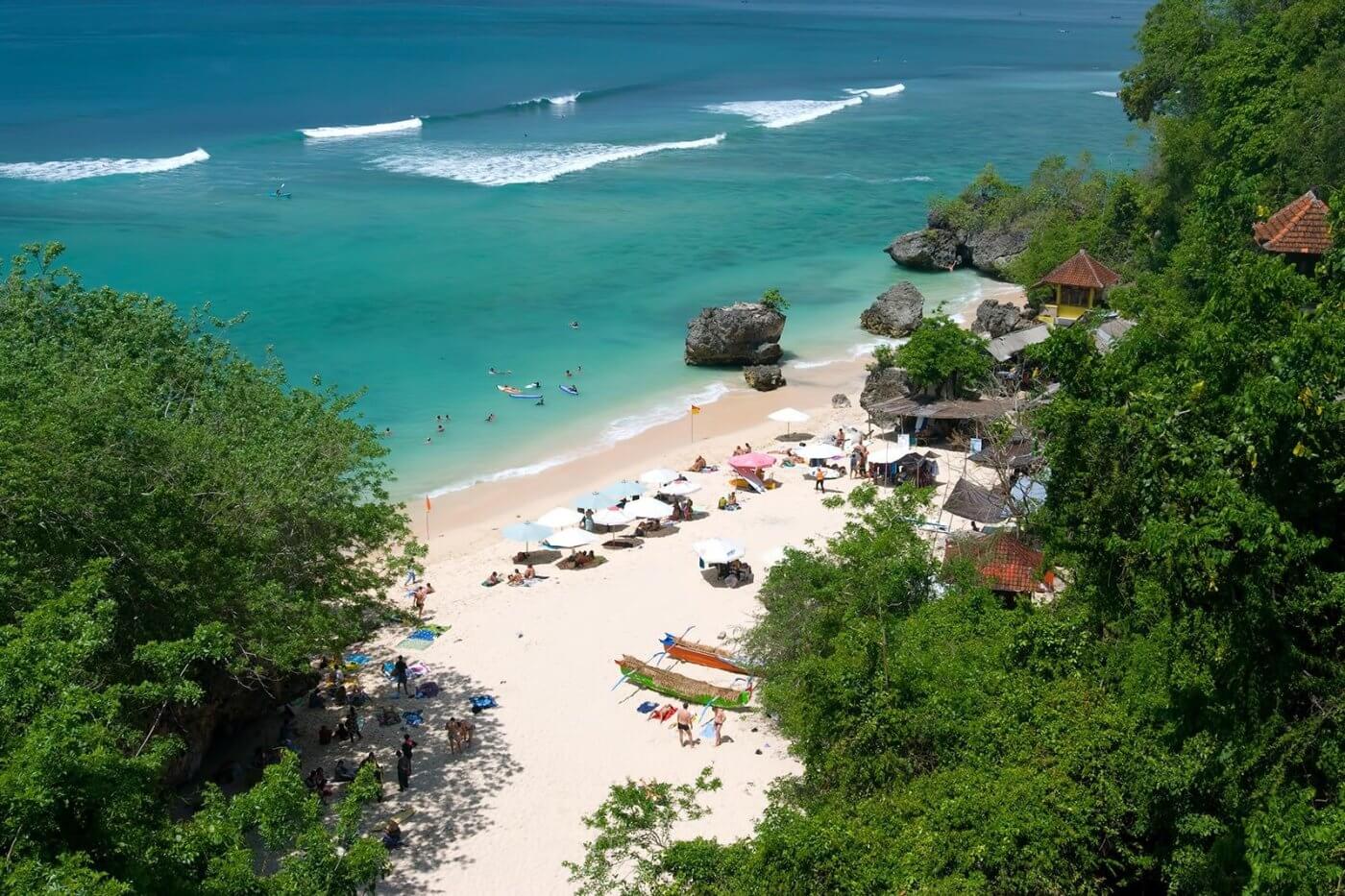
After the temple, ride to Padang Padang Beach for a completely different mood.
The beach is tucked below the limestone cliffs, entry is cheap at around IDR 10,000 based on the itinerary research, and the cove is small enough to feel intimate without becoming precious about it.
If you want a swim on this itinerary without giving up half a day, this is the place to do it.
Lunch in Jimbaran on the way back gives you a practical and satisfying stop.
A seafood meal at a local warung near the fish market usually falls around $4 to $6.50 in this plan, which is still reasonable for grilled fish, rice, and sambal this close to the coast.
It is a nice reminder that Bali can still reward people who step one row back from the polished beachfront setups.
Evening: Return for the Kecak Dance at sunset
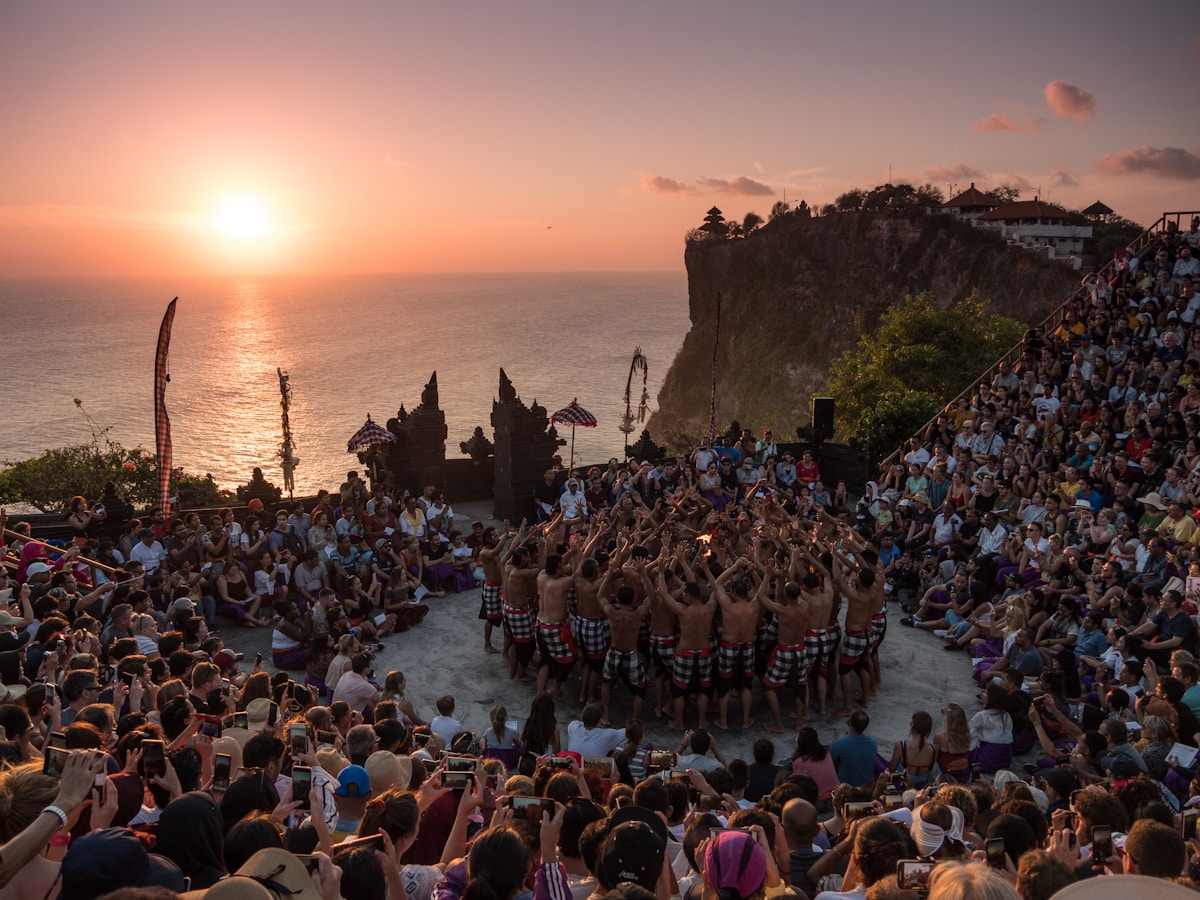
Head back to Uluwatu by late afternoon and give yourself time to settle before the show.
The Kecak Fire Dance is usually staged from 6:00 PM to 7:00 PM, and recent listings put the ticket at IDR 150,000, separate from temple admission.
This is one of the few things on the itinerary that genuinely deserves an advance booking, because sunset seats go quickly.
The performance could be gimmicky in a worse setting.
Here, it works.
The chanting builds as the sky darkens, the Ramayana scenes unfold in front of the sea, and the open-air amphitheater gives the whole hour a strange hypnotic energy that is hard to shrug off afterward.
Even travelers who roll their eyes at cultural shows usually leave this one a little quieter than they arrived.
Day 5: Tanah Lot, Seminyak, and a gentle exit from Bali

The final day avoids the mistake of overstuffing the last hours.
Tanah Lot is easiest in the morning, Seminyak gives you one more stretch of beach time and a proper last meal, and the airport transfer closes the loop without drama.
This is the day to let Bali wind down on its own terms rather than forcing a finale it does not need.
Morning: Tanah Lot at its quietest
Ride west from your overnight base to reach Tanah Lot before the tour buses start filling the car parks.
The temple opens from 6:00 AM and the entry fee for international adults is IDR 75,000.
Early morning here means you get the sea mist still clinging to the basalt rock stack, the offshore silhouette unobstructed by crowd noise, and the coastal path to yourself for at least the first 30 to 40 minutes.
The temple itself is only accessible at low tide and only to Hindu worshippers, so your visit is spent on the surrounding rocks and clifftop paths rather than inside the temple grounds.
That is not a limitation so much as a reminder that some places do not exist for your entry.
Walk the full coastal loop, watch the waves, and take a quiet breakfast at one of the small warungs along the approach road where nasi goreng and Bali coffee runs around $1.30 to $2.25.
Tabanan Regency, which surrounds this area, is greener and quieter than the south-coast tourist belt, and the rice fields lining the road in make the morning drive worth taking slowly.
Afternoon: Seminyak beach, a final meal, and the slow countdown
After Tanah Lot, the 45 to 60-minute ride east on Jalan Sunset brings you into Seminyak for the last afternoon.
Seminyak is a step up from Kuta in terms of crowd quality and beach width, and it makes a better final stop than heading straight to the airport with hours to fill.
The beach faces west, the water is swimmable in the early afternoon, and the strip behind the sand has enough cafes and small shops to cover any last-minute needs without becoming a full shopping mission.
For lunch, Warung La Plancha sits right on Seminyak Beach with colored beanbag chairs on the sand, which is either charming or the exact thing you have been avoiding all trip.
If the latter, there are smaller warungs one block back from the beach doing nasi campur for IDR 25,000 to 40,000 with no concept involved.
Either way, budget $2 to $8 depending on how you feel about beanbags and principles.
The beach swim is the last real activity.
Go in, let the Indian Ocean remind you what it feels like when something is bigger than your schedule, and stay until you feel ready to leave rather than until you think you should.
That is the correct amount of time.
Evening: Airport transfer and departure
Allow at least 2.5 to 3 hours before your international departure.
The ride from Seminyak to Ngurah Rai Airport takes 20 to 40 minutes depending on traffic, and the airport can be slow through check-in and immigration during the evening peak.
Use Grab or Gojek for a metered fare that usually lands around $3 to $5 from Seminyak, return your scooter before calling the car if you still have it, and resist the temptation to squeeze one more stop in before leaving.
The trip is already done well.
Budget Reality: What This Trip Actually Costs
The total budget for this five-day solo itinerary comes in around $150 to $200 for the full trip, not counting flights or any pre-booked accommodations paid in advance.
That figure covers attraction entry fees, daily meals at warungs and mid-range local spots, scooter rental and fuel across all five days, small incidentals, and the Kecak Dance ticket.
Here is roughly how the spend breaks down:
| Category | Estimated Range |
|---|---|
| Attractions and entry fees | $20-35 |
| Meals across 5 days | $40-60 |
| Transport (scooter rental, fuel, airport transfers) | $25-40 |
| Incidentals and small shopping | $10-20 |
| Accommodation (5 nights at budget rates) | $40-75 |
The daily rate sits comfortably under $50, and many days will come in below $30 if you eat exclusively at warungs and skip the extras like the Tegallalang swings or retail shopping.
Bali’s budget floor is genuinely low by any international standard, but it requires discipline about where you eat and how you move.
The island has an impressive talent for converting budget travelers into mid-range spenders one smoothie bowl at a time.
Practical Tips for This Itinerary
These are the things that make the difference between this route running smoothly and spending energy on avoidable problems.
- Carry a sarong from day one. Most temples provide them on loan, but having your own saves time at every entry gate and means you can visit any temple you pass spontaneously without the awkward queue at the borrowed-cloth rack.
- Eat every main meal at a warung. Nasi campur and mie goreng in the IDR 15,000 to 40,000 range keep your daily food spend under $3 without any sacrifice in quality. The moment you switch to tourist-facing cafes regularly, the budget math stops working.
- Rent a scooter from day one in Ubud. Picking it up in Canggu means you can ride it straight to Ubud on Day 2 rather than paying for a separate transfer. Return it in Seminyak on Day 5 before your airport rideshare.
- Avoid the airport money changers. Exchange rates at Ngurah Rai are notably worse than in town. Use a BNI or BCA ATM in Canggu or Ubud on Day 1 or 2, withdraw in one larger amount to minimize per-transaction fees, and keep small IDR notes for parking fees and temple donations. Use our currency converter to easily know the latest exchange rates.
- Book the Kecak Dance at least two days ahead. Walk-up availability exists but the best seats disappear fast, especially Friday through Sunday. WhatsApp booking via the Uluwatu official channel or a local Ubud agent both work.
- Arrive at Tegallalang before 8:00 AM. This one tip changes the entire experience from crowded landmark to quiet working landscape. The terraces open at 6:00 AM and the difference between 7:00 AM and 9:30 AM is not subtle.
For more personalized and detailed trip plan like this, refer to our Itineraries page.
Duration
5+ Days
Best For
Solo Traveler
Budget
Budget
Theme
Nature & Relaxation
Trip Highlights
Arrival
- Arrival at Ngurah Rai International Airport
Transport
- Check-in at Canggu Budget Guesthouse or Hostel
- Scooter Rental and Ride to Ubud
- Ride from Ubud to Uluwatu
Relaxation
- Batu Bolong Beach
- Campuhan Ridge Walk
- Budget Balinese Massage
Dining
- Warung Dandelion
- Warung Ibu Oka
- Warung Sopa
Interactive Itinerary Map
🗺️ 5-Day Bali Itinerary for Solo Travelers: Temples, Rice Terraces & Total Silence
All
Day 1
Day 2
Day 3
Day 4
Day 5
Day-by-Day Itinerary
12:00 PM - 02:00 PM
Arrival
Arrival at Ngurah Rai International Airport
Clear immigration, grab your bags, and head straight to the official taxi counter inside arrivals. A metered Blue Bird taxi to Canggu costs around IDR 150,000-200,000 depending on traffic, and takes 45-60 minutes. Skip any unofficial drivers who approach you before the taxi counter.
Download Grab or Gojek before landing. Once you have a local SIM or airport WiFi, a rideshare app often beats the taxi counter on price for the Canggu run.
02:00 PM - 03:00 PM
Transport
Check-in at Canggu Budget Guesthouse or Hostel
Canggu has a solid range of budget guesthouses and hostels starting from $8-15 per night for a private room or dorm bed. Areas around Batu Bolong and Echo Beach put you walking distance from the beach and most warungs. Drop your bags, shower, and give yourself 30 minutes to stop feeling like you just flew here.
Book at least a week ahead during dry season (April-October). Walk-in rates are higher and availability is genuinely tight in Canggu.
03:30 PM - 05:30 PM
Relaxation
Batu Bolong Beach
Walk down to Batu Bolong for your first hit of Bali ocean air. The beach faces west so you get the full sunset, surfers riding the break, and local vendors selling coconuts for IDR 15,000. You don't need to do anything in particular, just sit and let the travel lag dissolve.
07:00 PM - 08:00 PM
Dining
Warung Dandelion
One of the better-known local warungs in Canggu that serves solid nasi goreng, mie goreng, and fresh juices at honest prices. A full meal with a drink costs IDR 35,000-55,000, which is about $2-3.50. Come hungry and avoid looking at the overpriced cafes on the main strip.
07:30 AM - 08:30 AM
Transport
Scooter Rental and Ride to Ubud
Rent a scooter from any of the dozens of rental spots in Canggu for IDR 70,000-100,000 per day ($4.50-6.50). The ride from Canggu to Ubud takes about 1 hour on the main road via Jalan Raya Ubud, longer if you take the scenic backroads through rice paddies, which you should at least partially do.
International driving permit is technically required to ride a scooter legally in Bali. Police checkpoints exist, especially near tourist zones. Having your permit or a local guide with you avoids a hassle.
09:00 AM - 10:30 AM
Attraction
Tegenungan Waterfall
Stop here on the way from Canggu to Ubud, it's a 20-minute detour off the main road and completely worth it. The falls drop about 15 meters into a clear pool where you can swim, and at this time of morning the light comes through the surrounding jungle at exactly the right angle. Entry is IDR 20,000 and parking is IDR 5,000.
The steps down to the pool can be slippery, especially after rain. Wear shoes you don't mind getting wet. The pool gets busy after 10:30am, so arriving early gives you 20-30 minutes of relative calm.
11:00 AM - 12:30 PM
Attraction
Sacred Monkey Forest Sanctuary
Three ancient Hindu temples sit inside this 12-hectare forest, home to several hundred long-tailed macaques who have absolutely no interest in your personal space. Walk the shaded forest paths, watch the monkeys raid unsuspecting tourists, and take your time with the moss-covered temple shrines. Opening hours are 9:00 AM to 6:00 PM, last entry at 5:00 PM.
Do not bring open food, bags of chips, or anything that crinkles. The monkeys are fast, clever, and completely unashamed about theft. Secure your sunglasses and phone too.
12:30 PM - 01:30 PM
Dining
Warung Ibu Oka
One of Ubud's most consistently recommended spots for babi guling, the Balinese spit-roasted suckling pig. A full plate runs IDR 80,000-100,000 and includes rice, crackling, and assorted sides. It gets busy from noon onwards so expect a short wait, but it moves fast.
This is a pork-specific spot. If you don't eat pork, head to Warung Biah Biah nearby for excellent nasi campur with a mix of non-pork options at similar prices.
02:00 PM - 04:00 PM
Cultural Experience
Ubud Art Market and Ubud Palace
The art market sits directly across from Ubud Palace and sells textiles, wood carvings, sarongs, and silver jewelry. You don't have to buy anything, browsing is free and genuinely interesting. The palace itself, Puri Saren Agung, is open to walk through the outer courtyard and catch the intricate stone carvings on its gates.
Haggling is expected at the market. Start at roughly 40-50% of the asking price and work from there. Fixed-price shops exist too if negotiating stresses you out.
06:00 PM - 07:30 PM
Dining
Warung Sopa
A solid vegetarian-friendly warung in Ubud with a mix of Indonesian and Western dishes that doesn't feel like it's trying too hard. Meals run IDR 40,000-80,000 and the portions are generous. Good option if you've been eating heavy Balinese food all day and want something lighter.
06:00 AM - 08:00 AM
Attraction
Tegallalang Rice Terraces
Get here before 8am and you have the stepped green terraces almost to yourself. The UNESCO-listed subak irrigation system carved these fields over centuries, and watching the light hit the paddies while the mist clears from the valley is genuinely one of the better things Bali offers for free. The terraces are open from 6:00 AM to 7:00 PM, with entry fees of IDR 15,000-25,000 at most access points.
The road running parallel to the terraces has multiple entry points, each run by different landowners with slightly different fees. Just pick one you like the look of and pay there. Swings over the terraces cost IDR 150,000-350,000 extra if you want that experience.
08:30 AM - 09:30 AM
Dining
Warung breakfast near Tegallalang
Several small warungs sit along the Tegallalang road and open from around 7:30-8:00 AM. A plate of nasi goreng with a fried egg and a Bali coffee costs IDR 25,000-40,000 total. Eat with a view of the terraces from a balcony table if you can find one.
10:00 AM - 12:00 PM
Cultural Experience
Pura Tirta Empul (Tirta Empul Temple)
This 10th-century Hindu temple is built around a sacred natural spring whose pools are used for purification rituals still practiced daily by Balinese worshippers. You can participate in the purification, moving through a series of stone spouts while temple priests conduct prayers nearby. It is one of those experiences where the setting and the reality of it are better than any photo. Open 7:00 AM to 6:00 PM, entry IDR 75,000.
Wear a swimsuit under your clothes if you plan to enter the pools. A sarong is required and provided on loan. Arrive before 10am if possible, mornings are significantly less crowded and the ceremony feels more authentic.
12:30 PM - 01:30 PM
Dining
Kafe Batan Waru
Back in central Ubud, this long-running cafe serves Balinese and Indonesian staples in a quiet courtyard setting. The lunch menu runs IDR 60,000-100,000 for mains and the portions justify the price. It is a step up from a warung without crossing into tourist-trap territory.
02:30 PM - 04:30 PM
Relaxation
Campuhan Ridge Walk
A 2km walking trail that follows a narrow ridge through grass and jungle between two river gorges, starting from the Pura Gunung Lebah temple in central Ubud. The afternoon light here is softer than morning, and you can walk the whole path in about 45 minutes at a relaxed pace. Free to walk, no entrance fee.
The trailhead starts near the bridge at Jalan Raya Campuhan. Go in the late afternoon rather than midday to avoid the worst of the heat.
06:00 PM - 07:30 PM
Relaxation
Budget Balinese Massage
Ubud's Hanoman Street has more massage spots per meter than anywhere on the island, and the smaller family-run ones charge IDR 70,000-100,000 ($4.50-6.50) for a full 60-minute Balinese massage. Your legs will thank you after two days of walking and scooter riding. Just walk in and pick any spot that looks clean and has a price board outside.
07:30 AM - 09:00 AM
Transport
Ride from Ubud to Uluwatu
The scooter ride from Ubud to Uluwatu takes about 1.5 hours via the bypass road south through Denpasar and then west toward the Bukit Peninsula. The roads are straightforward but traffic through Denpasar can be thick between 8-9am. Leave by 7:30am to beat the worst of it.
09:30 AM - 11:00 AM
Attraction
Pura Luhur Uluwatu Temple
The temple itself sits at the edge of a 70-meter cliff, and even without the cultural significance, the view down to the ocean is enough reason to be here. The cliff-top path loops for about 1km around the headland with the temple as the centerpiece. Open 7:00 AM to 7:00 PM, entry IDR 50,000-60,000 for international adults.
The macaque monkeys at Uluwatu are more aggressive than the ones in Ubud. Store everything in zipped pockets or a secure bag before entering. Sunglasses on your face are a favorite target.
11:30 AM - 01:00 PM
Relaxation
Padang Padang Beach
A small white-sand cove accessible through a gap in the cliffs, about 10 minutes' ride from Uluwatu. The water is clear and swimmable, the beach is enclosed enough to feel tucked away, and entry is just IDR 10,000. It gets busier after noon but the morning hours are relatively calm.
01:30 PM - 02:30 PM
Dining
Warung near Jimbaran Fish Market
On the way back north from Uluwatu, stop in Jimbaran for a grilled seafood lunch at one of the small warungs behind the fish market. You point at what you want, it gets grilled in front of you, and you pay by weight. A solid meal of grilled fish, rice, and sambal runs IDR 60,000-100,000 ($4-6.50).
04:00 PM - 05:00 PM
Transport
Return to Uluwatu for Kecak Dance
Head back to Uluwatu by 4:30 PM to secure a good seat for the Kecak Dance performance. The ride takes about 30-40 minutes from Jimbaran. Buy your Kecak ticket at the amphitheater booth or, better, in advance via the official WhatsApp channel.
06:00 PM - 07:00 PM
Cultural Experience
Kecak Fire Dance at Uluwatu
A hundred men sit in a circle, chanting the rhythmic kecak sound in shifting vocal layers while performers enact the Ramayana story against a backdrop of ocean and falling sun. The performance runs from 6:00 PM to 7:00 PM daily and the setting is genuinely theatrical in a way you can't replicate anywhere else. Ticket is IDR 150,000 on top of the temple entrance fee.
Book at least two days ahead, especially on weekends. Arrive by 5:00 PM to pick your seat. The seats face west so the sun is directly behind the stage at sunset, which is the point.
06:00 AM - 08:30 AM
Attraction
Tanah Lot Temple
The offshore sea temple on its basalt rock stack is at its quietest in the early morning, before tour groups arrive. Walk the coastal path along the clifftops, watch local fishermen casting lines below the temple, and take your time with the views south toward the ocean. Open 6:00 AM to 7:00 PM, entry IDR 75,000 for international adults.
The temple itself is only accessible at low tide and only to Hindu worshippers. You view it from the rocks and surrounding paths, which is still impressive. Check tide times before going if you want the rock-walk experience.
09:00 AM - 10:00 AM
Dining
Breakfast at Warung near Tanah Lot
Small warungs along the road approaching Tanah Lot open early and serve standard Indonesian breakfast staples. A nasi goreng with coffee costs IDR 20,000-35,000 and you can eat looking out over the rice fields that frame this part of Tabanan Regency.
10:30 AM - 12:30 PM
Transport
Ride to Seminyak
The ride from Tanah Lot to Seminyak takes about 45-60 minutes via Jalan Sunset. Seminyak is less chaotic than Kuta but still well-stocked with good cafes, a proper beach, and enough shops if you want to pick up last-minute souvenirs before flying home.
01:00 PM - 02:30 PM
Dining
Warung La Plancha or local Seminyak warung
La Plancha sits right on Seminyak Beach with colored beanbag chairs on the sand and serves Indonesian-Spanish fusion at mid-range prices. If that stretches your last-day budget, a simpler warung one block back from the beach will do nasi campur for IDR 25,000-40,000.
03:00 PM - 04:30 PM
Relaxation
Seminyak Beach Final Swim
Your last real afternoon in Bali. The beach here is wide, sandy, and faces directly west, so even at 3pm the light has that warm orange quality that makes everything look like a screensaver. Go for a swim, sit with a coconut, and accept that you'll be back.
06:00 PM - 08:00 PM
Departure
Transfer to Ngurah Rai International Airport
The ride from Seminyak to the airport takes 20-40 minutes depending on traffic. Use Grab or Gojek for a reliable and transparent fare, typically IDR 50,000-80,000 ($3-5). Drop the scooter off before calling the rideshare if you rented one.
Arrive at least 2.5-3 hours before international departure. Ngurah Rai can be genuinely slow through immigration and security during evening rush.
Estimated Budget Breakdown
Based on standard pricing, here is the approximate cost breakdown for this itinerary (excluding flights and accommodations).
Estimated Total Cost
USD $150-200 total
Attractions
$20-35
Meals
$40-60
Transport
$25-40
Shopping
$10-20
Other
$30-50
Practical Tips for Your Trip
Rent a scooter in Canggu or Ubud for around $5-7 per day, it is the single best way to save money and move freely between sites that would otherwise cost $15-25 per taxi ride each way.
Eat every main meal at a warung, the small family-run spots with handwritten menus. Nasi campur and mie goreng run IDR 15,000-40,000 ($1-2.50), and the food is consistently better than anything in a tourist restaurant at triple the price.
Carry a sarong from day one. Most temples provide them on loan, but having your own saves the awkward queue at the entrance gate and means you can enter any temple you stumble across spontaneously.
For Ubud attractions, visit Tegallalang Rice Terrace before 8am. The terraces are technically open from 6am, the light is better, the air is cooler, and there are no swing-photo queues yet.
Book your Uluwatu Kecak Dance ticket at least two to three days in advance, either through the official WhatsApp channel or a local agent. Walk-up tickets exist but the good seats go fast, especially on weekends.
Avoid exchanging money at the airport, the rates are noticeably worse. Use a BNI or BCA ATM in Ubud or Seminyak for a fair rate, and withdraw in larger amounts to minimize per-transaction fees.
Book Popular Tours & Activities
Maximize your time by pre-booking tickets for recommended activities and guided experiences.






We may earn a commission from bookings at no extra cost to you.
Practical Tips & Guides
Frequently Asked Questions (FAQs)
A realistic budget for 5 days in Bali sits between $150 and $200 total, covering accommodation at $8-15 per night, warung meals at $1-6 per meal, scooter rental at $5-7 per day, and attraction entry fees averaging $1-10 per stop.
You can comfortably stay under $40 per day if you eat local and move by scooter rather than private car.
Yes, Bali is one of Southeast Asia’s most solo-friendly destinations.
The main practical concerns are scooter traffic, which requires genuine riding competence, and petty theft around tourist-heavy temples like Uluwatu where monkeys are the primary suspects.
Using Grab or Gojek instead of hailing random drivers and keeping valuables in zipped bags covers most of the realistic risks.
The dry season from April to October gives you the most reliable weather for outdoor activities like the Campuhan Ridge Walk, Tegallalang Rice Terraces, and Padang Padang Beach.
July and August are peak tourist months, which means tighter accommodation availability and slightly higher prices.
May, June, and September hit the sweet spot: dry conditions, fewer crowds, and guesthouses that are easier to book on short notice.
Disclaimer
While we do our best to provide accurate itinerary details, costs and availability may vary. Always confirm prices and bookings directly with providers. Some links may earn us a small commission at no extra cost to you. Read our FTC Disclosure.