
3-Day Tokyo on a Budget Itinerary: Street Food, Shrines & Sensory Overload
3 days of Tokyo temples, street food, and local neighborhoods on a realistic budget, built for first-time visitors.



This itinerary is built for first-time visitors to Tokyo who want to experience the city’s food and culture scene without burning through a lot of cash.
Tokyo has a reputation for being expensive, but the reality is that most of its best cultural experiences, including ancient temples, Shinto shrines, public parks, and neighborhood street life, cost nothing at all.
You can eat incredibly well here for under 1,500 yen a meal if you know where to look, and you almost always do.
The three days are spread across distinct parts of the city so you are actually seeing Tokyo rather than just one corner of it.
Day 1 opens in Asakusa and Ueno, the old downtown area where the city’s history is most visible.
Day 2 moves west into the Harajuku-Shibuya corridor, layering pop culture, shrine visits, and a sunset observation deck into one cohesive stretch.
Day 3 closes in Shinjuku and the retro lanes of Yanaka, giving you a final pass through both modern Tokyo nightlife culture and one of the city’s best-preserved old neighborhoods.
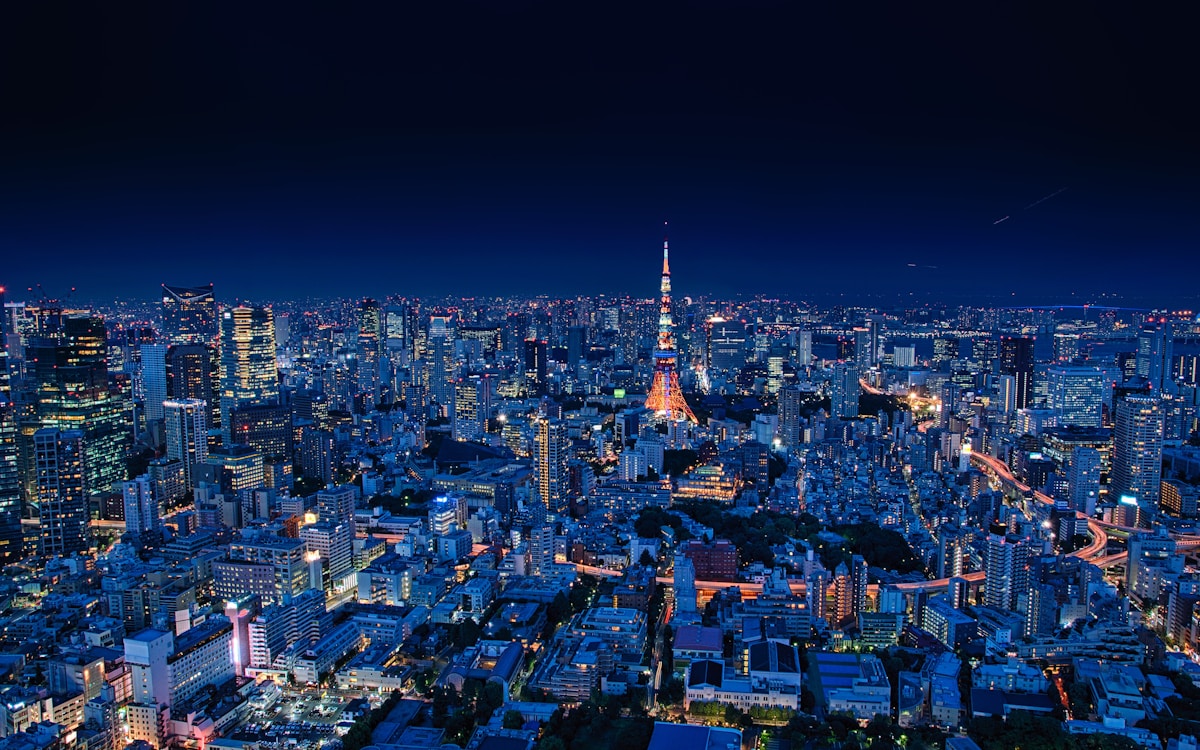
The moments you’ll actually remember: eating fresh tamagoyaki and warm seafood skewers at Tsukiji Outer Market at 9 AM when the stalls are just warming up, standing under the wooden torii gate at Meiji Shrine in the early morning quiet before the tour groups arrive, and watching the Shibuya Scramble from above at dusk while the city lights start to flicker on below you.
Budget reality: this itinerary targets roughly 12,000 to 15,000 yen per day including food, transport, and paid entries.
That is doable, but it requires sticking to convenience stores or casual chains for at least one meal a day.
Spring and autumn are the best seasons.
Summer in Tokyo is genuinely brutal, humid heat that will make you walk slower and spend more on cold drinks.
The Perfect 3-Day Tokyo Itinerary for First-Timers on a Budget
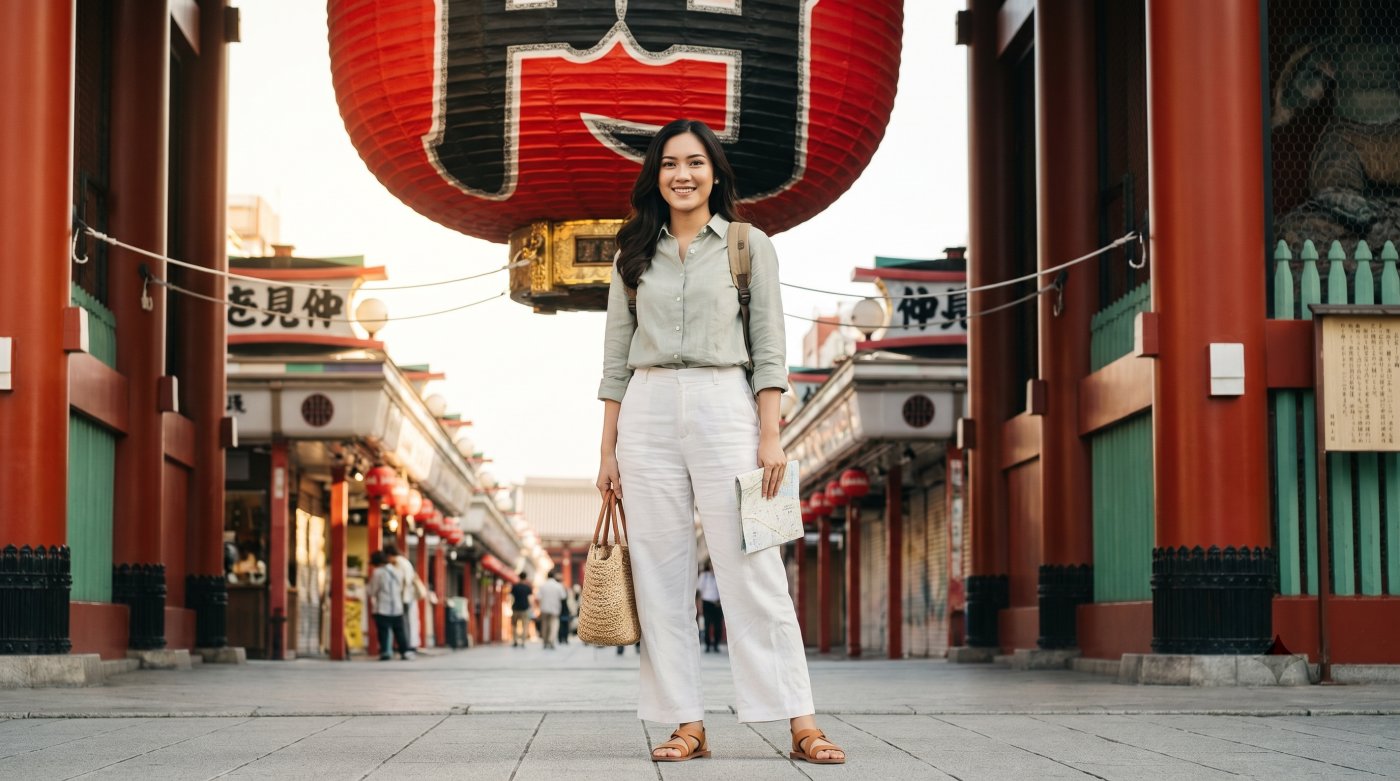
If you’ve been putting off Tokyo because you heard it’s expensive, let this be the article that changes your plans.
Tokyo rewards budget travelers better than almost any major city on earth, not because it’s cheap, but because so much of what makes it extraordinary is either free or costs less than a convenience store sandwich back home.
Why Tokyo Works for First-Timers on a Budget
Tokyo has a strange superpower for budget travelers: the free stuff here is genuinely the best stuff.
Ancient temples, Shinto shrines, sprawling public parks, neighborhood street markets, and the Shibuya Scramble Crossing itself, all of it asks nothing of your wallet.
The city is also built for efficient, affordable transit, and a loaded Suica IC card gets you onto every subway and JR train without fumbling for individual ticket machines every single time.
The daily budget target for this itinerary sits at roughly ¥12,000-¥15,000 per day, which covers food, transport, and the handful of paid entries that actually earn their price.
That translates to approximately $75-$95 USD per day at current exchange rates, well below what most travelers expect when they hear “Tokyo.” You’re not roughing it, you’re traveling smart.
 Airalo
 Yesim
Yesim Saily
Saily Klook
Klook NordVPN
 KKday
KKdayHow This 3-Day Itinerary Is Structured
Each day deliberately lands you in a different part of the city, because Tokyo is enormous and treating it like one neighborhood would be a waste.
- Day 1 anchors you in Asakusa and Ueno, the old downtown districts where the city’s pre-modern identity is still readable in the streets.
- Day 2 moves west into the Harajuku-Shibuya corridor for pop culture, shrine forests, and one genuinely excellent rooftop view.
- Day 3 closes in Shinjuku and Yanaka, pairing the city’s most storied nightlife alley with one of the few neighborhoods that actually looks like Tokyo did before 1945.
This east-to-west progression follows a logical geographic arc and minimizes the kind of backtracking that turns sightseeing into a commute.
Each day’s activities are sequenced by proximity so you’re walking between stops rather than riding trains between every single one.
Pace and Activity Density
The itinerary runs 5-7 activities per day, which is the right density for first-timers who want to cover ground without burning out.
There are proper gaps built in for spontaneous eating, getting lost in a side street, or simply sitting somewhere interesting and watching the city move.
Tokyo is one of those places where wandering without a plan is itself an activity worth scheduling.
Day 1: Asakusa, Tsukiji, and Ueno
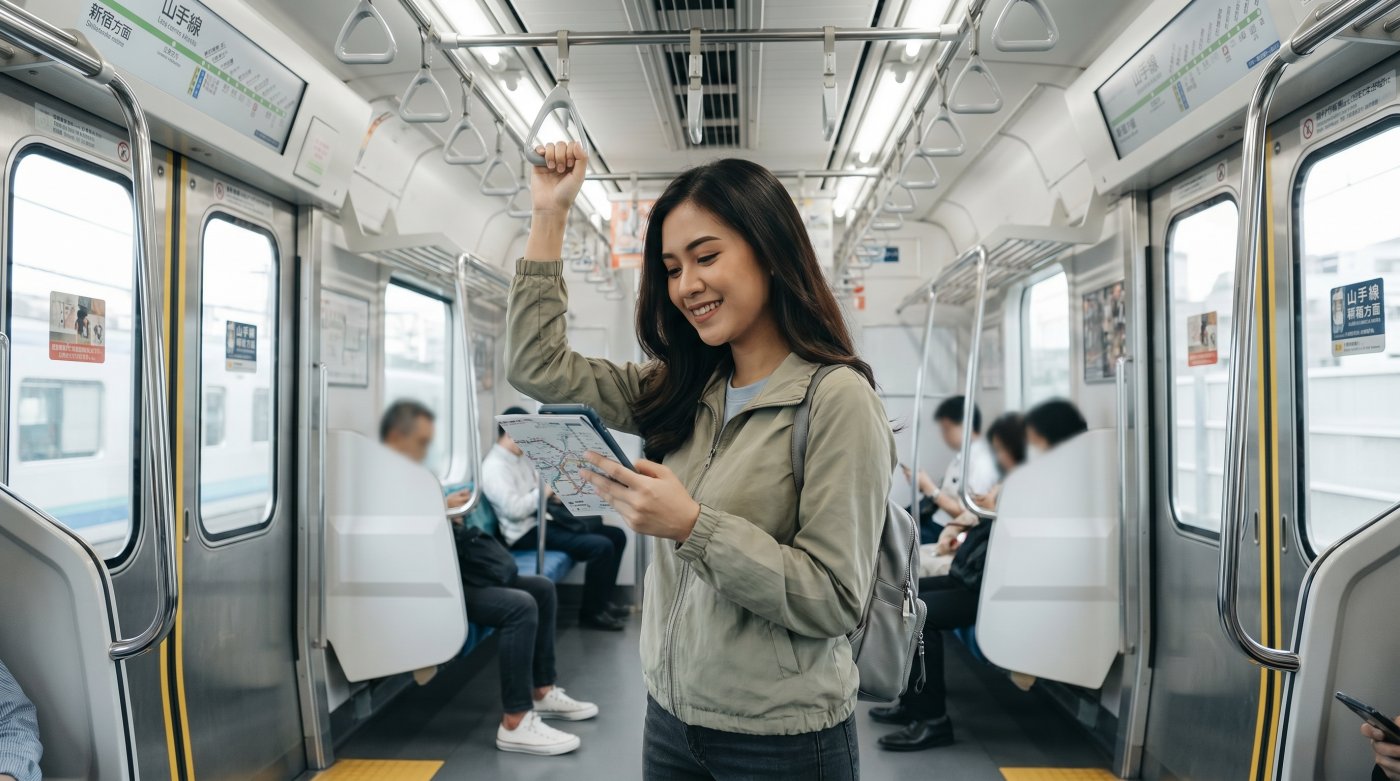
Day 1 grounds you in old Tokyo, covering the ancient temple district of Asakusa, the market stalls of Tsukiji, and the cultural museums of Ueno Park.
Morning: Senso-ji Temple Before the Crowds Hit
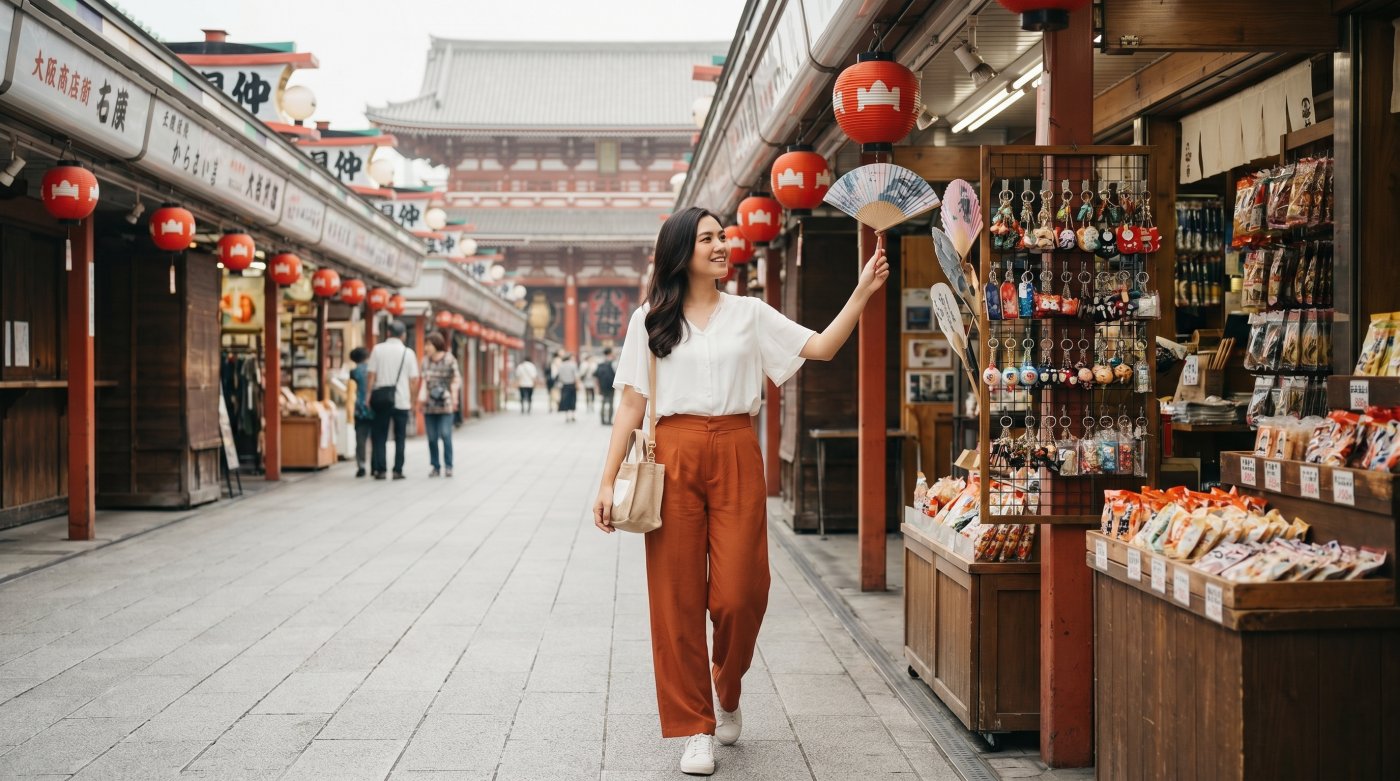
Start your first Tokyo morning at Senso-ji Temple in Asakusa, and start it early.
The temple grounds are always open, and the main hall opens at 6:00 AM (6:30 AM from October to March).
Admission is completely free for both the grounds and the main hall.
Getting here before 8 AM is not optional advice, it’s the difference between a genuinely moving experience and navigating a river of selfie sticks.
Walk through Kaminarimon (Thunder Gate), follow Nakamise-dori shopping street toward the main hall, and stop at the incense burner to wave smoke over yourself the way locals do.
It sounds like a tourist thing to do because everyone does it, but there’s a reason for that.
Mid-Morning: Tsukiji Outer Market Breakfast
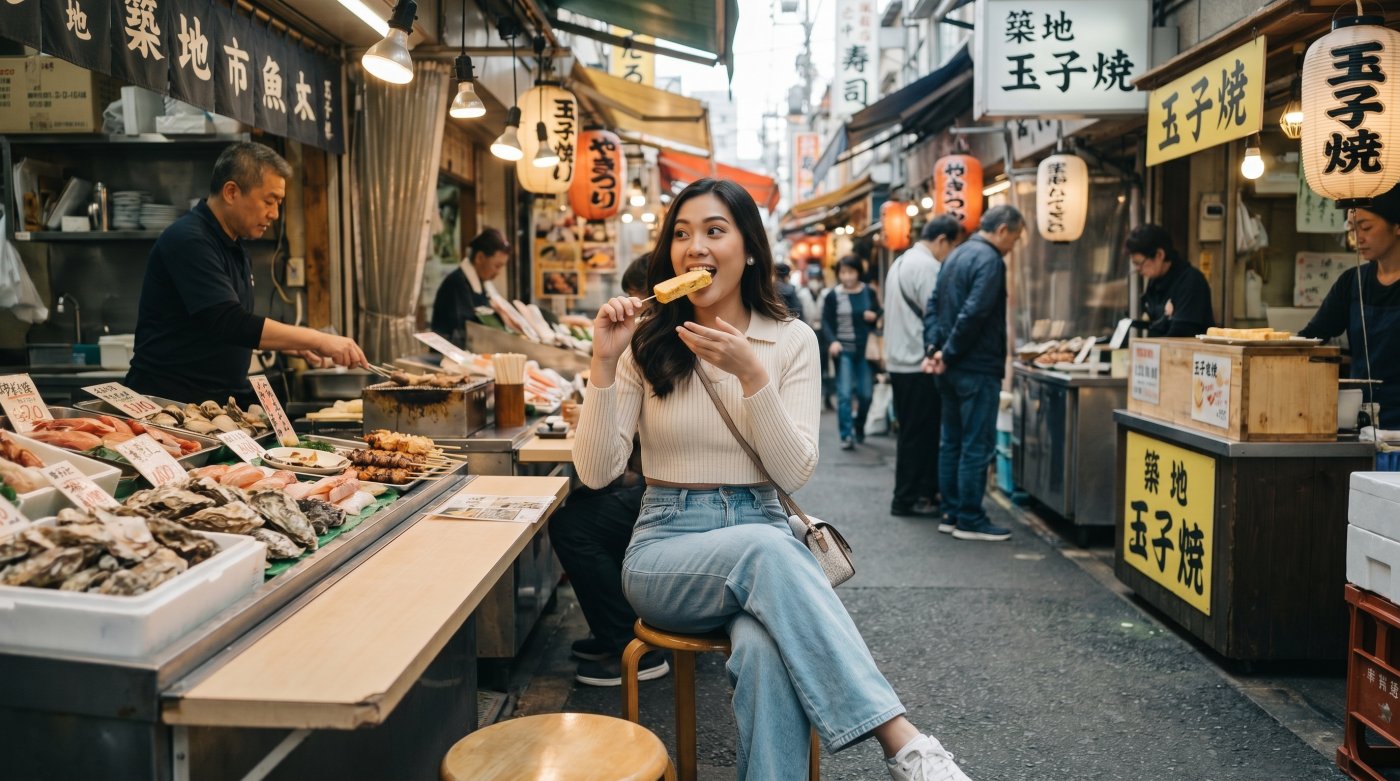
After Senso-ji, take the Tokyo Metro Hibiya Line from Asakusa Station to Tsukiji Station, about 15 minutes and ¥210 with your Suica card.
You’re heading to Tsukiji Outer Market, the part of the original market that stayed behind when the inner wholesale operations moved to Toyosu in 2018.
The market is open Tuesday through Saturday, from 5:00 AM to 2:00 PM, with food stalls starting to wind down by early afternoon.
Graze through the stalls for tamagoyaki (sweet rolled egg omelette), fresh oysters, grilled scallops, and slabs of tuna sashimi served straight from the counter.
Individual items cost ¥200-¥700, so a very satisfying breakfast runs ¥1,500-¥2,000 per person.
Afternoon: Tokyo National Museum and Ueno Park
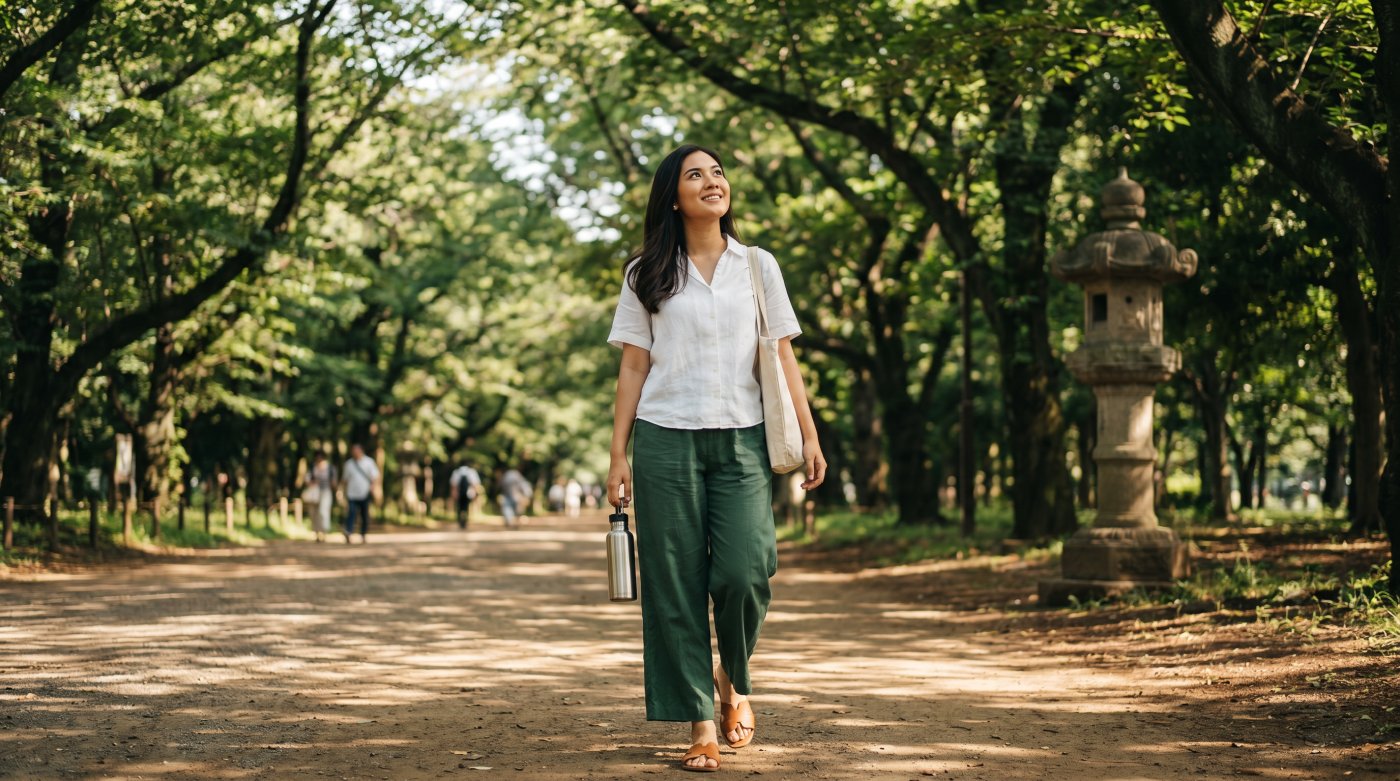
Head north from Tsukiji to Ueno on the Hibiya Line, another 20-minute ride at ¥210.
Your main stop is the Tokyo National Museum, Japan’s oldest and largest museum, where the Honkan (Japanese Gallery) walks you through Jomon-era pottery, Buddhist sculpture, samurai armor, and Edo-period lacquerware.
Admission is ¥1,000 per adult, and under-18s enter free.
The museum is open Tuesday to Sunday, 9:30 AM to 5:00 PM (until 8:00 PM on Fridays and Saturdays).
After the museum, Ueno Park itself is completely free and large enough to feel like a genuine decompression.
Walk past Shinobazu Pond and the Toshogu Shrine pagoda, and pick up a ¥200-¥400 yakitori skewer from one of the vendors near the park entrance.
Evening: Ramen Dinner in Ueno
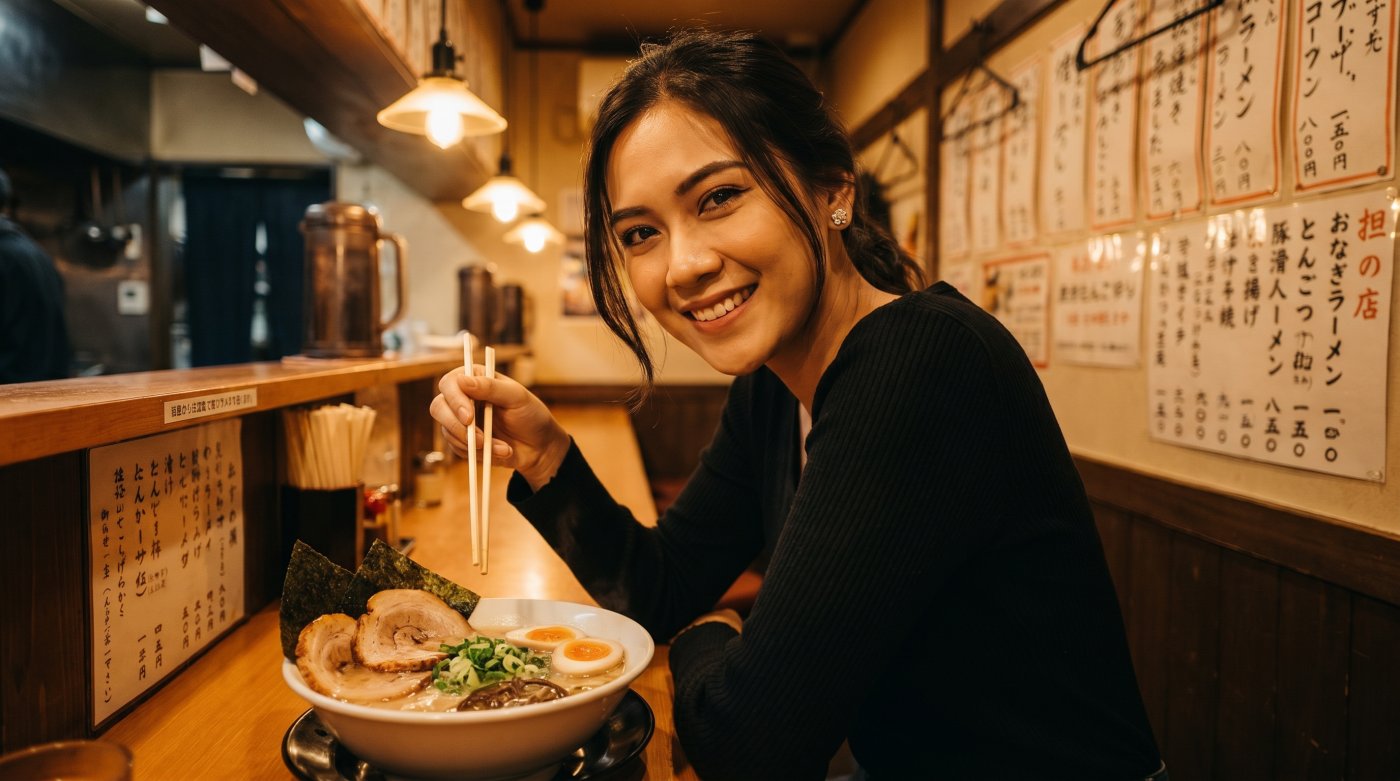
Close Day 1 with a bowl of ramen in the Ueno neighborhood.
The area has dozens of solid options across every broth style, tonkotsu, shoyu, miso, and a basic bowl with chashu pork and a soft-boiled egg runs ¥900-¥1,300 per person.
Most shops here use a ticket vending machine system, you select and pay before you sit down, so have some coins and small bills ready.
Day 2: Meiji Shrine, Harajuku, and Shibuya
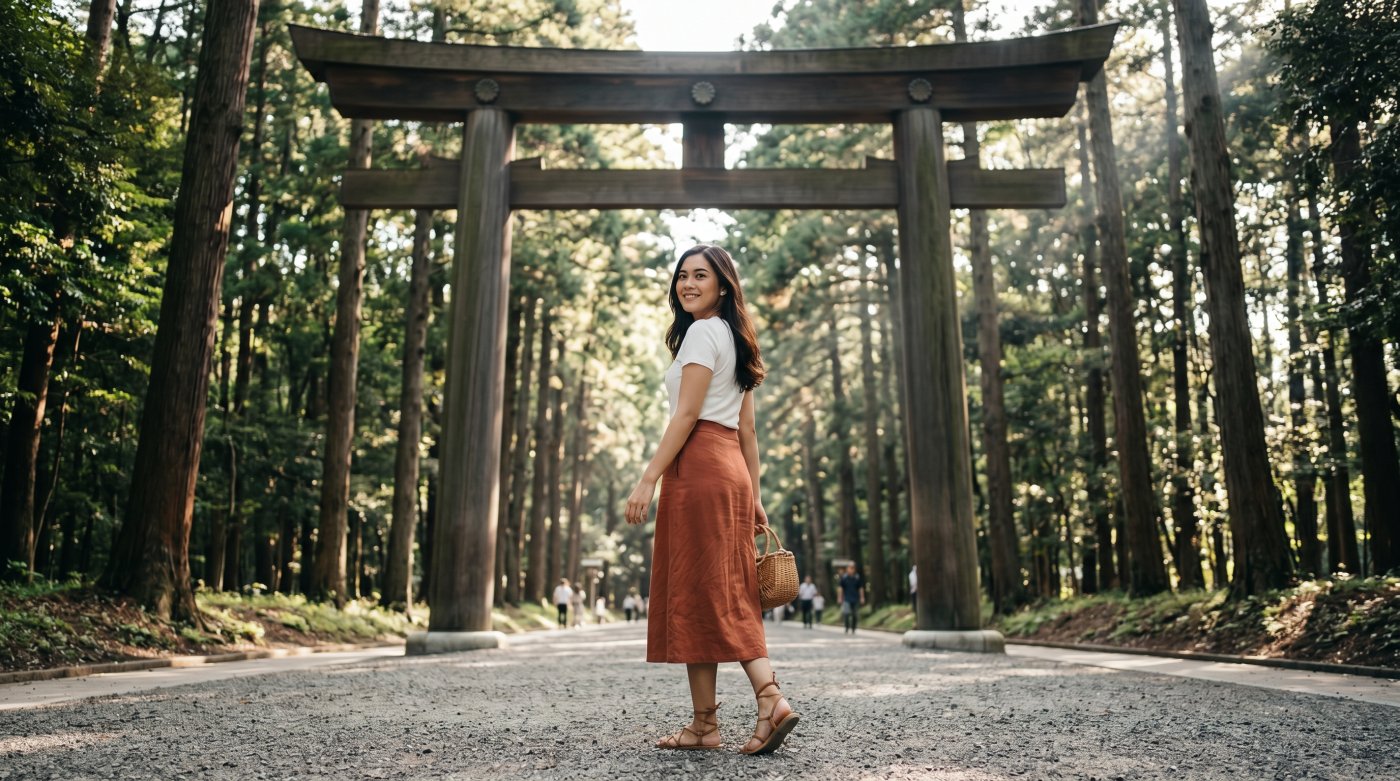
Day 2 tracks west through Harajuku and Shibuya, pairing a free Meiji Shrine morning with Takeshita Street food, and finishing with sunset views from one of Tokyo’s best observation decks.
Morning: Meiji Shrine at Sunrise
Get to Meiji Shrine early.
The shrine opens at sunrise (approximately 5:00-6:40 AM depending on the season) and closes at sunset.
Entry to the shrine grounds is completely free, and the walk from JR Harajuku Station entrance through the 70-hectare cedar forest to the main courtyard takes about 10 minutes each way.
This is a working Shinto shrine, so keep your voice low, follow the ritual handwashing (temizu) at the stone basin near the entrance, and move through the courtyard at the pace of the people around you.
The optional Meiji Jingu Museum inside the grounds costs ¥1,000, but it’s entirely skippable on a budget itinerary.
The forest and shrine architecture carry the experience on their own.
Mid-Morning: Takeshita Street Food and Omotesando
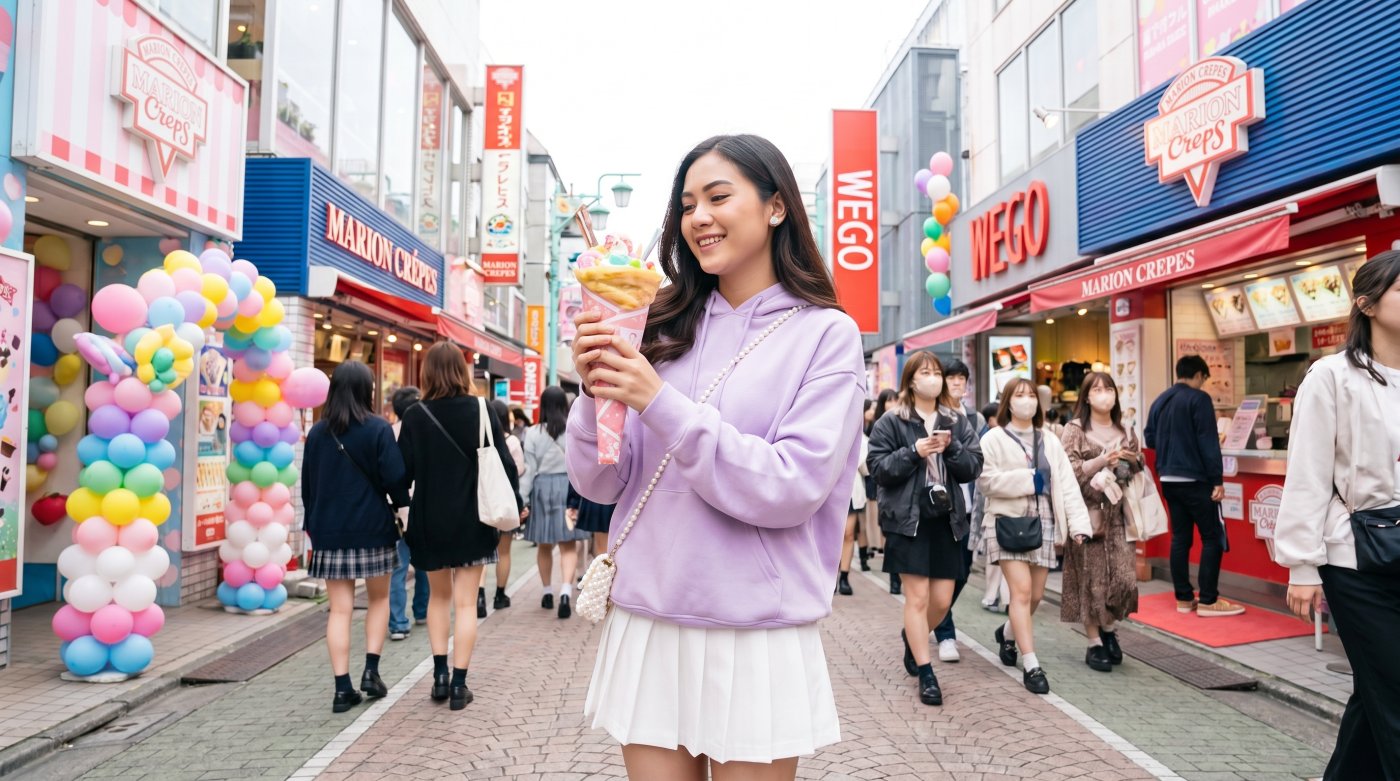
Two minutes from Harajuku Station, Takeshita-dori is a 350-meter pedestrian street that has been the center of Tokyo youth fashion and street food culture for decades.
The crepes here are the real draw, large, stuffed with fresh fruit, whipped cream, and flavored ice cream, and they cost ¥500-¥800 each.
Budget ¥800-¥1,500 for a proper snack walk through the whole street.
Afterward, walk south onto Omotesando, the wide tree-lined boulevard lined with design flagships and architecture worth looking at even if you’re not spending.
The side streets, known as Ura-Harajuku, are where the interesting independent boutiques and local coffee shops live.
The whole stretch costs nothing to explore.
Afternoon: Shibuya Scramble and Center-gai
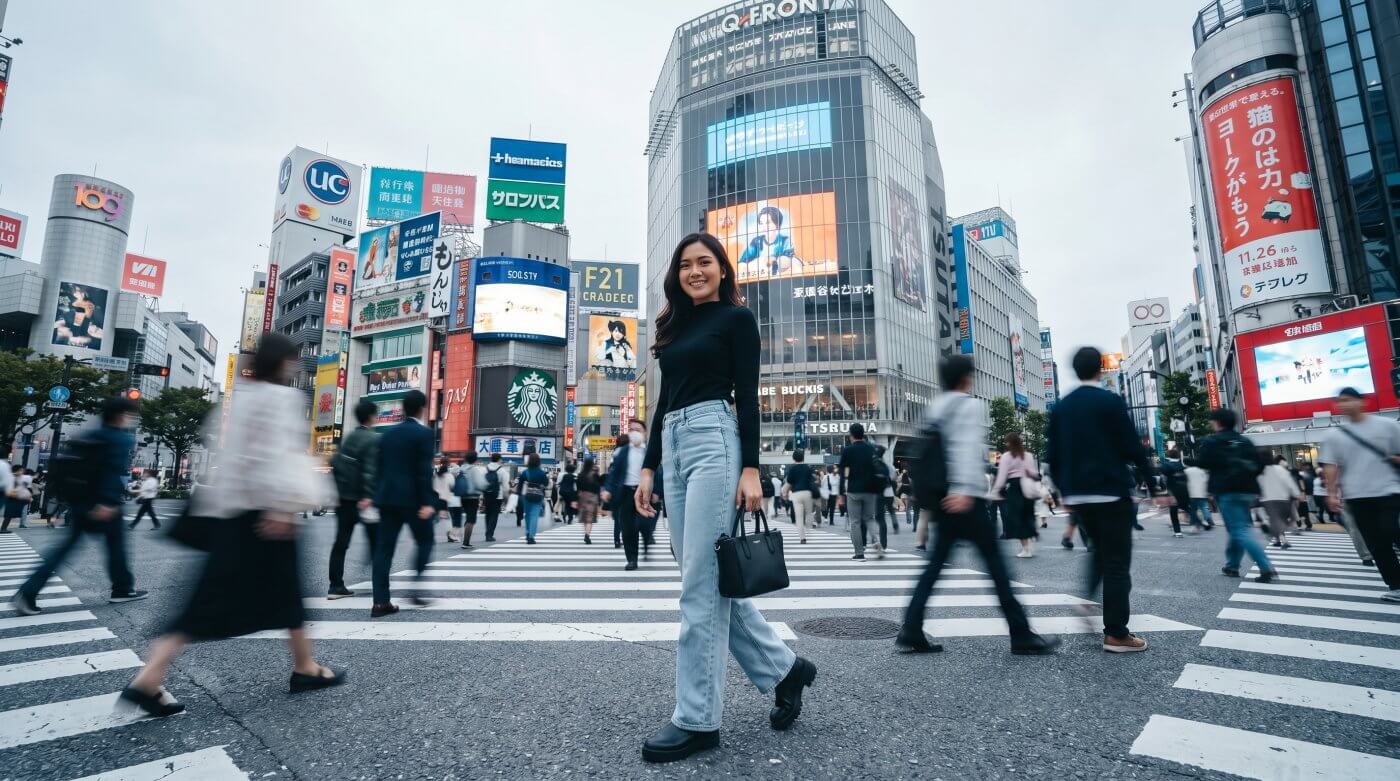
Lunch in Shibuya is an easy call.
Yoshinoya, Sukiya, and CoCo Ichibanya are all within a few minutes of Shibuya Station, and a gyudon beef rice bowl or curry rice with toppings runs ¥600-¥900 per person.
These are not tourist-adjusted prices, this is genuinely where working Tokyoites eat during the week.
The Shibuya Scramble Crossing itself is free, and crossing it a few times in different directions just to feel the organized movement of up to 3,000 people per cycle is worth doing.
Head into Center-gai shopping street afterward for a read on contemporary Tokyo street culture at no cost at all.
Sunset: Shibuya Sky Observation Deck
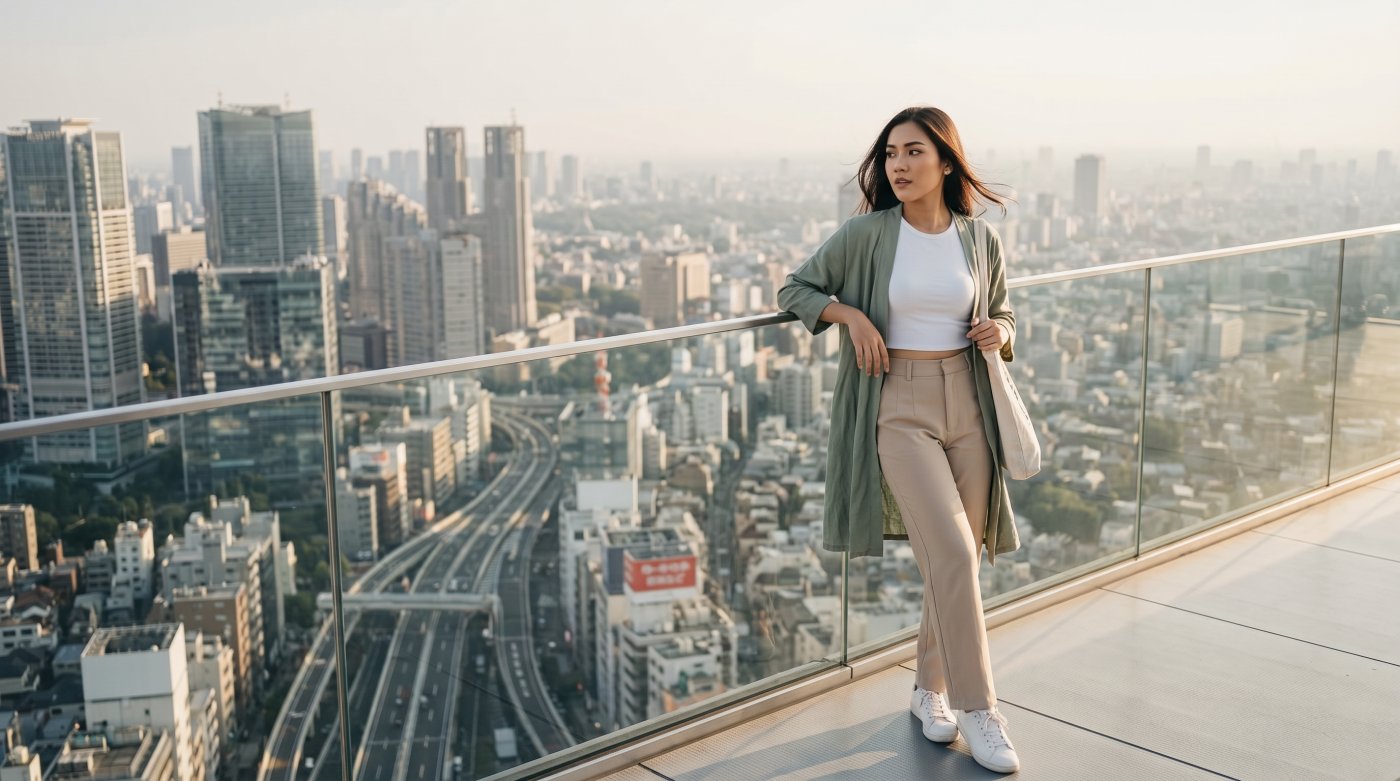
This is the one splurge of Day 2.
Shibuya Sky on the 46th floor of Shibuya Scramble Square puts you 230 meters above the city on an open-air rooftop, and arriving around 5:30-6:00 PM gives you the full day-to-dusk light transition with the Tokyo skyline turning on below you.
Admission is ¥2,700 per adult, with operating hours from 10:00 AM to 10:30 PM and last entry at 9:20 PM.
 GetYourGuide
 Expedia
 Trip.com
 Pelago
Evening: Izakaya Dinner in Shibuya
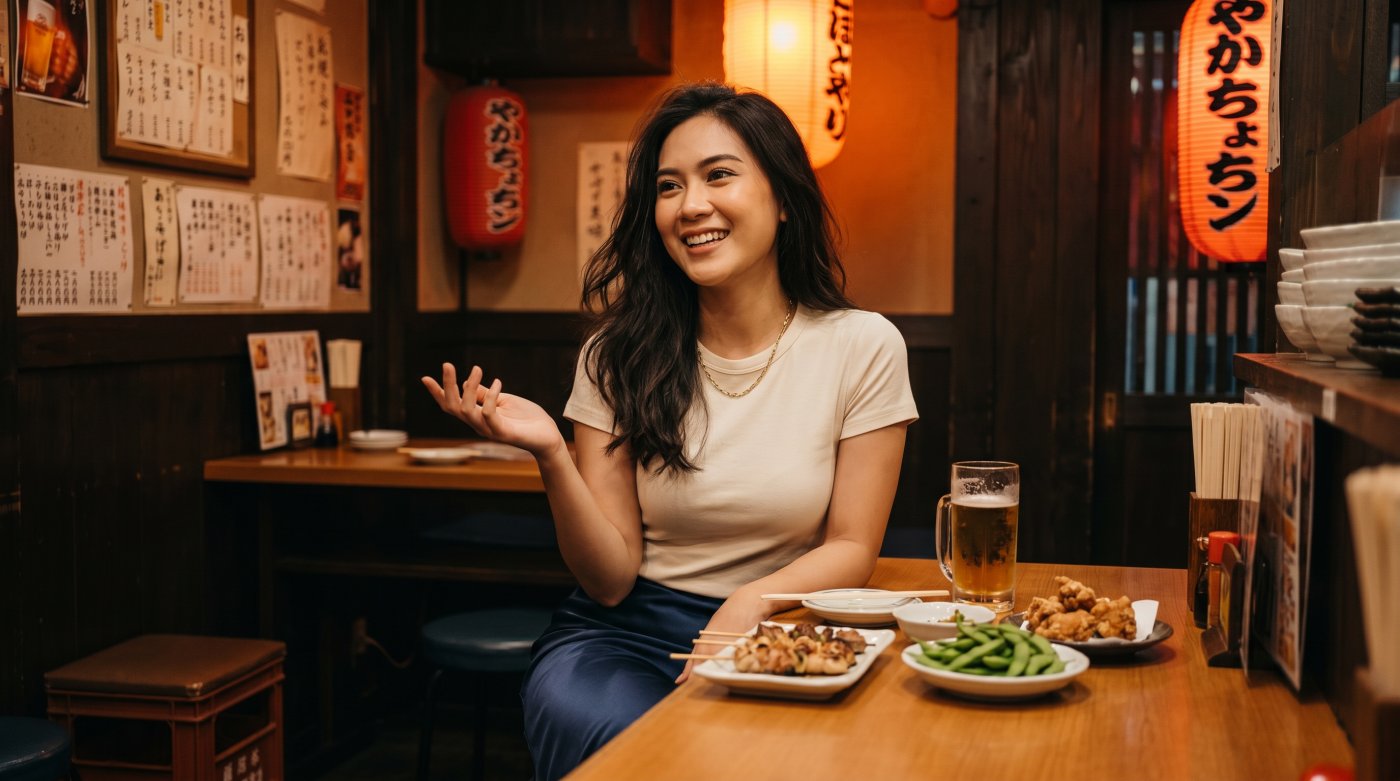
End Day 2 at one of the izakayas in the narrow streets east of Shibuya Station.
An izakaya is Japan’s version of a gastropub, grilled chicken skewers, cold edamame, fried tofu, and potato salad ordered in small plates alongside cold drinks.
Budget ¥1,500-¥2,500 per person for three or four plates.
Most have picture menus, and point-to-order works perfectly fine.
Day 3: Yanaka, Shinjuku, and Golden Gai
Day 3 opens in the retro lanes of Yanaka before moving to Shinjuku for garden walks, Memory Lane yakitori, and a final night in Golden Gai.
Morning: Yanaka Ginza and the Cemetery Walk
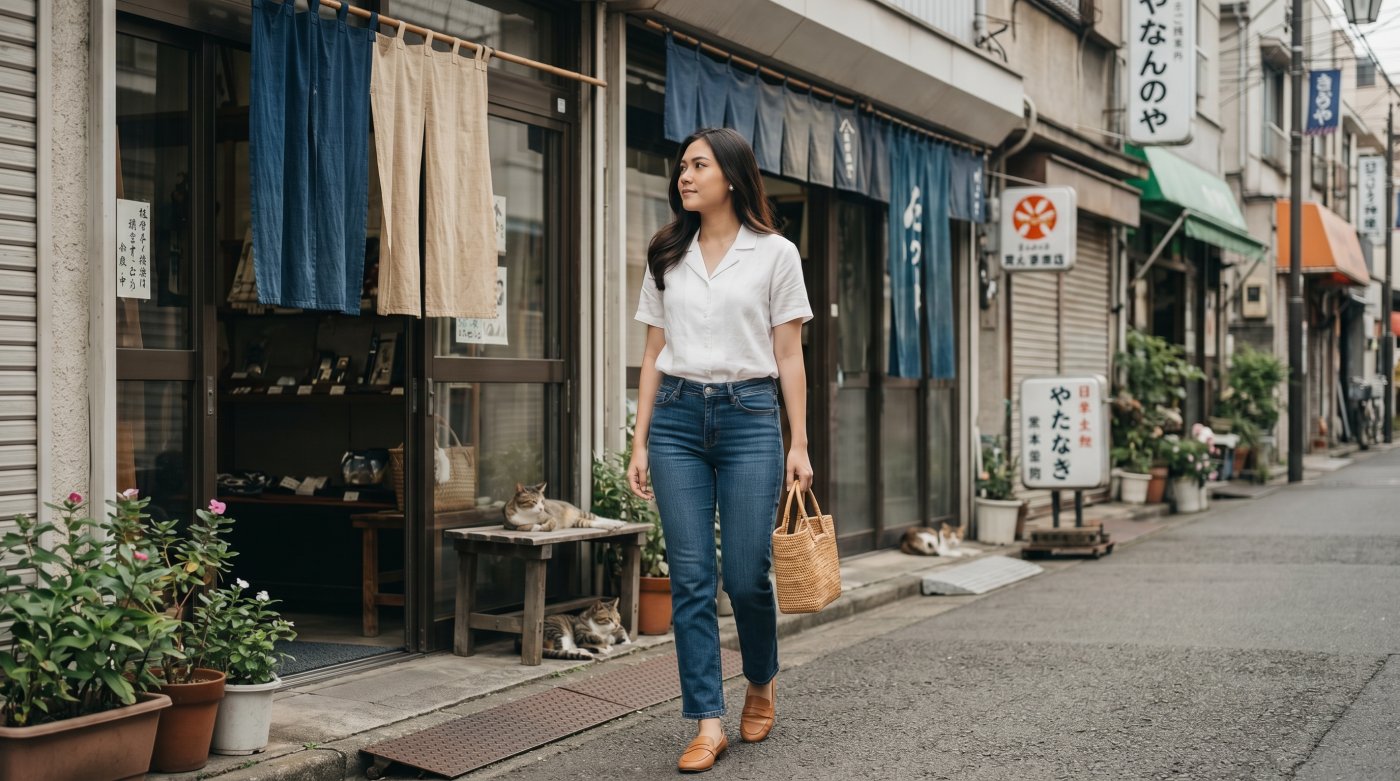
Yanaka is the Tokyo that the earthquake of 1923 and the World War II firebombing did not reach, which means it actually looks like the old city that most of Tokyo lost.
The Yanaka Ginza shopping street is about 170 meters long, lined with family-run shops selling pickles, dried fish, handmade ceramics, and grilled mochi skewers for ¥200-¥600 each.
The adjacent Yanaka Cemetery is one of the more pleasant morning walks in Tokyo, full of cats and old stone lanterns.
Most shops open around 10:00-11:00 AM, so arriving earlier gives you the street and cemetery atmosphere without the foot traffic.
The whole experience is free unless you buy snacks, which you should.
Getting to Shinjuku
Walk to Nippori Station (about 7 minutes from Yanaka Ginza) and take the JR Yamanote Line west to Shinjuku.
The ride takes 25 minutes and costs ¥220.
Nippori is a straightforward JR station with good English signage.
Midday: Omoide Yokocho Lunch
Just west of Shinjuku Station, running parallel to the JR tracks, Omoide Yokocho (Memory Lane) is a narrow alley of around 20 tiny stalls grilling yakitori chicken skewers over charcoal smoke.
Most stalls open for lunch around 11:30 AM, most seat about 8-10 people at a wooden counter, and a filling lunch of skewers plus a drink runs ¥1,000-¥1,500.
Some stalls are cash only, so keep small bills accessible.
Afternoon: Shinjuku Gyoen National Garden
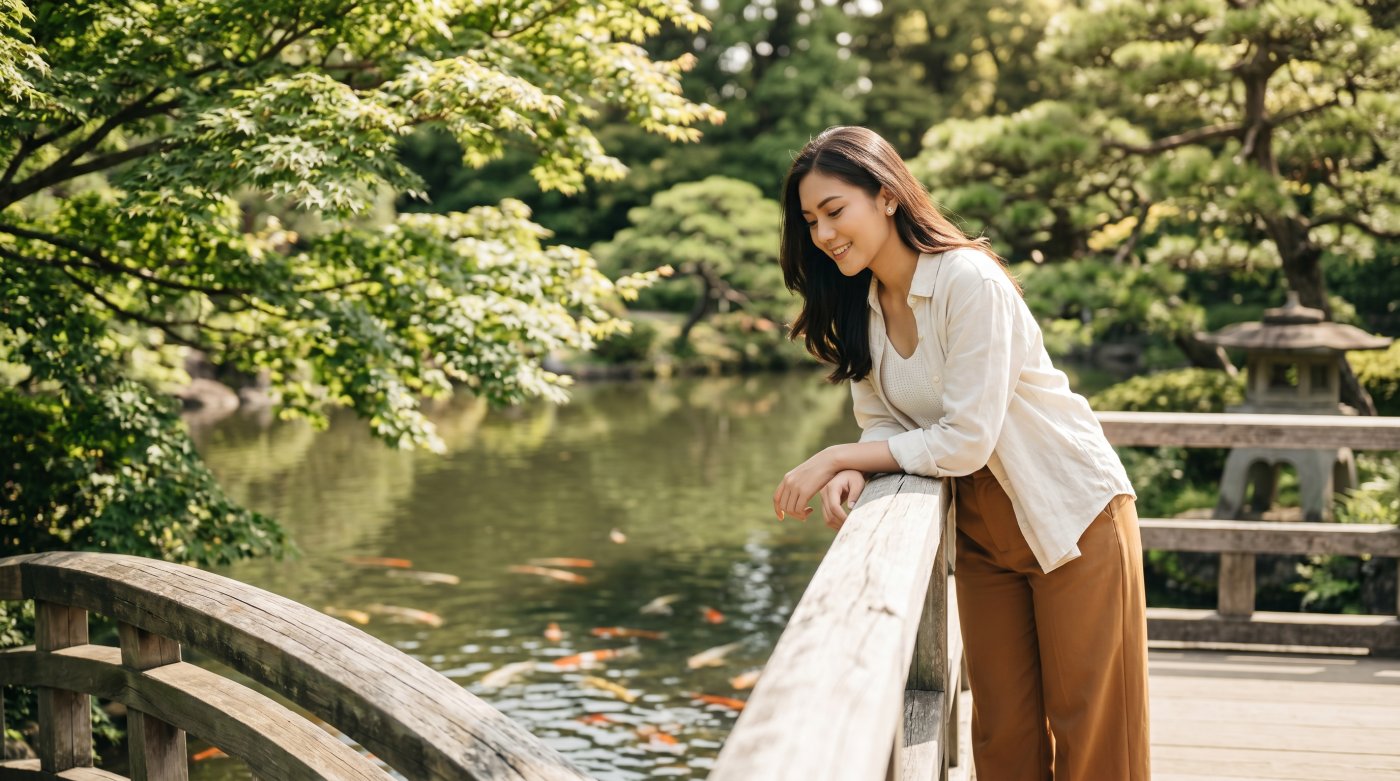
Shinjuku Gyoen is a 58-hectare park that blends formal French and English gardens with a traditional Japanese stroll garden, and it is genuinely one of the best maintained parks in the country.
Admission is ¥500 per adult, with the garden open 9:00 AM to 4:30 PM (last entry 4:00 PM) and closed on Mondays.
After the garden, Don Quijote in Kabukicho is the most logical budget souvenir stop, a multi-floor discount store stocking everything from matcha KitKats and snack assortments to cosmetics and character goods at genuinely low prices.
Budget ¥1,000-¥3,000 depending on how many matcha KitKat multipacks you end up committing to.
Evening: Conveyor Belt Sushi and Golden Gai
Kaiten-zushi (conveyor belt sushi) chains like Sushiro and Hamazushi near Shinjuku Station offer plates at ¥110-¥330 each, and a full dinner of 8-10 plates with a drink runs ¥1,500-¥2,500 per person.
Arrive by 6:00 PM to avoid the 20-40 minute waits that peak dinner hours bring.
Finish in Golden Gai, a grid of six narrow alleyways in Kabukicho containing about 200 tiny bars, most seating 5-8 people.
Each bar has its own identity: some play jazz, some screen old films, some orbit a specific manga or literary theme.
Pick one with a menu posted outside, claim a stool, have two drinks, and call it a proper Tokyo send-off.
Many bars charge a ¥500-¥1,000 cover on top of drinks, which is standard and not a tourist surcharge, so factor that into your ¥1,500-¥2,500 per person budget for the night.
Budget Breakdown for 3 Days in Tokyo
Here’s a realistic look at where your money actually goes across the full itinerary:
| Category | 3-Day Total (JPY) |
|---|---|
| Attractions & Entry Fees | ¥4,000 – ¥6,000 |
| Meals & Street Food | ¥12,000 – ¥16,000 |
| Transport (IC card) | ¥5,000 – ¥7,000 |
| Shopping & Souvenirs | ¥3,000 – ¥6,000 |
| Miscellaneous | ¥2,000 – ¥4,000 |
| Total | ¥26,000 – ¥39,000 |
These figures cover sightseeing and daily expenses only and do not include accommodation.
Budget hostels and capsule hotels in Tokyo run ¥3,000-¥5,000 per night, while budget guesthouses and business hotels start around ¥7,000-¥10,000 per night.
Practical Tips for Your Tokyo Trip
- Load your Suica card at the airport the moment you land. It works on every subway line, JR train, and many convenience stores. No need to buy individual tickets anywhere.
- Eat at least one meal per day at a convenience store. A 7-Eleven, FamilyMart, or Lawson onigiri with a hot coffee costs around ¥350-¥500 and the quality is genuinely not a compromise.
- Tsukiji Outer Market is closed most Sundays and select Wednesdays, so check the official calendar before building your Day 1 schedule around it.
- The Tokyo Metropolitan Government Building in Shinjuku has two free observation decks on the 45th floor. It is not as dramatic as Shibuya Sky but it costs nothing, and on a clear day it gives you a full panoramic view of the city including Mount Fuji.
- At Shibuya Sky, bags go into lockers on the observation floor, not in lockers downstairs, so plan your photography gear accordingly.
Getting Around Tokyo on a Budget
Tokyo’s public transit system is one of the most reliable on the planet, and it is also relatively affordable for what you get.
A typical cross-city metro ride costs ¥200-¥300, and the JR Yamanote Line loops the entire central city for ¥150-¥220 per segment.
Load ¥5,000-¥10,000 onto a Suica card at the start of your trip and top it up at any station machine if needed.
Taxis exist, but they are expensive and unnecessary for most tourist routes.
Walking between nearby stops is almost always faster than waiting for a taxi in central Tokyo.
When to Visit Tokyo
The best windows for a first-timer budget trip are late March to early May (cherry blossom season runs late March to early April) and mid-September to late November.
Both seasons offer comfortable walking temperatures, low rainfall relative to summer, and the kind of clear skies that make the observation decks worth the entry fee.
Avoid July and August if at all possible.
Summer in Tokyo is genuinely brutal humidity, and you will spend money on cold drinks and air-conditioned venues just to function.
Ready to swap the “Tokyo is too expensive” excuse for an actual booking?
Three days is just enough to fall properly in love with this city and start planning the return trip before you’ve even left.
Trip Highlights
- Senso-ji Temple and Nakamise-dori
- Meiji Shrine
- Omotesando and Ura-Harajuku Lanes
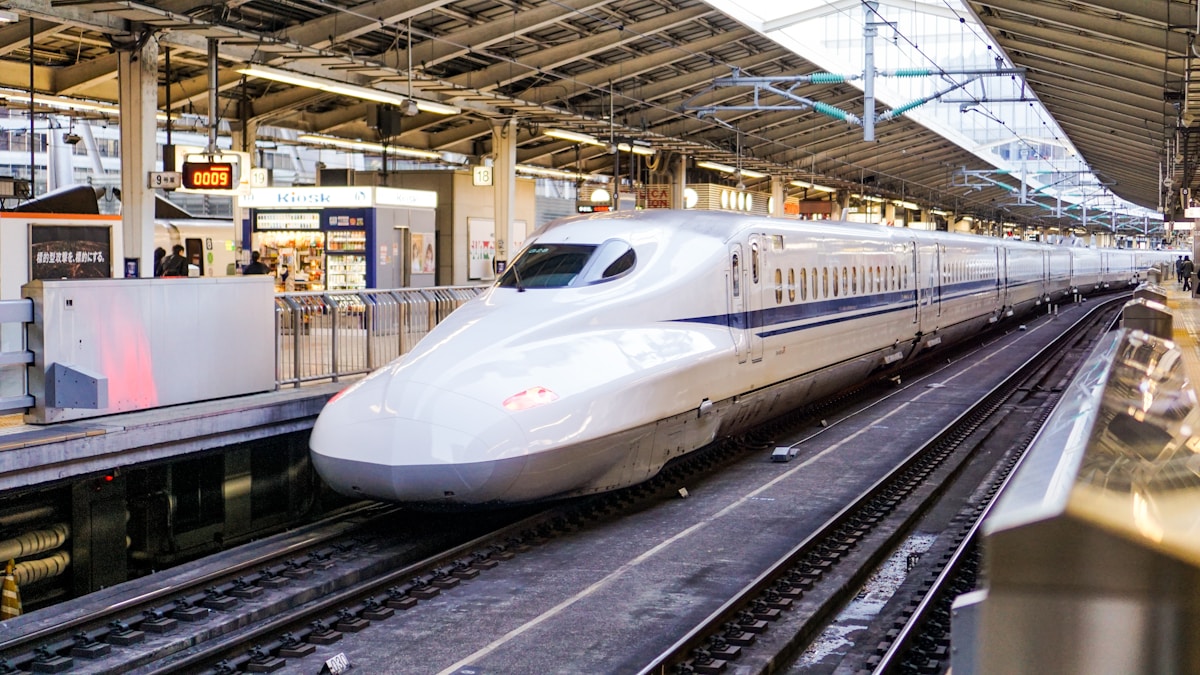
- Asakusa to Tsukiji by Metro
- Tsukiji to Ueno by Metro
- Yanaka to Shinjuku by JR Yamanote Line
- Tsukiji Outer Market Breakfast
- Ramen Dinner in Ueno
- Harajuku Takeshita Street Food Walk
- Tokyo National Museum
- Shibuya Scramble Crossing and Center-gai
- Shibuya Sky Observation Deck
Interactive Itinerary Map
🗺️ 3-Day Tokyo on a Budget Itinerary: Street Food, Shrines & Sensory Overload
Day-by-Day Itinerary
Senso-ji Temple and Nakamise-dori
Start here before the crowds arrive and you get the place almost to yourself. Walk through Kaminarimon gate, along Nakamise-dori shopping street, and up to the main hall to see the oldest temple in Tokyo still functioning the way it has for over a thousand years. The incense burner in front of the main hall is worth a stop, wave the smoke toward yourself as locals do.
Asakusa to Tsukiji by Metro
Take the Tokyo Metro Hibiya Line from Asakusa Station directly to Tsukiji Station, about 15 minutes with one simple line. Tap your Suica card on entry and exit and you are done.
Tsukiji Outer Market Breakfast
This is the part of the original Tsukiji that stayed open when the inner wholesale market moved to Toyosu in 2018, and it is still a genuinely great place to eat. Graze through the stalls for tamagoyaki, fresh oysters, grilled scallops, and tuna sashimi sold straight from small shop windows. Each item costs 200-700 yen so you can eat a very satisfying breakfast for 1,500-2,000 yen.
Tsukiji to Ueno by Metro
From Tsukiji Station, take the Hibiya Line north to Ueno, about 20 minutes direct. Ueno Station has multiple exits, use the Ueno Park exit for the most straightforward walk into the park.
Tokyo National Museum
Japan's oldest and largest museum, and one of the most concentrated places in the country to absorb its cultural history in one go. The Honkan Japanese Gallery covers everything from Jomon-era pottery to Edo-period samurai armor and lacquerware. Two hours gets you a solid pass through the permanent collection without rushing.
Ueno Park Walk
Ueno Park is free to enter and large enough to serve as a genuine break between paid attractions. Walk past Shinobazu Pond, the Toshogu Shrine pagoda, and through the tree-lined central path. Street food vendors often set up near the park entrance and a yakitori skewer costs 200-400 yen.
Ramen Dinner in Ueno
End Day 1 with a proper bowl of ramen. The Ueno area has dozens of solid ramen shops ranging from tonkotsu to shoyu-based broths. A basic bowl with chashu pork and a soft-boiled egg runs 900-1,300 yen, and most shops operate on a ticket machine system so you order before you sit down.
Meiji Shrine
One of Tokyo's most important Shinto shrines, set inside a 70-hectare forested park that feels completely removed from the city around it. The walk from the Harajuku Station entrance to the main shrine takes about 10 minutes through tall cedar trees, and the main courtyard is wide enough that even moderate crowds do not feel cramped. This is a working shrine so move quietly and follow the ritual handwashing steps at the temizuya basin near the entrance.
Harajuku Takeshita Street Food Walk
Takeshita-dori is a 350-meter pedestrian street lined with food stalls, crepe shops, and snack vendors that has been feeding Tokyo's youth culture for decades. The crepes here are large, filled with fresh fruit, whipped cream, and ice cream, and cost 500-800 yen each. Grab a matcha soft serve or rainbow cotton candy while you walk and absorb the street's concentrated sensory chaos.
Omotesando and Ura-Harajuku Lanes
Walk south from Takeshita-dori along Omotesando, the wide tree-lined boulevard that functions as Tokyo's design district. The interesting part for budget travelers is ducking into the Ura-Harajuku side streets, where smaller independent boutiques, local coffee shops, and vintage clothing stores replace the high-end flagships on the main road. You can window-shop the whole stretch without spending a yen.
Budget Lunch at a Shibuya Gyudon or Curry Chain
Budget lunch in Shibuya is a solved problem. Chains like Yoshinoya, Sukiya, and CoCo Ichibanya are within a few minutes walk of Shibuya Station, and a full gyudon beef rice bowl or a curry rice with toppings runs 600-900 yen. Fast, filling, and legitimately good, these places are where most working Tokyoites eat lunch.
Shibuya Scramble Crossing and Center-gai
The intersection crosses in every direction simultaneously when the light changes, handling up to 3,000 people per cycle at peak times. Cross it a few times just to feel the organized motion, then head into Shibuya's Center-gai shopping street for a walk through the fashion vendors and food stalls. The whole stretch is free to explore and gives you a real read on what contemporary Tokyo street culture looks like.
Shibuya Sky Observation Deck
Shibuya Sky is an open-air rooftop observation deck on the 46th floor of Shibuya Scramble Square, 230 meters above the city. Arriving around 5:30-6:00 PM gives you a full day-to-dusk transition where you watch the city lights come on across the entire Tokyo basin. On a clear day you can see Mount Fuji to the southwest.
Izakaya Dinner in Shibuya
Close Day 2 at one of the izakayas in the narrow streets east of Shibuya Station. An izakaya is Japan's version of a gastropub, you order small plates of grilled chicken skewers, edamame, fried tofu, and potato salad alongside cold beer or chuhai soft drinks. Budget around 1,500-2,500 yen per person for a decent spread of three or four dishes.
Yanaka Ginza and Yanaka Cemetery Walk
Yanaka survived the 1923 earthquake and the World War II firebombing, which means it looks like the old Tokyo that most of the city lost. The Ginza shopping street here is about 170 meters long, lined with family-run shops selling pickles, dried fish, handmade ceramics, and grilled mochi on sticks for 200-600 yen each. The adjacent cemetery is genuinely pleasant to walk through in the morning, full of cats and old stone lanterns.
Yanaka to Shinjuku by JR Yamanote Line
Walk from Yanaka to Nippori Station, about 7 minutes on foot, then take the JR Yamanote Line west to Shinjuku. The ride is 25 minutes and takes you around the western arc of central Tokyo.
Lunch at Omoide Yokocho
Omoide Yokocho, literally Memory Lane, is a narrow alley running parallel to the JR tracks just west of Shinjuku Station with about 20 tiny stalls grilling yakitori chicken skewers over charcoal. Lunch here on a weekday is quieter than evenings and a filling meal of skewers and a soft drink runs 1,000-1,500 yen. Most stalls seat 8-10 people at a wooden counter and the smoke that fills the alley is part of the atmosphere.
Shinjuku Gyoen National Garden
Shinjuku Gyoen is a 58-hectare park that combines formal French and English gardens with a traditional Japanese stroll garden and a large greenhouse. It is one of the best maintained parks in Japan and a good place to slow down on your final afternoon. Find a bench near the pond in the Japanese garden section and sit with a tea from the on-site tea house if you want the full effect.
Don Quijote Shinjuku
Don Quijote is the one Tokyo shopping stop that actually makes sense on a budget itinerary, a multi-floor discount store stocking everything from Japanese candy and snacks to cosmetics and character goods at genuinely low prices. The Shinjuku branch has an extensive food floor useful for picking up packaged souvenirs like matcha KitKats and regional snack assortments for around 500-1,500 yen per pack. Open 24 hours, which is handy if your flight leaves the next morning.
Conveyor Belt Sushi Dinner in Shinjuku
Conveyor belt sushi, kaiten-zushi, is one of the best-value ways to eat real sushi in Tokyo. Chains like Sushiro and Hamazushi have locations near Shinjuku Station and plates typically cost 110-330 yen each depending on the fish. A full dinner of 8-10 plates plus a drink runs 1,500-2,500 yen per person and the ordering system is digital and easy to navigate without Japanese.
Golden Gai Evening Drinks
Golden Gai is a grid of six narrow alleyways behind Kabukicho containing about 200 tiny bars, most seating 5-8 people. Each bar has its own personality, some play jazz, some show old films, some are dedicated to a specific manga or author. Pick a bar with a menu posted outside, find a stool, and have two drinks, which is the correct amount of Golden Gai on your first visit.
Estimated Budget Breakdown
Based on standard pricing, here is the approximate cost breakdown for this itinerary (excluding flights and accommodations).
Practical Tips for Your Trip
Load a Welcome Suica or Pasmo card at the airport on arrival, it covers every subway and JR train in Tokyo and saves you queuing at machines for individual tickets every time you move.
Convenience stores like 7-Eleven, FamilyMart, and Lawson are genuinely good for breakfast and quick lunches, an onigiri and a hot coffee runs you around 350-500 yen and the quality is not a compromise.
Head to Senso-ji before 8 AM on any day you visit Asakusa, the difference between a quiet morning walk through Nakamise-dori and fighting through midday tour groups is significant.
Tokyo National Museum in Ueno charges 1,000 yen for permanent collections, under-18s and over-70s enter free, and it covers more Japanese cultural history per yen than almost any other paid attraction in the city.
At Golden Gai in Shinjuku, many bars charge a 500-1,000 yen cover fee on top of your drinks, that is standard practice and not a tourist surcharge, just factor it in before you sit down.
Google Maps works extremely well for Tokyo transit navigation, set your transport preference to train and it gives you real-time departure times, platform numbers, and total fare before you leave your accommodation.
Practical Tips & Guides
10 Top Things to Do in Tokyo This Weekend
11 Best Museums in Tokyo
11 Things to Do in Tokyo With Kids
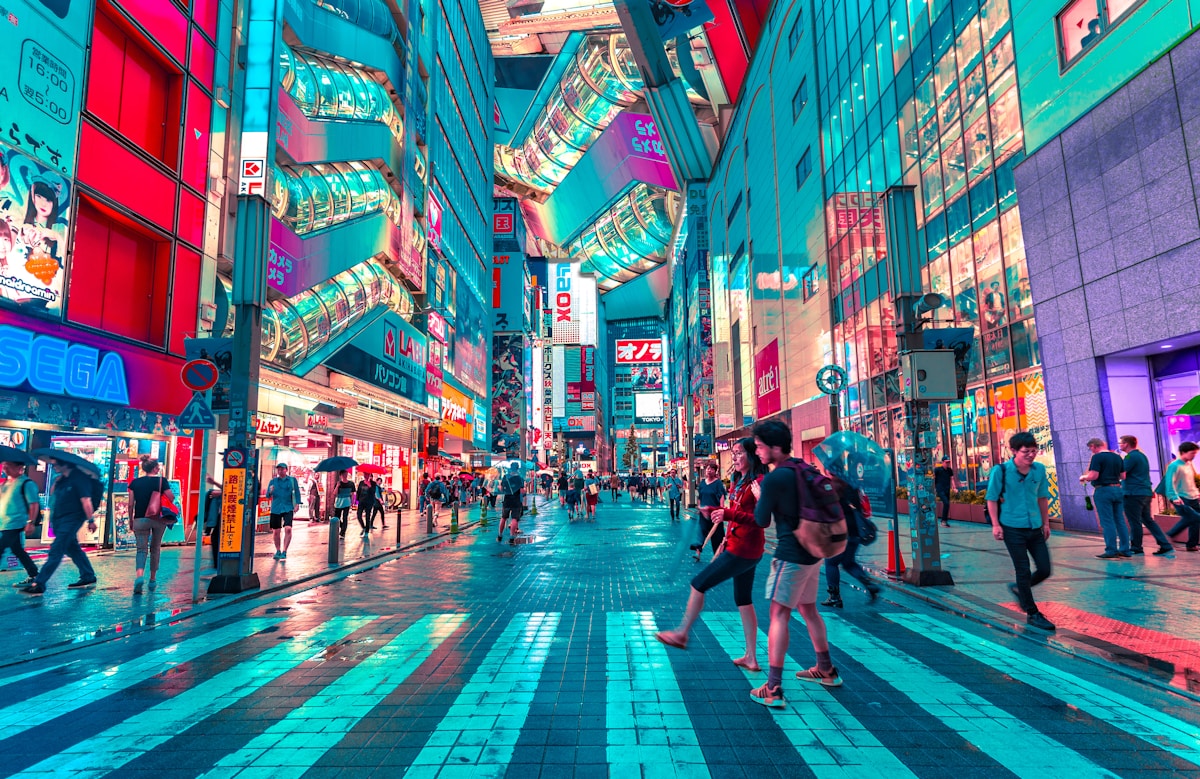
12 Best Neighborhoods in Tokyo
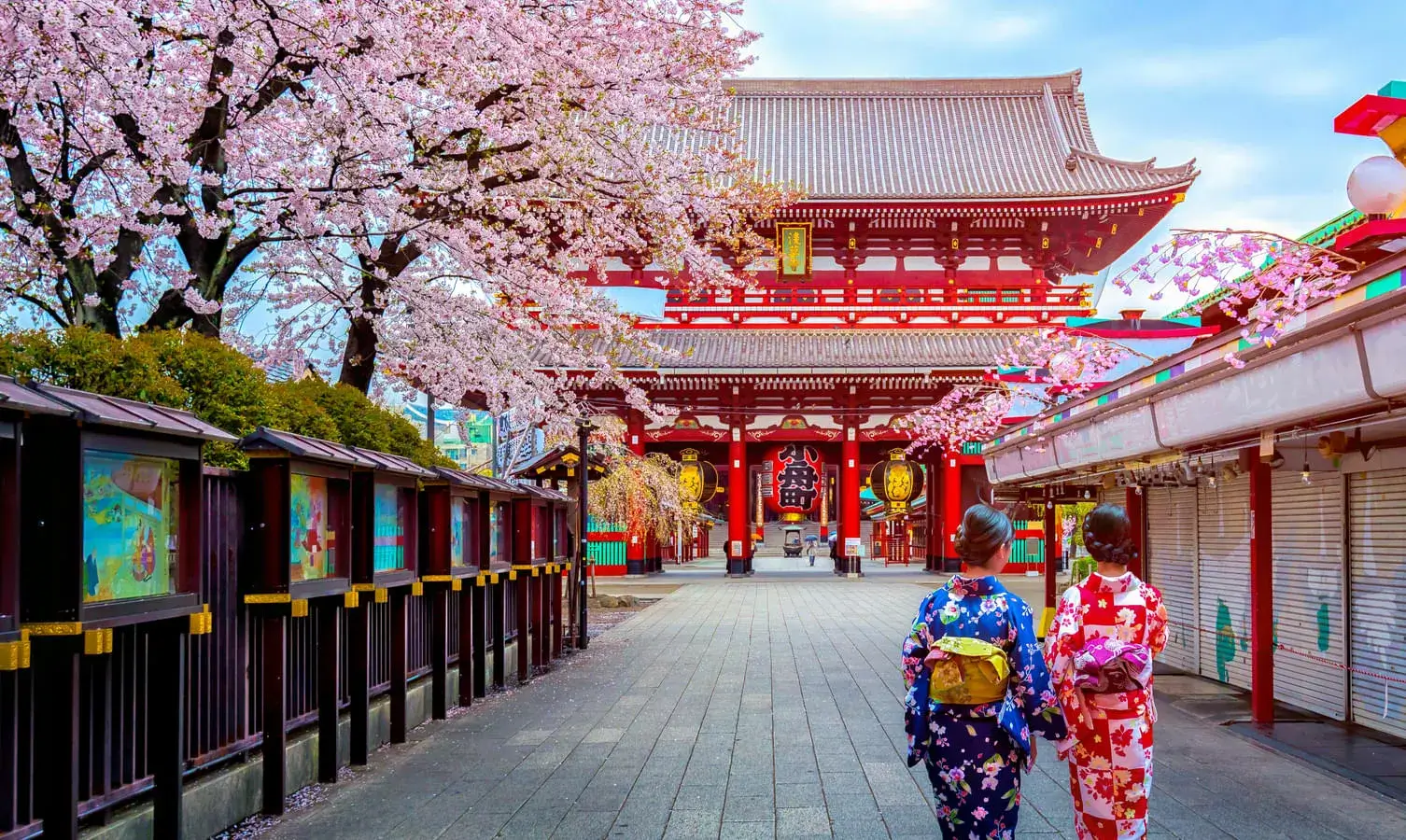
15+ Things to Do in Tokyo
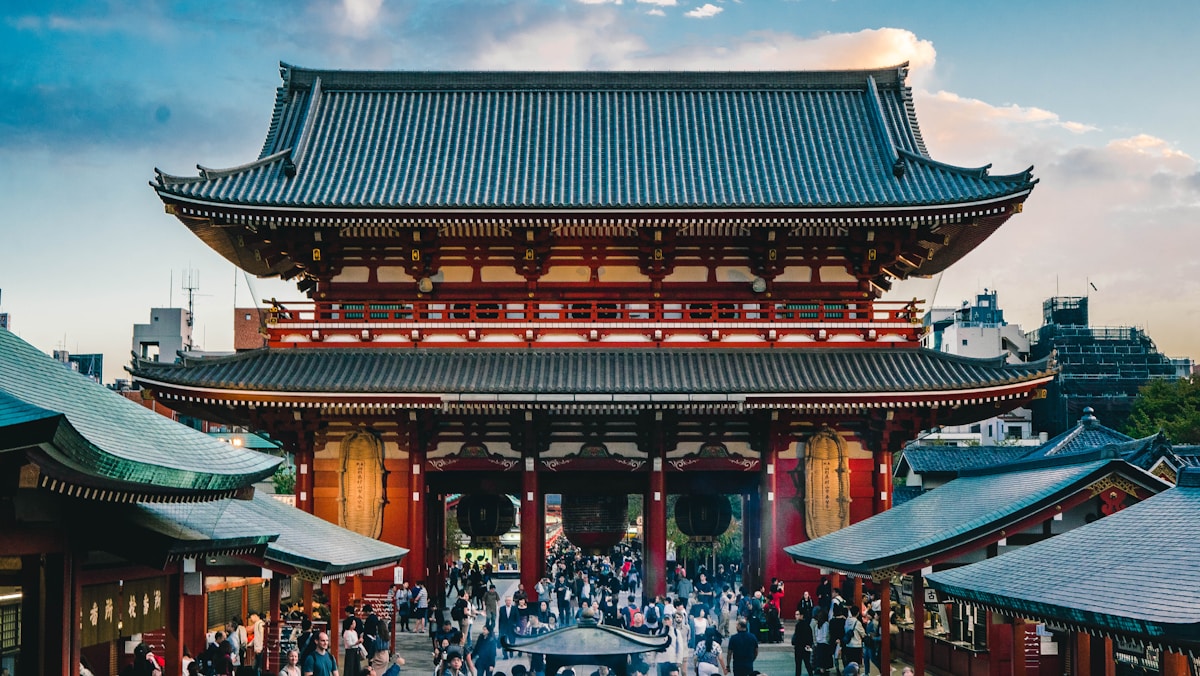
25 Best Free Things to Do in Tokyo
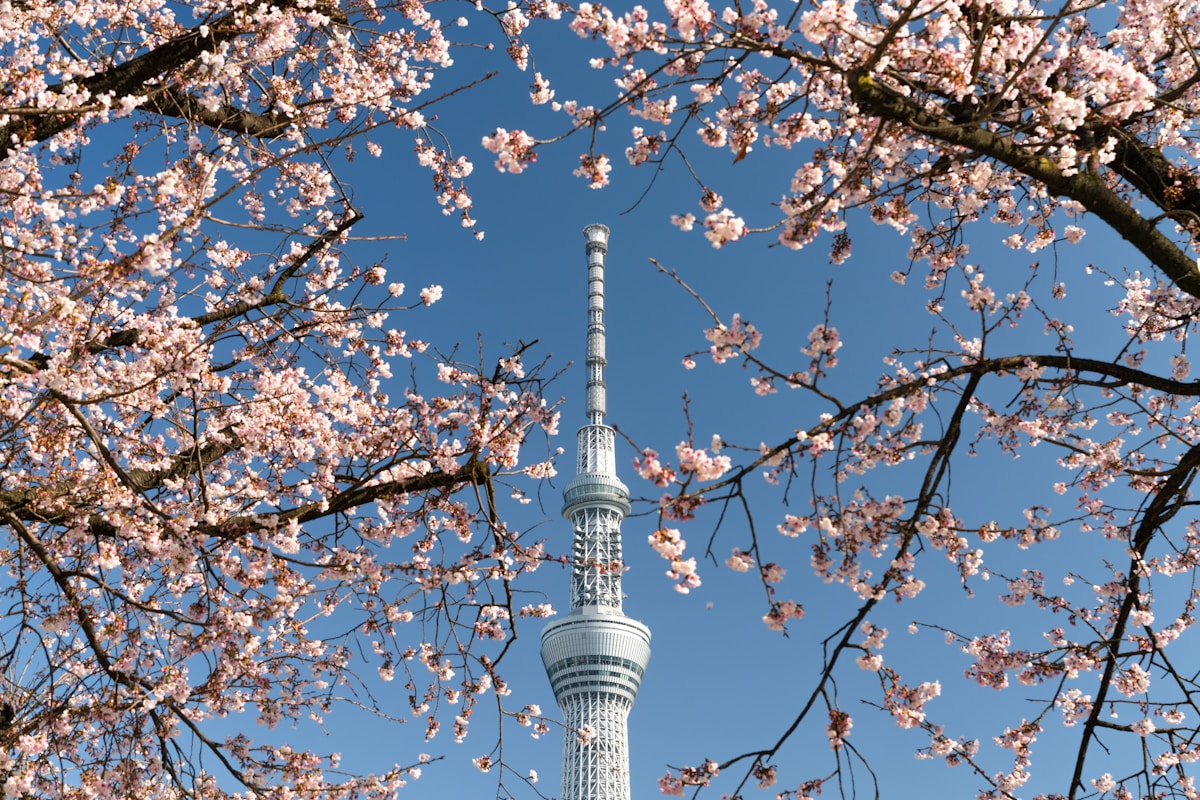
Best Time to Visit Tokyo: Across the Seasons
How to Get Around Tokyo
Travel to Tokyo on a Budget
Frequently Asked Questions (FAQs)
Three days gives you a solid, honest first impression of Tokyo across three or four distinct neighborhoods, several food cultures, and the major cultural landmarks, with room to wander.
What it won’t give you is day trips to Nikko or Kamakura, quieter residential neighborhoods, or the repeat-visit familiarity that makes Tokyo truly click.
Think of a 3-day trip as the research phase for your second trip.
A realistic 2026 budget sits at ¥12,000-¥15,000 per day (approximately $75-$95 USD) covering food, transport, and paid entries, excluding accommodation.
The main variable is food: lean on convenience stores for breakfast and street food for lunch, and that daily total drops significantly without sacrificing quality.
Japan’s 7-Eleven is genuinely not a punishment.
Shinjuku and Asakusa are the two strongest base neighborhoods.
Shinjuku puts you at Tokyo’s busiest transit hub with budget hotels from ¥3,000-¥5,000 per night and walking distance to Golden Gai and Omoide Yokocho.
Asakusa is calmer and more atmospheric, with guesthouses from ¥3,500-¥6,000 per night, and immediate access to one of the city’s most historically intact neighborhoods from the moment you step outside.
Both connect directly to the JR Yamanote Line loop, so no destination in central Tokyo is more than 30-40 minutes away.
Disclaimer
While we do our best to provide accurate itinerary details, costs and availability may vary. Always confirm prices and bookings directly with providers. Some links may earn us a small commission at no extra cost to you. Read our FTC Disclosure.