
Barcelona Travel Itinerary
2 Days in Barcelona for Solo Travelers: A Smart Mid-Range Itinerary
Two focused days solo in Barcelona: Gothic Quarter history, Gaudí architecture, El Born nightlife, and Gràcia tapas on a mid-range budget.
2 Days
Solo Traveler
Mid-range
Mixed
Estimated Total Cost:
€280-380 total



Trip Overview
This itinerary is built for the solo traveler who wants to actually understand Barcelona, not just photograph it.
You’re comfortable moving around a city on your own, you eat at the bar when the table feels lonely, and you’re willing to spend sensibly on the things that matter.
Barcelona suits you because it rewards independence: the metro is logical, the neighborhoods are walkable, and no one looks twice at a solo diner ordering a full meal.
Day 1 takes you through El Born and the Gothic Quarter, two adjacent medieval neighborhoods that pack more history per square meter than almost anywhere else in Europe.
The pace is deliberate: a food market in the morning, a world-class art museum in the afternoon, and a well-earned bar crawl through El Born at night.
Day 2 shifts northwest to L’Eixample and Gràcia, where modernisme architecture lines the wide diagonal avenues and the evening tapas scene in Gràcia feels genuinely local rather than performed for tourists.
The two experiences you will actually remember: standing inside the Sagrada Família when the colored light from the stained glass falls across the nave around midday, and eating your first proper pan con tomate at a marble-topped bar in El Born where the bread is still warm.
Everything else is bonus.
Practical note: Barcelona in summer (June through August) is hot, crowded, and fully priced.
Book Sagrada Família and Casa Batlló at least two to three weeks ahead.
The T-Casual card (10 metro trips for €13.00) covers all your transport needs across both days without thinking about it.
2 Days in Barcelona for Solo Travelers: A Smart Mid-Range Itinerary
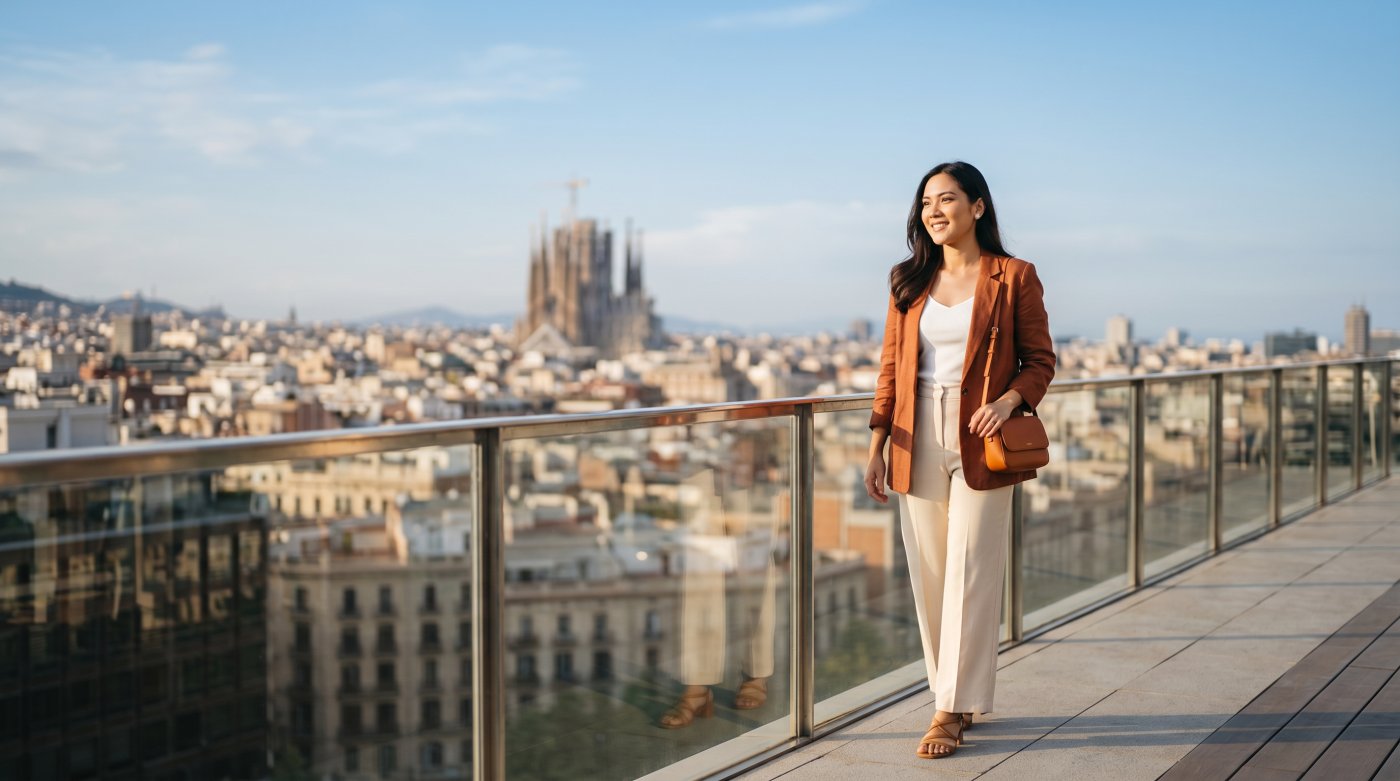
This Barcelona itinerary is for solo travelers who want more than a speed-run of famous sights.
You get two tightly planned days that mix Gothic streets, market food, Gaudí icons, relaxed neighborhood time, and a proper evening scene, without blowing your budget or wasting half your trip zigzagging across the city.
It is worth reading because the route actually makes geographic sense, the costs are grounded in real current pricing, and the pacing leaves room for you to enjoy Barcelona instead of just collecting timestamps.
What to Expect from This 2-Day Barcelona Itinerary

This plan is shaped for a Solo Traveler with a Mid-range budget who wants a mixed trip, not a museum marathon and not a beach-only break.
You will move through the city on foot and by metro, spend where Barcelona really delivers, and skip the traps that empty your wallet while giving you very little back.
If you like days that feel full but not frantic, this hits the sweet spot.
The overall pace is lively on Day 1 and more architectural on Day 2.
You start in Ciutat Vella, where medieval lanes, markets, and bars sit close together, then move into L’Eixample and Gràcia for Gaudí landmarks, long lunch energy, and one of the city’s nicest evening neighborhoods.
If you usually travel alone and prefer places where sitting at a bar solo feels normal, Barcelona is excellent for that, and the AI Solo Travel Planner is handy if you want to tweak this route around your own pace.
By the end of these two days, you will have seen the big-name architecture, eaten properly in El Born and Gràcia, and spent time in neighborhoods that feel distinct from one another.
What this itinerary does not cover is beach time, a day trip out of the city, or a late-night club schedule.
If your dream Barcelona involves sleeping till noon and dancing till sunrise, fair enough, but this is not that version.
Before You Go: Base, Bookings, and Metro Math
A good Barcelona trip is often won before you leave the hotel on the first morning.
Stay somewhere that keeps both Ciutat Vella and L’Eixample within easy reach, sort your transport card early, and book the headline attractions before the city reminds you that thousands of other people had the same idea.
That tiny bit of planning saves you from the classic tourist hobby of standing in a queue, hungry and confused.
Where to Stay: Pick the Right Base for Two Busy Days
For this specific route, the best base is the lower part of Eixample near Passeig de Gràcia or the edge of El Born.
From either area, you can walk into Day 1 without ceremony and still reach Sagrada Família, Casa Batlló, and Gràcia quickly on Day 2.
If you want a broader neighborhood breakdown before booking, the best neighborhoods in Barcelona to explore is a useful shortcut.
For a mid-range solo stay, expect clean boutique hotels and solid apartment-style stays to land somewhere around €120 to €220 a night depending on season.
El Born gives you atmosphere, late dinners, and old-stone charm, while Eixample gives you calmer streets, bigger rooms, and easier metro access.
I would lean Eixample if you value sleep, and El Born if you value walking home after a late glass of cava without involving public transport.
Getting Around: Walk More, Ride Smart
Barcelona works beautifully on a walk-metro mix.
Day 1 is mostly on foot because the Gothic Quarter and El Born sit side by side, while Day 2 uses the metro to keep the Gaudí circuit efficient.
The city’s metro is easy to use, stations are well marked, and if you want a fuller primer, Barcelona travel: how to get around Barcelona covers the network in more detail.
For this itinerary, the T-Casual card is the sensible buy.
It gives you 10 trips for €13.00, which comfortably covers the rides you need across both days, and it works out better than paying single fares once you start moving between neighborhoods.
If you are planning around weather and crowd levels, pair that with best time to visit Barcelona or the AI Best Time To Visit Planner before you lock your dates.
What to Book in Advance: The Things That Actually Sell Out
- Book Sagrada Família at least two to three weeks ahead, especially for morning tower slots, because the €36 tower ticket is one of the first options to fill up.
- Reserve Park Güell before arrival if you want the Monumental Zone, since tourist entry slots run from 9:30 AM to 7:30 PM and timed access is strict.
- Buy Casa Batlló online before the day itself, because timed admission is smoother and general visit pricing changes by slot on the official site.
- Reserve your Picasso Museum slot in advance if you want a midday visit, since online general admission is €14 and capacity is controlled.
- Make a dinner booking for Tapeo Gràcia if you are traveling on a Friday or Saturday, because small neighborhood tapas rooms fill quickly once locals show up hungry.
Day 1: A Full Day Between El Born and the Gothic Quarter
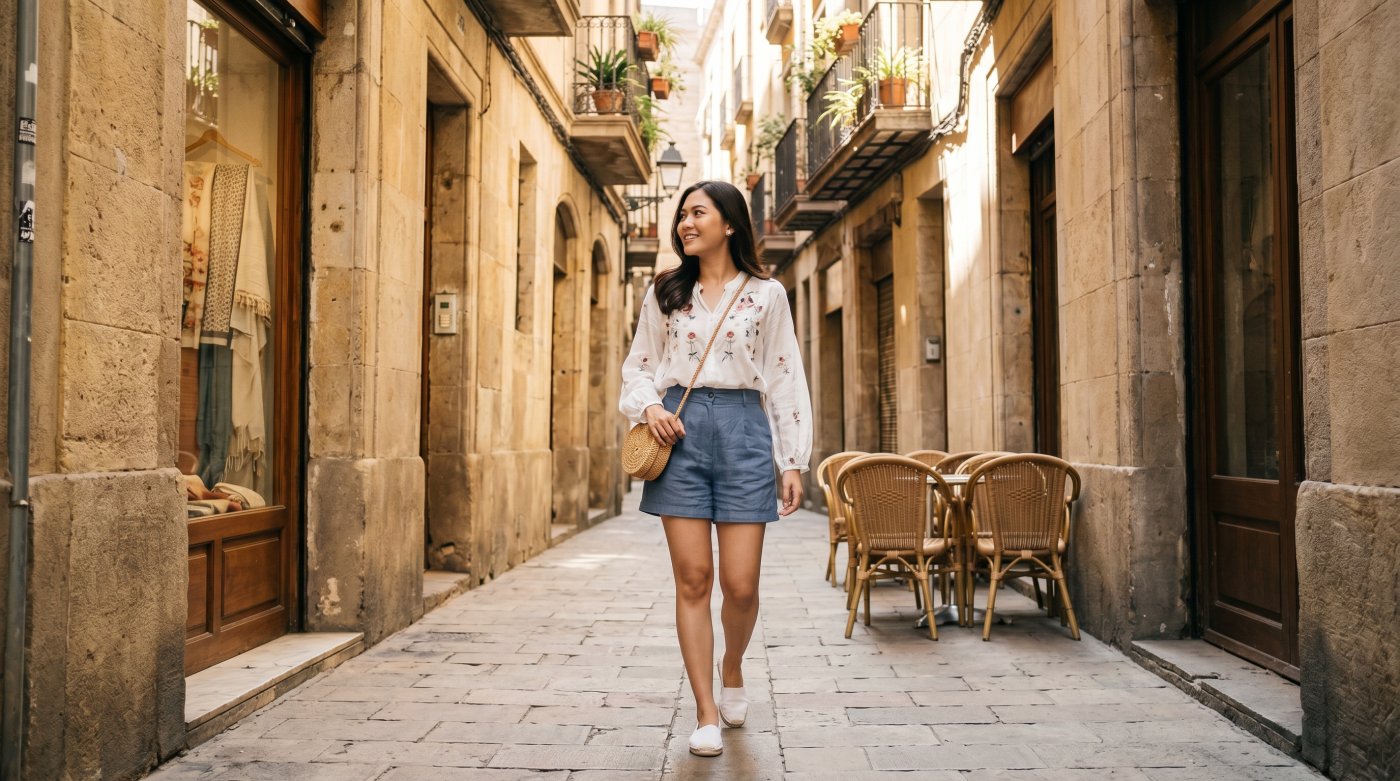
A full day between El Born and the Gothic Quarter, opening with La Boqueria, moving into medieval streets and the Picasso Museum, then finishing with dinner and bar-hopping along Passeig del Born.
This first day is set up to make Barcelona feel immediate.
You stay inside the old city, keep most of the route walkable, and ease into the rhythm of the place through food, architecture, and one of the best museum stops for a solo afternoon.
It starts early because markets are better before the crowds arrive, and it ends late because El Born would frankly be wasted on a timid bedtime.
Morning: Market Energy, Medieval Streets, and an Easy Walk East
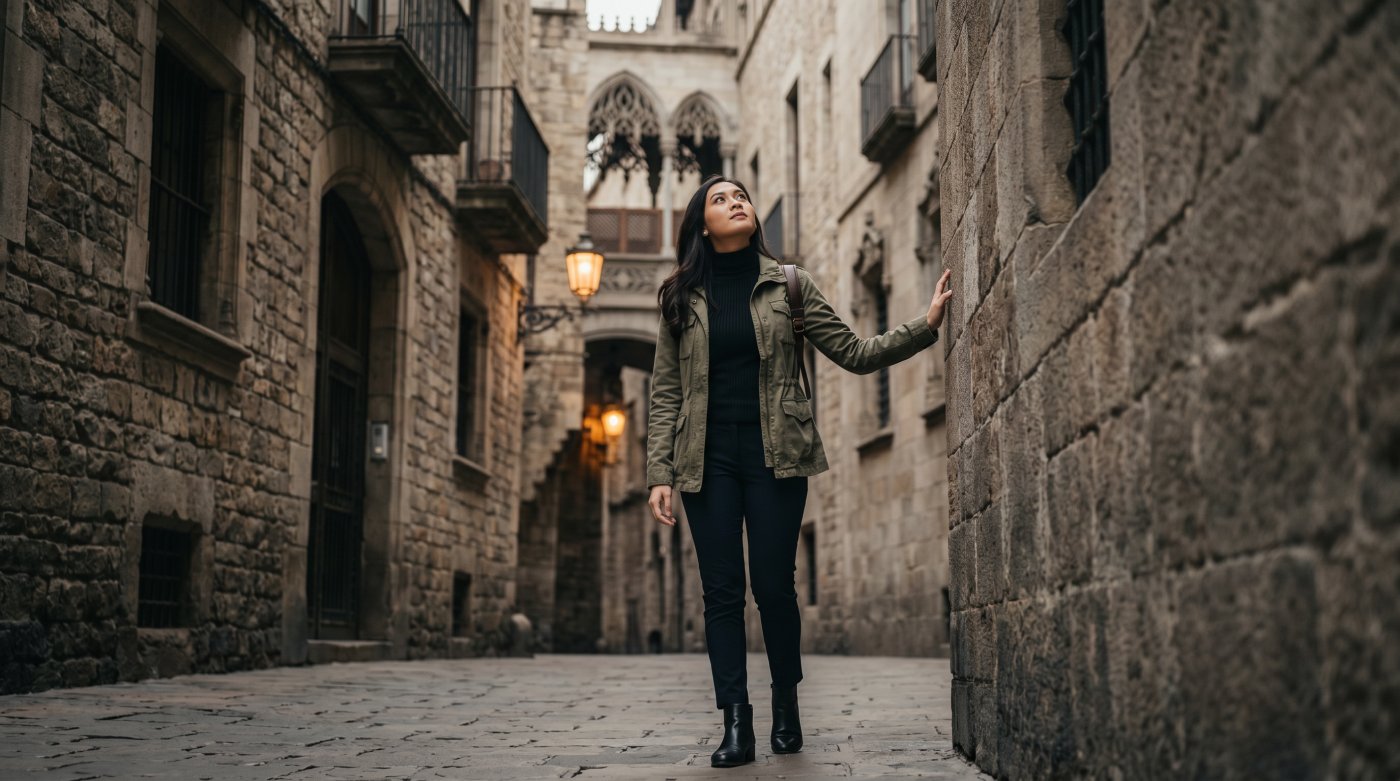
Start at Mercat de la Boqueria right when it opens at 8:00 AM, because that is when the place still feels like a market and not a stadium concourse for fruit cups.
It runs Monday to Saturday from 8:00 AM to 8:30 PM, but the sweet spot is early, when the counters are sharper, the produce looks absurdly good, and you can grab a simple breakfast for about €5 to €10 without shoulder-checking your way through tour groups.
Walk past the flashy front stalls, which are mostly there to separate visitors from their money, and look for a tucked-away counter serving coffee, tortilla, or a quick bocadillo.
From there, drift into the Barri Gòtic, where the fun is less about ticking off sights and more about letting the streets mess with your sense of direction in a pleasant way.
The route toward Plaça de Sant Felip Neri and the Pont del Bisbe is free, atmospheric, and full of those small visual jolts Barcelona does so well, Roman fragments here, church façades there, and quiet corners that suddenly open into a square.
This is also why the day begins in the center: you get your bearings fast, and the city stops feeling abstract.
By around 11:00 AM, walk east into El Born along Carrer de la Princesa.
The move takes about ten minutes, so there is no reason to complicate it with transport.
Use that short walk well, poke into a shop or two, look up at the older façades, and let the morning breathe a little before you go indoors.
Afternoon: Picasso, Cava, and a Bit of Good Shopping
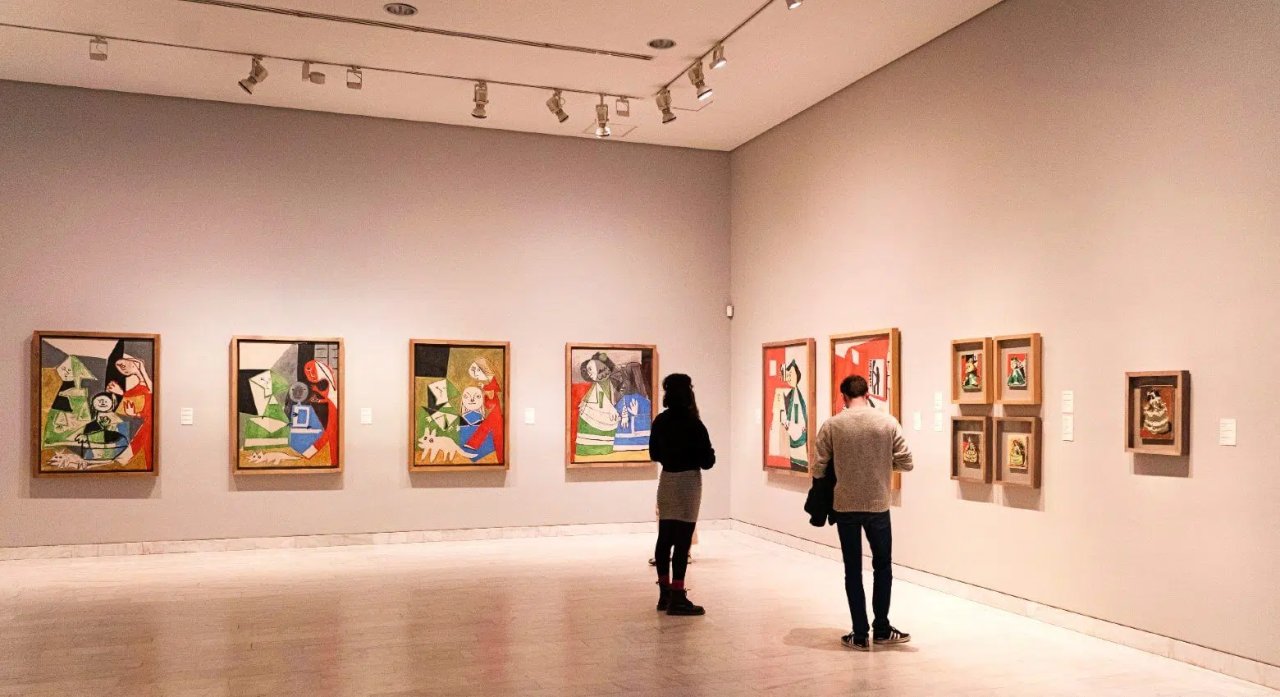
Your anchor stop after the walk is the Museu Picasso, tucked into a row of Gothic mansions on Carrer de Montcada.
Online general admission is €14, and current opening hours are Tuesday, Wednesday, and Sunday from 9:00 AM to 8:00 PM, Thursday to Saturday from 9:00 AM to 9:00 PM in the warmer season, with Monday closures year-round.
That timing makes a late-morning or early-afternoon slot ideal, and for solo travelers it works especially well because you can move at your own speed through the early work and the Las Meninas series without negotiating anyone else’s attention span.
After the museum, lunch at El Xampanyet makes the whole neighborhood click into place.
This is the kind of place where standing at the bar with a plate of anchovies, a few bites of pan con tomate, and a cheap glass of cava feels exactly right.
Budget about €15 to €25, arrive before the rush if you can, and accept that a little noise is part of the pleasure.
Barcelona does not reward diners who want silence at every meal.
It rewards people who can enjoy a bit of controlled chaos and good olive oil.
Once you are fed, keep the afternoon loose with a wander around Carrer del Rec and the surrounding streets.
This is the right pocket for mid-range shopping because the mix leans toward local design, ceramics, clothes, and smaller independent stores instead of generic souvenir clutter.
If you spend nothing, great.
If you spend €30 on a ceramic dish you absolutely did not need five minutes earlier, that is also very Barcelona behavior.
Evening: Natural Wine, Small Plates, and a Late Old-City Night
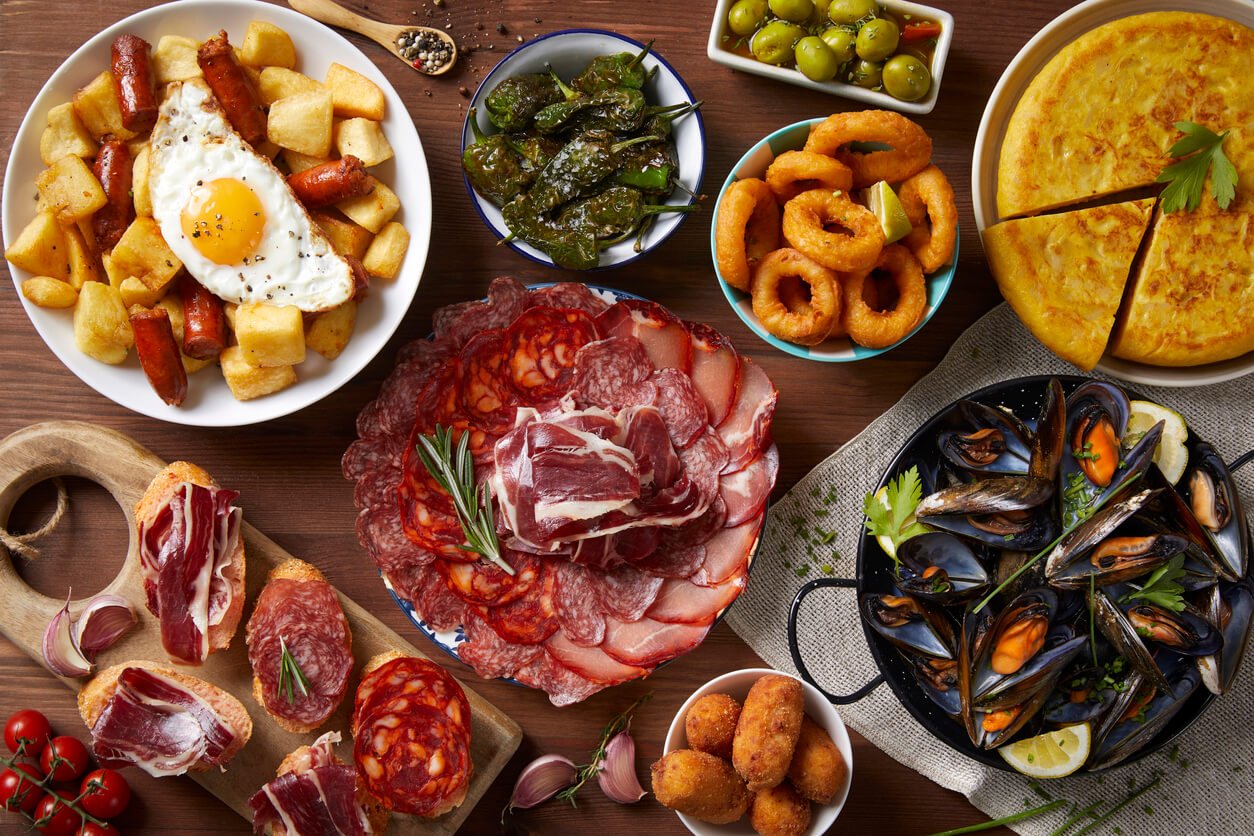
Do not rush back to your hotel too early tonight.
El Born earns its reputation after dark, when the streets fill, the bar lights come up, and the old stone starts reflecting that low golden evening glow Barcelona does suspiciously well.
If you want more places to eat beyond this route, best food in Barcelona: a neighbourhood-by-neighbourhood guide is useful for plotting extra lunches, vermouth stops, and backup dinner ideas.
For dinner, settle in at Bar Brutal, where the natural wine list is broad, the room has energy without trying too hard, and solo dining feels entirely normal.
Budget around €25 to €40 for a few plates and wine, and take your time.
The point of this stop is not just the food, it is the mood shift from sightseeing to evening city life.
When you leave, you can stroll Passeig del Born, have one more drink nearby, and walk or metro back depending on where you are staying.
No heroic nightlife mission required, unless you woke up and chose poor decision-making as a personal theme.
Day 2: Gaudí’s Two Major Architectural Landmarks
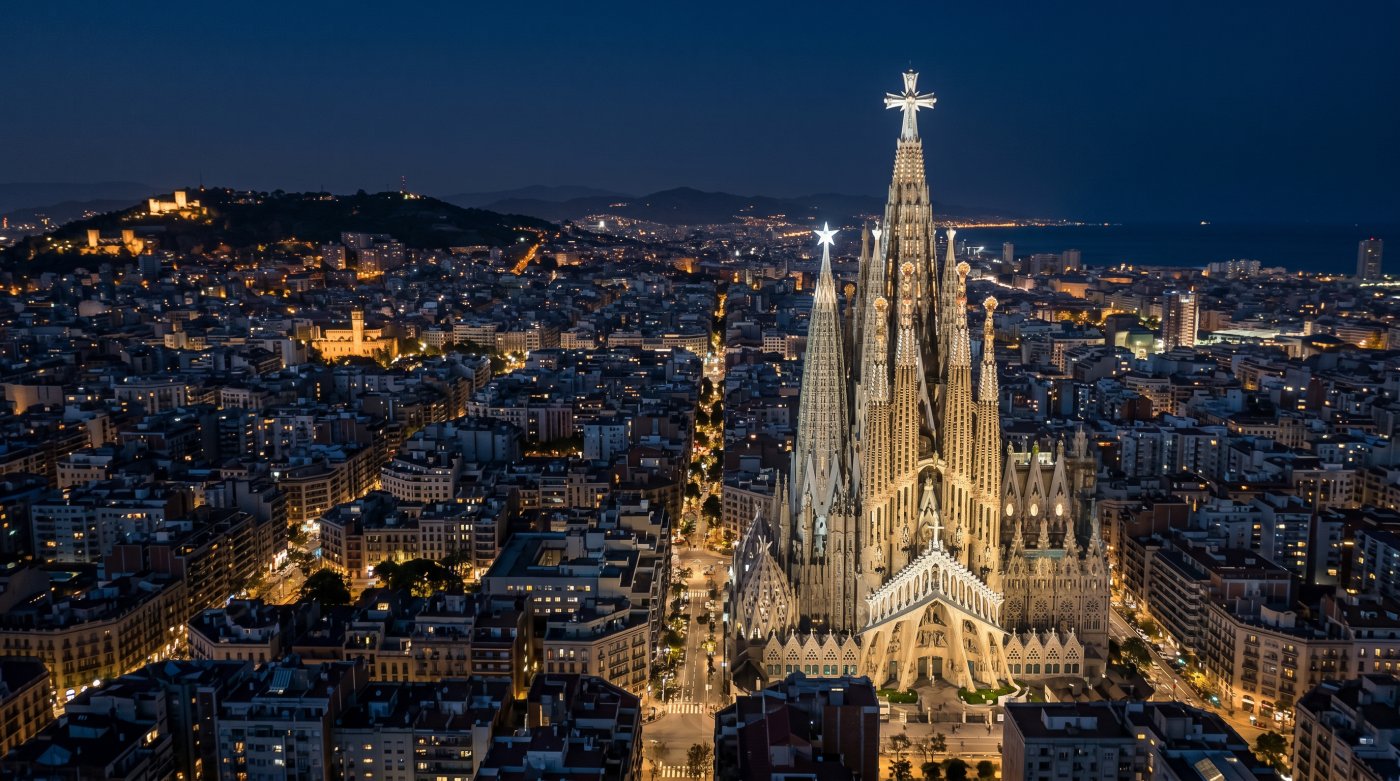
Day 2 moves into L’Eixample for Gaudí’s two major architectural landmarks, then climbs into Gràcia for an afternoon at Park Güell and a long, slow evening of tapas and vermouth in the neighborhood’s squares.
The second day is more structured because timed entries matter more here.
You are dealing with the city’s biggest architectural draws, and they work best when you respect the booking slots instead of improvising your way into a sold-out afternoon.
The route still flows cleanly though, from Sagrada Família to Passeig de Gràcia, then up into Gràcia where the evening softens and the pace becomes more local.
Morning: Sagrada Família, Metro Logic, and Casa Batlló
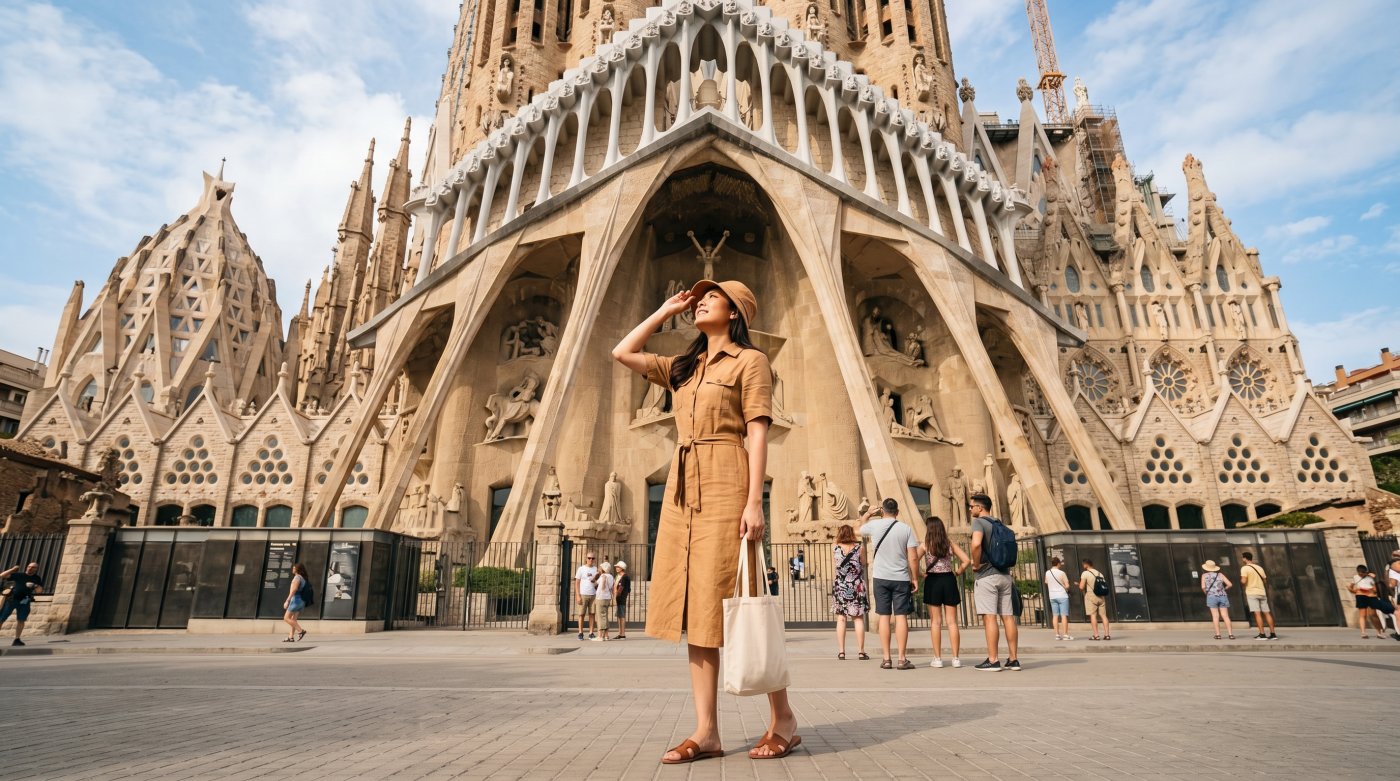
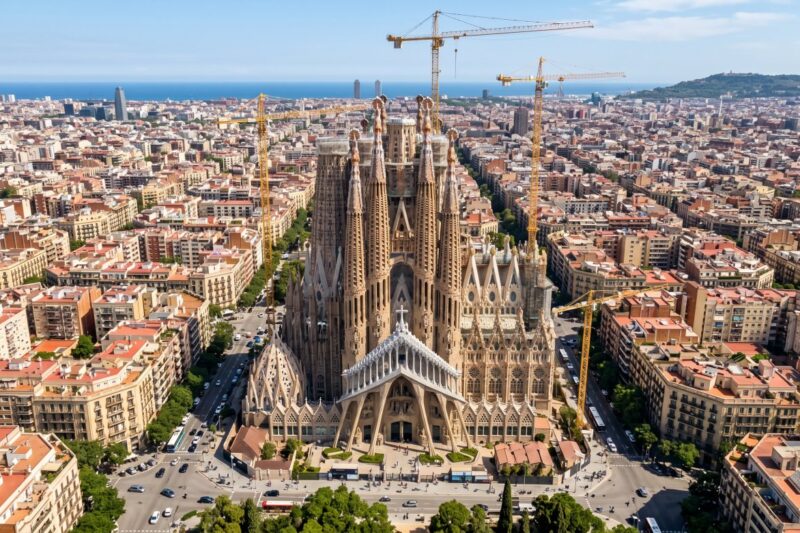
Start at Sagrada Família with the tower ticket your budget has already accounted for at €36.
That ticket includes basilica entry, one tower visit, and the official app audio guide, and the site currently runs a quiet hour from 9:00 AM to 10:00 AM when earphones are required and visitors are expected to keep things calm.
For this itinerary, a morning slot is perfect.
The interior light is at its best around the late morning window, and the building has the rare ability to feel oversized and intimate at the same time.
Give yourself the full 1 hour 30 minutes the ticket is built around.
The tower views matter, but so does the nave itself, where the stained glass throws heavy color across the floor in a way that makes even cynical people go quiet for a minute.
Also, dress like you are entering a church, because you are.
Barcelona is relaxed, but basilicas still have standards, irritatingly enough.
After the basilica, hop on the metro to Passeig de Gràcia.
The ride is short, under ten minutes, and it resets the day without wasting energy.
Then go straight into Casa Batlló, where your itinerary budgets €35 for entry.
The official site shows general visit options, timed admission, and online variations by slot, with daytime access starting in the morning and last standard entry in the evening.
What matters on the ground is this: go inside, use the audio guide, and give the interior at least an hour.
The exterior is famous, sure, but the tiled lightwell, curving woodwork, and rooftop details are where the place stops being a postcard and becomes a real piece of design.
Afternoon: Long Lunch and a Late Slot at Park Güell
By early afternoon, you have earned a proper sit-down lunch, and La Rita is a smart one for this route.
A menú del día around €14 to €18 is excellent value in this part of town, especially if you want a calm break instead of another quick counter meal.
Mid-range in Barcelona can go wrong when places lean too hard on location.
Here, you are paying for solid food and convenience, not just a postcode.
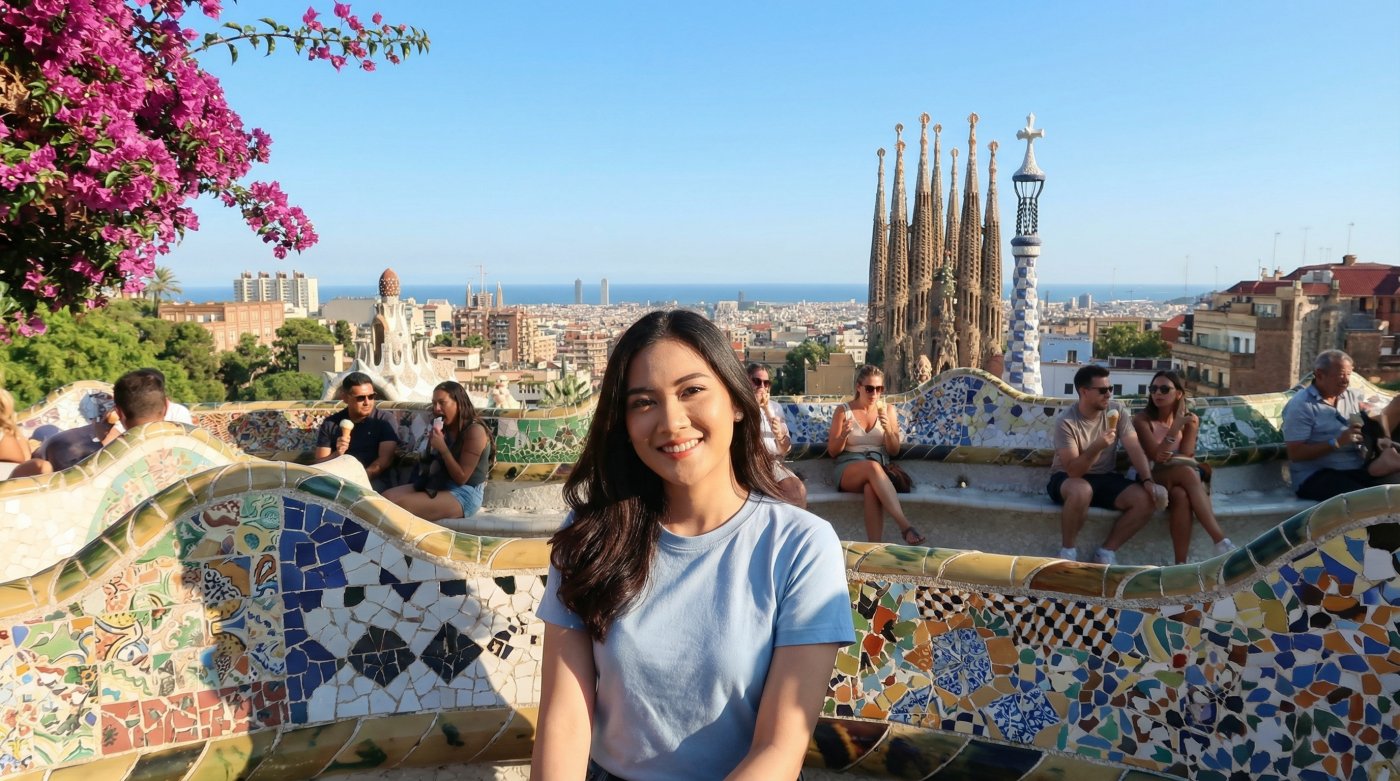
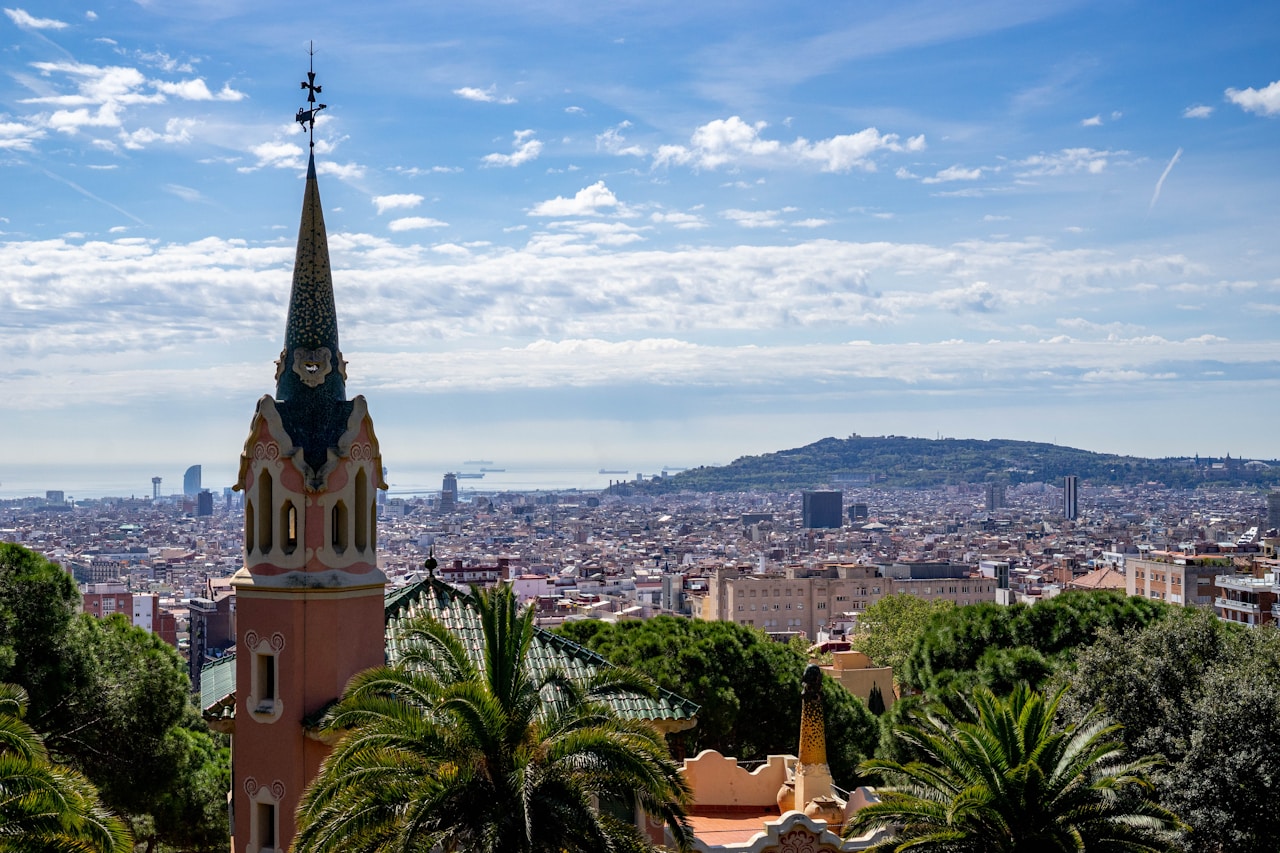
After lunch, head up to Park Güell for a late afternoon timed entry.
General admission to the Monumental Zone is €18, and current tourist entry slots run from 9:30 AM to 7:30 PM, with a 30-minute grace period after your start time.
That late slot helps in two ways: the light is softer, and the midday crush has eased a bit.
You still need to book ahead, because that ticketed section is tightly managed.
The walk up is part of the deal, and yes, it is uphill.
Still, once you are on the terrace with the mosaic bench curving around the viewpoint, you get why people make the effort.
If Gaudí overload is starting to creep in by this point, fair enough, but Park Güell gives you something different from the interior architecture earlier in the day.
More air, bigger views, and a little room to just stand there instead of studying another staircase like it is homework.
For a broader green-space shortlist, 7 Best Parks And Gardens In Barcelona is worth a look.
Evening: Gràcia Squares, Vermouth, and a Great Solo Dinner
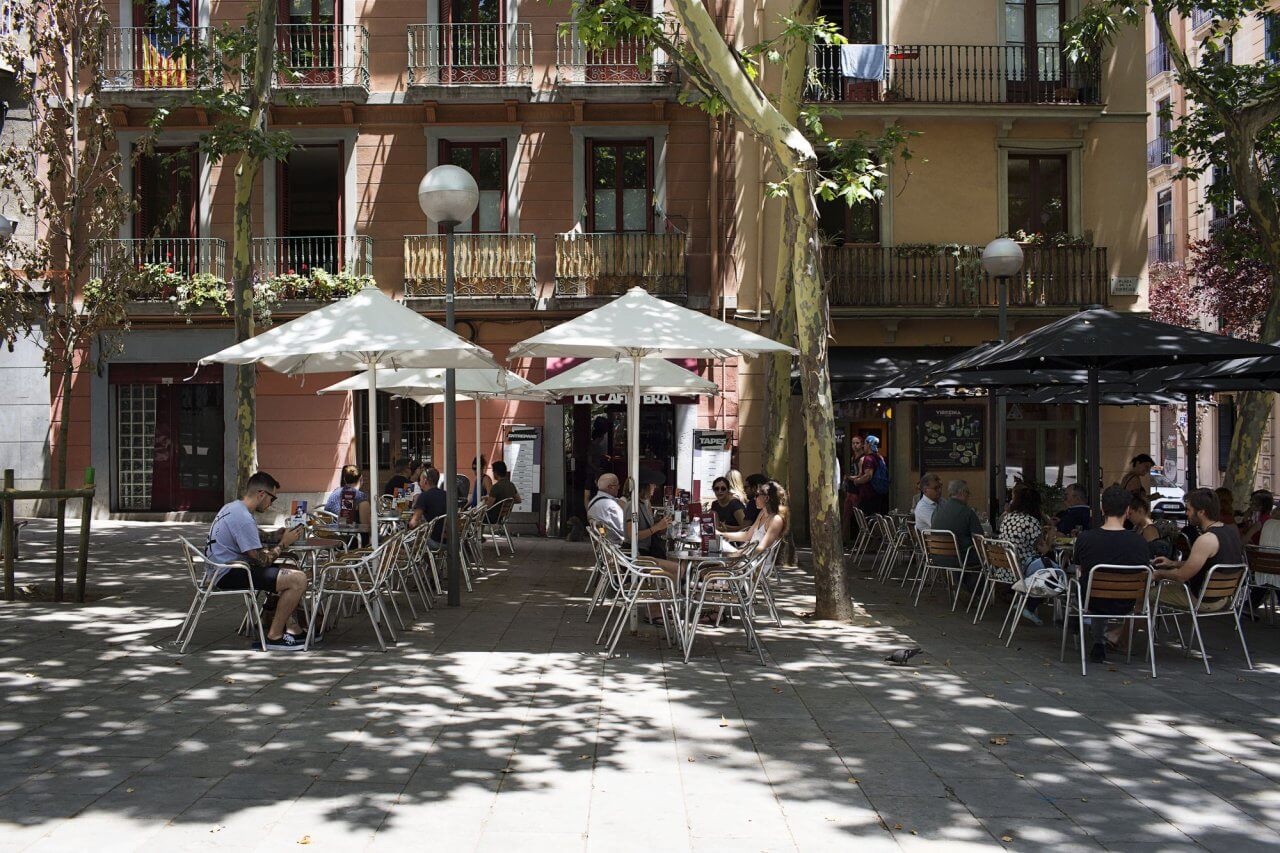
Coming down from the park into Gràcia is one of the nicest mood changes in the city.
The streets narrow, the traffic softens, and the squares fill with people who actually live there.
Spend a while around Plaça del Sol, where a vermouth or small beer for about €3 to €6 buys you the kind of pause this itinerary needs before the final meal.
Sit, people-watch, and let the day slow down a notch.
Dinner belongs to Tapeo Gràcia, where €25 to €40 gets you a genuinely satisfying tapas meal without the awkward overdesign or inflated pricing that shows up in weaker tourist zones.
This is a good place to order widely rather than heavily, croquetas, bravas, something seasonal, a glass of wine, maybe one more thing you did not plan on because the plate passed by and your judgment briefly left the building.
After dinner, Gràcia is pleasant for a final walk back toward the metro, and if two days in the city has convinced you to stretch the trip, 9 Day Trips From Barcelona: Complete 2026 Guide With Train Times & Prices is the next sensible read.
How Much Will This Itinerary Cost? Barcelona Budget Breakdown
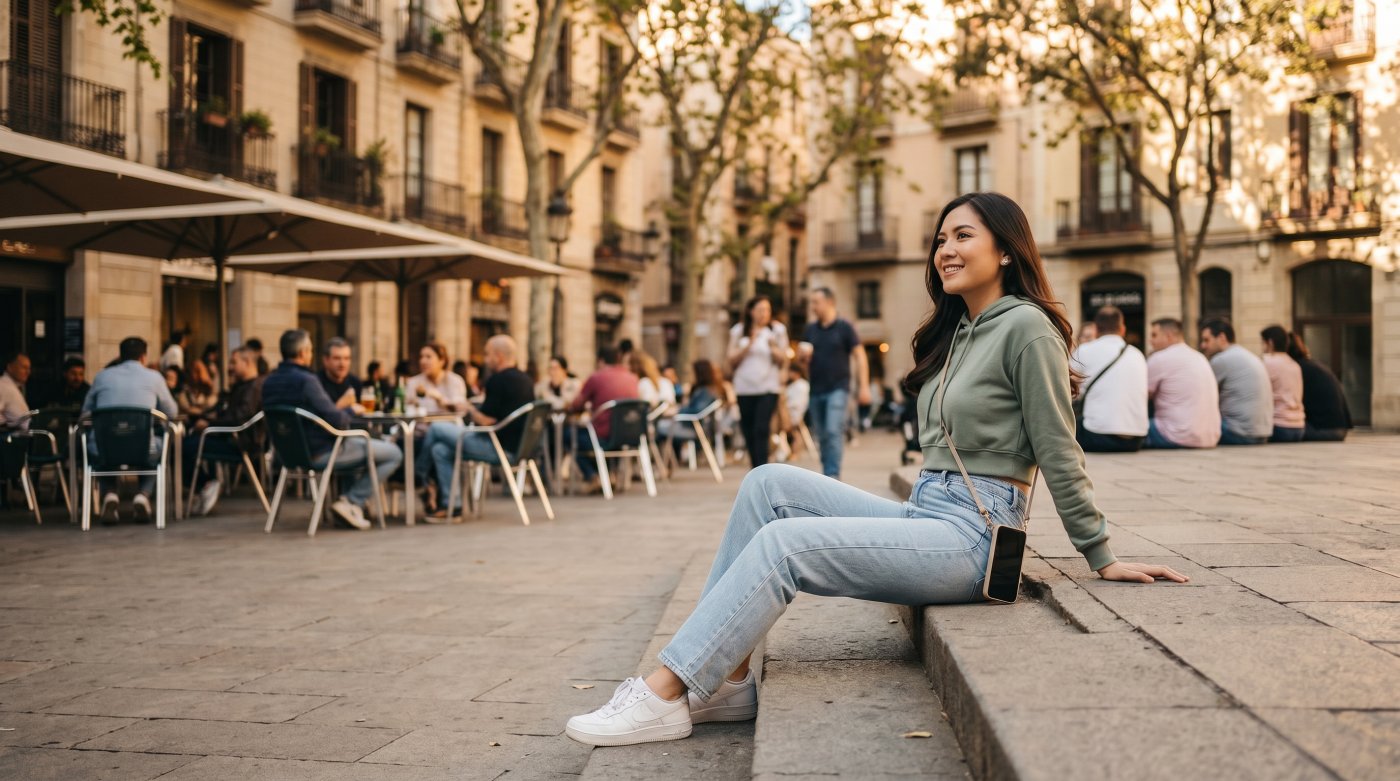
For this exact route, a realistic all-in estimate comes to €280-380 total, not counting flights and accommodation.
That range reflects real attraction tickets, proper meals, basic shopping, a few drinks, and city transport without pretending every traveler has the same appetite or self-control around local boutiques.
If you want to test your own version against your spending style, the AI Trip Cost Estimator is a practical next step.
Transport: Small Cost, Big Payoff
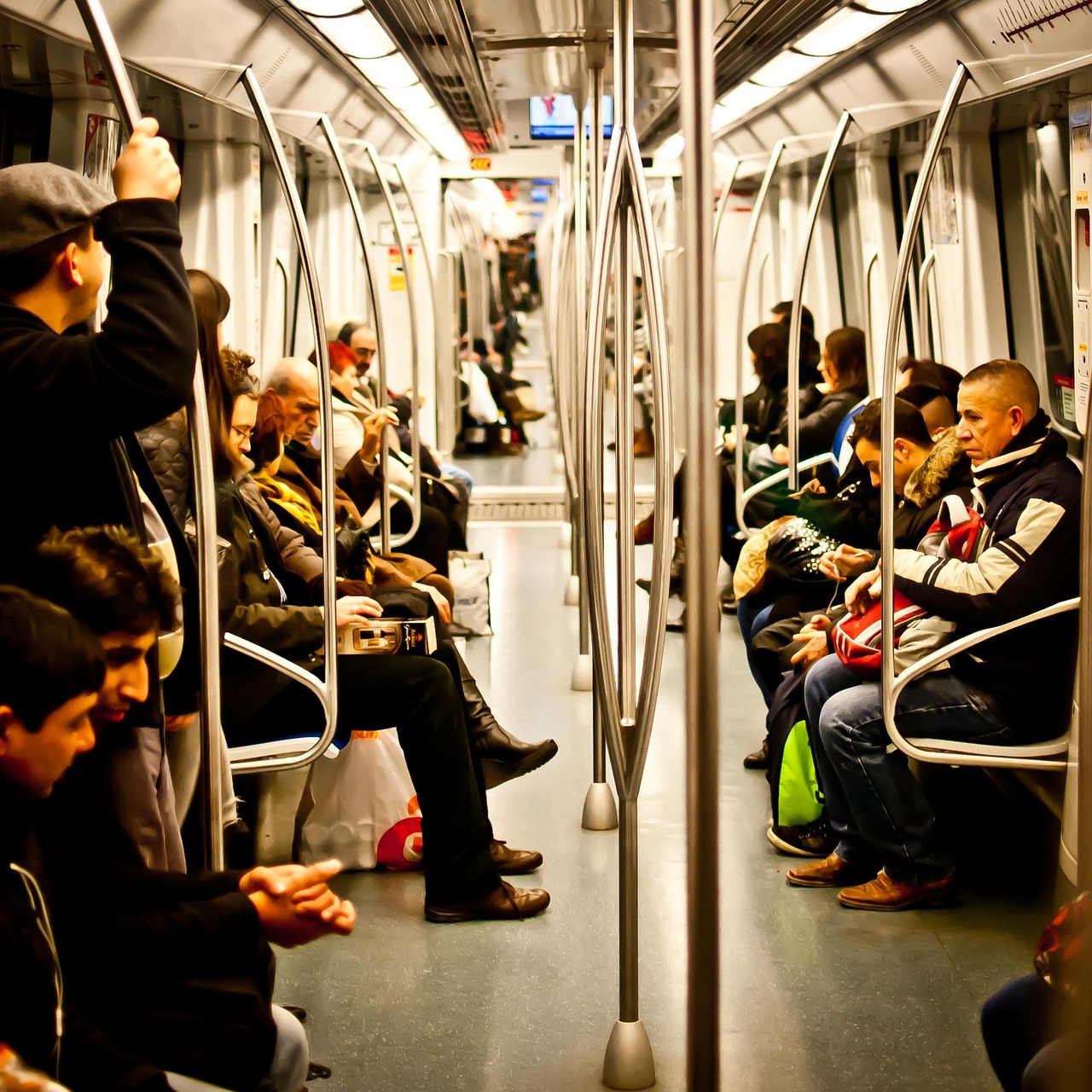
Transport for this itinerary lands around €13-20.
That mostly means a T-Casual card plus the odd extra ride if you choose buses over uphill walking on Day 2.
Barcelona is one of those cities where good planning saves more money than aggressive penny-pinching.
Attractions: Where the Budget Actually Goes
Attractions come in around €80-110.
Sagrada Família with tower at €36, Casa Batlló budgeted at €35, Park Güell at €18, and Museu Picasso at €14 do most of the heavy lifting here.
These are not cheap tickets, but they are the right places to spend on a two-day first or near-first visit because they are the stops you will remember long after your credit card has recovered.
Food: Mid-Range Done Properly
Food across two days sits around €90-120.
That works if you do one market breakfast, one or two menú del día lunches, and two stronger dinners with wine or cava.
A realistic pattern is €5 to €10 for breakfast, €14 to €18 for lunch, and €25 to €40 for dinner, with a vermouth or coffee folded in along the way.
Shopping and Extras: The Sneaky Category
Shopping is the wild card, so the itinerary gives it €40-70, with €20-40 more for extras.
That could mean a ceramic piece from El Born, a book, extra drinks, or a spontaneous snack because Barcelona has a habit of making you hungry again about 40 minutes after a full meal.
If you are coming from the US, UK, Singapore, or Australia, the Currency Converter helps when your brain refuses to do exchange-rate math on holiday.
Total Realistic Budget: The Honest Number
So yes, €280-380 total is the honest working range for the itinerary itself.
Many travelers expect Barcelona to be either dirt cheap or painfully expensive, and the reality sits in the middle.
If you book the big sights early, eat smart at lunch, and do not treat every bar as an excuse for a second dinner, this budget feels very doable.
Tips for This Itinerary: Small Moves That Save You Time
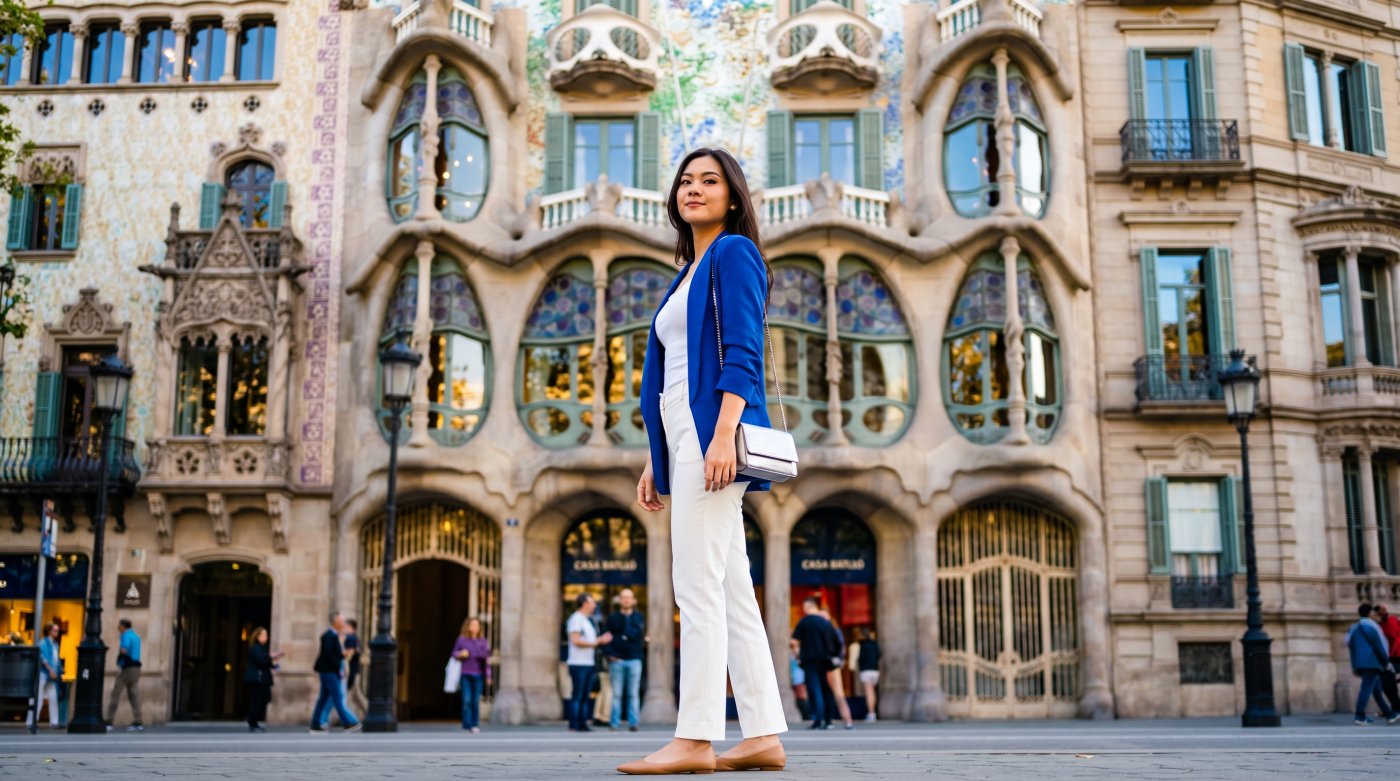
A map will show you where things are, but it will not show you where the day can quietly go wrong.
These are the little practical moves that make the route smoother, cheaper, and far less annoying once you are on the ground.
Buy your T-Casual card early and stop thinking about transport after that.
It covers the rides this itinerary actually needs, and that matters more than shaving a euro off here or there.
Also, book Sagrada Família and Casa Batlló before you leave home, not during breakfast the day before, when the good slots are already gone and you start bargaining with reality.
Use lunch wisely.
In Barcelona, the menú del día is one of the few travel clichés that really earns the hype, because €14 to €18 for multiple courses and a drink is plain good value.
Do the bigger meal at midday when possible, then keep dinner more social and flexible.
For travelers who want to trim costs even further without wrecking the trip, Travel to Barcelona on a Budget: How to Visit Without Overspending in 2026 and the AI Cheap Travel Advisor are both useful.
Two more things matter for solo travelers in particular. La Boqueria
is better for atmosphere than breakfast value, so buy carefully there, and keep your phone in a front pocket around La Rambla because pickpockets are not folklore.
If you want a quick check before departure, the AI Travel Safety Advisor and the AI Travel Checklist Before Departure are both worth five minutes of your time.
Boring, yes. Effective, also yes.
Is This Itinerary Right for You?
This itinerary fits solo travelers who like cities best when they are walked, tasted, and absorbed in layers.
If you want a smart mix of landmark architecture, neighborhood texture, and evenings that feel social without requiring a nightclub finish, it works very well.
It is also a good match for people who do not mind starting early in exchange for quieter markets, better light, and fewer queues.
It may feel too full if you prefer long museum sessions, beach afternoons, or very slow mornings.
Day 2 especially asks you to respect timed entries and keep moving, so travelers who hate structure might want to cut Casa Batlló or Park Güell and build in more free time.
If you are still choosing between Barcelona and somewhere else in southern Europe, the AI Destination Comparison Tool or broader AI travel tools can help sort out cost, pace, and season.
For a short solo city break, though, this route is sharp.
It gives you old Barcelona, modernisme Barcelona, and neighborhood Barcelona in one compact sweep, which is more useful than a bloated checklist pretending you can “do the whole city” in a weekend.
You cannot. Thankfully, you do not need to.
Duration
2 Days
Best For
Solo Traveler
Budget
Mid-range
Theme
Mixed
Trip Highlights
Cultural Experience
- Mercat de la Boqueria
Attraction
- Barri Gòtic (Gothic Quarter) Walk
- Museu Picasso
- Sagrada Família
Transport
- Walk from Gothic Quarter to El Born
- Metro from Sagrada Família to Passeig de Gràcia
Dining
- El Xampanyet
- Bar Brutal
- La Rita
Interactive Itinerary Map
🗺️ 2 Days in Barcelona for Solo Travelers: A Smart Mid-Range Itinerary
All
Day 1
Day 2
Day-by-Day Itinerary
08:00 AM - 09:30 AM
Cultural Experience
Mercat de la Boqueria
Walk the market when it opens at 8:00 AM and you'll catch vendors actually setting up, prices that are marginally sane, and produce that hasn't been handled by 400 tourists yet. Skip the smoothie stalls near the entrance, which exist purely to extract money from you, and head to the inner counters for a coffee and a tortilla bocadillo from one of the working-class bars tucked in the back.
Market is open Monday to Saturday, 8:00 AM to 8:30 PM. Closed Sundays. Come early, some stalls sell out and close by noon.
09:30 AM - 11:00 AM
Attraction
Barri Gòtic (Gothic Quarter) Walk
Walk east from La Boqueria into the Gothic Quarter's tangle of medieval lanes and you'll pass Roman walls, a 14th-century cathedral, and plaças that have been in constant use for centuries. Aim for Plaça de Sant Felip Neri, a small quiet square with bullet holes in the church walls from the Civil War, then work your way toward the Pont del Bisbe bridge. No ticket required, just comfortable shoes and a willingness to get slightly lost.
11:00 AM - 11:30 AM
Transport
Walk from Gothic Quarter to El Born
The Gothic Quarter and El Born share a border, so getting there is a ten-minute walk east along Carrer de la Princesa. Use the transition to duck into any of the small independent shops and boutiques along Carrer de l'Argenteria before you reach the museum.
11:30 AM - 01:30 PM
Attraction
Museu Picasso
The Picasso Museum sits inside five interconnected Gothic mansions on one of the oldest streets in Barcelona, which is either a coincidence or very good planning. The collection is strongest on Picasso's early Barcelona years and his Las Meninas series, less about the cubist greatest hits and more about how a painter actually develops. Budget ninety minutes to two hours to move through the permanent collection without rushing.
Open Tuesday to Sunday from 9:00 AM (summer, March 30 to September 28) or 10:00 AM (winter). Closed Mondays year-round. Book timed-entry tickets in advance at museupicassobcn.cat. Free entry on the first Sunday of each month, but advance reservation is still required.
02:00 PM - 03:30 PM
Dining
El Xampanyet
El Xampanyet is a cava bar that has been operating since 1929, and it shows: the walls are covered in old tiles and ceramic plates, the house cava costs almost nothing, and the anchovies on toast are as good as their reputation suggests. Arrive before 2:30 PM if you want a table. The bar itself works fine for solo eating and you'll be shoulder to shoulder with a mix of locals and people who did their research.
Closed Mondays and Sunday evenings. Lunch service runs approximately 12:00 PM to 3:30 PM, dinner from 7:00 PM. Cash strongly preferred.
04:00 PM - 06:00 PM
Shopping
El Born Boutique Shopping
Carrer del Rec and the streets fanning out from Passeig del Born are lined with independent fashion boutiques, design shops, and local concept stores that are worth browsing. You will find local ceramics, Catalan design labels, and secondhand clothing shops if you wander far enough down the side streets. This is not La Rambla souvenir territory.
09:00 PM - 11:30 PM
Dining
Bar Brutal
Bar Brutal is a natural wine bar with a serious but unpretentious approach: the list runs deep on small producers and the food, mostly cold cuts, cheese, and sharp little plates, is exactly what you want alongside a glass of orange wine. Solo diners seat themselves at the bar or a small table, order a couple of things, and tend to stay longer than planned. This is dinner and the beginning of your evening.
No reservations taken. Arrive before 9:30 PM for better seating options. Gets busy by 10:00 PM on weekends.
09:00 AM - 11:30 AM
Attraction
Sagrada Família
Book the audio guide plus tower access (€36) and arrive exactly at your time slot. The towers give you an aerial view of the city and a close look at the stone carvings that you cannot see from the ground. Inside, position yourself near the nave around 10:00 to 11:00 AM when the light through the stained glass is at its most intense and the floor turns a deep blue and red that photographs cannot accurately capture.
Open Monday to Saturday 9:00 AM to 8:00 PM (April to September). Sunday from 10:30 AM. Book well in advance at sagradafamilia.org. A temporary quiet hour is in effect 9:00 to 10:00 AM from February 2026, requiring earphones during that window. Construction on Carrer de la Marina may affect entrance access through mid-2026, so arrive 20-30 minutes before your slot.
11:30 AM - 12:00 PM
Transport
Metro from Sagrada Família to Passeig de Gràcia
Take the L2 or L5 metro two stops west to Passeig de Gràcia. The ride takes under ten minutes and drops you directly in front of the Manzana de la Discordia block, which puts three major modernisme buildings within a few hundred meters of each other.
12:00 PM - 01:30 PM
Attraction
Casa Batlló
Casa Batlló is Gaudí operating without restraint, and the interior delivers on the exterior's promise: organic curved ceilings, a central light well tiled in shifting blues, and a rooftop shaped like a dragon's spine. The included intelligent audio guide is worth using because the building's symbolism is not always obvious and the technology layers it in without making you feel like you're in a classroom.
Open daily 8:30 AM to 9:00 PM, last entry at 8:00 PM. Book in advance at casabatllo.es. Morning time slots are generally cheaper than evening ones. Children 0-12 enter free.
01:30 PM - 03:00 PM
Dining
La Rita
La Rita is a mid-range Catalan restaurant that does a menú del día for around €14-16 at lunch, which in this neighborhood is genuinely good value. The dining room is calm, the food is straightforward and well-executed, and it is two blocks from Casa Batlló, making it an easy post-visit stop before heading north into Gràcia.
Lunch service runs approximately 1:00 PM to 3:45 PM. Popular with locals and hotel guests from the area. Arrive before 2:15 PM to avoid a wait.
03:30 PM - 05:30 PM
Attraction
Park Güell
The monumental zone at the top requires a timed ticket (€18), and the views of the city from the main terrace justify the twenty-minute uphill walk from the nearest metro stop. The famous mosaic bench curves around the edge of the hill and the tile work is more intricate up close than it looks in photos. Aim for a late afternoon slot when the light is softer and the worst of the midday crowds have thinned.
Tickets sold in timed entry slots from 9:30 AM to 7:30 PM. Book in advance at parkguell.barcelona. Metro: Lesseps (L3) then a 20-minute walk uphill, or take Bus 24 closer to the entrance. The free zone surrounding the monumental area is open all day without a ticket.
06:00 PM - 07:30 PM
Relaxation
Gràcia Neighborhood Walk and Plaça del Sol
Walk down from Park Güell into the Gràcia neighborhood and find Plaça del Sol, which is where the local after-work crowd lands on warm evenings with a vermouth from any of the surrounding bars. Gràcia feels like a village that got absorbed into a city and never fully adjusted. The streets are narrow, the pace drops, and it is a good place to sit for an hour before dinner.
08:30 PM - 10:30 PM
Dining
Tapeo Gràcia
Tapeo Gràcia is a reliable mid-range tapas restaurant that takes quality seriously without charging for the occasion. The croquetas and the patatas bravas are consistently good, the wine list is well-priced, and the room is small enough that sitting at the bar for a solo dinner feels intentional rather than sad. Book ahead for dinner service, especially on weekends.
Dinner service runs 8:00 PM to 11:45 PM. Reservations recommended. Lunch also available Wednesday to Saturday 12:00 PM to 4:00 PM.
How to Get to Barcelona

| From | Train | Bus | Flight | Ferry | Book |
|---|---|---|---|---|---|
| Madrid ES | $28.70 2h 37min | $24.47 7h 35min | $63.08 1h 15min | — | Check Fares → |
| Valencia ES | $3.47 3h 9min | $41.19 3h 45min | $59.95 1h 5min | — | Check Fares → |
| Paris FR | $92.50 6h 47min | $35.13 12h 10min | $78.45 1h 40min | — | Check Fares → |
| Málaga ES | $53.98 5h 36min | $76.99 14h 45min | $52.27 1h 35min | — | Check Fares → |
| Zaragoza ES | $3.47 1h 30min | $10.30 3h 30min | — | — | Check Fares → |
| Seville ES | $64.05 5h 48min | $124.96 16h | $72.18 1h 40min | — | Check Fares → |
| Rome IT | $252.92 32h 13min | $115.90 20h 50min | $35.64 1h 50min | $55.62 18h 30min | Check Fares → |
| Lloret de Mar ES | $7.14 1h 21min | $14.58 55min | — | — | Check Fares → |
| Alicante ES | $39.93 5h 27min | $47.42 6h 15min | $40.58 1h 5min | — | Check Fares → |
| Marseille FR | $75.53 4h 34min | $16.74 6h 45min | $50.92 1h 10min | — | Check Fares → |
Prices shown are starting fares and may vary. Book via Omio to compare all available options.
Estimated Budget Breakdown
Based on standard pricing, here is the approximate cost breakdown for this itinerary (excluding flights and accommodations).
Estimated Total Cost
€280-380 total
Attractions
€80-110
Meals
€90-120
Transport
€13-20
Shopping
€40-70
Other
€20-40
Practical Tips for Your Trip
Buy the T-Casual card (€13.00 for 10 trips) at any metro machine on arrival. It covers metro, bus, and tram across Zone 1 and saves you fumbling for cash at the turnstile every single time.
Sagrada Família and Casa Batlló both require advance booking. In summer, slots two to three weeks out are the norm. Buy direct from the official websites to avoid third-party markups.
In Barcelona, lunch (2:00 PM to 4:00 PM) is the main event. The midday menu del día at most mid-range restaurants runs €14-18 and includes two courses, bread, a drink, and dessert. It is the single best-value meal in the city.
La Boqueria is worth a morning walk-through for the visuals, but do not buy your breakfast there. Stall prices are inflated for tourists. Grab your coffee and pa amb tomàquet at any bar one street back from La Rambla.
El Born bars do not get going until 10:00 PM on weekdays and later on weekends. If you show up at 8:00 PM expecting nightlife, you will find empty stools and confused staff. Eat dinner first, then circle back.
Pickpockets are genuinely active on La Rambla and around La Boqueria. Keep your phone in a front pocket and use a crossbody bag. It is not a scare story. Losing your cards on day one of a solo trip is a specific kind of miserable.
Book Popular Tours & Activities
Maximize your time by pre-booking tickets for recommended activities and guided experiences.






We may earn a commission from bookings at no extra cost to you.
Things to Do
Practical Tips & Guides
Europe
10 Best Beaches In Barcelona
Read More →
Europe
13 Best Things To Do In Barcelona With Kids
Read More →
Europe
25+ Top Things to Do in Barcelona, Spain: The Complete 2026 Visitor Guide
Read More →
Europe
7 Best Parks And Gardens In Barcelona
Read More →

Europe
9 Day Trips From Barcelona: Complete 2026 Guide With Train Times & Prices
Read More →
Europe
Barcelona Travel Tips: Things to Know Before Traveling to Barcelona
Read More →
Europe
Barcelona Travel: How to Get Around Barcelona
Read More →
Europe
Best Barcelona Road Trips: Top Routes to Explore in 2026
Read More →
Europe
Best Food in Barcelona: A Neighbourhood-by-Neighbourhood Eating Guide
Read More →
Europe
Best Time To Visit Barcelona
Read More →
Europe
Free Things to Do in Barcelona: 2026 Guide with Exact Schedules
Read More →
Europe
Spending A Weekend In Barcelona
Read More →
Europe
The Best Neighborhoods In Barcelona to Explore
Read More →
Europe
Travel to Barcelona on a Budget: How to Visit Without Overspending in 2026
Read More →
Frequently Asked Questions About This Barcelona Itinerary
Yes, 2 days is enough for a strong first taste of Barcelona if you focus on a few neighborhoods and book the headline sights ahead.
You can comfortably fit the Gothic Quarter, El Born, Sagrada Família, Casa Batlló, Park Güell, and two very good dinner neighborhoods into this window.
You will not cover beaches, Montjuïc, or day trips, though, so if you are debating a longer stay, the AI Trip Length Guide can help you decide.
For this itinerary, the best base is lower Eixample or the edge of El Born.
Both areas keep Day 1 and Day 2 efficient, with easy access to metro lines, restaurants, and walkable evenings.
Eixample is usually quieter and more spacious, while El Born gives you a more atmospheric old-city feel if you do not mind a little late-night noise.
For the itinerary itself, a realistic range is about €280-380 per person before accommodation and flights.
That covers attraction tickets, transport, meals, a little shopping, and a few extras without going ultra-budget or luxury.
If you are only in town for a fast city break and want to shrink or expand the plan around your own dates, the AI Weekend Getaway Planner and the AI Itinerary Planner are both useful.
Disclaimer
While we do our best to provide accurate itinerary details, costs and availability may vary. Always confirm prices and bookings directly with providers. Some links may earn us a small commission at no extra cost to you. Read our FTC Disclosure.