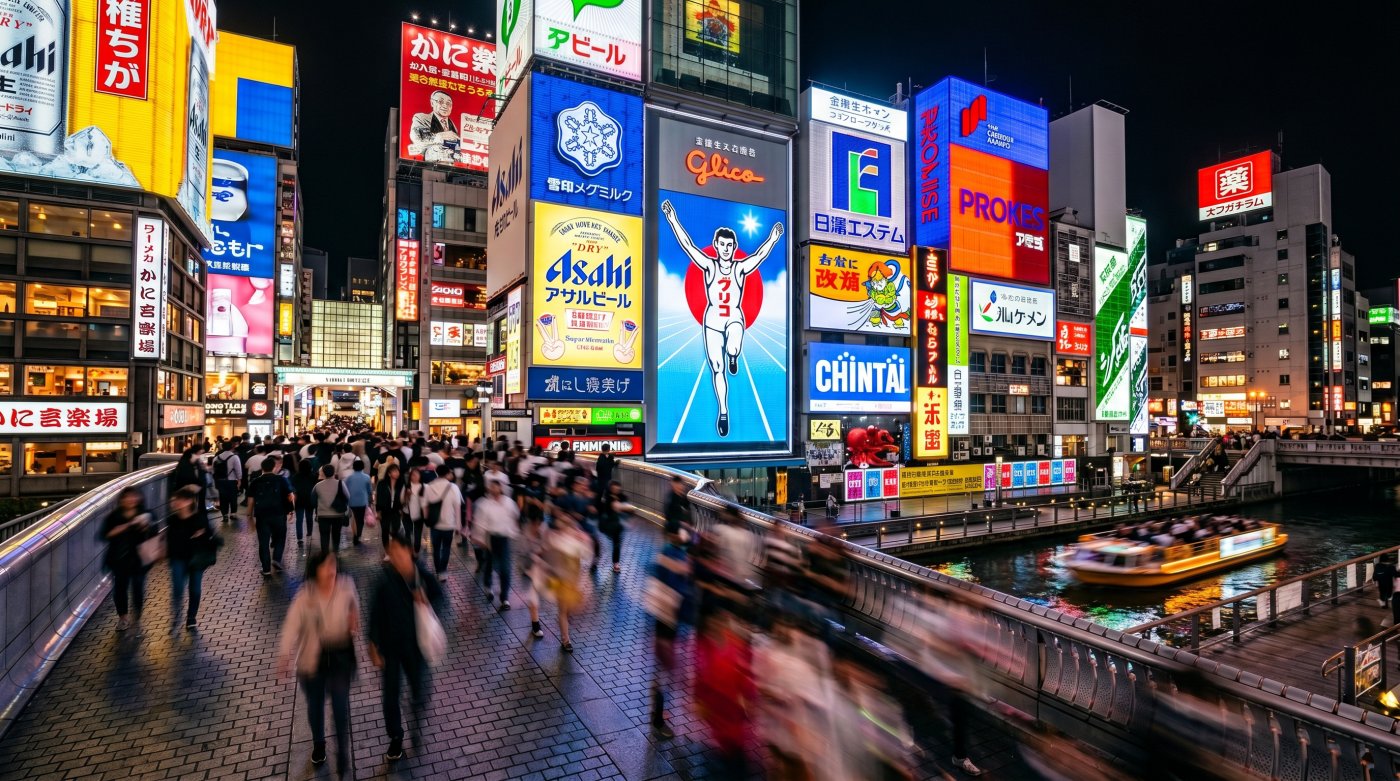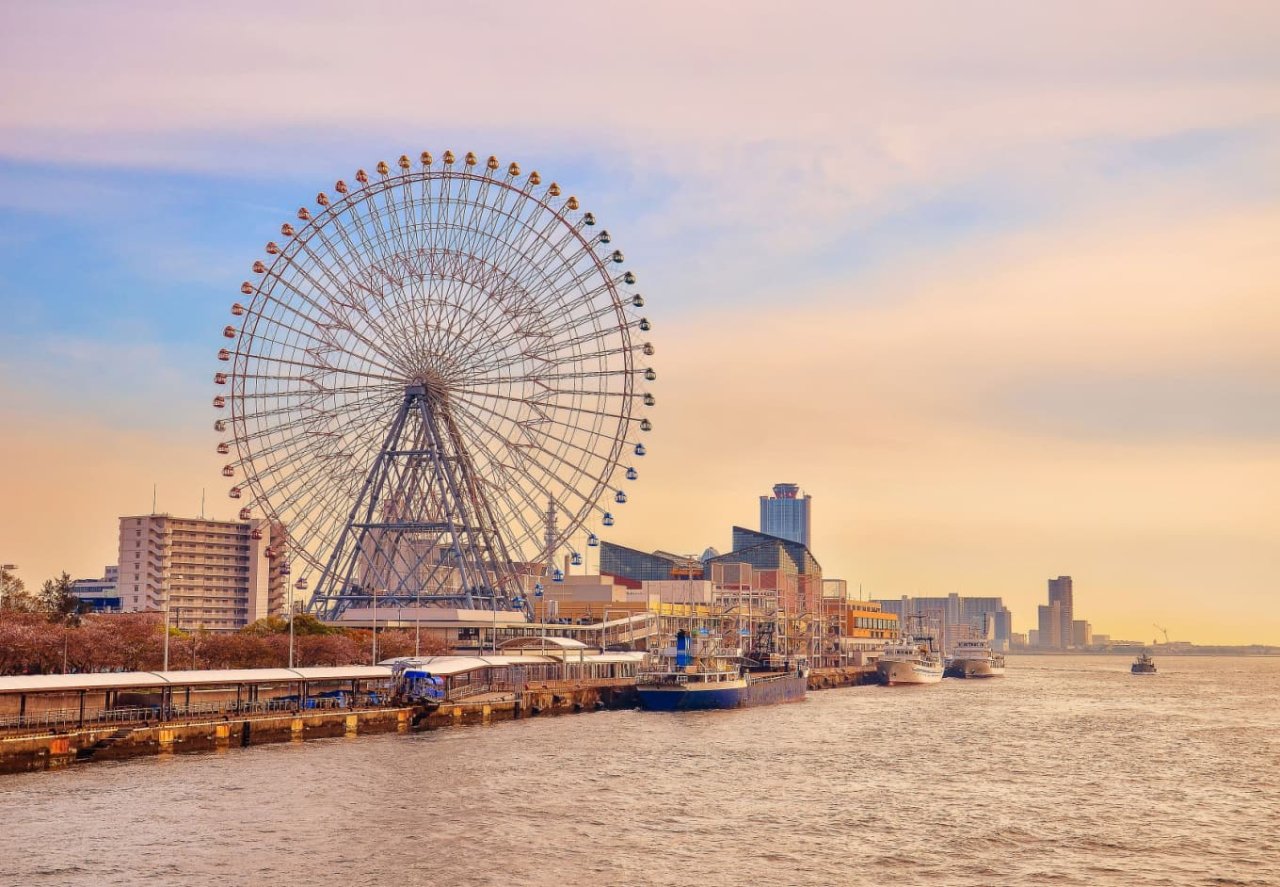




Day Trips From Osaka: Kyoto, Nara, Himeji, Hiroshima & More – Osaka makes an excellent launchpad for day trips, thanks to fast trains and easy planning.
Kyoto, Nara, Kobe, Himeji, and even Hiroshima are all realistic choices, each offering something distinct, from temple-lined paths and bowing deer to castle grandeur and poignant history.
Curious travelers can also head to Yoshino, Amanohashidate, or Tottori for blossoms, sea breezes, and giant dunes.
A few smart route choices make the whole adventure even smoother.
Key Highlights
- Kyoto is Osaka's easiest classic day trip, with temples, markets, and major sights reachable in 29 to 45 minutes by train.
- Nara offers a compact, relaxed day out with friendly deer, Nara Park, and the Great Buddha just 35 minutes from Osaka-Namba by Kintetsu.
- Kobe and Himeji are excellent short trips, combining city food culture or Japan's finest feudal castle with minimal travel time.
- Hiroshima is a longer but rewarding day trip, pairing Peace Memorial Park with Miyajima if you start early and use the Shinkansen.
- Regional rail passes like the JR Kansai Area Pass offer far better value than the national JR Pass for most Osaka day trips.
- Lesser-known options like Yoshino, Amanohashidate, and Tottori reward travelers seeking blossoms, coastal scenery, or dramatic sand dunes.
Why Osaka Makes the Perfect Base for Exploring the Kansai Region
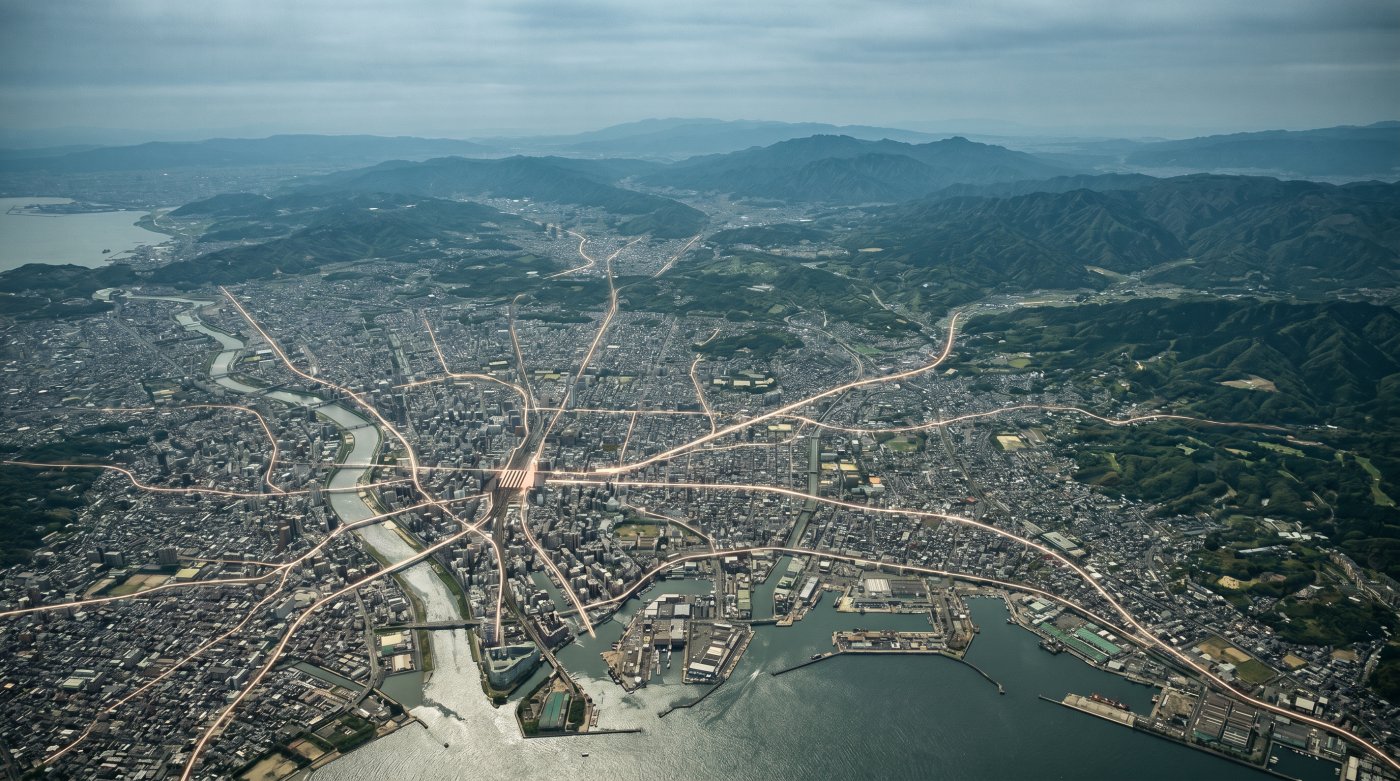
Few cities make day-tripping as easy as Osaka, a lively hub planted right in the middle of the Kansai region.
From this energetic base, travelers gain quick rail access in nearly every direction, making day trips feel flexible, spontaneous, and refreshingly low-stress.
Major stations connect local, rapid, and shinkansen lines, so day trips rarely require complicated planning.
That convenience creates freedom.
A day trip from Osaka can begin after breakfast and still leave hours for wandering, eating, and returning by night.
Budget-minded explorers appreciate how regional rail passes — particularly the JR Kansai Area Pass and JR Kansai WIDE Area Pass — stretch transportation value far more effectively than the national JR Pass for short regional hops.
Pairing a regional pass with an IC card like ICOCA covers virtually every route.
With compact neighborhoods, late-running trains, and endless food for a triumphant return, Osaka naturally supports the best day trips without locking anyone into rigid schedules.
Even indecisive travelers look impressively organized here.
Best Day Trips From Osaka You Absolutely Shouldn’t Skip
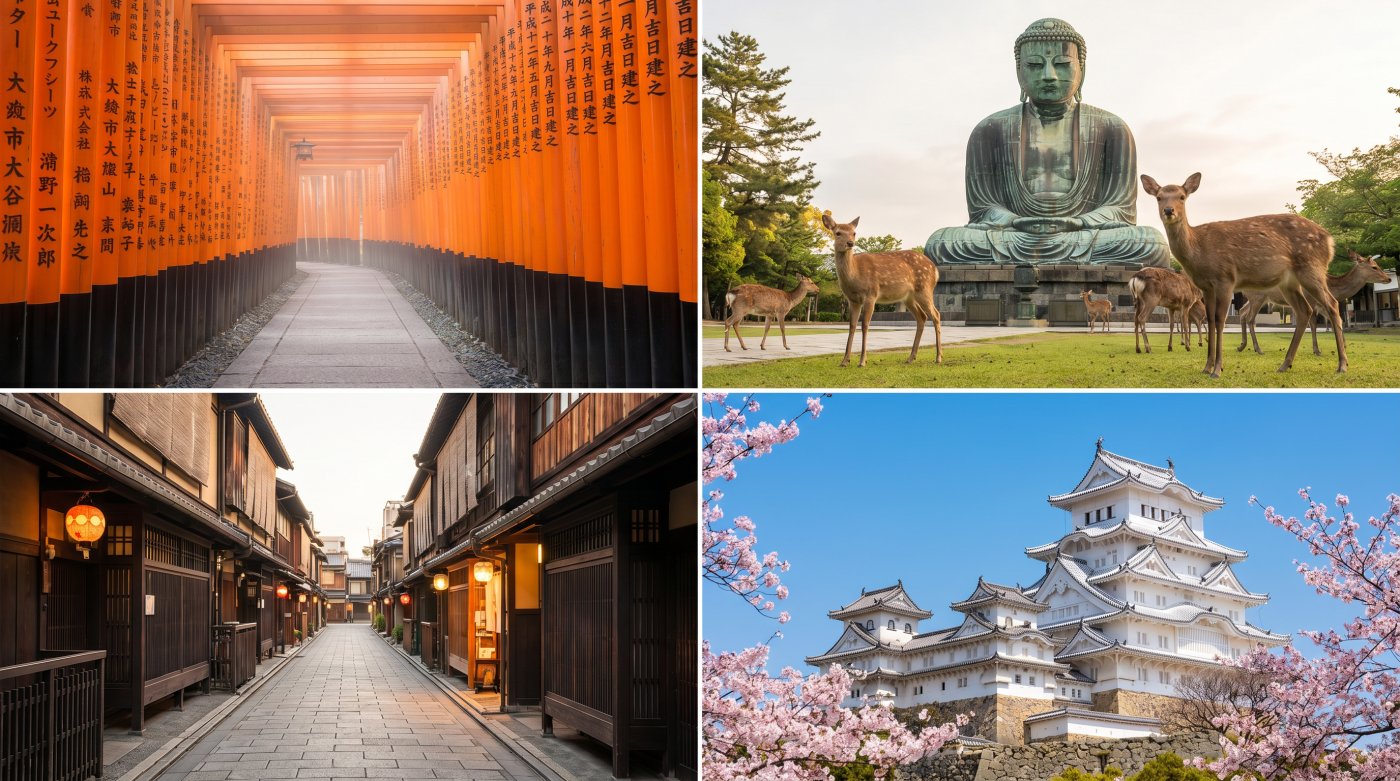
Several standout destinations make it easy to see why Osaka is such a smart launch point, from Kyoto’s famous temples to Nara’s friendly deer and colossal Buddha.
The list also stretches from sleek, seaside Kobe and the white-walled grandeur of Himeji Castle to Hiroshima, a longer but entirely manageable journey with profound historical weight.
Each one offers a distinct slice of western Japan, giving travelers plenty of reasons not to stay put.
Kyoto: The Most Popular Osaka Day Trip for Good Reason
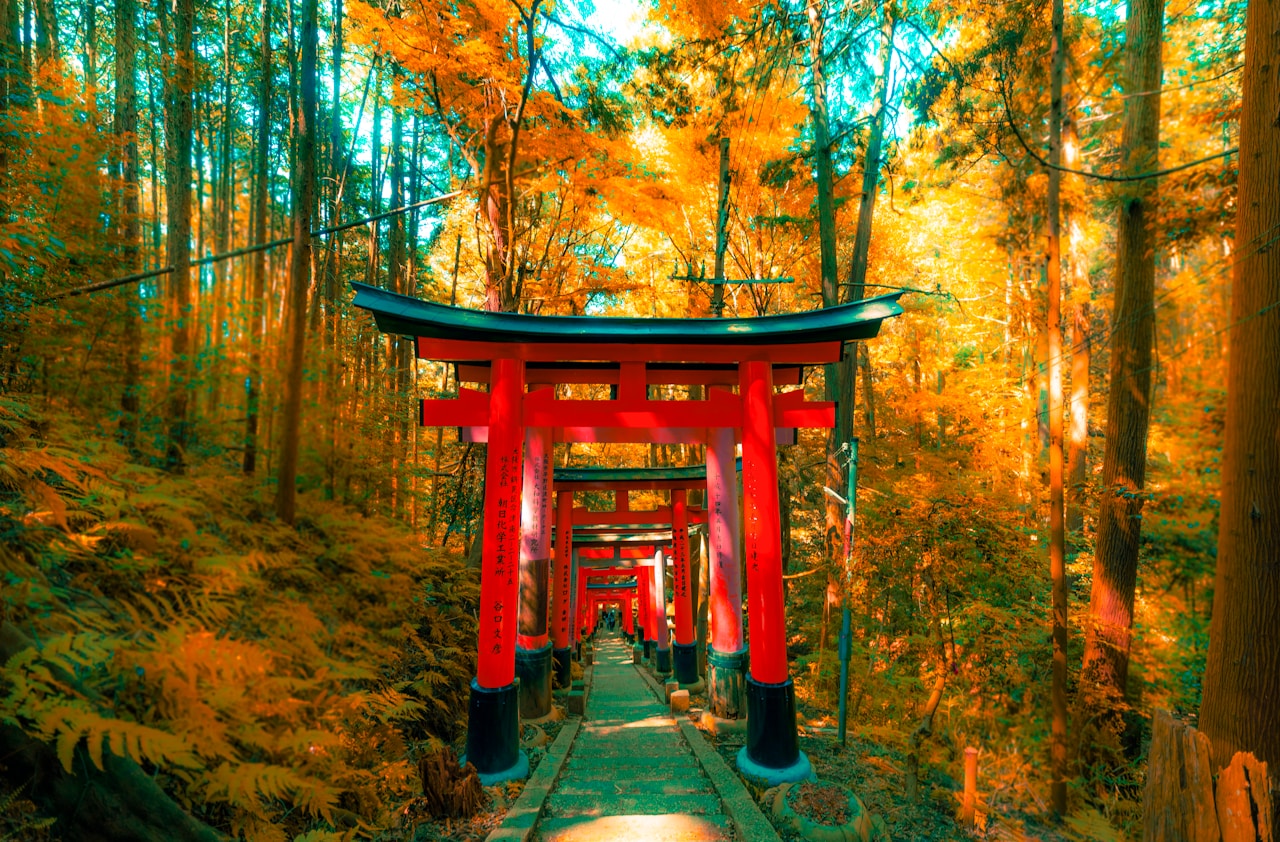
Kyoto stands out as Osaka’s easiest classic day trip, with fast train connections that take about 29 to 45 minutes depending on the line and starting station.
A single day there can still feel packed in the best way, with headline stops like Fushimi Inari, Kiyomizu-dera, Arashiyama, and Nishiki Market offering a smart mix of temples, scenery, and snacks.
The key question is not whether Kyoto is worth it — it absolutely is — but how to structure the route so the day does not vanish in a blur of train platforms and beautiful distractions.
Exploring the best neighborhoods to visit in Kyoto helps narrow down where to focus first.
How To Get From Osaka to Kyoto and How Long It Takes
Getting from Osaka to Kyoto is wonderfully easy, with fast, frequent trains making this one of the simplest day trips in Japan.
From Osaka Station, the JR Special Rapid reaches Kyoto in about 29 minutes.
Hankyu from Umeda takes roughly 45 minutes and is a popular budget-friendly option.
Both routes are straightforward, well-signposted, and run frequently throughout the day, so missing one train is never a crisis.
Top Things To Do in Kyoto on a Single Day Trip From Osaka
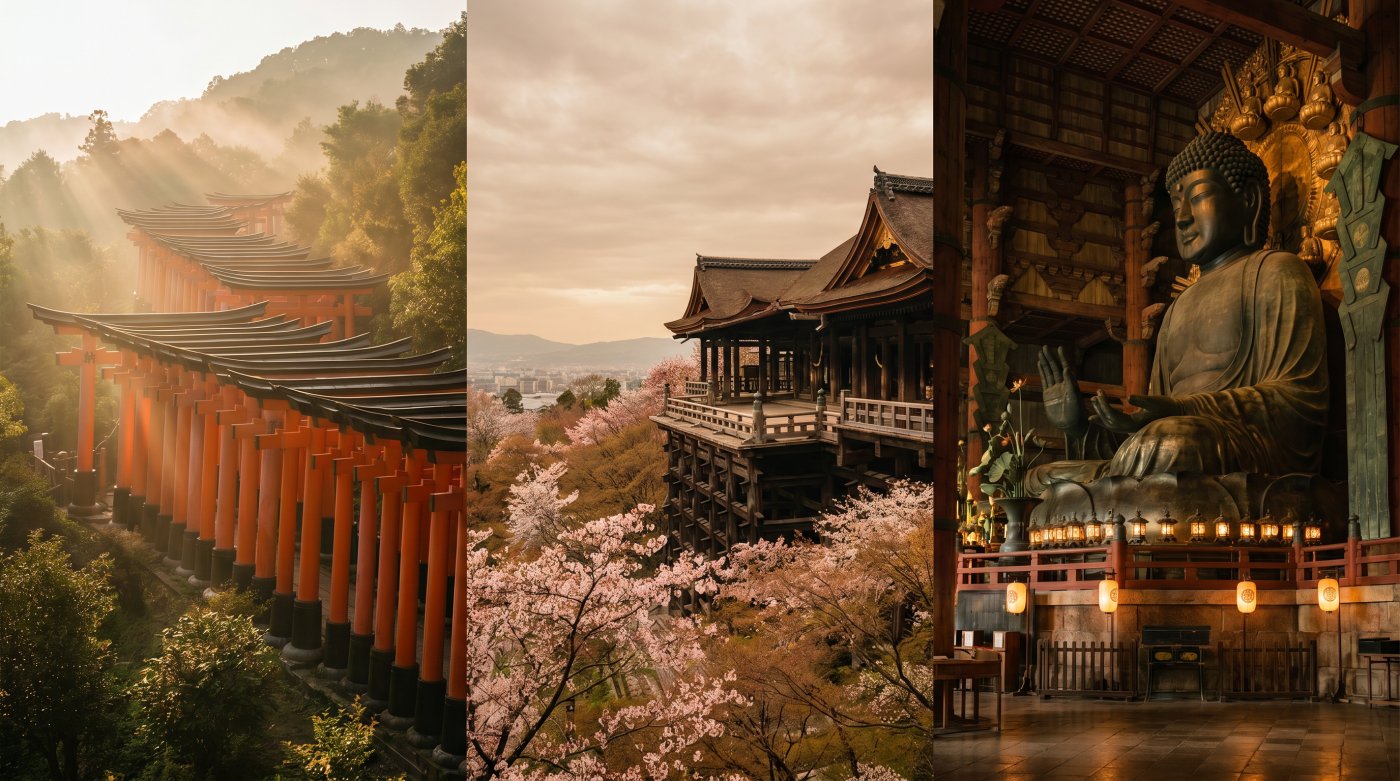
An early start pays off immediately: visitors can move from the vermilion torii tunnels of Fushimi Inari Taisha to the temple-lined lanes of Higashiyama, then pause for matcha or yudofu near Kiyomizu-dera and Gion.
Travelers who want to keep costs down will find the free things to do in Kyoto guide especially useful for stretching the day further.
For families, the top things to do in Kyoto with kids offers a helpful alternative itinerary.
Unlike a day trip to Hiroshima, Kyoto feels gloriously unhurried even on a tight schedule.
Read this comprehensive day trip to Kyoto from Osaka blog post for detailed guide.
Nara: Deer, a Giant Buddha, and an Easy 35 Minutes From the City
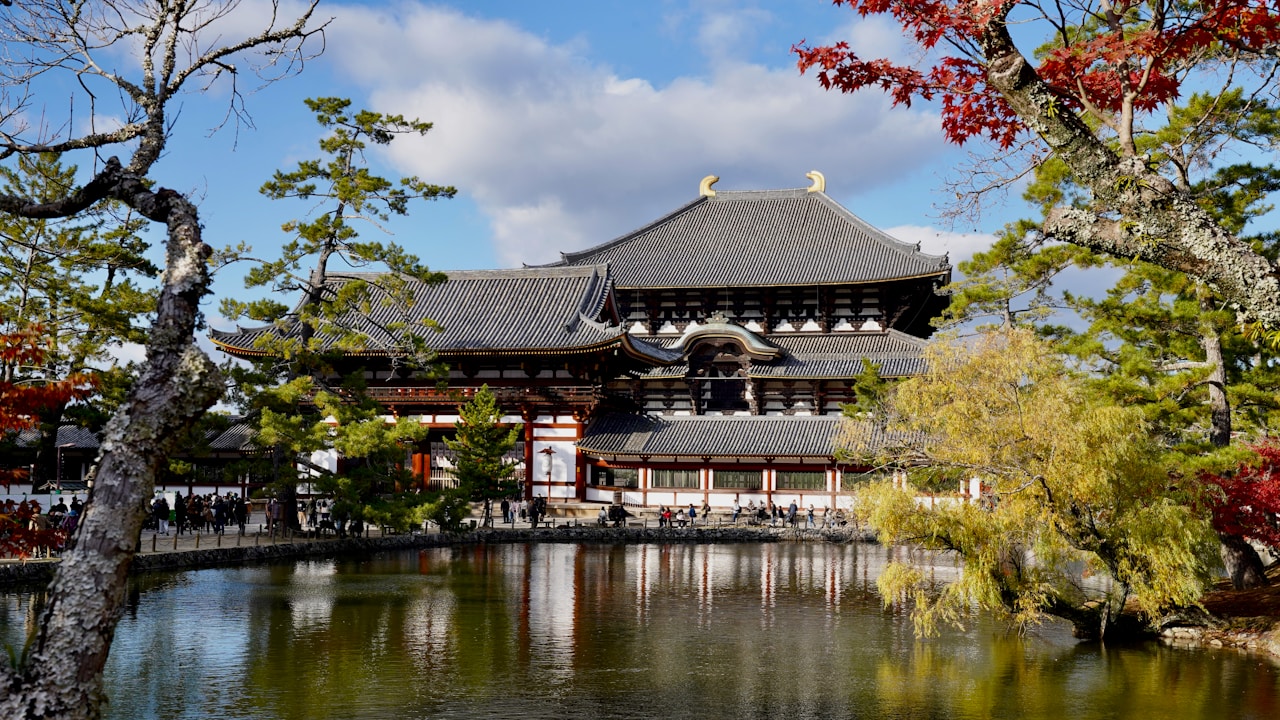
Nara sits just 35 minutes from Osaka-Namba Station via the Kintetsu Limited Express, making it one of the fastest and most rewarding day trips in the region.
The JR route from Osaka Station takes around 50 minutes and is covered by the JR Kansai Area Pass.
Most visitors arrive at Kintetsu Nara Station for the quickest access to the main sights, then stroll through Nara Park, greet the famously assertive deer, and head to Todai-ji to see the immense Great Buddha.
With a compact sightseeing area and excellent signage, it offers a day that feels full without turning into a race against the clock.
Getting to Nara From Osaka and the Best Way To Spend Your Time There
From Namba, the Kintetsu Limited Express whisks travelers to Nara in just 35 minutes — the fastest and most direct option.
From Osaka Station, the JR Yamatoji Rapid takes around 50 minutes and is covered by regional JR passes.
Once there, the route is simple: Todai-ji, Nara Park, Kasuga Taisha, and a slow wander back through souvenir lanes.
The deer do most of the entertaining.
Independent wanderers can cover the core sights comfortably in half a day, leaving the afternoon free for a second destination or a relaxed return to Osaka.
To help you plan better, read this complete guide about day trip to Nara from Osaka.
Kobe: Stylish Waterfront City Just 30 Minutes Away
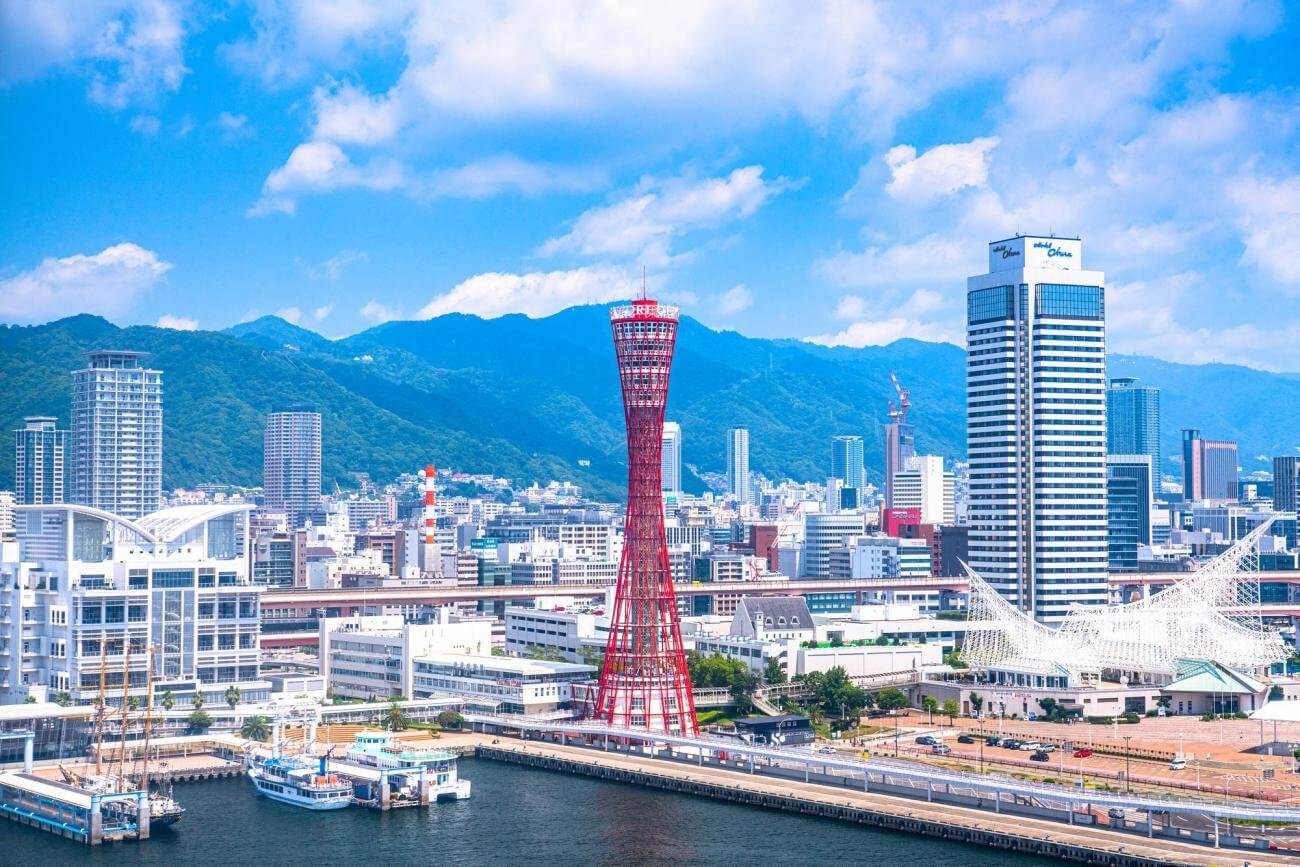
Kobe stands out as one of the best day trips from Osaka for food lovers, thanks to a polished dining scene that packs serious flavor into a quick and easy escape.
The city is known for far more than famous Kobe beef, with lively markets, stylish cafés, waterfront restaurants, and sweets shops that make every stop feel rewarding.
For anyone planning a short outing with a strong appetite, Kobe makes an excellent case almost immediately.
What Makes Kobe One of the Best Day Trips From Osaka for Food Lovers
Because it sits just 30 minutes from Osaka by JR, this polished port city makes an easy escape for anyone who plans travel around the next great meal.
Kobe rewards hungry wanderers with famed beef, Chinatown street snacks, artisan bakeries, and stylish cafés by the harbor.
Freedom-loving visitors can graze without rushing, hopping from sizzling teppanyaki counters to sweet shops, sake bars, and breezy waterfront terraces.
The JR Kansai Area Pass covers the journey, keeping costs low.
Hiroshima Day Trip From Osaka: Emotional, Powerful, and Very Doable
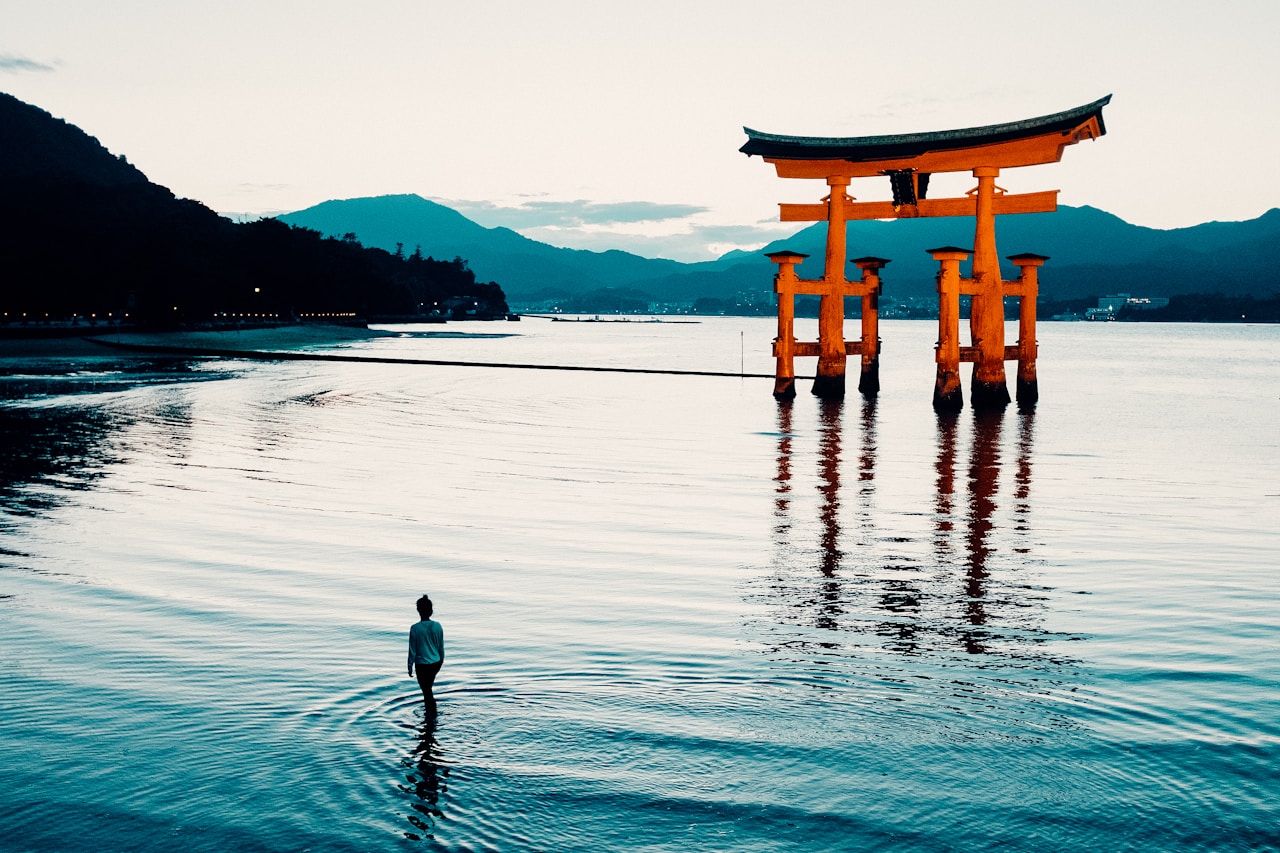
A Hiroshima day trip from Osaka asks for an early start, but the rail connections are fast and efficient, putting this deeply moving city within surprisingly easy reach.
The usual plan pairs a Shinkansen ride with a long, well-paced day covering Hiroshima’s essential memorial sites and, for those with stamina, the sea-breezy charm of Miyajima as well.
It is an ambitious outing, yet for many travelers it becomes one of the most memorable days of the entire Kansai trip.
Is a Day Trip From Osaka to Hiroshima Worth It?
Yes — Hiroshima is absolutely worth the journey, provided you leave early and use the Shinkansen.
The round trip takes roughly 2 hours 50 minutes of total travel time, leaving a full day for sightseeing.
| Option | Time |
|---|---|
| Shinkansen from Shin-Osaka | ~1 hr 25 min |
| Local or slower rail combinations | 5–6 hrs |
Most travelers choose the Shinkansen, leaving more daylight and far less platform-hopping.
The JR Kansai WIDE Area Pass covers Shinkansen travel to Hiroshima, making it the most cost-effective ticket option for this route.
What To See in Hiroshima and Miyajima on a Single Long Day
Hiroshima rewards an early start with a surprisingly smooth one-day rhythm: Peace Memorial Park and the museum in the morning, a quick lunch of okonomiyaki, then a hop across to Miyajima for shrine views, deer encounters, and that famous floating torii glowing over the water.
The route feels spacious, not rushed.
It gives travelers history, sea air, and enough wandering room to breathe freely.
Himeji: Japan’s Most Stunning Feudal Castle on a Half-Day Trip
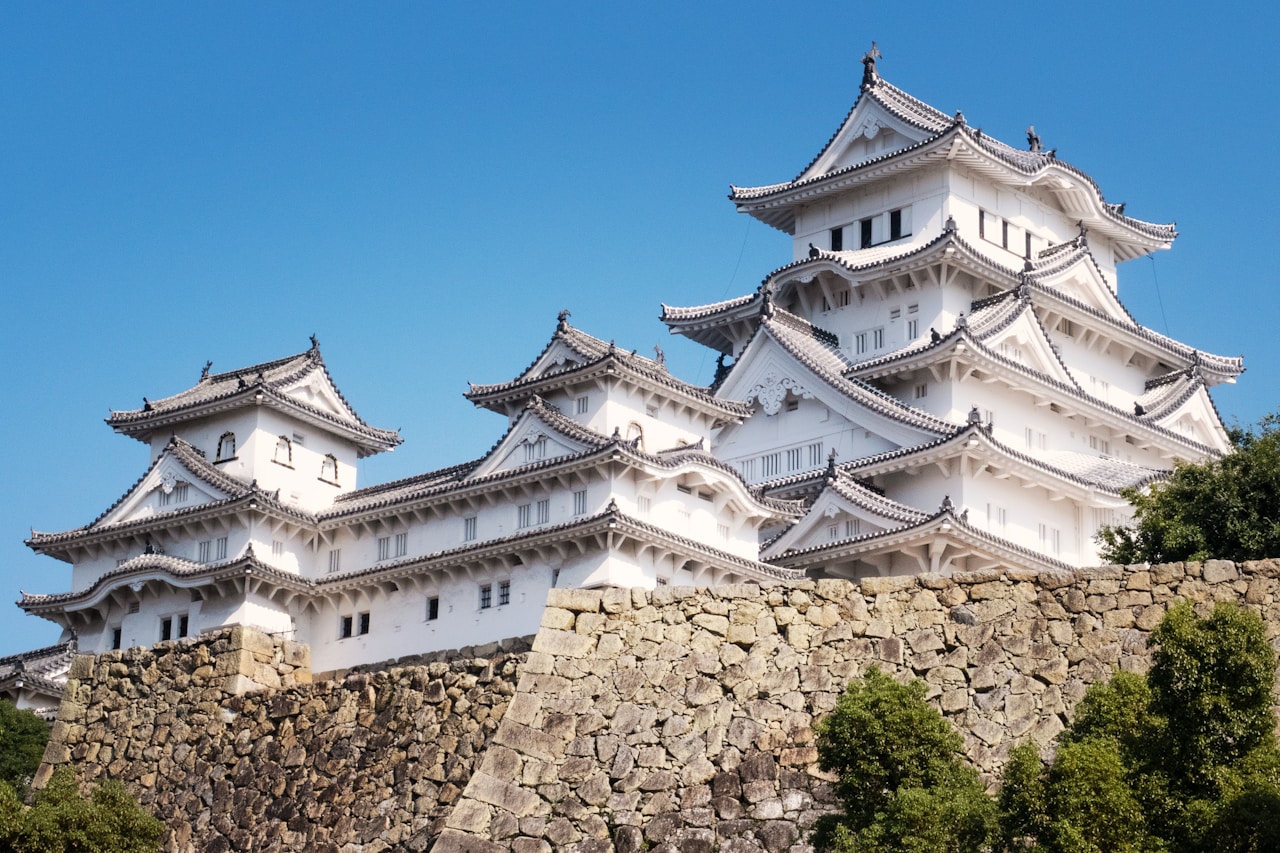
Himeji works remarkably well as an Osaka day trip, especially for travelers who want a world-class castle experience without sacrificing an entire day.
The smartest approach is an early train, a focused visit through Himeji Castle and nearby Koko-en Garden, and a simple lunch plan that keeps the schedule smooth rather than frantic.
With solid timing and minimal backtracking, this half-day outing feels efficient, scenic, and surprisingly relaxed.
How To Do Himeji as an Osaka Day Trip Without Feeling Rushed
A brisk 30- to 40-minute Shinkansen ride from Shin-Osaka, or about 60 minutes on a JR Special Rapid from central Osaka, puts the castle city easily within reach.
Both options are covered by the JR Kansai Area Pass.
Arrival by midmorning leaves room for Koko-en Garden, an easy lunch, and castle interiors without stopwatch stress.
Travelers can roam freely, then drift back comfortably by late afternoon — leaving the evening open for Osaka’s famous food scene.
Read this comprehensive blog post about day trip to Himeji from Osaka for detailed guide.
Mount Koya (Koyasan): A Sacred Mountain That Feels Like Another World
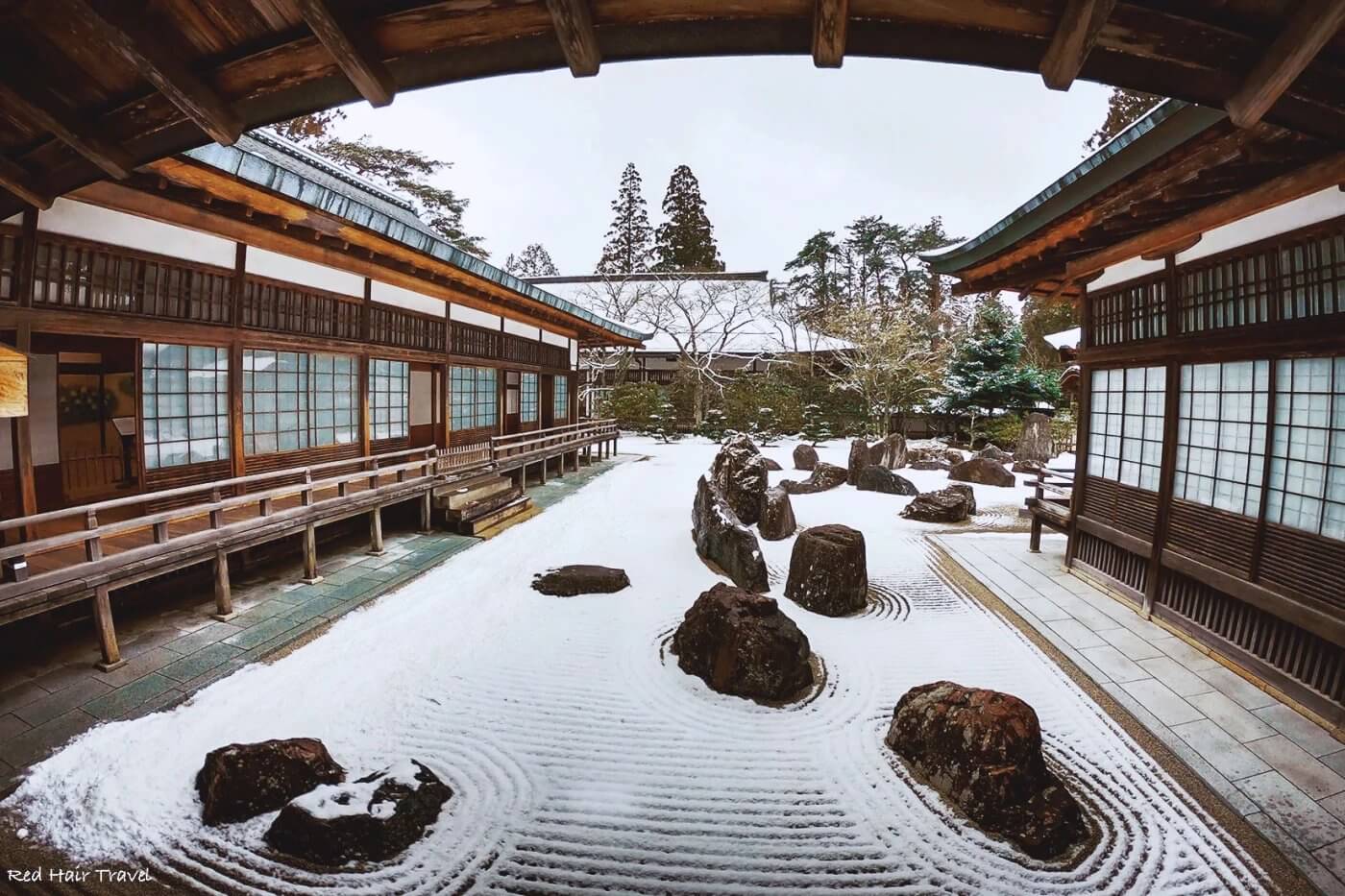
Reaching Koyasan from Osaka is straightforward: take the Nankai Line from Namba to Gokurakubashi, then ride the scenic cable car up the mountain and continue by local bus into the temple town.
Although it can be done as a day trip, an overnight stay is often the smarter choice, giving visitors time to experience temple lodgings, vegetarian shojin ryori meals, and the mountain’s hushed atmosphere after the tour buses fade out.
That extra time changes the visit completely — Koyasan is not just a place to see, but a place to feel.
Is an Overnight Stay at Koyasan Worth It?
Yes — staying overnight at Koyasan unlocks an entirely different experience from a rushed day trip.
The Nankai Line from Namba is not covered by the national JR Pass, but the Nankai Koyasan World Heritage Ticket bundles the train, cable car, and bus into one affordable package.
Staying overnight unlocks the real magic: temple lodgings (shukubo), dawn prayers, lantern-lit Okunoin, and mountain silence no rushed day trip can touch.
Day visitors should aim for an early departure from Osaka to maximize time before the last cable car down.
Lesser-Known but Brilliant Osaka Day Trips for the Curious Traveler
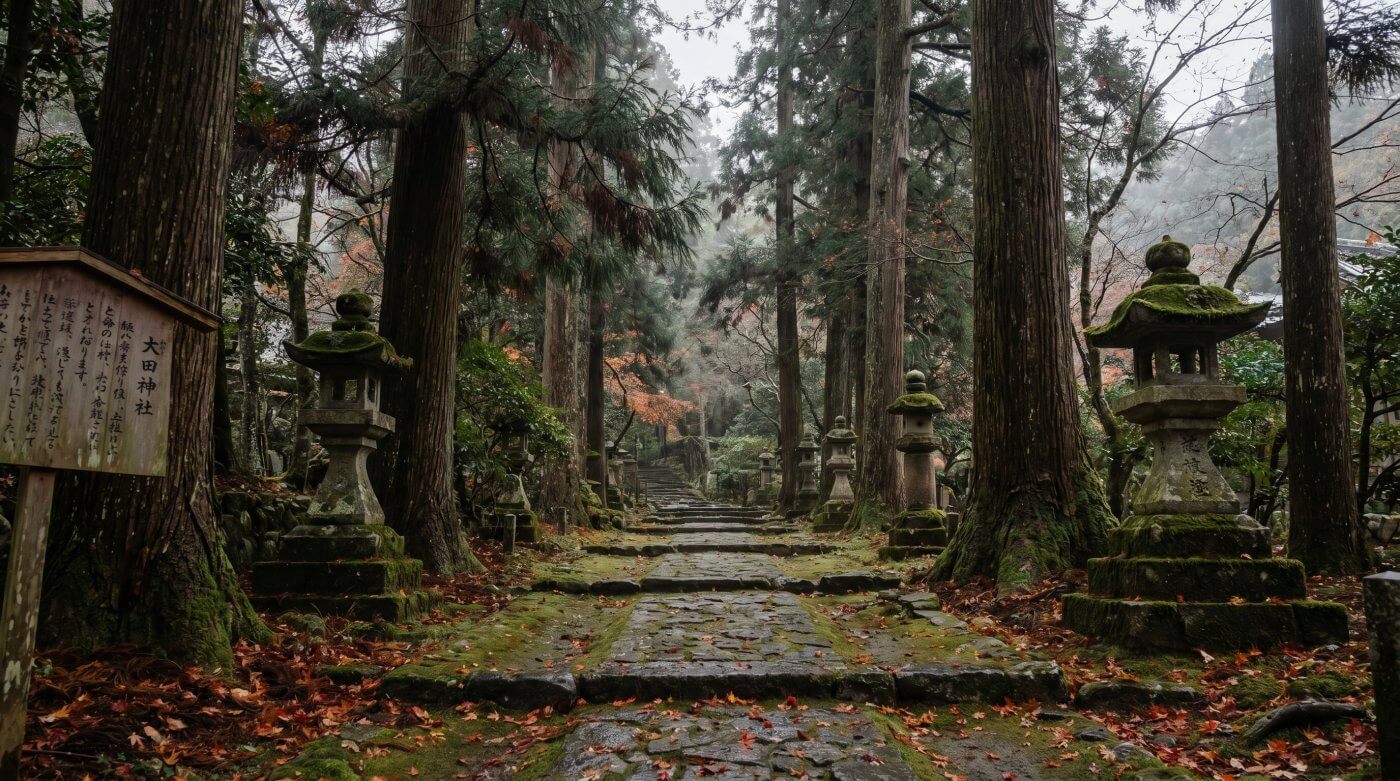
Beyond the headline favorites, Osaka also opens the door to day trips that feel a little more secret and a lot more memorable.
Yoshino offers cherry blossoms, crisp mountain air, and old-world charm.
Amanohashidate justifies the long ride with one of Japan’s most striking views.
Tottori surprises visitors with vast sand dunes that barely seem real.
For travelers willing to go a bit farther, these spots show a different, brilliantly rewarding side of Kansai and beyond.
Yoshino: Cherry Blossoms, Mountain Air, and Serious Charm
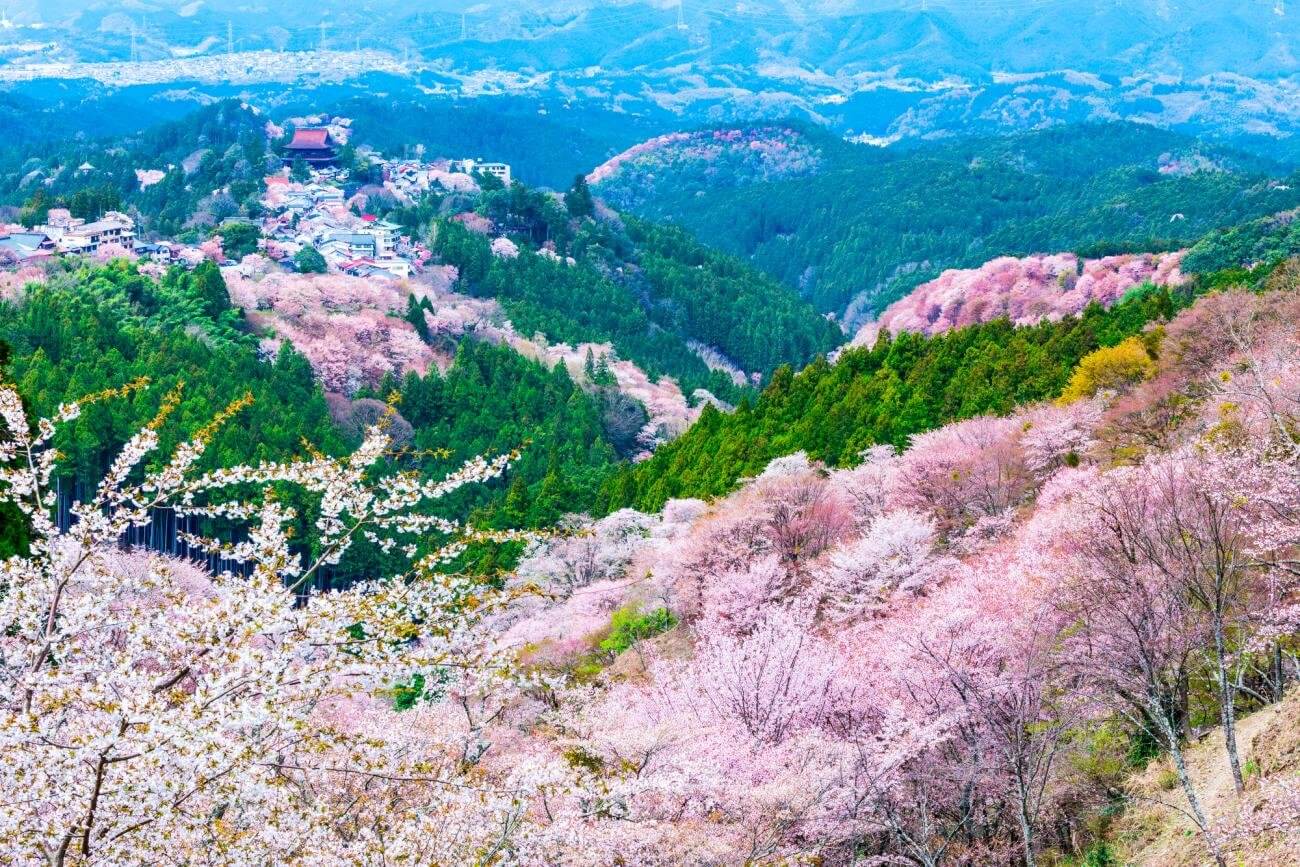
If a day trip calls for mountain views, temple paths, and some of Japan’s most famous cherry blossoms, Yoshino absolutely earns a spot near the top of the list.
Tucked in Nara’s southern hills, it gives travelers room to breathe, wander, and trade Osaka’s pace for cedar-scented air and ridgeline panoramas.
The area is best known for spring, when thousands of sakura spill across the slopes in layered pink waves, but Yoshino keeps its appeal beyond blossom season.
Visitors can ride the ropeway or walk uphill, stopping at shrines, old inns, and viewpoints that make lingering feel inevitable.
Kinpusen-ji adds gravitas, local sweets keep energy up, and the whole route feels pleasantly unhurried.
For travelers craving beauty without tight schedules or big-city noise, Yoshino delivers that liberating, just-keep-going feeling.
Amanohashidate: Japan’s Scenic Sandbar That Earns the Long Ride
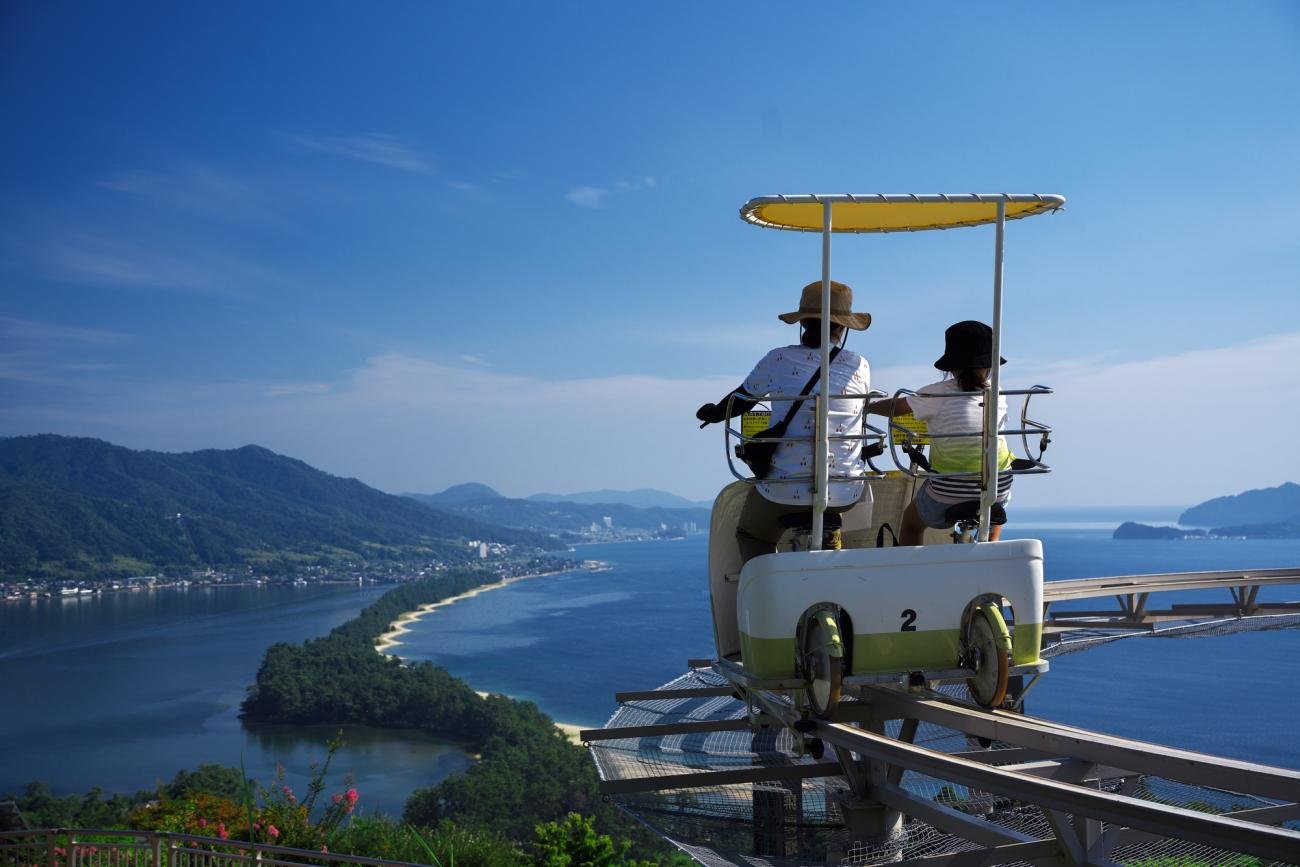
Postcard-worthy and a little unexpected, Amanohashidate is the kind of place that makes the long ride from Osaka feel less like effort and more like a smart travel flex.
Considered one of Japan’s classic scenic views, this pine-covered sandbar stretches across Miyazu Bay with a laid-back grandeur that rewards anyone willing to roam farther.
Most visitors start with the famous uphill viewpoints, where the sandbar looks almost surreal, then head down to walk or cycle across it at their own pace.
That freedom is the real charm: sea breeze, shaded paths, small shrines, and no pressure to rush.
Boats glide by, cafés offer easy refueling, and the whole area feels gloriously unboxed.
For curious travelers, it is absolutely worth the mileage and every minute.
Tottori: Sand Dunes That’ll Make You Question You’re Still in Japan
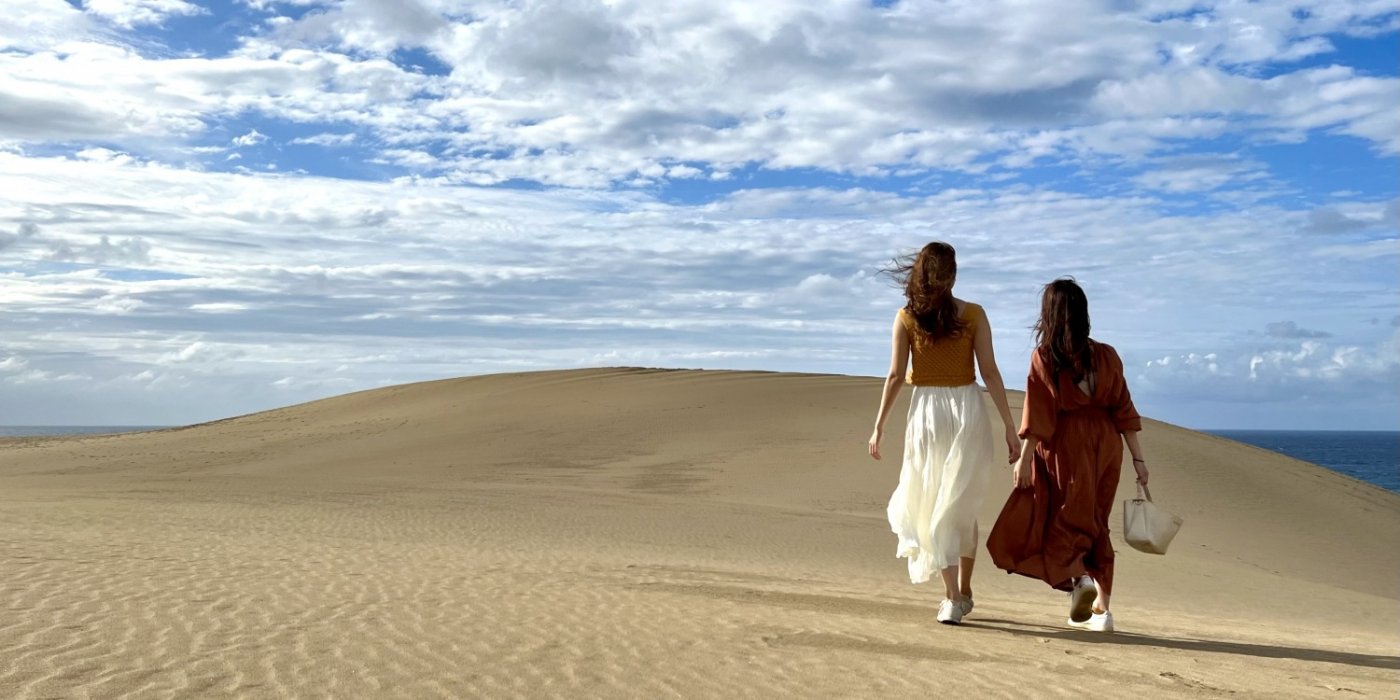
Tottori takes the “wait, this is still Japan?” feeling and turns it all the way up, swapping pine-lined coastal beauty for a sweep of golden sand that looks closer to a movie set than a typical day trip.
Just outside Tottori City, the dunes roll toward the Sea of Japan in wind-carved ridges, giving day-trippers room to roam, climb, and feel gloriously unboxed.
The journey from Osaka is long, but the payoff is immediate: camel rides, sandboarding, and wide-open views that break every rigid Japan stereotype.
Nearby, the Sand Museum adds an unexpectedly refined twist with giant sculptures carved from sand.
For curious travelers craving space, strangeness, and a day that feels rebelliously different, Tottori delivers.
Is the JR Pass Worth It for Day Trips From Osaka?
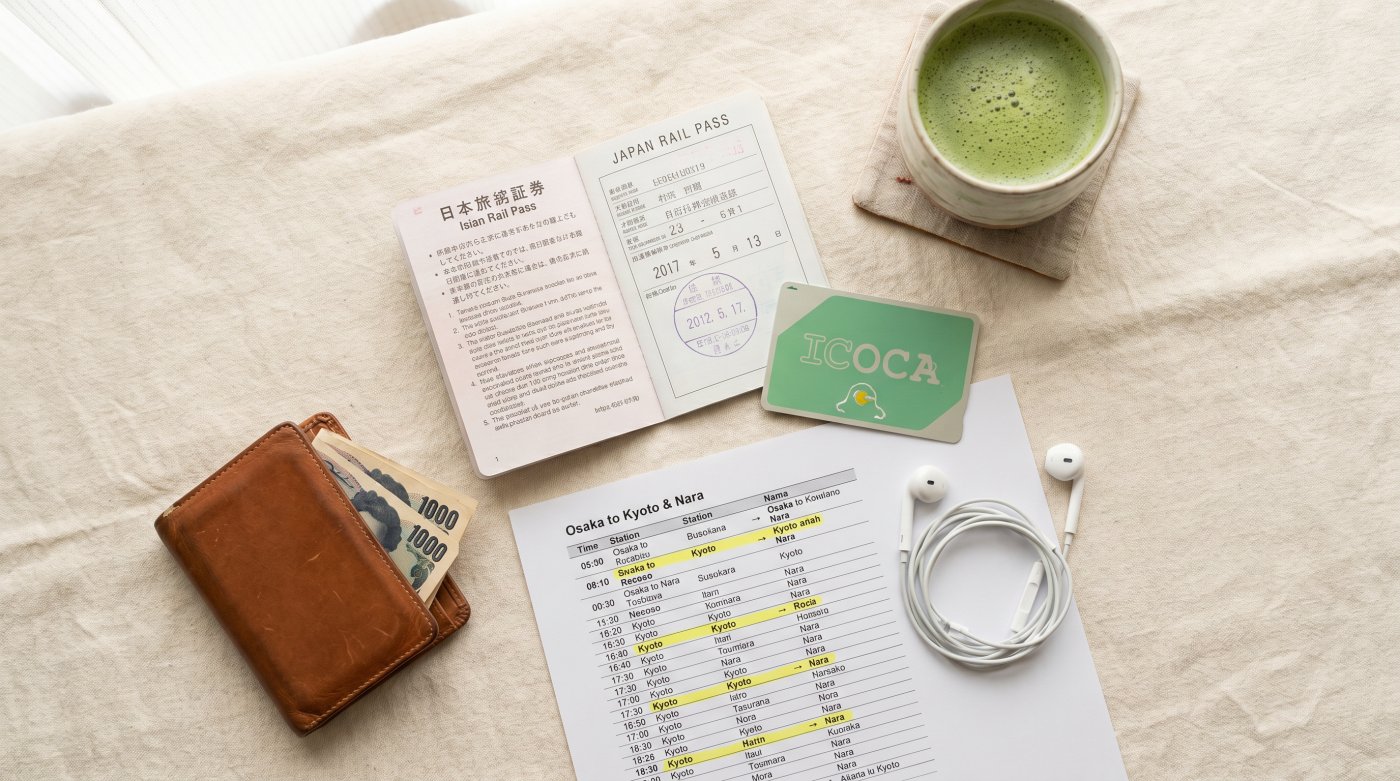
The national JR Pass is no longer cost-effective for most Osaka-based day trips following its significant price increase.
A 7-day national pass now costs considerably more than the regional alternatives, and regional Kansai day trips rarely justify the expense.
The smarter options are regional rail passes, which cover the routes most travelers actually use:
- JR Kansai Area Pass — covers Kyoto, Nara (JR route), Kobe, and Himeji; ideal for 1–3 day trips.
- JR Kansai WIDE Area Pass — extends coverage to Hiroshima via Shinkansen; best for longer itineraries.
- ICOCA IC Card — handles private railways, subways, and last-leg connections seamlessly.
Pairing a regional pass with an ICOCA card covers virtually every route without overpaying for coverage you will never use.
Which Day Trips From Osaka Are Covered by Regional Passes
Several of the easiest and most popular day trips fall fully under the JR Kansai Area Pass, making them the low-stress, high-value choices for travelers who want to keep transport simple.
| Destination | JR Kansai Area Pass | JR Kansai WIDE Pass |
|---|---|---|
| Kyoto | ✅ Full | ✅ Full |
| Nara (JR route) | ✅ Full | ✅ Full |
| Kobe | ✅ Full | ✅ Full |
| Himeji | ✅ Full | ✅ Full |
| Hiroshima (Shinkansen) | ❌ Not covered | ✅ Full |
Kyoto, Nara, Kobe, and Himeji are the strongest value picks on the Kansai Area Pass.
Travelers adding Hiroshima should upgrade to the WIDE pass.
Day Trip Routes That Require Private Railways or Extra Fares
Although regional JR passes open plenty of easy doors, they do not cover everything. Private railways
like Kintetsu to Nara (faster than JR), Hankyu to Arashiyama, or Nankai to Mount Koya fall outside JR coverage entirely.
The workaround is simple.
A JR line handles the longest, priciest stretch, while a quick private transfer finishes the adventure without wrecking the budget.
An ICOCA card makes those add-on hops seamless — no ticket-machine wrestling required.
For Koyasan specifically, the Nankai Koyasan World Heritage Ticket bundles everything into one affordable package.
In short, regional passes are a strong base camp, not a magic carpet.
Osaka Day Trip Tours: Guided vs. Going It Alone
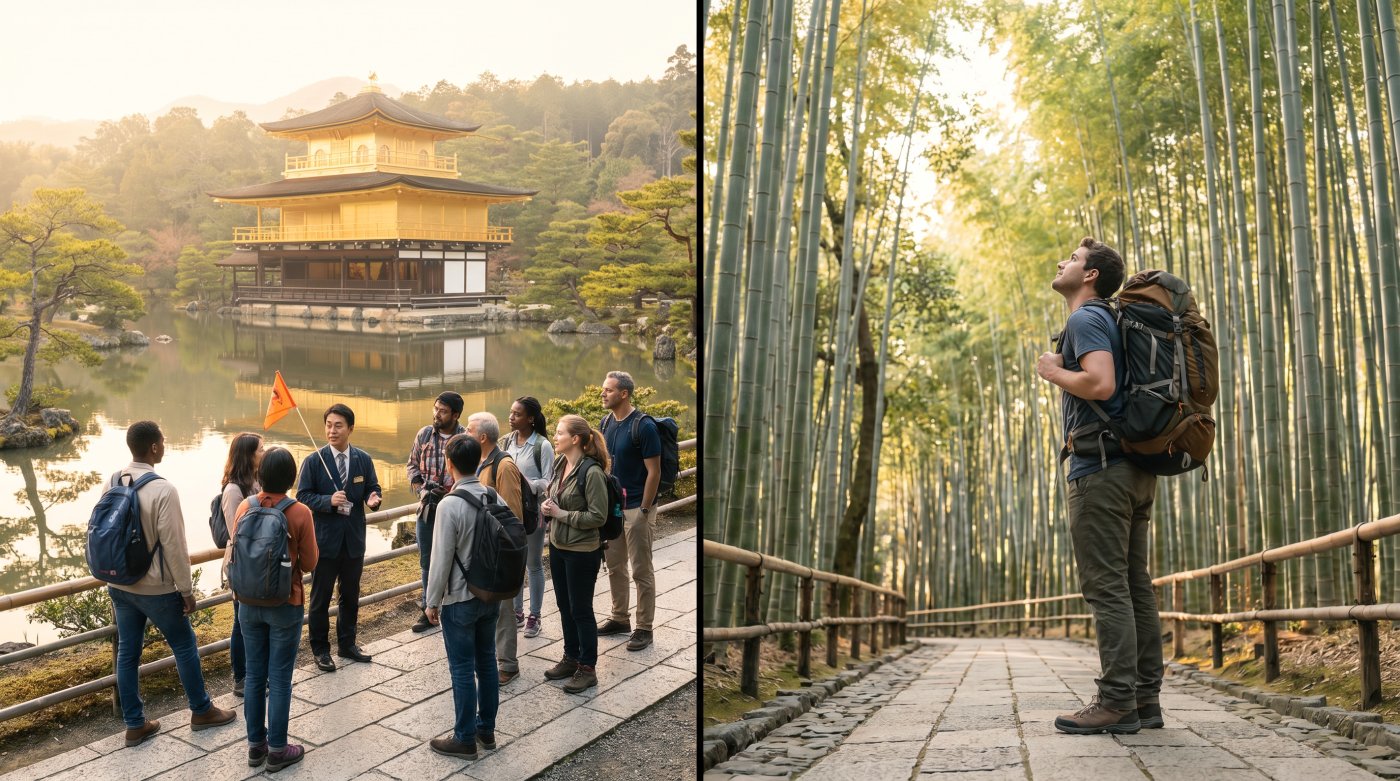
For travelers weighing guided tours against independent planning, the most popular options usually focus on Hiroshima, Kyoto, and Nara, pairing major sights with easy transport and tight scheduling.
Yet self-guided day trips from Osaka are often the better-value choice, especially for those who want more flexibility, lower costs, and time to linger where the atmosphere feels best.
Best Osaka Daily Tours for Hiroshima, Kyoto, and Nara
When time is tight but curiosity is sky-high, Osaka’s best daily tours to Hiroshima, Kyoto, and Nara make it surprisingly easy to pack major history, temple beauty, and famous food into a single well-planned day.
Hiroshima itineraries usually pair Peace Memorial Park with Miyajima, letting visitors move from solemn reflection to floating-torii views and grilled oysters without logistical gymnastics.
Kyoto tours often bundle Fushimi Inari, Arashiyama, and Kiyomizu-dera — ideal for travelers who want iconic sights without spending half the day staring at station maps.
Browsing the best temples and shrines in Kyoto beforehand helps set realistic expectations for what a single day can cover.
Nara trips keep things lighter: Todai-ji, Nara Park, and deer encounters, with enough breathing room for mochi or a quiet garden pause.
The strongest tours offer clear pacing, central departure points, and just enough structure to feel effortless, while still leaving room for wandering and the occasional spontaneous photo stop.
Why Self-Guided Day Trips From Osaka Are Often Better Value
Because Osaka’s rail network is fast, frequent, and refreshingly easy to decode, self-guided day trips often deliver better value than guided tours ever can.
Travelers keep control of time, budget, and appetite, skipping padded itineraries and souvenir-stop detours that drain both yen and patience.
- Buy a regional rail pass for flexible, low-cost hopping.
- Leave early, linger longer, or pivot when weather shifts.
- Pick restaurants locals actually queue for, not tour-group buffets.
- Combine major sights with quiet streets, gardens, and coffee breaks.
This independence suits places like Kyoto, Nara, Kobe, and Himeji especially well.
Stations sit close to headline attractions, signage is excellent, and route apps do the heavy lifting.
Travelers planning Kyoto on a tight budget will find the affordable Kyoto travel guide particularly useful for keeping costs down without missing the highlights.
In practice, going alone often means richer hours, better meals, fewer compromises, and the satisfying thrill of discovering Japan at one’s own rhythm.
How To Plan Multiple Day Trips From Osaka Without Burning Out
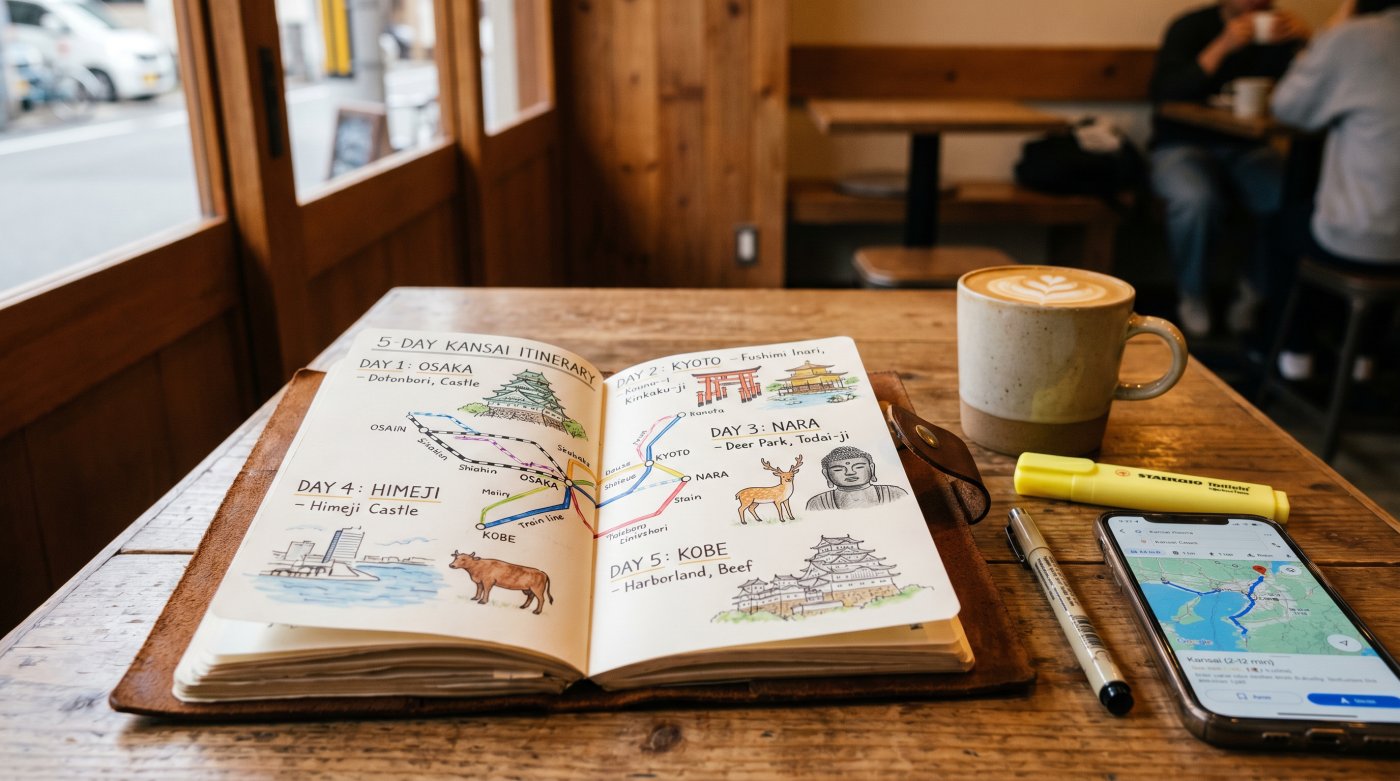
A smart day trip plan spaces bigger outings across the stay, mixing long travel days with lighter ones so the schedule stays energizing instead of punishing.
It also helps to use the areas near Osaka Station wisely, since a quick meal, last-minute shopping stop, or easy sightseeing break before or after a trip can make the whole rhythm feel smoother.
With the right pacing, even a trip packed with side adventures can stay fun, flexible, and pleasantly manageable.
You can also use our AI Trip Itinerary Planner to help you plan it faster and better.
Building a Realistic Osaka Day Trip Schedule Across Your Stay
A realistic schedule spaces bigger outings between lighter city days, giving the body and brain room to breathe.
The smartest approach groups destinations by direction, then alternates intense sightseeing with slower, more open-ended wander days.
- Put one headline trip — like Kyoto or Nara — after an easy arrival day.
- Keep back-to-back long train rides off the calendar; freedom loves breathing room.
- Save flexible destinations for tired mornings, when energy levels call the shots.
- Leave one unscheduled day for weather changes, whims, or a glorious do-nothing reset.
This rhythm keeps momentum high without creating vacation fatigue.
Osaka works best when excursions feel chosen, not endured.
Travelers who enjoy Kyoto as a day trip often find it worth exploring as a base in its own right — the top day trips from Kyoto guide shows how the two cities complement each other beautifully.
Things To Do Near Osaka Station Before or After a Day Trip
Smart trip planning does not end with picking destinations.
The area around Osaka Station acts like a pressure-release valve before or after a full day out.
Instead of sprinting straight onto the next train, travelers can reset at Grand Front Osaka, browse stylish shops, or grab a calm coffee with skyline views.
It keeps the schedule flexible, not frantic.
If energy remains, the Umeda Sky Building offers open-air perspective and a quick reminder that freedom sometimes means simply standing still above the city.
For easy fuel, Lucua South and the station’s basement food halls make snack-hunting almost ridiculously convenient.
A short wander through nearby parks or underground arcades also helps break up transit fatigue.
That small buffer around Osaka Station can turn multiple day trips into something sustainable, smooth, and far more enjoyable.
Wrapping Up
Osaka quietly proves itself a superb launchpad, with day trips that swing from Nara’s deer-dotted parks to Kobe’s glittering harbor and Kyoto’s temple-lined lanes.
A smart traveler might pair one big-ticket outing with one slower gem — say Kyoto on Tuesday, then leafy Yoshino later in the week — avoiding the classic “too many trains, not enough ramen” mistake.
With a little pacing, the right regional rail pass, and an ICOCA card for the gaps, the Kansai region opens up beautifully, efficiently, and with plenty of memorable surprises.
The Kyoto seasonal guide is a useful final check before locking in any itinerary, especially if cherry blossoms or autumn foliage are part of the plan.
Frequently Asked Questions (FAQs)
The most cost-effective approach combines a JR Kansai Area Pass with an ICOCA IC card.
The regional pass covers Kyoto, Nara (JR route), Kobe, and Himeji at a flat rate, while ICOCA handles private railways and subway connections.
Avoid the national JR Pass for Kansai-only travel — the price increase makes it poor value for short regional hops.
Pairing two compact destinations is possible if both are close and in the same direction.
Kyoto and Nara work well together since Nara is accessible from Kyoto in about 45 minutes by Kintetsu.
Kobe and Himeji also combine naturally on a single westward run.
Avoid pairing Hiroshima or Koyasan with anything else — both require the full day to do properly.
Four to five nights in Osaka gives comfortable room for two or three day trips without burning out.
That allows one headline outing — Kyoto, Hiroshima, or Himeji — plus one or two shorter trips to Nara or Kobe, with at least one full day kept free for Osaka itself.
Travelers with more time can add Koyasan or Yoshino without feeling rushed.

A lifestyle and OOTD blogger, Kannaya Nareswari enjoys the small pleasures of cooking, traveling, and documenting ordinary events. She uses genuine storytelling to communicate her love of fashion, culinary explorations, and wanderlust. She is based between Bali and Bandung. She enjoys enjoying coffee at a secret café or experimenting with recipes in the kitchen when she's not traveling to new places or styling her most recent ensemble.