



Best Things To Do In Osaka With Kids: The Complete Family Travel Guide – Osaka is one of Japan’s most family-friendly cities, easy to navigate and packed with kid-approved attractions.
Families typically start with Universal Studios Japan, Osaka Aquarium Kaiyukan, Kids Plaza Osaka, and Osaka Castle Park, then add budget-friendly stops like Tennoji Zoo, the Osaka Science Museum, and open-air breaks at Namba Parks.
Food is refreshingly straightforward, with plain udon, rice bowls, conveyor-belt sushi, and department-store food halls handling even the pickiest eaters.
This guide covers the best things to do in Osaka with kids of all ages, from toddler-friendly spots to rainy-day plans and easy day trips.
Key Highlights
- Visit Universal Studios Japan for age-specific fun, from gentle rides in Universal Wonderland to thrills in Jurassic Park and Harry Potter.
- Explore Osaka Aquarium Kaiyukan and Kids Plaza Osaka for interactive, hands-on experiences that keep younger children engaged and curious.
- Choose budget-friendly stops like Tennoji Zoo, Osaka Science Museum, and Namba Parks for affordable fun, play, and downtime.
- Eat easily with kid-friendly options like plain udon, rice bowls, conveyor-belt sushi, and department-store food halls in Umeda, Namba, and Tennoji.
- Stay in Umeda, Namba, or Tennoji and use compact strollers, off-peak trains, and family-friendly stations for smoother travel.
Is Osaka Kid-Friendly?
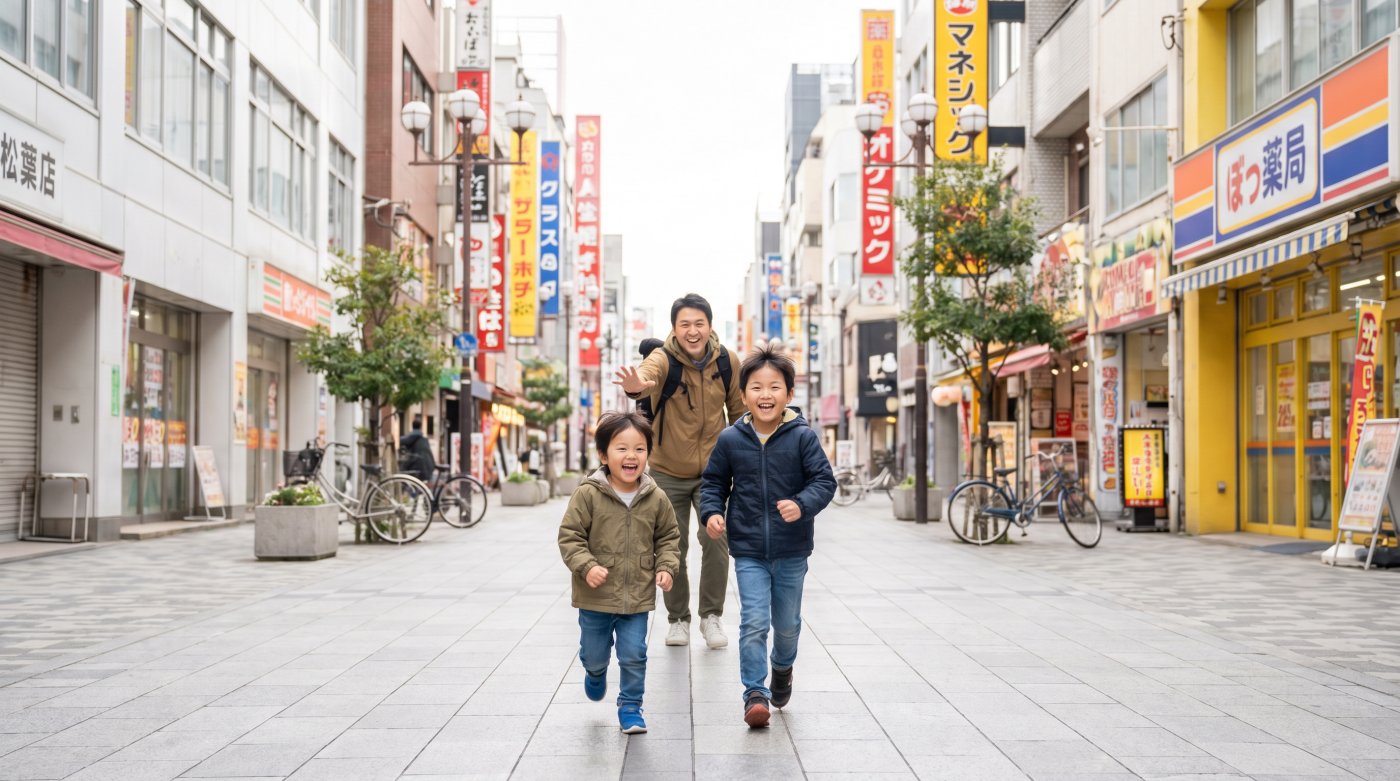
Osaka is one of Japan’s most kid-friendly cities, offering efficient trains, stroller-accessible stations, clean public restrooms, and a relaxed atmosphere that suits families with children of all ages.
Most major attractions cluster near transit hubs, keeping logistics manageable.
Neighborhoods are compact, so families rarely need to travel far between stops.
Many kid-friendly places in Osaka sit within walking distance of train stations, and dining options adapt easily for picky eaters.
Family facilities inside shopping malls and department stores — including nursing rooms, high chairs, and elevators — remove common friction points.
Reliable bilingual signage also helps international families navigate confidently.
Even everyday city life in Osaka doubles as entertainment, making exploration feel spontaneous rather than rigidly scheduled.
- Travel to Osaka on a Budget: How To Visit Without Overspending
- Best Areas to Stay in Osaka: Neighborhoods Guide for Every Traveler
- Getting Around Osaka: The Complete Transportation Guide
- Things to Know Before Traveling to Osaka: The Complete Osaka Travel Guide
- Best Time to Visit Osaka: Complete Seasonal Guide
- Best Things to do in Osaka: The Ultimate Local’s Guide
Best Things To Do In Osaka With Kids of All Ages
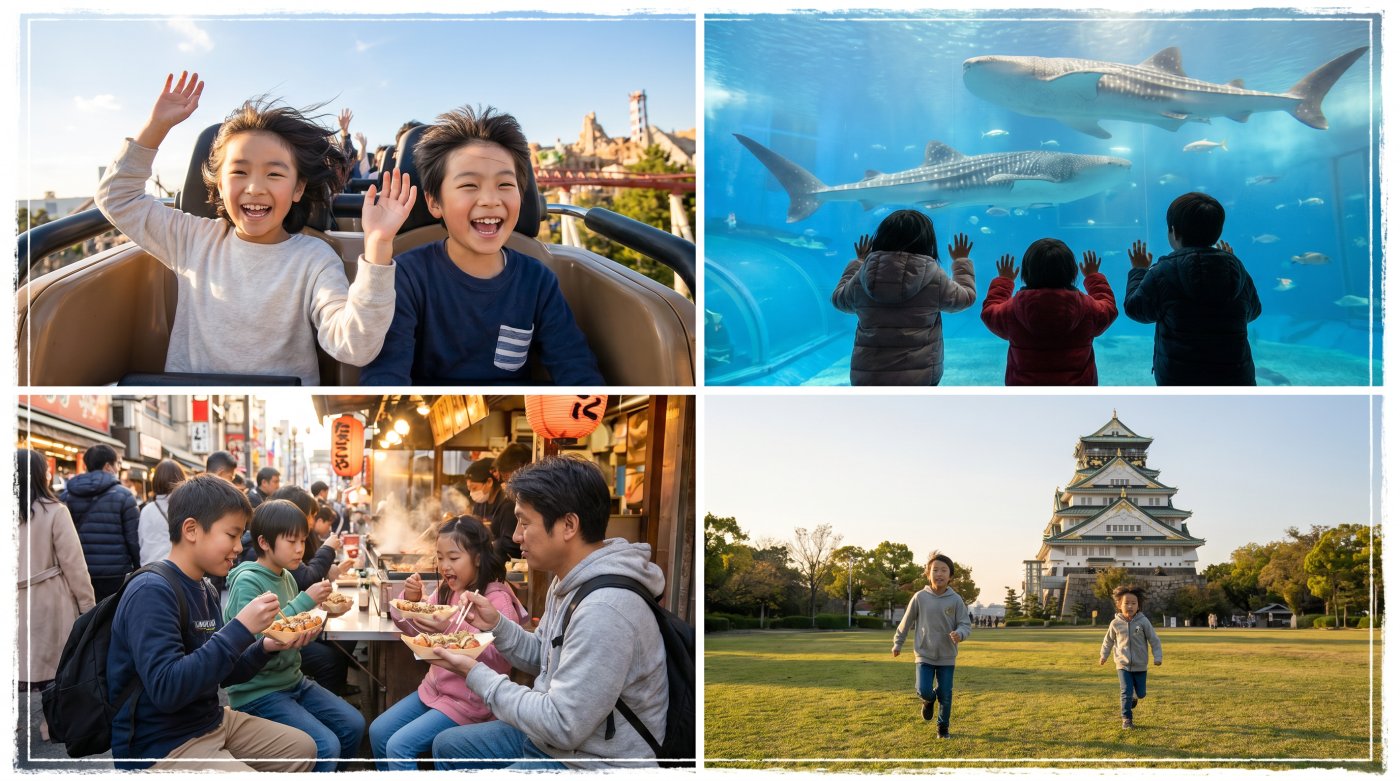
Osaka’s top family attractions consistently appeal to toddlers, school-age children, teens, and adults alike.
Universal Studios Japan, Osaka Aquarium Kaiyukan, Kids Plaza Osaka, and Osaka Castle Park form the core of most family itineraries.
Together, these four attractions cover thrills, marine wonder, hands-on learning, and outdoor history — a strong mix for varied ages and energy levels.
If you are also planning a side trip, the top things to do in Kyoto with kids and family pair beautifully with an Osaka base, since the two cities sit less than 30 minutes apart by shinkansen.
1. Universal Studios Japan
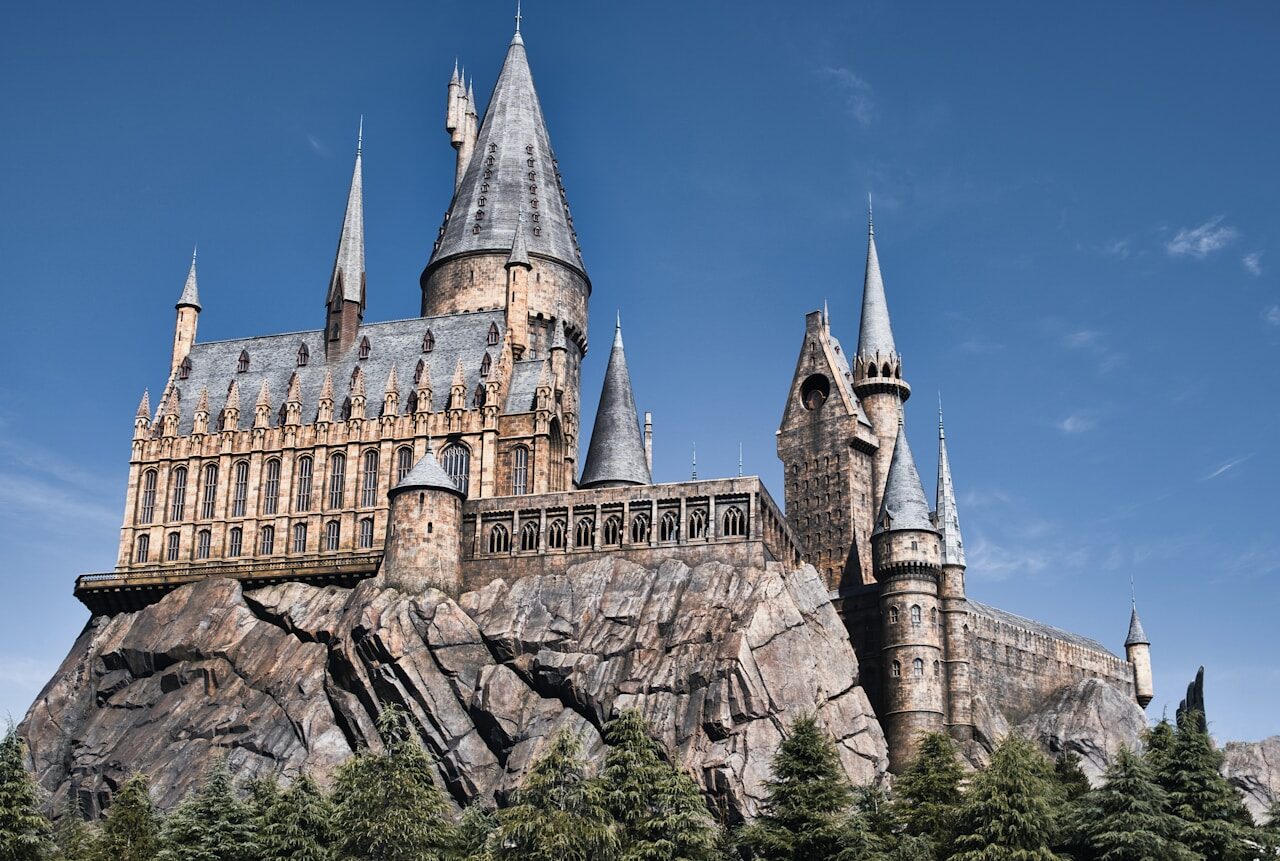
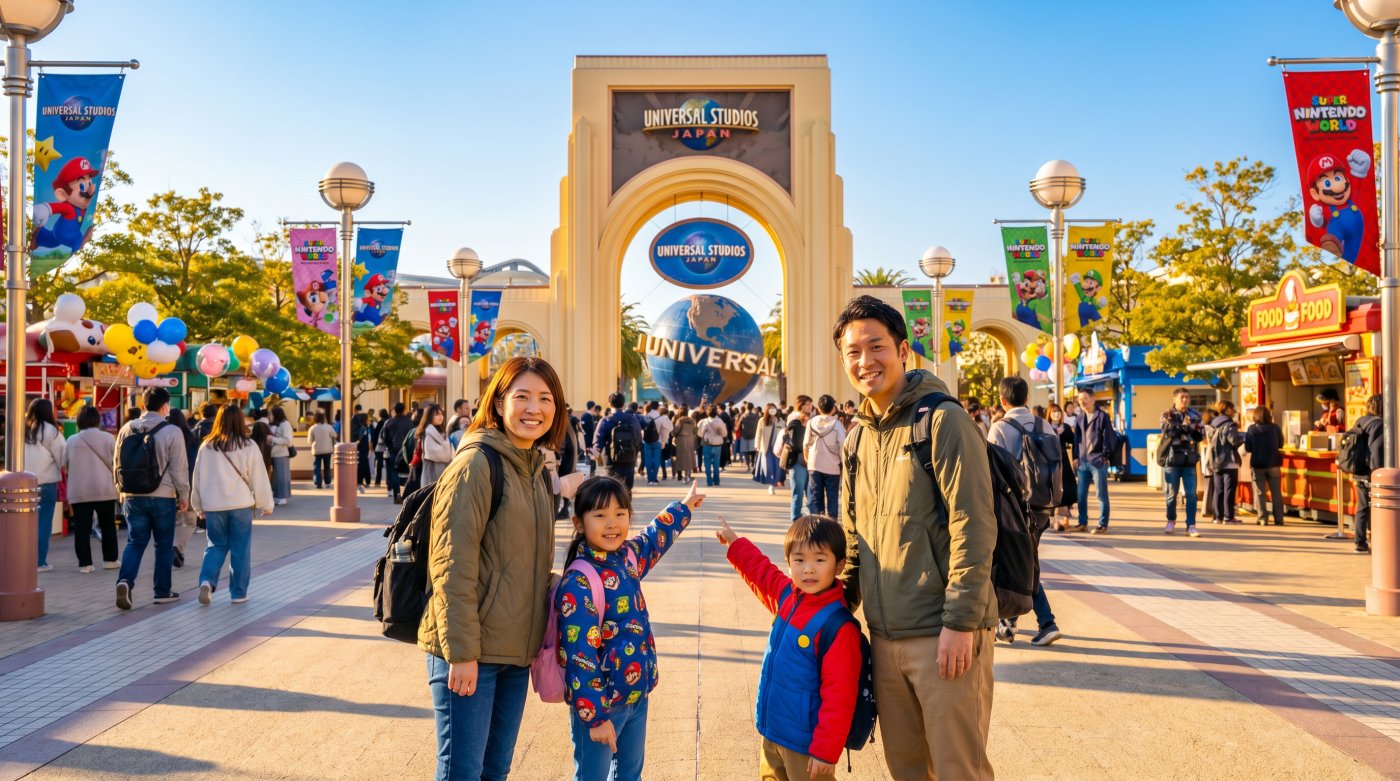
Universal Studios Japan (USJ) is Osaka’s biggest family crowd-pleaser, with themed zones and rides that suit everyone from cautious toddlers to fearless teenagers.
The park sits in the Sakurajima area of Osaka and is reachable by JR Yumesaki Line from Osaka Station in approximately five minutes.
Admission for adults (aged 12+) starts from ¥8,600 to ¥10,900 and for children (aged 4–11) from ¥5,400 to ¥6,800, with prices varying by date under USJ’s dynamic seasonal pricing system.
Opening hours are generally 8:30 AM to 9:00 AM (opening) and 7:00 PM to 9:00 PM (closing), varying by season and special events — check the official USJ calendar before your visit for the exact schedule on your chosen date.
Best Rides and Zones at USJ for Different Age Groups
USJ divides naturally by age group, making it straightforward to plan a day around your children’s interests and height requirements.
- Universal Wonderland suits the youngest visitors, with Snoopy Studios, Hello Kitty Fashion Avenue, and gentle character rides designed for under-fives.
- Minion Park works well for elementary-age children, combining playful chaos, interactive games, and accessible rides.
- The Wizarding World of Harry Potter and Jurassic Park deliver bigger thrills for older kids and teens, including the Flying Dinosaur roller coaster.
Families with mixed ages often split the day: younger children in Universal Wonderland during the morning, then older kids lead the afternoon in the headline zones.
Tips for Visiting Universal Studios Japan With Toddlers
A smoother day at USJ with toddlers starts with early arrival, ideally at gate opening, to access popular zones before peak crowds build.
Stroller rental is available inside the park at approximately ¥1,000 per day (for children up to 3 years old), located near the park entrance.
Schedule snack breaks every 90 minutes to manage energy levels.
The Baby Center near the park entrance provides nursing facilities, changing tables, and a quiet space for breaks.
Height restrictions apply to major rides, so check the USJ website before visiting to set realistic expectations.
Universal Wonderland has no height restrictions on most attractions, making it the safest anchor zone for toddler-focused days.
Book Universal Studios Japan Tickets
Check the current tickets pricing and availabity, tour options, and starting point from our most trusted travel partners.
 Klook
Klook GetYourGuide
 Booking.com
 Expedia
 KKday
KKday Trip.com
 Traveloka
 Pelago
2. Osaka Aquarium Kaiyukan
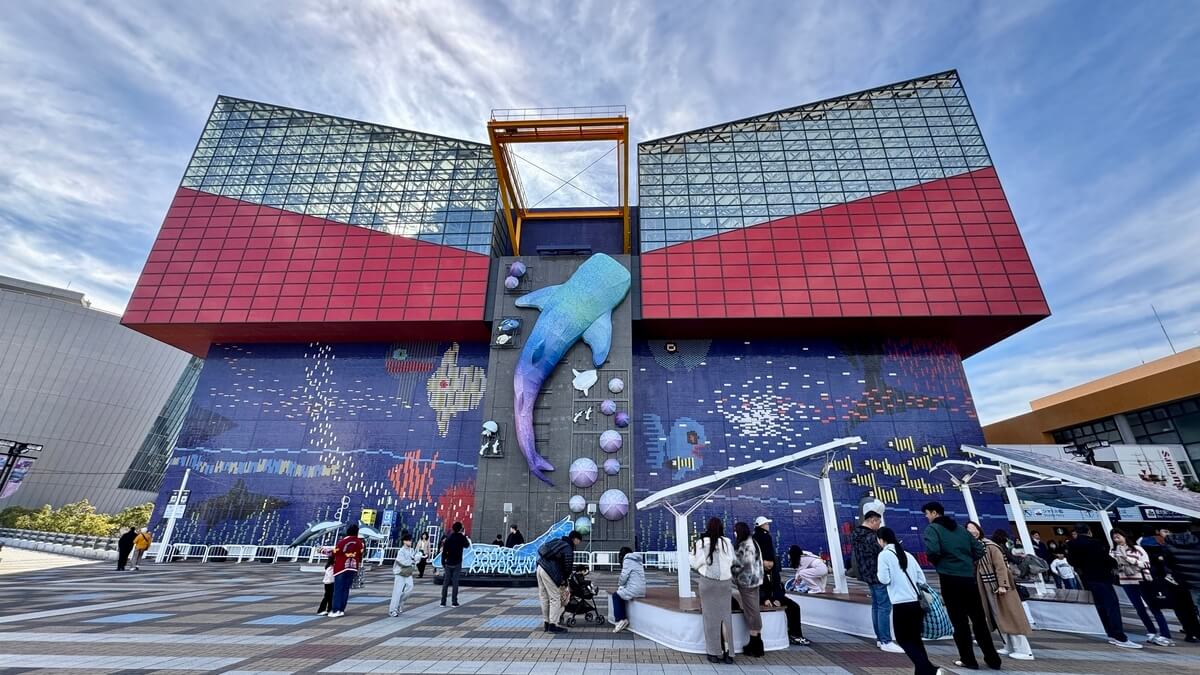
Osaka Aquarium Kaiyukan is one of the largest aquariums in the world, housing approximately 30,000 creatures across 15 themed tanks.
The central Pacific Ocean tank holds around 5,400 tonnes of water and features whale sharks — the headline attraction for most visiting families.
Admission is ¥2,300 for adults (aged 16–59) and ¥1,200 for children aged 7–15; younger children aged 4–6 pay ¥600, while children aged 3 and under enter free.
Opening hours are 10:00 AM to 8:00 PM (last entry at 7:00 PM) daily, though hours may vary on peak season days and public holidays.
The aquarium sits at Tempozan Harbor Village, reachable via Osaka Metro Chuo Line to Osakako Station — approximately 17 minutes from Osaka Station (via JR Loop Line transfer at Bentencho) or 20 minutes from Namba Station.
What Kids Love Most Inside Kaiyukan
Beyond the whale sharks, children consistently respond most to the interactive and movement-rich moments inside Kaiyukan.
Sea otters tumbling near the glass, penguins darting past at speed, and rays gliding overhead in the tunnel section all generate the loudest reactions.
The spiral walkway design means families descend gradually through ocean zones, keeping movement constant and attention naturally refreshed.
There are no dead-end galleries, which helps with toddler flow.
Hands-on touch pools near the entrance let younger children make direct contact with marine life under staff supervision, adding a tactile dimension that passive exhibits cannot match.
3. Kids Plaza Osaka
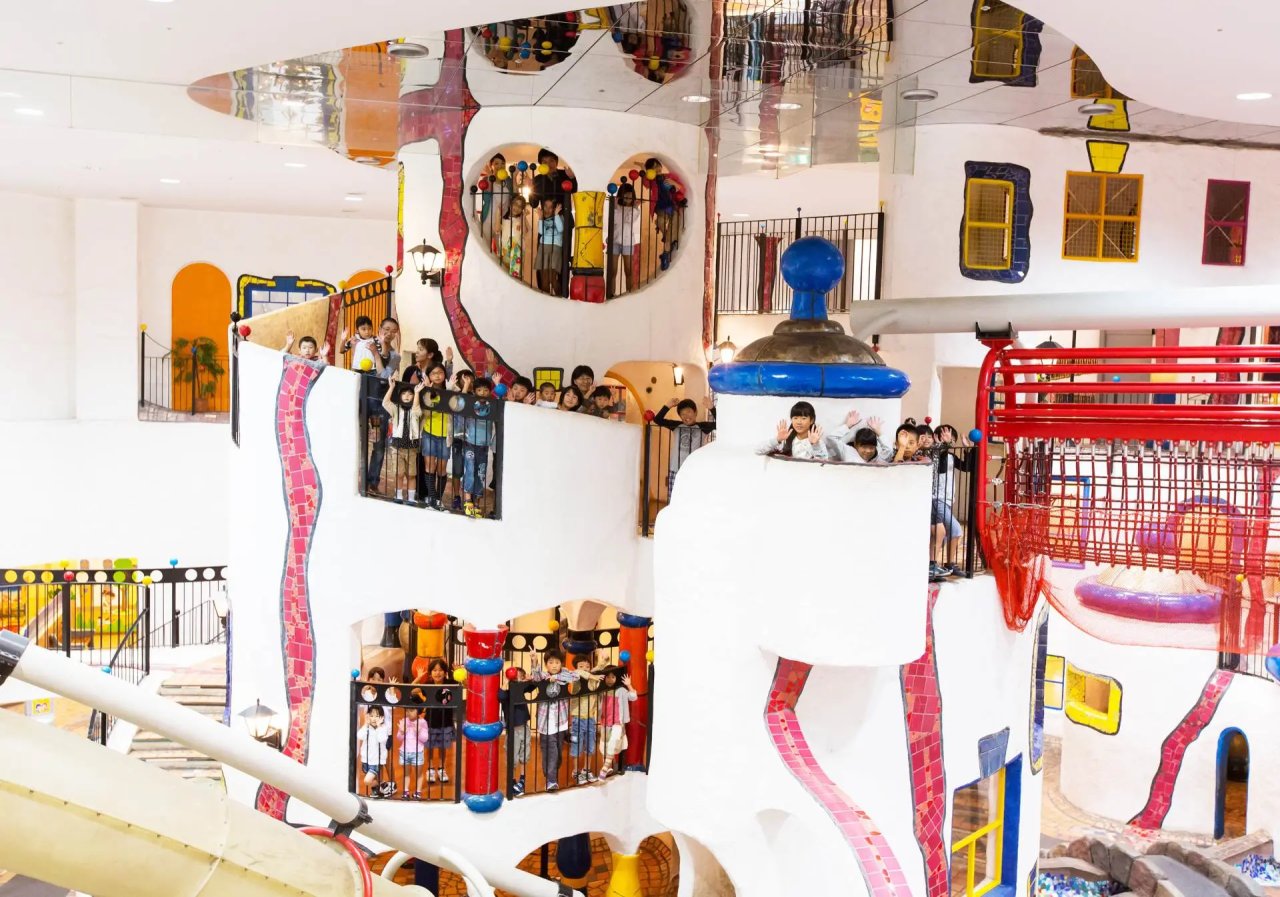
Kids Plaza Osaka is a dedicated children’s museum in the Tenjinbashisuji area, designed entirely around active, hands-on learning.
The museum spans multiple floors of climbing structures, water play, science experiments, and creative zones built for children aged roughly 0–15.
Admission is ¥1,500 for adults (aged 16 and over), ¥800 for children aged 7–15, ¥500 for infants aged 3–6, and free for children aged 2 and under.
Opening hours are 9:30 AM to 5:00 PM (last ticket sold 45 minutes before closing).
The museum is closed on the second and third Mondays of each month (or the following Tuesday if that Monday is a public holiday), plus New Year holidays from December 28 to January 2.
Why Kids Plaza Osaka Stands Out for Families
Unlike more passive attractions, Kids Plaza Osaka turns the entire visit into active play.
Children can climb a multi-storey structure, experiment with water channels, build in construction zones, and explore a simulated city street — all within one building.
The museum’s design removes the usual “don’t touch” tension, replacing it with deliberate encouragement to handle, test, and break things safely.
That shift in atmosphere makes a noticeable difference for families with energetic or easily bored children.
A dedicated infant and toddler zone on the lower floors gives under-threes a calm, age-appropriate space separate from the busier upper levels.
4. Osaka Castle Park
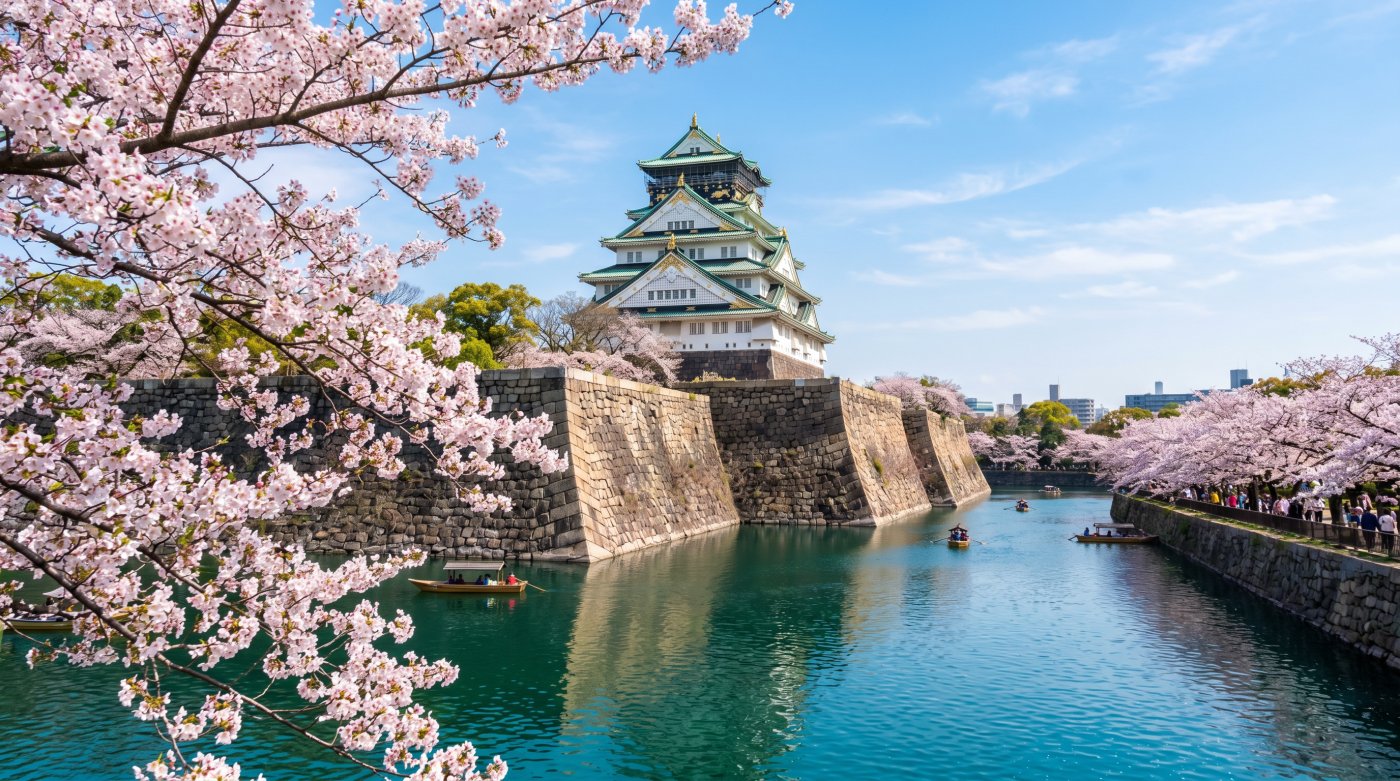
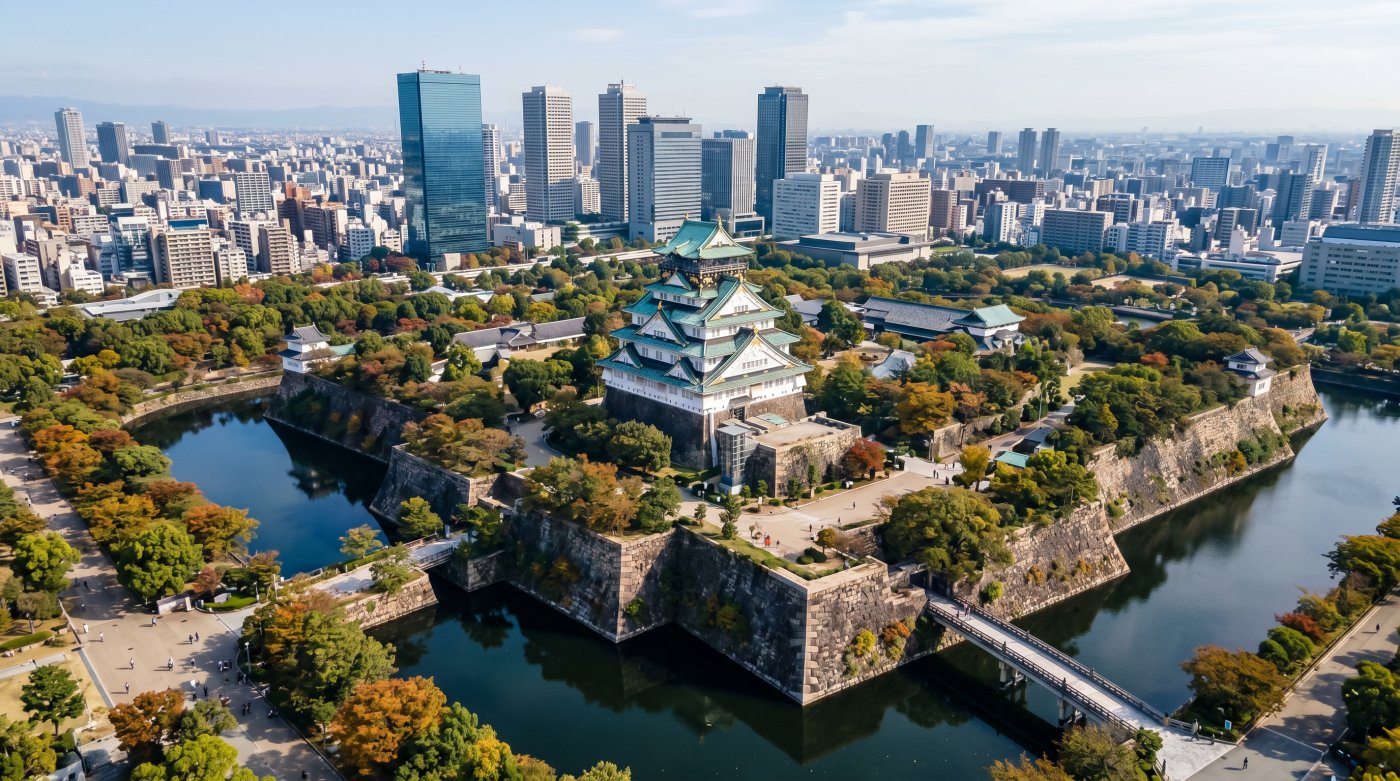
Osaka Castle Park surrounds the iconic 16th-century castle with wide lawns, stone walls, moats, and towering gates that give families room to roam freely.
The park grounds are free to enter; admission to the castle tower interior is ¥1,200 for adults, ¥600 for high school and college students, and free for junior high school students and younger.
The castle tower is open 9:00 AM to 5:30 PM (last entry), closing at 6:00 PM, daily except New Year holidays (December 28 to January 1).
The park sits a 10-minute walk from Tanimachi 4-chome Station on the Tanimachi and Chuo lines.
Making Osaka Castle Engaging for Younger Visitors
The Osaka Castle works best as an outdoor adventure rather than a formal museum visit.
Wide lawns invite running and picnicking, while the stone walls, moat bridges, and golden roof ornaments give children plenty of visual details to hunt and discuss.
Inside the tower, exhibits trace Osaka’s feudal history across eight floors, with models, armour, and interactive displays that hold attention reasonably well.
The top-floor observation deck rewards the climb with panoramic city views.
Families with very young children often enjoy the grounds without entering the tower, keeping the outing relaxed and free.
Fun Things To Do In Osaka With Family on a Budget
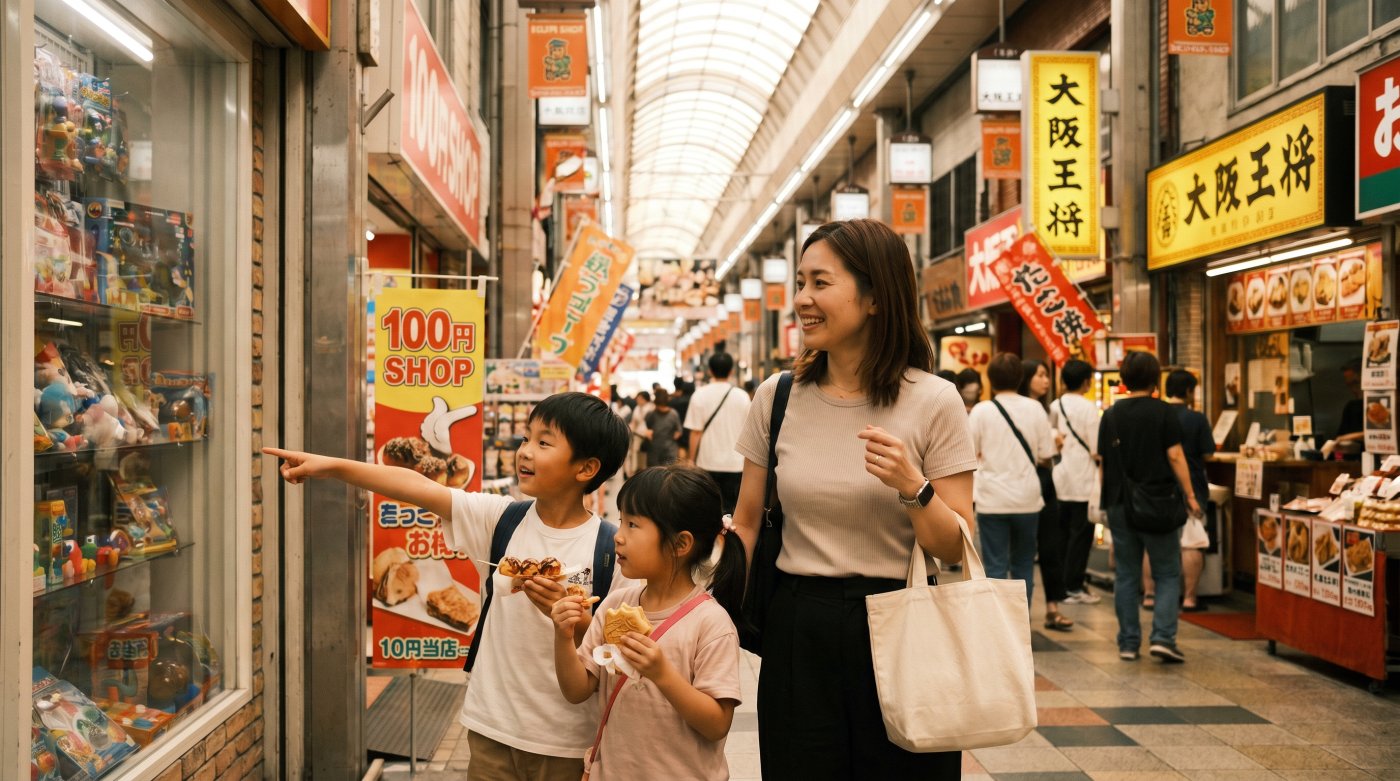
Osaka offers strong value for family travel, with several standout attractions available at low or no cost.
Tennoji Zoo, Namba Parks, and the Osaka Science Museum together provide a full day of entertainment without significant spending.
For broader budget strategies across Japan, the Kyoto budget travel guide covers money-saving approaches that apply equally well to an Osaka base.
5. Tennoji Zoo
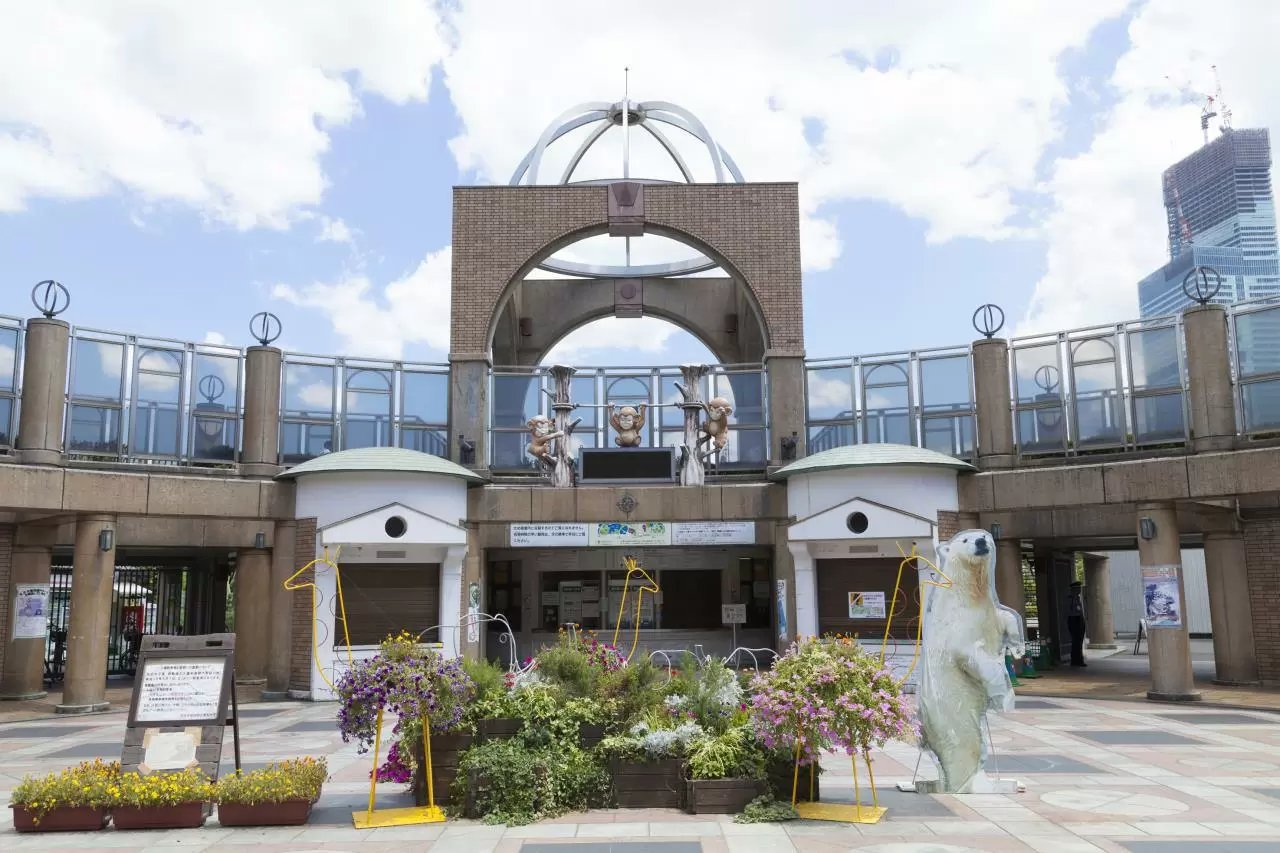
Tennoji Zoo is one of Japan’s oldest zoos, located beside the Shinsekai district and easily reached from Tennoji Station.
Admission is ¥500 for adults and ¥200 for elementary and junior high school students, with preschool children entering free — making it one of Osaka’s most affordable family attractions.
Note: a price increase is scheduled to take effect from July 1, 2026, so verify the latest fees on the official website before your visit.
Opening hours are 9:30 AM to 5:00 PM (last admission at 4:00 PM), with extended hours until 6:00 PM (last admission 5:00 PM) on Saturdays, Sundays, and national holidays in May and September; the zoo is closed on Mondays (or the following weekday if Monday is a national holiday) and from December 29 to January 1.
The layout is manageable for a half-day visit, with animal exhibits ranging from lions and giraffes to penguins and reptiles.
Its central location pairs naturally with a walk through Shinsekai or a visit to Tennoji Park, turning a low-cost zoo outing into a full afternoon.
6. Namba Parks and Outdoor Spaces
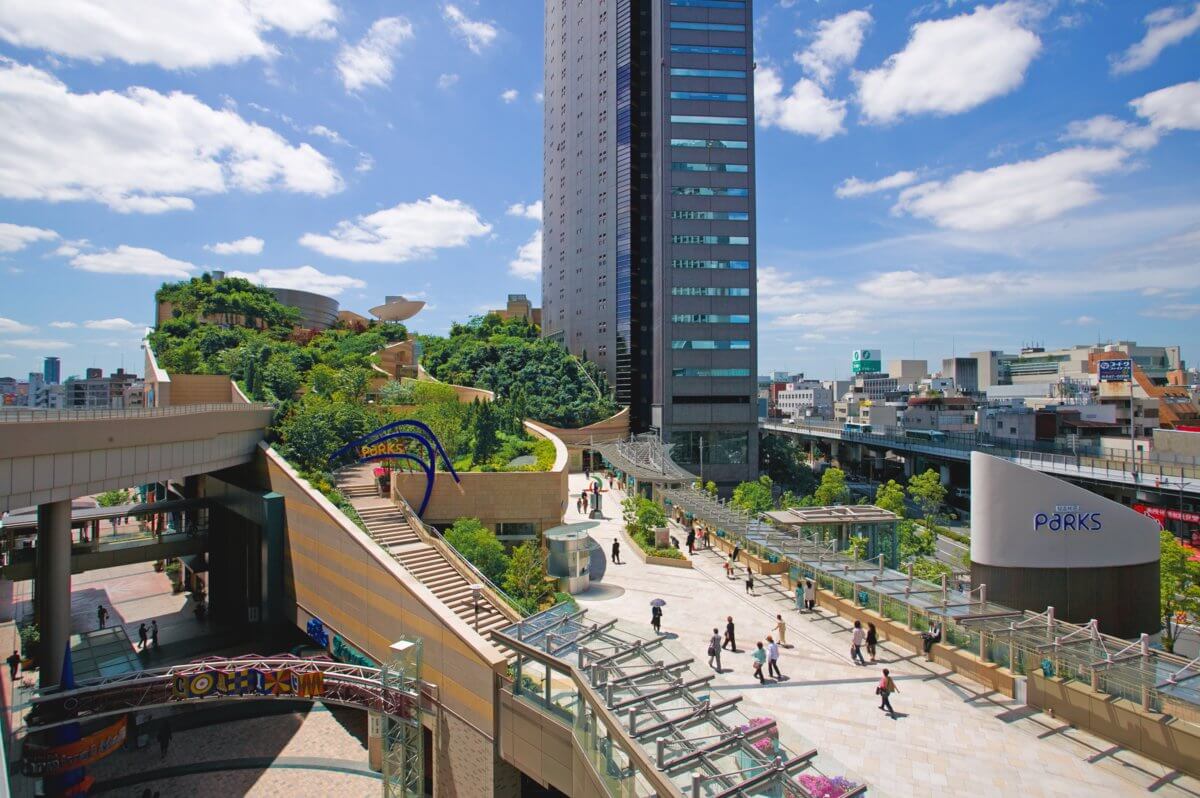
Namba Parks is a multi-level shopping and garden complex in central Namba, built across a series of landscaped terraces that rise above street level.
Entry to the outdoor areas is free, giving families open-air space to roam without any admission cost.
Children can zigzag up the terraced gardens, explore water features, and burn off energy while adults enjoy skyline views and a rare sense of calm in the middle of busy Namba.
The complex connects directly to Namba Station, making it an easy add-on between other stops.
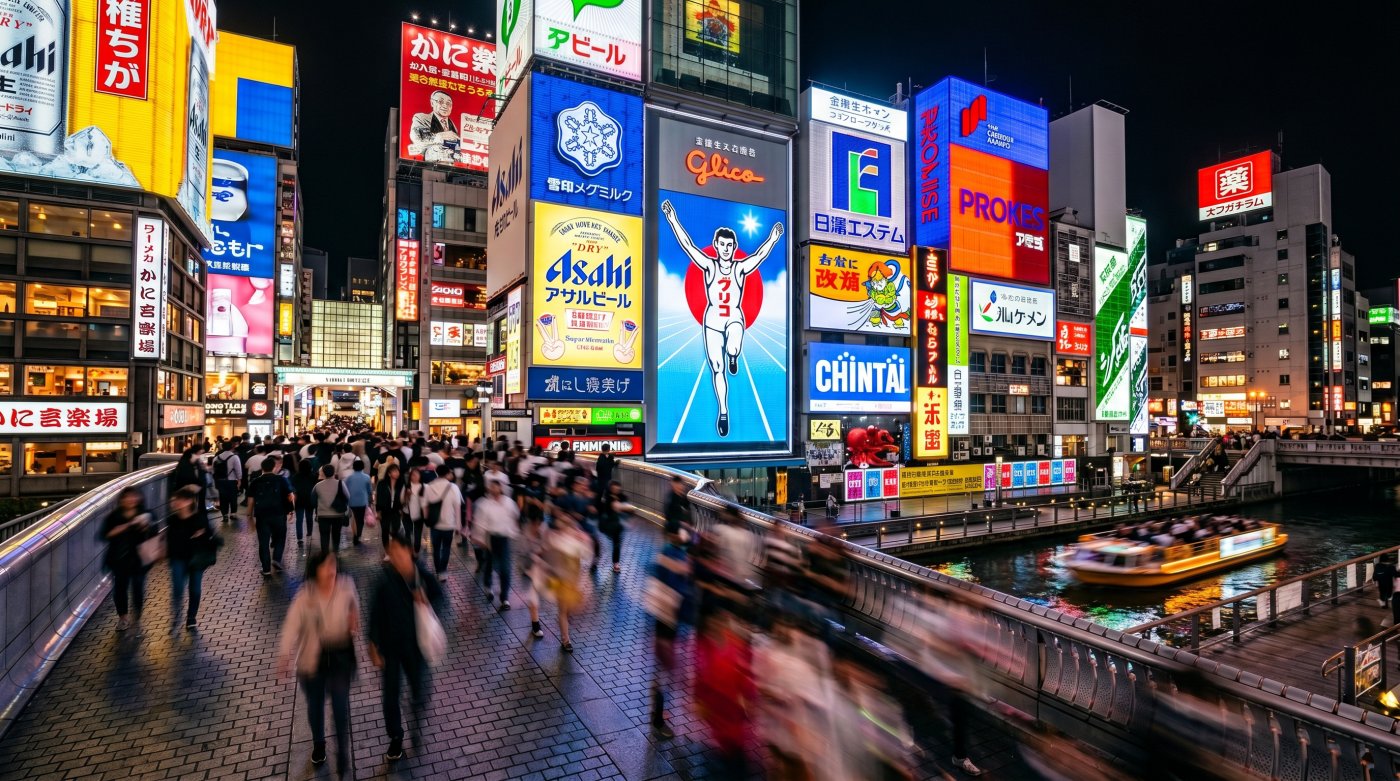
Nearby pedestrian plazas around Dotonbori and Shinsaibashi add further low-cost wandering space, ideal for spontaneous detours and street-food grazing.
7. Osaka Science Museum
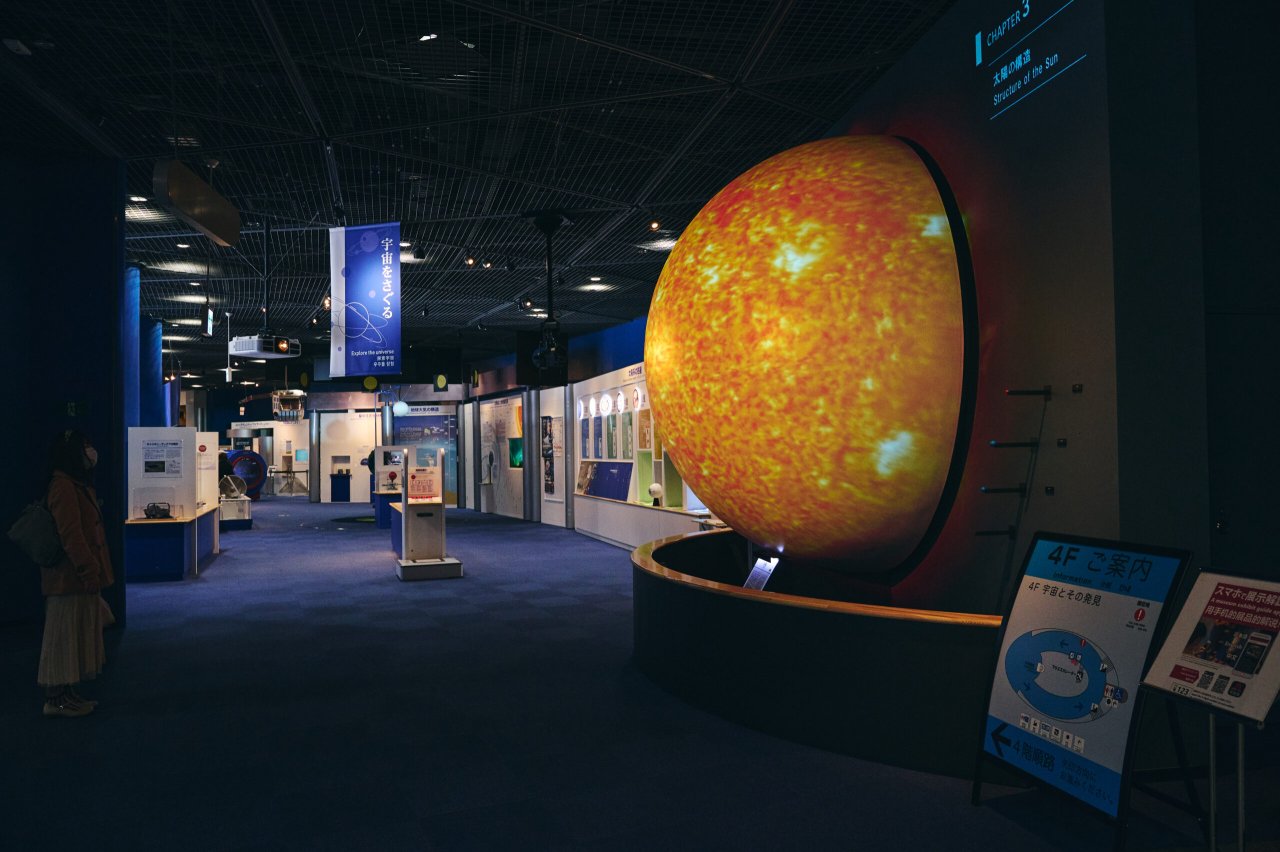
The Osaka Science Museum sits beside the Tosabori River on Nakanoshima Island, offering interactive science exhibits across four floors plus a planetarium.
Admission to the exhibition hall is ¥400 for adults (aged 23 and over), ¥300 for high school and university students (aged 15–22), and free for children aged 3–14; planetarium shows are priced separately at ¥600 for adults, ¥450 for students, and ¥300 for children aged 3–14.
Opening hours are 9:30 AM to 5:00 PM (last admission at 4:30 PM, last planetarium show at 4:00 PM); the museum is closed on Mondays (or Tuesday when Monday falls on a national holiday), plus year-end and New Year holidays.
Interactive exhibits cover electricity, magnetism, space, and chemistry, with enough hands-on stations to keep children actively engaged for two to three hours.
The planetarium provides a calm, cinematic break — particularly useful after high-energy outdoor stops.
On rainy or hot days, this museum is one of the smartest budget-friendly pivots available to Osaka families.
Things To Do In Osaka With Toddlers
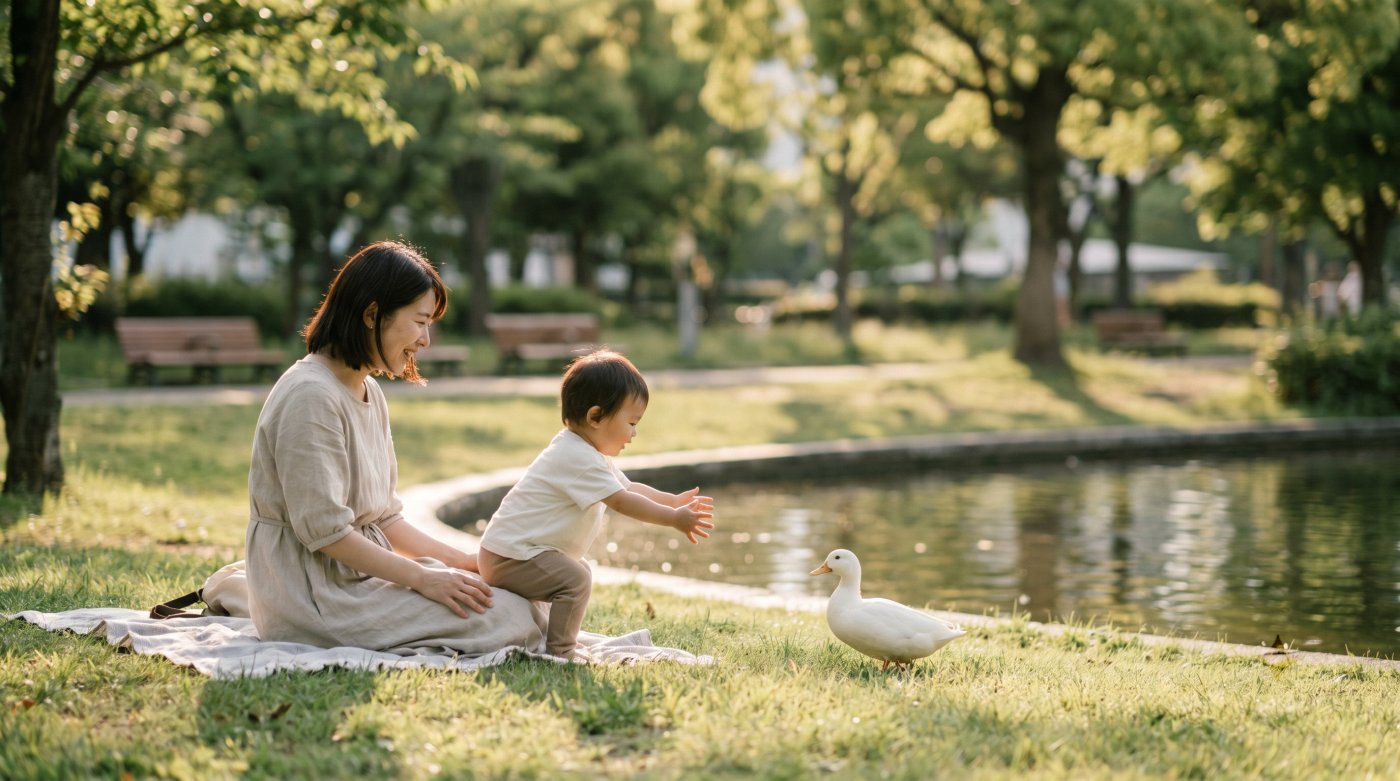
Osaka with toddlers is most manageable when itineraries prioritise stroller-friendly routes, elevator-equipped stations, and attractions with open space for free movement.
Tempozan Harbor Village, Tennoji Park, and Osaka Castle Park grounds consistently rank as the easiest wins for under-threes.
Crowded shopping arcades, stations with long staircases, and late-afternoon peak-hour trains are best avoided when travelling with babies and toddlers.
Is Osaka Good for Toddlers?
Osaka is a practical destination for families with toddlers, provided itineraries focus on spacious, stroller-accessible areas rather than dense shopping districts or multi-level entertainment complexes.
The city’s subway system has elevators at most major stations, and large parks offer free roaming space.
Broad waterfront promenades at Tempozan, the lawns of Osaka Castle Park, and the open paths of Tennoji Park all suit toddler energy levels well.
Convenience stores on nearly every block provide quick access to snacks, drinks, and basic supplies.
The main challenges are rush-hour trains, narrow shotengai (covered shopping streets), and some older station exits without elevator access.
Planning around these avoids most friction.
Best Stroller-Friendly Areas in Osaka
The most stroller-friendly areas in Osaka include Osaka Castle Park, Tennoji Park, and the Tempozan bayside precinct.
All three offer wide, flat paths, nearby restrooms, and natural break points.
- Osaka Castle Park provides expansive lawns and paved paths with no admission cost for the grounds.
- Tennoji Park sits adjacent to the zoo and offers shaded walking paths and open green space.
- Tempozan delivers sea breezes, broad waterfront walkways, and easy stroller access throughout.
Avoid the narrow lanes of Kuromon Market and the densest sections of Dotonbori during peak hours with a stroller.
Toddler-Friendly Food Stops and Quiet Breaks
The easiest refuelling rhythm for Osaka with toddlers is to pair major sights with nearby food halls or park cafés where elevators, high chairs, and clean restrooms are reliably available.
Department store restaurant floors in Umeda (Hankyu, Daimaru) and Namba (Takashimaya) offer calm seating, varied menus, and toddler-friendly infrastructure.
Namba Parks also has casual ground-floor eateries with outdoor seating and stroller space.
Keeping snacks from convenience stores in the bag at all times remains the single most effective toddler-management strategy in Osaka.
8. Tempozan Harbor Village
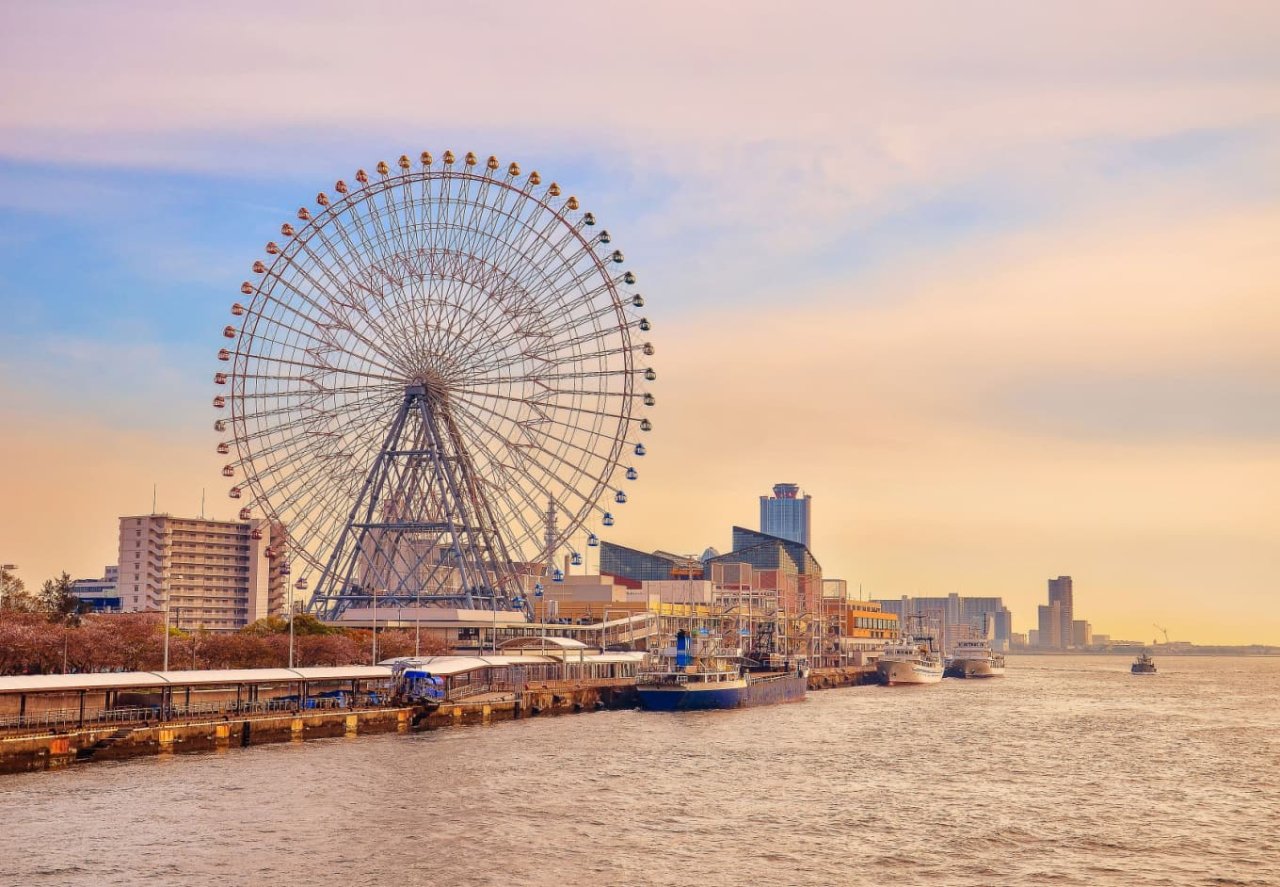
Tempozan Harbor Village is a bayside complex in Osaka’s Minato Ward, combining Osaka Aquarium Kaiyukan, the Tempozan Giant Ferris Wheel, Legoland Discovery Center Osaka, and a marketplace with casual dining.
The area is reachable in approximately 15 minutes from Namba Station via the Chuo Line subway to Osakako Station.
Wide, flat walkways and sea-level elevation make the entire precinct highly stroller-friendly.
The Tempozan Giant Ferris Wheel rotates slowly enough for most toddlers to ride comfortably; tickets are ¥900 per person (for ages 3 and over), with no fixed closing day and operating hours of 10:00 AM to 9:00 PM on weekdays and 10:00 AM to 10:00 PM on weekends and national holidays (last boarding 15 minutes before closing).
Benches, open plazas, and waterside air create natural reset points throughout the day.
Shops and casual eateries cluster close together, making it easy to pivot quickly between activities, meals, and rest breaks.
Osaka Attractions for Families Who Want Culture
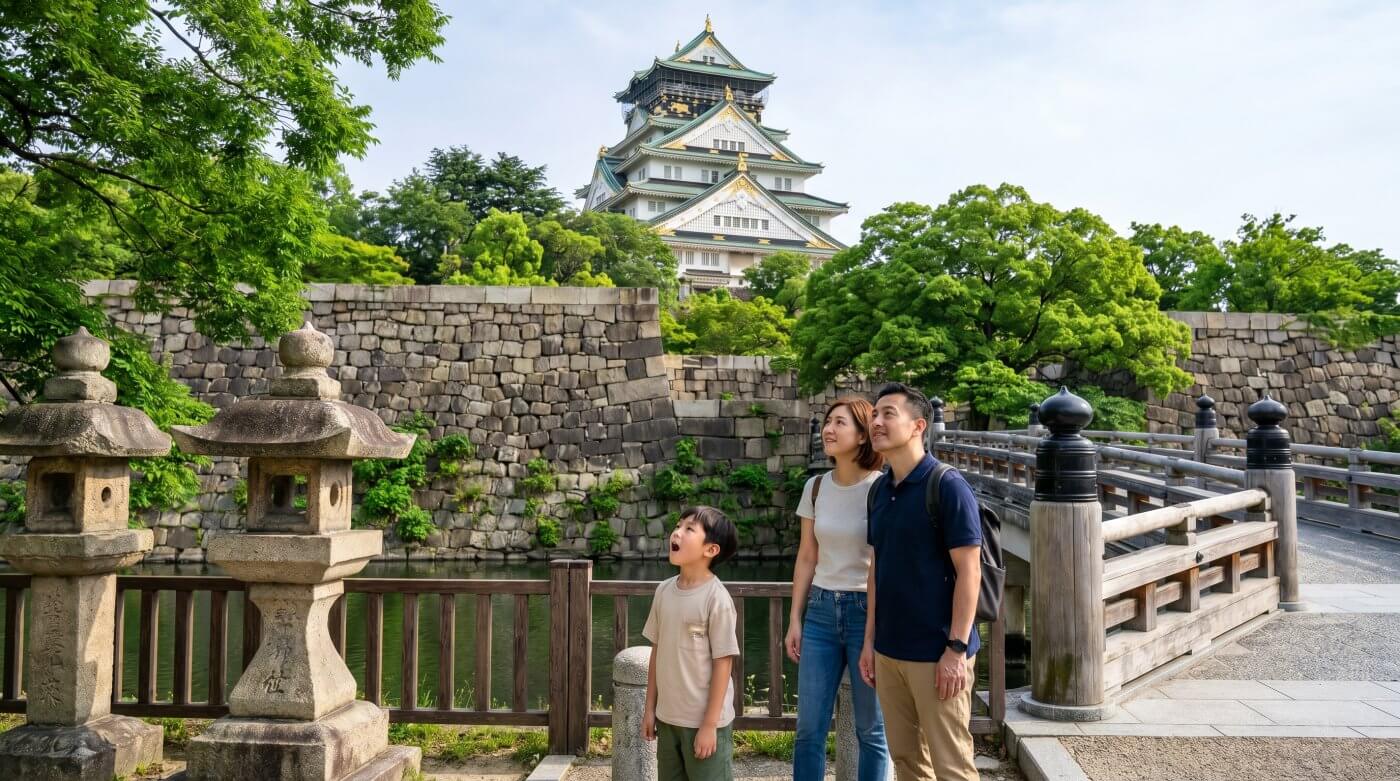
For families hoping to add cultural depth to an Osaka trip without triggering a full-scale meltdown, two stops strike the balance particularly well: Sumiyoshi Taisha and the Osaka Museum of History.
Both offer strong visual storytelling, open layouts, and enough child-friendly detail to hold attention without requiring long periods of quiet standing.
9. Sumiyoshi Taisha
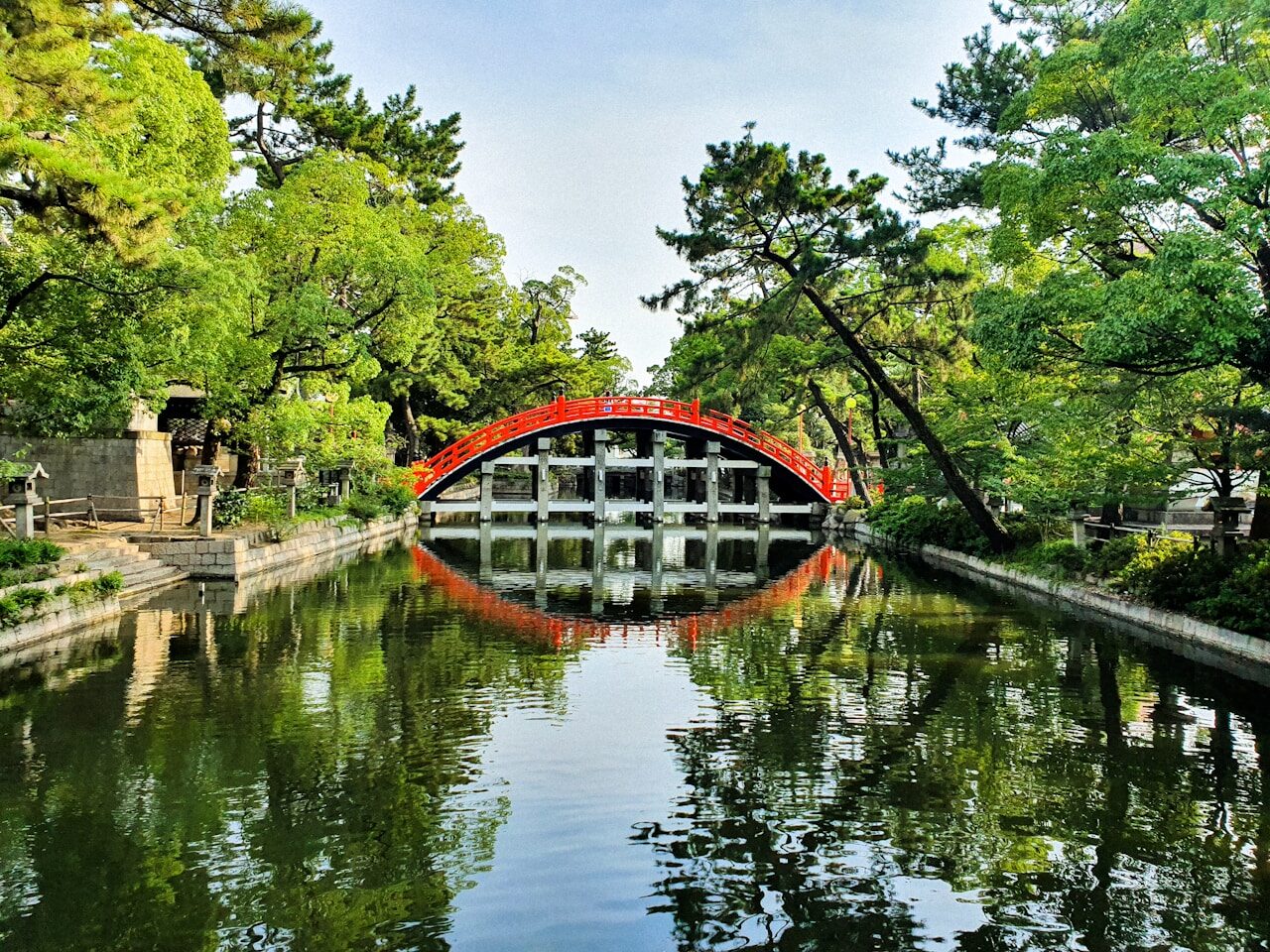
Sumiyoshi Taisha is one of Japan’s oldest Shinto shrines, dating back approximately 1,800 years, and serves as the head shrine of roughly 2,300 Sumiyoshi shrines across the country.
It sits in the Sumiyoshi district of southern Osaka, about 20 minutes from Namba by the Nankai Main Line.
Entry to the shrine grounds is free.
The famous arched Sorihashi Bridge, vermilion-painted halls, and turtle-filled ponds give children plenty of visual anchors without requiring formal engagement.
The open courtyard layout allows free movement, reducing the bottleneck frustration common in more enclosed cultural sites.
Guardian figures, bright architectural details, and the pond turtles create natural conversation starters for curious children.
10. Osaka Museum of History
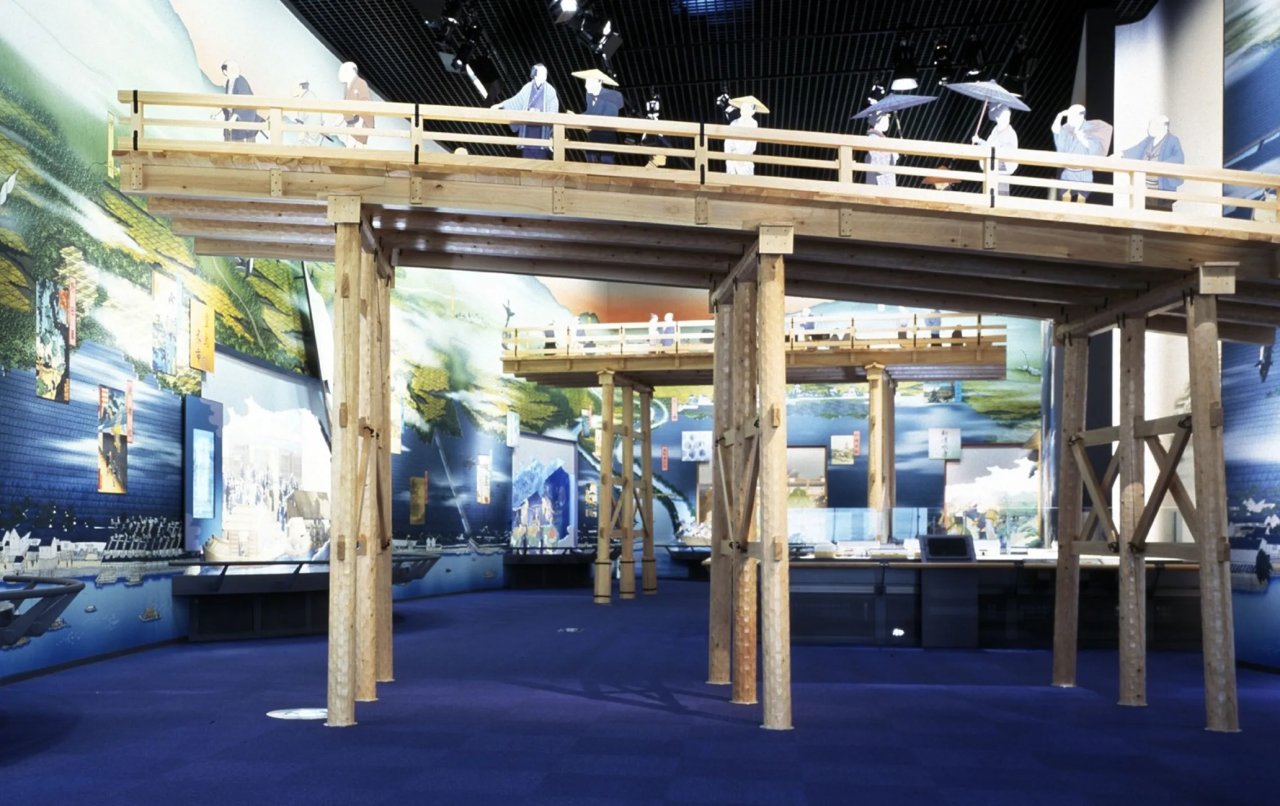
The Osaka Museum of History occupies a modern tower near Osaka Castle, with exhibits spanning the city’s history from ancient Naniwa to the modern era.
Admission is ¥600 for adults (¥540 for groups of 20 or more), ¥400 for high school and university students, and free for elementary and junior high school students (children under 15).
Opening hours are 9:30 AM to 5:00 PM (last entry at 4:30 PM); the museum is closed on Tuesdays (or Wednesday if Tuesday falls on a national holiday), and from December 28 to January 4.
The top floors begin with sweeping Osaka Castle views through floor-to-ceiling windows, then descend through centuries via life-size reconstructions, dioramas, and interactive displays.
This top-down structure keeps momentum high and prevents the energy drop common in ground-floor-first museum visits.
Costume dress-up areas and scale models of ancient Osaka streets give children active, playful ways to engage with history.
Exhibits are visually bold and paced for short attention spans, making museum mutiny less likely than the name might suggest.
Kid-Friendly Things To Do In Osaka When It Rains
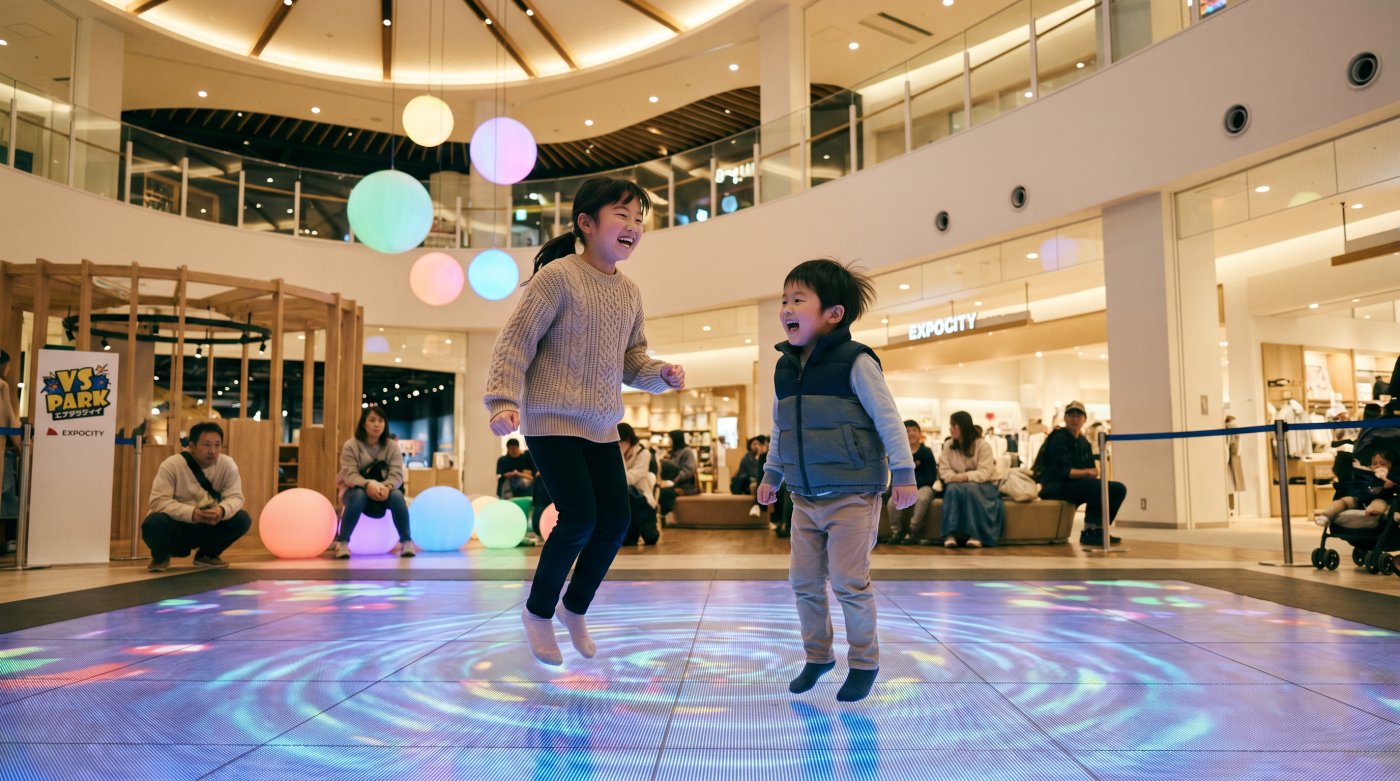
Rain does not have to derail a family day in Osaka.
The city offers a strong range of indoor kids activities, from hands-on play spaces and science museums to arcade zones and food experiences.
The attractions already covered — Kids Plaza Osaka, Osaka Aquarium Kaiyukan, Osaka Science Museum, and Legoland Discovery Center — all work equally well on wet days.
The options below add further indoor variety.
Indoor Osaka Kids Activities for Wet Days
When Osaka’s skies turn grey, families have reliable indoor options across multiple age groups and budgets.
Namba and Den Den Town offer the city’s densest concentration of arcade and entertainment venues for older children, while food-based experiences provide a different kind of indoor engagement for younger ones.
11. VR and Arcade Zones in Namba and Den Den Town
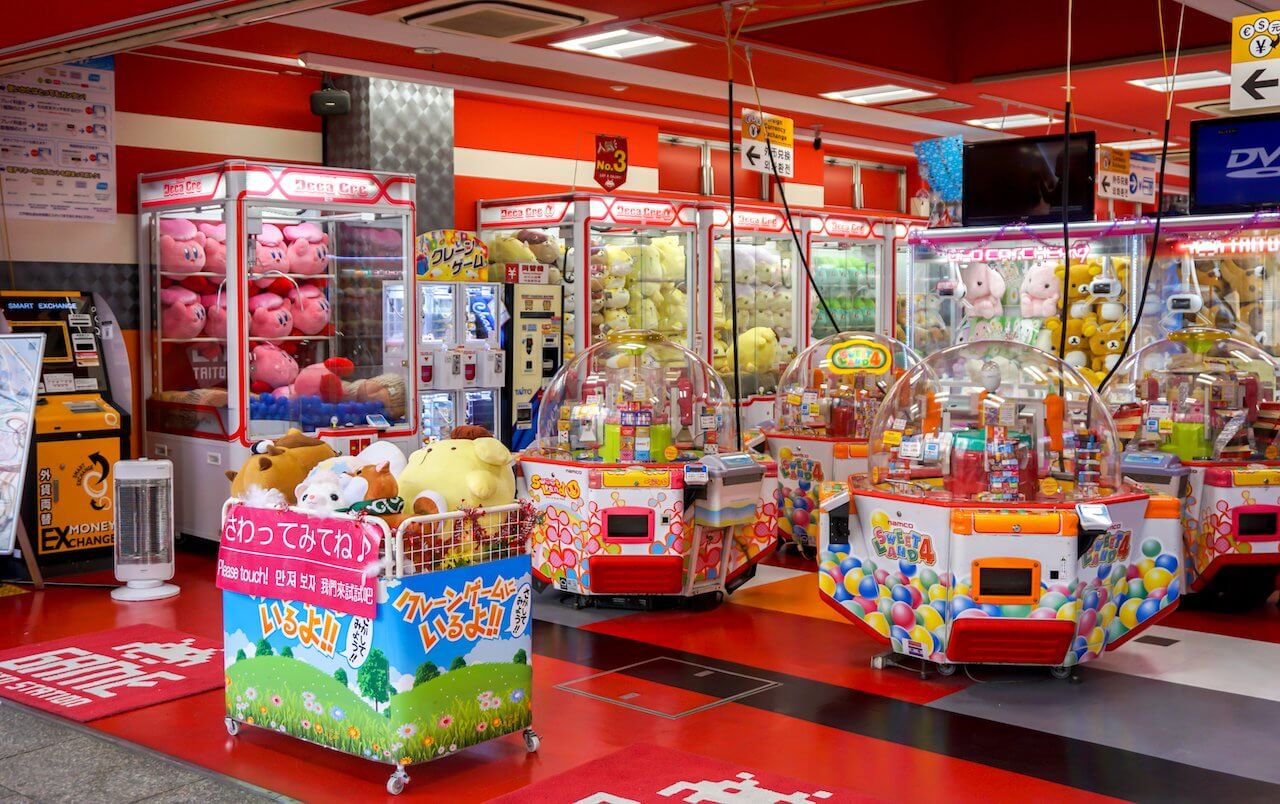
A concentrated stretch of Namba and nearby Den Den Town houses multi-storey game centres with neon-lit arcades, rhythm games, claw machines, and VR attractions.
Round1 Stadium Namba (officially Round1 Sennichimae) is open 24 hours — though the amusement arcade floors run 6:00 AM to 12:50 AM daily — while Taito Station Namba operates 10:00 AM to midnight, seven days a week.
Game credits typically cost ¥100 per play for standard arcade machines, with VR experiences and specialist attractions priced separately.
Round1 also offers a Spo-Cha all-inclusive sports pass (covering basketball, tennis, table tennis, bowling, and more) at a fixed entry fee — a strong value option for families wanting a few hours of contained, active fun without counting coins per game.
These venues suit children aged roughly 8 and above, offering independent, weatherproof entertainment for a few hours.
Den Den Town also functions as Osaka’s electronics and anime district, giving older children and teens additional browsing interest between game sessions.
12. Food Experiences Kids Love: Softcream, Takoyaki Classes, and More
Osaka’s food culture translates naturally into hands-on family entertainment.
Takoyaki-making classes, available at several venues in Dotonbori and Namba, let children mix batter, fill moulds, and flip the octopus balls themselves — a tactile, delicious activity that works well for ages 5 and up.
Softcream counters throughout Dotonbori and Shinsaibashi offer seasonal flavours including matcha, black sesame, and sakura.
Dessert cafés in covered arcades provide warm, dry seating and child-friendly menus.
Food experiences double as cultural education and keep energy levels stable — a practical bonus on high-stimulation travel days.
Day Trips From Osaka With Kids
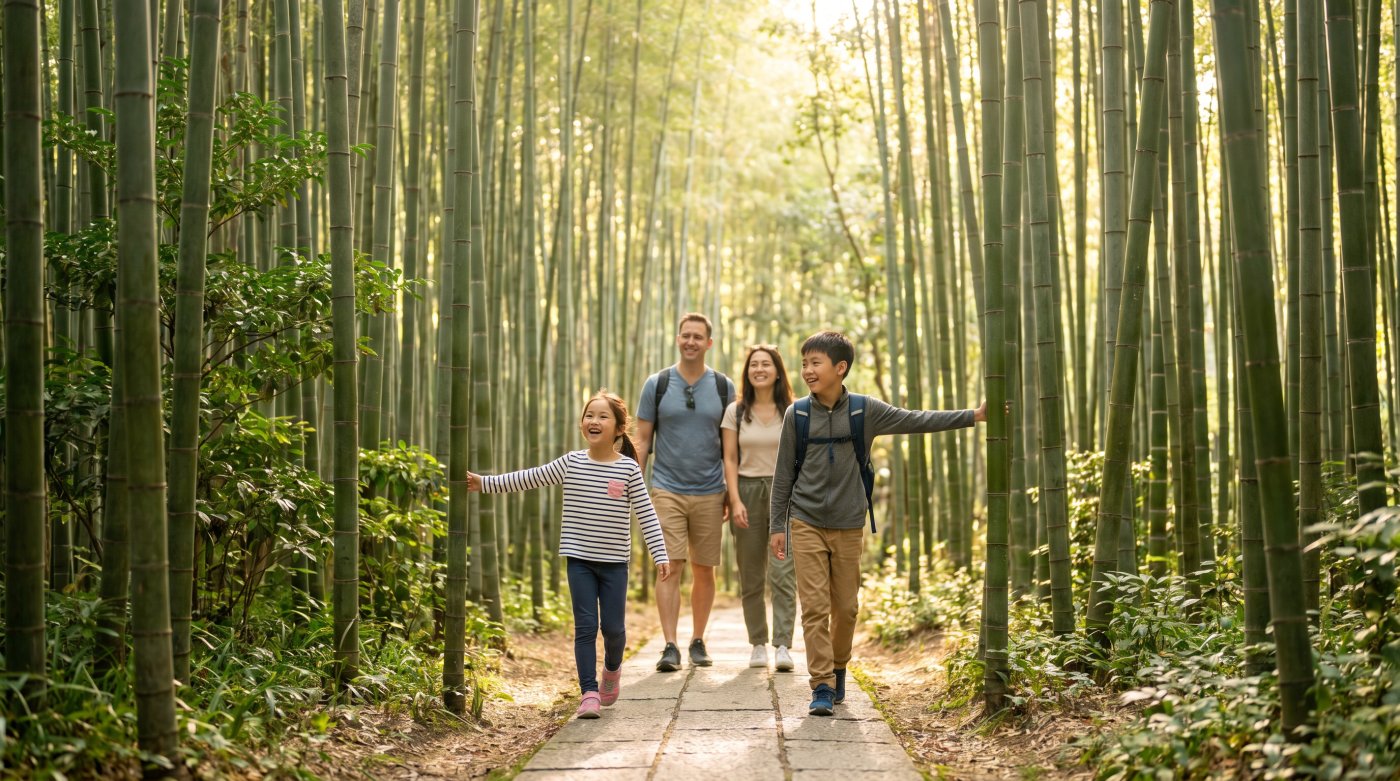
For families ready to venture beyond central Osaka, two easy day trips add variety without complicated logistics.
Nara delivers open-air animal encounters and monumental temple architecture, while Legoland Discovery Center Osaka offers a compact indoor option for younger children within the city’s own bayside area.
Families based in Osaka can also reach Kyoto in under 30 minutes by shinkansen, opening up a full range of family-friendly activities in Kyoto as a natural extension of the trip.
13. Nara With Kids: Deer, a Giant Buddha, and an Easy Half-Day
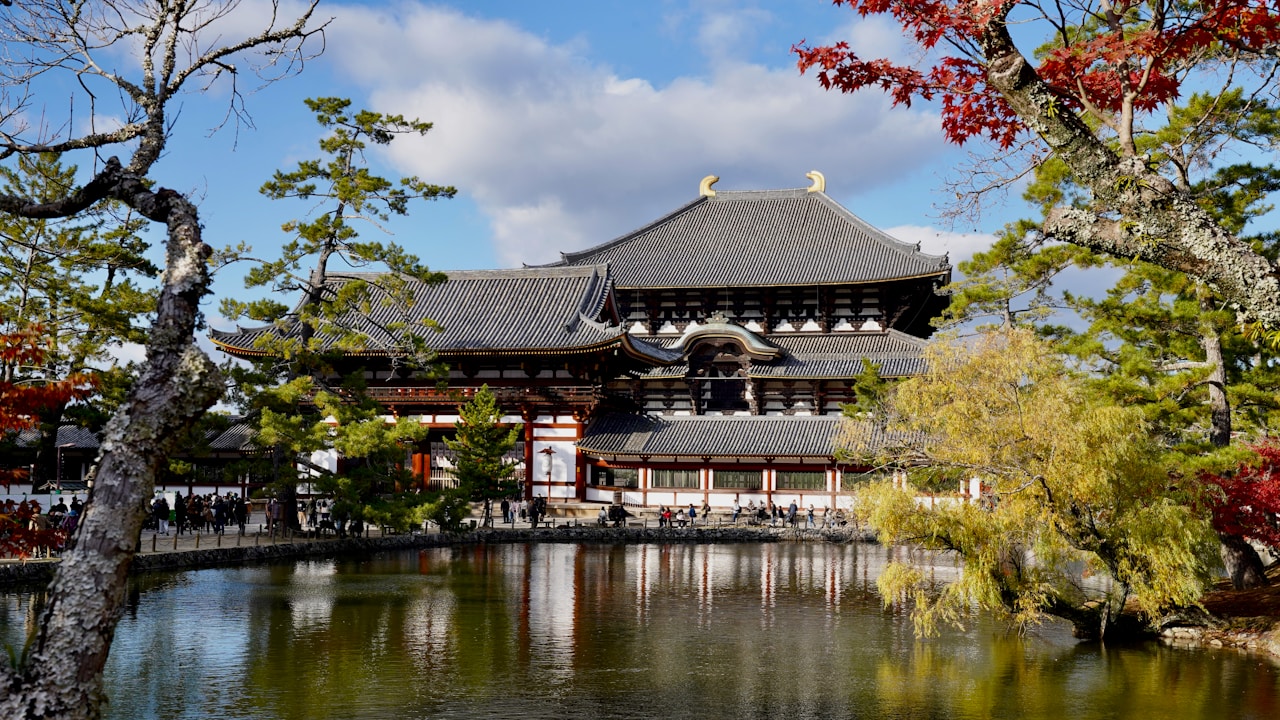
Nara is the most popular family day trip from Osaka, reachable in approximately 39 minutes by the Kintetsu Nara Line Rapid Express from Osaka-Namba Station or around 50 minutes by JR Yamatoji Line from Osaka Station.
The return fare is ¥560 per adult (one way) by Kintetsu Rapid Express, or ¥1,070 for the Limited Express which cuts the journey to around 34 minutes.
Nara Park is home to approximately 1,200 free-roaming sika deer, which are considered sacred and approach visitors confidently.
Deer crackers (shika senbei) are sold by vendors throughout the park for approximately ¥200 per bundle (10 crackers); vending machines at some park locations sell them for ¥500 per box if vendors are not yet open.
Todai-ji Temple houses the Great Buddha (Daibutsu), a bronze statue standing 14.98 metres tall — one of the largest bronze Buddha statues in the world.
Admission to Todai-ji’s Great Buddha Hall is ¥800 for adults and teens aged 13 and over, ¥400 for children aged 6–12, and free for children under 6.
The hall is open 7:30 AM to 5:30 PM from April to October and 8:00 AM to 5:00 PM from November to March (last entry 30 minutes before closing).
Mornings work best for families: cooler temperatures, thinner crowds, and deer that seem particularly bold before the midday tour groups arrive.
Read the complete guide on day trip to Nara from Osaka for more details.
14. Legoland Discovery Center Osaka
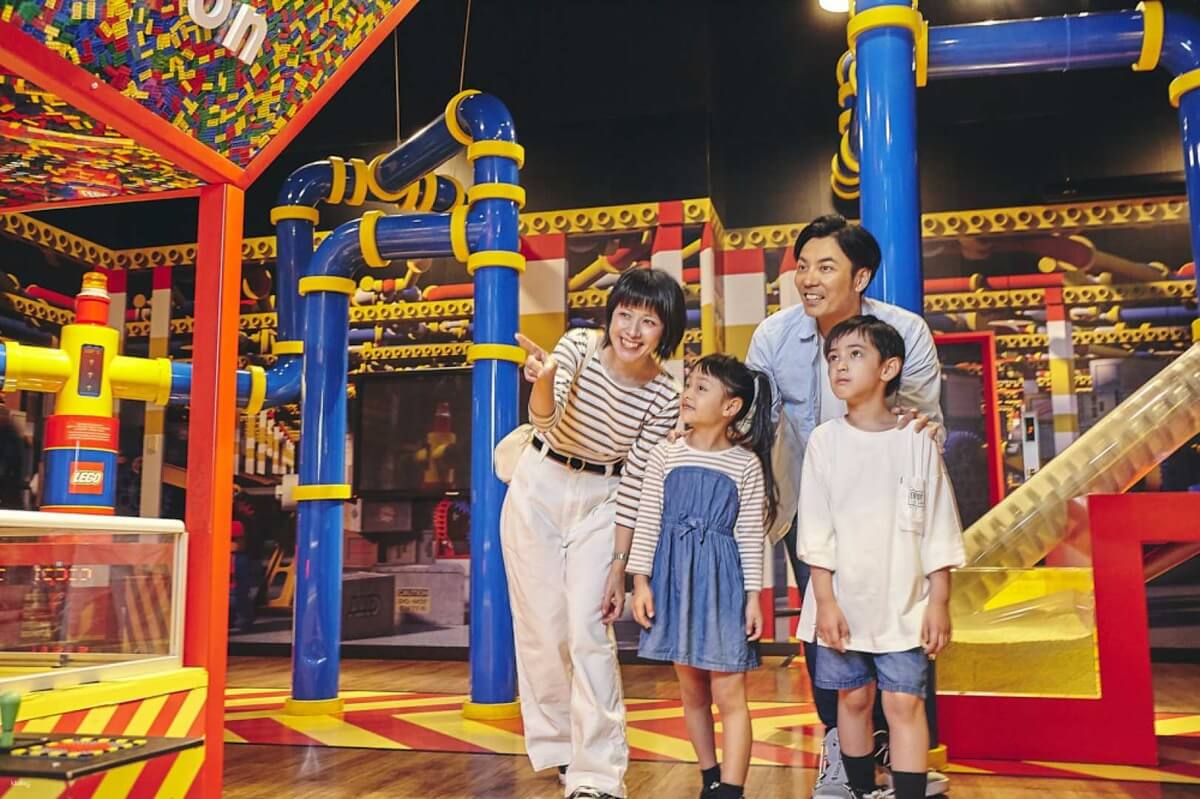
Legoland Discovery Center Osaka is located inside Tempozan Marketplace, adjacent to Osaka Aquarium Kaiyukan.
It is a compact indoor attraction specifically designed for children aged 3–10, with rides, soft play, 4D cinema, and themed brick-building zones.
Admission is ¥2,200 to ¥3,200 per person (aged 3 and over), depending on the date of visit under a dynamic pricing system; children under 3 enter free.
Note that adults without a child aged 15 or under cannot enter the attraction.
Opening hours are generally 10:00 AM to 6:00 PM, with select days extending to 7:00 PM or later — check the official website for your specific date.
Advance online booking is strongly recommended, particularly during school holidays and weekends.
Key zones include Miniland Osaka (scale models of city landmarks), Kingdom Quest (a gentle laser ride), and Duplo Village (open play for toddlers).
The compact layout means less walking and fewer transitions — a practical advantage for families with young children.
Pairing Legoland with the nearby aquarium creates a full bayside day without requiring additional transit.
Practical Tips for Visiting Osaka With Kids
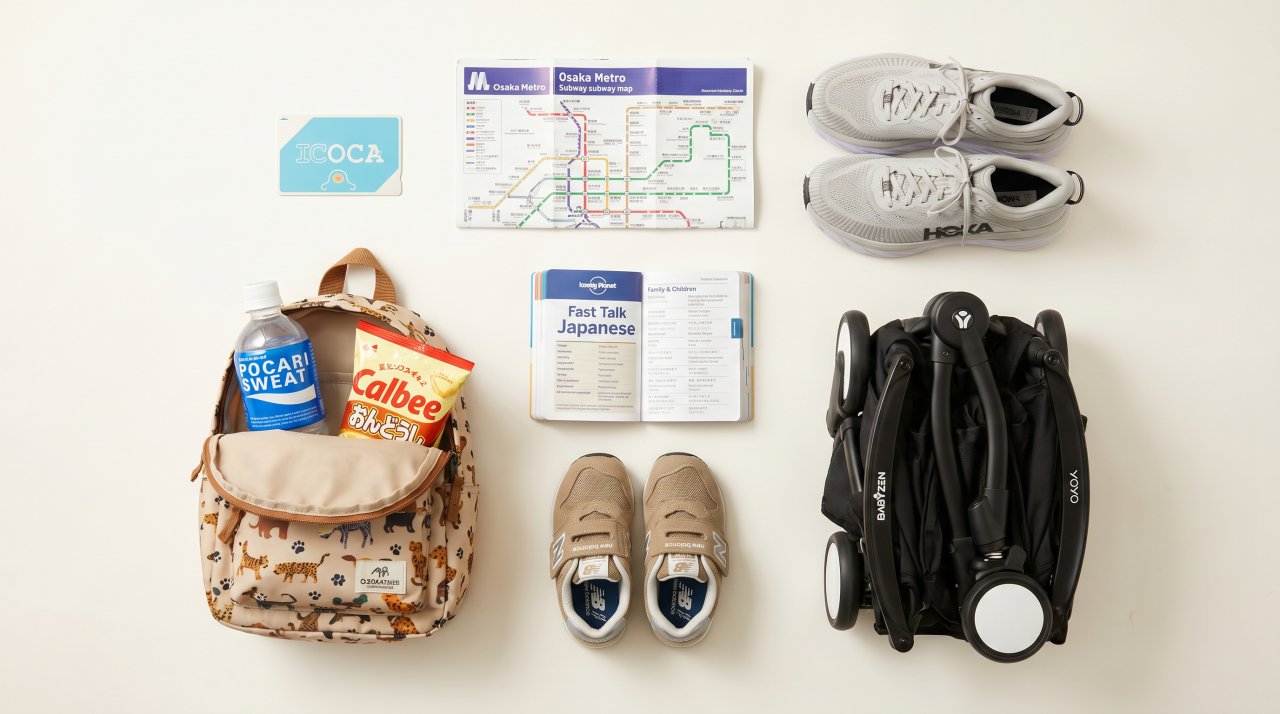
A smooth Osaka family trip depends on smart basics: navigating transit with young children, choosing the right neighbourhood to stay in, and feeding picky eaters without losing half the day to restaurant negotiations.
Getting Around Osaka With Kids
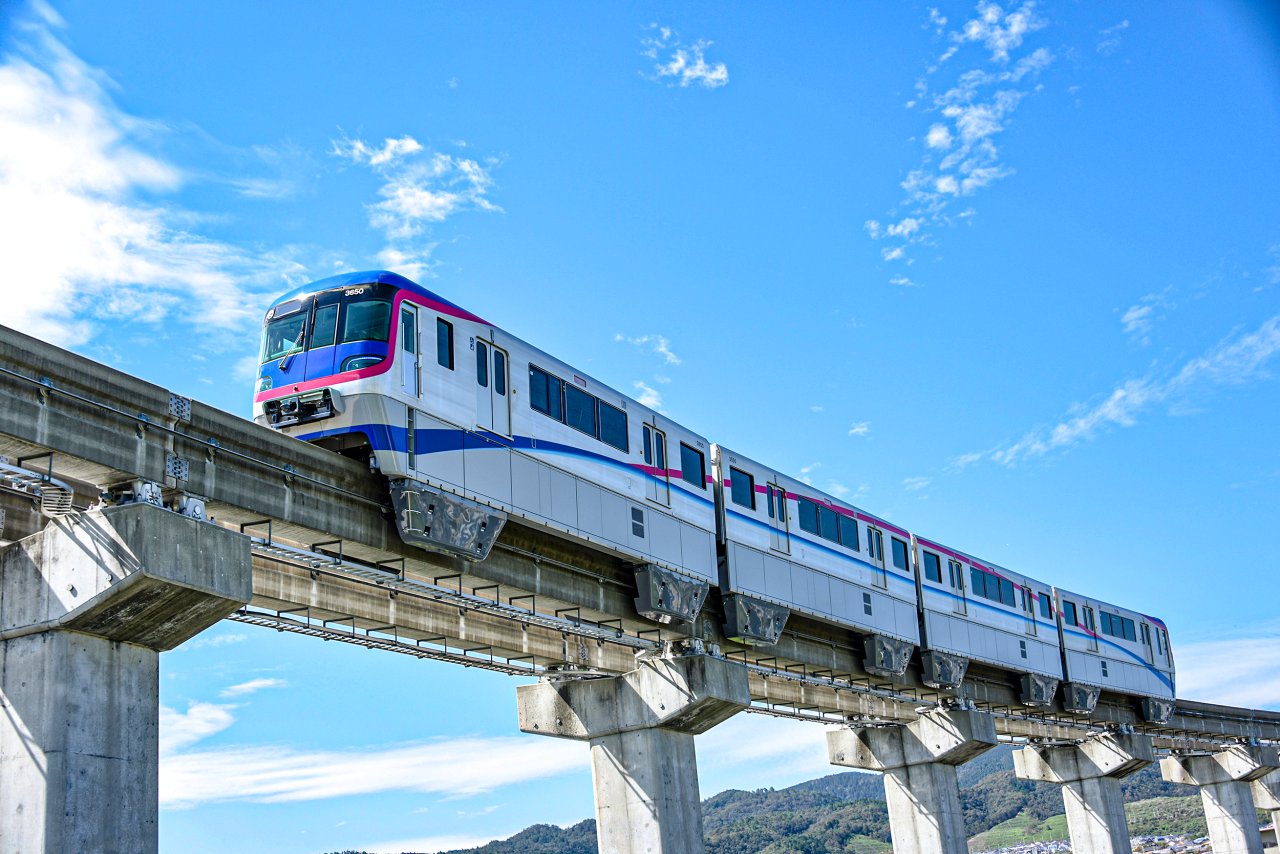
Osaka’s public transport network is fast, clean, and reliable, making it one of the easier Asian cities to navigate with children. Getting around Osaka with kids should be easy and safe.
The Osaka Metro covers most family-relevant attractions, and IC cards (ICOCA or Suica) simplify fare payment across subway, JR, and private rail lines.
IC cards can be purchased and topped up at station machines; a refundable deposit of ¥500 applies.
Fares within central Osaka on the Osaka Metro are distance-based, typically ranging from ¥190 to ¥390 per adult journey; children aged 6–11 pay half fare, and children under 6 ride free.
- Bring a compact, fold-flat stroller; narrow station gates and restaurant entrances reward agility over bulk.
- Identify elevator locations before descending to platforms — the Osaka Metro website and Google Maps both mark them reliably.
- Aim for off-peak travel (avoid 7:30–9:00 AM and 5:30–8:00 PM on weekdays) and build snack breaks into every major outing.
- Mix rail with short taxi rides when small legs give out; the cost is modest and the recovery in mood is immediate.
- Consider a 1-Day Pass (¥820 on weekdays / ¥620 on weekends) if your family plans four or more Metro journeys in a single day — it pays for itself quickly with kids in tow.
A simple daily rhythm works well: one major attraction, one park or outdoor break, one easy meal close to the accommodation.
Best Neighbourhoods To Stay in Osaka With Kids
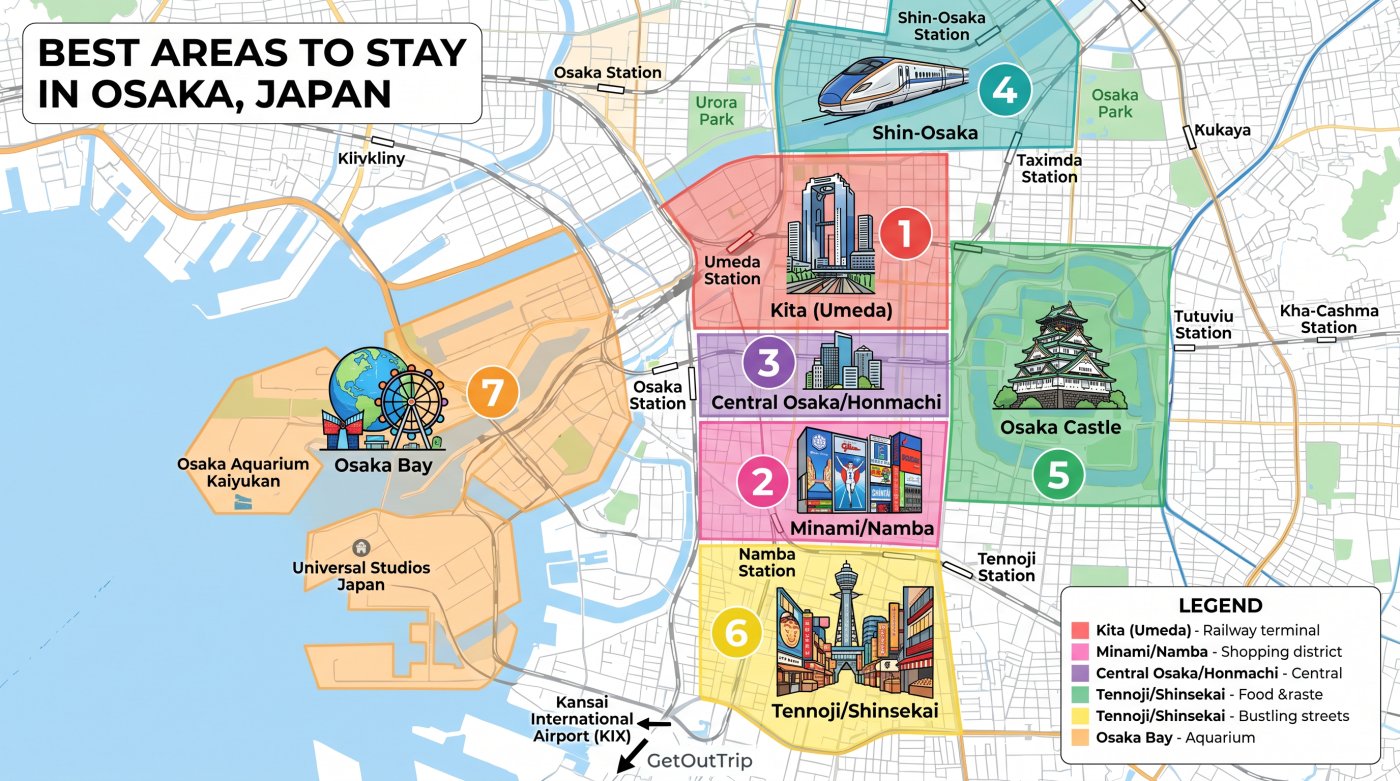
The three neighbourhoods that suit most families best are Umeda, Namba, and Tennoji, each offering a different balance of convenience, atmosphere, and proximity to key attractions.
- Umeda is the city’s main transport hub, connecting JR, Osaka Metro, Hankyu, and Hanshin lines in one walkable area. Department stores with family facilities, easy airport links via the Haruka Express, and a wide range of hotel price points make it the most flexible base for families.
- Namba suits families who want walkability and energy. Dotonbori, Shinsaibashi, and Namba Parks are all within easy walking distance, and the Midosuji and Sennichimae subway lines connect quickly to other parts of the city.
- Tennoji offers a calmer atmosphere with direct access to Tennoji Zoo, Tennoji Park, and the Abeno Harukas tower. It connects south and central Osaka efficiently and tends to offer more spacious hotel rooms at comparable prices.
Families visiting Universal Studios Japan may also consider staying near Sakurajima or Bentencho stations to reduce morning transit time.
For more detailed guide, read our comprehensive guide about the best neighborhoods to stay in Osaka.
Eating in Osaka With Picky Kids
Osaka is one of Japan’s most food-forward cities, and its cuisine adapts well to picky eaters once families know where to look.
Plain udon, rice bowls (donburi), grilled chicken skewers (yakitori), tamagoyaki (rolled omelette), and convenience-store onigiri provide familiar, mild flavours that most children accept readily.
Conveyor-belt sushi restaurants (kaiten-zushi) are particularly family-friendly: children can choose individual plates, and most chains offer non-fish options including corn, egg, and fried items.
Budget chains such as Kurazushi and Hamazushi keep standard plates at ¥110 to ¥165 per plate for most items, with premium plates reaching ¥220–¥330 — making a filling family meal easy to control and rarely expensive.
Udon chains including Hanamaru Udon and Marugame Seimen offer quick service, simple menus, and easy customisation.
Department store food halls (depachika) in Umeda and Namba let families assemble meals from multiple stalls, removing the pressure of a single shared menu.
Keeping convenience-store snacks in the bag at all times remains the most reliable buffer against mid-sightseeing hunger crises.
Wrapping Up: Why Osaka Works So Well for Families
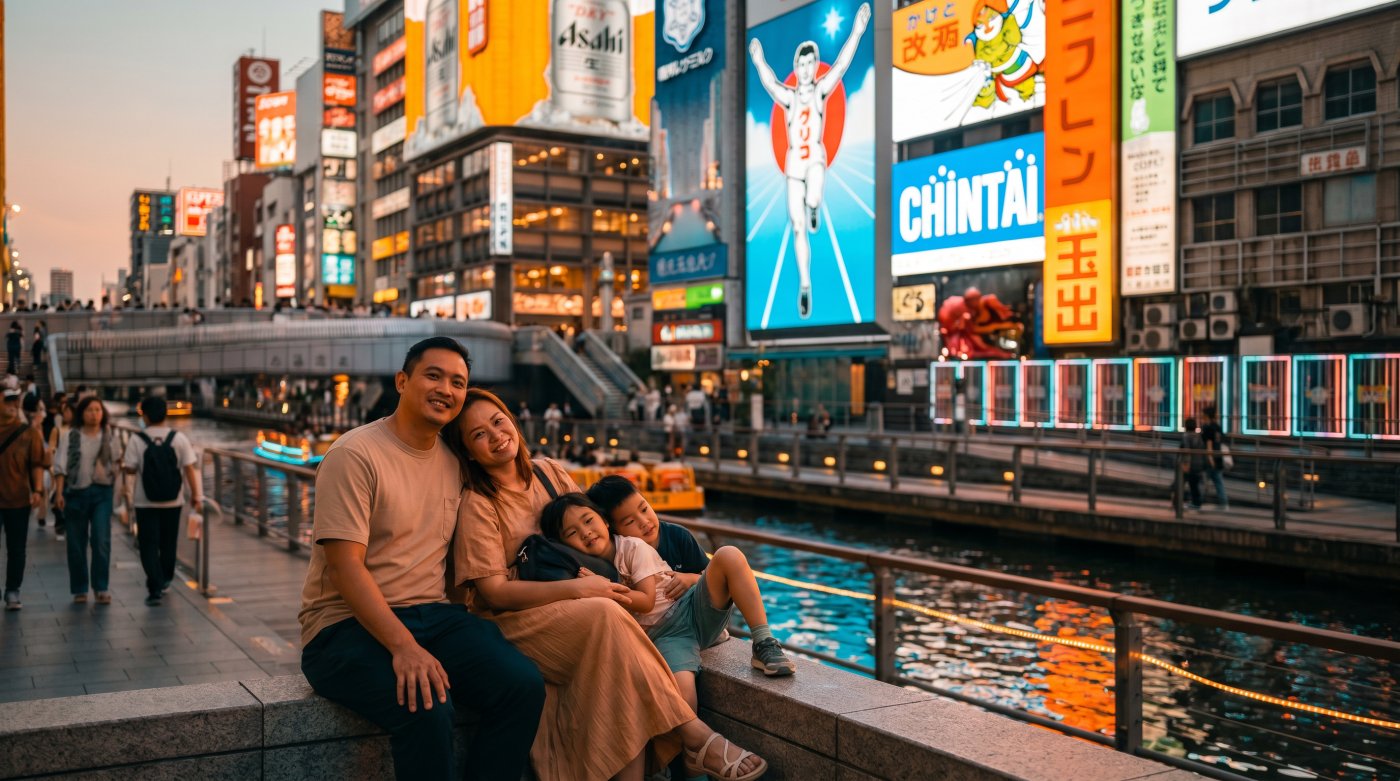
Osaka combines playful major attractions, practical transit, and low-stress cultural stops into one compact, energetic city that genuinely suits families with children of all ages.
From toddler-friendly bayside parks to neon-lit food streets and easy day trips to Nara, the city offers enough variety to fill a week without repetition.
Osaka Aquarium Kaiyukan alone holds approximately 5,400 tonnes of water in its Pacific Ocean tank — a vivid reminder of the city’s talent for thinking big and capturing young imaginations.
With smart pacing, a rain plan in reserve, and snacks always within reach, Osaka makes memorable family days feel surprisingly straightforward.
Frequently Asked Questions (FAQs)
Most families find three to four full days sufficient to cover Osaka’s main kid-friendly attractions without feeling rushed.
Three days allows for Universal Studios Japan, Osaka Aquarium Kaiyukan, Kids Plaza Osaka, and one budget-friendly stop such as Tennoji Zoo or the Osaka Science Museum.
A fourth day works well for a half-day trip to Nara or a relaxed bayside morning at Tempozan.
Families combining Osaka with Kyoto typically allocate two to three days per city.
Since the two cities are under 30 minutes apart by shinkansen, a base in one city with day trips to the other is a practical and cost-effective approach.
Spring (late March to early May) and autumn (October to November) are the most comfortable seasons for visiting Osaka with children.
Spring brings mild temperatures of roughly 15–22 °C and cherry blossom season, while autumn offers cool, dry days ideal for outdoor sightseeing at Osaka Castle Park and Nara.
Summer (June to September) brings high humidity and temperatures regularly exceeding 33 °C, which can be challenging with young children.
If visiting in summer, prioritise indoor attractions during midday hours and schedule outdoor activities for early morning.
Winter (December to February) is cool but generally dry, with fewer crowds and lower hotel prices.
Japan can be managed affordably with careful planning, and Osaka is generally less expensive than Tokyo for accommodation and dining.
A mid-range family budget for Osaka typically runs ¥30,000–¥55,000 per day for a family of four (approximately $190–$350 USD), covering a hotel, three meals, local transit, and one standard paid attraction.
Budget-conscious families sticking to convenience store meals, free attractions, and economy accommodation can manage on ¥15,000–¥25,000 per day, while major theme park days at Universal Studios Japan push daily costs to ¥60,000–¥80,000 or more once tickets and in-park spending are included.
Free and low-cost attractions — including Osaka Castle Park grounds, Sumiyoshi Taisha, Namba Parks, and most public parks — reduce daily spend significantly.
Convenience stores provide reliable, inexpensive meals, and IC card transit fares are modest.
Universal Studios Japan and Osaka Aquarium Kaiyukan represent the largest single-day costs and benefit from advance online booking for discounted tickets.

A lifestyle and OOTD blogger, Kannaya Nareswari enjoys the small pleasures of cooking, traveling, and documenting ordinary events. She uses genuine storytelling to communicate her love of fashion, culinary explorations, and wanderlust. She is based between Bali and Bandung. She enjoys enjoying coffee at a secret café or experimenting with recipes in the kitchen when she's not traveling to new places or styling her most recent ensemble.