



When Is the Best Time to Visit France? Month-by-Month Guide – The best time to visit France depends on what you want to do.
Spring (April–May) offers mild weather and fewer crowds for cultural sightseeing.
Summer (June–August) is peak beach and festival season but the most crowded.
Autumn (September–October) brings wine harvests and lower prices.
Winter (December–February) is best for skiing and Christmas markets.
No single month wins outright — France’s size and climate diversity mean that somewhere is always in season.
This guide breaks down each season, each region, and each activity type so you can match your trip to the experience you actually want.
For a broader sense of what to plan once you decide when to go, the best things to do in France guide covers activities across every season and region.
Key Highlights
- April and May offer the best balance of mild weather, manageable crowds, and open attractions across most of France.
- July is peak summer: maximum sun but also maximum crowds and hotel prices, especially on the Riviera.
- September is widely considered the best month overall — summer weather without summer crowds, and wine harvest in full swing.
- December to February is high season for skiing; Strasbourg and Alsace Christmas markets run late November through December.
- January and February offer the lowest hotel prices outside ski resorts.
France’s Climate: What to Expect by Region
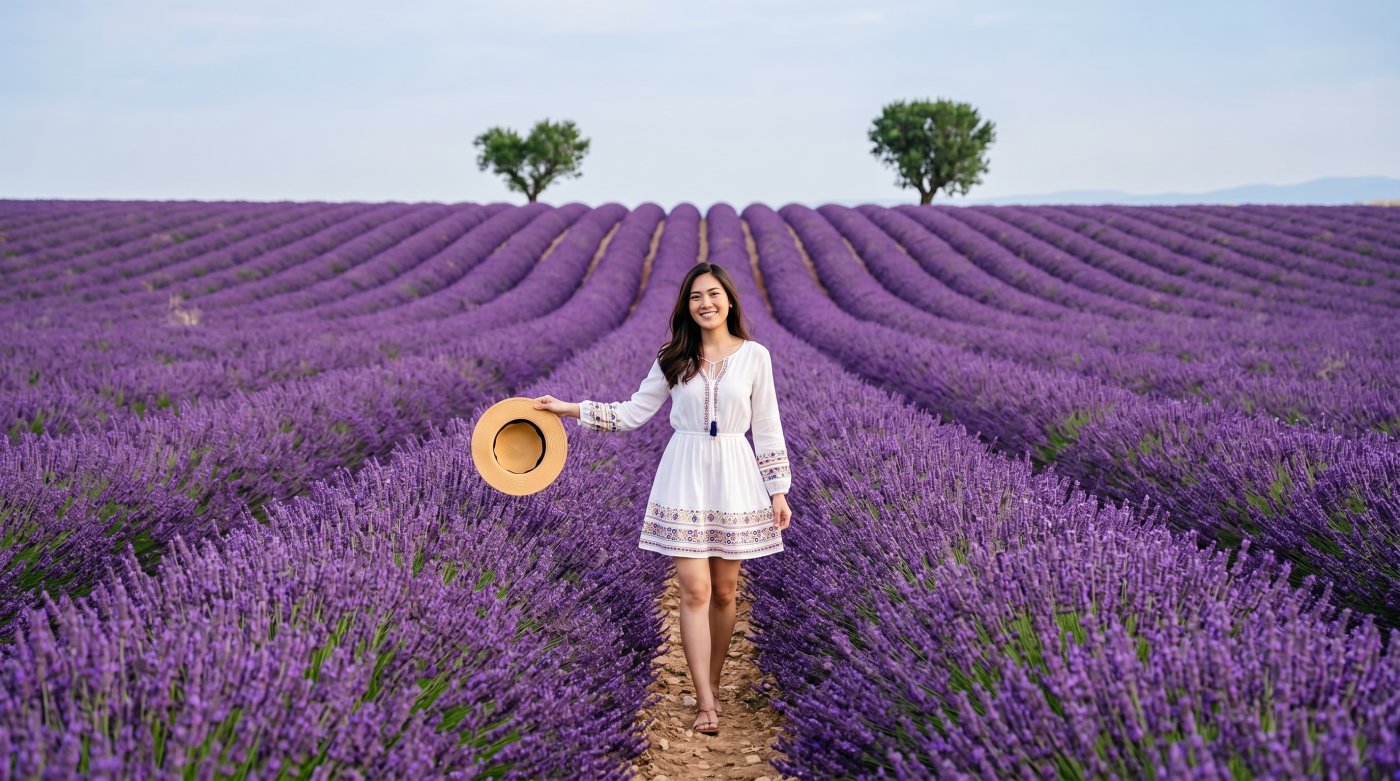
France is not a single climate.
The country spans three distinct climate zones, and the difference between them is significant enough to change what you should pack.
- Continental climate covers most of northern and central France, including Paris. Winters are cold (0–6°C / 32–43°F), summers are warm (20–28°C / 68–82°F), and rain is distributed fairly evenly across the year. Paris gets about 640mm of rain annually — spread across 111 rainy days, meaning brief showers rather than prolonged downpours.
- Mediterranean climate covers the south: Provence, Languedoc, and the Côte d’Azur. Summers are hot and dry (28–35°C / 82–95°F), winters are mild (5–12°C / 41–54°F). Rain falls mainly in autumn and spring. This region receives over 300 sunny days per year.
- Mountain climate applies to the Alps and Pyrenees. Summer is warm and ideal for hiking; winter brings heavy snowfall and cold temperatures suited to skiing.
- Atlantic/oceanic climate covers Brittany and Normandy. Mild temperatures year-round, frequent rain, and strong westerly winds. Summers rarely exceed 25°C / 77°F.
Temperature Quick Reference
| Season | Paris (°C) | Nice (°C) | Chamonix (°C) |
|---|---|---|---|
| Winter (Jan) | 1–7 | 5–13 | -6–2 |
| Spring (Apr) | 8–17 | 12–18 | 2–11 |
| Summer (Jul) | 19–28 | 22–30 | 12–23 |
| Autumn (Oct) | 10–18 | 14–22 | 3–12 |
Is Spring the Best Time to Visit France?
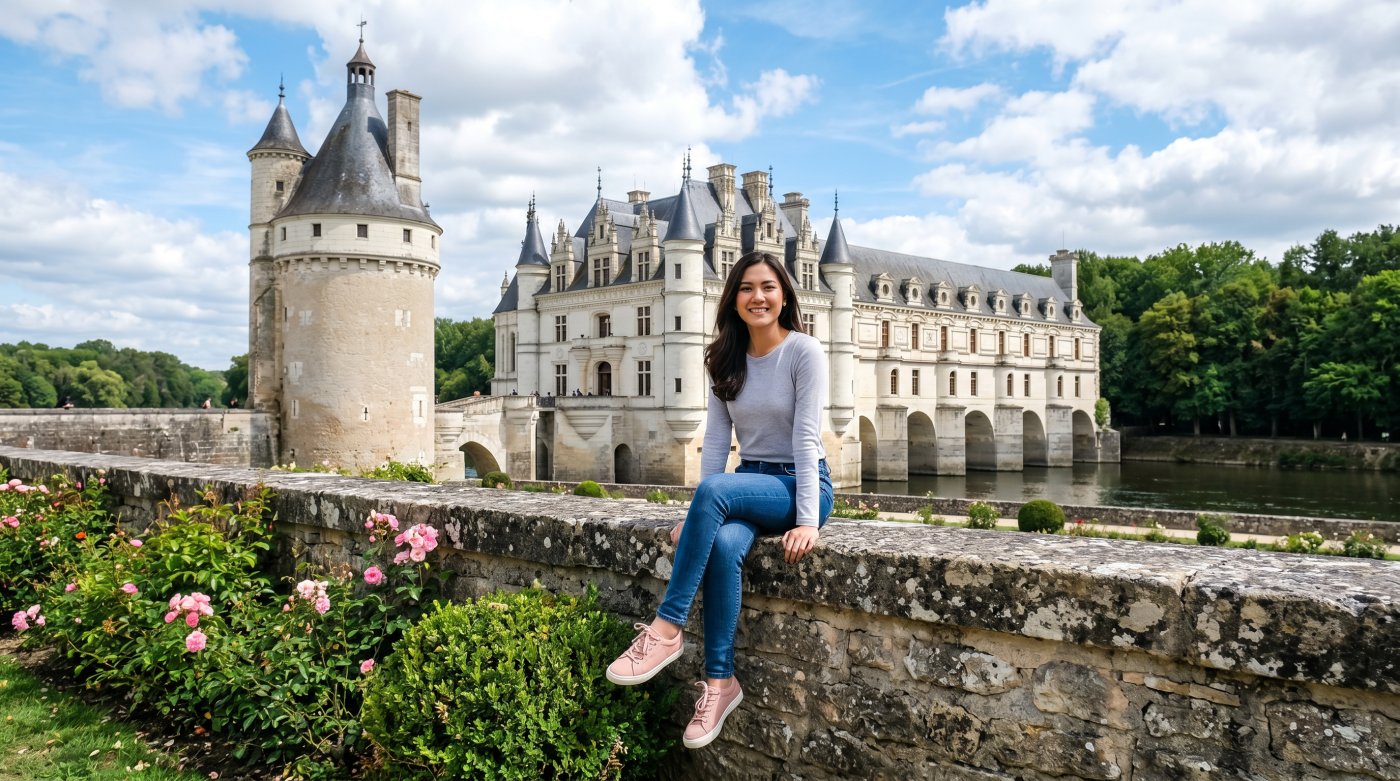
Spring (March through May) is the best overall season for first-time visitors to France.
Temperatures are mild, attractions are open but not overcrowded, and the countryside — from the Loire Valley to Provence — is at its most visually appealing.
- March is the transition month. Northern France remains cool (6–13°C), but gardens begin opening and museum queues are manageable. Paris starts its outdoor café season in mid-March on warmer days.
- April is the sweet spot. The Versailles gardens begin their display program; the Loire Valley châteaux show spring gardens at peak color; Monet’s garden at Giverny opens on April 1st and runs through November 1st, welcoming visitors daily from 10:00 AM to 6:00 PM (last admission 5:30 PM). Paris Fashion Week (Women’s Autumn/Winter collections) typically falls in early March — in 2026 it ran March 2–10.
- May is the warmest spring month — temperatures reach 18–22°C across most of the country. The Cannes Film Festival runs in May on the Riviera. Lavender in Provence begins its cycle (fields typically bloom late June to early July; May shows early growth but not peak purple).
Spring Highlights by Region
- Paris: Longer days, outdoor dining begins, major museum exhibitions open. Cherry blossoms in Parc de Sceaux typically peak in early April.
- Loire Valley: Best château-visiting weather; gardens in full bloom by mid-April.
- Normandy coast: Good hiking weather on the cliffs; fewer tourists than summer.
- Provence: Spring wildflowers; the Luberon villages are walkable without summer heat.
- Giverny: Monet’s garden at peak color in late April and May — water lilies and wisteria together.
Spring Travel Trade-offs
The downside of spring: some Alpine passes and high-altitude roads remain closed until May or June.
Easter week (dates vary) brings short French school holidays and slightly higher hotel prices for three to four days.
April can still be cool and rainy in the north — a light waterproof layer is essential.
Summer in France: What to Expect June Through August
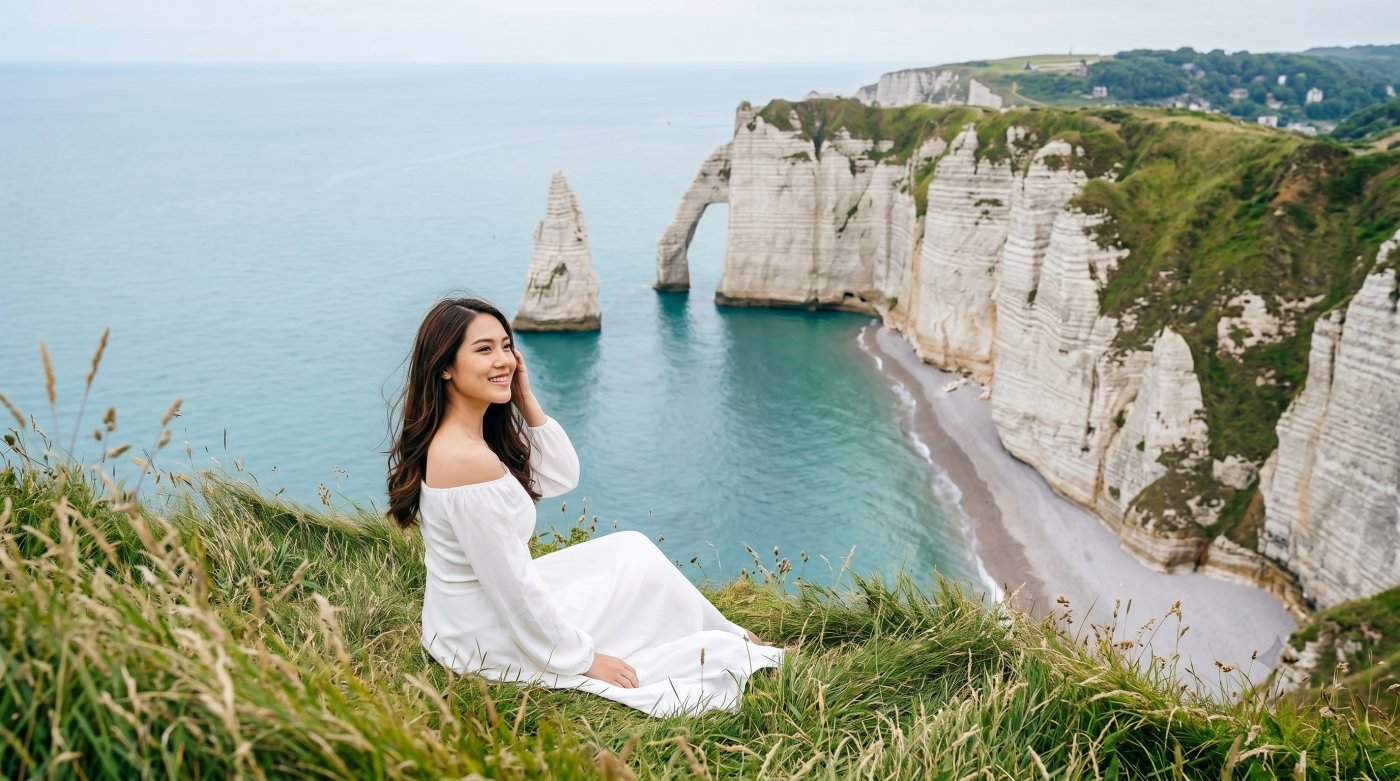
France in summer (June through August) is its most crowded and most expensive season.
It is also, for beach holidays, festivals, and long outdoor days, genuinely excellent.
France in June — Early Summer Balance
June is the most underrated summer month.
School holidays in France start in late June, so the first three weeks offer summer weather without the school-holiday crowds.
Temperatures average 20–25°C across most of the country; Nice and the Riviera reach 27–29°C.
The Fête de la Musique on 21 June — a free national music festival where concerts take place in streets, parks, and courtyards across every French city — is one of the best free cultural events of the year.
France in July — Peak Season Reality
July is peak season.
The Tour de France 2026 runs from July 4 to July 26, starting with a Grand Départ in Barcelona before cutting through the Pyrenees, Massif Central, and Alps — with mountain stages offering free roadside spectating throughout.
Bastille Day on 14 July brings military parades and fireworks nationwide — the Paris fireworks from the Trocadéro are televised nationally but better seen from Champ-de-Mars.
Temperatures in Paris average 25–28°C; the south regularly exceeds 35°C.
France has seen a sharp acceleration in heat wave frequency in recent decades — data shows 34 of the 51 recorded heat waves since 1947 have occurred after 2000, and 2026 has already seen a significant early-season heat event in May that broke national temperature records for that month.
Book accommodation in July at least two to three months ahead; coastal Riviera hotels fill six months out for peak dates.
Paris Plages transforms the banks of the Seine into artificial beaches for four weeks in mid-July through mid-August — a free outdoor activity popular with locals.
August — The French Holiday Month
August is when France goes on holiday.
Most Parisian businesses (independent restaurants, small shops, services) close for one to two weeks — typically in the first half of August.
Paris becomes quieter than usual, which is either an asset or a liability depending on your itinerary.
The rest of France, especially coastal areas and Alpine summer resorts, hits peak occupancy in August.
Beach areas in Brittany, Normandy, and the Riviera are at their busiest.
For families traveling during school holidays, the France family travel guide covers the specific logistics of summer travel with children — including beach resort tips, school holiday timing, and avoiding peak August congestion.
Summer Practical Tips
- Book popular attractions (Eiffel Tower summit, Versailles, major museum timed entries) at least two to four weeks ahead for July–August.
- Visit the Louvre on Thursday evenings (open until 9:45pm) when daytime crowds thin.
- In heat above 35°C, schedule outdoor activities before 10am and after 6pm. Most museums and public buildings are air-conditioned.
- Water is available free from fontaines Wallace (Paris’s ornate green drinking fountains) throughout the city.
Autumn in France: September to November
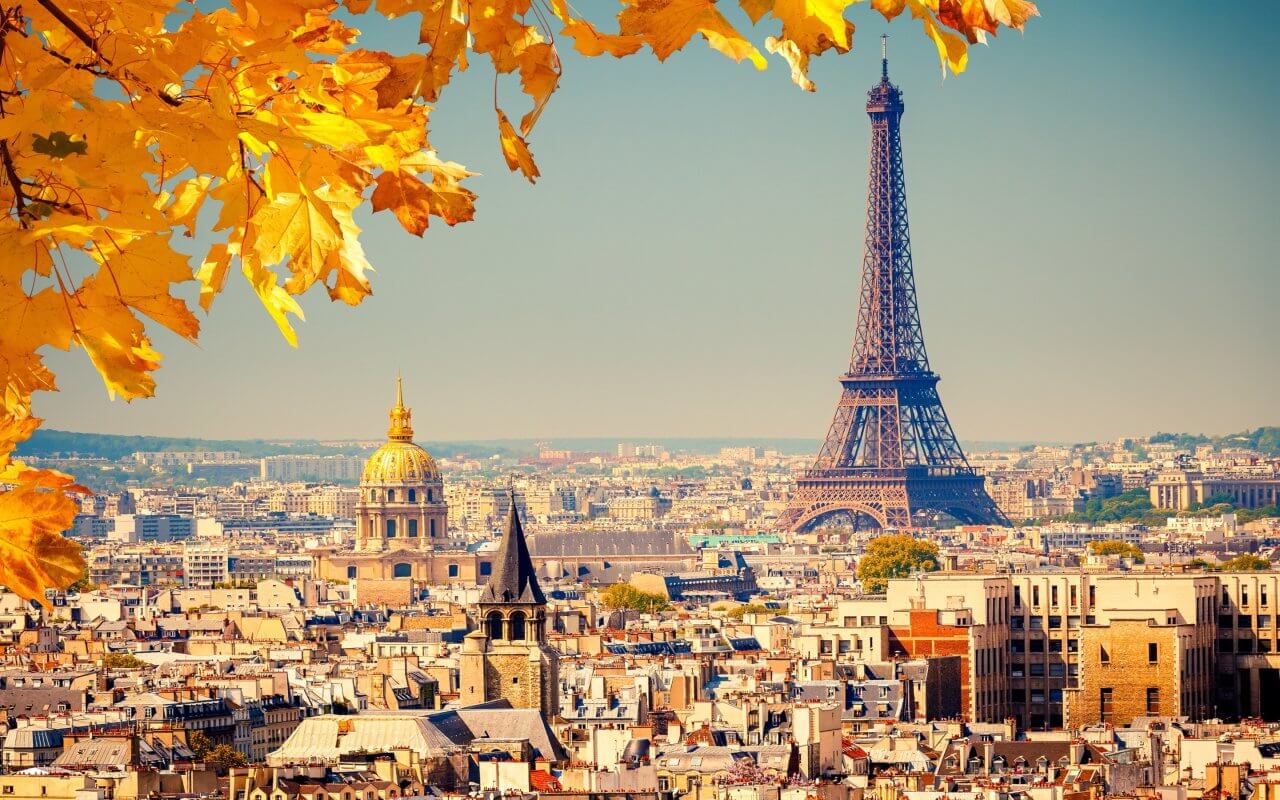
Autumn is, for many experienced France travelers, the best season of all.
September especially combines warm temperatures, post-summer crowd reduction, active vineyards, and lower accommodation prices.
September — The Best Month Overall
September temperatures remain warm — Paris averages 23°C; the south stays above 27°C on most days.
Mediterranean swimming is still comfortable (sea temperature around 23°C in Nice).
The main change from August: crowds drop significantly, hotel prices fall 20–40%, and you can visit the Louvre without fighting for space.
The wine harvest (vendanges) begins in most regions during September, starting with the warmer Languedoc and southern Rhône and moving into Burgundy and Bordeaux through October.
Participating in a harvest weekend — grape picking for a day, followed by a cellar tasting — is bookable through regional wine tourism offices.
For a complete picture of best places to visit in France by season — including which regions are best in which month — the destinations guide covers the full regional breakdown.
October — Wine Country and Autumn Foliage
October brings the grape harvest into full swing across Burgundy and Bordeaux, where organized vendanges tourism is well developed.
The Beaujolais Nouveau release on the third Thursday of November is preceded by a month of harvest activity throughout October.
Foliage in the Loire Valley, Alsace, and Normandy peaks in mid-to-late October.
The Alsatian wine villages — Riquewihr, Obernai, Colmar — are at their most photographable with vine leaves in red and gold against half-timbered facades.
November truffles (truffes) emerge in the Périgord (Dordogne) and Provence from late November through February.
Truffle markets in Périgueux and Sarlat begin in November and run through February, with the main market season in January.
November — Cultural Season Opening
November marks the start of Paris’s indoor cultural season.
Major museums open significant new temporary exhibitions.
Opera and classical music programming intensifies.
Crowds at outdoor sites thin to their annual minimum.
The downside: November is rainy and grey across northern France.
Average Paris temperatures drop to 9°C.
The coast (Normandy, Brittany) gets Atlantic weather — bracing and damp.
For museum-focused itineraries, this is a feature, not a bug.
Winter in France: December to February
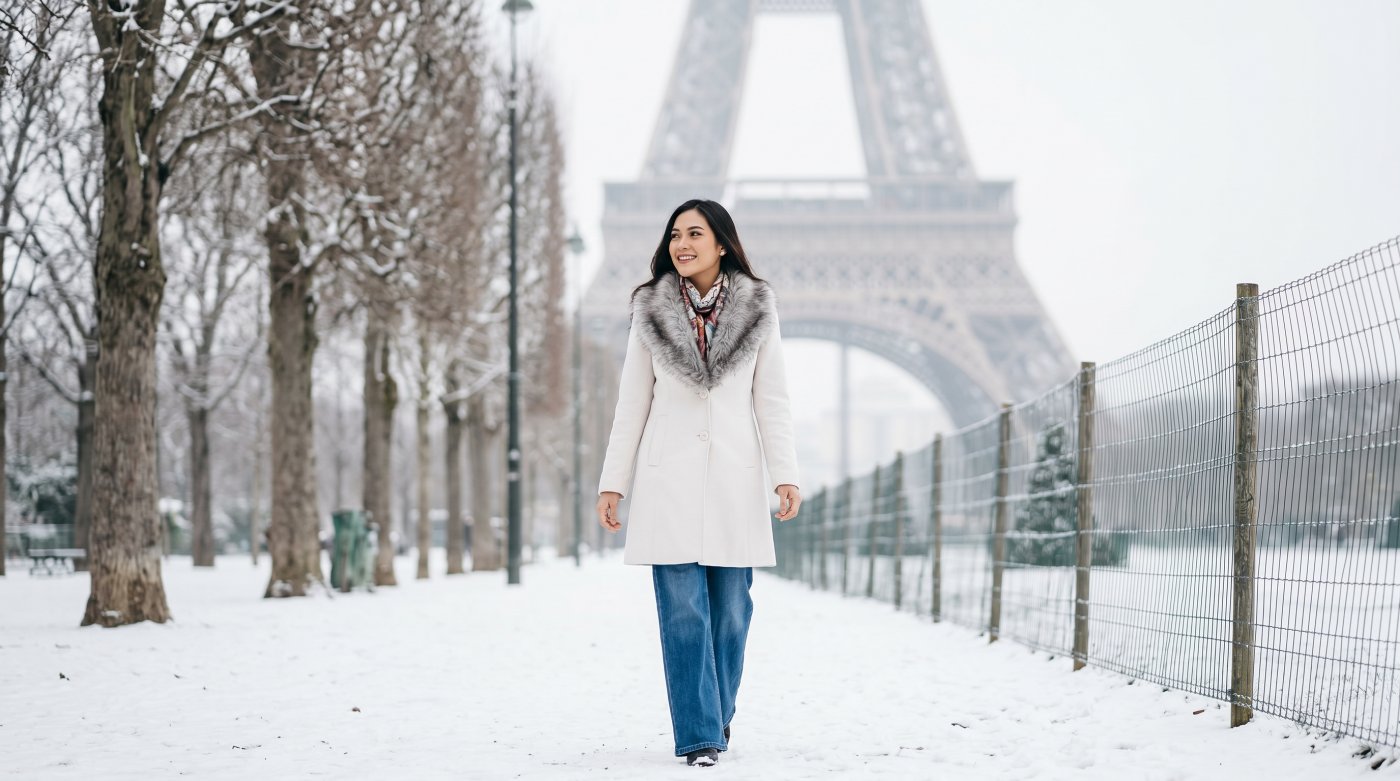
Winter has three distinct sub-periods in France: the festive December period, the deep January quiet, and the February skiing peak.
December — Christmas Markets and Holiday Atmosphere
France’s Christmas market season runs from late November through Christmas Eve.
Alsace dominates: Strasbourg’s Christkindelsmärik (running since 1570) draws around 3 million visitors across five weeks.
Colmar, Mulhouse, and Riquewihr run parallel markets with smaller crowds.
Avoid weekends in Strasbourg for a more manageable visit; Tuesday and Wednesday mornings offer the best atmosphere-to-crowd ratio.
Paris Christmas illuminations on the Champs-Élysées, in the Galeries Lafayette atrium, and in the Marais neighborhood run from mid-November through early January.
The major department stores (Galeries Lafayette, Printemps) mount elaborate window displays — a free evening attraction.
Getting around France in December requires advance booking: TGV trains to Alsace and ski resort transfers book out several weeks ahead for Christmas week.
The getting around France by train guide covers advance booking strategy for the holiday period.
January — Lowest Prices, Smallest Crowds
January is the quietest and cheapest month to visit Paris and most French cities.
Hotel rates fall to annual lows (outside ski resorts).
Museum queues at the Louvre and Musée d’Orsay are minimal.
Many Paris restaurants offer winter prix-fixe menus at reduced prices.
The Epiphany weekend (around 6 January) is a mini holiday: galette des rois (king cake with a hidden figurine) is sold in every bakery and is worth trying once.
The trade-off: short days (sunset around 5pm in Paris), cold temperatures (averaging 4°C in Paris), and a subdued atmosphere outside tourist areas.
February — Peak Ski Season
February is the best month for skiing in France.
School holidays (vacances de février) for French families run in staggered weeks across three zones throughout February, making it the busiest ski period.
Booking two to three months ahead is necessary for Chamonix, Courchevel, and Val d’Isère accommodation.
Peak ski resort prices in February can be 40–60% higher than equivalent accommodation in January or March.
If you want to ski but avoid peak pricing, late January or early March offers comparable snow conditions at significantly lower rates.
For budget skiers, Pyrénées resorts (Font-Romeu, La Mongie) cost less than the Alps equivalents for similar ski area sizes.
France Regional Timing Guide
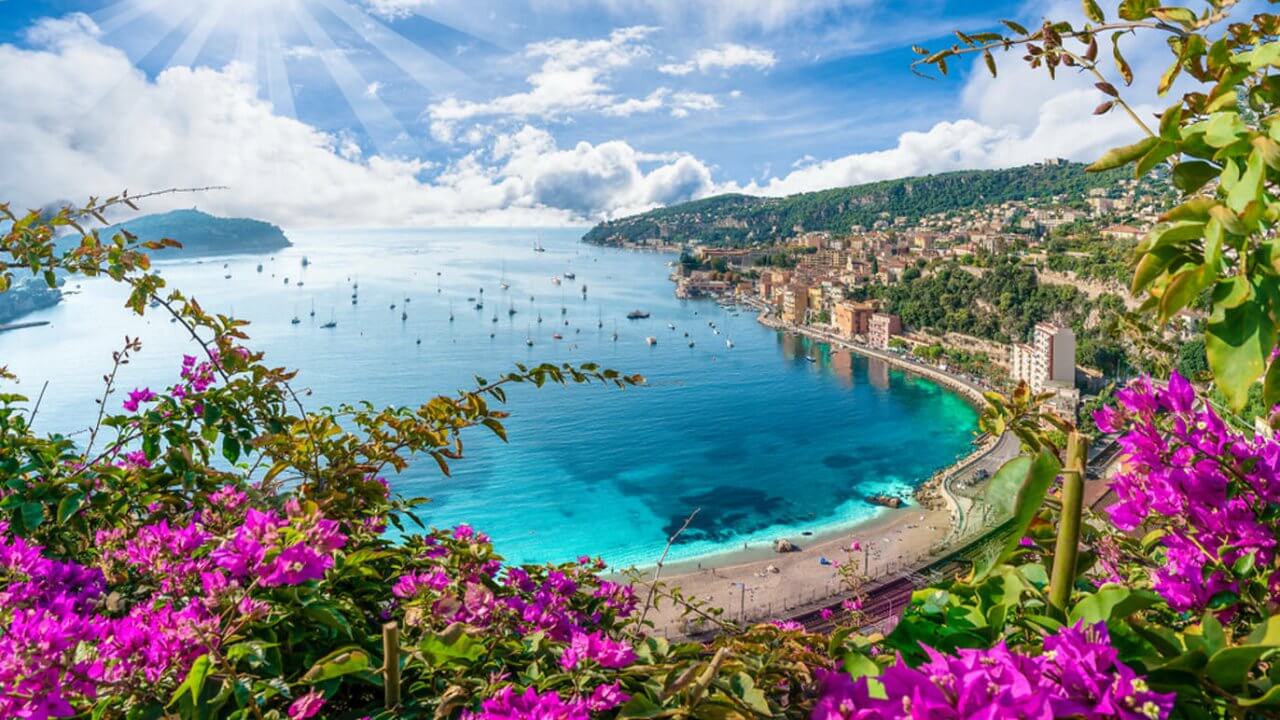
France’s regions have different optimal windows.
Here is a quick reference:
Southern France (Provence, Languedoc, Côte d’Azur)
The best time to visit the south of France is May–June and September–October.
July and August offer guaranteed sun but peak crowds and prices — a beach day on the Riviera in August costs three times more in sunbed and parking than in May.
Lavender season in Provence peaks from late June through mid-July.
The Plateau de Valensole typically sees its first blooms from mid-June, reaching full peak in the first week of July, with harvesting beginning toward late July.
Higher-altitude areas like the Pays de Sault bloom later, stretching through mid-August — a useful backup if you’re arriving after the Valensole peak.
Exact timing shifts slightly each year based on rainfall and heat, so checking local tourism sources in the week before you travel is always worth the two-minute effort.
The Mistral wind sweeps the Rhône Valley and Provence from November through March, sometimes reaching 100 km/h.
It is cold and disruptive to outdoor plans but delivers exceptional sky clarity — ideal for photography.
Northern France (Paris, Loire Valley, Normandy, Brittany)
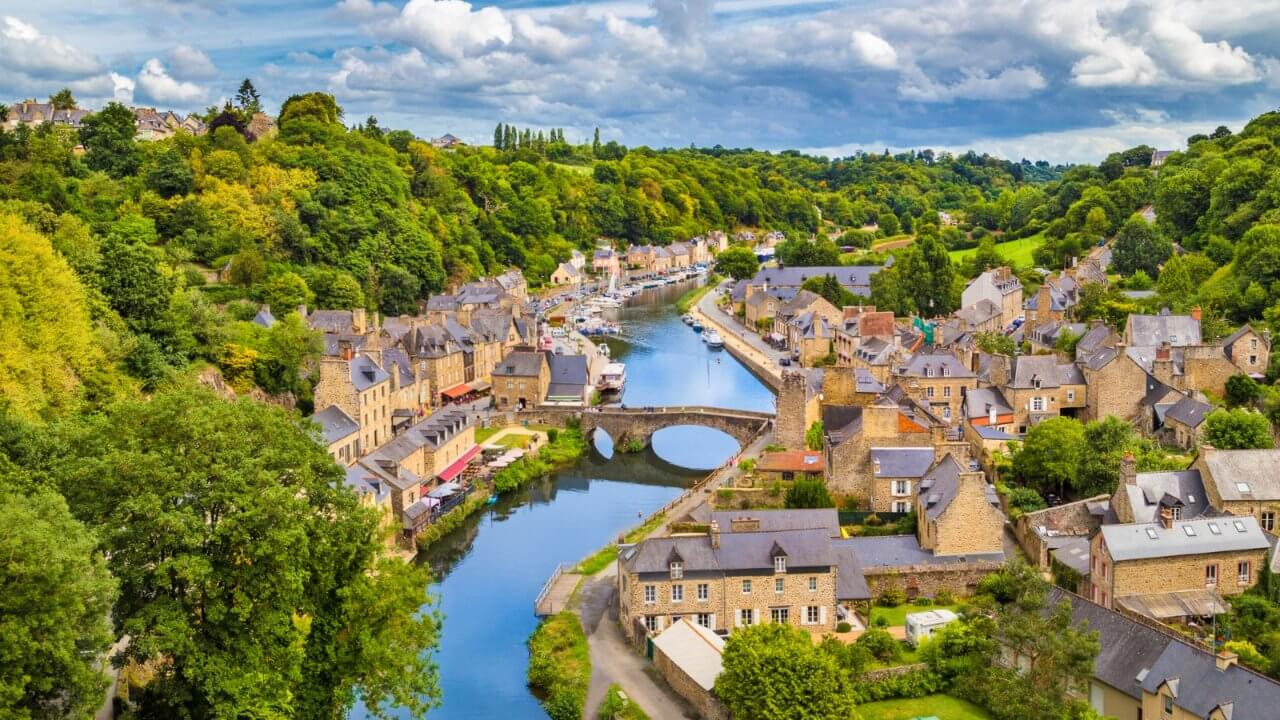
- Paris is year-round but best in April–May and September–October. The summer crowd peaks in late July–August; January–February sees the fewest tourists and lowest prices.
- Normandy and Brittany: July–August for beaches; any shoulder month for coastal walking, seafood, and D-Day sites without crowds. Rain is possible year-round; the coast is windswept but beautiful in autumn.
- Loire Valley: April–October for château visits; gardens peak in May. November through March is quiet and cheap but many smaller châteaux reduce hours or close entirely.
Alsace
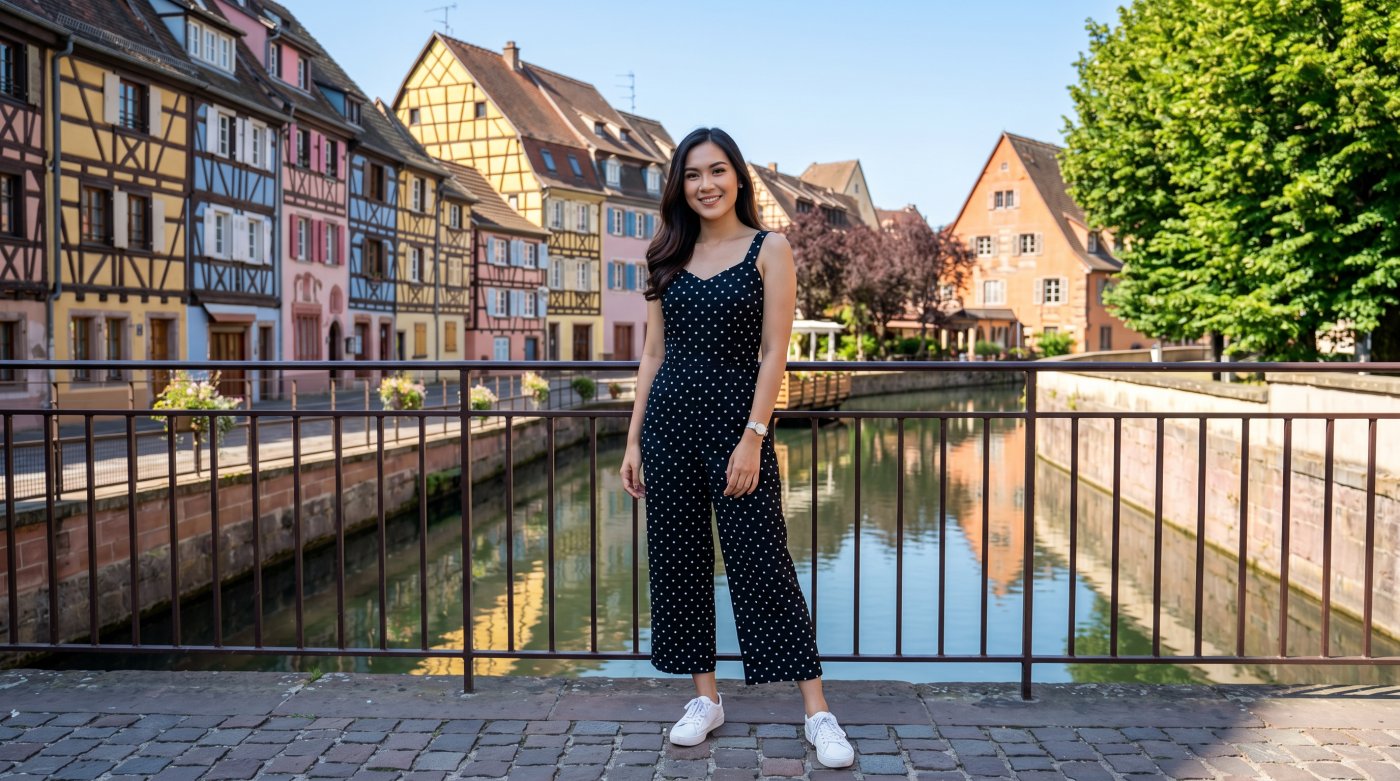
Summer (June–August) for general tourism and outdoor café culture.
Late November to Christmas for the famous Alsatian markets.
Avoid the Strasbourg Christmas market on weekends unless you genuinely enjoy pressing shoulder-to-shoulder crowds.
French Alps
Skiing: December to mid-April; February is peak.
Summer hiking: late June to September.
The shoulder months (May–June at altitude) mean lingering snow on high trails — check conditions before booking hiking itineraries.
Activity-Based Timing Guide
France’s regions each have their own rhythm for food, wine, and outdoor experiences — and timing your visit around a specific activity can make the difference between a forgettable trip and a genuinely memorable one.
Here is a quick reference by interest.
Best Time for Wine Tasting
- Harvest participation: September–October across all major regions
- Wine tourism in Burgundy: September and October for harvest; May–June for cycling the Route des Grands Crus
- Bordeaux wine events: The Bordeaux Fête le Vin is skipping its 2026 edition due to budget constraints across the wine industry — it returns July 7–11, 2027, coinciding with the Tall Ships Races. In 2026, wine lovers can instead attend the Weekend des Grands Crus (June 5–7) at Hangar 14 (tickets around €25) or the 10th anniversary of the Cité du Vin (June 4–7)
- Beaujolais Nouveau: Third Thursday of November — a genuine local celebration, best in the villages of Beaujolais itself
Best Time for Skiing
- Reliable snow: January to mid-March
- Best conditions: February (deepest snow base, longest days)
- Best value: January, early March
- Snowpark and freestyle: March at high-altitude resorts (Val Thorens, Tignes, Les Deux Alpes)
Best Time for Beaches
- Mediterranean coast: June and September for warm water, manageable crowds; July–August for reliably hot weather but packed beaches
- Atlantic coast (Brittany, Normandy): July–August only — sea temperature rarely exceeds 20°C even in peak summer
- Swimming comfort: Mediterranean sea temperature reaches 24°C in July–August, drops to 20°C in September, 15°C in October
Best Time for Festivals and Events
| Month | Event | Location |
|---|---|---|
| May | Cannes Film Festival | Cannes, Riviera |
| June | Fête de la Musique (21 June) | Nationwide |
| July | Bastille Day fireworks (14 July) | Nationwide; Paris |
| July | Tour de France mountain stages | Alps, Pyrenees |
| July | Avignon Theatre Festival | Avignon |
| Sep–Oct | Wine harvest (vendanges) | Bordeaux, Burgundy, Alsace |
| Nov | Beaujolais Nouveau release | Beaujolais, nationwide |
| Nov–Dec | Alsace Christmas markets | Strasbourg, Colmar |
For Paris-specific seasonal events — Bastille Day fireworks viewing spots, Paris Plages logistics, and Paris Fashion Week access — the Paris seasonal events guide covers each event with practical visitor details.
Paris Season by Season
Paris is worth visiting year-round, but each season offers a different character.
- Spring Paris (March–May): Outdoor café terraces fill. Gardens open. The Champ-de-Mars and Luxembourg Gardens are at their best from April. Cherry blossoms in Parc de Sceaux in early April draw crowds but are worth it. Longer days allow evening sightseeing after dinner.
- Summer Paris (June–August): Crowded, but electric. Paris Plages (Seine riverbank beaches, free) from mid-July to mid-August is genuinely enjoyable. Many Parisians leave in August, leaving a quieter but oddly calm city. Restaurant bookings easier in August.
- Autumn Paris (September–November): The most sophisticated Paris. Restaurant reservations release for autumn menus in September; this is the best time for a dedicated food-focused Paris trip. Museum exhibitions begin. The terrasse (outdoor) season ends but indoor café culture resumes. River cruise weather excellent in September–October.
- Winter Paris (December–February): The city is festive in December, sparse in January, and cozy rather than exciting in February. The upside: queues are short, hotels are cheap, and you can get a table at most restaurants without advance booking.
Budget Timing: Cheapest Times to Visit France
- Cheapest overall: January–March (excluding ski resort areas). Hotel rates in Paris in January average 30–40% below July rates. Flights are significantly cheaper outside school holidays.
- Shoulder season value: April–May and September–October offer the best price-to-experience ratio. Weather is good, attractions are open, crowds are manageable, and prices are 15–25% below peak summer.
- When to avoid: The first two weeks of July (French and European school holidays beginning), the last ten days of August (French families returning home, creating transport chaos), and Christmas week.
For a full breakdown of how to minimize costs across accommodation, transport, food, and attraction entry, the guide to budget travel in France by season covers off-peak strategies in detail.
If you’re still deciding between France and another European destination for a specific travel period, the AI Destination Comparison Tool lets you compare climate, cost, and crowd levels side by side for your specific dates.
Packing Guide by Season
What you pack for France depends almost entirely on when you go — the same country that demands a down jacket in February will have you hunting for the lightest linen shirt by August.
Each season has a genuinely different set of requirements, so packing light and smart beats hauling a bloated suitcase through a Parisian Métro staircase.
Spring Packing (March–May)
Layers are the key to spring in France.
Morning temperatures in Paris can be 8°C; afternoon temperatures in the same day can reach 18°C.
A light waterproof jacket (not a heavy raincoat) handles April showers.
Comfortable walking shoes are non-negotiable — most of France’s worthwhile experiences involve walking on cobblestones, uneven ground, or long distances.
- Light sweater or fleece
- Waterproof layer (packable)
- Comfortable walking shoes
- Sunscreen for May (UV increases significantly)
Summer Packing (June–August)
Lightweight natural fabrics (linen, cotton) are far more comfortable than synthetics in 30–35°C heat.
Sun protection is genuinely important in July–August in the south.
Most French beaches are pebble (Nice) rather than sand — water shoes are practical.
- Linen shirt or breathable top
- SPF 30+ sunscreen
- Wide-brimmed hat or cap
- Packable evening layer for coast/mountains
- Water shoes if visiting pebble beaches
Autumn Packing (September–November)
September feels like late summer; November feels like early winter.
Layer for September.
Bring proper warm clothing for November in Paris and the north.
Rain gear is necessary from October onward in Brittany and Normandy.
- Light jacket for September, warm coat for November
- Waterproof outer layer
- Walking shoes with ankle support for vineyard visits
- Sunglasses still useful through October in the south
Winter Packing (December–February)
Paris winters are cold but rarely severe by northern European standards.
Minus temperatures are unusual; grey and damp at 3–7°C is typical.
Alsace and the north are colder.
Ski resorts require full winter gear.
- Warm mid-layer (wool or down)
- Windproof outer jacket
- Hat, scarf, gloves for the north
- For skiing: waterproof ski jacket and trousers, thermal base layers, helmet
Use the AI Travel Packing List Generator to generate a season-specific and destination-specific packing list based on exactly where in France you’re going and when.
Frequently Asked Questions (FAQs)
The best time to visit Paris is April to early June, or September to mid-October.
These shoulder seasons offer comfortable weather, manageable crowds at the Louvre and Versailles, and hotel prices that are meaningfully lower than July–August peaks.
January is the cheapest month and has minimal queues, but short days and cold weather limit outdoor enjoyment.
September is better for most travelers to the south.
The Mediterranean sea is still warm (22–23°C), Provence lavender is harvested but the landscape is still beautiful, wine harvest tourism is in full swing, and Riviera hotel prices drop 25–40% compared to August.
July delivers hotter sun and busier beaches but at significantly higher cost and with larger crowds.
For July and August, book accommodation in coastal Riviera towns and ski resort areas at least three to four months ahead.
Paris hotels can usually be found two to four weeks ahead of summer dates, but popular neighborhoods (Marais, Saint-Germain, Montmartre) fill faster.
Timed-entry tickets for the Eiffel Tower summit and Versailles should be booked two to four weeks ahead for July dates.

A lifestyle and OOTD blogger, Kannaya Nareswari enjoys the small pleasures of cooking, traveling, and documenting ordinary events. She uses genuine storytelling to communicate her love of fashion, culinary explorations, and wanderlust. She is based between Bali and Bandung. She enjoys enjoying coffee at a secret café or experimenting with recipes in the kitchen when she's not traveling to new places or styling her most recent ensemble.