
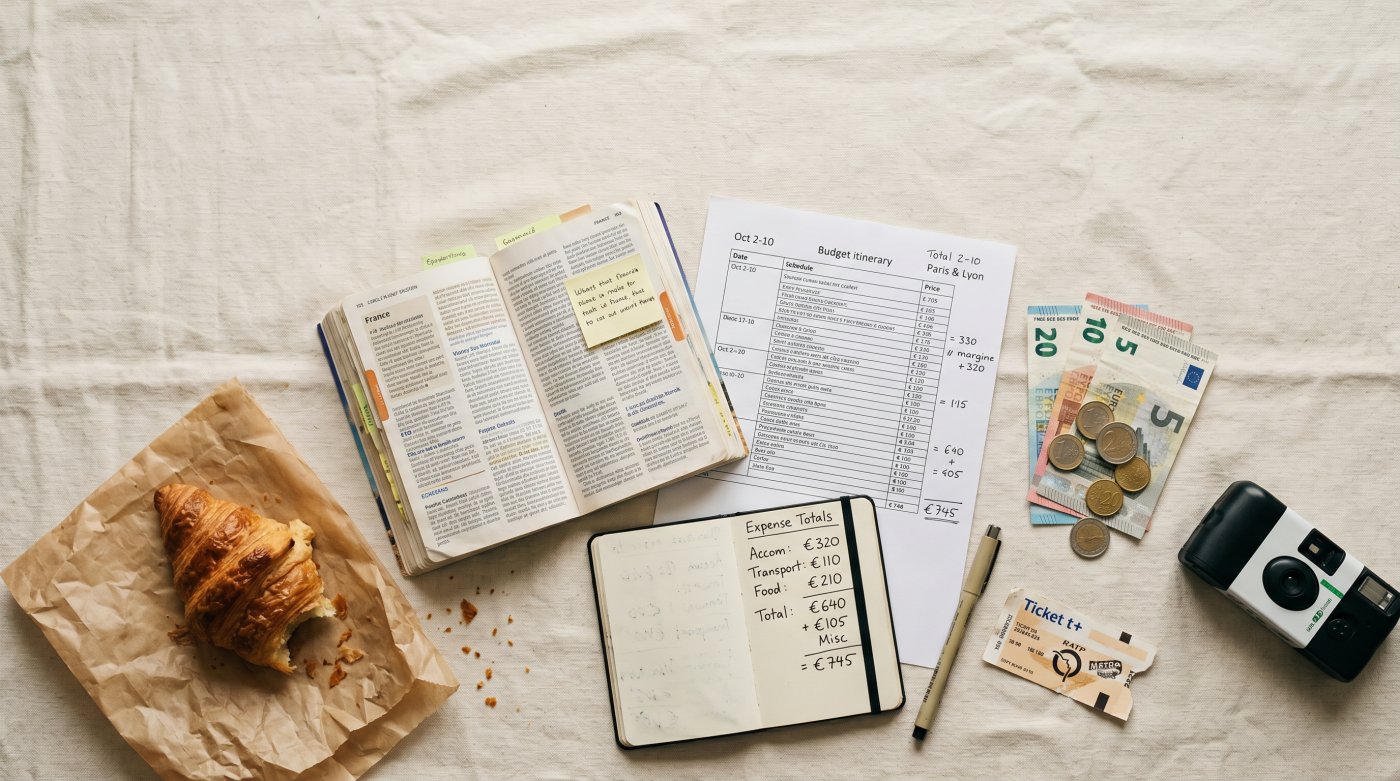



How to Travel France on a Budget: What Everything Actually Costs – France is not a cheap country, but it is very manageable on a careful budget.
The expensive version of France — luxury hotels, Michelin-starred restaurants, peak-season flights — costs as much as any major European destination.
The realistic budget version — hostels or mid-range hotels, bistro lunch menus, trains booked in advance, local markets — is accessible at €80–120 per person per day in Paris, less in regional cities.
This guide covers every major budget category: accommodation, transport, food, activities, timing, and which regions give you the most for your money.
For a broader look at what to prioritize when planning your trip, the guide to best things to do in France covers activities across every budget level.
Key Highlights
- Budget accommodation (hostel dorm, budget chain hotel, or Airbnb) ranges from €25–70 per person per night depending on city and season.
- A baguette costs €1–1.20. A café au lait costs €2–3. A bistro lunch formule (2 courses) costs €12–17. Street food (crêpe, falafel, kebab) is €4–8.
- January, February, and November are the cheapest months to visit Paris and most French cities — hotel rates fall 30–50% compared to July.
- FlixBus and BlaBlaCar cut intercity travel costs by 50–70% compared to standard TGV fares.
- Many national museums offer free entry on the first Sunday of each month. Under-26s from the EU enter national museums free year-round.
How Much Does a Trip to France Cost?
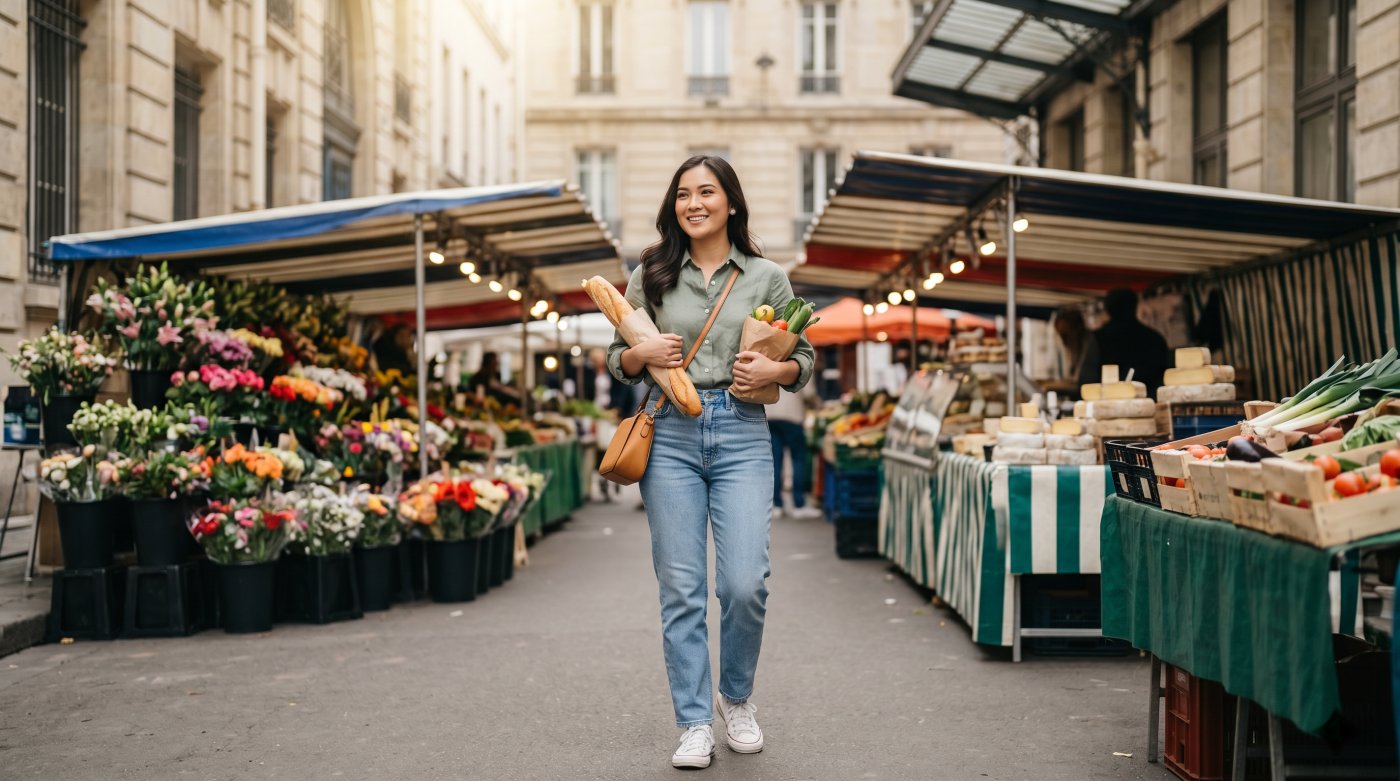
The honest answer: it depends more on accommodation and transport timing than on anything else.
These two categories account for 70–80% of a France trip budget.
Daily Budget Estimates
| Budget Level | Accommodation | Food | Transport | Daily Total |
|---|---|---|---|---|
| Backpacker | €25 (hostel dorm) | €25 (market, bakery, one cheap meal) | €5–10 | €55–65 |
| Mid-range | €70 (budget hotel or Airbnb) | €45 (one bistro meal + café + market lunch) | €15–20 | €130–135 |
| Comfortable | €130 (3-star hotel) | €70 (one restaurant dinner + normal meals) | €20–30 | €220–230 |
These figures apply to Paris.
Regional French cities (Lyon, Bordeaux, Toulouse, Marseille) typically run 20–35% cheaper for accommodation and slightly cheaper for food.
Flight Costs to France
Return flights from the US to Paris typically range from $550–$1,000 in economy, depending on season, route, and booking timing.
Budget-savvy travelers flying from Newark or New York have found round-trip deals as low as $695 when booking in advance, though the average hovers around $878–$903.
Booking 3–5 months ahead generally delivers the lowest fares; last-minute transatlantic tickets are significantly more expensive.
From the UK, budget airlines (Ryanair, EasyJet, Vueling) run routes to Paris from London, plus routes to Nice, Lyon, Bordeaux, Marseille, and Toulouse from multiple UK airports.
Fares start from as low as £14–26 one way when booked well ahead, with typical advance-purchase fares in the £25–60 range for travel 4–8 weeks out.
- Exploring 25+ Most Iconic and Historical Landmarks in Paris
- What Are 5 Facts About Paris, France?
- Paris on a Budget: Tips and Tricks for Affordable Travel
- 20+ Best Hotels in Paris With Eiffel Tower View
- The Flavors of Paris: A Food and Wine Guide to Paris
- Family Trip to Paris: A Family’s Guide to Exploring Paris Safely
- How to Spend 3 Days in Paris
- The Ultimate Guide to Shopping in Paris: From Luxury to Vintage
Budget Accommodation Options in France
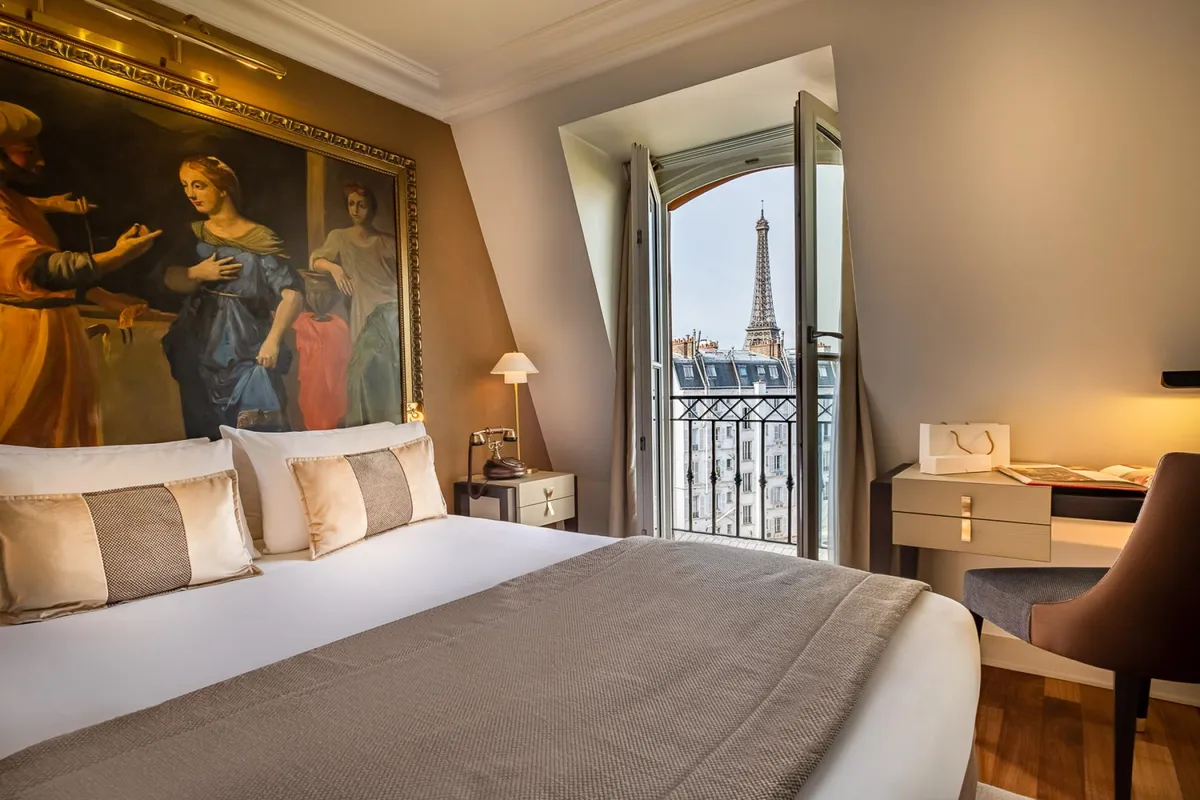
France offers a surprisingly wide spectrum of budget-friendly places to sleep, from buzzing social hostels to no-frills budget hotels, and knowing which option suits your style can save you serious money on the road.
Hostels in Major French Cities
France has a well-developed hostel network.
Budget hostel dorms in Paris typically cost €28–45 per bed per night; private rooms in the same hostels run €75–110, depending on season and location.
Popular hostel chains — Generator, St Christopher’s, and the national FUAJ (Fédération Unie des Auberges de Jeunesse) network — maintain properties in Paris, Lyon, Marseille, Bordeaux, and most major cities.
Hostels typically include a communal kitchen (significant savings if you self-cater breakfast and some meals), common areas, and lockers.
Many offer private en-suite rooms at mid-range hotel rates without the character markup.
Budget Hotel Chains
France has a strong budget hotel chain sector, dominated by Ibis (mid-budget), Ibis Budget (basic), and B&B Hôtels.
Ibis Budget properties in central Paris start from around €65–90 per night for a double, with average nightly rates hovering around €75–86 depending on arrondissement and season.
In regional cities, the same chains cost €45–65.
Chain hotels offer private rooms with en-suite bathrooms at a consistent standard — a practical choice for travelers who want privacy without paying boutique prices.
Apartment Rentals and Airbnb
Apartment rentals via Airbnb or Booking.com offer good value for groups of 2–4 traveling together.
A shared apartment splits the per-person cost meaningfully.
An Airbnb apartment in Paris priced at €100/night costs €50 per person for a couple — comparable to a budget hotel but with the ability to self-cater.
Outside Paris, the cost advantage is more significant.
Apartments in Lyon, Bordeaux, and smaller cities start from €50–80 per night total for a full apartment.
Rural Gîtes and Countryside Stays
A gîte is a French self-catering holiday property — typically a restored farmhouse, village house, or outbuilding rented by the week.
For groups, gîtes are significantly cheaper than hotels.
A rural gîte in Dordogne or Burgundy for a week typically costs €440–900 in low-to-mid season, with peak summer rates climbing higher; split across four people, that works out to roughly €110–225 per person for the entire week’s accommodation.
Larger or premium properties can exceed €1,400 per week in July and August.
Gîte de France (gites.fr) is the official national network with quality ratings.
University Accommodation (Summer Only)
Many French universities open dormitory rooms to travelers in July and August when students are away.
Known as CROUS (Centre Régional des Œuvres Universitaires et Scolaires) residences, these offer basic furnished single rooms in central city locations — standard monthly rents run €200–€450, which translates to roughly €7–15 per night for a full-month booking, though short-stay nightly availability is limited and varies by city and residence.
Check the regional CROUS website or trouverunlogement.lescrous.fr for each city, as summer availability for non-students is not guaranteed and rooms go fast.
20+ Best Hotels in Paris With Eiffel Tower View
Curious about the best hotels in Paris with a stunning Eiffel Tower view? Discover luxurious ... Read More
When to Go: Cheapest Times to Visit France
Timing is the single most powerful budget lever.
The same hotel room in Paris costs nearly twice as much in July as it does in January.
Cheapest Months Overall
January, February, and November are the cheapest months for Paris and most French cities.
Accommodation rates drop 30–50% compared to July–August.
Flight demand is lowest.
Tourist queues are minimal.
The tradeoff: short days, cold weather (4–8°C in Paris in January–February), and fewer outdoor activities.
January is a strong month for indoor-focused itineraries — museum visits, food exploration, and neighborhoods that don’t require warm weather to enjoy.
For context on how weather and timing interact with activities across the country, the best time to visit France by season guide has the full picture.
Best Value: Shoulder Seasons
April–May and September–October offer the best price-to-experience ratio.
Hotel rates are 15–25% lower than peak summer.
Flights are meaningfully cheaper, especially in September.
The weather is comfortable (14–22°C across most of France).
Queues at major attractions are manageable.
September specifically combines post-summer price drops with warm temperatures still suitable for outdoor activity — widely considered the best budget-quality balance month.
Months to Avoid for Budget Travel
July and August.
French school holidays (late June through August) are the peak domestic travel season, and European tourism peaks simultaneously.
Hotel prices are at annual highs.
Trains fill quickly.
Budget accommodations in coastal areas need advance booking.
The cost premium in July–August compared to September is real — typically 25–40% higher for equivalent accommodation.
Budget Transport: Getting Around France Without Overspending
Transport costs vary enormously based on how and when you book.
The same Paris–Lyon journey can cost €9.99 (FlixBus, booked ahead) or €88 (TGV, last minute).
Book TGV Trains Early
SNCF opens advance TGV bookings up to 3 months ahead.
The cheapest TGV fares (Ouigo low-cost service, or SNCF advance tickets) are available at booking opening and sell out progressively.
If your dates are fixed, book train travel immediately when bookings open.
The cheapest ways to get around France are covered in detail in the France transportation guide.
FlixBus: Budget Coach Travel
FlixBus operates France’s most affordable coach network.
Fares start from as low as €2.99–4.99 for short routes when booked well in advance, with major intercity connections (Paris–Lyon, Paris–Bordeaux, Paris–Marseille) typically running €9–20 on advance bookings — though day-of prices average around €40–55.
The trade-off is journey time: Paris to Lyon takes 4.5–5 hours by FlixBus vs. 2 hours by TGV.
BlaBlaCar: Ridesharing
BlaBlaCar connects private drivers selling spare seats on their planned journeys.
For carpool rides (private drivers), typical fares run €23–32 for Paris to Bordeaux and €18–25 for Paris to Lyon — often 30–50% below standard TGV prices.
BlaBlaCar also operates its own BlaBlaCar Bus service on the same routes, with tickets starting from around €10–14 when booked ahead.
The informal car-sharing format works best for flexible travelers who don’t need a fixed departure time.
Rail Pass Considerations
The Eurail France Pass (or Eurail Global Pass) makes financial sense if you’re taking multiple long-distance train journeys without booking in advance.
If you can plan routes 2–3 months ahead, individual Ouigo or advance SNCF tickets are usually cheaper.
Rail passes become valuable for open-ended itineraries where you want to board trains spontaneously.
Paris Transport: Weekly Navigo Pass
For Paris stays of 4+ days, the Navigo Semaine (weekly pass) provides unlimited travel across all Metro, RER, bus, and tram zones — covering all zones 1–5, including CDG and Orly airports — for a flat weekly fee of €32.40 in 2026.
Note that the physical Navigo Découverte card carries a one-time €5 fee, though this is waived if you use the Île-de-France Mobilités smartphone app instead.
This is significantly cheaper than buying individual tickets, which cost €2.15 each (or €1.73 each in a carnet of 10).
For a personalized estimate of what transport will cost across your specific route and dates, the AI Trip Cost Estimator gives a breakdown by transport category.
Budget Dining in France

Eating well in France on a budget is entirely possible if you understand how French meals work and where locals actually eat.
The Formule Lunch Menu
The most important budget eating tool in France is the formule or menu du jour at a traditional bistro or brasserie.
Available at lunch Monday–Friday, this fixed-price set menu typically offers 2 courses (starter + main, or main + dessert) for €15–20, or 3 courses for €19–26 — with Paris prices sitting at the upper end of that range and regional cities generally cheaper.
The same restaurant charges 40–60% more for equivalent food at dinner, where a mid-range sit-down meal easily runs €30–40 per person.
Eating your main meal at lunch and keeping dinner simple (market food, bakery, or soup) is the single most effective food budget strategy in France.
Bakeries and Market Buying
A fresh baguette costs €1–1.20.
A croissant or pain au chocolat is €1.20–1.80.
French supermarkets (Carrefour, Leclerc, Monoprix) sell quality ready-made meals, cheese, charcuterie, and local wines at very reasonable prices.
A picnic assembled from a Carrefour or local market — baguette, 150g of cheese, a piece of charcuterie, a small wine bottle — costs €8–12 for two people.
French outdoor markets (marchés) are held on specific days in every neighborhood and village.
End-of-day (usually 30–60 minutes before closing) is when vendors reduce prices on produce, bread, and prepared foods.
Student Restaurants (Resto U)
French university cafeterias (Restaurants Universitaires) run by CROUS are reserved for enrolled students — as of May 4, 2026, the French government expanded the landmark €1 meal scheme to all students regardless of income, down from the previous standard rate of €3.30.
Non-students and general travelers are not eligible to dine at these rates; access requires a valid student card and payment via the Izly student payment platform.
That said, if you’re traveling with a student or are yourself enrolled in any French higher education institution (including exchange or doctoral programs), a complete 3-course meal — main dish plus two sides from starter, cheese, dessert, or fruit — for €1 per sitting is one of the most extraordinary budget food deals in Europe.
Locations in each city are mapped on the CROUS website at lescrous.fr.
What Things Actually Cost
| Item | Typical Cost |
|---|---|
| Baguette | €1–1.20 |
| Café au lait at a café | €2.50–3.50 |
| Croissant at a bakery | €1.20–1.80 |
| Crêpe from a street stall | €3–5 |
| Supermarket sandwich | €3–5 |
| Bistro lunch formule (2 courses) | €13–17 |
| Bistro dinner (1 course) | €16–24 |
| Glass of house wine (bistro) | €4–7 |
| 1.5L supermarket water | €0.30–0.50 |
Free and Low-Cost Activities in France

France punches well above its weight for budget culture — between rotating free museum days, student discounts, and annual heritage events, you can fill a week’s itinerary in Paris or any major city with world-class experiences without spending a cent.
Museum Free Days
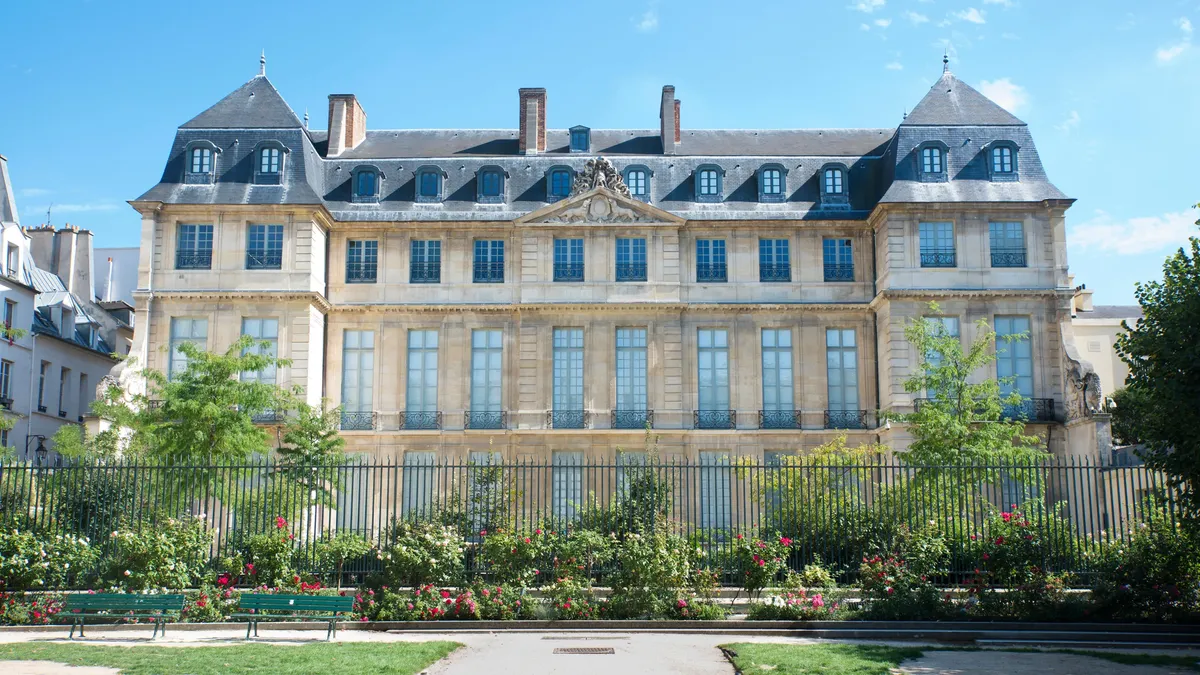
Many French national museums offer free entry on the first Sunday of each month.
This includes the Musée d’Orsay, Centre Pompidou, Musée Rodin, and Musée de Cluny.
Note that the Louvre shifted its free monthly admission to the first Friday of the month after 6 PM (outside peak summer months) — not the first Sunday.
The Château de Versailles (palace only, not the gardens) also participates in first-Sunday free entry.
In peak summer (July–August), first-Sunday free admission does not apply at the Louvre or Orangerie due to crowd limits — double-check each museum’s official site before your visit.
Arrive before opening or during the last 2 hours to manage queues on free days.
EU and EEA citizens and residents under 26 enter all French national museums free every day, year-round, with valid photo ID. Non-EU under-26s do not qualify
for this year-round benefit — that policy was quietly corrected and the free year-round access is restricted to European Economic Area nationals and residents.
However, anyone under 18, regardless of nationality, enters all French national museums free every day.
All visitors also benefit from free entry on 14 July (Bastille Day) across all national museums, and the Louvre remains free for under-18s from any country on any day.
European Heritage Days (Journées du Patrimoine) on the third weekend of September open hundreds of normally closed buildings — government ministries, private châteaux, historic monuments — for free public visits.
Free Outdoor Spaces

Paris’s major gardens are free to enter: Luxembourg Gardens, Tuileries Garden, Parc de la Villette, Bois de Boulogne, Bois de Vincennes, Parc Monceau.
Sitting on the Champ-de-Mars facing the Eiffel Tower, or walking the Canal Saint-Martin, costs nothing.
- The Fête de la Musique (21 June) is a genuinely excellent free event: concerts and performances take place in streets, courtyards, parks, and gardens across every French city. Classical concerts, jazz, rock, traditional music — all free, all public.
- Bastille Day (14 July) includes free military parades and public fireworks. The Paris fireworks from the Trocadéro are viewable from the public Champ-de-Mars without a ticket.
Walking Tours
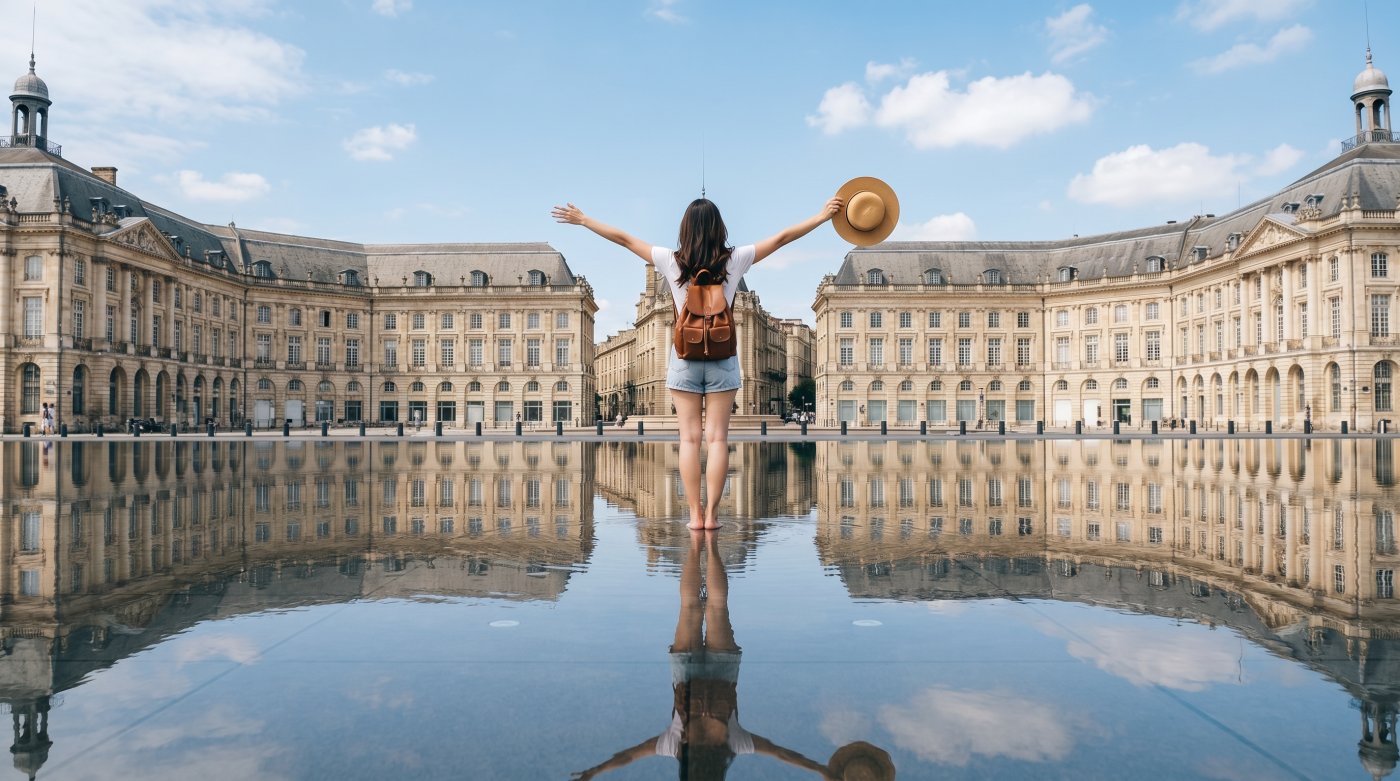
Free walking tours (tip-based at end) operate in Paris, Lyon, Bordeaux, Marseille, and most major French tourist cities.
These give a city orientation with historical context in 2–3 hours.
Quality varies; read recent reviews on TripAdvisor or GetYourGuide before booking.
Expected tip: €5–15 per person is standard.
Churches and Cathedrals

France’s religious architecture is one of the great free shows in the world, and you could spend days cathedral-hopping without touching your wallet.
Most French churches — including Sacré-Cœur and Chartres Cathedral — are free to enter or ask for a voluntary donation.
Major regional cathedrals (Reims, Amiens, Rouen, Strasbourg) are also free entry.
Notre-Dame de Paris fully reopened in December 2024 after its post-fire restoration, and as of 2026 the interior is open to the public free of charge, every day from 8:00 AM to 7:00 PM (until 10 PM on Thursdays).
Entry is free and requires no ticket, though a free optional timed reservation via the official Notre-Dame website (notredamedeparis.fr) is strongly recommended during peak season to skip queues.
Sainte-Chapelle charges admission because of its unusually detailed Gothic interior — worth every cent as a singular stained-glass experience.
As of January 12, 2026, pricing is €16 for EEA citizens/residents and €22 for non-EEA visitors.
EU citizens aged 18–25 and all children under 18 enter free.
A combined ticket with the Conciergerie costs €23 (EEA) / €30 (non-EEA).
Admission is also free for everyone on the first Sunday of January, February, March, November, and December.
Budget Destinations: Cheapest Cities and Regions
France’s regions vary dramatically in cost, and steering clear of Paris — or at least limiting your time there — is one of the most effective budget decisions you can make.
The cities and regions below consistently deliver excellent travel value without sacrificing culture, food, or scenery.
Lyon: Best Budget City in France
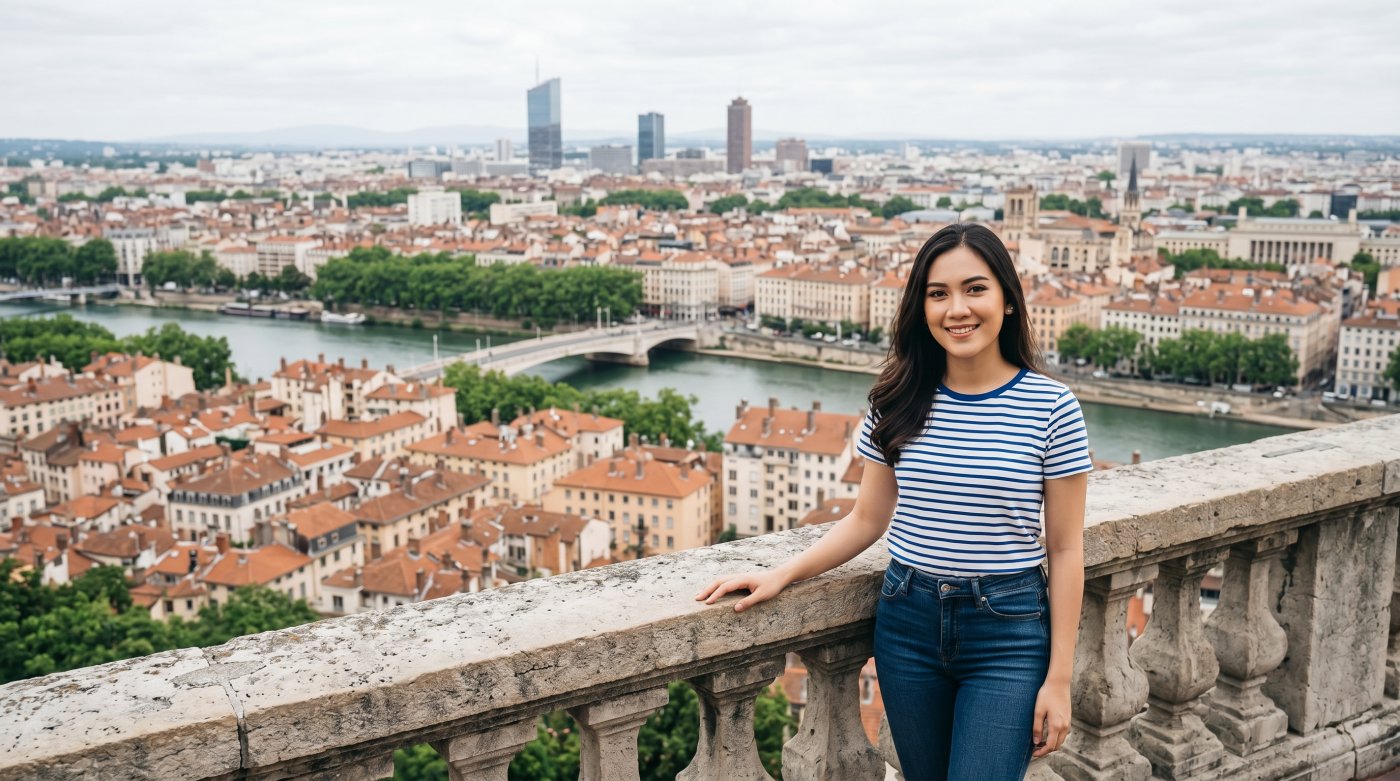
Lyon is France’s most underrated budget destination.
It is cheaper than Paris across all categories — accommodation runs 25–35% less, restaurant meals run 15–20% less — while offering a UNESCO-listed old town (Vieux Lyon), a major contemporary art scene, and food that rivals Paris in quality.
The city’s bouchons (traditional Lyonnaise restaurants) serve hearty two-course lunches for €13–15.
The famous Traboules (covered passageways through building courtyards) are free to walk.
Parc de la Tête d’Or is one of France’s largest urban parks, completely free.
Toulouse
The “Pink City” (its terracotta brick buildings turn warm in afternoon light) is a student-dominated city with correspondingly affordable food and nightlife.
The Place du Capitole, Basilica of Saint-Sernin (free, Romanesque), the Canal du Midi towpath walks (free), and the Jardin Japonais (free) all cost nothing.
Budget accommodation is plentiful given the large student population.
Avignon and Provence Base
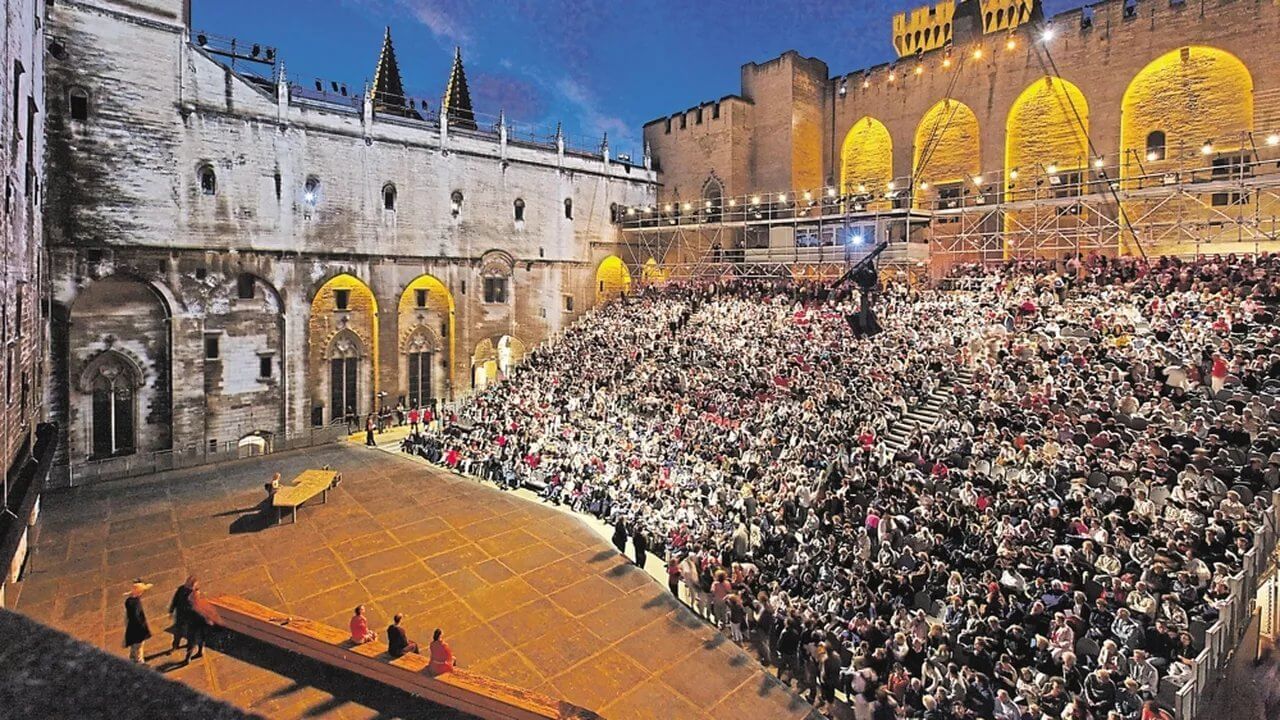
Avignon works well as a budget base for exploring Provence.
It has more accommodation options at lower prices than the Luberon villages or the Riviera coast, and regular bus/train connections to Arles (30 minutes), Nîmes (30 minutes), Marseille (35 minutes by TGV), and Pont du Gard (30 minutes by bus).
The Palais des Papes exterior is free to see from the outside.
Interior entry costs €14.50 for adults (full price, from May 1, 2026 onwards), €11.50 reduced (students, seniors), and €8 for children aged 8–17; children under 8 enter free.
A combined ticket covering both the Palais and the Pont d’Avignon costs €17 full price.
Local Avignon residents enter free every Sunday on proof of address.
Note that on May 1, 2026, the palace launched new interactive exhibits and opened previously closed rooms to the public — making it a more compelling visit than in previous years.
Southern France on a Budget
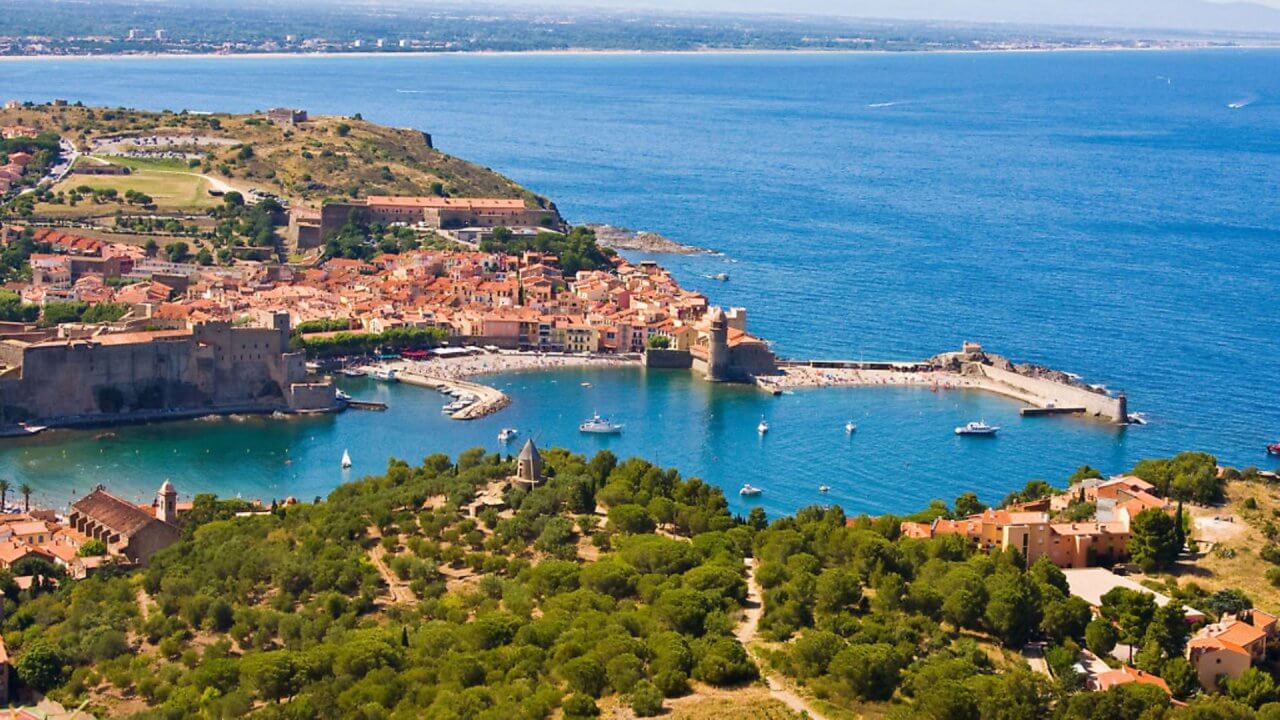
The Côte d’Azur is expensive, but Nice itself is more affordable than Cannes or Monaco.
Nice’s Promenade des Anglais beach is free (public beach).
The old town (Vieux-Nice) and the Cours Saleya market are free to explore.
The Matisse Museum (Nice) and Chagall Museum (Nice) are both free on the first Sunday of the month.
For more detailed guidance on which regions and cities offer the best value across different interests, the affordable places to visit in France guide covers the regional breakdown.
The Languedoc coast (west of the Rhône delta) is systematically cheaper than the Riviera for beach holidays — Montpellier, Sète, Palavas, Agde — with Mediterranean sea access at significantly lower prices than Nice or Cannes equivalents.
Budget Shopping and Souvenirs in France
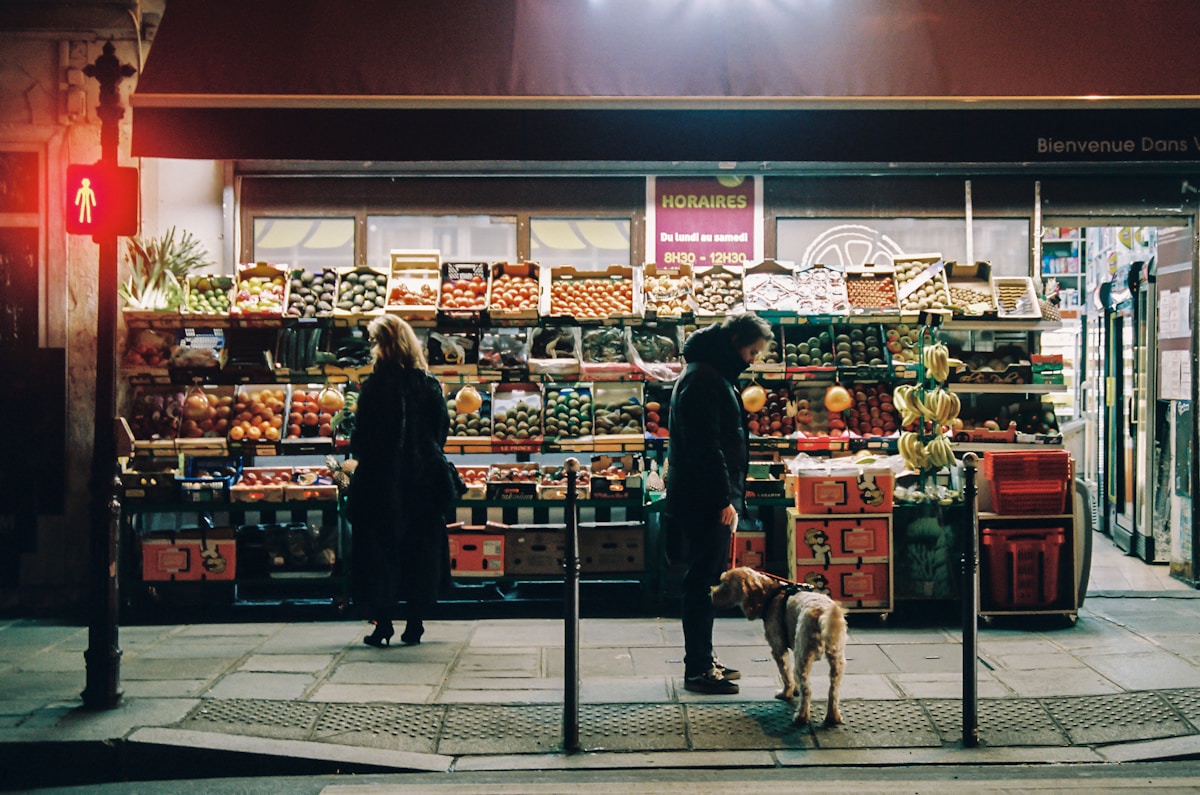
France is full of traps designed to separate tourists from their money — but shop where locals shop, and the same country becomes remarkably affordable for taking a little piece of it home.
- French pharmacies (pharmacies, not drugstores) are widely recommended for affordable French beauty products. Bioderma, La Roche-Posay, Avène, Embryolisse, and Vichy are French drugstore brands sold globally at inflated prices — in French pharmacies, most products fall in the €6–18 range for cleansers, moisturizers, and sunscreens, compared to €15–35+ for the same items in the US or UK. Discount pharmacies like CityPharma in Paris’s Saint-Germain neighbourhood often undercut even standard pharmacy prices by another 20–30%.
- Monoprix and local supermarkets sell regional food souvenirs — wine bottles (€4–12), regional jams, lavender products, Dijon mustard, local chocolate — at a fraction of tourist shop prices. Buying French wine, Calvados, or regional apéritifs at a supermarket vs. a tourist shop saves 40–60%.
- Marché aux Puces de Saint-Ouen (Paris, near Porte de Clignancourt) is the world’s largest antique market. Haggling is expected and effective; Saturday and Sunday mornings before crowds arrive offer better prices.
- Lavender sachets, Savon de Marseille soap, and local pottery from Provence are genuinely good budget souvenirs — useful, authentic, and inexpensive when bought directly from markets rather than tourist boutiques in Paris.
Practical Money Tips When Traveling to France
France is cashless-friendly in most cities, but a few habits and the right financial tools will keep unnecessary fees out of your trip budget.
Cash vs. Card
France is generally card-friendly.
Most restaurants, shops, and transport accept Visa and Mastercard contactless payment.
Some small market stalls and rural businesses remain cash-only.
Keep €50–100 in cash for markets, rural areas, and tips.
Foreign transaction fees on standard bank cards typically run 1.5–3% per transaction — quietly expensive across a two-week trip. Revolut
and Wise both eliminate foreign exchange markups on weekday Euro transactions for free-tier users (Revolut applies a 0.5% fee above $1,000/month on Standard plan; Wise charges a transparent 0.35–0.55% conversion fee).
Either card is worth setting up before a France trip to avoid paying a surcharge on every café and boulangerie purchase.
Tipping Culture
France includes a service charge (service compris) in restaurant bills by law.
Tipping is appreciated but not expected.
Rounding up the bill or leaving €1–3 for good service is common among locals.
Large tips are unusual in France and not expected.
ATMs (distributeurs automatiques de billets, or DAB) are available everywhere.
Bank ATMs charge no fee; private ATMs at airports and tourist areas can charge €3–7 per withdrawal.
Pre-Trip Budget Planning For France Travel
Before booking, factor in any visa costs that apply to your nationality.
The Schengen short-stay visa fee increased from €80 to €90 for adults (12+) effective June 11, 2026, with children aged 6–11 now paying €45 and children under 6 entering free.
Note that most visa application centres (VFS Global, TLS Contact) add their own service charges on top of the base fee, so budget an additional €20–40 depending on your country of application.
Processing time adds a planning lead time of 4–12 weeks depending on country — make this one of your first bookings.
US, Canadian, UK, and Australian citizens do not currently require a Schengen visa for stays under 90 days.
However, the EU’s ETIAS (European Travel Information and Authorisation System) pre-travel authorisation is expected to launch in the final quarter of 2026 — a one-time €20 fee linked to your passport for up to three years.
Check the official ETIAS website closer to your travel date if you hold a visa-exempt passport.
Full visa details are in the visa requirements for France guide.
For an AI-generated estimate of your full trip budget — accounting for your specific dates, destination, accommodation preference, and travel style — the AI Cheap Travel Advisor provides a personalized cost breakdown.
Frequently Asked Questions (FAQs)
January is typically the cheapest month to visit Paris and most French cities.
Hotel rates are at their annual lows, flights are cheapest, and queues at attractions are minimal.
The trade-off is short days (sunset around 5pm), cold temperatures (2–8°C in Paris), and reduced outdoor appeal.
For travelers focused on museums, food, and indoor experiences, January is excellent value.
Yes, in regional France, at the backpacker level.
Budget breakdown for €50/day: €25 hostel dorm + €12 bistro lunch formule + €8 market/bakery food for other meals + €5 transport = €50.
This requires staying in hostels with kitchen access, eating one proper meal per day, using free museum entry when available, and moving on slow, cheap transport.
In Paris, the same daily budget is tight but possible with a hostel dorm and careful eating.
Regional cities are 25–40% cheaper across all categories.
Lyon, Bordeaux, Toulouse, Nantes, and Montpellier offer fewer tourist traps, better value restaurants, more affordable accommodation, and comparably excellent food and culture.
Paris is worth visiting but spending your whole trip there on a tight budget means missing places that stretch your euros much further.

A lifestyle and OOTD blogger, Kannaya Nareswari enjoys the small pleasures of cooking, traveling, and documenting ordinary events. She uses genuine storytelling to communicate her love of fashion, culinary explorations, and wanderlust. She is based between Bali and Bandung. She enjoys enjoying coffee at a secret café or experimenting with recipes in the kitchen when she's not traveling to new places or styling her most recent ensemble.