


What to do in France: Top Activities and Experiences for 2026 – France packs an extraordinary range of experiences into one country — Gothic cathedrals and ski resorts, royal châteaux and cheese caves, jazz clubs and lavender fields.
Whether you have five days or five weeks, this guide covers the best things to do in France across every interest, budget, and travel style.
Planning your trip?
Start by checking the best time to visit France — the season you choose shapes almost every experience on this list.
Key Highlights
- Climb the Eiffel Tower for Paris views at three different height levels, including a restaurant stop.
- Explore the Louvre Museum to see the Mona Lisa, Venus de Milo, and over 380,000 other works.
- Tour the Palace of Versailles and its 800-hectare gardens for a full day of royal history.
- Join wine and cheese tastings in Bordeaux, Burgundy, and Roquefort for hands-on culinary education.
- Visit medieval Carcassonne, the Loire Valley châteaux, and Mont-Saint-Michel for France's best castle experiences.
Visiting Iconic Landmarks and Monuments in France
France holds some of the world’s most photographed structures, and seeing them in person still delivers — even when you know exactly what to expect.
The Eiffel Tower, Palace of Versailles, Notre-Dame Cathedral, and Arc de Triomphe each offer something beyond a photo opportunity: a specific kind of encounter with history and scale that is hard to replicate anywhere else.
These four sites form a natural starting point for any France itinerary, and all are accessible from Paris.
For transport logistics between them, the France transportation guide covers train, Metro, and driving options in detail.
1. Eiffel Tower — Views, Dining, and the Iron Lady Up Close
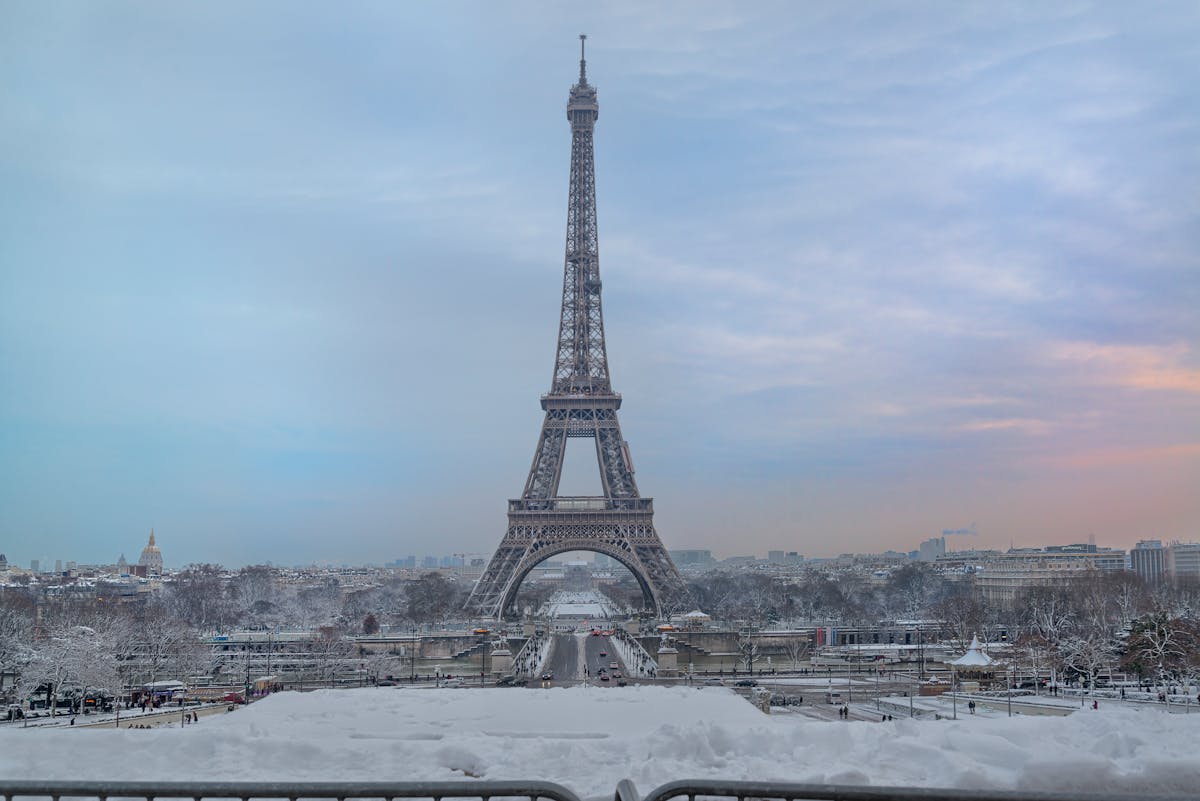
The Eiffel Tower stands 330 meters tall in the 7th arrondissement of Paris and is open daily.
It has three visitor levels: the first floor at 57 meters, the second at 115 meters, and the summit at 276 meters.
Adult admission to the summit costs €28.00 via stairs to the 2nd floor + lift to the top, or €36.70 by full lift.
Book tickets online in advance — walk-up queues regularly exceed two hours.
The first floor houses a glass-floored observation deck and the 58 Tour Eiffel restaurant, where you can have lunch or dinner with unobstructed views.
The summit becomes crowded after 10am; arriving at opening or in the hour before closing gives you a cleaner experience.
Every evening after dark, the tower sparkles for five minutes on the hour — a light show worth waiting for from the Champ-de-Mars lawn.
- Backpacking Paris: A Budget Backpacker’s Guide to Explore Paris
- Is Paris Expensive as a Tourist?
- Getting Around Paris: A Comprehensive Guide to Public Transport, Taxis, and More
- Paris Throughout the Year: Seasonal Activities and Events
- Family Trip to Paris: A Family’s Guide to Exploring Paris Safely
- The Ultimate Guide to Shopping in Paris: From Luxury to Vintage
- Why Is Paris the City of Love?
- What Are 5 Facts About Paris, France?
2. Palace of Versailles — Royal History and Formal Gardens
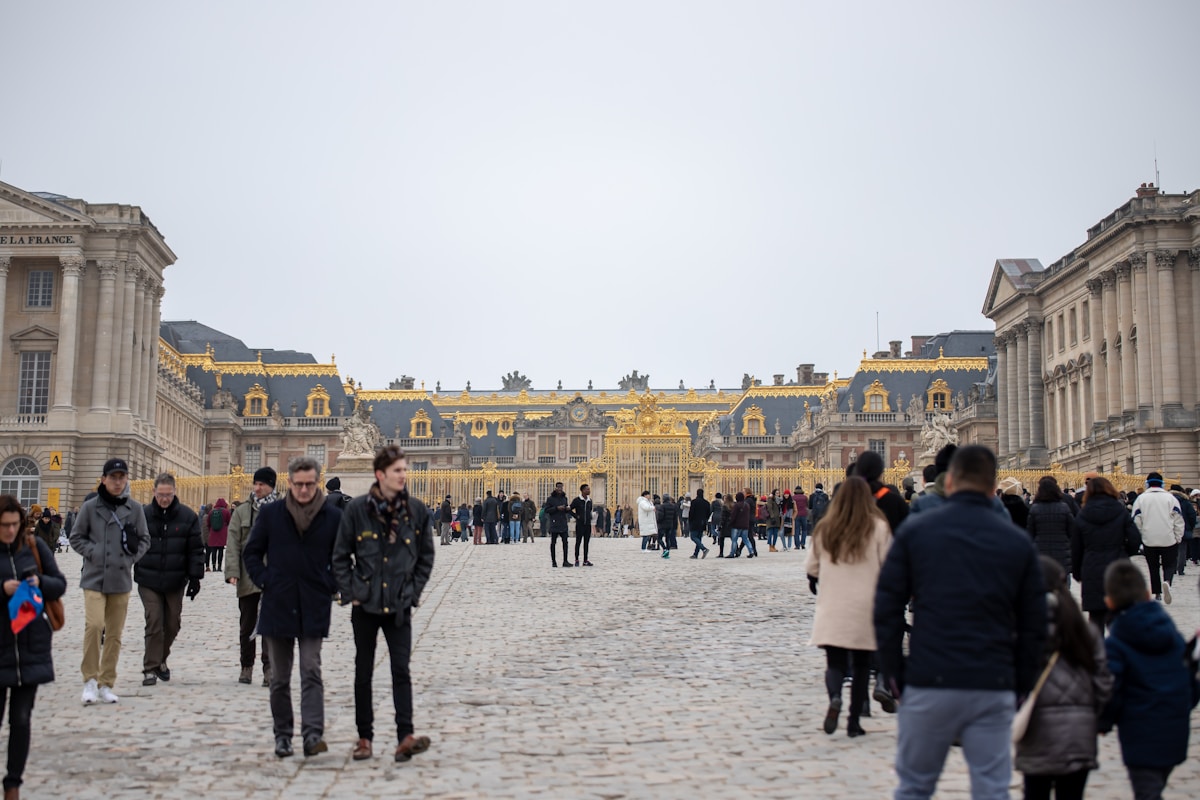
The Palace of Versailles sits 20 kilometers southwest of Paris and is reachable by RER C train in about 40 minutes from central Paris.
The palace contains the famous Hall of Mirrors — a 73-meter gallery lined with 357 mirrors and 20,000 candles — as well as the royal apartments, the chapel, and the opera house.
The gardens cover 800 hectares and are largely free to walk in the low season (November to March).
During high season (April to October), the Grandes Eaux Musicales fountain show runs every weekend and on public holidays from April 1 to November 1, 2026, with additional sessions on select Tuesdays; tickets start from €9.50 for the gardens show, with a full Passport ticket (Palace + gardens) ranging from €10 to €27.
Budget a full day.
The Grand Trianon and Marie Antoinette’s Estate add another two to three hours beyond the main palace circuit.
3. Notre-Dame Cathedral — Gothic Architecture and Reconstruction
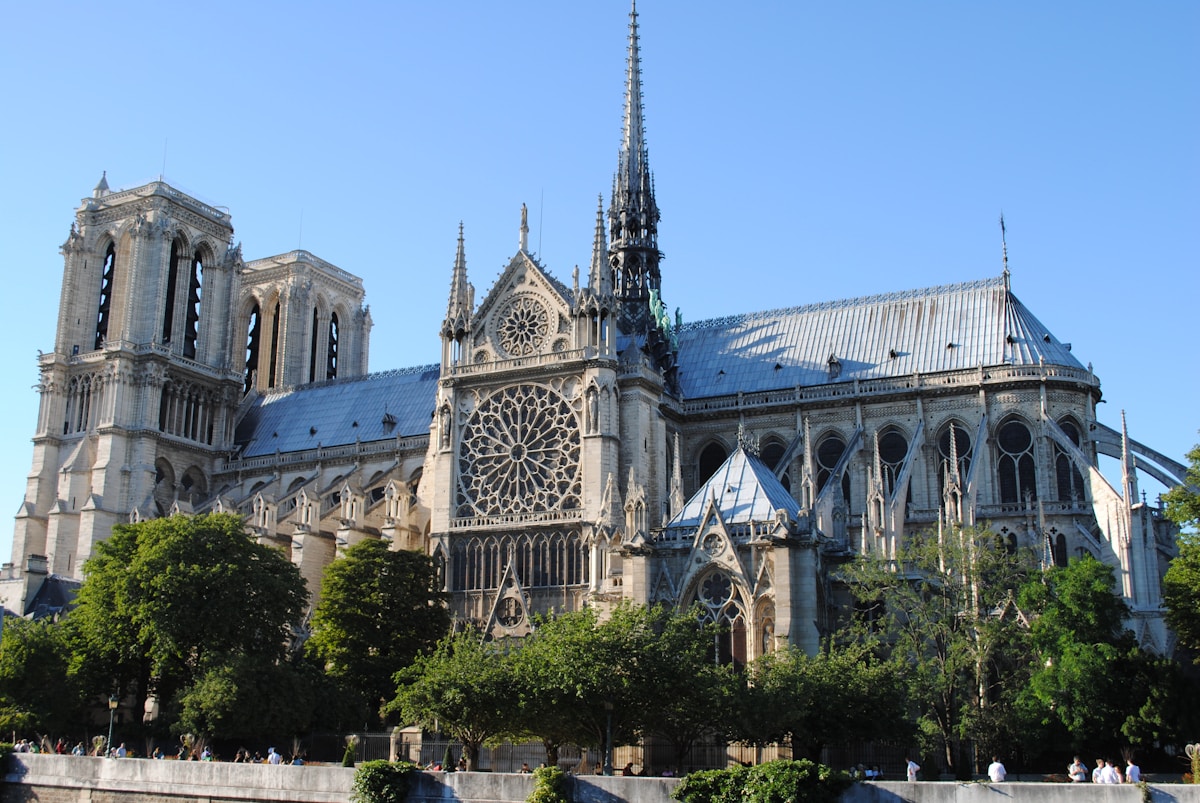
Notre-Dame Cathedral, on the Île de la Cité in central Paris, is one of the finest examples of French Gothic architecture in existence.
The cathedral’s west facade features three sculpted portals, two towers that rise 69 meters, and a rose window nine meters in diameter.
Notre-Dame reopened to visitors in December 2024 after the 2019 fire and subsequent restoration.
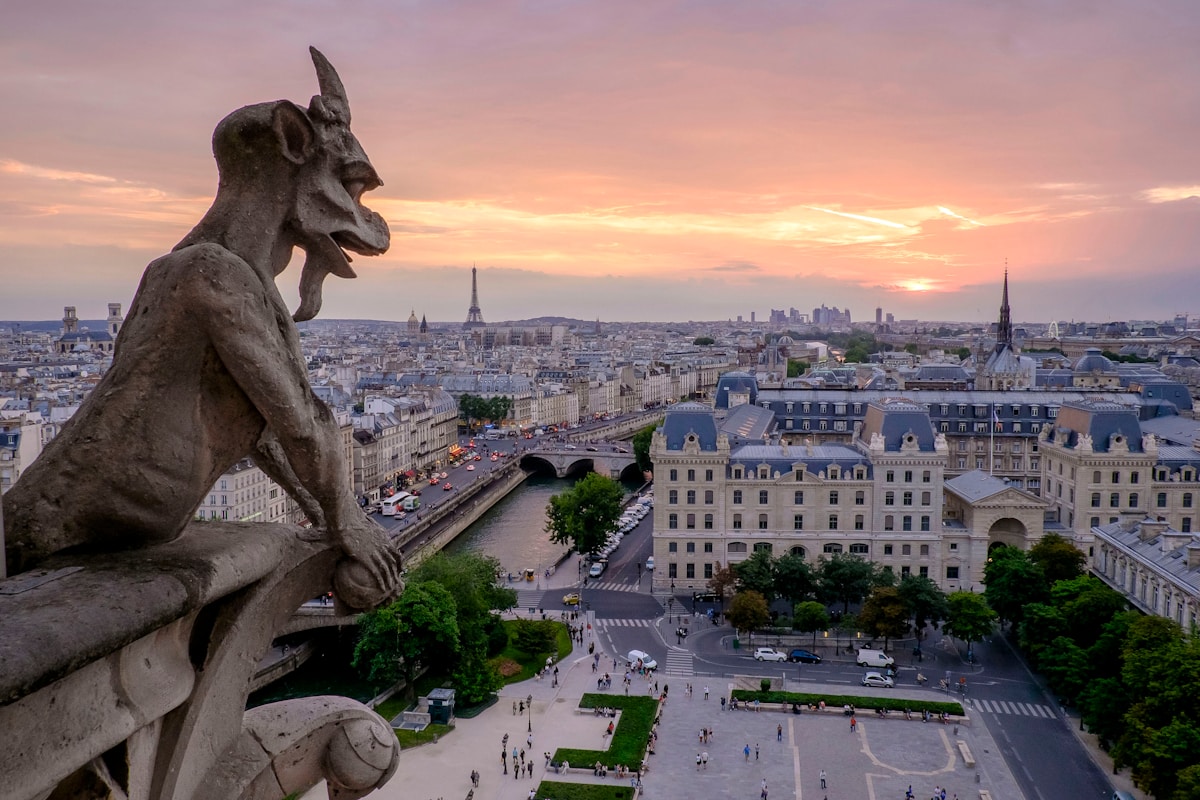
The tower climb — 422 steps up to the gallery where the gargoyles sit — is fully restored and open to visitors in 2026, having reopened in autumn 2025 after six years of closure; timed tickets must be reserved in advance through the official Centre des Monuments Nationaux website.
Entry to the cathedral interior is free; tower access carries an admission fee of €16 for adults, with free entry for visitors under 18.
Sainte-Chapelle, two minutes away on the same island, is worth combining with Notre-Dame.
Its 15-meter stained-glass windows — 1,113 individual panes across 15 windows — are among the finest medieval glass in Europe.
4. Arc de Triomphe — Paris Panorama and the Tomb of the Unknown Soldier
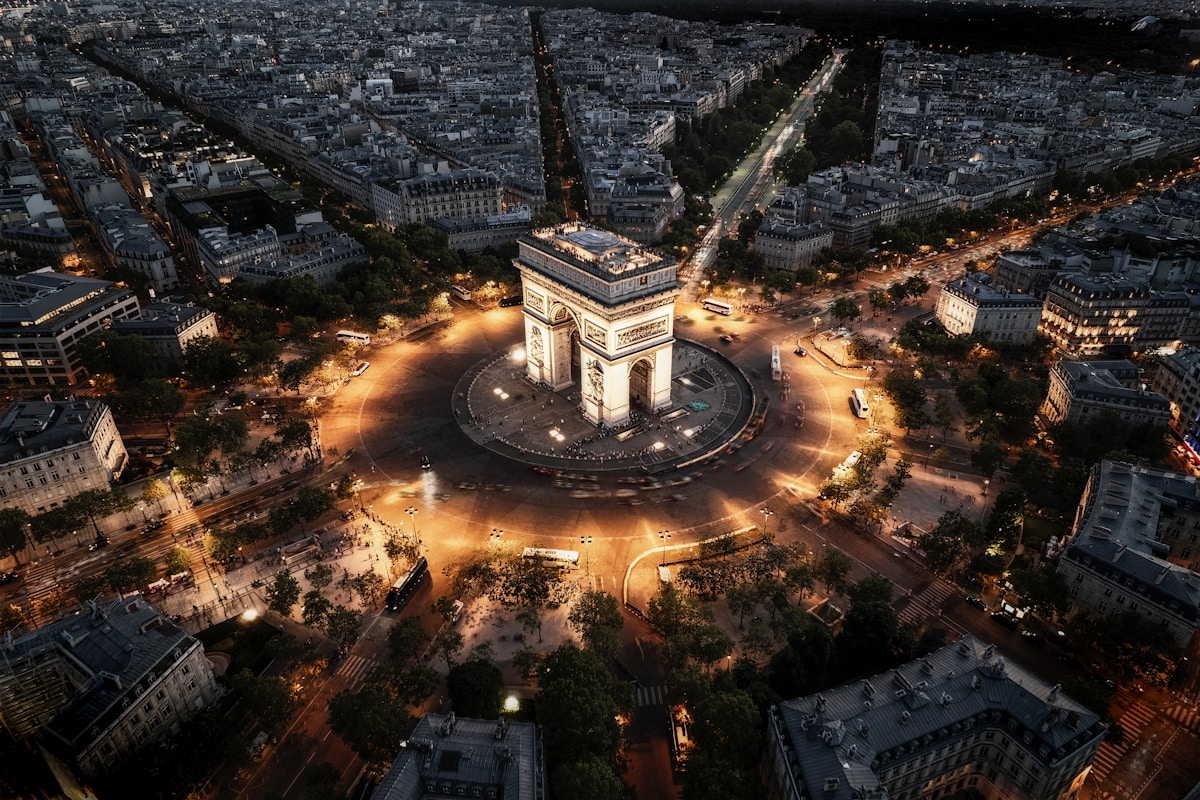
The Arc de Triomphe anchors the western end of the Champs-Élysées at the center of the Place Charles de Gaulle roundabout, where 12 avenues converge.
It stands 50 meters tall.
Climb the 284 steps to the rooftop terrace for a full 360-degree view of Paris, including the straight line of perspective down to the Louvre.
Admission is €22 during high season (April 1 to September 30), reduced to €16 on Wednesdays in that same period and throughout low season (October 1 to March 31).
Access is via an underground passage from the Metro — do not attempt to cross the roundabout on foot.
The Tomb of the Unknown Soldier beneath the arch receives a flame-rekindling ceremony every evening at 6:30pm, a daily tribute that has run since 1923.
Art Museums and Cultural Institutions in France
Paris holds several of the world’s most significant art collections, and the quality gap between the Louvre and the second-best museum on the planet is significant.
Beyond the Louvre, the Musée d’Orsay, Centre Pompidou, and Musée Rodin each offer distinct periods and styles.
Allow at least one full day per major museum; trying to cover all four in a single visit is unrealistic.
5. The Louvre Museum — World’s Largest Art Collection
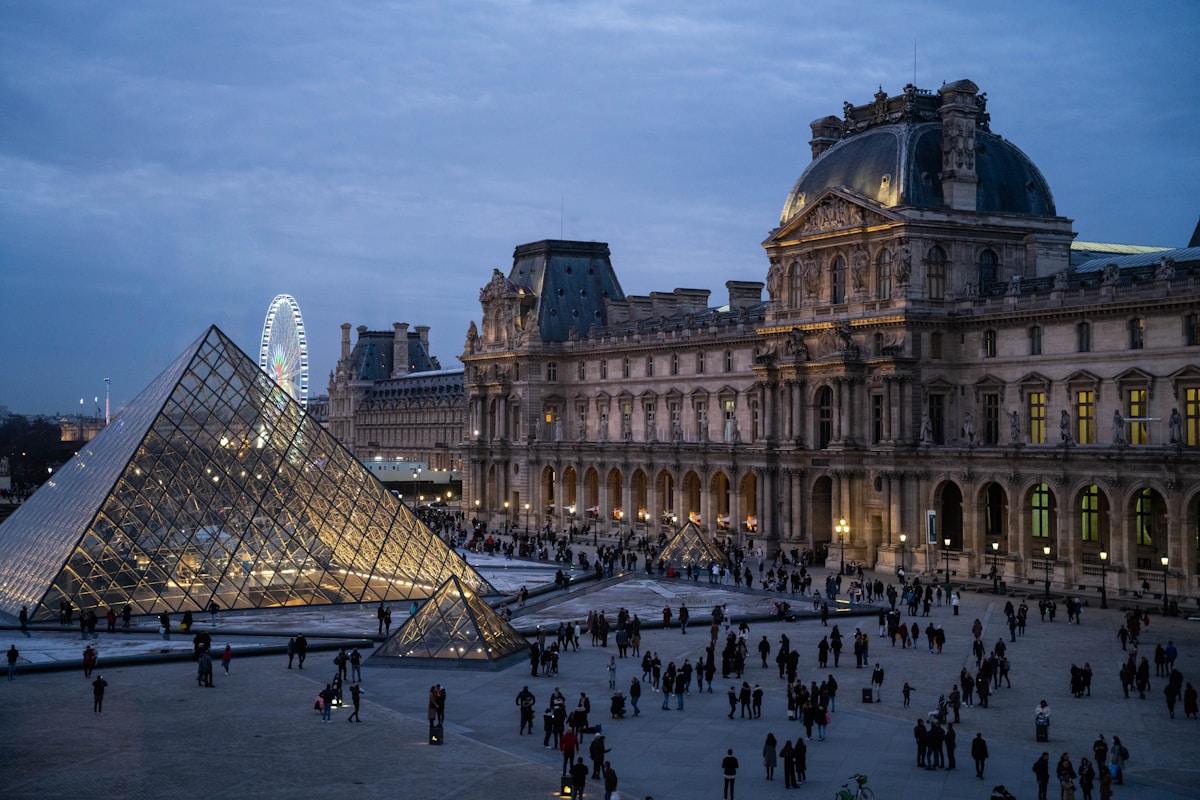
The Louvre holds over 380,000 objects and displays around 35,000 of them across 72,735 square meters of exhibition space.
It is the most visited museum in the world.
As of January 2026, admission operates on a two-tier pricing system: €22 for EEA residents/citizens and €32 for non-EEA visitors; entry remains free for all visitors under 18, EU/EEA residents under 26, and on the first Friday evening of each month after 6pm (except July and August) and on Bastille Day, July 14.
Three works attract the largest crowds: the Mona Lisa (Salle 711, Denon Wing), the Venus de Milo (Salle 16, Sully Wing), and the Winged Victory of Samothrace (top of the Daru staircase).
Arrive when the museum opens to reach the Mona Lisa before the room fills.
The Richelieu Wing (northern side, Rue de Rivoli entrance) is systematically less crowded than the Denon and Sully Wings.
The Mesopotamian, Egyptian, and Northern European collections here are exceptional and rarely visited.
6. Musée d’Orsay — Impressionist Masterpieces in a Railway Station
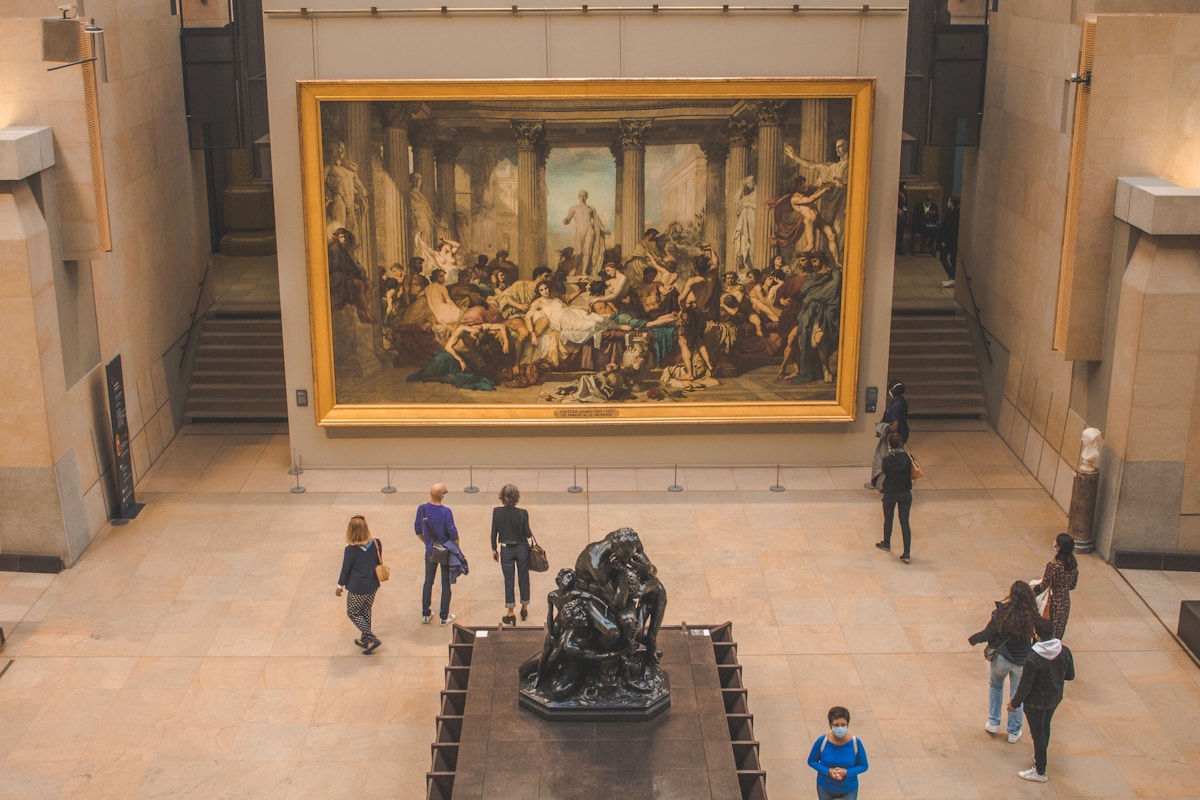
The Musée d’Orsay occupies a converted Beaux-Arts railway station on the Left Bank, directly across the Seine from the Tuileries.
It houses the world’s largest collection of Impressionist and Post-Impressionist paintings, including major works by Monet, Renoir, Degas, Van Gogh, and Cézanne.
Admission is €16 for adults.
EU/EEA residents under 26 and all visitors under 18 enter free.
The museum also offers a reduced evening rate of €12 on Thursdays after 6pm, when it stays open until 9:45pm.
The museum runs free for all on the first Sunday of each month (advance reservation required).
Opening hours are Tuesday to Sunday, 9:30am to 6:00pm, with a late opening on Thursdays until 9:45pm; the museum is closed on Mondays, as well as May 1 and December 25.
The upper level — Impressionist galleries — gets extremely crowded between 11am and 3pm; the ground and middle floors during that window are quieter.
The building itself earns a visit: the iron-and-glass canopy, the original station clock faces (now glazed windows), and the ornate ballroom (Salle des Fêtes) are worth exploring beyond the paintings.
7. Centre Pompidou — Modern and Contemporary Art
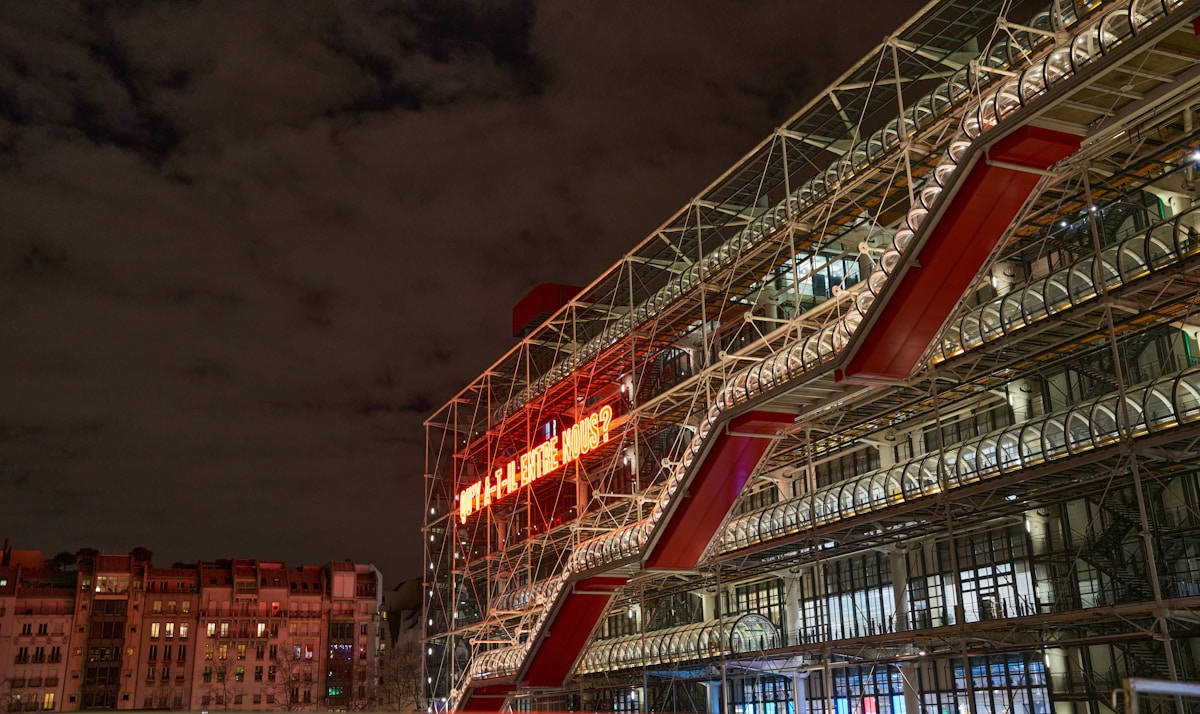
The Centre Pompidou in the Beaubourg district houses the Musée National d’Art Moderne, France’s national collection of modern and contemporary art.
The building’s inside-out architecture — colored pipes and glass escalators on the exterior — is itself one of Paris’s most discussed structures.
Important notice for 2026 visitors: the Centre Pompidou is currently closed for a major five-year renovation and will not reopen until 2030. The Parisian building shut its doors to the public in late September 2025, with full renovation works underway from early 2026.
As a partial alternative, the Centre Pompidou Francilien — a new facility dedicated to creation and conservation — is set to open in Massy, Essonne (Île-de-France region) in autumn 2026.
Check the official Centre Pompidou website for programming at satellite venues during the renovation period.
The permanent collection covers work from 1905 to the present: Picasso, Matisse, Kandinsky, Warhol, and Bourgeois among many others.
It remains one of the must-see institutions in Paris and is worth planning a return trip around its 2030 reopening.
8. Musée Rodin — The Thinker and a Sculpture Garden
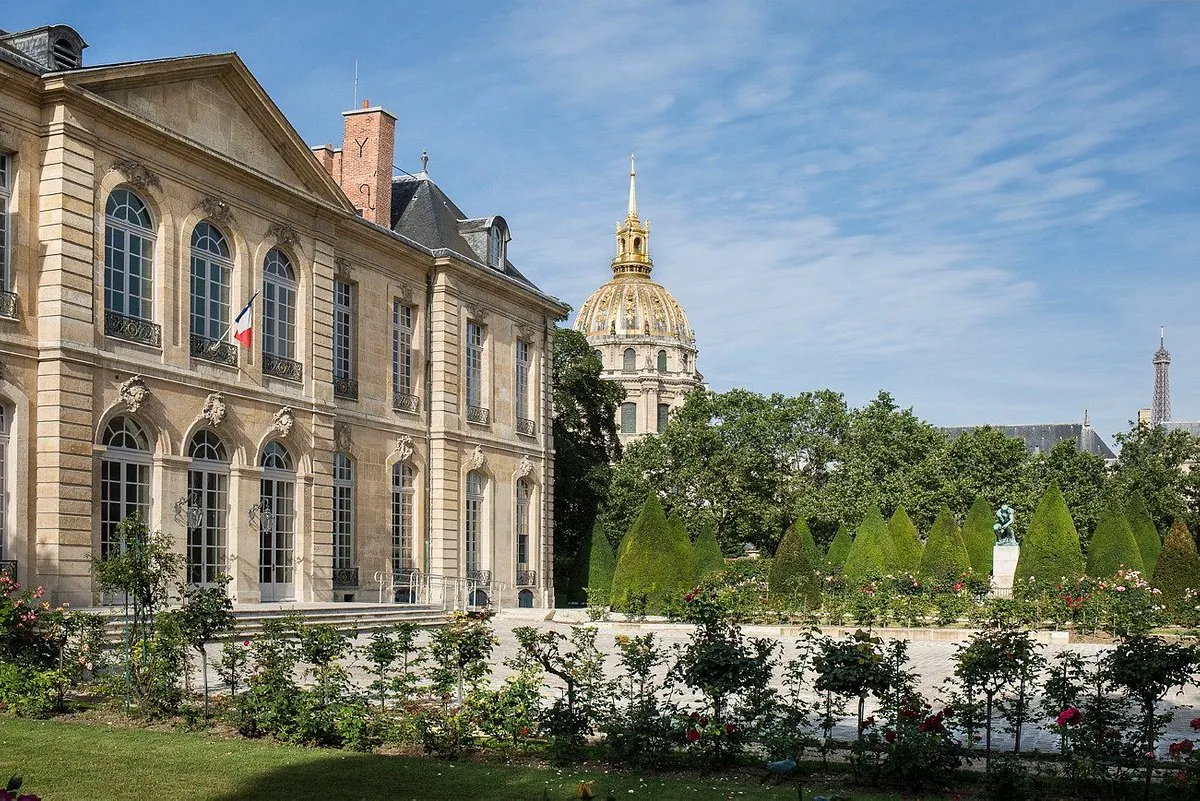
The Musée Rodin occupies the Hôtel Biron in the 7th arrondissement, where Auguste Rodin lived and worked.
The garden — seven acres planted with roses, hedges, and bronze sculptures — is one of the most pleasant outdoor spaces in Paris.
The Thinker, The Gates of Hell, and The Burghers of Calais are displayed outside.
The interior holds Rodin’s paintings, personal collection (including works by Van Gogh and Monet), and full studio archives.
Standard admission is €14, which includes full access to both the Hôtel Biron galleries and the sculpture garden — there is no separate garden-only ticket available online, though a garden-only pass can be purchased on-site.
A combined ticket pairing the Musée Rodin with the Musée d’Orsay is available for €25.
Note that from June 8 to July 24, 2026, part of the sculpture garden is temporarily fenced off due to a structure installation, though all artworks remain visible.
French Culinary Experiences
French cuisine is not background material — it is one of the primary reasons to visit.
A meal in Lyon, a wine tour in Bordeaux, a cheese tasting in a Roquefort cave, or a morning pastry class in Paris each deliver an understanding of France that no monument can match.
If you’re working out what these experiences will cost against your overall budget, the trip cost estimator can help you build a realistic food-and-drink line in your travel budget.
9. Wine Tasting in Bordeaux and Burgundy
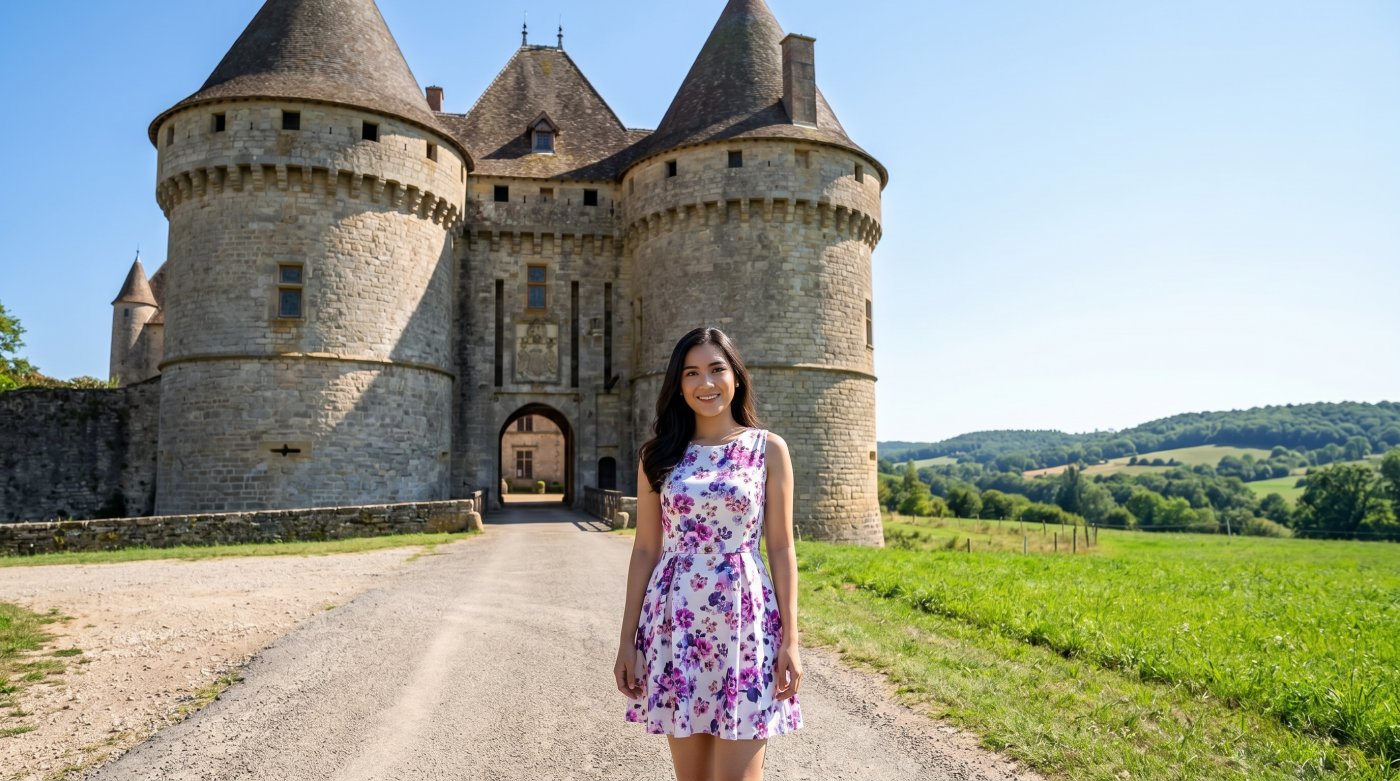
Bordeaux is the world’s most significant fine wine region by volume and reputation.
The Médoc, Saint-Émilion, and Pomerol appellations lie within easy reach of Bordeaux city.
Château visits include cellar tours, vineyard walks, and guided tastings; most châteaux require advance booking.
Entry-level tastings at smaller estates start from around €10–€15 per person, while mid-range château experiences with cellar tours typically run €25–€60, and premium Grand Cru estates or blending workshops can reach €80–€100+ per person.
Burgundy (Bourgogne) runs north–south from Dijon to Mâcon and contains some of the world’s most expensive vineyard land.
The Route des Grands Crus winds through Gevrey-Chambertin, Vougeot, and Beaune, offering tasting rooms at nearly every village.
The Beaune Hospices auction each November is the region’s most famous annual event.
Both regions are accessible by TGV from Paris in 2–3 hours.
10. Cooking Classes in Lyon
Lyon is consistently rated France’s best eating city.
The bouchon tradition — hearty Lyonnais working-class restaurants serving quenelles (fish dumplings), andouillette sausage, and tablier de sapeur — is unlike anything found in Paris.
Half-day cooking classes in Lyon typically begin with a market tour through the Halles Paul Bocuse, followed by three to four hours of hands-on cooking with a professional chef.
Class prices typically range from €55 to €160+ per person for group sessions, with private or semi-private market-to-table classes running €200–€280+ per person.
Most classes run in French and English.
11. Cheese Tasting and the Roquefort Caves
France produces over 1,200 named cheeses.
For a structured tasting, the best approach is a visit to a dedicated fromagerie (cheese shop) with a knowledgeable guide, or a trip to the source.
The Roquefort caves near Millau in southern France are where Roquefort cheese has been aged since the 11th century.
The caves maintain a constant temperature and humidity thanks to natural fleurines (air fissures).
There are several cave producers open to visitors in Roquefort-sur-Soulzon, each with different access arrangements.
Caves de Roquefort Société— the largest and most visited — runs guided tours daily from 10am to 12pm and 1:30pm to 5pm, with admission at €8.50 for adults (€5.00 for children aged 7–15); tours last one hour and include a tasting.
Caves Roquefort Papillon offers guided tours daily from 10am to 6pm (shorter hours in winter) and is free to enter, with tastings of the full Roquefort range included.
Caves Roquefort Gabriel Coulet is also free and open daily, with hours ranging from 9:30am–5:30pm in winter to 9:30am–7:30pm in July and August.
Online booking is recommended for Société; Papillon and Gabriel Coulet accept walk-ins.
Note that cave temperatures hover around 10°C year-round — bring a layer.
Camembert comes from Normandy, Comté from the Jura, and Époisses from Burgundy — each region has its signature cheese, making a touring approach the natural complement to the wine route.
12. Pastry Workshop in Paris
Parisian pâtisseries are technically demanding, and taking a hands-on class is one of the best ways to understand why French baked goods taste different.
Croissant-making classes focus on the lamination process — the technique of folding cold butter into dough to create flaky, layered pastry.
Most workshops run two to four hours and cost €95 to €180 per person for group sessions (typically 8–12 participants), with well-known schools such as Le Cordon Bleu charging at the higher end of that range at €180 for a 3-hour session.
Pastry schools with English-language sessions include those in the Marais, the 9th arrondissement, and near Montmartre.
Château and Castle Exploration in France
France has more classified historic monuments than any other country in Europe.
The Loire Valley alone contains over 300 châteaux, ranging from royal residences to minor manor houses.
The following five represent the range of what is on offer.
13. Loire Valley Château Circuit
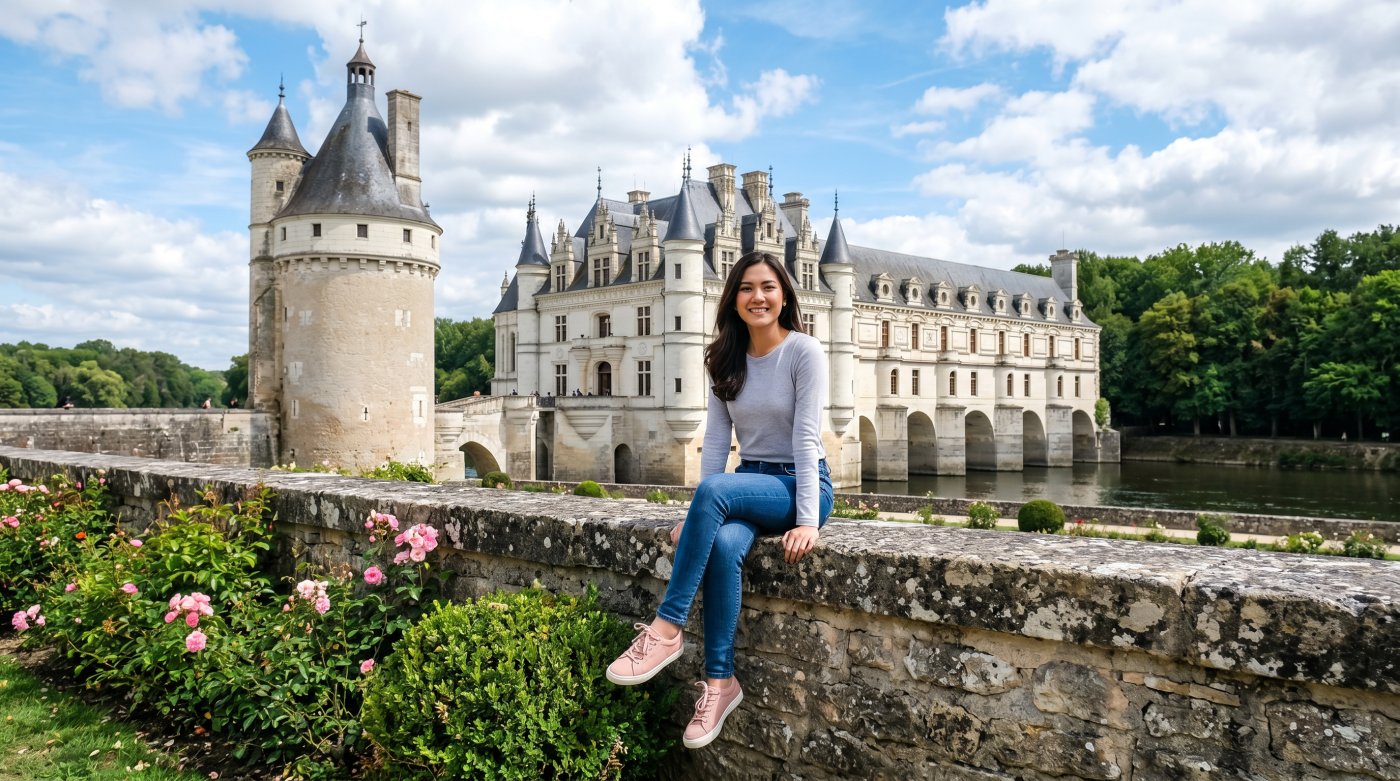
The Loire Valley, a UNESCO World Heritage Site, contains the greatest concentration of Renaissance châteaux in France.
The best approach is a self-drive circuit from either Tours or Blois, allowing you to combine two or three châteaux per day.
- Château de Chambord is the most architecturally ambitious: 426 rooms, 282 fireplaces, and a double-helix grand staircase widely attributed to Leonardo da Vinci’s influence. The 13,000-acre estate includes a wildlife reserve. Admission is €21 for EEA nationals/residents and €31 for non-EEA visitors (castle + gardens); EU citizens under 26 enter free.
- Château de Chenonceau spans the River Cher on a series of arches and was managed and expanded primarily by women — Catherine de’ Medici among them. The formal gardens and bridge gallery are the highlights. Admission is €19 per adult with a guide leaflet, or €24 with an audioguide; children under 7 are free.
- Château de Villandry is exceptional for its Renaissance gardens — four hectares of geometric kitchen, ornamental, and water gardens that require replanting over 230,000 plants each year.
Families visiting with children will find the Loire Valley particularly rewarding — for more on that, the guide to traveling to France with kids covers child-friendly château visits in detail.
14. Château de Fontainebleau — Napoleon’s Palace
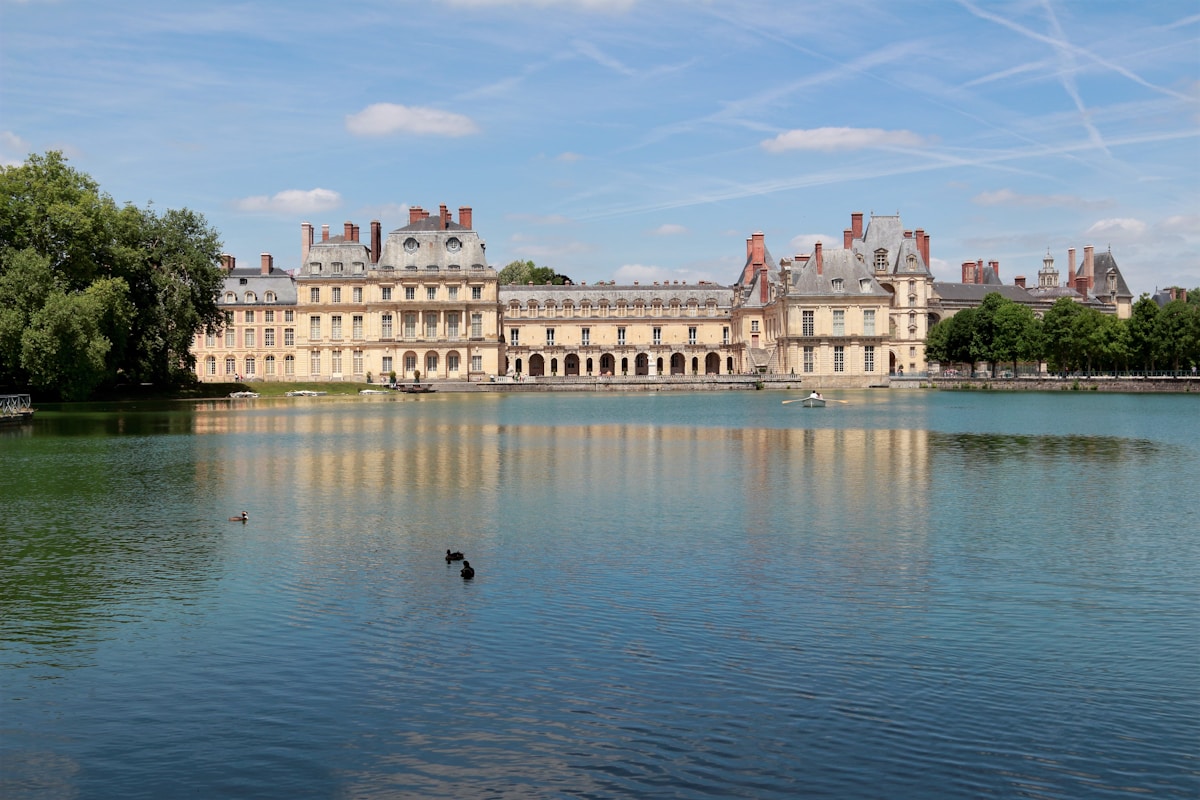
Fontainebleau, 60 kilometers south of Paris, was a royal residence for French monarchs from Francis I to Napoleon III — over 700 years of continuous use.
The palace has 1,530 rooms, including the remarkable Gallery of Francis I (one of the earliest Renaissance decorative schemes in France) and Napoleon’s throne room.
The Forest of Fontainebleau surrounding the palace is a major rock-climbing area and contains one of the oldest bouldering circuits in the world.
The Grand Parterre garden is one of the largest formal gardens in Europe.
Admission to the palace is €12 full price (€10 reduced); the grounds are free.
Admission is also free on the first Sunday of each month.
15. Carcassonne — Medieval Fortress City
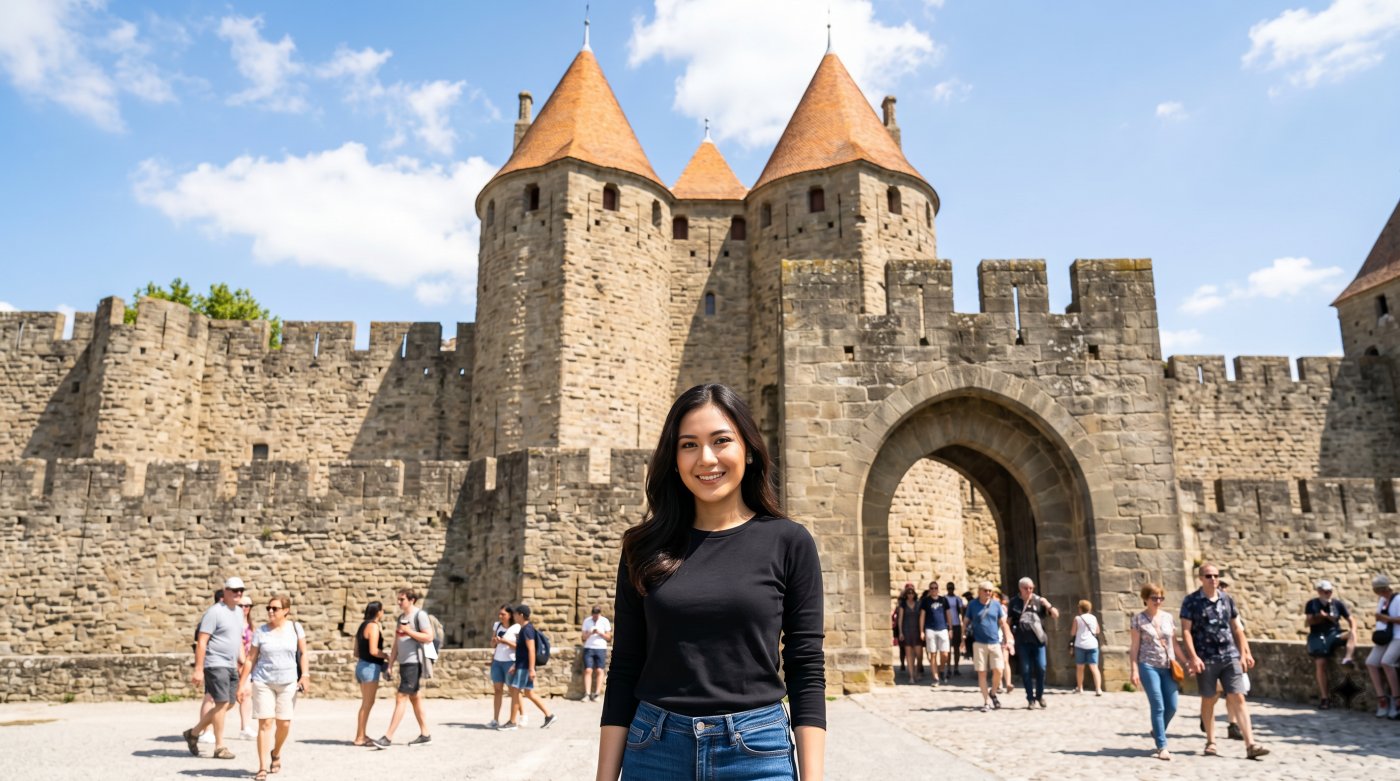
Carcassonne in the Languedoc-Roussillon region is one of Europe’s best-preserved medieval walled cities.
The Cité, on a hill above the modern lower town, is enclosed by 3 kilometers of double rampart walls with 52 towers.
It has been continuously inhabited since the Gallo-Roman period.
The Château Comtal within the walls houses a museum of Cathar history and the regional Crusade campaigns.
The city walls can be walked in full in about 90 minutes.
Note that walking the Cité itself is free; admission covers entry to the Château Comtal and the rampart walkway.
Admission is €19 per adult in high season (April to September) and €13 in low season (October to March); under-18s and EU citizens under 26 enter free.
Audioguides are available for an additional €3.
Free admission for all applies on the first Sunday of each month from January to March and November to December, as well as on European Heritage Days in September.
The lower town offers significantly cheaper accommodation than the Cité hotels.
16. Château de Vincennes — Gothic Tower and Royal Prison
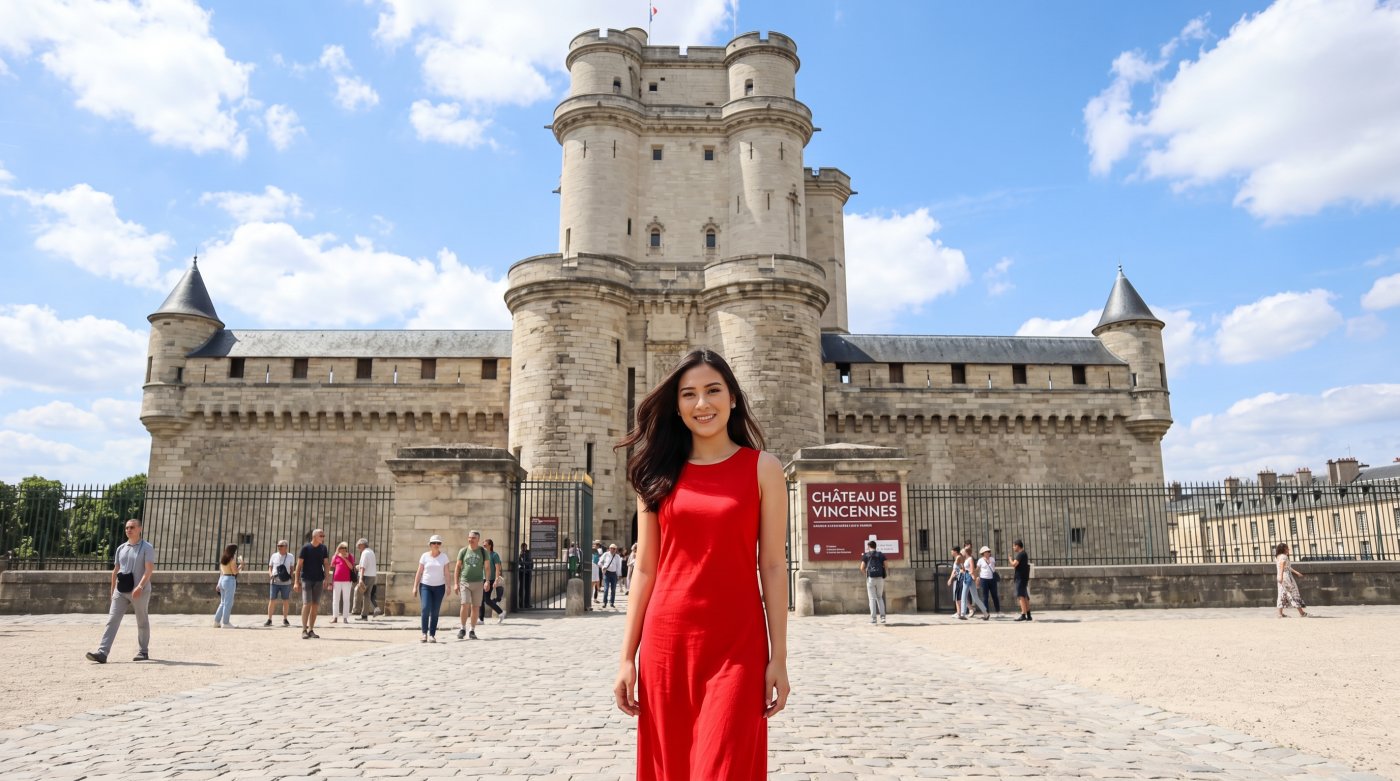
On the eastern edge of Paris, reachable by Metro Line 1, the Château de Vincennes houses France’s tallest surviving medieval donjon at 52 meters.
The tower served as a royal prison — several notable historical figures were held here.
The Sainte-Chapelle within the château grounds matches the Gothic ambition of its Paris counterpart.
A single ticket covering the full monument — donjon, Sainte-Chapelle, and grounds — costs €13 for adults (€11.50 reduced rate); under-18s and EU citizens/residents aged 18–25 enter free.
Free admission for everyone applies on the first Sunday of each month from November to March and during the European Heritage Days weekend in September.
Natural Wonders and Outdoor Adventures in France
France’s geography is exceptional.
The French Alps hold the highest peaks in Western Europe.
Provence’s lavender fields bloom each summer.
The French Riviera and Normandy’s chalk cliffs define two entirely different coastlines.
The outdoor agenda is as strong as the cultural one.
17. French Alps Skiing and Mountain Activities
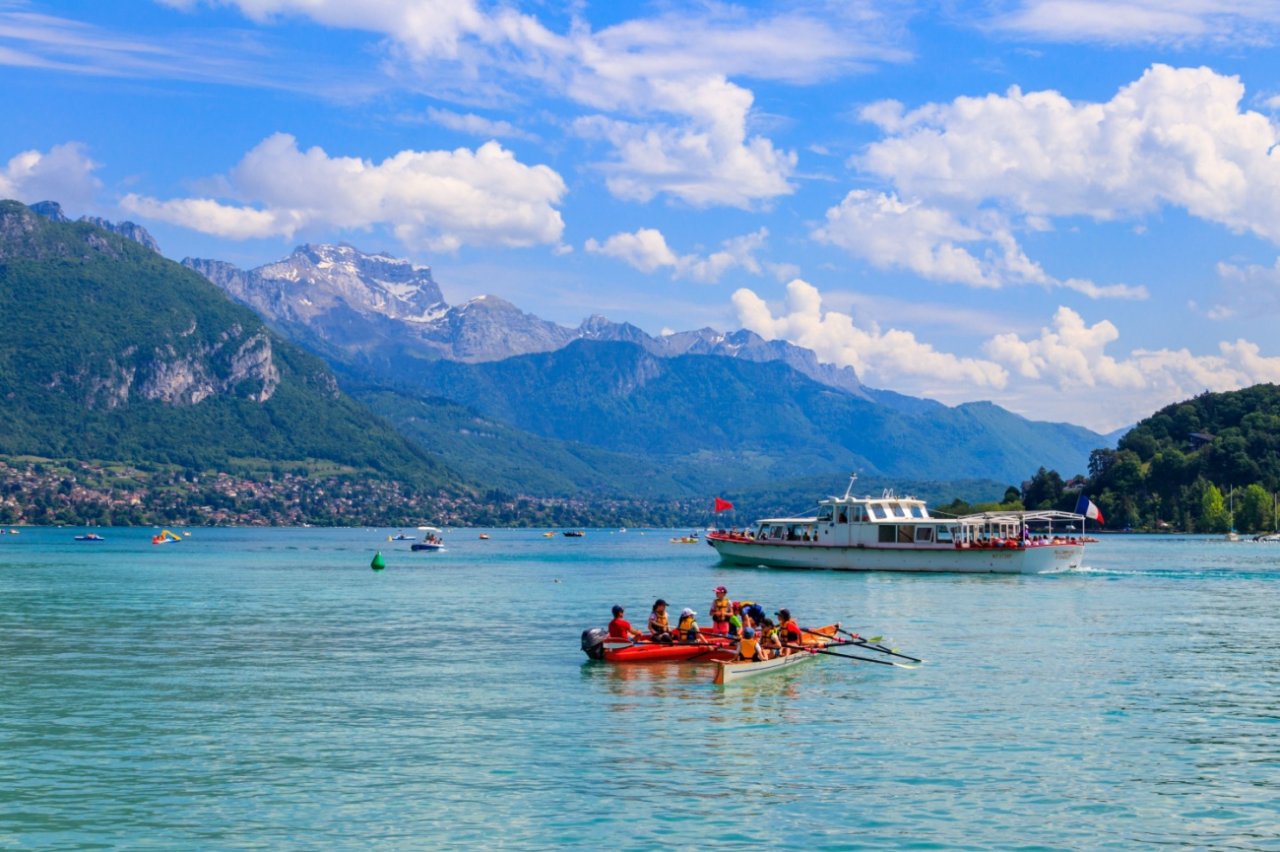
The French Alps contain some of the world’s largest ski areas.
The Trois Vallées (Three Valleys) — linking Courchevel, Méribel, and Val Thorens — is the world’s largest linked ski area with over 600 kilometers of marked runs.
Val Thorens sits at 2,300 meters, making it one of Europe’s highest ski resorts and ensuring reliable snow cover.
Beyond skiing, the Alps offer year-round options: summer hiking on the Tour du Mont Blanc (a 170-kilometer route circling the massif through France, Italy, and Switzerland), paragliding from Annecy, and mountain biking on resort-prepared trails.
For families considering a ski or summer Alpine trip, the AI Family Travel Planner can help match the right resort to your children’s ages and activity preferences.
18. Chamonix and Mont Blanc

Chamonix sits at 1,035 meters in the Mont Blanc massif.
The Aiguille du Midi cable car rises to 3,842 meters in two stages, offering a close-up view of the Mont Blanc summit at 4,808 meters.
The ascent takes about 20 minutes; a full return ticket to the summit costs €83 for adults (€70.55 for ages 5–25); stopping at the mid-station Plan de l’Aiguille only costs €60.20.
A family pass covering 2 adults and up to 3 children is available for €257.40.
Book online in advance — the cable car regularly sells out during peak summer weeks.
The Mer de Glace glacier — accessible by the historic Montenvers rack railway from Chamonix — is the largest glacier in France at 7 kilometers long and 200 meters deep.
The glacier has receded dramatically over recent decades, and as of 2026 visitors must descend approximately 580 steps (added to progressively as the ice retreats) from the gondola station down to the glacier surface and ice cave entrance — a significant physical commitment on both the way down and back up.
The full experience (return train + gondola + ice cave + Glaciorium exhibition) costs €49.70 for adults.
The ice cave is typically closed for maintenance in autumn through early winter; the Montenvers train operates daily year-round (weather permitting) from approximately 8:30am to 5pm in summer, running slightly reduced hours off-season.
Note that the ice cave is not wheelchair accessible.
19. Provence Lavender Fields
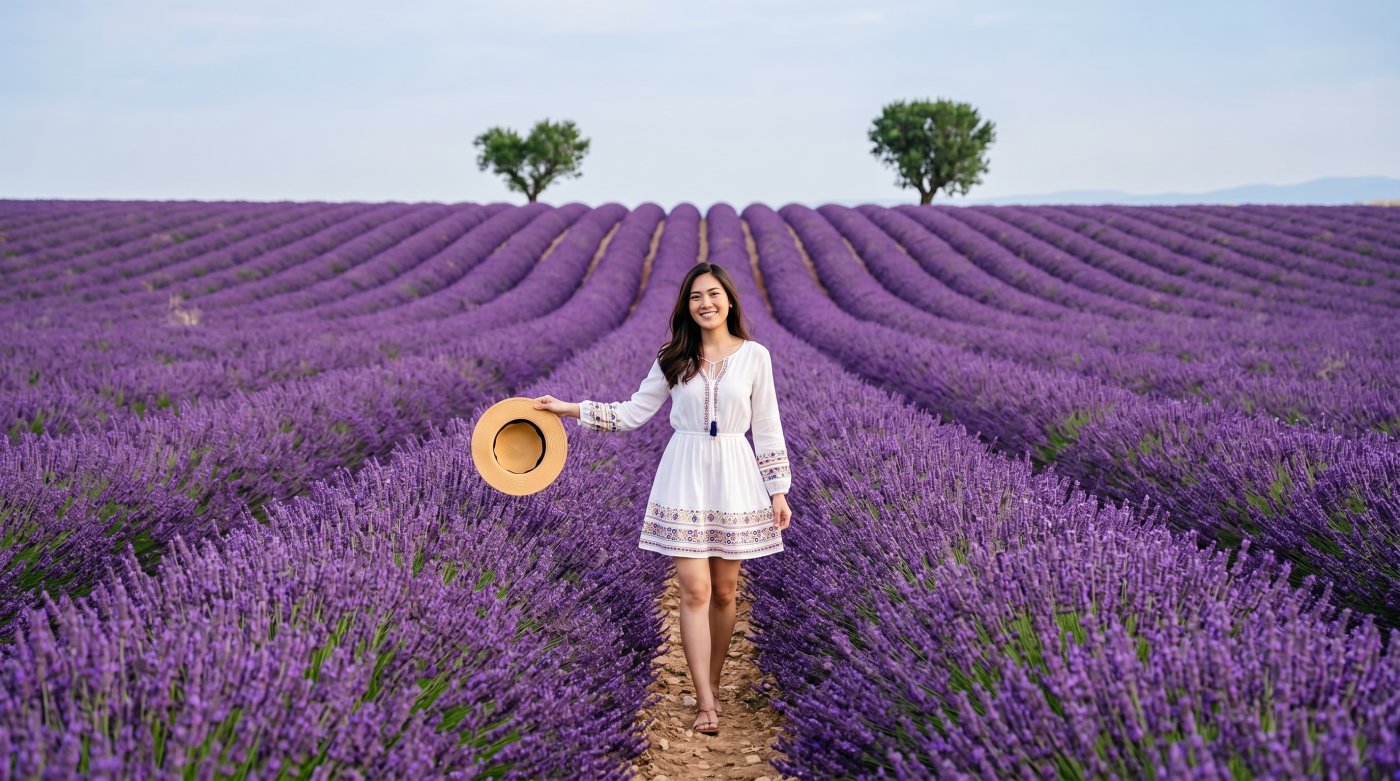
Provence’s lavender season runs from late June through July, with peak bloom typically in the first two weeks of July.
The Plateau de Valensole in the Alpes-de-Haute-Provence is the largest lavender-growing area, with fields covering tens of thousands of hectares.
The Luberon villages — Gordes, Roussillon, and Ménerbes among them — sit within easy driving distance.
Visiting the lavender fields is free.
The surrounding hilltop villages charge no entry fee, though parking fills quickly during peak season.
The best photographs are taken in early morning before tour coaches arrive.
20. French Riviera Beach Towns
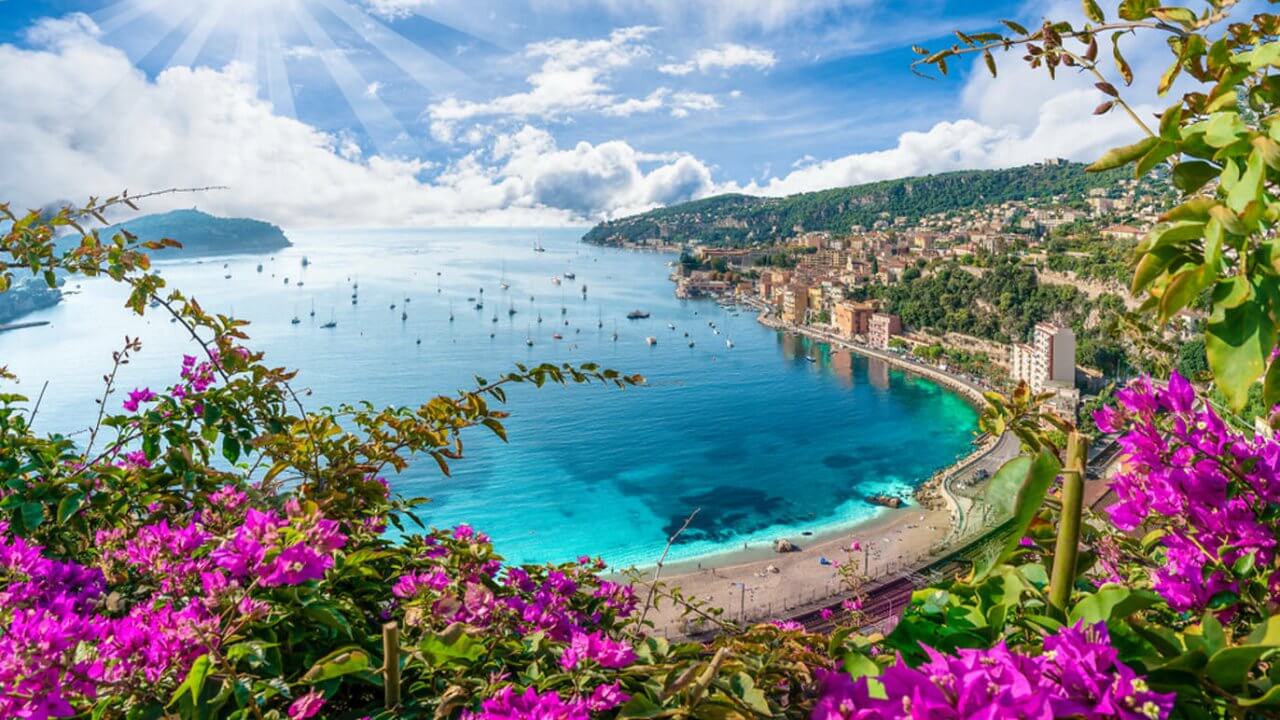
The French Riviera (Côte d’Azur) runs from Menton near the Italian border west to Toulon — roughly 120 kilometers of coastline.
Three towns anchor most itineraries:
- Nice: The Promenade des Anglais along the seafront is 7 kilometers of broad walkway lined with palm trees and Art Deco hotels. The Old Town (Vieux-Nice) holds the daily Cours Saleya flower and food market. Nice is well-connected by train from Marseille (around 2h 30–40min depending on service) and from Paris (approximately 5h 30min by the fastest TGV INOUI service from Paris Gare de Lyon).
- Cannes: Known internationally for the May film festival, Cannes offers the La Croisette promenade, the Lérins Islands (a ferry ride offshore), and a genuine sandy beach — rarer along this coast than most visitors expect.
- Saint-Tropez: Accessible by ferry from Saint-Raphaël (approximately 1 hour, operating from April through October; adult return fare around €42) or by road, Saint-Tropez combines a working fishing harbor with high-end beach clubs along the Pampelonne beach. Crowded July–August; April–May and September offer a better balance.
21. Normandy Coast and D-Day Sites
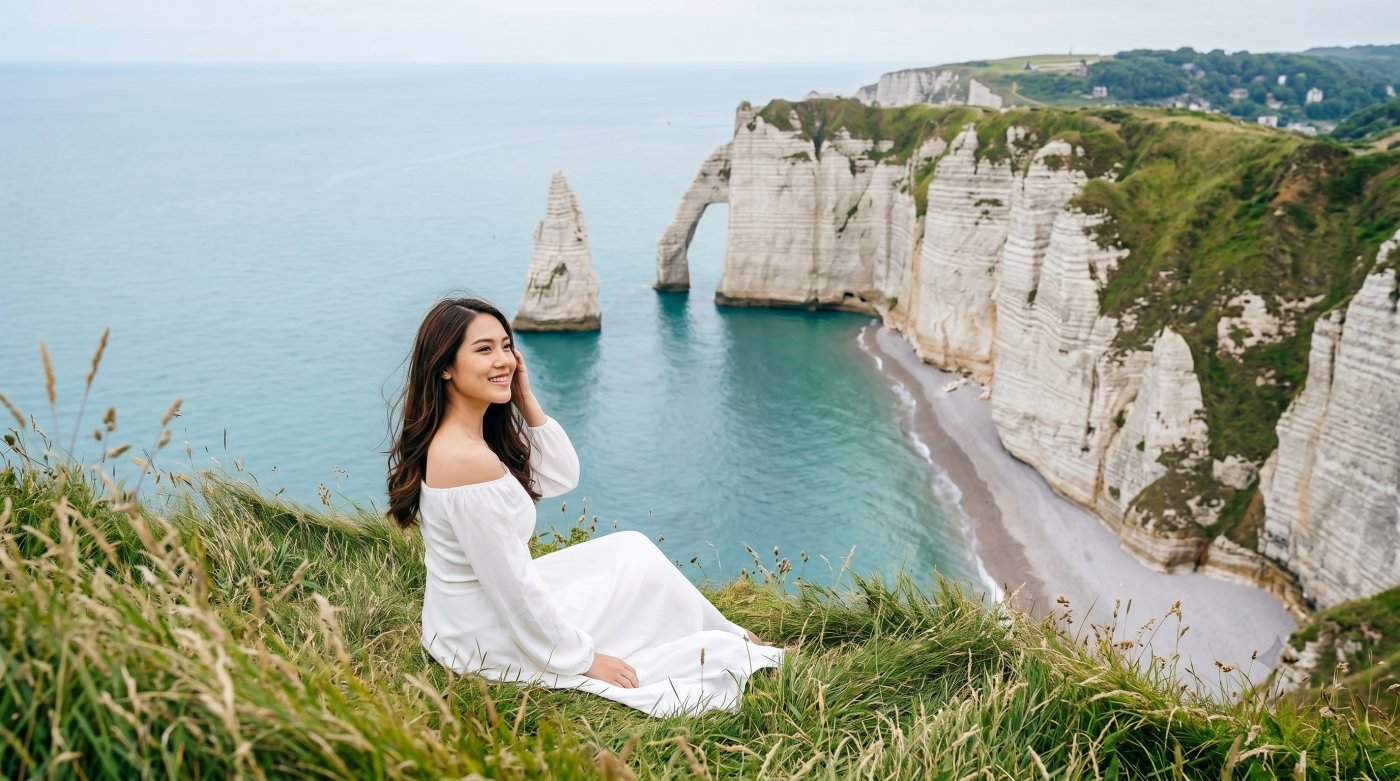
Normandy’s coastline divides into two very different experiences.
The chalk cliffs at Étretat — the same formations Monet painted repeatedly in the 1880s — rise 70 meters from the sea and are best viewed from the clifftop walk.
The arched rock formations (falaises) photographed from above are a 20-minute walk from the town.
The D-Day beaches stretch 80 kilometers across the Calvados coast.
The five landing beaches — Utah, Omaha, Gold, Juno, and Sword — are all accessible by road.
The American Cemetery at Colleville-sur-Mer above Omaha Beach contains 9,388 graves and is free to visit.
The Mémorial de Caen is the most comprehensive museum covering the Normandy campaign.
In 2026, it is open daily from 9am to 7pm (April 1 to September 30), and 9:30am to 6pm from October onward; the museum is closed on Wednesdays in November and December (with a few exceptions), on January 1, and on December 25 — allow at least four hours for a thorough visit.
Admission is €20.80 for adults (aged 19–65), €18.50 for children aged 10–18 and seniors over 65, €6 for students, and free for children under 10; a family ticket is available for €53.
The ticket office closes 75 minutes before the museum.
Historic Regions and Cultural Districts in France
France’s cultural character shifts significantly between regions.
Alsace feels architecturally closer to Germany than to Paris.
Brittany retains Celtic traditions largely absent from the rest of France.
Normandy’s food culture — cream, apples, seafood — bears no resemblance to Provence’s olive oil and herb tradition.
These regional differences are a strong reason to travel beyond Paris.
For ideas on the best regions to combine in a single trip, the guide to best places to visit in France organizes France by region with practical itinerary suggestions.
22. Alsace — Half-Timbered Villages and Alsatian Wine Route
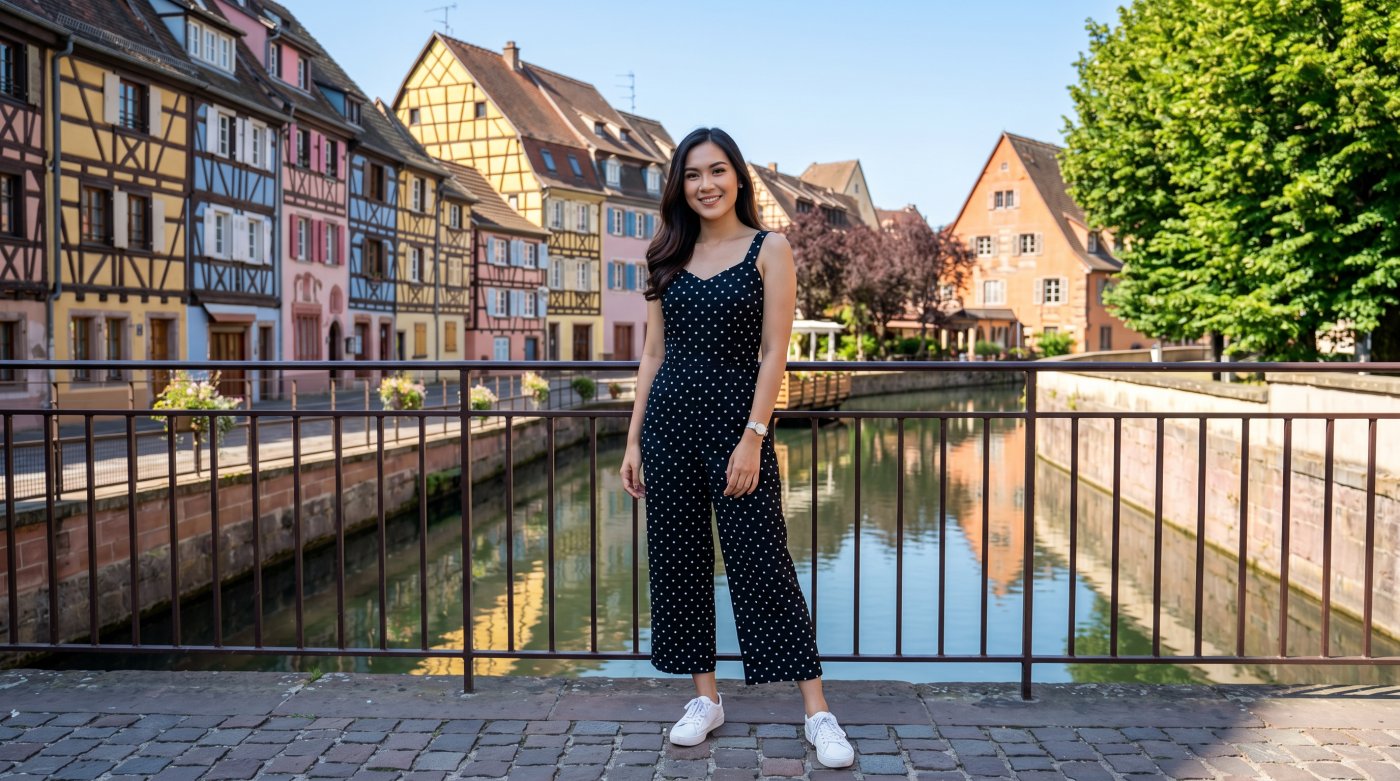
Alsace sits in northeastern France on the Rhine plain bordering Germany.
The region changed national hands four times between 1871 and 1945, leaving an architectural and culinary character unlike anywhere else in France.
Colmar is the primary tourist center — a compact town of half-timbered houses along canalized waterways sometimes called Petite Venise.
Riquewihr and Kaysersberg are the most-visited wine villages along the Route des Vins d’Alsace.
Strasbourg, the regional capital, holds one of France’s finest Gothic cathedrals and hosts Europe’s oldest Christmas market (late November through December).
Alsatian cuisine: tarte flambée (thin crust with cream and lardons), choucroute garnie (sauerkraut with multiple pork cuts), and baeckeoffe (a slow-braised meat and potato casserole).
Local Riesling, Gewurztraminer, and Pinot Gris wines pair directly with the cuisine.
23. Brittany: Celtic Heritage and Atlantic Coast
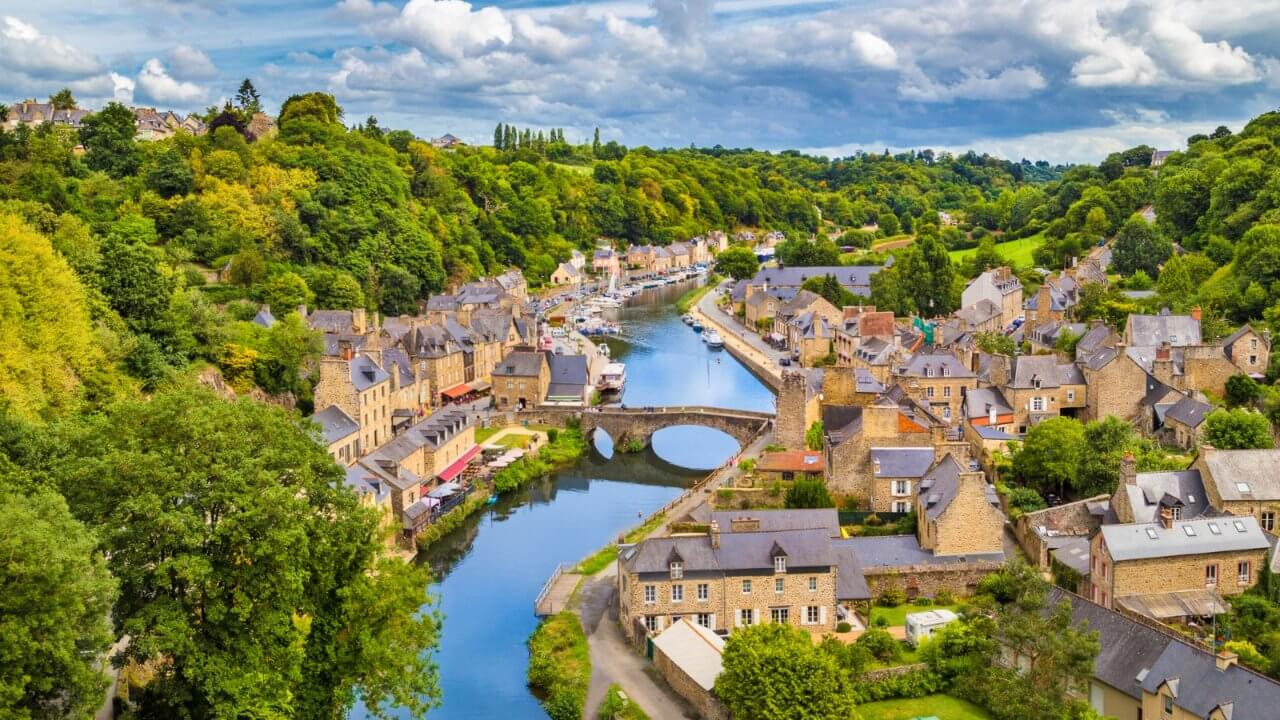
Brittany occupies the westernmost peninsula of France, jutting into the Atlantic.
The region has its own language (breton), its own culinary traditions, and a distinctly maritime character.
Saint-Malo is a walled port city that was almost entirely rebuilt after World War II bombing — the original granite was used to reconstruct the intra-muros town stone by stone.
The rampart walk around the city walls takes about 45 minutes.
Mont-Saint-Michel, technically in Normandy but often combined with Brittany itineraries, is the tidal island abbey that draws over 2.5 million visitors per year.
Brittany’s culinary signature: galettes (buckwheat crêpes filled with savory ingredients) and crêpes (sweet thin pancakes).
A crêperie meal — galette and crêpe with local cider — costs around €12–18 in most towns.
24. Mont-Saint-Michel — Tidal Island Abbey
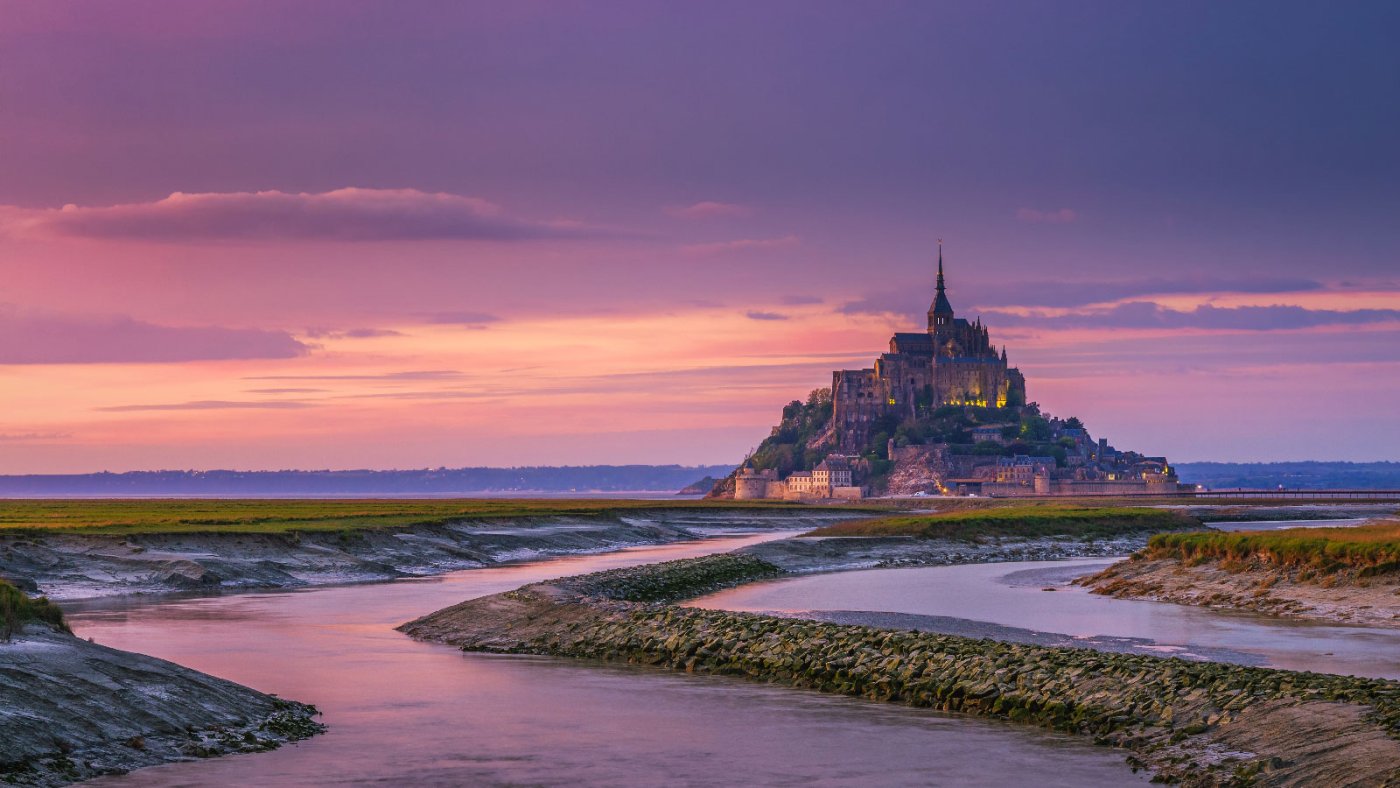
Mont-Saint-Michel rises 92 meters from a tidal bay at the border of Normandy and Brittany.
The abbey at the summit dates from the 11th century; the village of cobbled streets and ramparts clings to the rock below it.
At high tide, water surrounds the island on all sides, cutting it off from the causeway.
Visiting during high tide (timing varies by lunar calendar — check in advance) gives the most dramatic impression.
The abbey interior contains Gothic-era Romanesque halls, cloisters, and the Knight’s Hall.
Admission to the abbey is €16 per adult in high season (April 1 to September 30) and €13 in low season (October 1 to March 31); EU residents and citizens aged 18–25 and all visitors under 18 enter free, as do all visitors on the first Sunday of each month from November through March and during European Heritage Days in September.
The abbey is open daily 9am to 7pm (May 1 to August 31) and 9:30am to 6pm the rest of the year; last entry is one hour before closing.
Note that the village itself is freely accessible year-round without a ticket.
Parking is on the mainland; free shuttle buses run to the island, though the walk from the causeway to the abbey entrance involves approximately 350 steps — plan accordingly.
Fashion, Shopping, and Markets in France
Paris is as much a shopping destination as a sightseeing one, and France’s market culture extends well beyond the capital.
Whether you’re hunting for haute couture on the Right Bank, vintage finds in a covered passage, or regional produce at a Sunday marché, the country offers retail experiences that are genuinely worth building an itinerary around.
25. Paris Fashion Districts
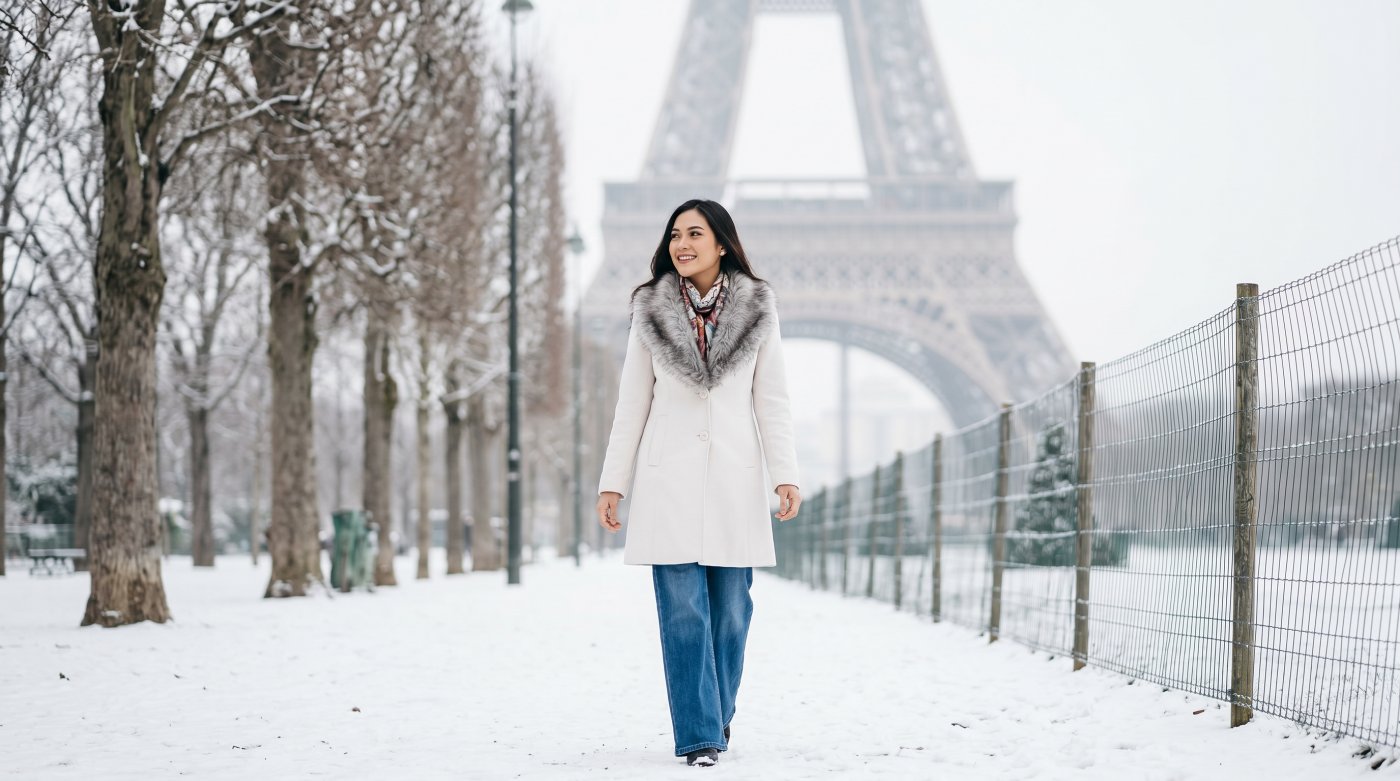
Paris is home to the world’s highest concentration of luxury fashion houses.
The primary shopping districts:
- Champs-Élysées (8th arrondissement): International luxury flagships — Louis Vuitton, Cartier, Longchamp — along with mass-market retail. Primarily for browsing rather than value.
- Rue du Faubourg Saint-Honoré (8th arrondissement): Hermès, Chanel, Versace, and several other houses on a single street.
- Le Marais (3rd and 4th arrondissements): Independent designers, vintage boutiques, and contemporary streetwear. More affordable and more interesting than the Champs-Élysées for most visitors.
- Saint-Germain-des-Prés (6th arrondissement): Mid-to-high-end independent boutiques and the original Sonia Rykiel flagship.
Paris Fashion Week runs twice yearly — in February/March (autumn-winter collections) and September/October (spring-summer collections).
Most shows are trade and press only, though some designers hold public presentations and installations.
26. Galeries Lafayette and Printemps
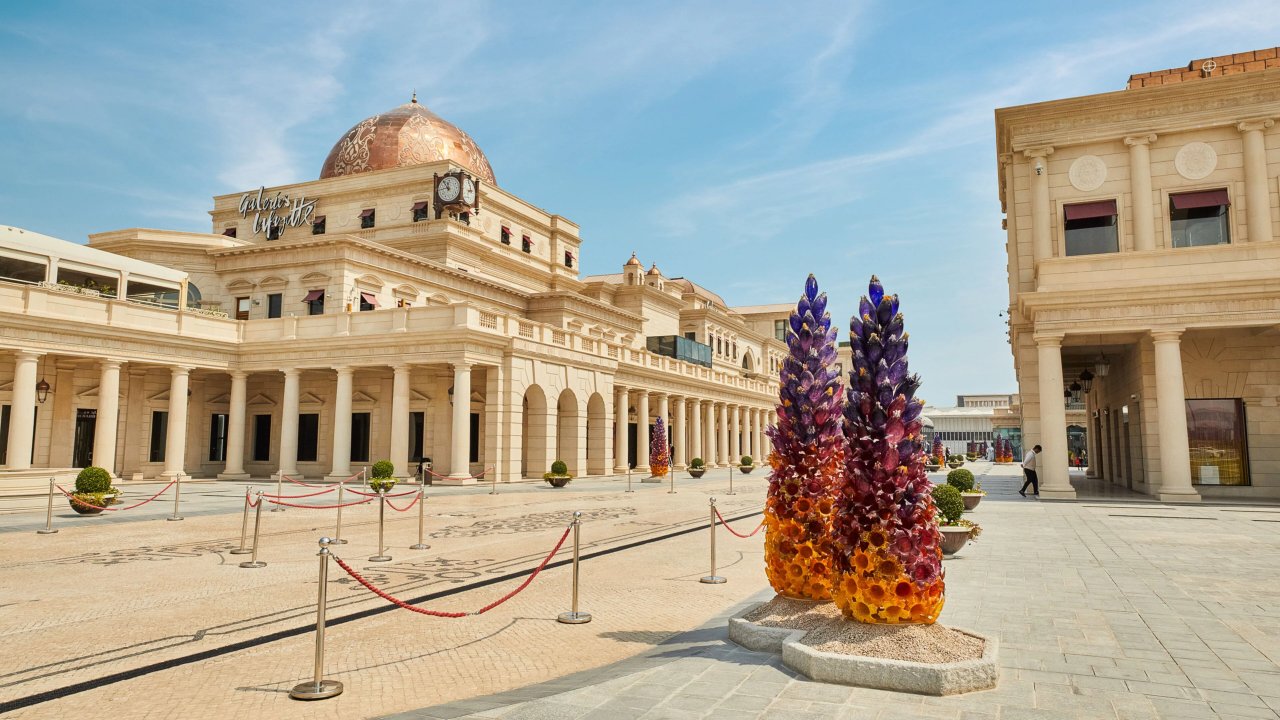
Both department stores occupy buildings on the Boulevard Haussmann in the 9th arrondissement.
Galeries Lafayette is notable for its 1912 Art Nouveau glass dome, visible from the main floor.
The rooftop terrace is free and offers a panoramic view of Haussmann-era Paris.
Printemps operates two rooftop spaces: the Terrasse du 7ème Ciel on the 7th floor of the Printemps Femme building — a free-access panoramic terrace with Eiffel Tower views, open Monday to Saturday 9:35am–8pm (until 8:45pm on Thursdays) and Sunday 11am–7pm — and the Perruche restaurant on the 9th floor of Printemps Homme, a more upscale dining and cocktail venue requiring a reservation.
In 2025 and 2026, the Terrasse du 7ème Ciel has been operating as Le Picnic by Veuve Clicquot during summer months; check the official Printemps website for the current seasonal concept.
No purchase is required to access either rooftop terrace.
Both stores offer tax-refund desks for non-EU visitors purchasing over €100.01 in a single transaction.
27. French Flea Markets — Clignancourt and Beyond
The Marché aux Puces de Saint-Ouen (Clignancourt) at the northern edge of Paris is one of the world’s largest antique markets, covering 11 individual covered markets and 5 shopping streets across 7 hectares.
The market is open Friday to Monday: Fridays 8am to 12pm (trade-oriented, quieter for general visitors); Saturdays and Sundays 10am to 6pm; and Mondays 11am to 5pm, though many individual dealers do not open on Mondays or trade by appointment only — Saturday and Sunday are the most reliable days to visit.
Reach it via Metro Line 4 (Porte de Clignancourt) or Line 13 (Garibaldi).
Dealers in the covered pavilions specialize in 18th and 19th-century French furniture, Art Deco lighting, vintage clothing, and art.
Arrive early Saturday morning before dealers pull their best pieces for regular clients.
Religious and Spiritual Sites in France
France’s religious heritage is extraordinary in both scale and variety.
Gothic cathedrals, Romanesque abbeys, Cistercian monasteries, and hilltop pilgrimage churches are distributed across every region of the country — many of them free to enter, and most located in towns worth visiting in their own right.
The sites below represent the highest tier, but the country rewards detours.
28. Chartres Cathedral — Gothic Masterpiece
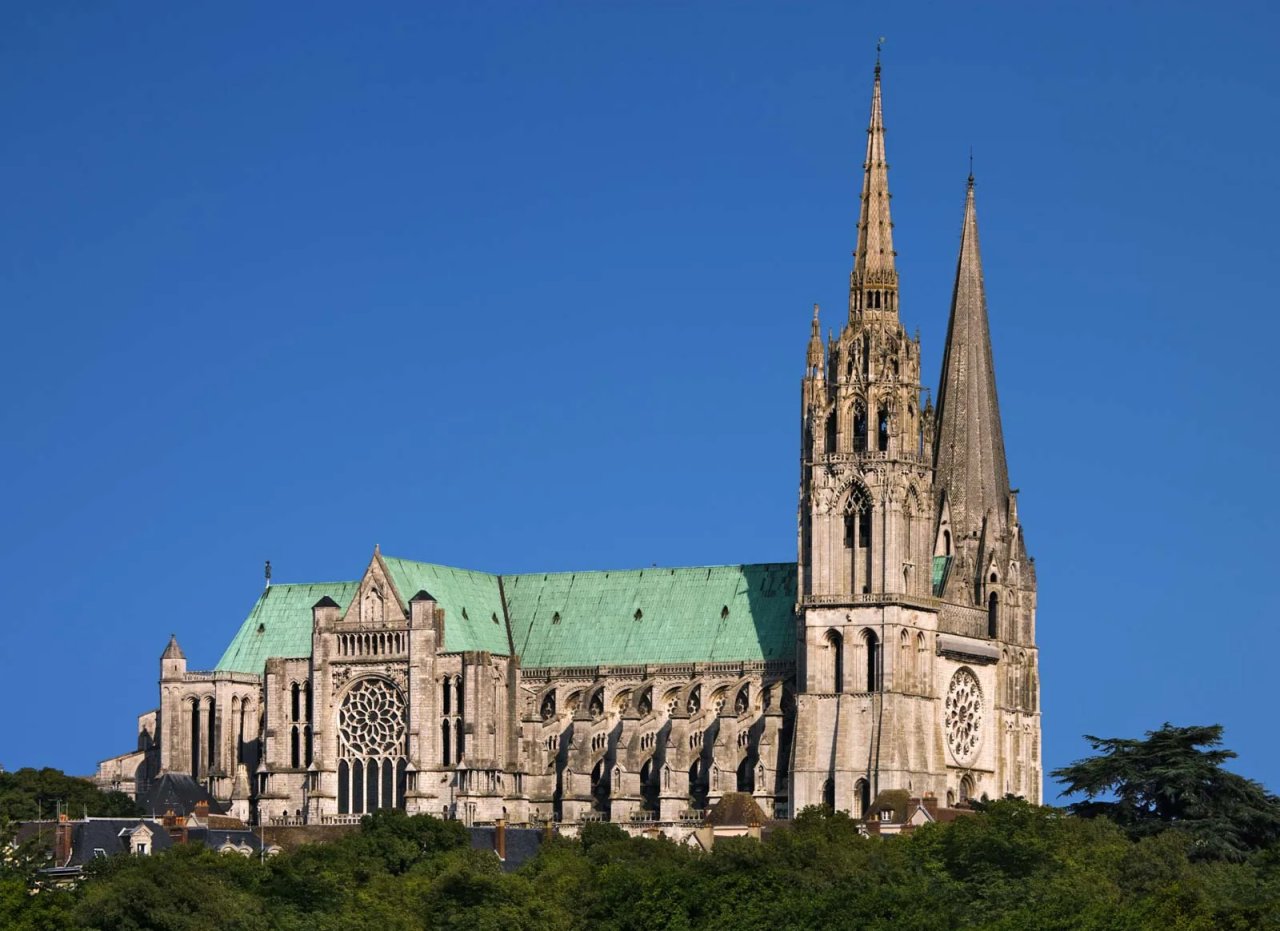
Chartres Cathedral, 90 kilometers southwest of Paris, is considered the most complete surviving example of Gothic architecture in France.
Construction began in 1194 and was largely complete by 1220 — unusually fast for a major Gothic building.
It has survived wars, revolutions, and the Second World War intact.
The cathedral holds 176 stained-glass windows covering 2,600 square meters; the oldest date from 1145.
The west facade rose window, nine meters in diameter, is among the finest in Europe.
The floor labyrinth — 42 feet in diameter, dating from around 1200 — is fully visible on Fridays from Lent to All Saints’ Day, when chairs are cleared from the nave.
Admission to the cathedral is free, and it is open daily 8:30am to 7:30pm (until 10pm on Tuesdays, Fridays, and Sundays from June to August during the Soirées Autrement evening events).
Tower climb tickets for the north bell tower cost €7.50 for adults over 25 and €4.50 for visitors aged 18–25 (free for EU nationals in that age range); under-18s enter free.
Only the north tower is open for individual visits; tours run daily with access limited to 15 people every 30 minutes.
From Paris, take a direct Transilien train from Gare Montparnasse (about 70 minutes).
29. Lourdes — Pilgrimage Sanctuary
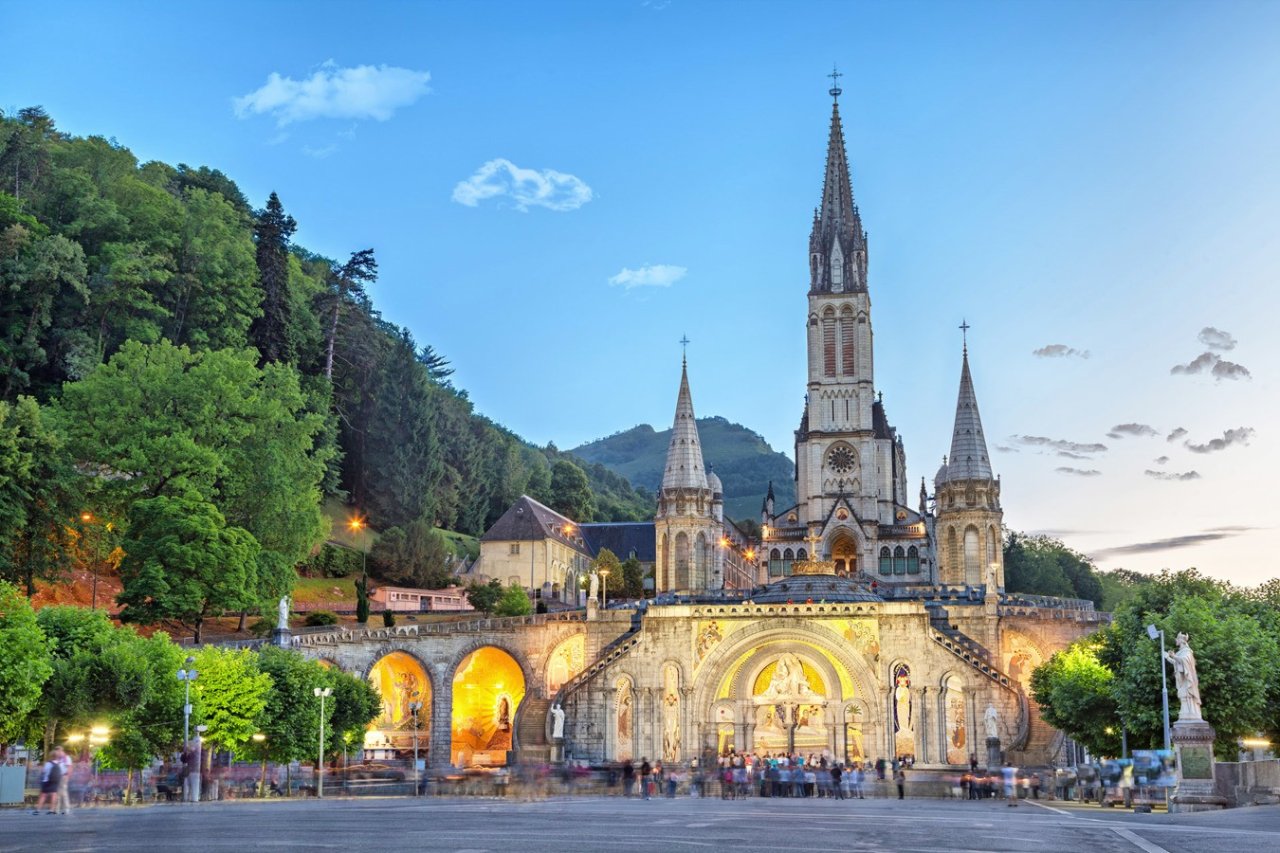
Lourdes in the Hautes-Pyrénées receives approximately 4–6 million visitors per year, making it France’s second most visited site after Disneyland Paris.
The Grotto of Massabielle — where 14-year-old Bernadette Soubirous reported Marian apparitions in 1858 — is the focal point of the sanctuary.
The spring water from the grotto is freely available from taps throughout the sanctuary.
The Sanctuary of Our Lady of Lourdes covers 51 hectares and includes three basilicas stacked vertically on the rock above the grotto.
The largest, the underground Basilica of Pius X, holds 25,000 people.
Entry to all sanctuary areas is free.
The daily torchlight procession at 9pm (summer) is the most visually striking event on the sanctuary calendar.
30. Abbey of Cluny — Ruins of the Medieval World’s Largest Church
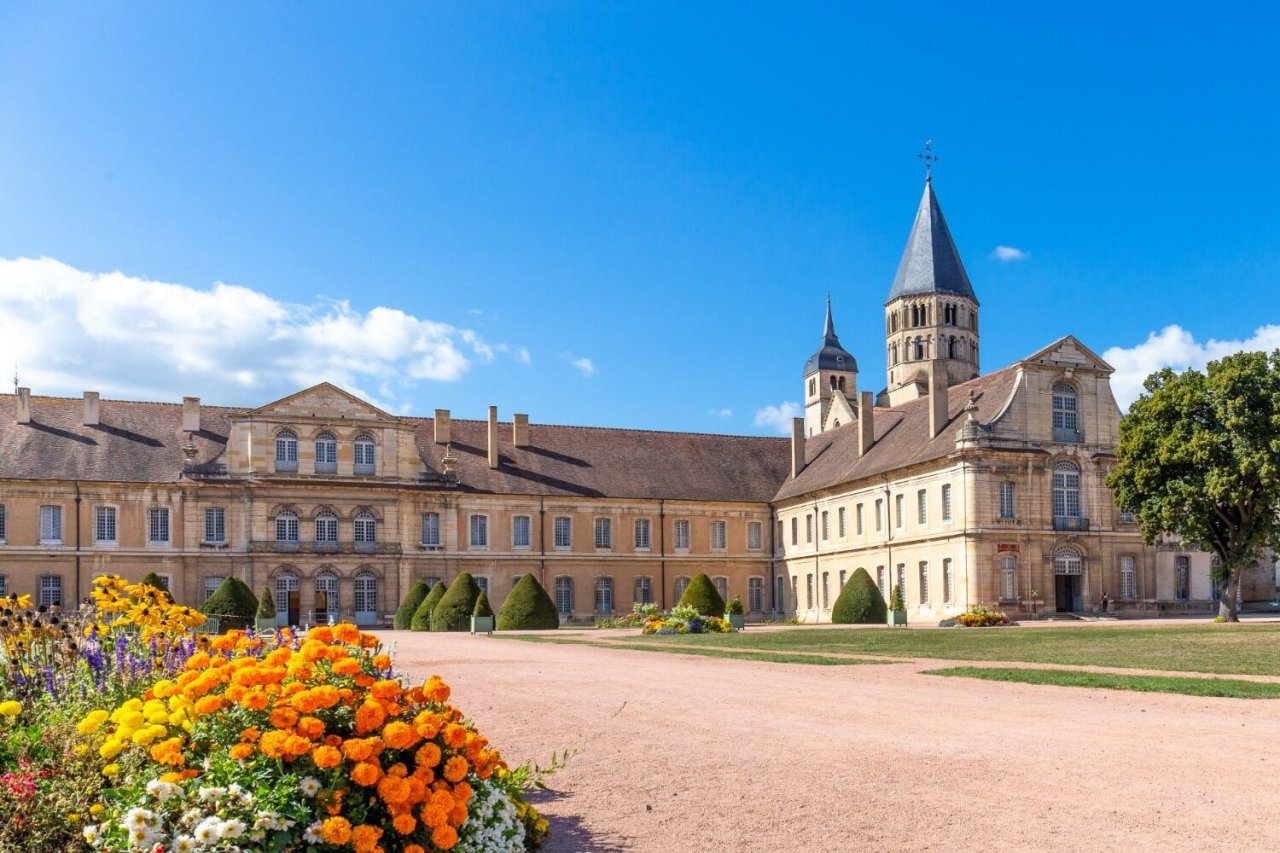
Cluny Abbey in Burgundy was founded in 910 and by the 12th century held the largest church building in the Western world — 187 meters long, surpassed only by Saint Peter’s Basilica in Rome three centuries later.
The Revolution largely destroyed it; the remaining south transept arm and two towers give a sense of the original scale.
The on-site museum holds original Romanesque capitals from the nave.
A combined Bernon ticket covering both the abbey ruins and the Musée d’Art et d’Archéologie de Cluny costs €11 per adult; an Odilon ticket adding access to the Tour des Fromages (a medieval tower with panoramic views over Cluny) is available on-site for €13.50.
Under-18s and EU citizens/residents under 26 enter free.
Free admission for all applies on the first Sunday of each month from November through March and during the European Heritage Days weekend in September.
The abbey is open daily 9:30am to 6pm (April–June and September), 9:30am to 7pm (July–August), and 9:30am to 5pm (October–March); last entry is 45 minutes before closing.
Cluny is reachable by road from Mâcon (25 kilometers) or by bus from Mâcon train station.
French Festivals and Cultural Events
France runs one of the densest festival calendars in Europe, covering film, music, theatre, wine, and medieval pageantry across every region and season.
Several of these events are internationally significant enough to shape travel plans around — book accommodation months in advance for the major ones, as towns like Cannes and Avignon fill completely.
31. Cannes Film Festival — May
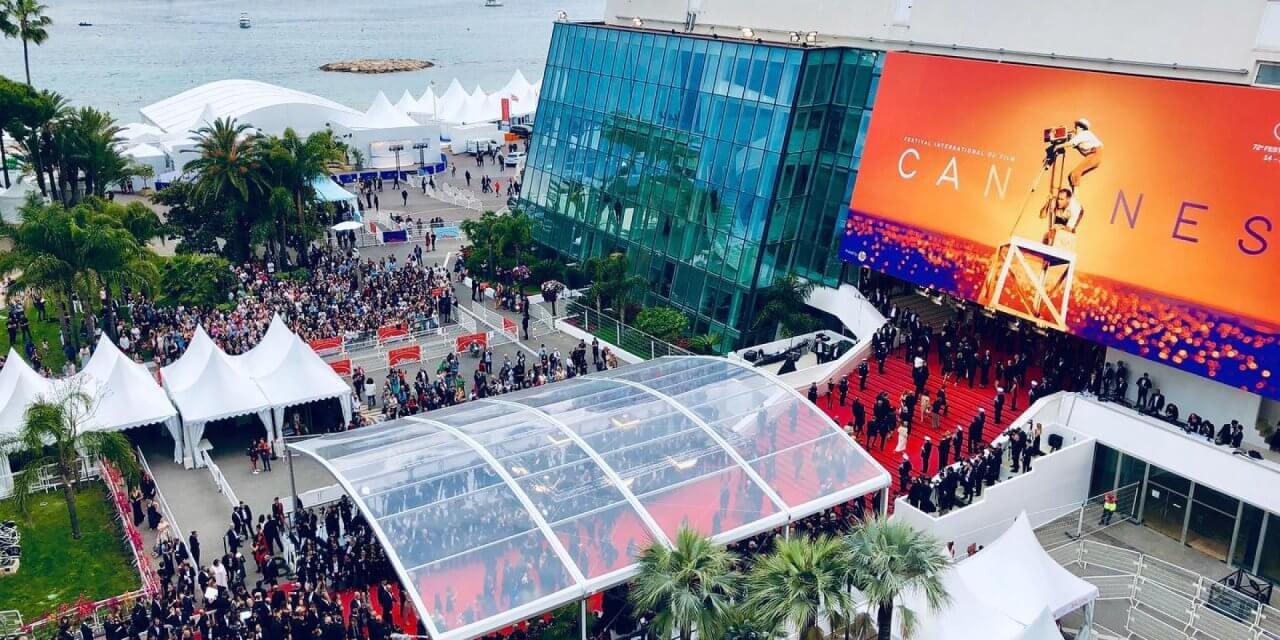
The Cannes Film Festival runs for 11 days each May on the French Riviera.
The Palme d’Or competition — the festival’s top prize — screens films from major international directors at the Palais des Festivals.
While the main screenings require accreditation, the Marché du Film and several parallel sections are accessible to broader audiences.
The Cinéma de la Plage (beach screenings) is free and open to the public each evening.
Outside of festival week, Cannes is a genuinely pleasant Mediterranean city: quieter than Nice, more manageable than Monaco, and with better beaches than most Riviera towns.
32. Tour de France — July
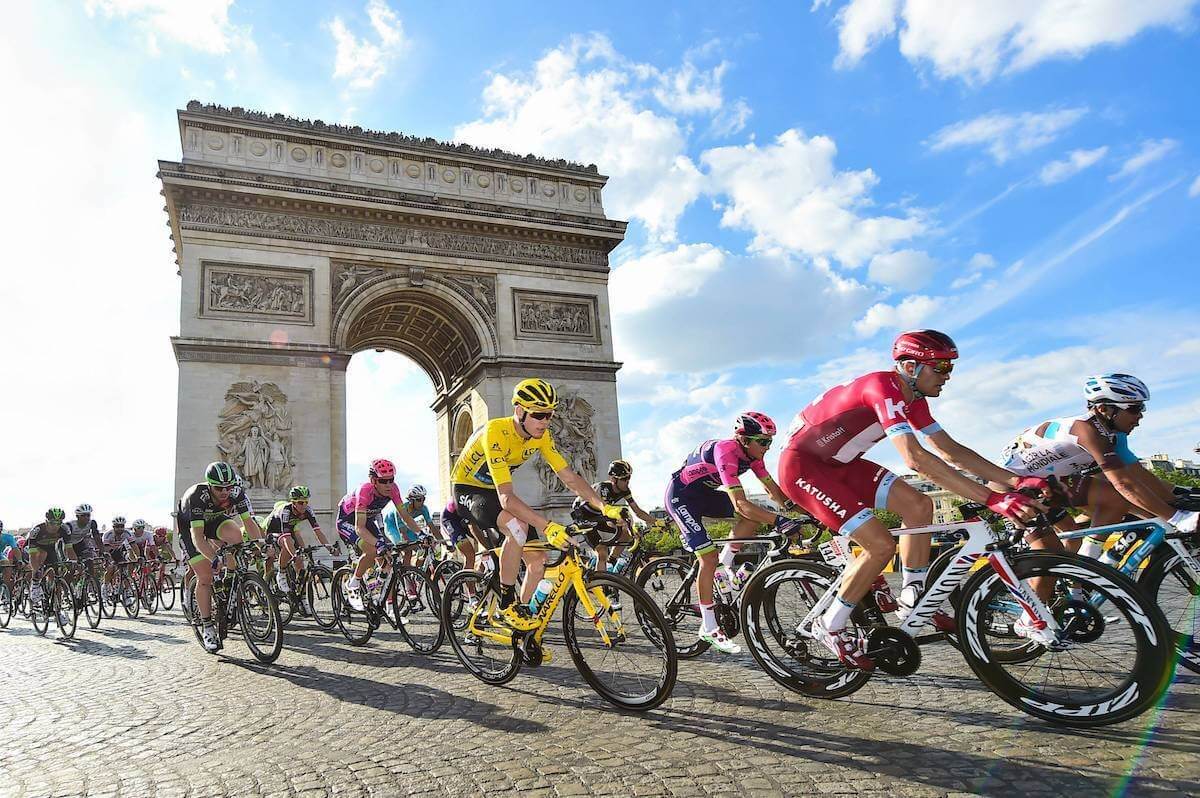
The Tour de France is a 23-day cycling race held each July, covering approximately 3,400 kilometers across France and occasionally neighboring countries.
Watching the race is free from any roadside position.
The most dramatic stages are the Alpine (Alpe d’Huez, Col du Galibier) and Pyrenean mountain finishes, where riders pass within arm’s reach of spectators.
The final stage ends on the Champs-Élysées in Paris on the last Sunday of July — one of the most watched stages in world sport.
33. Avignon Theatre Festival — July
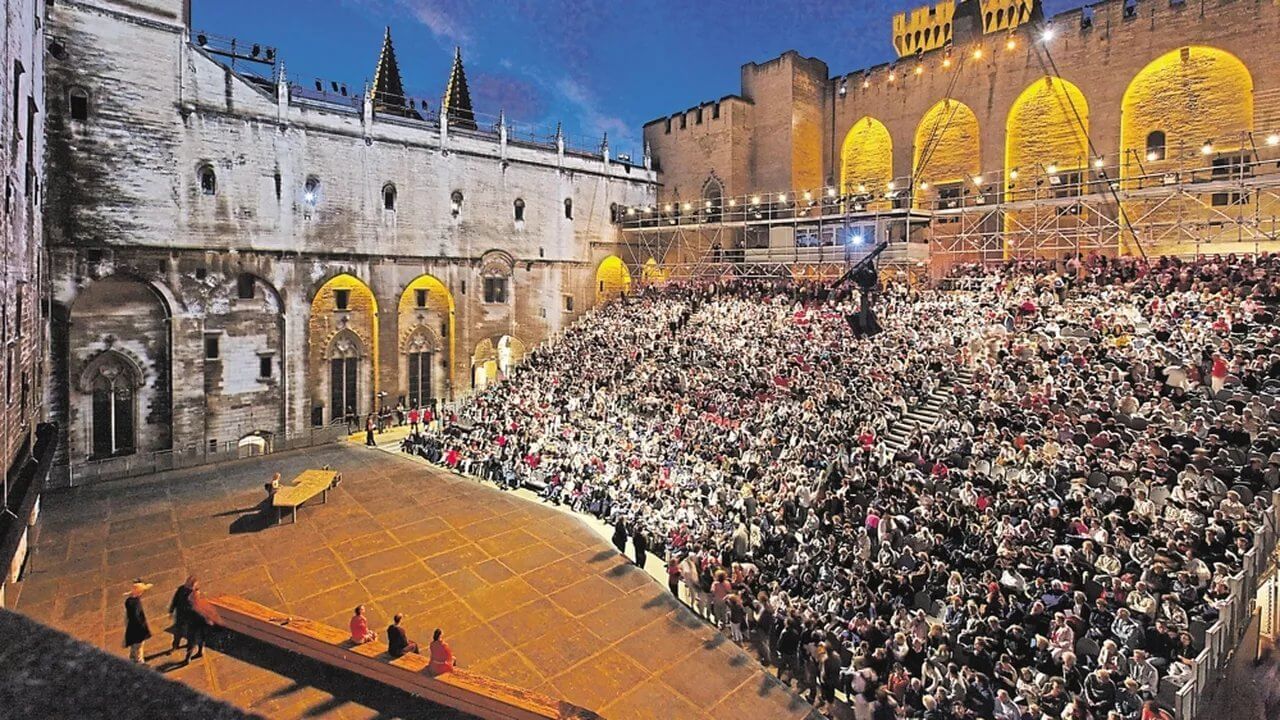
The Festival d’Avignon is France’s largest performing arts festival, running throughout July in and around the historic walled city of Avignon.
The main program (In) takes place in major venues including the Cour d’Honneur of the Palais des Papes — the medieval palace of the Catholic popes who relocated from Rome in the 14th century.
The Off program runs parallel, featuring over 1,300 shows across 130 venues, at much lower ticket prices.
34. Bastille Day — 14 July
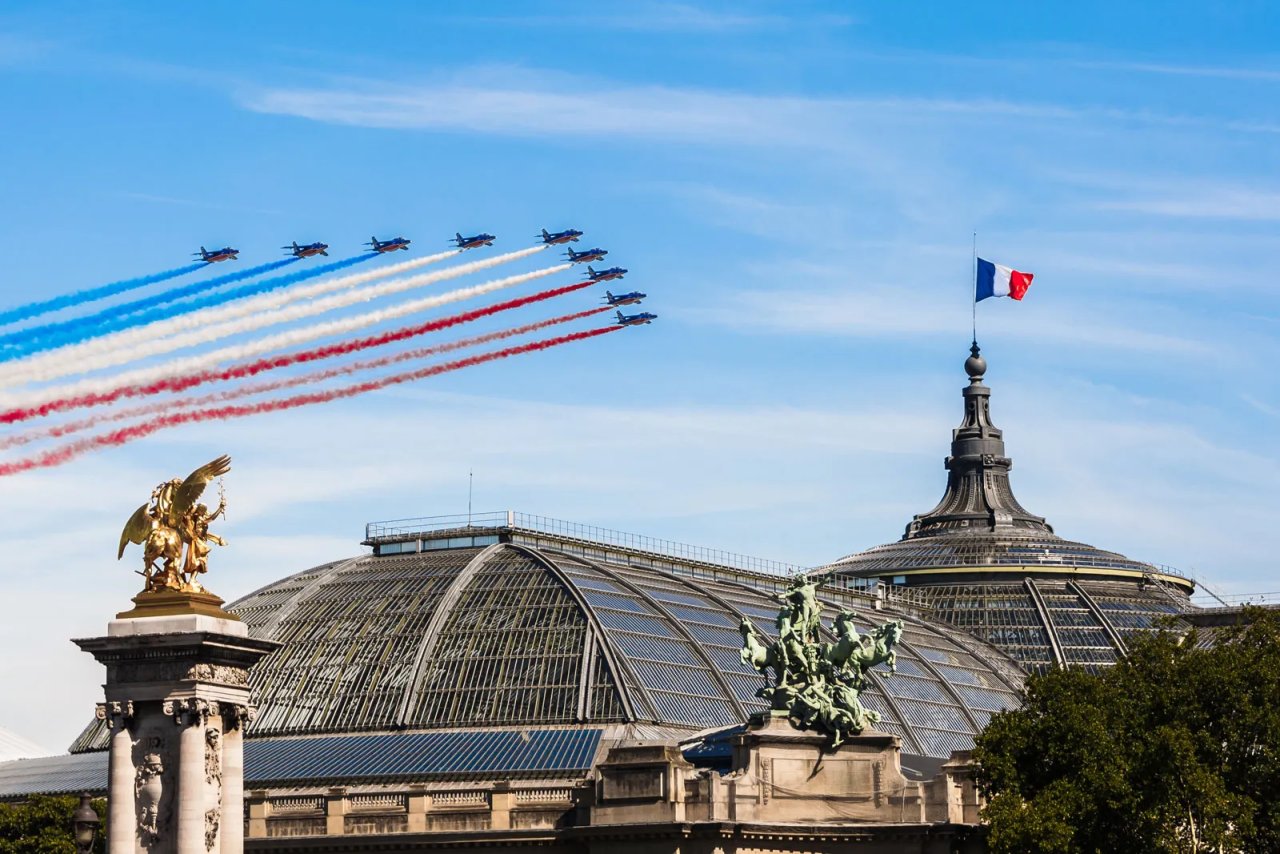
Bastille Day (Fête Nationale) on 14 July commemorates the storming of the Bastille prison in 1789.
The day begins with a military parade down the Champs-Élysées — the world’s oldest and largest regular military parade — beginning at 10am.
The fireworks display from the Eiffel Tower at 11pm is the largest in France.
In towns across the country, bals des pompiers (firefighter dances) take place on the evenings of 13 and 14 July — a genuinely French tradition where local fire stations open their courtyards for free public dances.
35. Strasbourg Christmas Market — Late November to December
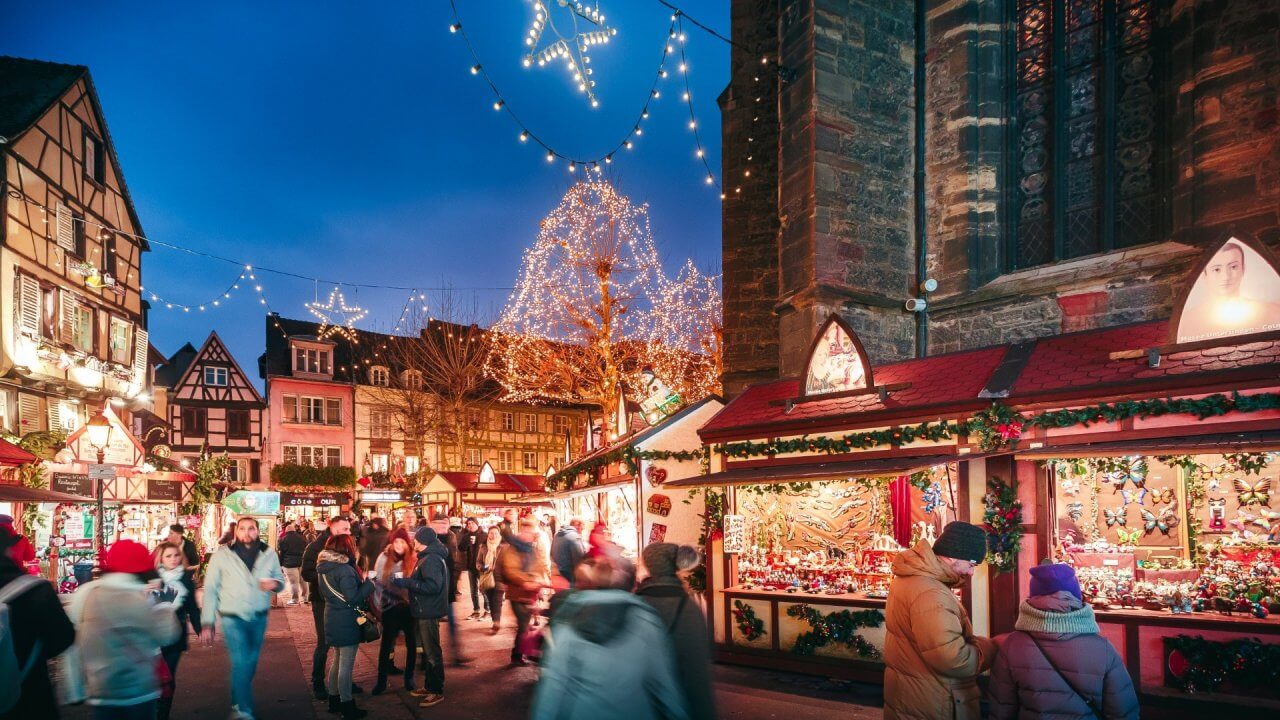
Strasbourg’s Christkindelsmärik is one of the oldest Christmas markets in Europe, running since 1570.
Around 300 stalls fill the historic center across multiple locations.
The Christkindelsmarik specialties: bredele (Alsatian Christmas biscuits), mulled vin chaud, and roasted chestnuts.
The market attracts around 3 million visitors over five weeks.
Arriving on a weekday morning significantly reduces crowds compared to weekends.
Literary and Intellectual Heritage in France
France’s literary identity is inseparable from its geography.
Paris neighborhoods, provincial towns, and specific cafés and addresses are directly tied to the writers who shaped modern literature — French and foreign alike.
The institutions and routes below give that history a physical form worth walking through.
36. Shakespeare and Company Bookstore and Literary Paris
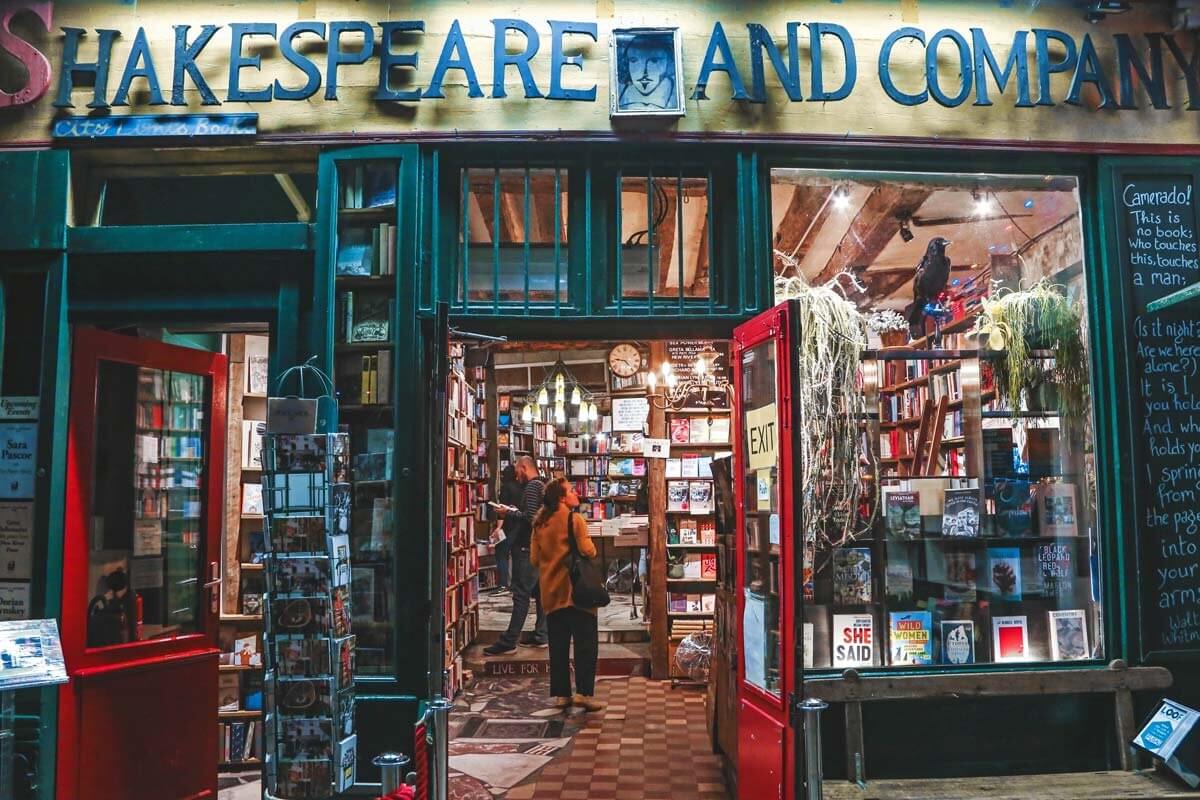
Shakespeare and Company on the Left Bank — the current incarnation of the legendary bookshop associated with Sylvia Beach and Ernest Hemingway — is one of Paris’s most visited independent bookshops.
It sells English-language books, hosts readings and events, and operates a small café next door.
The shop is open daily 10am to 10pm and entry is free.
A structured literary walking tour of Paris traces the Saint-Germain-des-Prés and Montparnasse neighborhoods where Hemingway, James Joyce, F.
Scott Fitzgerald, and Gertrude Stein lived and worked in the 1920s.
Key stops include the Café de Flore, Les Deux Magots, and the addresses associated with the Lost Generation.
Group walking tours with English-speaking guides typically run 2–3 hours and cost €20–€35 per person for small-group sessions; private guided tours range from €80–€120 per person depending on duration and operator.
37. The Bibliothèque Nationale de France
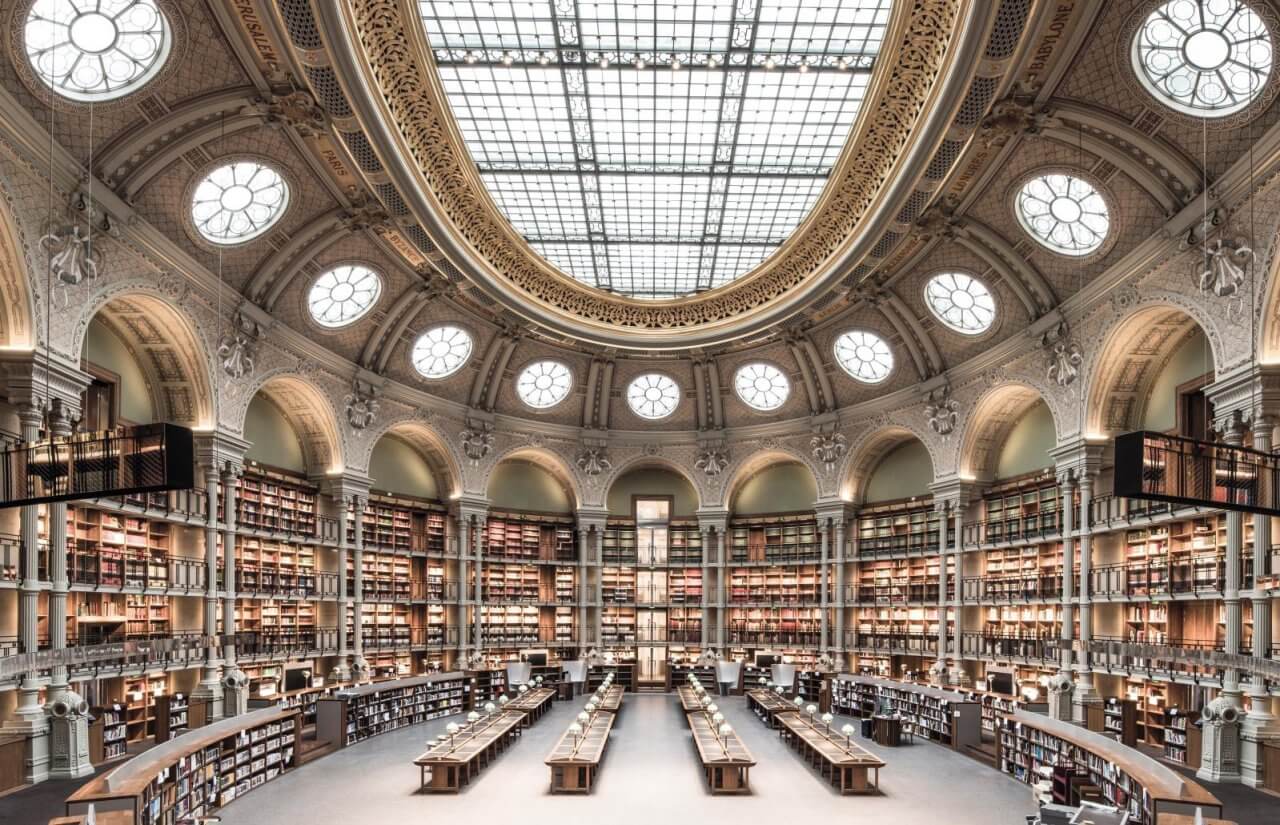
The Bibliothèque Nationale de France operates across multiple buildings.
The main research library (François-Mitterrand site in the 13th arrondissement) is open to accredited researchers.
The Richelieu site in the 2nd arrondissement (58 rue de Richelieu, near Palais-Royal) — a 17th-century building housing Henri Labrouste’s spectacular iron-and-glass reading halls — hosts the BnF Museum and rotating temporary exhibitions accessible to the general public.
The Salle Ovale reading room and the garden are free to visit.
Museum permanent collection entry is €10 for adults; a combined ticket covering both the permanent collection and temporary exhibition is €13; admission is free for under-26s.
The museum is open Tuesday 10am–8pm and Wednesday to Sunday 10am–6pm, closed on Mondays and most public holidays.
Note the entire BnF closes for its annual maintenance period from August 31 to September 6, 2026.
38. Sorbonne University and the Latin Quarter
The Sorbonne has been the center of French academic life since 1257.
The main courtyard and grand staircase are accessible on guided tours, which run on selected weekdays and cost approximately €9 per adult (€4 for students); tours last one hour and cover the entrance, grand amphitheater, and several ceremonial rooms — lecture halls are not open to the public.
To book, contact the Sorbonne directly at +33 (0)1 40 46 23 48.
The surrounding Latin Quarter (Quartier Latin) — named for the Latin spoken by medieval scholars — holds a concentration of bookshops, academic cafés, and medieval streets between Notre-Dame and the Luxembourg Gardens.
Scenic Transportation Experiences in France
Some of France’s most memorable moments happen between destinations rather than at them.
The country’s size and diversity mean the journey itself — whether by high-speed rail cutting through vineyard country, a slow boat through a UNESCO-listed canal, or a river cruising the heart of Paris after dark — is worth treating as an attraction in its own right.
39. TGV High-Speed Rail
France’s TGV (Train à Grande Vitesse) network connects Paris to most major French cities at speeds up to 320 km/h.
Journey times from Paris: Lyon 2 hours, Marseille 3 hours 5 minutes, Bordeaux 2 hours 4 minutes, Nice 5 hours 30 minutes.
Rail passes are available for international visitors.
Booking at least three to four weeks ahead yields the lowest fares.
For a full breakdown of rail passes, regional trains, driving options, and inter-city connections, the guide to how to get around France covers all transport modes.
40. Seine River Cruise in Paris
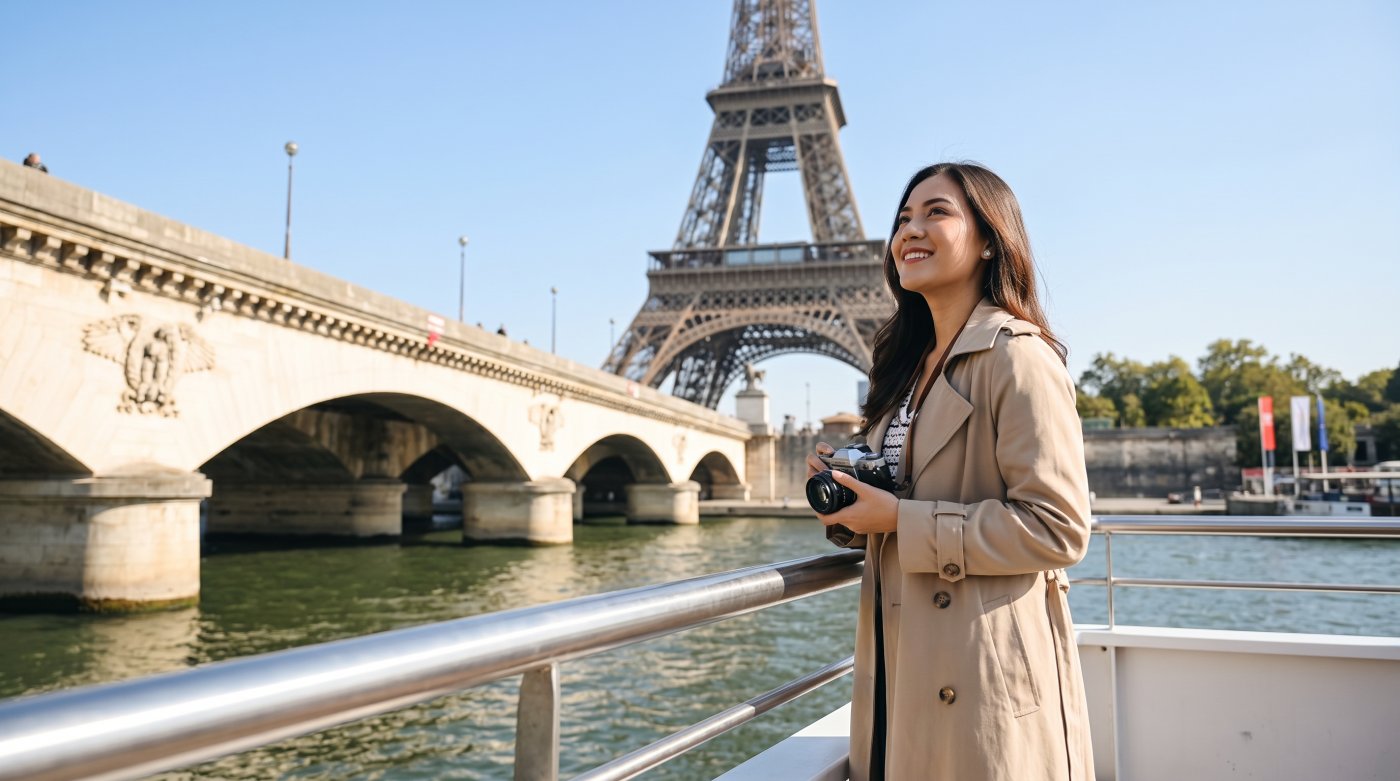
Seine river cruises depart from multiple embarkation points and typically last one hour.
The standard route passes Notre-Dame, the Louvre, the Musée d’Orsay, the Eiffel Tower, and several ponts (bridges).
Day cruises run from around 10am; evening cruises offer illuminated monuments after dark.
Standard sightseeing cruise tickets cost €13–€20 per adult depending on operator — Vedettes du Pont Neuf charges €15 online (€17 on-site), while Bateaux-Mouches charges €20; children under 4 are free on most lines.
Dinner cruises with a full menu run €90–€170 per adult and require advance booking.
The Bateaux-Mouches and Bateaux Parisiens are the largest operators; smaller companies offer higher-end dinner cruises with advance booking.
41. Canal du Midi Barge Holiday
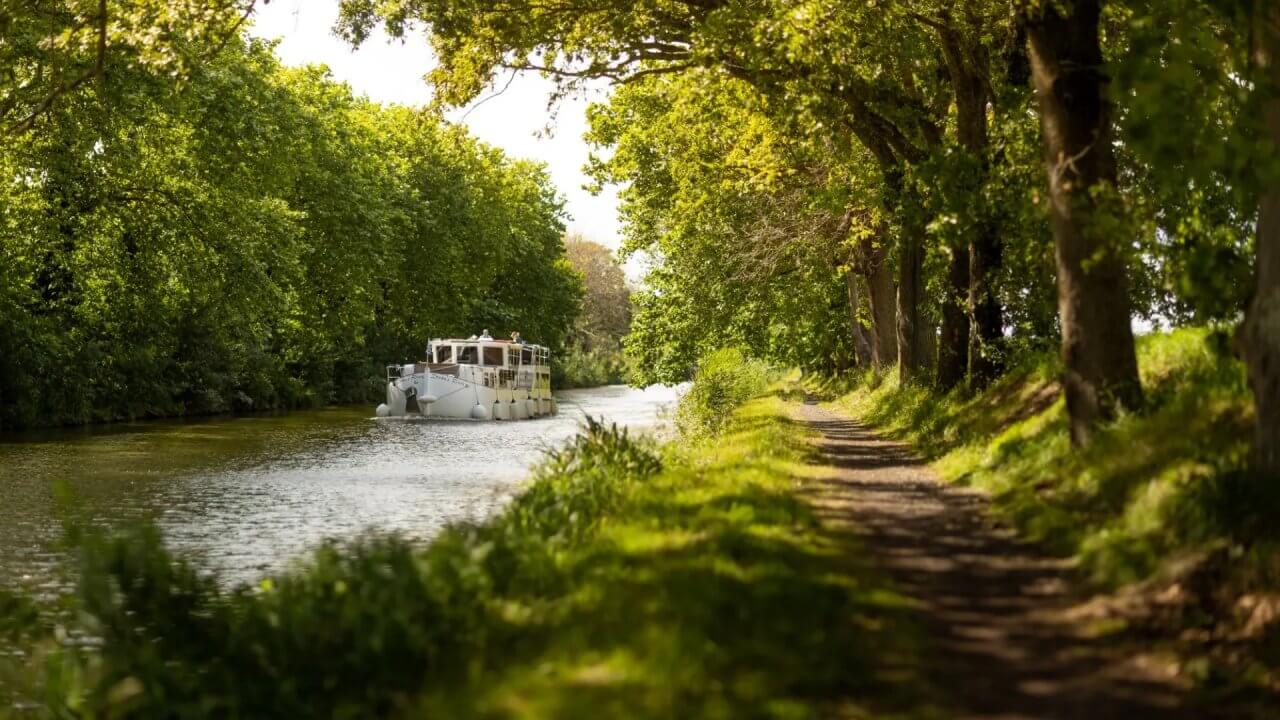
The Canal du Midi runs 240 kilometers from Toulouse to the Mediterranean, passing through vineyards, medieval locks, and platane-shaded waterways.
It is a UNESCO World Heritage Site.
Renting a self-drive houseboat requires no prior boating experience; a license is not needed.
Rentals run weekly from Saturday to Saturday; boats accommodate 2–12 passengers.
Weekly rental prices in 2026 range from approximately €700–€1,200 for a small 2–4 berth boat in low season to €2,000–€2,500+ for larger 8–12 berth boats in peak summer (July–August); shoulder season (April–May and September–October) typically offers the best balance of price and weather.
Major operators on the canal include Les Canalous and Le Boat, both of which offer online booking with instant availability confirmation.
Artisan Workshops and Traditional Crafts in France
France’s artisan traditions are tied directly to its geography — specific towns and regions have produced specific crafts for centuries, and the best way to understand them is to visit the source.
The workshops, factories, and museums below are not tourist recreations; they are working institutions attached to living industries.
42. Grasse Perfume Workshop
Grasse in the Alpes-Maritimes is the center of the French perfume industry, supplying raw materials and formulas to the major Paris houses since the 18th century.
The town holds several parfumeries open to visitors — Fragonard, Molinard, and Galimard — each offering free factory tours and paid workshop sessions where you create a personal fragrance.
The hands-on blending workshops run approximately 1 hour 45 minutes to 2 hours and cost €65 per person at Galimard (Studio des Fragrances, open daily at 10am, 2pm, and 4pm; reservation required).
Molinard offers a Classic Workshop for around €95–€105 and a shorter Discovery session from €55; Fragonard runs similar sessions in the €60–€80 range.
Prices include the fragrance you create, bottled and labeled to take home.
Factory tours at all three houses are free and run daily in English without prior reservation.
Grasse is 15 kilometers inland from Cannes via regular bus service.
43. Limoges Porcelain
Limoges in the Limousin region has been the center of French hard-paste porcelain production since kaolin deposits were discovered nearby in 1768.
Several active manufactories offer factory tours, including Bernardaud — one of the historic houses still in operation.
The Musée National Adrien-Dubouché holds the world’s largest collection of Limoges and European porcelain, with 12,000 objects on display.
Admission is €7 full price (€5 reduced for groups of 15+ and seniors); under-26s, active teachers, and job seekers enter free, as do all visitors on the first Sunday of each month.
The museum is open daily except Tuesdays, 10am–12:30pm and 2pm–5:45pm, with exceptional closures on December 25 and January 1.
44. Alençon Lace
Point d’Alençon — needlepoint lace made in Alençon, Normandy — is the only lace to hold UNESCO Intangible Cultural Heritage status (inscribed 2010).
The Musée des Beaux-Arts et de la Dentelle in Alençon displays lace pieces that took months to years to complete; a single 1-centimeter square requires approximately seven hours of work.
The museum runs a special exhibition celebrating 50 years of the national lace ateliers through May 31, 2026, with guided tours available on selected dates; ongoing demonstrations and workshop sessions for visitors are held on a rotating schedule — contact the museum directly at [email protected] or +33 (0)2 33 32 40 07 to confirm current session dates.
Admission is €4 full price (€3 reduced); under-26s enter free; free for all on the first Sunday of each month.
| Day | Opening Hours |
|---|---|
| Tuesday – Friday | 10:00am – 12:00pm and 2:00pm – 6:00pm |
| Saturday – Sunday | 10:00am – 12:30pm and 1:30pm – 6:00pm |
| Monday | Closed |
| May 1 | Closed |
Evening Entertainment and Nightlife in France
Paris after dark is a different city entirely.
The question is not whether there is something to do — it is choosing between opera, jazz, cabaret, cinema, and theatre in a city that takes all four seriously.
The following represent the highest-profile options, but the city’s neighbourhood bars, concert halls, and comedy venues run parallel to them every night of the week.
45. Moulin Rouge Cabaret
The Moulin Rouge in Montmartre opened in 1889 and remains in continuous operation.
The evening show — the Féerie — runs approximately 1 hour 45 minutes and features around 60 performers including the Doriss Girls troupe, along with acrobats, jugglers, and international guest acts.
Two shows run nightly: 9pm (show-only seats from €220 including a half-bottle of champagne) and 11pm on Fridays and Saturdays (€165 including a half-bottle of champagne); the 11pm show is shorter in format and less expensive.
Dinner-and-show packages (dinner from 7pm, show at 9pm) start from approximately €230 for the Belle Époque menu and rise to €290+ for the Festive menu; dinner packages must be booked directly through the Moulin Rouge.
Booking several weeks in advance is required for weekend dates and high season.
Tickets are neither exchangeable nor refundable.
46. Paris Jazz Clubs
Paris has a significant live jazz scene concentrated in the Latin Quarter and Saint-Germain-des-Prés.
Historically important venues include:
- Le Caveau de la Huchette (Latin Quarter): One of the oldest active jazz clubs in Paris, in a 15th-century cellar. Cover charge €13–€16 depending on the night; sessions run nightly from 9:30pm.
- Duc des Lombards (near Les Halles): Mid-size jazz club featuring French and international acts nightly Monday to Saturday at 7:30pm and 10pm; tickets range from €22 to €46 depending on the programme. Free entry (with compulsory drink purchase) for late-night jam sessions on Fridays and Saturdays from 11:30pm to 4am.
- New Morning (10th arrondissement): Larger venue hosting major touring acts and French musicians; ticket prices vary significantly by artist, typically €20–€40 for standard bookings, higher for headline acts.
47. French Cinema and Performing Arts
Paris is one of the few cities where opera, ballet, and arthouse cinema coexist with genuine popular audiences rather than as prestige obligations.
Even if you don’t speak French, a night at the Palais Garnier or a screening at the Cinémathèque rewards the effort.
The Palais Garnier (Opera Garnier) in the 9th arrondissement hosts both opera and ballet from the Paris Opéra.
The building itself — Charles Garnier’s 1875 Second Empire design — is one of the most elaborate theatre interiors in the world.
Self-guided visits run daily 10am–4pm (until 5pm mid-July to end of August); tickets must be booked online in advance at operadeparis.fr — no tickets are sold on-site.
Self-guided tour admission starts at €15 for adults outside the EEA and €10–€15 for EEA residents/under-25s; children under 12 enter free.
Guided tours (from €11 to €42 depending on format) include standard 1.5-hour guided tours, flash 45-minute tours, and after-hours evening tours.
Note the auditorium is frequently closed for rehearsals and is not always accessible during self-guided visits.
The building is closed January 1 and May 1.
The Cinémathèque Française near Bercy hosts retrospectives, rare screenings, and a permanent museum of cinema history.
Museum admission is €10 for adults, €7.50 for ages 18–25, and €5 for under-18s.
The museum is open Monday and Wednesday to Friday 12pm–7pm and Saturday to Sunday 11am–8pm; closed Tuesdays and public holidays.
| Day | Opening Hours |
|---|---|
| Monday | 12:00pm – 7:00pm |
| Tuesday | Closed |
| Wednesday – Friday | 12:00pm – 7:00pm |
| Saturday – Sunday | 11:00am – 8:00pm |
| Public Holidays | Closed |
Before You Go: Planning Essentials
Before finalizing your France itinerary, a few practical matters are worth confirming early.
France Visa Requirements
Visa requirements: Travelers from outside the Schengen Area need to understand their entry rights.
Use the AI Travel Visa Requirements Checker to confirm whether your passport requires a Schengen short-stay visa and what the current application process involves.
On Arrival in France
What to know on arrival: France has specific customs around tipping, greetings, dining service, and public behavior that differ from anglophone norms.
The things to know before traveling to France guide covers these cultural expectations in plain terms.
Traveling to France with Kids
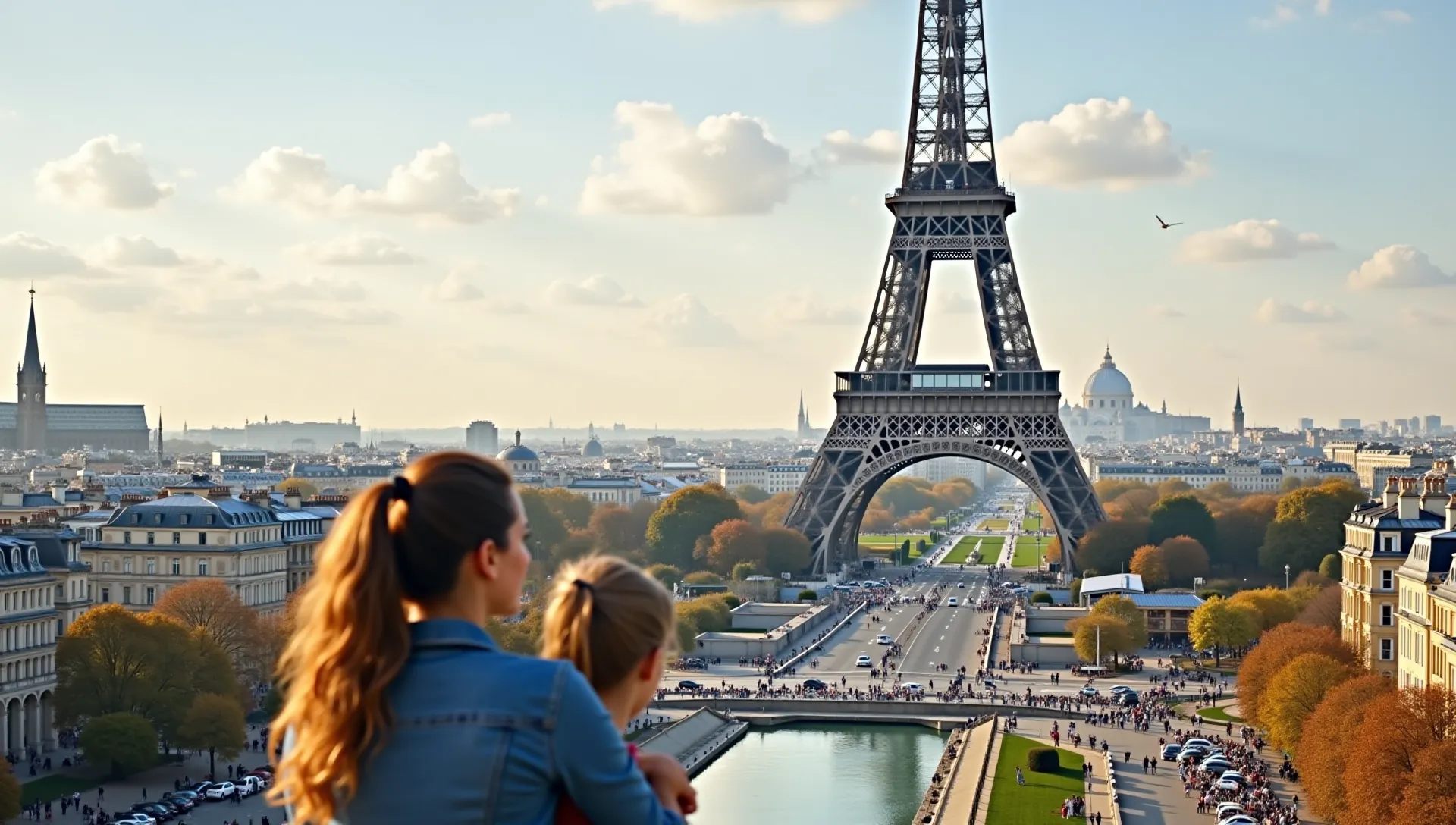
Traveling with children: France is broadly family-friendly, but some experiences on this list work better with kids than others.
For a curated France itinerary designed around families, see the guide to traveling to France with kids.
Budget for a Trip to France
Budget planning: France spans a wide cost range — budget hostels in Brittany to luxury hotels in the 8th arrondissement.
For overall cost strategy, the guide to travel to France on a budget includes daily spend targets, free museum days, and cheap transport options.
To put together your complete Paris experience as part of this trip, the Paris travel guide covers the capital in detail, including neighborhoods, transport, and day trips from the city.
Frequently Asked Questions (FAQs)
Two weeks gives you enough time to cover Paris plus two or three regions.
A first trip to France can work well in 10 days: three days in Paris, two days in the Loire Valley, two in Provence or the Riviera, and one in either Lyon or Bordeaux.
Shorter trips of five to seven days are better spent in Paris and one day trip destination.
Use the AI Trip Length Guide to figure out what fits your dates and priorities.
The cheapest inter-city options are long-distance coaches (BlaBlaBus, FlixBus) and ridesharing (BlaBlaCar).
TGV trains are significantly faster but more expensive without advance booking.
The key variable is how far ahead you book — TGV advance fares bought six to eight weeks out can match coach prices, while last-minute rail fares are substantially higher.
France is broadly safe for solo travel in 2026.
The main practical risks are petty theft — pickpocketing on the Paris Metro, bag snatching in tourist areas, and card skimming at ATMs — rather than violent crime.
Staying alert in crowded areas and keeping valuables in front-facing pockets handles the majority of risk.
The AI Travel Safety Advisor can provide current safety conditions for specific regions and cities.
A lifestyle and OOTD blogger, Kannaya Nareswari enjoys the small pleasures of cooking, traveling, and documenting ordinary events. She uses genuine storytelling to communicate her love of fashion, culinary explorations, and wanderlust. She is based between Bali and Bandung. She enjoys enjoying coffee at a secret café or experimenting with recipes in the kitchen when she's not traveling to new places or styling her most recent ensemble.