



France with Kids 2026: Best Destinations, Theme Parks, Beaches, and Family Tips – France is one of the best countries in the world for family travel.
The combination of historic castles, purpose-built theme parks, calm Mediterranean beaches, outstanding food culture, and exceptional transport infrastructure makes it genuinely suitable for all ages — from toddlers to teenagers to grandparents.
The challenge is not finding things to do, but choosing between them.
This guide covers the most important decisions: where to go with children, which theme parks are worth the time and cost, which beaches work for families, how to get around with kids in tow, and how to plan by age and season.
For the full range of experiences France offers, including options beyond the family-focused highlights here, see our guide to the best things to do in France.
Key Takeaways
- Disneyland Paris is the most visited theme park in Europe; book tickets and accommodation months in advance for peak summer dates
- France has exceptional family beaches on both the Atlantic coast (calmer surf, wide sands) and Mediterranean (warmer water, busier in summer)
- On Paris Île-de-France public transport (metro, RER, bus, tram), children under 4 travel free; children aged 4 to 9 pay half price (around €1.25 for metro/RER, €1.05 for bus/tram); children 10 and above pay full adult fare. On SNCF intercity trains (TGV INOUI, TER, INTERCITÉS), children under 4 ride free on a parent's lap; children aged 4 to 11 qualify for up to 60% discount when accompanied by an adult with the Avantage Adulte card, or a fixed €9 Forfait Bambin seat upgrade for under-4s
- French law requires all children under 10 years old to use an approved child restraint system, or until they reach approximately 135 cm tall and the standard seatbelt fits correctly; rental companies provide appropriate seats on request
- Autumn (September–October) offers the best combination of good weather, lower crowds, and lower prices for families
Best Family Destinations in France
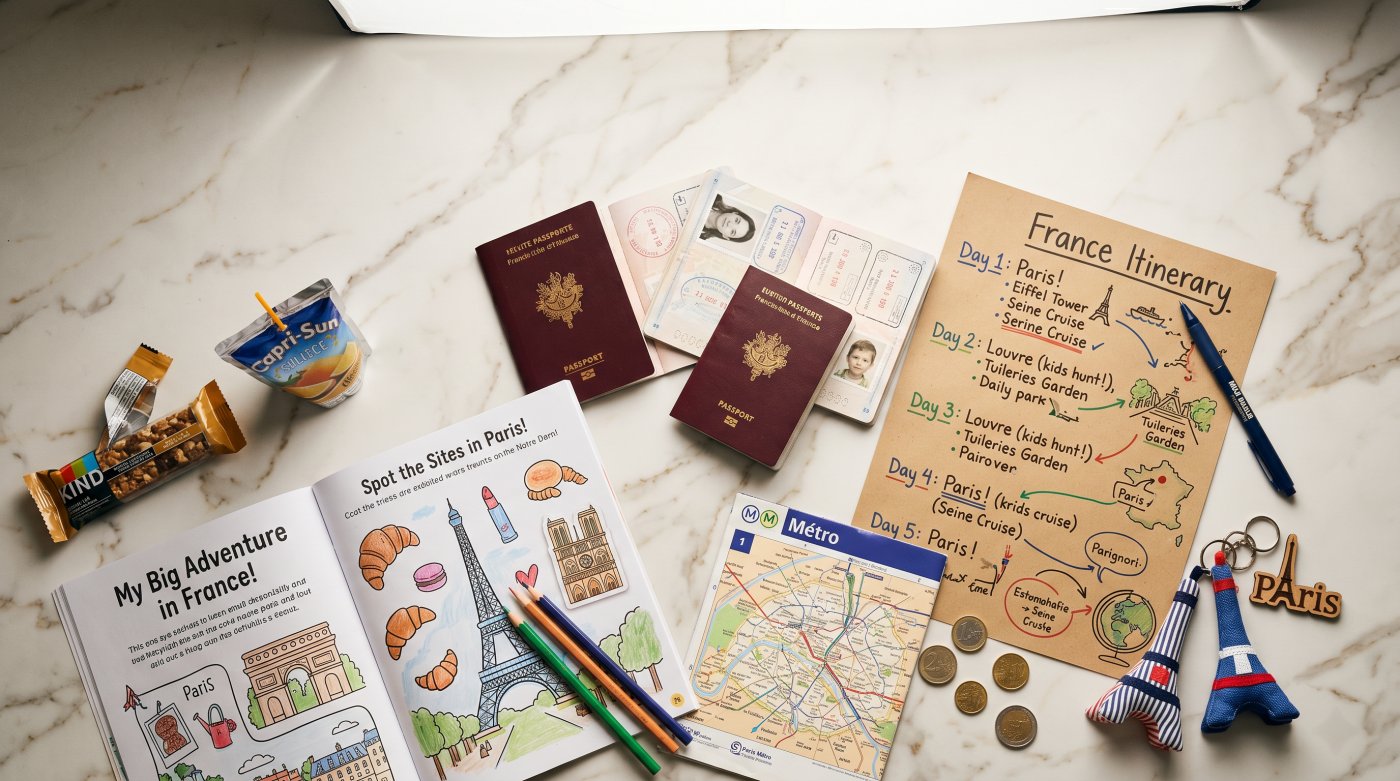
France rewards families who think beyond Paris.
The capital is worth several days, but the Loire Valley castles, the Normandy coast, and the French Riviera each offer distinct experiences that children remember.
Paris with Kids
Paris has more genuinely child-friendly attractions than its reputation as an adult cultural destination suggests.
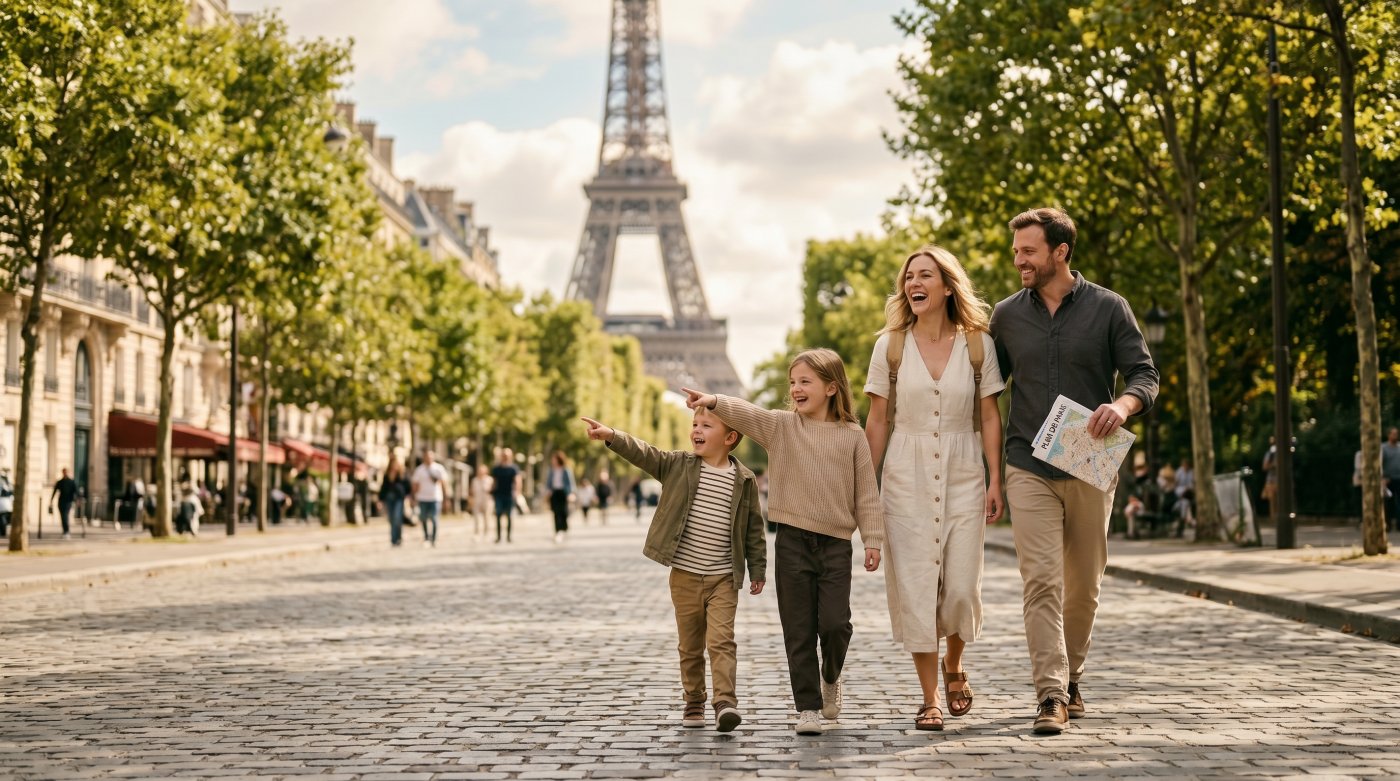
The Eiffel Tower remains a must-visit — booking timed-entry tickets online well in advance avoids multi-hour queues, particularly in summer.
At the summit (276 metres/905 feet at the second floor observation deck), younger children are often more interested in the structure itself than the view.
The lift queues are long; consider the stairs for the first two floors as a faster alternative.
The Louvre offers dedicated family workshops and age-specific guided tours that transform a potentially overwhelming museum into something interactive.
Check the Louvre’s website for the Petits Louvre program before your visit.
The Musée d’Orsay is smaller and more manageable with children than the Louvre; the Impressionist paintings on the top floor make a good target.
The Jardin d’Acclimatation in the Bois de Boulogne is a dedicated children’s leisure park with rides, playgrounds, a petting zoo, and a mini-railway — a practical option if you have toddlers who need physical activity between cultural visits.
The Parc de la Villette in northeastern Paris has free outdoor fountains, playgrounds, and interactive science exhibits alongside a science museum (Cité des Sciences) specifically designed for families.
For Paris-specific family planning including itineraries, neighborhood advice, and practical logistics, see our dedicated family trip to Paris guide.
Loire Valley: Castles for All Ages
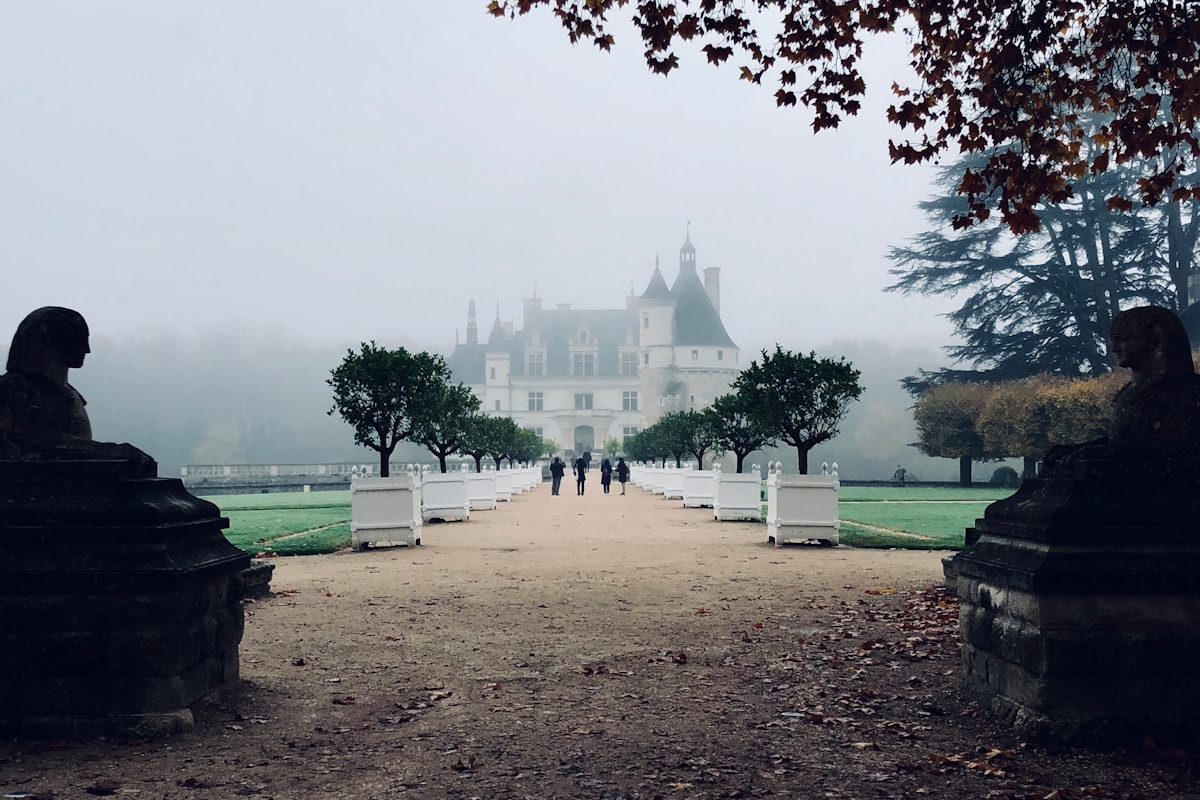
The Loire Valley has over 300 châteaux, many of which actively market to families with treasure hunts, costumed guides, and special events.
Château de Chambord — with its 440 rooms, 282 fireplaces, and 84 staircases, plus its dramatic double-helix staircase — allows families to rent bikes on the estate grounds and explore the surrounding forest park.
Château de Chenonceau has formal gardens that children can run through while adults admire the architecture.
Entry fees at major Loire Valley châteaux follow a broadly consistent pattern for 2026: children under 18 (and EU citizens aged 18–25) enter Chambord for free; Chenonceau admits children under 7 for free; Villandry offers free entry for children under 8; and Château d’Ussé is free for children under 8, with a reduced rate of €7.50 for ages 8–16.
Always check individual château websites before visiting, as thresholds and pricing are updated seasonally.
The Loire Valley is also manageable by car from Paris in approximately 2 hours, making it a realistic base for 2–3 nights.
French Riviera: Beaches, Monaco, and History
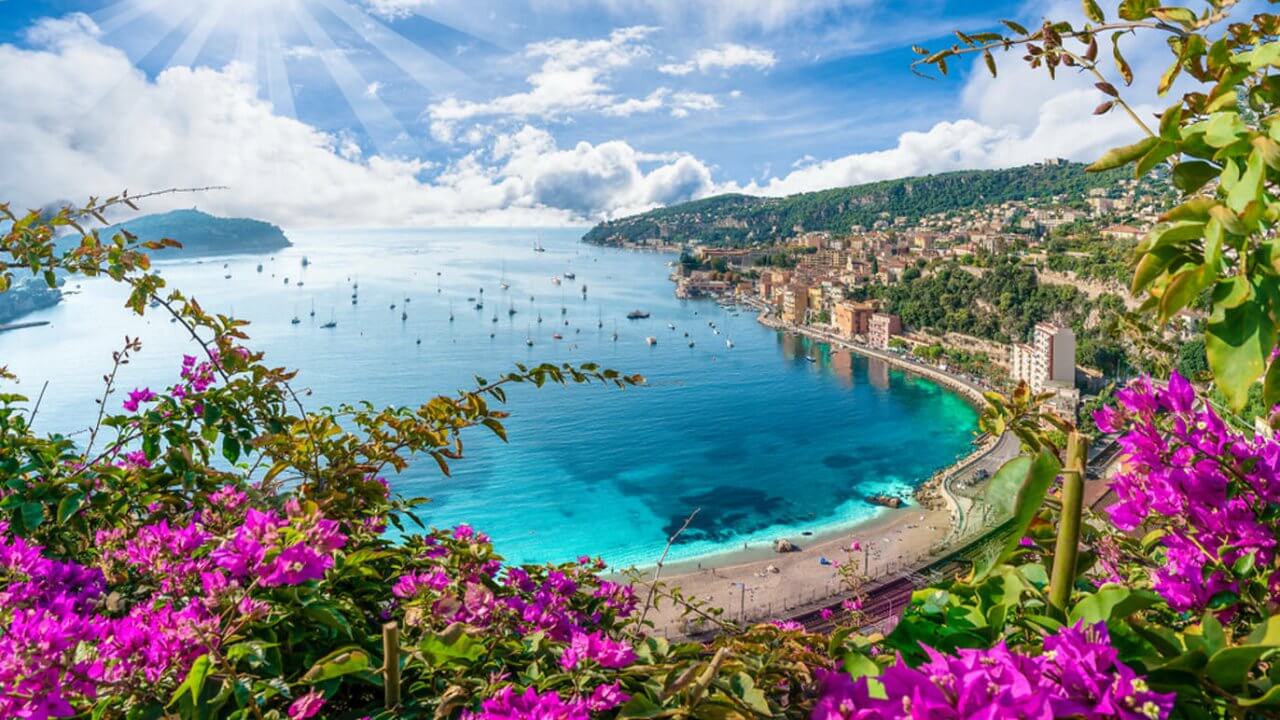
The French Riviera offers a range of family beach types.
Nice’s main beach is shingle (pebbles), which surprises some families expecting sand.
Antibes, about 20 km southwest, has sandier beaches with calmer, shallower water well-suited to young swimmers.
Cannes has good sand beaches directly adjacent to the promenade.
The Old Town of Antibes (Vieil Antibes) is a manageable walking area for families.
Monaco is 20 minutes from Nice by train and free to walk around — the changing of the guard at the Prince’s Palace, the Monte-Carlo Casino exterior, and the Oceanographic Museum (which has a shark tank) work well with children.
Normandy: History That Works for Families
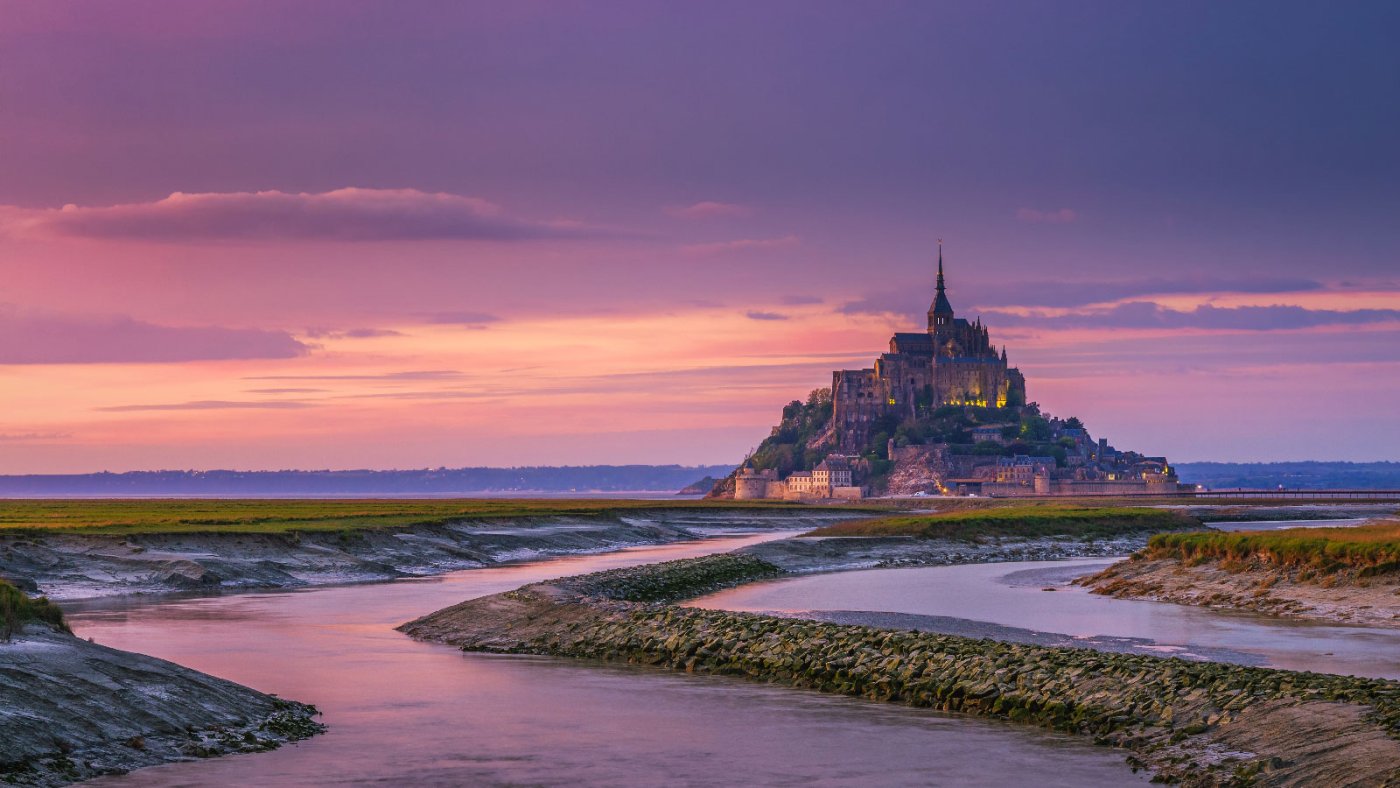
Normandy combines exceptional beaches with some of the most accessible historical education for children available anywhere.
Mont-Saint-Michel is the single most photogenic family destination in France and works well from ages 5 upward — the tidal island is dramatic to arrive at and the medieval village at the top of the mount is genuinely impressive.
Book a guided crossing of the bay on foot for older children (8+) as a memorable activity.
The D-Day landing beaches are better understood through the Mémorial de Caen (in Caen city), which has an outstanding permanent exhibition covering the lead-up to, events of, and aftermath of the Allied landings.
This works better than the beaches themselves for introducing the history to school-age children.
The beaches themselves are moving and appropriate for ages 10 and up.
Bayeux Tapestry is an excellent complement for children studying medieval history.
- Romantic Getaway in Paris: Most Romantic Things to Do in Paris
- Explore Paris Like a Local: Top Walking Tours in Paris
- The Flavors of Paris: A Food and Wine Guide to Paris
- What Are 5 Facts About Paris, France?
- Visiting Paris for the First Time: What to Do, See, and Eat
- Safety and Security in Paris: The Ultimate Guide to Staying Safe in Paris
- Paris Neighborhoods: A Comprehensive Guide to Exploring Paris Arrondissements
- Parisian Etiquette: Expert Guide to Navigating Paris Like a Local
Theme Parks and Entertainment in France
France has four theme parks of genuine European significance, each with a distinct character.
Disneyland Paris
Disneyland Paris consists of two adjacent parks: Disneyland Park (the main park with classic rides and character experiences) and Walt Disney Studios Park (more ride-focused, better for older children and teens).
Both are located at Marne-la-Vallée, approximately 38–42 minutes from central Paris by RER A train from Châtelet-Les-Halles to Marne-la-Vallée — Chessy station, with trains running every 15 minutes throughout the day.
Disneyland is best visited on a weekday outside French school holidays.
August, French half-term weeks in October and February, and school Easter holidays are peak periods with significantly longer queue times.
Book multi-day tickets in advance online — they are cheaper booked ahead and sell out for the most popular dates.
Reserve character dining (at Auberge de Cendrillon and elsewhere) on the same day as park booking.
Parc Astérix
Parc Astérix is approximately 35 km north of Paris, best reached by a dedicated shuttle coach from Roissy-CDG Airport (departing from Roissypôle, running every 15–30 minutes when the park is open; return tickets cost €11 for adults, free for under-3s), a FlixBus from Paris Bercy Seine (from around €5, journey time approximately 1 hour 5 minutes), or by car via the A1 motorway with a direct park exit between junctions 7 and 8 (€20 parking fee).
The park is themed around the Astérix comic series, France’s best-selling comic of all time, and offers a combination of intense roller coasters for older children and teens alongside gentler rides for younger visitors.
The historical Gallic village theming appeals to families who have read the books.
For 2026, Parc Astérix is open from April 4, 2026 to January 3, 2027, with a closure period from November 9 to December 18, 2026 (excluding private events and special Halloween nights).
Standard adult admission starts at €68 and children aged 3–11 at €59, with children under 3 entering free.
It is less crowded than Disneyland Paris and generally less expensive.
Futuroscope
Located near Poitiers, about 90 minutes from Paris by TGV, Futuroscope specializes in immersive cinema experiences, virtual reality attractions, and interactive technology exhibits.
It suits families with children aged 5 and above particularly well.
Unlike Disneyland and Parc Astérix, Futuroscope is genuinely educational as well as entertaining — families report children emerging with real curiosity about science and technology.
On-site hotels allow a two-day visit, which is necessary to see everything.
Puy du Fou
In the Vendée region (about 4 hours from Paris), Puy du Fou is frequently voted the best theme park in Europe in travel publications.
It is not a traditional ride-based park — the experience centers on large-scale historical theatrical shows performed in authentic outdoor settings across 55 hectares.
The main spectacle, La Cinéscénie, is a nighttime show involving 1,200 actors and is performed at a purpose-built lake.
The park is widely considered unmissable for families with children aged 6 and above who enjoy history, spectacle, and outdoor entertainment.
Best Family Beaches in France
France’s coastline divides broadly into two types: the Atlantic coast (larger waves, cooler water, wide open beaches) and the Mediterranean (warmer water, calmer conditions, more built-up resorts).
Both suit families well for different reasons.
France’s broad range of coastal destinations is covered in more detail in our best places to visit in France guide.
Atlantic Coast
- La Baule (Loire-Atlantique): A 9 km crescent of fine sand beach that is one of the best family beaches in France. The water is safe and relatively sheltered. The adjacent town has good family restaurants and markets.
- Île de Ré (off La Rochelle): A flat island with a network of cycling paths, gentle beaches with shallow water, and a relaxed atmosphere. Children can cycle between beaches. The island gets very busy in July and August.
- Dune du Pilat (near Arcachon): The tallest sand dune in Europe at approximately 106 meters. Climbing it is a physical adventure for children aged 5 and above, and the views over the Atlantic and the Landes forest are striking. Allow 2 hours for the visit.
- Biarritz: Known for surfing, which suits teenagers and competent swimmers. The main beach (Grande Plage) is patrolled with lifeguards in season. The town itself is attractive.
- Atlantic ocean temperature: Around 18–22°C in July–August — comfortable but noticeably cooler than the Mediterranean.
Mediterranean
- Nice area: Nice’s main beach is shingle, making it less suitable for young children. The beaches at Antibes, Juan-les-Pins, and in the Var department (Cavalaire-sur-Mer, Saint-Clair near Le Lavandou) offer sand and shallow water.
- Calanques (near Marseille): Dramatic limestone inlets with clear turquoise water. Best accessed by boat for families, as the hiking access trails are steep. Calanque de Sugiton is the most accessible on foot.
- Mediterranean water temperature: 24–27°C in July–August.
Corsica
Corsica has some of France’s best beaches.
Palombaggia, near Porto-Vecchio in the south, is frequently cited as one of the most beautiful beaches in Europe — fine white sand, turquoise water, and a manageable family scale.
Calvi in the north has a 4 km crescent beach with calm water.
The sea around Corsica is warmer and clearer than the Riviera mainland.
Corsica is best reached by ferry from Nice, Marseille, or Toulon (2–7 hours depending on route) or by flight from Paris (approximately 1 hour 40 minutes).
Beach Safety
French beaches are rated using a flag system: green (supervised, safe), orange (supervised but caution required — stronger currents or waves), red (dangerous, swimming prohibited).
Always swim within flagged supervised areas.
Most organized beaches have lifeguard (maître-nageur) supervision from June to September.
Getting Around France with Kids
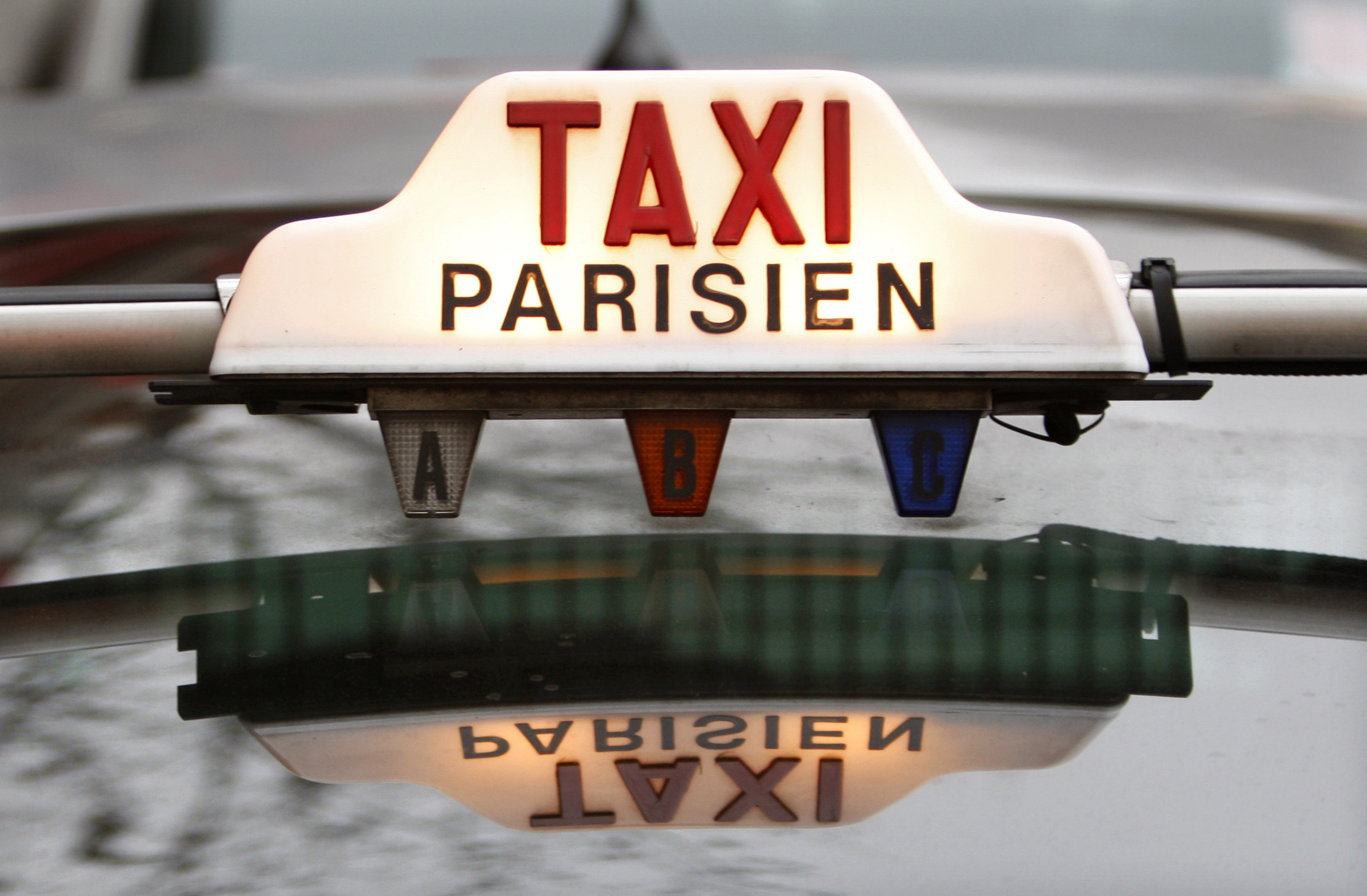
France’s transport network is one of the best in Europe for family travel, with specific provisions for children on most services.
The TGV high-speed train runs at up to 320 km/h (approximately 200 mph) between major cities.
Families benefit from spacious seating and the option of reserving adjacent seats in a quiet carriage.
Booking through the SNCF website gives the best prices when booked in advance; last-minute TGV tickets are significantly more expensive.
On SNCF intercity services (TGV INOUI, TER, and INTERCITÉS), children under 4 travel free on a parent’s lap with no reserved seat; if you want your child to have their own seat, a Forfait Bambin fixed-price upgrade of €9 is available.
Children aged 4 to 11 qualify for up to 60% discount when the accompanying adult holds an Avantage Adulte card; without the card, standard child fares apply at a reduced rate.
On OUIGO low-cost TGV services, under-4s travel free on a lap, or can have their own seat for a flat €8 (Grande Vitesse) or €5 (Vitesse Classique) fare.
For a complete breakdown of all transport options — including airport transfers, regional trains, driving, cycling, and Paris Metro — see our getting around France guide.
Key family-specific points:
- Driving with children: French law (Article R412-2) requires all children under 10 years old, or shorter than 135 cm, to use an approved child restraint system appropriate for their age, weight, and height — this threshold replaces the older “12 years or 135 cm” EU-wide guidance that still circulates online. Children under 10 must sit in the rear seat except in specific circumstances (no rear seats available, rear occupied by other under-10s, or using a rear-facing seat in front with the airbag disabled). Car rental companies provide child seats on request — book in advance and confirm the seat type matches your child’s age and weight. France is an excellent country to road-trip with children: the road network is excellent, service areas (aires) are well-maintained with playgrounds and picnic tables, and the maximum journey between major cities rarely exceeds 4–5 hours.
- Paris with young children: The Paris Metro is efficient but not always stroller-friendly — many older stations lack lifts. The RER (regional express) lines serving major attractions (Versailles on RER C, CDG airport on RER B, Disneyland on RER A) are more spacious. The bus network is stroller-friendly and provides better sightseeing. On Île-de-France public transport (metro, RER, bus, tram), children under 4 travel free; children aged 4 to 9 pay half price (around €1.25 per metro/RER journey); children aged 10 and above pay the full adult flat fare of €2.50.
Family Accommodation in France
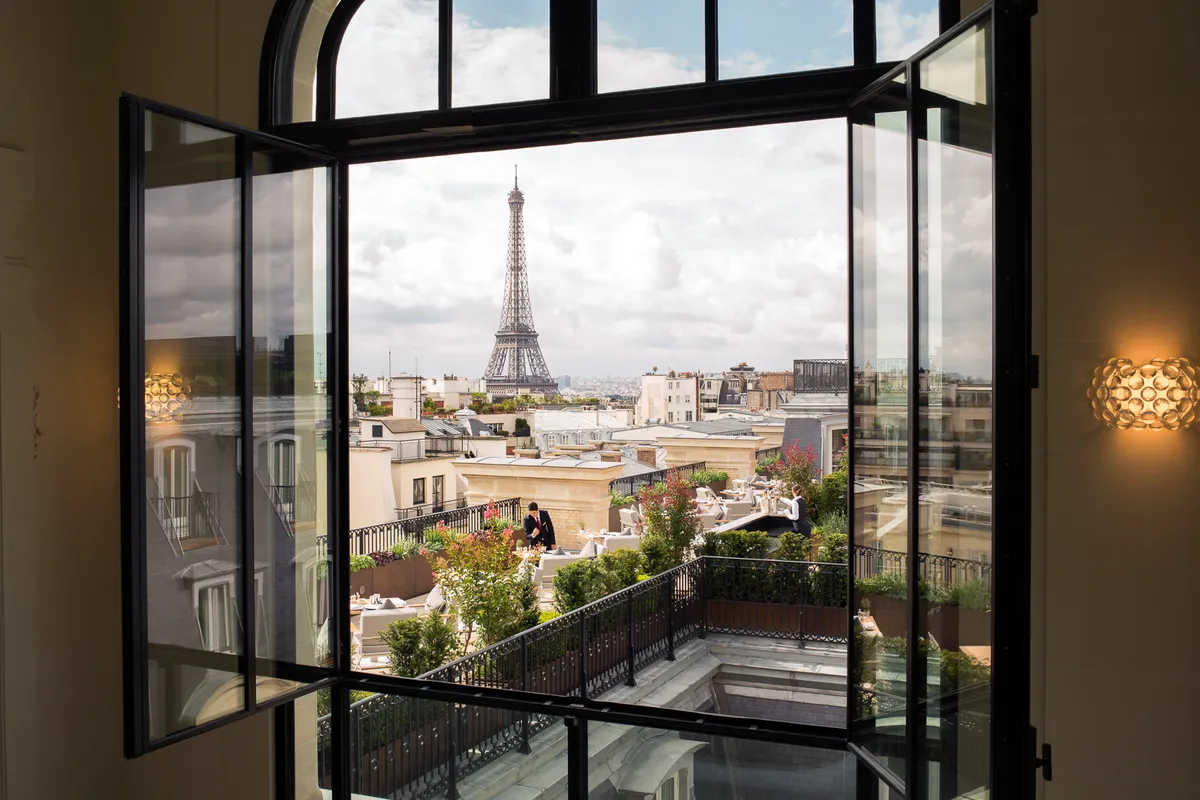
France offers a genuinely wide range of accommodation suited to families at every budget, from international hotel chains to deeply rural self-catering cottages and fully equipped campsite villages.
The key is matching the accommodation type to your family’s travel style — some families thrive with a hotel’s daily housekeeping and on-site pool, while others prefer the freedom of a private kitchen and garden.
Hotels
French hotel chains familiar to international families include Novotel (family rooms with sofa beds standard, good pool facilities at resort properties), Mercure, and Ibis (budget option with family rooms).
Boutique and independent hotels vary widely; always check whether “family room” means a separate bed or just a double with sofa bed.
Many beach resorts and ski stations have apart-hotels (apartment-hotels) that provide a kitchenette within a hotel setting — a good middle ground between self-catering and hotel convenience.
Self-Catering Gîtes
The gîte (rural self-catering cottage) is France’s most practical family accommodation option.
Gîtes are typically 3–6 bedrooms, come with full kitchens, living rooms, and often a private garden or pool, and are rented by the week.
They allow families to operate on their own schedule — cooking breakfasts, packing lunches for day trips — and are significantly cheaper than equivalent hotel rooms for larger families.
Gîtes de France is the main certification body, listing over 55,000 certified properties across all regions; you can browse and book directly at gites-de-france.com.
Properties can also be found through third-party platforms like VRBO and Booking.com, though booking direct through Gîtes de France guarantees the official quality certification standard.
Camping
French campsite infrastructure is exceptional, and for many families it represents the best-value option in the country, especially during the long summer season.
Large sites — particularly in the Vendée, Languedoc, and Provence — operate as mini-resorts with water parks, sports facilities, evening entertainment, and on-site restaurants.
Several campsite chains (Yelloh Village, Siblu, Homair) offer mobile homes with proper bedrooms and fully equipped kitchens at competitive prices, well suited to families who want campsite amenities without sleeping in tents.
Dining with Kids in France

French restaurants are generally welcoming to children.
Most brasseries, bistros, and casual restaurants offer a menu enfant — a fixed-price children’s menu with smaller portions of simple dishes, typically priced at approximately €10–€15 outside Paris and up to €18–€20 at mid-range Parisian restaurants.
These usually include a main, a dessert, and sometimes a soft drink.
Some practical tips:
- Crêperies work extremely well with children. Galettes (savory buckwheat crêpes) and sweet crêpes cover most children’s dietary preferences and are available across France, often for as little as €5–€7 per crêpe at street stalls and casual crêperies.
- Boulangeries are the best option for quick family meals. A baguette, some fromage, a few slices of charcuterie, and a yogurt or pastry bought at a market provides an excellent picnic lunch at a fraction of restaurant cost — many boulangeries also offer a meal deal (sandwich, drink, and pastry) for around €9–€10. France has excellent public parks and beach areas for picnics.
- Restaurant timing: French kitchens close between approximately 14:30 and 19:30. Arriving at a restaurant at 16:00 expecting a full meal will result in finding a closed kitchen — only brasseries and cafés serve throughout the day. Plan meals around French dining times (lunch 12:00–14:30; dinner from 19:30) rather than expecting American or British flexibility.
- Cooking classes for children: Several Paris cooking schools offer dedicated children’s baking workshops — making croissants, baguettes, or macarons under professional supervision. Cook’n With Class Paris runs croissant-making classes specifically for children aged 6–12 (accompanied by an adult), typically lasting around 1.5–2 hours and priced at approximately €30 per child. Broader pastry and baking classes through operators on Viator and similar platforms range from approximately €90–€140 per child for more structured 2-hour sessions.
- Perfume workshops in Grasse (Provence) or Paris offer a sensory experience well-suited to children. Galimard (5 route de Pégomas, Grasse) welcomes participants aged 8 and above, running daily group creation workshops at 10:00, 14:00, and 16:00 (1 hour 45 minutes, €65 per person); book in advance at galimard.com and note that cancellations must be made at least 24 hours before the session. Fragonard (Grasse and Eze-Village) accepts participants aged 12 and over, with workshop prices ranging from €11 to €95 per person depending on the experience level; reservations are required and can be made via fragonard.com. Fragonard also offers free guided factory tours (no reservation needed for individuals) with English-language sessions available daily.
Best Activities and Things to Do by Age Group in France
France’s sheer variety means there is genuinely something rewarding at every stage of childhood — the trick is matching the destination and activity type to where your kids actually are, not where you wish they were.
Toddlers (Ages 2–4)
The best France experiences for very young children center on outdoor play, sensory environments, and short, engaging visits rather than long cultural tours.
- Jardin d’Acclimatation (Paris): Mini-rides, a petting zoo, splash fountains, and playgrounds in the Bois de Boulogne. Full days are possible.
- Nausicaá (Boulogne-sur-Mer): Europe’s largest aquarium, with dedicated young children’s sections and touch pools.
- Parc Floral de Paris (Bois de Vincennes): 35 hectares of gardens with playgrounds, a mini-train, and butterfly garden.
- Beach stays: Toddlers are happy for extended periods on a gentle Atlantic beach with safe shallow water.
- Village puppet shows (Guignol): Traditional marionette performances for young children are staged in parks across France — free or very low cost.
School-Age Children (Ages 5–12)
This is the ideal age range for most of France’s key experiences.
- Disneyland Paris and Parc Astérix: Both pitch well to this age group.
- Loire Valley château treasure hunts: Chambord, Amboise, and Chaumont-sur-Loire all offer family activity sheets or guided hunts.
- Louvre family tours: The Petits Louvre program offers interactive workshops; booking ahead is essential.
- Futuroscope: Well-suited from age 6 up.
- Puy du Fou: Works from age 6 for the shows; note it is an outdoor evening spectacle — bring layers.
- Normandy war history: The Mémorial de Caen provides accessible context; the beaches and cemeteries work well from age 9–10.
Teenagers (Ages 13+)
Teenagers benefit most from the independence and variety France offers.
- Surfing at Biarritz: Surf schools offer lessons for beginners from age 10.
- Paragliding or via ferrata in the Alps: Available for ages 12+ with certified guides near Chamonix and Annecy.
- Cycling tours: Loire Valley has flat, well-marked cycling routes ideal for multi-day family cycle trips.
- Language exchange programs in Paris: Short summer programs matching teenagers with French peers.
- Art workshops in Paris (Montmartre studios) and Provence offer half-day creative sessions.
Best Time for Family Travel to France
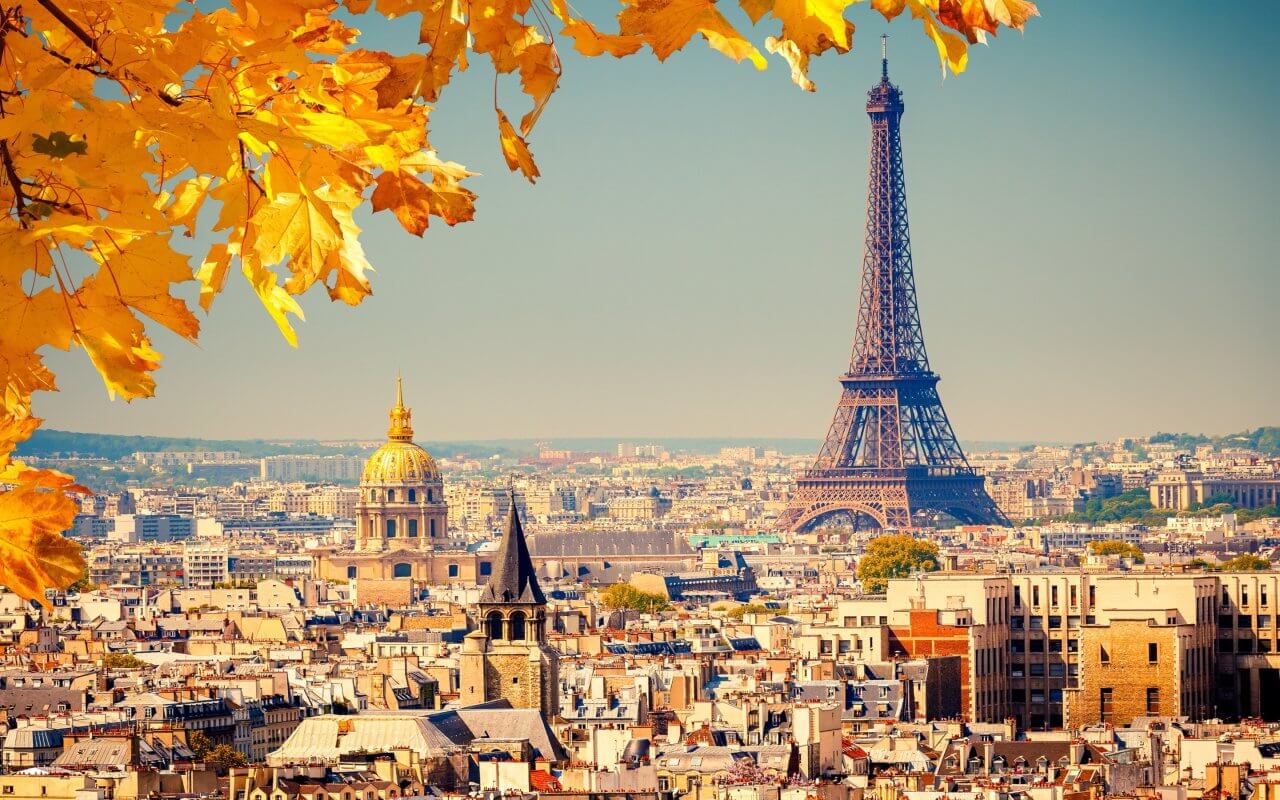
Family travel timing in France is strongly influenced by French school holiday calendars.
The country divides into three school holiday zones (A, B, C) that have slightly offset spring and autumn holiday periods but share the same summer break.
| Season | Family Considerations | Key Events |
|---|---|---|
| July–August | Peak season; all beaches and attractions open; hot in south (30–38°C); most expensive; very crowded | Bastille Day July 14 (fireworks everywhere); Tour de France |
| September–October | Best value month: post-summer crowds, warm seas (still 22–24°C Mediterranean), lower prices | Vendanges (grape harvest); wine festivals in Burgundy, Bordeaux, Alsace |
| October half-term | French school holidays create a mid-autumn peak — some crowding at theme parks | Halloween events at Disneyland Paris |
| December | Christmas markets (exceptional in Alsace — Strasbourg, Colmar); skiing from mid-December | Paris Christmas decorations; Alpine resort openings |
| February–March | School ski holidays; Alps very busy; Atlantic and Mediterranean off-season | Mardi Gras / Carnival in Nice |
| April–June | Excellent shoulder season; Loire Valley and Provence beautiful; theme parks reopening after winter | Monaco Grand Prix (May); Cannes Film Festival (May) |
For a complete seasonal breakdown including weather data by region, school holiday dates, and advice on cheapest travel windows, see the best time to visit France guide.
Safety, Health, and Documentation
France is generally a very safe destination for families, with well-developed emergency services, a high standard of public healthcare, and pharmacies on virtually every high street.
That said, a small amount of preparation around documents and health coverage will save significant stress if anything does go wrong.
Children’s Documents
Every child needs their own passport — including infants — when entering France from outside the EU.
There is no minimum age.
Passports take time to process; apply well in advance of travel.
If a child is traveling with only one parent, or with neither parent, some border officers may request written consent from the non-traveling parent and proof of the relationship (birth certificate or custody documentation).
This is not a universal requirement but is worth preparing for, particularly when traveling alone with children.
Healthcare in France
France’s healthcare system is excellent and accessible.
French pharmacies (green cross) offer knowledgeable advice for common children’s ailments — fever, minor injuries, stomach issues — and stock most medications available in the UK or US, though brand names may differ.
Ask for the generic name (DCI) if your usual brand is not stocked.
For medical emergencies, dial 15 (SAMU) for an ambulance or 112 for general emergency services.
- EU and EEA travelers: Carry the European Health Insurance Card (EHIC) for each family member to access state healthcare at local rates.
- UK travelers: Carry the Global Health Insurance Card (GHIC) — this replaced the EHIC for UK residents after Brexit. The GHIC does cover children of all ages; a parent or guardian can apply on behalf of dependent children under 16 via the official NHS website at nhs.uk/ghic — it is completely free, lasts up to 5 years, and remains fully valid in France as of 2026, unaffected by the 2025 UK-EU Brexit reset deal. Beware of unofficial websites charging a fee to apply. Note the GHIC does not cover private treatment, repatriation, or mountain rescue, so comprehensive travel insurance is still essential alongside it.
- US and other travelers: Travel insurance with medical coverage is important for families. Children’s medical issues while traveling can be expensive and time-consuming without coverage. Ensure your policy covers medical evacuation.
Child Safety at Attractions
At busy tourist sites — the Eiffel Tower base, Disneyland Paris, Louvre entry queues — crowds can separate families quickly.
Practical measures:
- Write a phone number on your child’s arm with a marker, or use a temporary ID bracelet
- Identify a clear meeting point at the start of every major attraction visit
- Teach older children the address of your hotel and a parent’s phone number
Plan Your Family France Trip with AI Tools
The GetOutTrip AI Family Travel Planner builds a personalized France itinerary based on your children’s ages, interests, travel style, and trip length — covering destinations, transport, and accommodation in sequence.
Use the AI Trip Cost Estimator to build a realistic family budget across accommodation, transport, park entries, and dining before you book anything.
The AI Itinerary Planner helps fine-tune day-by-day logistics once you have decided on your regions and main attractions.
Frequently Asked Questions (FAQs)
France works at every age, but the 5–12 range gets the most from the experience.
Children in this range can engage with château history, enjoy full days at theme parks without overtiring, participate in beach activities independently, and eat French food without too much negotiation.
Toddlers do well at beaches and parks; teenagers benefit most from the freedom and variety.
Yes, particularly for children aged 4–12.
The park is well-designed, well-maintained, and genuinely magical for young children.
The main caveat is cost — multi-day tickets, food, and on-site accommodation add up significantly.
To reduce cost, stay off-site (Marne-la-Vallée has budget hotels a short walk or shuttle from the parks), buy tickets well in advance online, and visit on a midweek day outside French school holidays.
Generally yes.
Most brasseries and casual restaurants offer a menu enfant.
Crêperies are universally flexible and good for children.
The one adjustment is timing — French kitchens are closed between approximately 14:30 and 19:30, so plan meals around French dining hours rather than expecting all-day service.
The Riviera suits families best if you choose beaches carefully.
Nice’s main beach is shingle — not ideal for toddlers.
Sandy family beaches are found at Juan-les-Pins, Antibes, and in the Var.
The sea is warm (24–27°C in summer), calm, and clear.
The main drawback is cost — Riviera accommodation and restaurants are among the most expensive in France.
Disneyland Paris for families with children under 10 who love Disney characters and want the classic theme park experience.
Parc Astérix for families with older children (8+) who want more intense rides and a distinctly French cultural experience at a lower price point.
If you have mixed ages, Disneyland’s range of gentle and more intense attractions covers more ground.

A lifestyle and OOTD blogger, Kannaya Nareswari enjoys the small pleasures of cooking, traveling, and documenting ordinary events. She uses genuine storytelling to communicate her love of fashion, culinary explorations, and wanderlust. She is based between Bali and Bandung. She enjoys enjoying coffee at a secret café or experimenting with recipes in the kitchen when she's not traveling to new places or styling her most recent ensemble.