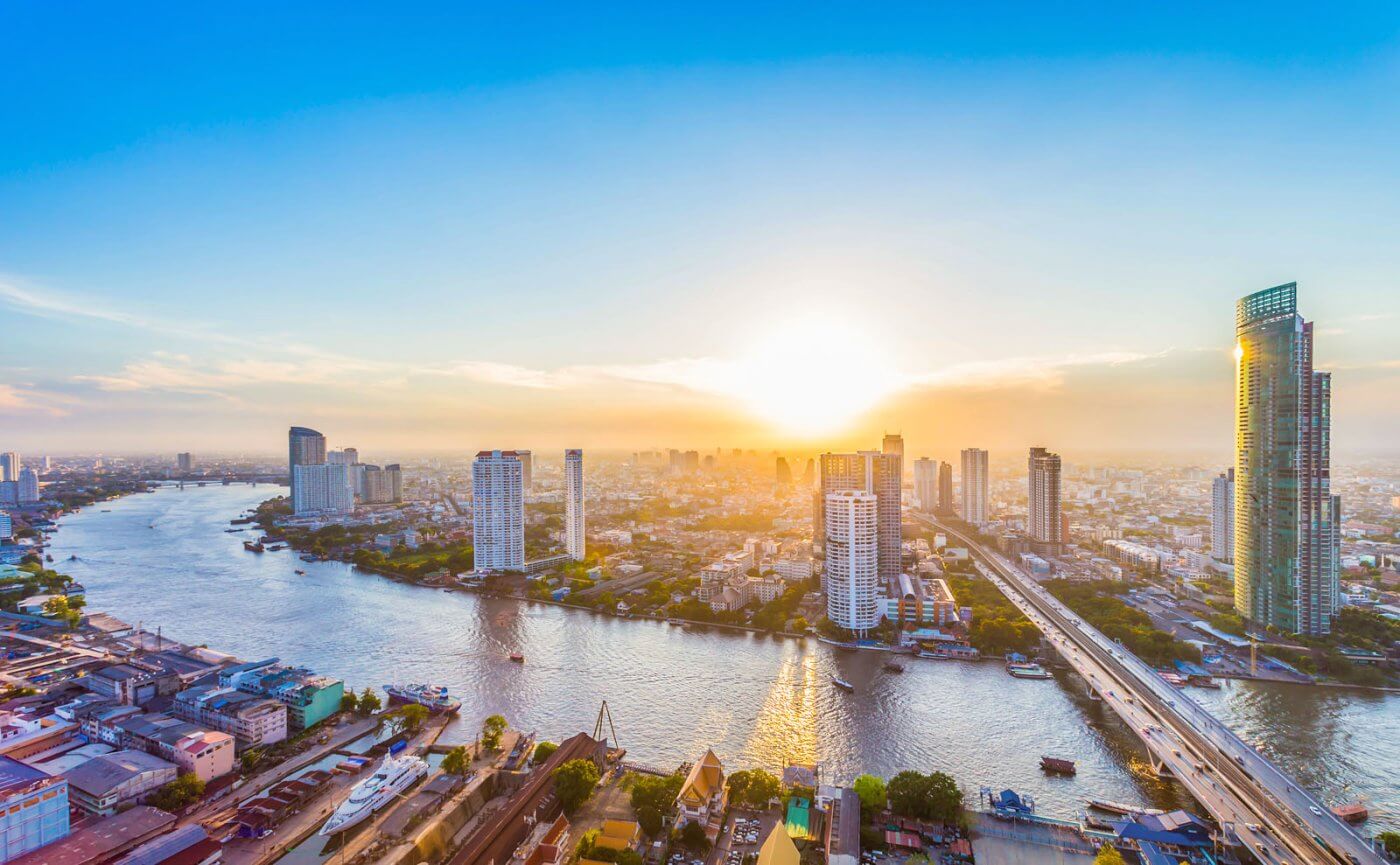



Best Neighborhoods in Bangkok: A District-by-District Guide – Choosing Bangkok’s perfect neighborhood could make or break your trip — discover which district matches your travel style.
Bangkok’s neighborhoods are genuinely different from one another — in budget, atmosphere, transit access, and what you can realistically do each day.
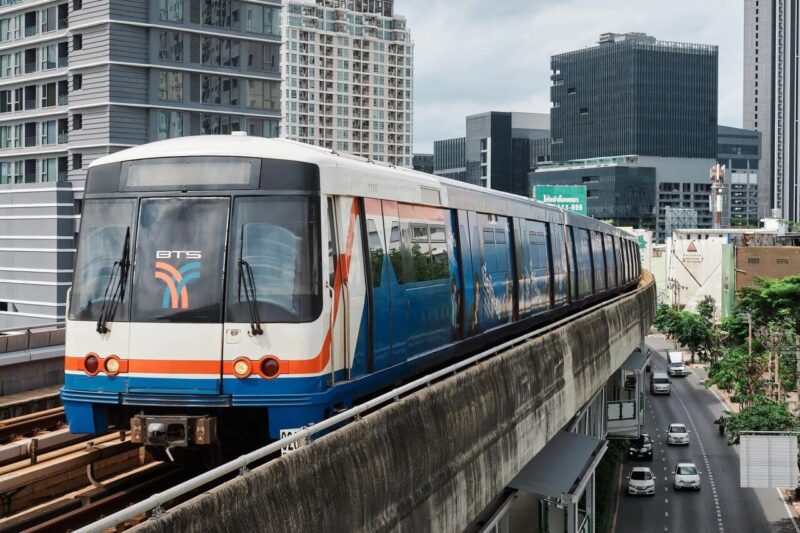
Sukhumvit puts you on the BTS Skytrain with malls and international food within walking distance.
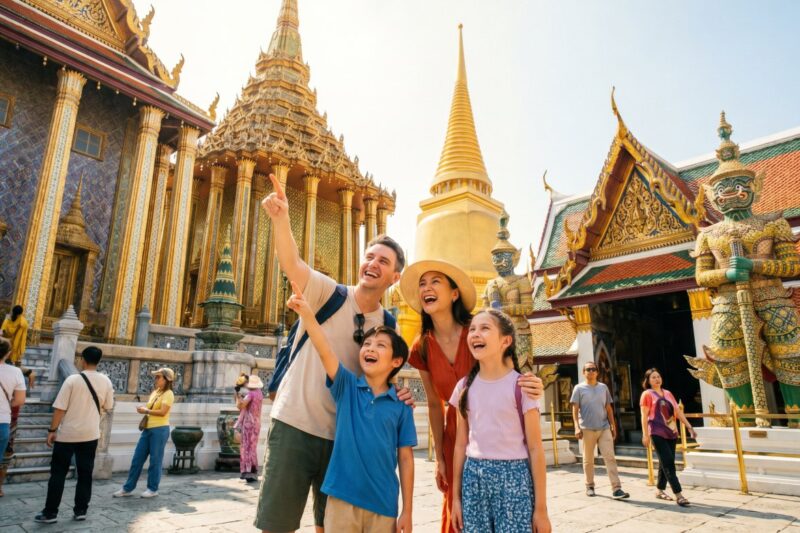
The area around Rattanakosin sits beside the Grand Palace and Wat Pho.
Khao San Road keeps accommodation costs low but leaves you farther from the city’s rail network.
Each district has real trade-offs worth knowing before you book.
Bangkok Neighborhoods at a Glance
- Sukhumvit is Bangkok's most international area — diverse dining, extensive shopping, and the best BTS Skytrain coverage in the city.
- Rattanakosin (the historic center, including the Grand Palace area) holds Bangkok's most significant temples and traditional architecture.
- Chinatown (Yaowarat) has Bangkok's densest concentration of street food, gold shops, and Chinese-heritage temples.
- Khao San Road and Banglamphu remain the budget accommodation hub, with hostel dorm beds starting around ฿200–500 per night and basic guesthouse private rooms ranging from ฿600–1,500 per night, depending on the property and season.
- Silom and Sathorn are Bangkok's financial districts — luxury hotels, rooftop bars, Lumpini Park, and Patpong Night Market nearby.
- Phrom Phong and Thong Lo attract expat families and professionals — EmQuartier, international schools, and quieter residential streets.
- Thonburi, across the Chao Phraya River, is the best choice for canal networks, historic temples, and minimal tourist foot traffic.
Which Bangkok Neighborhood Is Best for First-Time Visitors?
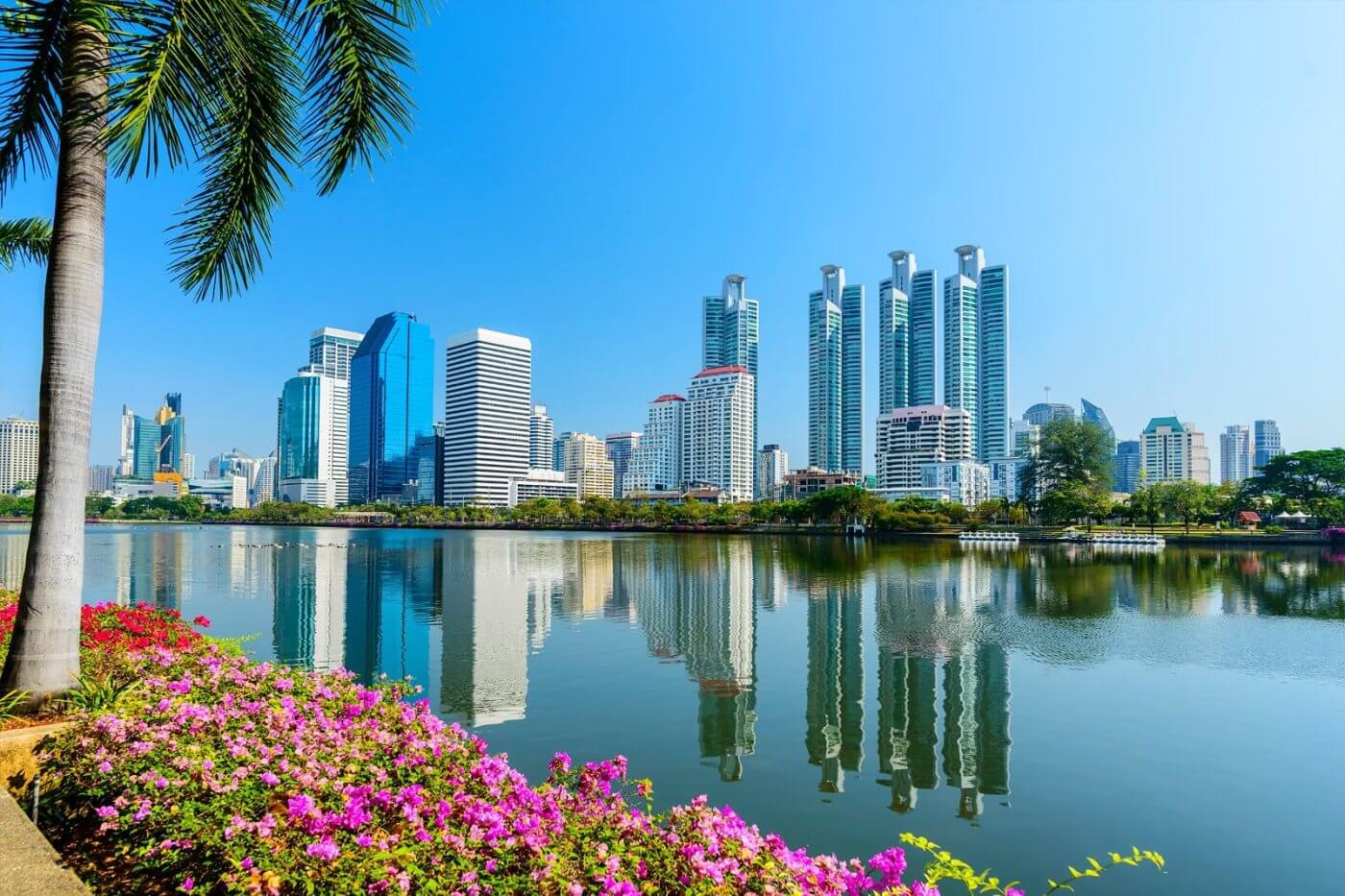
Sukhumvit is the most practical base for a first visit. Multiple BTS stations cover the road, English is widely spoken, and accommodation spans every budget from 600-baht hostels to five-star hotels.
The full range of best things to do in Bangkok — from night markets to day-trip departure points — is most accessible from here.
Bangkok’s districts function as distinctly different environments sharing the same metro area.
The BTS Skytrain and MRT subway connect most areas tourists visit, but notable gaps exist — Rattanakosin, Khao San Road, and Thonburi all sit outside the main rail network.
Knowing where these gaps fall helps you plan travel time honestly.
Sukhumvit: Bangkok’s Most International District
Sukhumvit Road runs east from downtown Bangkok for several kilometers, divided informally into Lower Sukhumvit (roughly Nana to Asok) and Upper Sukhumvit (Phrom Phong through On Nut).
The BTS Skytrain stops at each major intersection, making it the best-connected corridor in Bangkok.
First-time visitors consistently base here because it balances international familiarity with real Bangkok: street food at ground level, the elevated rail above, and everything from budget guesthouses to five-star hotels within a few sois of each other.
Shopping: Terminal 21 to EmQuartier
Terminal 21 at Asok BTS station organizes its floors by city theme (Tokyo, Paris, Istanbul) and mixes mid-range brands with an inexpensive food court.
A few stops east, EmQuartier and Emporium at Phrom Phong station stock international luxury brands and hold a serious dining floor.
Between those two poles, street-level markets and small shops fill the sois.
Nightlife: Soi 11 and the Asok Area
Soi 11 near BTS Asok has a cluster of rooftop bars — BREWSKI at the Radisson Red and several others within a short walk.
Levels nightclub and Route 66 draw late-night crowds near Asok.
Soi Cowboy, one of Bangkok’s adult entertainment zones, runs between Asok and Nana BTS stations.
It’s frequently photographed but entirely avoidable.
Dining: International Food Across the District
The concentration of Japanese, Korean, Middle Eastern, European, and North American restaurants in Sukhumvit is unmatched in Bangkok.
The Japanese cluster around Phrom Phong (sois 26 and 39) is particularly dense — the area holds one of the largest Japanese expat communities outside Japan.
Upper vs. Lower Sukhumvit
Lower Sukhumvit (Nana and Asok) is noisier and cheaper, with more budget hostels and street-food density.
Upper Sukhumvit (Phrom Phong and Thong Lo) is more residential and expensive.
On Nut at the far end is Bangkok’s best-value area still on the BTS line — quieter, very local-feeling, and about 20 minutes by rail from Siam.
BTS Skytrain Access
| Station | What’s nearby |
|---|---|
| Nana | Budget guesthouses, Soi 3 Middle Eastern restaurants |
| Asok | Terminal 21, street food, MRT interchange |
| Phrom Phong | EmQuartier, Emporium, Japanese restaurant quarter |
| Thong Lo | Trendy bars, independent cafes, weekend night market |
| Ekkamai | Local markets, Eastern Bus Terminal for day trips |
| On Nut | Affordable condos, quiet residential streets, BigC supermarket |
Accommodation Options
Budget hostels in sois off Sukhumvit Road run roughly ฿500–900 per night for a dorm bed.
Mid-range boutique hotels average ฿2,000–3,500.
Five-star properties like the Park Hyatt Bangkok typically start above ฿10,000 per night, with the JW Marriott Bangkok averaging closer to ฿15,000+.
For family-friendly Bangkok neighborhoods with good schools and medical facilities, Phrom Phong and Thong Lo at the upper end of Sukhumvit are the standard choice for expat families.
Silom and Sathorn: Finance District With an Active Nightlife Scene
Silom and Sathorn are Bangkok’s main business districts, home to most international bank offices and corporate headquarters.
During the day, the streets around BTS Sala Daeng are dense with suited professionals.
After 6 PM, the same area shifts into one of Bangkok’s more varied evening options.
Business District and Lumpini Park
Lumpini Park — Bangkok’s closest equivalent to a city commons — sits at the junction of Silom and Sathorn roads.
At about 58 hectares, it’s large enough for a genuine morning run or evening walk, and monitor lizards are a regular sighting around the lake.
The park provides breathing room that most of central Bangkok lacks.
Morning hours before 7 AM are worth the early start.
Patpong Night Market and After-Dark Options
Patpong runs between Silom Sois 2 and 4.
The street market side sells clothing, souvenirs, and phone accessories; haggling is expected.
The area also includes some of Bangkok’s older bars, including the Silom Soi 4 scene.
The market itself is manageable for general visitors; the surrounding blocks less so after midnight. Soi Convent
nearby has developed into a quieter upscale restaurant and wine bar street, which most visitors overlook.
Where Finance Expats Live
The BTS Silom Line connects Silom directly to Siam and Sukhumvit.
The MRT runs through Silom station for onward connections north.
Corporate apartments and serviced residences in Sathorn typically run ฿30,000–65,000 per month for a one-bedroom, with the average landing around ฿35,000–40,000 for a well-located furnished unit.
Bumrungrad International Hospital is accessible from here in about 15 minutes by BTS.
Hotels, Rooftop Bars, and Fine Dining
| Restaurant / Bar | Neighborhood | Type | Price range |
|---|---|---|---|
| Le Normandie | Silom (Mandarin Oriental) | French fine dining | $$$$ |
| Vertigo & Moon Bar | Sathorn (Banyan Tree) | Rooftop cocktails | $$$ |
| Blue Elephant | Sathorn | Traditional Thai | $$$ |
| Sky Bar at Lebua | Silom | Rooftop bar | $$$$ |
Lumpini Park Access
Early mornings at Lumpini Park are particularly good for watching Bangkok locals do tai chi, aerobics, and cycling.
The park closes at 9 PM.
Monitor lizard sightings near the lake are common and harmless — the animals are large (up to 2 meters) and generally uninterested in people.
Banking and Business Facilities
Every major Thai bank (Bangkok Bank, Kasikorn, SCB) has offices and ATMs throughout the Silom-Sathorn corridor.
International banks including Citibank and HSBC operate here.
Currency exchange kiosks appear at BTS stations and major mall entrances.
Fine Dining in the Area
Anne-Sophie Pic at Le Normandie at the Mandarin Oriental holds two Michelin stars (2026 MICHELIN Guide Thailand) for its French cuisine with Thai influences — one of only a handful of two-star restaurants in the entire country.
For Thai-focused fine dining at comparable quality, Nahm remains open at the COMO Metropolitan Bangkok on 27 South Sathorn Road, well within the Silom-Sathorn area. Bo.lan
, after a three-year closure, has reopened at Sukhumvit Soi 53 (Thong Lo area), operating Thursday through Sunday for dinner, and Friday through Sunday for lunch — worth the short ride from Sathorn.
Khao San Road and Banglamphu: Budget Base Near the Old City
Khao San Road became the center of Bangkok’s backpacker scene in the 1980s and has never shed that identity.
The strip itself is loud and aimed squarely at visitors — but the surrounding Banglamphu neighborhood is genuinely pleasant and significantly less chaotic.
It’s the cheapest area in Bangkok to find a private room for under ฿1,000 per night, and it sits walking distance from the Grand Palace and Wat Pho.
The trade-off is transit.
There’s no BTS or MRT station here.
Factor in 30–40 minutes to reach Silom or Sukhumvit by tuk-tuk, taxi, or the Chao Phraya Express Boat.
For budget-friendly areas to stay within easy reach of the temples, this neighborhood delivers what no other area does.
Budget Stays and Backpacker Atmosphere
Dormitory beds in Banglamphu guesthouses start around ฿300–400 per night.
Private rooms in older guesthouses on the sois off Khao San Road run ฿600–1,200.
The area has become more comfortable over the past decade — air conditioning, hot water, and reliable Wi-Fi are now standard even at the cheaper places.
The practical side: Khao San Road functions as a hub for travelers heading to Chiang Mai, Cambodia, and Vietnam.
Tour agencies, bus booking offices, and train ticket services are clustered within a few blocks, which is genuinely useful for multi-country itineraries.
Cultural Sites Within Walking Distance
- Wat Bowonniwet — Royal temple, active monastery, less visited than Wat Pho; 5-minute walk from Khao San
- Democracy Monument — Built in 1939 on Ratchadamnoen Avenue; visually striking and historically significant
- Golden Mount (Wat Saket) — 300 steps up; city views on clear days; entry ฿100 for foreign visitors (Thai nationals enter free)
- Phra Sumen Road — 19th-century Sino-Thai shophouses, well-preserved; worth an evening walk
Street Food Around Banglamphu
Phra Athit Road, running along the river one block west of Khao San, has some of the better sit-down restaurants in the area — cheaper than tourist-facing Khao San, and several serve decent seafood and Thai standards.
Banglamphu Market on Chakrapong Road operates mainly for local residents — fresh produce and cooked food at neighborhood prices.
Access to Grand Palace and Wat Pho
Both are a 15–20 minute walk south of Khao San Road, or 5 minutes by tuk-tuk.
The Chao Phraya Express Boat stops at Maharaj Pier (N13), right beside the Grand Palace entrance.
During morning rush, the boat is often faster than road transport.
Solo Travel in This Area
The backpacker infrastructure here — luggage storage, budget tour agencies, communal common areas — remains useful for solo travelers doing multi-country Southeast Asia trips.
Meeting other travelers is easier here than in any other Bangkok neighborhood.
Affordable Accommodation
The better value is usually one or two sois back from Khao San Road itself.
Soi Rambuttri is the most commonly cited alternative — same access, substantially less noise, often similar or lower pricing.
Getting Around
- Chao Phraya Express Boat: Most reliable for reaching riverside temples and Sathorn Pier (for BTS connections)
- Tuk-tuks: Always negotiate before getting in; short trips within the Rattanakosin area typically run ฿100–200, though drivers near tourist spots often quote higher — aim to negotiate down from their first offer
- Motorbike taxis: Faster for short hops; look for the orange vest
- Walking: The Rattanakosin historic area is genuinely walkable — most major temples are within 20–25 minutes on foot
Chatuchak and Lat Phrao: Local Life Away From Tourist Crowds
Chatuchak sits at the northern end of both the BTS Skytrain (Mo Chit station) and the MRT Blue Line (Chatuchak Park and Kamphaeng Phet stations), making it well-connected despite being well outside downtown.
The main draw is the weekend market, but the surrounding Lat Phrao neighborhood runs along local food markets, parks, and residential streets that function exactly as Bangkok does for people who actually live here.
For a complete breakdown of how the BTS, MRT, and river boats connect these areas, see getting around between Bangkok neighborhoods.
Chatuchak Weekend Market
Chatuchak operates Saturday and Sunday, 9 AM to 6 PM.
On Wednesday and Thursday, only the plant section opens (7 AM to 6 PM). Friday evening (6 PM to midnight)
is wholesale only — useful for bulk buyers, but not the general browsing experience most visitors come for.
Around 15,000 stalls spread across 35 acres cover clothing, plants, antiques, ceramics, vintage items, pets, and food.
Prices are lower than the tourist markets in Sukhumvit and Silom.
A section map is genuinely useful — the layout is consistent across weekends and knowing the section numbers saves time.
Arrive before 11 AM.
By midday in Bangkok’s heat, the density and temperature inside the covered sections make extended browsing uncomfortable.
Residential Feel
Lat Phrao to the east of Chatuchak is a standard Bangkok residential neighborhood: convenience stores, local noodle shops, motorcycle repair stalls, family-run kitchens, and community markets that cater to residents rather than visitors.
This is how most of Bangkok actually looks and functions day-to-day.
Parks and Green Space
- Chatuchak Park — Adjacent to the weekend market; jogging tracks, open lawn, benches; open daily
- Queen Sirikit Park — Botanical garden with walking paths directly across from Chatuchak Park; free entry, open daily 5 AM to 8 PM
- Rod Fai Park (Wachirabenchathat Park) — Large public park just north of Chatuchak Park; popular for cycling (bike rentals available near the entrance), jogging, and weekend picnics; free entry, open daily 4:30 AM to 9 PM. Note: Rod Fai Night Market is a separate venue located elsewhere in Bangkok — the two share a name but are not in the same area
Local Restaurants and Street Food
Streets around Mo Chit MRT station and along Lat Phrao Road serve Thai food priced for office workers and residents.
Boat noodles, khao man gai, and grilled meats are all easy to find for ฿50–80 per dish.
Or Tor Kor Market, adjacent to the Chatuchak Weekend Market, is Bangkok’s best fresh produce market — aimed at restaurant buyers and food-serious locals, cleaner than typical wet markets and strong on fruit.
Long-Term Stays
Chatuchak and Lat Phrao attract foreign residents who want more space than central Bangkok affords at the same rent.
A one-bedroom condo in this area typically runs ฿10,000–20,000 per month, considerably less than Sukhumvit or Sathorn.
Transit Connections
Mo Chit (BTS) and Chatuchak Park/Kamphaeng Phet (MRT) serve the area.
Travel time to Siam BTS is about 20 minutes.
The MRT connects directly to Sukhumvit at the Asok/Sukhumvit interchange, giving access to the east side of the city without going through downtown.
Community Services
International clinics and multiple hospitals serve this area. Bangkok’s Immigration Bureau has relocated
and is no longer in the Chatuchak district — the main office is now at 904 Popular Road, Muang Thong Thani, Pak Kret, Nonthaburi (open Monday–Friday, 8:30 AM to 4:30 PM).
For tourist visa exemption extensions, a satellite office also operates at IT Square, Lak Si (third floor), accessible via the Red Line at Lak Si station.
Is Thonburi Worth Visiting for a Day?
Yes — Thonburi is worth a day trip for its canal networks, historic temples, and traditional wooden houses, but it works poorly as a base because there’s no BTS Skytrain service; all transit requires river crossings or taxis.
What Thonburi offers is harder to find elsewhere: functioning canal networks with traditional wooden houses still in use, temples that see a fraction of the visitors Wat Pho and the Grand Palace attract, and an older, quieter Bangkok that has not been redeveloped at the pace of the east bank.
Temples and Historic Architecture
- Wat Arun (Temple of Dawn) — Entry ฿200; the Khmer-style prang is covered in colorful porcelain tile fragments; best viewed from the opposite bank at sunrise or sunset; open daily 8 AM to 6 PM
- Wat Rakang — Active temple with bells cast during the Thonburi period; rarely crowded with tourists
- Royal Barges Museum — Houses the ornate ceremonial boats used in royal processions; entry ฿100 (adults), open daily 9 AM to 5 PM
- Wat Kalayanamitr — Large complex with one of Bangkok’s tallest standing Buddha images; free entry
Canal Networks
Thonburi’s canal system is still partially in use by commuters.
A longtail boat hired from Tha Chang Pier or Phra Arthit Pier on the east bank can take you through the khlongs for 1–2 hours.
Expect to pay ฿1,700–2,000 for a private hire (2–4 persons); larger groups get a slightly better per-head rate.
Shared canal taxis run on fixed routes for a fraction of the cost but require knowing which pier and which boat serves which route.
| Canal route | Duration | What you pass |
|---|---|---|
| Khlong Bangkok Noi | 2–3 hours | Royal Barges Museum, traditional houses |
| Khlong Bangkok Yai | 1–2 hours | Views of Wat Arun, temple spires |
| Khlong Mon | 3–4 hours | Local communities, older residential areas |
| Khlong Phasi Charoen | 2–3 hours | Floating market areas, best early morning |
Markets and Traditional Crafts
Taling Chan Floating Market operates on weekends on Thonburi’s western canals — vendor boats sell grilled seafood and fruit, and canal-side restaurants serve Thai food to Bangkok families rather than tour groups.
The atmosphere is noticeably more relaxed than the Damnoen Saduak market (100 km from Bangkok) that most day-trip packages promote.
Artisan workshops making lacquerware, wooden carvings, and traditional Thai silk exist in the older shophouse neighborhoods of Thonburi, but tracking them down requires effort — they don’t have obvious tourist-facing signage.
Peaceful Atmosphere
The contrast between Thonburi and central Bangkok is immediately noticeable — less traffic, quieter streets, older buildings.
Wat Arun draws significant crowds, but outside the major temple the district sees far fewer visitors than anywhere on the east bank.
Cultural Authenticity in Thonburi
Traditional wooden canal houses still inhabited by families, spirit shrines at the entrance to virtually every property, and neighborhood markets without tourist-facing pricing are all present in Thonburi in a way that’s harder to find in central Bangkok.
Sunset Photography
The view looking across the Chao Phraya from the east bank toward Wat Arun’s prang at sunset is one of Bangkok’s better photography spots.
Arun Residence and Sala Rattanakosin, both small hotels on the east bank, have river-facing terraces with this view at restaurant prices rather than full hotel rates.
Architecture Notes
Jim Thompson House (a cluster of six traditional Thai teak structures, originally from Ayutthaya, reassembled here in 1959) is located near BTS National Stadium in Pathumwan — not in Thonburi, despite sometimes appearing on traditional architecture tour lists alongside Thonburi sites.
Admission is ฿250 for adults; open daily 10 AM to 5 PM (last guided tour at 5 PM). Baan Kamthieng
(Kamthieng House Museum) is at 131 Asoke Montri Road, Sukhumvit Soi 21 — a 5-minute walk from BTS Asoke or MRT Sukhumvit — open Tuesday to Saturday, 9 AM to 5 PM. Suan Pakkad Palace
is in Ratchathewi.
All three are worth visiting for traditional Thai domestic architecture, but they’re on the east bank in separate neighborhoods.
What Makes Chinatown (Yaowarat) Bangkok’s Street Food Capital?
Chinatown concentrates Bangkok’s highest density of street food along a single road. Yaowarat and its surrounding lanes — Plaeng Nam, Charoen Krung — function as a street food corridor, particularly after 5 PM when vendor carts fill the sidewalks outside the gold shop fronts.
The neighborhood has been settled by Chinese immigrants since the late 18th century.
The food reflects that history: roasted duck, dim sum, braised pork, noodle soups, and fresh seafood grills are available within a few blocks of each other, alongside Thai street food staples.
Chinese Heritage and Temples
- Wat Traimit — Houses the world’s largest solid gold Buddha image, weighing 5.5 tonnes; entry ฿40 to view the Golden Buddha, plus an optional ฿100 for the third-floor Chinatown heritage museum (museum closed Mondays); open daily 8 AM to 5 PM
- Dragon Gate (Odeon Circle Gate) — The red gateway marking Yaowarat’s formal entrance at the western edge of Chinatown
- Sampeng Lane (Soi Wanit 1) — Wholesale goods alley, extremely narrow; sells fabric, stationery, and household items in bulk
- Wat Mangkon Kamalawat — The largest and most active Chinese Buddhist temple in Bangkok; free to enter
Gold Shops and Traditional Medicine
The gold shops along Yaowarat Road are functioning businesses, not tourist attractions.
They sell 96.5% purity gold (Thai standard, equivalent to 23 karat) at prices posted daily on shop fronts, set by the Gold Traders Association of Thailand and tied to the international gold spot price — with a small commission added per shop.
Bangkok’s Chinese community has used gold purchases as a savings and investment mechanism for generations; gold is sold by weight in baht (the Thai unit of weight, 15.244 grams, not the currency).
Traditional medicine shops selling dried herbs, roots, and prepared remedies operate alongside the gold shops; the larger ones have staff who speak Mandarin, Cantonese, Thai, and sometimes English.
Night Market and Street Food
After 6 PM, Yaowarat Road narrows as vendor carts line both sides.
Some well-established spots:
- T&K Seafood — Grilled prawns, crab, oyster omelette on the corner of Phadung Dao Road; reliably busy; opens from 4 PM daily; seafood dishes run ฿300–550 per portion — budget accordingly
- Nai Mong Hoi Thod — Oyster omelette specialist a short walk off Yaowarat on Phlap Phla Chai Road; operating for decades; dishes around ฿70–100; open 10 AM to 9 PM, closed Mondays and Tuesdays
- Guay Jub Nai Ek — Rolled rice noodle soup with slow-cooked pork; opens late evening
Most street stalls on Yaowarat are closed on Mondays for city cleaning — plan accordingly.
Prices vary significantly by dish type: standard noodles and snacks run ฿50–100, while seafood items at the bigger restaurants can reach ฿200–550 per portion.
The ฿80–150 range covers most non-seafood stalls accurately.
Festivals in Chinatown
Chinese New Year (January or February, date varies annually) brings dragon dances, firecrackers, street closures, and the densest crowds Chinatown sees all year. Vegetarian Festival
(October, 9 days) is quieter but ritually more interesting — white-clad participants perform ceremonies at multiple Chinatown temples over several days.
Both are worth timing a Bangkok visit around if either aligns with your trip.
Staying Near Chinatown
Chinatown now has direct MRT access via the Blue Line.
The most convenient station is Wat Mangkon (BL29), which drops you steps from Yaowarat Road and Wat Mangkon Kamalawat Temple. Sam Yot station
is a short walk further west toward the old city.
Hua Lamphong (MRT) remains useful for the eastern edge near Wat Traimit and the Chinese gate.
Budget hotels in the area range from genuinely charming old-school Chinese guesthouses to tired properties that haven’t been updated in decades.
Sala Rattanakosin and Chakrabongse Villas are upscale exceptions with Chao Phraya river views.
Cultural Events Beyond the Big Festivals
The area observes Hungry Ghost Festival, Songkran, and various temple-specific events at Wat Mangkon Kamalawat throughout the year.
Local Chinese associations maintain community halls and meeting spaces in the surrounding sois that occasionally host public cultural events.
Traditional Chinese Architecture
The Chinatown streetscape shows layers of renovation alongside original Sino-Thai shophouse facades — ornate Chinese-style pediments over arched ground-floor arcades, built by Chinese merchants in the early-to-mid 20th century.
The most intact examples are concentrated along Song Wat Road, Talat Noi (the “little market” district just south of Yaowarat), and Soi Nana — all of which have also attracted a wave of independent cafes and street art in recent years while retaining their historic building stock.
Talat Noi in particular preserves a denser cluster of older shophouse architecture and is noticeably quieter than the main Yaowarat strip.
Phrom Phong and Thong Lo: Upscale Living and Family-Friendly Streets
Phrom Phong and Thong Lo occupy adjacent BTS Skytrain stops on Upper Sukhumvit Road.
They’re expensive by Bangkok standards but significantly cheaper than equivalent neighborhoods in Singapore or Hong Kong.
The area draws expat families specifically because of international school proximity, English-speaking hospitals, and the volume of Western food options — a functional combination that doesn’t exist as consistently anywhere else in Bangkok.
Shopping: EmQuartier and Emporium
EmQuartier (Phrom Phong BTS) and Emporium (same exit) are connected by a pedestrian bridge.
Both stock international luxury brands alongside Thai designer boutiques.
EmQuartier’s upper floors have one of Bangkok’s better collections of upscale international restaurants — Japanese, Italian, French, and Thai fine dining within a single building.
International Schools and Family Infrastructure
NIST International School is located at Sukhumvit Soi 15 (near Asok BTS/MRT interchange) — accessible from Phrom Phong or Thong Lo by BTS in under 10 minutes. Bangkok Prep
operates two campuses: the Primary Campus at Sukhumvit Soi 53 (a short walk from Thong Lo BTS) and the Secondary Campus at Sukhumvit Soi 77 (closer to On Nut BTS). Wells International School
has a kindergarten campus at Sukhumvit Soi 51 (Thong Lo area, up to Grade 2) and its main K–12 campus further east at On Nut (Sukhumvit Road, Bangchak).
Samitivej Sukhumvit Hospital (Soi 49) and Bumrungrad International (Soi 3) are both in this corridor.
English-speaking pediatricians are standard at both hospitals, and both have 24-hour emergency departments.
Cafes and the Thong Lo Food Scene
Thong Lo has Bangkok’s highest concentration of specialty coffee shops and independent restaurants — driven partly by Japanese and Korean expat communities in the area.
The neighborhood changed significantly in the 2010s with restaurant and bar development.
Ekkamai, the next BTS stop east, is slightly less expensive and has a similar independent food and cafe scene developing in newer venues.
Wellness Centers
Phrom Phong and Thong Lo have a high concentration of traditional Thai massage shops, spa facilities in the malls, and wellness clinics.
Standard Thai massage at a reputable shop in this corridor typically runs ฿250–400 per hour — slightly above the Bangkok citywide average due to the neighborhood’s expat and premium retail positioning.
Luxury spa treatments at mall or hotel facilities start from ฿1,000–2,000+ per hour.
Several established Thai spa brands operate in this corridor, and tipping ฿50–100 is customary for good service.
Family Living in This Area
Tree-lined residential sois connect the main BTS road to quieter apartment compounds.
The elevated walkway above street level means many daily errands happen without descending to street traffic.
For families specifically, this reduces the daily friction of Bangkok’s heat and road crossings.
Premium Condominiums
Long-term rental condominiums in Phrom Phong and Thong Lo typically run ฿20,000–65,000 per month for a one-bedroom, depending on building age, floor height, and amenities.
Older or smaller units in less-central sois start around ฿20,000–25,000; well-located mid-range buildings in the BTS-adjacent sois average ฿30,000–45,000; newer premium stock and serviced apartments with hotel-style facilities reach ฿50,000–65,000 and above.
International Community
The Phrom Phong area has a large Japanese expat community — one of the largest concentrations outside Japan — which accounts for the density of Japanese grocery stores, Japanese-language schools, and Japanese restaurants in the sois around Soi 26 and Soi 39.
Ari: Bangkok’s Creative Neighborhood for Young Professionals
Ari, centered on the BTS Skytrain station of the same name (Sukhumvit Line, north of central Bangkok), developed over the past decade into the go-to area for Bangkok’s young professionals, artists, and independent food and coffee businesses.
The neighborhood is residential and non-touristy — most of what makes it worthwhile requires some wandering rather than hitting obvious landmarks.
Independent Coffee and Food
Third-wave coffee roasters and specialty cafes opened in Ari faster than any other Bangkok neighborhood during the 2010s.
The area now has enough variety to spend a morning cafe-hopping without covering the same ground.
Many are housed in converted shophouses or small compounds set back from the sois.
Prices are slightly above neighborhood coffee shops but well below hotel cafes.
Local restaurants serve boat noodles, roast duck rice, and seafood dishes to an office-worker lunch crowd — prices reflect local demand rather than tourist expectations.
Local Markets and Vintage
Or Tor Kor Market (Kamphaeng Phet MRT, adjacent to Chatuchak) is Bangkok’s best fresh produce market — cleaner and more expensive than typical wet markets but excellent for fruit and prepared foods.
In the Ari area, Format BKK Ari (on Ari Soi 4) is the best-known recurring vintage and vinyl flea market, running select weekend afternoons (roughly 2 PM to 9 PM) on a rotating schedule — check their Instagram for confirmed dates before making the trip out [web:269].
The market is free to enter and combines rare records, vintage homewares, and curated lifestyle goods.
Art Spaces
Bangkok’s contemporary art scene has significantly expanded.
The biggest recent development is Dib Bangkok, which opened in December 2025 near the port in Klong Toey — a converted 1980s warehouse redesigned by architect Kulapat Yantrasast, with 11 gallery spaces across 75,000 square feet, a sculpture garden, and a bistro; it is Thailand’s first major international contemporary art museum, drawing from a 1,000-piece collection spanning over 200 artists. River City Bangkok
(Soi Charoenkrung 24) remains a reliable cluster of established galleries with daily hours.
Shophouse gallery spaces in the Ari and Silom areas do shift locations — confirm addresses via Instagram or Google Maps before visiting, as the landscape has continued to evolve.
Community Feel
Ari’s appeal for long-term residents comes partly from its human scale — it’s walkable within the BTS station area, has fewer oversized shopping malls, and has enough small parks and temple grounds to break up the built environment.
The evening street food scene on the sois around Ari is a regular meeting point for residents rather than a tourist attraction.
Young Professionals in Ari
Ari attracts young Bangkok professionals partly through cost — rents are lower than Thong Lo or Phrom Phong but higher than Lat Phrao.
Coworking spaces and independent coffee shops functioning as informal working venues are standard.
BTS Ari station gets you to Siam in about 12 minutes.
Affordable Eating
Street vendors on the smaller sois serve standard Thai dishes for ฿40–80 per dish.
Sit-down restaurants catering to the local lunch crowd typically run ฿80–150.
The few places directly at the BTS exit have adjusted prices for the expat crowd — they’re worth skipping in favor of the sois one block away.
Green Space
Chatuchak Park (three BTS stops south at Mo Chit) is the nearest large park.
Smaller neighborhood temple grounds and pocket parks dot the sois around Ari station.
Ratchathewi and Pratunam: Central Location for Shopping and Transit
Ratchathewi and Pratunam sit at Bangkok’s geographic center, surrounded by BTS and Airport Rail Link stations.
CentralWorld — one of the largest malls in Southeast Asia — and Platinum Fashion Mall (wholesale clothing) are both here, along with a concentration of mid-range hotels priced for their central location.
Platinum Fashion Mall and Wholesale Markets
Platinum Fashion Mall operates on wholesale pricing: minimum purchase quantities apply for wholesale rates (typically 3 items of the same style), but individual items can also be bought at retail prices.
The seven-floor mall covers women’s fashion, accessories, and footwear, with over 2,000 shops.
Open seven days, 9 AM to 8 PM (individual vendors begin closing around 7 PM — aim to arrive before midday to shop at full capacity and avoid peak afternoon crowds).
Pratunam Market, on the exterior streets around the Baiyoke Tower area, is an open-air wholesale market for similar merchandise.
Prices are lower; conditions are uncovered and significantly hotter than the air-conditioned mall.
CentralWorld and the Siam Mall Cluster
CentralWorld, accessed from BTS Chit Lom or Siam station, covers over 500,000 square meters and includes a cinema, ice rink, and branches of most major Thai and international retail chains. Siam Paragon
, Siam Square, and MBK are all within a 10-minute walk from Siam BTS — the highest concentration of large malls in Bangkok in a single walkable area.
The downside: this area is one of Bangkok’s most congested.
Traffic around Ratchaprasong intersection during evening rush can make street-level movement very slow.
Hotels and Tourist Services
The Pratunam-Ratchathewi area has hundreds of hotels across every price range.
Grand Hyatt Erawan, Anantara Siam, and Centara Grand are at the upper end; dozens of three-star options fill the streets around Baiyoke Tower.
24-hour convenience stores are spaced every few hundred meters; currency exchange booths appear at most major intersections.
BTS Connections
Multiple BTS stations serve this area: Siam (interchange between the Sukhumvit and Silom lines), Chit Lom, Ratchadamri, and further north, Victory Monument.
The Airport Rail Link at Phaya Thai station is roughly 1 km from the Pratunam area — walkable, or one BTS stop from Ratchathewi station.
Where to Stay for Shopping
For visitors primarily here to shop, the BTS corridor between Siam and Phrom Phong puts CentralWorld, Siam Paragon, MBK, EmQuartier, Emporium, and Terminal 21 all within 0–2 stations.
The elevated walkway network at Siam and Chit Lom connects several of these malls without descending to street level.
Business Hotels
Grand Hyatt Erawan and Anantara Siam Bangkok are the two flagship business hotels at the Ratchaprasong intersection, both with conference facilities suitable for mid-size events.
Larger conferences typically use Queen Sirikit National Convention Center on the MRT line.
Street Markets Alongside the Malls
Pratunam Market and the vendor stalls around Baiyoke Tower operate alongside the shopping malls — the contrast between the air-conditioned EmQuartier experience and the street-level wholesale markets of Pratunam is representative of how Bangkok generally functions.
Dusit: Royal Bangkok With Fewer Crowds
Dusit is Bangkok’s administrative and royal district — home to the Chitralada Royal Villa (the current royal residence, not open to the public), the National Assembly, Government House, and Vimanmek Mansion, which is described as the world’s largest golden teakwood building.
It’s among Bangkok’s least-visited neighborhoods for tourists, which makes it worth a half-day visit.
Palaces and Government Buildings
- Dusit Palace Complex — Includes Vimanmek Mansion and Abhisek Dusit Throne Hall; significant examples of Thai-European hybrid architecture built during King Chulalongkorn’s reign. Note: Vimanmek Mansion has been closed to the public since 2016 for reconstruction; no confirmed reopening date as of 2026. The Abhisek Dusit Throne Hall and grounds may have limited access — verify on-site or via the Crown Property Bureau before visiting
- Ananta Samakhom Throne Hall — Italian Renaissance-style marble building in Royal Plaza; used as Thailand’s parliament from 1974 to 1982; exterior viewable from the plaza
- Government House — Thailand’s prime ministerial offices; observable from outside; no public interior access
- Royal Plaza — Wide ceremonial boulevard with equestrian statue of King Chulalongkorn (Rama V); significant for Thai visitors
Parks and Wide Streets
Dusit has Bangkok’s widest tree-lined avenues and the largest concentration of mature trees in the inner city — a product of the district’s royal planning in the late 19th century. Suan Amporn
(Amphorn Garden) opens to the public on weekends. Dusit Zoo closed permanently in September 2018
; all animals were relocated to provincial zoos and a new facility is planned in Thanyaburi, Pathum Thani — it is no longer a viable visit option in this district.
Museums
- Vimanmek Mansion — Tours in Thai and English; the teak construction and period furnishings give a genuine sense of early 20th-century royal domestic life
- Royal Elephant Museum — Covers elephants’ role in Thai royal ceremony and military history; small but well-presented
- Abhisek Dusit Throne Hall — Contains exhibits on traditional Thai crafts including nielloware, celadon, and woodcarving
Traditional Architecture
The Dusit district’s architecture spans the late-19th to early-20th century, built largely during Chulalongkorn’s modernization period.
Italian, French, and British architectural influence is visible in the palace buildings alongside traditional Thai elements in the temple rooflines and gate structures.
The blend is unusual and not replicated in any other Bangkok neighborhood.
Safety and Visitor Experience
Dusit is consistently quiet by Bangkok standards.
Petty crime is low; the streets around the palace and government buildings have regular police presence.
The area has fewer tourist services than Sukhumvit or Silom — fewer English menus, fewer ATMs — which is worth knowing before spending a full day here.
Educational Institutions Nearby
Chulalongkorn University’s main campus is in the adjacent Pathumwan district, and Thammasat University has a campus at Tha Phra Chan closer to Rattanakosin.
The student populations bring a younger demographic to the surrounding streets and sustain a range of affordable food options.
Low Tourist Density
Most visitors in Dusit are Thai rather than foreign, particularly around Ananta Samakhom Throne Hall and Royal Plaza.
Vimanmek Mansion gets some international tourist traffic; the other sites get almost none.
This makes Dusit one of Bangkok’s better options for visiting architecturally significant buildings without organized-tour crowds.
Suburban Bangkok: Modern Living Outside the Center
Bangkok’s suburbs offer more space, lower rents, and a residential pace that doesn’t match any central neighborhood.
The trade-off is travel time — expect 30–45 minutes to reach Sukhumvit or Silom from most suburban areas, longer during rush hour.
Lat Mayom and Taling Chan Floating Markets
- Taling Chan Floating Market operates Saturday and Sunday (plus public holidays), 8 AM to 4–5 PM, on Thonburi’s western canals along Khlong Chak Phra. It’s small enough to navigate in an hour — vendor boats sell grilled seafood and fruit, and the canal-side restaurants are popular with Bangkok families. Getting there is straightforward: take MRT Bang Khun Non (Blue Line) and a short 5-minute motorbike taxi or taxi ride to the entrance, or bus 79 from central Bangkok. It’s substantially less crowded than Damnoen Saduak, which is a 100-km bus-tour destination rather than a genuine market.
- Lat Mayom (Khlong Lat Mayom) Floating Market operates weekends and public holidays, 9 AM to 4–5 PM, in the Bang Ramat Road area of Taling Chan district, Thonburi. Smaller and more local than Taling Chan; best visited before noon when food stalls are fully stocked. Closest BTS is Bang Wa (Silom Line), then a ฿80–100 taxi. Both markets can be combined into a half-day trip from central Bangkok by taxi or Grab.
Bang Sue and New Development
Krung Thep Aphiwat Central Terminal (formerly Bang Sue Grand Station) is now Bangkok’s main rail hub and the largest railway station in Southeast Asia.
Current operational services as of 2026:
- Long-distance trains (Northern, Northeastern, Southern lines): Fully operational since January 2023 — all express and special express services to Chiang Mai, Udon Thani, Surat Thani, and other destinations now depart from here, replacing Hua Lamphong as the main intercity terminus
- SRT Red Lines (suburban commuter trains): Operational since August 2021 — the Dark Red Line runs north to Rangsit; the Light Red Line runs west to Taling Chan
- MRT Blue Line: Connected at Bang Sue station (BL11)
- High-speed rail: The Thai-Chinese Bangkok to Nakhon Ratchasima line is under construction (approximately 53% complete as of mid-2026) with expected operations around 2027–2030; platforms are built at the station but no HSR services are running yet
The surrounding district is developing with new condominiums and commercial space around the station.
The neighborhood isn’t yet fully formed — construction is ongoing — but it represents Bangkok’s most significant infrastructure investment of the current decade.
On Nut and Family Communities
On Nut, at the eastern end of the BTS Sukhumvit Line, functions as a genuine middle-class residential neighborhood.
The sois off On Nut main road have tree-lined streets, local markets, and condominium developments that house families year-round.
W District shopping mall provides basic retail and a food court.
BigC hypermarket serves as a regular grocery stop.
Travel time to Siam BTS from On Nut is about 20–25 minutes, making it viable for visitors who don’t need to be in the center for every part of the day.
Bearing and International School Districts
The BTS Sukhumvit Line extension east through Bearing has created residential development along its route. Bangkok Patana School
— Thailand’s oldest and largest British international school — is located at 643 La Salle Road (Sukhumvit 105), Bang Na district, approximately 2–3 km from BTS Bearing, making it accessible to families living along this stretch of the Sukhumvit line.
Accommodation costs drop significantly compared to central Sukhumvit: three-bedroom condominiums in the Bearing–Sukhumvit 105 area run approximately ฿18,000–35,000 per month, roughly half the equivalent space in Phrom Phong.
One- and two-bedroom units start from ฿7,500–15,000, making this one of Bangkok’s most practical corridors for families prioritizing school proximity over nightlife access.
Bangkok Suburbs for Long-Term Residents
- Bearing/Udom Suk — International schools, newer condominium stock, BTS access
- On Nut — Family-friendly, genuine residential feel, 20 minutes from Siam
- Bang Na — Upscale development near BITEC convention center; IKEA is here
- Lat Phrao — Affordable, MRT access, genuinely local neighborhood character
Neighborhoods for Expat Families
Bangkok Patana School (Bearing area), NIST (Sukhumvit), and ISB — International School Bangkok at Nichada Thani near Don Mueang airport — serve different parts of the city.
School location is typically the deciding factor for which suburb expat families choose.
Finding accommodation 15–20 minutes from the school by road or rail is the standard approach.
Cost of Living Comparison
A one-bedroom condominium near Bearing or On Nut typically rents for ฿10,000–20,000 per month for a furnished unit in good condition; budget options in older buildings start from ฿7,500–8,000.
Eating at local street stalls costs noticeably less in residential suburban neighborhoods than in tourist-facing central areas — expect ฿40–70 per dish compared to ฿100–180 in Sukhumvit’s tourist corridor.
Grocery costs at Tops or Big C are roughly comparable across Bangkok.
How Do You Choose the Right Bangkok Neighborhood for Your Trip?
Match the neighborhood to how you’ll spend most of your time. Temple-heavy trips benefit from staying near Rattanakosin; malls, nightlife, and day trips favor Sukhumvit’s BTS access.
Bangkok’s transit network connects most areas, but the gap neighborhoods — Rattanakosin, Khao San Road, Thonburi — have no rail service and rely entirely on taxis, tuk-tuks, and river boats.
Transport and Commute Times
Every neighborhood decision in Bangkok is ultimately a transit decision.
The BTS Skytrain covers Sukhumvit and Silom most thoroughly; the MRT Blue Line adds Chinatown, Bang Sue, and the northern districts.
Neither network covers Rattanakosin, Khao San Road, or Thonburi.
Rule of thumb: if accommodation isn’t within 300 meters of a BTS or MRT station, add 20–30 minutes to every journey and factor in the taxi or tuk-tuk cost.
Cost by District
Approximate nightly accommodation ranges:
| Neighborhood | Budget | Mid-range | Luxury |
|---|---|---|---|
| Khao San / Banglamphu | ฿300–800 | ฿1,500–2,500 | Limited options |
| Chatuchak / Lat Phrao | ฿600–1,000 | ฿1,500–2,500 | Few options |
| Chinatown | ฿800–1,500 | ฿2,000–3,500 | ฿4,000+ |
| Sukhumvit (Lower) | ฿600–1,200 | ฿2,000–4,000 | ฿6,000+ |
| Silom / Sathorn | ฿1,000–2,000 | ฿2,500–4,500 | ฿6,000+ |
| Phrom Phong / Thong Lo | ฿1,500–3,000 | ฿3,000–6,000 | ฿8,000+ |
All prices are approximate per-night rates for one room and will vary by property, floor, and booking platform.
The best time to visit Bangkok affects accommodation pricing significantly — peak season (November to February) typically pushes rates 20–40% higher across most districts, with the steepest increases at mid-range and luxury properties; budget guesthouses and hostels see smaller fluctuations.
Safety by Area
Bangkok is relatively safe by major city standards.
The incidents that affect tourists are consistent across neighborhoods: tuk-tuk gem scams near major temples, overcharging in unmarked taxis, and opportunistic theft in crowded markets.
These are behavioral patterns, not neighborhood crime statistics.
The tourist police line (1155) operates 24 hours and has English-speaking officers.
Saving the number before you need it costs nothing.
Healthcare Access
Bumrungrad International Hospital (Sukhumvit Soi 3) and Samitivej Hospital (Sukhumvit Soi 49) are Bangkok’s two most commonly used private hospitals for foreign visitors — both have English-speaking staff across departments.
Bangkok Hospital Silom is the main option in the Silom-Sathorn area.
All three are accessible by BTS.
Knowing the address of the nearest hospital before you need it is more useful than relying on hotel staff in an emergency.
Using a Map to Plan
Bangkok’s BTS and MRT maps are the most useful planning tools.
The key decision is identifying which BTS or MRT station is closest to your accommodation — everything else follows from that.
Google Maps has accurate BTS/MRT routing with journey times.
Flooding and Seasonal Considerations
Bangkok floods during the monsoon season, roughly May to October, but the highest flood risk concentrates in August, September, and early October — with September typically the wettest single month.
Some areas flood more severely than others: low-lying sois in Chinatown, Thonburi canal districts (Bangkok Noi, Bangkok Yai, Taling Chan), Bang Na, and parts of lower Sukhumvit have historically seen significant water during heavy rains; Sukhumvit’s main elevated sections and Silom generally have better drainage infrastructure, though street-level flooding after intense downpours is common citywide.
Bangkok’s September 2025 floods — triggered by a La Niña-intensified monsoon — saw some districts record over 150mm of rain in a single day, briefly closing roads across multiple neighborhoods.
If visiting May through October, check the week’s forecast and ask your hotel specifically about flood history in the immediate area.
Language
Tourist-facing businesses in Sukhumvit, Silom, and central shopping districts have English-speaking staff reliably.
Outside these areas, English is inconsistent — more common among younger staff, less so in local markets and residential neighborhoods.
Google Translate with camera translation handles Thai script menus and signs adequately.
Frequently Asked Questions (FAQs)
Sukhumvit Road has the most BTS stations of any corridor — the Sukhumvit Line runs 36 stations from Mo Chit (N8) in the north to Kheha (E23) in the east, passing through the city’s commercial core at Asok, Phrom Phong, Thong Lo, and On Nut.
Accommodation anywhere along this line puts you within a short walk of a station.
The Asok/Sukhumvit interchange connects BTS to MRT for onward connections across the city, and the Mo Chit end connects to Chatuchak Park and Kamphaeng Phet MRT stations for the northern districts.
For trips of five days or longer, moving once — spending the first half near Rattanakosin for temples and the second half in Sukhumvit for transit and nightlife — makes practical sense.
Moving more frequently creates logistical overhead without much benefit.
Most Bangkok areas work well as day trips from a single base.
Sukhumvit between Asok and Phrom Phong gives the most flexibility — BTS access to the airport, to the Grand Palace by taxi in under 30 minutes, to Chatuchak for the weekend market, and to Chinatown by taxi for an evening.
It’s not the cheapest option, but it reduces wasted travel time on a short trip.
Choosing based on hotel price alone without checking transit access.
A 1,200-baht room with no BTS nearby will cost more in taxis than the savings, and Bangkok traffic can turn short distances into hour-long journeys during rush hour.
Hotels within a 5-minute walk of a BTS or MRT station are worth the premium on trips of less than a week.
For a full pre-trip checklist covering visa rules, tipping, currency, and what to prepare before you arrive, see things to know before booking in Bangkok.
A lifestyle and OOTD blogger, Kannaya Nareswari enjoys the small pleasures of cooking, traveling, and documenting ordinary events. She uses genuine storytelling to communicate her love of fashion, culinary explorations, and wanderlust. She is based between Bali and Bandung. She enjoys enjoying coffee at a secret café or experimenting with recipes in the kitchen when she's not traveling to new places or styling her most recent ensemble.