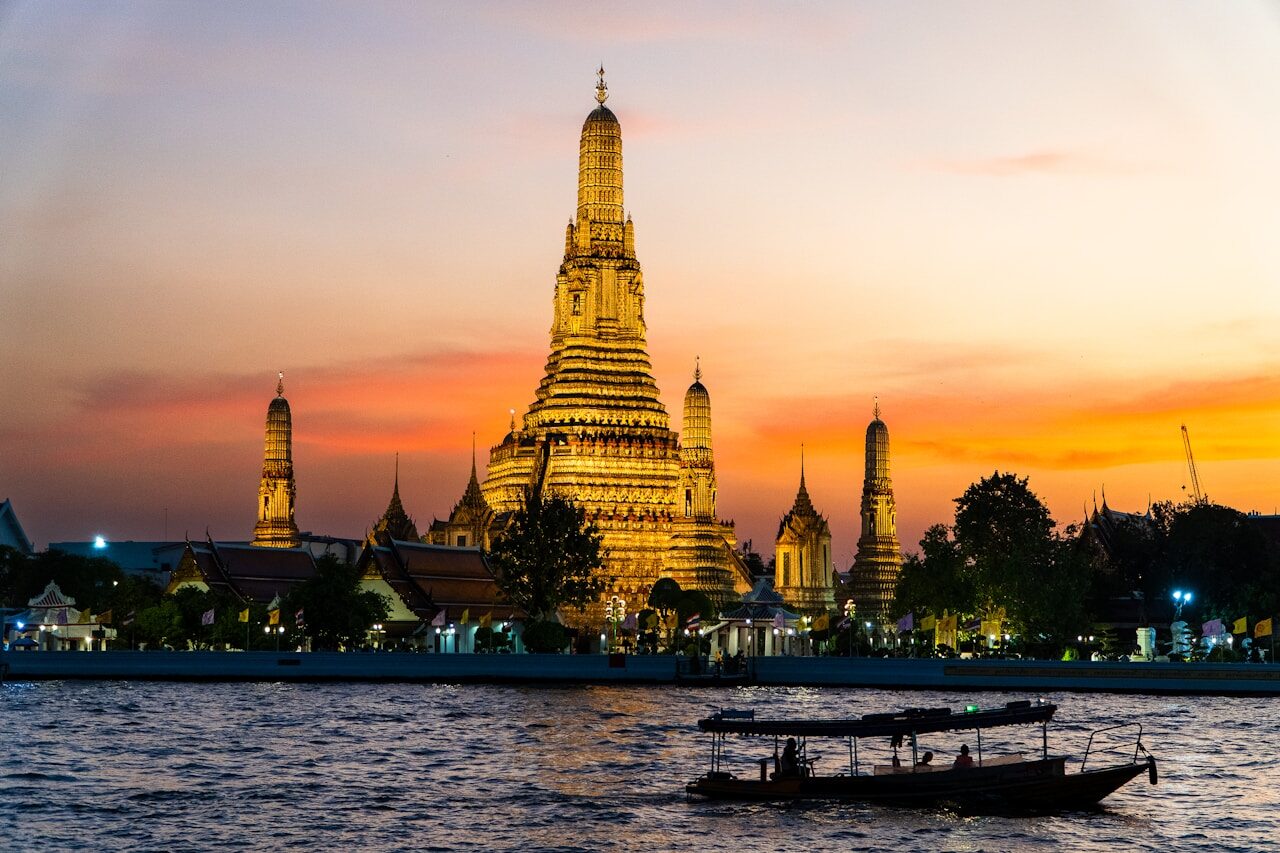



Best Time To Visit Bangkok, Thailand – Bangkok’s climate shapes everything — choose your season based on what matters most to your trip.
Bangkok’s climate directly shapes what kind of trip you’ll have.
The city runs on three distinct seasons — cool and dry, hot, and rainy — and each creates a noticeably different experience for visitors.
The best time to visit Bangkok depends on whether you are optimizing for weather comfort, budget, crowd levels, or specific festivals.
Getting the timing right also unlocks the full potential of what the city offers.
Once you have settled on a season, the best things to do in Bangkok guide gives you a full breakdown of attractions across every interest and budget.
Bangkok at a Glance
- November to February offers the most comfortable weather, with temperatures around 24–32°C (75–90°F), predominantly sunny days, and cool evenings ideal for outdoor sightseeing.
- March to June brings extreme heat reaching 35–40°C (95–104°F), with significant savings available for budget travelers prepared for high temperatures.
- May to October is rainy season, with afternoon downpours, noticeably fewer crowds, and 30–50% lower hotel rates compared to peak season.
- Major festivals like Songkran (April) and Loy Krathong (November) enrich any visit but bring increased crowds and higher accommodation prices.
- Shoulder seasons (March–April, September–October) balance transitional weather, moderate crowds, and more accessible prices for flexible travelers.
Bangkok’s Three Travel Seasons
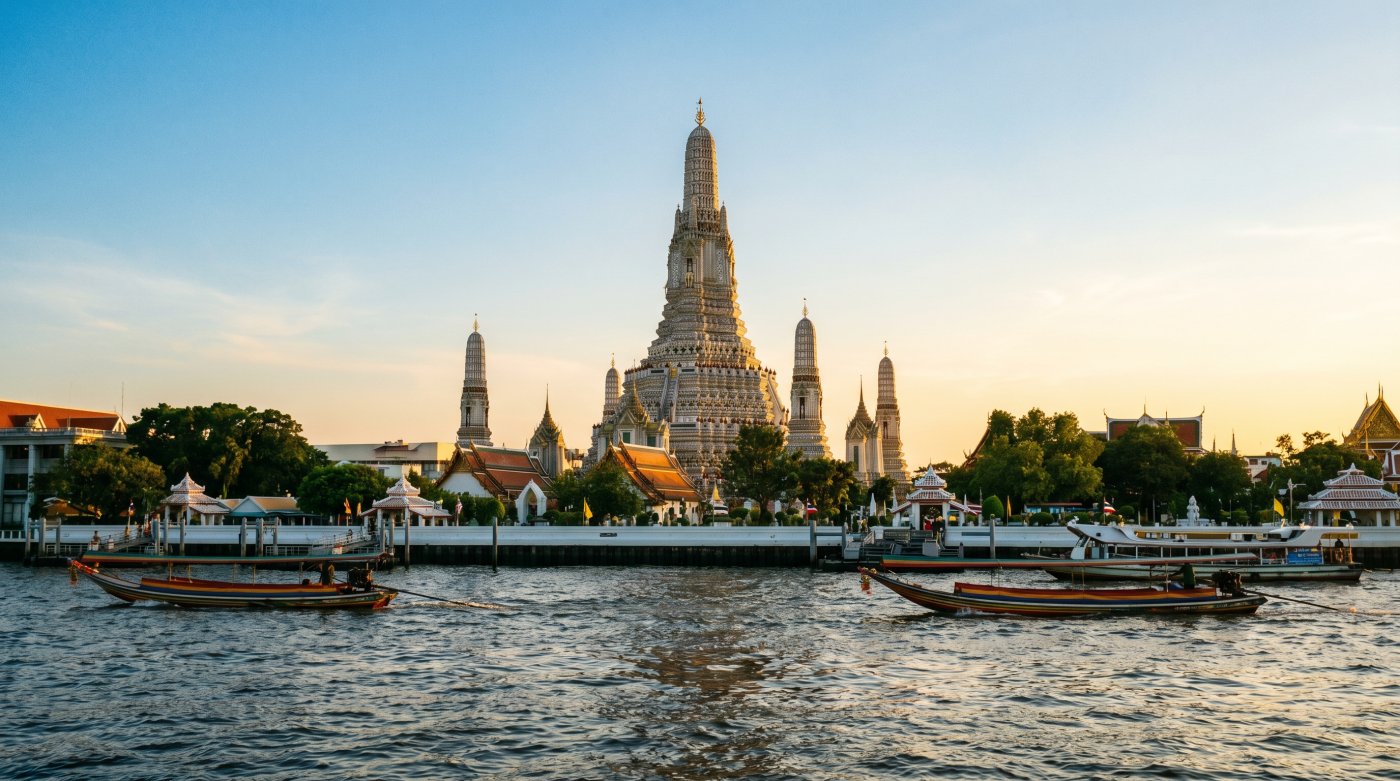
Bangkok’s weather divides into three distinct periods.
Understanding each one sets the right expectations for what your trip will actually feel like on the ground.
- The dry season (November to March) delivers the most comfortable conditions for most visitors.
- The hot season (March to June) pushes temperatures to their annual peak.
- The rainy season (May to October) brings afternoon thunderstorms but significantly lower accommodation costs.
The Dry Season: November to March
The dry season is when Bangkok is easiest to visit.
Temperatures drop to a more manageable range, the air is less humid, and outdoor activities — temple visits, canal tours, night markets — become genuinely comfortable rather than a test of endurance.
This is also the peak tourist season, which means higher accommodation prices and more crowded attractions at the main sites.
January to March: Cooler Evenings and Sunny Days
January and February sit at the heart of the dry season.
Daytime temperatures hover around 28-32°C (82-90°F), with evenings dropping to around 24°C (75°F).
Skies are predominantly clear, and rain is rare across both months.
March marks the transition toward the hot season.
Temperatures start climbing noticeably, but the rains have not yet arrived.
Early risers can still enjoy comfortable morning temple visits before midday heat sets in.
November to February: Peak Period for Festivals and Markets
November signals the start of the cool season and coincides with Loy Krathong — Bangkok’s floating basket and lantern festival — which typically falls in mid-November.
This period through February is when the city’s outdoor markets, street food scenes, and waterside events run at full strength.
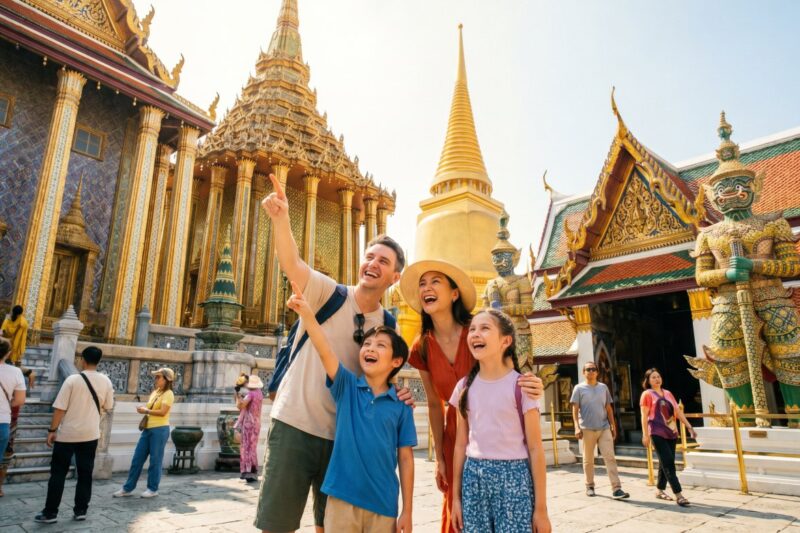
This window is also the most practical time to bring children.
Manageable temperatures and low rainfall make long days of sightseeing workable rather than exhausting.
For a complete guide to planning a Bangkok trip with young travelers — covering accommodation, transport, and family-specific activities — visiting Bangkok with kids covers everything in detail.
The Rainy Season: May to October
Bangkok’s rainy season does not mean constant or all-day rain.
The pattern is consistent and predictable: mornings are typically clear, humidity builds through the afternoon, and heavy downpours arrive in the late afternoon or early evening.
Showers usually last one to two hours before clearing.
This rhythm suits a sightseeing schedule reasonably well, as long as outdoor activities are scheduled for the morning.
May to October: Afternoon Showers and Lush Landscapes
The city’s parks and green spaces are at their most lush during these months.
Canal vegetation in the Thonburi district grows dense, and the Chao Phraya’s banks take on a greener, more overgrown character.
September and October typically see the heaviest rainfall and are occasionally affected by tropical weather systems, though direct storm impacts on Bangkok are rare.
These months represent the lowest point in the accommodation pricing cycle.
Lower Prices and Fewer Crowds
Hotel occupancy drops substantially during the rainy months, and this translates directly into lower room rates.
Reductions of 30–50% below peak-season prices are common across Bangkok’s accommodation market, with the deepest discounts hitting in August through October.
| Month | Typical Hotel Savings | Crowd Level |
|---|---|---|
| June | ~25–30% below peak | Light crowds |
| August | ~35–45% below peak | Moderate |
| September | ~40–50% below peak | Low to moderate |
Popular attractions — the Grand Palace, Chatuchak Market, floating markets — are noticeably less crowded in these months.
Queue times drop substantially.
Photography at major sites is easier without the dense visitor press that characterizes the November–February peak.
The Hot Season: March to June
Bangkok’s hot season, from late March through May, produces the year’s highest temperatures.
Highs regularly exceed 35°C (95°F) and can push past 40°C (104°F) during peak heat in April.
Humidity is high before the rains arrive in May.
This is Bangkok’s least comfortable season for extended outdoor activity, but its most affordable for accommodation.
March to June: High Temperatures and Sunshine
The heat during this period is genuine and demands planning.
Outdoor temple visits are manageable in the early morning, typically before 10 AM, but become increasingly difficult by midday.
Indoor attractions — the Jim Thompson House, the Bangkok Art and Culture Centre, SEA LIFE aquarium — hold their value year-round.
Practical adjustments for visiting in this season:
- Clothing: Lightweight, loose-fitting, light-colored cotton or linen — synthetic performance fabrics also work well
- Sun protection: SPF 50+ sunscreen, wide-brimmed hat, UV-blocking clothing where practical
- Timing: Schedule outdoor sites before 10 AM and again after 4 PM; use the midday hours for air-conditioned spaces
Tips for Staying Cool and Avoiding Heat Exhaustion
Hydration matters more in Bangkok’s April heat than in almost any other condition most travelers encounter.
Carry water at all times.
Bangkok’s convenience stores — 7-Eleven and Family Mart are on nearly every block — sell chilled water, electrolyte drinks, and fresh coconut water at low prices.
Watch for early signs of heat exhaustion: dizziness, headache, nausea, and notably reduced sweating despite the heat.
If any appear, find air conditioning immediately and rehydrate with electrolytes rather than plain water alone.
When Is the Best Time to Visit Bangkok?
The best time to visit Bangkok for most travelers is November through February, when temperatures range from 24-32°C (75-90°F), rainfall is rare, and outdoor sightseeing is genuinely comfortable.
This cool, dry period represents the strongest all-around conditions for a first visit.
Budget travelers who can tolerate afternoon rain will find May to October offers the best value.
The rainy season, despite its reputation, is a practical time to visit for anyone willing to structure mornings around outdoor activities.
Planning Around Peak Periods and School Holidays
The peak congestion periods in Bangkok are predictable and worth planning around.
The Christmas-New Year window (late December through early January) and China’s Golden Week holiday (typically the first week of October) both bring sharp increases in visitor numbers and accommodation prices.
During both periods, popular sites operate at maximum capacity and hotels in tourist-heavy areas charge significantly more.
Christmas and New Year: Crowds and High Prices
Late December through the first week of January brings Bangkok’s highest accommodation prices of the year.
Hotels in Silom, Sukhumvit, and the Riverside area can increase room rates considerably during peak weeks.
The festive atmosphere in shopping malls and along Silom Road is genuine, and the cool temperatures make the crowds more bearable than they would be in the heat.
Booking 3-6 months in advance is the most effective mitigation for both availability and price.
Avoiding China’s Golden Week in October
China’s National Day Golden Week holiday (typically October 1-7) sends a significant wave of visitors through Bangkok’s tourist circuit.
Accommodation prices in areas popular with Chinese tourists — Pratunam, Asiatique, and Chatuchak — rise noticeably during this window.
Visiting before October 1st or from October 10th onward sidesteps the main surge while still benefiting from the late-rainy-season lower prices.
Timing Your Visit Around Bangkok’s Festivals
Bangkok’s two most significant festivals — Songkran in April and Loy Krathong in November — transform the city for their duration and are worth building an itinerary around if you have flexibility.
Songkran Festival in Mid-April
Songkran is Thailand’s traditional New Year, celebrated over three days in mid-April with city-wide water festivals.
The Silom Road and Khao San Road stretches become the main activity zones, where participants throw water from buckets, hoses, and water guns throughout the day.
The festival has genuine cultural foundations alongside the street celebrations — traditional ceremonies, temple visits, and the ritual pouring of water over Buddha images are observed alongside the public festivities.
For activities specifically tied to Songkran and other Bangkok events, the complete Bangkok activities guide covers the full festival experience.
One trade-off worth noting: visiting Bangkok in mid-April means combining festival crowds with the year’s peak heat.
Loy Krathong in November: Floating Lantern Ceremonies
Loy Krathong falls on the full moon of the twelfth lunar month, typically in November.
The central ceremony involves releasing krathong — small decorated baskets made from banana leaves, flowers, and candles — onto rivers and canals to honor the water spirits.
In Bangkok, the Chao Phraya River banks and parks like Lumphini become gathering points for the release ceremonies.
The Bangkok celebration is primarily water-based, as opposed to the sky-lantern version of the festival (Yi Peng) more commonly associated with Chiang Mai.
Balancing Weather, Cost, and Crowds in Bangkok
No single month offers perfect weather, low prices, and thin crowds at the same time.
The practical decision is choosing which factor matters most to your trip and accepting the trade-offs on the others.
The shoulder months — mid-March (before Songkran), late May, and October (after Golden Week) — offer the strongest compromises: transitional weather, moderate savings, and crowd levels between peak and lowest.
Securing the Best Deals on Flights and Hotels
For Bangkok travel, booking 3-6 months in advance consistently produces better rates than last-minute planning during the November-February peak season.
Accommodation in tourist-heavy areas sells out at popular properties well before the season begins.
For a full breakdown of where to save on accommodation across all seasons — including rainy-season discount strategies and neighborhood-by-neighborhood price comparison — the traveling to Bangkok on a budget guide covers everything in detail.
Booking 3-6 Months in Advance
The advance booking advantage applies most strongly to:
- High-end hotels and boutique properties in prime locations (Riverside, Sukhumvit Soi 1-11)
- The November-February peak season and New Year/Songkran windows
- Flights to Bangkok from Europe, North America, and Australia during school holiday periods
Budget guesthouses and hostels, particularly in the Banglamphu (Khao San Road) area, typically have more availability.
Flexibility on check-in date within a one-week window can meaningfully reduce room rates.
Off-Peak Rates During the Rainy Months
The May-September window delivers the year’s lowest accommodation prices.
Properties across all categories reduce rates to maintain occupancy, and direct booking (bypassing OTA platforms) at smaller hotels occasionally produces further savings beyond listed rates.
The practical approach for rainy-season travel: book refundable rates to preserve flexibility around weather-related changes to outdoor plans.
Prioritizing Attractions Based on Seasonality
Some Bangkok experiences are noticeably better in specific seasons.
Others hold up year-round regardless of weather.
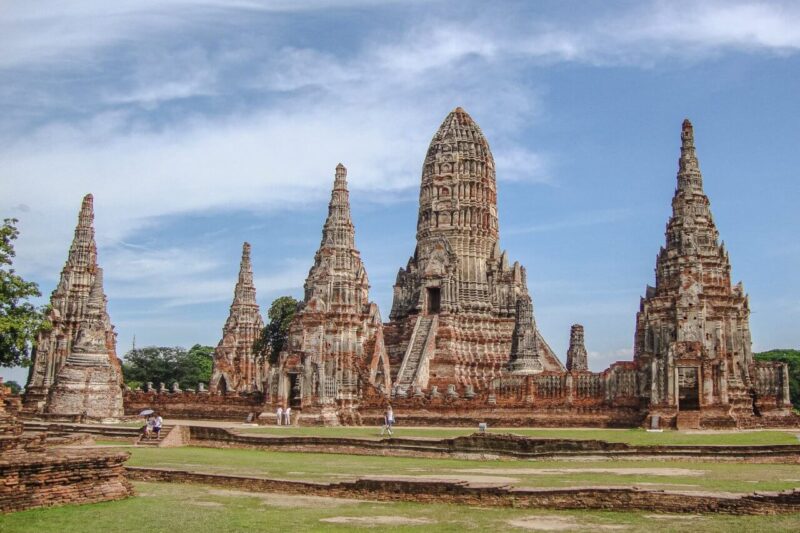
Dry season offers a clear advantage for: Temple visits, full-day outdoor market sessions, longtail boat canal tours, rooftop bar evenings, and long day trips to Ayutthaya or Kanchanaburi.
Rainy season holds up well for: Air-conditioned museums, cooking classes, Muay Thai stadium nights, the SEA LIFE aquarium, Jim Thompson House, shopping centers, and evening street food markets.
Where you stay significantly affects how much the weather impacts your daily experience.
Neighborhoods with direct BTS Skytrain access allow quick transitions between outdoor and indoor activities without extended street exposure.
For a breakdown of which Bangkok areas suit different travel styles and budget levels, the best neighborhoods to stay in Bangkok guide compares the main options with seasonal pricing context.
Final Checklist Before Your Bangkok Trip
You can use our free AI pre-departure checklist tool when preparing your Bangkok trip.
Packing Essentials for Tropical Climates
Bangkok’s climate demands thoughtful packing regardless of the season you visit.
The fundamentals apply year-round; the specifics shift depending on your timing.
Year-round essentials:
- Lightweight, breathable clothing (cotton or technical fabrics)
- SPF 50+ sunscreen and a wide-brimmed hat
- Comfortable walking shoes with closed toes (required at temples)
- A compact day bag that fits within temple storage lockers
Hot season additions: Portable cooling towels, electrolyte powder or tablets, a refillable water bottle.
Lightweight Clothing and Sun Protection
The Bangkok heat turns heavy clothing into a practical problem within minutes of stepping outside.
Lightweight fabrics — loose-weave cotton, linen, or moisture-wicking synthetic blends — make a genuine difference in comfort.
Temple visits require covered shoulders and knees, so pack at least one full-coverage outfit rather than relying entirely on shorts and sleeveless tops.
A light shawl or breathable long trousers serves double duty for both sun protection and temple dress codes.
Rain Gear for Unexpected Showers
A compact, packable umbrella is the practical solution for Bangkok’s rain.
A lightweight travel umbrella that folds to day-bag size handles the typical afternoon downpour reliably.
A packable rain jacket with a hood works well for longer outdoor sessions where an umbrella is inconvenient.
Avoid the ฿50 plastic ponchos sold by street vendors — they are good for emergencies but fail quickly in sustained heavy rain.
Checking Local Calendars and Advisories
Monitoring Weather Before Departure
Bangkok weather apps give reliable 48-72 hour forecasts.
Beyond that window, tropical weather patterns become unreliable to predict precisely.
Use short-range forecasts for day-of activity planning rather than for deciding whether to book the trip in a given month.
For general seasonal expectations, understanding the season’s typical pattern — as covered in this guide — is more useful than any specific long-range forecast.
Staying Informed on Public Holidays and Closures
Thailand’s public holidays affect temple and government site hours:
- Makha Bucha (February/March) — Some sites close early; Buddhist observance day
- Visakha Bucha (May/June) — National holiday; alcohol sales restricted in some venues
- Asanha Bucha (July) — Buddhist holy day with similar restrictions on alcohol
- Chakri Day (April 6) — National holiday; some government sites closed
- Songkran (April 13-15) — City-wide celebrations; transport disruption in central areas
These holidays do not generally close Bangkok’s main tourist attractions for the full day, but they can restrict alcohol sales at restaurants and occasionally shorten temple visiting hours.
Check Thailand’s official public holiday calendar when finalizing any specific itinerary.
Frequently Asked Questions (FAQs)
Bangkok’s rainy season does not mean constant or all-day rain.
The typical pattern is clear mornings followed by a heavy afternoon or evening downpour lasting one to two hours, then clearing.
Many days in May and June see no rain at all.
September and October see the most consistent rainfall, but even then, mornings are generally workable for outdoor activities.
The practical approach: schedule outdoor sightseeing before noon and plan indoor or covered activities for the afternoon.
Bangkok in March and April is genuinely hot — April is the hottest month, with temperatures regularly exceeding 35°C (95°F) and occasionally reaching 40°C (104°F).
It is manageable with deliberate planning: schedule outdoor activities before 10 AM and again after 4 PM, use midday for air-conditioned spaces, stay well hydrated, and dress for heat.
Budget travelers willing to adapt their schedule find these months worthwhile for significantly lower accommodation costs than the peak dry season.
January or February is the best month for a first-time visit to Bangkok.
Both fall in the heart of the dry season with comfortable temperatures, minimal rain, and excellent conditions for temple visits and outdoor exploration.
February in particular offers good weather with slightly less crowd pressure than the December-January holiday peak.
For a breakdown of festivals and free events tied to each Bangkok season, including Songkran and Loy Krathong, the free things guide covers what’s on throughout the year.
A lifestyle and OOTD blogger, Kannaya Nareswari enjoys the small pleasures of cooking, traveling, and documenting ordinary events. She uses genuine storytelling to communicate her love of fashion, culinary explorations, and wanderlust. She is based between Bali and Bandung. She enjoys enjoying coffee at a secret café or experimenting with recipes in the kitchen when she's not traveling to new places or styling her most recent ensemble.