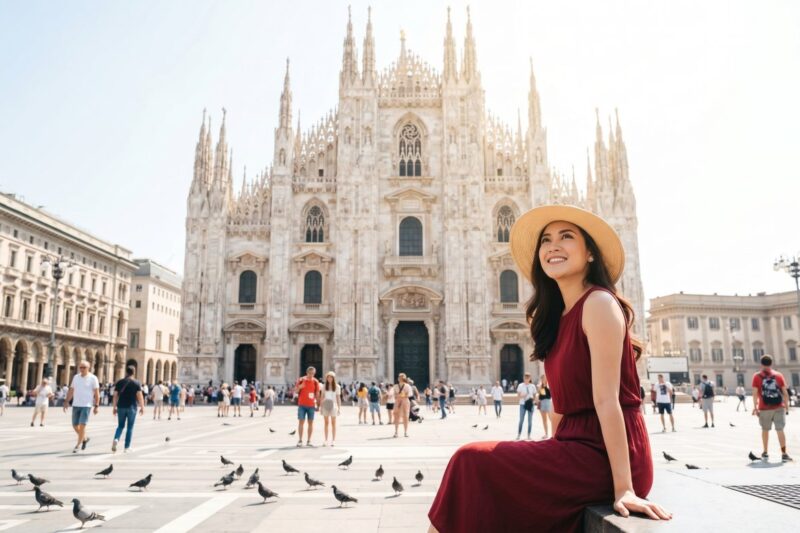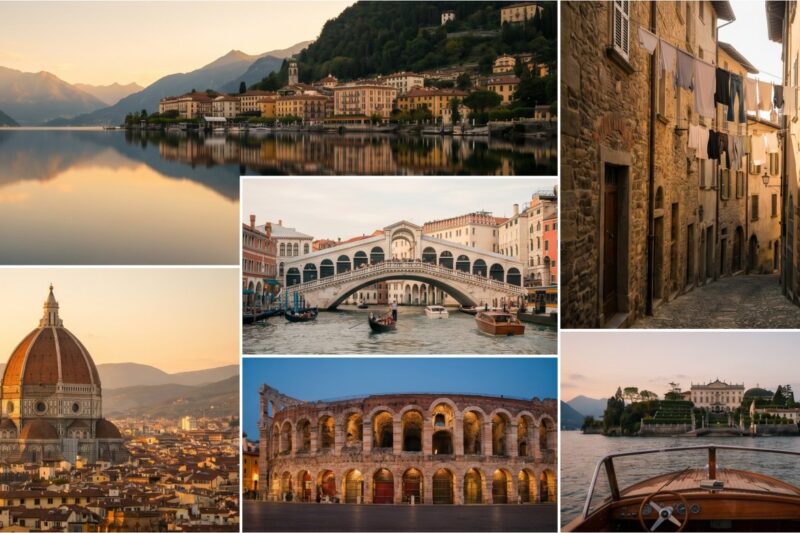




Best Neighborhoods in Milan, Italy: Where to Stay and Explore – Milan doesn’t have a single center — it has a cluster of distinct districts, each with its own character, accommodation price range, and daily rhythm.
Choosing where to stay shapes your entire experience: the Duomo area puts you next to history but costs more and feels more touristy; the Navigli puts you in a local bar scene but requires a tram to reach major landmarks.
This guide covers Milan’s main neighborhoods honestly — what each area is actually like to stay in, not just which famous landmarks are nearby.
For what to do once you’ve settled on an area, best things to do in Milan has the full activity guide.
Key Highlights
- First-time visitors: Centro Storico or Brera for convenience and atmosphere
- Nightlife and canal culture: Navigli and Porta Ticinese
- Business travel: Porta Nuova and the area around Centrale
- Modern design and architecture: Porta Nuova and Isola
- Budget stays: Porta Romana, Lambrate, or Città Studi
- Culture and art: Brera is the best single neighborhood, with Castello Sforzesco area as a strong second
- Family travel: Parco Sempione area and Porta Venezia offer good options
Which Neighborhood in Milan Is Right for You?
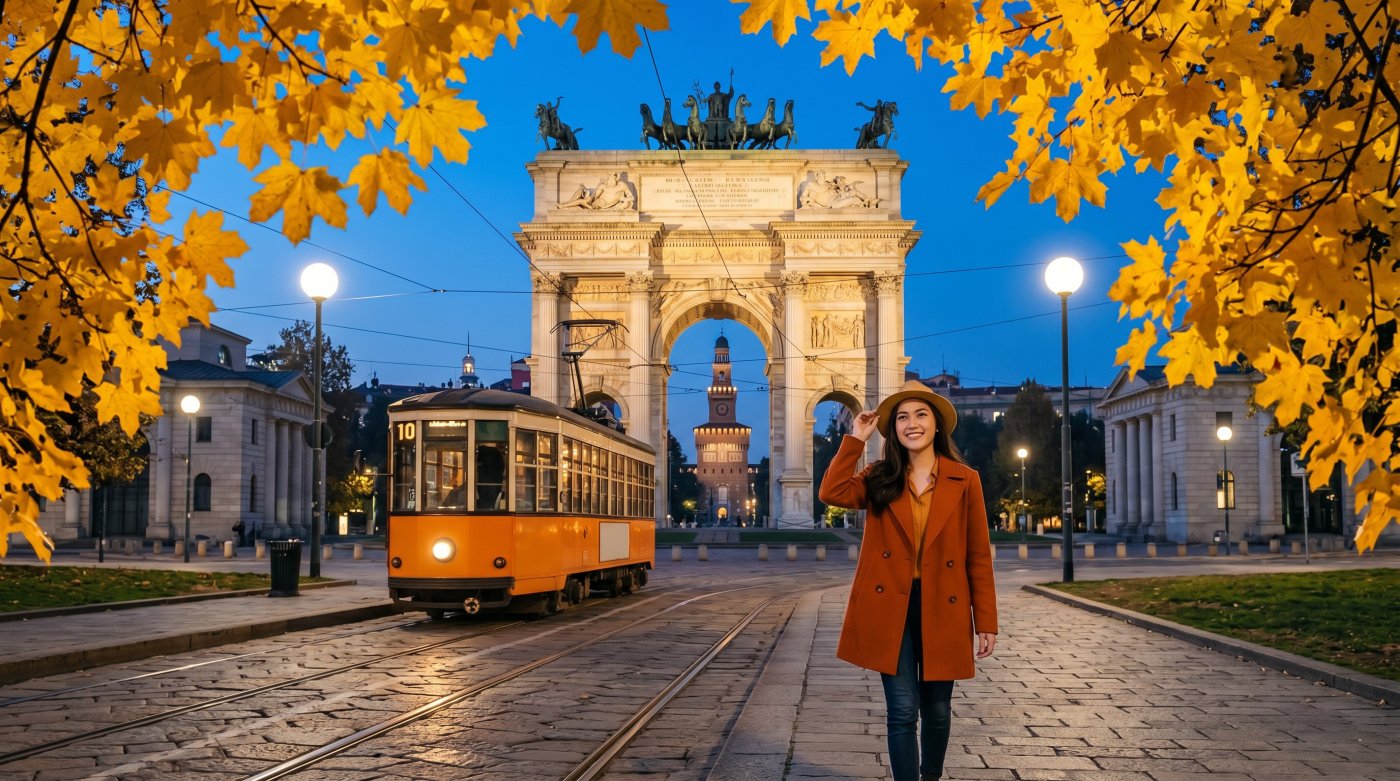
The best neighborhood for most first-time visitors is Brera or the Brera-adjacent area near Castello Sforzesco.
It’s central, walkable to major landmarks, has good restaurants and cafés at all price points, and has the highest density of interesting streets per square meter.
Centro Storico (directly around the Duomo) is equally convenient but noisier, more tourist-saturated, and more expensive for comparable accommodation quality.
For a quick decision by traveler type:
| Traveler Type | Best Neighborhood | Key Reason |
|---|---|---|
| First-time visitor | Brera or Centro Storico | Central, walkable, best landmark access |
| Nightlife / social traveler | Navigli or Isola | Canal bars, aperitivo, live music |
| Budget traveler | Porta Romana, Lambrate, Città Studi | Lower accommodation prices, good metro access |
| Business traveler | Porta Nuova or Centrale area | Transport links, conference facilities, modern hotels |
| Design / art traveler | Brera or Porta Nuova | Gallery density, Design Week programming |
| Family with children | Parco Sempione area or Porta Venezia | Parks, quieter streets, good walking options |
| Luxury stay | Quadrilatero della Moda or Brera | Highest-end hotels, concierge services |
| Week-long immersive stay | Isola or Porta Romana | Most authentic neighborhood life |
For transport connections between neighborhoods, how to get around between Milan neighborhoods has the full metro and tram guide.


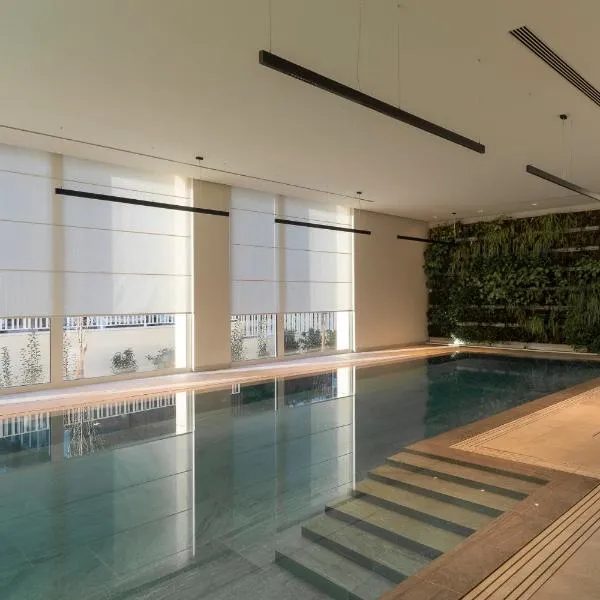
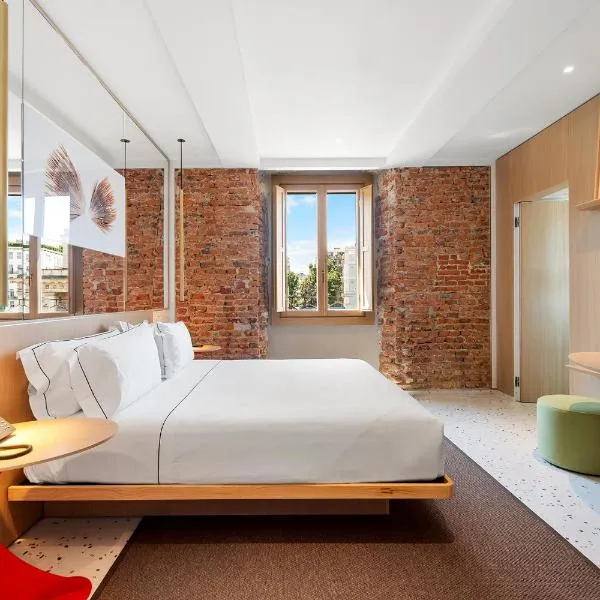
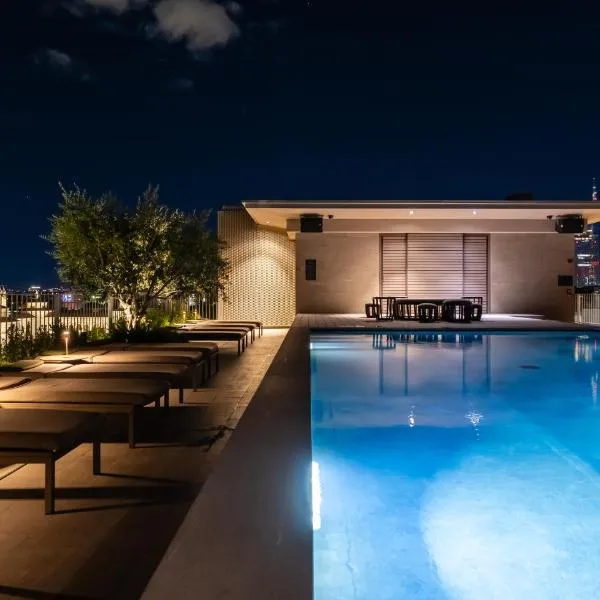
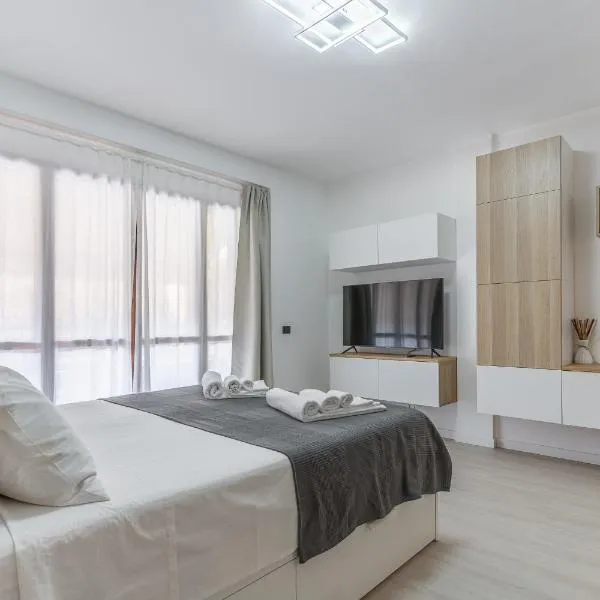
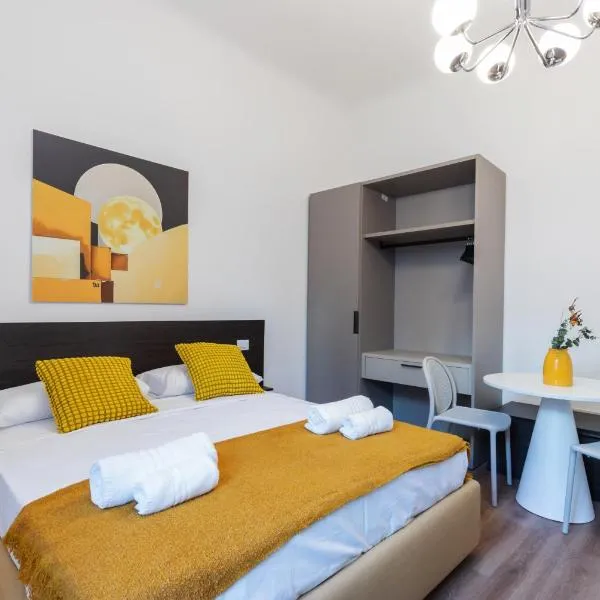
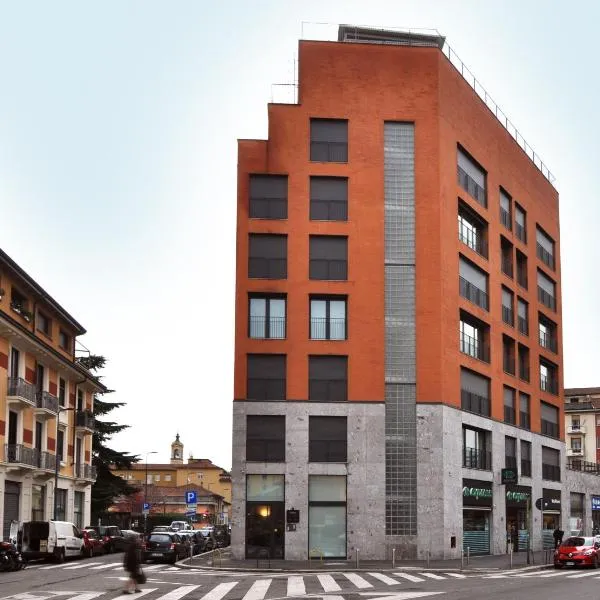
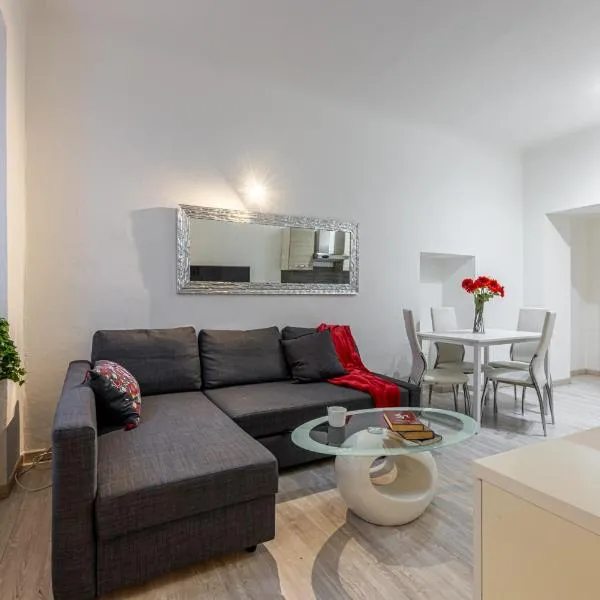
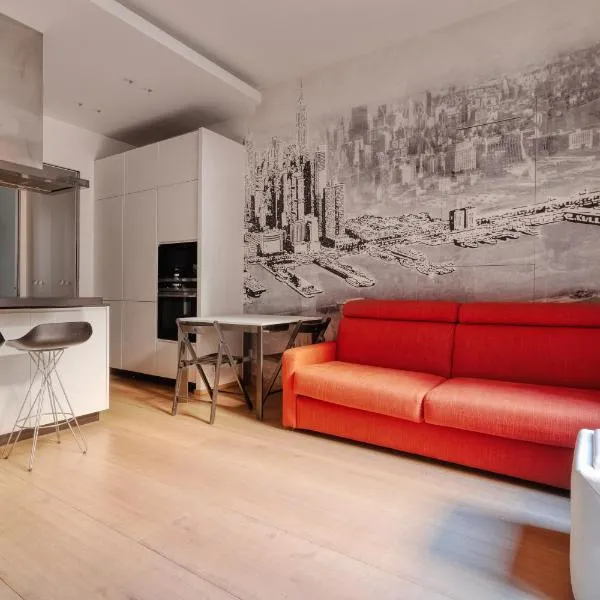
How Neighborhoods in Milan are Organized
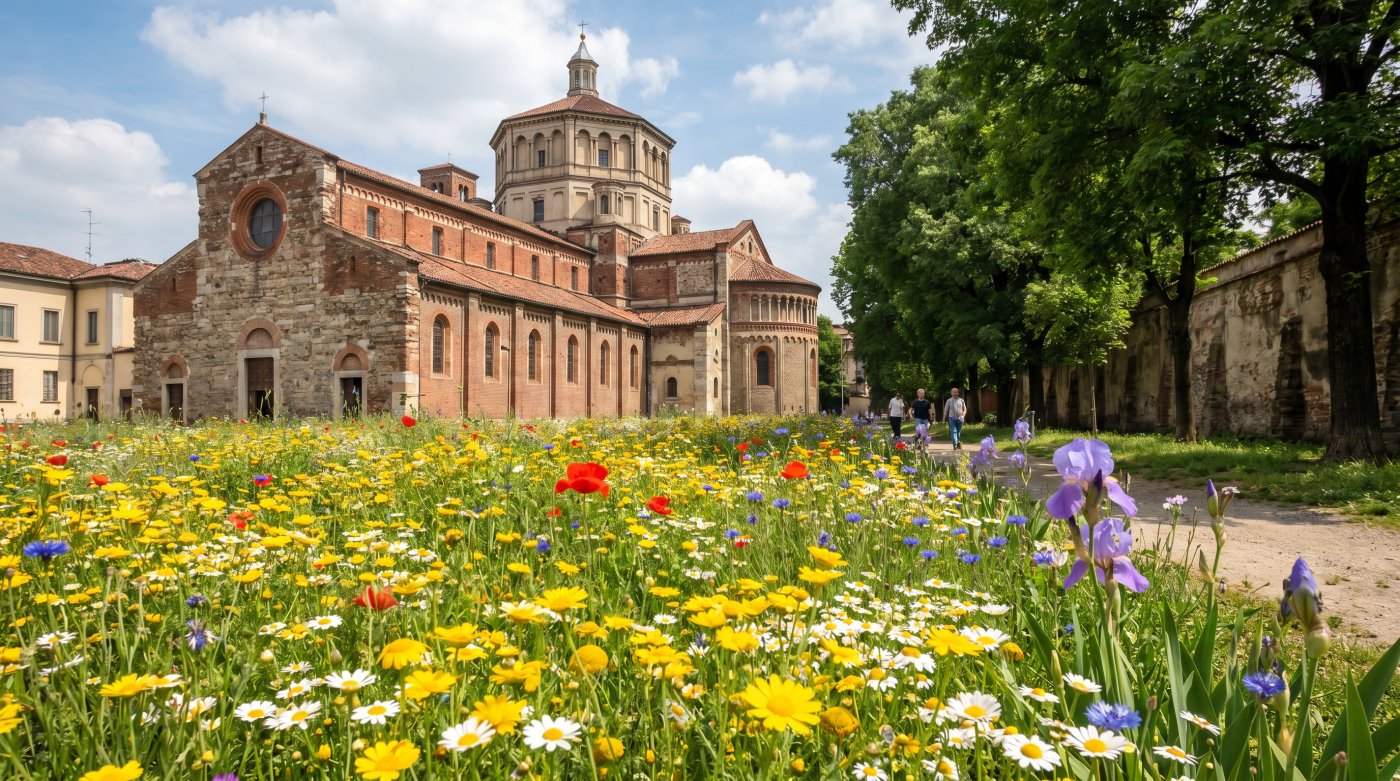
Milan is organized in a rough concentric ring pattern, with the historic center (Duomo, La Scala, Galleria) at the center, and neighborhoods radiating outward.
The centro storico is roughly a 20-minute walk in diameter — you can cross it on foot in that time.
The main tourist-relevant neighborhoods and their distance from the Duomo:
- Brera: 10-minute walk north
- Castello Sforzesco and Parco Sempione: 15-minute walk northwest
- Navigli: 25-minute walk south, or Metro M2 + walk
- Porta Nuova / Isola: 15-minute walk north, or Metro M2 to Garibaldi
- Porta Romana: 20-minute walk south, or Metro M3 to Porta Romana
- Lambrate / Città Studi: 30+ minutes by metro (M2 east)
Milan has nine administrative zones, but for practical visitor purposes, the areas above account for the majority of accommodation choices and daily exploration.
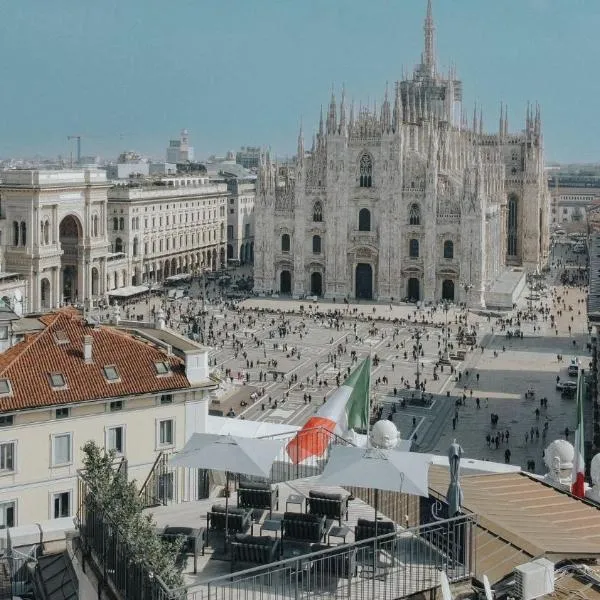
Centro Storico: The Historic Center
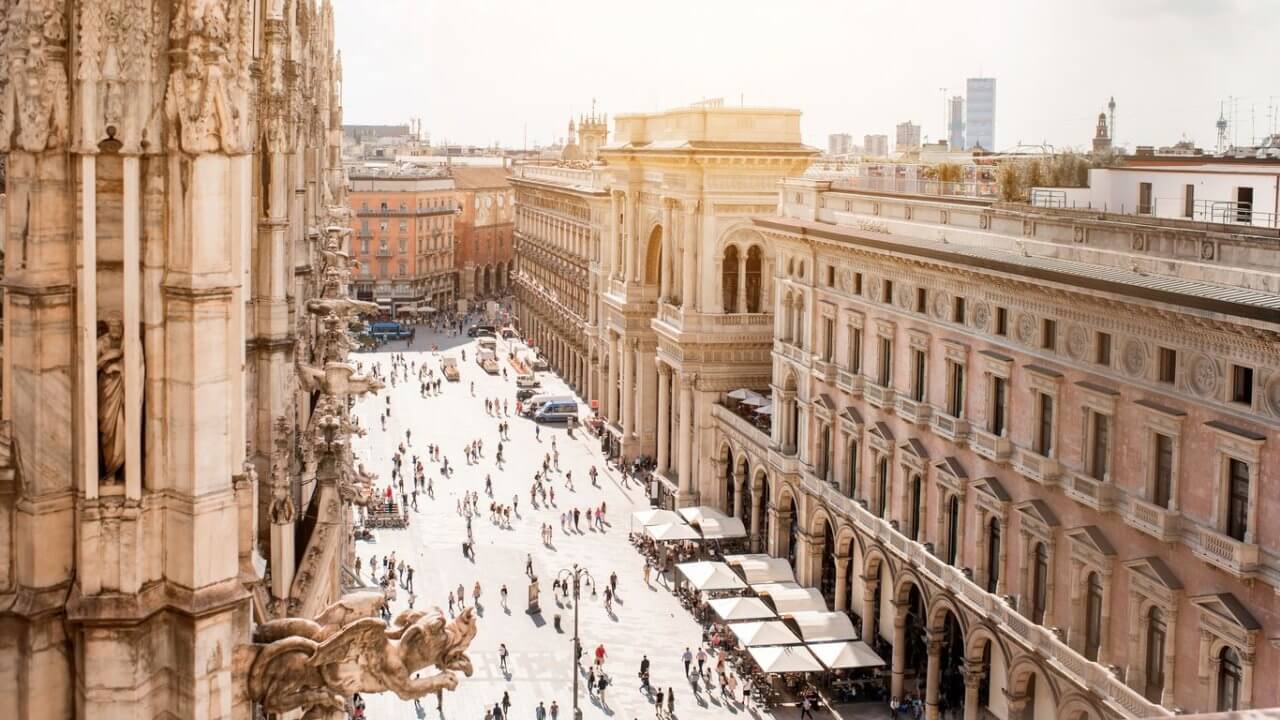
Best for: First-time visitors, those prioritizing landmark access, and travelers who prefer walking everywhere over transport decisions.
The Centro Storico is the area immediately around the Duomo — roughly bounded by Via Dante to the northwest, Via Alessandro Manzoni to the northeast, the area around Piazza San Babila to the east, and Via Torino to the south.
It’s the most densely touristic part of Milan.
What the Neighborhood Is Like
The streets around the Duomo are busy all day with tourists, commuters, and shoppers.
The piazza itself is a genuine public space that Milanese use too, not purely a tourist zone.
The Galleria Vittorio Emanuele II is two minutes’ walk from the cathedral.
La Scala is five minutes’ walk.
Via Montenapoleone and the fashion district start from San Babila, 10 minutes’ walk east.
The residential fabric of the centro storico is limited — this is primarily commercial property.
Evenings are quieter than the surrounding neighborhoods because the shops close and the tourists move to dinner elsewhere.
It has less of the neighborhood-bar-and-café culture you find in Brera or Navigli.
Staying in Centro Storico
Accommodation runs expensive relative to the rest of Milan.
Budget hotels within 5 minutes of the Duomo are rare; mid-range options exist but often occupy older buildings without modern sound insulation.
Luxury hotels in this area are genuinely excellent.
For the best combination of central location and quality, the immediate Duomo area is worth the premium if landmark proximity is your primary concern.
- Recommended for: 2–3 night stays focused on the major sites, honeymoon/anniversary trips, older travelers who prefer minimal walking between sites.
- Not ideal for: Budget stays, week-long immersive visits, travelers who want local neighborhood atmosphere, families (streets are busy and stroller-unfriendly near the piazza).
La Scala and the Cultural Core
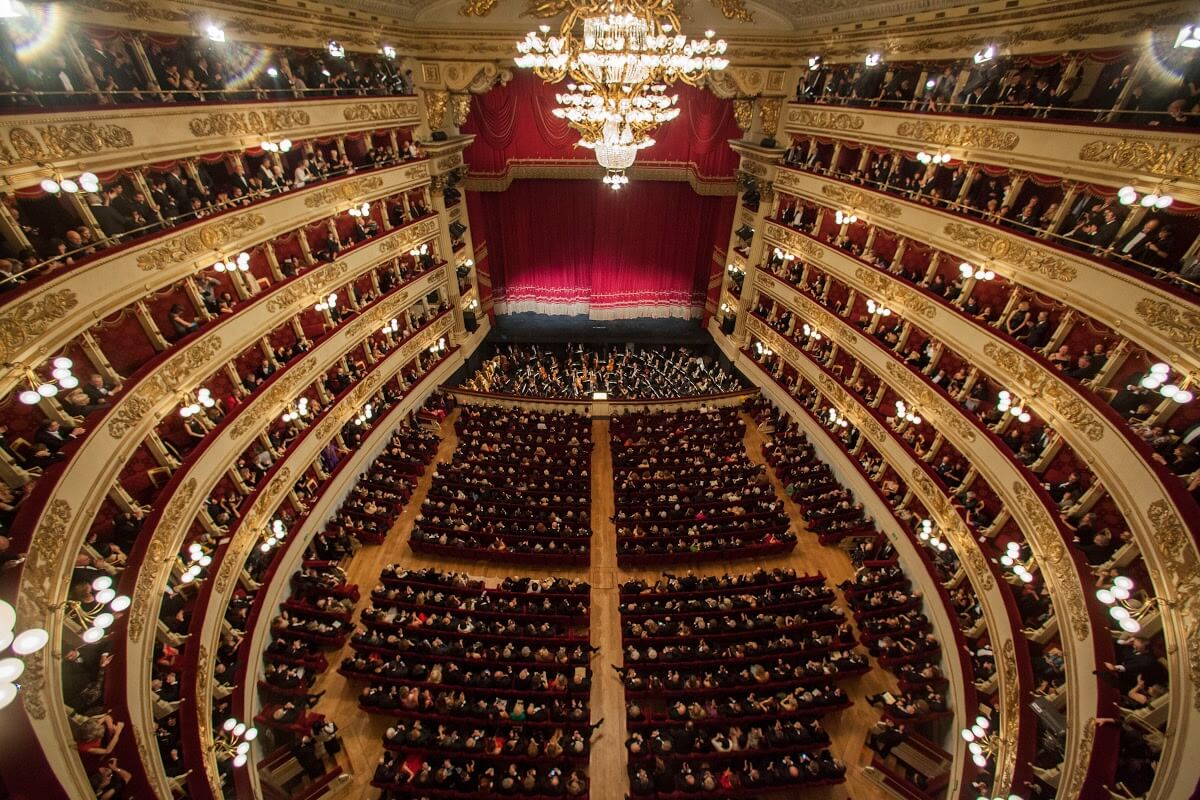
La Scala Opera House sits on Piazza della Scala, just a 5-minute walk from the Duomo.
The teatro’s season runs from December through November, with the glamorous opening night on December 7th (Sant’Ambrogio Day) standing as the most prestigious cultural event of the Milanese year.
Tickets for popular operas and ballets go on sale to the general public approximately 60 days before the opening night of each production, with high-demand premieres and gala performances often selling out within hours of release.
Opera seat prices range broadly, from around €15–€30 for upper gallery (loggione) spots to €100–€250+ for prime stalls and boxes, depending on the production; booking directly via the official site at teatroallascala.org is strongly recommended.
The Museo Teatrale alla Scala (La Scala museum) can be visited without attending a performance, with tickets priced at €12 (full price) and €8 (reduced, for students, seniors 65+, and young people aged 6–18), and includes access to the auditorium itself via the third-level boxes when rehearsals, performances, or public events are not in progress.
Brera: Art Quarter and Neighborhood Character
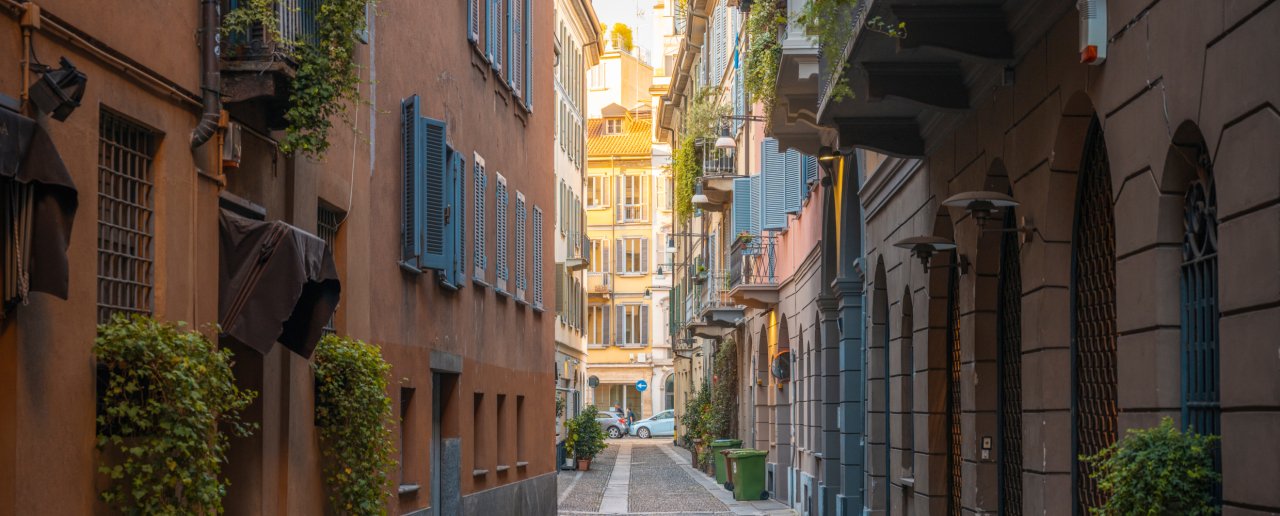
Best for: Art and culture travelers, first-time visitors who want atmosphere alongside landmarks, travelers wanting to experience the best of Milanese café culture.
Brera is generally considered the most attractive neighborhood in Milan for visitors — and it earns that reputation.
The streets around Via Brera, Via Fiori Chiari, and Via Madonnina are lined with galleries, independent boutiques, restaurants, and bars at multiple price points.
The cobblestone streets and restored 18th–19th-century buildings give it genuine character without being a theme-park version of itself.
What the Neighborhood Is Like
Brera functions during the day as an arts and shopping district and at night as one of the more civilized aperitivo and dinner areas in the city.
It’s less raucous than Navigli, less corporate than Porta Nuova.
The density of genuinely good restaurants per street is higher here than anywhere else in central Milan.
The Pinacoteca di Brera is the neighborhood’s anchor — a major gallery with works by Raphael, Mantegna, Caravaggio, and Bellini in a former Jesuit college.
Standard admission is €15 for adults (18+); visitors under 18 enter free, and EU citizens aged 18–25 pay a reduced rate of €4.
A combined Grande Brera ticket covering both the Pinacoteca and the adjacent Palazzo Citterio costs €20 (full price) or €4 reduced for 18–25-year-olds.
Admission is free on the first Sunday of every month as part of Italy’s national #domenicaalmuseo initiative — though a reservation is mandatory via brerabooking.org, and the gallery is closed every Monday.
The adjacent Brera Botanical Garden (Orto Botanico) is free.
The Brera antique market runs on the third Sunday of every month along Via Fiori Chiari and Via Madonnina.
It’s one of the best markets in Milan for antiques, vintage jewelry, and prints.
What’s Particular About the Food Scene
Risotto alla Milanese (saffron risotto), osso buco (braised veal), and cotoletta alla Milanese (breaded veal cutlet, the original Wiener Schnitzel) are the Milanese classics.
Brera has several family-run trattorias serving these dishes alongside the more contemporary restaurants.
Prices range from moderate at lunch to expensive at dinner.
The aperitivo culture here is a genuine local ritual, not a tourist version — the bars along Via Madonnina and the surrounding streets start filling at around 6 PM with a mix of Milanese and international visitors.
Staying in Brera
Accommodation in Brera runs from mid-range boutique hotels to high-end options.
It’s generally cheaper than the immediate Duomo area while offering better value — you’re staying in a neighborhood with its own life rather than a tourist perimeter.
Recommended for: Most visitors staying 3+ nights, solo travelers, couples, design-interested travelers, those who want the best overall neighborhood experience.
Is Navigli Worth Staying In?
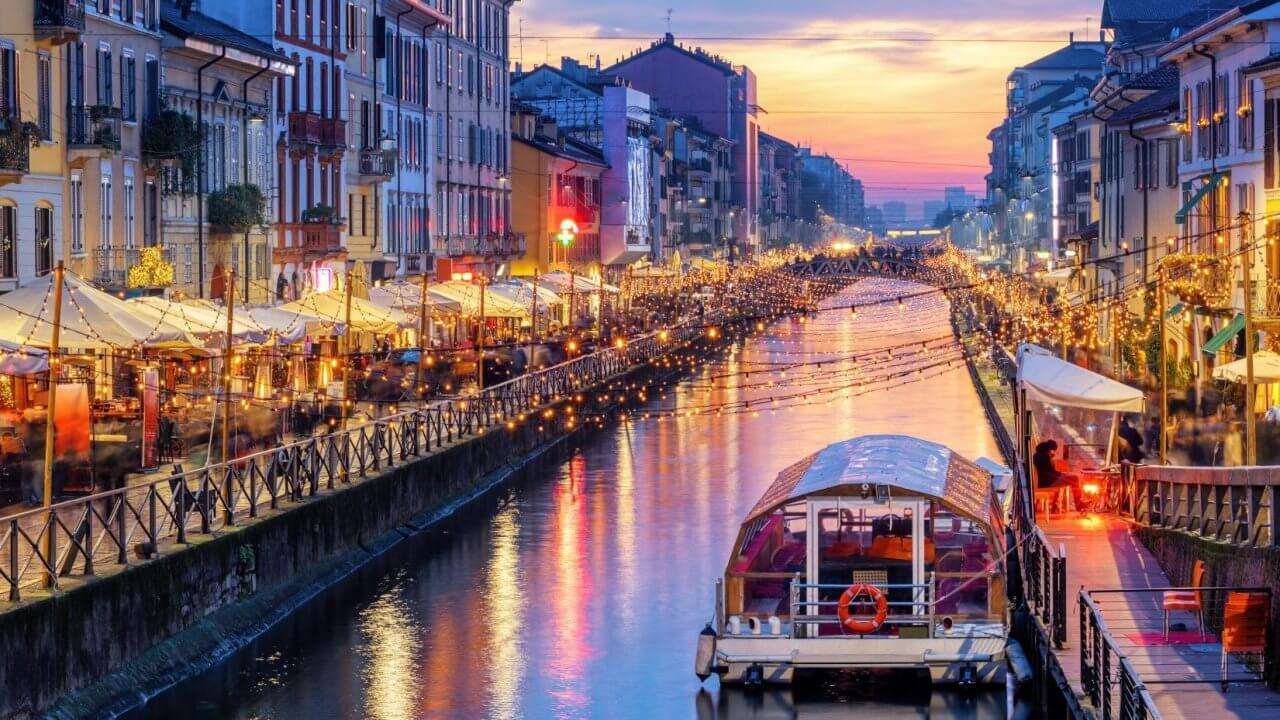
Yes — Navigli is the best neighborhood in Milan for evening activity, canal-side culture, and the aperitivo ritual, though it’s not the quietest or most convenient area for sightseeing.
The trade-off is real: you’re 25 minutes’ walk from the Duomo, but you’re in one of the most characterful neighborhoods in the city.
Naviglio Grande and the Canal District
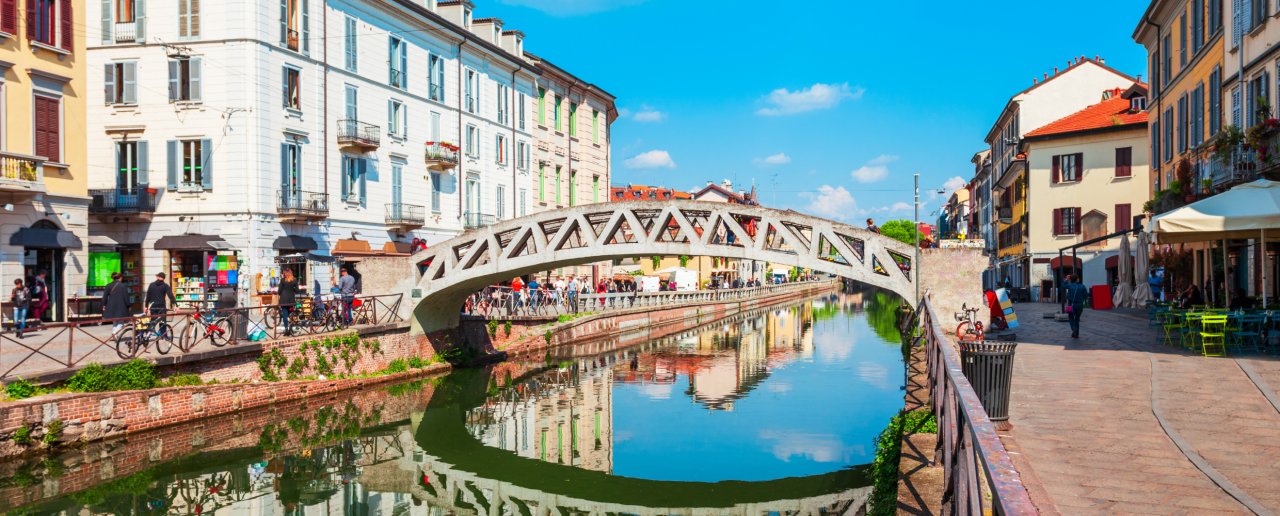
The Naviglio Grande is the main canal — 50 km long, originally part of Leonardo da Vinci’s engineering network for the city’s water supply and transport.
The canalside strip along Via Alzaia Naviglio Grande is lined with bars, restaurants, independent workshops, and galleries.
The last Sunday of every month brings a large antique market along the canal, one of the most interesting in northern Italy.
Evening on the canal between about 6 PM and 10 PM is the best time to be here — bars set out chairs on the towpath, aperitivo spreads appear, and the energy of the neighborhood is at its peak.
After midnight, the area around Via Vigevano and Piazza XXIV Maggio becomes Milan’s densest concentration of late-night bars.
Aperitivo in Navigli
The aperitivo tradition is older and more genuine here than in the tourist-heavy centro storico.
Most bars serve a food spread (bruschetta, pasta, rice dishes, antipasti) alongside your drink — the food is included in the drink price, which typically runs €10–18 depending on the venue, with mid-range spots along the canals averaging around €12–15.
It functions as a complete light meal, and the locals call the more substantial version apericena — a portmanteau of aperitivo and cena (dinner) — which is exactly what it becomes when the buffet is generous enough to skip a proper sit-down meal.
This is also where much of Milan’s alternative and independent music scene operates — small live music venues, jazz bars, and concert spaces are concentrated in Navigli and adjacent Porta Ticinese.
Staying in Navigli
Accommodation options in Navigli are less numerous than in the center but tend to be good value — B&Bs, apartments, and boutique hotels at moderate prices.
Transport: tram lines run regularly to the center; the nearest metro is a 10–15 minute walk (M2 Porta Genova).
Recommended for: Travelers prioritizing nightlife and local culture over sightseeing convenience; extended stays of 4+ nights where you’ve seen the main sites and want to settle into a neighborhood.
Porta Nuova: Modern Milan
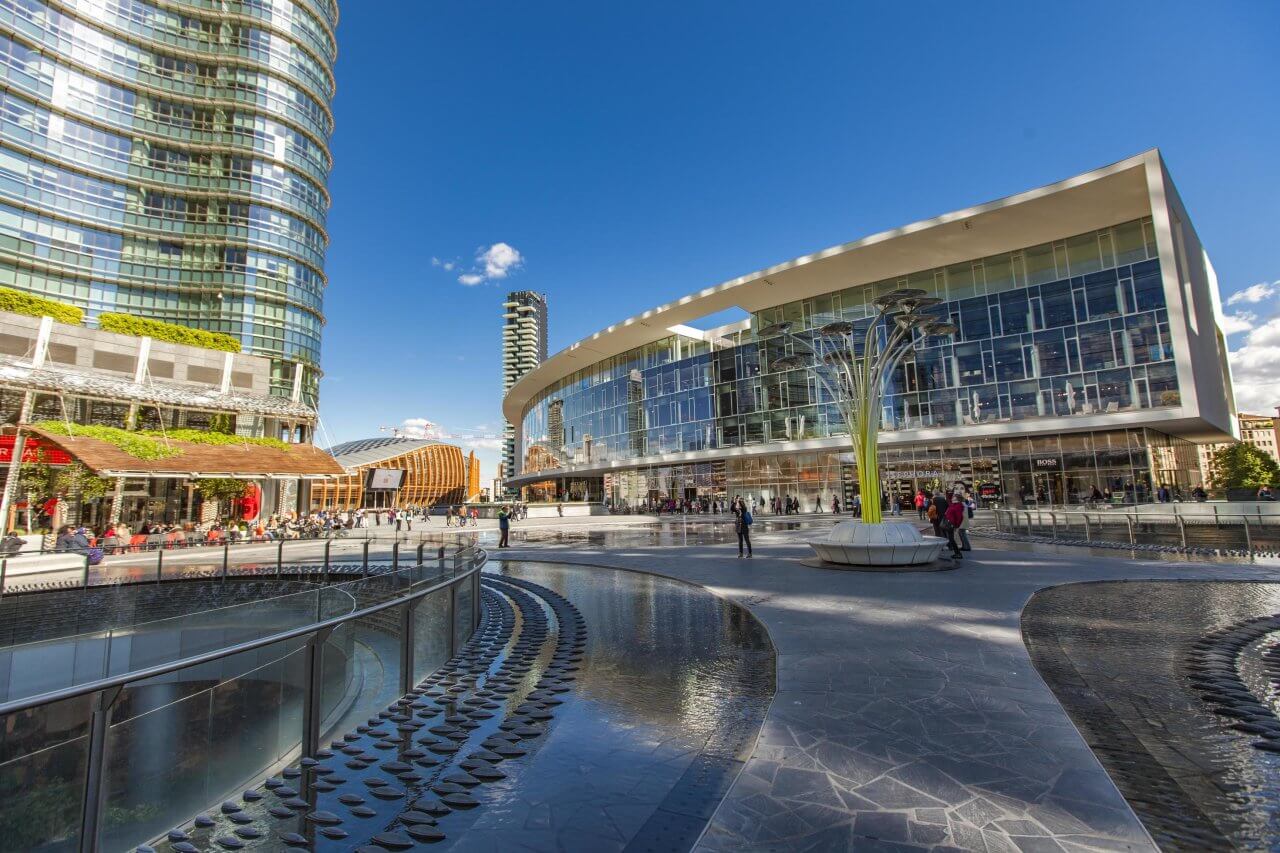
Best for: Business travelers, those interested in contemporary architecture and design, visitors who prefer modern hotels with all amenities.
Porta Nuova is Milan’s most significant urban development of the past decade — a cluster of modern towers, public spaces, and cultural institutions between the Garibaldi station area and the former Expo site.
It contains the Bosco Verticale (Vertical Forest), the UniCredit Tower, Piazza Gae Aulenti, and the Biblioteca degli Alberi park.
What the Neighborhood Is Like
Porta Nuova functions as a corporate and luxury-residential district during the week and as a public space destination on weekends.
The Bosco Verticale residential towers (private, not open to visitors) are the architectural landmark; the surrounding streets and park are public and free.
Piazza Gae Aulenti — the circular raised piazza at the center of the development — has become a genuine public gathering space.
The Biblioteca degli Alberi park directly behind is one of Milan’s newest and most carefully designed green spaces, with free public programming in spring and summer.
Contemporary art institutions nearby: Fondazione Prada is about 20 minutes south in the Porta Romana area.
Pirelli HangarBicocca is 20 minutes north by metro.
Triennale is a 15-minute walk west.
Staying in Porta Nuova
The accommodation here skews business and luxury — modern 4–5 star hotels in glass towers.
Less character than Brera, but excellent facilities and very good transport connections (M2 and M5 to Garibaldi).
Recommended for: Business travelers on expense accounts, travelers who prioritize modern amenities and efficient transport, those visiting for Design Week who want proximity to the Porta Nuova Fuorisalone events.
Isola and Lambrate: Independent, Creative, and Local
Best for: Travelers who want authentic neighborhood life, independent coffee shops, and street art over tourist attractions; those visiting during Design Week.
Isola (the “Island” — originally isolated by railway lines on three sides) has transformed over the past decade from a working-class neighborhood into one of Milan’s most interesting creative districts.
It sits behind and above the Garibaldi station, accessible via M2 or M5 to Garibaldi.
What Makes Isola Different
The neighborhood has a genuinely mixed character — long-term Milanese residents, students from the nearby Polytechnic university, creative professionals, and a growing restaurant and bar scene that hasn’t yet been fully homogenized for tourists.
Street art is substantial in Isola — particularly around the area near the M5 Isola station and along the streets running toward the Viale Stelvio market.
Via Lincoln, whose colorful painted houses have become something of an Instagram landmark, is in this neighborhood.
The Saturday morning market at Piazza del Mercato is a genuine local market — fresh produce, cheese, household goods — rather than a tourist-oriented craft market.
Lambrate Creative Quarter
Lambrate, further east (M2 Lambrate stop), is an older industrial neighborhood that has attracted design studios, craft breweries, and artist spaces.
During Design Week (April), Lambrate is one of the five main Fuorisalone zones, with open studios and temporary installations throughout.
Outside of Design Week, it’s quieter than Isola — a lived-in neighborhood with good local restaurants and lower accommodation costs than anywhere closer to the center.
Both neighborhoods are recommended for: Stays of 4+ nights; travelers who prioritize local experience; those visiting during Design Week; younger travelers and those who prefer independent café culture to hotel lobbies.
Porta Ticinese and Porta Romana: Authentic Budget Options
Best for: Budget travelers, those who want a genuine residential-Milanese experience, travelers who like walking and don’t mind being slightly further from the main tourist loop.
Porta Ticinese
Porta Ticinese is immediately south of Navigli, centered on Corso di Porta Ticinese.
It has several things worth a detour: the Colonne di San Lorenzo (ancient Roman columns in front of the basilica), San Lorenzo Basilica itself, and the street-level mix of vintage clothing shops, independent bookshops, and record stores along Corso di Porta Ticinese.
The neighborhood has maintained more of its original character than Navigli proper — lower rents have kept the independent shops alive rather than being replaced by bar franchises.
There’s a good vintage/secondhand fashion scene here, along with some of the more interesting independent restaurant openings of recent years.
Accommodation: B&Bs, small hotels, and apartments at lower prices than the center.
The nearest metro is M2 Porta Genova (10–15 minutes’ walk).
Porta Romana
Porta Romana, southeast of the center (Metro M3 Porta Romana), is an emerging residential neighborhood that still functions primarily for the people who live there.
Traditional shops, family-run restaurants, and weekly markets give it the local character that Brera has partly lost to tourism.
It’s also where Fondazione Prada is located — the Rem Koolhaas-designed complex that is now one of the most important contemporary art venues in Italy.
The complex opens Tuesday through Sunday, 10:00 am to 7:00 pm (closed Mondays).
A combined ticket covering the main Milan venue and the Osservatorio Fondazione Prada (in Galleria Vittorio Emanuele II) costs €15 full price, €12 reduced (under 26, over 65, FAI card holders), and €7.50 for Municipality of Milan residents (local students under 26 and residents over 65 with valid ID); admission is free for under-18s, persons with disabilities, and residents over 65 on Thursdays.
Online bookings carry a €1 presale surcharge per ticket.
Notably, Bar Luce — the Wes Anderson-designed café inside the complex — is free to enter with no ticket required.
Recommended for: Budget travelers staying 4+ nights; travelers who genuinely want to shop and eat in non-tourist contexts; those visiting Fondazione Prada.
Castello Sforzesco and Parco Sempione Area
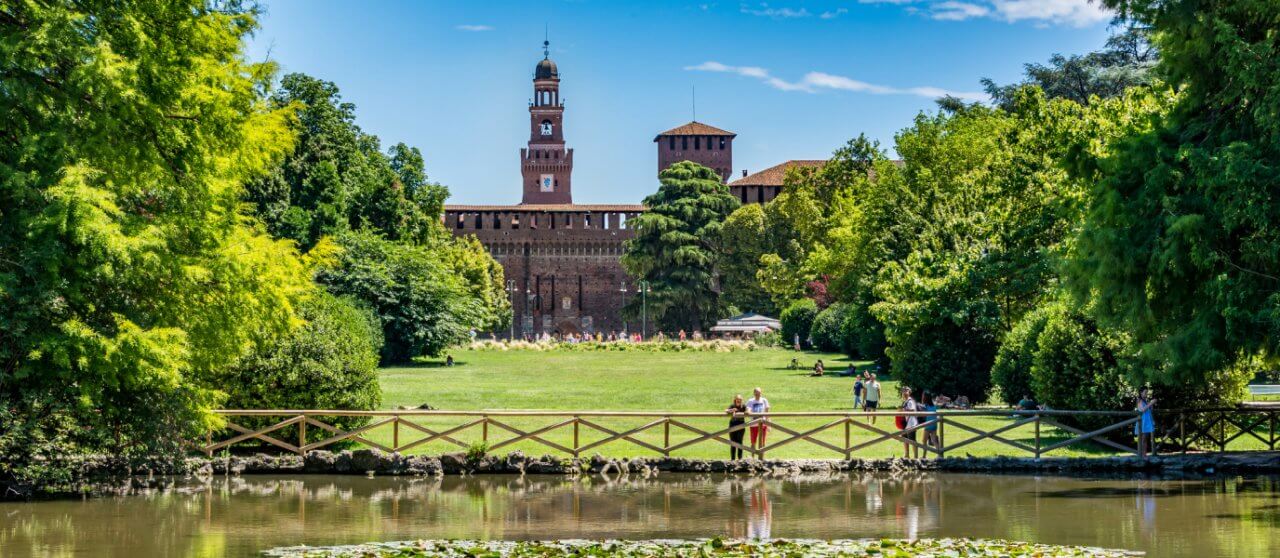
Best for: Families, history-oriented travelers, those who want proximity to green space.
The area around Castello Sforzesco and Parco Sempione is a 15-minute walk from the Duomo — close enough to be convenient, far enough to be slightly less tourist-saturated.
Hotels in this area offer good value compared to the immediate Duomo perimeter.
The Neighborhood Character
This part of Milan is a mixture of residential buildings, museums, and open public space.
Parco Sempione (95 acres) gives the area the most accessible green space of any central Milan neighborhood.
On weekends, the park fills with families, joggers, and informal football games.
The castle and park are free to enter (the internal museums charge admission — see top museums near Milan’s neighborhoods for the breakdown).
The Triennale di Milano design museum is on the park’s edge, along with the Acquario Civico.
Staying Here
Mid-range hotels in this area offer better value than the Duomo perimeter for comparable quality.
Via Dante, the pedestrian street connecting the castle to the Duomo, is a 10-minute walk east — it puts you within easy reach of everything while keeping you in a somewhat quieter part of the city.
For families specifically: the park, the castle’s free courtyard areas, the playground zones in Parco Sempione, and easy access to the Giardini Pubblici (another large park, 15 minutes east by tram) make this area more comfortable for children than the Duomo piazza area.
For parks near each Milan neighborhood in more detail, parks near each Milan neighborhood covers the full green space network.
What’s the Best Budget Neighborhood to Stay in Milan?
The best budget neighborhoods are Porta Romana (M3 Porta Romana), Lambrate (M2 Lambrate), and Città Studi (M2 Piola or Lambrate).
All three have good metro access to the center, lower accommodation prices, and enough local restaurant and café infrastructure to make daily life comfortable.
A realistic comparison of accommodation price ranges (mid-range baseline, per night, excluding peak event periods):
- Duomo perimeter (Centro Storico): Budget options scarce; mid-range from ~€120–200/night; boutique and luxury options typically €250–550+
- Brera: Boutique hotels from ~€160–300/night; true budget options are limited and usually involve trading location for a hostel-style setup
- Navigli: Mid-range B&B and apartment options from ~€90–155/night; more budget-friendly than the center without sacrificing atmosphere
- Porta Romana / Lambrate / Città Studi: Budget hotels and guesthouses from ~€55–90/night; mid-range options (3-star) well below central prices at €90–130/night
Città Studi is worth noting specifically: it’s the university district, east of the center, with the highest density of budget accommodation and student-oriented restaurants with good price-to-quality ratios.
The area lacks major tourist attractions of its own, but Metro M2 connects it to the center in about 15–20 minutes.
Note that rates spike sharply during Milan Fashion Week (February/March and September/October) and the Salone del Mobile furniture fair (April), when remaining rooms can double or triple in price — booking 3–6 months ahead during these periods can save 15–25%.
Aperitivo bars in budget neighborhoods (particularly in Navigli, Porta Ticinese, and Isola) provide the best-value food in Milan — drinks of €10–15 come with a food spread that covers a meal.
The AI Trip Cost Estimator can generate a total budget estimate including accommodation, food, and transport based on your specific travel dates and preferred neighborhood.
Which Milan Neighborhoods Are Best for Families?
The Parco Sempione area, Porta Venezia, and the Naviglio Grande district work best for families.
All three combine access to parks or green space, manageable street-level traffic (for walking with children), and accommodation at various price points.
Family-Specific Considerations by Neighborhood
Parco Sempione area (near Castello Sforzesco):
- 95-acre park directly accessible from the area
- Castle courtyard free for children to roam
- Acquario Civico in the park
- Less traffic congestion than the Duomo perimeter
- Playgrounds within the park
Porta Venezia:
- Giardini Pubblici Indro Montanelli (a historic public garden with a children’s play area and the natural history museum at its edge)
- Residential streets with sidewalks appropriate for strollers
- Local café and restaurant culture with family-appropriate hours
- Metro M1 access (Porta Venezia stop)
Navigli:
- Canal towpaths are good for walking and cycling with children
- Less traffic than the center
- Lower accommodation prices
- Evening atmosphere family-friendly until around 9 PM; adult-only after that
General family considerations for Milan:
- Many historic streets have cobblestone paving (sampietrini) that makes strolling difficult
- The Duomo piazza area is heavily trafficked — not suitable for young children roaming freely
- July and August heat is a challenge for young children — prioritize accommodation with air conditioning
- Milan’s churches require covered shoulders and knees, which applies to children too
For a custom family itinerary combining neighborhood base, park access, and age-appropriate activities, the AI Family Travel Planner generates suggestions based on children’s ages and interests.
Seasonal Considerations: How Neighborhoods Feel at Different Times of Year
Milan’s neighborhoods shift considerably by season.
A neighborhood that’s excellent in October can be challenging in August.
Spring (March–May)
Spring is the best overall season for any neighborhood.
The aperitivo culture of Navigli and Isola reaches its most pleasant form — warm enough for outdoor seating, not yet hot.
Brera’s cobblestone streets are most appealing in dry spring weather.
Design Week in April (mid-month) causes hotel prices to spike city-wide but particularly affects Porta Nuova, Lambrate, Tortona, and Brera.
Summer (June–August)
June is still excellent.
July is hot; the Navigli and Isola neighborhoods, with their evening canal culture and outdoor dining, handle summer heat better than the stone-paved centro storico.
August is the month when many Milanese leave the city — neighborhoods lose their local character significantly in August, particularly Isola and Porta Romana where local restaurants close for 2–4 weeks.
Autumn (September–November)
September through October is the second-best season, comparable to spring.
Fashion Week (mid-September) affects hotel pricing most in the Quadrilatero/Brera area.
The Navigli canal’s autumn atmosphere — cooler, with fewer tourists than summer — is particularly good.
Winter (December–February)
December brings Christmas programming to the centro storico (Duomo market, the Sforza Castle area markets) and La Scala season opening.
January and February are the quietest and cheapest months.
Fog affects Navigli’s photographic appeal (but also creates atmospheric canal scenes).
Fashion Week in late February causes another hotel price spike.
For how timing affects what you can do in the city alongside neighborhood choice, best time to visit Milan covers the full seasonal guide.
Safety by Neighborhood in Milan
Milan is a low-crime city by major European standards.
No central neighborhood is genuinely unsafe for tourists by day or evening.
Practical notes:
- Pickpocketing is the main concern, particularly on metro lines M1 and M3 during rush hour, and around the Duomo piazza
- All neighborhoods listed in this guide are safe to walk in at night, including alone
- The Navigli area has lively late-night street activity — keep bags secure in crowds after midnight
- Central Milan streets are well-lit; areas further from tourist zones (outer Lambrate, far Porta Romana) are also lit but emptier late at night
Emergency contacts:
- General emergency: 112
- Police (Carabinieri): 112
- Medical emergency: 118
- Tourist assistance (YesMilano / InfoMilano, Piazza Duomo 14): 02 88455555 — open Mon–Fri 9am–7pm, Sat–Sun 10am–1pm
- ATM transport helpline: 02 48 607 607 — daily 7:30am–7:30pm, also in English
Day Trips and Neighborhood as Base
Several Milan neighborhoods make better bases for day trips than others.
If you’re planning regular departures by train, staying near Milano Centrale (directly accessible from the Centrale area hotels or via metro from most neighborhoods) gives you the most flexibility.
The Centrale area itself is a perfectly adequate base for a trip focused on day trips — functional rather than atmospheric, but extremely well-connected.
For day trips by rail — Lake Como, Bergamo, Pavia, Franciacorta — day trips from Milan covers transport, timing, and what to do at each destination.
How to Get to Milan

| From | Train | Bus | Flight | Ferry | Book |
|---|---|---|---|---|---|
| Rome IT | $27.99 3h 10min | $6.99 7h 45min | $59.41 1h 10min | — | Check Fares → |
| Paris FR | $92.50 6h 49min | $56.18 12h | $45.40 1h 25min | — | Check Fares → |
| Florence IT | $25.64 1h 44min | $9.33 3h 15min | $183.33 5h 45min | — | Check Fares → |
| Venice IT | $24.12 3h 3min | $8.16 3h 30min | $192.48 5h 55min | — | Check Fares → |
| Zurich CH | $85.48 3h 17min | $17.56 3h 35min | $151.21 55min | — | Check Fares → |
| Napoli IT | $35.01 5h | $10.50 9h | $35.90 1h 20min | — | Check Fares → |
| Nice FR | $20.96 3h 45min | $25.75 4h 20min | $104.80 1h 5min | — | Check Fares → |
| Barcelona ES | $284.54 13h 42min | $56.56 13h 20min | $35.64 1h 35min | $78.10 22h | Check Fares → |
| Geneva CH | $106.56 4h 23min | $25.75 4h 35min | $144.61 1h 5min | — | Check Fares → |
| Genova IT | $15.34 1h 33min | $5.82 1h 45min | — | — | Check Fares → |
Prices shown are starting fares and may vary. Book via Omio to compare all available options.
Frequently Asked Questions (FAQs)
It’s the most convenient for first-time visitors who want to walk to major landmarks, but it’s not the best value or the most interesting neighborhood experience.
Brera is 10 minutes’ walk away, less expensive for comparable accommodation quality, and has more day-to-day character.
Most experienced travelers recommend Brera or the Castello Sforzesco area over the immediate Duomo perimeter.
The core neighborhoods — Centro Storico, Brera, Castello Sforzesco area, Porta Nuova — are all within a 20–25 minute walk of each other.
Navigli is 25–30 minutes from the center on foot, or 15 minutes by tram.
Isola is 15 minutes from the Duomo via metro.
Porta Romana is 20 minutes by metro.
No neighborhood requires a taxi or significant transport budget to reach the center.
Navigli is best known for the canal, the aperitivo bars, nightlife, and a slightly rougher-edged atmosphere.
Brera is a more refined neighborhood — galleries, trattorias, antique shops, and a quieter evening pace.
Both are genuinely characterful.
Navigli has more energy; Brera has more depth for daytime exploration.

A lifestyle and OOTD blogger, Kannaya Nareswari enjoys the small pleasures of cooking, traveling, and documenting ordinary events. She uses genuine storytelling to communicate her love of fashion, culinary explorations, and wanderlust. She is based between Bali and Bandung. She enjoys enjoying coffee at a secret café or experimenting with recipes in the kitchen when she's not traveling to new places or styling her most recent ensemble.