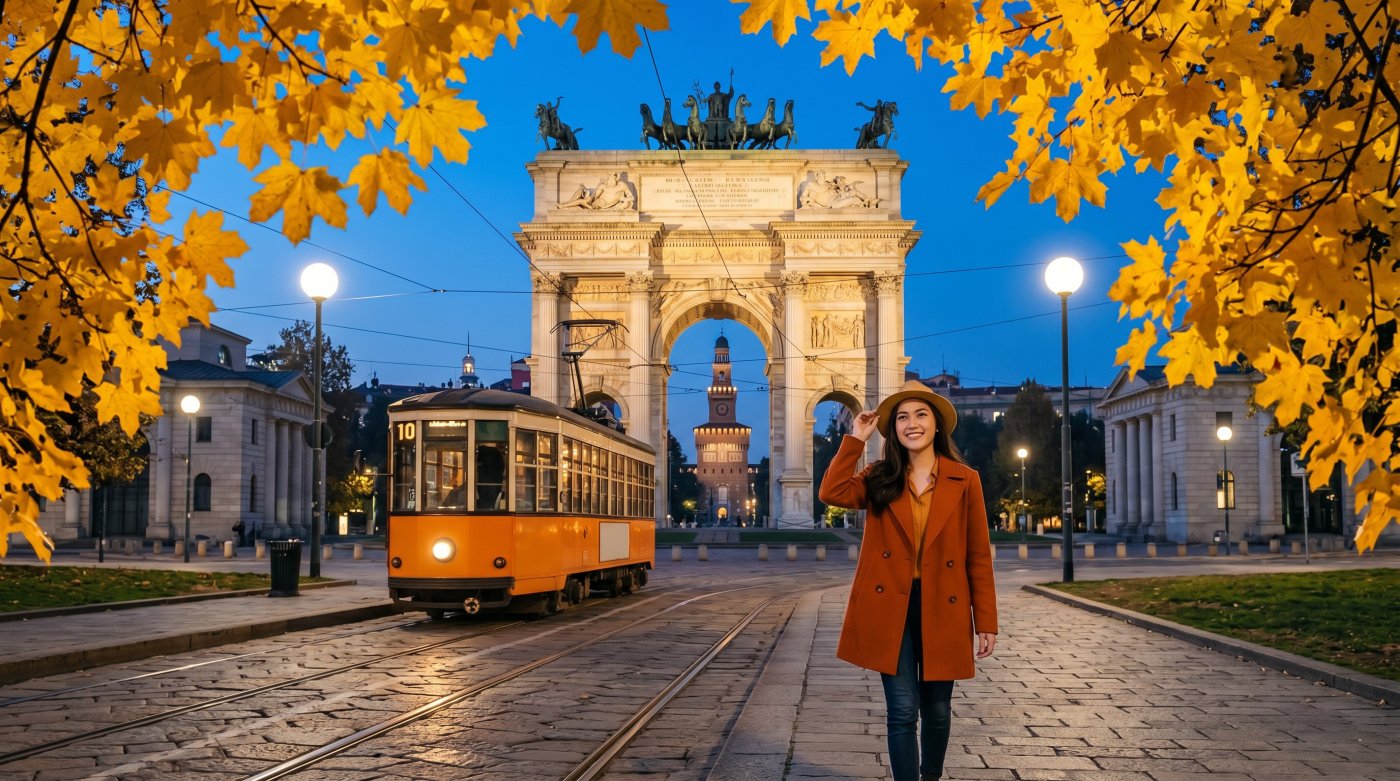



Best Time To Visit Milan: Month-by-Month Guide – Milan has no bad season — just different trade-offs.
What matters is matching your priorities to the city’s rhythm.
Timing a Milan trip well makes a noticeable difference.
Fashion events, seasonal crowds, museum queues, outdoor temperatures, and hotel prices all shift significantly month to month.
Once you’ve settled on your travel window, best things to do in Milan has the full guide to what’s worth your time on the ground.
This guide covers all four seasons honestly — including the trade-offs that most travel sites skip.
Key Highlights
- Spring (late March to May) offers the best balance of mild weather, manageable crowds, and strong cultural programming.
- Early autumn (September and October) delivers similar weather benefits plus the women's Fashion Week in September.
- Summer (June through August) is hot, expensive during July, and significantly quieter in August when locals leave.
- Winter (December through February) is cold and foggy but genuinely affordable, with shorter museum queues and the full La Scala season in progress.
- Rainfall peaks in autumn; spring and autumn offer the most reliable conditions for outdoor sightseeing.
When Is the Best Time to Visit Milan?
The best time to visit Milan is late March through May or September through early November.
Both windows offer mild temperatures between 15°C and 22°C (59°F to 72°F), manageable tourist crowds, and strong cultural calendars.
Spring has the additional draw of Design Week in April.
Autumn has the women’s Fashion Week in September and better light for photography.
If budget is the priority, January and February are the cheapest months — hotel rates drop significantly and museum queues are short.
If avoiding crowds matters most, early November is the calmest period with acceptable weather.
The least favorable times are mid-July through August (extreme heat, partial city closure) and the peak Fashion Week weeks (late February, mid-September), when hotels in the center become expensive and difficult to book without advance planning.
Understanding Milan’s Climate: Temperature, Rainfall, and Fog
Milan has a continental climate, characterized by hot summers, cold winters, and two rainfall peaks in spring and autumn.
The city is situated in the Po Valley, a natural basin that traps both heat in summer and cold air in winter, and produces fog — sometimes thick — in late autumn and January.
Monthly Temperature Range and Seasonal Variation
A practical summary of what to expect by month:
| Month | Average High | Average Low | Notes |
|---|---|---|---|
| January | 6°C / 43°F | -1°C / 30°F | Coldest month; occasional snow |
| February | 9°C / 48°F | 0°C / 32°F | Fashion Week; cold but clear days |
| March | 14°C / 57°F | 4°C / 39°F | Warming; early spring |
| April | 17°C / 63°F | 7°C / 45°F | Peak spring; Design Week |
| May | 22°C / 72°F | 12°C / 54°F | Warm; increasing tourist numbers |
| June | 26°C / 79°F | 15°C / 59°F | Early summer; longer days |
| July | 29°C / 84°F | 18°C / 64°F | Peak summer heat; peak tourist crowds |
| August | 29°C / 84°F | 18°C / 64°F | Hot and humid; many local businesses closed |
| September | 24°C / 75°F | 14°C / 57°F | Comfortable; Fashion Week mid-month |
| October | 18°C / 64°F | 9°C / 48°F | Cool and pleasant |
| November | 11°C / 52°F | 4°C / 39°F | Cool; fog season begins |
| December | 6°C / 43°F | 0°C / 32°F | Cold; Christmas markets; La Scala opens |
Rainfall Distribution and Fog Season
Milan receives approximately 1,000 mm of rain annually, with two distinct peaks.
Spring (April–May) and autumn (September–October) see the heaviest rainfall.
Summer afternoons can bring short, intense thunderstorms.
Winter rain is lighter but combined with cold temperatures.
Fog is a genuine atmospheric feature of Milan from late October through January.
Dense fog is most common in December and January, when the Po Valley inversion traps cold air near the surface.
Visibility can drop to 50–100 meters on the worst days.
It creates atmospheric conditions for photography of the Duomo and Navigli canals, but it can delay train and flight connections.
Air Quality and Urban Heat Considerations
Milan’s air quality is affected by its Po Valley location, which limits dispersion of vehicle and industrial emissions.
The worst pollution days occur in winter (calm, cold conditions trap particulates) and during summer heat events.
If air quality is a concern for you, check current AQI readings before your trip, particularly for visits in December–February.
The urban heat island effect makes central Milan 3–5°C warmer than the surrounding countryside in summer.
July highs can feel significantly hotter than the stated averages due to heat radiating from paving and buildings.
The city’s park network and canal paths provide some relief.
Spring in Milan: March Through May
Spring is the most broadly reliable season for visiting Milan.
Temperatures are comfortable for walking, cultural events are plentiful, and the city hasn’t yet reached summer crowd levels.
Late March through April is particularly attractive for the combination of manageable weather and two of the city’s major design events.
April in Milan: Fashion Week, Design Week, and Easter
April is the busiest month in Milan’s cultural calendar.
The Salone del Mobile (International Furniture Fair) runs for one week, typically in late April — the 2026 edition ran from April 21–26 — drawing approximately 300,000 to 400,000 trade and public visitors to the fairgrounds at Rho-Fiera.
The parallel Fuorisalone — hundreds of design events, installations, and open studios spread across the city — is largely free to attend and animates every neighborhood, particularly Brera, Tortona, and Isola.
Easter Sunday falls in March or April depending on the year — in 2026, it fell on April 5.
The Duomo’s Easter Sunday mass is one of Milan’s most significant religious events.
The city is busy around Easter but not at summer levels.
Women’s Spring/Summer Fashion Week runs in late February or early March — not April — so be aware that “spring fashion events” actually means late winter timing.
What Makes Spring Milan’s Most Popular Season
The temperature range of 15–20°C (59–68°F) from mid-April through May is well-suited to walking tours, canal-side meals, and outdoor sightseeing without heat management concerns.
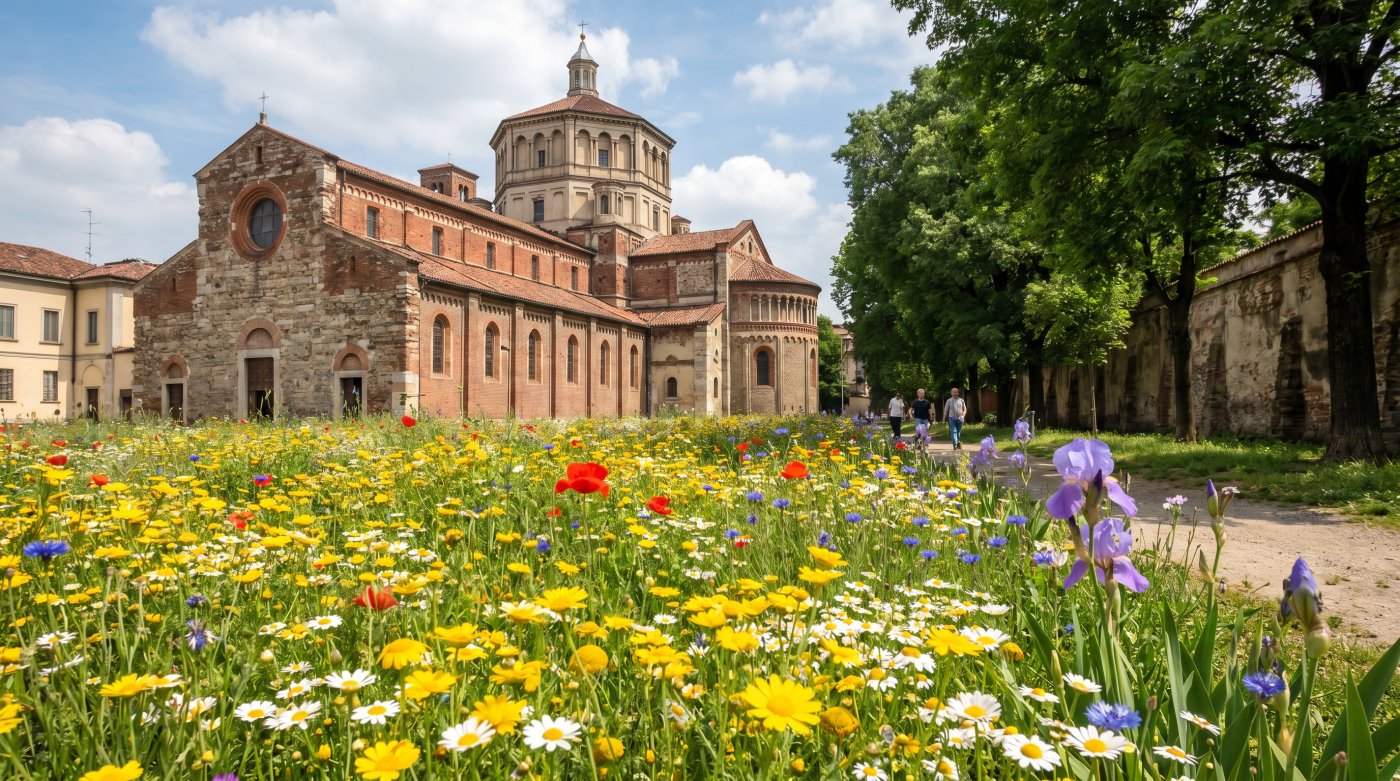
The best parks and gardens in Milan are at their best in April and May, when Parco Sempione’s lawns fill with Milanese families on weekends and the Giardini della Guastalla shows its ornamental flowerbeds at full bloom.
One practical note: April is also Milan’s rainiest month alongside November.
Carry a compact umbrella and don’t assume dry days.
March Through May: Conditions and Recommendations
- March: Still cool (average highs 10–14°C), but increasingly usable for outdoor activities. Good for budget travelers: crowds are lower and hotel prices haven’t peaked.
- April: Design Week (typically third week) means hotel prices spike during that specific week. Book at least 6–8 weeks in advance if visiting during Salone del Mobile.
- May: Warmest spring month; higher tourist numbers; prices increase. Still preferable to June–August for comfort.
Summer in Milan: June Through August
Summer in Milan ranges from pleasant (June) to demanding (July) to unusual (August).
Understanding the differences between these three months helps set realistic expectations.
June: The Best Summer Month
June offers the best conditions of the three summer months.
Temperatures average 24–27°C (75–81°F) during the day, evenings are warm enough for canal-side dining, and daylight extends past 9 PM.
Crowds are present but below July peaks.
Hotel prices are moderate relative to the month’s quality.
The aperitivo culture reaches its most enjoyable in June: warm enough to sit outside, not so hot that midday sightseeing feels unpleasant.
July: Heat Management Required
July is the hottest month, with regular temperatures above 30°C (86°F) and occasional heat waves pushing into the mid-30s.
Outdoor sightseeing between noon and 4 PM is uncomfortable.
Early morning starts (museums often open at 9 AM), extended lunch breaks in air-conditioned spaces, and evening activity are the practical approach.
The Duomo rooftop, outdoor walking tours, and canal-side exploration are best done before 10 AM or after 6 PM in July.
Practical heat management: carry water, wear natural-fiber clothing (linen or cotton rather than synthetics), and note that most Milan museums, galleries, and shopping centers are air-conditioned.
The Bosco Verticale area and Biblioteca degli Alberi park have more shade than most central Milan streets.
Is August Worth Visiting Milan?
Milan in August is a genuine mixed experience: lower hotel prices and quieter streets, but many neighborhood restaurants, boutiques, and local businesses close for 2–4 weeks as Milanese residents take their summer holiday.
Major museums, the Duomo, La Scala museum, and tourist-facing businesses remain open.
The street-level local character of neighborhoods like Navigli and Isola diminishes noticeably.
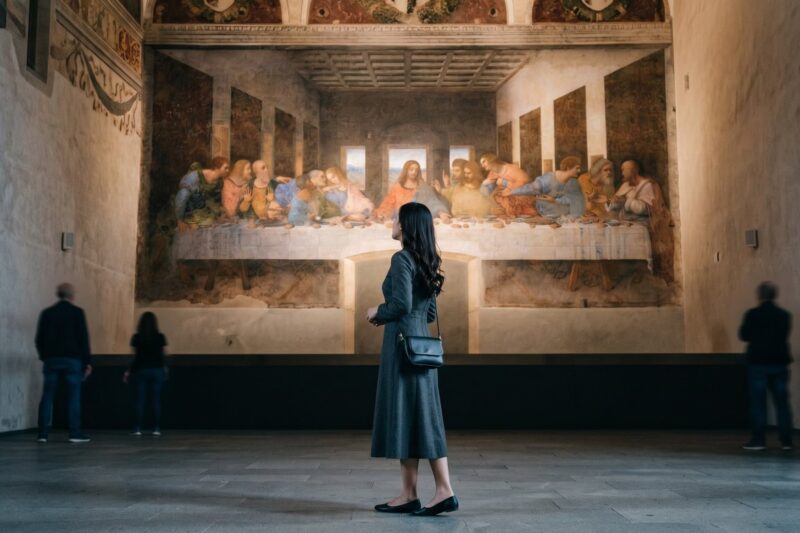
If you specifically want to visit the major tourist landmarks — Duomo, Pinacoteca di Brera, Last Supper, Sforza Castle — August is actually a reasonable window because Italian visitors are largely absent.
International tourist numbers are still high, but the queues at specific sites aren’t notably worse than July.
For those who want the authentic restaurant culture, aperitivo bar scene, and local neighborhood life, August works against you.
A two-week window typically starts reopening around August 25–28.
Recommendation: If August is your only option, book major museum and restaurant reservations well in advance.
Avoid building your itinerary around specific neighborhood restaurants without confirming they’re open.
Autumn in Milan: September Through November
Autumn brings a gradual return to comfortable temperatures and one of the city’s most significant annual events.
September and early October are the closest rivals to spring for overall visit quality.
September: Temperature Relief and Fashion Week
September averages 22–25°C (72–77°F) in the first two weeks, dropping slightly in the final week.
The city re-energizes after August, with restaurants and local businesses reopening and the streets regaining their usual character.
Women’s Fashion Week (Spring/Summer collections) runs for approximately one week in late September — the 2026 edition is scheduled for September 22–28.
This is the most high-profile fashion event of the year, drawing the international fashion press and industry.
Hotels in the Quadrilatero and Brera districts book out quickly — plan at minimum 8–10 weeks in advance if visiting during this window.
For the broader public, the fashion events themselves are trade-only, but the city’s energy during Fashion Week has its own appeal.
Street style photography around Palazzo Dugnani and the Quadrilatero is at its peak.
October: Peak Autumn Conditions
October is Milan at its most photogenic.
Temperatures settle between 14–18°C (57–64°F), autumn color appears in Parco Sempione and Giardini Pubblici, and the cultural season shifts fully into gear.
La Scala’s season is running, major museum exhibitions open, and the summer crowds have thinned.
October is also the beginning of the contemporary art season: MiArt (art fair) runs in spring, but several major galleries hold autumn openings.
At Fondazione Prada, the site-specific installation The Island by Hito Steyerl runs through October 30, 2026, while the major research exhibition Global Antiquity opens on November 5 — making late October the last chance to catch one before the next begins.
At Pirelli HangarBicocca, the solo exhibition by Aki Sasamoto opens September 17 and runs through January 2027, with Luciano Fabro‘s retrospective opening on October 8 in the Navate space.
Check current programming from Triennale di Milano for additional autumn exhibition schedules.
November: Affordable and Increasingly Quiet
November temperatures range from 7–11°C (45–52°F) with increasing rainfall and the start of fog season.
Tourist numbers drop to their lowest point of the year outside winter.
The practical benefits: museums are uncrowded, restaurant tables are available without booking, and hotel prices are at year-round lows.
For travelers who prefer minimal crowds and don’t mind layered clothing, November is underrated.
The Castello Sforzesco area Christmas market and the first hints of holiday programming begin in late November, leading into the December season.
Winter in Milan: December Through February
Winter in Milan is genuinely cold: temperatures from -1°C to 7°C (30–45°F) throughout December, January, and February, with occasional snow and regular fog.
The season is not ideal for extended outdoor sightseeing, but it has real advantages that make it worth considering for the right traveler.
December: Festive Season and La Scala Opening Night
December 7 is Sant’Ambrogio Day — Milan’s patron saint’s feast and a public holiday.
It marks the traditional opening night of La Scala’s season, the most prestigious evening in Milan’s cultural calendar.
The Oh Bej Oh Bej market around Sforza Castle runs for several days around this date, with stalls selling handcrafted goods, seasonal food, and regional products.
Christmas markets operate in several locations throughout December, including Piazza del Duomo and Piazza Gae Aulenti.
Hotel prices are elevated in the final two weeks of December (Christmas and New Year) and drop sharply from January 7 onwards.
January: Quiet, Cold, and Genuinely Affordable
January is the quietest month in Milan.
Post-holiday, the city settles into its working rhythm.
Museum queues are minimal — visiting the Pinacoteca di Brera or the Leonardo da Vinci Science Museum without waiting is possible on weekday mornings.
Hotel rates in January can be 40–60% lower than April or September.
Budget-oriented travelers willing to manage cold weather often find January the best value month of the year.
Fog is at its densest in January.
It rarely disrupts ground transportation significantly, but early morning airport departures can face delays.
How to Get to Milan

| From | Train | Bus | Flight | Ferry | Book |
|---|---|---|---|---|---|
| Rome IT | $27.99 3h 10min | $6.99 7h 45min | $59.41 1h 10min | — | Check Fares → |
| Paris FR | $92.50 6h 49min | $56.18 12h | $45.40 1h 25min | — | Check Fares → |
| Florence IT | $25.64 1h 44min | $9.33 3h 15min | $183.33 5h 45min | — | Check Fares → |
| Venice IT | $24.12 3h 3min | $8.16 3h 30min | $192.48 5h 55min | — | Check Fares → |
| Zurich CH | $85.48 3h 17min | $17.56 3h 35min | $151.21 55min | — | Check Fares → |
| Napoli IT | $35.01 5h | $10.50 9h | $35.90 1h 20min | — | Check Fares → |
| Nice FR | $20.96 3h 45min | $25.75 4h 20min | $104.80 1h 5min | — | Check Fares → |
| Barcelona ES | $284.54 13h 42min | $56.56 13h 20min | $35.64 1h 35min | $78.10 22h | Check Fares → |
| Geneva CH | $106.56 4h 23min | $25.75 4h 35min | $144.61 1h 5min | — | Check Fares → |
| Genova IT | $15.34 1h 33min | $5.82 1h 45min | — | — | Check Fares → |
Prices shown are starting fares and may vary. Book via Omio to compare all available options.
February: Fashion Week and Winter Sales
February’s headline event is Women’s Autumn/Winter Fashion Week, which in 2026 ran from February 24 to March 2 — spilling into the first days of March as it typically does.
Note that Men’s Fashion Week runs separately in mid-January (the 2026 edition was January 16–20), not in February, so the two are distinct events on the calendar.
Both fashion weeks are trade events, but the city becomes notably busier around Women’s Fashion Week and hotels in fashion-adjacent neighborhoods book out fast.
Saldi (winter sales) run from early January through late February across most retail.
The Quadrilatero’s flagship stores discount previous-season stock, and Corso Buenos Aires shifts into full promotional mode.
For shoppers, this is the most favorable window of the year for luxury and fashion purchases.
Is Milan Worth Visiting During Fashion Week?
Milan Fashion Week is worth experiencing even as a general traveler, but only if you book accommodation 6–10 weeks in advance and accept higher hotel prices.
The shows themselves require industry invitations.
The street-level experience — elevated fashion on every corner, showroom events, pop-up installations, and a city running at full creative energy — is interesting in its own right.
For travelers who want the full experience of Milan Fashion Week activities and sights, the pillar guide at best things to do in Milan covers the public events, satellite programming, and what’s accessible without credentials.
Practical considerations for Fashion Week timing:
- Hotel prices in the Quadrilatero, Brera, and Porta Nuova areas increase 30–80% during Fashion Week weeks
- Side streets 15–20 minutes’ walk from the center are less affected and often have better value accommodation
- Restaurants near fashion venues need reservations; those in residential neighborhoods like Isola and Porta Romana remain walkable
- The Salone del Mobile (April) draws even larger crowds than Fashion Week but is broader in its public programming
If choosing between Fashion Week and the Salone del Mobile for a design-interested visit, Salone del Mobile’s Fuorisalone events offer significantly more public access.
What Is the Cheapest Time to Visit Milan?
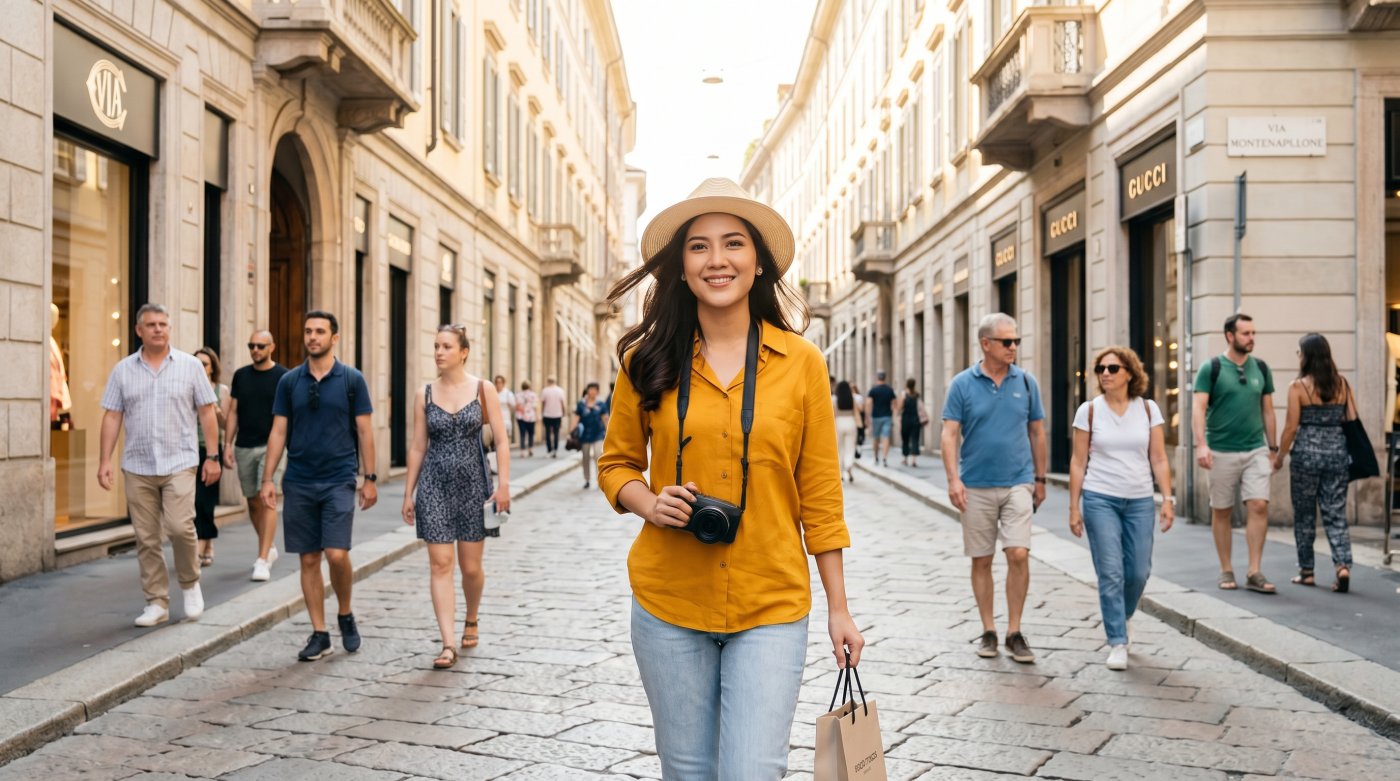
The cheapest months to visit Milan are January, February (excluding Fashion Week weeks), and November.
Hotel rates in January and early February are typically 40–50% below April and September peaks.
Flights from European cities often reflect similar patterns, though budget airline pricing varies independently.
A practical budget comparison:
- January–early February: Lowest hotel rates, lowest museum crowds, winter sales in full swing
- November: Low hotel rates, quiet museums, mild early-autumn weather still possible in early November
- Late February: Fashion Week weeks reverse the January savings — avoid these specific 10–14 days if budget is the main concern
- August: Hotels are cheaper than July, but many neighborhood options close
For detailed budget planning by travel dates and accommodation type, the AI Trip Cost Estimator generates a personalized breakdown including flights, accommodation, meals, and museum entry based on your specific dates.
Use our free AI tool to help you find cheapest things to do in Milan during seasons of your choice.
Off-Season Hotel Rates and Accommodation Savings
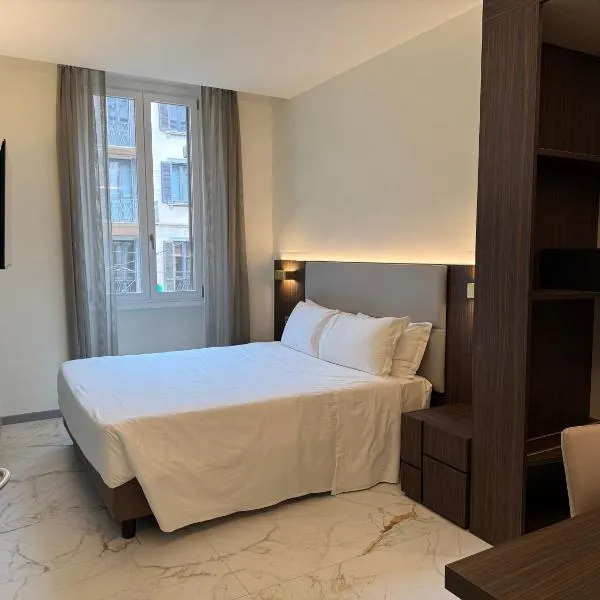
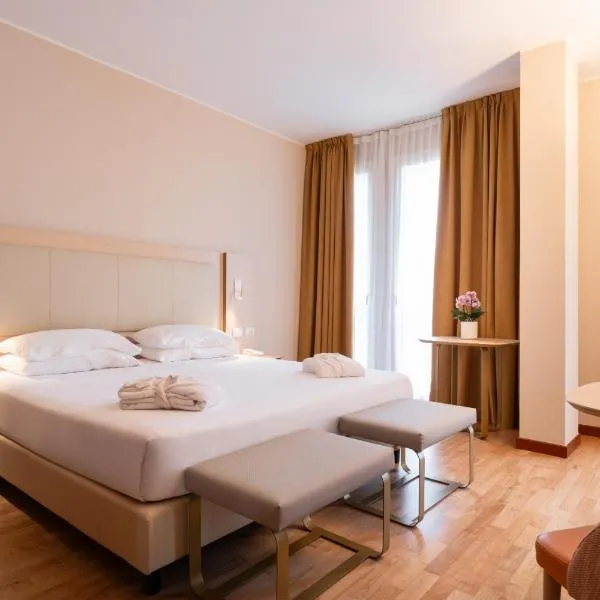
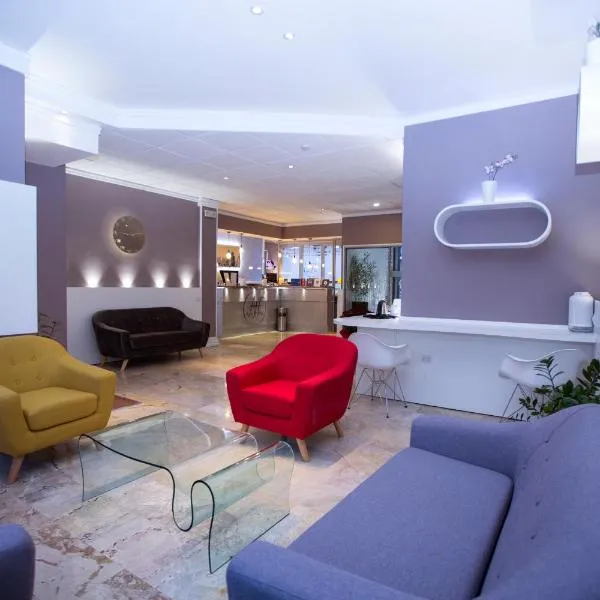
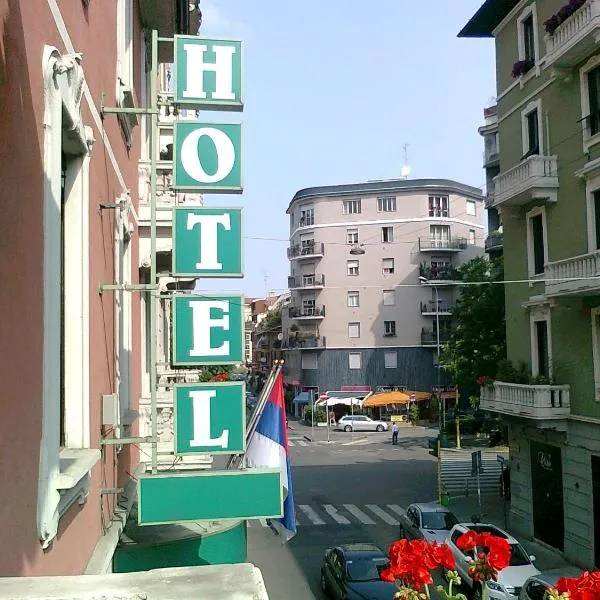
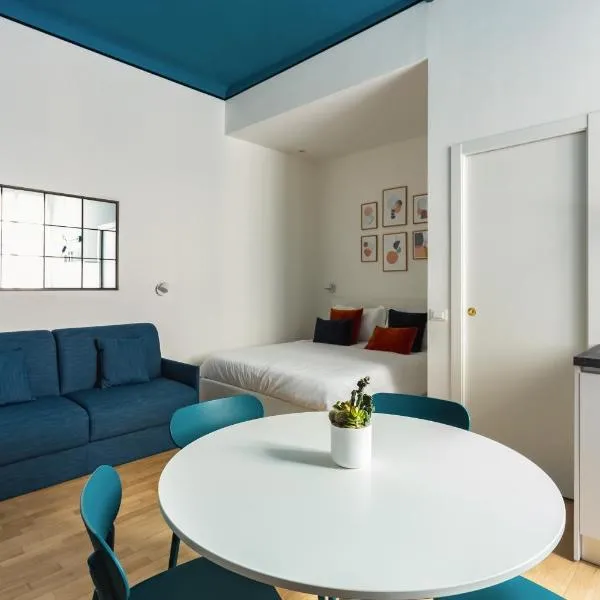
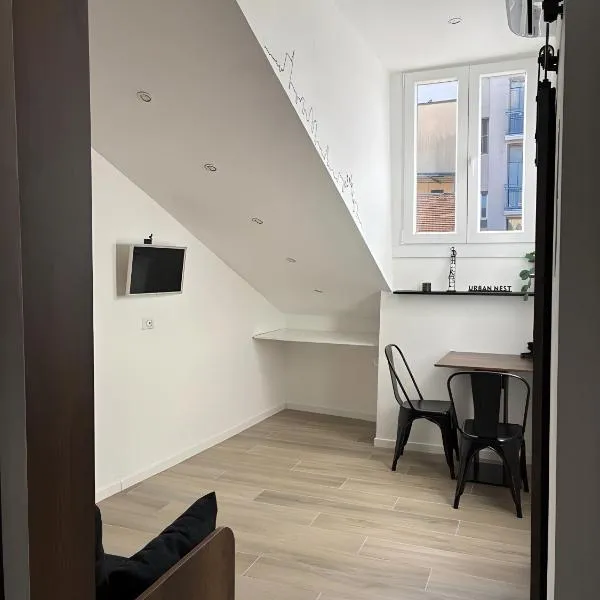
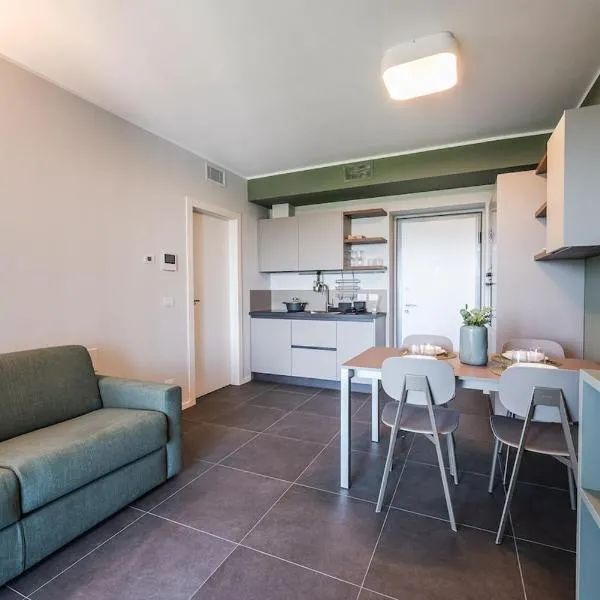
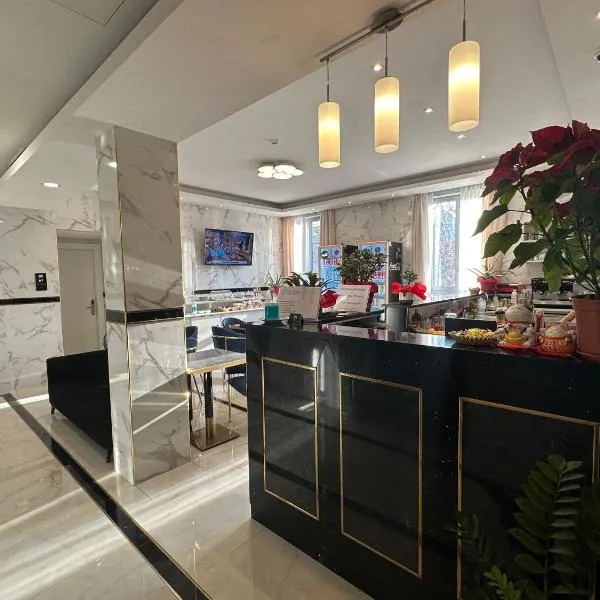
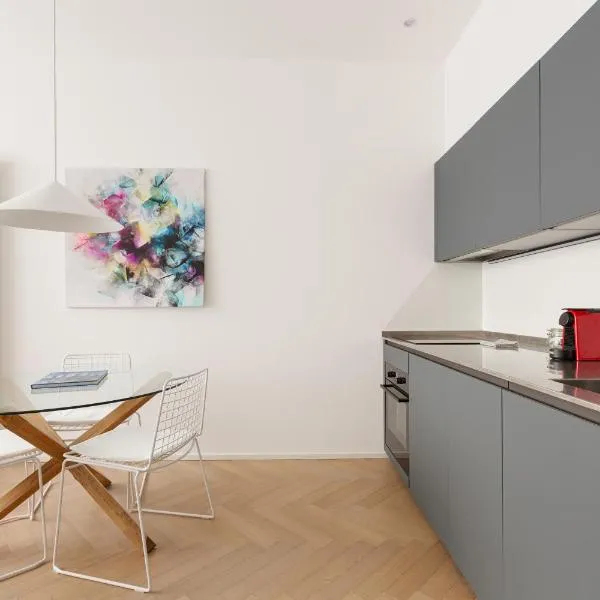
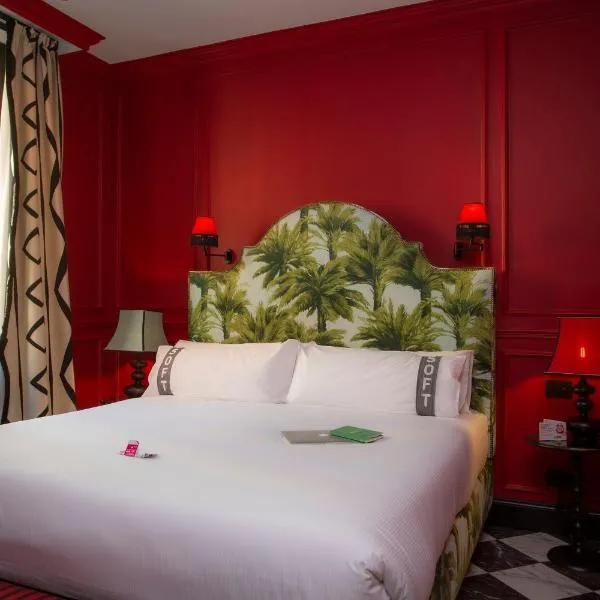
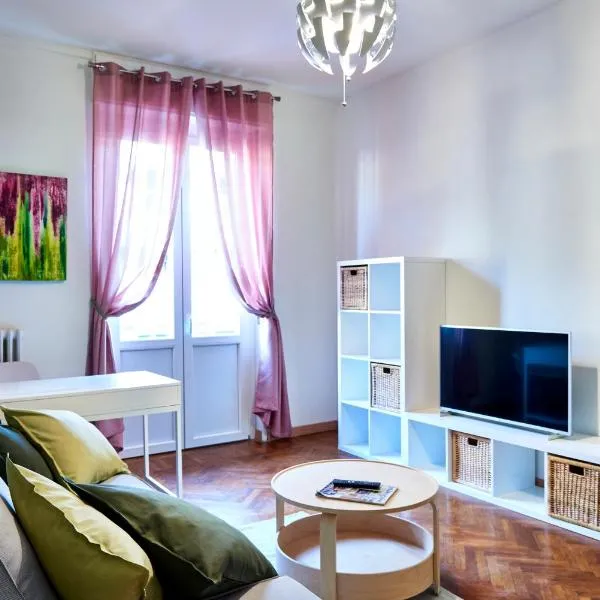
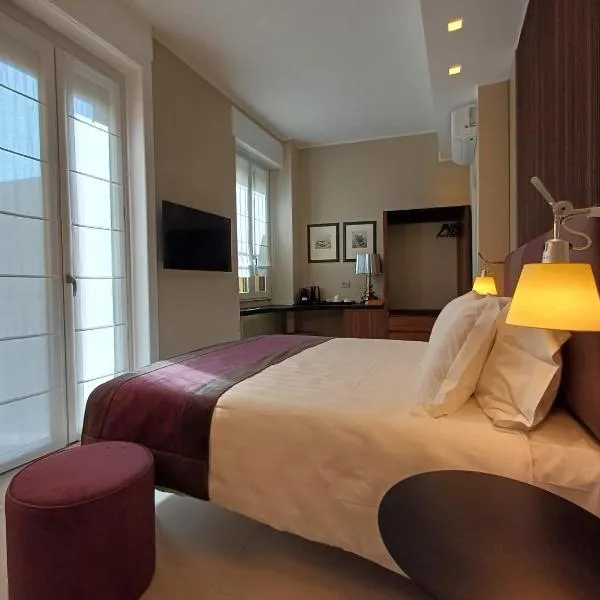
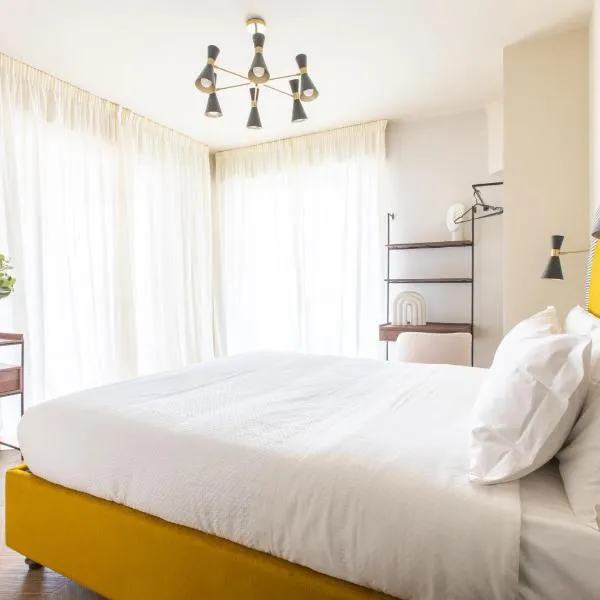
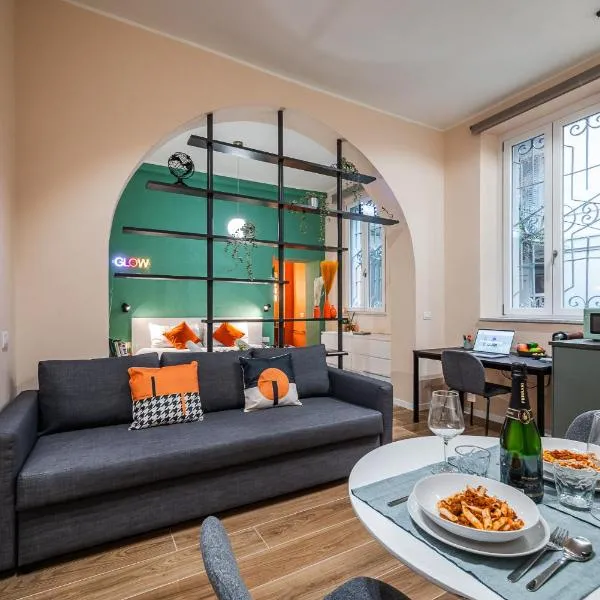
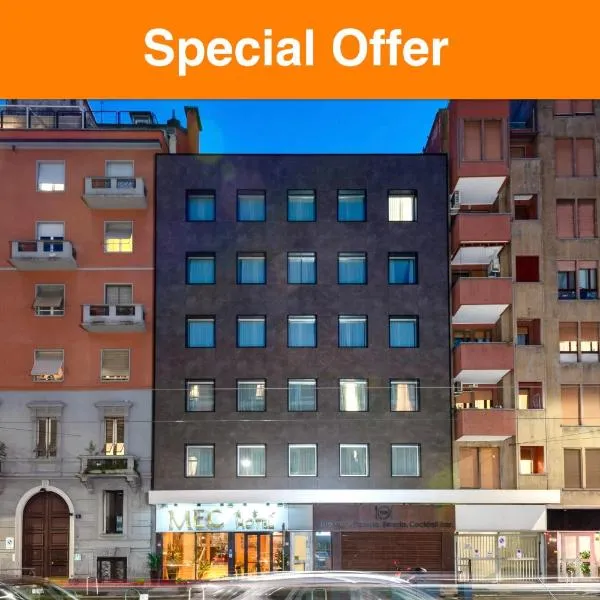
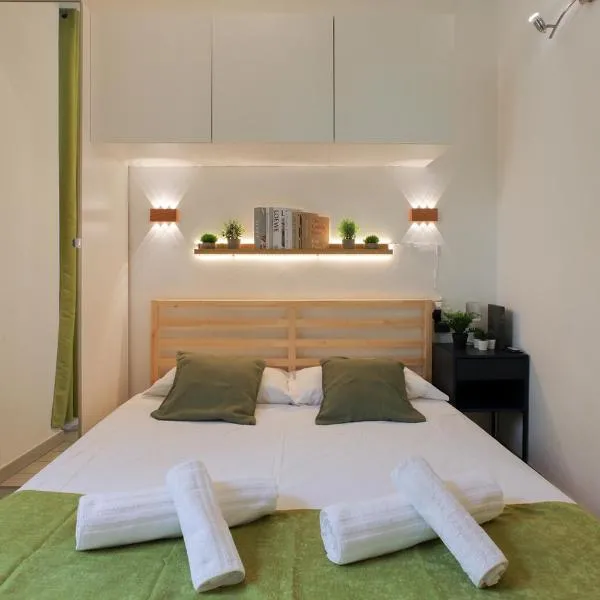
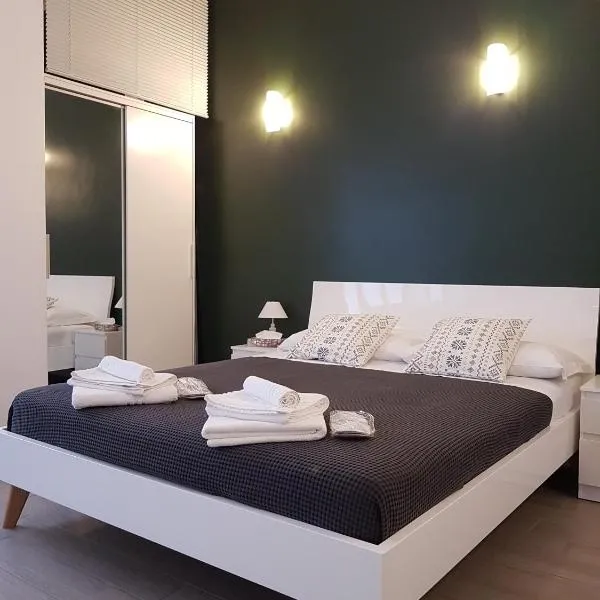
Budget hotels (3-star, city center) in January typically run €70–100 per night, compared to €150–250+ during peak weeks like April Design Week and September Fashion Week — and those figures can spike dramatically higher if you wait too long to book.
The gap widens further for luxury properties.
Booking 6–8 weeks ahead for shoulder season (March, October, November) captures the best combination of good weather and moderate pricing.
Booking the same interval before peak events (April Design Week, September Fashion Week) gives you access but not significant savings — for those weeks, earlier booking means more options, not necessarily lower prices.

Budget Travel Strategy by Season
- Flights: Mid-week departures (Tuesday–Wednesday) consistently return lower prices than weekends regardless of season
- Museums: Plan visits around first-Sunday free days to reduce admission costs
- Meals: Aperitivo bars (6–9 PM) provide the best value eating in Milan — a drink purchase comes with a free food spread that functions as a full meal in many establishments
- Transport: The ATM weekly pass (€18.50, valid Monday to Sunday) is worthwhile for stays of 4+ days
Use our free AI trip cost estimator to help you realistically prepare the budget before traveling Milan depending on what season you want to go.
The Milan Cultural Event Calendar
Milan’s cultural programming runs year-round, with several anchoring events that are worth timing a trip around.
La Scala Opera Season and Performance Calendar
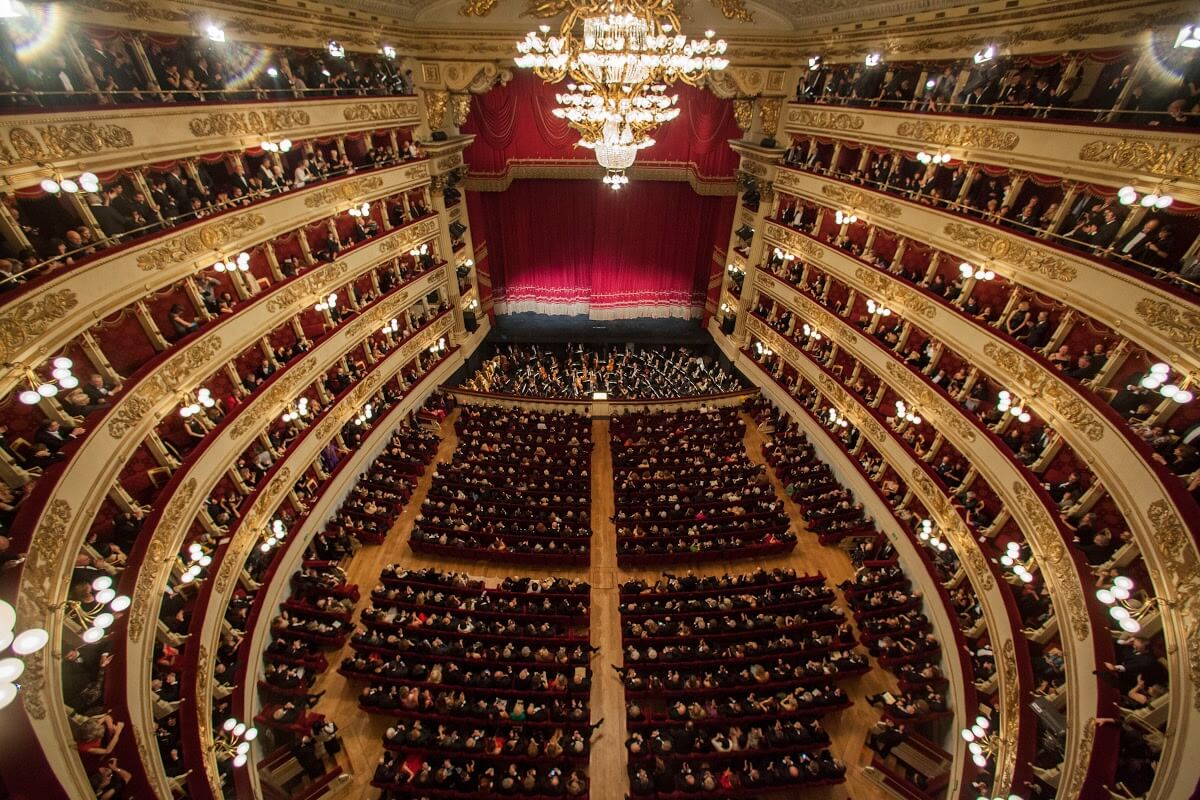
La Scala’s season opens December 7 and runs through November of the following year.
The opening night gala is one of Europe’s most prestigious cultural events.
The full season covers opera, ballet, and orchestral concerts.
Tickets for popular productions start from approximately €30–50 for upper gallery seats and climb to €200–300+ for prime stalls and boxes; opening night gala tickets are significantly higher and sell out within hours of release.
For in-demand operas and ballet evenings, booking 2–6 months in advance is the norm, with subscriptions going on sale from late September for the following season.
Tickets are sold exclusively through official Teatro alla Scala channels.
Mid-week and afternoon performances typically have better availability than Friday–Saturday evenings.
Design Week April and International Furniture Fair
The Salone del Mobile runs for six days from April 21–26 at Rho-Fiera, the exhibition center about 15km west of the city.
Trade visitors (architects, designers, retailers) can register in advance for a season ticket at €60 (online presale) or €85 on-site.
The general public is admitted on Saturday and Sunday only, with a 2-day ticket priced at €38 (online presale), €42 (online from April 18), or €53 on-site.
Students can purchase a 1-day ticket for €15 online or €20 on-site.
The Fuorisalone — hundreds of parallel events across the city — is largely open and free.
For travelers interested in design, architecture, and contemporary art, Fuorisalone week is arguably the most interesting single week of the Milan calendar.
Fashion Week Schedule: February and September
Milan hosts four Fashion Weeks per year:
- Men’s F/W (January): January 16–20, 2026 — smaller industry event presenting Fall/Winter menswear collections; less city-wide impact than the women’s weeks
- Men’s S/S (June): June 19–23, 2026 — menswear Spring/Summer collections; similarly contained footprint, concentrated around Brera and the Quadrilatero
- Women’s Autumn/Winter (February): February 24 – March 2, 2026 — high-profile runway season; city impact concentrated in Quadrilatero and Brera
- Women’s Spring/Summer (September): September 22–28, 2026 — the largest and most internationally covered Fashion Week of the year
Free Outdoor Events and Seasonal Festivals
Milan’s free event calendar — outdoor cinema, public festivals, and open-air markets — is concentrated in spring and summer.
Key recurring events include:
- Notte Bianca (White Night): Late spring or summer, when museums and galleries stay open until midnight
- Estate Sforzesca: Summer cultural programming in the Sforza Castle courtyard
- Milano Film Festival: September, free and paid outdoor screenings
- The Brera antique market (third Sunday of each month, year-round)
- The Navigli antique market (last Sunday of each month)
For a comprehensive look at free seasonal events, the free outdoor activities in Milan guide covers recurring events by month.
Sant’Ambrogio Day and Local Religious Celebrations
December 7 is a city-wide event beyond the La Scala opening.
The Oh Bej Oh Bej market, Milan’s oldest annual fair, runs around Sforza Castle for 3–4 days.
Vendors sell antiques, local food, handcrafted items, and seasonal goods.
The Duomo’s mass that morning draws large crowds.
Corpus Domini (June) brings flower-strewn street processions through the historic center.
Easter processions at major churches are worth checking for timing if you’re visiting in March or April.
What to Pack for Milan by Season
Milan is a fashion city with a practical climate that requires genuine preparation.
The following is a realistic rather than aspirational packing guide.
Spring Packing (March–May)
- Light jacket or structured blazer for evenings (temperatures drop 8–10°C after sunset)
- Compact umbrella (April is the rainiest month)
- Comfortable walking shoes appropriate for cobblestones
- One slightly warmer layer for early March evenings
The Milanese dress well for everyday life — this doesn’t mean formal, but it does mean put-together.
Shorts are unusual in central Milan outside July and August.
Summer Packing (June–August)
- Light natural fabrics: linen, cotton, jersey — synthetics hold heat and become unpleasant quickly
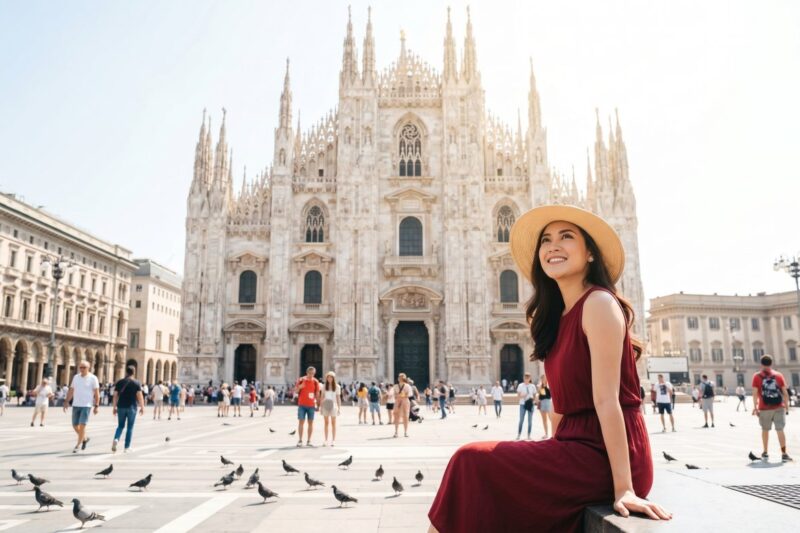
- Sun hat for Duomo rooftop and outdoor visits
- Compact fan for July visits
- A light layer for air-conditioned museums and restaurants (the temperature difference between outside and inside in July is significant)
Note on dress for religious sites: the Duomo, Sant’Ambrogio, and other churches require covered shoulders and knees regardless of temperature.
A lightweight scarf or pashmina takes up no space.
Autumn Packing (September–November)
- September: Similar to late spring; evenings cool down faster than spring
- October: Layered approach — a medium-weight jacket, sweater underneath; temperatures vary 10°C+ between morning and afternoon
- November: Proper coat, waterproof footwear, umbrella; fog doesn’t require special preparation but reduces motivation for outdoor photography
Winter Packing (December–February)
- Wool or down coat; the wind off the Po plain makes perceived temperatures colder than the thermometer suggests
- Waterproof footwear (cobblestones are slippery in frost)
- Hat, scarf, and gloves — worn seriously, not decoratively
- Thermal base layers for January
If you’re visiting in winter for La Scala or fashion events, evening dress requirements still apply.
A dressy coat over formal wear is practical and normal in Milan.
Use our free AI tool to help you what to pack to travel to Milan based on the season.
Health and Practical Considerations by Season
Visiting Milan requires seasonal awareness regarding weather, pollution, and crowds.
Spring and fall offer the most pleasant climate and air quality, while summer brings suffocating humidity and winter traps particulate matter (smog) in the Po Valley.
Air Quality
Milan’s air quality is below European average, particularly in winter.
Those with respiratory conditions should check the AQI before extended outdoor activities in December and January.
The park network provides measurably better air than central streets.
Pollen Season
Birch and grass pollen peak from late March through May.
The spring beauty of the parks comes with high pollen counts during this window.
Antihistamines are available at pharmacies (farmacia) without prescription.
Pharmacies in Milan are well-distributed — look for the green cross sign.
Summer Heat and Hydration
Tap water in Milan is safe to drink.
Public drinking fountains (fontanelle) are located throughout the historic center and parks — use them in July and August.
The city’s free water is as good as bottled; carrying a refillable bottle is practical and free.
Heat exhaustion is a risk for visitors doing extended outdoor sightseeing in July.
Symptoms include dizziness, headache, and nausea.
Prevention: drink regularly before you feel thirsty, take midday breaks indoors, and don’t underestimate the sun on the Duomo rooftop.
Winter Fog and Transport Delays
Fog primarily affects air travel and, less severely, high-speed rail connections.
Ground travel within the city is largely unaffected by fog — the Metro runs underground and trams run reliably.
If flying into or out of Malpensa or Linate in December or January, build extra time into your schedule for potential delays.
Frequently Asked Questions (FAQs)
Three to four days covers the major attractions comfortably — Duomo, Sforza Castle and Parco Sempione, Pinacoteca di Brera, a half-day in Navigli, and the major fashion shopping streets.
Five to six days adds the Leonardo da Vinci Science Museum, the art galleries at Fondazione Prada, and a day trip.
For a personalized recommendation based on your specific interests, the AI Best Time To Visit Planner combines seasonality advice with visit-length guidance.
The answer depends on your priorities — nightlife, fashion, budget, family, or proximity to train connections.
For a full breakdown of where to stay and what each area offers day-to-day, the best neighborhoods to stay in Milan guide covers every major district with honest assessments.
If you’re based elsewhere in northern Italy — Lake Como, Verona, or the Cinque Terre — Milan works as a full-day excursion.
High-speed trains connect Milan to Venice in about 2.5 hours and to Florence in about 1.75 hours.
For the reverse — day trips from Milan — the day trips from Milan by season guide covers Lake Como, Bergamo, Franciacorta, and the Alpine options with practical seasonal timing.
A lifestyle and OOTD blogger, Kannaya Nareswari enjoys the small pleasures of cooking, traveling, and documenting ordinary events. She uses genuine storytelling to communicate her love of fashion, culinary explorations, and wanderlust. She is based between Bali and Bandung. She enjoys enjoying coffee at a secret café or experimenting with recipes in the kitchen when she's not traveling to new places or styling her most recent ensemble.